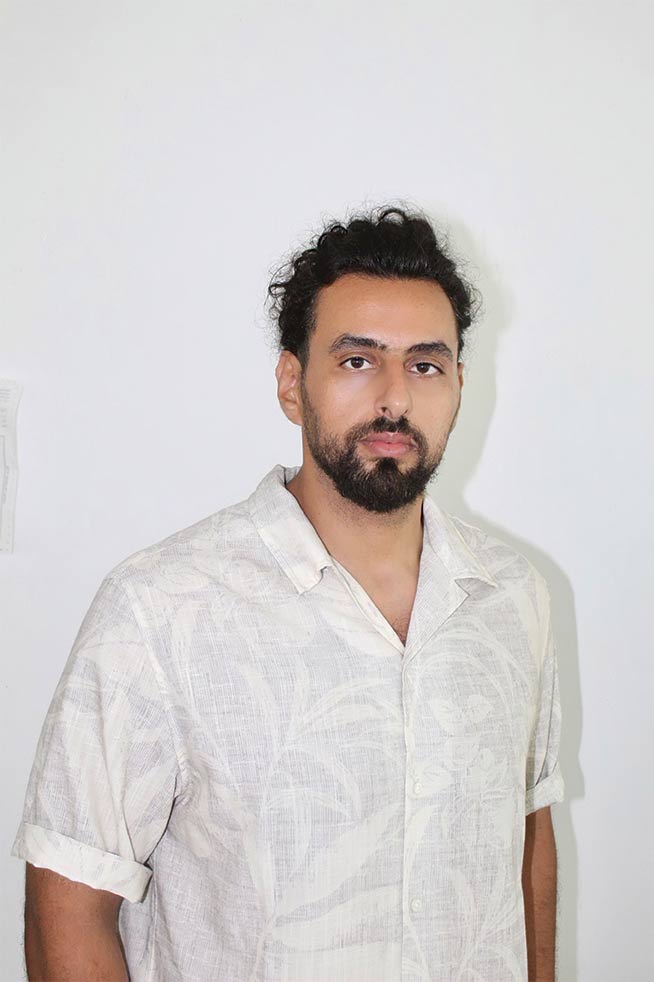
Abdulmohsen Albinali
What’s your name and where are you from/based?
My name is Abdulmohsen Albinali. I am from Dammam and based in AlUla, Saudi Arabia.
Can you describe your practice in a few words?
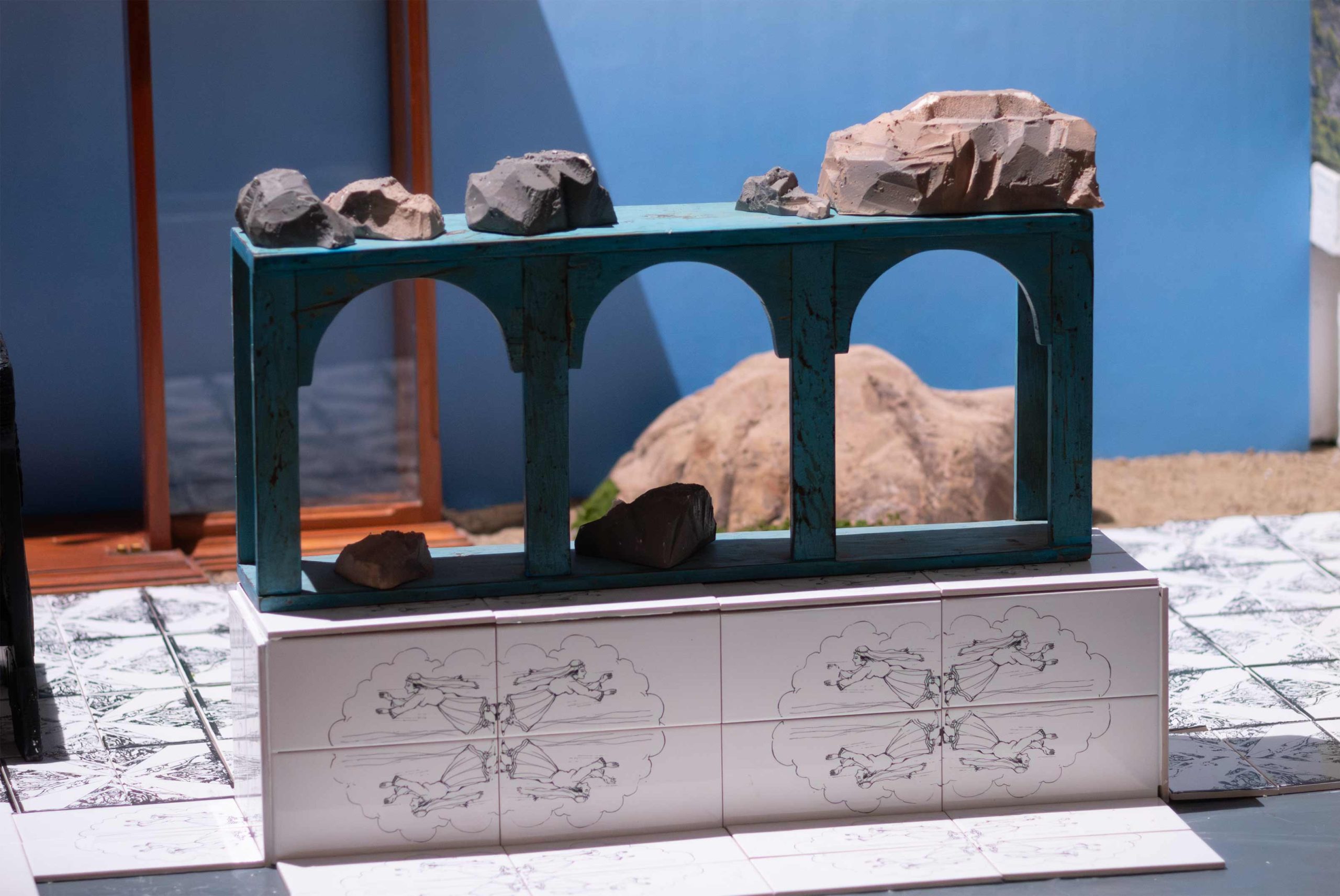
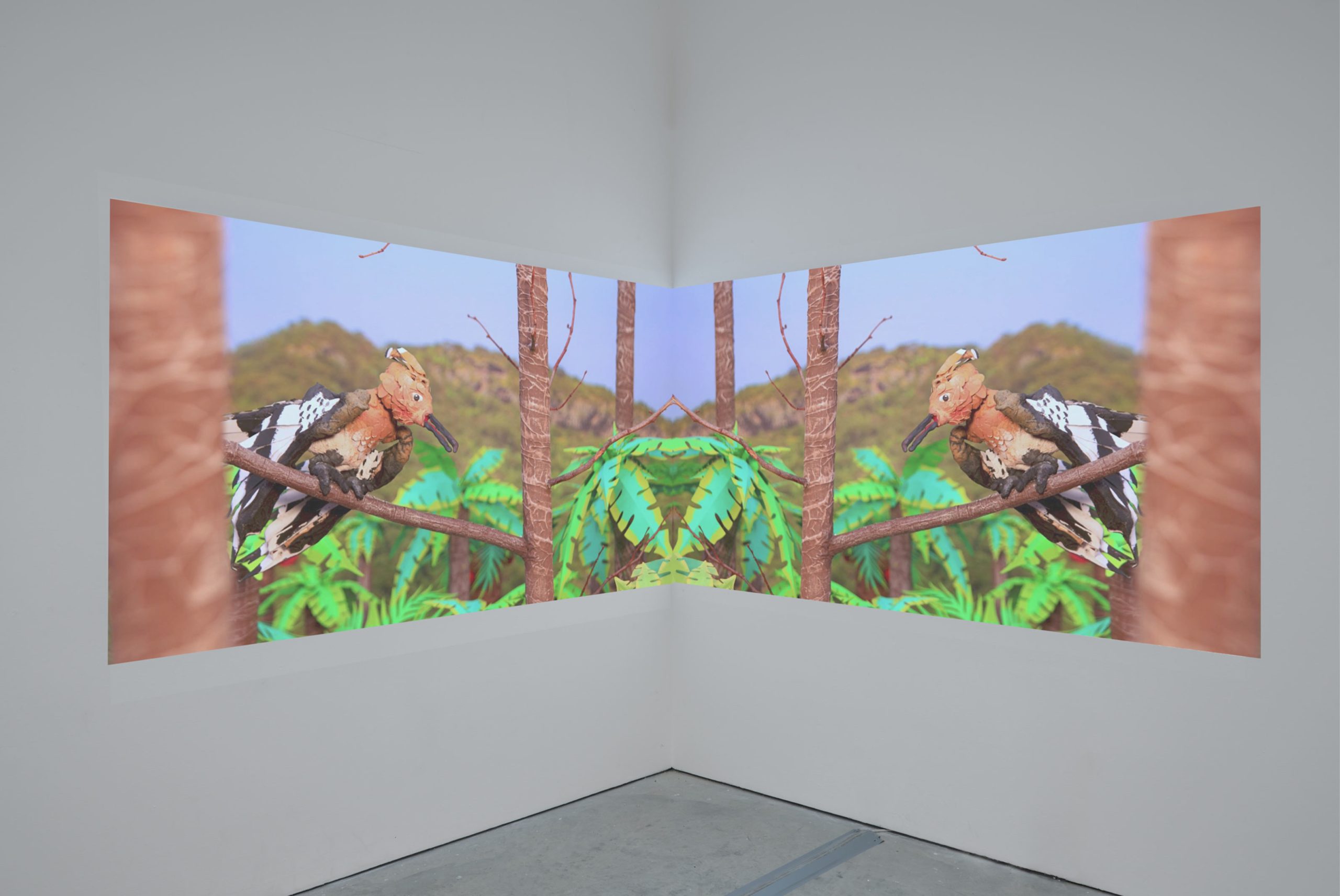
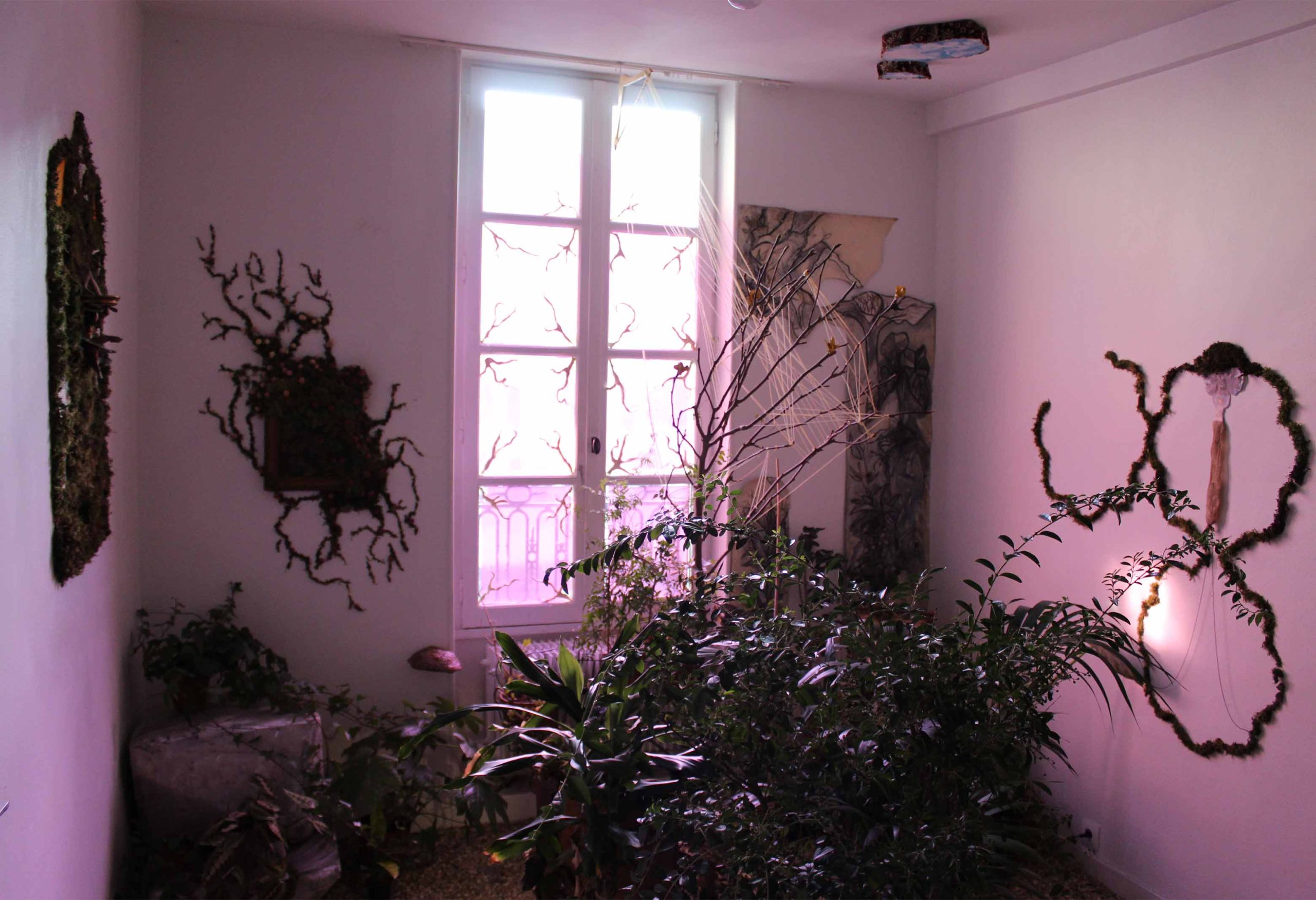
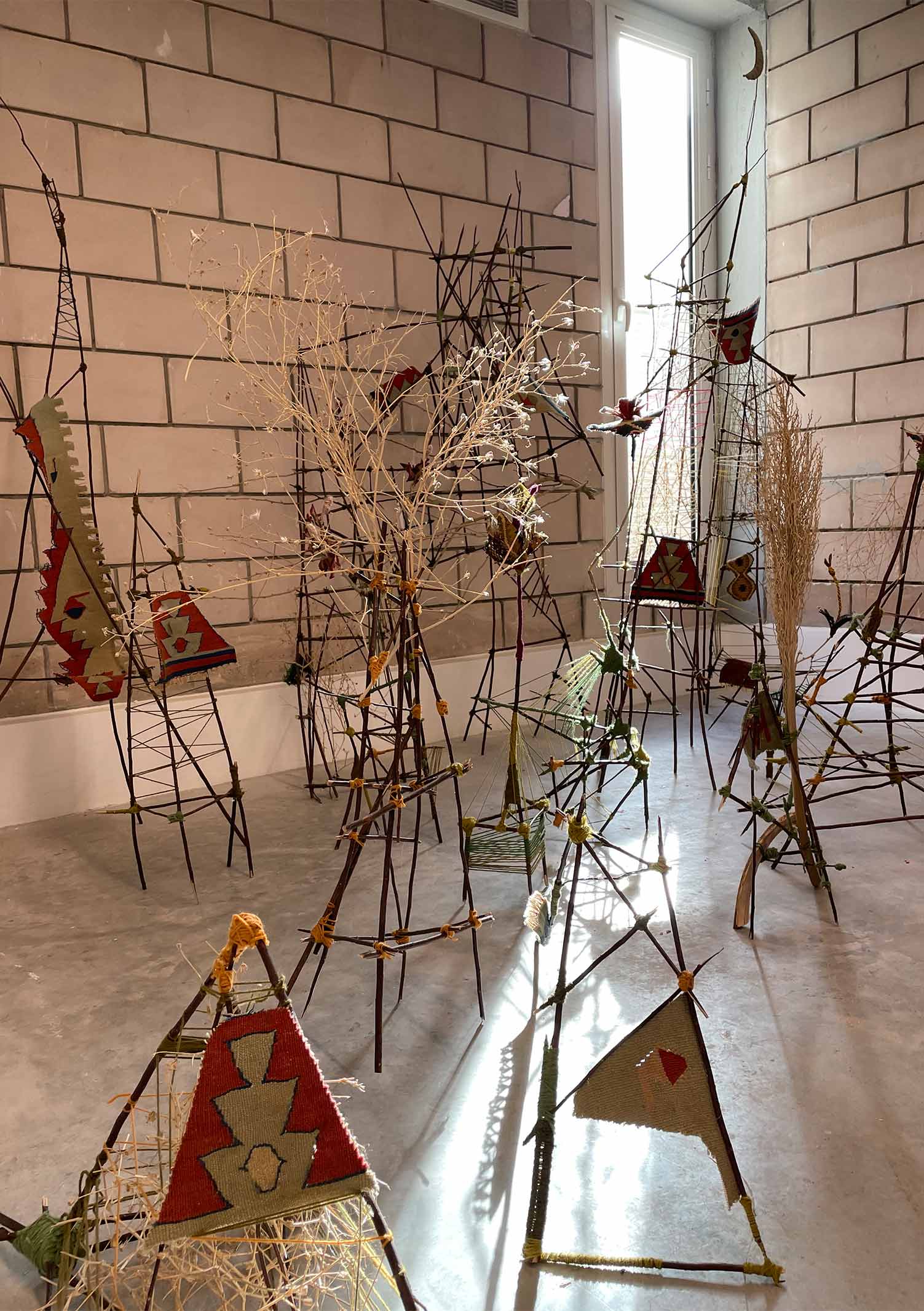
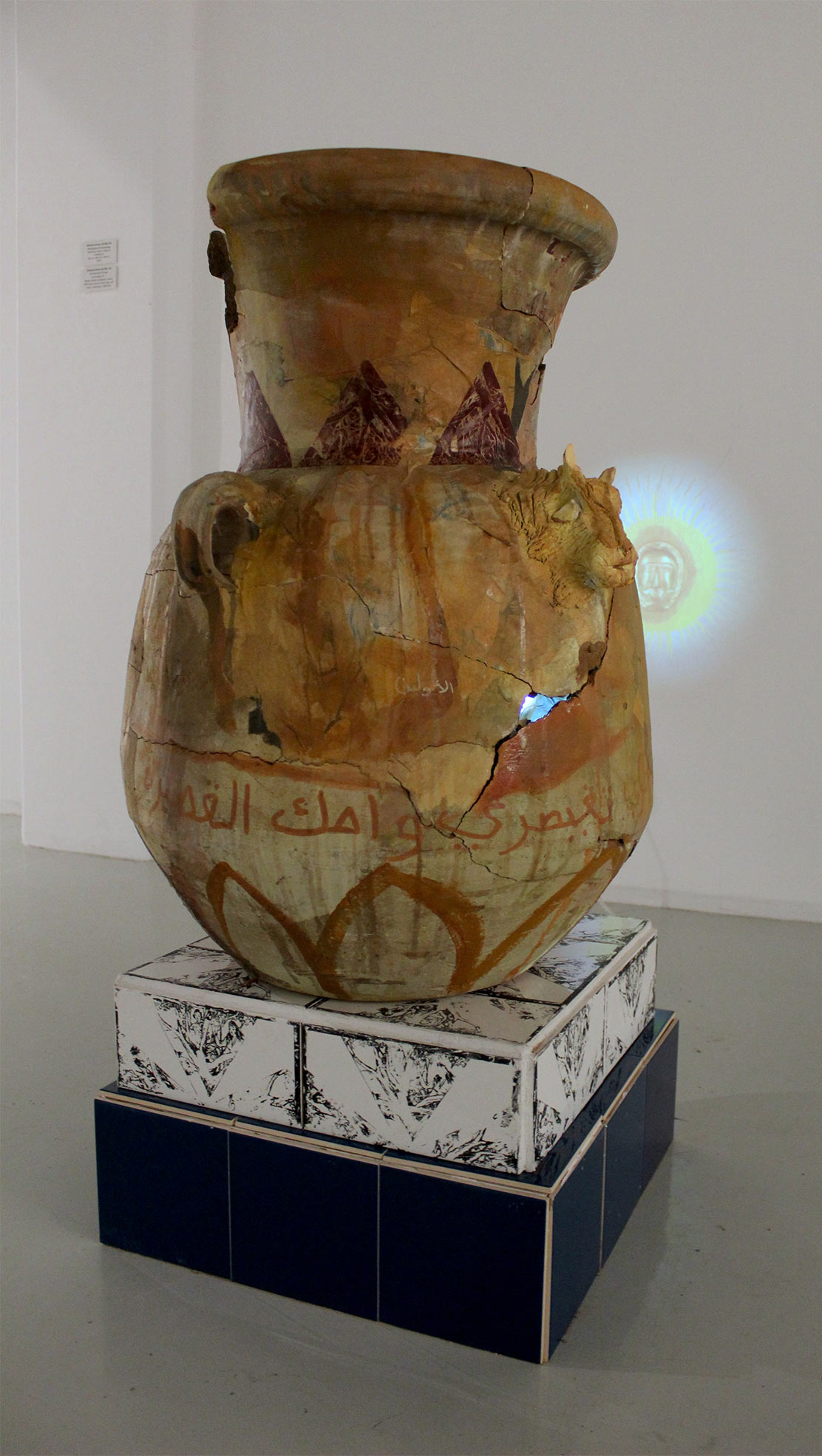
My work investigates the correlations between the personal/ collective perception of nature and our place within it. Through the use of myth as a reference point to examine the human capacity to experience nature, my works incorporate natural elements such as landscapes, ecosystems, and biodiversity. My aesthetic stems from research in history and anthropology. I explore a variety of different subject matter connected to folklore, history, archeology, and gardening through a variety of conceptual frameworks driven by an inherent fascination with the natural world.
You grew up in an artistic household, what kind of creativity surrounded you at home?
I grew up in a home that deeply valued art and art history. My mother was a painter, and she taught me to paint when I was four years old, so creativity was always present and encouraged.
When did you first realize that art would be your lifelong pursuit?
It happened when I was pursuing a pre-law degree abroad 17 years ago. During that time, I was exposed to the idea of art schools and art as a career, and that exposure shifted the course of my life.
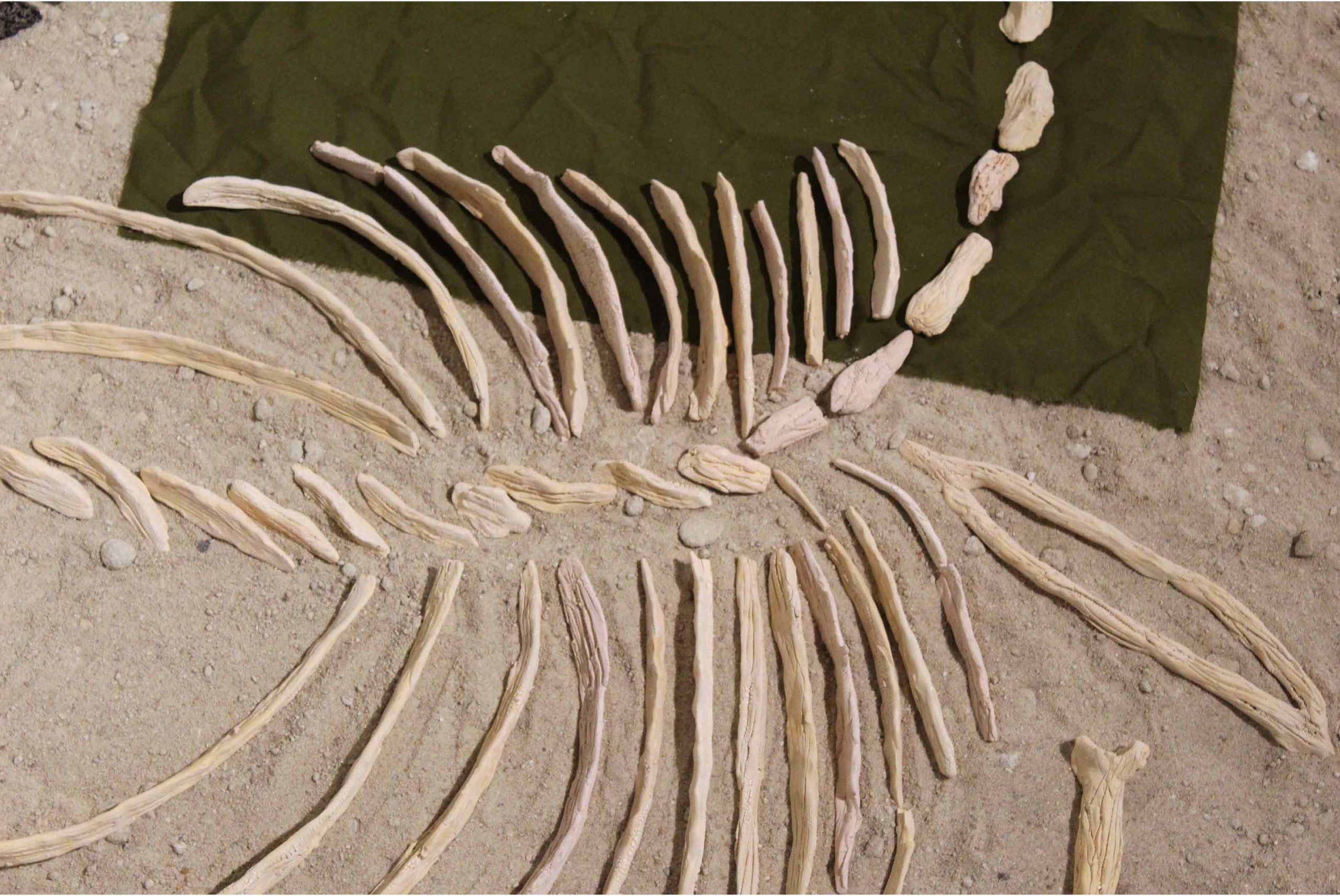
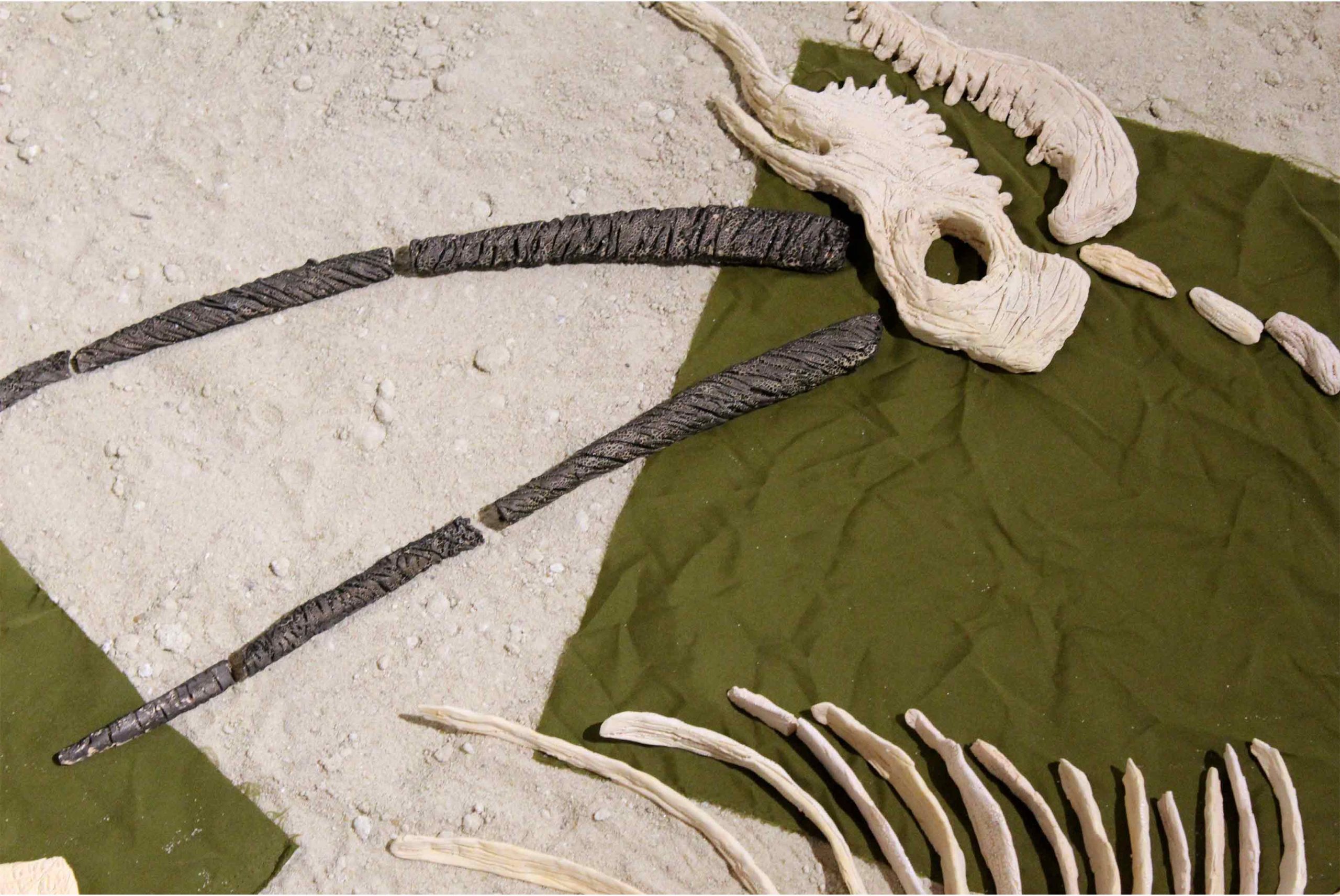
You move between film, sculpture, drawing, and installation. What pulls you toward a specific medium in each project?
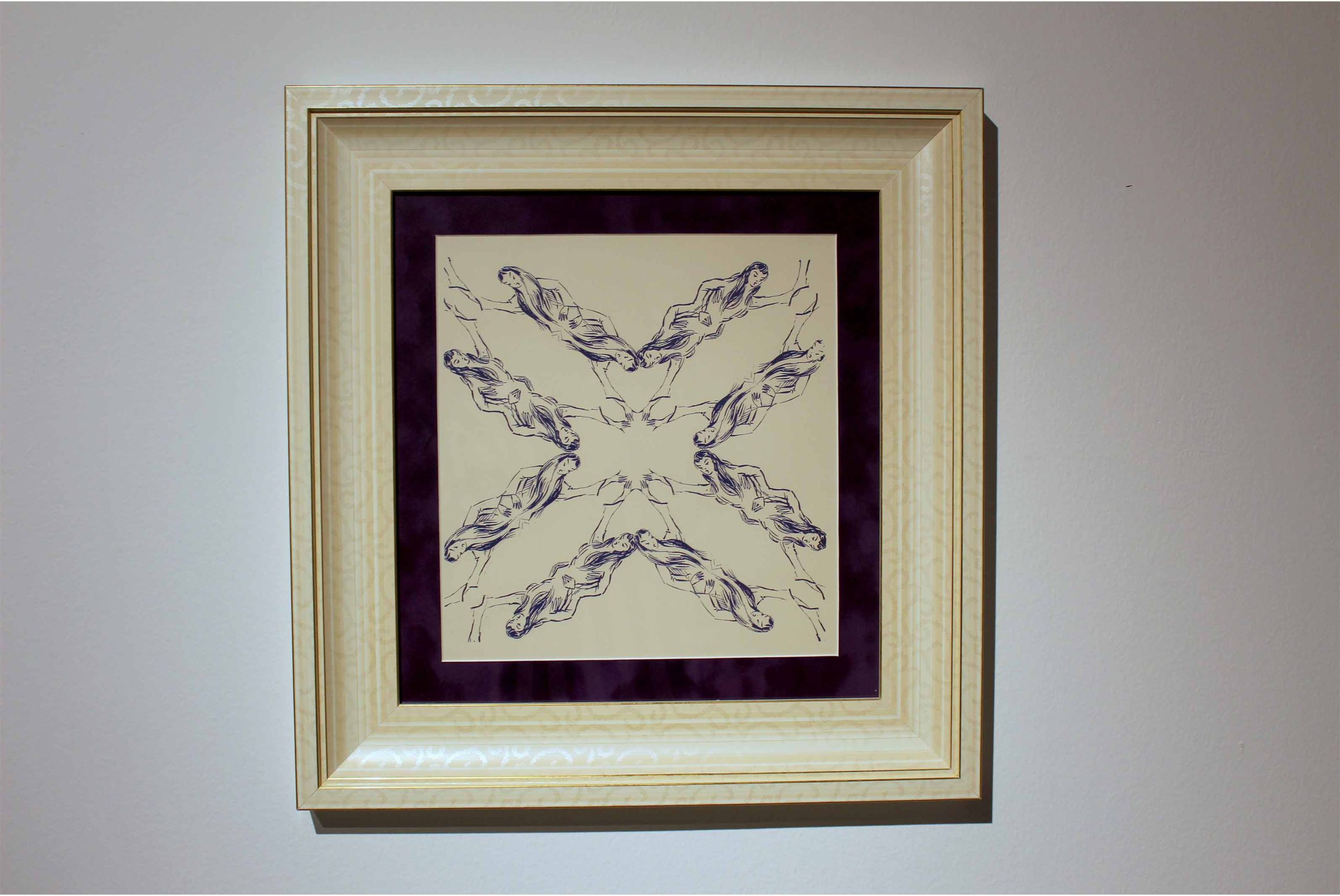
I think of it as a holistic exploration. Each medium offers a different way to articulate a subject. Some ideas need the movement and layering of film, others the presence and materiality of sculpture or drawing. It’s about finding the right language for each exploration and understanding the many ways or limitations one subject or story can be told via its medium.
You often blend cultural heritage with contemporary forms. How do you balance memory and innovation?
Memory is deeply personal, even collective memory is filtered through individual experience. I believe in understanding memory and heritage without being confined by it, using it as a force to move forward rather than a weight holding us back.
At the same time, I acknowledge that personal input will always be present in my work, no matter how much I romanticize the idea of preservation. Hence, I embrace the personal and make it very present in my practice.
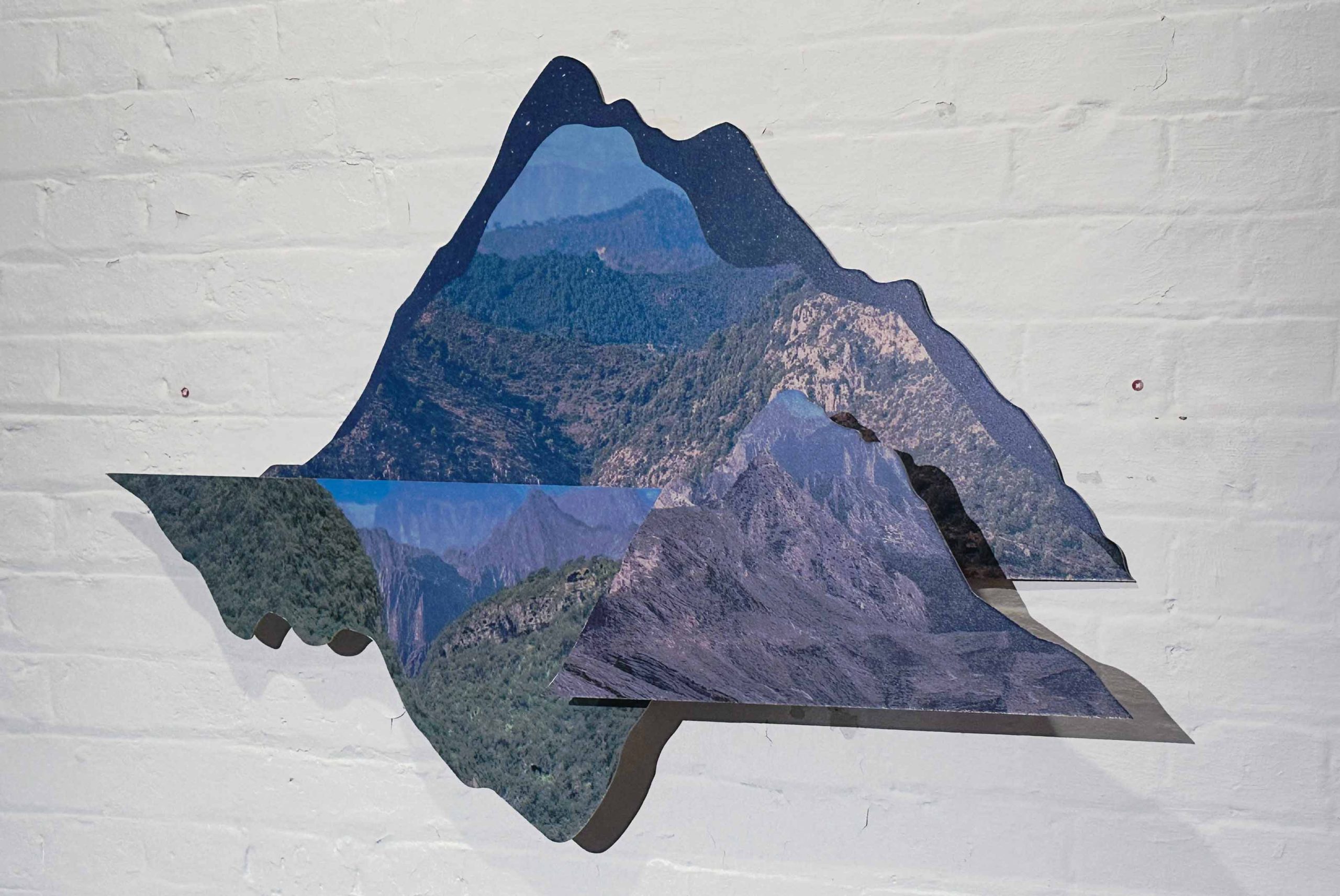
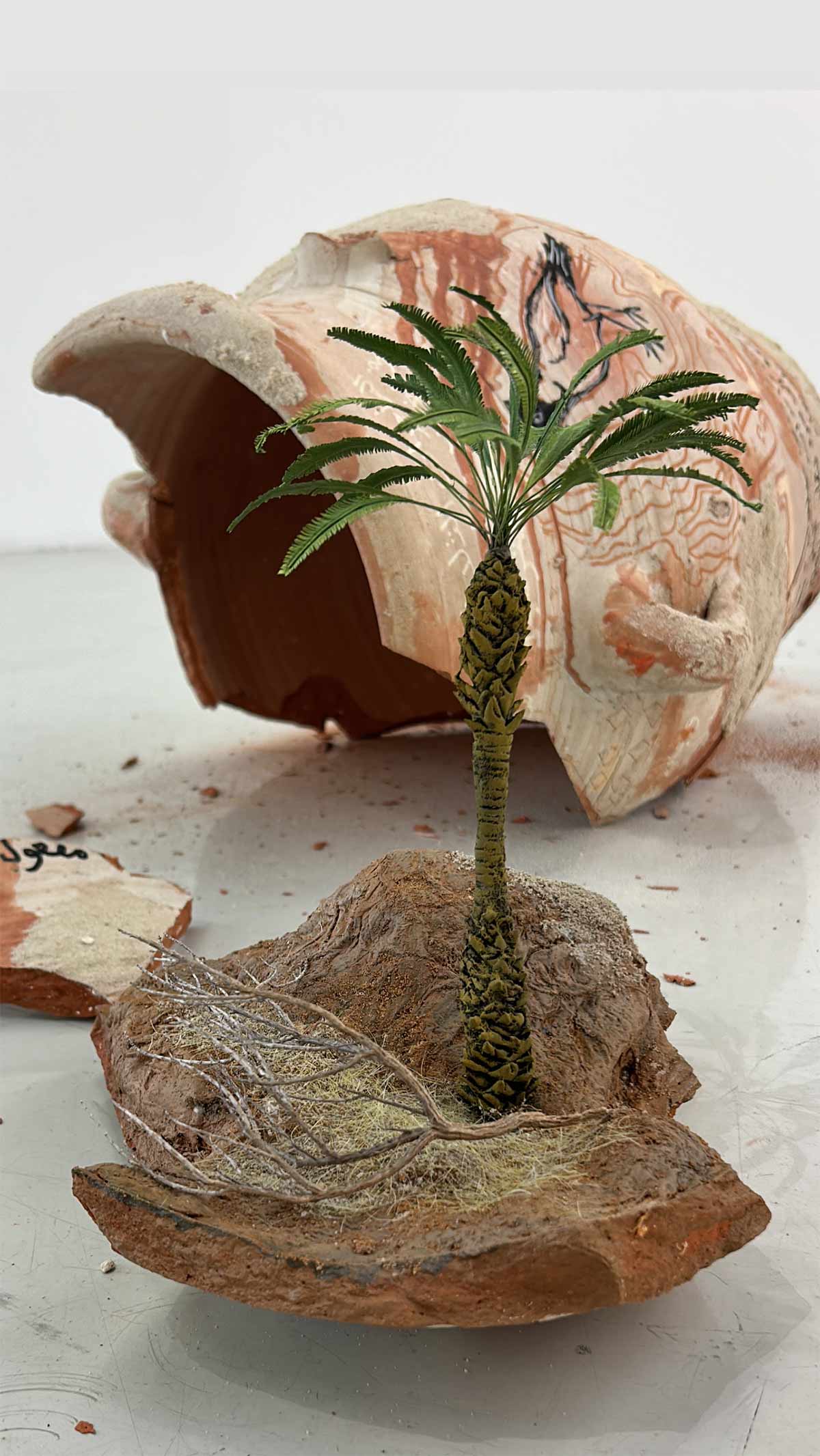
Is there a piece that came together with ease, and which one resisted you at every step?
I have interests that genuinely fascinate me ”nature, history, gardening, mythology”. These subjects swim in my mind, and I often find myself thinking, daydreaming, and philosophizing about them. Every once in a while, an idea appears so strongly that it feels almost like it’s collected from the air, it arrives vividly, and I have an instinct to create it or at least I write it down immediately for later. These ideas tend to come together with ease.
The pieces that resist me are usually the ones that need to be told through a new medium, where I have to learn, explore, and reach a new level of craftsmanship. The beginning is always exciting, the middle is where I start questioning everything and face the most difficulty, and then, at the end, the work usually reveals itself to me.
Can you tell us the story behind founding The N.E.S.T.?
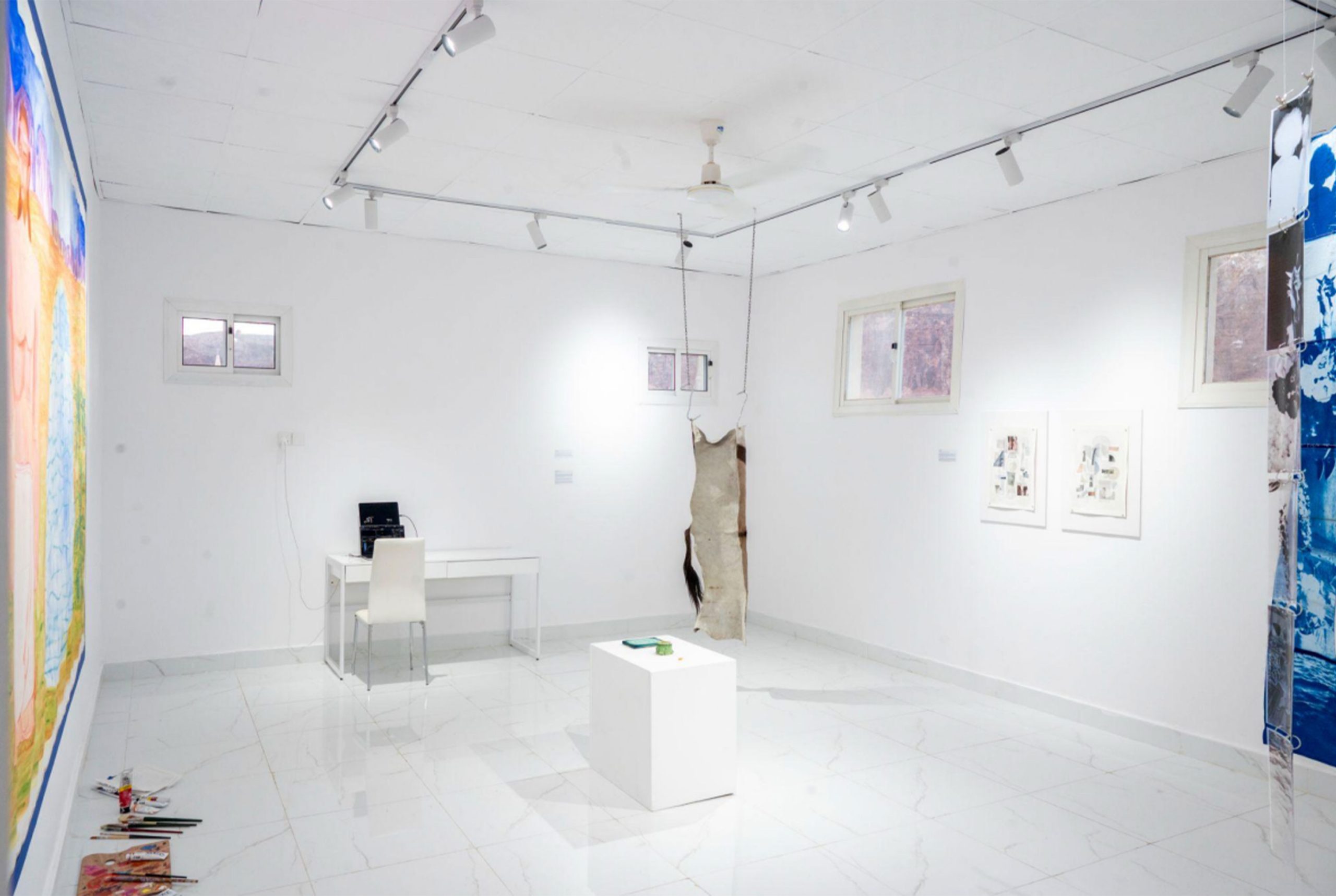
As a cultural worker in AlUla for almost the past 2 years, my nine-to-five role is working in the museum it exposes me to a lot of ancient heritage objects contemporary artwork and artists, which is incredible and has given me so much insight as an artist about how art and artists are viewed in museums, and the metrics by which they are often measured. But at the same time, no matter how amazing institutions are, it’s critical to have independent, artist-led spaces, without gatekeepers, without bureaucracy, where artists can meet on a personal, intimate level and create freely. I noticed a gap that needed to be filled: there were no spaces for artists outside of formal institutions here. I felt there was a need to offer them a space to practice, to create, and to contribute something beautiful while they were here.
So I founded The N.E.S.T. (New Experimental Salon for Travelers). I used the word “travelers” intentionally, because the majority of artists who come here are not based in AlUla, but are traveling through. It ties back to the traditional role of AlUla as a historical pit stop for pilgrims on their way to Mecca. Pilgrims would leave their belongings here before continuing their journey in religious garments called ihram, a simple white clothing worn during the sacred pilgrimage.
In a way, The N.E.S.T. mirrors that ancient role but through an artistic lens: it is a place where artists are invited to travel, stay, create, and leave behind a trace of their journey. Their works are exhibited for a limited time before continuing onward, just as the travelers themselves once did.
Why was it important for you to create an independent art space in AlUla?
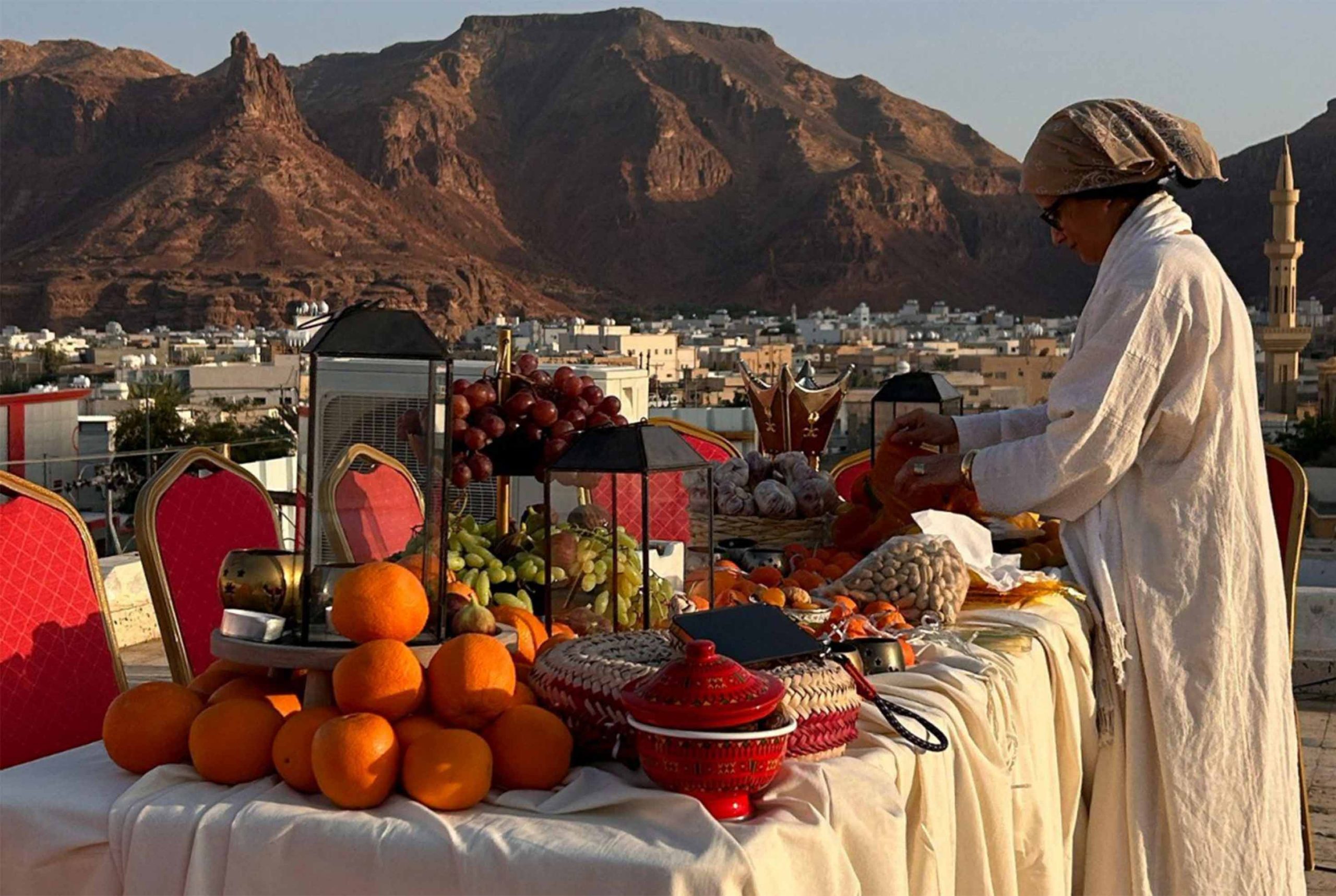
It is important because we need artist-led initiatives and open dialogue. This has always been a dream of mine, and AlUla felt like the right place and the right moment to bring it to life. I make sure The N.E.S.T. remains open to all artists. I invest in both established artists and those who are just starting their journey. For example, Artist ”Kawokab” who exhibited at the N.E.S.T had never created a work before being invited.
This is the spirit of the space: to take risks, to encourage, and to support artists who might not otherwise have the opportunity to realize their ideas.
When I founded The N.E.S.T., I was thinking of the space I needed when I first began my own professional practice. At the time, finding a platform was incredibly difficult. As a young artist, it was hard to find an art space willing to invest in my talent or believe in what I was trying to build. The N.E.S.T. is, in many ways, a response to that experience, an invitation for others to find support, trust, and the freedom to create.
Has running a community-centered space shifted the way you see your own practice?
When I’m running the space, I’m there to support other artists and their work, not to center my own practice. I have my own studio for my personal projects. But what I would say is that working with so many amazing artists has encouraged me to think more about future collaborations.
On your global experiences, how does your practice change when placed in a completely new cultural or geographic location?
Whenever I work abroad, I try to disarm the idea of the “other” by investigating the local mythologies, stories, and histories, which I then incorporate into my thinking. I look for ties between these and my own practice, finding common traits and interesting points of connection that I can highlight and explore. I search for bridges between different cultural narratives, allowing for dialogue rather than distance, and letting the work grow from a place of mutual understanding.
You’ve said your work explores transformation. What does transformation mean to you personally?
Transformation, for me, is not necessarily elevation but rather adaptation. It’s evolution. It’s things that mutate and change depending on the circumstance. Just like natural selection, I look at transformation that way, not necessarily with a specific destination or with a narrow mind of getting somewhere, but rather experiencing and exploring what is possible with what we have now, the tools we have at our disposal and how that can manifest a new form.
An example would be how the matrial world is perceived and reinterpreted through the mind, such as animism, how we take our natural environment and then we recreate it through world-building and mythologies, and we end up having different scenarios where other living creatures around us become characters that affect our lives and reflect the human in us onto them through allegories and stories.
What are you ever to explore next in your practice?
I am eager to explore writing and staging a full play. I would love to create the entire world of the play, applying all my experience and training into the stage design, props, costumes, and narrative. I want to work closely with composers, choreographers, and actors to build a complete production.
I already have a specific topic and idea in mind, and I have been writing notes for some time, preparing for the opportunity should it arise. This is a long-term project I have been quietly developing, and I am excited about the possibility of one day seeing it fully manifest.
Where can people find you?
At the moment, The N.E.S.T. is closed for the summer period as we plan our upcoming activities, which will take place between September 2025 and March 2026. We have a rich program ahead, including artist residencies, exhibitions, workshops, performances, immersive dinners, and our planned monthly film club.
Please stay tuned, you can follow us on Instagram at @n.e.s.t_alula, where we will be sharing updates and announcements as we progress.