Abeer Aref
What’s your name, and where are you from/based?
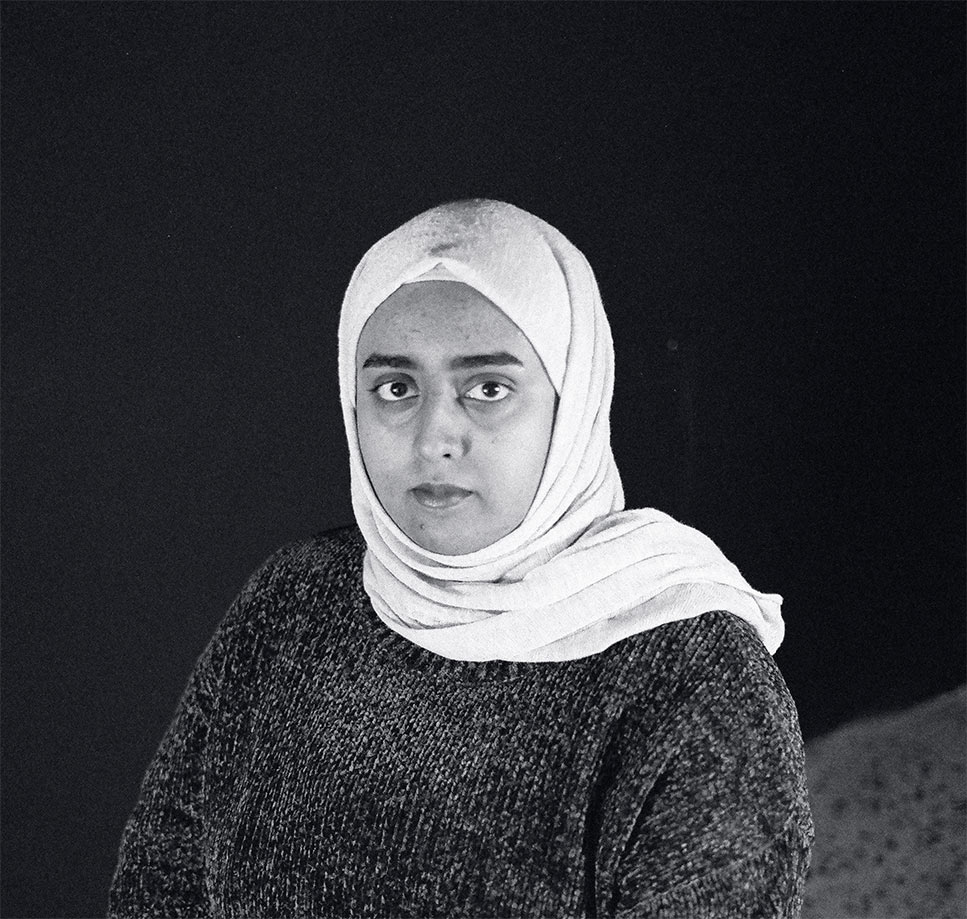
Hi, my name is Abeer Aref, a visual artist from Yemen.
Can you describe in a few words what you do?
In my work, I focus on creating visual narratives. These narratives delve into themes of identity, memory, and the often-overlooked beauty of everyday moments surrounding us.
How did your relationship with photography begin? Was there a moment or feeling that sparked it?
My journey with photography began during my university studies, initially as a way to cope with academic pressures and to find enjoyment. It served as a creative outlet. Over time, it transformed into a means of documenting my surroundings. One pivotal moment occurred when I captured light and shadow fleetingly highlighting an object, which made me realize the power of light and perspective in storytelling.
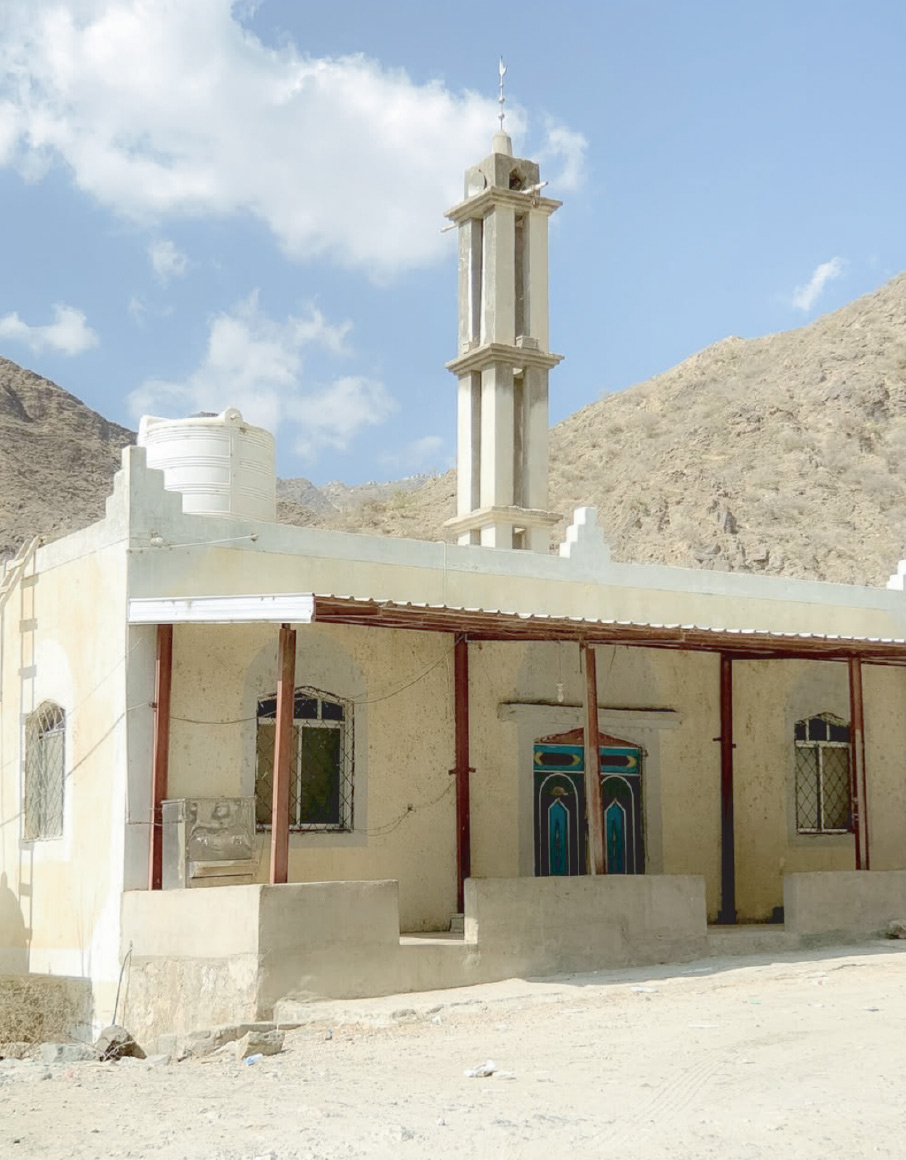
Your images often highlight the small, overlooked elements of a scene. Footsteps, cracks in the ground, a fleeting shadow. What draws your eye in a moment?
When I observe a scene, my eye is consistently drawn to the subtleties within it, such as the texture of a wall or the intricate patterns of shadows. These seemingly small, overlooked elements captivate me because they possess the power to reveal untold stories and evoke emotions that resonate deeply.
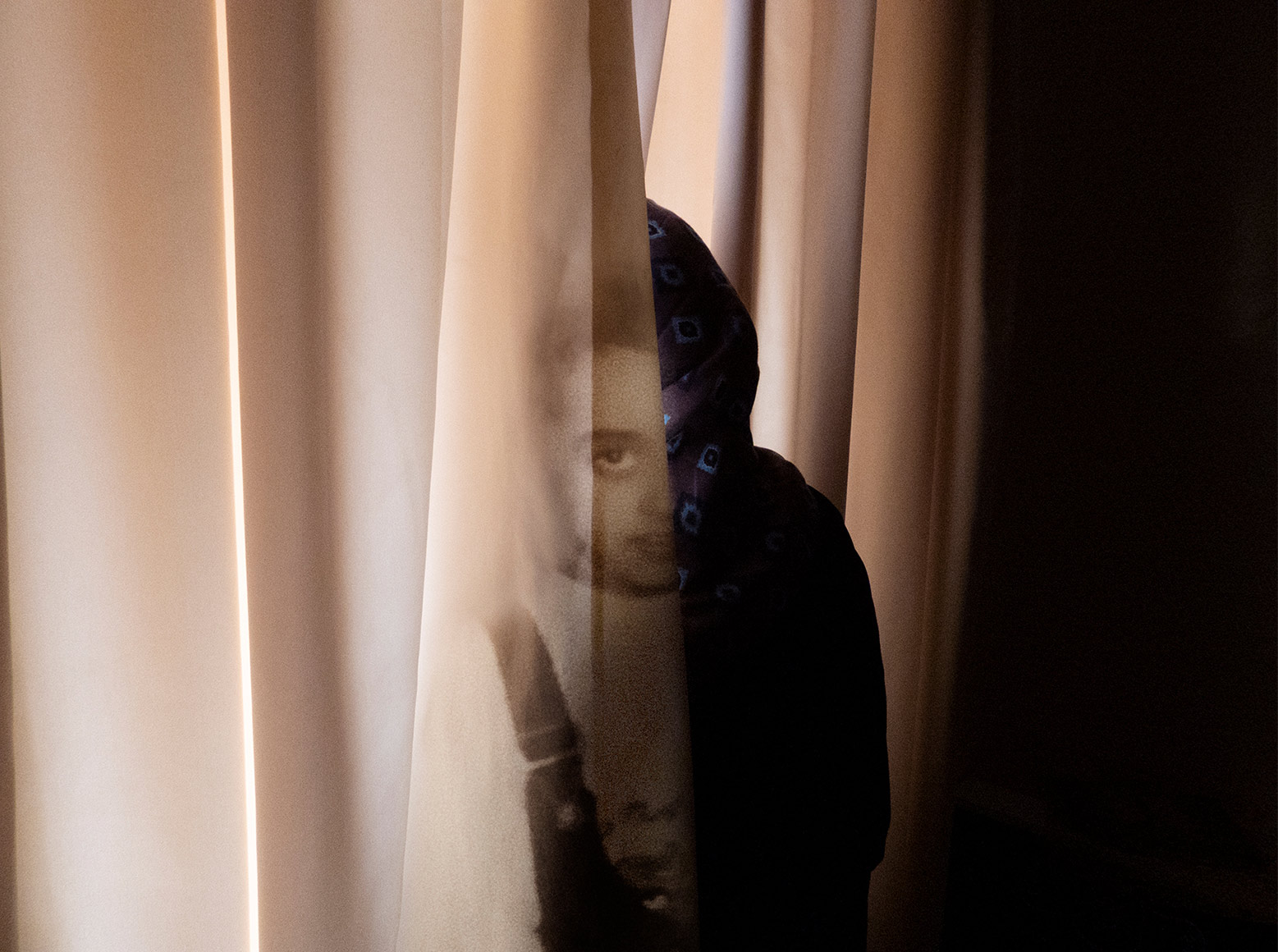
What was the first photo you ever took that felt meaningful to you?
The very first photograph I ever took that felt truly meaningful to me was a double-exposure photo titled “Longing,” which is part of my project “Home as a Container.” This image was created to capture my feelings during a period of separation in my childhood from my mother, and through the double exposure, I aimed to convey both my emotions and hers within a single frame.
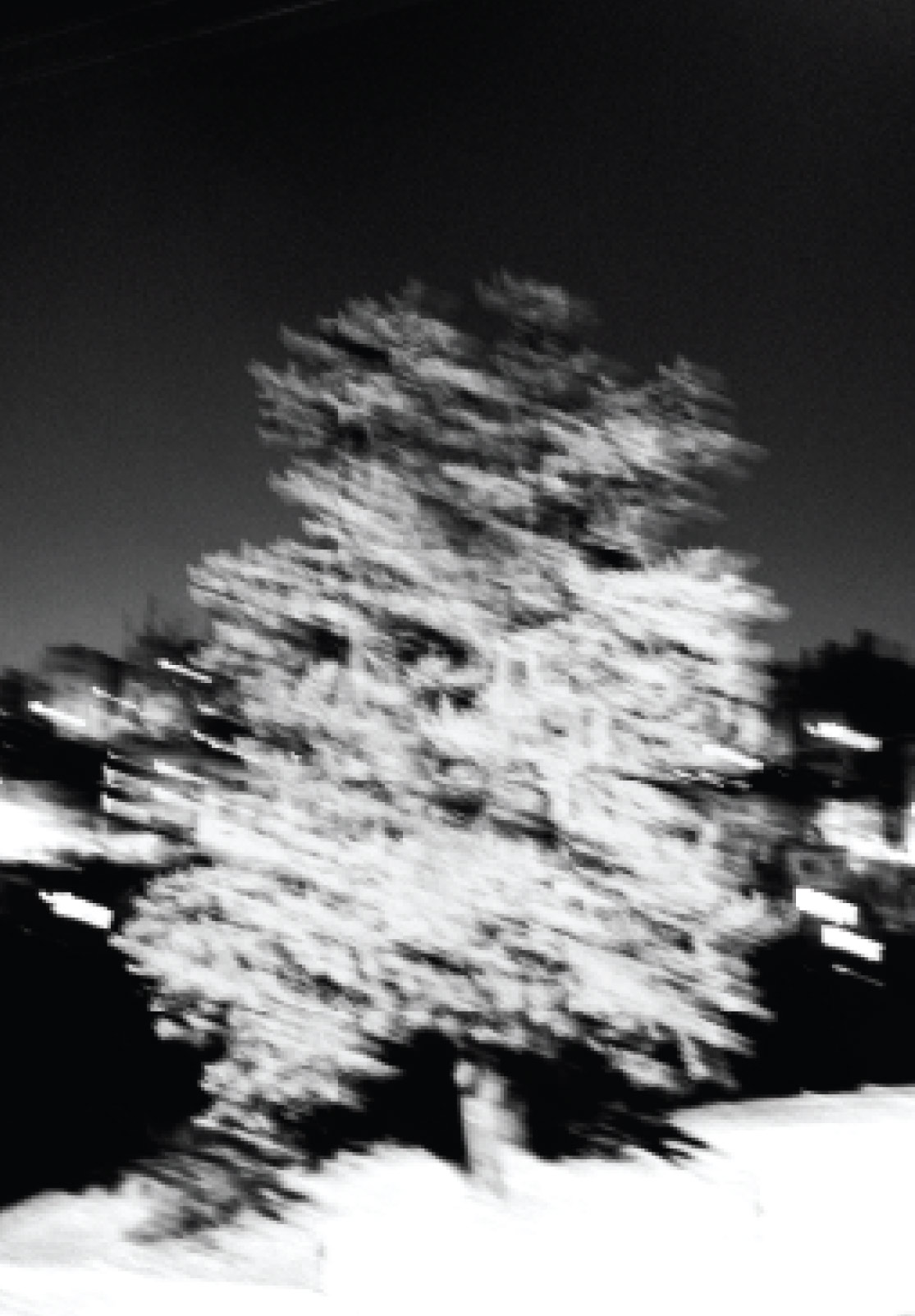
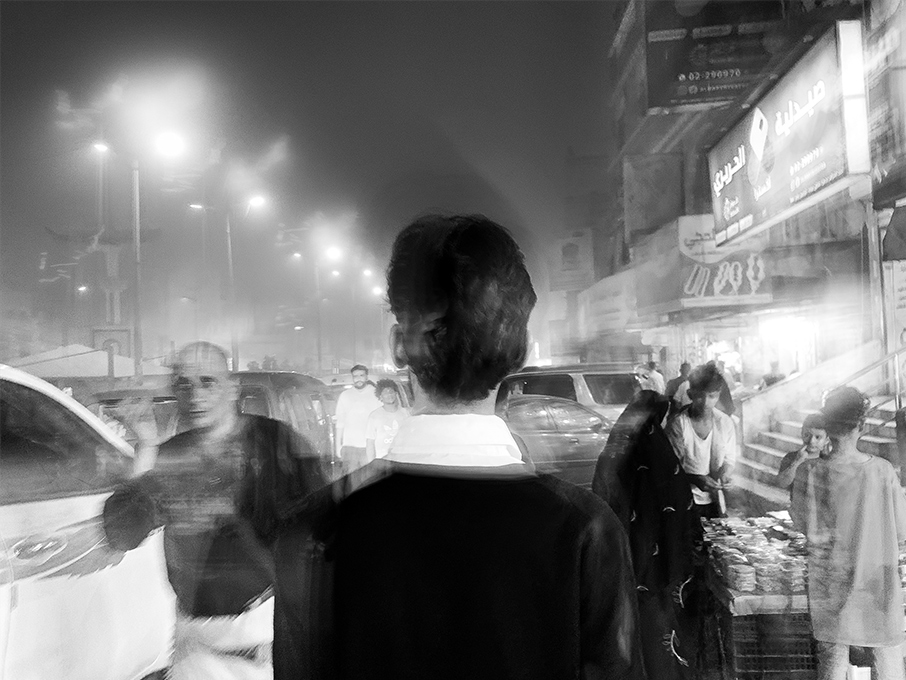
In “In My Nights, Jasmine Blooms”, you speak of jasmine as a symbol for fleeting freedom. What does freedom mean to you and why is it ‘fleeting’?
In “In My Nights, Jasmine Blooms,” the jasmine acts as a poignant symbol of fleeting freedom. For me, freedom is the ability to express oneself without barriers. It’s the uninhibited space where one can simply exist and be.
However, this freedom feels fleeting because life’s circumstances often impose limitations, making those moments of true liberation rare and precious. This project, born from the stark contrast between the safety and liberty of night walks in Amman and the constraints of my homeland, captures these transient moments. Just as the night-blooming jasmine blossoms under the cover of darkness, mirroring the temporary nature of this freedom, so too does the hope for a future where freedom and belonging are not elusive illusions.
Through the interplay of vibrant nocturnal scenes and personal reflections on identity, memory, and the yearning for a true home, the black and white photographs in “In My Nights, Jasmine Blooms” evoke a sense of nostalgia and longing. The intentional blurriness further emphasizes the transient nature of memory and these fleeting moments of liberation. As the night ends and the jasmine season fades, this temporary sense of freedom also recedes, echoing the cyclical nature of displacement and the continuous search for a place to truly belong.
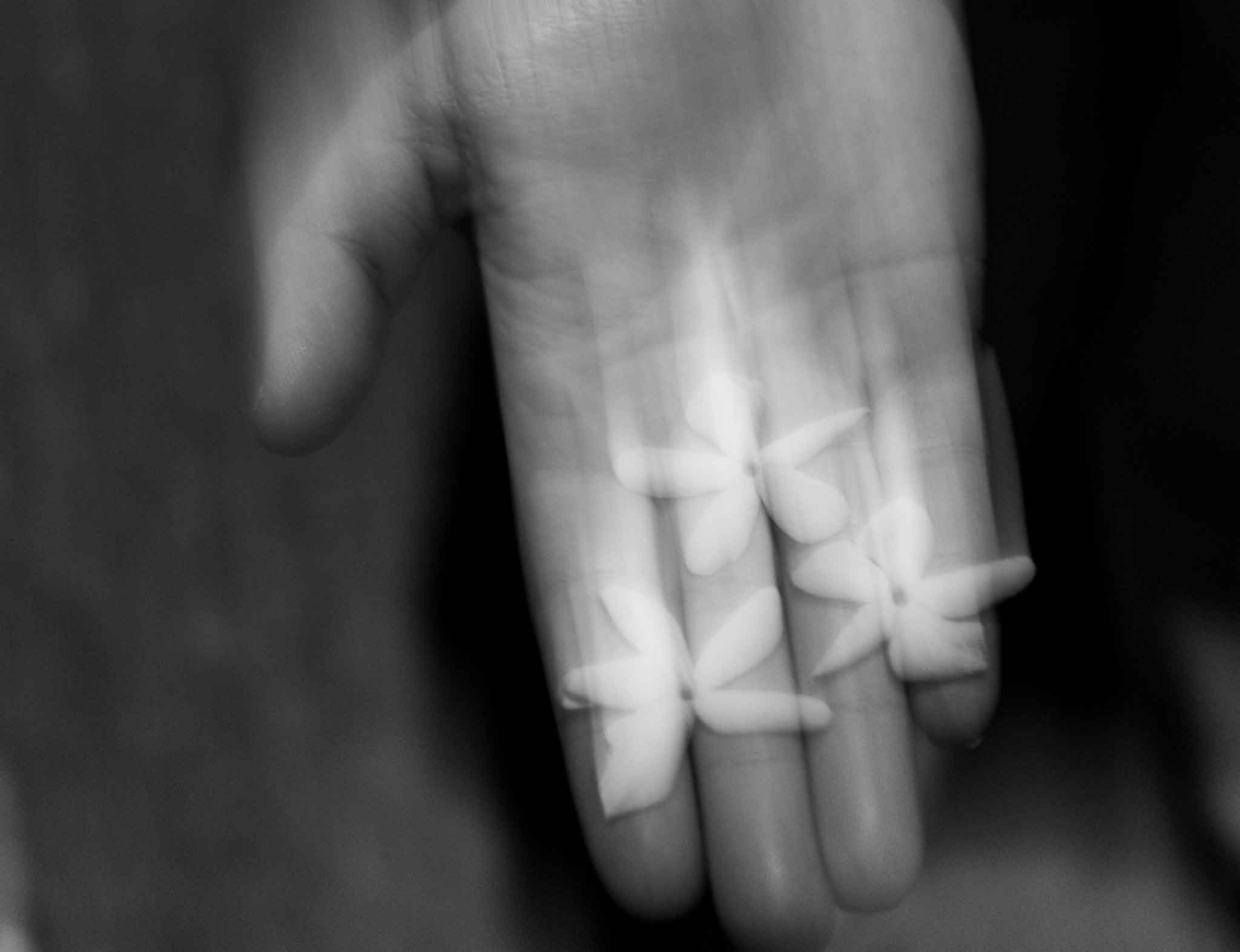
What does the sea represent to you, and how did that evolve when working on Made of Salt and Air?”
For me, the sea in Aden is intrinsically linked to memory; the smell of its salty air is a strong indicator that I am nearing the city. This visceral connection led me to name my ongoing project “Made of Salt and Air.”
The sea itself represents a powerful duality: both tranquility and turmoil. When working on “Made of Salt and Air,” this evolved significantly. It became a profound metaphor for the complexities of life and the emotional tides we navigate.
Through this project, I aim to capture the coastal landscapes of Aden, especially in light of the city’s recent political, social, and environmental changes. The images seek to convey the resilience and enduring connection between the people of Aden and the sea. I strive to evoke a deep sense of belonging and harmony shaped by Aden’s history. It’s about capturing moments where people are immersed in their environment, patiently awaiting the perfect convergence of elements that bring forth feelings of sadness, joy, and connection by the water’s edge.
What does So Far Away, Yet So Close explore?
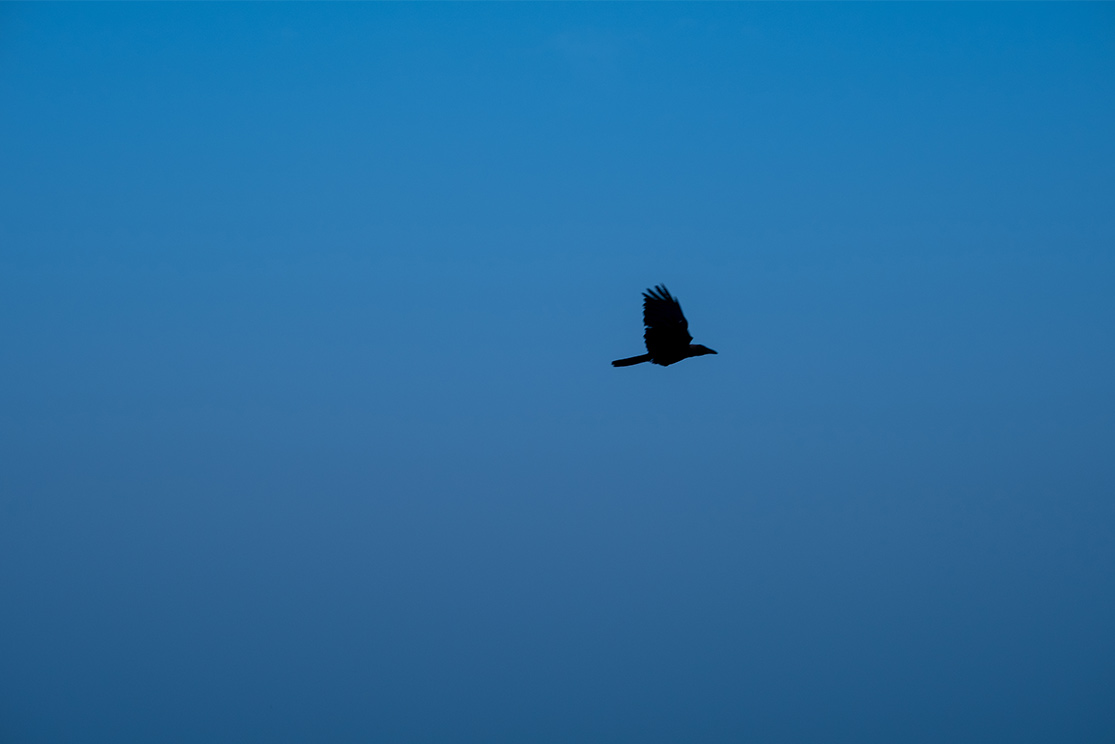
So Far Away, Yet So Close” delves into the paradox of distance in relationships. It explores how we can experience a deep emotional connection even when physically apart, highlighting the intricate nuances of longing and the persistence of connection.
This project evolved as a personal response to the ongoing war in Yemen and the COVID-19 pandemic, events that intensified feelings of longing and homesickness as my family members became scattered across the globe. In this work, I’ve used captured moments and conversations as a tool for memory, a way to bridge the physical gap with loved ones. Despite the distance, the warmth and beauty found in everyday moments serve as a constant reaffirmation of the enduring love we share.
How would you define Home?
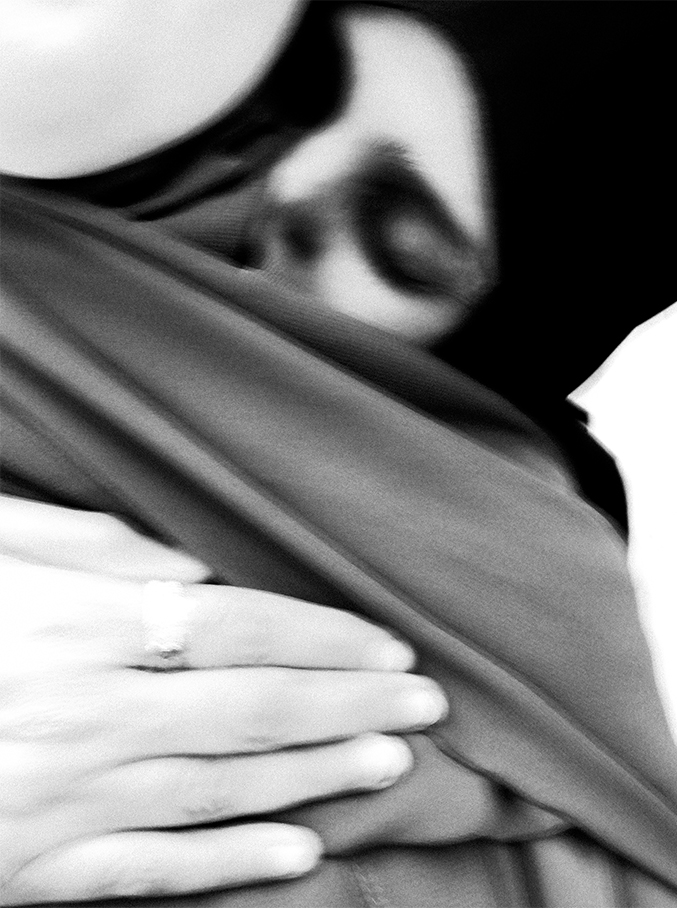
Home, for me, transcends the idea of a mere physical space. It’s fundamentally a feeling of belonging and safety. This sense of security is deeply enriched and defined by the memories created within its embrace and the invaluable connections shared with loved ones who are part of it.
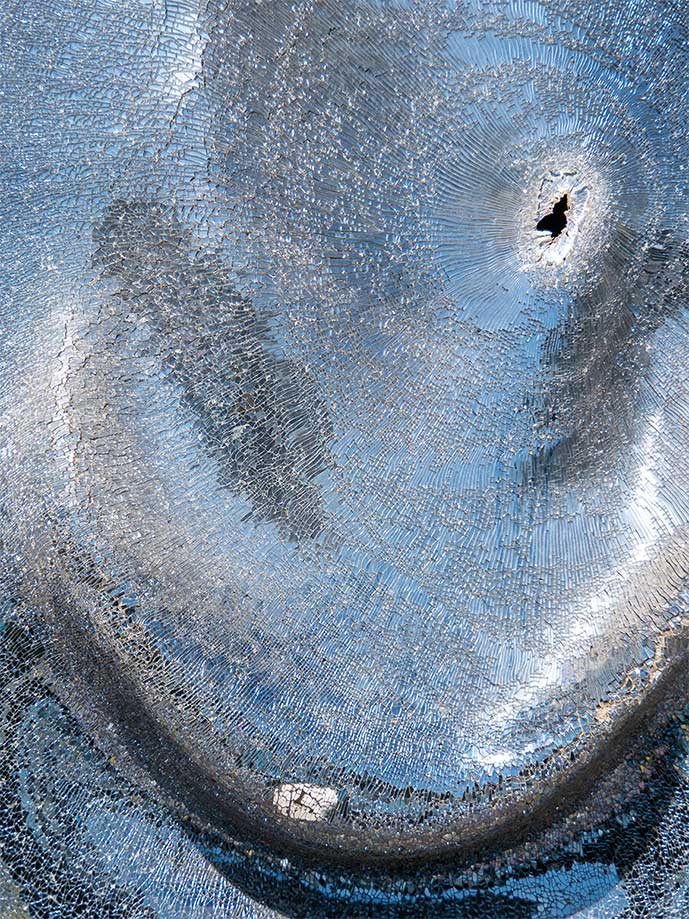
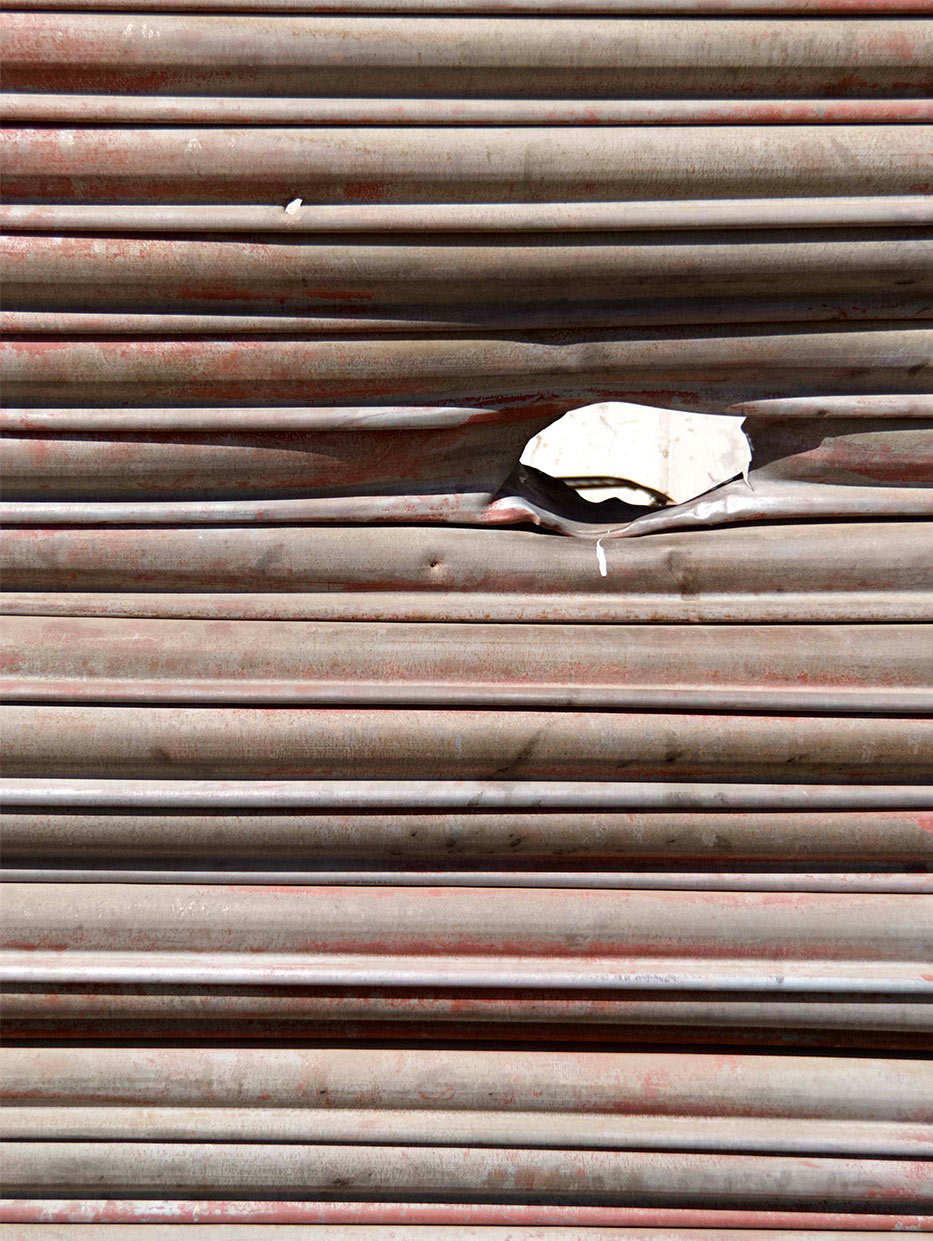
In JAMAAD, you place inanimate objects at the center of the story. What do you hope viewers understand or feel when they encounter these silent witnesses to conflict?
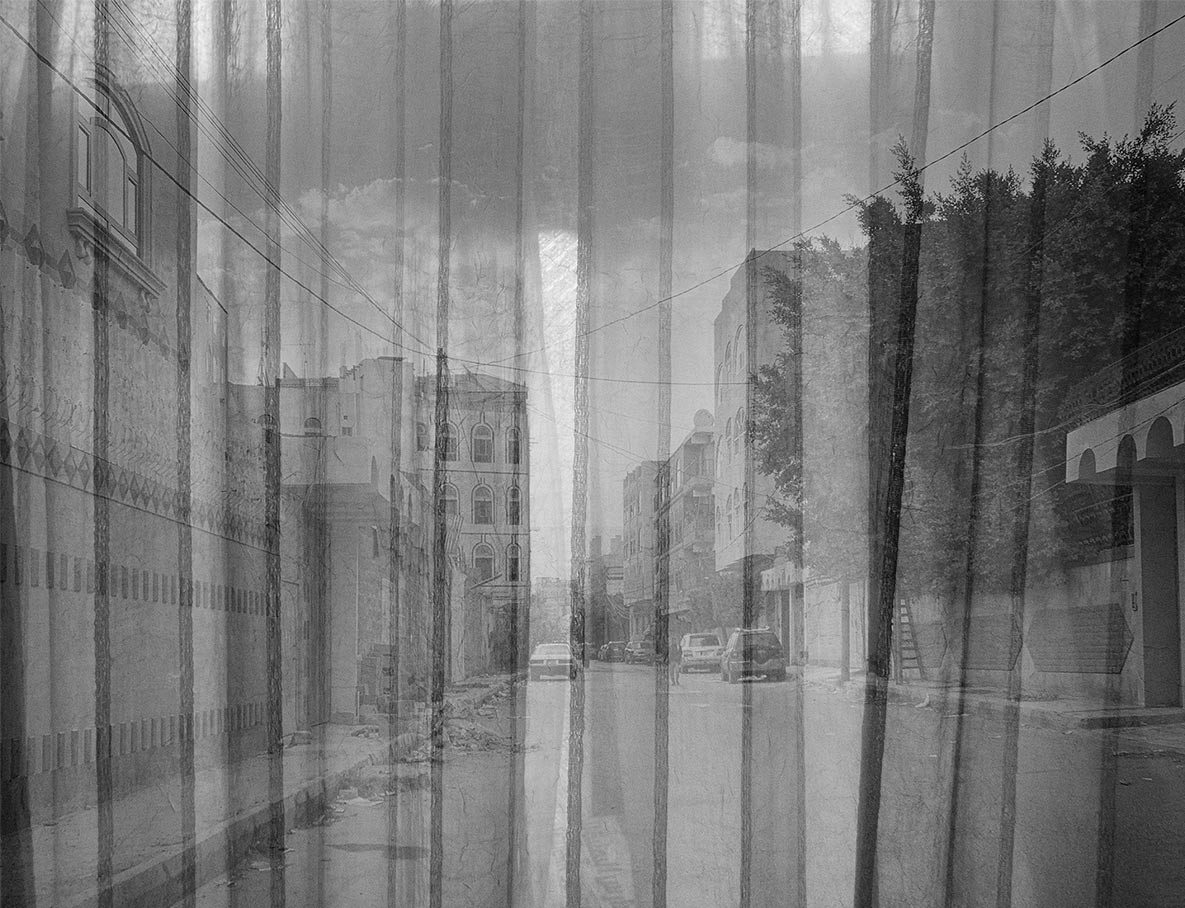
In JAMAAD, I intentionally place inanimate objects at the center of the story because they are the silent witnesses to conflict. When people outside of Yemen consider the war, their focus is often on the human toll, overlooking the everyday structures that endure and observe the pain, hear the suffering, and yet are physically mutilated, scarred, and damaged by the war’s effects themselves.
These objects, if they had a voice, would speak volumes. This parallels the situation in Yemen; often, the voices from within the country remain unheard in the West. These objects pose a similar question: What do they need to do for their voices to be heard?
While some parts of the country may have been spared from direct airstrikes, the aftermath of conflict lingers, and its visual scars are ever-present. This raises a crucial question: How are we supposed to move on when we confront these reminders every single day?
Through JAMAAD, I hope viewers come to see these objects not just as inanimate things, but as vessels of memory. I want them to reflect on the profound impact of conflict on everyday life and to consider the untold stories these silent witnesses carry within them.
Which body of work taught you something new about yourself?
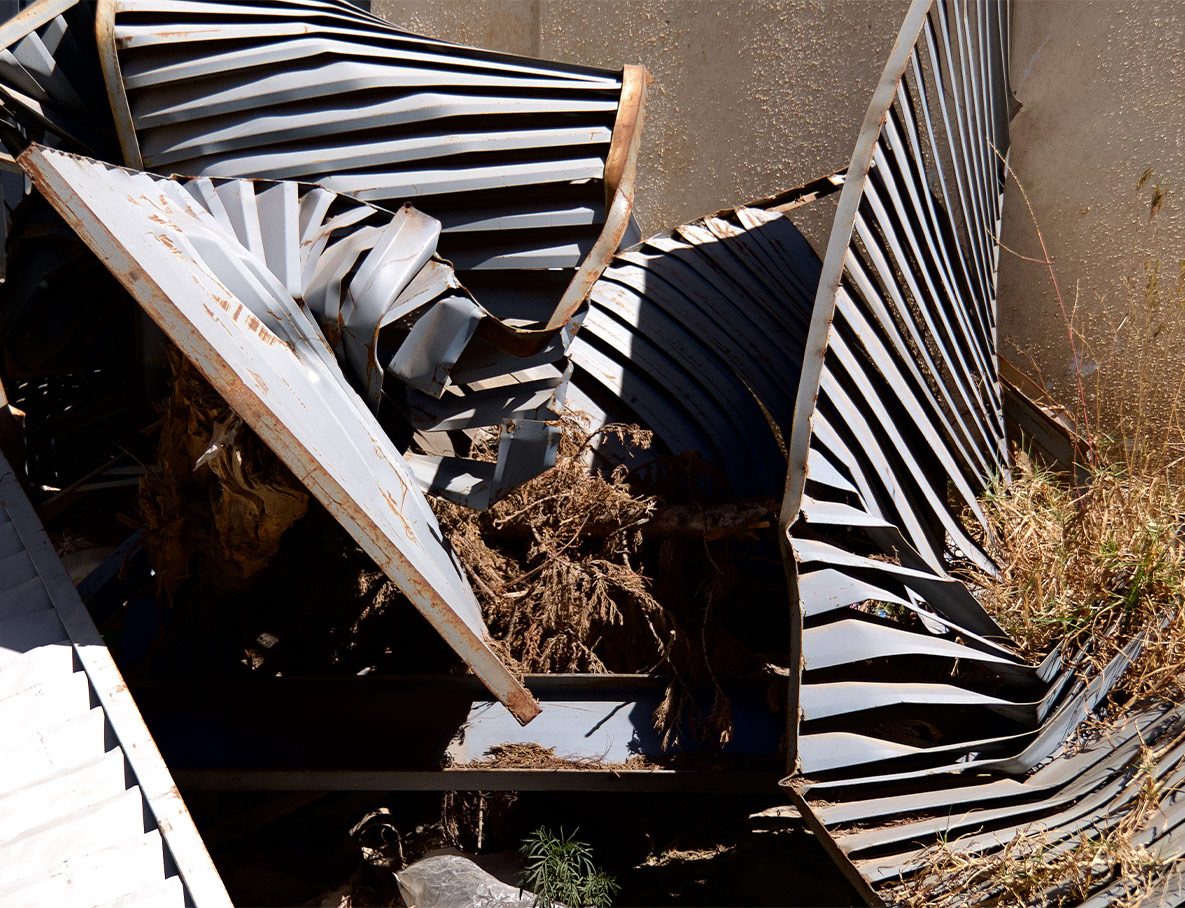
Working on “In My Nights, Jasmine Blooms” taught me about vulnerability and the importance of embracing my emotions in my art.
Where can people find you?
Currently, I am in Amman, participating in an Artist Residency at the MMAG Foundation.
Online: You can find me on Instagram: @abeeraref