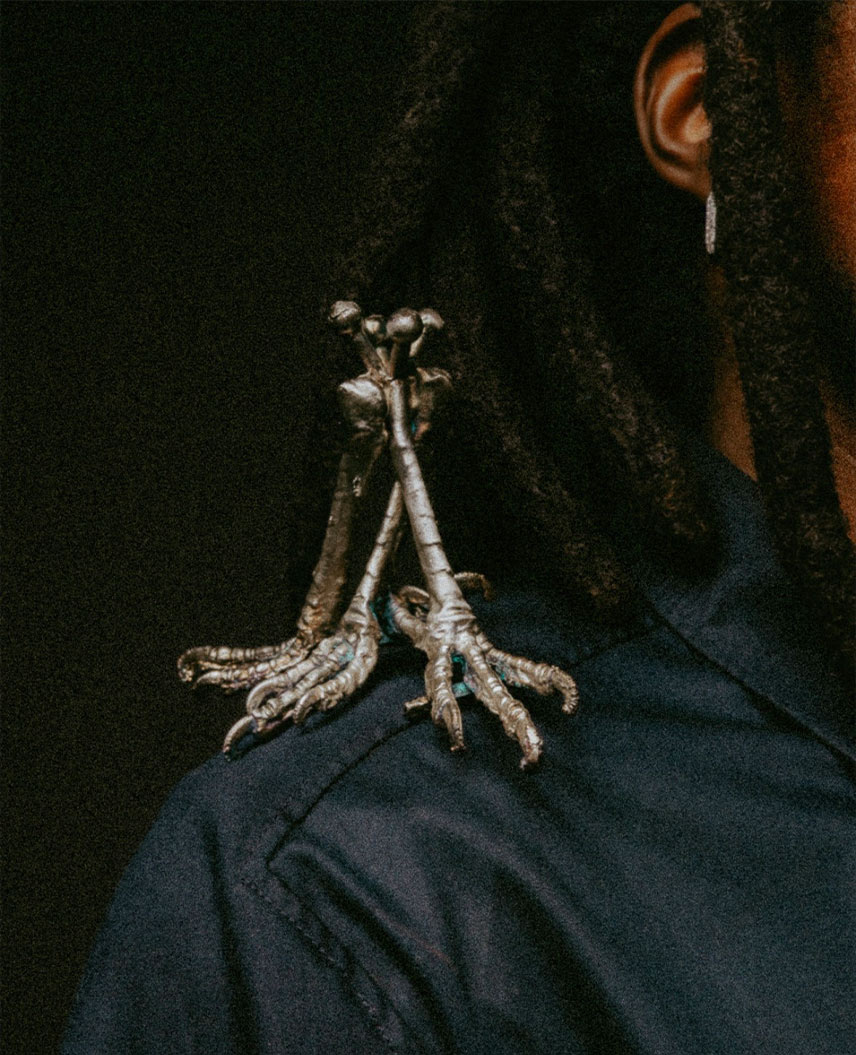
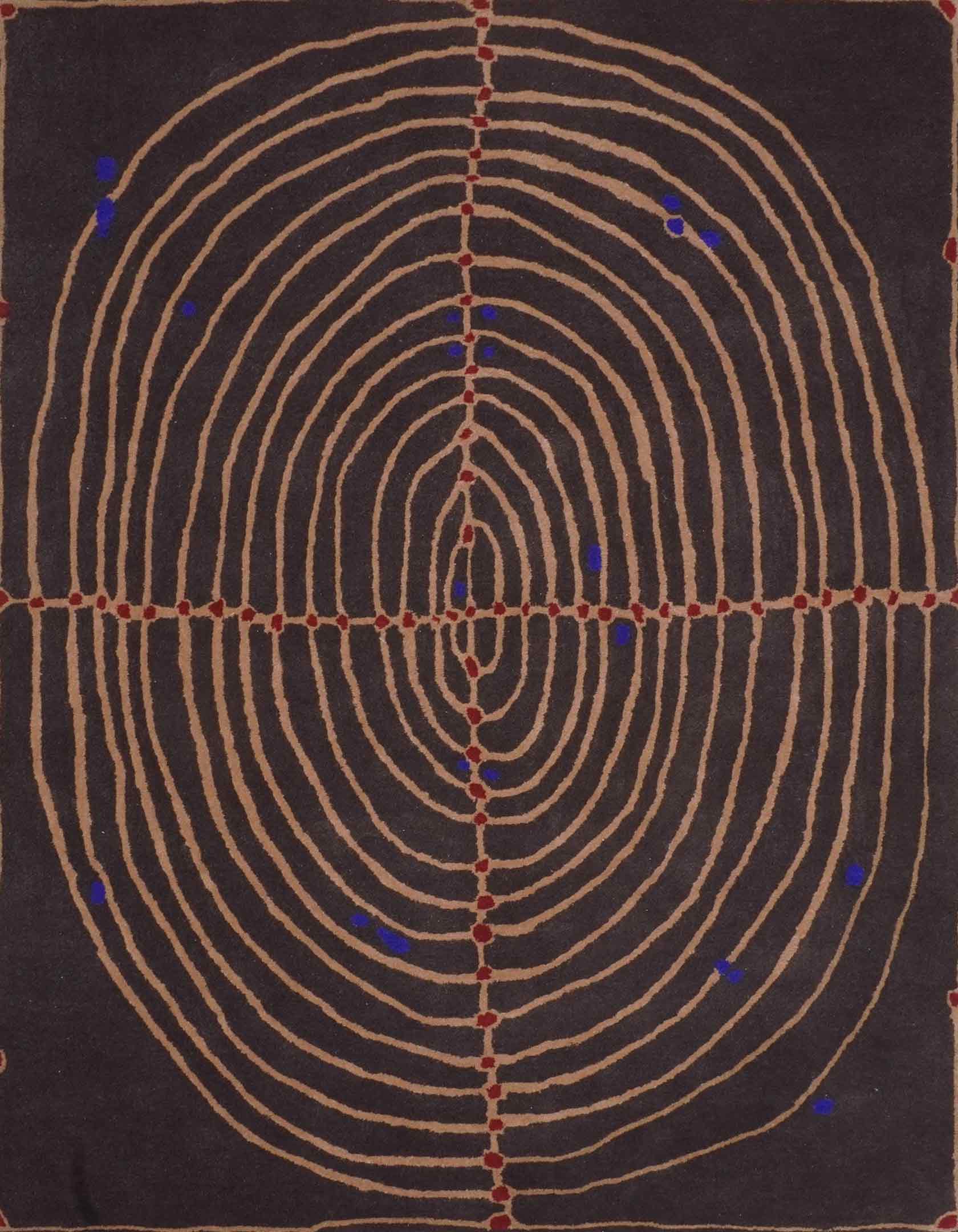
ACIDSIIIA
What’s your name and where are you from/based?
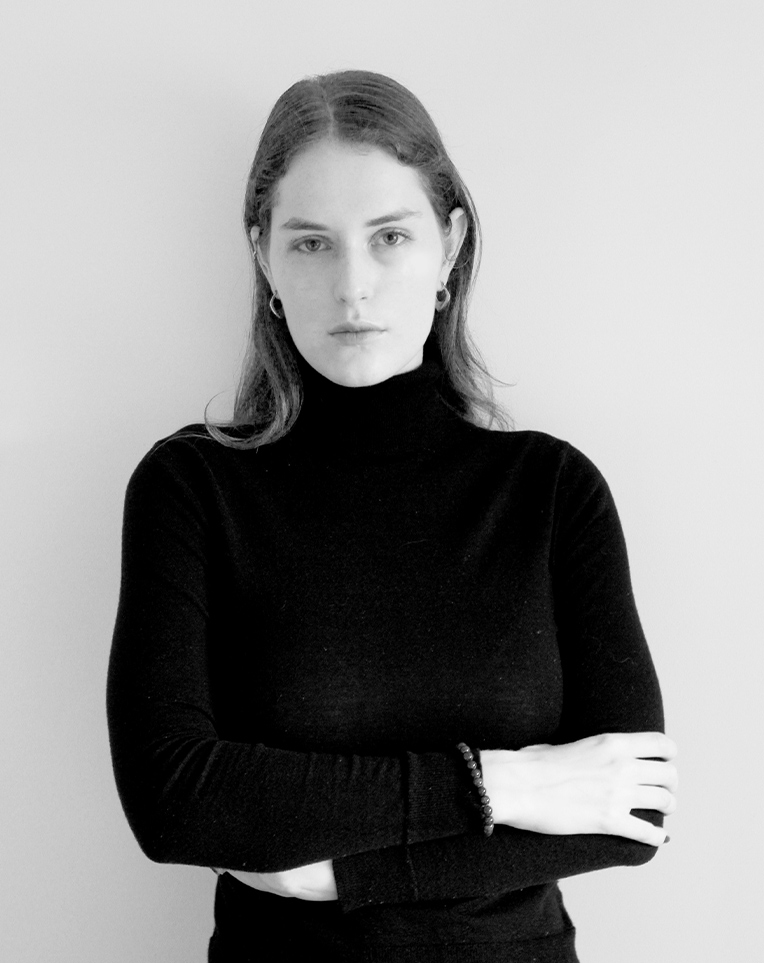
My name is Anastasiia, and I’m from Ukraine. I’m currently based in the UK, where I continue developing my brand, ACIDSIIIA — a project deeply tied to the idea of home, memory, and resilience.
Can you describe your practice in a few words?
Emotional craftsmanship. Cultural preservation. Contemporary nostalgia.
You’ve described fashion as a vessel for empowerment and memory. What first made you see clothing as a language for emotion and identity?
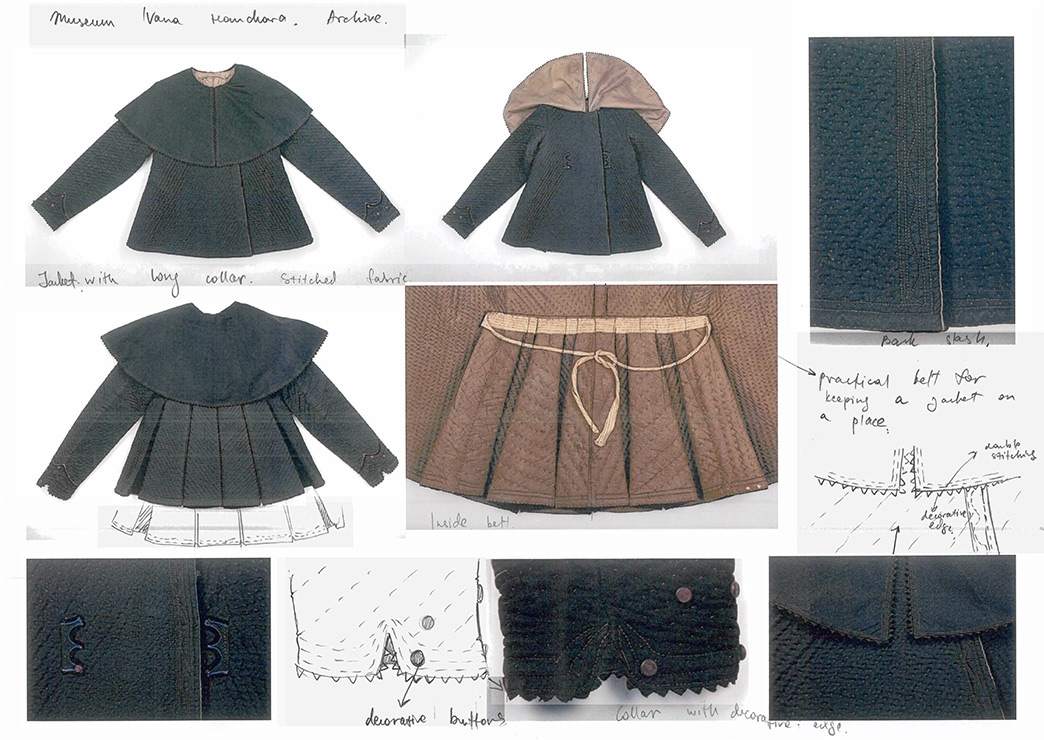
In my family, garments were treated with deep care — they carried stories, not because we made them ourselves, but because they travelled through time. Some pieces were passed from parent to child, holding the memory of those who wore them before. I grew up seeing how clothing could carry warmth, scent, and emotion, becoming a quiet archive of our lives. Later, when words felt too fragile, I turned to making as a way to continue that dialogue — to translate memory into form and texture.
How did the experience of displacement and distance from Ukraine shape your creative voice?
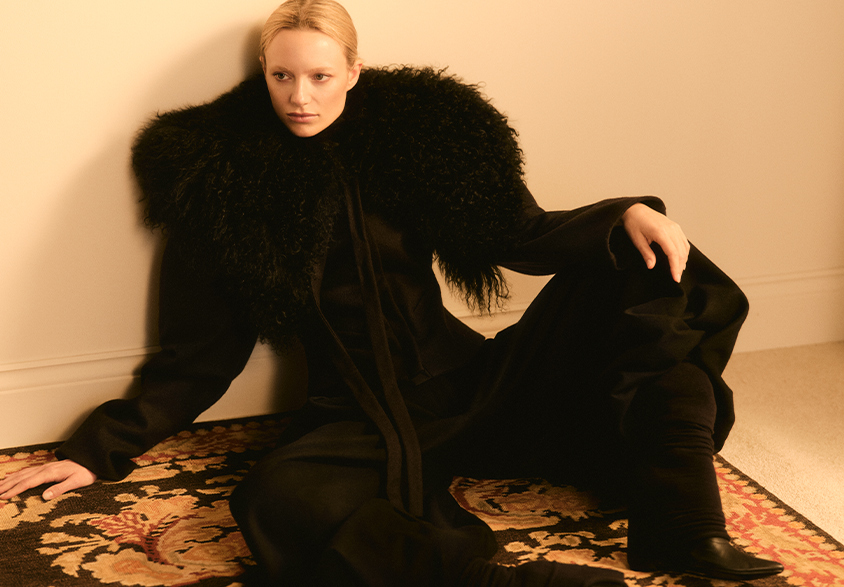
When you live somewhere, you don’t always realise how much it means to you — you think there are better places, different lives waiting elsewhere. But once you lose that closeness, you start to see it differently. Distance made me listen more carefully and appreciate the small things I once overlooked. It also made me think about how to preserve what feels like it’s disappearing. My work has become a way to hold onto those memories — the textures, colours, and moments that shaped me — and to find a sense of home within them again.
Your work often mixes nostalgia and modernity. Are there subtle details within your garments that carry traces of this nostalgia that one may not directly notice?
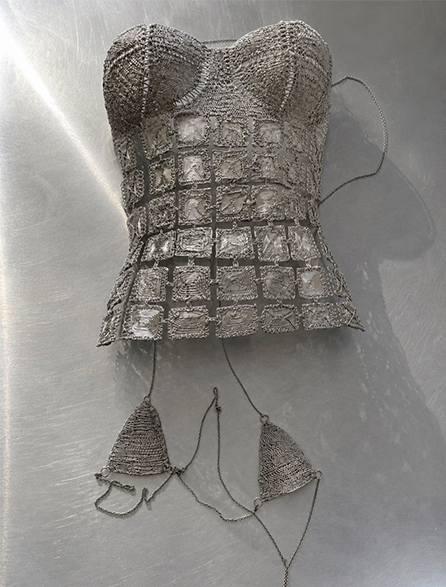
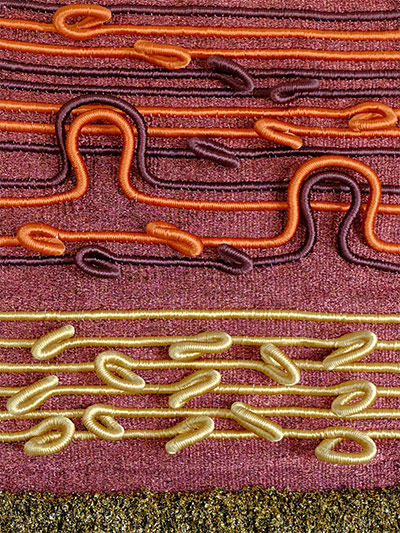
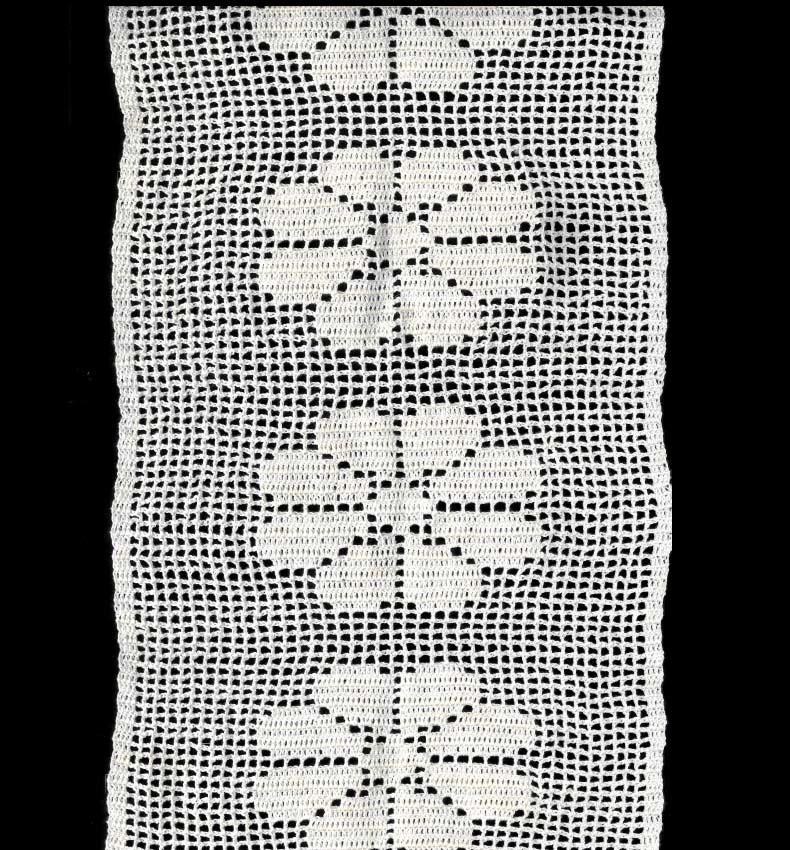
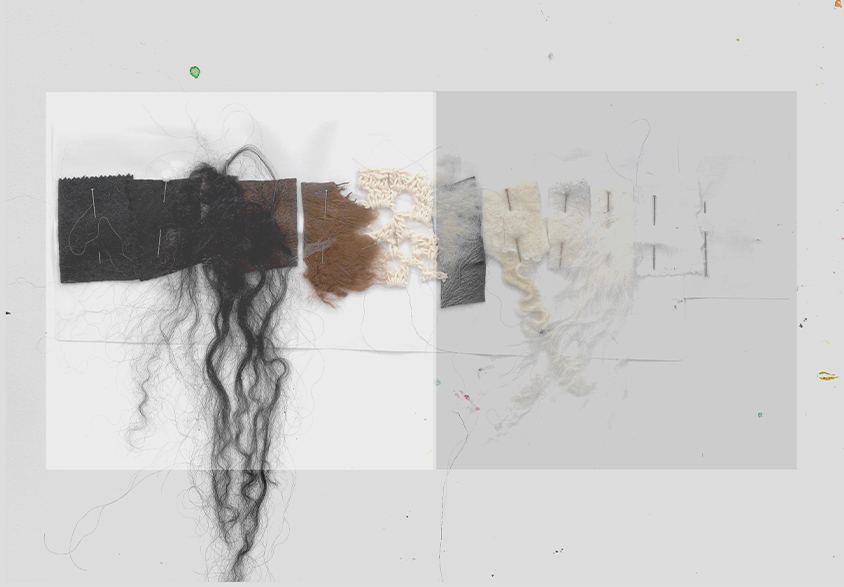
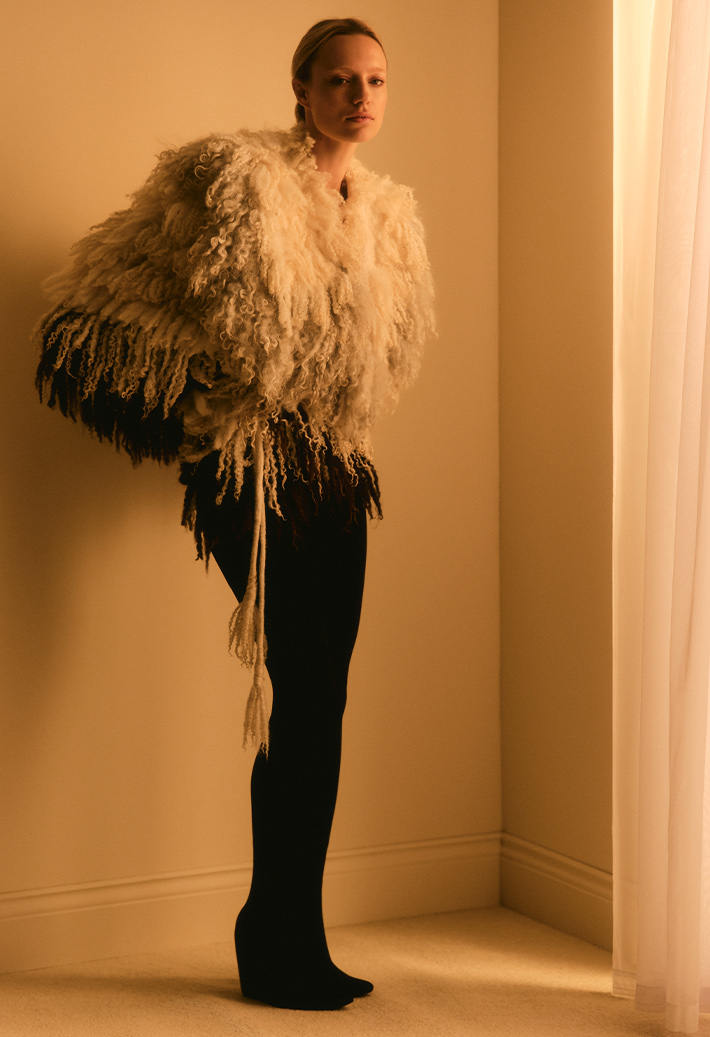
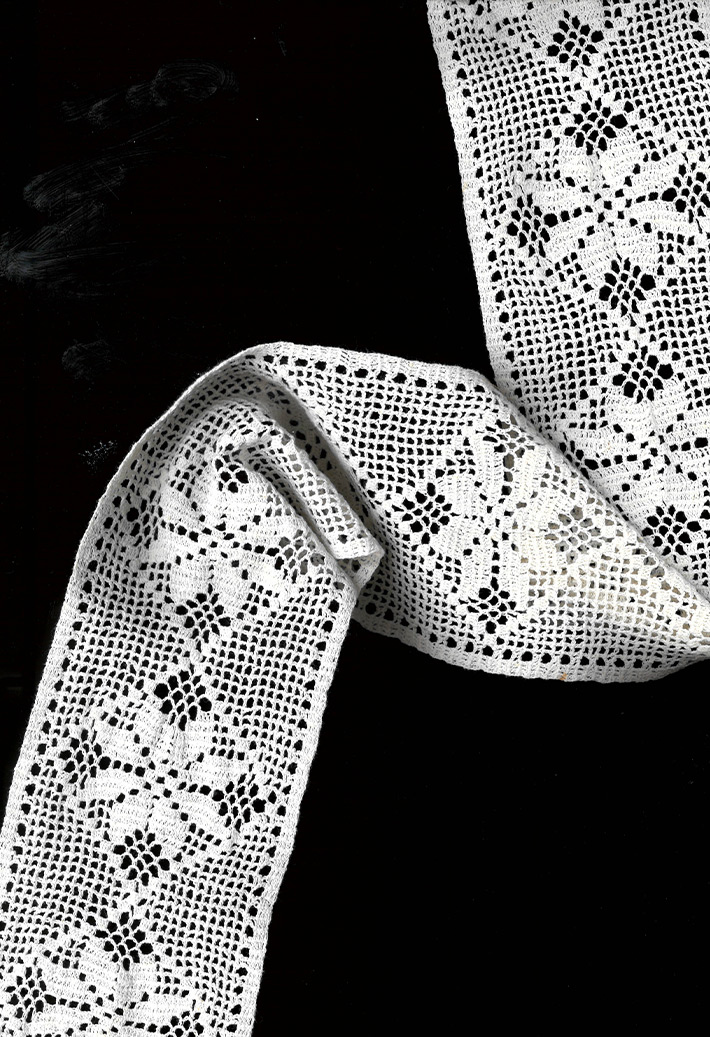
Yes, many of these details are hidden — hand-finished seams, uneven edges, or textures that reference folk garments. I often integrate felted or crocheted elements made by Ukrainian artisans, embedding small imperfections that feel human. These quiet gestures are my way of honouring the past without making it overly visible — they exist almost like whispers inside the garment.
In ECHO, you translate homesickness, loss, and resilience into form. Do you think clothing can hold emotion the same way an object or photograph can?
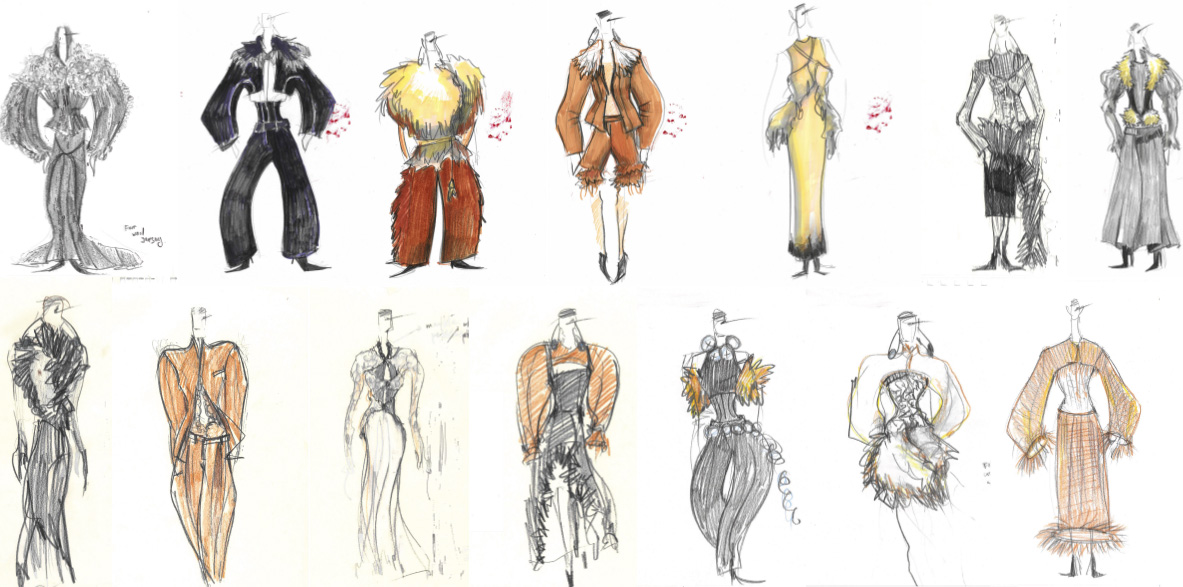
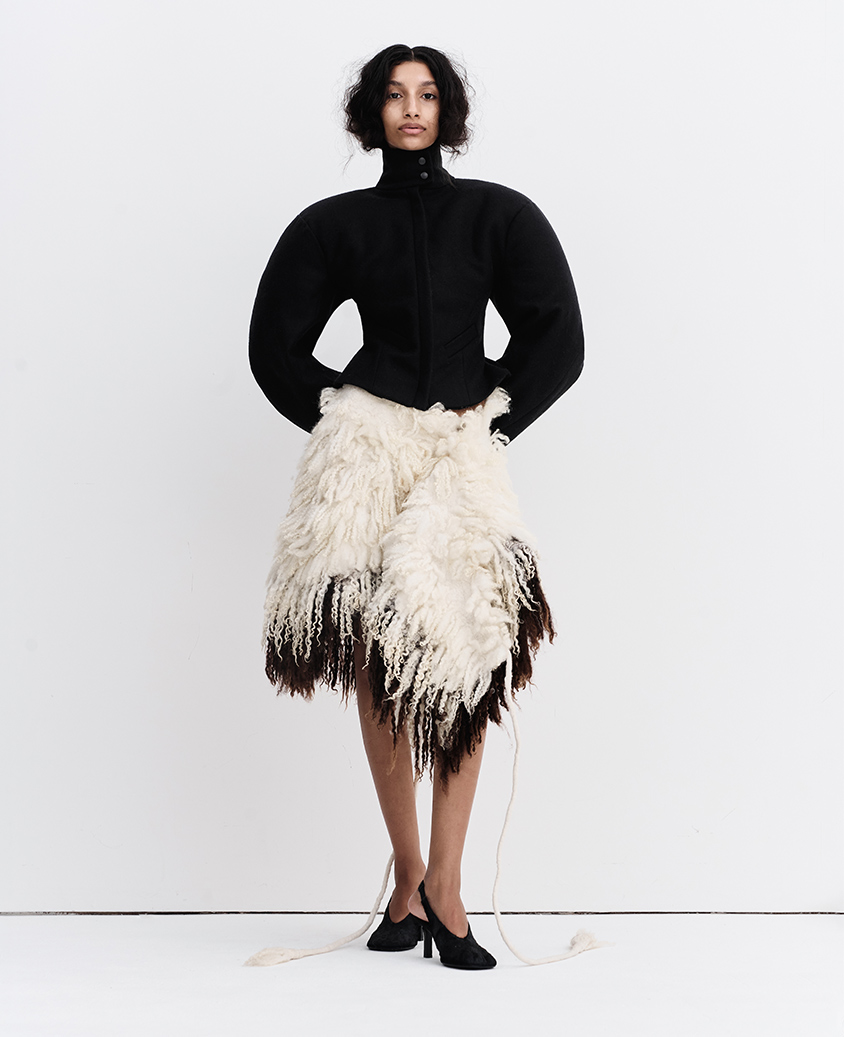
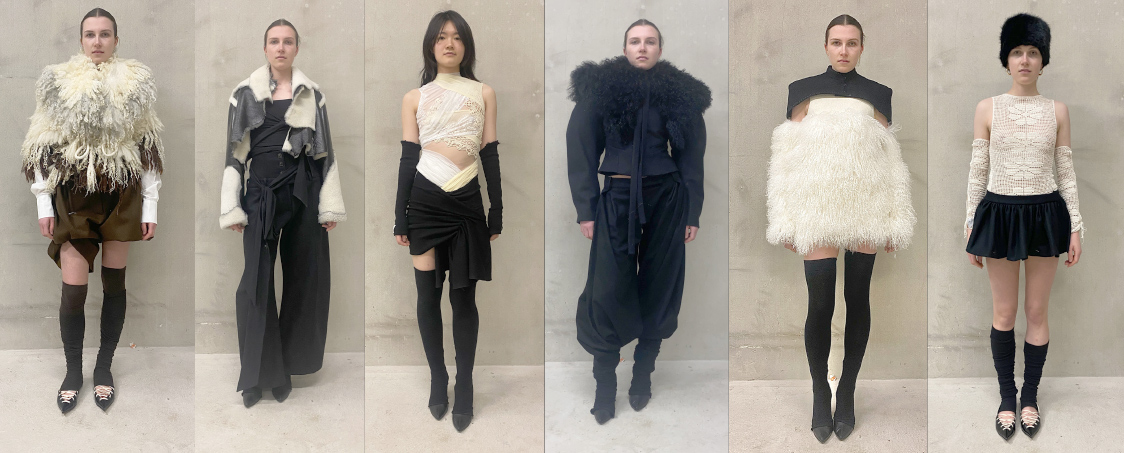
Absolutely. Clothing is one of the most intimate objects we live with. It absorbs our gestures, our warmth, even our absence. When something is made with care, it carries a certain energy — you can feel it when you touch it or wear it. ECHO explores that idea — that a garment can become a vessel for feeling, a continuation of memory through material.
You’ve collaborated with Ukrainian artisans working under extraordinary conditions. What have these collaborations taught you about resilience and the meaning of craU today?
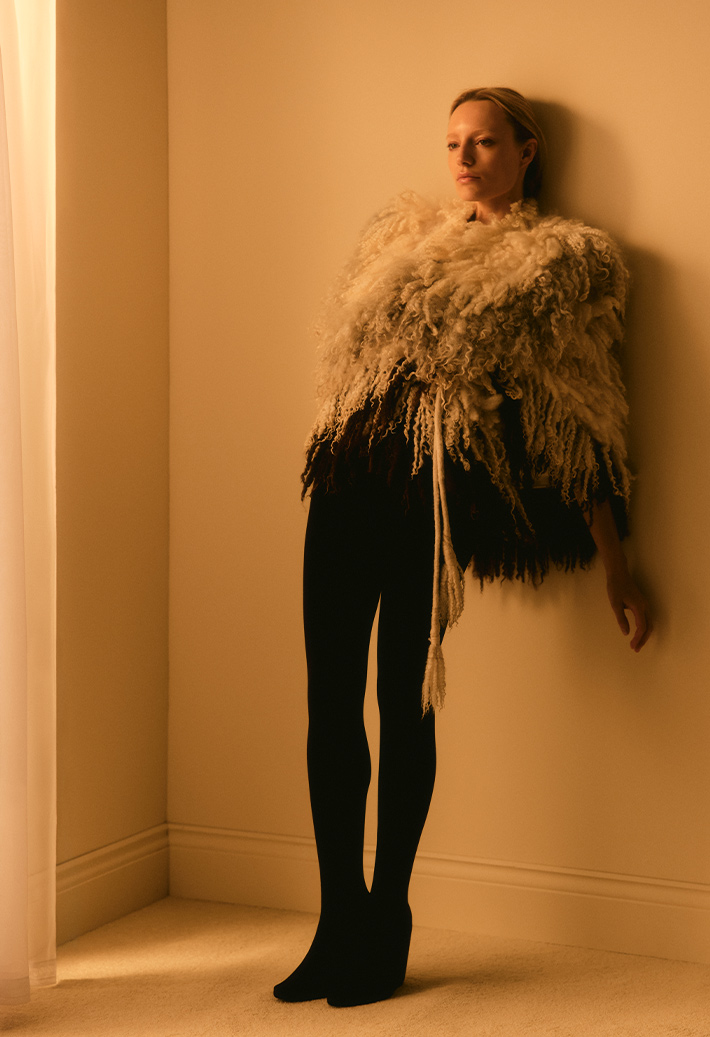
They’ve taught me that craft is an act of resistance. Continuing to create — to felt, to weave, to crochet — in times of instability is profoundly powerful. It connects people across distance and keeps a cultural heartbeat alive. What moves me most is that we are united by the same emotions — by fear, uncertainty, and also by hope. Even when everything feels fragile, there’s something almost magical in the process of making it together. It gives a sense of light, of purpose, and a belief that beauty can still exist in the middle of chaos.
You speak about fashion as a “ritual of elegance.” What does that ritual look like for you personally?
For me, elegance is about presence — being slow and intentional in how you move through the day and what you choose to wear. I see dressing as a quiet moment of connection with yourself, a way to return to your body and to notice how something feels against the skin. It’s not about appearance or perfection, but about care and awareness. To wear ACIDSIIIA is to take time — to appreciate texture, balance, and silence. It’s a reminder that clothing can ground you, slow you down, and help you feel present in your own rhythm.
Is there a garment that you see as a form of healing? For yourself or for those who wear it?
I believe every garment can be a form of healing. Each piece carries traces of the hands that made it and the energy of the moment it was created. There’s something deeply comforting in clothing that wraps and protects the body — it creates a sense of safety and closeness. When you feel the material against your skin, it becomes more than just fabric; it becomes a quiet reminder that you’re held, seen, and connected.
Where can people find you?
You can find me on Instagram at @acidsiiia and on my website www.acidsiiia.com. My project ECHO will be presented as part of the Autumn/Winter 2025–26 season, continuing to explore themes of memory, displacement, and craft through slow, collaborative making.