Alberto Lamback
What’s your name and where are you from/based?
Hello, my name is Alberto Lamback. I’m an artist from Brazil, based in São Paulo.
Can you describe your practice in a few words?
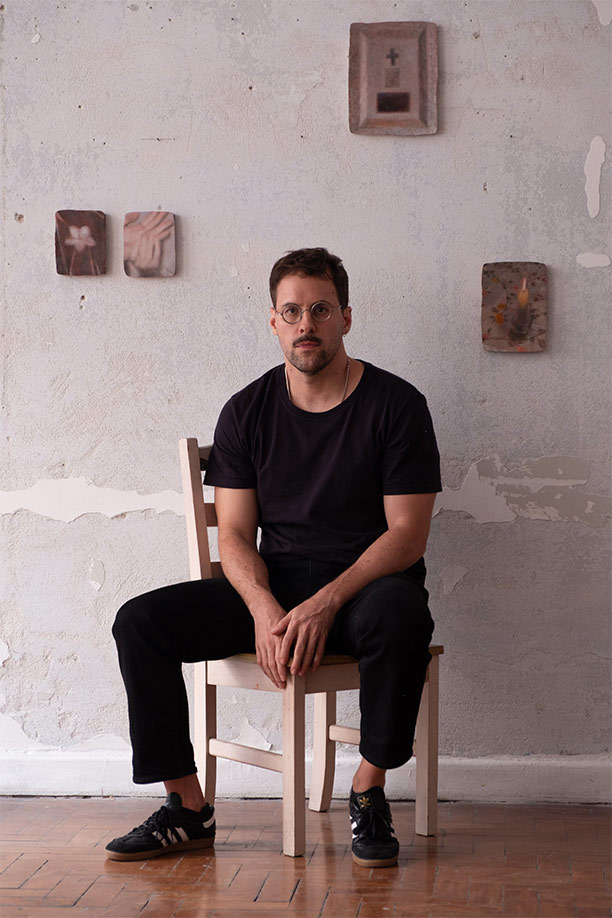
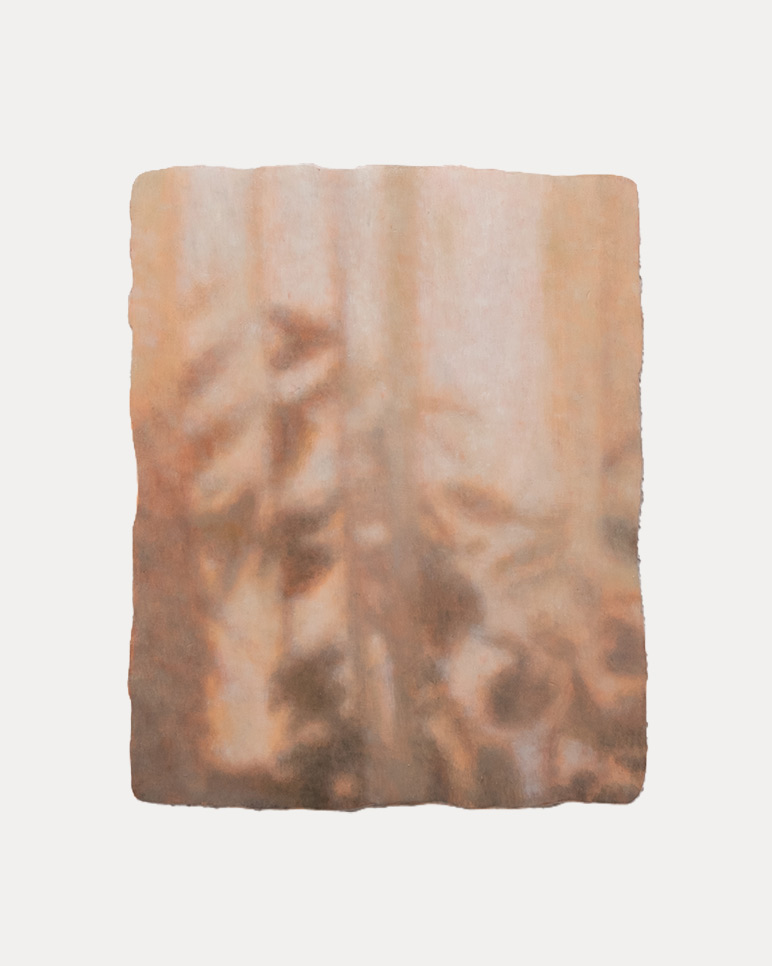
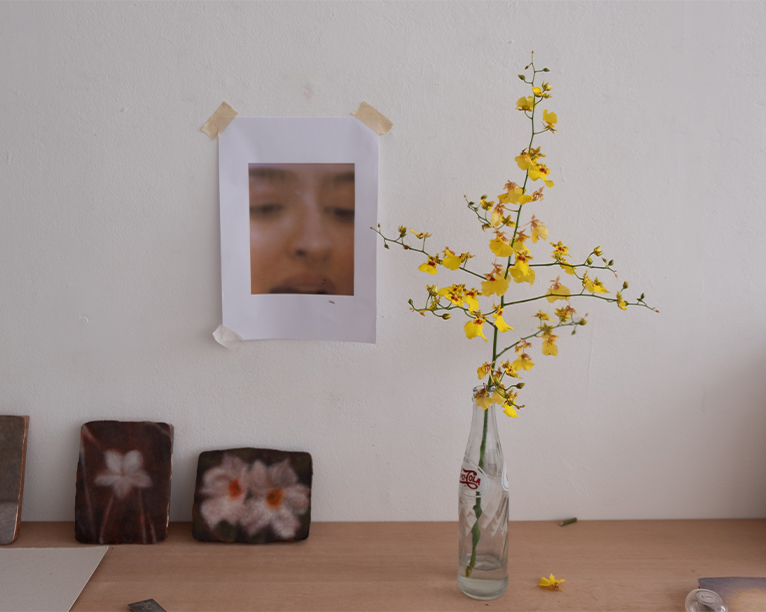
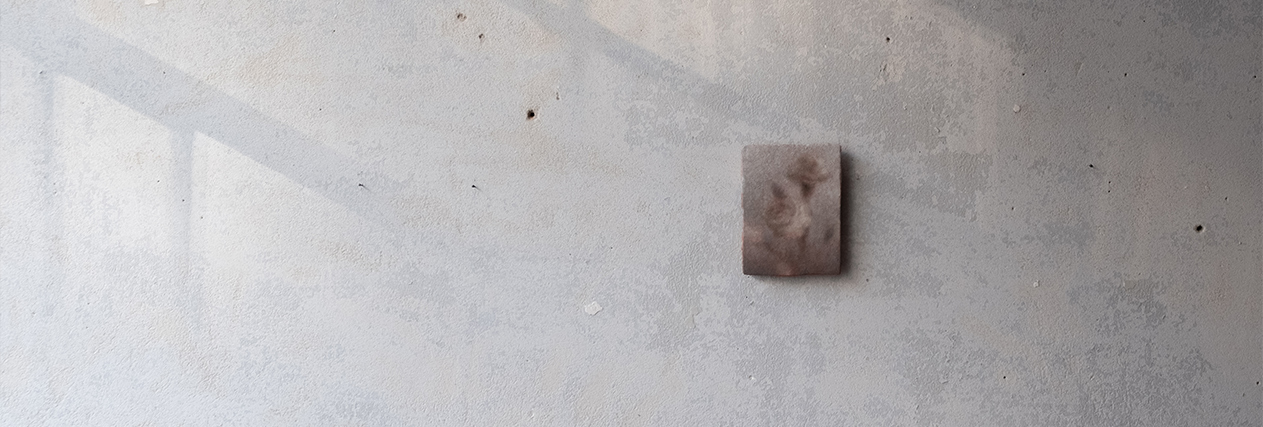
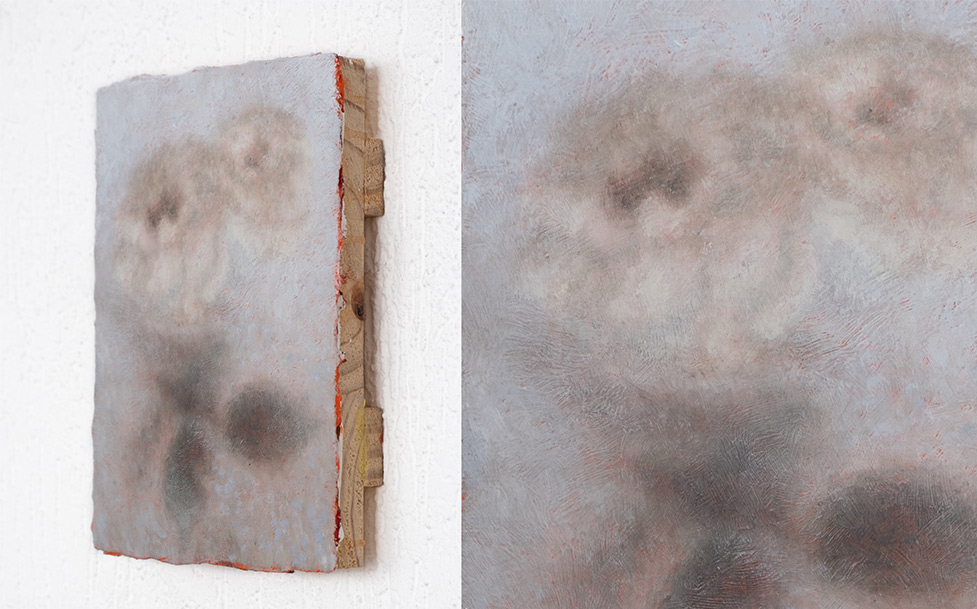
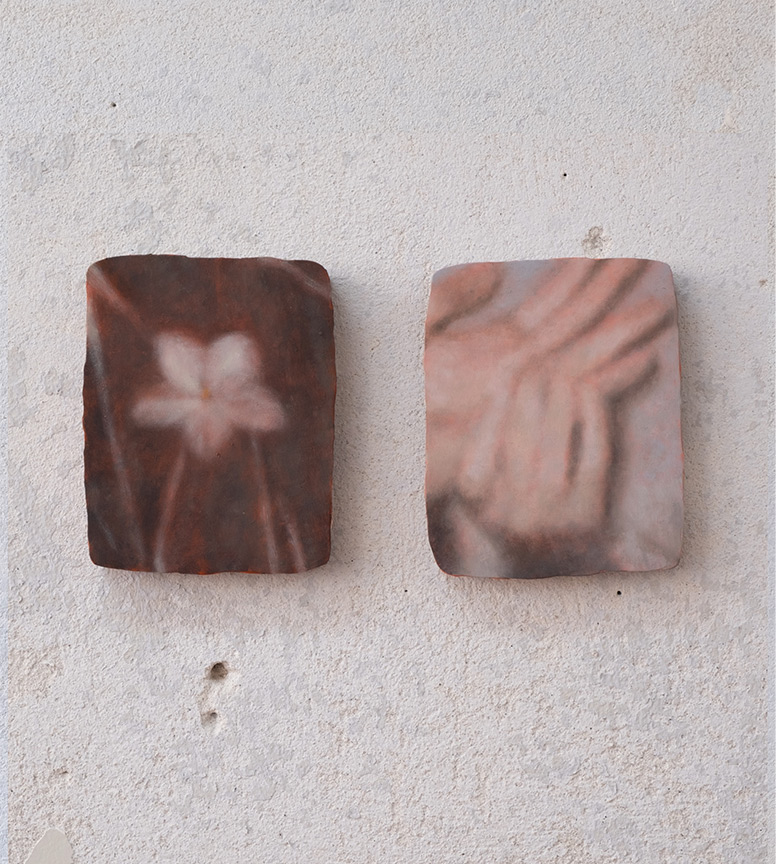
I make small paintings on wooden blocks that I prepare myself, building up layers of modeling paste until the surface feels right. My subject matter comes from things I encounter in the everyday, whether observed in real life or pulled from a screenshot. It’s all source material.
What early inspirations led you toward painting?
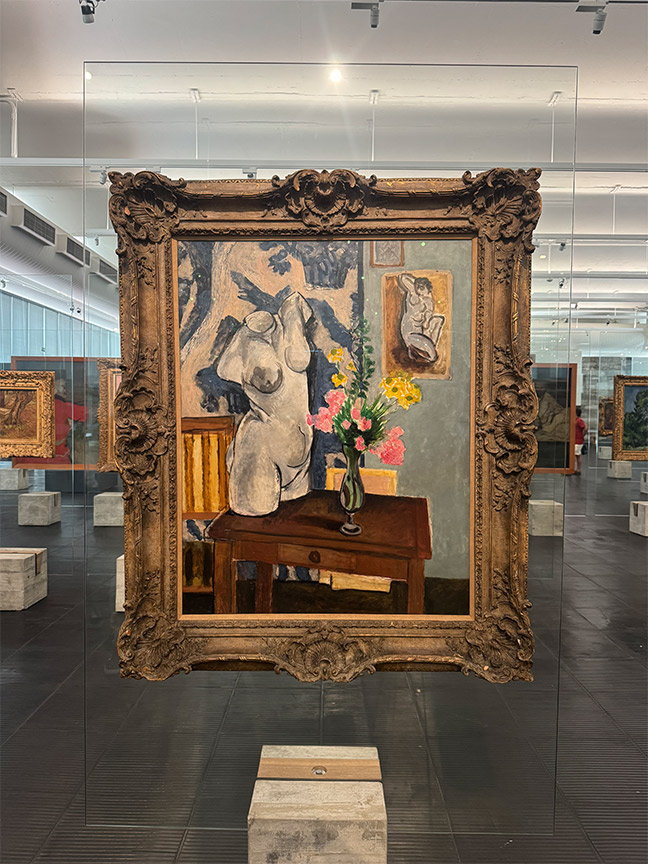
My mother often took my sister and I to museums when we were little. Most of it went over my head, but I still remember a Magritte exhibition I saw around age seven. I was completely blown away, not just by the technique, but by the freedom he took to simply swap things out of their natural order. I left that exhibition wanting to paint. After that, I never hesitated to visit museums, as long as there were paintings involved.
Your process begins with constructing the canvas itself. Can you describe this?
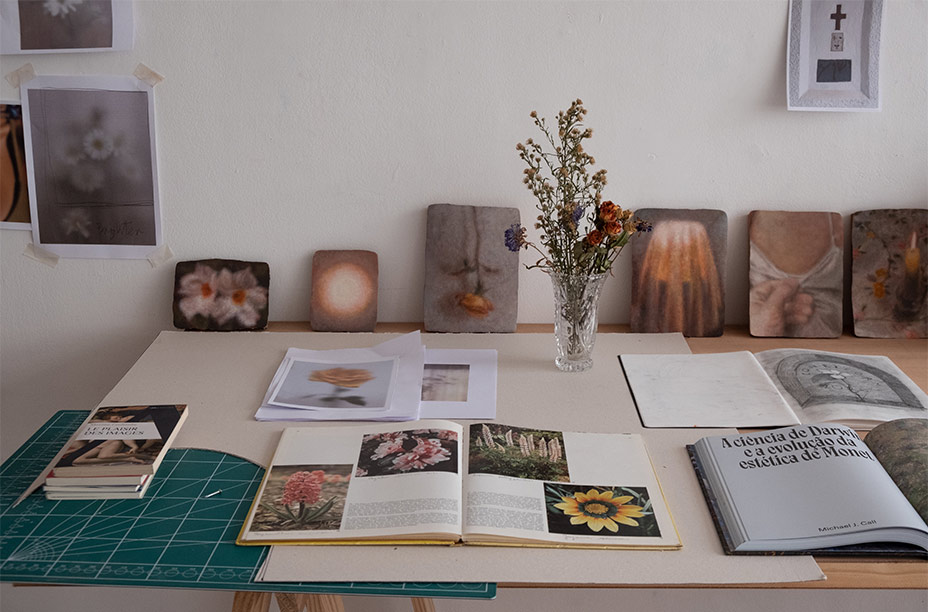
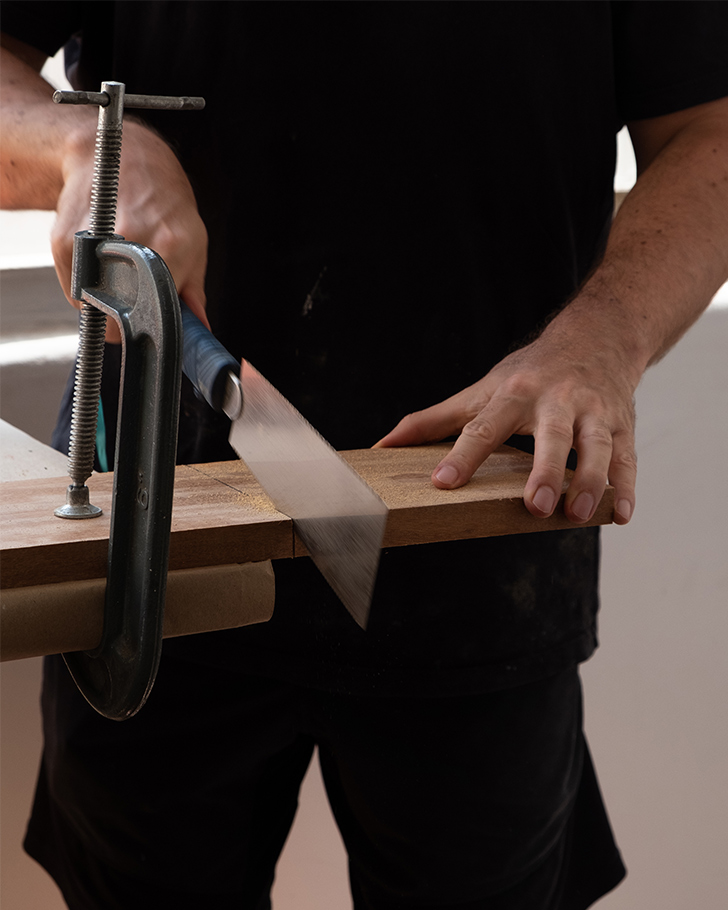
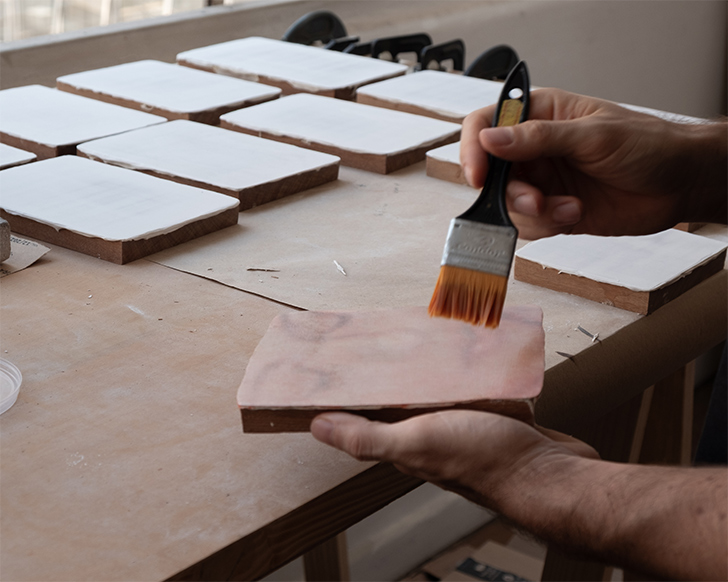
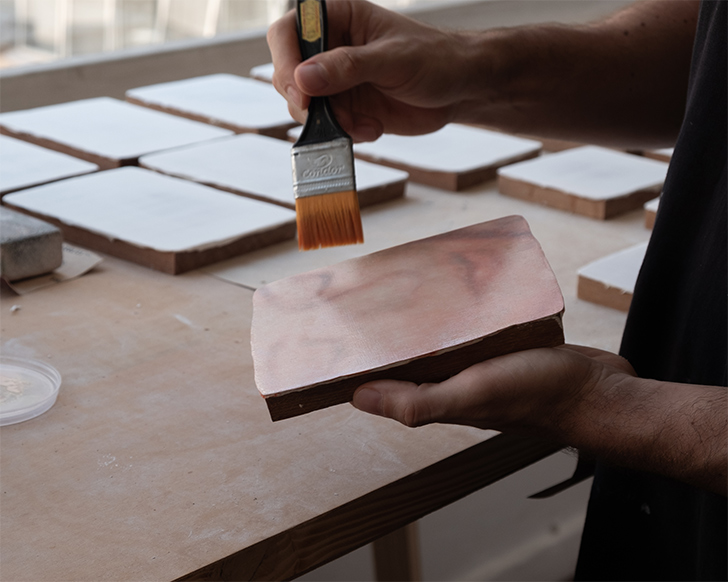
I source planks of dense native wood from a merchant and cut them to size with a hand saw. After sealing the wood, I apply layer upon layer of modeling paste, waiting for each to dry, sanding in between. After four or five layers, I prime the surface with gesso. The whole process takes about two to three weeks.
Why is it important for you to build the canvas before painting?
I’ve always liked being involved from start to finish. For me, preparing the surface isn’t just a technical step, it’s where the artwork truly begins. While I’m building up layers, smoothing and sanding, I’m also thinking about what I’ll paint. It’s a quiet, meditative time. A ritual, almost.
Your paintings feel like small, captured moments in time. What kind of moments are you drawn to preserving?
The moments I’m drawn to are the ones that might otherwise be overlooked: the way a shadow falls across an object, a reflection in a window, how a flower’s colours soften as itages. I find them on my walk to work, in the company of friends, in the studio. I’m not looking for grand events, just the subtle details right in front of us.
There’s a blurriness to your paintings reminiscent of memory. What draws you to this?
Part of it is practical—I’m short-sighted, so in a way I’m just painting what I see without my glasses. But that blur also feels true to how memory works. We don’t remember in sharp focus; we remember impressions, feelings, fragments. I come from a photorealist background, where every detail mattered. After years of chasing precision, I found myself going backwards, painting things that fade away more and more. It’s freeing. It lets me release the details that can feel controlling. Like memory, the blur edits, softens, lets go of what isn’t essential. There’s also something about how, like words, the more you stare at them, the more their meaning dissolves. The blur does that—it pulls you away from the surface and lets you internalize the image, the way you internalize a memory until it becomes more yours than what actually happened.
You describe your work as holding onto instants that are “transient, yet permanently resonant.” What does that paradox uncover?
It’s about recognizing that the smallest things often carry the biggest weight. I believe we’re shaped by a collection of small moments: brief glances, subtle gestures, shifts in light. Alone they seem insignificant, but that accumulation becomes who we are. The surface I paint on plays into this. My images feel light, almost fleeting, but the support itself is heavy—intentionally so. There’s something grounding about painting on a surface with physical weight. It anchors these ephemeral moments, gives them a place to land.
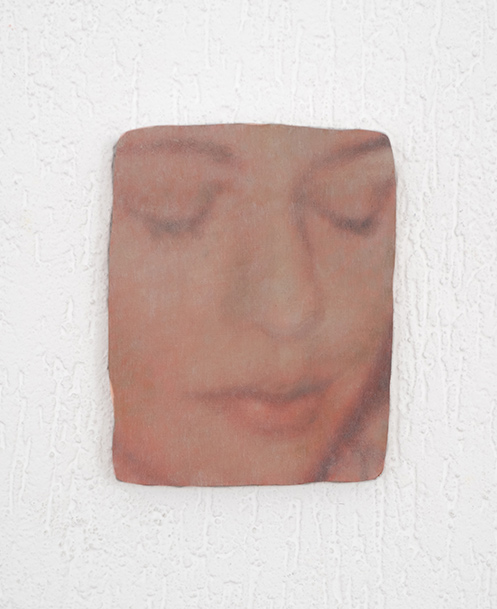
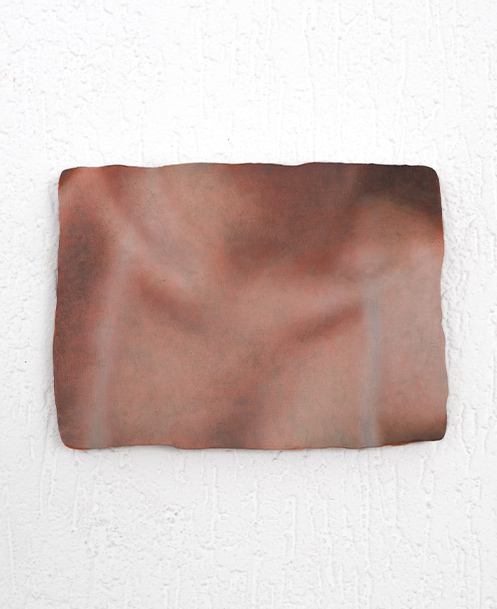
Looking at your body of work, do you notice certain forms or motifs that consistently reappear?
I do. It started with flowers. I’ve always been captivated by their intricate details, the way they can feel almost architectural in their complexity. Lately that focus has shifted to hands. I find myself observing how light moves across them, how a subtle shift in position can completely change the narrative.
At its core, I think what I’m really chasing is light in all its forms: the soft glow of a candle, the shadows it casts, the quiet light of the sky and moon. These elements are tools for setting a certain mood, a way of capturing a feeling that’s often just beyond words.
Outside of painting, what keeps you inspired?
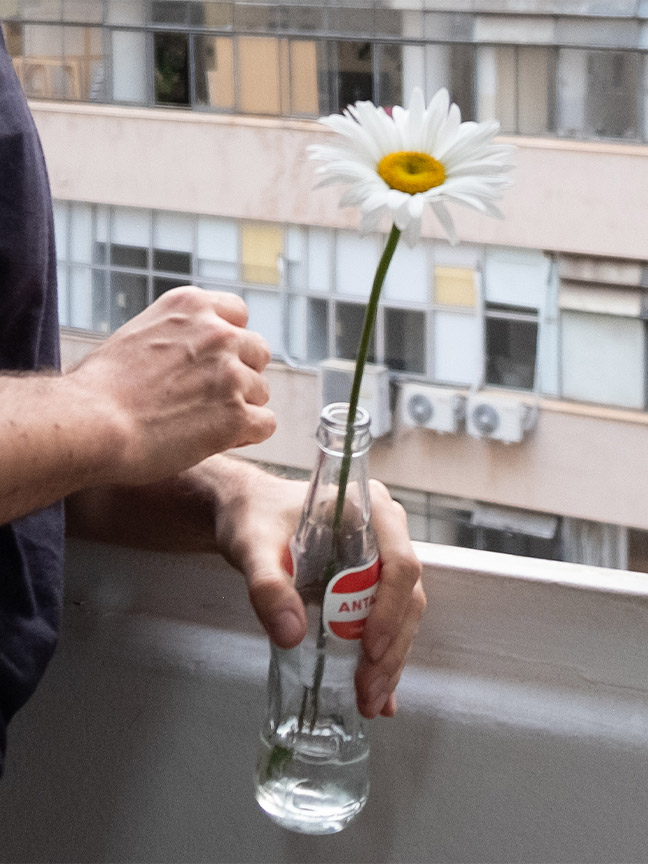
My daily walks have become essential. I live close to the studio, so I walk to and from work each day. Along the way, I see life happening—people commuting, light shifting through trees, small moments unfolding. Walking slows me down, helps me pay attention. That rhythm has influenced my work more than I realized. I’ve also been finding inspiration in books and films. Like walking, they ask you to sit with something, to give it time. In a way, both became a response to the noise of social media, a reminder that not everything needs to be instant.
Where can people find you?
My studio is in central São Paulo, always open for visits. I’m on Instagram under my name, where I’ll be posting updates on a few group shows I have lined up this year.