Amandine Leost
What’s your name and where are you from/based?
My name is Amandine, I come from Brittany, I grew up there, and now I have been living in Paris
Can you describe your practice in a few words?
I studied at IFM for three years, during which time I completed my final collection last June. Now I am doing an internship in tailoring at Alaia
How did your journey into fashion begin?
I would say in different ways, because of the environment I grew up in, with a mother, sisters, and grandmothers who always had good taste in terms of textiles, clothing, and patterns. It’s a bit of a cliché, but also the big fashion shows I watched when I was younger.
What does the name of your new collection, Pagaille, mean?
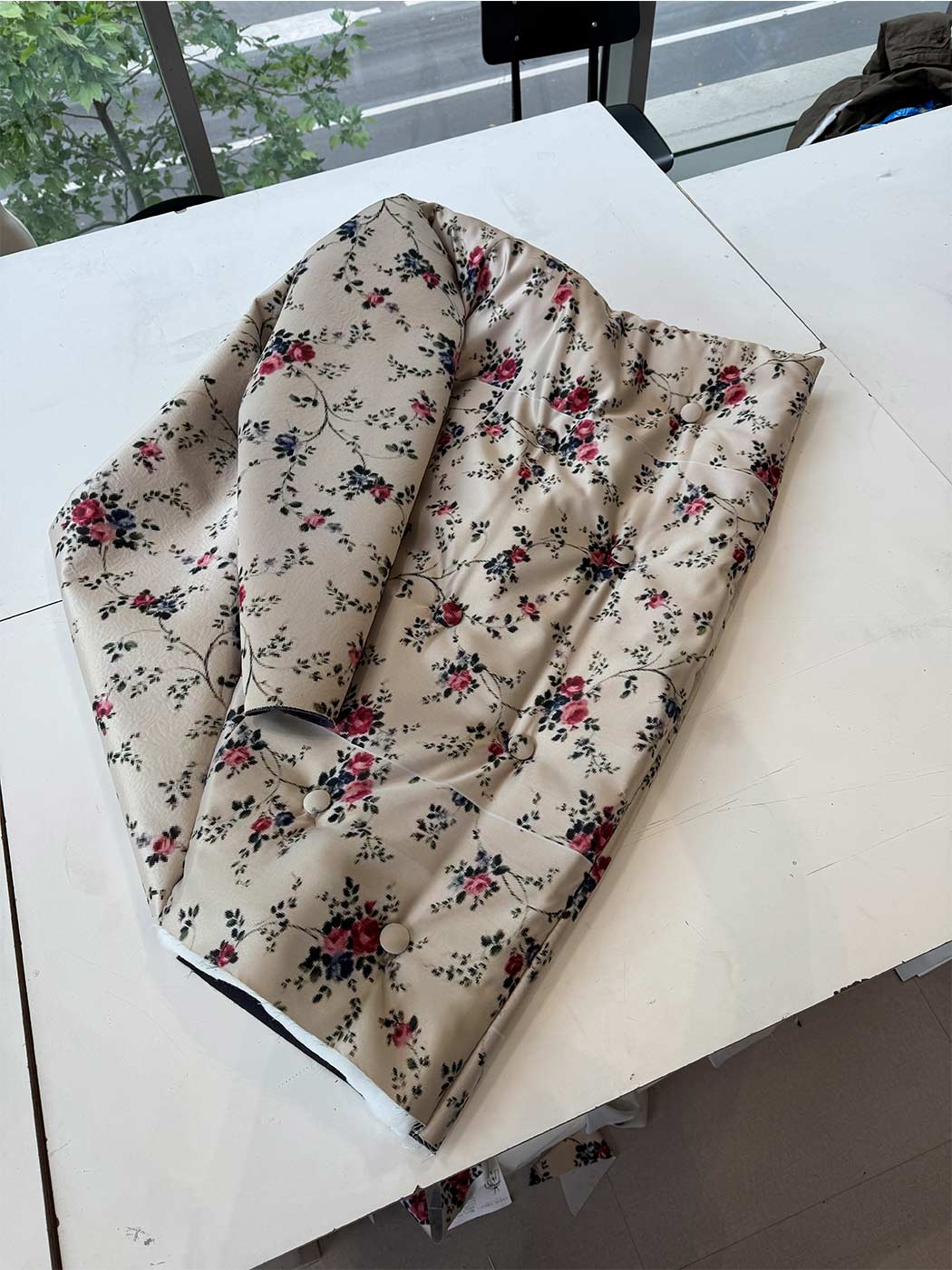
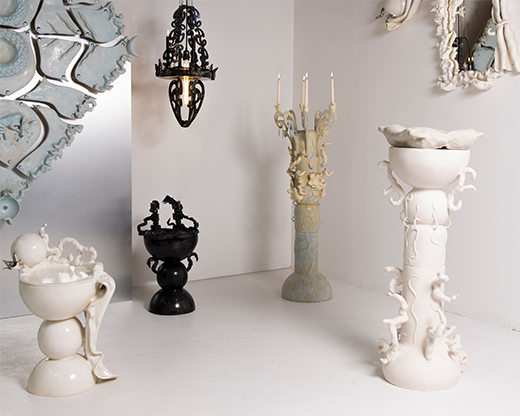
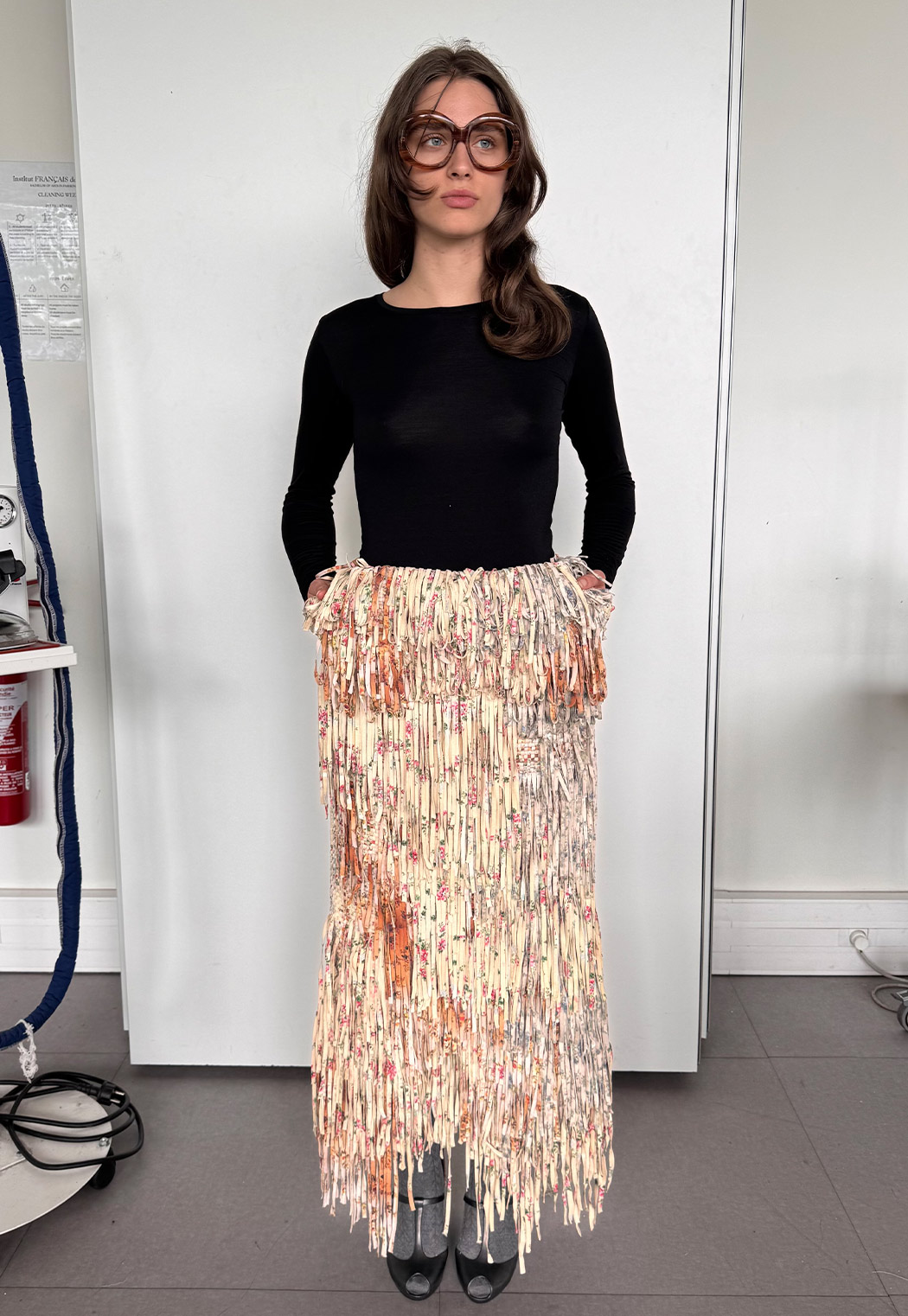
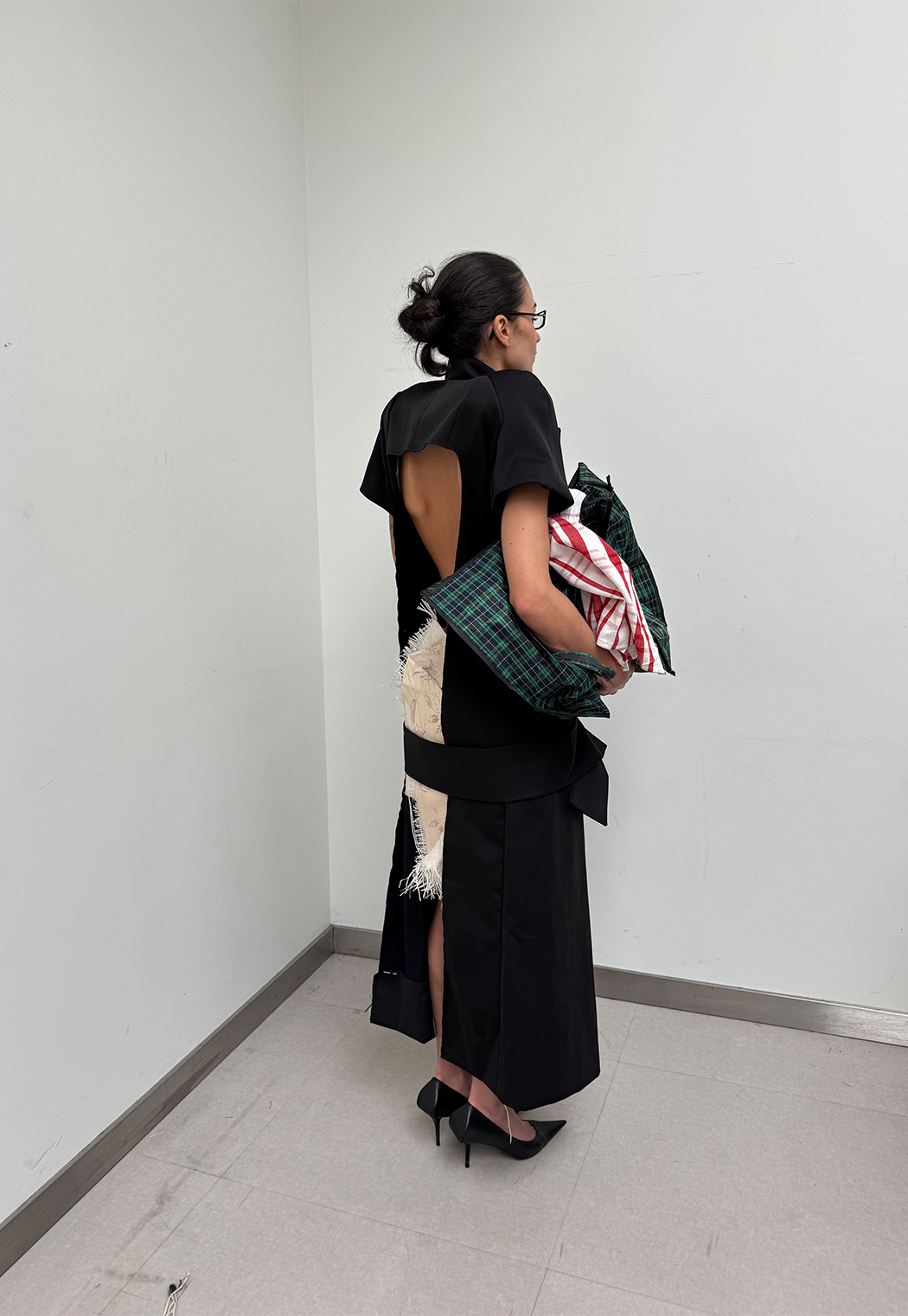
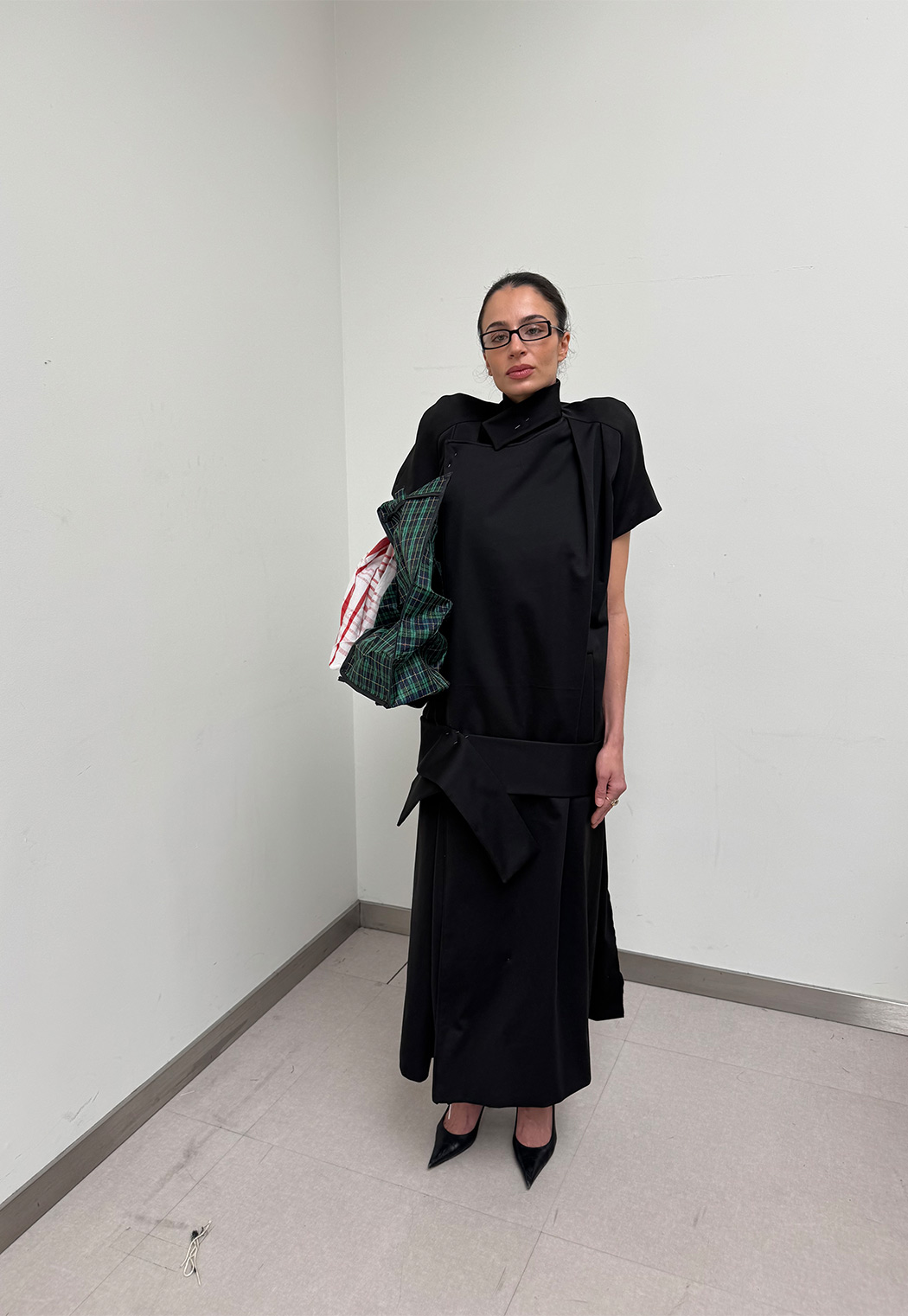
From a very young age, I was immersed in the world of secondhand items, especially furniture, because my mother has always explored this world. And two years ago, she opened her own boutique/flea market, which she had dreamed of doing for a long time. It’s a place that has greatly inspired my collection, which features many references to the 60s to 80s, patterns, kitsch, etc. I found that it was a perfect fit and a nice nod to my mother.
You describe Pagaille as being carried by the spirit of the 60s to 80s, with the world of flea markets and grandmothers’ wardrobes. What about these fascinates you?
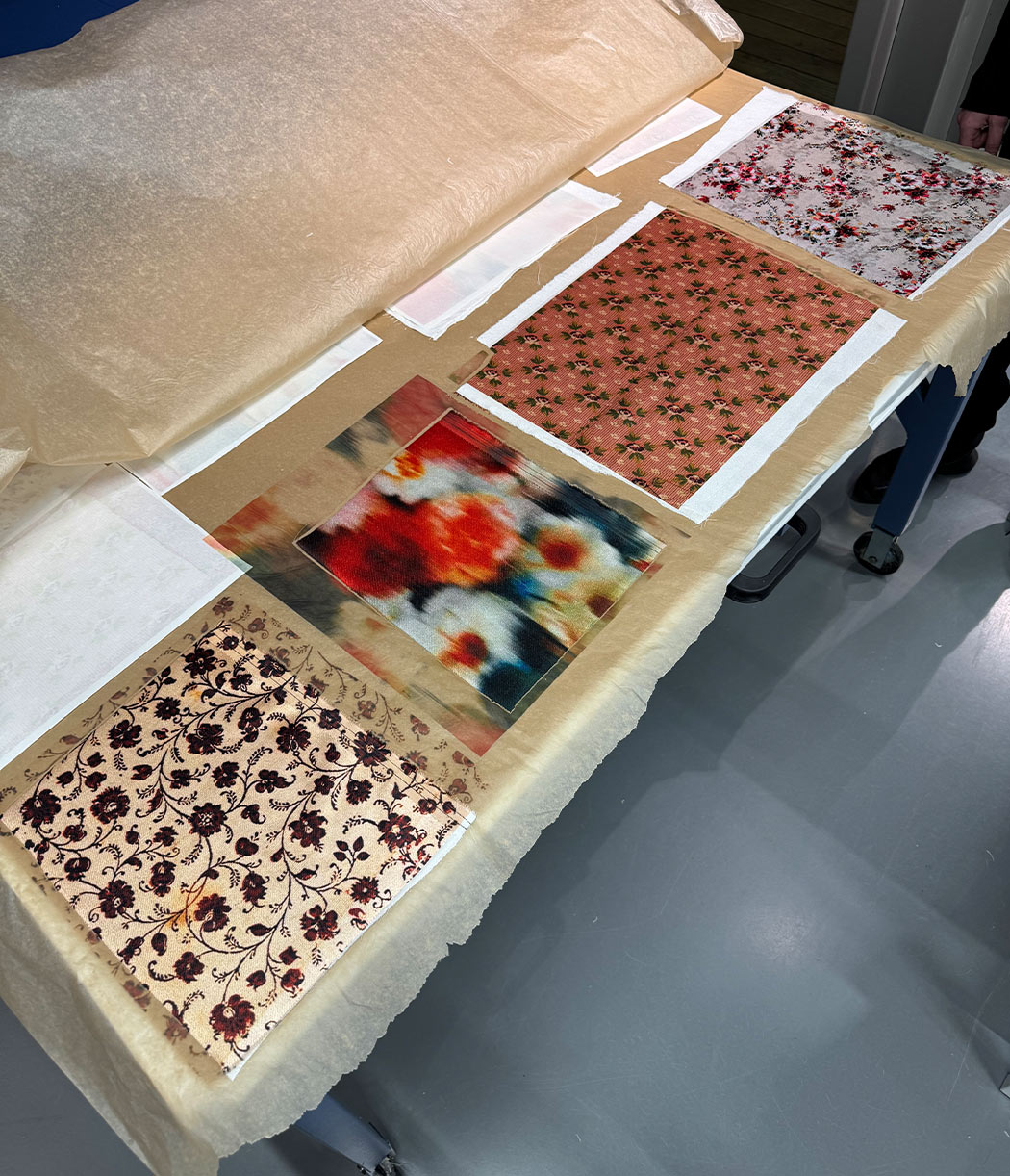
From my point of view, I find something joyful in this mix, in the image I have of it and in its kitsch universe. I have a nostalgic relationship with this era that I never knew, so it’s as if I were immersing myself in it.
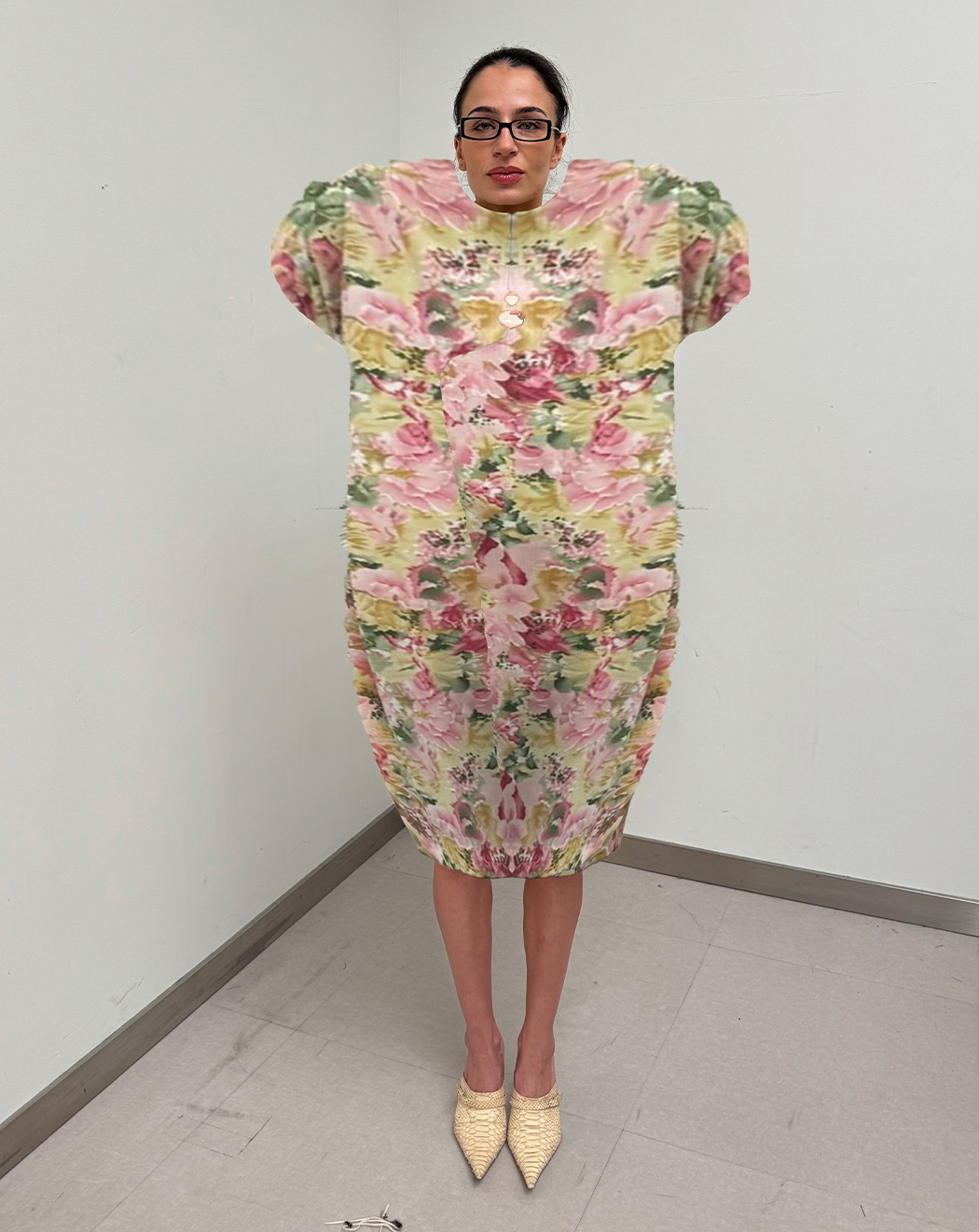
How did visual references like Harry Gruyaert, Stephen Shore, and William Wegman shape the color and mood of the collection?
Their work influenced me through their unique way of capturing everyday scenes with unexpected color harmonies and a certain spontaneity.
I wanted to bring that same sense of vivid yet balanced energy into the collection’s mood and palette.
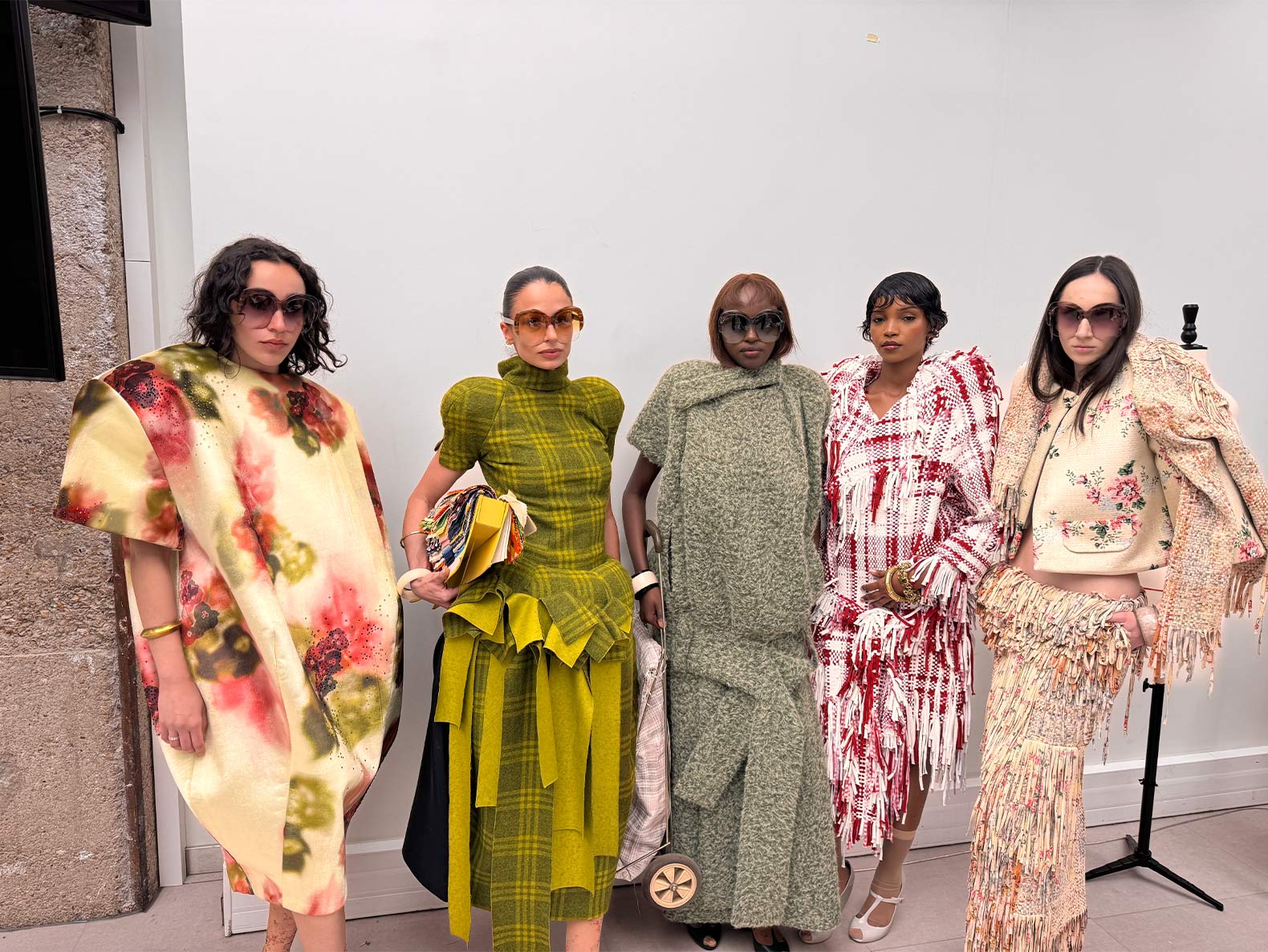
What kinds of materials or details intrigue you most?
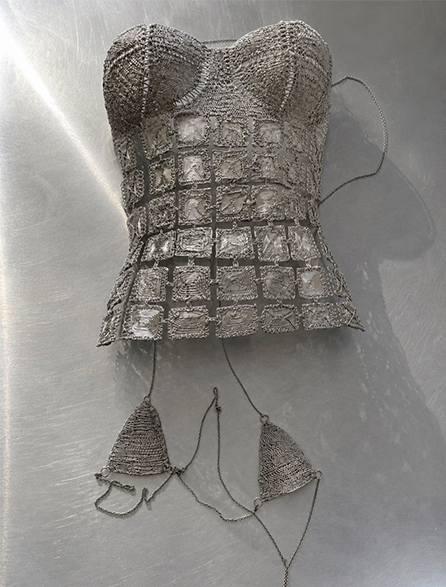
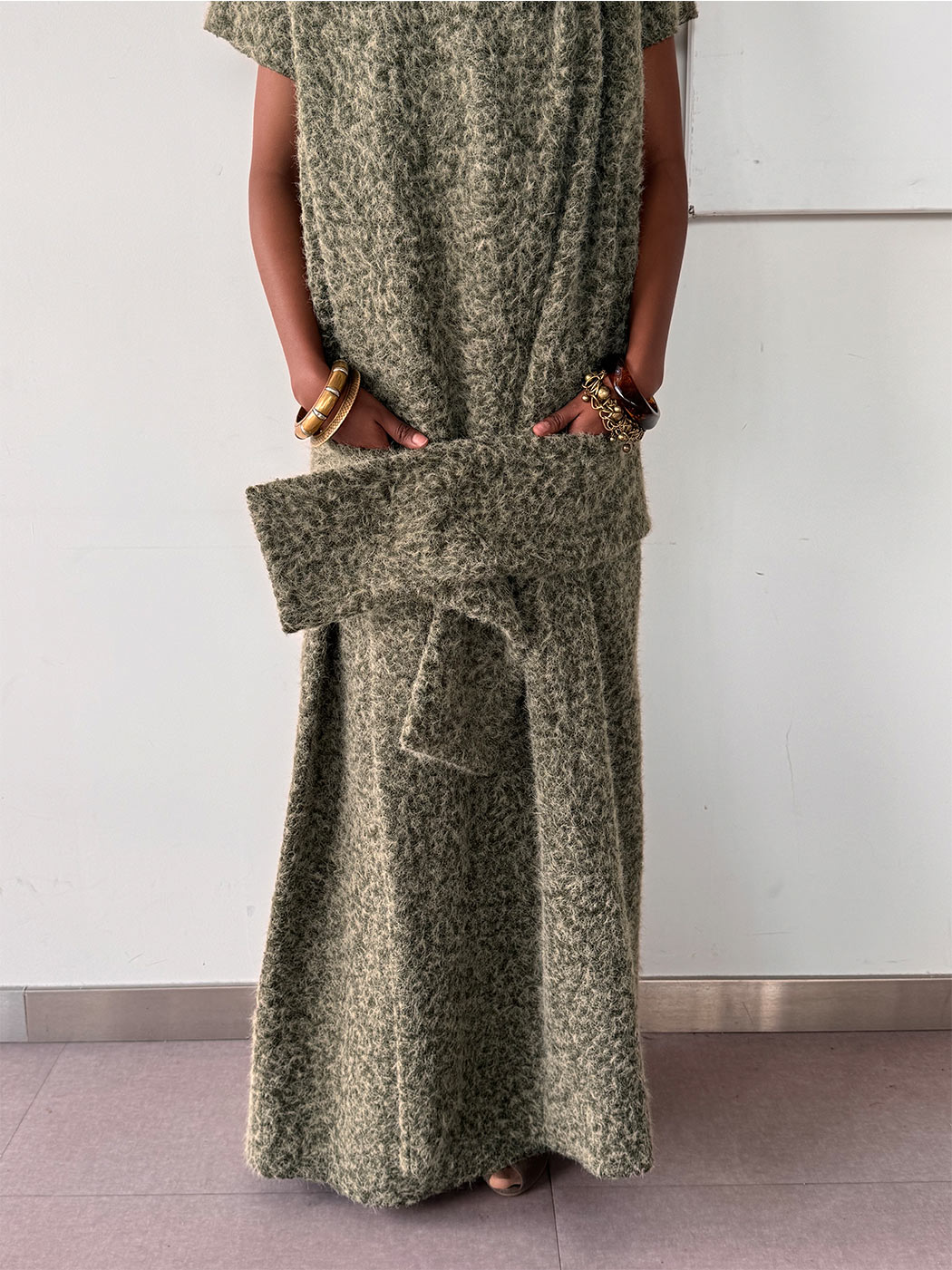
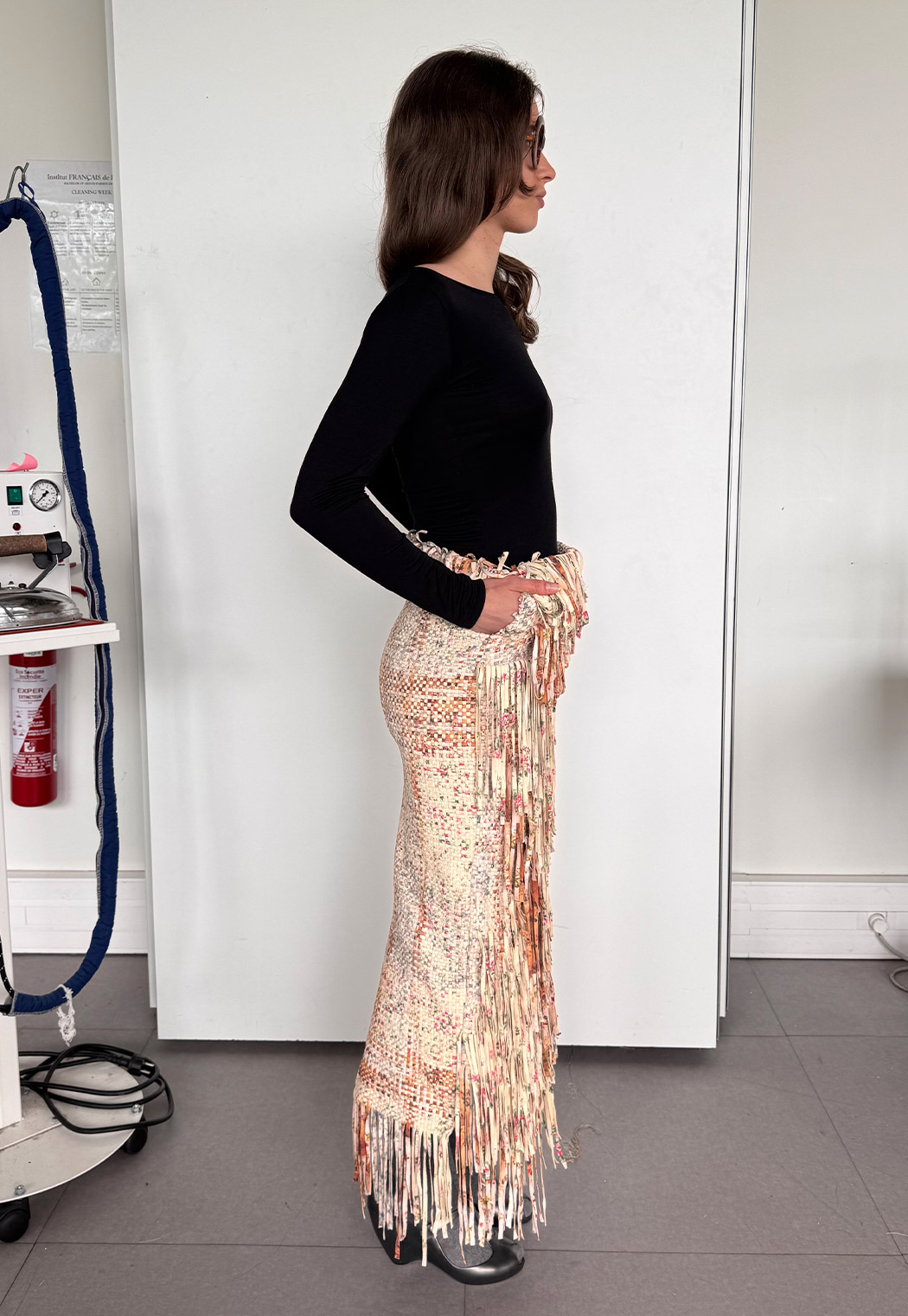
I really like worn and fairly raw materials. But I also like delicate things that call on craftsmanship, which is something I’ve brought into my collection, for example through hand-knitted pieces (looks 1 & 3).
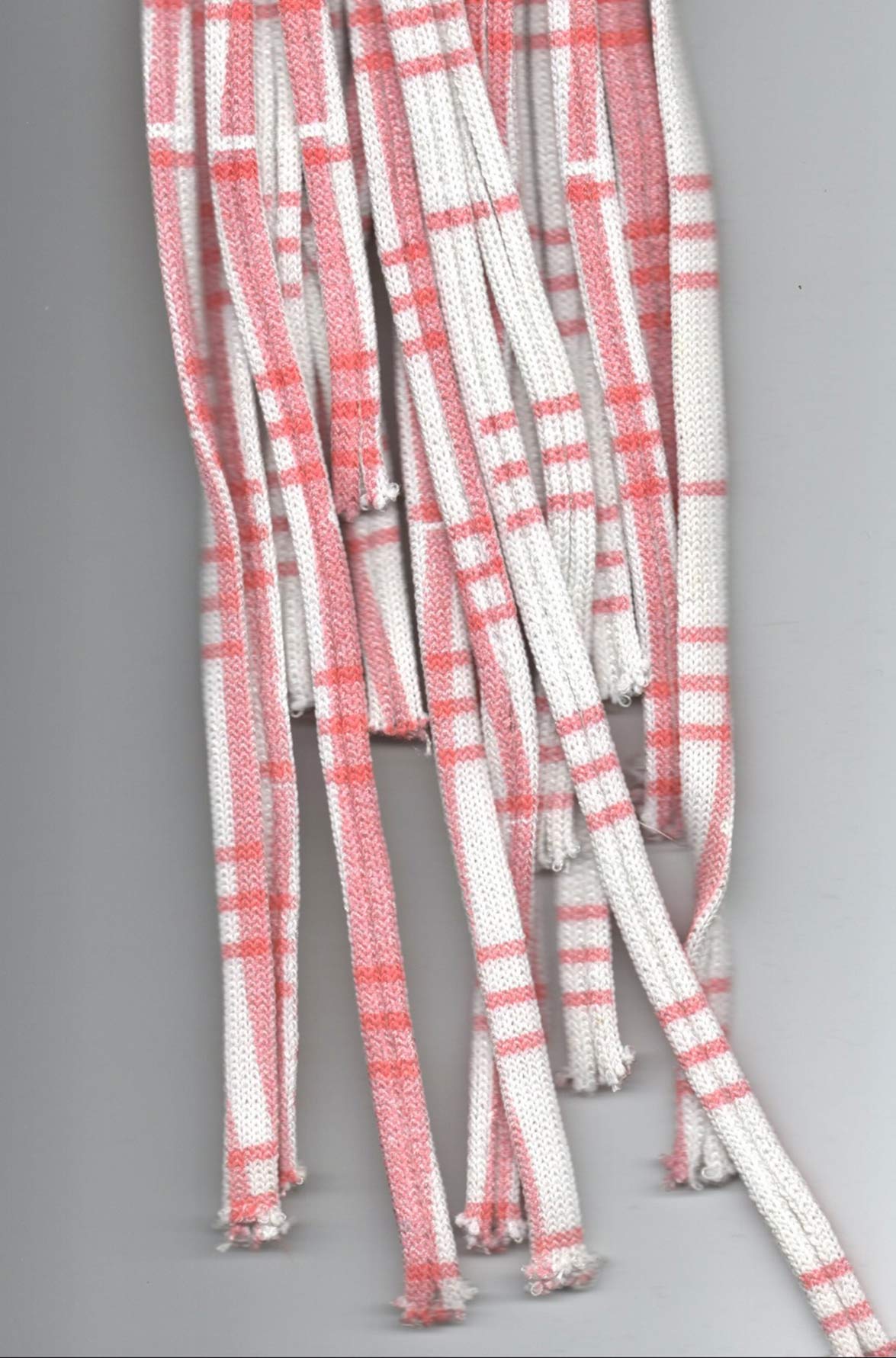
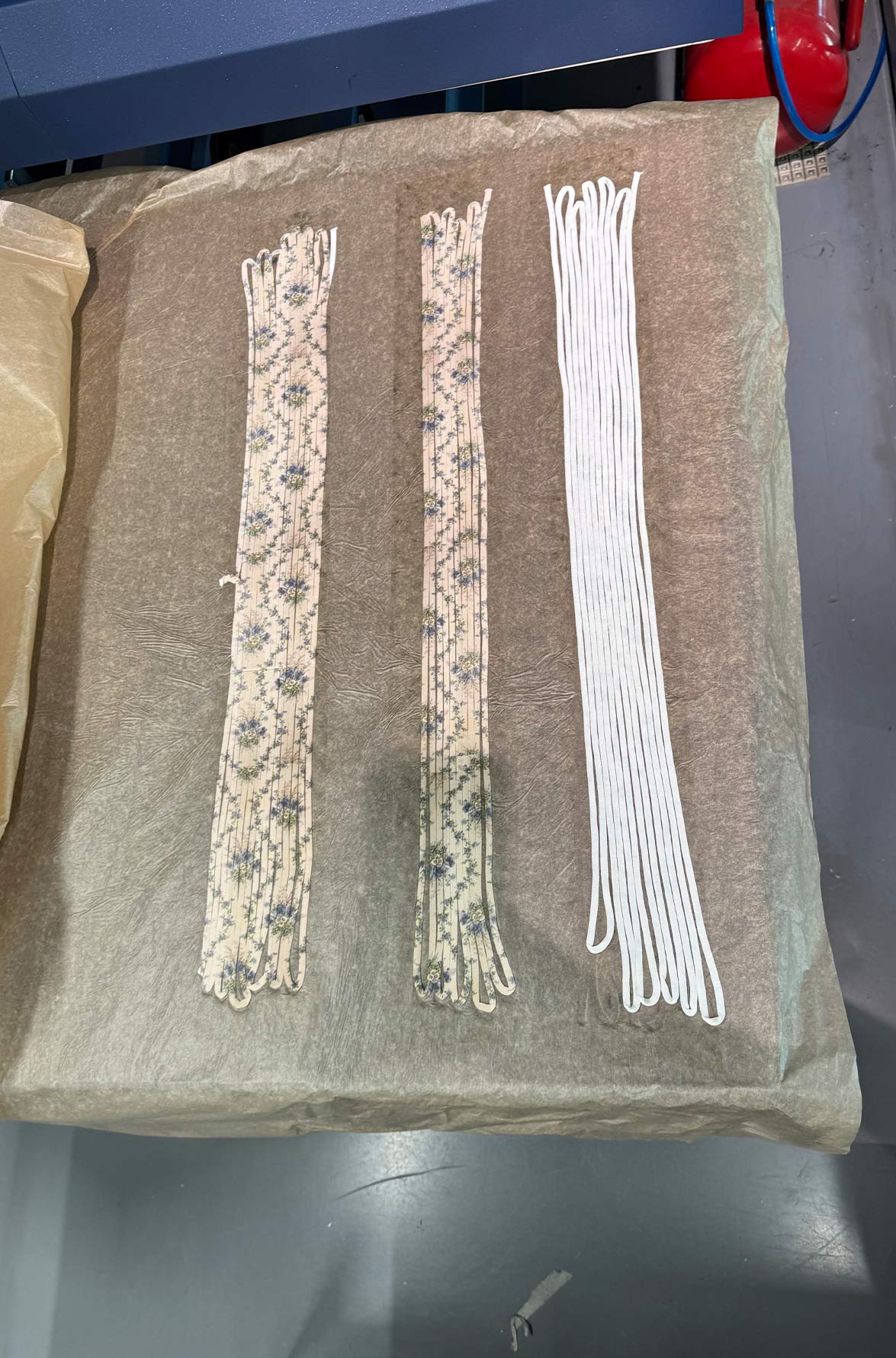
You call the project a “playful and nostalgic exploration of a reinvented past.” What does this mean in your creative process?
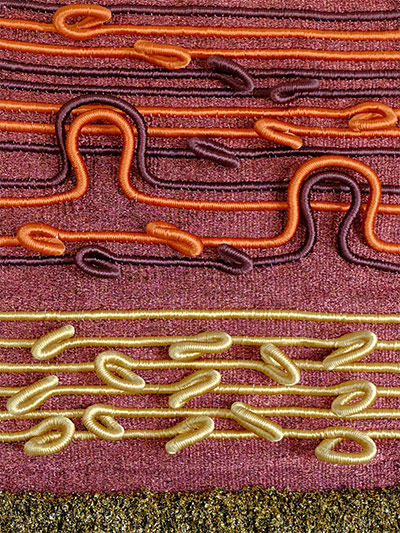
It comes through in an abstract way in my process — I draw from photographic references from the ’60s, ’80s, and ’90s, letting their forms, colors, patterns, and energy inspire the collection.
It’s about creating something new that’s inspired by those past eras.
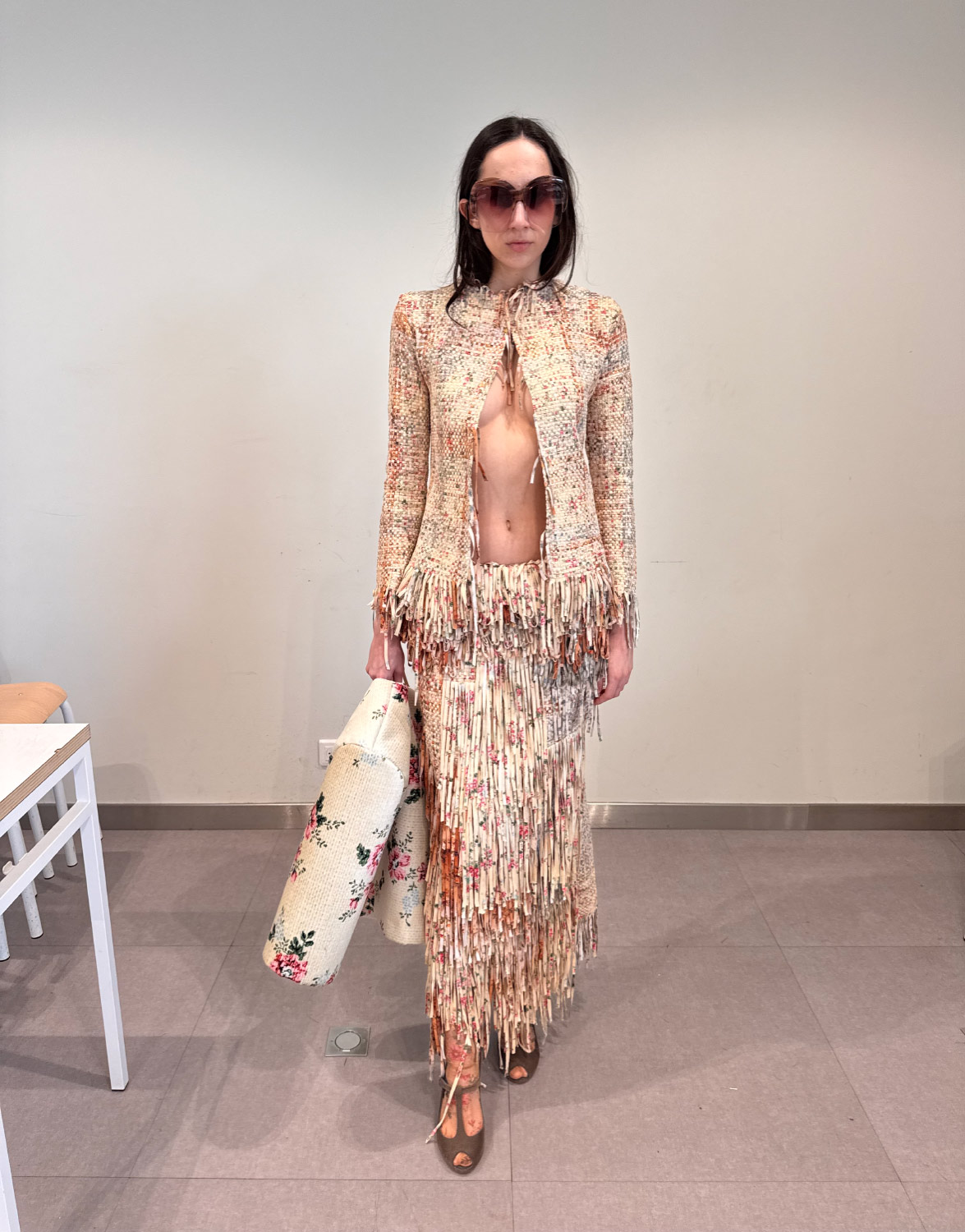
How did you approach shapes as a design language rather than purely aesthetic value?
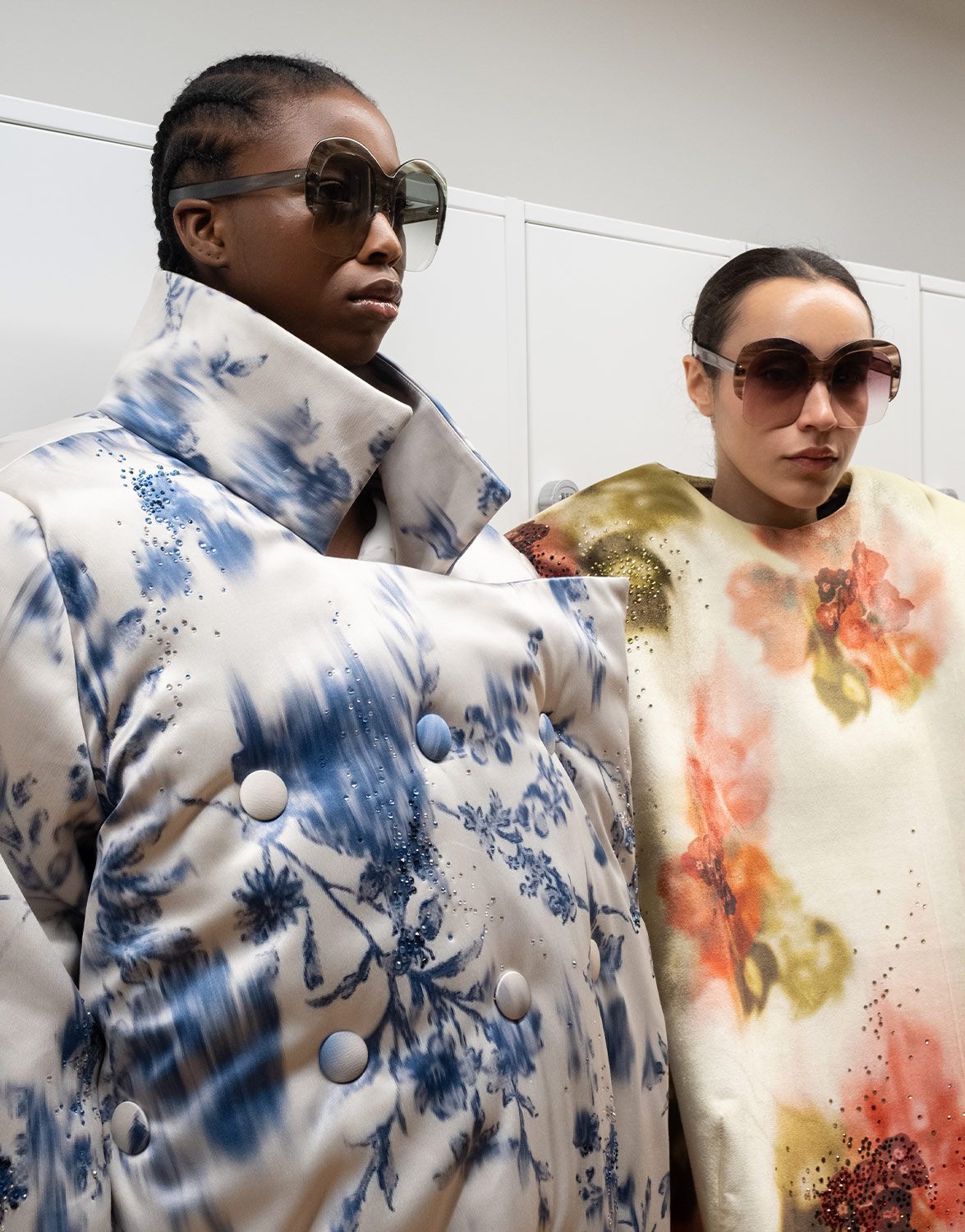
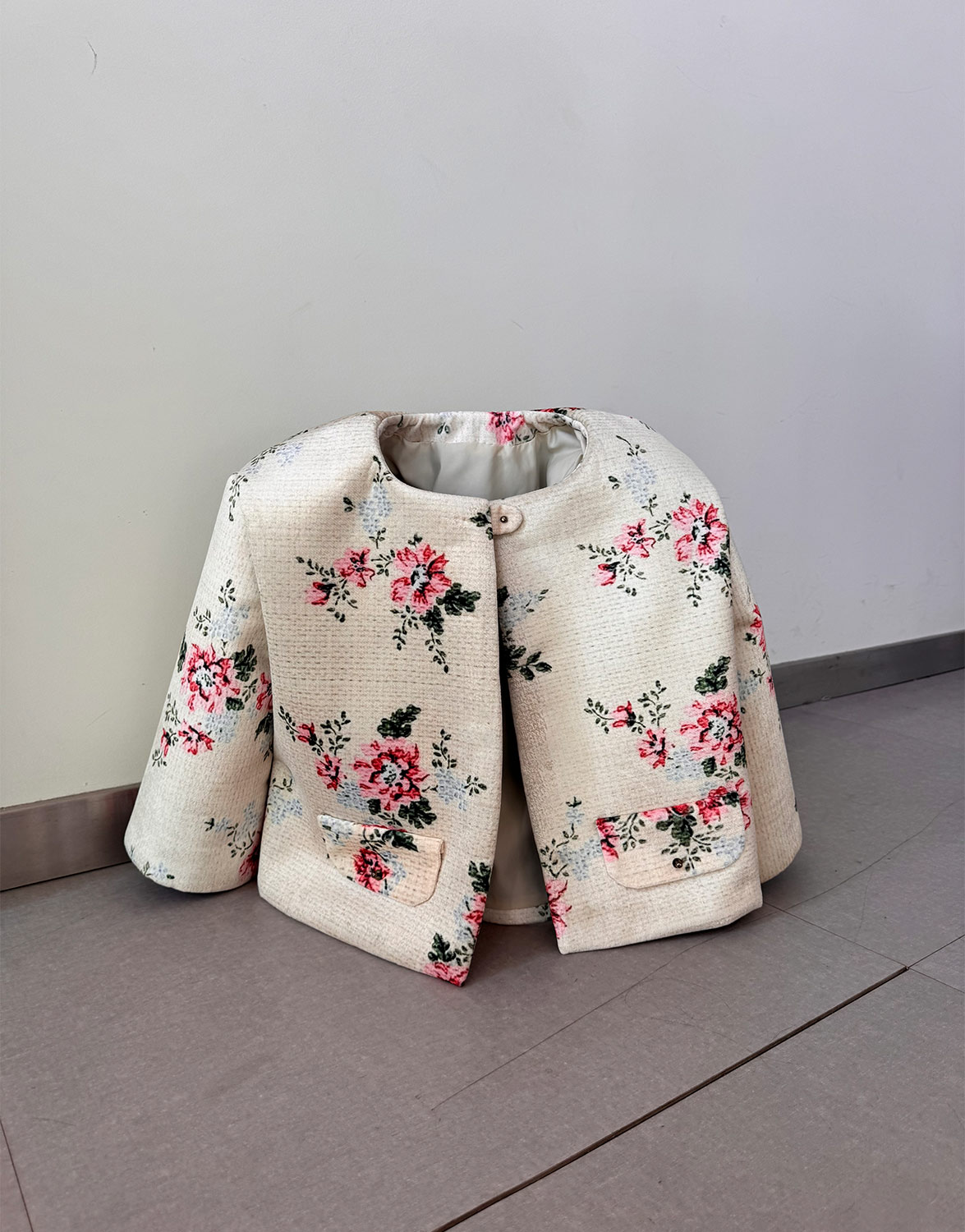
It came quite naturally, I was inspired in part by vintage furniture, the large, rounded proportions of old sofas and pieces from that era.
From there, it felt obvious to translate those generous shapes into volumes that embrace and define the body.
For future collections, are there other themes you would be interested in exploring next?
It’s still a bit early to have a precise theme in mind for the next collection.
However, certain elements will always be part of my inspiration — especially the connection to vintage, which is deeply rooted in my work.
Where can people find you?
I’m mainly on Instagram, where I share my latest projects and glimpses of my creative process.
You can also sometimes find my work in ephemeral events like the recent exhibition at Dover Street Market in Paris last September, alongside other IFM students.