Amrita Dhillon
What’s your name and where are you from/based?
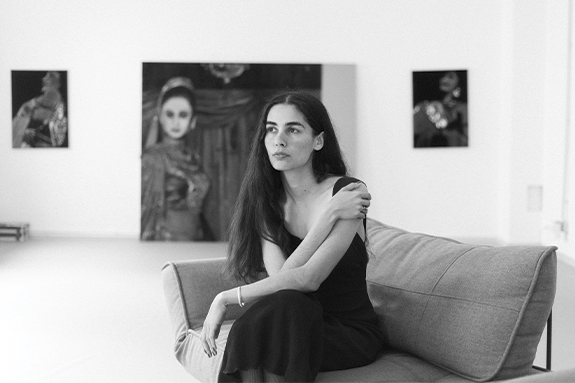
My name is Amrita Dhillon. I’m from New Delhi, and I live in Berlin.
Can you describe your practice in a few words?
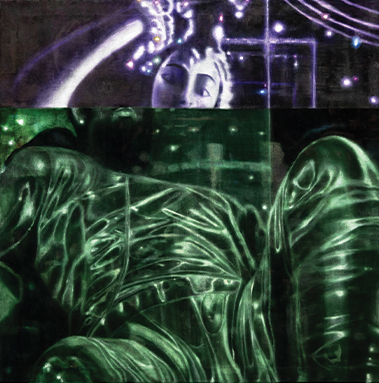
I paint from found images. They arrive already charged — bad light, lost people, a mood beginning to turn. I choose them before I know why.
When did you first become curious about creating/painting?
I don’t know when it began exactly. I think I was always drawn to images that felt slightly wrong, or too knowing.
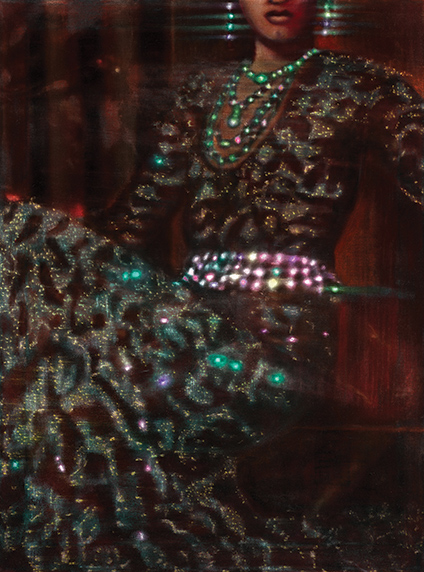
You completed your undergraduate in history before pursuing your degree in fine art, does your background in history ever influence your work?
Yes, but not in a literal way. History taught me to look for what has been left out, misremembered, or made strange by time. It made me curious about the world, and suspicious of the surface of things.
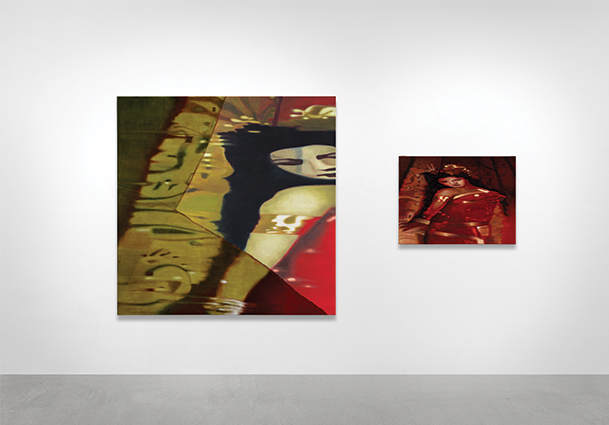
Your latest exhibition In Dreams Begin Responsibilities touches on the ethics of looking, can you tell us where the title comes from and how it ties into this body of work?
The title comes from a Delmore Schwartz story that is very important to me. I liked the threat inside it: the idea that dreams are not separate from consequence. My paintings deal with the very beginning — the desire to look, and the trouble already inside it.
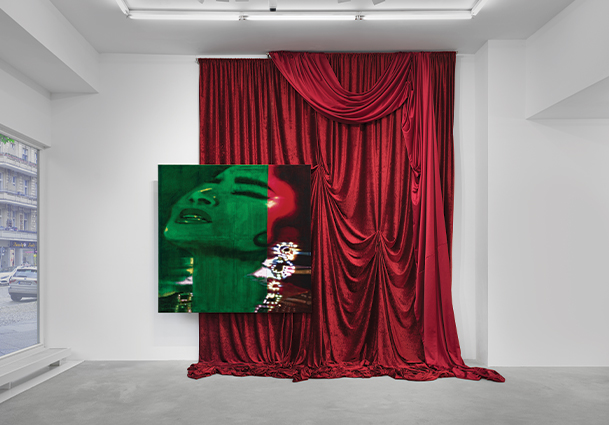
Your work often begins with family photos, cinema, and archival Indian imagery, can you share a specific reference in one of your pieces?
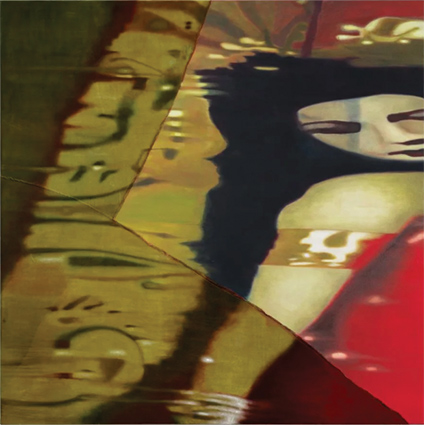
I made a series of paintings based on photos of La Jana, a German dancer and actress who was dressed as an Indian woman in films like Das indische Grabmal (The Indian Tomb) from 1938. Artifice fascinates me. It is false, but it tells the truth about desire.
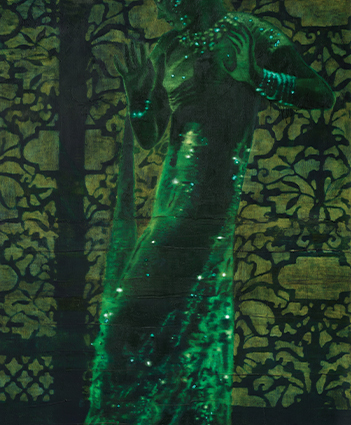
Your work engages with how femininity has been aestheticized. How did this become something you felt necessary to question?
Because femininity is never only beautiful. It can also be rehearsed, dangerous, half-monstrous, half-alien. I’m interested in the point where it tips over.
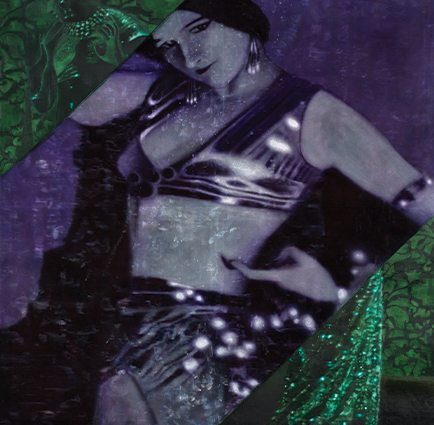
Your paintings often appear blurred, cropped, or partially obscured. What does concealment allow you to explore?
Concealment makes looking less certain. The painting pulls away from its source and becomes less familiar. I think paintings should keep secrets.
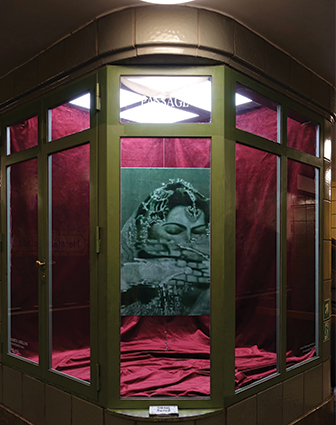
You work with materials like velvet and suede that distort the image in fascinating ways. How do you think about material as part of the narrative?
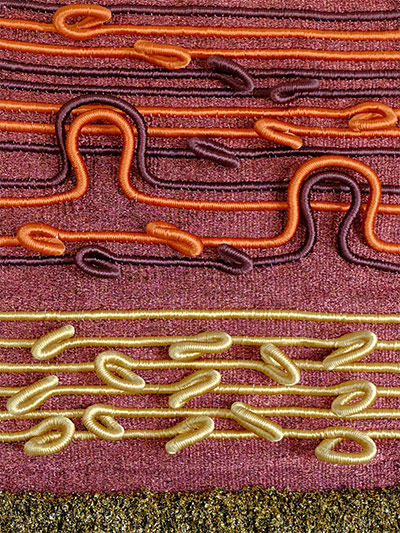
Velvet is not passive. It draws the image toward it, absorbs it, and interrupts it. I work with materials that make the painting harder to control, such as satin, suede, upholstery fabrics. I like when the image has to fight the surface a little.
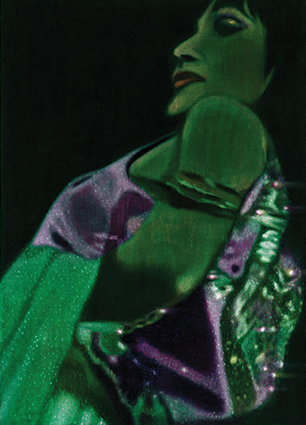
Outside of painting, what keeps you inspired?
At the moment, music mostly. I’ve also been thinking a lot about the 90s, maybe because it was my first decade. Not nostalgia exactly — more the distance of it, and how strange it looks now.
Where can people find you?
Instagram — @amritadhillon.berlin
Website — amritadhillon.com