Animate Objects
What’s your name and where are you from or based?
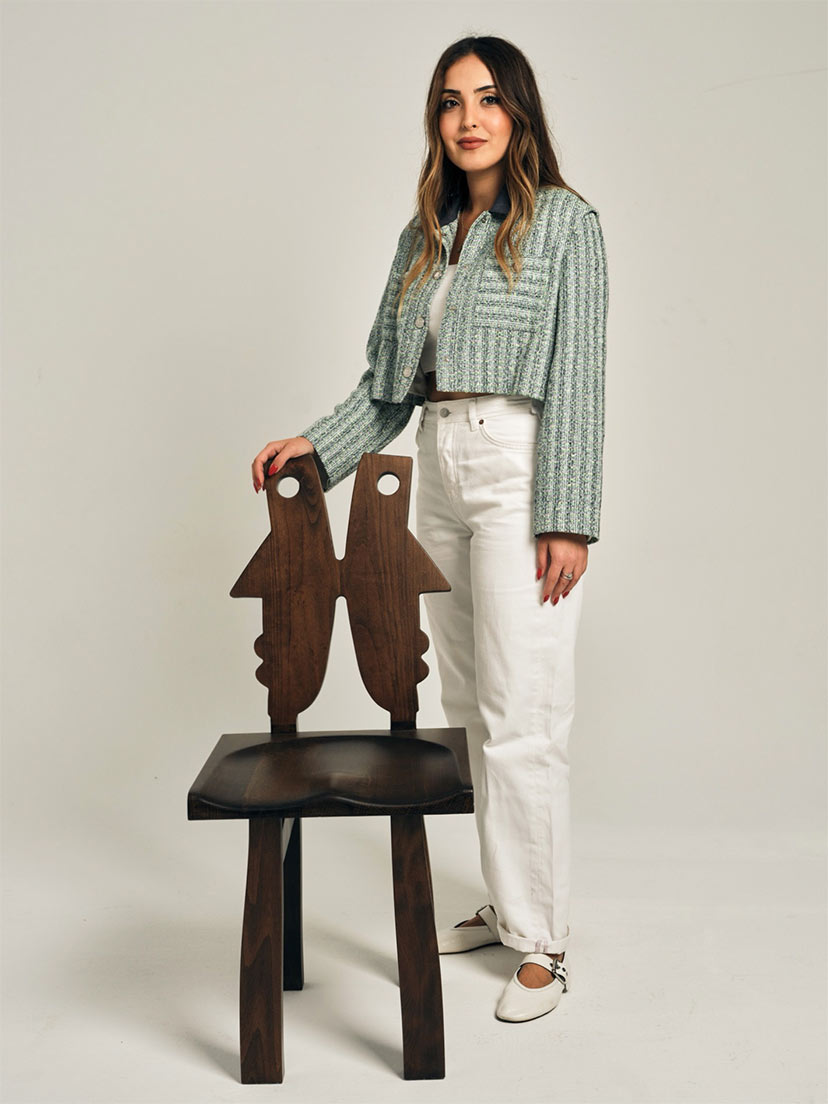
My name is Zeynep Satik. I am a designer based in Istanbul and the founder of Animate Objects.
Can you describe your practice in a few words?
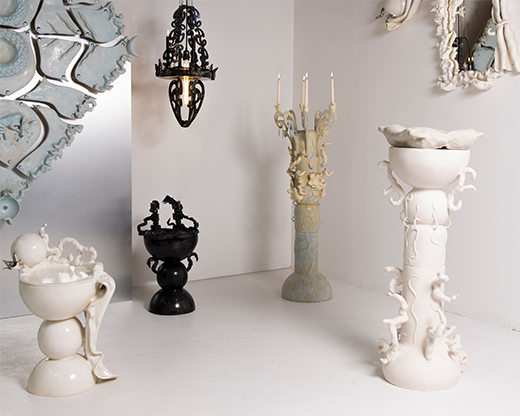
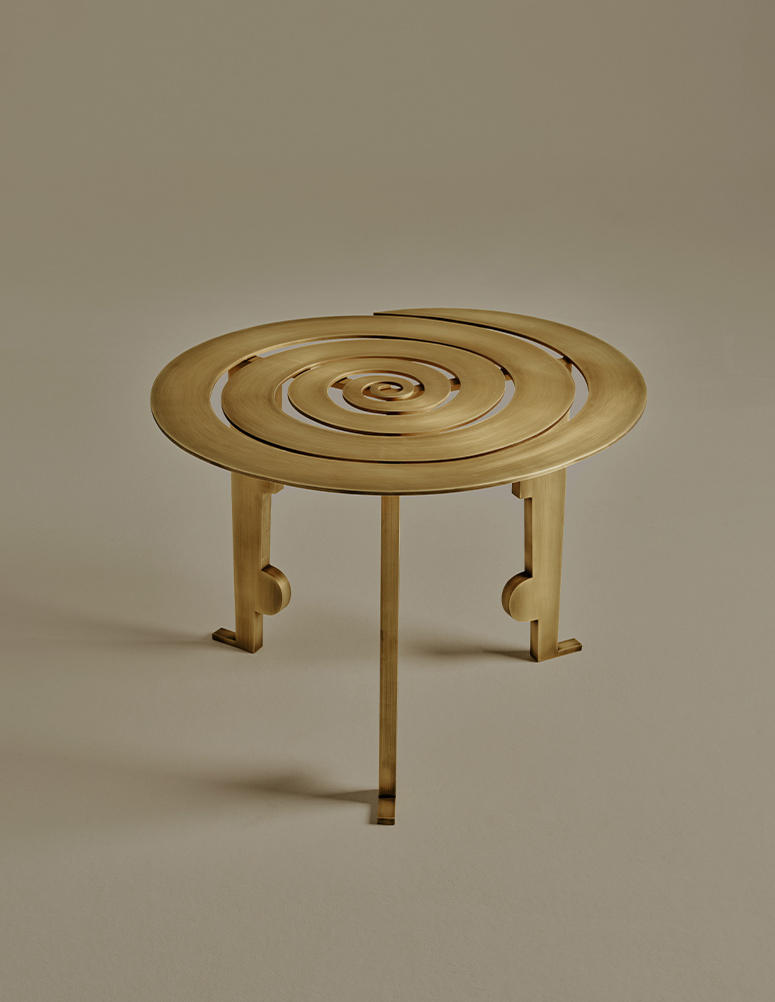
A practice that approaches furniture as narrative objects. The work sits between sculpture and function, often drawing from art history, mythology and theatre to create pieces that carry a sense of presence within a space.
What first drew you toward design and making objects?
Before founding Animate Objects, I worked in set design and art direction, where objects shape atmosphere and narrative. I was always interested in how even a small object could influence a scene. Animate Objects grew from translating that perspective into furniture, creating pieces that exist between function and presence, carrying a sense of narrative into living spaces.
How did your background shape you as a designer?
I grew up in Istanbul, went to an Italian high school, then moved to London for university and eventually came back. So there has always been a mix of different cultures in my life. I wouldn’t say one place directly shaped me as a designer, but Istanbul is such a layered city, between continents, full of history, and always in motion. There is constantly something happening, and in a way, everything becomes political, which inevitably shapes how you process and interpret things.
Your background is in performance design. How do you think this plays into your design aesthetic?
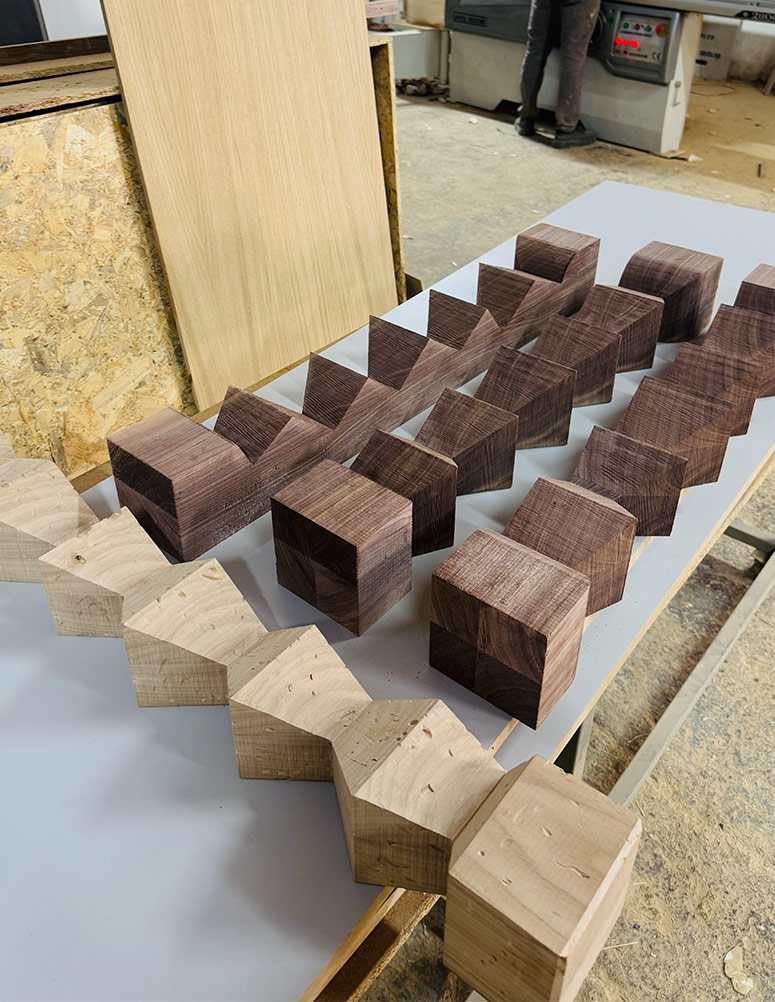
Performance design is rooted in the performing arts, where objects, bodies, and space are in relation to one another. That way of thinking stayed with me. Each piece is conceived almost like a character, with its own posture, gesture, and presence.
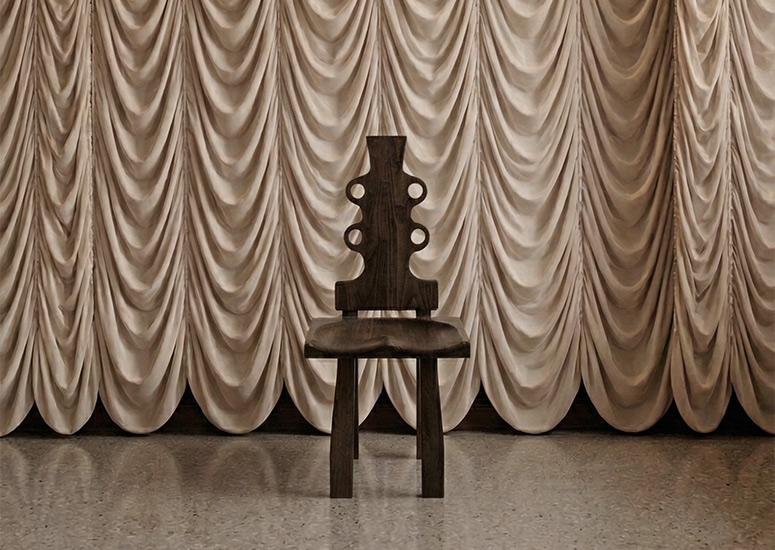
Can you tell us about your collection Liminal Parade?
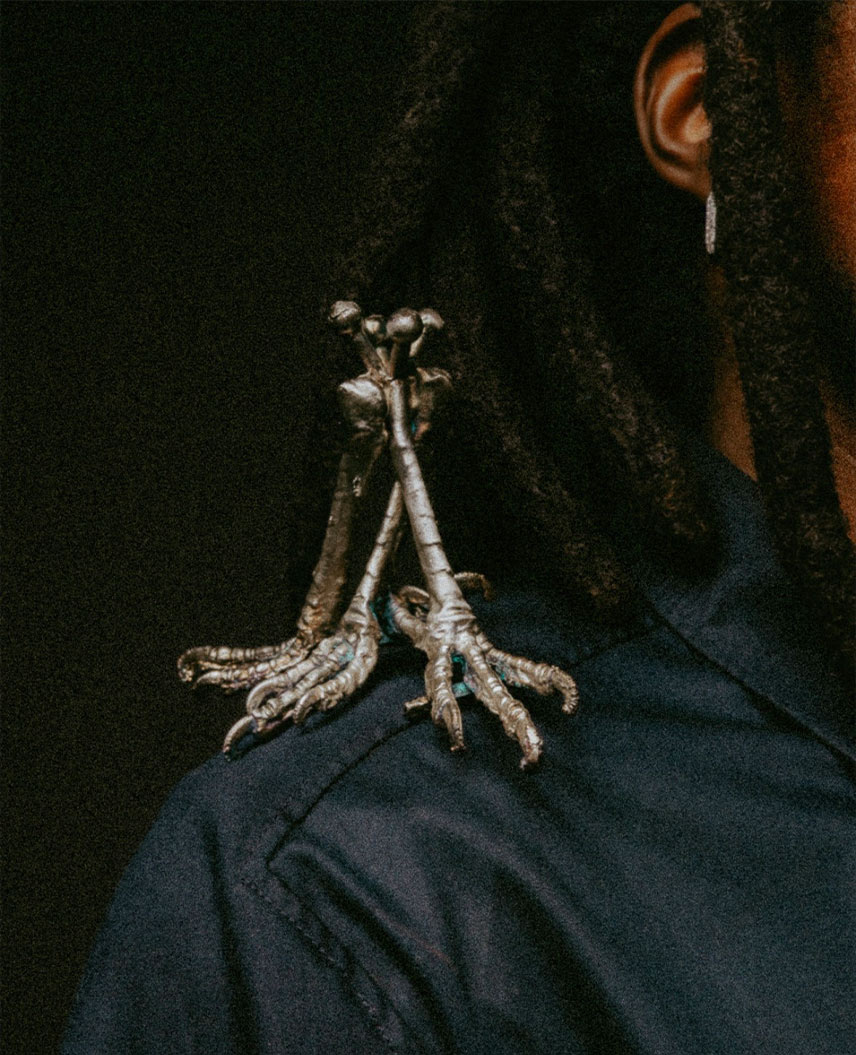
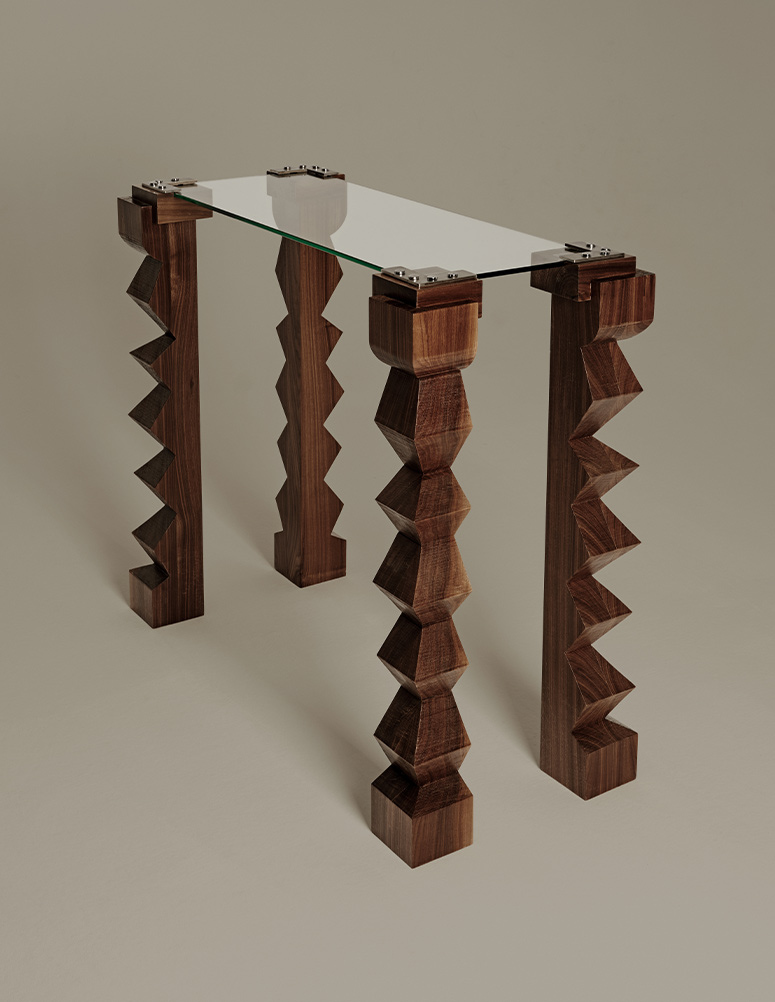
Liminal Parade explores objects that exist between identities, not fully one thing or another. The collection approaches furniture as a kind of procession, where each piece reads almost like a figure rather than a purely functional object. It draws from a range of references, from Futurist stage design and Dada puppetry to masks and ancient archetypes, but rather than quoting them directly, it translates their language into form. I was interested in creating pieces that feel familiar yet slightly displaced, as if they belong to a different context. Together, they form a kind of silent theatre, where furniture moves closer to sculpture, and each piece carries its own presence.
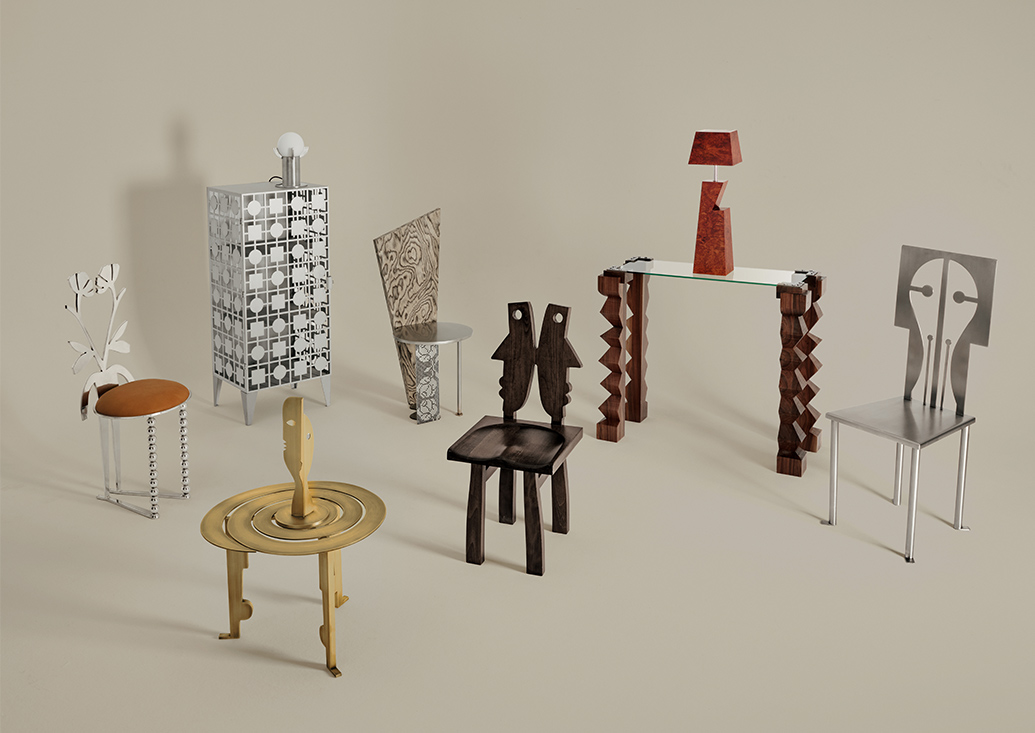
Your references span mythology, Futurism, Dada, cinema, fine art. What is it about these that speaks to you?
These references all share a strong visual language and an ability to communicate ideas through form. I am interested in moments in art history where imagination, symbolism and experimentation intersect. They offer a rich vocabulary that can be translated into objects.
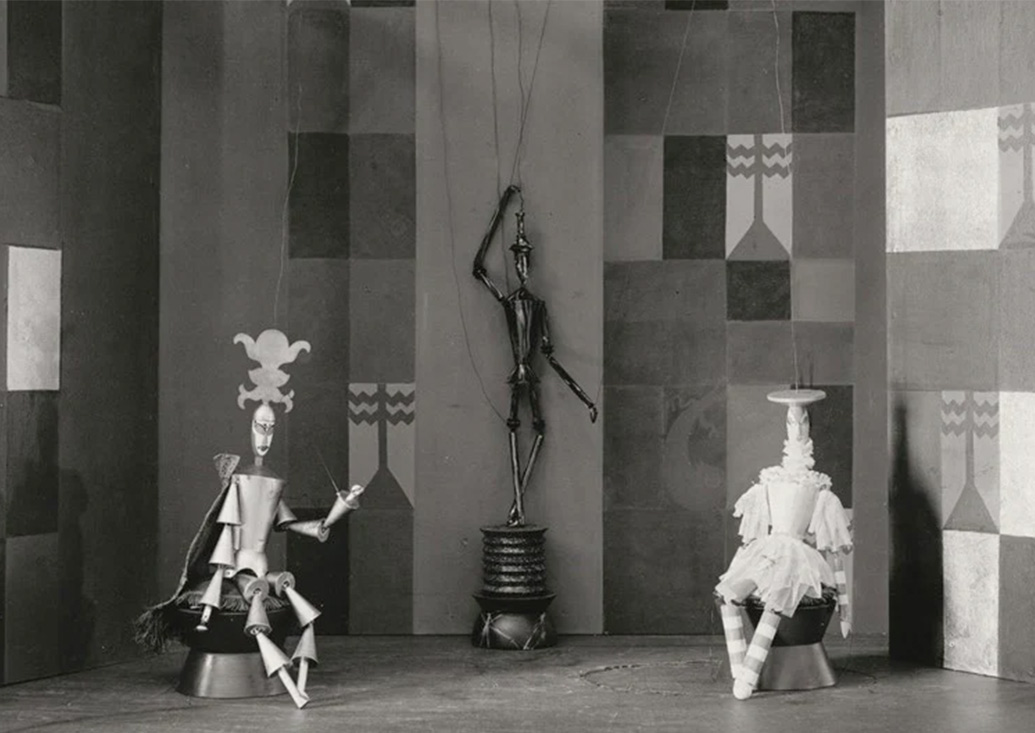
Is there a specific reference from this collection that felt particularly meaningful or personal to explore?
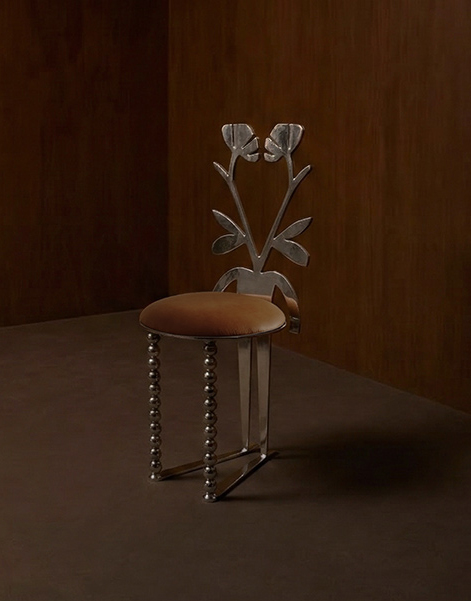
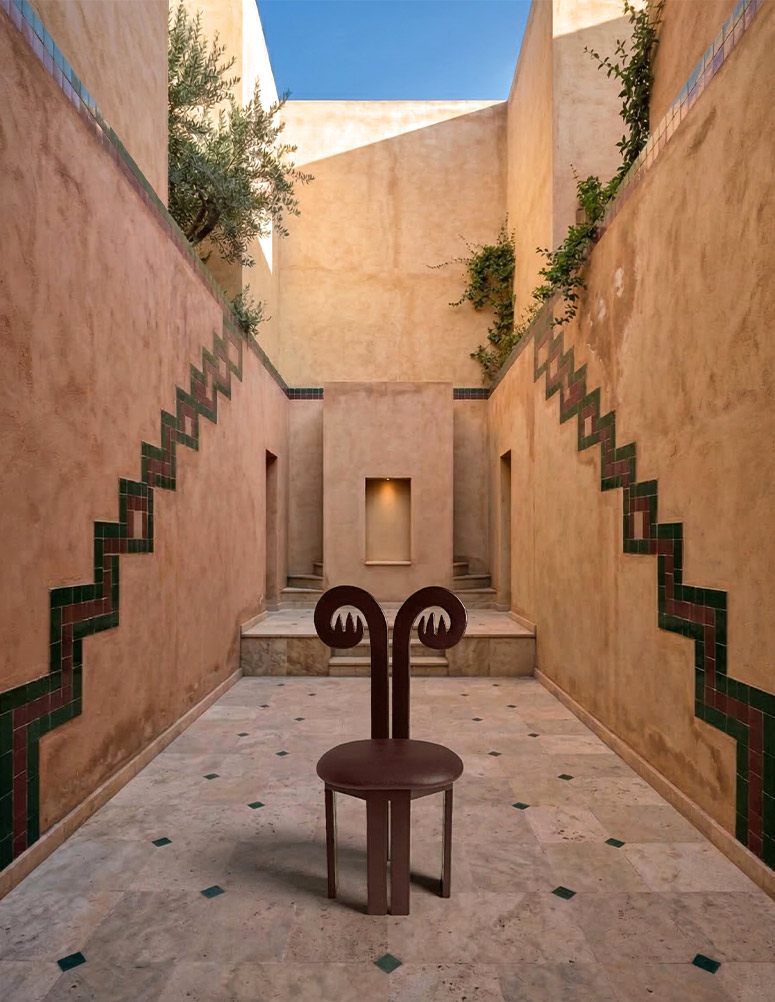
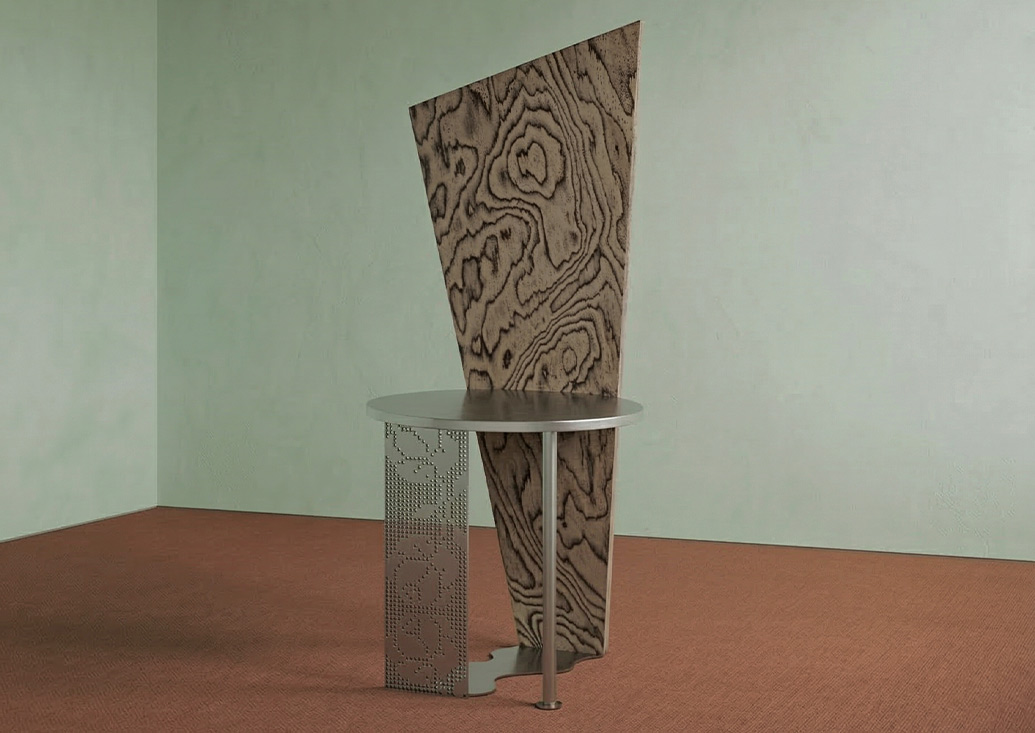
I wouldn’t say there is a single piece tied to a personal story, but the way I approached each object is personal in itself. Certain pieces developed more intuitively, almost like scenes taking shape rather than objects being designed. The Runa Chair is one of those pieces. Inspired by Max Ernst’s The Couple in Lace, it felt like taking a form that belonged to the painting and giving it a new existence as a chair. This felt meaningful because it reflects the way I often work, moving between image, character, and object.
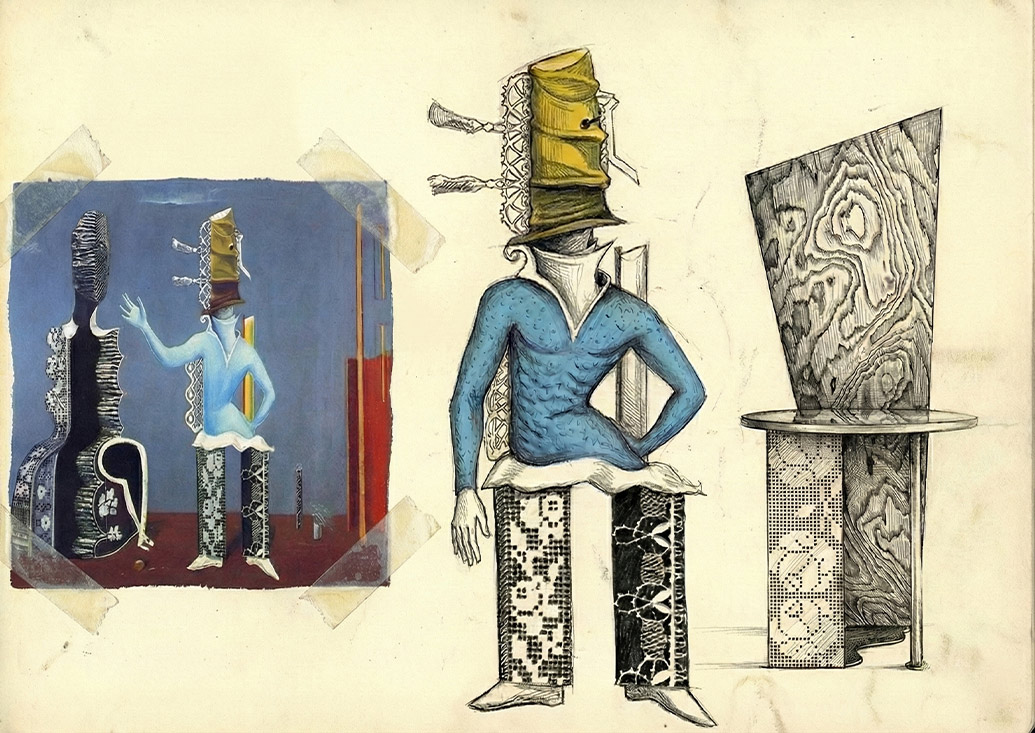
Is there a detail somewhere in the collection that goes beyond reference and exists purely as something personal?
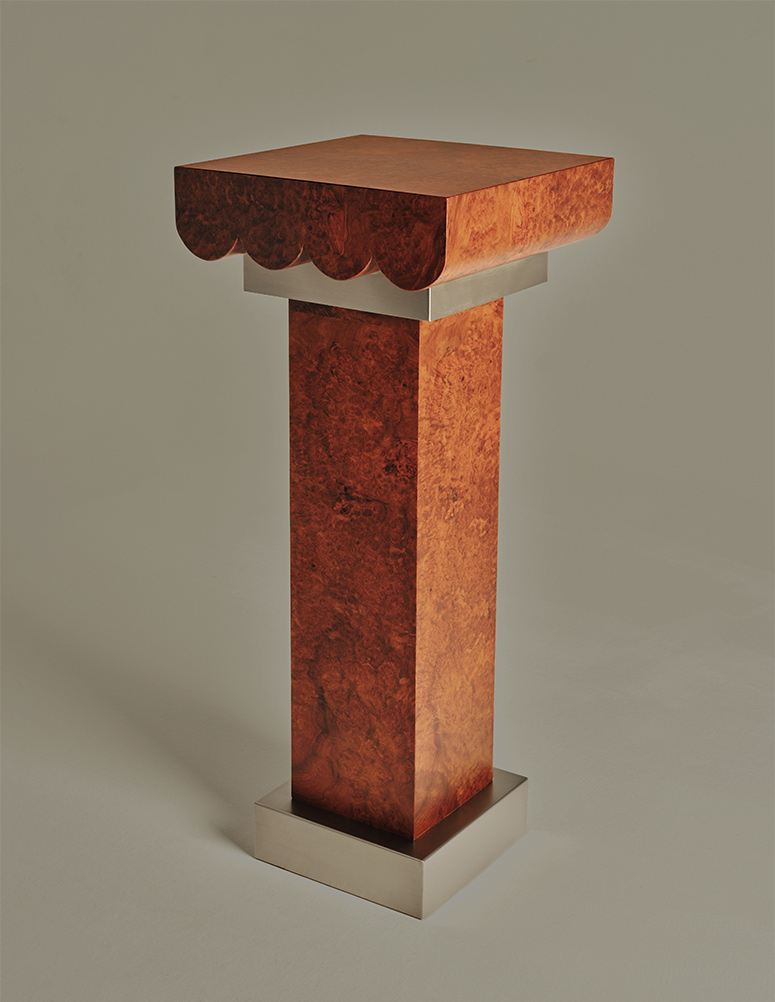
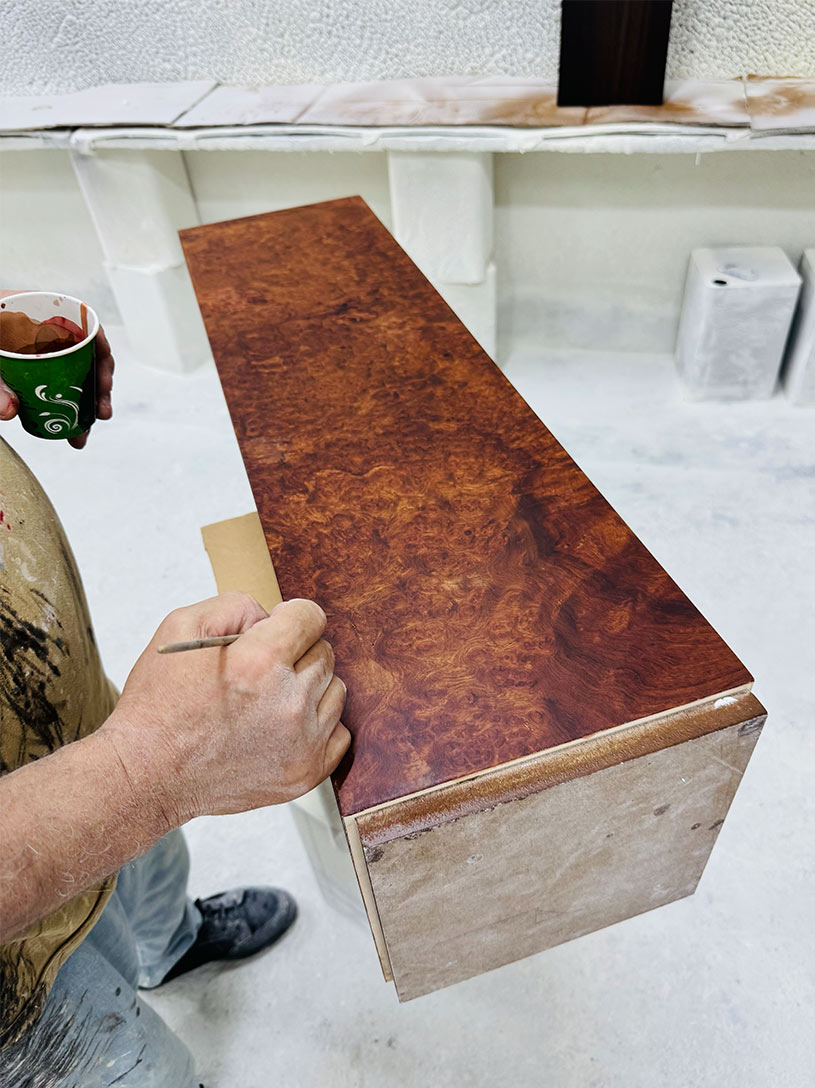
I think the use of amboyna burl might be one of those details. Before there was a specific design or reference, I already knew I wanted to create something with this material. It is not commonly seen in contemporary furniture, but it carries a strong connection to early twentieth century decorative arts and Art Deco furniture. I was drawn to that tension: a material with an old world elegance, brought into a more contemporary sculptural language. The reference and final form came later, but the first instinct came from the material.
Outside of design, what fuels your creativity?
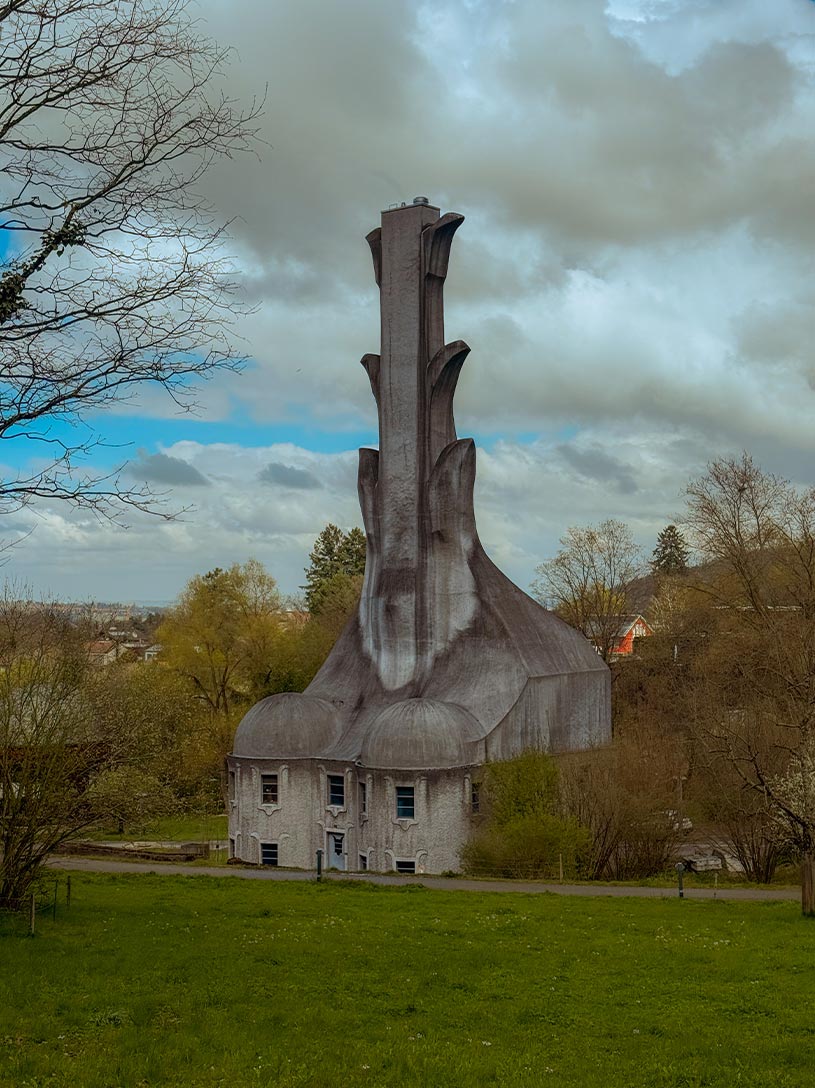
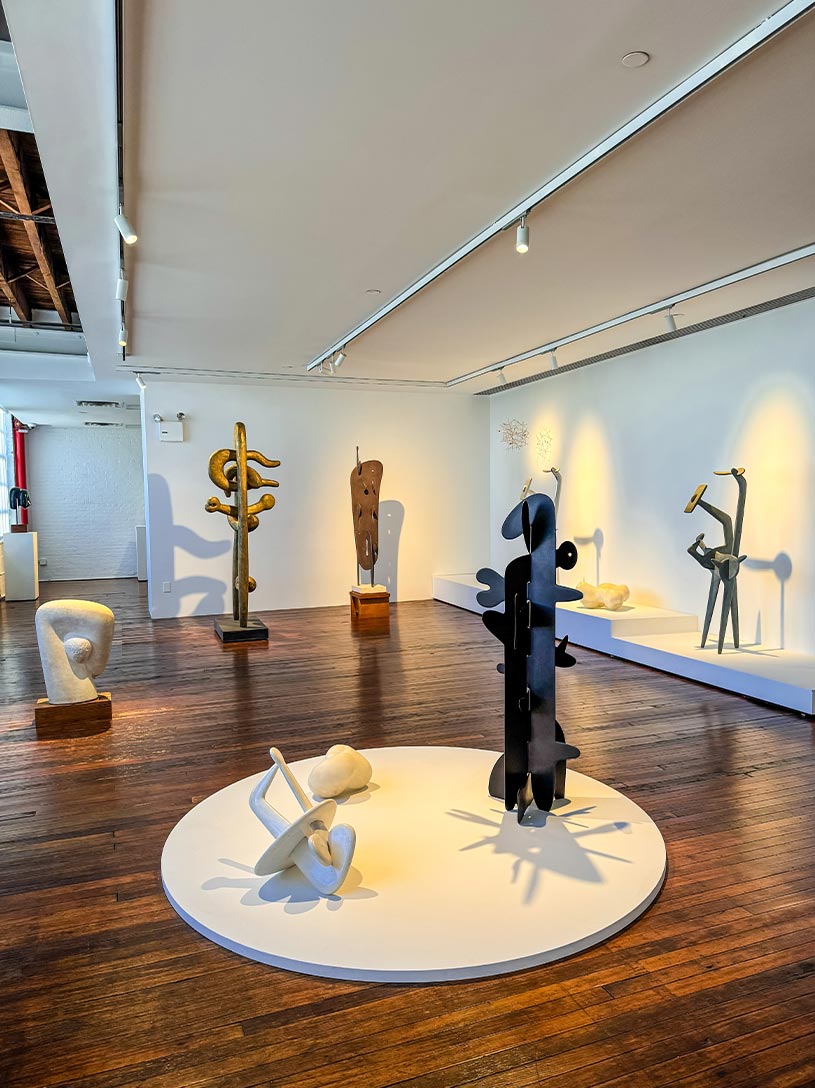
I believe creativity is closely connected to curiosity and the way we choose to see the world, not just look at it. For me, travel is one of the strongest ways to keep that sense of curiosity alive. Discovering new places, visiting museums, observing architecture and interiors, trying a new flavour for the first time, noticing colours, textures, and the rhythm of different cities all feed into the way I see and imagine. Sometimes a detail, a room, or a certain atmosphere stays with me and later finds its way into my work.
Where can people find you?
My work can be found through my website, www.animateobjects.co, on Instagram at @animateobjects_, as well as through The Oblist, Galerie Philia, and Lythore. I am also working on a few upcoming physical gallery collaborations, including one in Istanbul and another in Europe, but I would prefer to keep the details as a little surprise for now.