Anoe Melliou
What’s your name and where are you from/based?
Hi, my name is Anoe. I’m based in Berlin.
Can you describe your practice in a few words?
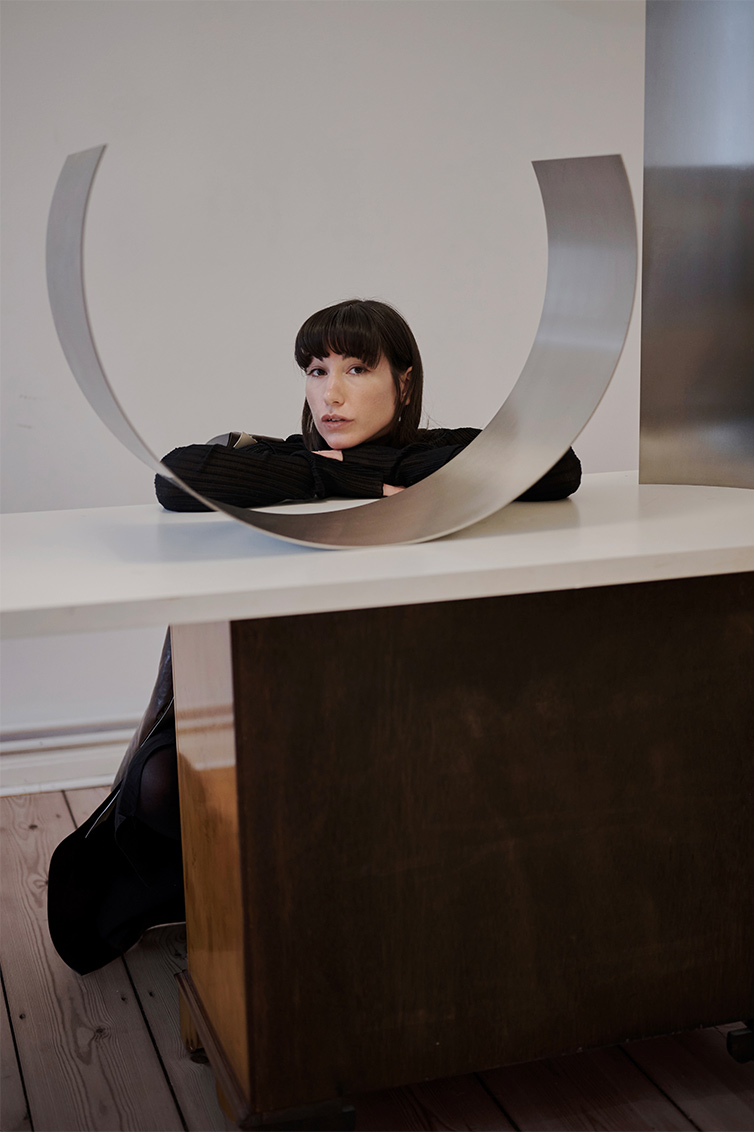
I’m an architect, and I lead a cross-disciplinary practice. I approach each project as a critical inquiry, engaging with notions of subjectivity, possibility and potential. I am also the founder of Regarding Relations, a collective exploring the personal and political through design and curation.
What early experiences led you into design?
I was drawn early to an intuitive kind of language, an associative logic. Geometry interested me as a system of forms, and relations. As I lived in Greece at that time, I was surrounded by ancient ruins and layered histories. The practice of reinterpreting myths and metaphors is inherent in that culture. At home, there were parallel instincts, in the context of processing information. My father is an engineer, and every Sunday brought the latest newspapers, and magazines. My mother, a lawyer, had an extensive library, and a precise system of folders and documents. I probably began to mirror that. I began to play with archiving—organizing varying forms of content and excerpts from editorials into a collection of folders, which may have been unusual at that age.
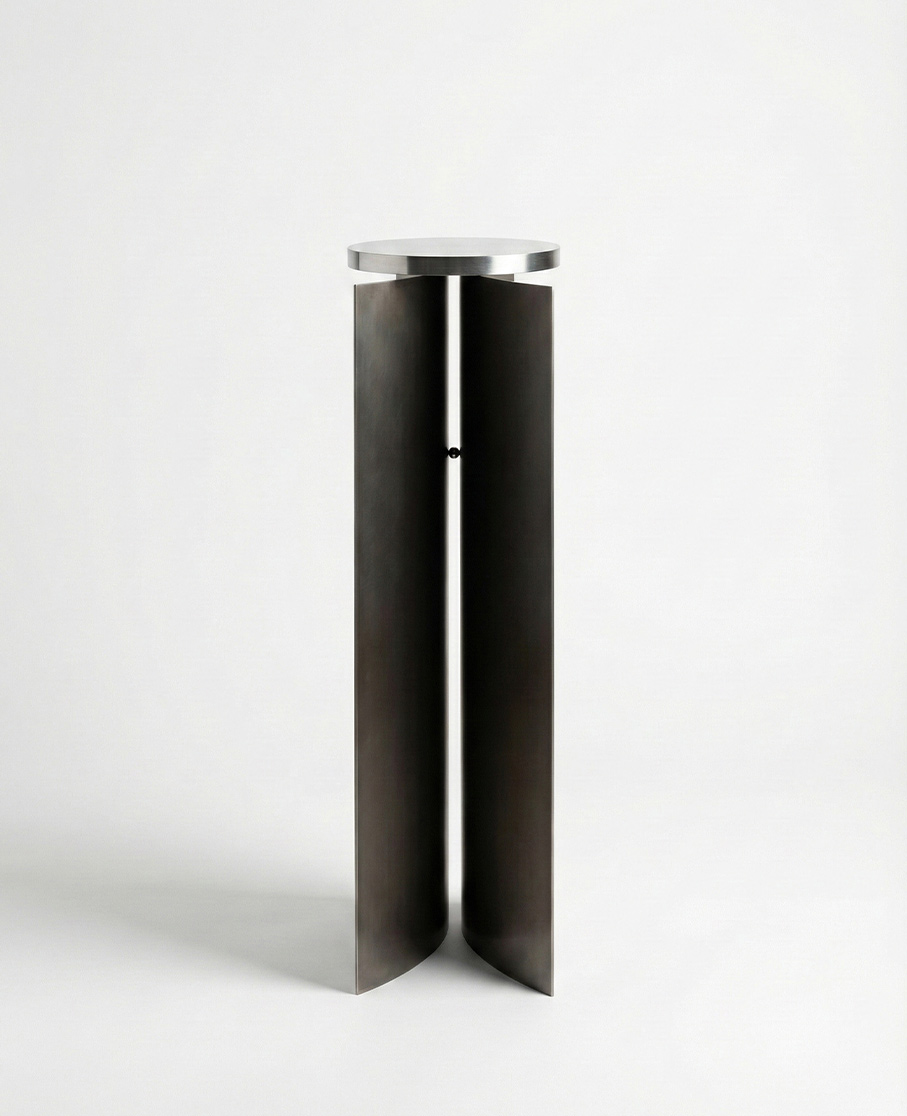
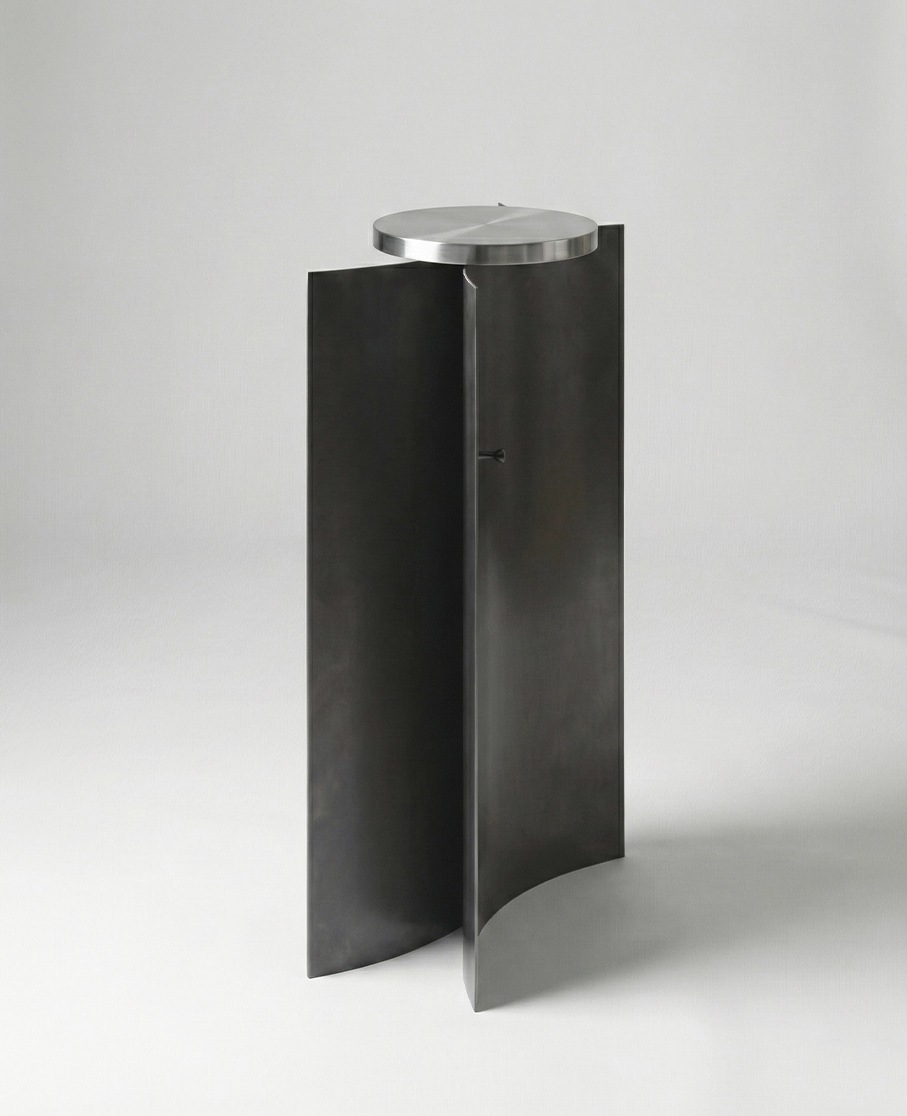
Your recent collection of objects and furniture is informed by writings that explore finality, how does that research translate into your own pieces?
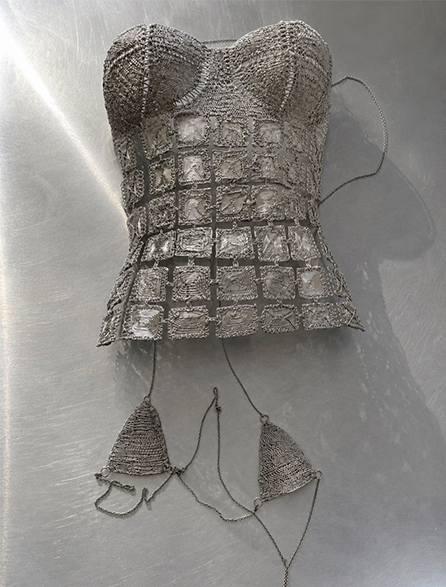
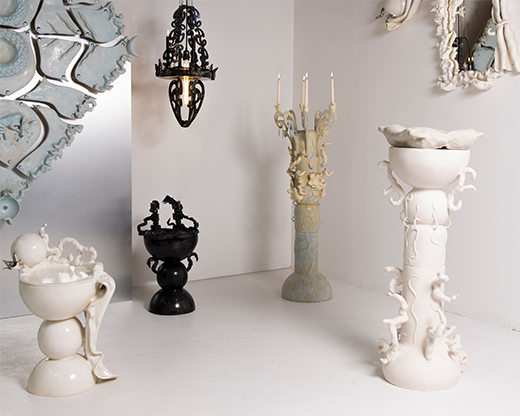
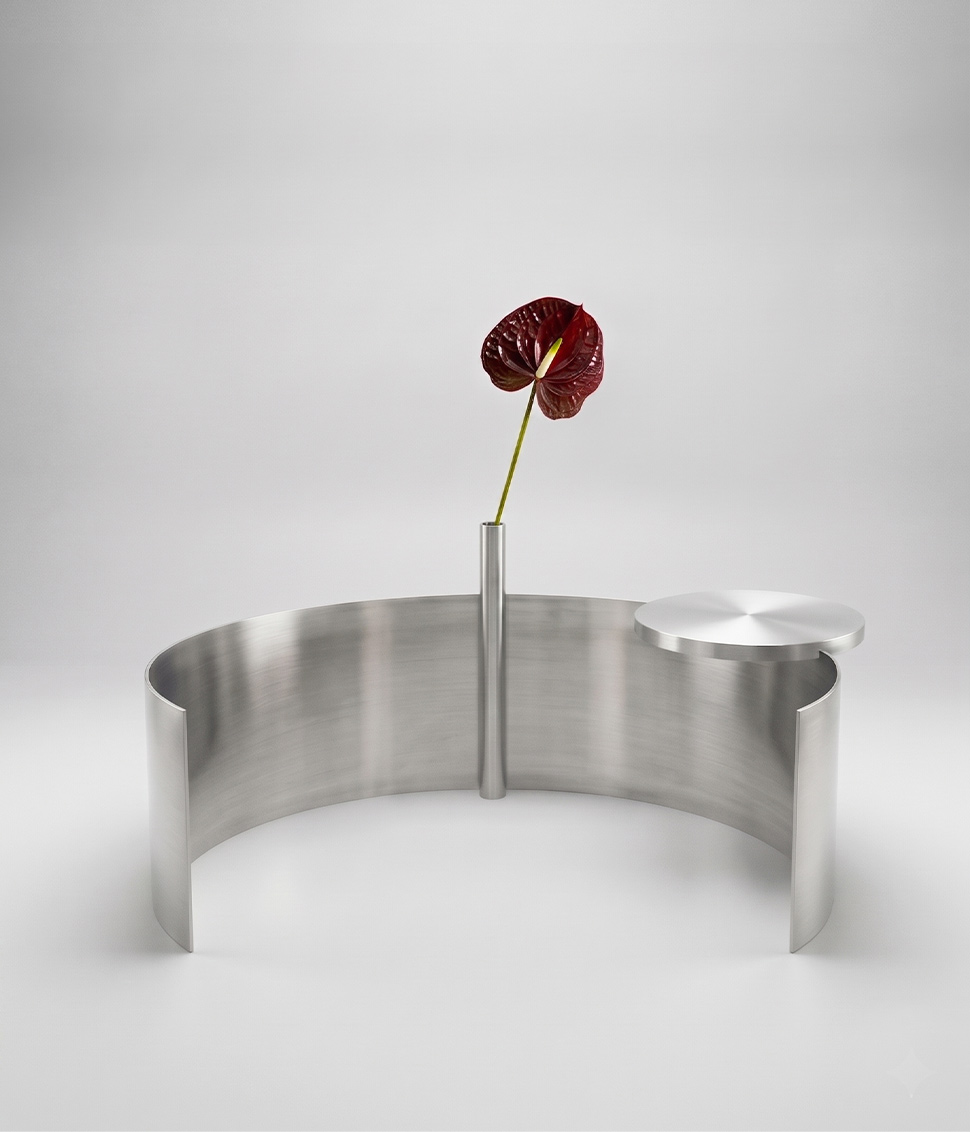
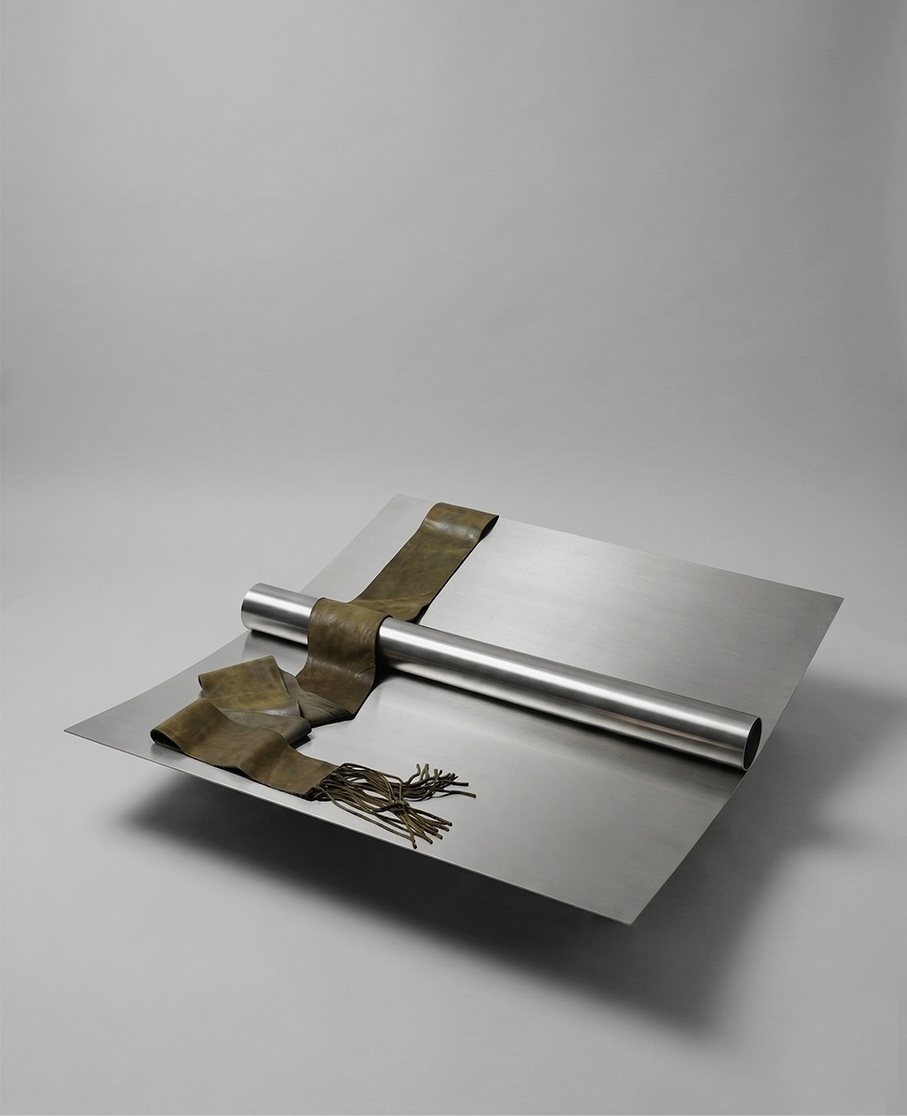
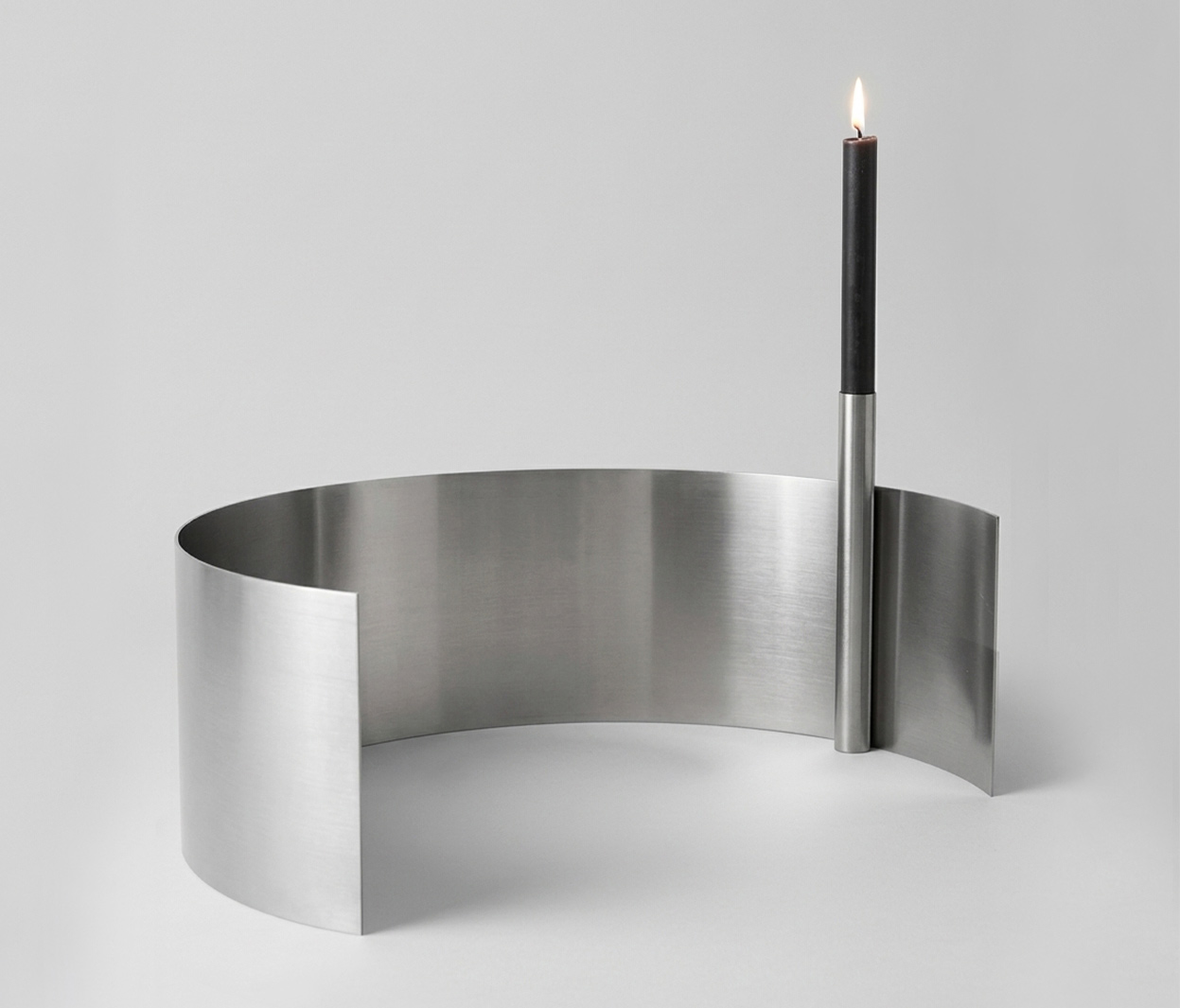
I am concerned with the object’s limit conditions, where each configuration is held within a margin of viability. Every object is a test of its own limits, and an articulation of the margin in which form, structure, and perception can momentarily hold together before dissolving or collapsing. Working at a one-to-one scale is therefore a necessity dictated by this margin. There is a state of fragility, that is necessary. The emphasis is eventually on the thing, and the potential of its relations, its phases. I think about possibilities. The finality is therefore intentionally unresolved.
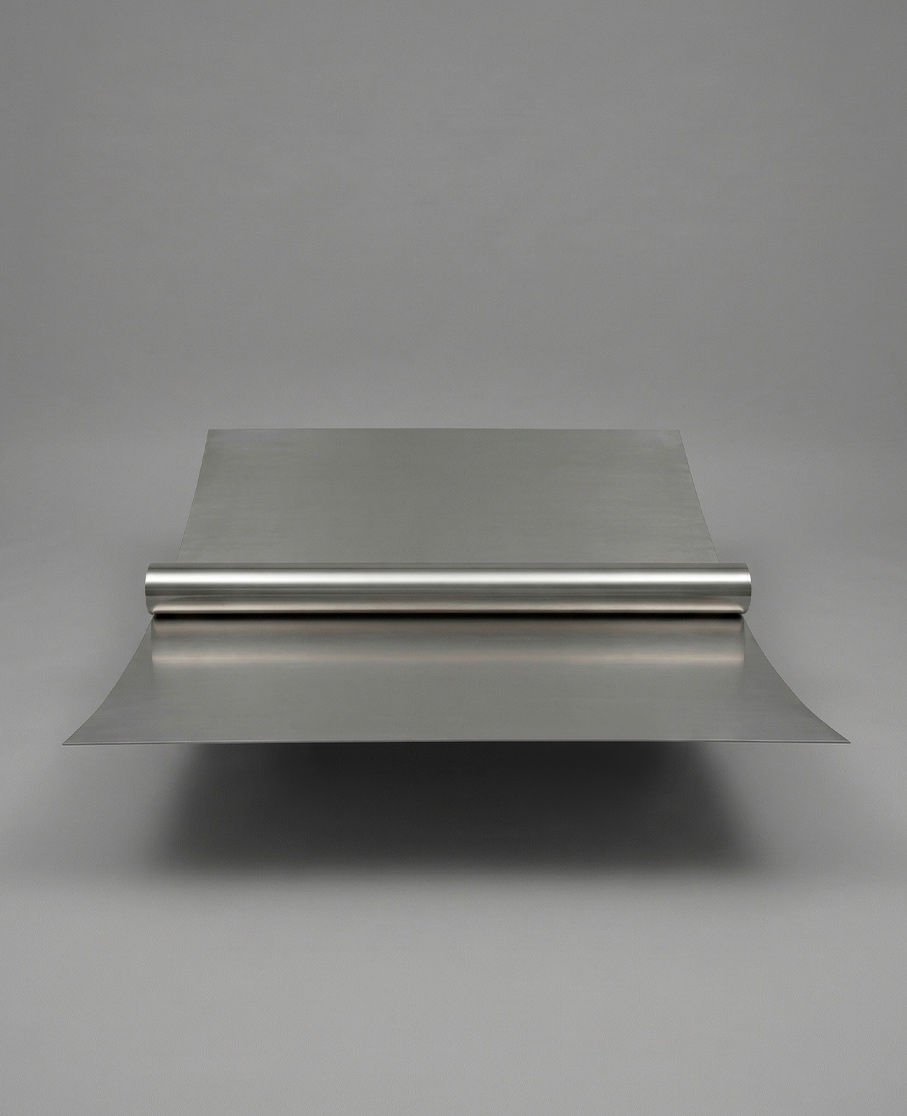
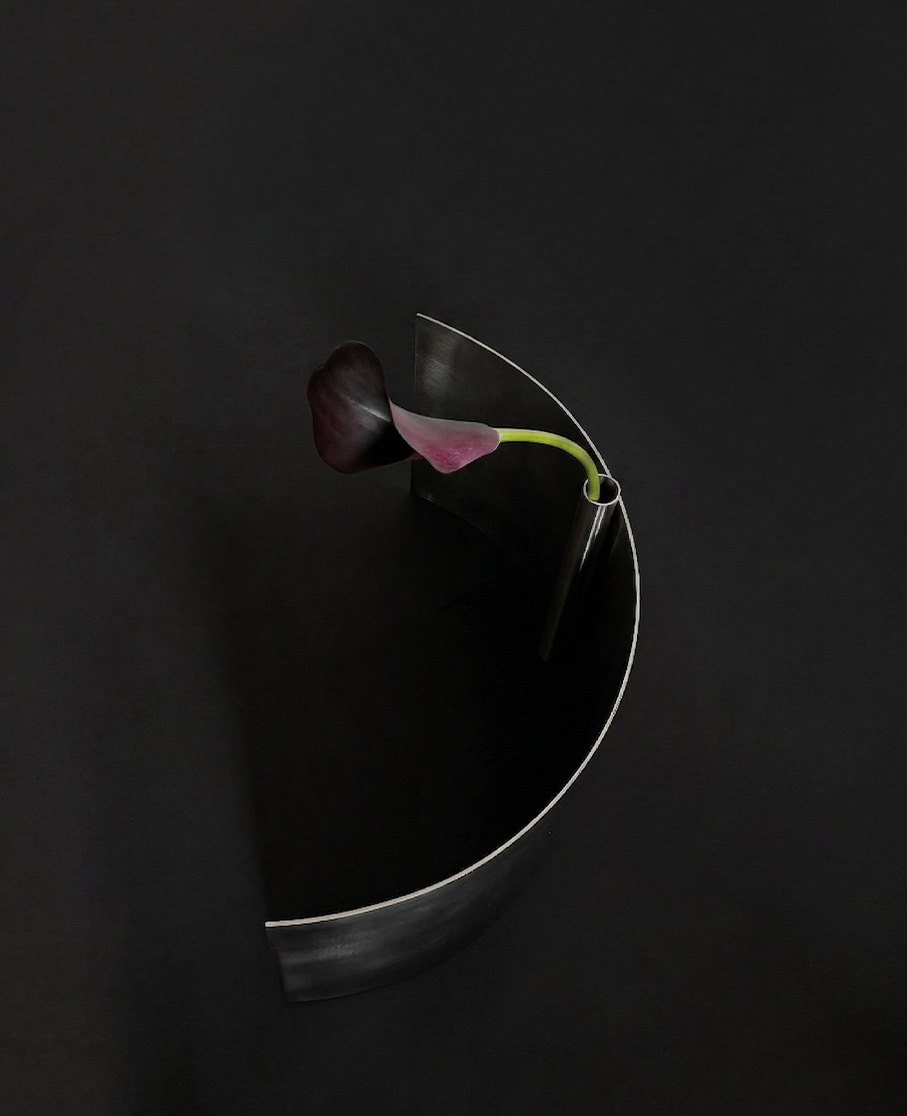
Many of your works are designed to be rearranged or reconfigured. What kinds of interactions do you hope they offer over time?
The series can be re-articulated through its setting. Over time, reconfigurations generate different proximities, tensions, and emphases. What matters in such an attempt is the elasticity of relations. A module that is central for one composition, can become peripheral simply through recontextualization; or something insignificant can suddenly exert structuring force. This kind of interaction brings insights into what is provisional.
You’ve described your work as “relational” what does that word mean for you in a creative context?
I engage with the personal and the subjective as relational positions. The identity of the object emerges through context, and interaction. In gender theory, this has been described as situated knowledge and performativity—as frameworks that emphasise the contingent and constructed nature of perspective. In this sense, something that is relational reflects the conditions, and the negotiated limits, through which the identity of the object, and the use, is defined.
You started Regarding Relations, a curatorial platform for designers, at its core, what is it about for you, and what does it allow you to explore?
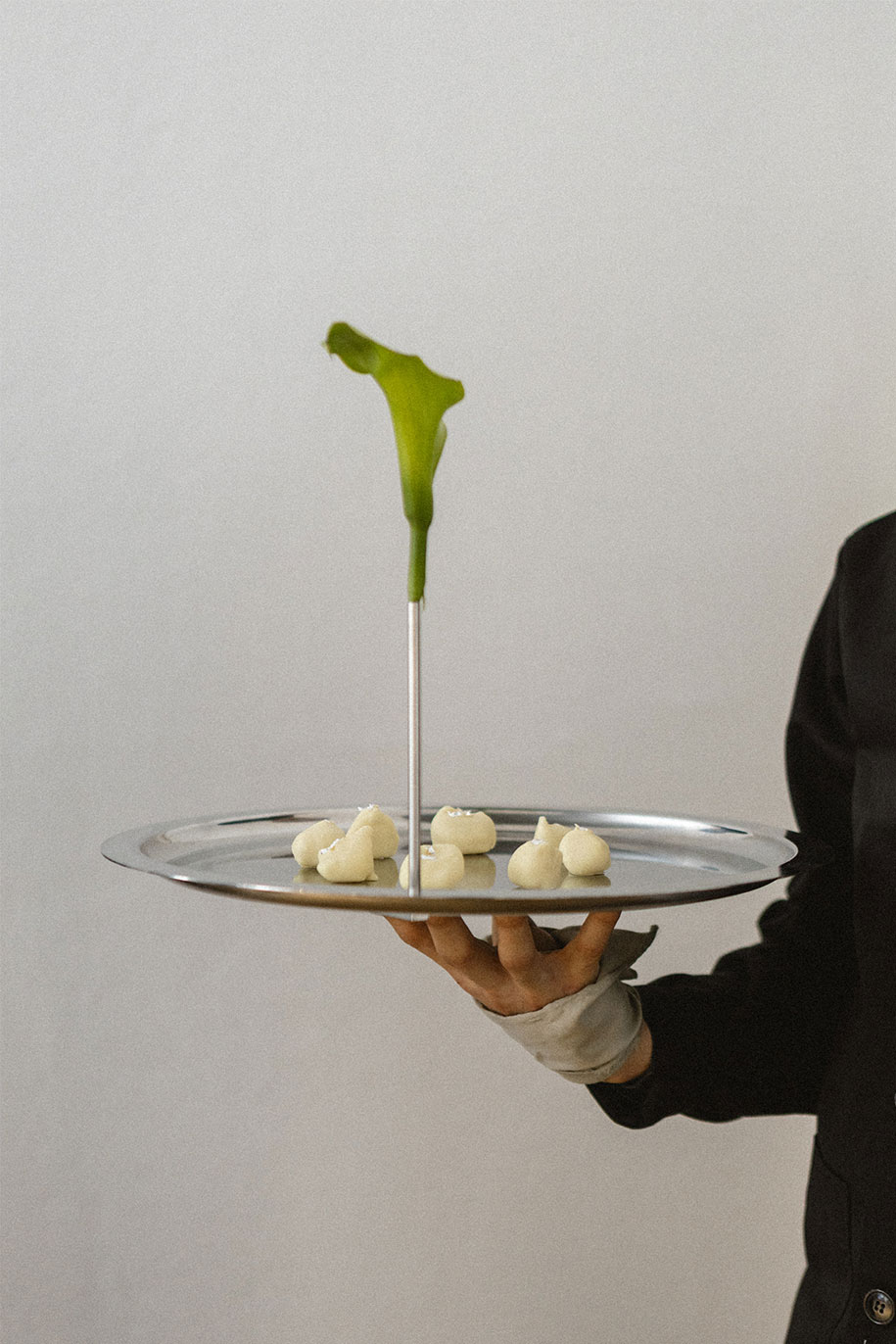
It has been a way to create a collective, or a community. It is a project in progress: it has defined values, but the format is open. The reference to relations comes from the link to public relations; the strategy or structure that defines interaction. It has been a way to explore the scene, historical and contemporary, initially through a digital narrative, and from there to advance into encounters, conversations, and exhibitions. It allows me to share the shift of towards, and about — the context, and the method, for curating and interpreting design, with a sense of responsibility towards social and political conditions.
In Regarding Relations, how do you choose which works or designers to feature, is there a common thread between them?
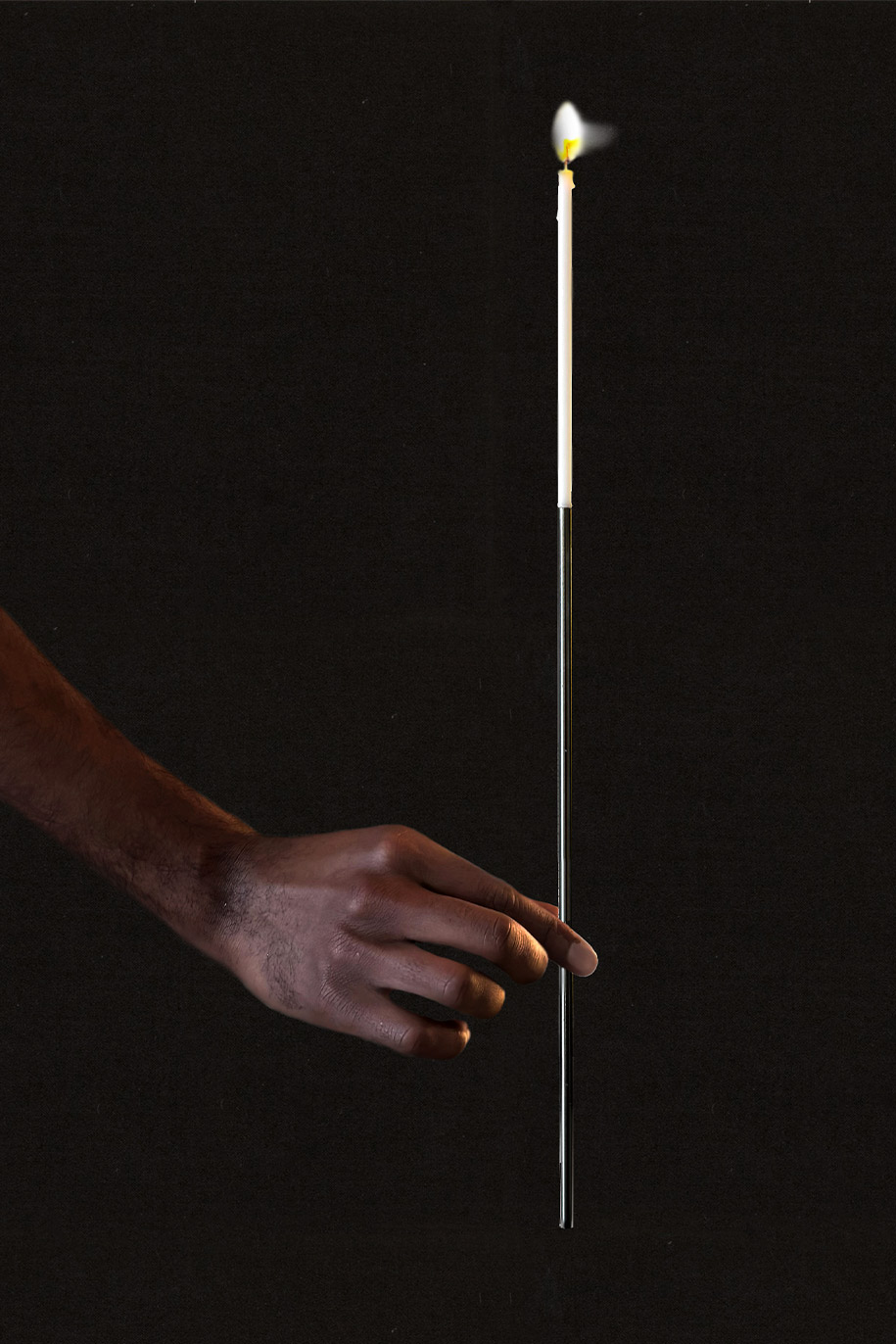
What is essential for a curatorial practice and a community is the shift in paradigm. The archetype of the designer is limited, and disproportionately privileged. I am interested in designers from historically marginalised or underrepresented groups; particularly women practitioners across different regions, who for centuries were denied access to education, or have been erased from art, architecture and design history.
Across your curation, editorial, and design work, you build open systems rather than fixed outcomes. How do these systems allow designers to think differently or question in their existing ways of working?
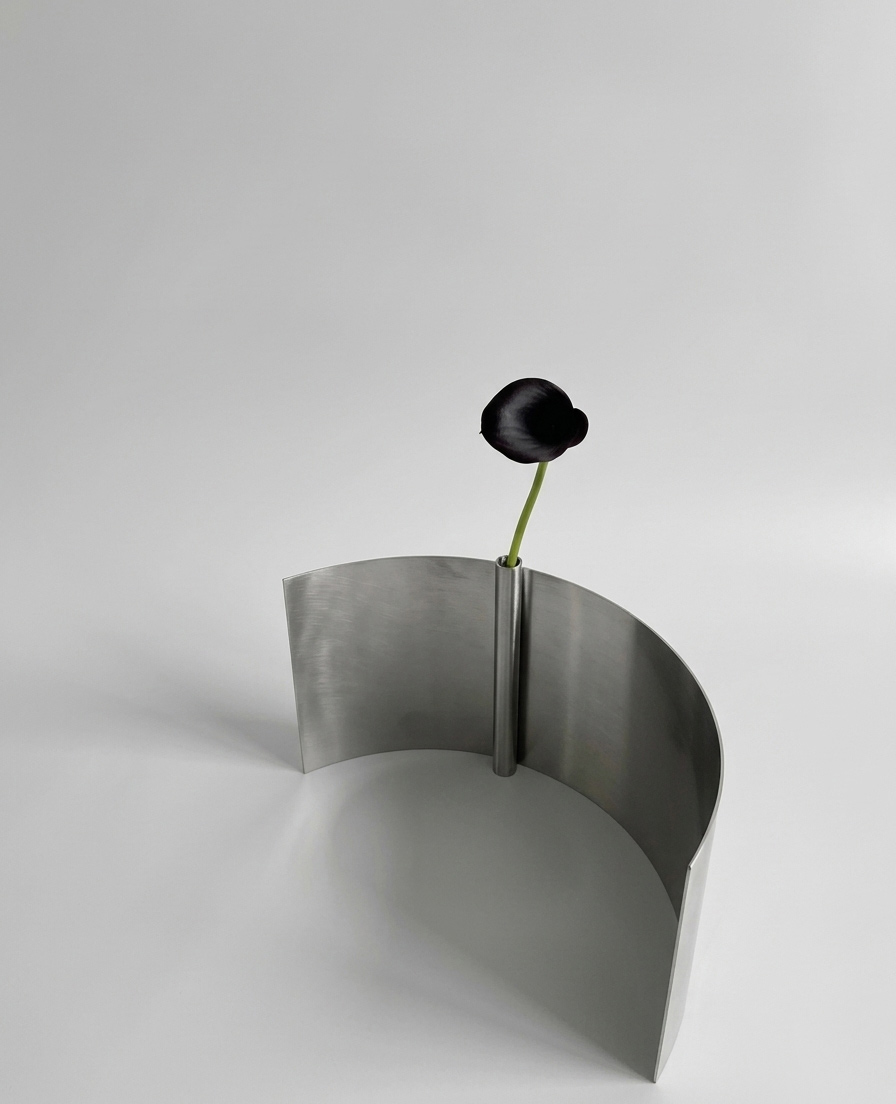
The system allows for a development of propositions, for continuity, and a sequence of possibilities.
Where can people find you?
For the latest updates follow @anoemelliou / @regardingrelations and for exhibition related invites you’re welcome to join my newsletter via regarginrelations.com.