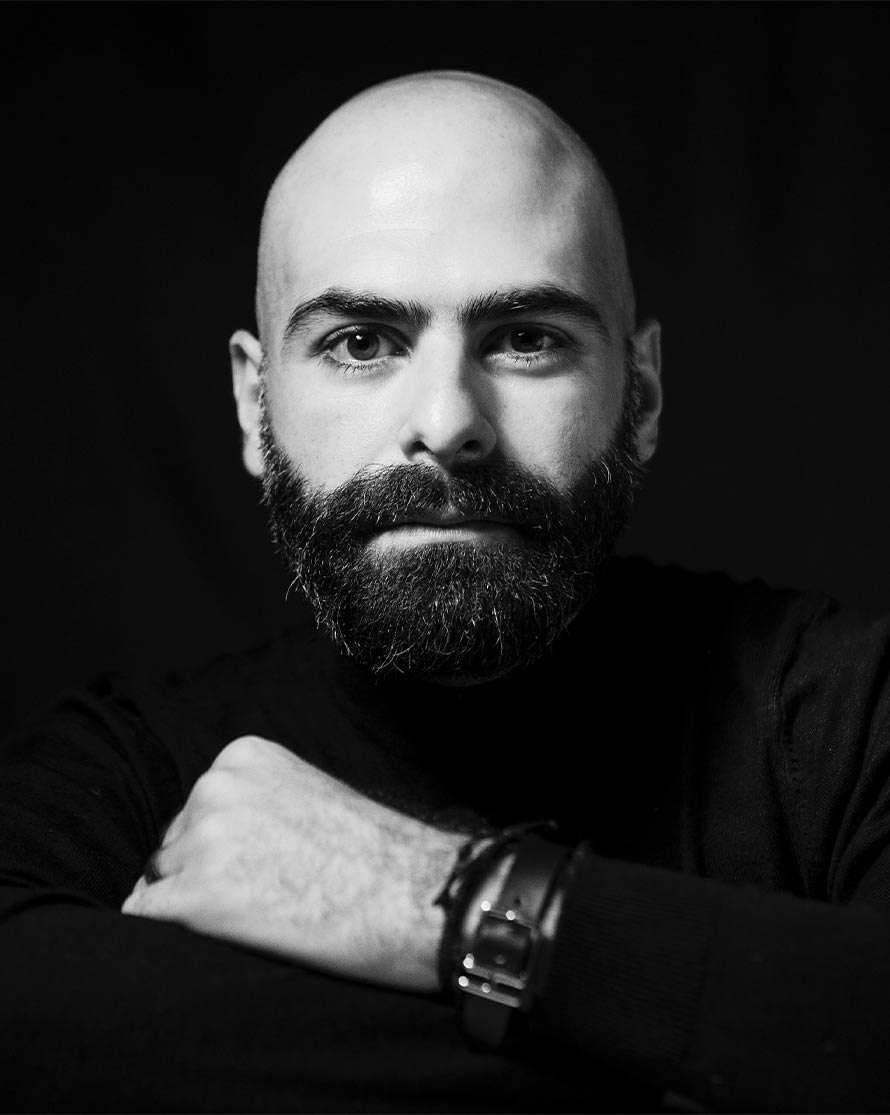
Badih Ghanem
What’s your name and where are you from and based?
My name is Badih Ghanem, I am Lebanese-french and I am based in Paris.
Can you describe in a few words what you do?
I’m an architect and urban planner. I have my practice in Paris since 2017, working across different scales, from interior design to housing, offices, and urban projects. My work is defined by a minimal approach that emphasizes monomaterials and draws inspiration from everyday objects. I recently launched my first design collection.
What first drew you to architecture? And what has kept you in it?
I’ve always been really sensitive to the spaces around me, even from a young age, I noticed how a room, a building, or even a street could completely shift my mood or how I felt. That awareness made me curious about why that happened. Later, I came across Tadao Ando’s words: ‘I want to create a space that moves people.’ That really stuck with me, it put into words something I had always felt but didn’t know how to express.
I think what’s kept me in it is that mix of creativity and purpose.
You’ve lived and worked in both Beirut and Paris. How have these two cities shaped your practice differently?
Beirut and Paris have shaped me in very different ways. Beirut gave me rawness, a sense of emotion, and a more instinctive way of working. It’s a city full of energy and contradictions, and that intensity pushes you to create with feeling. Paris, on the other hand, brought structure and calm. It gave me space to slow down. I think my work sits somewhere in between, intuitive but grounded.
What made you feel ready to start your own practice?
I didn’t feel totally ready, but I knew I had to do it. I wanted the space to follow my own ideas and take risks. I love taking risks. It felt like the right move, even if it was a bit of a leap.
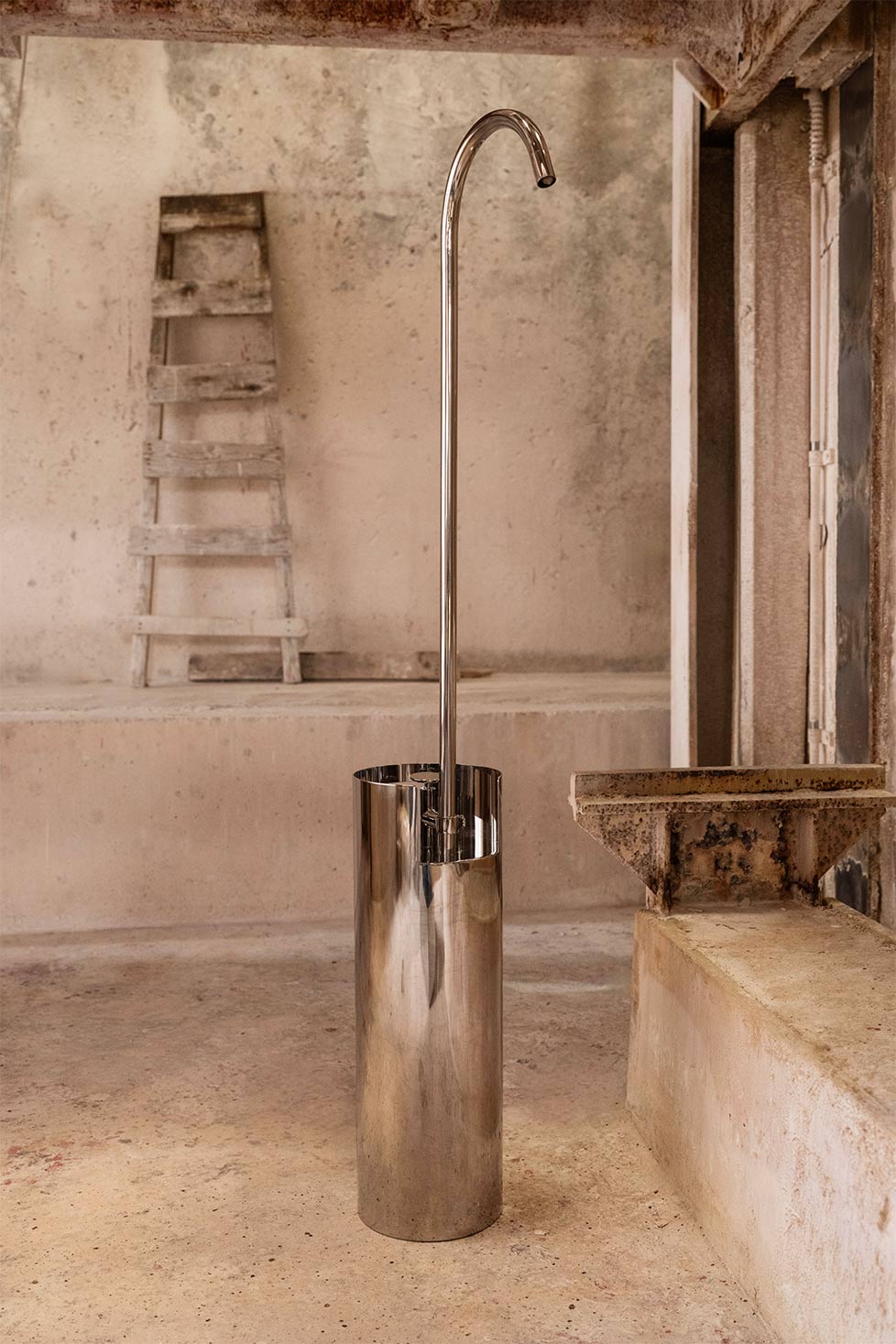
You work with monomaterials and clean geometries. What draws you to the minimal? And can you explain your material choice?
I think my love for minimalism started as a reaction to growing up in a very chaotic city — and in homes that were completely overdecorated. You know those memes where someone says ‘this is why I love minimalism’ and then it cuts to a living room with 12 patterns, gold trim, and a chandelier in every corner? That was basically my childhood.”
Now, I find calm in simplicity — clean lines, space to breathe. When it comes to materials, it really depends on the project and it context but I usually go for natural ones.
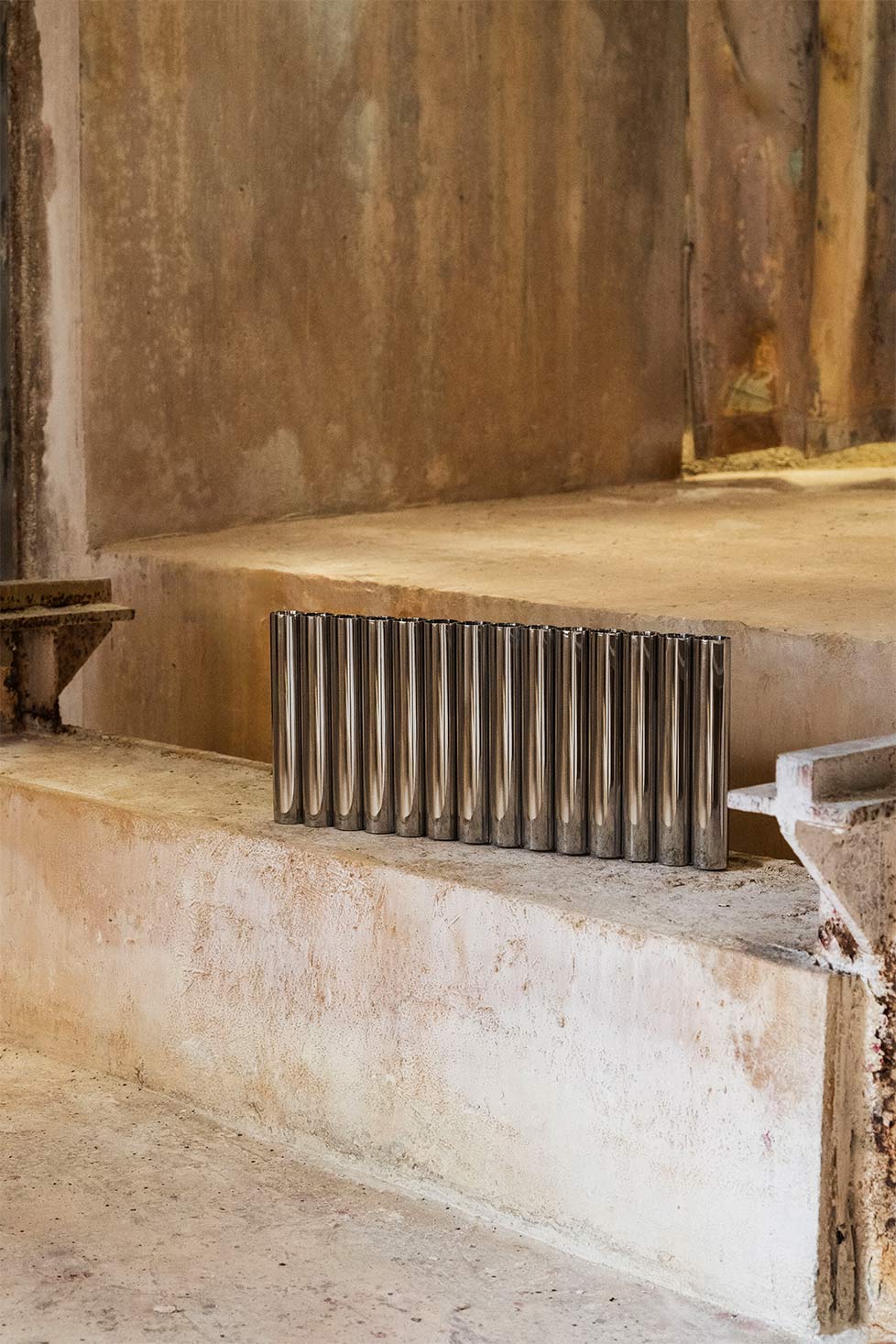
The title Remember Love? feels like a question and a memory. What does “remembering love” mean to you in this context?
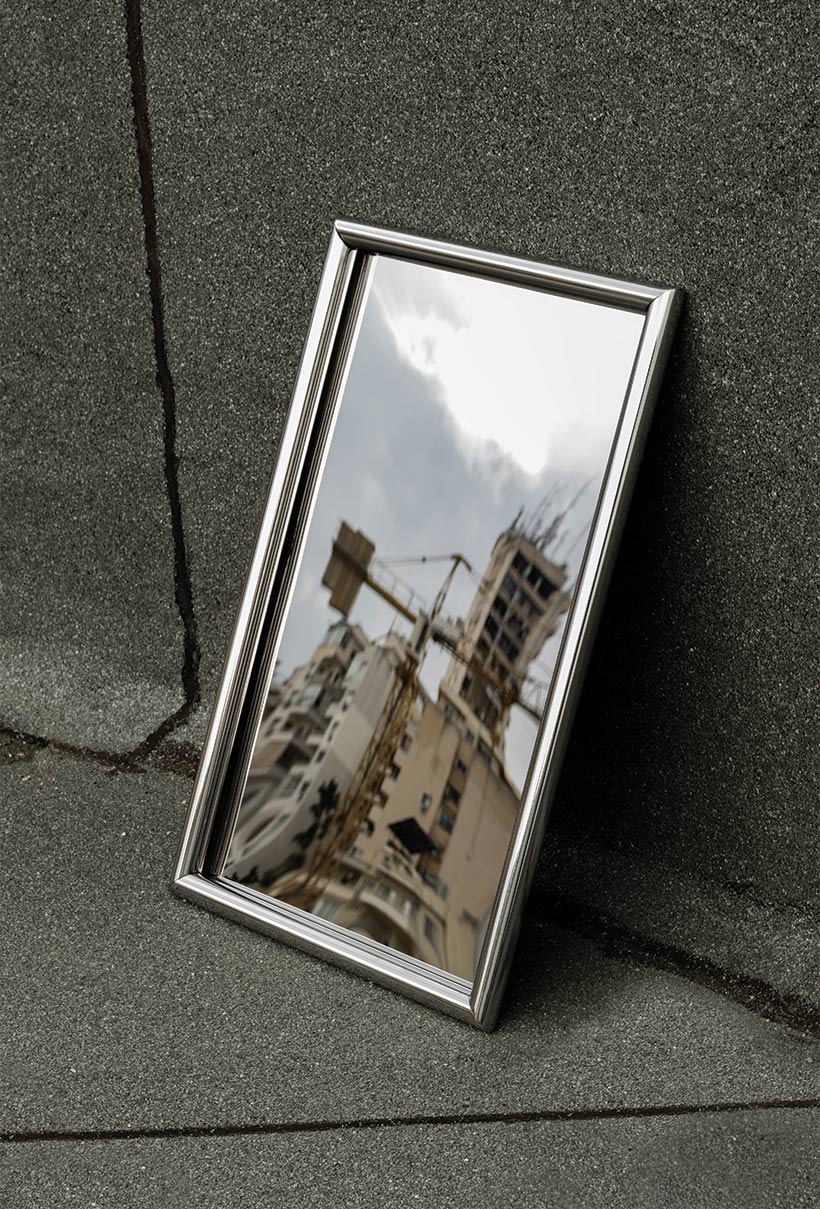
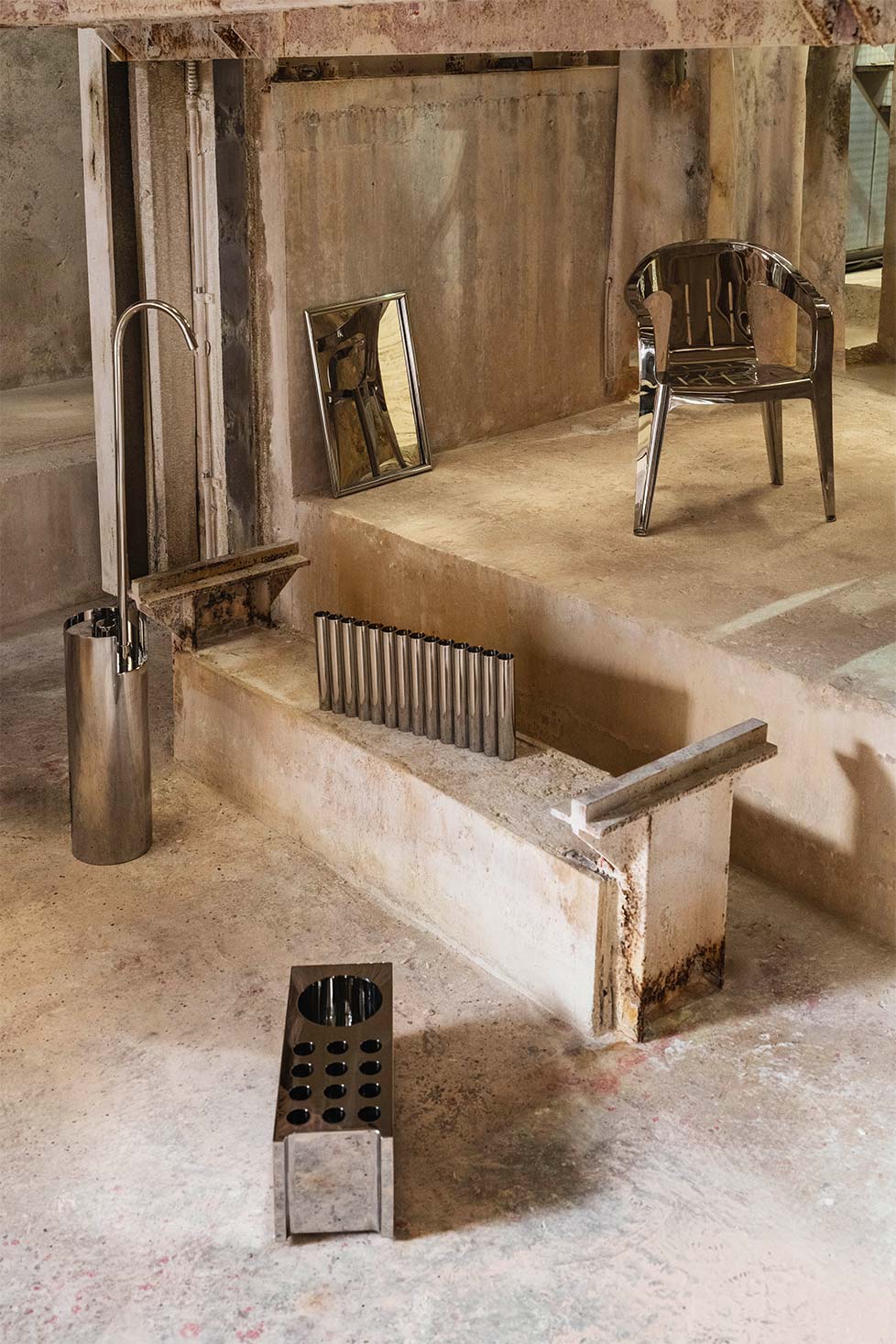
‘Remember Love?’ is both a question and a memory. The collection draws from objects tied to key moments in Beirut, events that shaped my childhood and adulthood. There’s a bittersweet nostalgia in them, a quiet sadness.
The title came from a bar in Beirut that felt like a safe place. It’s closed now, but the phrase stayed with me. In a time when the world feels heavy, I wanted to ask something simple but essential – do we still remember love, not just as a personal memory, but as a collective one too.
The plastic chair is such a universal symbol in Lebanon, why did you choose it as a form to reimagine?
The plastic chair is simple, worn, often overlooked, but always there. You see it in gardens, on balconies, by the sea, stacked in village homes. It’s part of everyday life, always ready to make space for one more.
It’s a quiet symbol of gathering and belonging. Reimagining it with a reflective surface shifts the perspective. Now it doesn’t just hold you — it reflects you. It becomes a way to see yourself in something familiar.
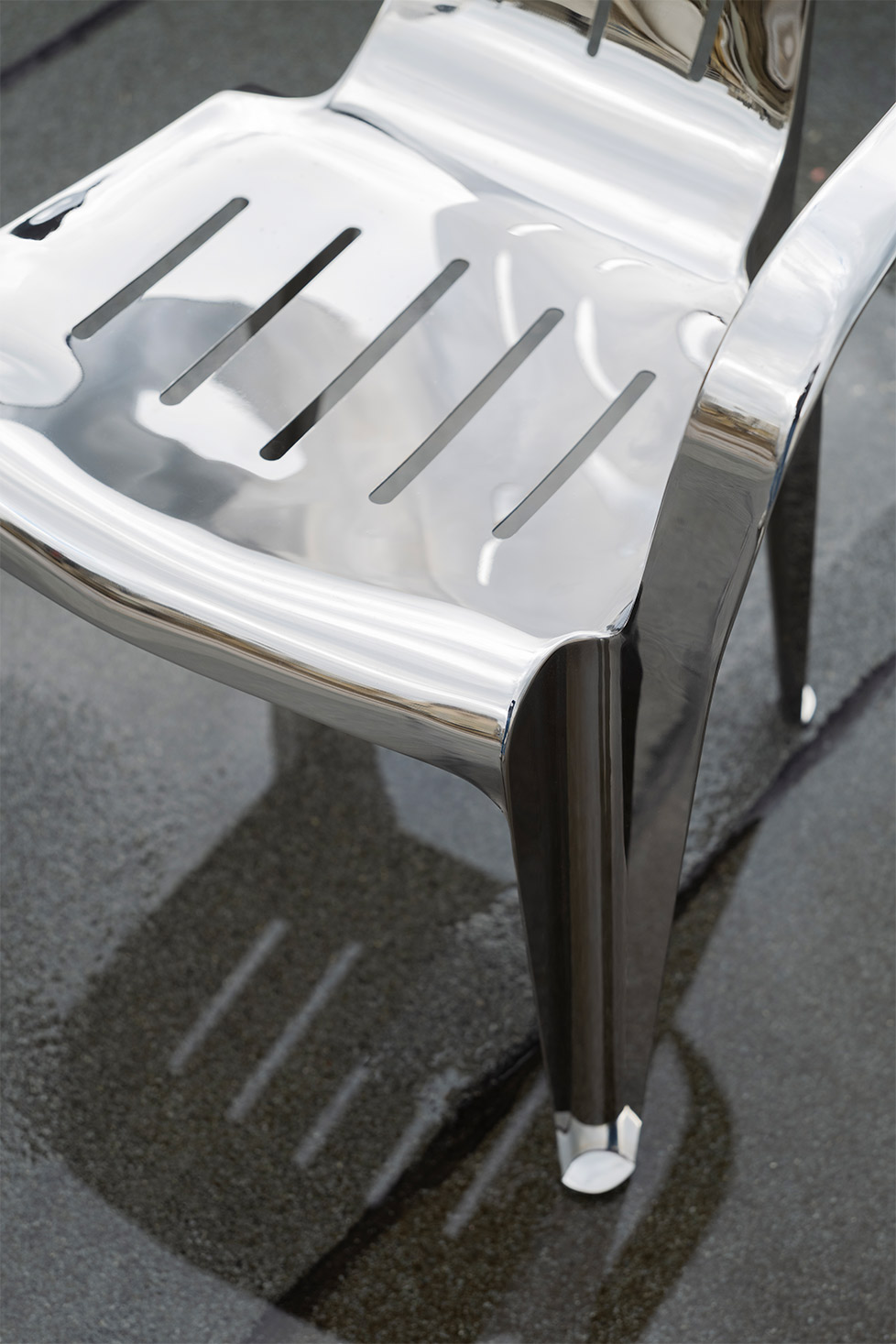
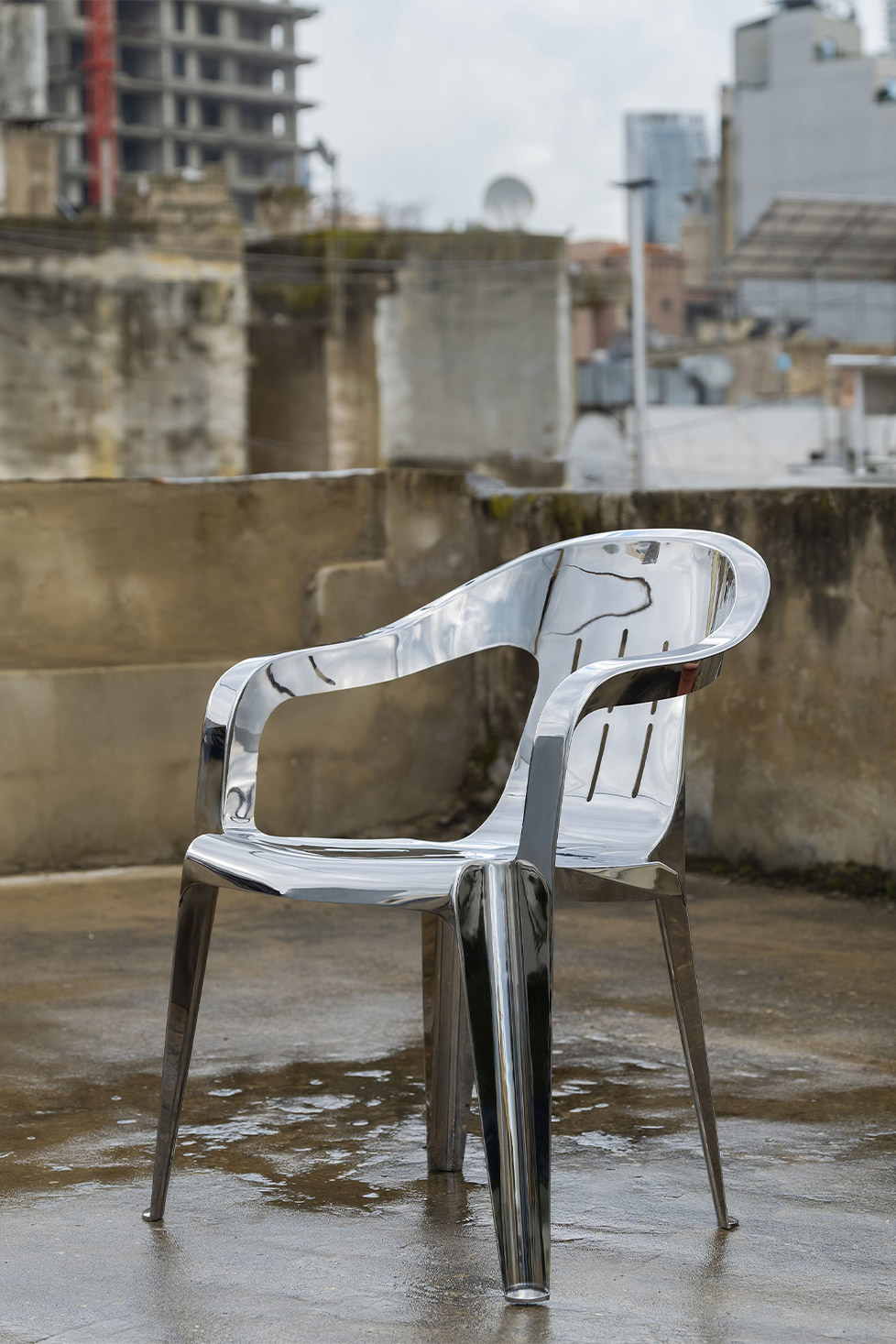
You write that this piece “relies on you to complete its meaning.” Do you consider your audience part of the work?
Yes, absolutely — especially with the plastic chair. It’s such a universal object. It’s everywhere. No matter where you’re from, chances are you’ve seen it, used it, or sat on one at some point. Everyone brings their own memory to it — a family lunch, a beach day, a quiet moment outside. That personal layer is what completes the piece.
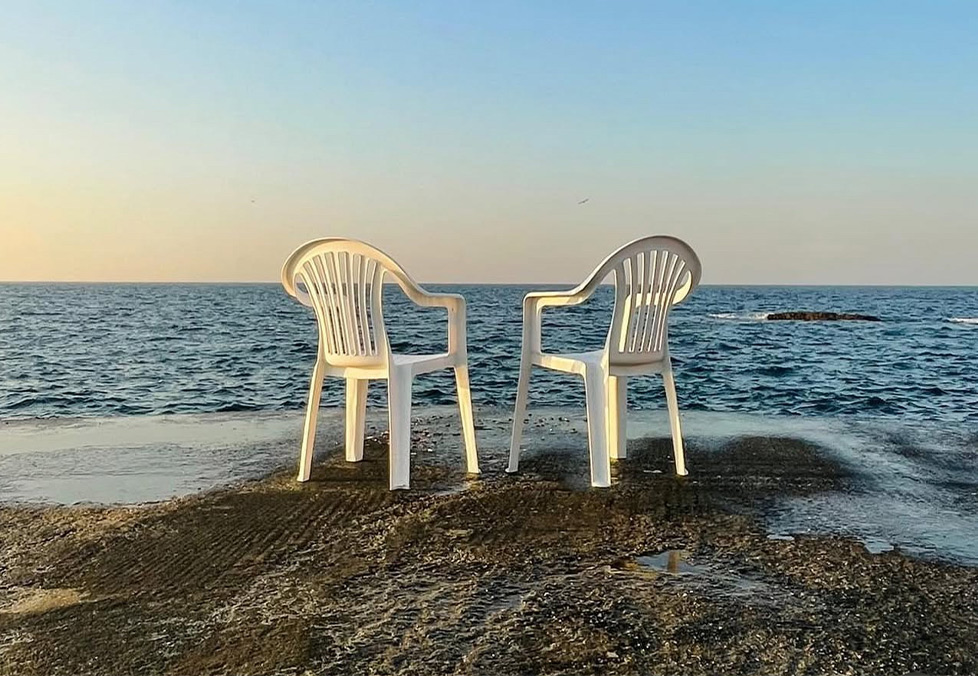
You describe the exposed brick as ‘a tribute to what holds us together.’ What inspired you to elevate something humble into a symbol of connection?
Brick is part of the foundation of almost every building, but it’s usually hidden, never really acknowledged. I wanted to bring it forward — to show something simple and structural as a symbol of connection. Especially in a place where we’re constantly rebuilding, again and again, it felt like a quiet tribute to what holds us up, and holds us together.
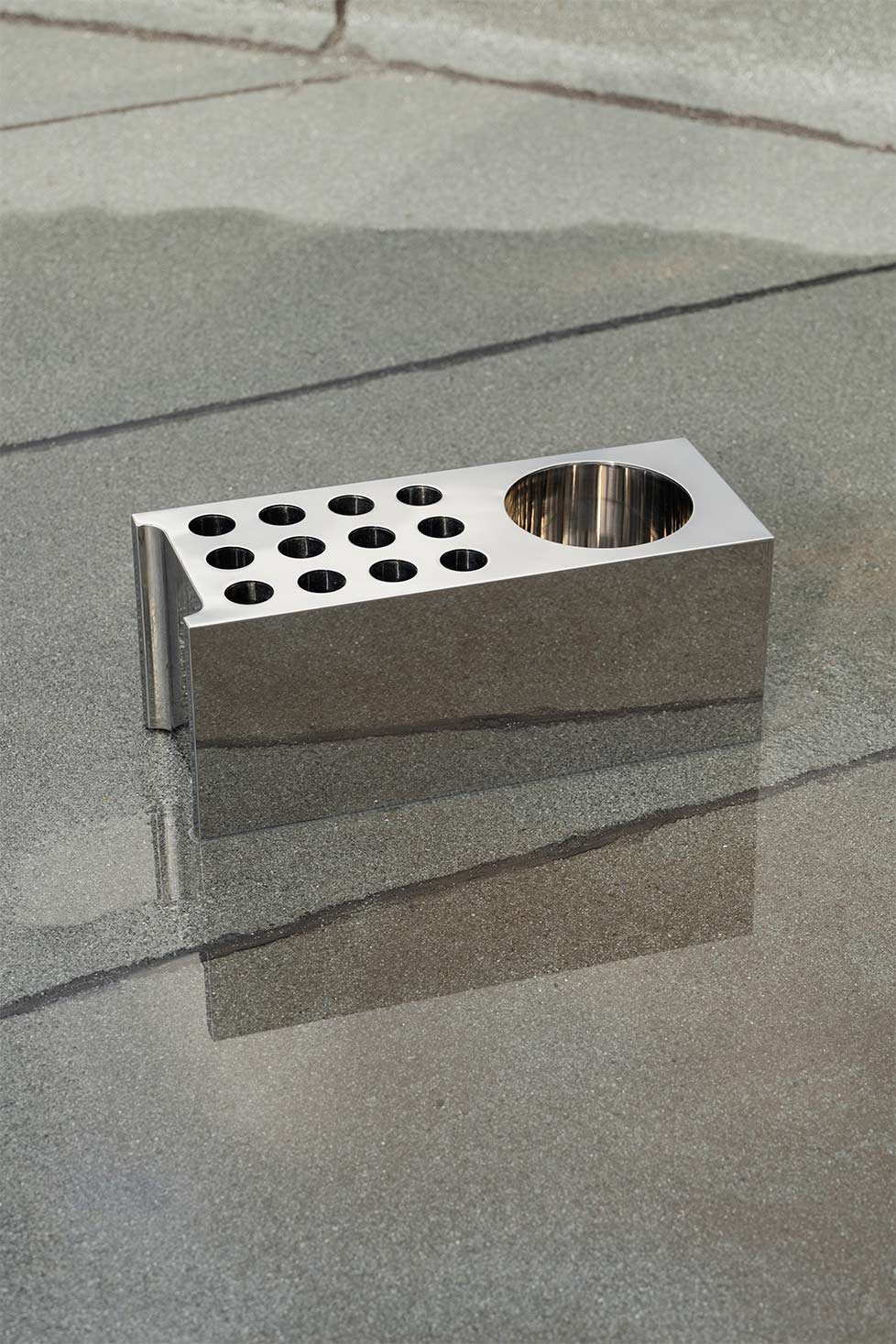
How do you want people to feel when they see these objects? comforted, exposed, seen?
A bit of all three. I hope people feel a sense of comfort at first, like the objects are familiar. But then maybe a bit exposed too, even confronted. Like they’re seeing something they know, but in a way that makes them reflect on their own experiences. And in that process, hopefully they feel seen, like their own memories or emotions are part of the work too.
Is there a building that you wish more people paid attention to?
I’ve always admired quiet buildings, the ones that don’t demand attention, but stay with you. Again, Tadao Ando’s work does that beautifully. It’s restrained, but deeply emotional, architecture you can feel.
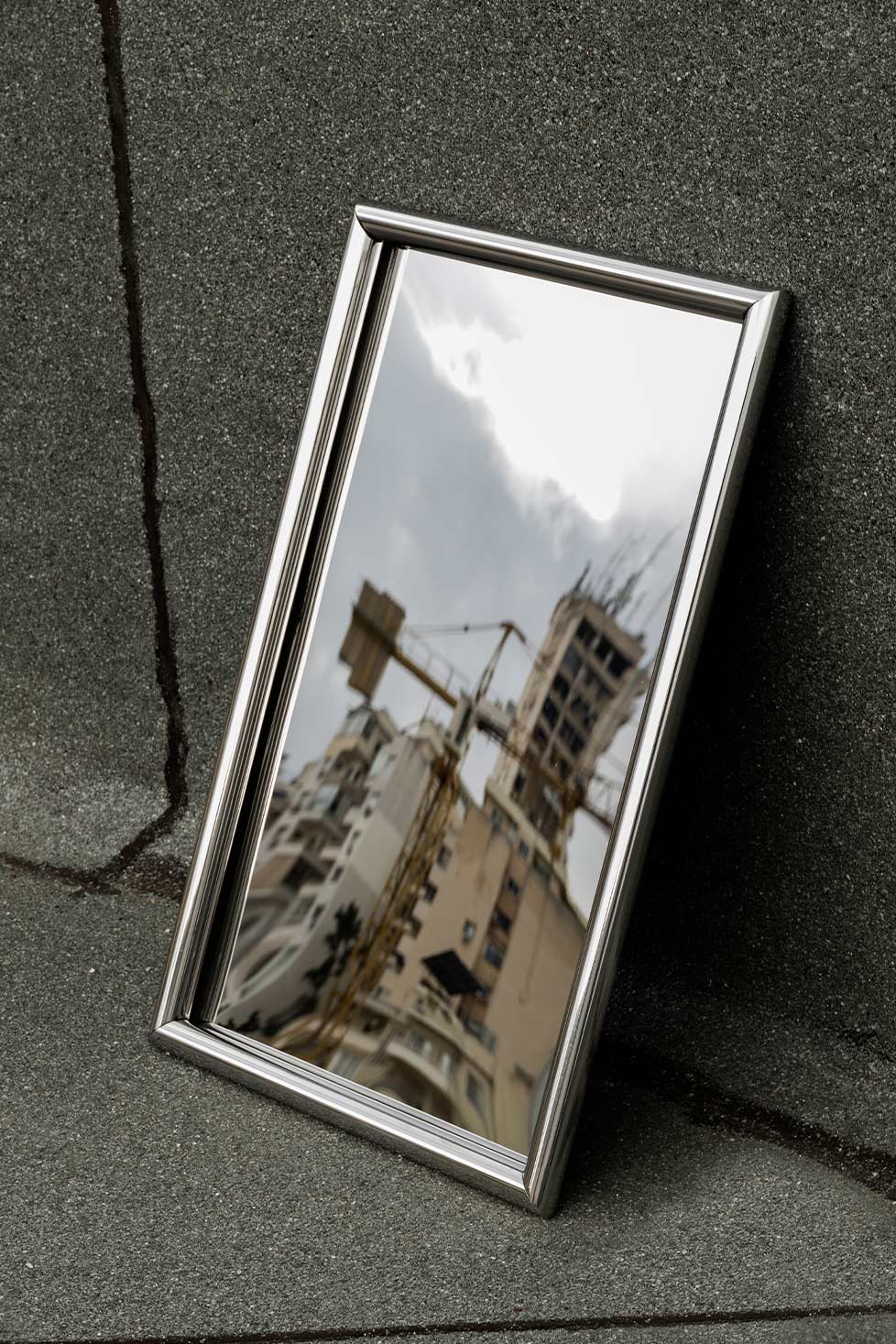
Is there a specific object, material or concept you’ve always wanted to work with but haven’t yet?
Any natural material can interest me, it just depends on the context and the story it needs to tell.
Where can people find you?
I’m based in Paris, where I have my practice, and I’ll be part of one or two upcoming exhibitions there soon. You can find me on Instagram @badih_ghanem, and my website — www.badihghanem.com — is coming soon.