Bahaeddine Tounekti
What’s your name and where are you based?
My name is Bahaeddine Tounekti and I have been based in Beirut for the past 3 years and a half now.
Can you describe what you do?
Oh!!!!!! Ammmmmmm!
Well, I tell stories that I make in my head. Sometimes I help others tell their stories too and turn them into videos that some people like and find them inspiring.
What first drew you to filmmaking, and what made you stay?
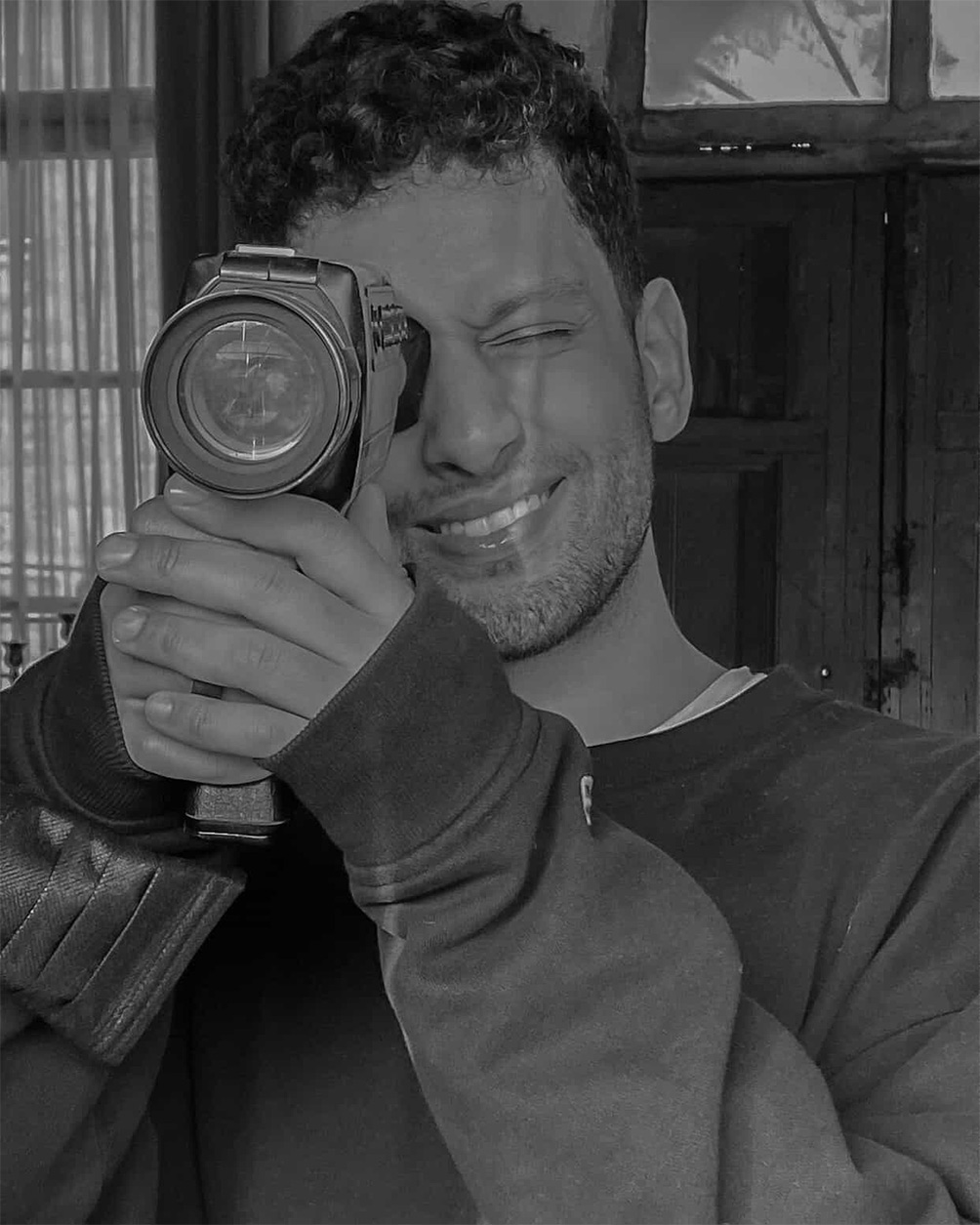
Oh, dear God, that is a real long story. I am not even kidding. It’s almost a 30 years long of a story. I will try not to bore you. I think I inherited the story telling skills from my mom . She is magnificent, she cancels every other entertainment system until today she still fascinates me.
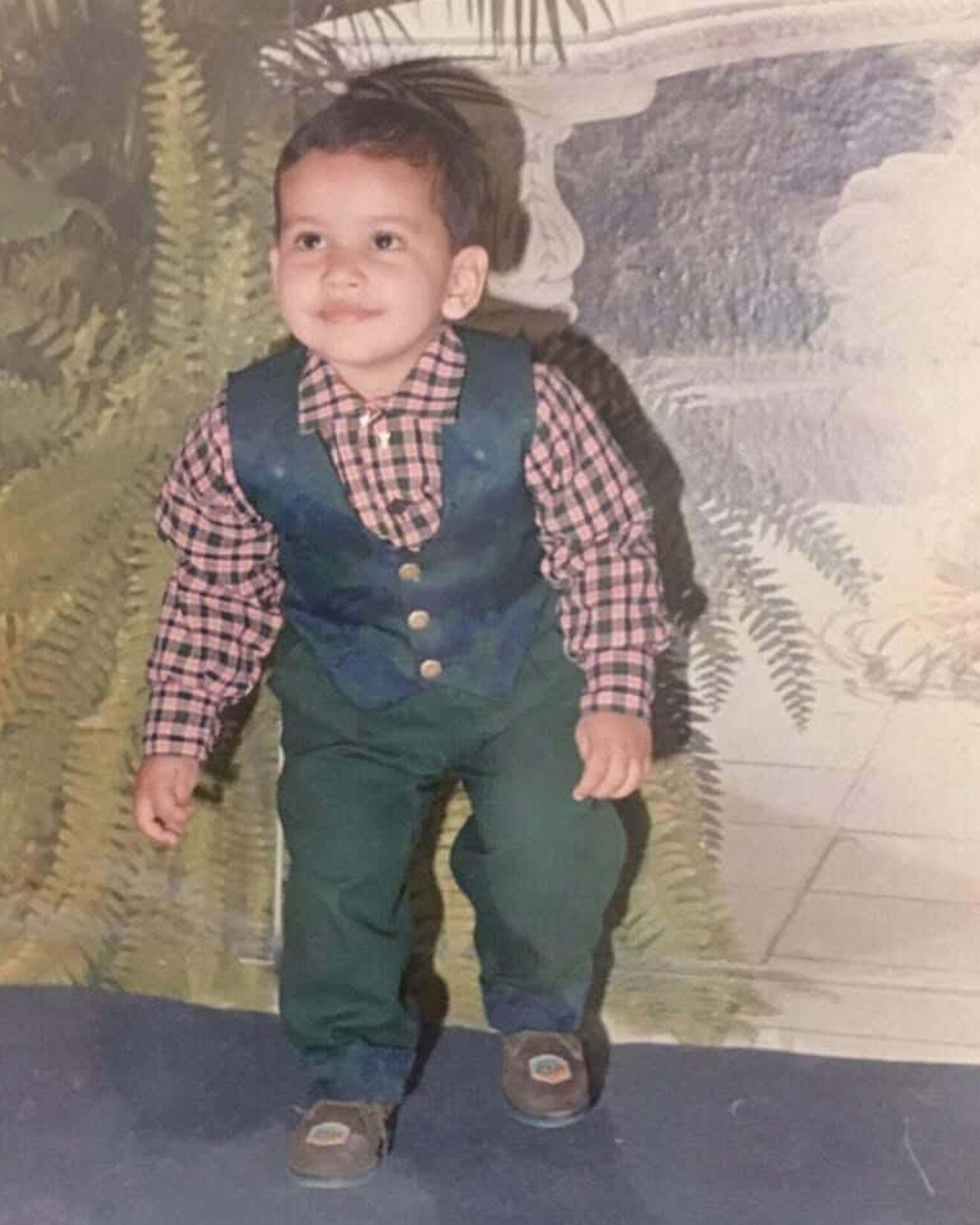
When I was a kid I use to watch things on tv and when I go to bed I use to reimagine these stories with different endings adding to them my favorite characters from different shows or films. it used to be my favorite thing to do. I don’t know where I lost that exactly. All what I remember that I had a pretty tough teenage years where I use to hate everything and everyone. I feel sorry for putting my parents through that. I love them dearly for keeping up with it and to be so understanding and mostly keeping me alive. I was a wild beast. I don’t think I understood what “NO” means back then. Bless my parents, they are the real heroes.
Years passed and I got a scholarship to the US at the age of 21 and at the end of my 22 nd year I got a job as a cabin crew in the UAE and I did that for 5 years. I traveled the world and I have lived a life that many people dream of living. But through it all I wasn’t happy. Something was missing, I didn’t know what it was. At that point all my friends had a plan for their lives they had goals and dreams to achieve and I felt like I was traveling the world looking for something that I didn’t know what it was exactly. It scared me to death. I feared for my future. The idea killed me from the inside. It led me to depression and stress.
I remember I was 25 at the time and I was on a trip to Nagoya, Japan. I promised myself that I wouldn’t leave without buying myself a gift that will get me out of that situation that I was at. Our hotel was connected to this huge tower mall that every floor is specialized in something. I remember I left that building with a camera and I was very happy. I didn’t know why but I was the happiest human being at the time. I took a decision to pursue a career in film but I didn’t know how. Taking the decision wasn’t enough. I had to let go of all the comfort that I was living in. Couple of years forward Covid hit and I was let go by the company like so many others and I remember one of my friends asking me “why are you so happy” and I remember saying “because I can be what I always wanted to be.” What was surprising in the whole thing was the unconditional support of my family, emotionally and financially. My family is my greatest gift in this life from God. He knew that my path wouldn’t be easy so he gave me the most supportive family ever.
The year was 2020, I started the year in the UAE, in June I was in Tunisia with my parents for the summer, end of August I was in Turkey and that’s where I started film school. I did a year in Turkey then I transferred all of my credits to a university in Lebanon because I needed to leave I lost all emotional connection that I use to have to the city of Istanbul and staying their start feeling like a trap. Even though my GPA was 4.0 and my university back in turkey was offering a nice deal that it was very hard to pass on. Moving to Beirut was the hardest thing I have ever done but it was what I need it to shape me to the artist I am today. In many ways this broken place have healed me and we built a sort of connection that it makes this city a huge part of me now. Here I spent my first winter alone, I didn’t get the chance to develop a comfort zone, I learned how to enjoy my own company, I learned how to deal with my feelings instead of disregarding them. I have been on my first set in here. I wrote and produced my first film in here and I won my first award in here. it’s a love story that I can’t explain.
And if you are asking me why I stayed it’s because that the whole journey was leading to it. how can I not and this was my journey. I don’t think I had a choice but to just do what it has to be done. Make a mistake after anther until I ended up here and be the artist I am today and live to make films.
Has being from Sidi Bou Said shaped your aesthetics or way of seeing the world in any lasting way?
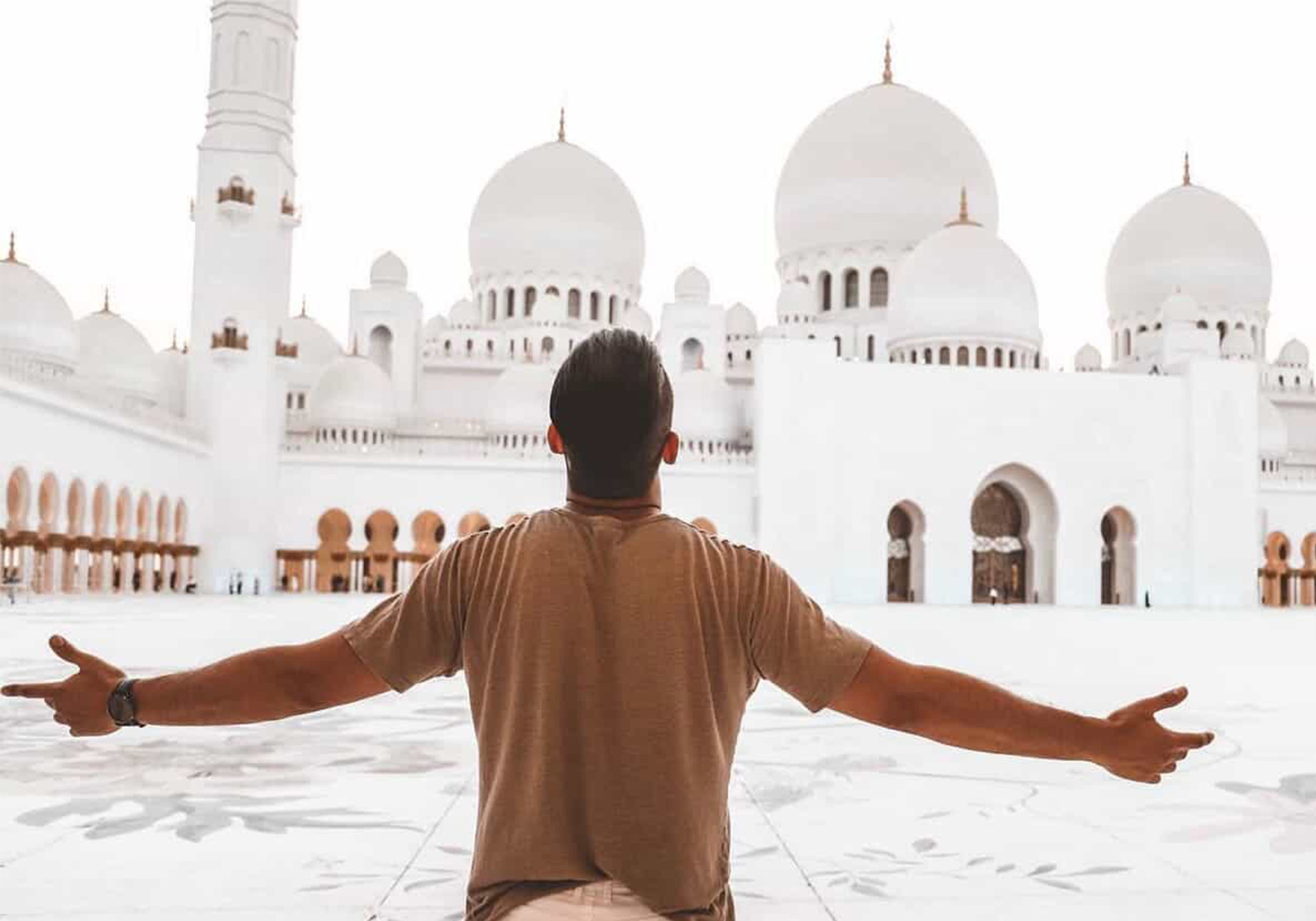
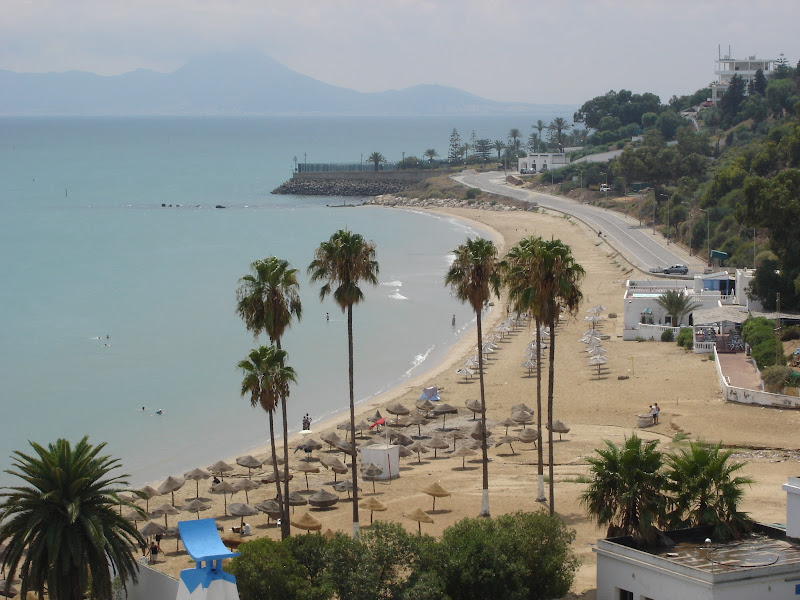
Being from Sidi Bou Said (the city of art) has everything to do with it. It’s like you are being born special. So much culture in the lifestyle, in the architecture, in the daily events, in the art galleries, the beaches, the tourists, the unbelievably rich history, the fact that it is 5 minutes away from the ruins of the capital of the Empire of Carthage. Did you know that Sidi Bou Said goes back to 13 th century. It was the first village with a Mediterranean style ( white and blue) it was the inspiration for many famous European cities today like Santorini. Living there forces you to inhale so much beauty. It shapes the way you look at things and approaches art basically.
Both my middle school (Carthage Dermich) and my high school (Carthage Presidence) where on the beach we had the best views ever. I remember that use to select classes in high school in the morning period that were given on the second floor so I get the best of the view.
The best memories that I have from living in
Sidi Bou Said are :
The smell of Jasmin all around the city especially in the morning. The smell of the city in winter time is unforgettable. Summer time when my dad use to take us to the beach at sunrise hour, so the whole beach is ours to play and be as crazy as we want. Also not to get sun burned and before the beach gets dirty.
Growing in Sidi Bou Said didn’t only shape my vision to the world it made it hard for me to adopt in living in cities or countries that don’t carry a culture or a rich history. I think it’s one of the main reasons why I love living in Lebanon.
You describe your style as “organized chaos,” can you unpack what that means to you?
It’s very simple, just like life. You think everything you’re going through is a mess and a chaos. It doesn’t give you chance to be bored. Until that one unexpected moment and suddenly everything falls into place and everything you’ve been through make sense and you are happy that you went through it in first place and you are not the same anymore.
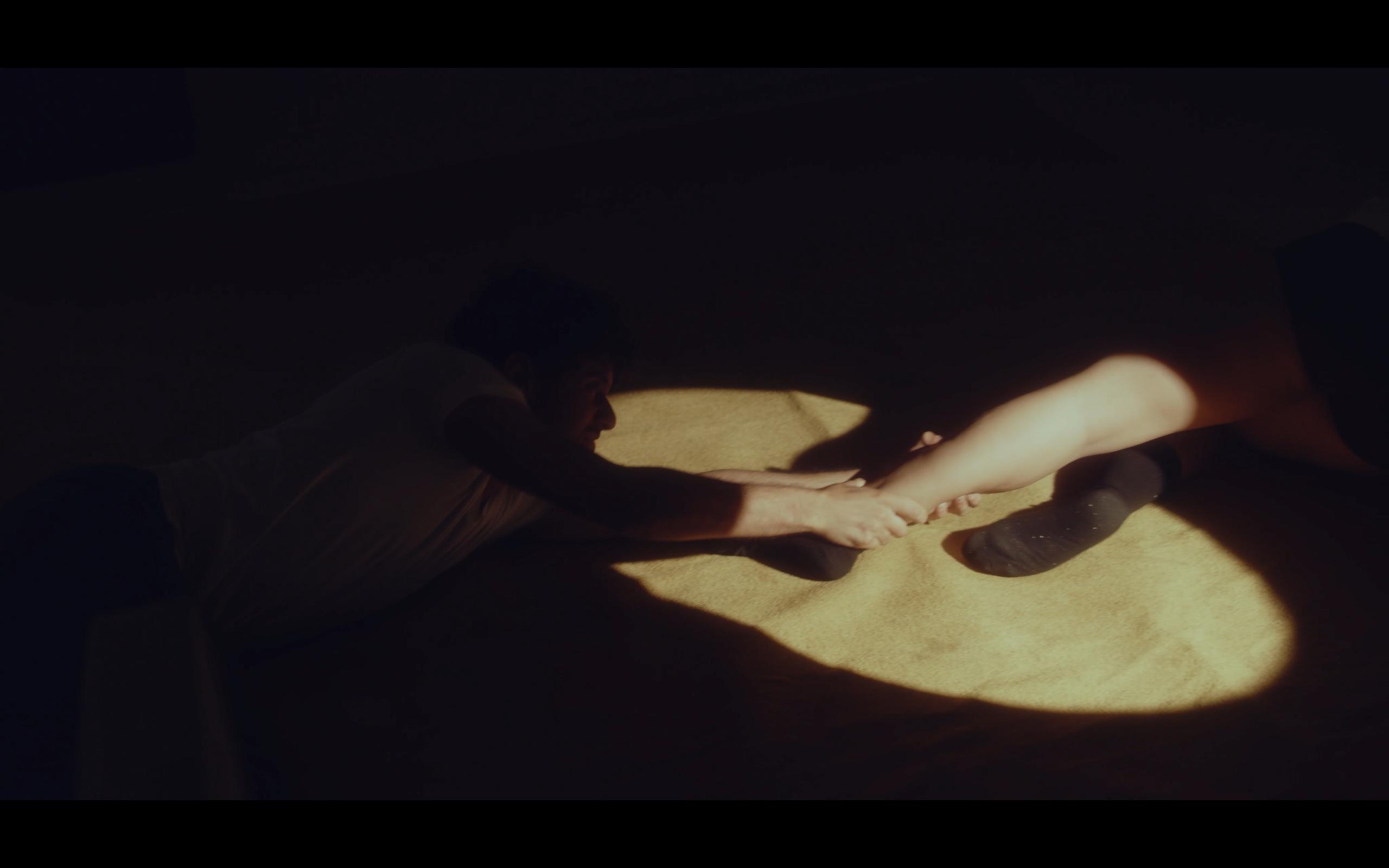
How do you direct emotion on set, especially with non-verbal or movement-based work like It Takes Winter to Spring?
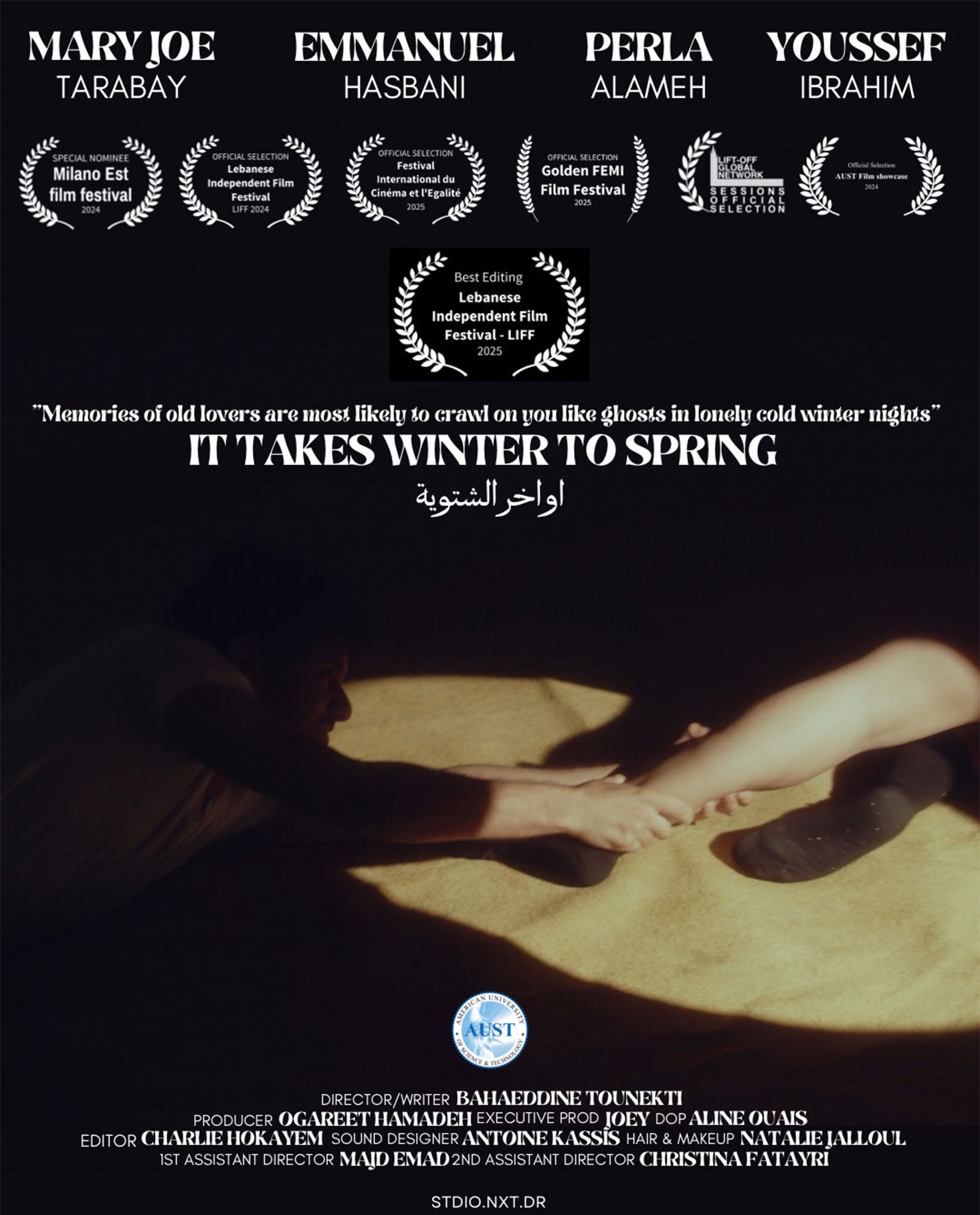
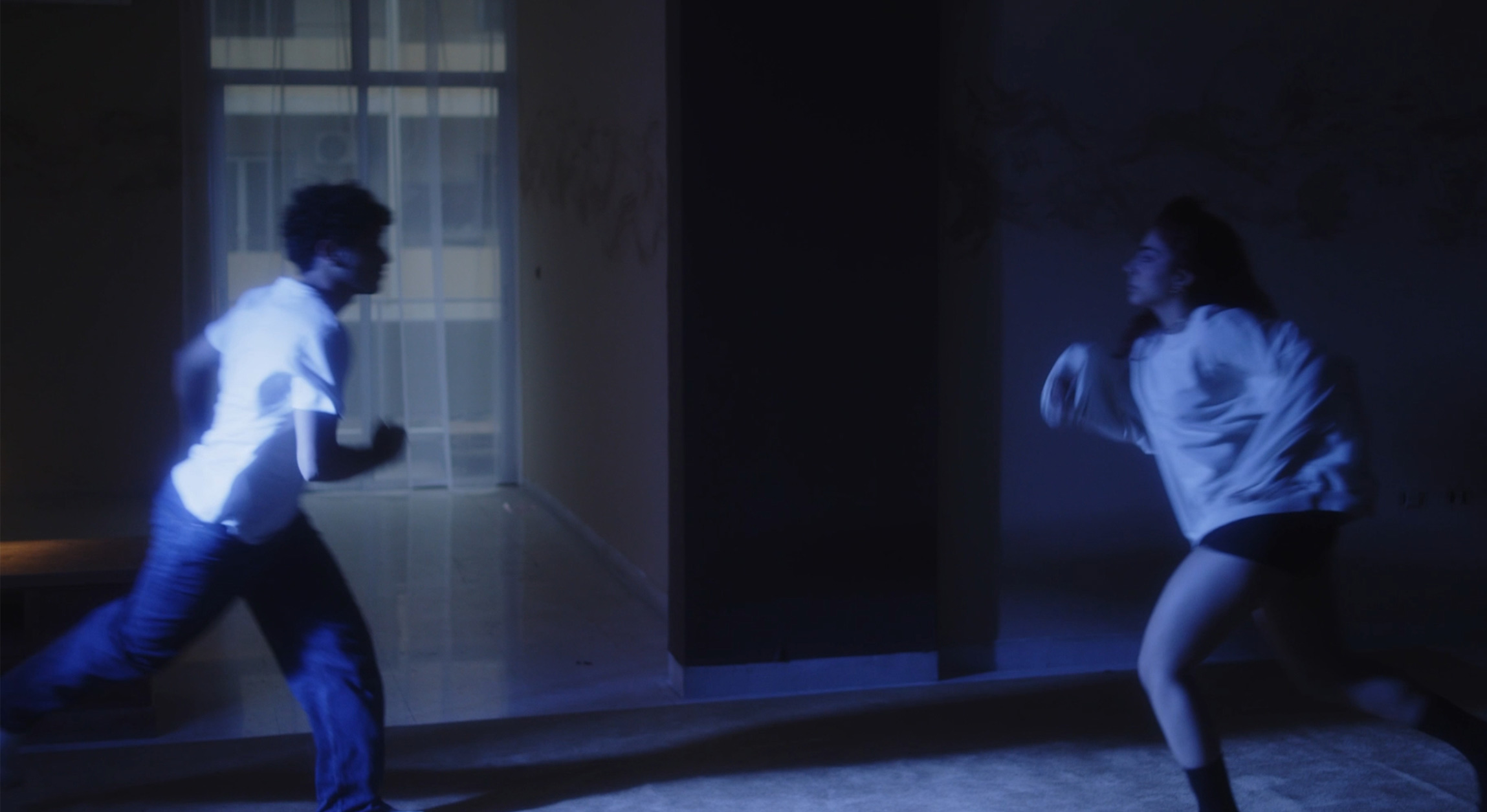
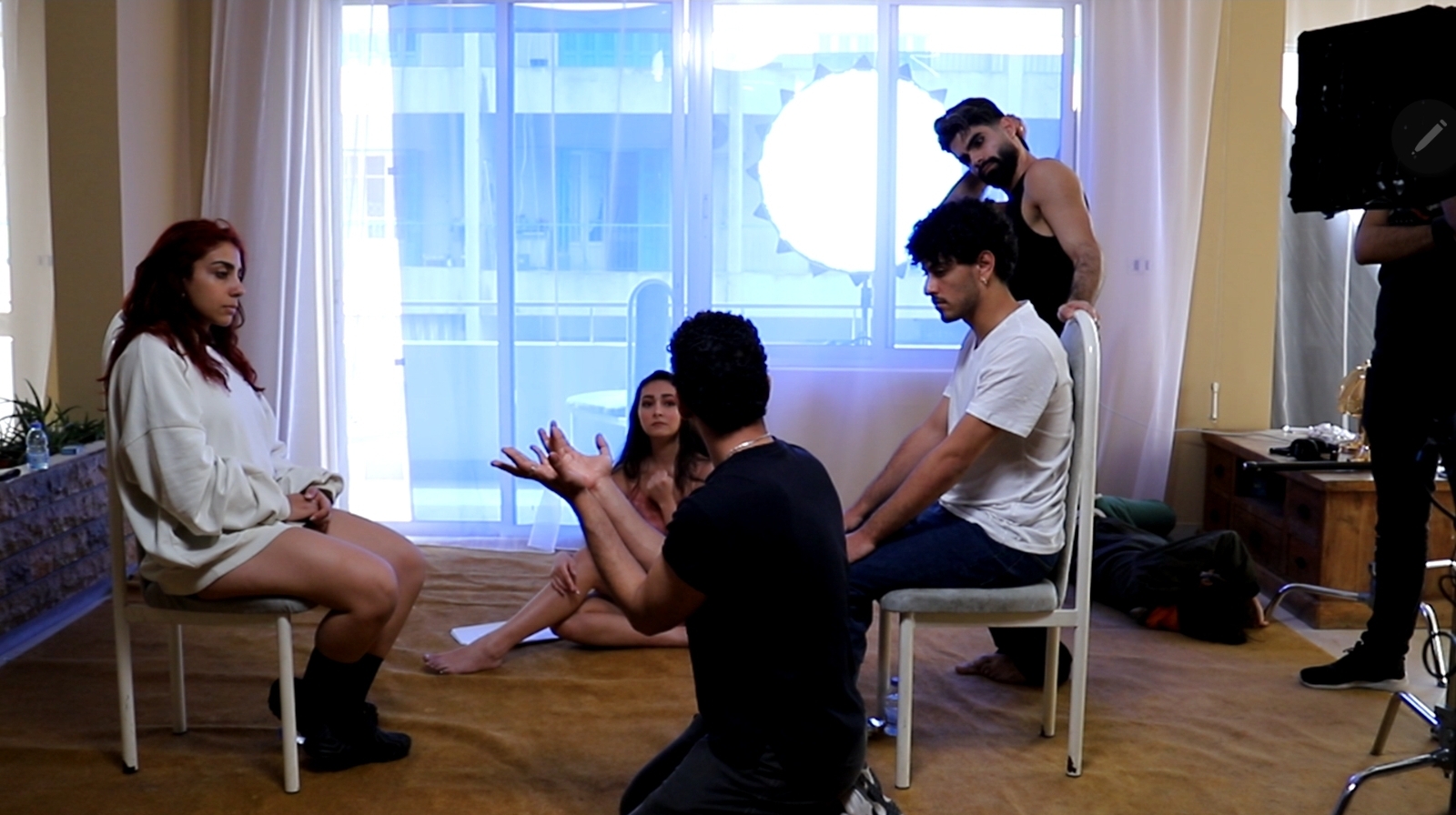
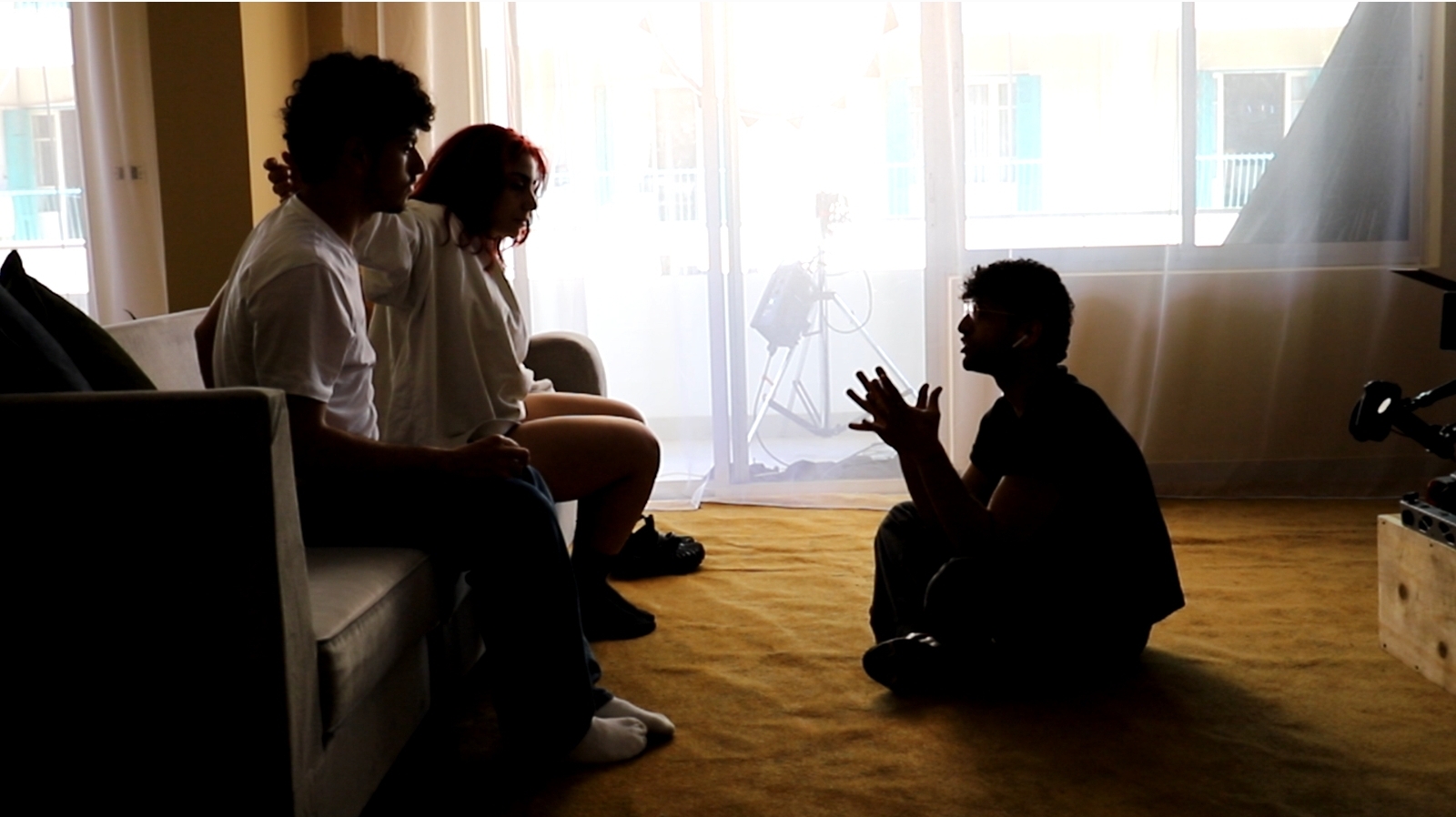
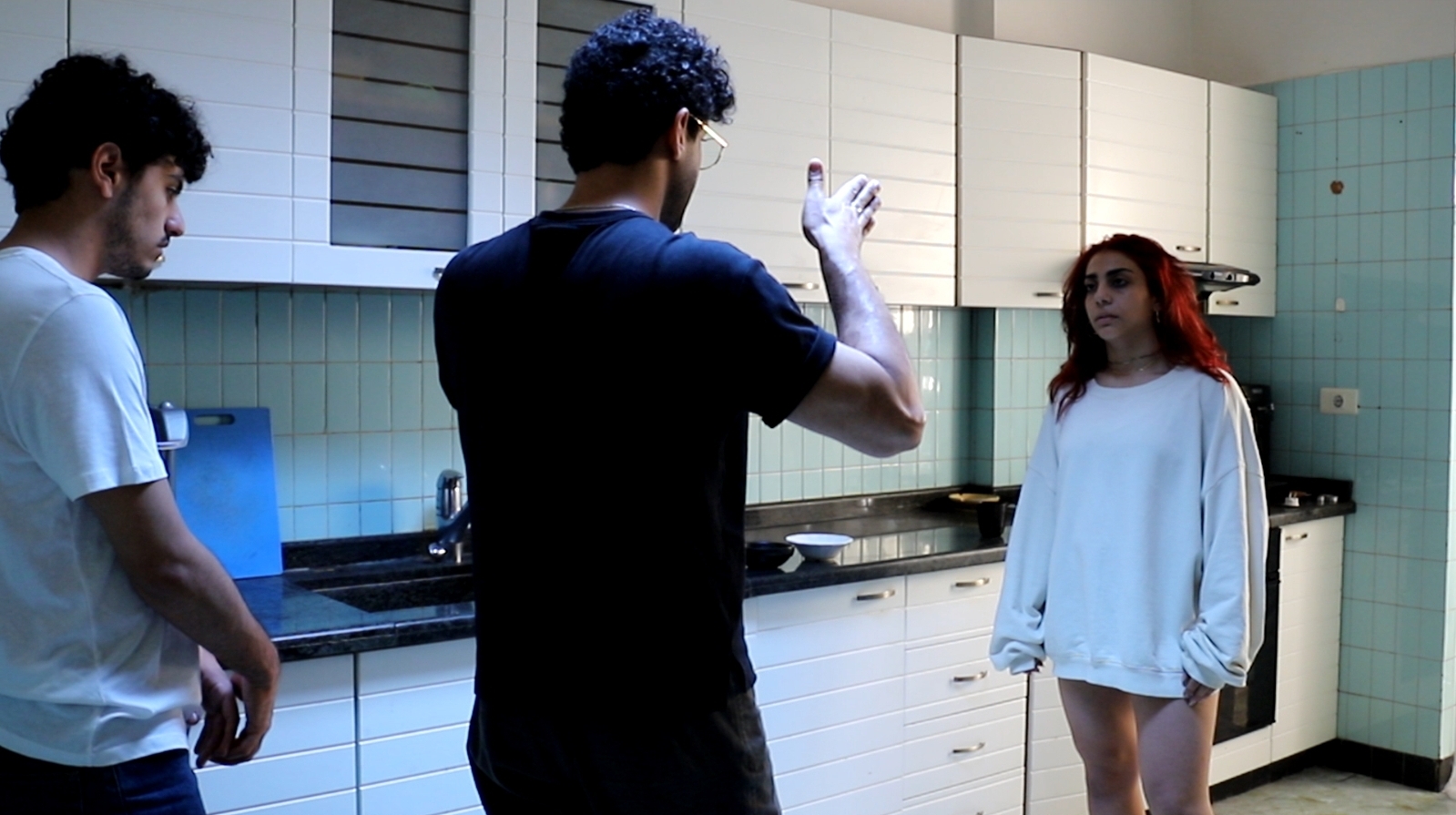
Being Tunisian has helped a lot to be honest. Since talking with hands and including body language it’s a huge part of our dialogue. On set there was a lot of explanations there were a lot of conversations I recall vividly that whenever I start explaining the scene to my actors the whole set goes quiet and I suddenly have 23 people listening, you can hear a pen drop. I remember at some point I was on the floor or on my knees. Besides that I don’t shy away from bringing my own experience or my own painful feelings and simplify them and explain them with colors and movement and facial expression and much simple examples so my gaffer can understand the kind of lighting that I need and my cinematographer can give me the perfect frame and the perfect mood and my actors can give me the best out of the characters.
What makes a story worth telling, in your eyes?
To me it’s all about the morals and the feelings that a story should land on the audience. The trip that we take them on . As directors we have an unexplainable access to people emotions and subconscious so we have to honor that trust and deliver something that is worth watching. Especially in nowadays, if they are willing to put their phones down and land us some of their time, that is a huge responsibility. I believe that’s how serious story tellers should take it.
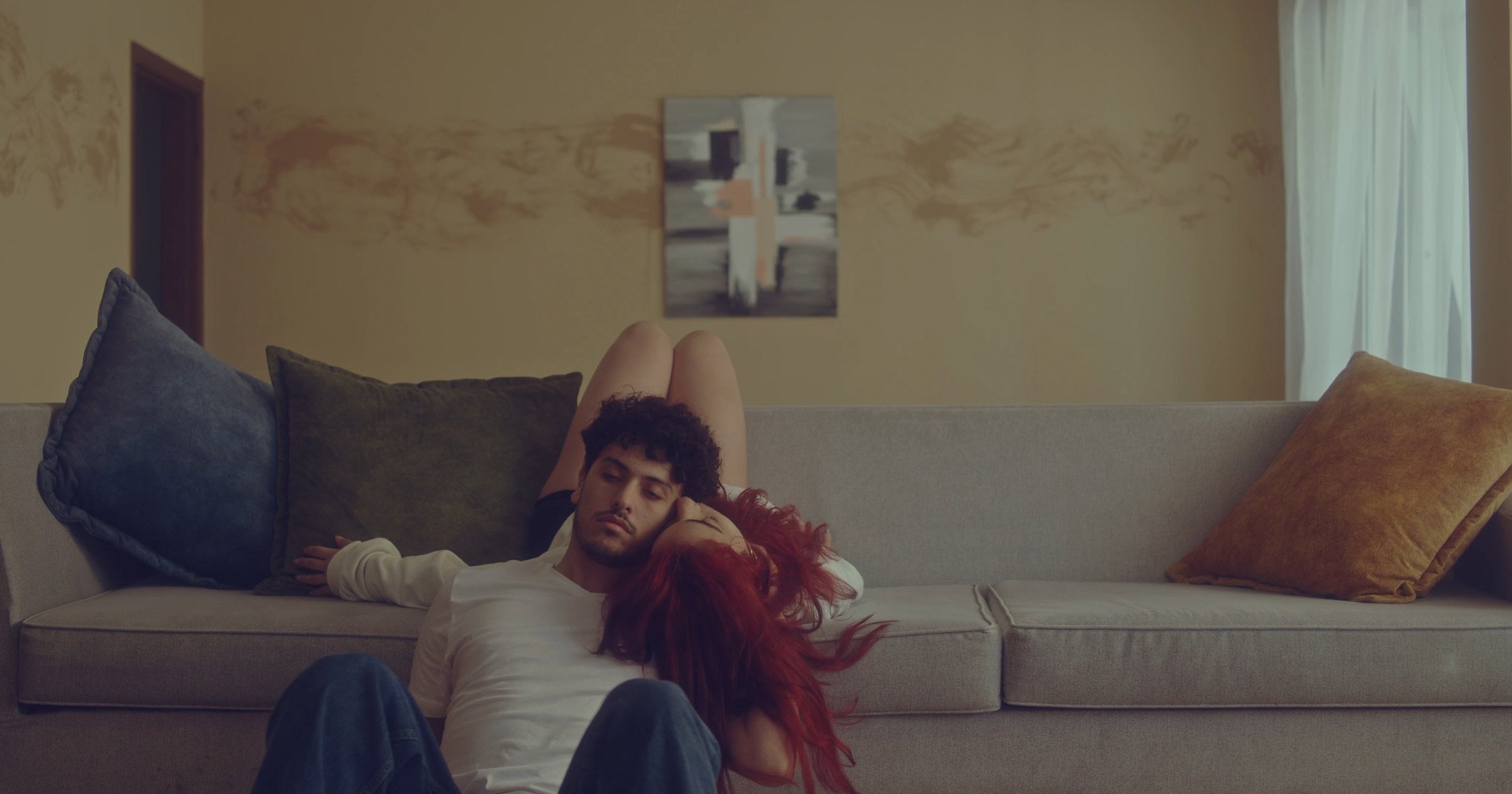
It Takes Winter to Spring uses dance and narration instead of dialogue. What made you choose movement as the main narrative tool?
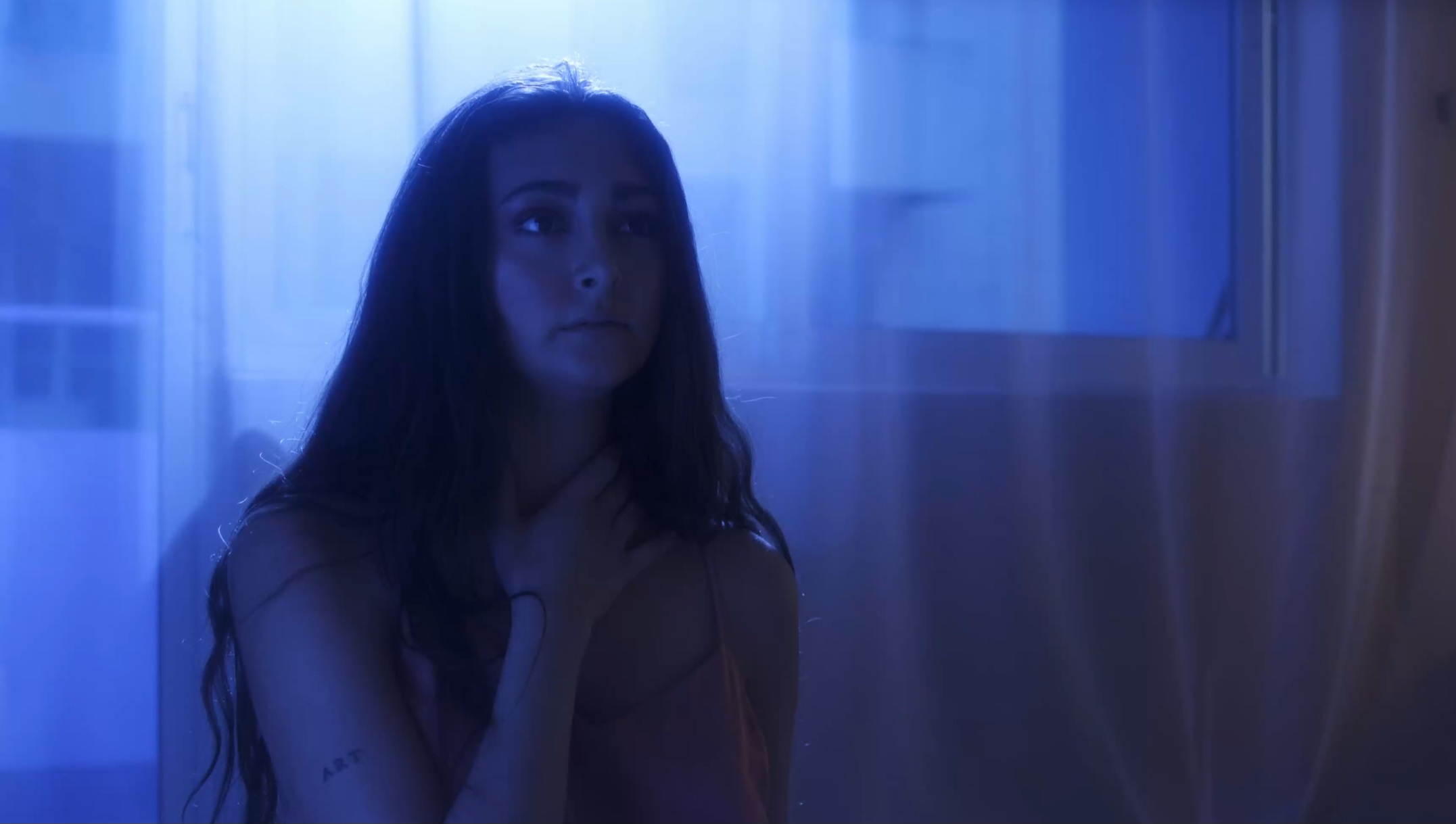
Simply because talking is cheap, words nowadays mean nothing. I think it’s more personal than it should be. I have trust issues especially when it comes to relationships. I will definitely agree on everything you say but I will always have my guards up. I will wait for your actions to tell me who you really are. I chose movement as the main narrative tool because body language is more honest than empty words.
Are your films a way of processing your own life, or are they something more abstract?
I will be very honest. My films are a way of processing my own life mixed with the wonder of the unknown and the what ifs if life was perfect. To me I want my films to get you to recognize that the psychology behind my journey exists in you too . it’s funny because I am working on a new campaign and I have showed my best friend the first draft and she was like I can tell that this is your work from the first frame and she said I almost can sense the feelings that I will be left with ( not wanting it to end, wanting more and feeling happy with a smile on) it’s just you. You have to understand that is a huge compliment coming from the most brutally honest human being on the planet.
Are there artists, filmmakers or not, who shaped your visual sensibility?
– Abdelhamid Bouchnak was a huge inspiration. The first time watching one of his work he triggered memories of smell from my childhood, I swear that could smell the scene.
– Eli Fahed: when I first moved in to Lebanon, I was invited to one of his sets by his Producer Sohad. All I wanted was to run a set like him. I
was star stuck by him and his energy on set.
– Miguel Sapochnik : He’s the director of the highly rated episodes of Game Of Thrones until today. You can’t watch “battle of the bastards”
and “the winds of winter” and not to fall in love.
– Christopher Nolan and Denis Villeneuve: I will put these two together because they are the end game for me.
– Nadine Labake : I want to have her career. she’s the definition of awesome. if awesome was a person it would have been her.
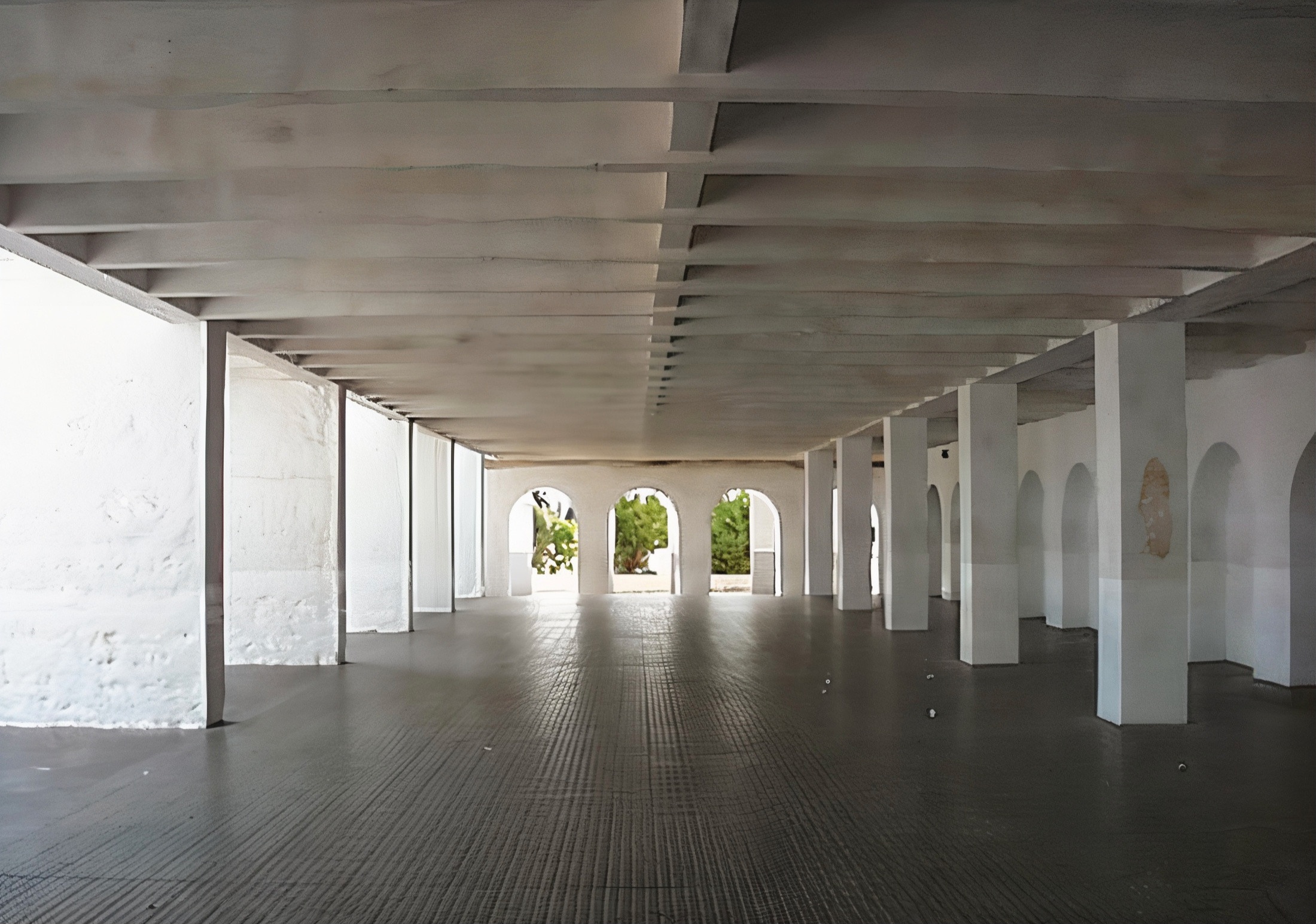
Last but not least, architecture. It’s an unbelievable source of inspiration to me. Interior design is my guilty pleasure .
How do you approach collaboration on set, from cinematographers to dancers to editors?
Everyone on set is as important as the director if not more. Everyone’s opinion matters and everyone needs to be heard. I try to make everyone on set feels like their presence on set is much appreciated and the more you involve them in decision making and you have ears to them the more they take it as it’s their own project and they give their best and they feel more responsible
towards the outcome and they feel more comfortable sharing their ideas with you because they trust you at this point. Earning their trust is my number one priority that’s how I collaborate with other people on set.
Do you think of the viewer while creating, or do you focus inward first and let others interpret later?
I do. My creative process starts with them. It starts with “ what kind of feeling I want to leave with them?” “what kind of emotions I want to target in them” “how can I make my story more about the person watching and less about me” the audience are the beginning and the end of all of my stories.
What kind of stories do you hope to tell in the next few years?
I have a dream to direct an episode in Black Mirror or maybe a whole season. I have a dream of directing a film series out of the original film “The Massage” made in 1976. I have a dream of directing a tv series called “Carthage : the empire” beyond Hannibal and wars and all of the stereotyping spread by the westernized culture. The reality of it. How it never had a king how the most advanced western cultures today are using a political system that has been used by the Carthage in 814 B.C. These are my dreams. In reality, in the upcoming few years, I hope I will get the chance to shape my talent and practice more to be able to achieve these dreams one day maybe with couple commercials and video clips.
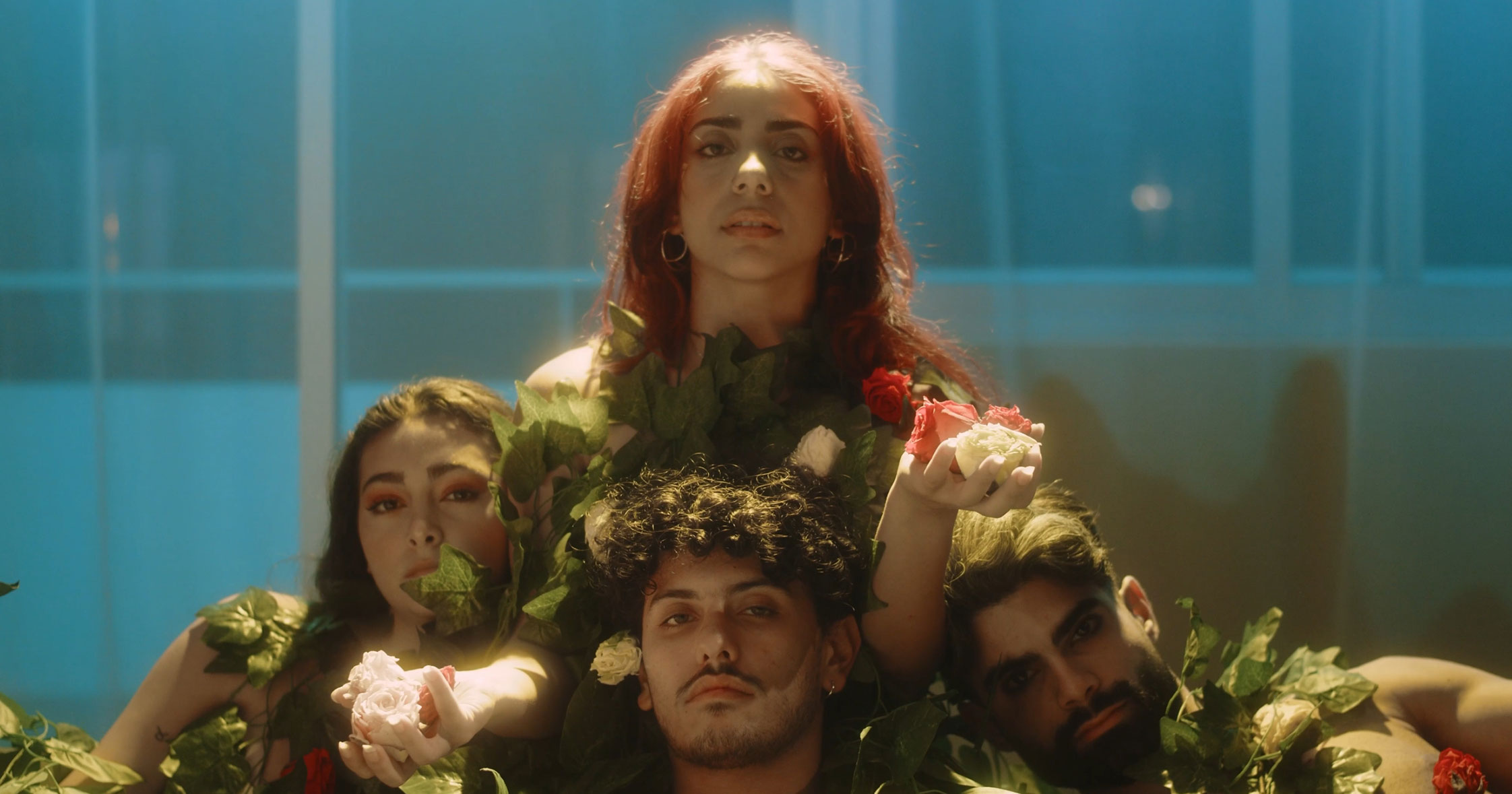
Your use of color feels deliberate, bold reds, rich blues, warm shadows. How do you approach color when developing a scene?
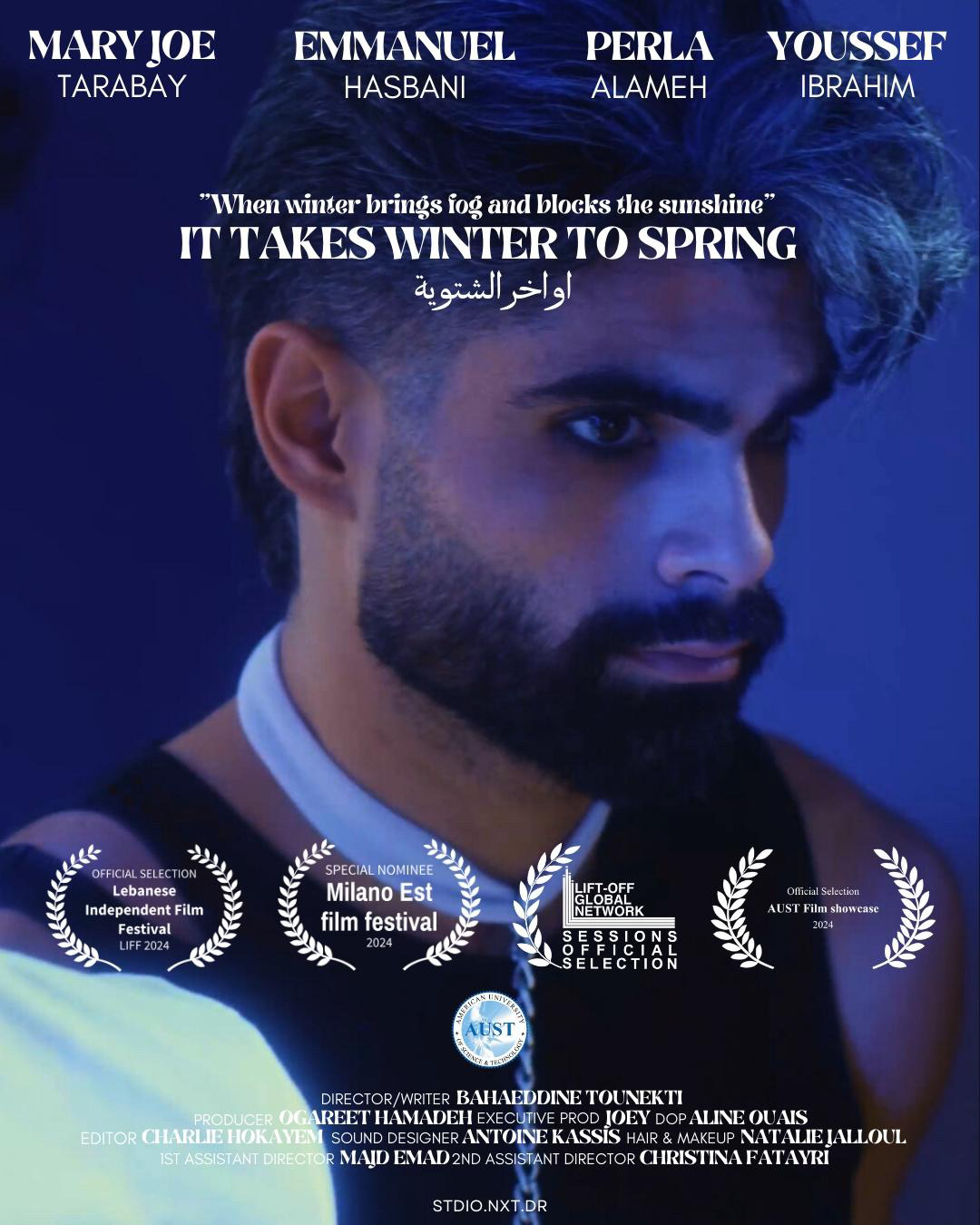
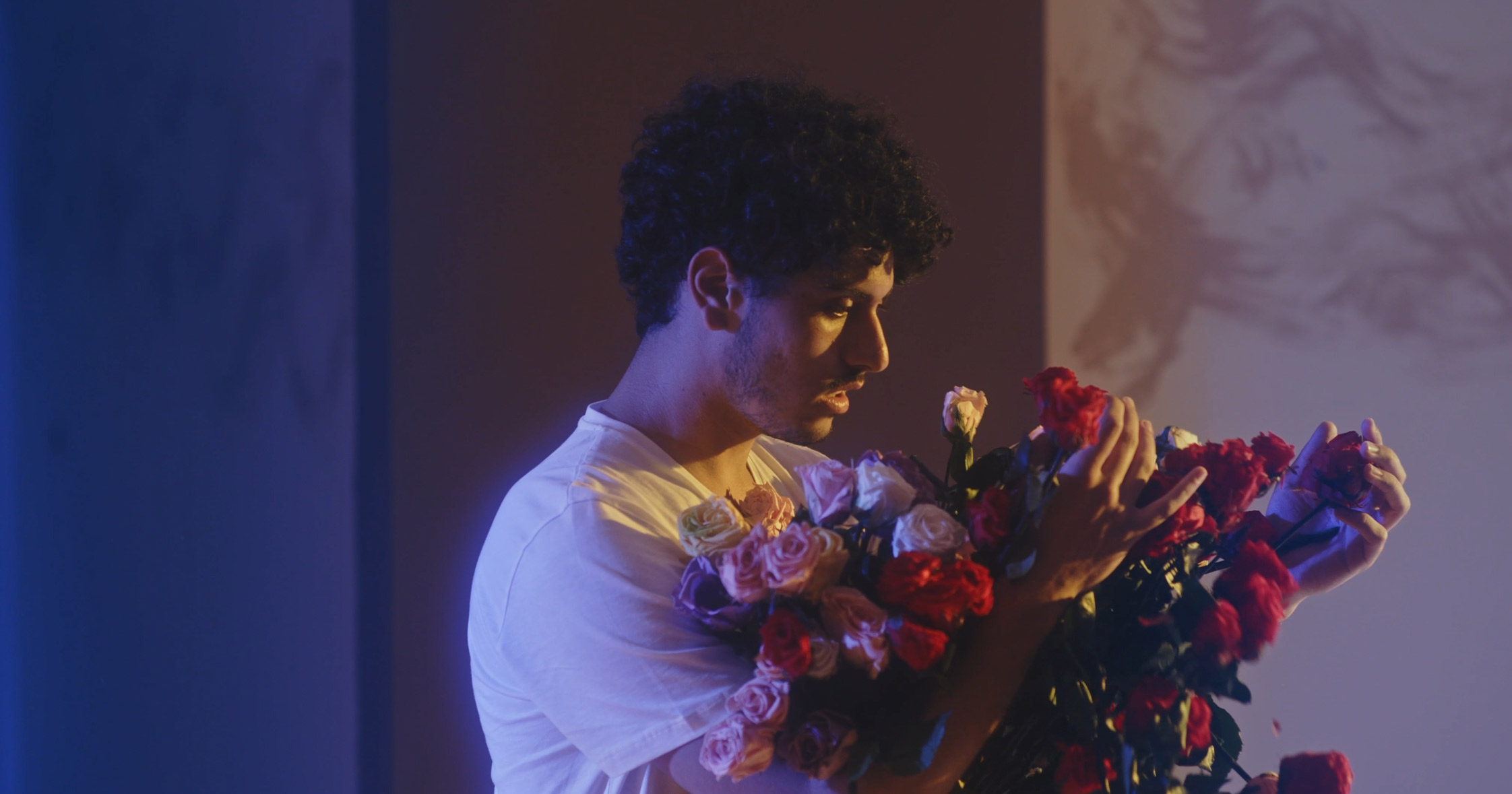
Colors are visual hooks, they deliver emotions and most of the emotions in my films are bold and deep and true so colors have to present. They are part of the story so they need to be as sharp as the story.
Where can people find you?
I am available on Instagram @iambahaeddine and my film is available on artify.tn all my projects are available on my portfolio that is available on my Instagram bio.




