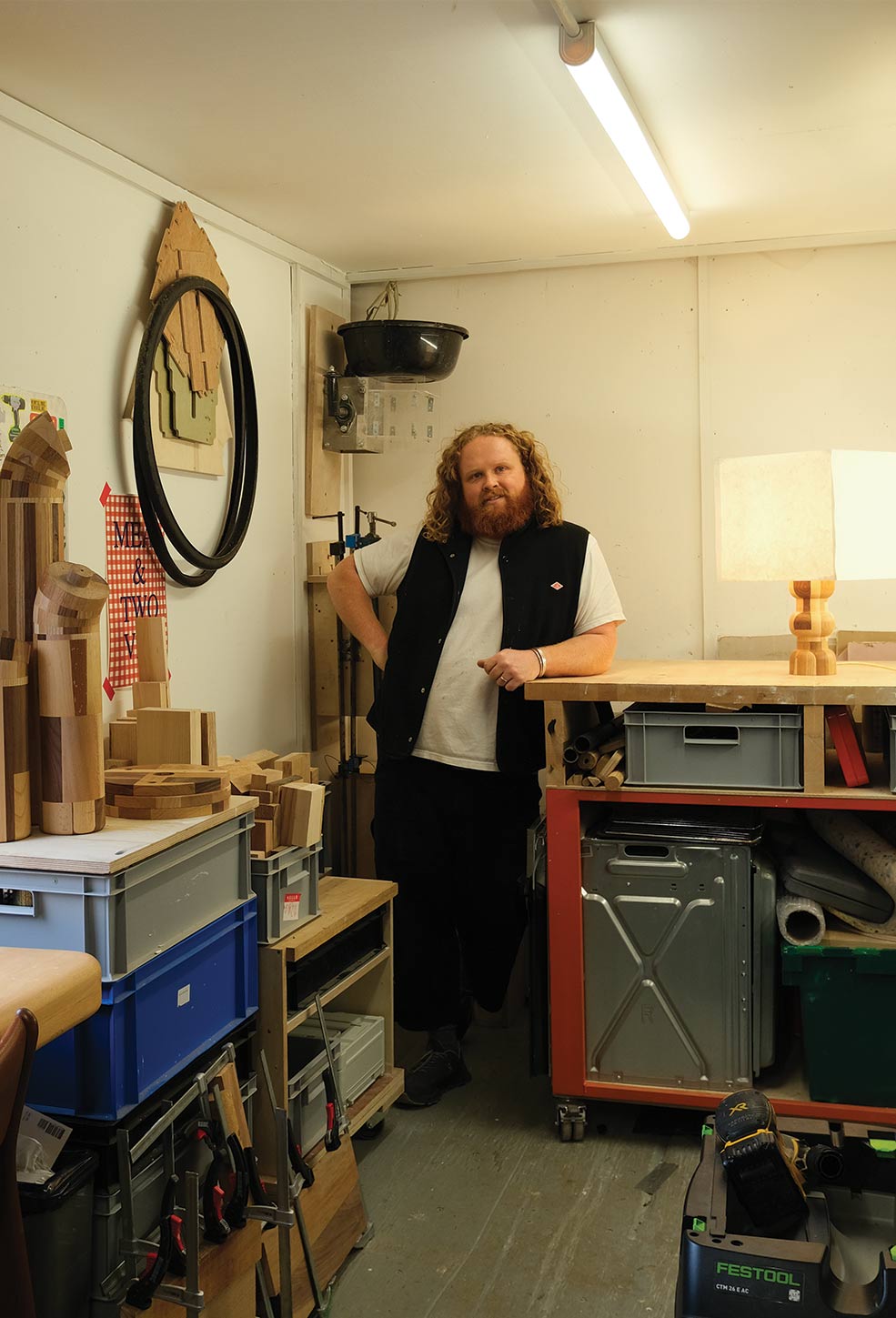
Byron
What’s your name and where are you based?
Hello! My name is Byron, and I’m based in Walthamstow, London.
Can you describe what you do in a few words?
In a few words – I am a designer and maker, who wants to ask questions about the world through furniture and objects.
You describe your process as both a design and communication tool. Can you expand on how making helps you articulate things that words can’t?
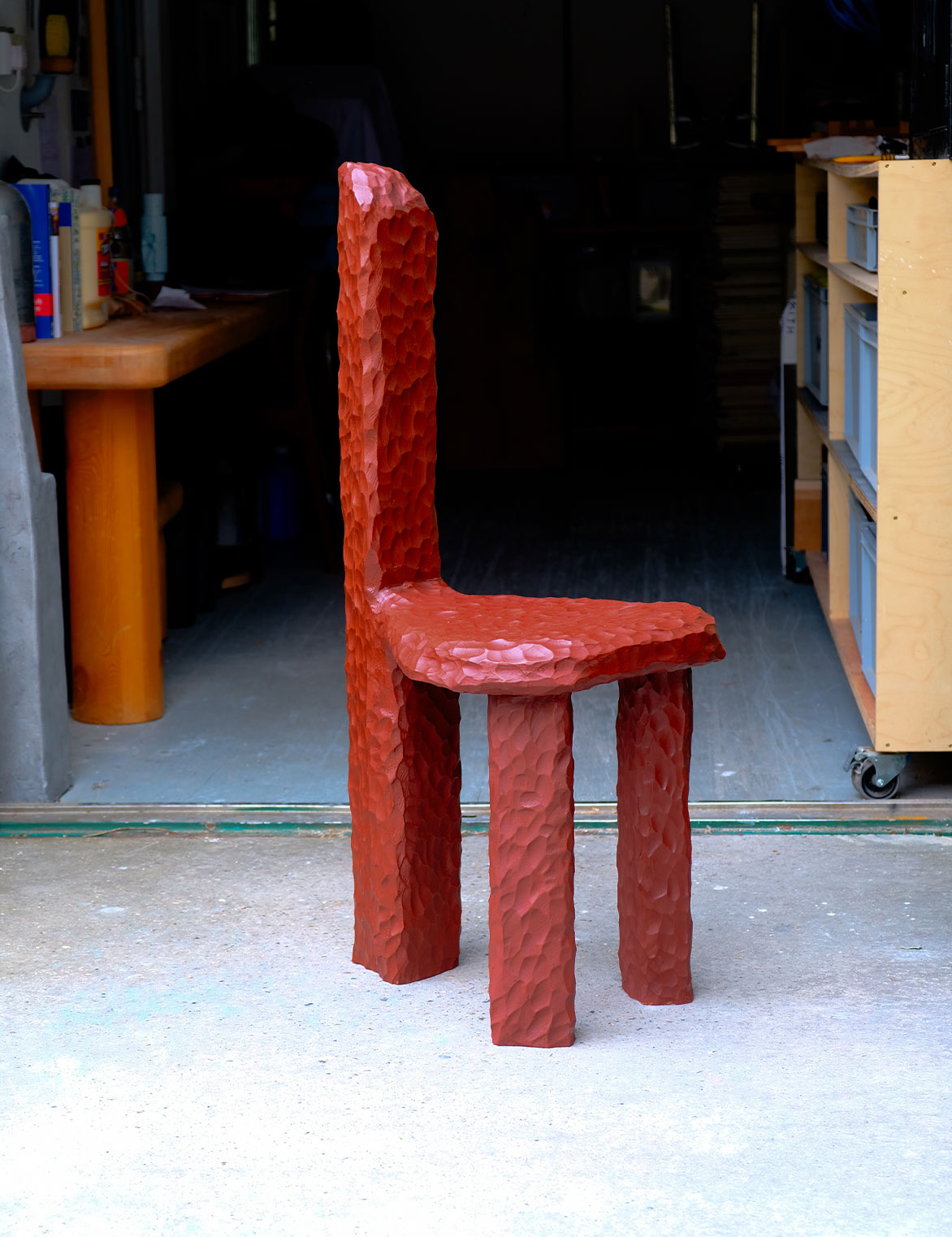
There are a few things that come to mind – I have dyslexia, and have always struggled with words, so communicating through creating is something that I started doing when I was very young, and I haven’t stopped since.
It slows everything down. Making furniture isn’t a quick process, as it forces you to re-think, iterate and really refine what you want to say, which allows me to spend longer thinking about an idea or systems of ideas – I can pick it up and put it down physically when I need to. For me, it’s comparable to writing a letter rather than a text.
Much of your work is made from found or waste materials, what typically sparks your interest in a discarded object or offcut?
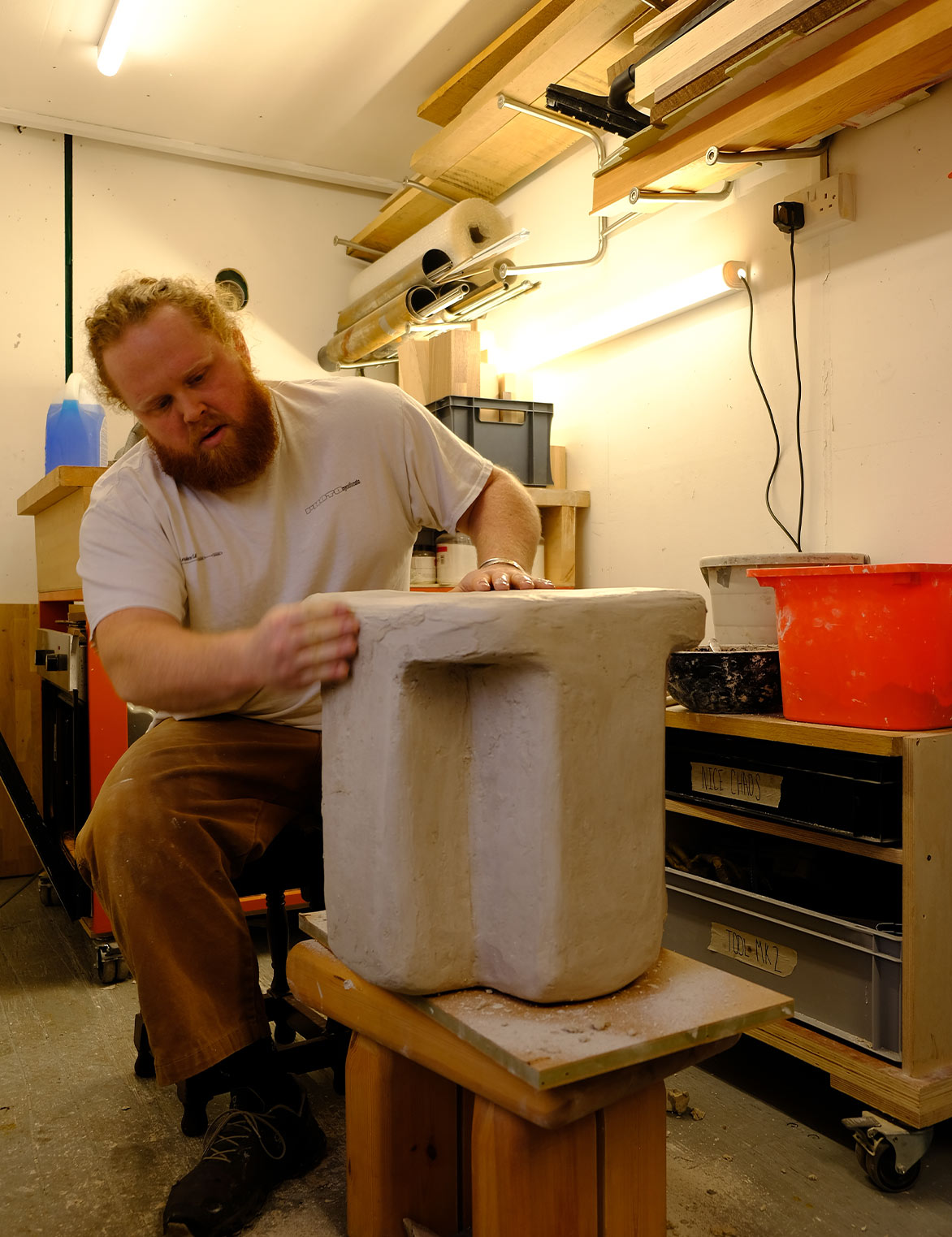
Honestly, I’m always on the lookout for what’s free and readily available. This is where it all started for the studio in the early days, as when materials were expensive, and the studio had little money, it was all about “what can I find?” over “what can I afford?”. The sparks, for me, come from the abundance of these materials, and how unassuming they are; if I can get one or both of these I’m excited. The plasterboard waste in particular has both of these, I think. It’s everywhere – the materiality is gypsum, or plaster dressed up as a construction material, so its usability is endless and construction is always happening.
Is there a piece you’ve made where the transformation of material felt especially meaningful or poetic to you?
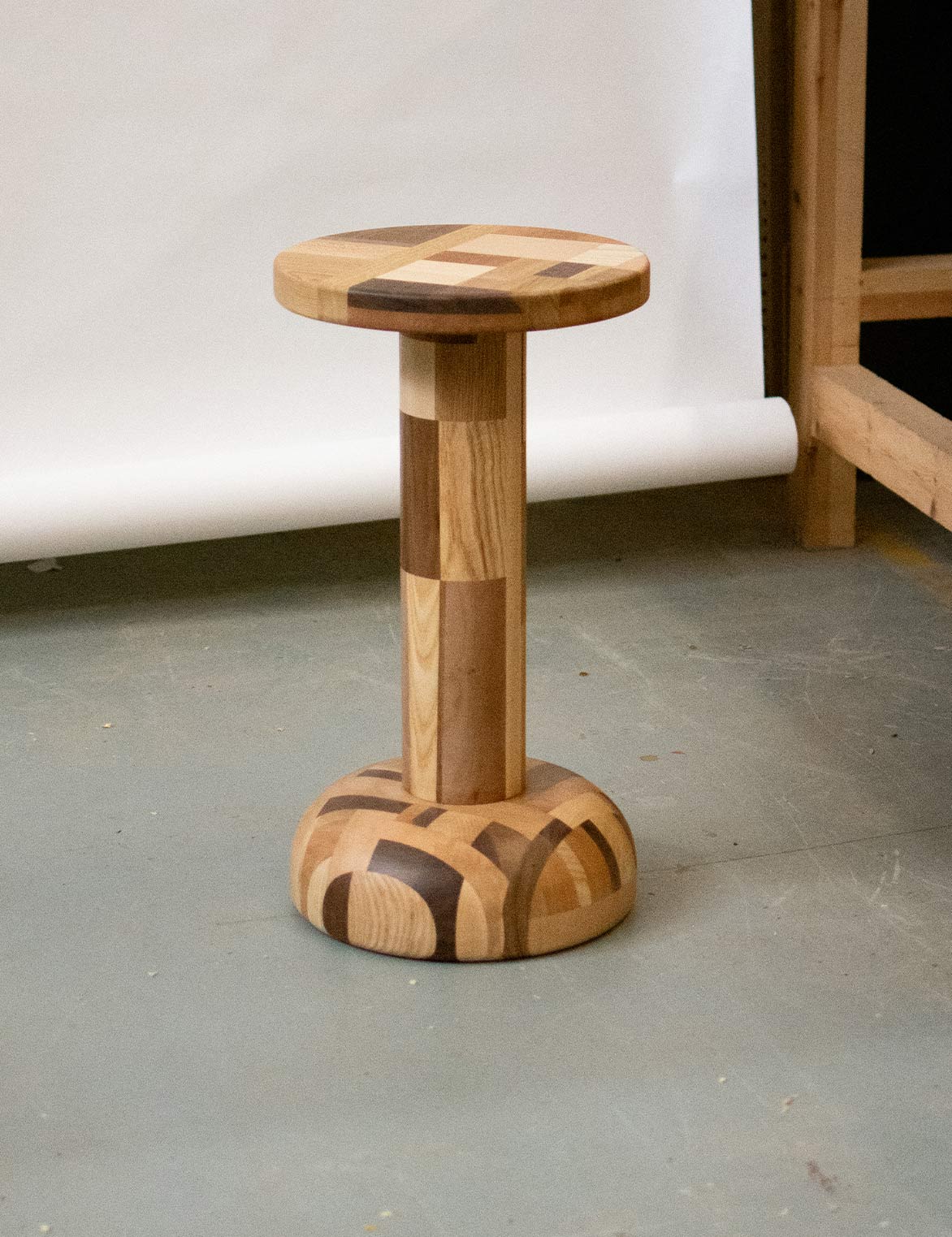
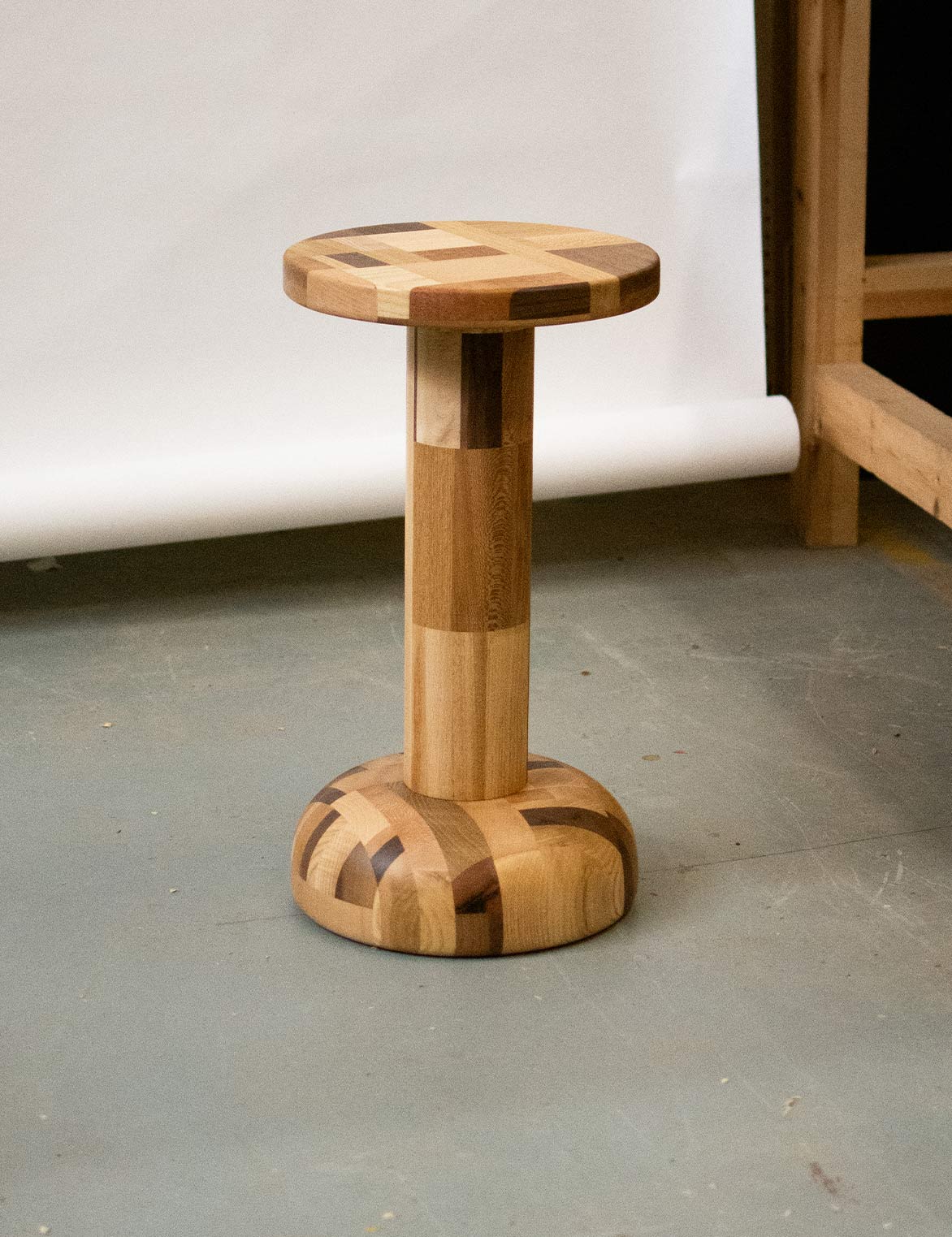
Anytime I can successfully elevate a waste or found material – to crack its material code to be something new and beautiful and then use it to make furniture or an object- is pretty special and fun. The months of research followed by testing and refining, getting past all the mistakes and failed attempts to crack it makes it all worth it.
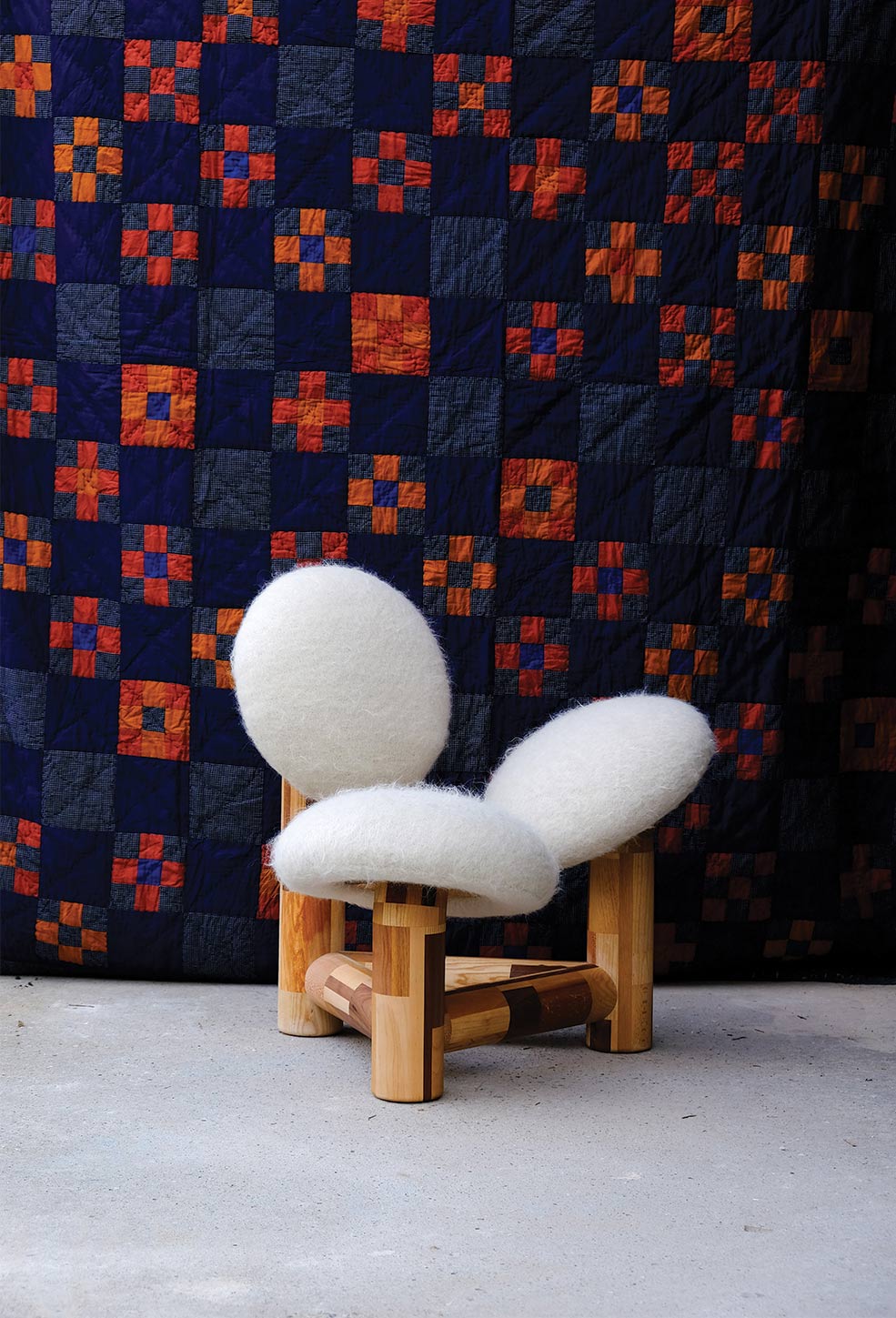
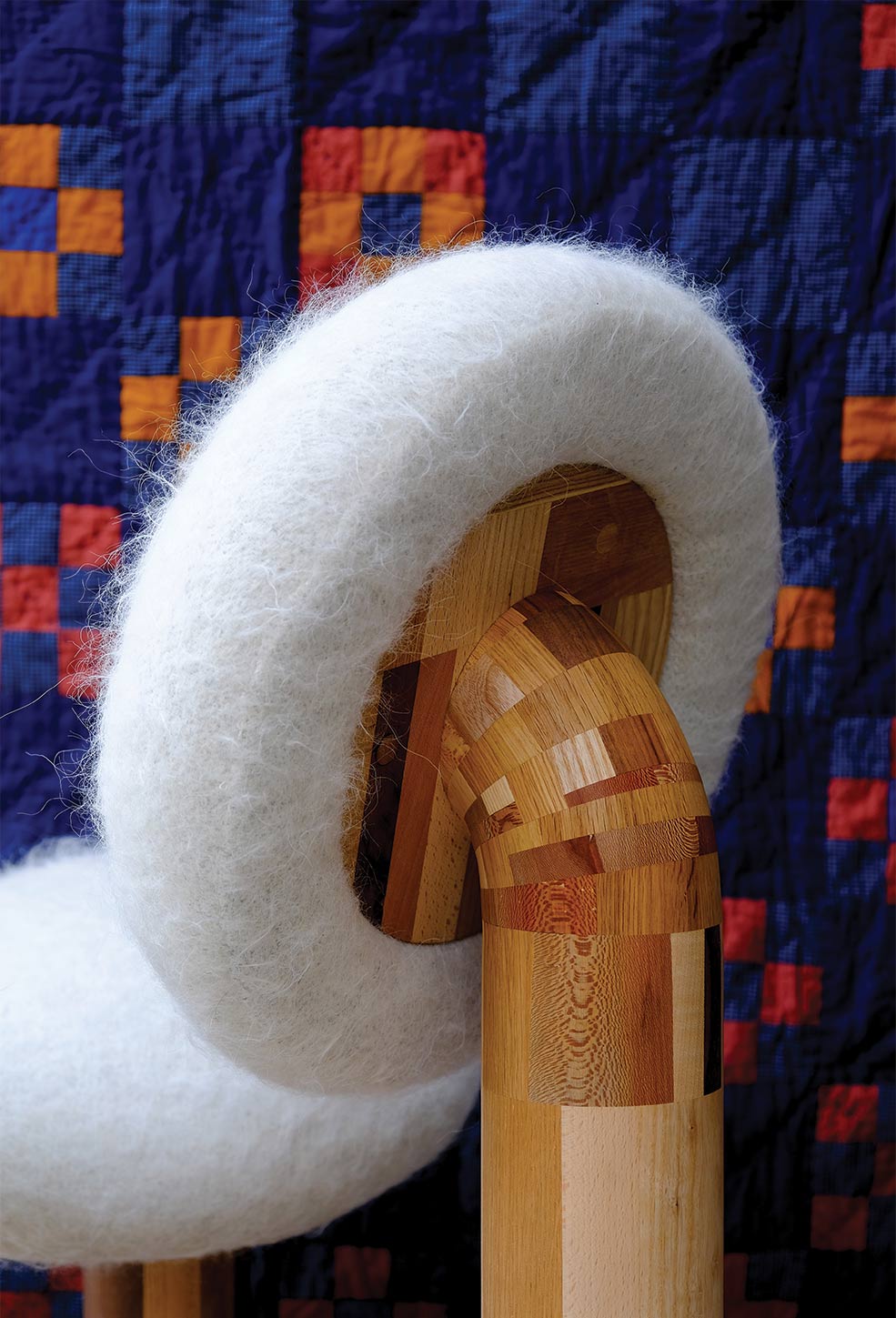
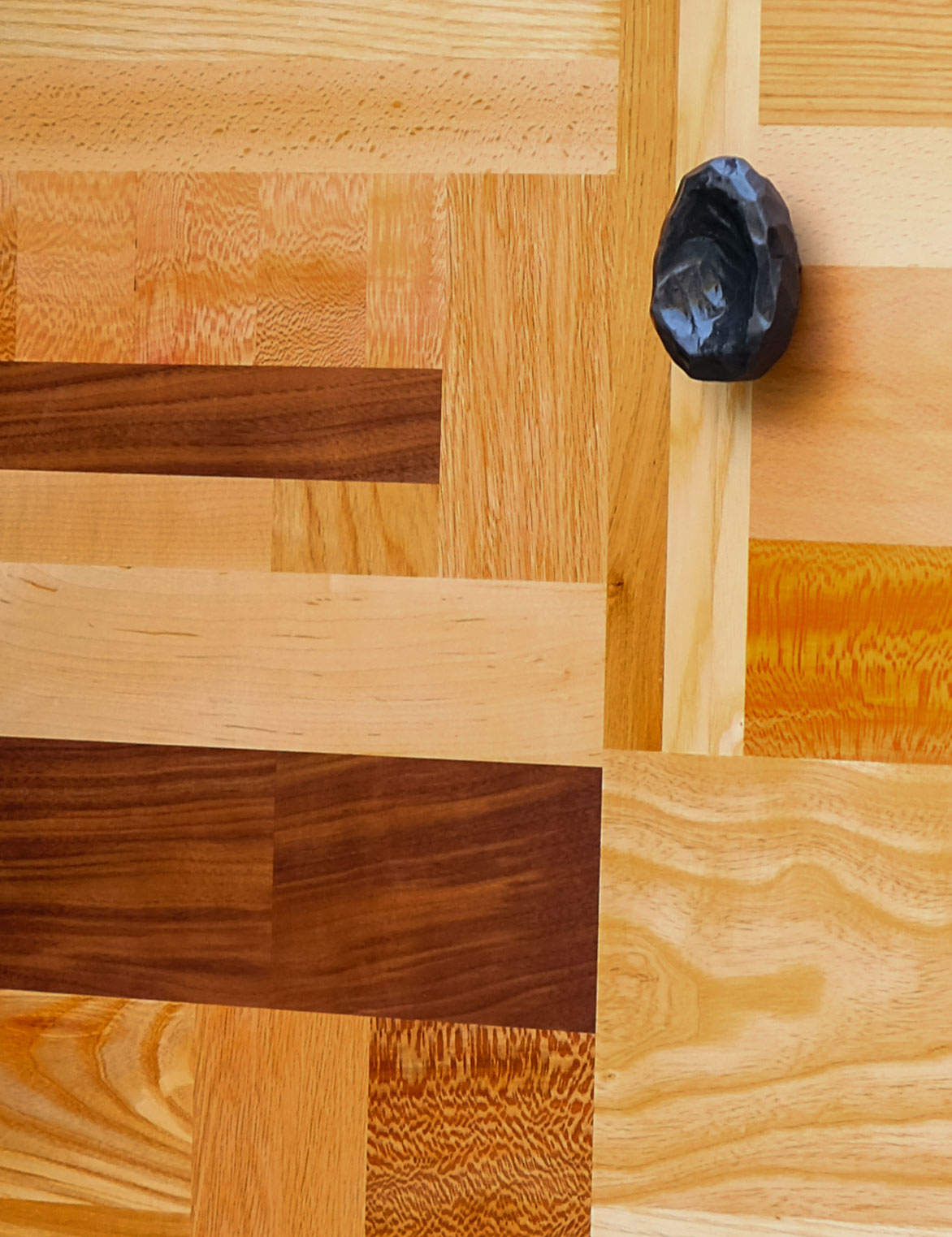
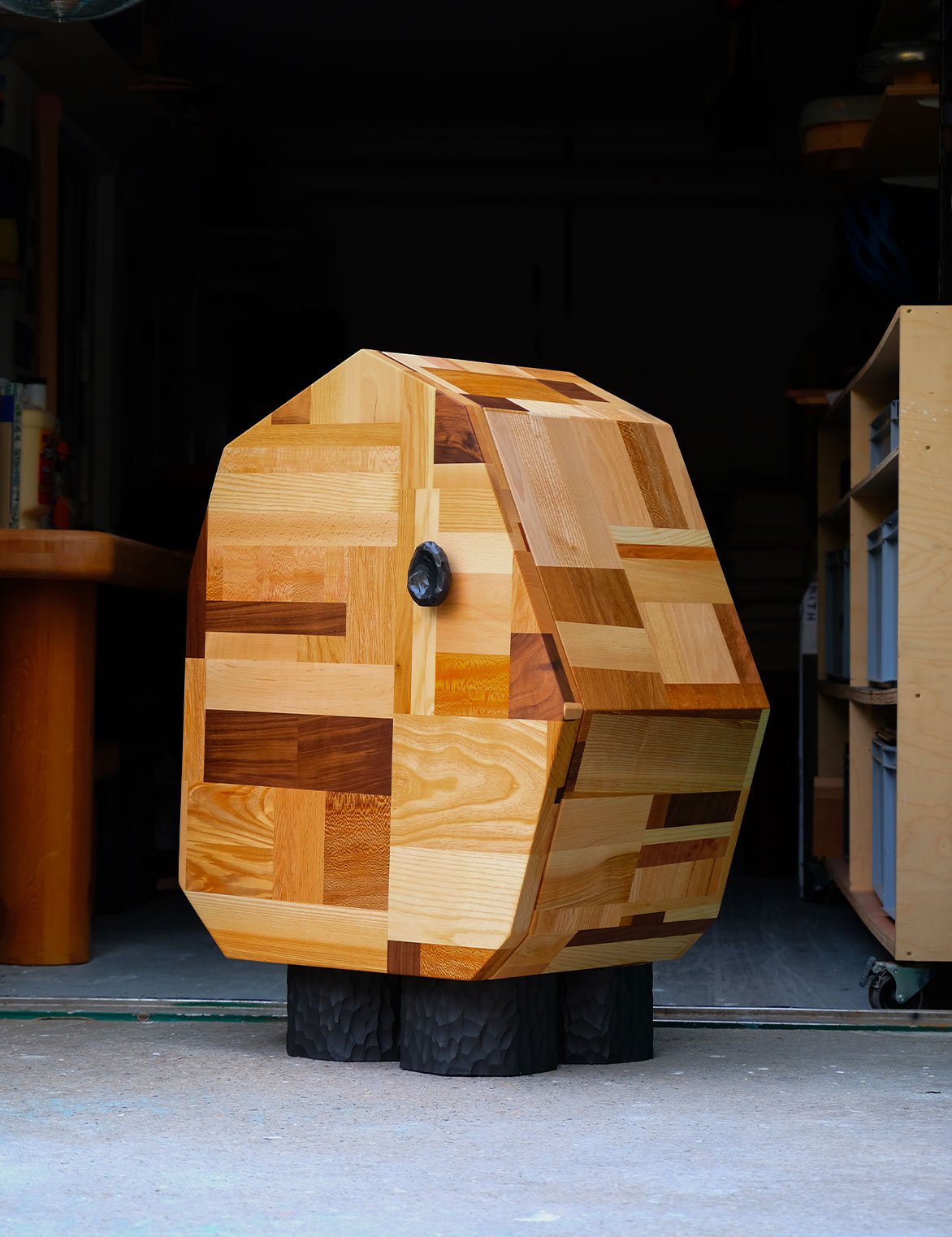
The wooden offcut patchwork process is particularly poetic for me, in the slowness of glueing all these offcuts together to gradually accumulate into a usable material I really like. It’s become a kind of morning routine to get to the studio, and glue 10-15 offcuts together before the coffee kicks in, effectively warming up my brain and hands for a day of making.
How do you hope people feel when they encounter your work?
I hope people have strong feelings when encountering my work – they can hate it or love it. Whether someone thinks one of my chairs is really comfortable, or that it is the worst seating experience they’ve ever had, I’m happy. I’m really interested in this process of taking a “pedestrian”, and catching their attention, engaging with a piece on a truly visceral level – effectively what shop windows do, but with my furniture. I want to play with people’s curiosity, and intrigue them with fun forms and materials.
Has there ever been a material or process you’ve been hesitant to work with but eventually embraced?
To be honest, not really, no. I’m quite keen to give everything a go eventually, as I don’t really want to become a specialist in just one material – I’m far more interested in becoming a specialist in the knowledge and processes to elevate all materials. It’s all about being a Jack of All Trades in my practice.
Are there certain tools or materials you feel emotionally attached to? Ones that have a kind of personal history with you?
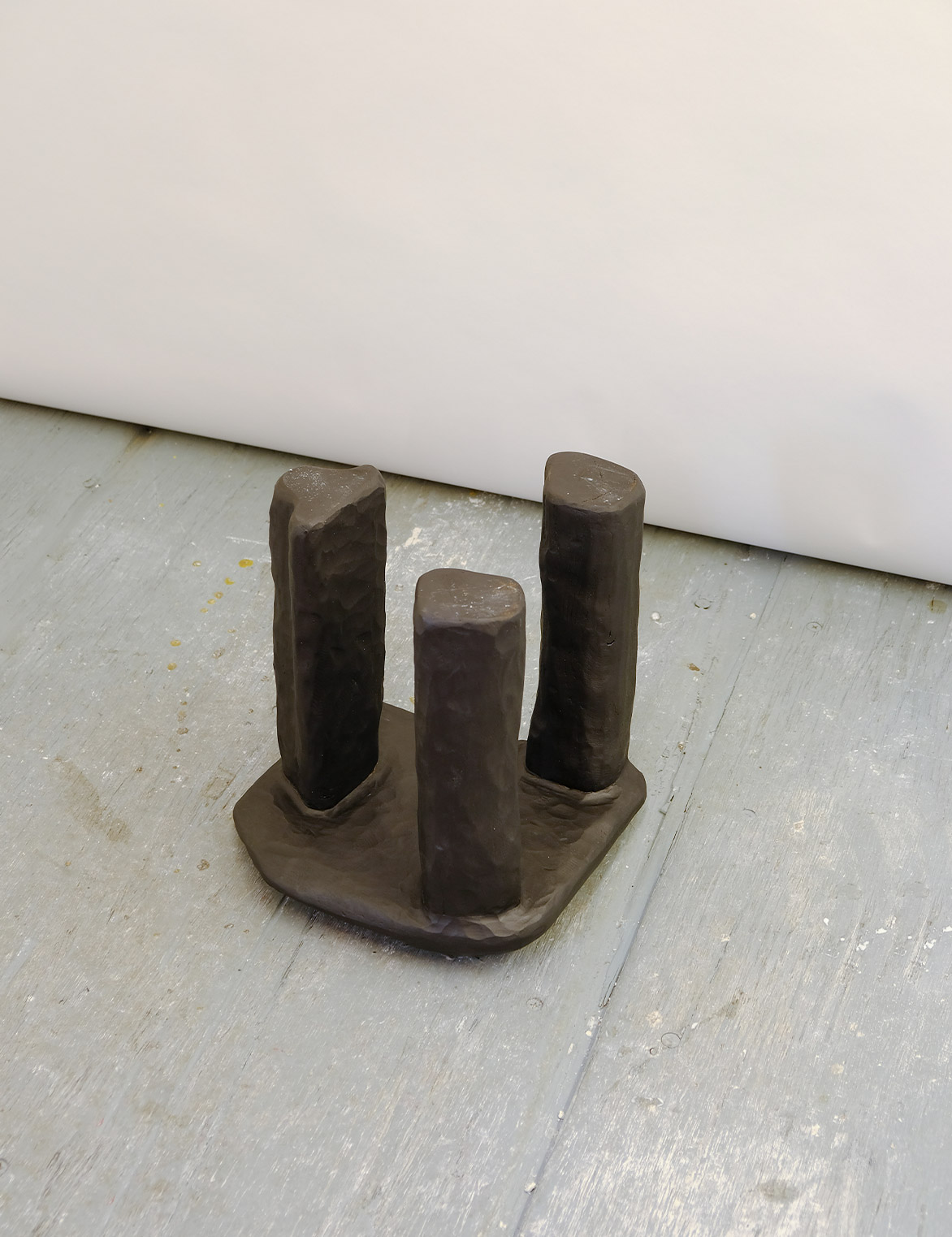
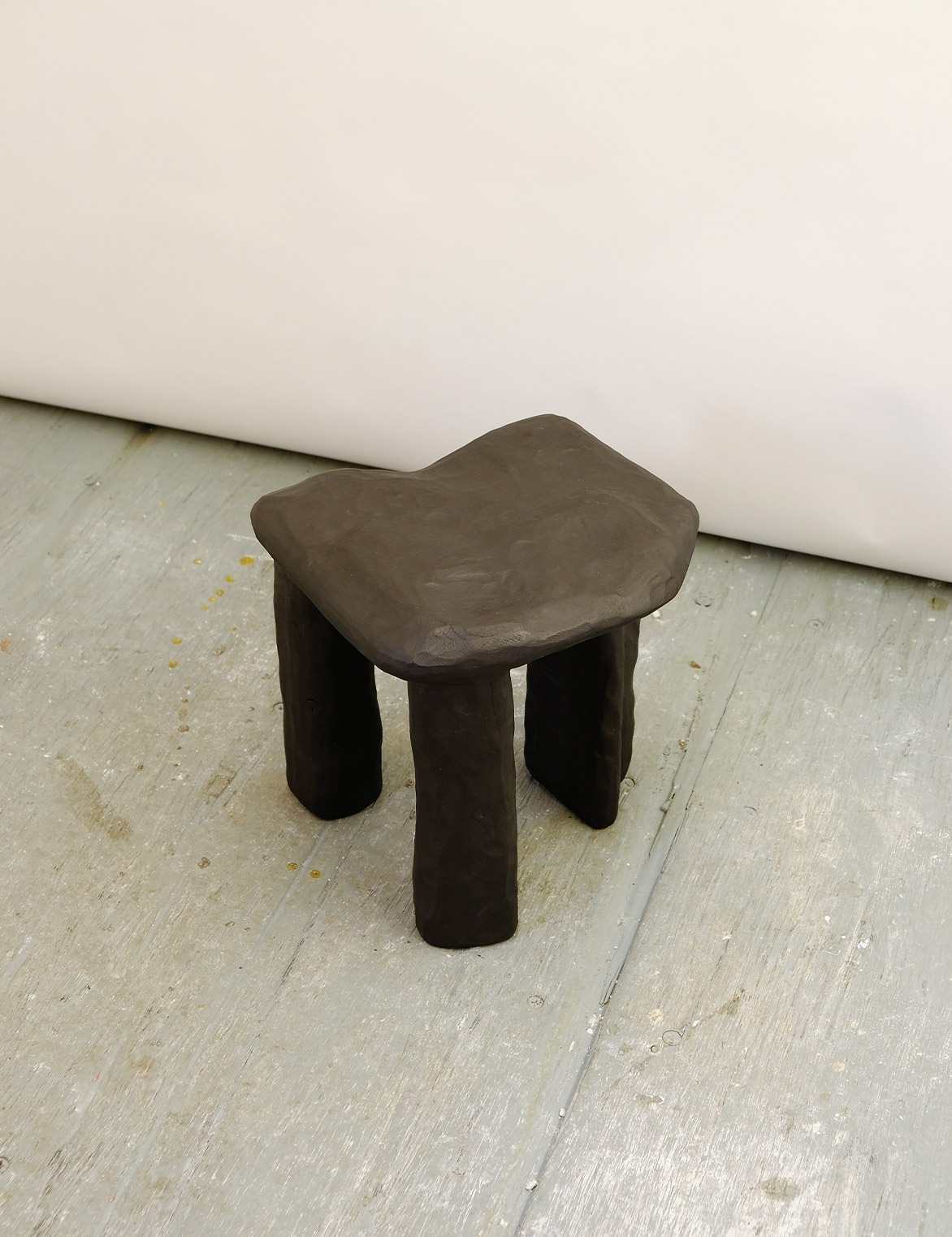
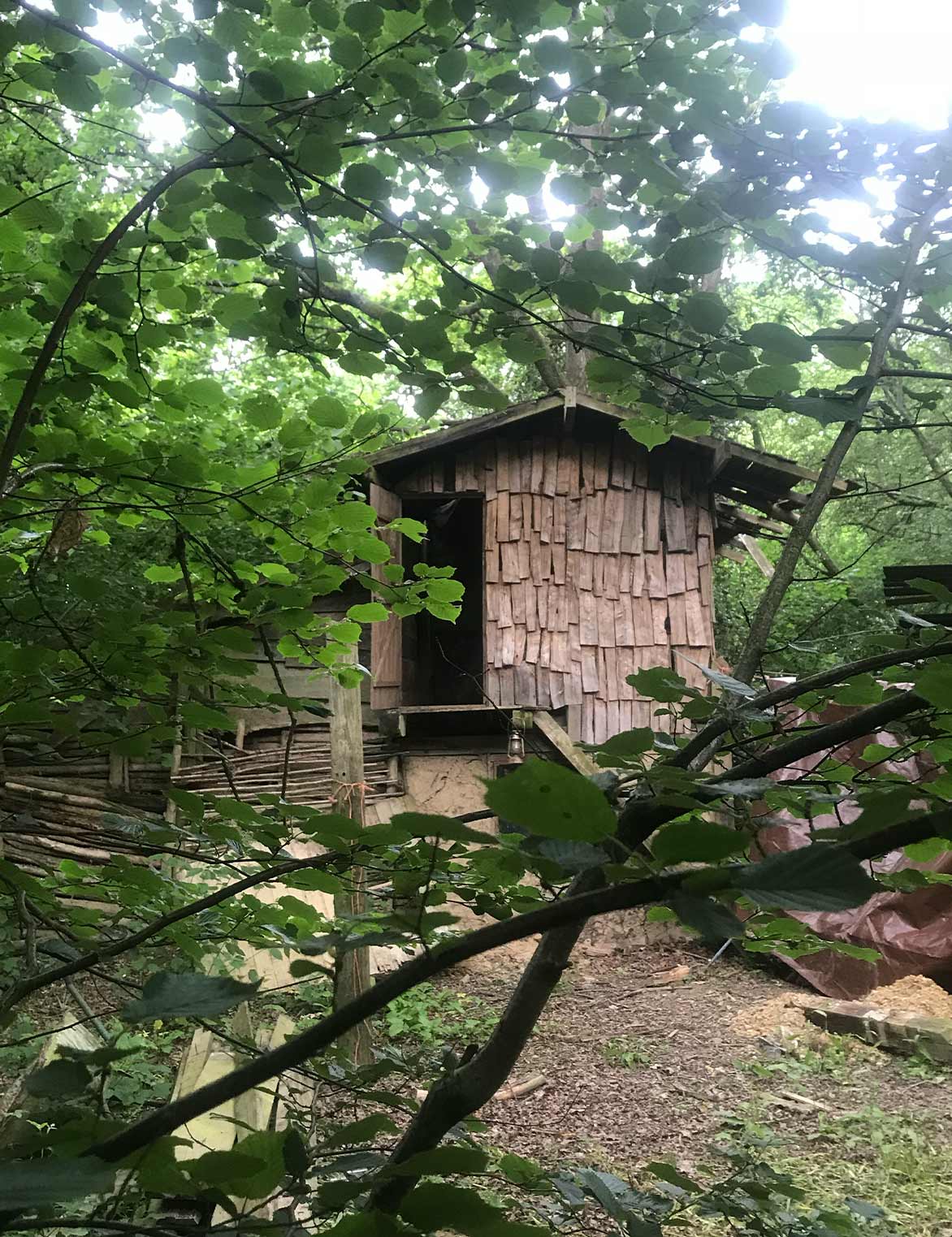
I mean, I have a pretty deep-rooted love and reverence for trees – they are vitally important and look very lovely. Not a big fan of cutting too many of them down though (hence the patchwork offcut process). I’d say timber is probably the material I’ve been working with the longest, if you count all of the childhood years making treehouses and camping in the woods.
Do you see your objects as functional furniture first, or as sculptural works that happen to be usable?
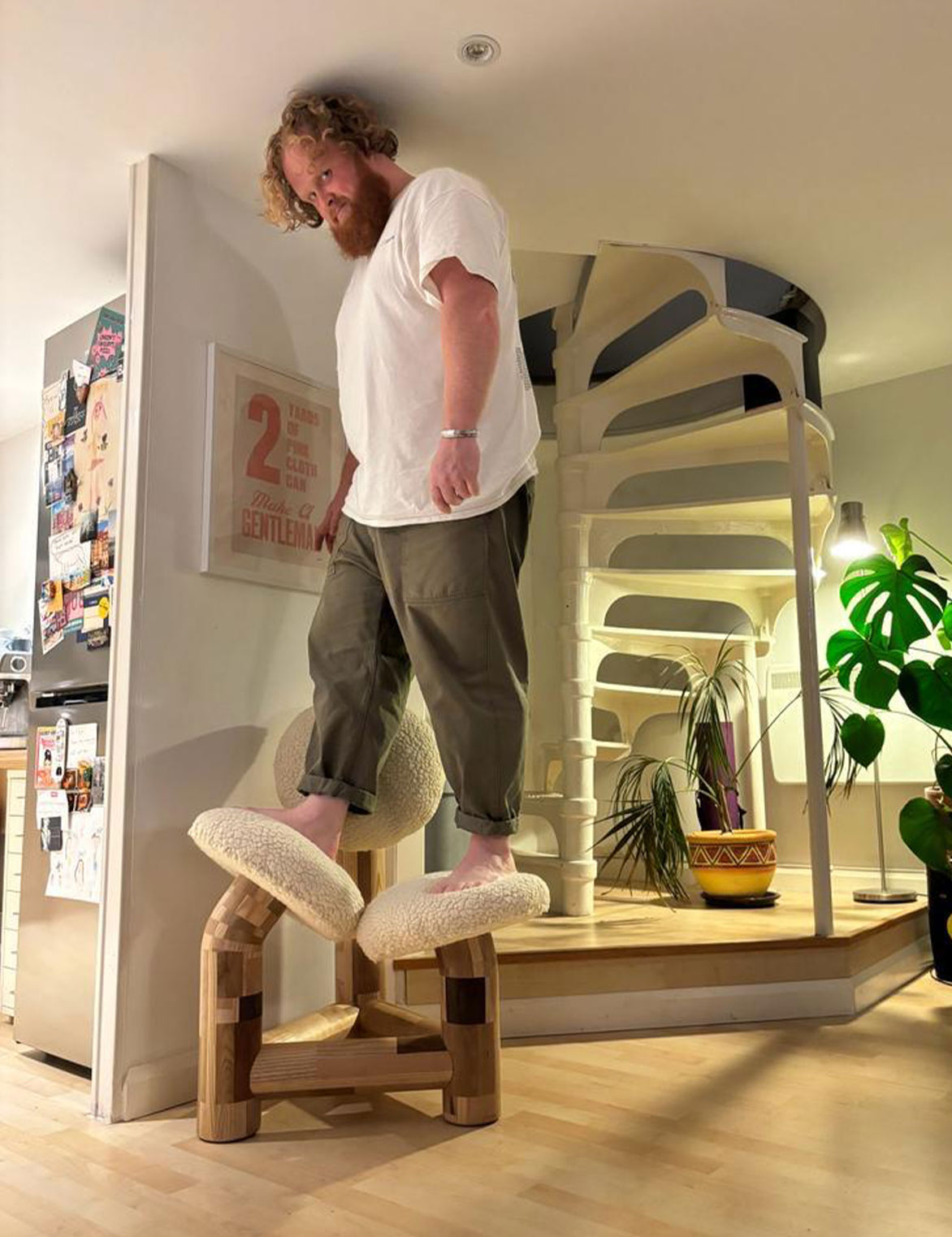
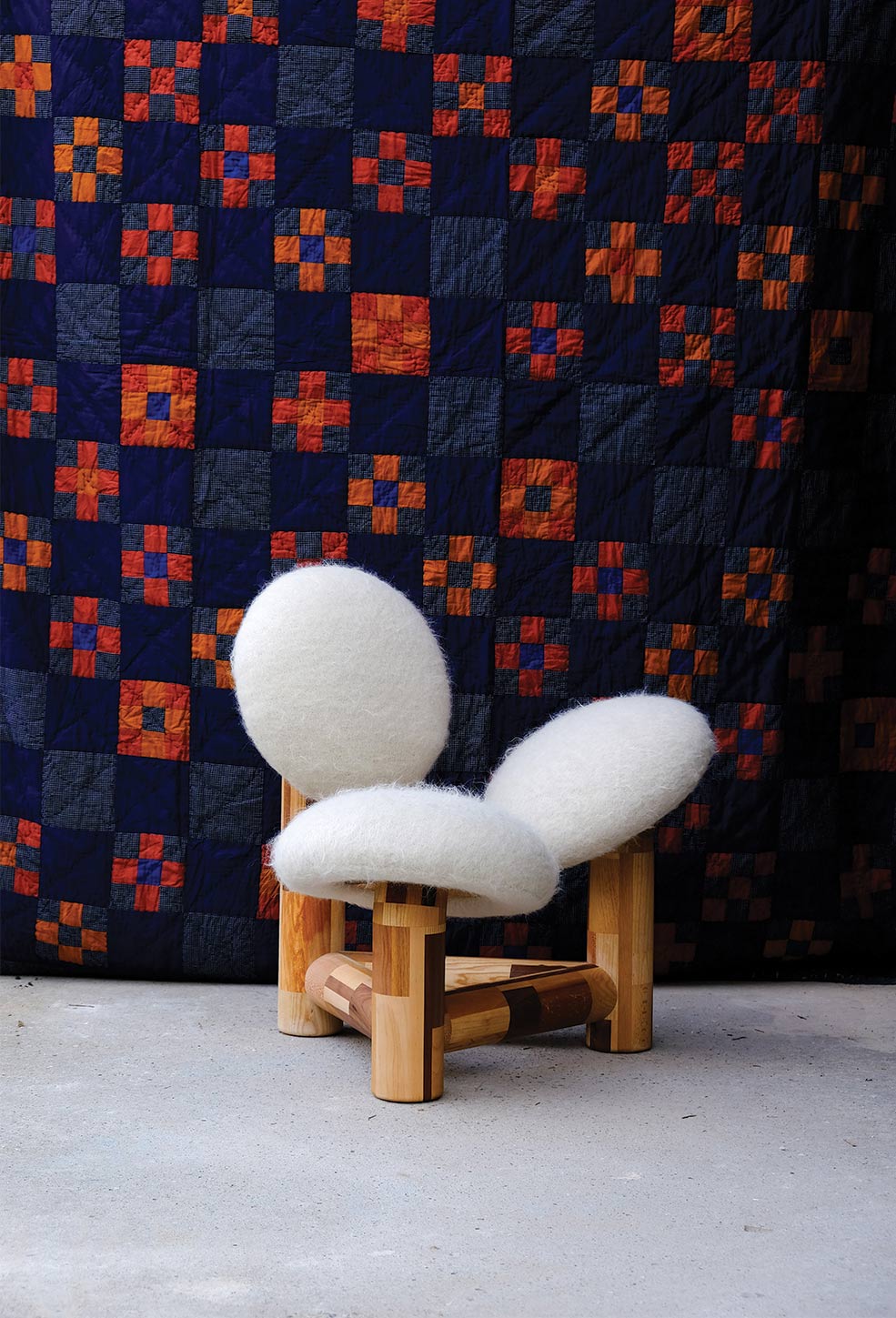
I’ve been thinking about this a lot recently, trying to work out where I sit between furniture and sculpture. I think that I will most likely go in phases of bouncing between the two, because I like playing in the overlap. I recognise there is a need for functional furniture that looks lovely, but on the flipside, I look at sculptural furniture as a means to exploring new or alternative functions that are very different. My piece “Growing up, I Never Wanted to be an Office Chair” very much sits in this space, I think – I call it a chair, and you can sit in it, but its nothing like a “typical” chair experience.
One thing I can’t get on board with, and think is quite lazy, are sculptural chairs that you can’t actually sit in – this really annoys me. By calling it a chair, I think you enter into an agreement that it has to be sittable.
What’s the weirdest or most unexpected source you’ve drawn inspiration from?
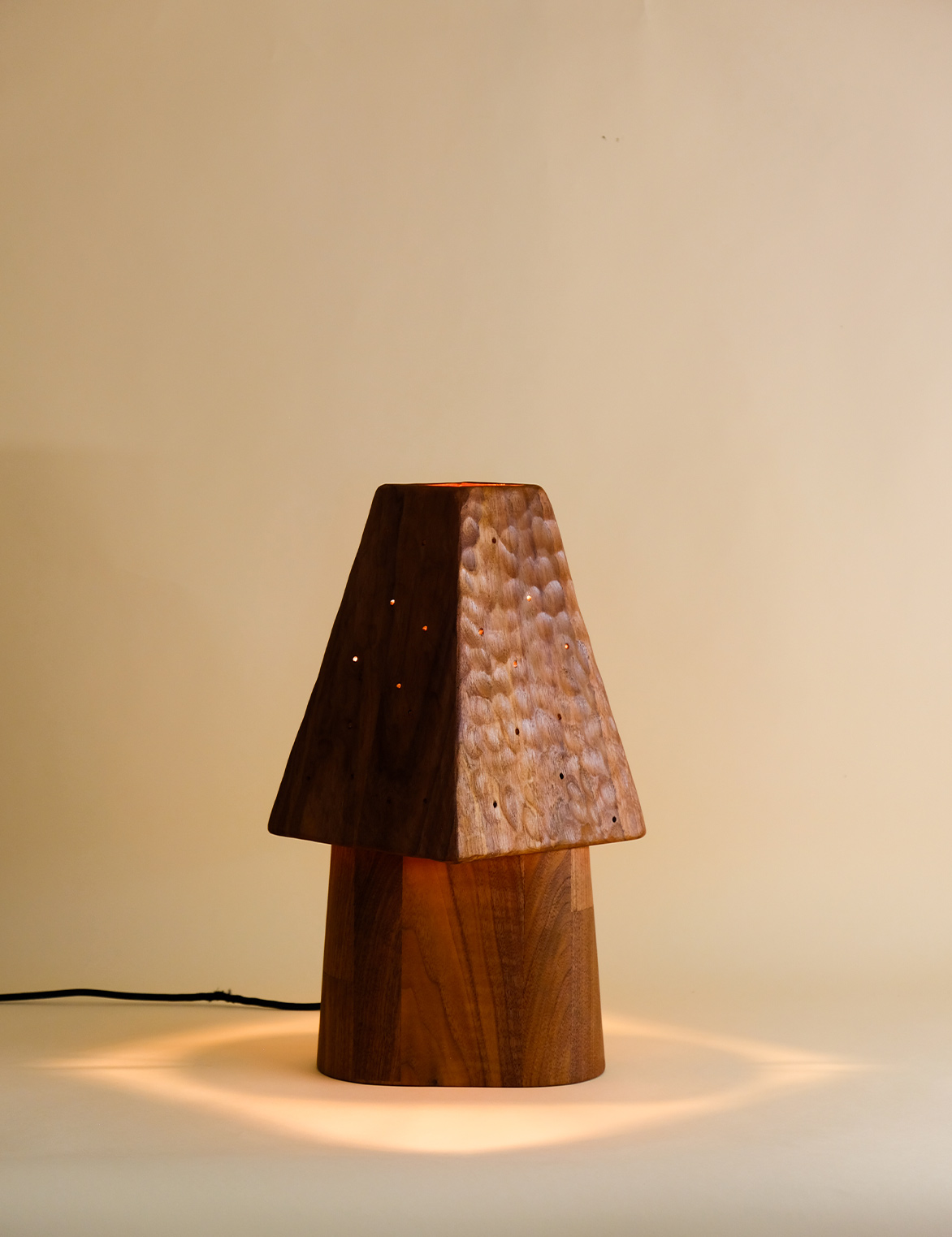
I’m not sure it’s weird, exactly, but an area of interest for me right now is learning about ancient civilisations in the UK, and pulling inspiration from archaeological discoveries from these times. I think it’s nuts that thousands of years ago, makers with minimal resources (in comparison to today) were able to make some truly incredible objects. Their resourcefulness and material knowledge was so robust and far-reaching, and that’s so inspiring to me.
What’s the first thing you notice when you walk into someone else’s home or an unfamiliar space?
The first question I ask myself in any space is “where are the windows? What’s the light like?”. From here, my wife would be looking through and analysing their collection of books – and I would be waiting for her thoughts.
Is there an everyday object you’d love to redesign from scratch, just for the joy of it?
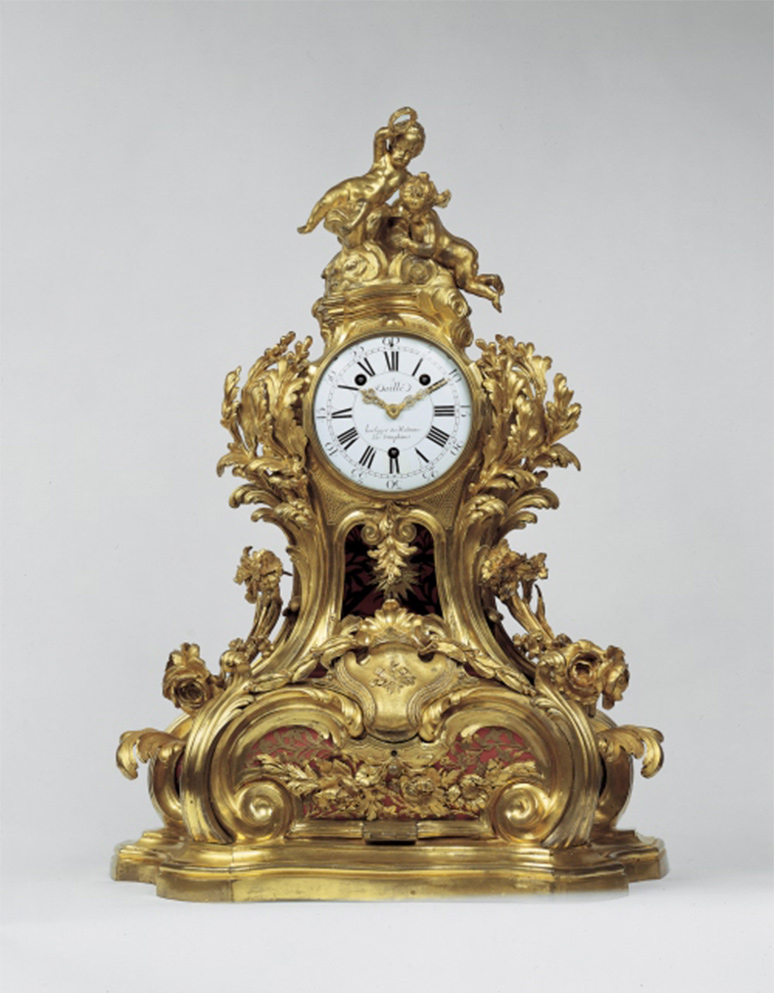
The piece I would really like to put my own spin on is a clock – particularly those ones you find above fireplaces in grand old National Trust estate houses. I think that there is so much room for playing with material and aesthetics here – these clocks are so beautiful and ornate, to the point that their function to keep time is almost sidelined by their extravagance – to get that feeling for aesthetic with waste/found materials would be pretty cool.
Where can people find you?
My studio is in Walthamstow, London – and my door’s always open to anyone that wants to chat chairs. Otherwise, you can follow me and my work on Instagram at @thisisbyron – I’m always posting little snippets of my work, and sneak peeks of what I’m up to next.