Caroline Zurmely
What’s your name and where are you based?
My name is Caroline Zurmely, and I’m based in Ann Arbor, Michigan.
Can you describe your practice in a few words?
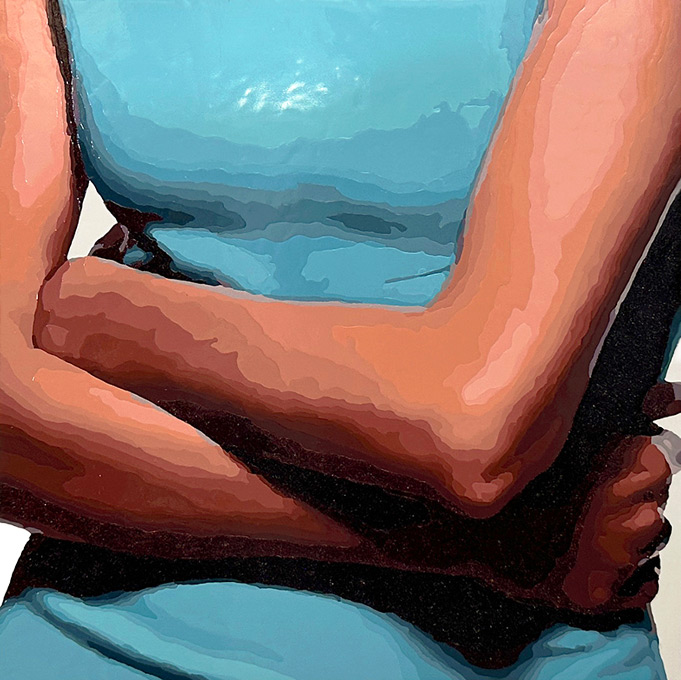
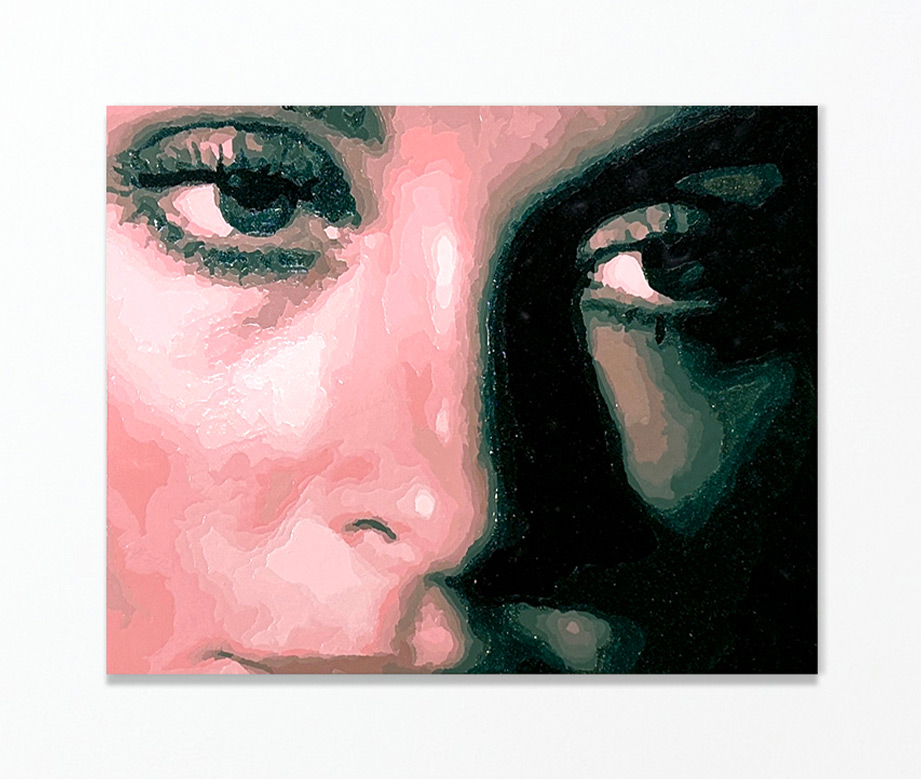
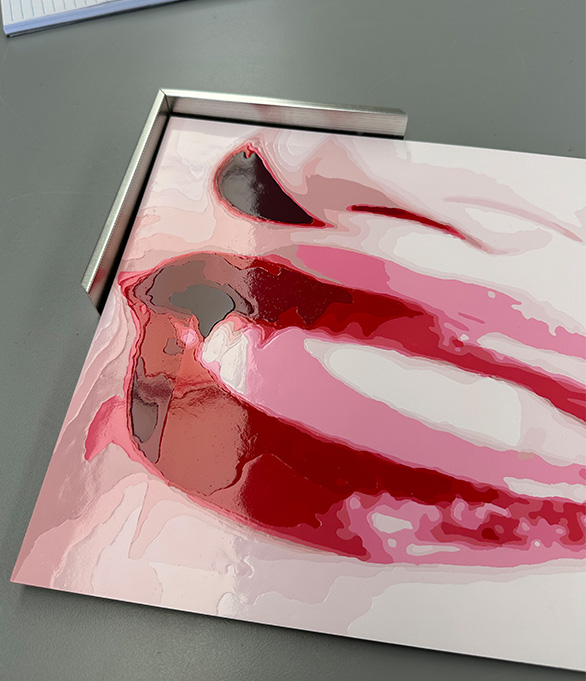
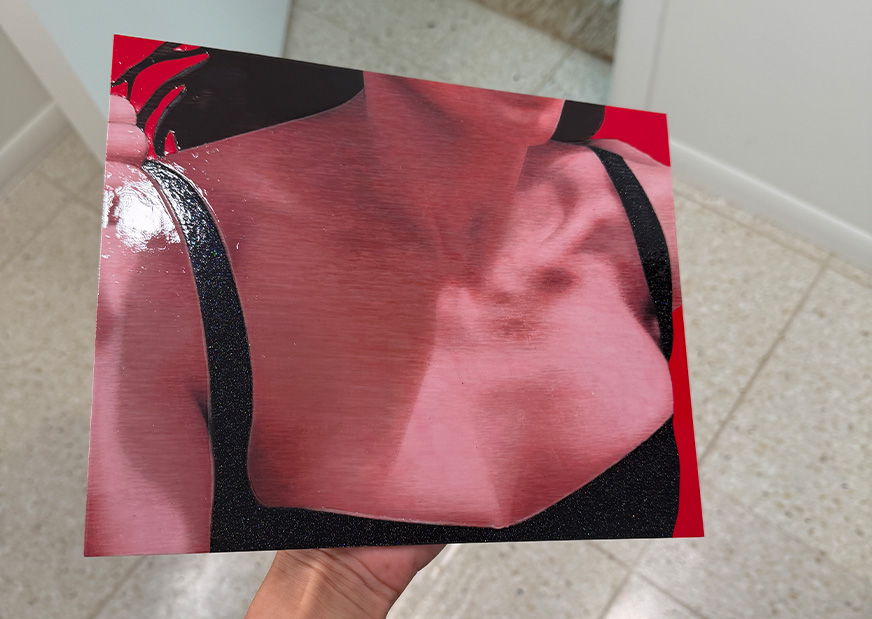
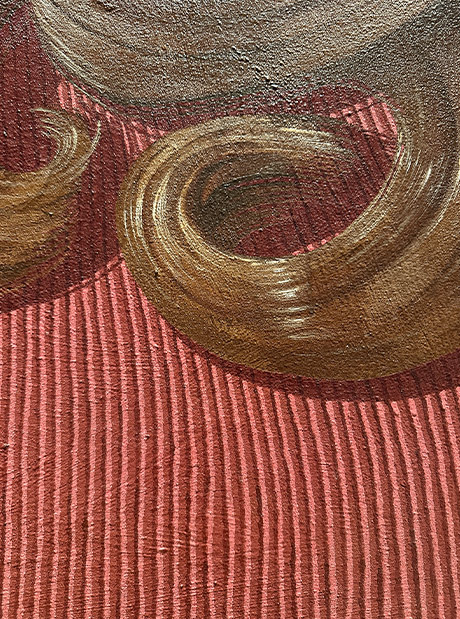
I make paintings with nail polish, usually on panel. They sit somewhere between image and object. There’s color, shine, texture, and a slight physical relief that changes depending on how you look at them.
How did your curiosity for making art begin?
I was always a crafty, introverted kid, so I spent a lot of time playing and making things by myself. I was drawn to color, materials, and texture before I really understood any of that as “art.” I just liked experimenting and figuring out what materials could do. I was also lucky to have very supportive parents who always nurtured that side of me. My grandfather was an artist, so I grew up with the idea that making things was important and that being an artist was something a person could actually do.
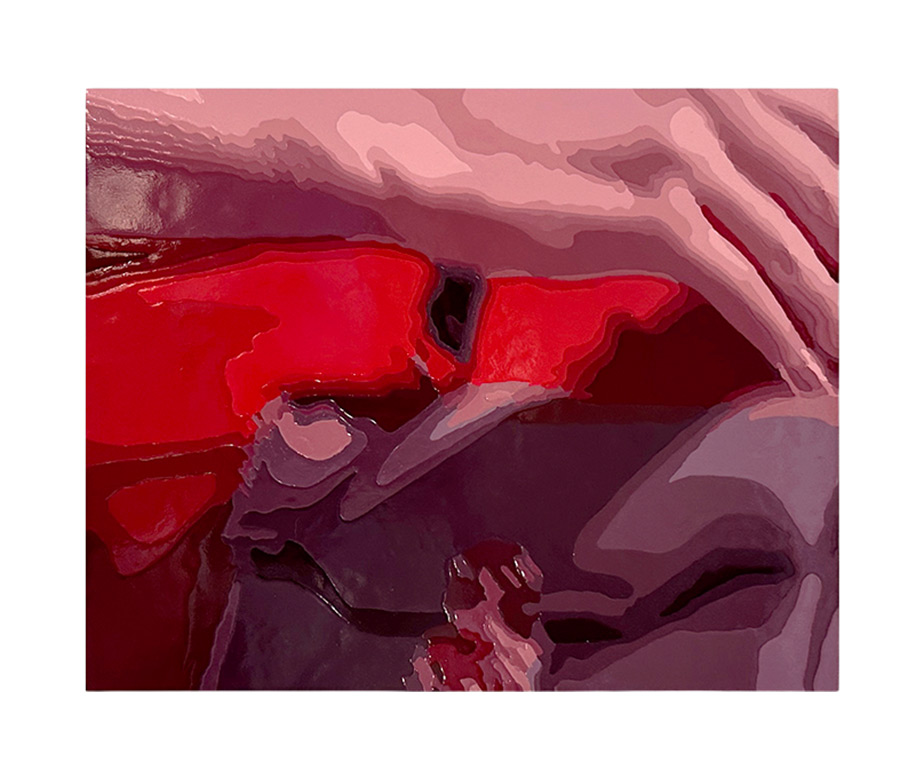
You work primarily with nail polish on panel. What drew you to start using nail polish as a material?
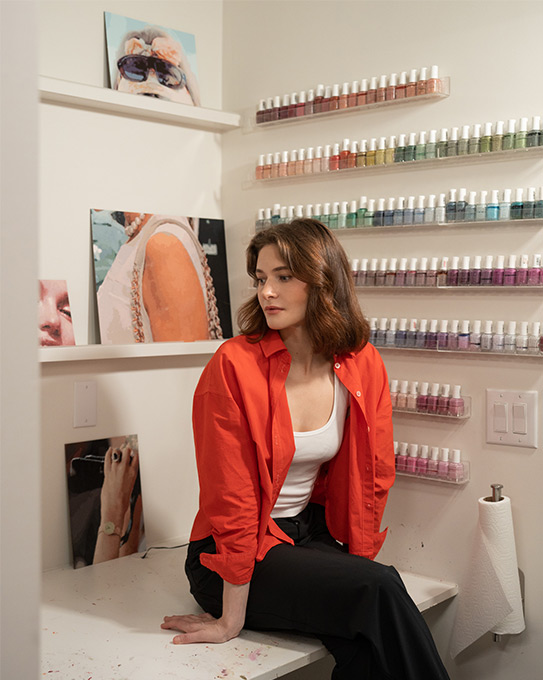
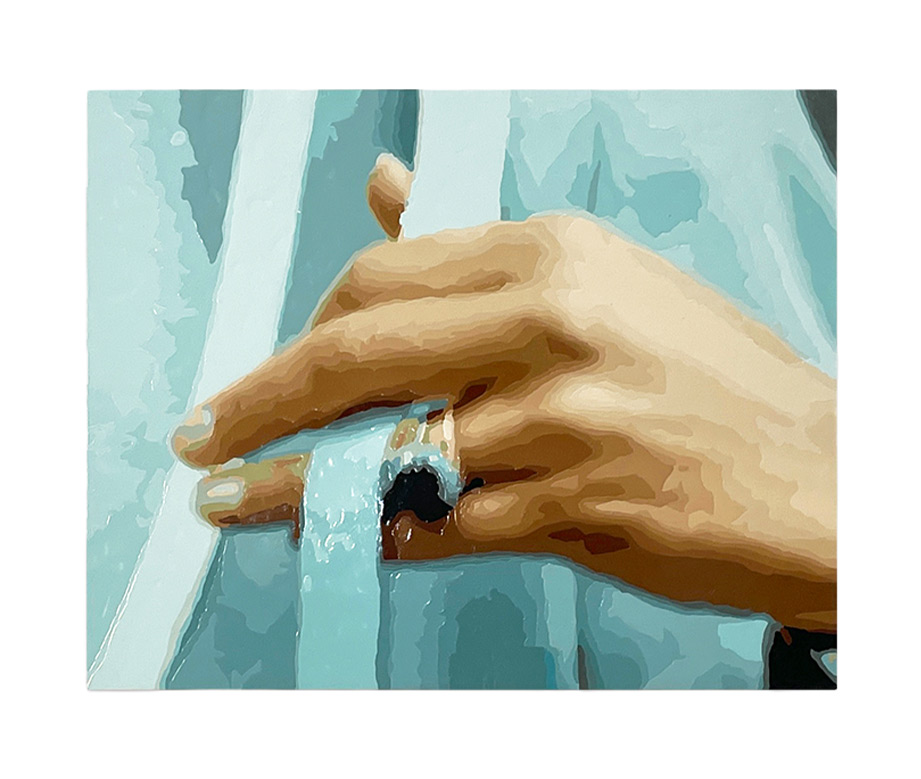
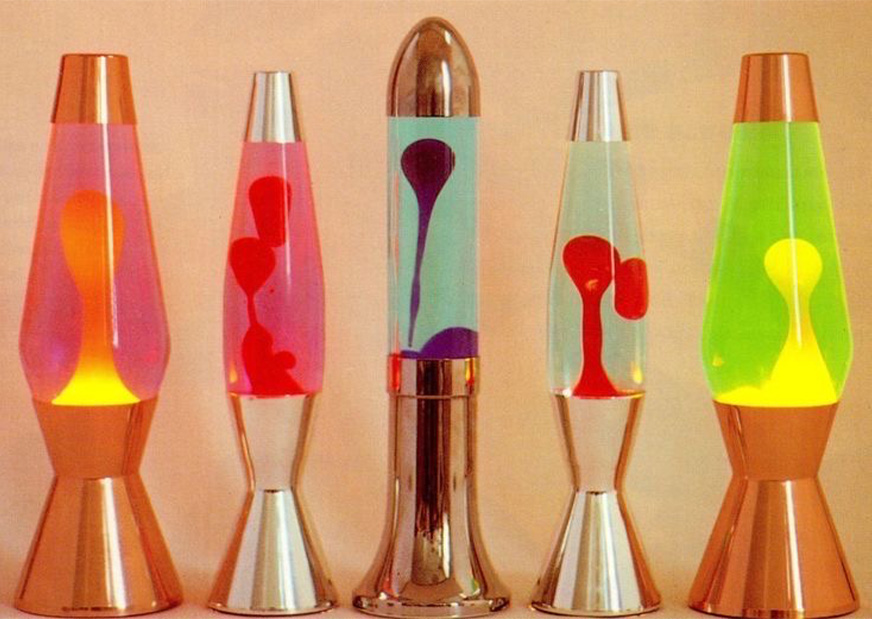
There are so many tiny reasons that I ended up painting with nail polish. I don’t think I realized how much sense it made for me until after I started. Initially, I was trying to recreate the effect you get from an enamel paint pen when you press the tip down and the paint pools. I loved that little puddle of color, but I couldn’t really mix colors or control it the way I wanted, so I started looking for alternatives. The puddles reminded me of these fake display spills I was obsessed with as a kid. I remember seeing them in home and furniture stores when I would go shopping with my mom. There would be a mug tipped over with coffee spilling out or an upside down ice cream cone melting. I would go around the store trying to find all of them. My favorites were always the bottles of nail polish with these shiny, frozen puddles spilling out. I genuinely thought of them as little sculptures. I also collected nail polish as a kid. I would organize the bottles by shape and color and play with them in the bathroom. I had this three level cabinet that I treated like a dollhouse, and the polish bottles became the dolls. I had actual dolls I could have played with, but there was something special about these bottles and their contents. They had so much personality. They even came with names, which only made it easier to invent characters and backstories for them. So when I eventually arrived at nail polish as a painting material, it connected a lot of things I was already interested in, including unusual materials, shiny surfaces, color, slight relief, beauty culture, collecting, and play. I also like the contradiction of using this very common, familiar material, something associated with decoration and beauty, to make paintings that I want to be taken seriously.
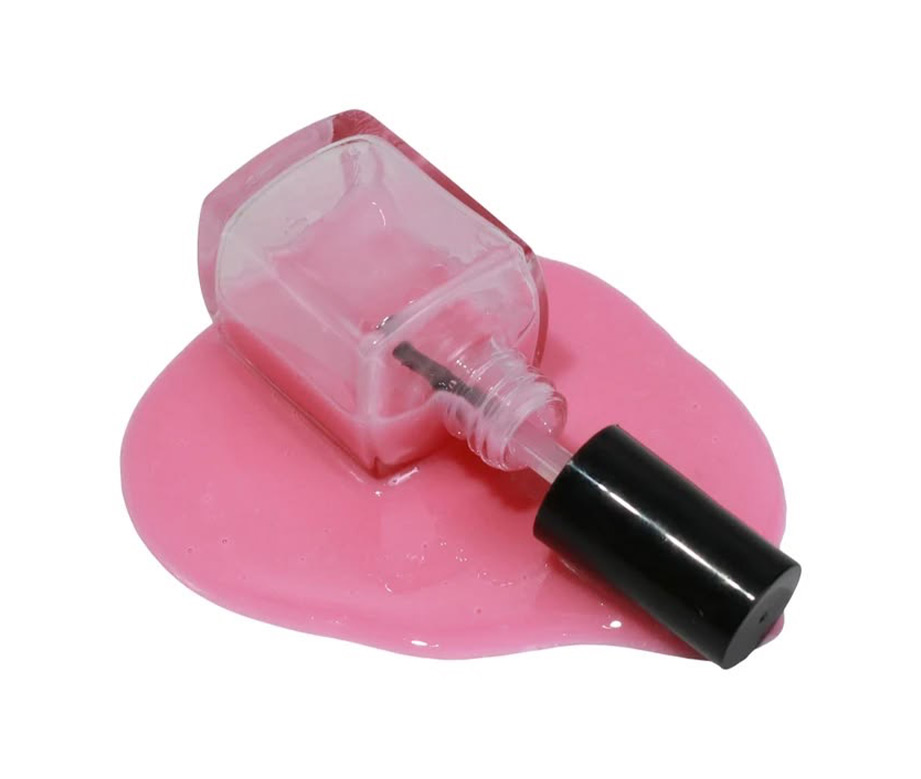
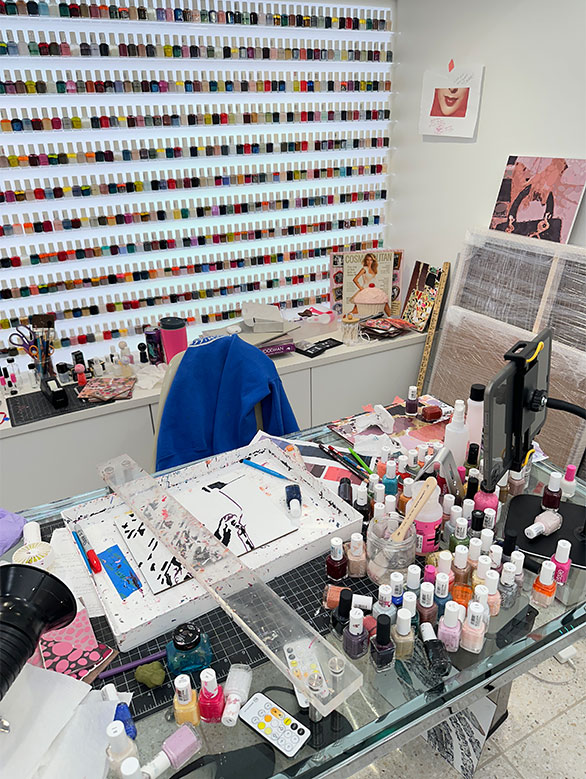
Your surfaces are relief paintings, not flat images, you even suspend glitter between layers of topcoat to build depth. What drew you to working in relief rather than letting the picture stay on the surface?
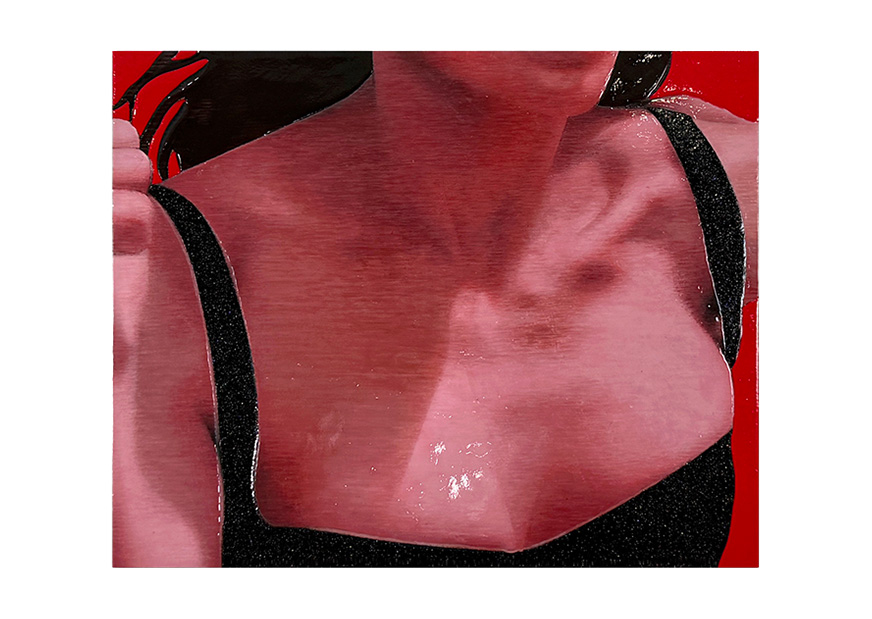
The relief is slight, and I think that’s what makes it exciting to me. The paintings exist somewhere in between image and object. You understand them as pictures from a distance, but when you get closer, the material starts to assert itself. I like making something that you’re tempted to touch, where the surface feels almost tactile or edible. That relates to the imagery too. I’m often painting things that are already meant to be looked at or desired, so I like when the physical painting becomes desirable in its own way. The shine, glitter, thickness, and transparency aren’t just illustrating the image. They make the painting into an object with its own appeal.
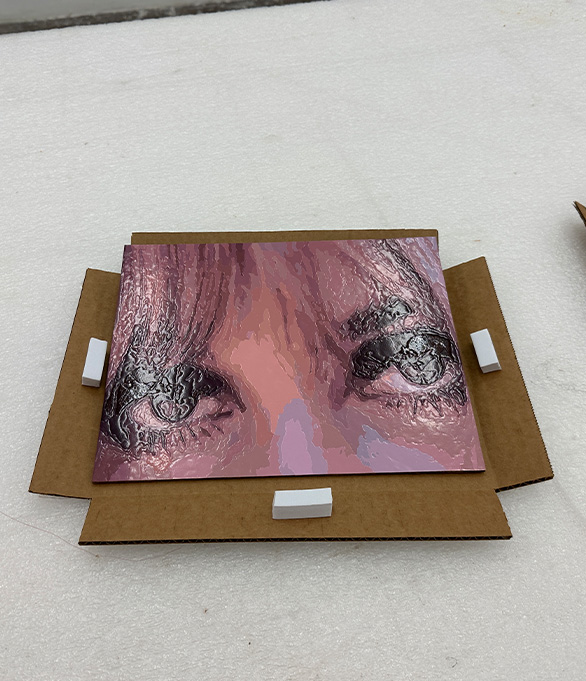
Your images come from fashion photography, advertising, paparazzi shots, and beauty culture. What draws you to that world as source material and what do you look for in reference images?
In general, I paint what I’m already looking at, collecting, or thinking about. I’ve always had a fascination with beauty and presentation. As a kid I played with nail polish and makeup, made clothes, decorated and constantly rearranged my room. I loved magazines, especially the fragrance and fashion ads and the little perfume samples. I used to play editor in chief and mark magazines up with a red pen. The celebrity and exclusivity of that world fascinate me too. I’m genuinely attracted to it, but there’s also something embarrassing or guilty about that attraction. I love the shiny side of things, and at the same time I can feel a little repulsed by it. I don’t really want to resolve that contradiction because I think that tension is more interesting. When I’m choosing an image, I’m usually looking for something that catches me before I completely understand why. It might be a gesture, a crop, a piece of jewelry, a hand, the way fabric sits against a body, or some strange moment in a photograph. Often I remove most of the information that originally made the image legible. I’m interested in what happens when something designed to sell a product, a person, or a fantasy gets separated from its original purpose and becomes something else.
So many of your paintings zoom into a tightly cropped fragment with no background at all, a lineage you connect to Irving Penn. What are you looking for in a close up?
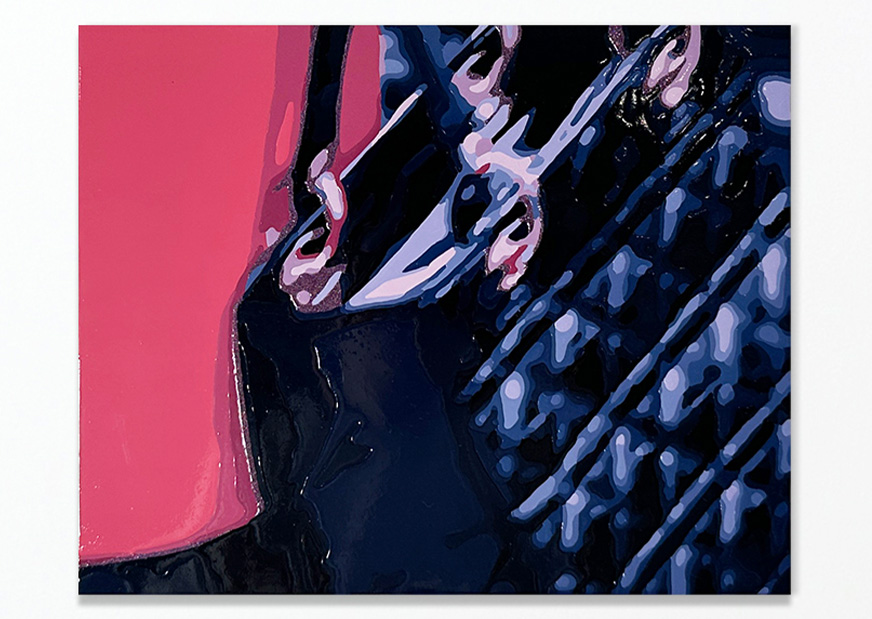
It’s funny because growing up I remember getting in trouble in art classes for not putting in a “proper” background. I also got called out for using glitter. I’m pretty strong willed, and even then I trusted my gut about those things. Maybe part of me is still trying to prove that you can make serious work while breaking rules about what serious art is supposed to look like or what materials you’re supposed to use. Cropping also lets me take an image that already exists and change the way it functions. I’ve always looked at advertisements and fashion photographs as more than just a means to sell something. There are details in them that I become fixated on. By isolating those fragments and removing their context, I can allude to the original world without completely giving it back to the viewer. I like that a crop can make something more intimate and more ambiguous at the same time. A body can become a shape, a gesture can become strange, or a familiar object can become almost abstract. You recognize something, but you don’t necessarily know the whole story anymore.
So much of your work centers on objects of desire and beauty. What is it about desire that you find yourself wanting to explore?
My relationship to desire is probably a love hate relationship. I’m interested in things that are almost universally understood as beautiful, luxurious, desirable, or aspirational, and I’m not outside of that. I want some of those things too. I think there can be an embarrassment in wanting what everyone else has already been told to want. I’m interested in that feeling. I don’t want the paintings to simply celebrate those desires, but I also don’t want to stand outside of them and criticize them as if I’m immune. I’m implicated in them. The material has that same contradiction. Nail polish is literally made to beautify and decorate a surface. It’s glossy, colorful, seductive, sometimes glittery. I use all of those qualities sincerely. I really do love them, but I can also push them until they become excessive or strange. I think the work lives somewhere in that ambivalence. Wanting something, questioning why you want it, and still finding it beautiful anyway.
Outside of painting, what fuels your creativity?
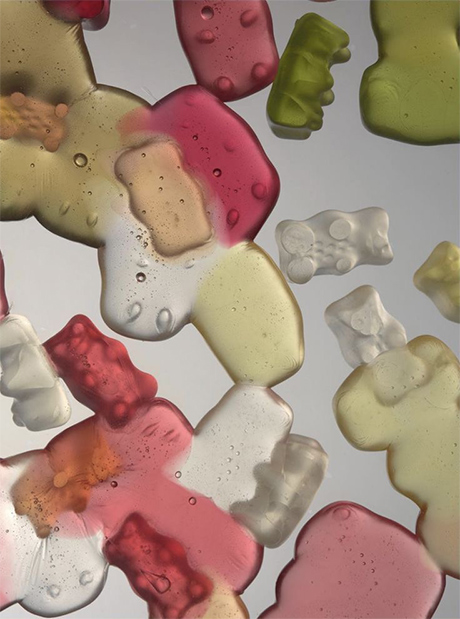
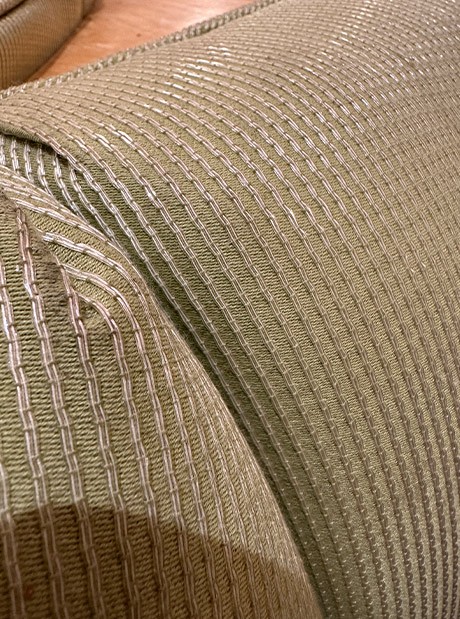
One of the things I love about not limiting myself to traditional art materials is that almost anything can become useful. I once saw a bench at a café upholstered in this green, sequin like fabric and immediately wanted to figure out how to make a painting that felt like it. I like being alert to surfaces and materials in everyday life. I also take walks, listen to music, and let my mind wander. I keep a running list on my phone whenever a process idea or technique comes to mind. A lot of them are questions rather than ideas for finished paintings. What happens if I layer this over that? Can I make this material behave differently? Can I get this effect at a larger scale? Then I go into the studio and try to answer those questions through trial and error. That might be what fuels me most. I really like problem solving. When something doesn’t work, I become very determined to understand why and figure out another way forward. Sometimes the mistake becomes the most interesting part, the thing I spend the next month trying to recreate on purpose.
Where can people find you?
You can email me at zurmelyc@gmail.com. My website is carolinezurmely.com and @carolinezurmely on Instagram.