Christian Saint
What’s your name and where are you from/based?
I’m Christian St. Marshall Boakye, a Ghanaian artist born and raised in Ghana, where I lead the creative production studio NEWSAINT. Having spent part of my formative creative years in the UAE, I developed a trans-western perspective that continues to shape my work. I am currently based in London, UK.
Can you describe your practice in a few words?
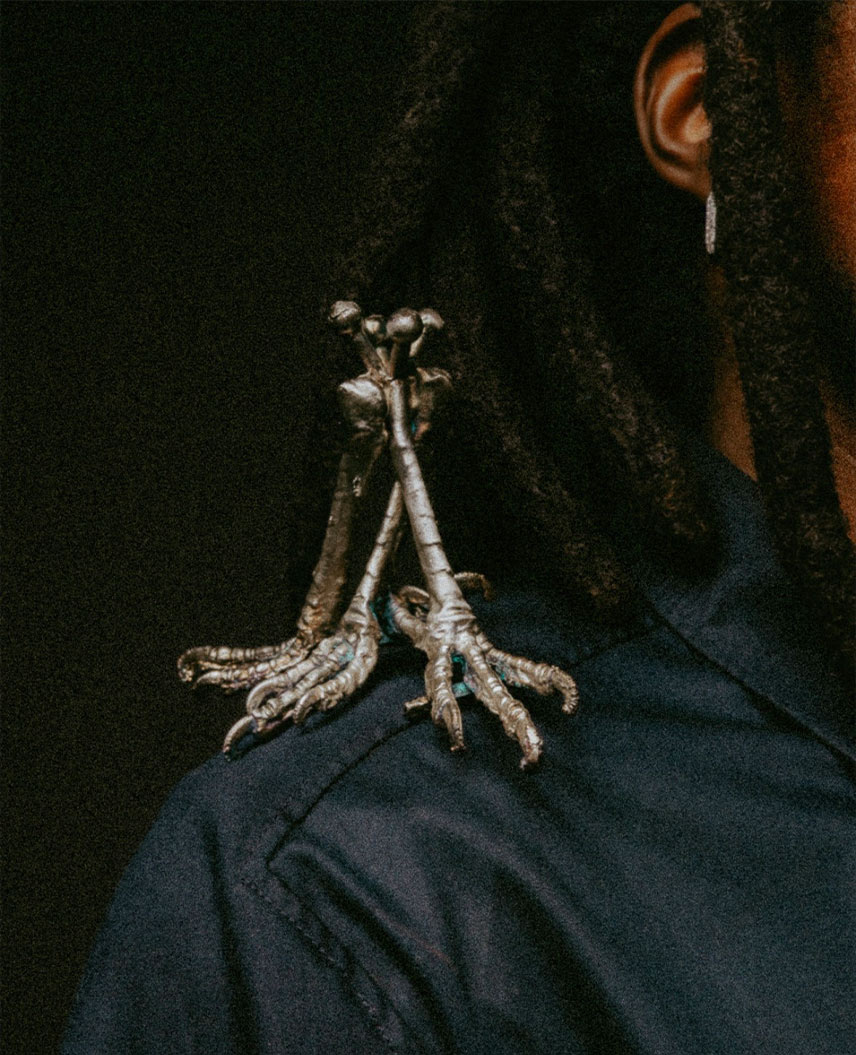
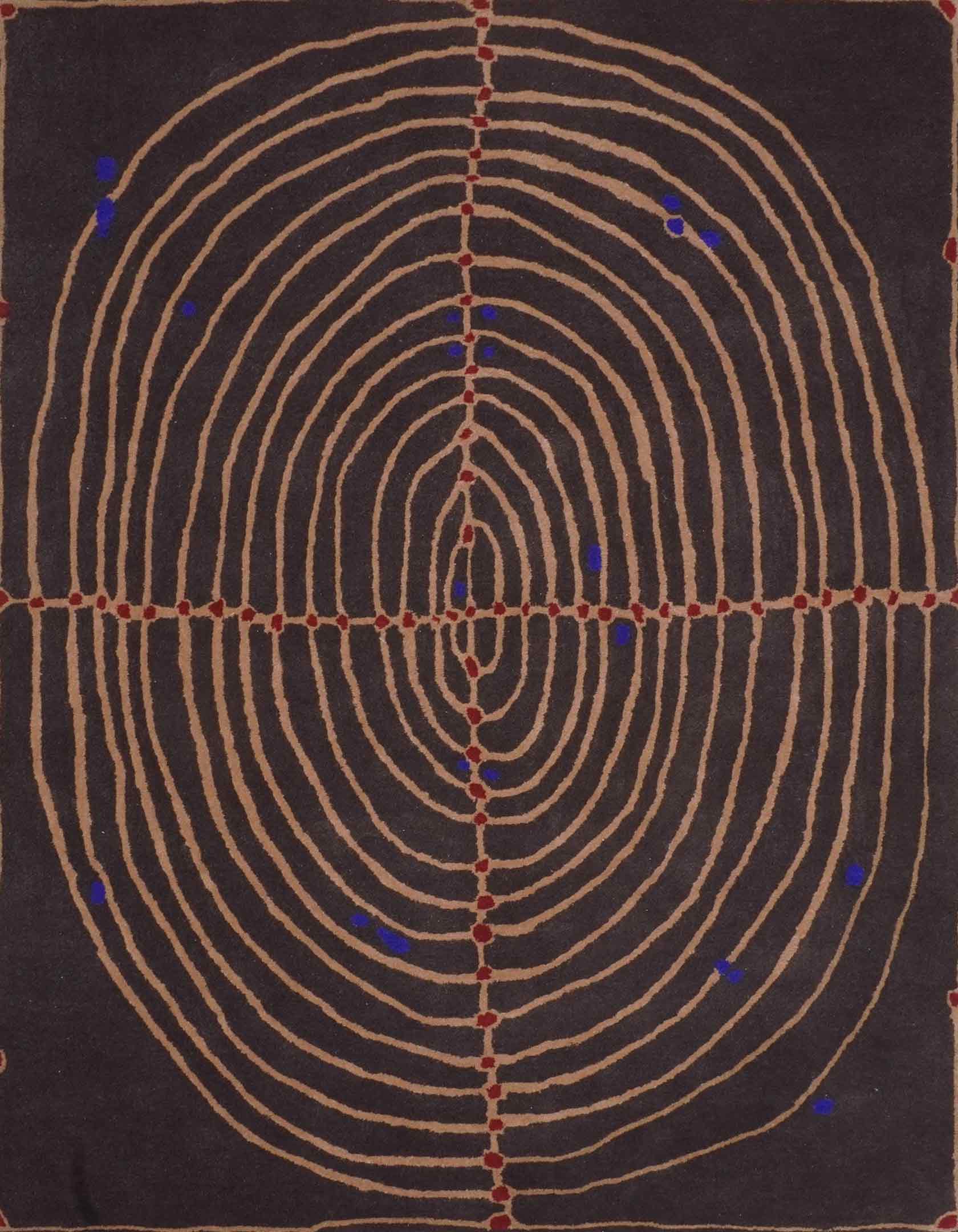
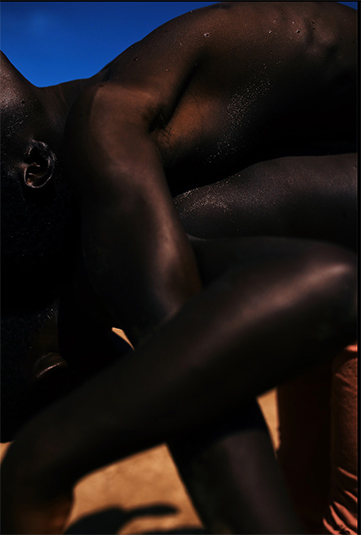
My practice unfolds at the intersection of cinema, fashion, poetry and African cultural storytelling. Working through a visual language shaped by architecture, poetry , surrealism with global expressionism, I construct images that challenge inherited representations while imagining new ways of seeing contemporary African identity. My films and image-making move fluidly between fine art, culture, fashion, and cinematic narrative, creating immersive visual worlds where African perspectives stand confidently at the centre of global visual culture.
How did you first get into visual storytelling through photography and film?
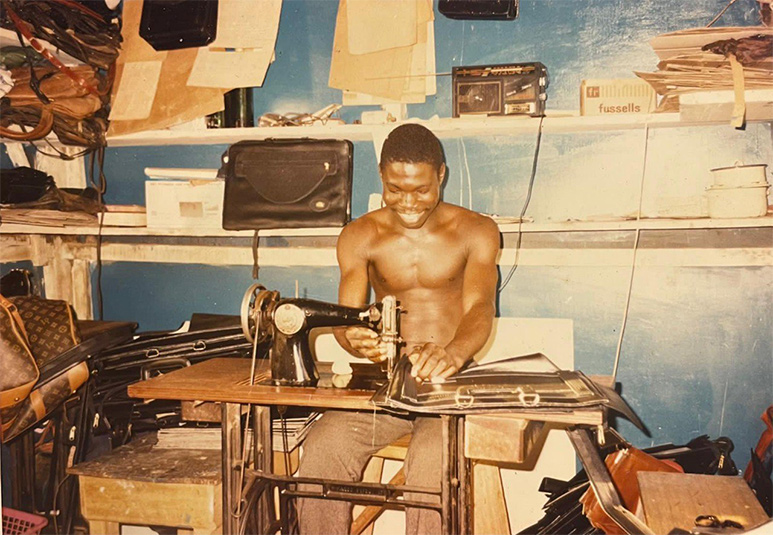
At the age of 12, I lost my father, who was an accessory designer, early in my life. The only way I was able to find any sense of connection with him was through a photo album my mother gave me, which allowed
me to see what he looked like when he was younger. That experience shaped my desire to document stories for people who may not have the opportunity to tell their own. That’s where my journey began.
How do you think growing up in Ghana shaped the way you see the world?
Growing up in Ghana has deeply shaped my perspective and approach to my practice. The people, environment, and culture have all influenced my taste, values, and even my understanding of what success and happiness truly mean. I come from the Akan ethnic group in the eastern part of Ghana. Listening to my grandmother, who lives in the village, share stories especially the traditional ones passed down from her ancestors when she was my age around the fireside has had a lasting impact on me. It has shaped the way I interpret storytelling, blending poetry with cultural depth, surrealism, and African spirituality.
Positioning Africans as custodians of their own history is central to your practice. It feels like something that should naturally be a given, yet the fact that it needs stating points to something deeper within the system. When did you first feel the need to make this explicit in your work?
I first felt the need to make it explicit when I started working outside of Ghana as I moved out of Ghana and began seeing how African stories were being interpreted, packaged, and often simplified through an external lens. Growing up, so much of what I knew about my culture was carried through oral storytelling, family, and lived experience. There was a particular moment early in my career where I saw an African reference being used in a way that stripped it of its spiritual and historical context, and it made me question who gets to define the true meaning. That was a turning point for me. From then on, it became less about making a statement and more about responsibility. I started to feel a duty to ensure that the people within the culture are the ones shaping how it is seen, understood, and preserved not as an act of correction, but as a form of authorship. So for me, it’s not something I added to my practice later. It’s something that became unavoidable once I stepped into spaces where I saw what happens when that authorship is missing.
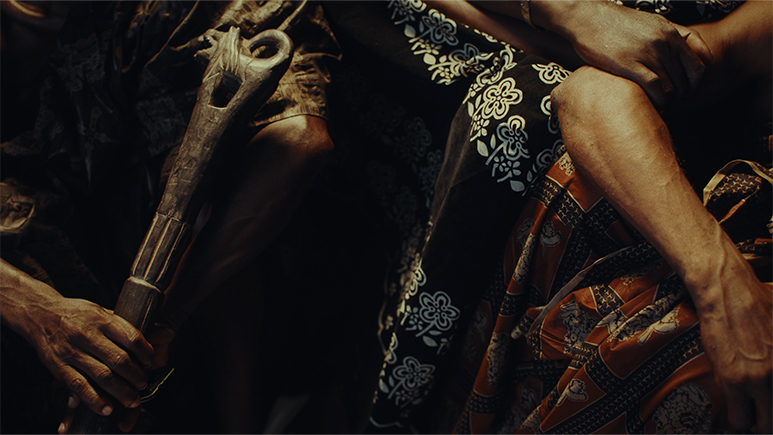
Your work draws heavily from African imagery and storytelling traditions, what is it about these visuals that continues to keep you inspired?
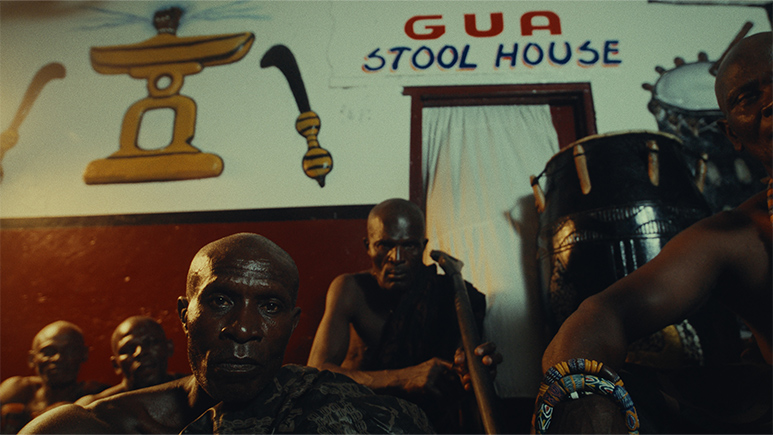
What keeps drawing me back to African imagery and storytelling is that I don’t see it as something I’m simply referencing in the present. I see it as something I’m actively contributing to as a future archive. For
me, these visuals carry memory, spirituality, and lived history that isn’t always formally documented, yet exists very vividly in culture, oral tradition, and everyday life. I’m interested in preserving that density of meaning before it gets flattened or reinterpreted outside of its original context. A lot of what inspires me comes from the way symbolism is embedded into African life, how hair, fabric, gesture, colour, and ritual all function as language. I see my work as a way of holding onto those codes and translating them into a cinematic archive that can exist beyond time and geography. The end goal for me is preservation through image-making. Not just creating films for the moment, but building a body of work that functions like an evolving archive, one that protects nuance, authorship, and cultural memory for future generations to return to and understand on their own terms.
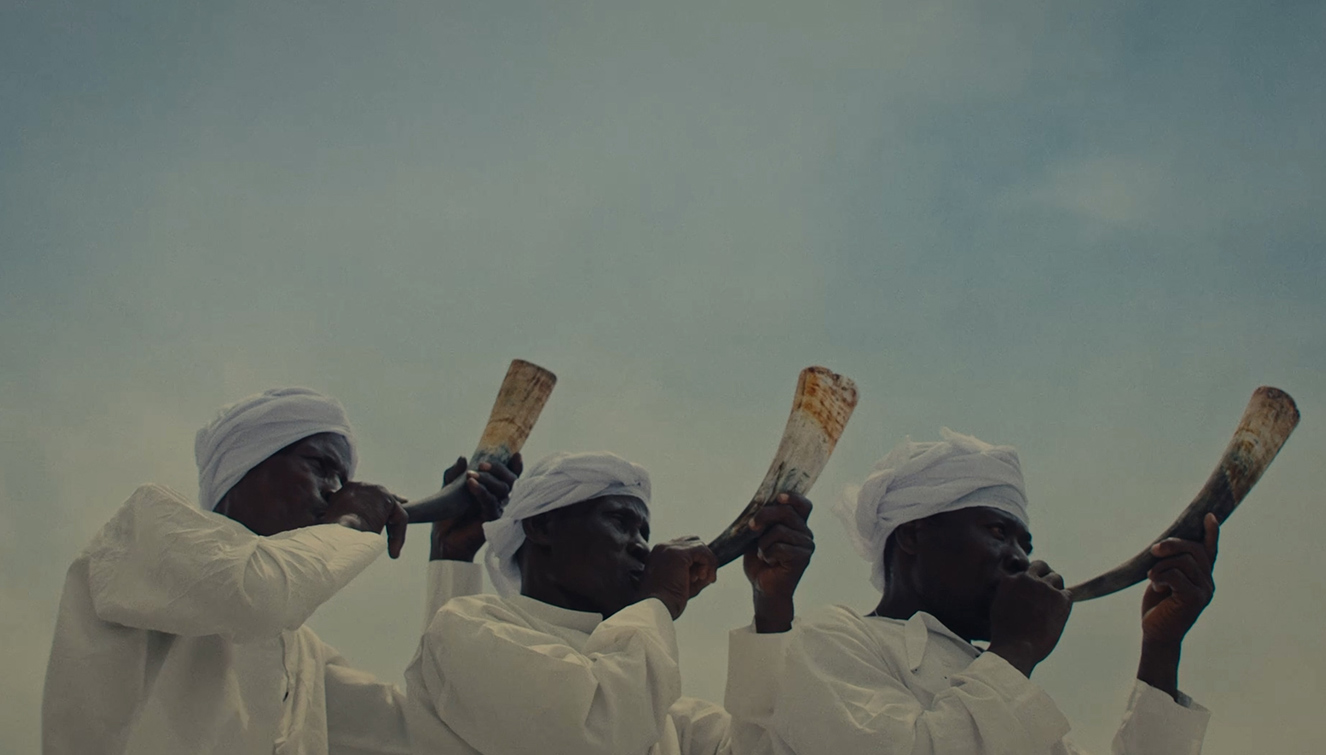
Is there a specific story or reference in one of your projects (or more) that felt especially personal?
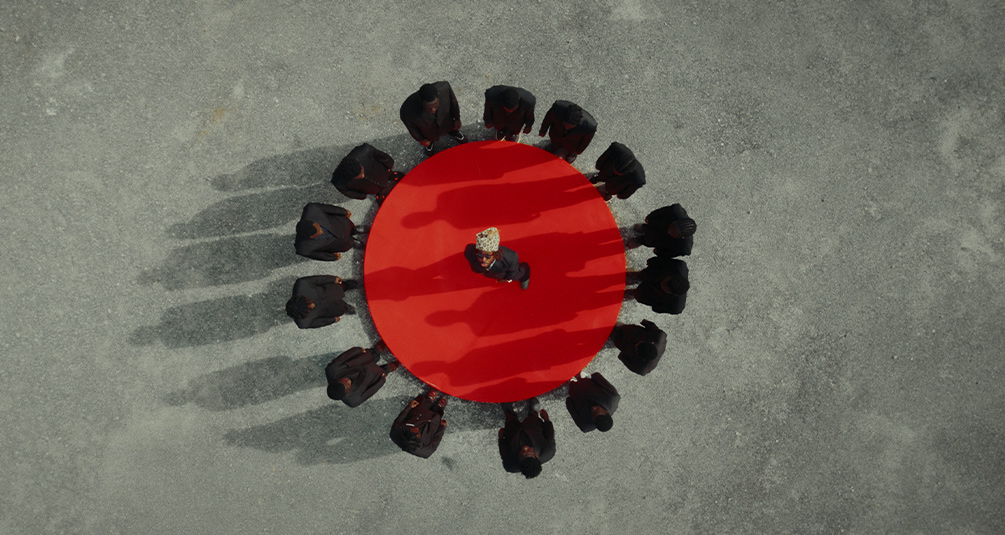
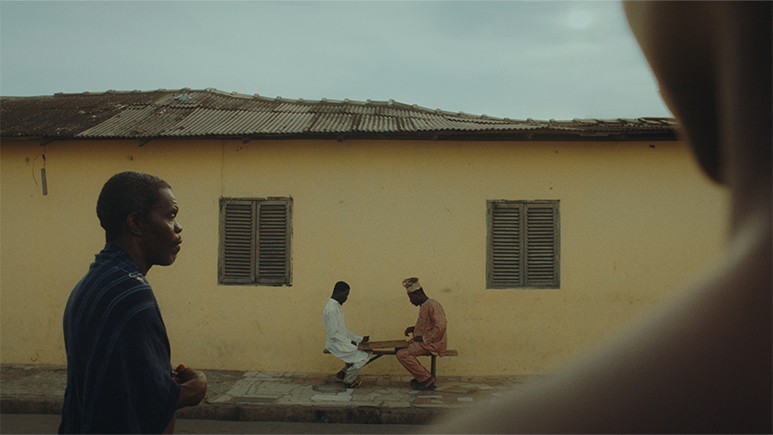
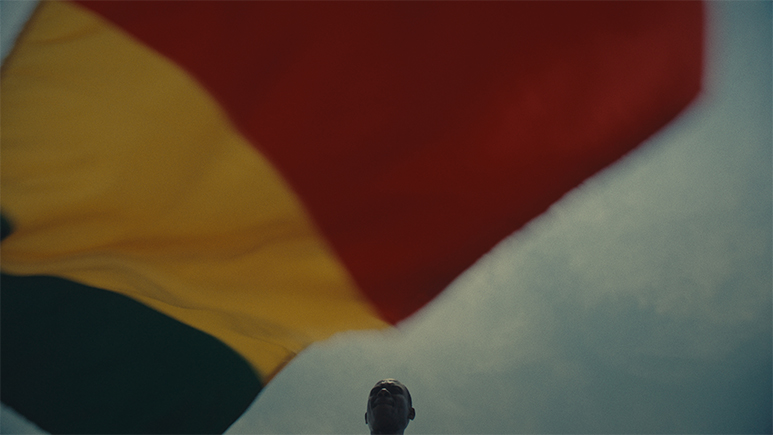
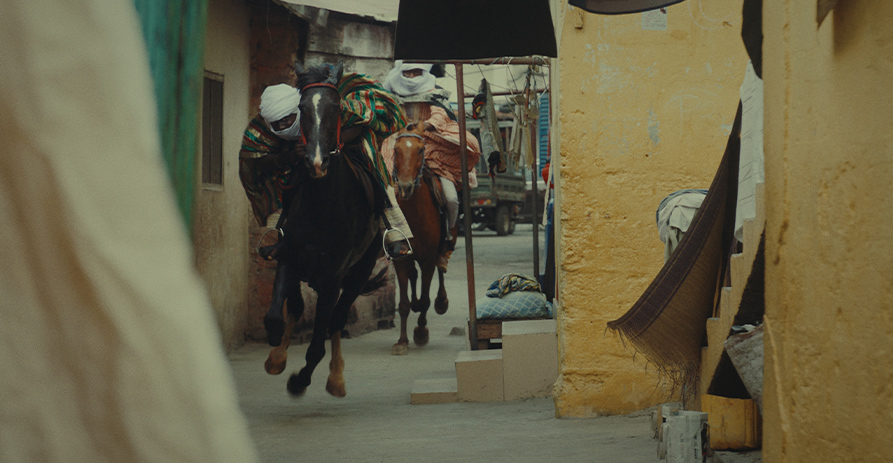
Yes, Sundiata is probably the most personal work for me so far. It was created in March 2025, and what made it resonate so deeply is that it sits right at the intersection of history, myth, and identity but also responsibility. Working on it felt less like “making a project” and more like stepping into something that already existed long before me, and trying to translate it through a contemporary lens without losing its original weight. What stayed with me most was the idea of legacy not just in the historical sense of Sundiata as a figure, but in how stories survive, shift, and are carried across generations. There was something very reflective in that process for me, especially as someone who is also thinking about how African narratives are preserved and authored in global spaces. Seeing it be globally received well was affirming, but more importantly, it reinforced the idea that these stories don’t lose power when they are rooted deeply in their origins, they actually become stronger.
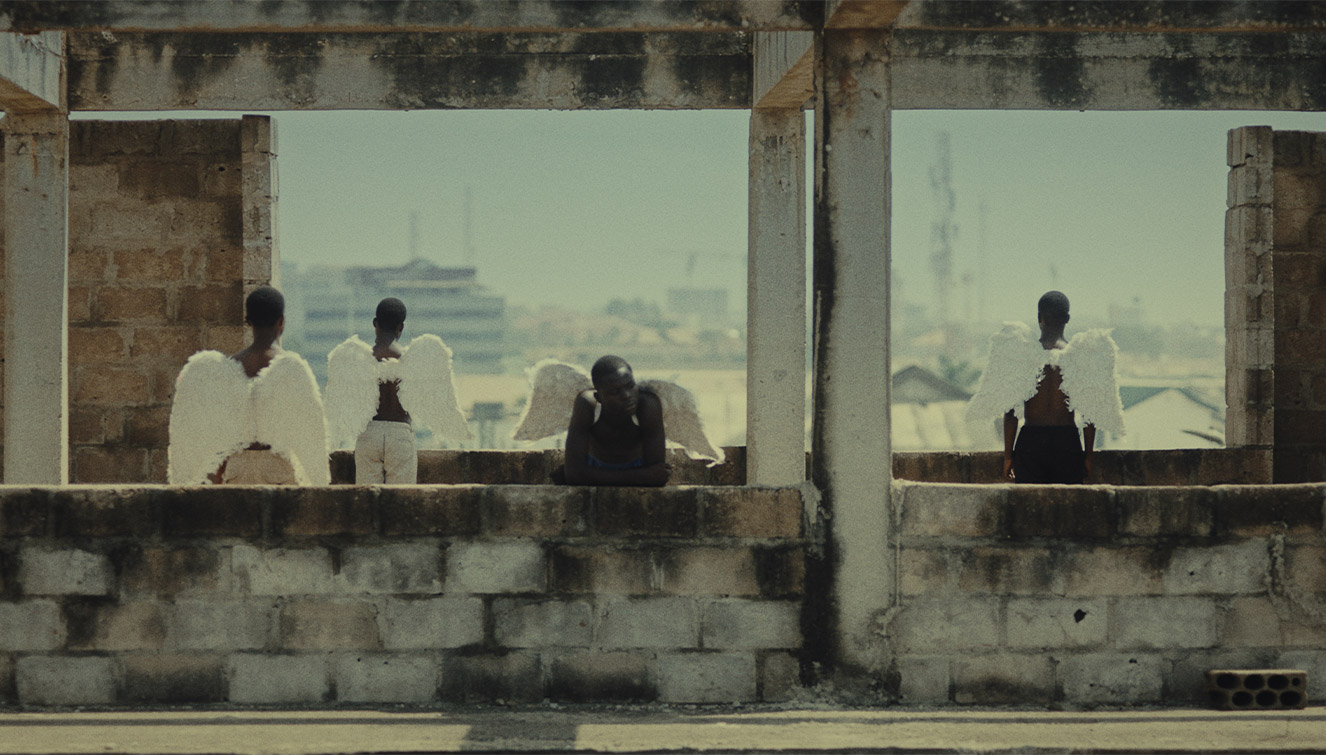
Are there specific people who have influenced or inspired your practice?
Ousmane Sembène and Djibril Diop Mambéty really influenced how I think about African authorship and poetic storytelling. From a contemporary lens, Kahlil Joseph and Barry Jenkins have shaped my approach to emotion, memory, and intimacy in image-making. Photographically, James Barnor is very important to me in terms of thinking about visual archives and preservation especially when he documented Ghana during the post colonial era. And filmmakers like Martin Scorsese, Wes Anderson, and Andrey Tarkovsky have influenced how I think about structure, composition, time, and
atmosphere. Alongside that, Kerry James Marshall continues to shape how I see Black presence within the frame as central, complete, and unmediated.
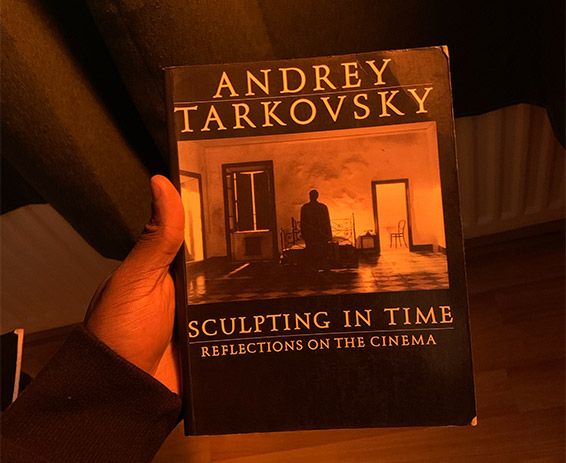
Outside of film and photography, what continues to fuel your creativity?
Outside of film and photography, my creativity is constantly fuelled by being in it daily in different forms. I go to the cinema often, and I read a lot of books by filmmakers, which helps me stay connected to how others think about image-making and storytelling. I’m also a lecturer at University of Arts London, where I teach creative direction, and that really keeps me engaged with the next generation of creatives. Being in that space forces me to constantly articulate, question, and refine my own practice. It becomes a kind of feedback loop, what I teach feeds my work, and my work feeds what I teach.
Where can people find you?
People can find me primarily on Instagram at @christivnsaint. In terms of current and upcoming work, I’m part of a group exhibition in Paris running from June 4 – 7, and I’m also currently screening a short film at the African New York Film Festival this May. At the moment, my focus is on developing new stories rooted in African spirituality and narratives of empowerment, continuing to build a body of work that explores cultural memory, identity, and authorship.