CINQUE
What’s your name and where are you from?
My name is Cindy. I was born in China and am currently based in London.
What material do you primarily use?
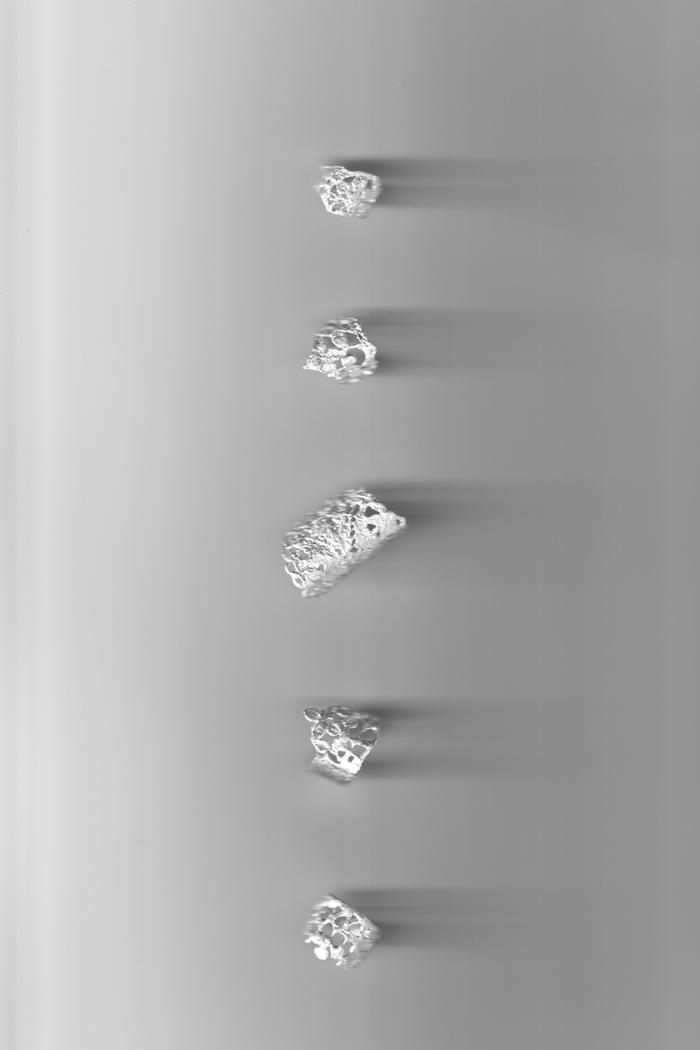
I primarily work with wax and use a technique called lost wax casting to transform my wax pieces into silver.
How would you describe what you do and the kind of pieces you create?
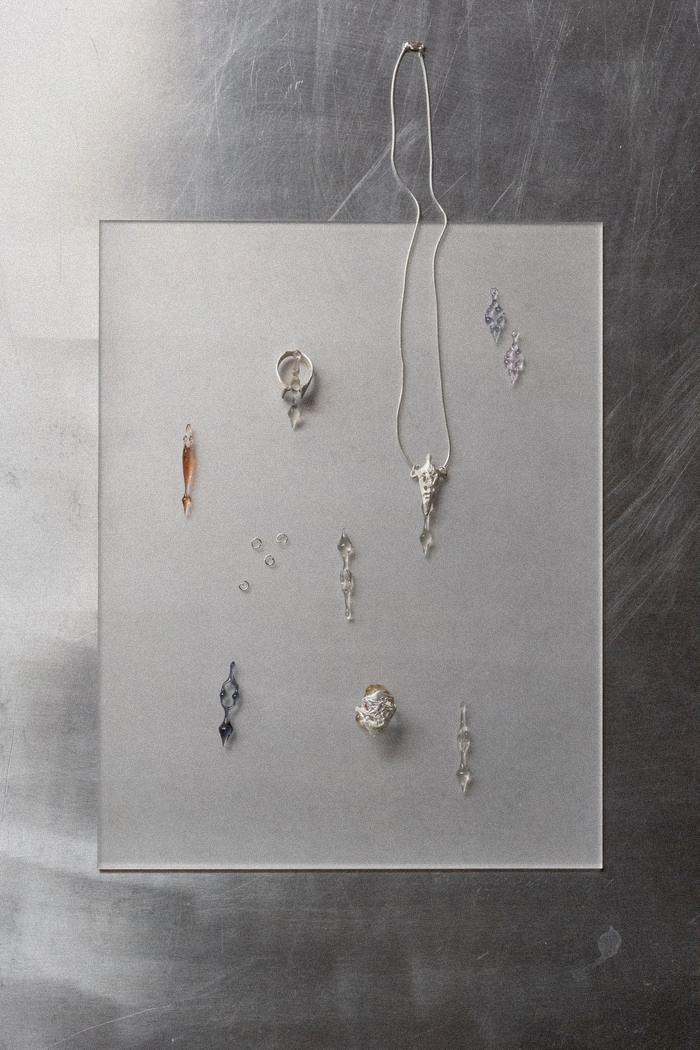
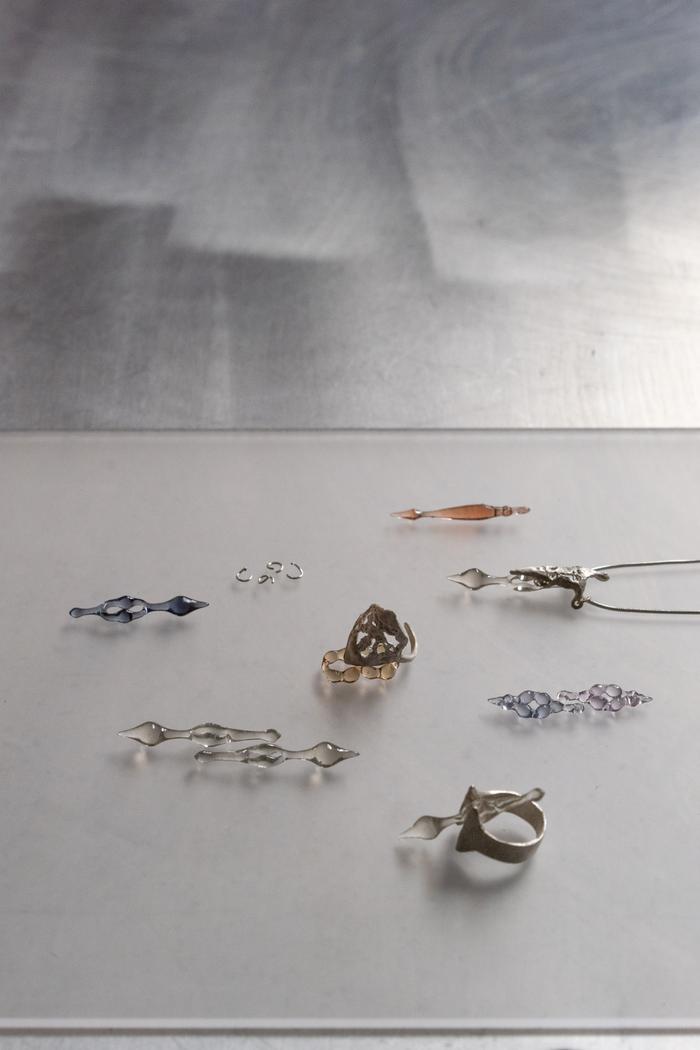
I create jewelry and objects, exploring the blurred boundaries between the two. My work exists in the space where adornment and function meet.
What drew you to jewelry and objects, especially the idea of combining cutlery with adornment?
I entered the design world through architecture, where I learned to break boundaries and play with scale. Translating ideas across different forms has always been central to my practice. Cutlery and jewelry share the same materiality, and I’m drawn to the delicacy of both.
Do you remember the first time you worked with silver? What made you want to keep going?
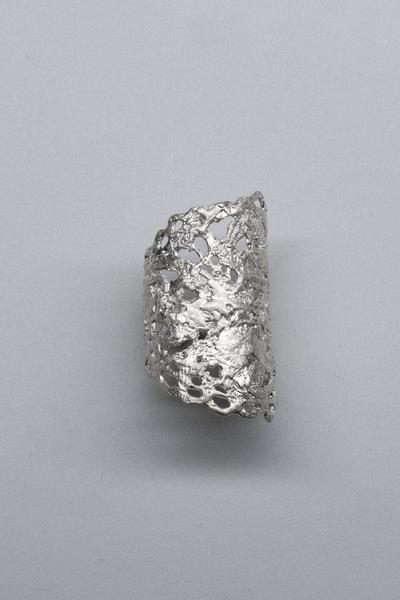
The first time I visited a casting studio, I was fascinated by the raw tactility of freshly cast silver before it’s cleaned and polished. The granularity, the transformation through casting, the repeated hand-sculpting of wax—I found joy in every step of the process.
What inspires your designs—visually, emotionally, or symbolically?
When designing, I let my fingers take charge of the sculpting process, following my intuition and present mood. I try to silence my rational, perfectionist side—too much control can be a trap in the creative process.
How do you balance form and function in your work?
I was trained as an architect, so I used to follow the principle of “form follows function.” However, I now try to quiet that rationality and allow the form to emerge organically. My hands act before my mind, but an awareness of function is always embedded in my approach.
Has your vision or style evolved over time? How has your work changed since you started?
I’m currently collaborating with a 3D-printed accessory brand whose work is on the opposite end of the design spectrum. This contrast has given me a fresh perspective on my own practice and has strengthened both of our work in unexpected ways.
Is there a particular piece you’ve made that carries a personal story or meaning?
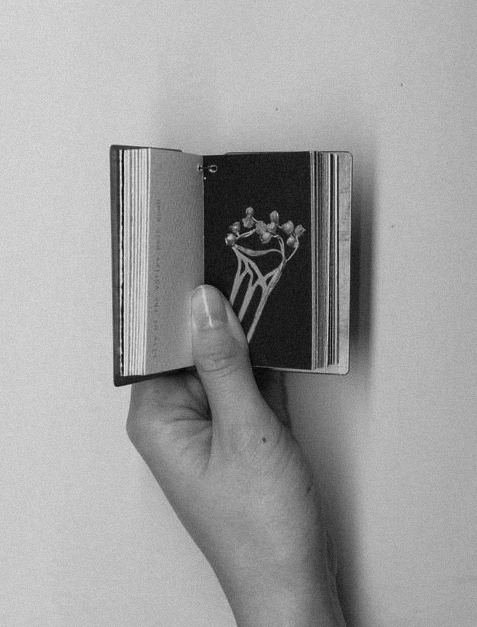
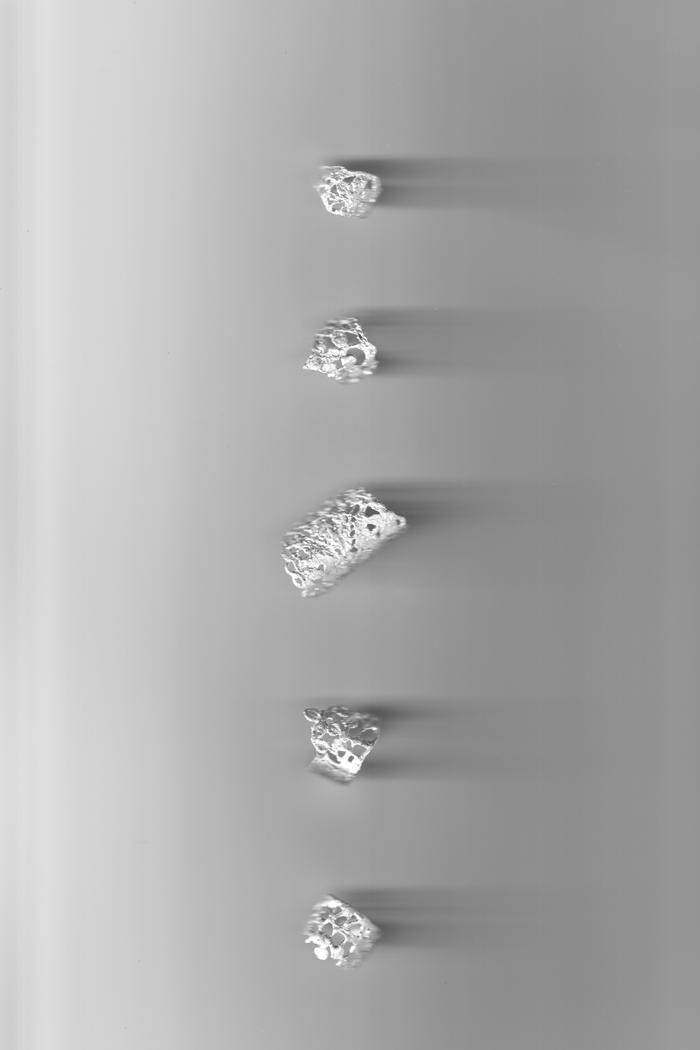
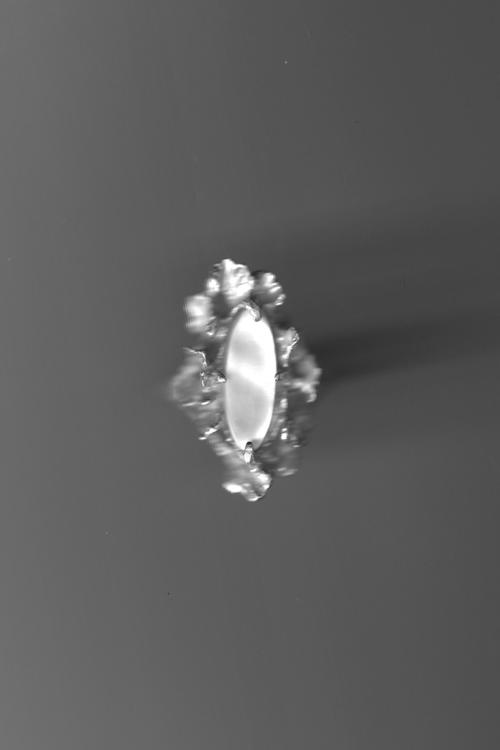
A ring I call the ‘Bouquet Ring.’ It preserves my memories of the botanics I’ve grown over the years as I moved from place to place.
How do you want your pieces to live in the world—on a shelf, on a body, passed down?
For now, I want my pieces to engage with skin—or with the second skin of the body, clothing. But eventually, I see them being passed down, with their hallmarks recording the story of their maker and the time they were created.
What do you hope people feel or experience when wearing or using your work?
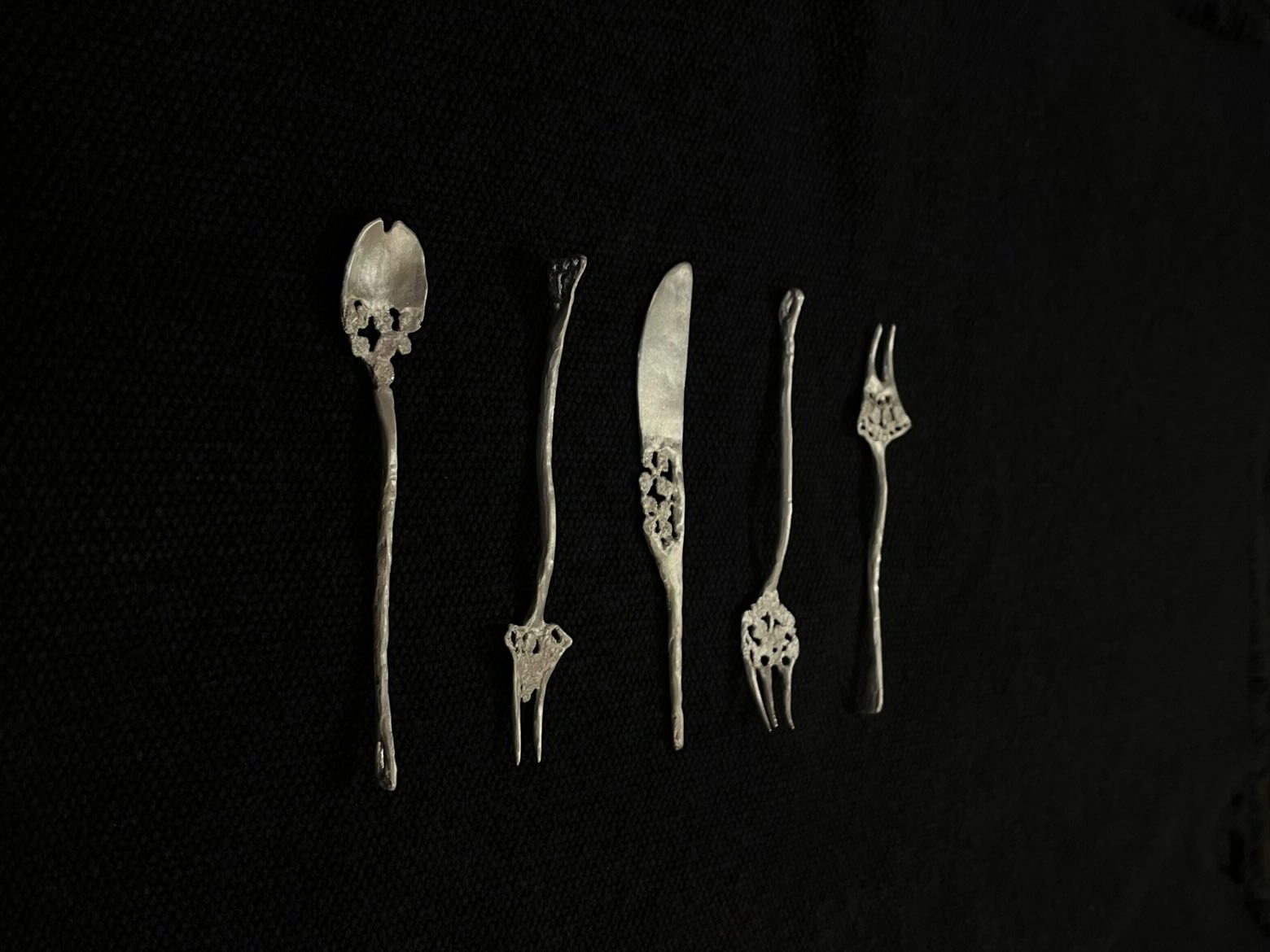
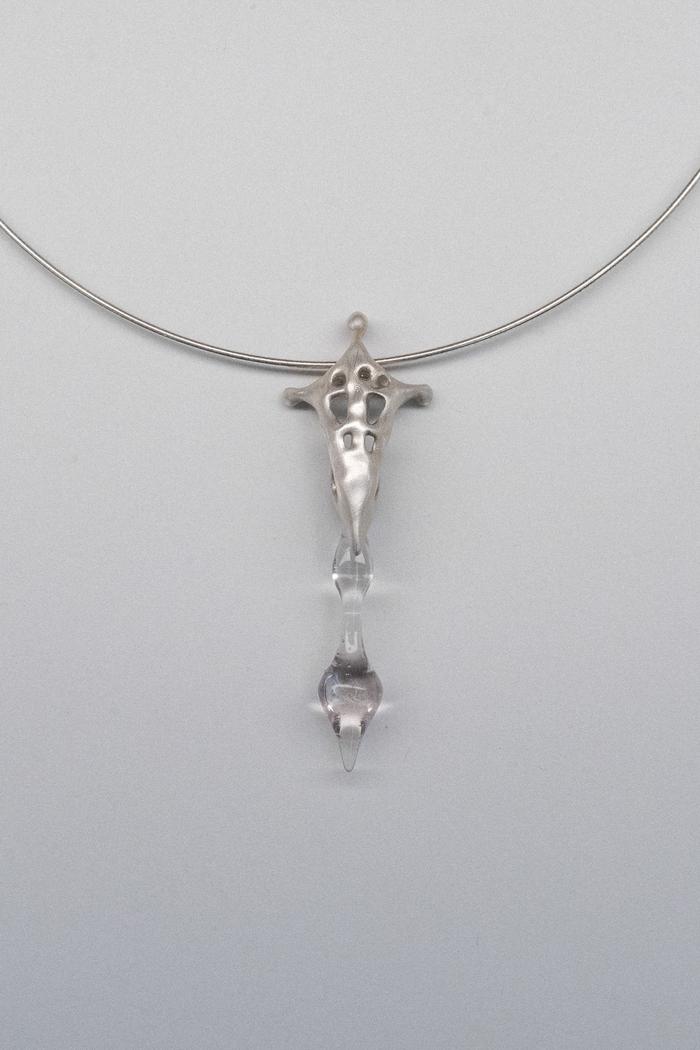
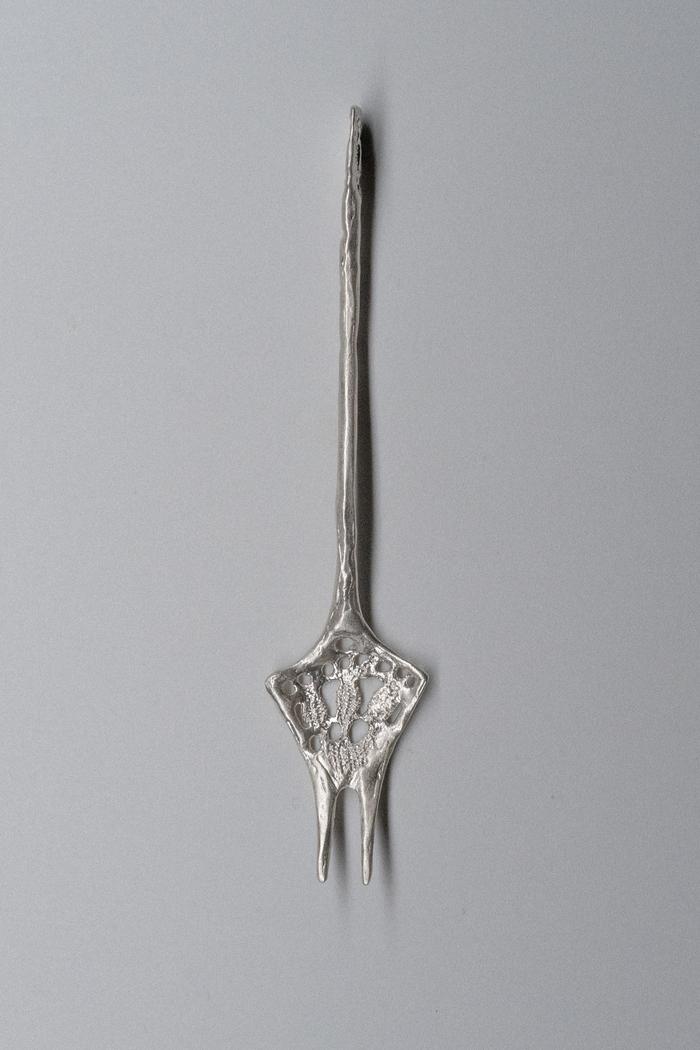
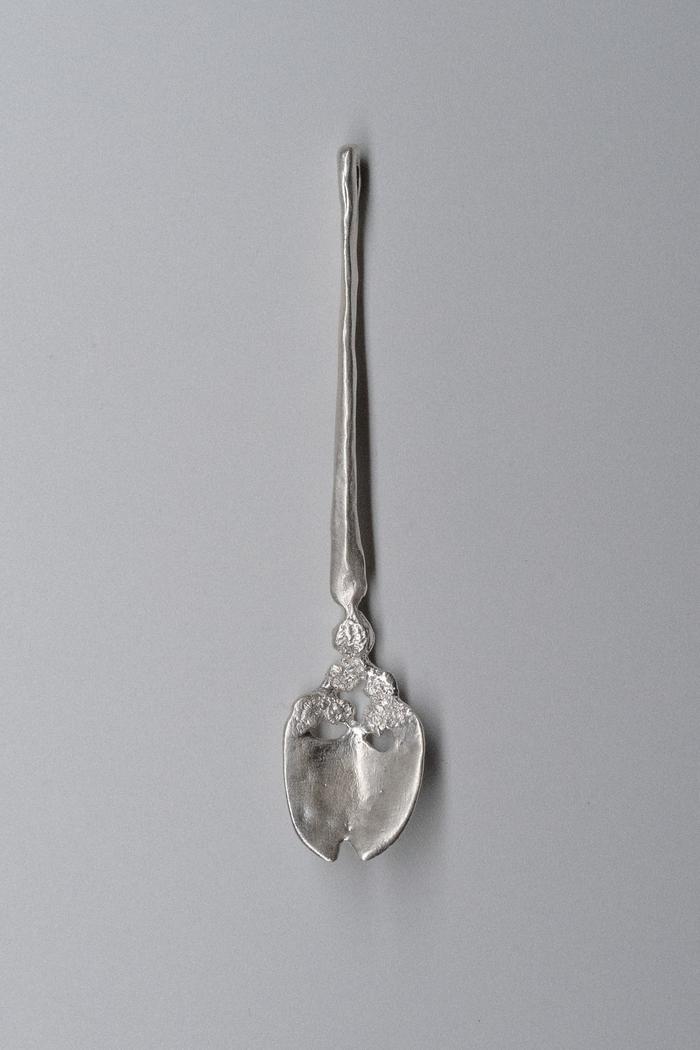
My pieces embody feminine delicacy, yet carry an underlying sense of sharpness and strength. In my ‘Metal Veil’ project, I transform delicate lace textiles into silver cutleries, revealing both the hidden strength of metal and the way a fork or knife can empower a fragile lace-like piece.