Erik Lijzenga
Can you start by telling us a bit about you, your name, where you are based?
I’m Erik Lijzenga, based in Arnhem, the Netherlands. To develop my practice I’ve studied a BA in Product Design at ArtEZ in Arnhem and following that I finished an MA in Gemstones and Jewellery in Germany last year.
Can you tell us a bit about your practice, and what led you to working with objects?
My BA made me reconsider how I see the objects, shapes, materials in our habitat. So much is already right there in front of us, this led me to use existing objects like furniture or picture frames as my material.
I wanted to further explore the jewellery field which prompted me to study in Idar-Oberstein, Germany. This is where I gained more insight in my own practice and had the opportunity to explore the jewellery field, a universe where material value is subjective and craft is embraced.
After moving back to Arnhem I’ve set up a workshop where I can do my wood and stone carving and silversmithing. It’s also the place where I can work with and organise my archive.
Do you remember the first object you ever collected or kept just because it spoke to you?
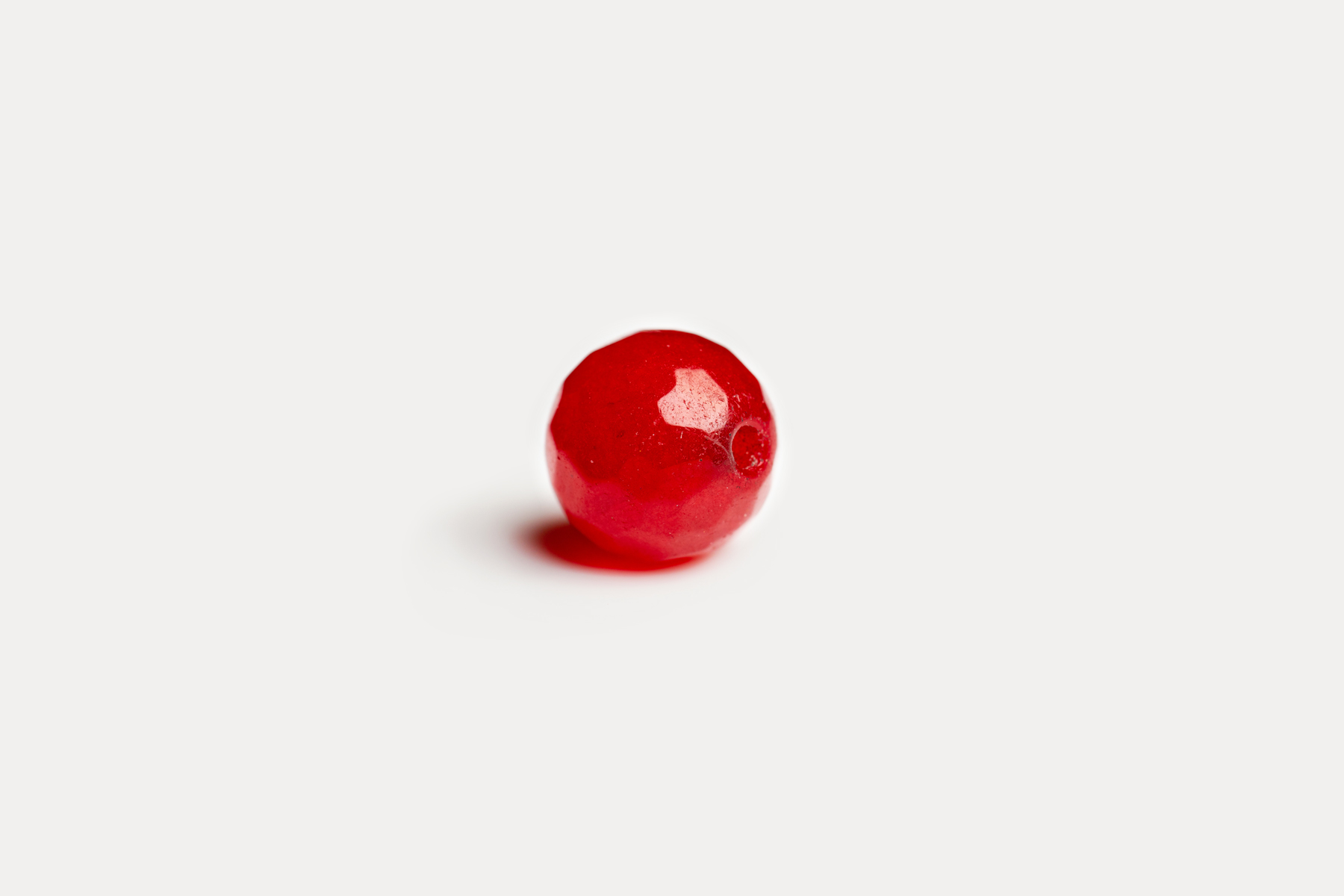
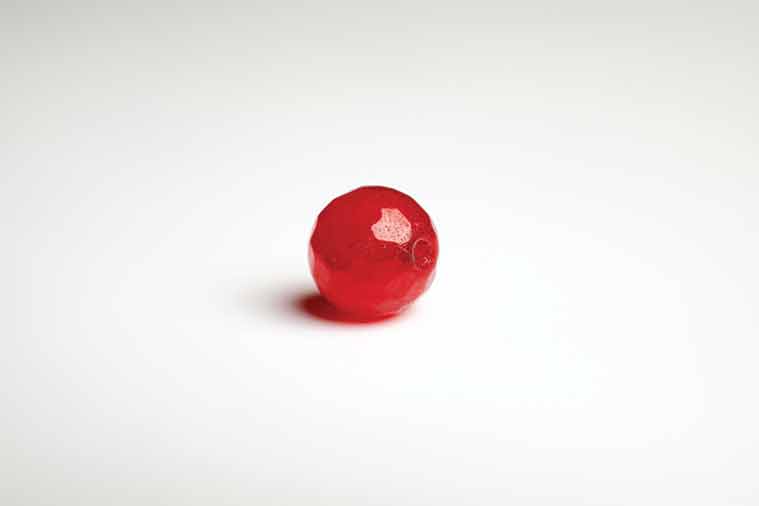
It was by some strange coincidence, but the first thing I consciously collected were 3 old glass beads I found outside of the academy for my BA during my first week. We were working on a project about beads, so their appearance was very appropriate. From that moment on I would collect some things here and there; lighters, strange souvenirs, unidentifiable parts.
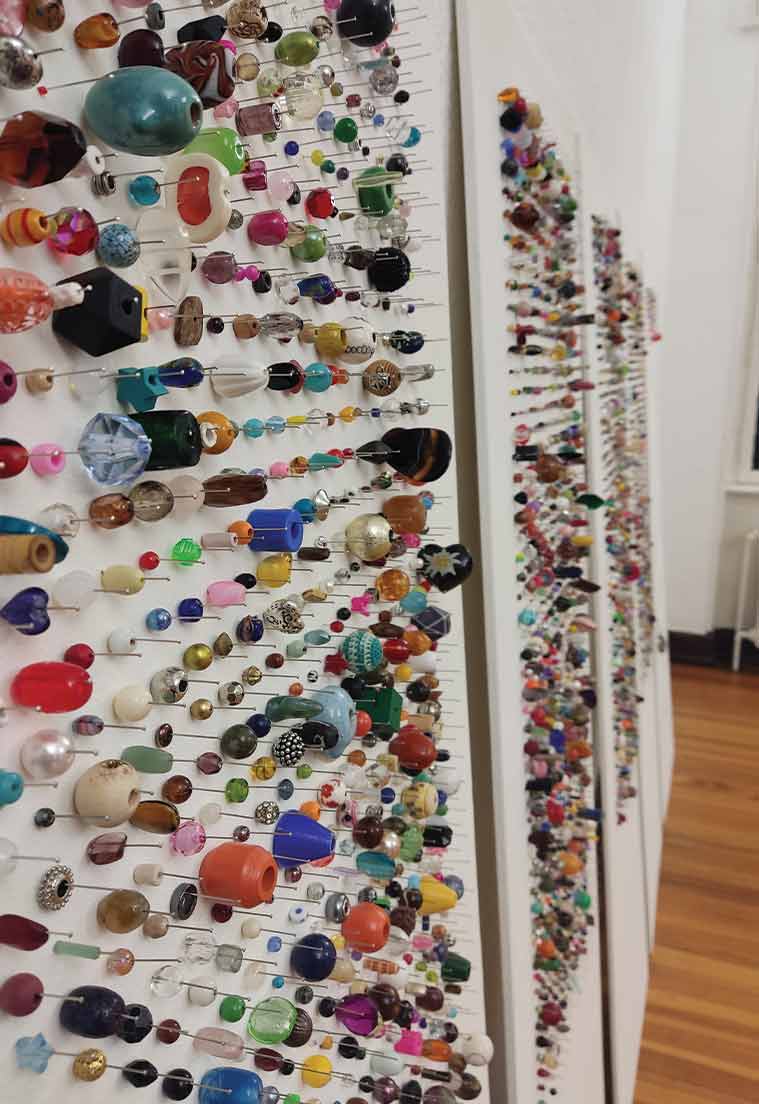
But in the last year of my BA my fascination with beads was unleashed, started by those initial 3 beads. While researching beads I discovered a beautifully complex object with a rich history. From then on I’ve been gathering beads which lead to a growing archive of more than 4700 individual pieces.
How did your collecting evolve over time? What kind of objects tend to catch your eye now?
I like to embrace the chaos of coincidence. The initial few beads rolled into my life by coincidence, the rest of the collection did the same. I have a routine of visiting thrift shops in my neighborhood. And in doing so I always come across surprising, strange, ugly and beautiful things.
I’m most intrigued by objects that carry clear signs of handwork or a maker, or signs of the previous owner, traces on its surface that show how it was treated. I’m still surprised by the strange, unfamiliar and wacky things you can come across, even with all my experience visiting these shops.
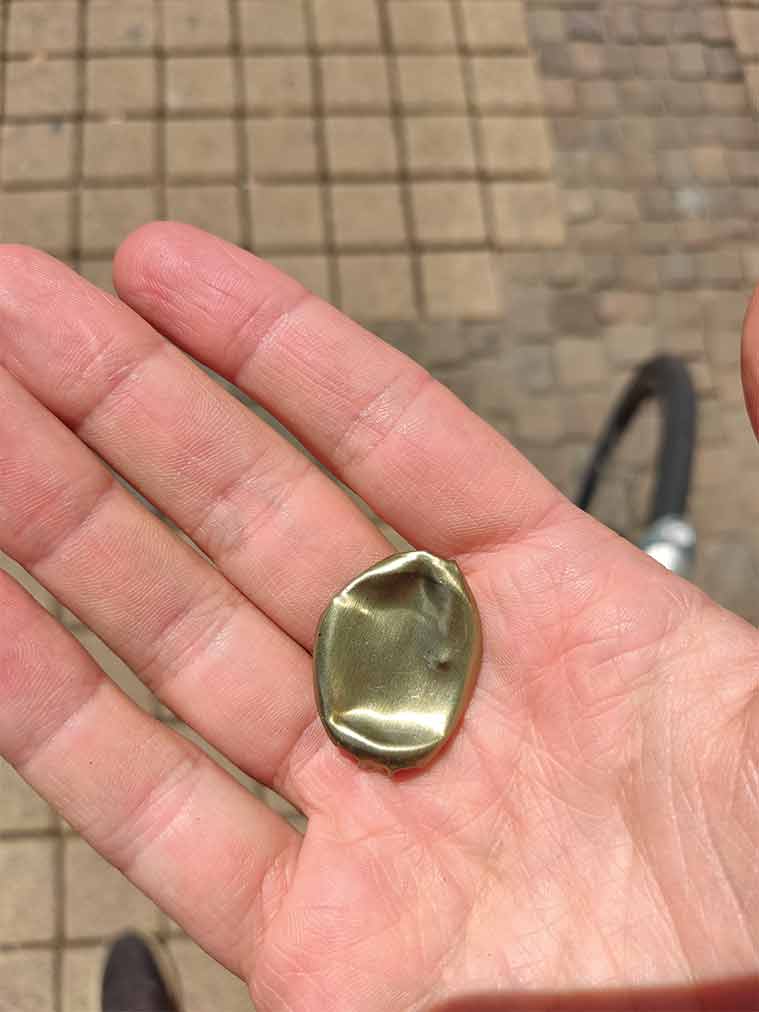
Most of my finds happen on the street though, broken parts, lost objects… So many things can be found lying in the gutter, while they still have so much potential.
What draws you to certain materials or textures? Is it the shape, the story, or something else?
Most importantly is the possibility to connect to a story or a memory, like recognising something from my youth, relating something to another object.
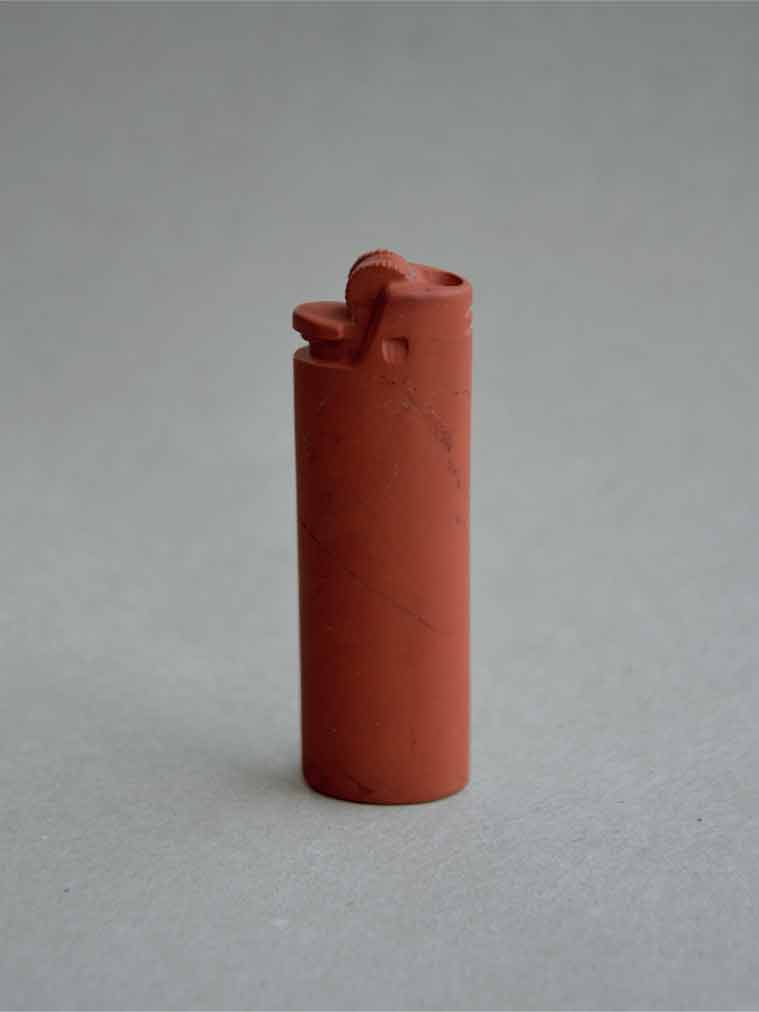
The biggest part of my collection is plastic, but that is mostly because it is such a present material. We produce so many disposable plastic products and their often bright colours stand out against the pavement. Over the course of 3 years I’ve found more than 300 lighters.
What does your collecting process look like? are you searching, wandering, waiting?
There’s a strange sense of coincidence when it comes to finding things. I don’t go out searching for them, they just catch my eye, when walking to the supermarket, biking to my workshop. Sometimes it feels as if they’re coming to me, as if they want to be found. But I also notice that it is like a skill or a muscle that I’ve trained over time. This means I’ve always got something rustling around in my pocket.
Can you talk about the moment you decided to start replicating found objects? what shifted for you?
For the longest time I was resistant to the idea of making new things, that’s why my BA graduation collection was made of existing objects. During the MA I’ve tried a lot of different things to make my values and vision tangible. In the end I discovered that in order to share what I see in the objects I had to create a context in which they can be revalued. By combining the traditional way of stonecarving local to that region, my experience with woodworking and using my own skill and time to replicate these objects I could create a new type of object capable of containing my message.
You replicate every detail of the original, including flaws, how do you balance preservation and transformation?
I try to stay as close to the original objects as I can, up to an arbitrary level. Making stencils, measuring twice, thrice… This intense focus allows me to understand the history and workings of the objects. The objects are often sketched, and from there I make schematics with measurements. And from there it’s all depending on my skill and my tools. Eventually I ran into the limitations of my skills and tools. The objects I’m recreating are very often made through industrial processes specific to those shapes and surfaces, the tools that I use have very different applications. I’m trying to replicate the ‘perfection’ of a mass produced object through an entirely different production process.
Would you say your replicas are sculptures, records, jewelry, or something else entirely?
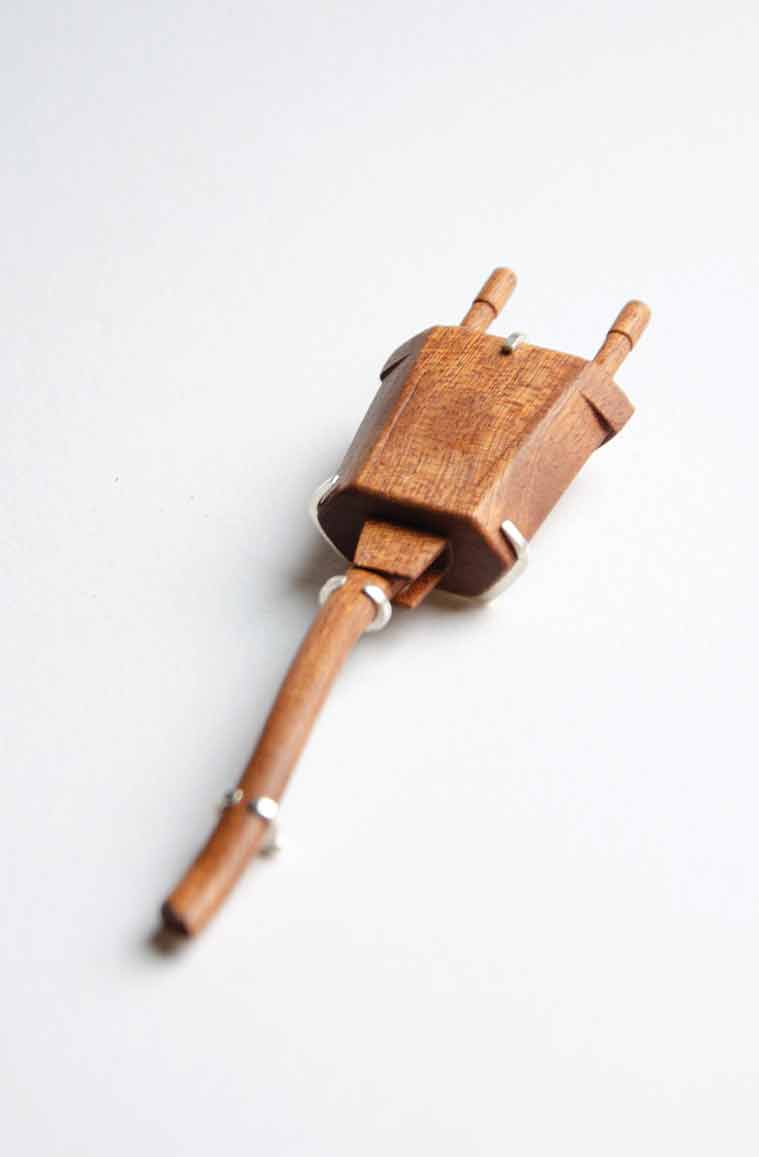
They are somehow a bit of everything, sculpture, record, jewellery. The carvings become something in between, no longer having their original function but still referring to it through their shape and scale. They become communicators. We have been conditioned by our environment to recognise the shape of an object and only think of its functionality. By changing the material and shedding its function the objects gain a new purpose.
How do you balance technical precision with emotional or conceptual storytelling in your work?
It’s quite interesting to see where my skills plateau, at a certain point I can’t get closer to the original. This is frustrating but also an incredibly thrilling challenge. By working on the objects, going back and forth between the original and the carving I become a part of the story of these objects. I truly build a very close relationship with both, knowing all their imperfections, curves and details.
And when it comes to the values and ideas I try to evoke with my work, I’ve noticed that the work is very good at speaking for itself. By choosing a specific but recognisable object it can immediately evoke a personal response in the viewer.
What kinds of conversations or connections emerge when different objects are combined into one piece?
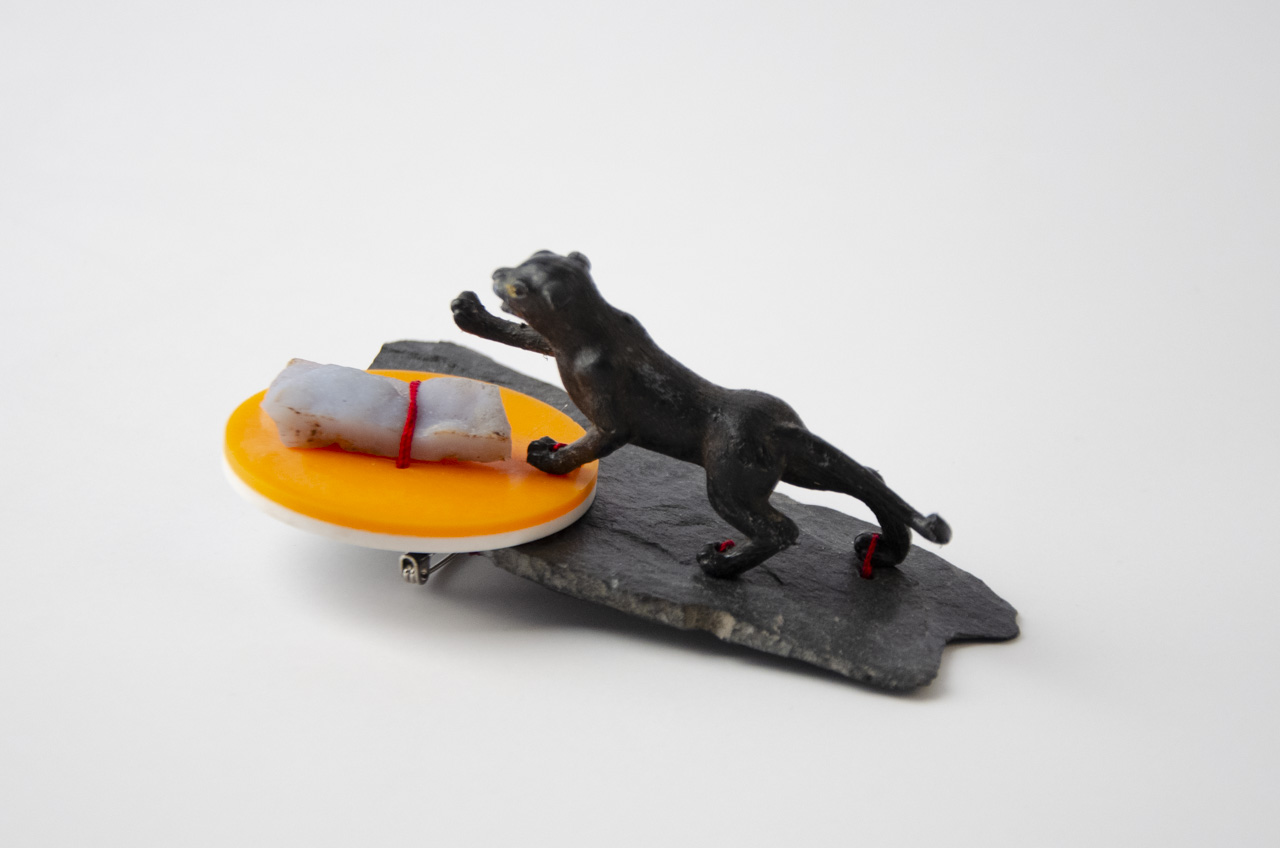
Collage is another aspect of my practice. I’ve found so many objects that at some point they started to come together on their own. Some of these objects have such beautiful traces or innate associations that they aren’t really suitable for replicating.
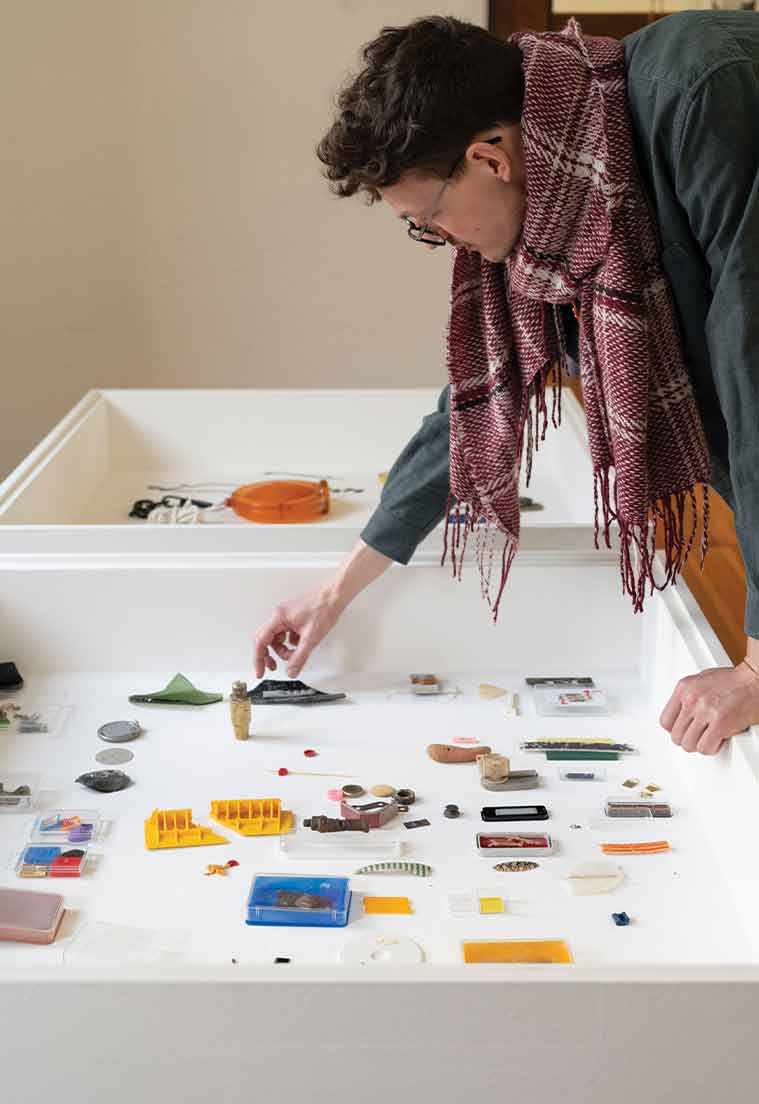
During a residency at Villa Bengel in Idar-Oberstein I had the opportunity to display and work with my entire collection. Seeing all the objects in the white cubes of the gallery space allowed them to create their own narratives, with me as a mediator. This allowed me to create brooches and jewellery pieces with a huge variety in materiality. It was very cathartic for me to give these scattered objects a new life in an entirely new context.
Is there a particular piece that changed the way you think about your own practice or the world around you?
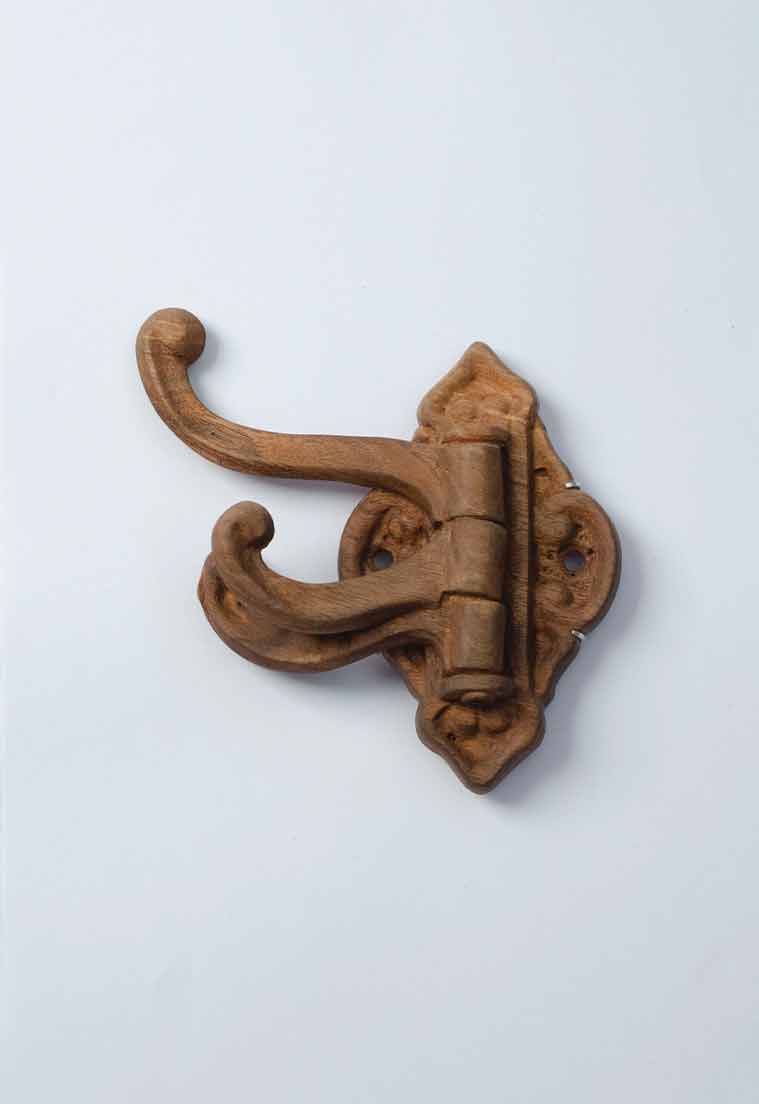
The most important piece might be a replica I made of a cast iron coathanger. I’d had it for over 12 years at the time, it was left on the wall in my first student room and has been in my peripheral ever since. It’s an ugly thing with bubbles in the iron, wobbly articulating arms and rough ornamentation. In working on the replica I got to know new things about this object even though it’s been around me for such a long time. The original is beautifully imperfect and capturing all those details in the wooden replica brooch was a great challenge and an homage to those beautiful faults.
How do you organize or archive the objects and replicas you create? What does that process look like behind the scenes?
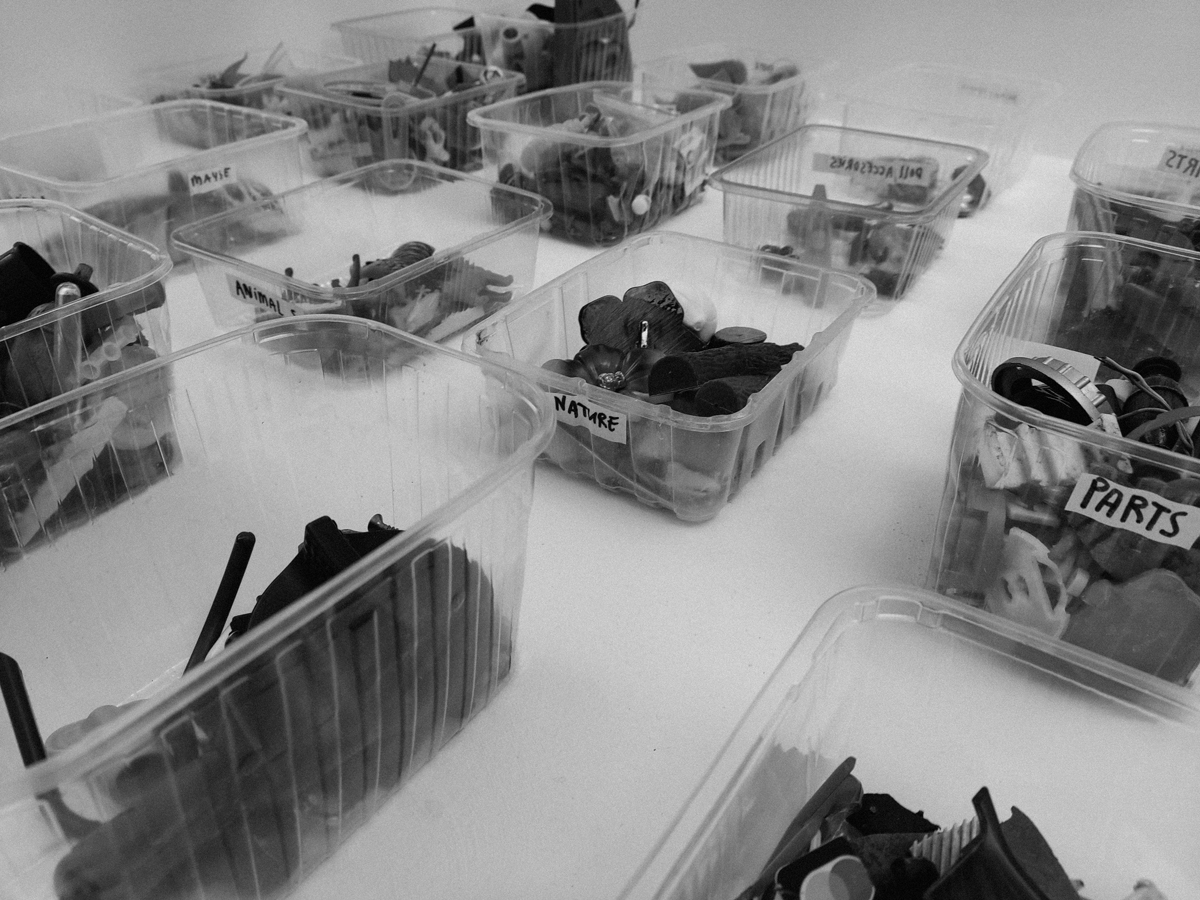
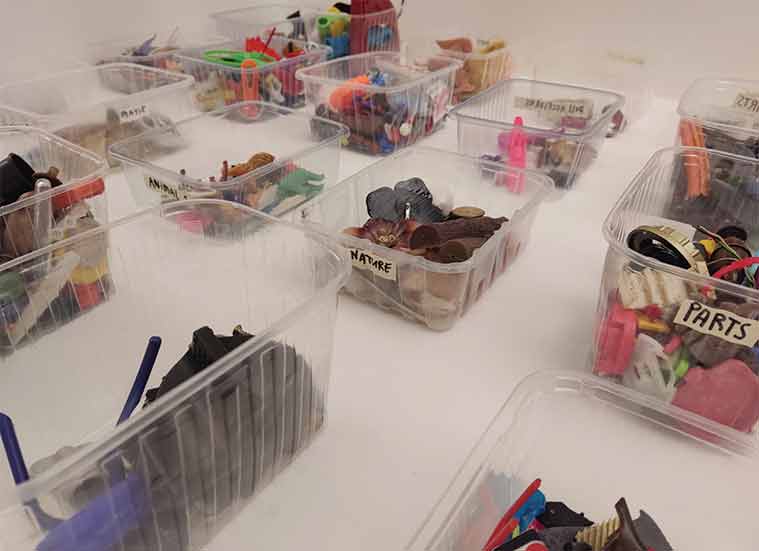
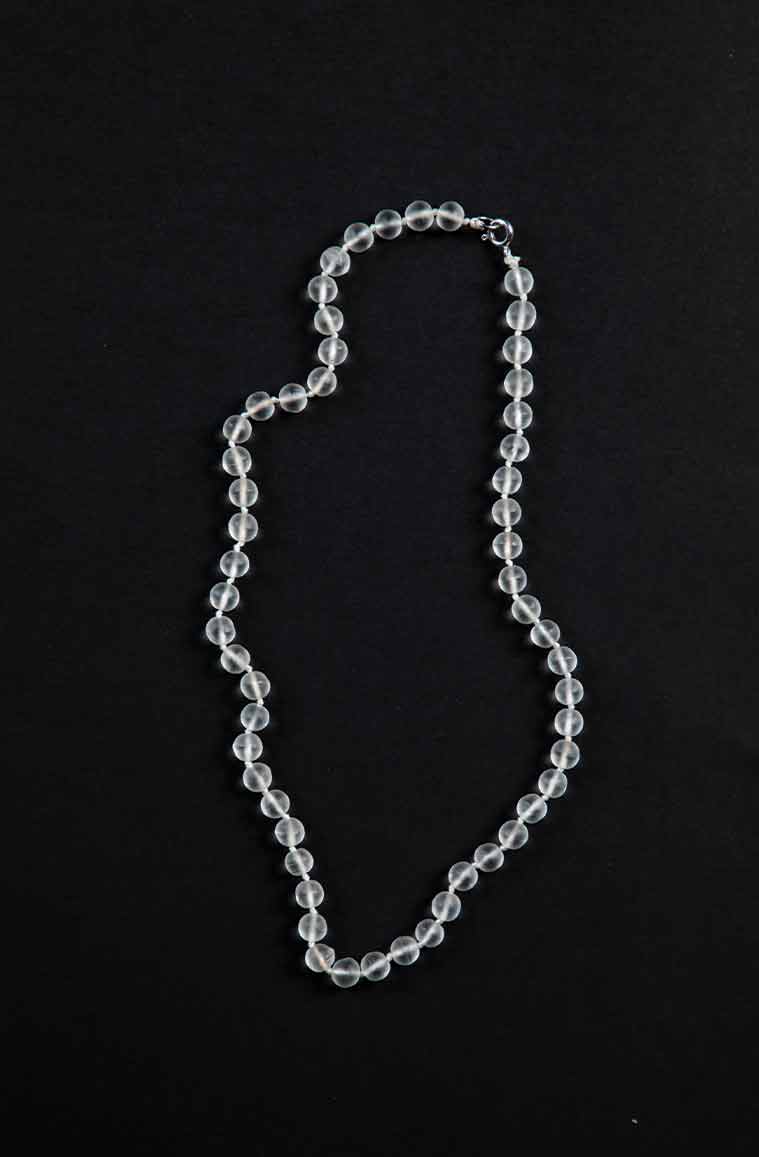
Archiving is a huge part of my work. The first thing that happens is a bath for all the objects, cleaning of dirt and sand, washing the necklaces I buy in thrift shops. Then the necklaces get taken apart and every unique bead gets put in my archive.
Organising the rest of my archive is more tricky with many different categories of objects, materials, sizes and shapes. It’s an ongoing process of finding the right way to categorise and separate the pieces.
Outside of this, what keeps you going, or what would you like people to know about you?
My fascination with these objects is endless. There’re so many that I still want to explore and work with, to understand them, get closer to them. And my collection is still growing… I feel completely in my element when I’m in my workshop, so I’m happy to spend whatever time I have there.
Where can people see your work or get in touch with you?
You can find me on my instagram page: @eriklijzenga and on my website: www.eriklijzenga.com
I’m also featured in several galleries and collectives in the Netherlands, Belgium and Shanghai.