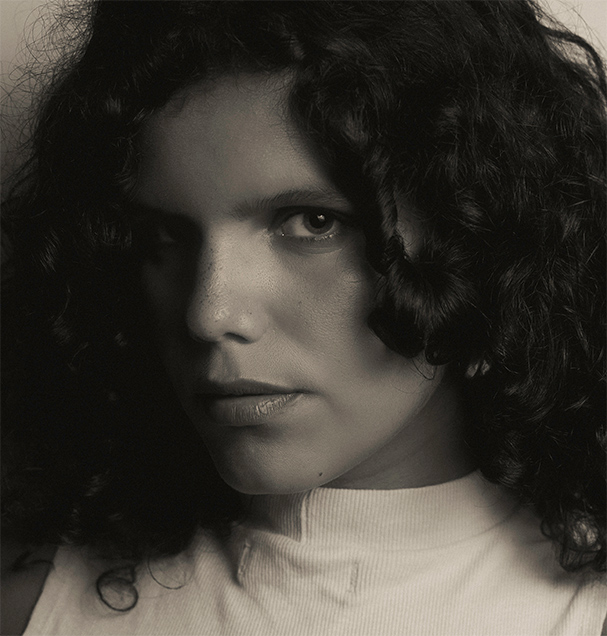
Fernanda Liberti
What’s your name and where are you from/based?
My name is Fernanda Liberti. I am carioca (someone who was born in the city of Rio de Janeiro) and I’m currently based between London, Athens and Rio.
Can you describe your practice in a few words?
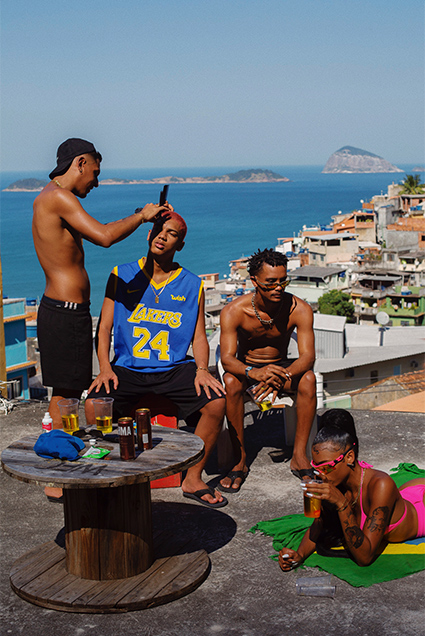
My practice is a kaleidoscope of my own curiosities and experiences—a love letter to those who comes in front of my lens—and a record of the lives of women, diasporas, and queer people of my generation.
Growing up, what early experiences inspired you as an artist?
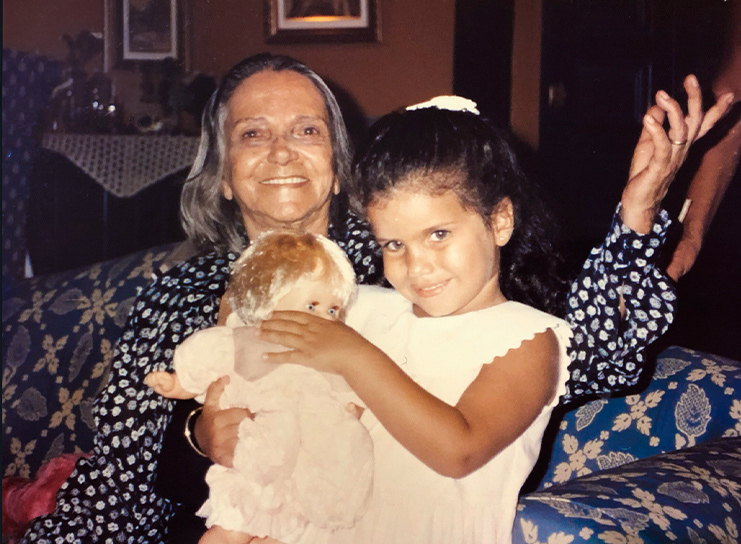
I was fortunate to have my great-grandmother in my life until I was 15 – she was my biggest
inspiration, the first artist I ever met and the reason I became who I am today. A fashion designer and seamstress, she used clothes to transform not only her own life, but our entire family’s. From an early age, she showed me how creativity could empower woman and create change.
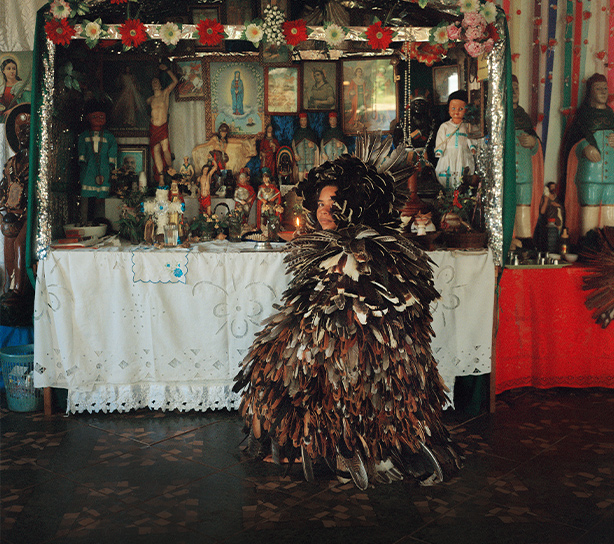
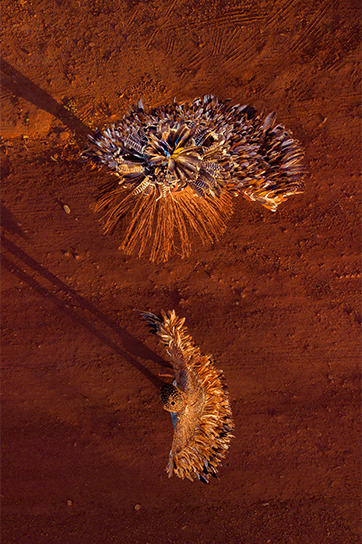
Your MA project, Dancing with the Tupinambá, captured the revival of a sacred feathered cape crafted by Glicéria Tupinambá. How did this transform your understanding of cultural memory and storytelling?
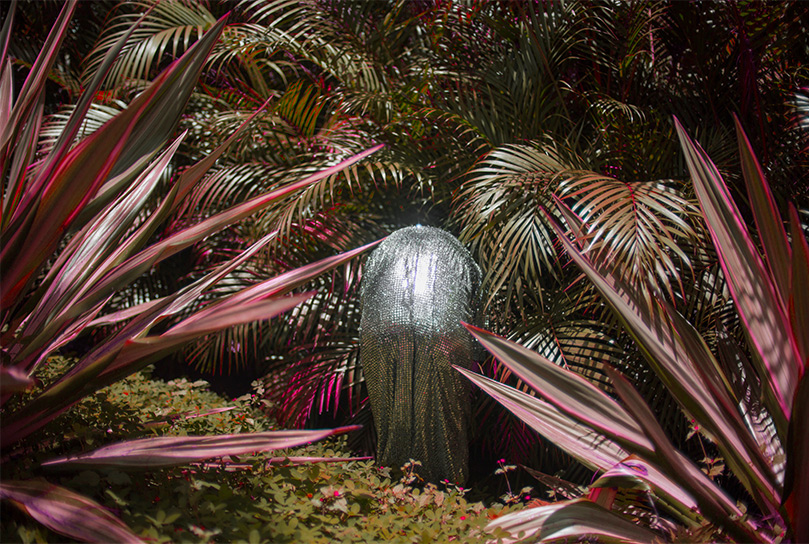
My experience with Dancing with the Tupinambá cemented my understanding that culture is always alive, it cant be killed or destroyed. It doesn’t matter how many years have passed by, objects have soul and meaning, and nothing is truly lost in this world – it transmutes, it hides, sometimes it might become only a whisper in the wind, but if you tune your ears enough, they will speak to you.
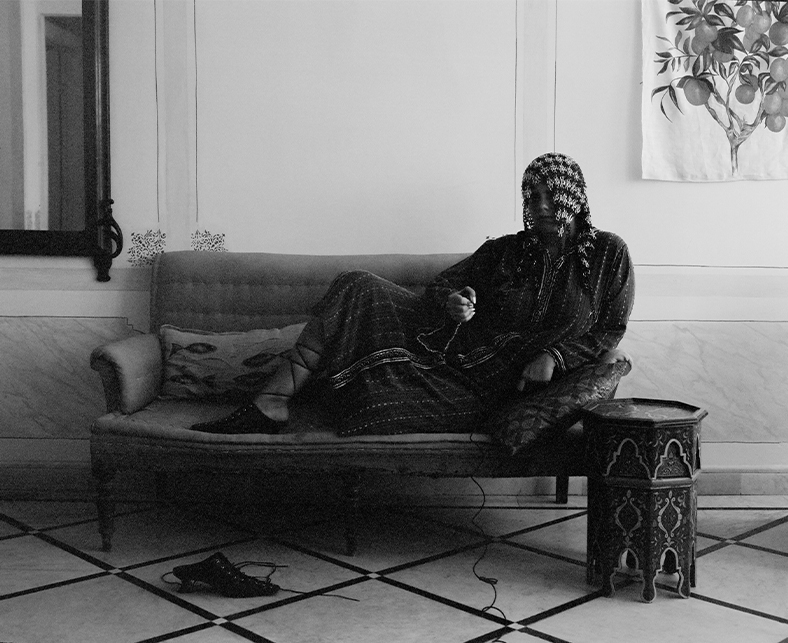
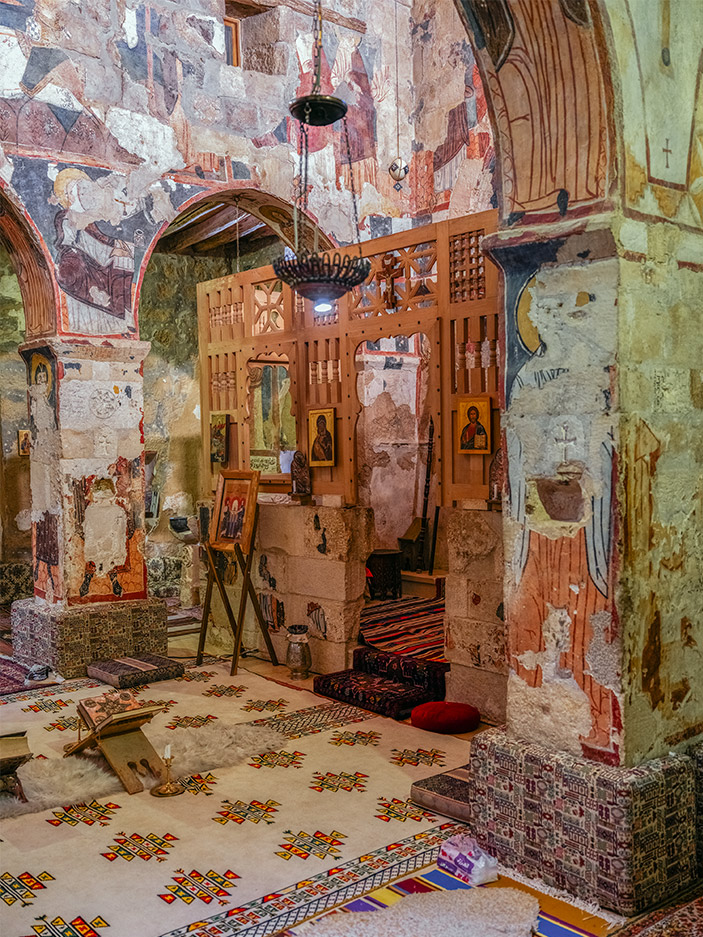
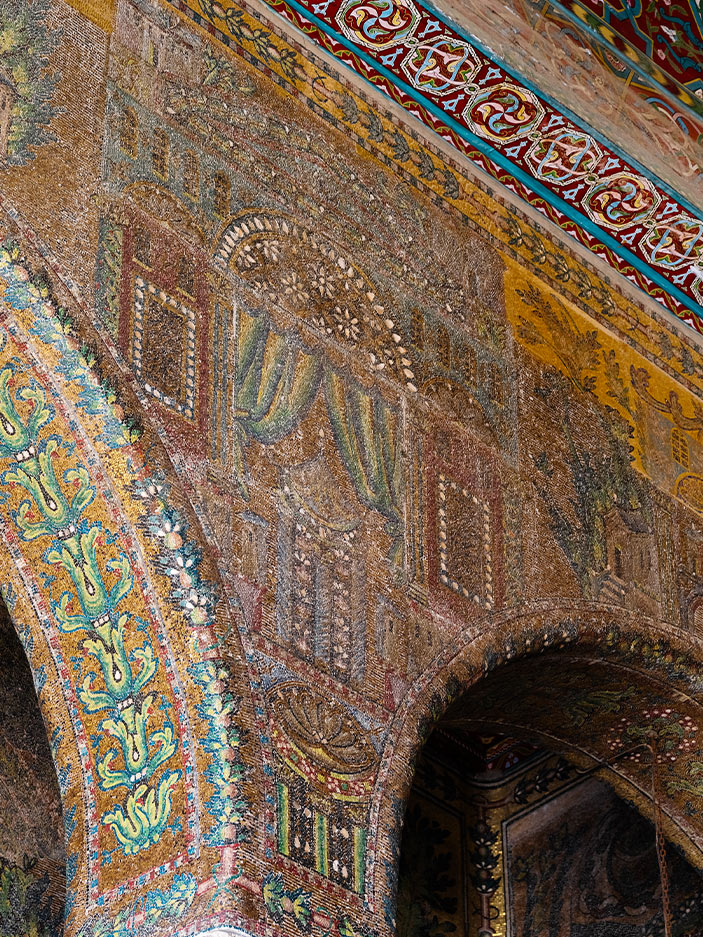
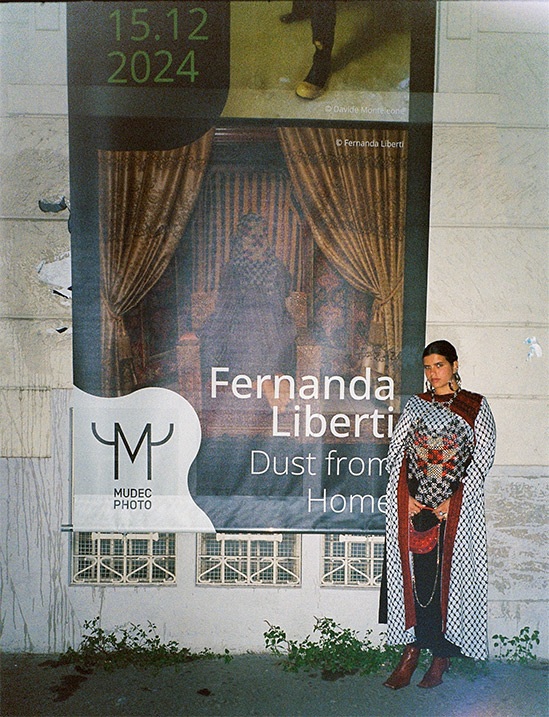
Dust From Home traces your Syrian and Italian heritage, weaving together archival pieces, personal encounters, and histories. What made you feel like the time was right to take this journey now?
Working with Glicéria deeply moved me, and her mission to reclaim what was lost in her community led me to reflect on the erasures within my own family and heritage. That reflection gave birth to Dust from Home, rooted in the desire to reconnect with forgotten parts of my story and heritage. Timing was essential, as visiting Syria had been a long-held dream, but the war made it impossible for over a decade. When conditions finally became more stable, I was able to go, but the journey and logistics was far from simple, specially because I visited in the last months before the fall of the Assad regime. It required spiritual consultations through Ifá divination, astrology, tarot, offerings, and, ultimately, a great amount of divine protection.
Was there an unexpected moment from your experience in Syria that has stayed with you ever since?
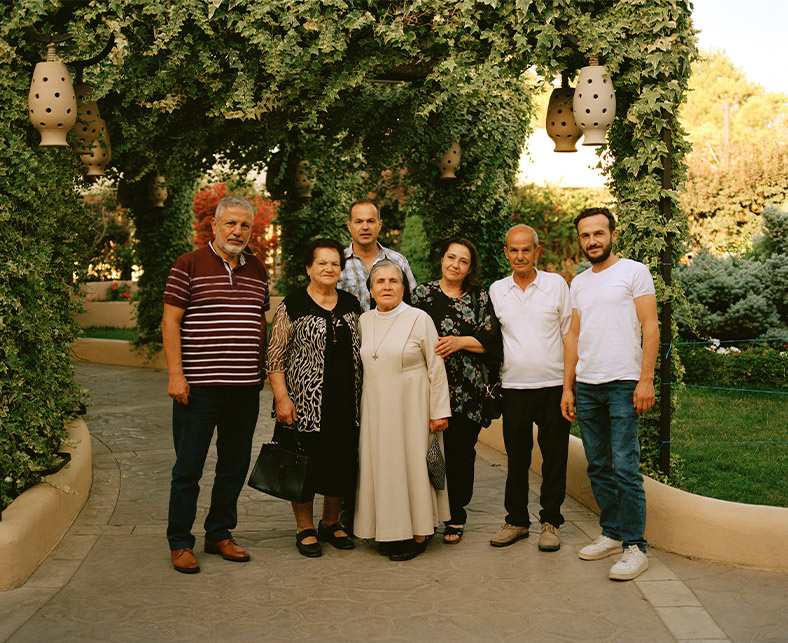
The whole trip to Syria is and forever will be engraved in the most precious parts of my heart and soul – I will never be the same, in the best way possible. But what stayed with me most, and what I never expected, was finding family there. My relatives in Brazil were certain no one was left, partly due to lack of information, partly to protect me and my expectations. I had always dreamt of having a big family and now, that dream is real.
What started as a personal search became a broader exploration of Syrian cultural heritage, what do you hope people carry with them after seeing it?
Due to the dehumanisation of Arabs — especially after 9/11 — Syrians were left to die by the West, forgotten from existence except in violent headlines or when they appeared at foreign shores seeking safety, often unwelcome. What I found there were some of the kindest, most generous, inspiring, educated, and resilient people I’ve ever met. As a woman, I never felt safer or more respected, always surrounded by protective and caring souls, even when we couldn’t share a language. I hope people carry with them the understanding that refugees are just like them: human beings who’ve lived through unspeakable adversities. There’s still a huge stigma around them, and I hope others realise: this too could happen to any of us.
Between the collaboration with Glicéria and the archival journey for Dust From Home, how has photography become a tool for reclamation for you?
Historically, photography has been a tool of colonial violence — a means of imposing narratives and expanding the concept of “otherness.” It has often served to exoticize, objectify, categorize, and control, rather than to foster understanding or connection. I strive to counter this legacy by making my photography a space of belonging, care, power, and authentic expression. Photography has opened many doors for me – not only allowing me to travel the world but also empowering me to reclaim my story and challenge the narratives imposed on others.
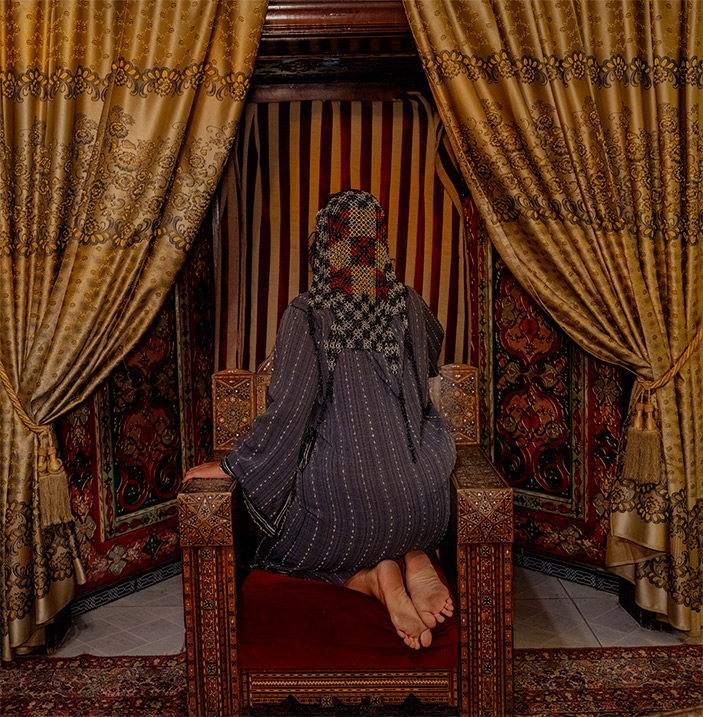
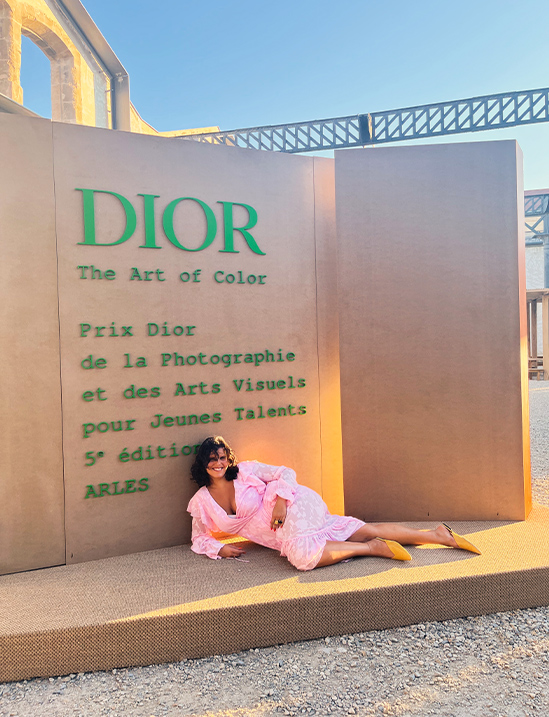
Your practice earned significant and deserved recognition, being selected as a Dior Laureate, winning the British Journal of Photography Award, and the Deloitte Photo Grant. How have these platforms shaped or influenced your work?
I am extremely grateful for all the recognition I got, and there’s a quote I live by: “When success knocked on my door, I was already working.” Before Deloitte, I received recognition for work that was entirely self-funded. Winning their Photo Grant was a turning point: it allowed me to upgrade my equipment, travel to Syria, and provided guidance to bring my ideas to life, supported by an incredible team. It was the first time I started a project with a guaranteed exhibition in the end, which is incredible but also adds an extra layer of pressure. That said, I started taking photos when I was 14, and it used to take me four hours by bus just to attend my first photography course. That experience shaped me far more deeply than any platform ever could.
Do you approach the storytelling in commissioned work differently, or is it guided by the same personal and reflective qualities as your own projects?
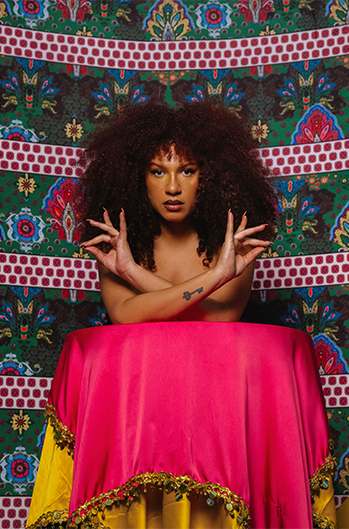
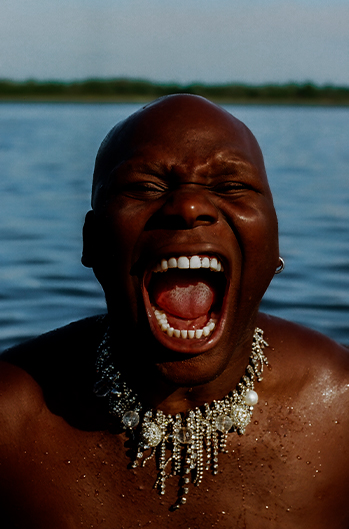
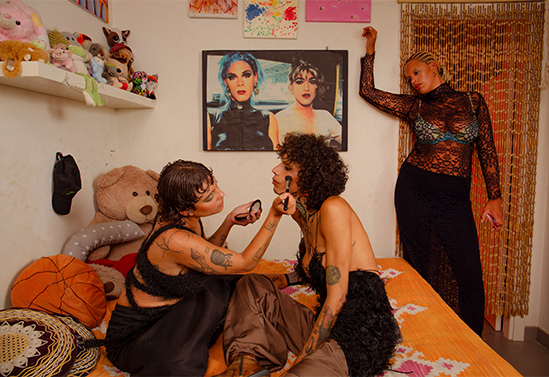
My work has always been focused on uplifting minorities and portraying them in positions of power, pleasure, and success. I’m fortunate to collaborate with clients who understand my vision and values — they don’t ask me to compromise them, but rather hire me because of them.
As an associate lecturer at UAL, what do you hope to impart to your students?
I hope to inspire my students to pursue their deepest curiosities and face their darkest fears, to be open to the unknown and to really dive into their soul in order to create works that are relevant to them and others. I don’t want them to always provide answers, but to ask questions. I want them to have powerful voices and to be vessels of change.
Are there themes you haven’t explored yet that you’d like to look into next?
Religion and spirituality are very important in my life, and more than ever I want to bring those themes into my work. I wish to expand my practise beyond the photographic and thats the moment I am now – experimenting with painting, installation, sculpture, embroidery and more.
Where can people find you?
I can be found in the intersection of consciousness, but also on my website wwww.fernandaliberti.com, instagram @libertife. I have many exciting projects coming so follow to be updated.