George Richardson
What’s your name and where are you from/Based?
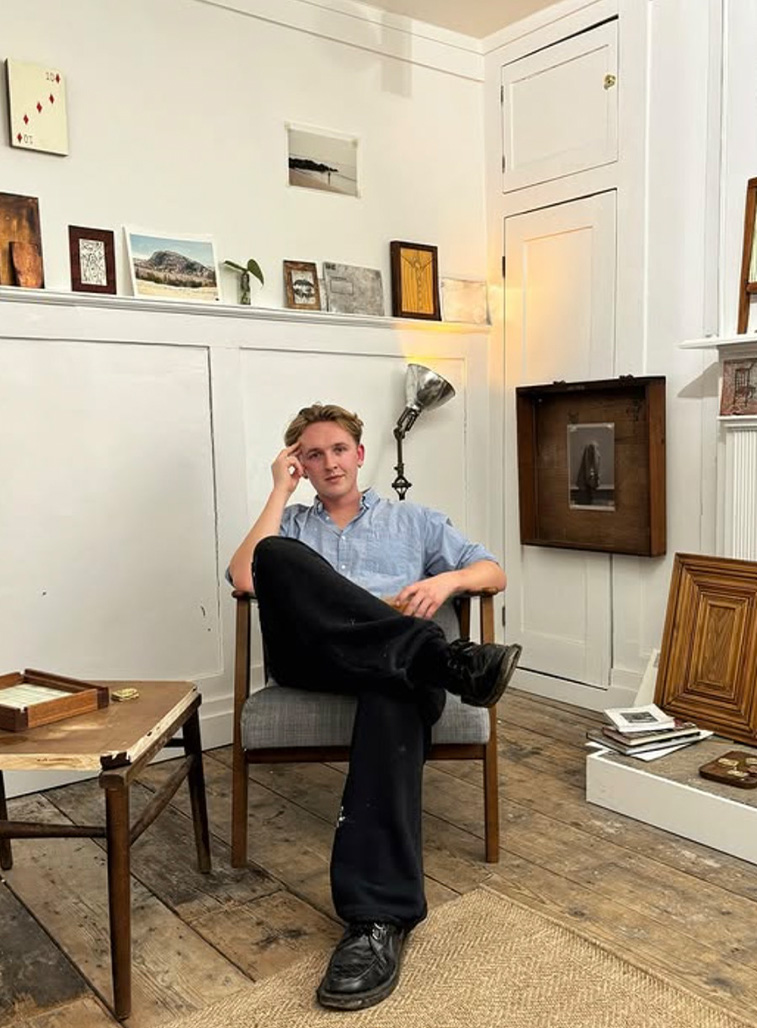
My name is George Richardson. I am artist based in London, my studio is with Sarabande Foundation up in Tottenham where I have worked for the past couple of years. My family all come from Winsford, Cheshire but I was born in Cheltenham, UK where I lived until moving to London to study.
Can you describe what you do in a few words?
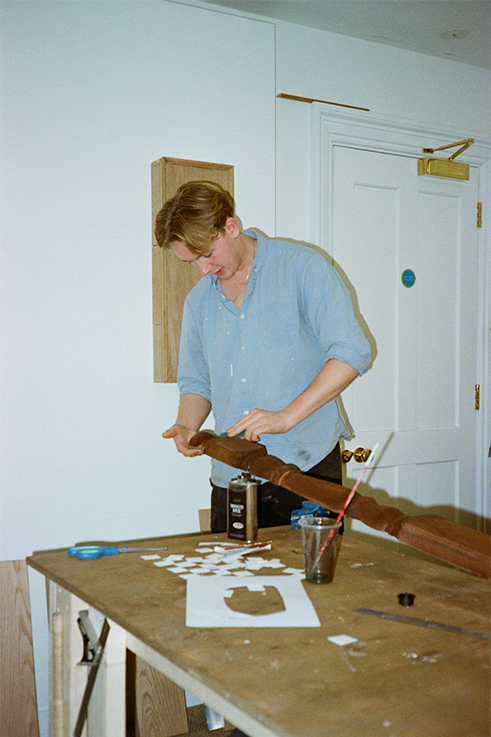
I’m a sculptor, working out of my studio at the Sarabande Foundation. My work is quite varied and my practice is a continual questioning and re-imagining of the world around us. I work across a lot of different materials and mediums, and I like the idea of being guided by what I’m using. I don’t believe there are any neutral decisions in sculpture. Every material carries a different consequence or emotional resonance. I try to be a conduit for those ideas to come to life.
You often take familiar domestic or public objects and shift them into unfamiliar territory. What draws you to this?
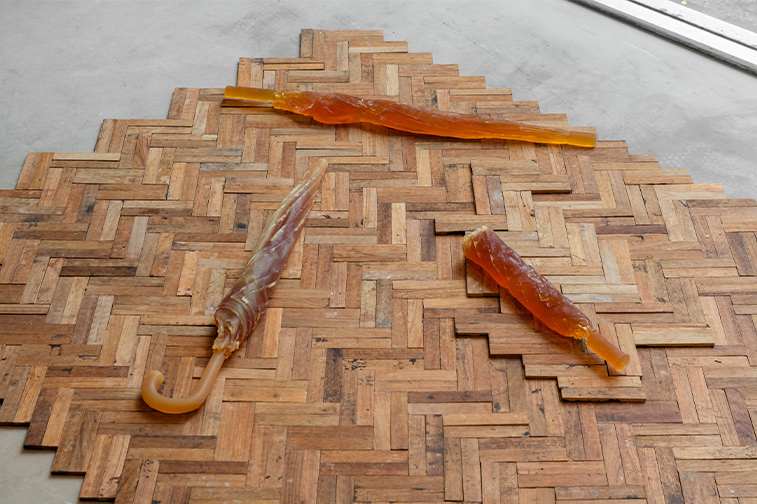
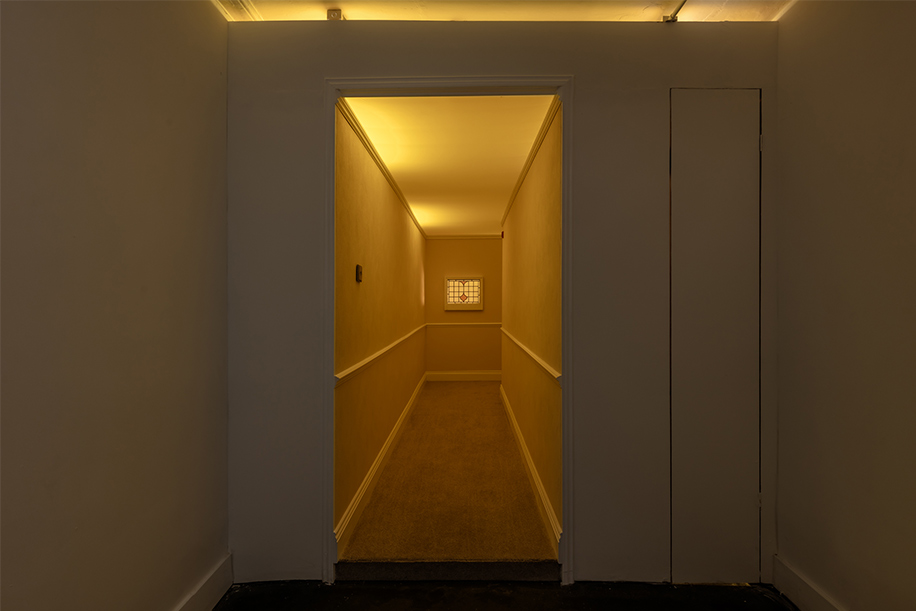
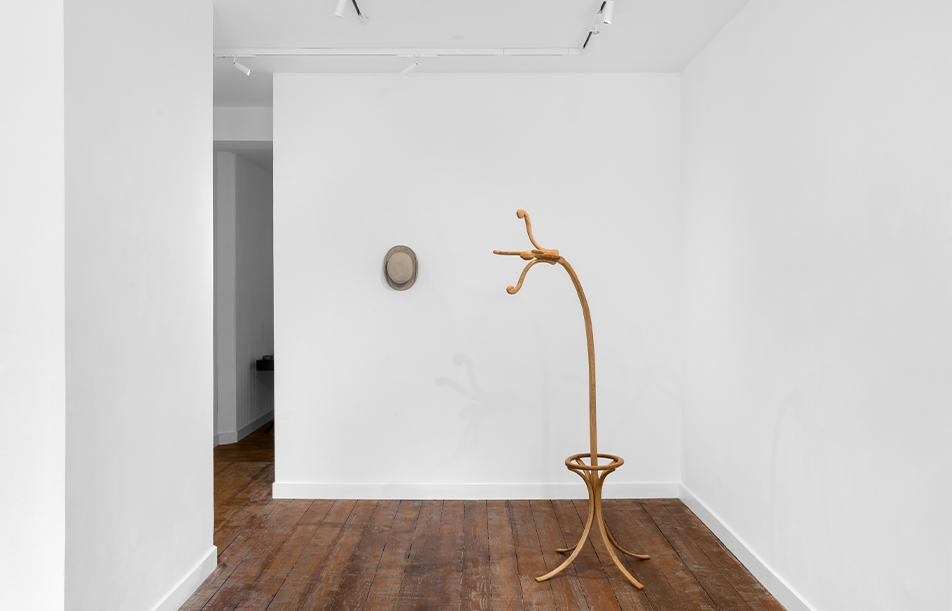
My recent Solo exhibition ‘Twice As Tall In The Rain’ at Pipeline gallery was essentially a re imagined home, split across two floors with a large corridor installation downstairs and sculptures such as a hand made bendy hat stand, soap carved umbrellas and concrete bowler hats upstairs.
I am often drawn to objects from everyday life as I like to re-imagine or re-think them sculpturally. To shift the material or form of an object is to distance it from its reference point, allowing an object to question the world its part of. One of my favourite books is Richard Wentworth’s ‘Making Do and Getting By’, a photographic collection of accidental sculptures found and documented on walks around London. In this book objects are usually being used for the wrong purpose, teacups holding open windows and so on.
Do you think uncanniness is something you construct, or something that emerges from the materials themselves?
I remember first reading about Freud’s concept of the uncanny when I moved to New York to study sculpture in 2018 on exchange at Pratt Institute. It was the perfect time to find a text like that as I was having first ever experience of living in a new country and I was creatively lost before I went there, suffocated by fear. Through being in this new context my world opened up as I started making my first casts and sculpture works and I met myself and my work anew.
To answer the question though, I think uncanniness is aptly unpredictable in where it emerges from and the most likely source is a combination of thought and material construction of a scene or object. An uncanny material is only noticed by somebody who is willing to engage with it.
You ‘change the material or form of an object.’ In your work, how does material exist separately from an object’s original function?
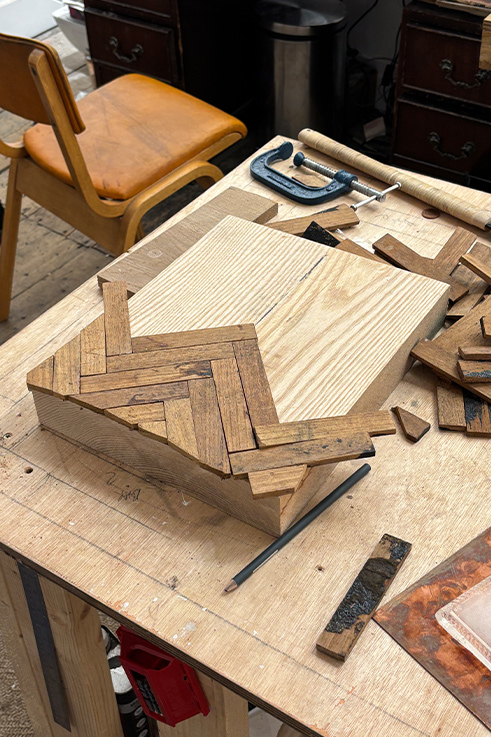
My practice is guided by materiality. Whatever my chosen media; wood, metal or soap, the emotional resonance and memory imbued in the material is carried through to the final object.
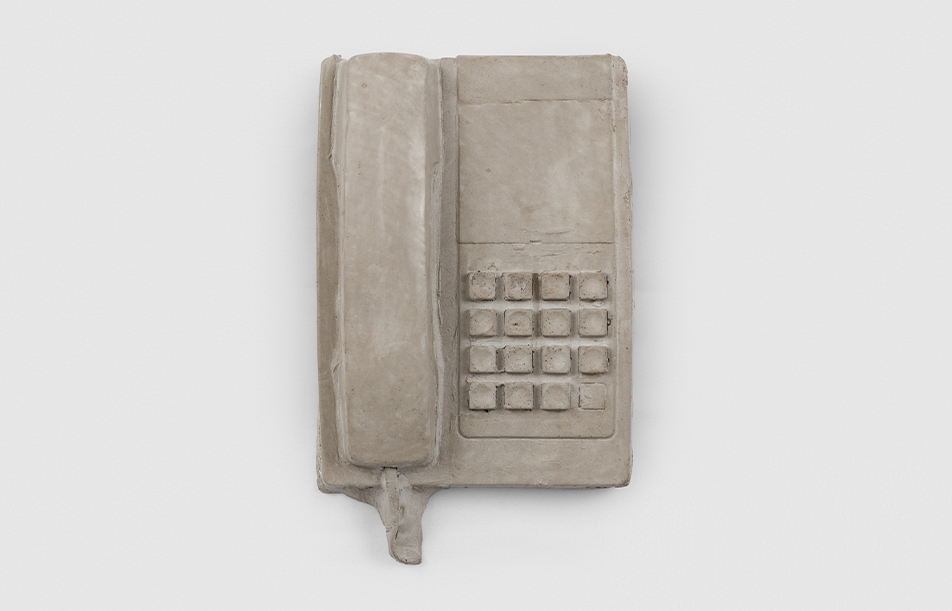
I do a lot of casting which leaves you with only the form of a subject, often removing its function. Through removing the ‘use’ of an object it subsequently occupies space differently. We often understand objects through their purpose to us and through removing the function, the object is no longer ‘for’ you , it just is. This moment can be quite confrontational as to really engage with a work it requires the viewer to look inward and understand that the way we see through our eyes is so affected by our knowledge and understanding.
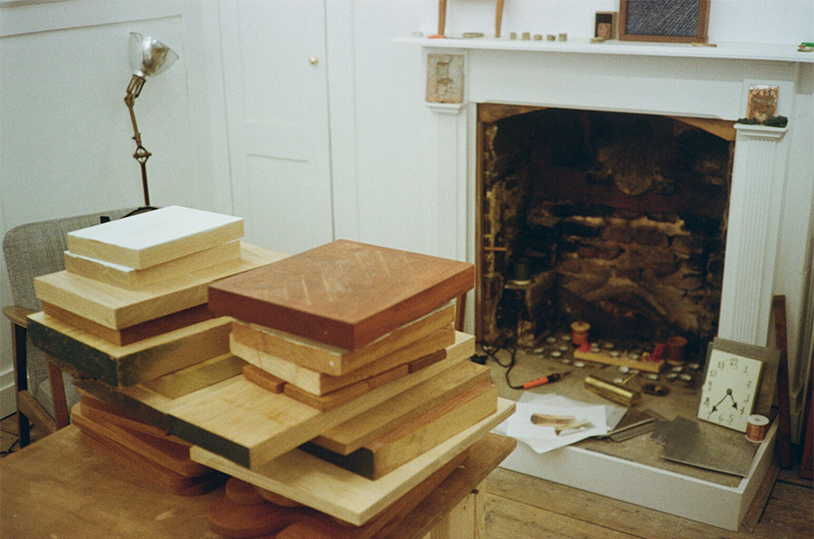
I often work with concrete, wood, soap. Each material occupies space and relates to time and memory differently. I’m always asking: how do I deal with this material? Often the material gives you its own limitations. My practice involves listening, not just to the idea, but to what the material tells me. My studio is like a mad laboratory. I’ve always got more ideas than I have time.
What are liminal spaces to you and how do they fascinate you?
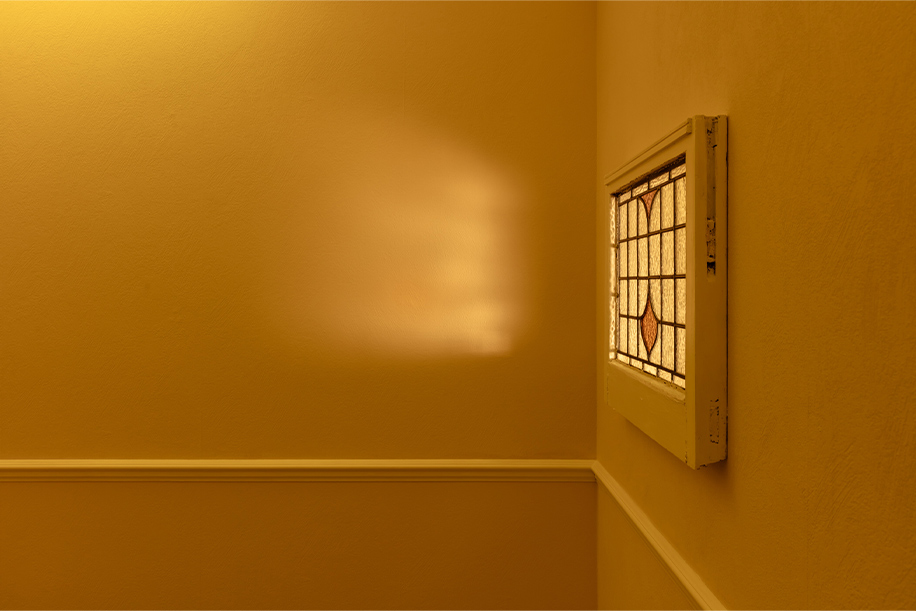
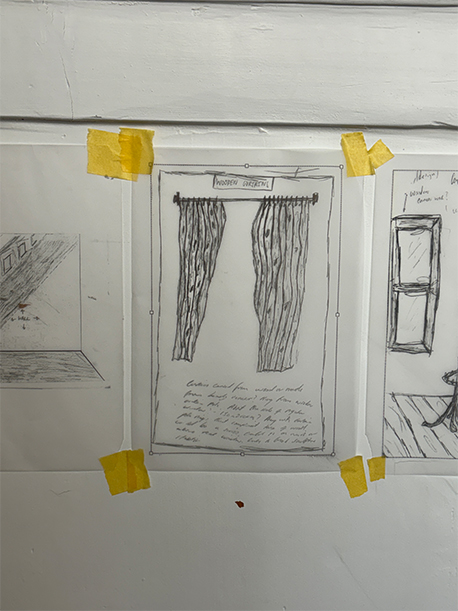
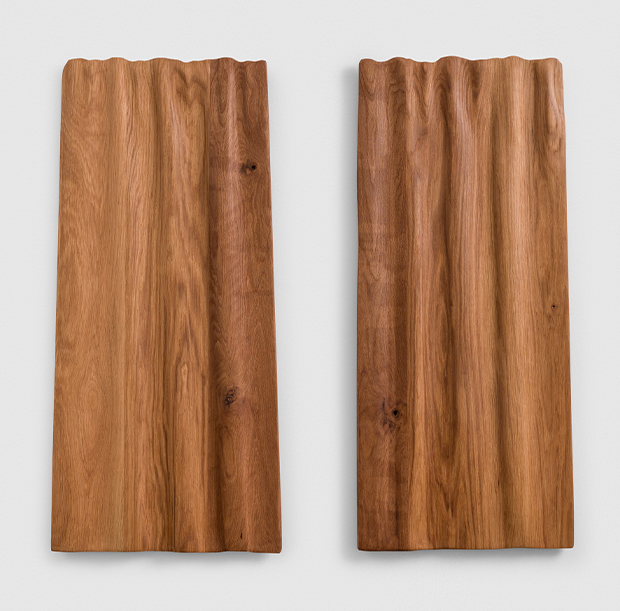
I spend a lot of my time in liminal spaces, particularly on the tube, being between point A and B. This time is usually quite productive and I get a lot of sketches done if I can resist the urge to mindlessly scroll instagram. My understanding of liminal spaces is that they can be physical and psychological spaces of being ‘in-between’. For my recent solo show I made my largest ever installation, a five metre long room in the basement of Pipeline named ‘The Corridor’. I also made a corridor at the Slade too but the recent one was built entirely from scratch after existing as drawings for two years. This work was a surreal liminal space, with a victorian stained glass window hung above a modern carpet, old fashioned magnolia drenched wallpaper and cast concrete and soap light switches. Corridors are transitional spaces that bodies only ever usually pass through, rarely stopping, connecting different spaces and rooms, I see a connection between these spaces and metaphors for chapters of life, being in-between one and the next.
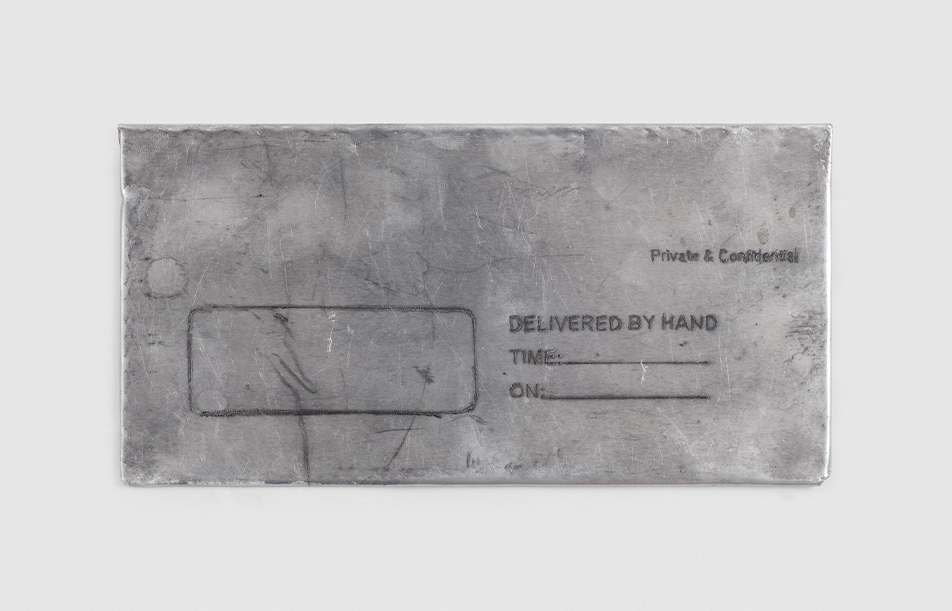
Your titles and writings are poetic, often melancholic, It’s Not The Grey That Hurts, It’s Wishing For Blue is a striking example. Do titles and writings come early in the process, or only after the work unveils itself?
Funnily enough, the work you mention ‘It’s Not The Grey That Hurt’s, It’s Wishing For Blue’ is the only work I have ever titled before making. I was on the phone to my mum in February this year we were talking about how it’s always raining in the England and she told me to learn to love the grey. I thought this was so wise, because if you’re only happy here when it’s sunny, you’re going to have a pretty bleak time. Perspective is key in life.
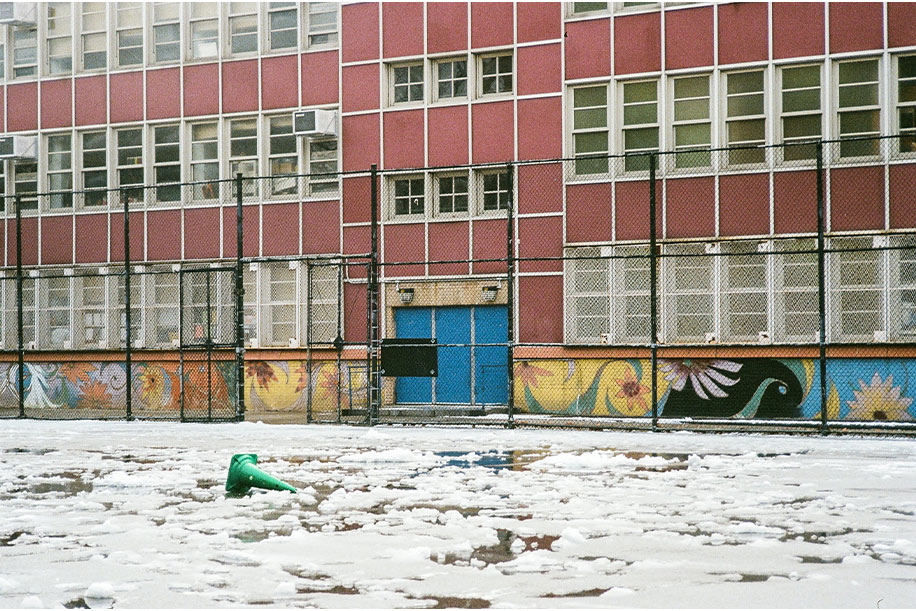
Usually my titles come right at the end and I have to look at the work to find out what it should be called. I am not a fan of leaving them untitled, I think it’s often lazy but I equally hate overly descriptive titles that ruin the work. My perpetual scepticism around titles usually makes the whole ordeal quite a tumultuous time. I write all of the time, pretty much every day and so I can usually find a line or two that can work from my sketchbook. For instance, the name of my solo show ‘Twice As Tall In The Rain’ came from some writings I had been working on to do with puddles and reflections of the body, this idea that practice can be a bit like a shadow to the self, connected but always distant and somewhat distorted.
You’ve said there are no neutral decisions in sculpture. What does this mean to you?
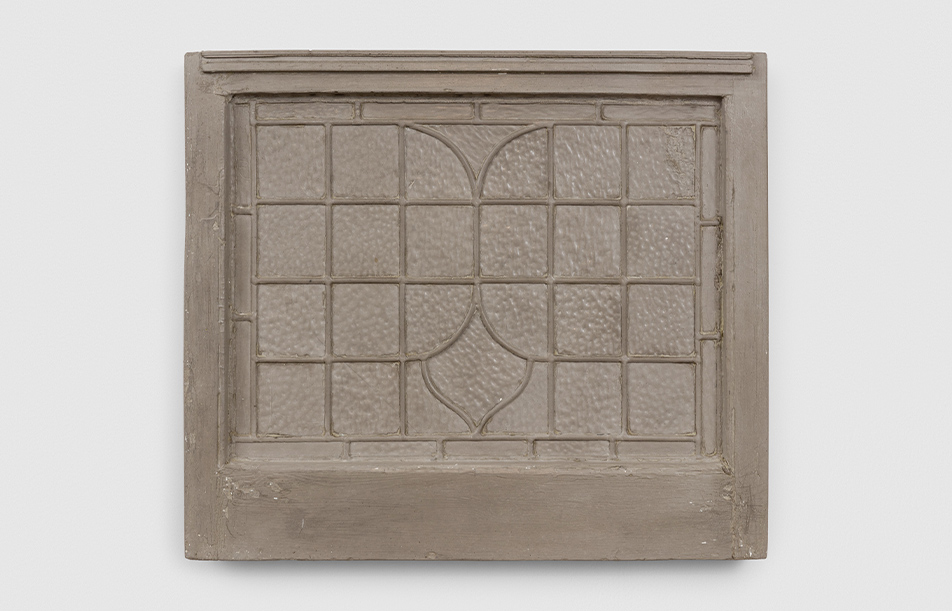
I sincerely believe that there are no neutral decisions in sculpture, every material, choice and symbol holds a cultural or emotional resonance that can be located to its historical or contemporary context. As a sculptor who often works with familiar objects, I see it as my responsibility to be aware of this and also to play with, to use to generate new works and ideas.
Is there something you always do at the start or end of your studio day, even if it’s small or subconscious?
The end of the studio day is always better than the start. I am not a morning person my usual studio hours are from around 11am-11pm (on a good day I might be in for ten o’clock).
I am creature of habit so I could talk for a long time about this. I start every studio day with a brew. I can’t function without it. This is nearly always accompanied by a couple of biscuits from the jar. I absolutely love this moment of the day, taking a calm second before the chaos, emails and dust.
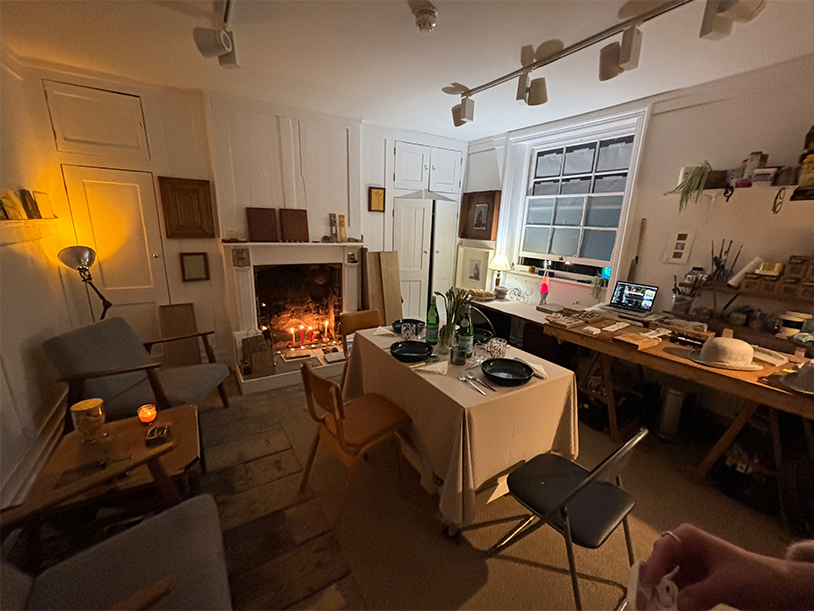
In terms of the end of my studio day, there’s two answers. The real end of my studio day usually isn’t so romanticised and often involves me going back a couple of times to make sure I have locked the door. Anxiety aside, I love evenings in my studio. I often work late as the best part of the studio day after of the days admin, chatting and digesting is done and I can be alone with my work, more able to focus. I do often take a picture of the studio just as I am leaving too, maybe to see how productive I’ve been or perhaps to collect a memory of the day.
What would you love your next solo show to feel like? a continuation, a disruption, or something entirely unexpected?
That’s a big question. My recent solo show was two years in the making following my Slade degree show. I left a lot of what I knew in order to make the last show and I feel now that I have laid foundations that I am happy to walk on.
The nature of my work is always changing. I don’t have a strict palette of sorts like a painter might have and my work deals with a lot of different subjects and ideas. My work takes a long time to make so it took me a full year to create the works for ‘Twice As Tall In The Rain’ at Pipeline and I didn’t have much of a life or any weekends for months before. Sculpture,
particularly installation, is totally absurd. An all round, logistical and practical nightmare which is all the more difficult if you’re like me and not wealthy.
That said, I have more ideas than I know what to do with at the moment. These ideas feel like a continuation of my recent works in their scope and materiality but also very new. My Slade degree show looked so different to my solo but I can see so much of the DNA of my bendy snooker cue sculptures in the hat stand that I carved.
Right now I have an itch to deep dive into my research, to glean and gather. This next year I will be part of some nice group shows and hopefully build a great new studio space and then take a year to make my next show! April 2027 would be my ideal time for my next solo.
I have this exciting idea for another corridor installation, but it’s even more difficult to make than the previous one, so I need to sit on it for a while!
Where can people find you?
I have a few favourite places in London. My studio (of course), The Hope Cafe in Highbury and Islington to have breakfast and a brew, served by lovely Sue. Bar Italia on Frith street for a coffee opposite Ronnie Scotts and Bradleys Spanish bar just off Oxford street.
I have a few exciting projects planned for next year that I can share info about soon on my website: www.georgerichardson.uk and instagram: @george_richardson