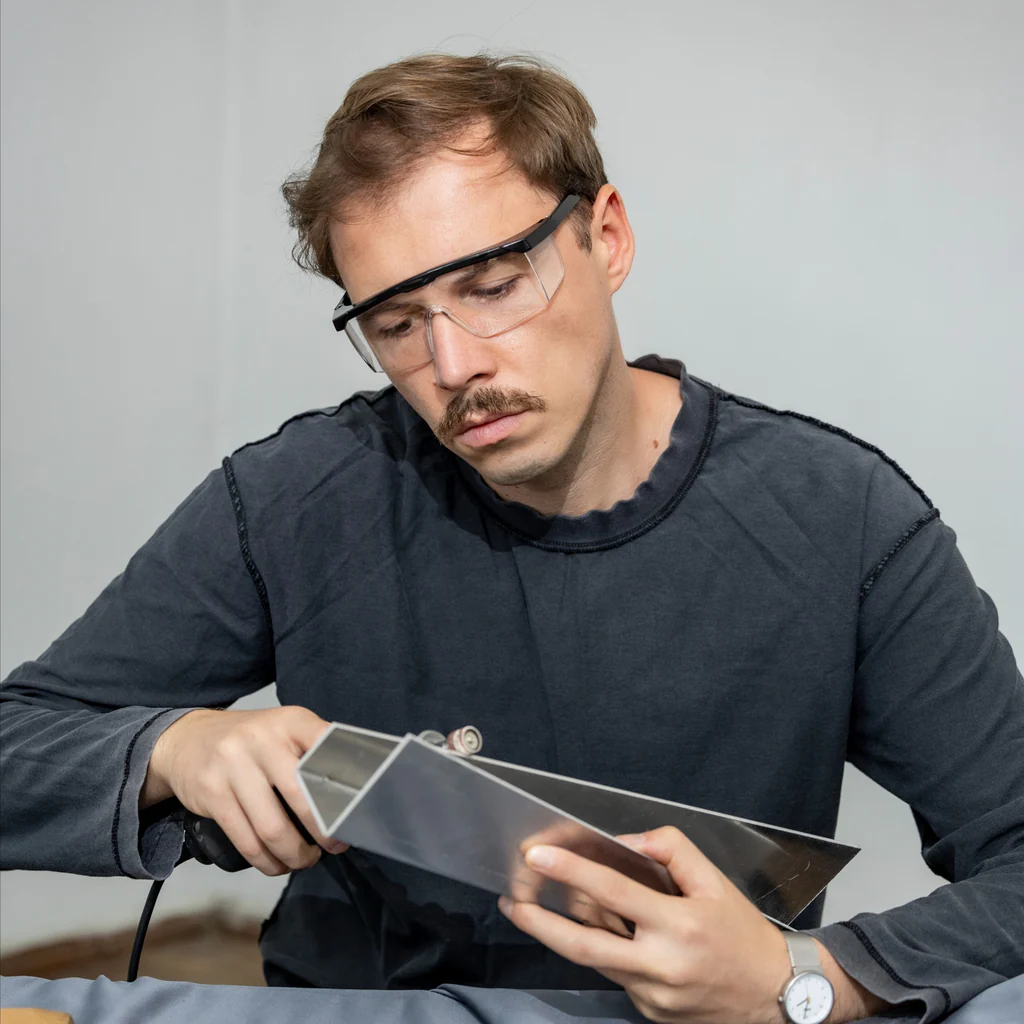
Gypsandconcrete
What’s your name and where are you from/based?
My name is Lado Lomitashvili, founder of Studio Gypsandconcrete, and I’m from Tbilisi, Georgia, where I’m currently based.
Can you describe in a few words what you do?
I move between art, architecture, and design — they all kind of blend together in my practice. When I was studying architecture, I started creating a lot of site-specific installations, and that naturally brought artistic elements into my architectural thinking. Later, when I shifted more towards design, I noticed I was approaching it in a more artistic, experimental way. So now, whether I’m building a space or making an object, it always sits somewhere in between.
Where does the name Gypsandconcrete come from? Does it have a history?
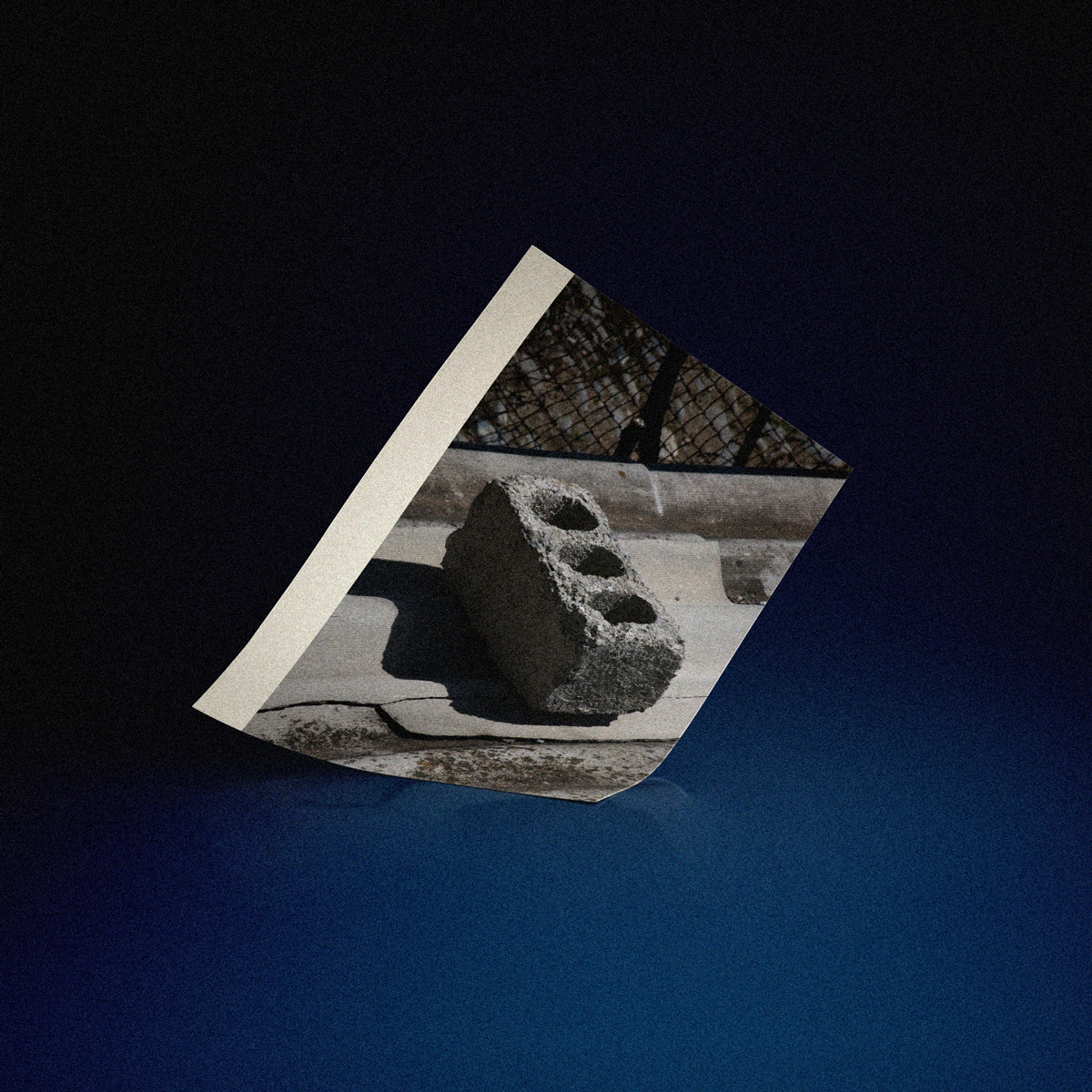
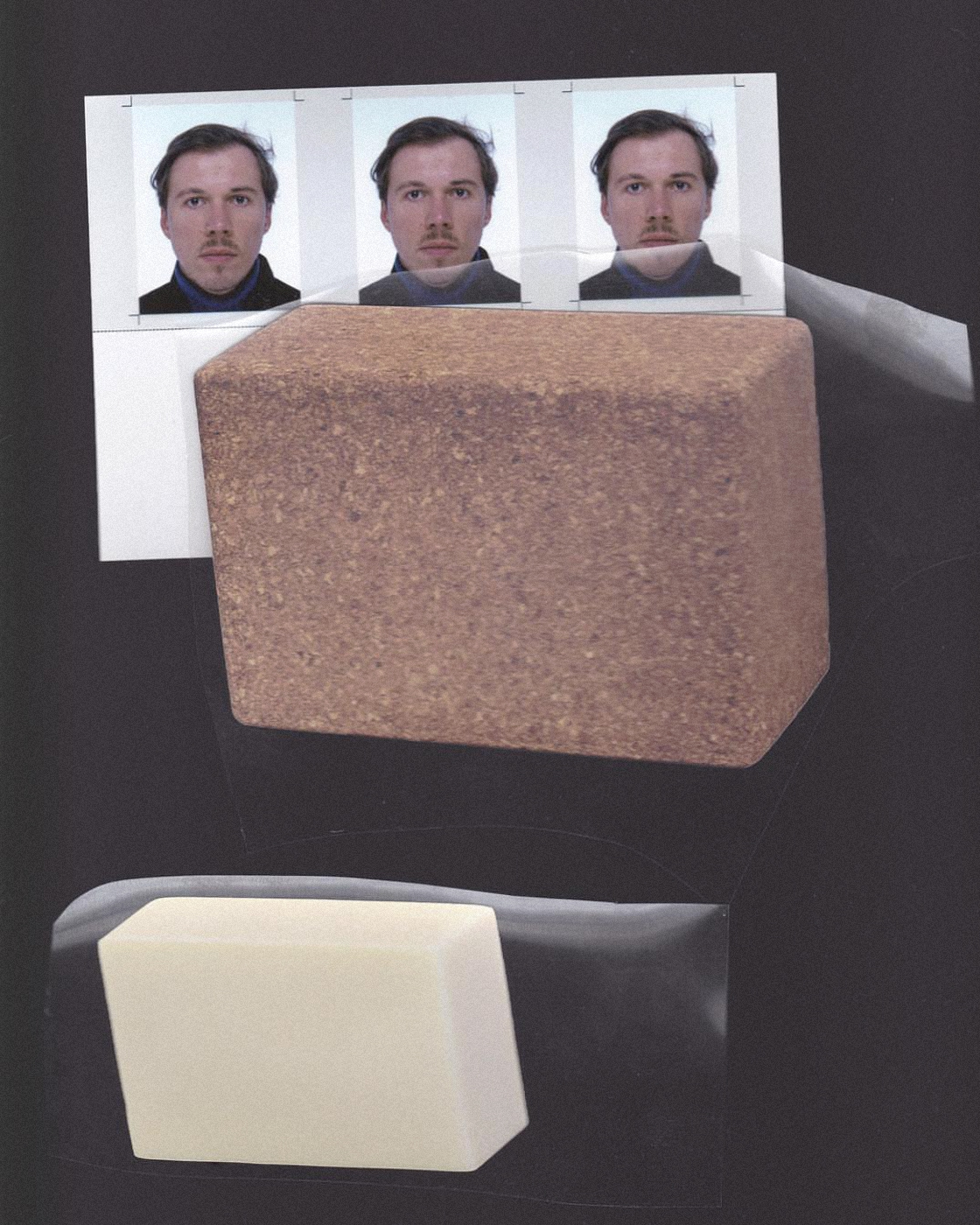
Actually, the name came way before the studio — it was originally just my Instagram username. One day, before I even thought of starting a studio, I was in my workshop and noticed a bag of gypsum lying on top of a concrete block. I just loved that combination — not only visually, but also in terms of how these two materials behave. They’re very different, but they can both shift between solid and soft states. Later, when I officially started the studio, I realized that gypsum (plaster) and concrete are often the two materials I find already present in the spaces I work with. They kind of became a symbol of the raw context I step into before adding my own layer of design.
Your pieces often respond to the spaces they exist in, how do you begin translating a space into an object?
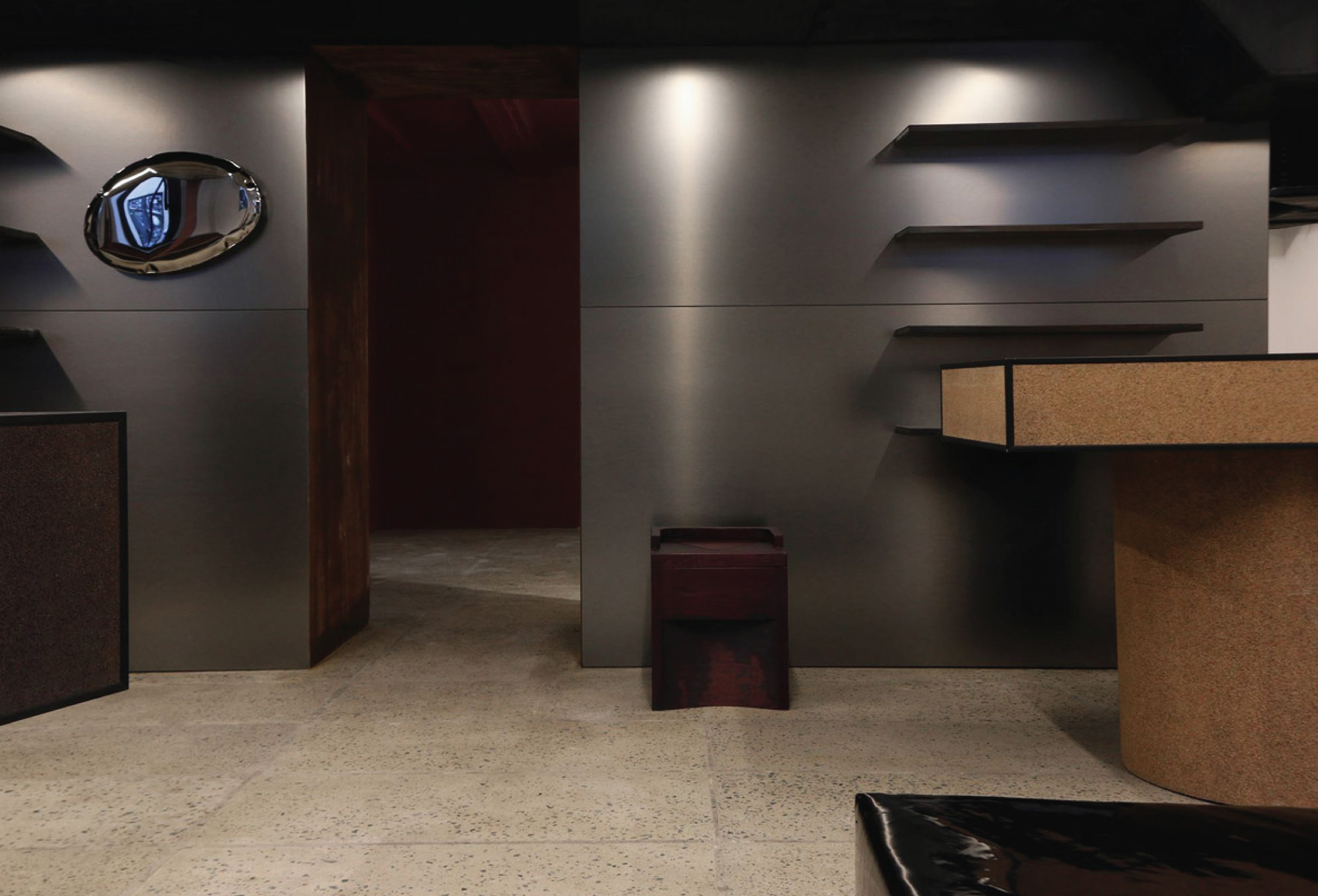
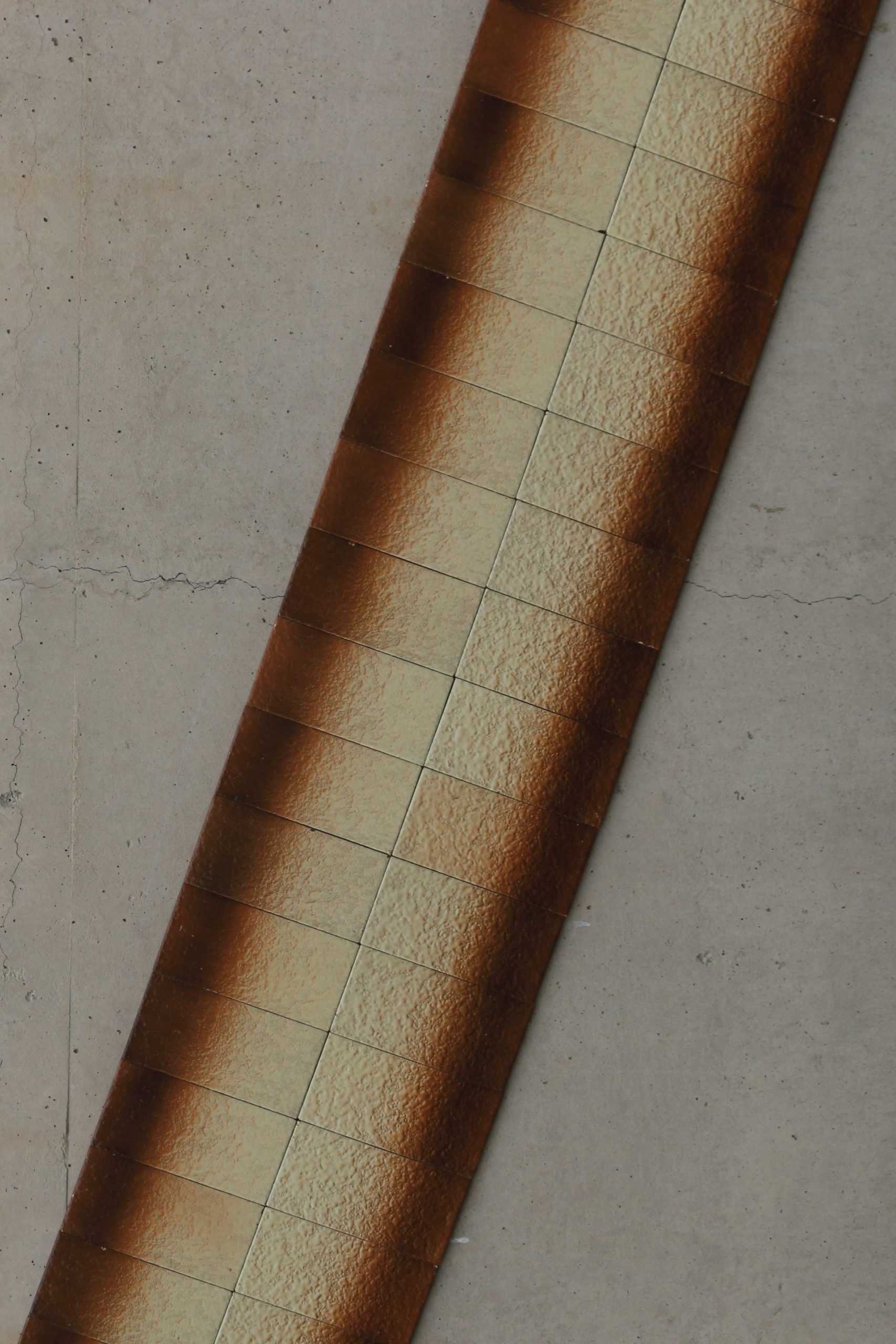
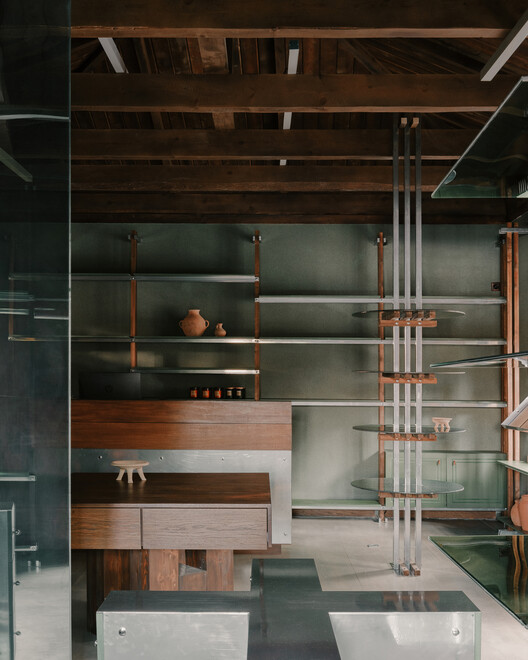
It usually starts with understanding the function of the space — what kind of place it’s going to become. Is it a bookstore, a restaurant, a concept store? That already sets the tone for how I start thinking. Then I dive into the cultural or emotional world behind it. For example, I once designed furniture for a Chinese restaurant and took inspiration from well-known elements of Chinese culture. The tables were shaped like rice terraces, the sconces resembled traditional conical hats, and even the walls were covered in root veneer — since roots are commonly used in Chinese cuisine. In another case, for a coffee shop, the entire color palette was based on the roasting process of coffee beans. It started with raw greenish tones, moved through warm carrot-orange, into deep browns, and finally black — just like the stages from raw to roasted. Once I had the color palette, I started collecting materials that would match these tones — things that could represent brown, black, and everything in between. For instance, I found specific textures and finishes that resembled coffee beans, which really tied the whole concept together. These kinds of translations help create a deeper connection between the space and the experience.
How has your relationship with materials changed since starting the UPCYCLED project? Do you find yourself seeing potential in things others would discard?
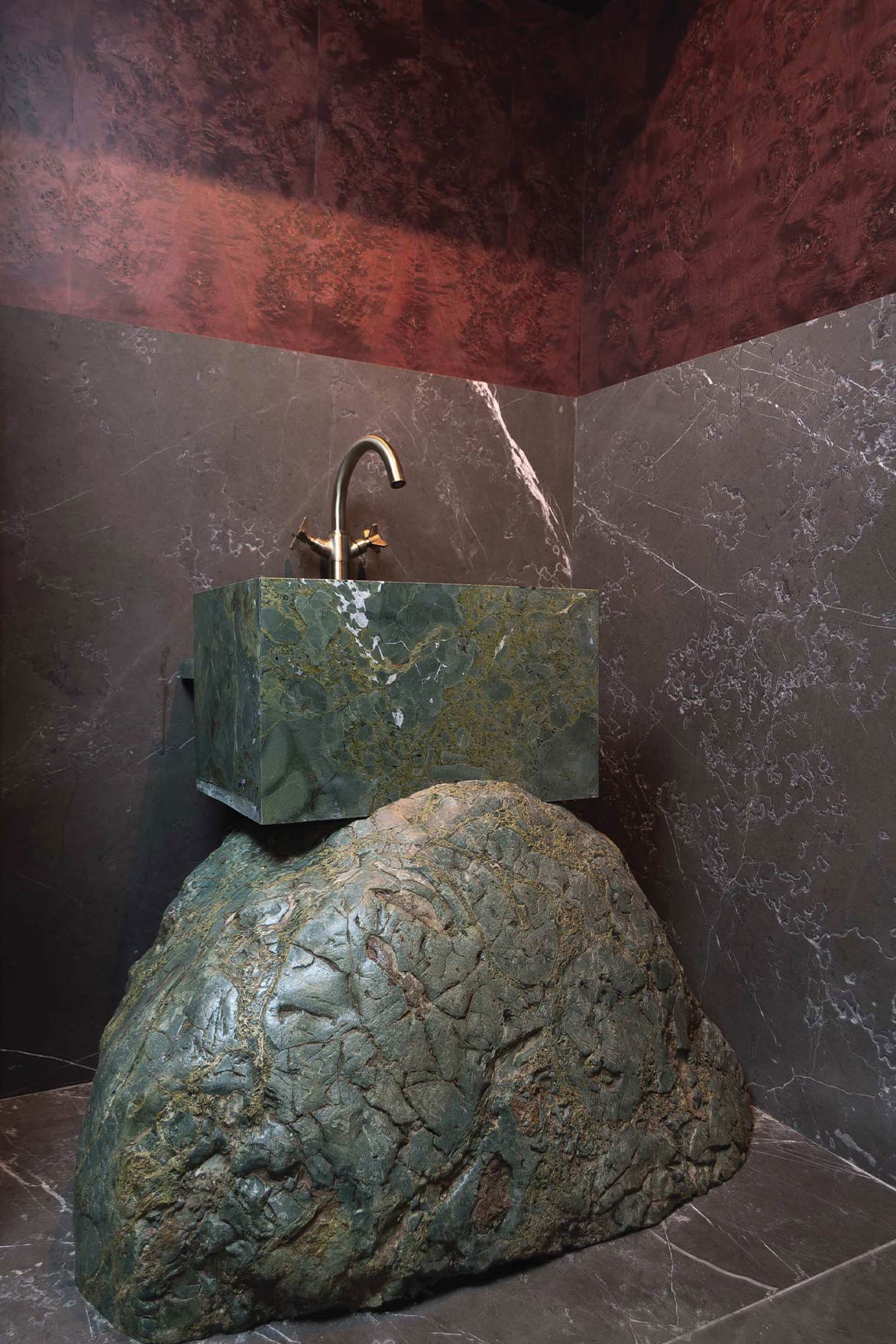
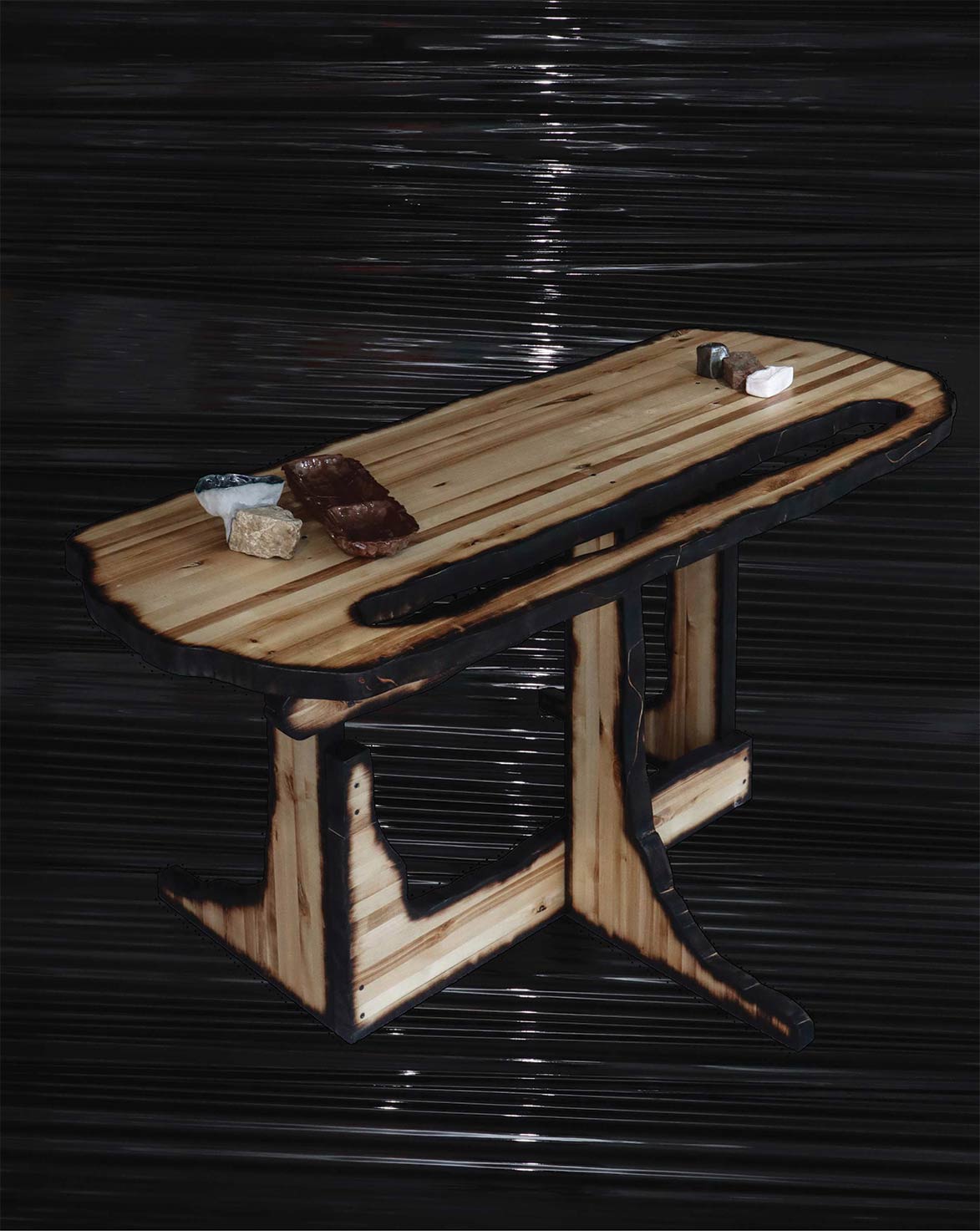
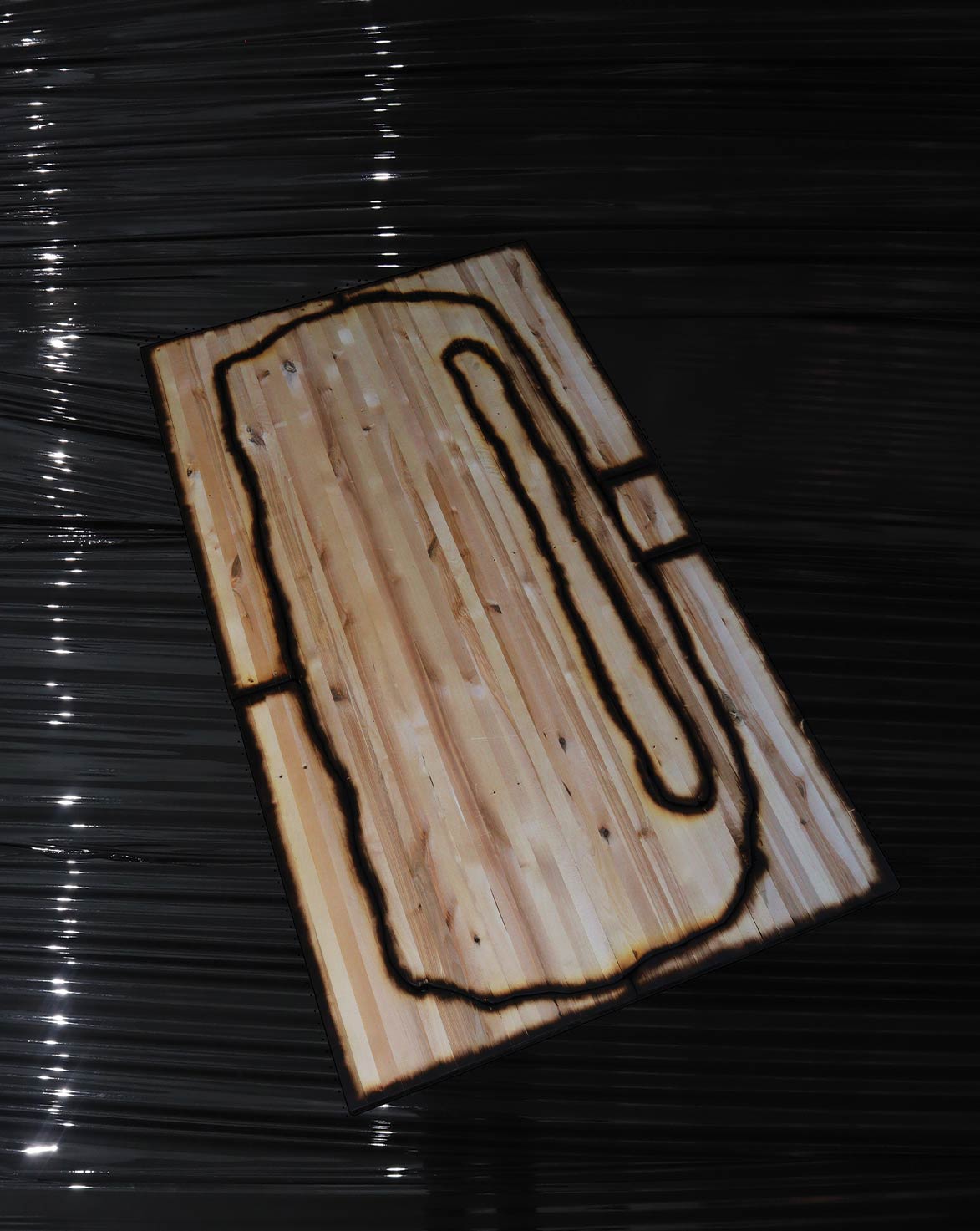
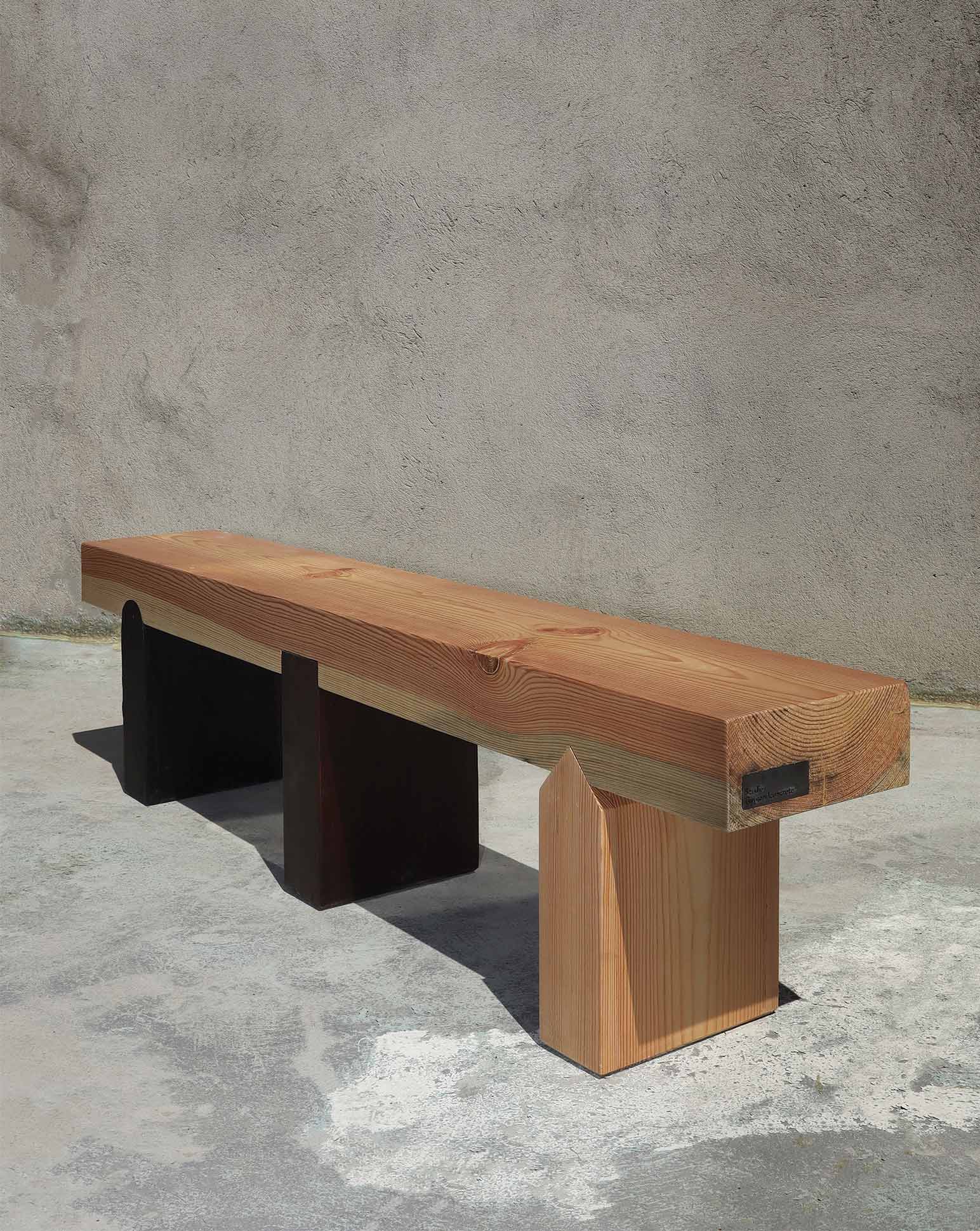
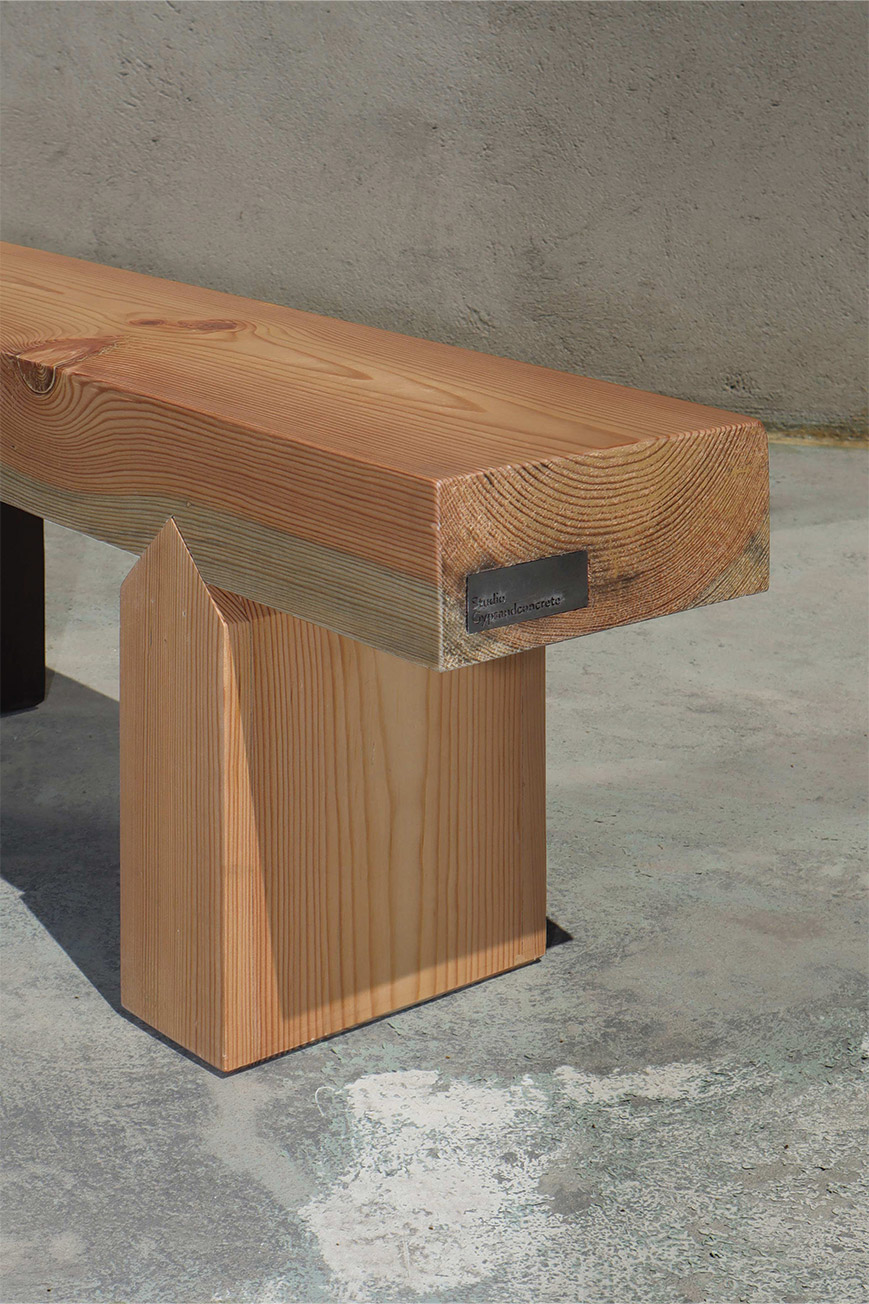
Even before the UPCYCLED project, I was always working with found objects, especially in site-specific installations. I would take materials that seemed discarded and give them new life by recontextualizing them into my sculptures. I’ve always been fascinated by discovering new potential in things others might overlook. Nowadays, sustainability is a key factor for me, and I try to integrate that into my practice. For example, I’ve created pieces where a single wooden plank is cut in a specific way, so that every piece serves a functional role in the design, contributing to the overall structural integrity of the piece.
Have you ever designed a piece that changed the way a space felt more than you expected?
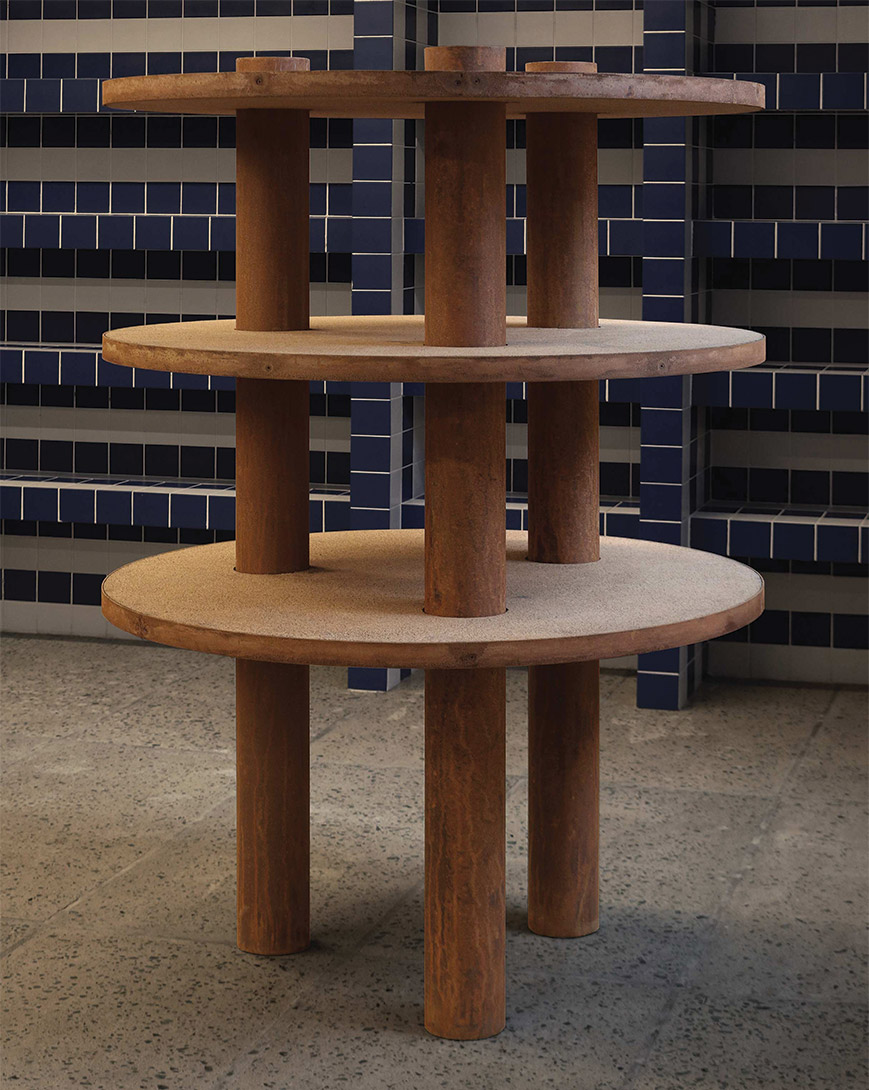
The objects I design are mostly made for specific spaces. When I look at them in the workshop, in progress state, they often seem much bigger than I imagined. But once they’re placed in the space they were created for, they always seem to find their place as if they belong there. It’s almost like they adapt to the surroundings, and suddenly, they’re in perfect harmony with the environment. On the other hand, I created a table entirely from sanded glass, almost as light as air, with a very subtle color palette. It had a very different effect. Even though the piece looked calm and minimalist, when placed in the space, it had a huge presence. The transparency and lightness made it almost float in the room, subtly changing the space without overwhelming it. It was as though the table became part of the air, playing a significant role while remaining barely noticeable.
Which piece felt like a turning point in your practice?
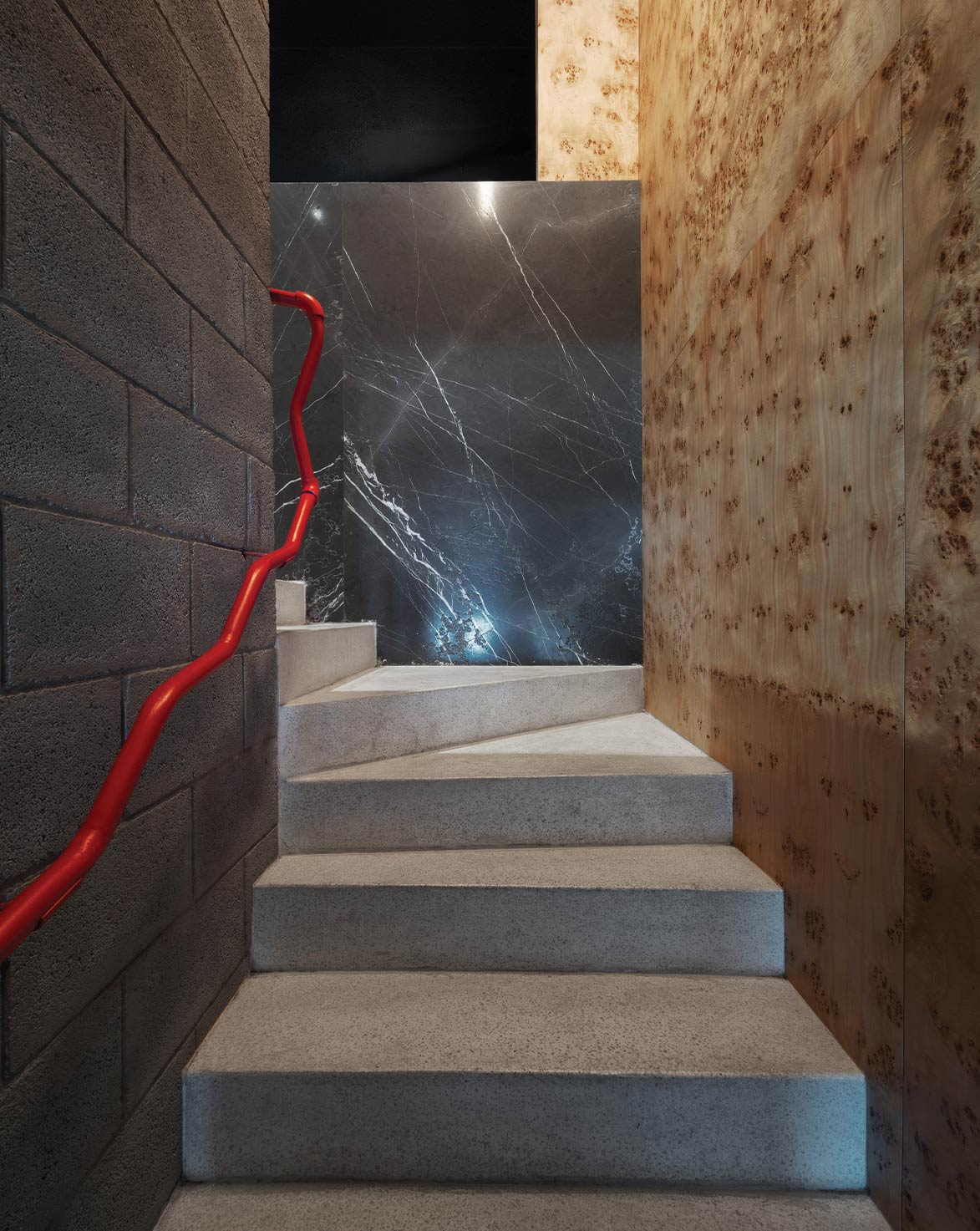
I can’t really think of a single object that marked a clear turning point in my practice. I’ve never been afraid to try new materials—on the contrary, I’m constantly looking to explore and understand them better, so I can expand my design vocabulary when needed. One thing that feels more like a consistent statement in my work is my approach to color. If I need a specific color in a piece, I always try to find a material that already has that color, rather than using paint. That decision often guides the entire material selection and design process.
Is there a material you haven’t worked with yet that you’re curious to try? What would you make with it?
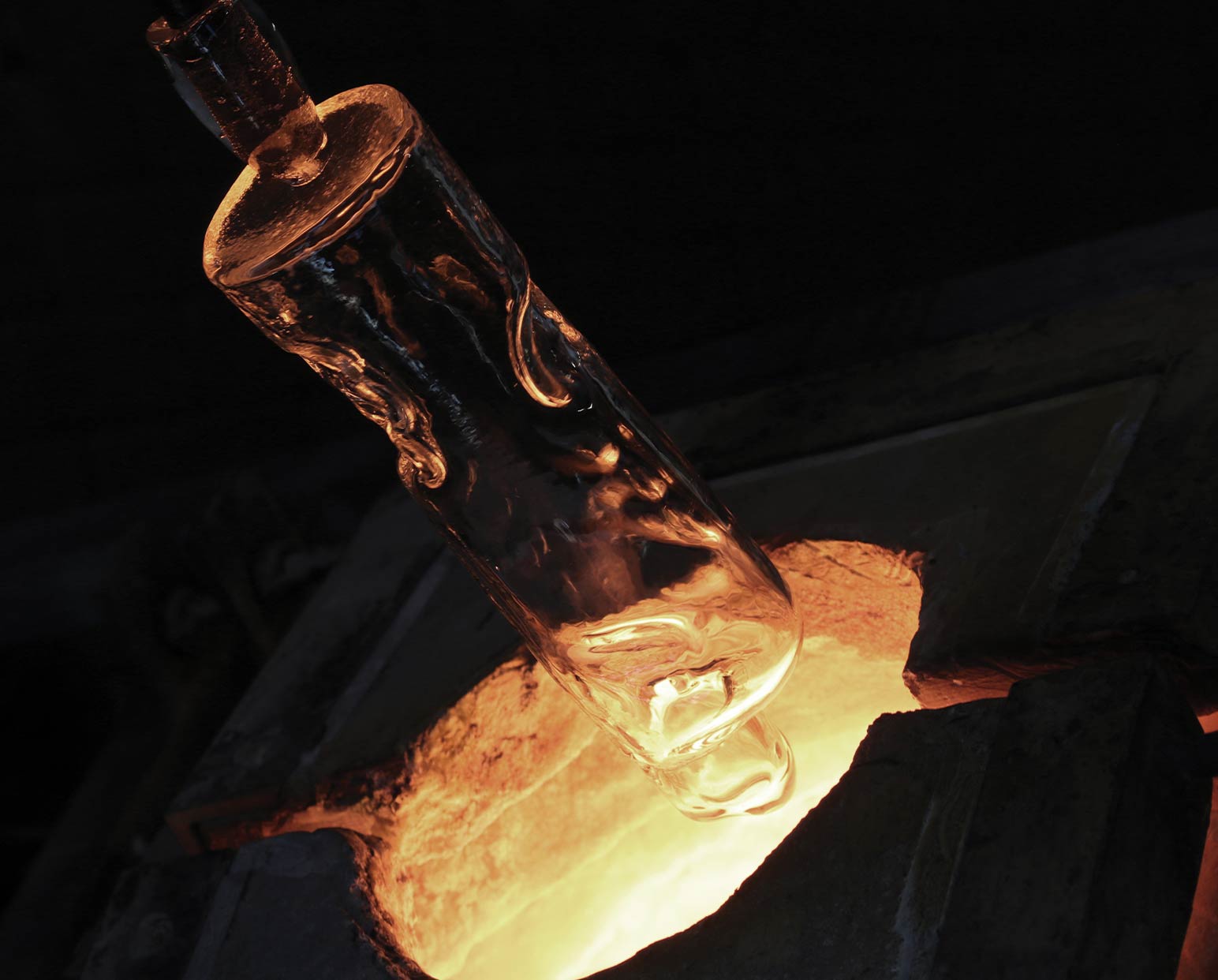
I’ve been really interested in working with blown glass for a long time. The fascination started when I was studying at the Design Academy Eindhoven—we had a short workshop with glass, and since then, the material stayed in my mind. I imagine using it for lighting elements and other sculptural details. There’s something magical about its transparency, fragility, and the way it plays with light. Unfortunately, there’s no glassblowing workshop in Georgia at the moment, so I haven’t had the opportunity to try it again. But the ideas are slowly building up in my head—I’m collecting thoughts and references, waiting for the right time and place to make them real.
Do you have a favorite useless object you refuse to get rid of?
Honestly, I collect a lot of objects. Sometimes it’s because I find a construction detail interesting, sometimes it’s the pattern or texture of the material that catches my eye, and other times it’s simply a leftover from a previous process. These things might not be functional on their own, but they carry a kind of memory or information for me. Maybe they don’t have a clear purpose today, but I often feel that one day, they’ll find their place in a future project. They’re like quiet reminders of potential.
Has a mistake ever made something better than your original plan?
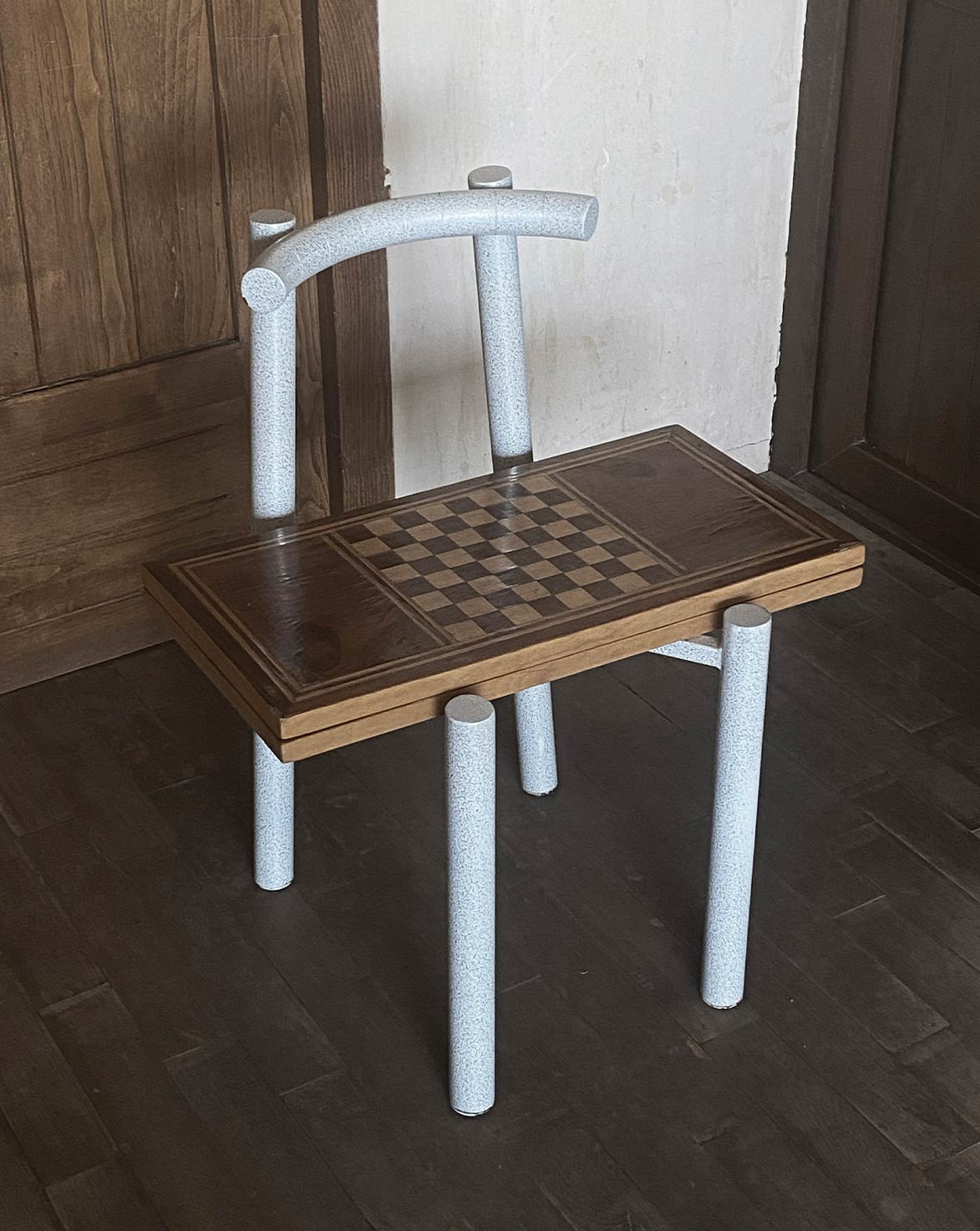
I’m definitely not afraid of mistakes. Without them, the process would feel too rigid and, honestly, a bit boring. Mistakes often open up unexpected directions—they force you to rethink, adapt, and sometimes even discover better solutions than what you originally planned. I try to stay open to those moments, because they usually bring more character to the final piece. In a way, they’re not really mistakes—they’re just part of the path.
Looking at your work, the material choice, the construction, it evokes purity. Are you connected to the word pure?
In a way, yes. For me, purity isn’t just about aesthetics—it’s more about clarity of thought. If I don’t understand the concept behind what I’m doing, I can’t move forward in the process. Everything I make needs to have a kind of inner truth to it—whether it’s the function, the story behind the materials, or the context it’s made for. That’s probably what creates this feeling of purity. It’s not about being minimal or clean, it’s about being honest with the design.
If you had an unlimited budget/space to create anything, what would it be?
My work usually revolves around smaller, intimate spaces—I’m not really drawn to giant, oversized projects. The challenge of working within certain limits, like budget, is often where the real magic happens for me. It pushes me to think more creatively and find unexpected solutions. For me, it’s not about the size of the project, but the way it resonates with the space it’s in.
Where can people find you?
Right now, you can find my work on Instagram at @studiogypsandconcrete for studio-related projects and @gypsandconcrete for personal updates. My website is still under construction, but once it’s ready, it will feature more information about my work and future projects.