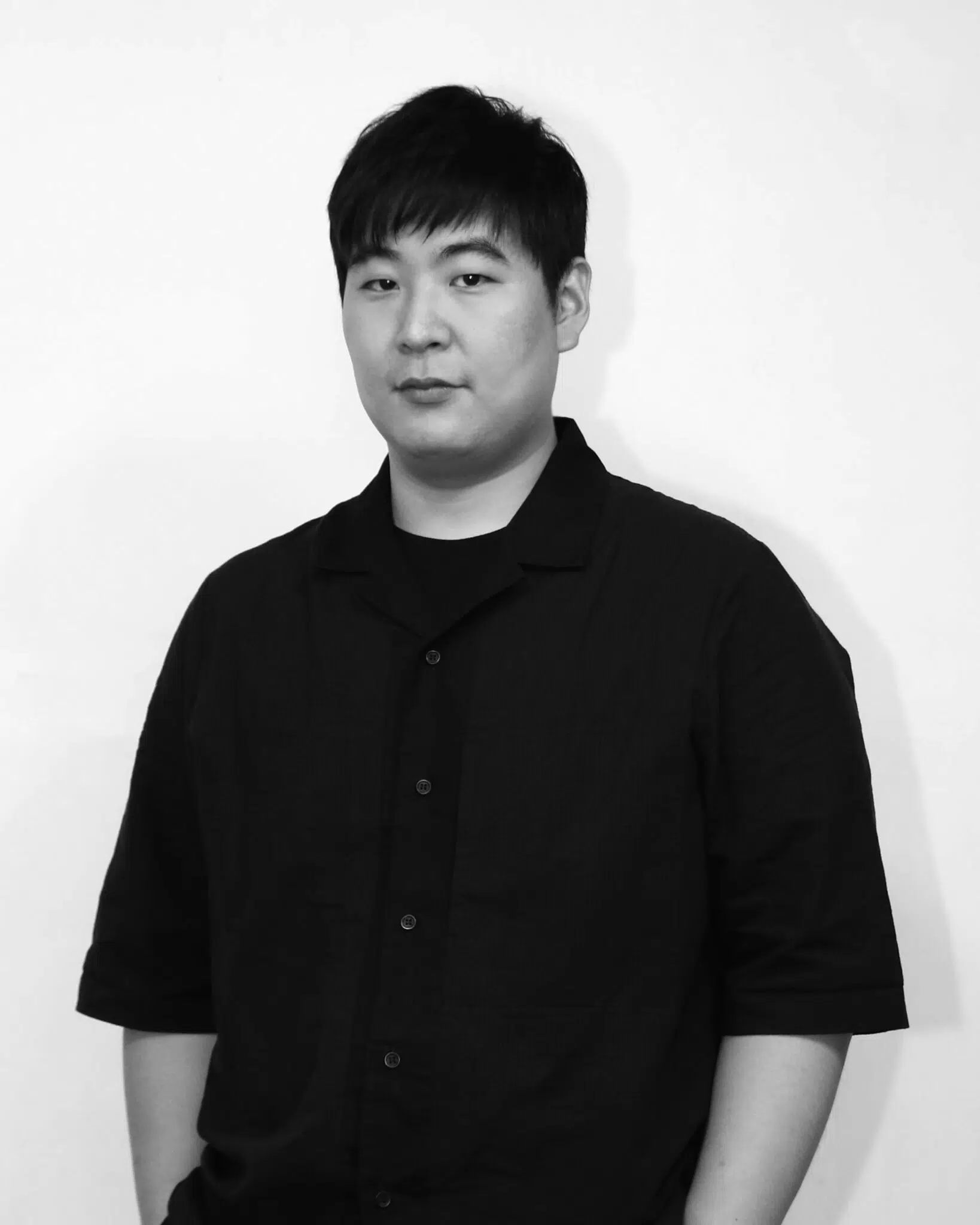
Hakmin Lee
What’s your name and where are you based/ From?
Hi, my name is Hakmin Lee and I’m from Seoul, South Korea.
How would you describe your practice in a few words?
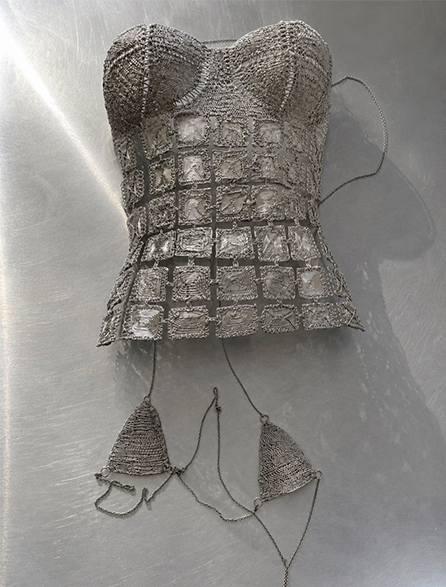
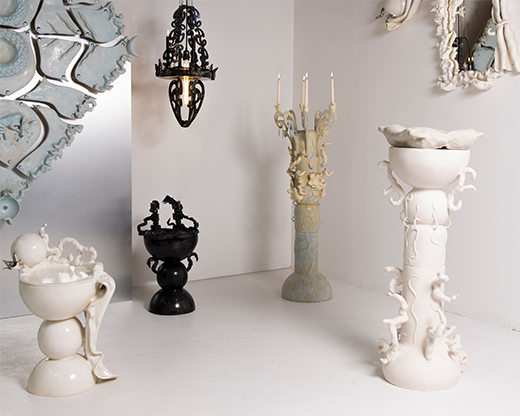
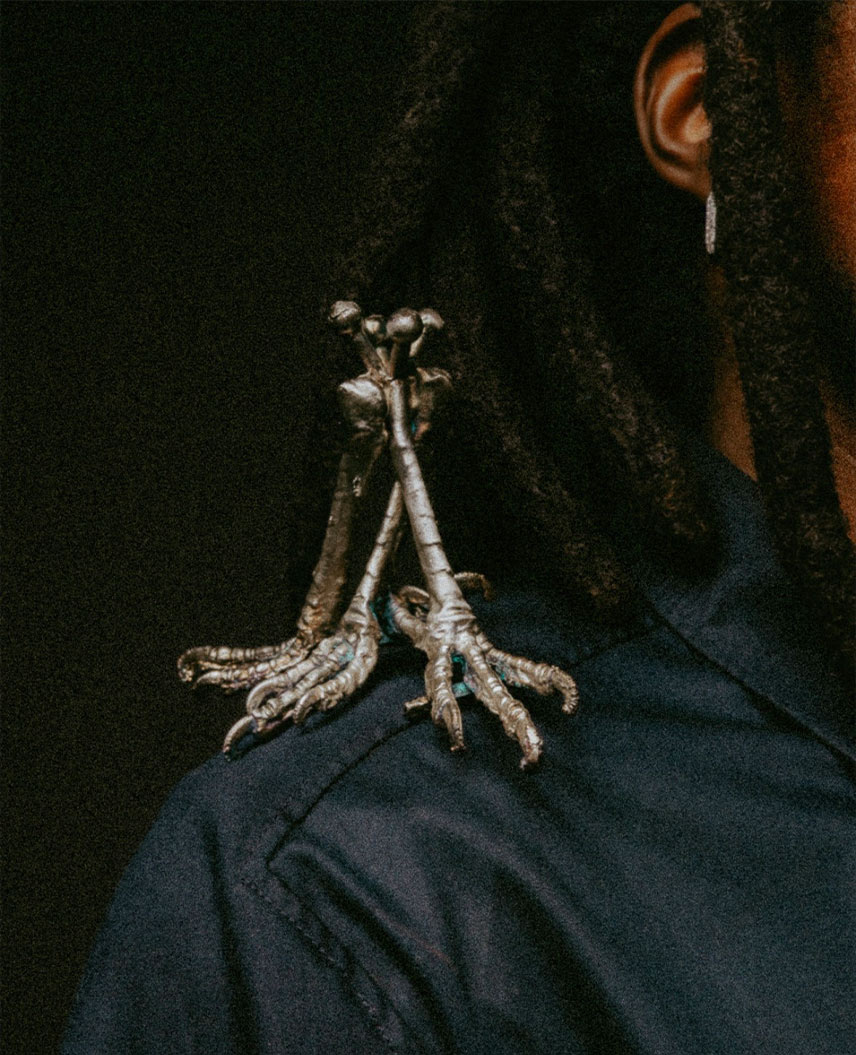
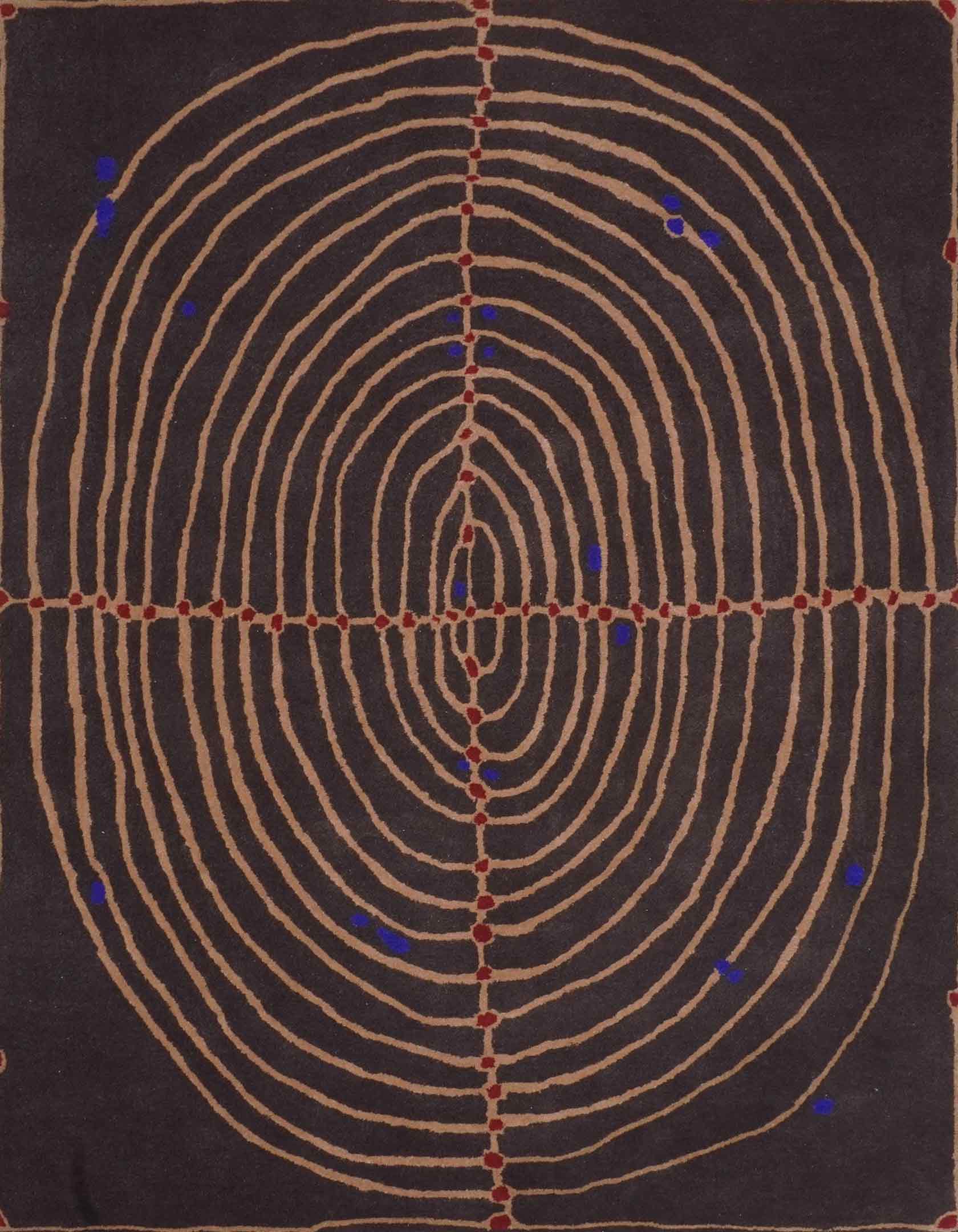
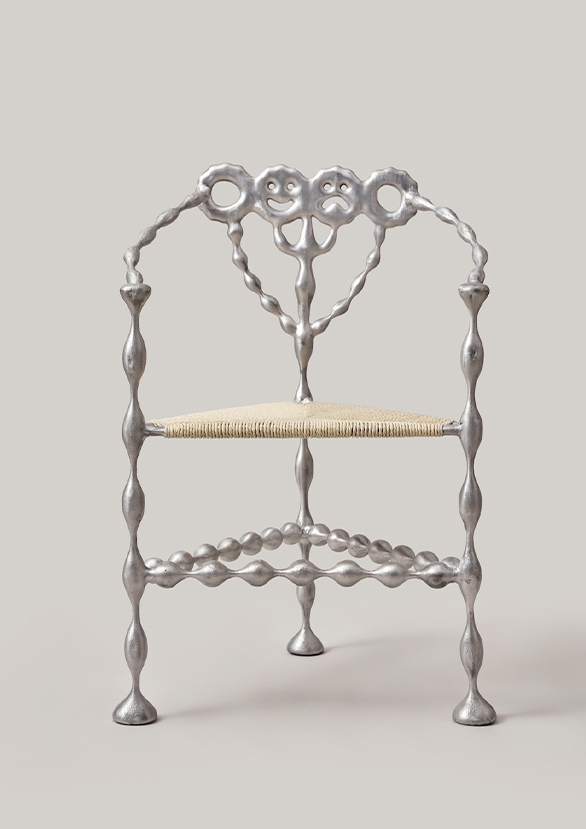
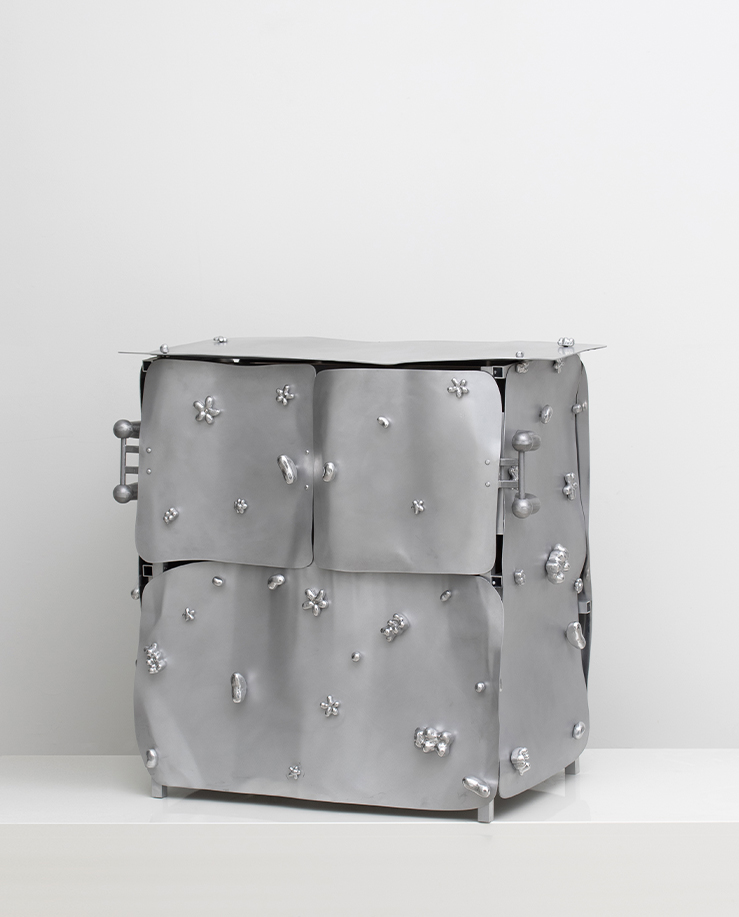
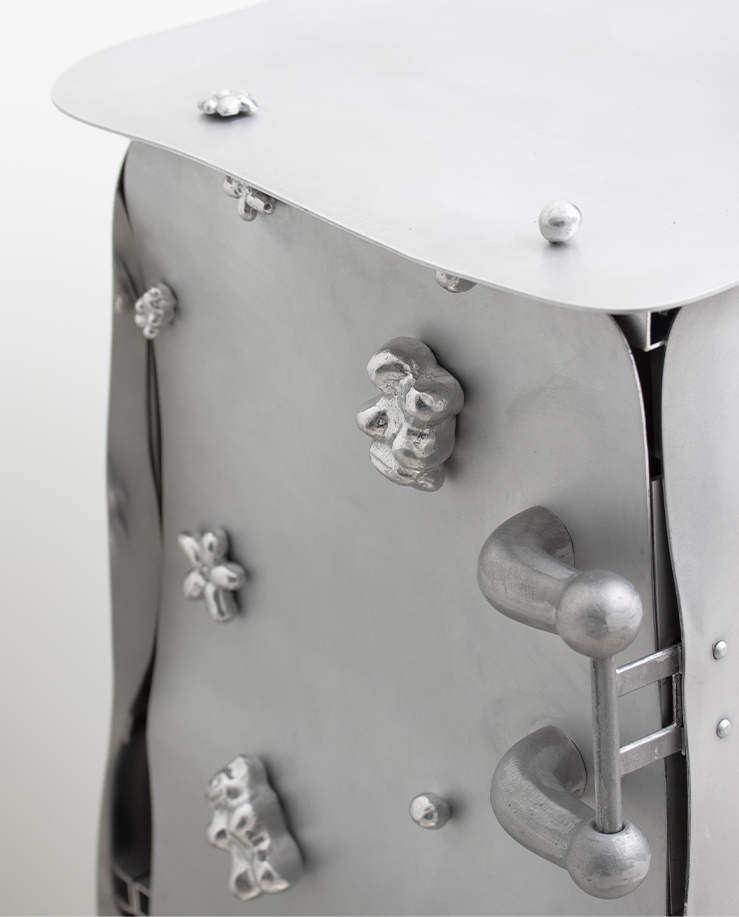
My practice is grounded in metal craft, and I studied contextual design. I work across furniture, objects, and 2D pieces(drawings and paintings), moving between design and art to explore how material and cultural context shape form and meaning.
What early experiences led you towards design and art?
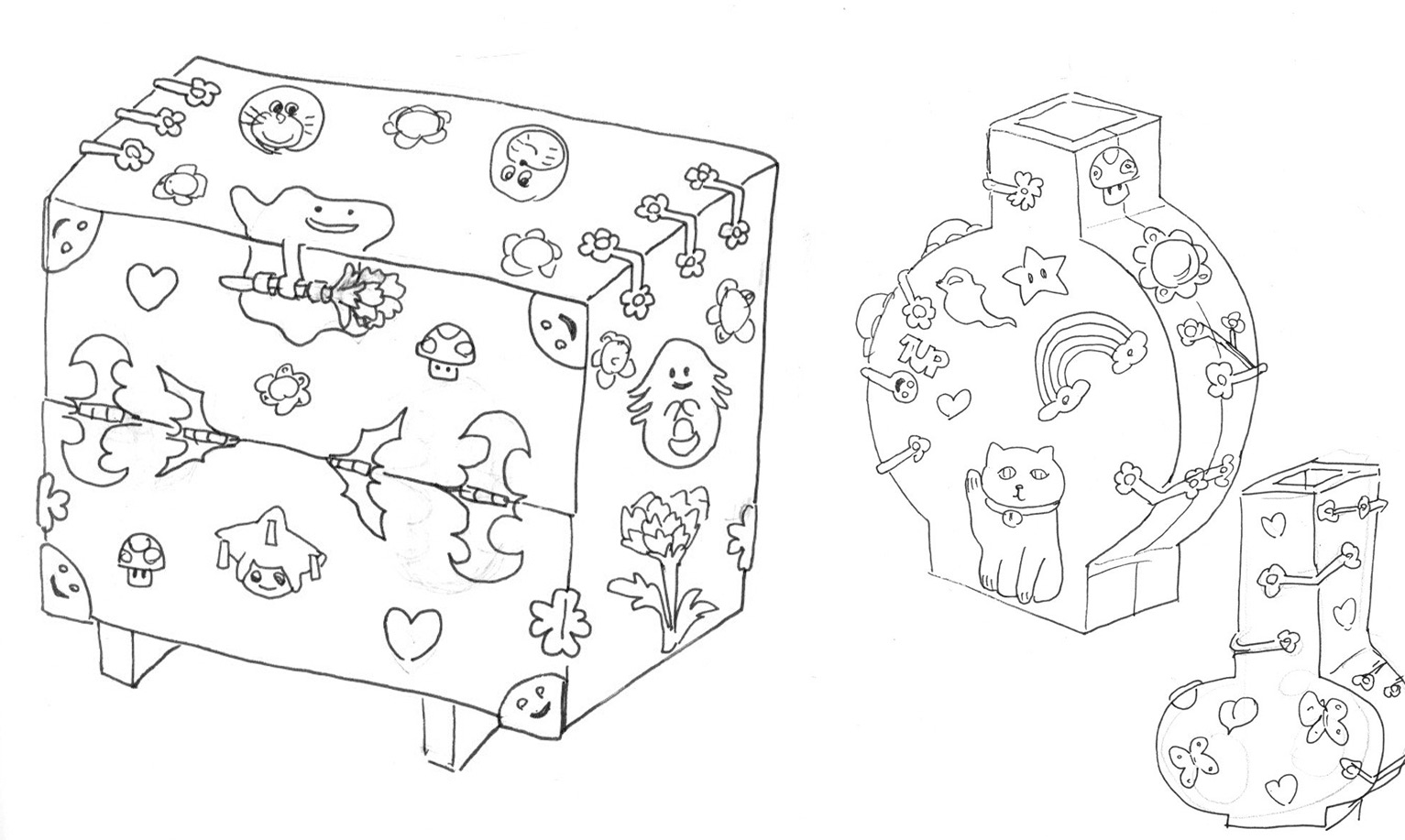
A lot of my early influence came from the subcultures I grew up with cartoons, films, and video games. That curiosity became a creative starting point for me, and it still feeds the imagery and attitude in my work today.
How has being based in Seoul shaped your way of seeing?
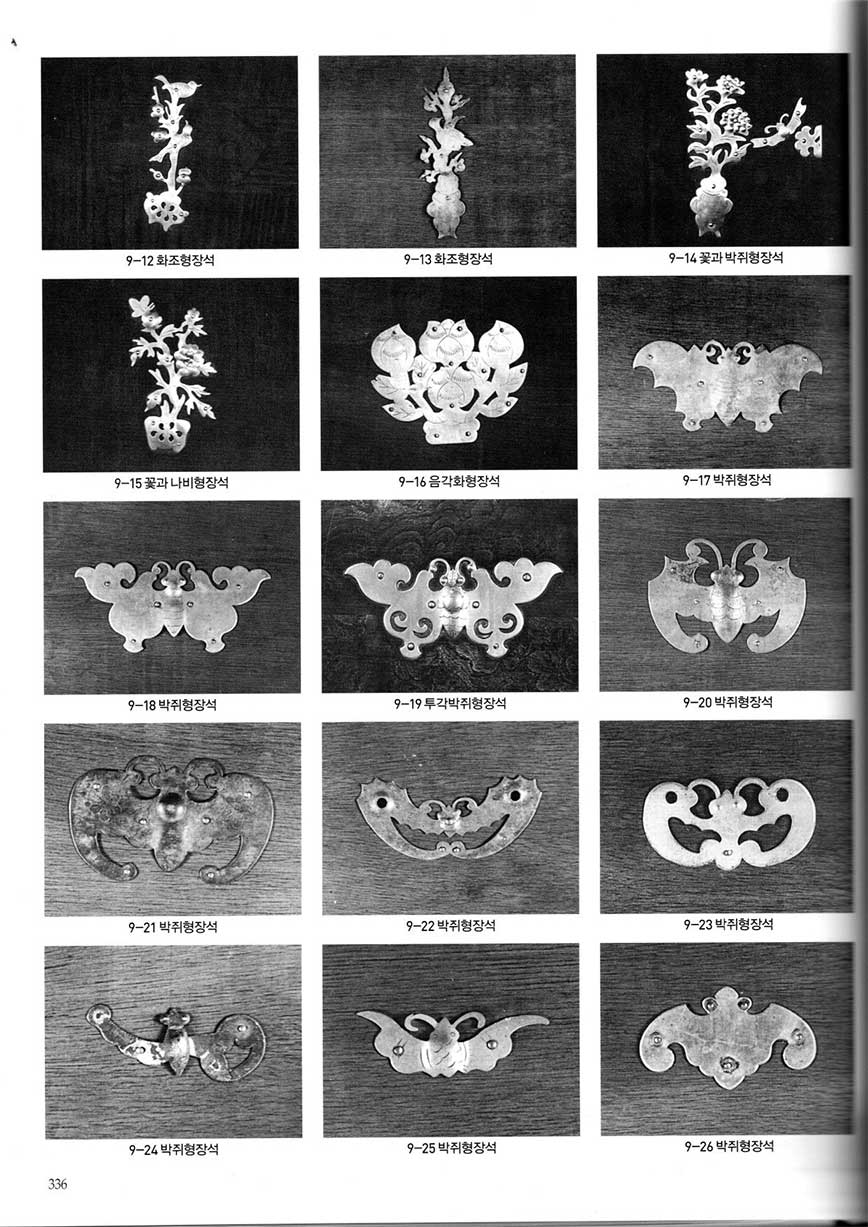
Seoul always feels complex and alive, more dynamic than static, with cultural events constantly happening. I’m drawn to how the city holds opposites at once: tradition and the contemporary, the Han River and mountains alongside dense concrete skylines. To me, it’s a place of desire and reflection. That layered mix has definitely shaped my way of seeing, and it influences how I try to translate multi-level cultural context into my work, directly and indirectly.
Your work ‘deliberately unsettles disciplinary hierarchies,’ what are these hierarchies, and why does it feel important to disrupt them?
It started from my interest in a postmodern phenomenon. Where the boundaries between “high” and “low,” art and popular culture are constantly blurring. I don’t think those hierarchies feel stable or even accurate anymore, but they still shape what gets taken seriously. In my work, mixing craft-based making with mass-culture imagery, and moving across furniture, objects, and 2D pieces is a way to reflect that collapse.
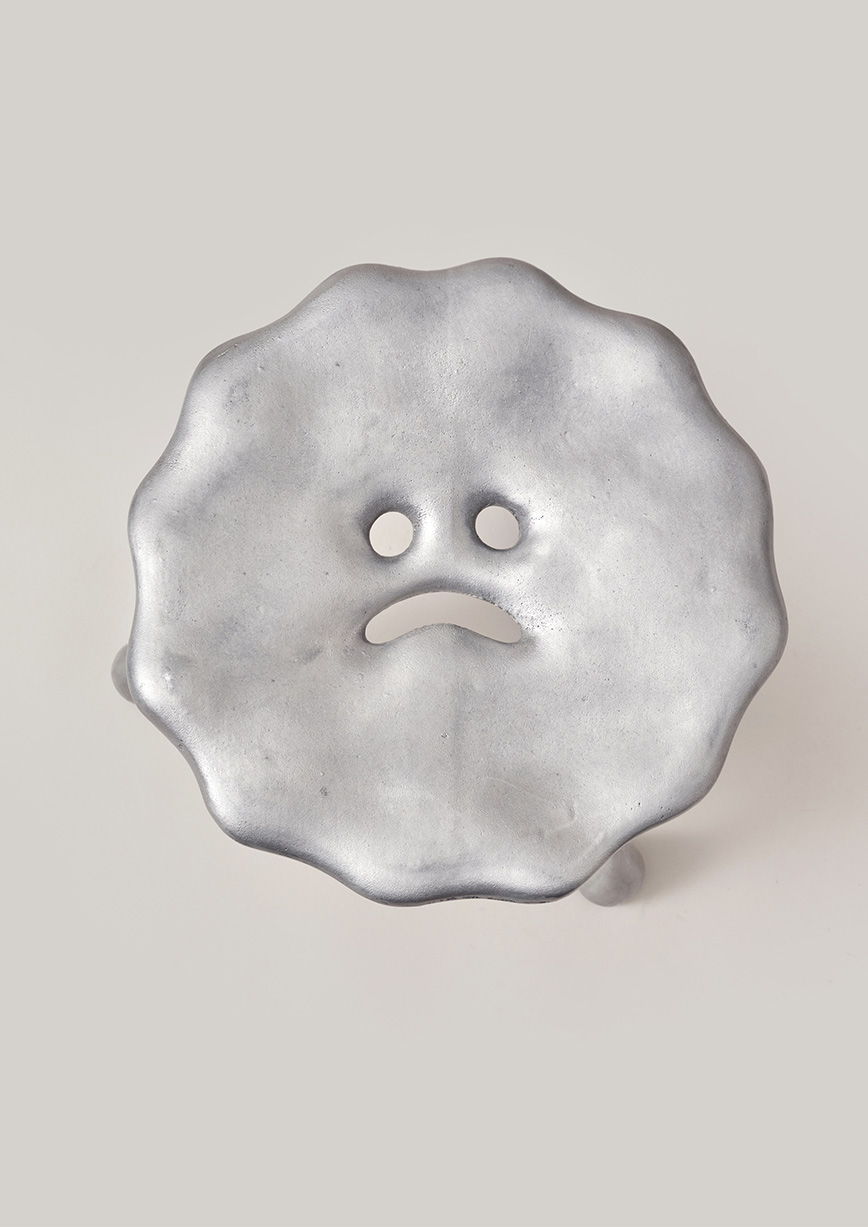
Humor plays a strong role in your work, through references to figurines and cartoons. Where does this come from?
Humor comes naturally to me through the kind of imagery I grew up with cartoons, figurines, games, and the casual visual language of mass culture. I like how humor disarms you first But for me it’s not just for fun. It’s a tool to shift expectations, soften hierarchies, and create a little friction between what looks playful and what’s actually being questioned. It lets the work stay approachable while still carrying a critical edge.
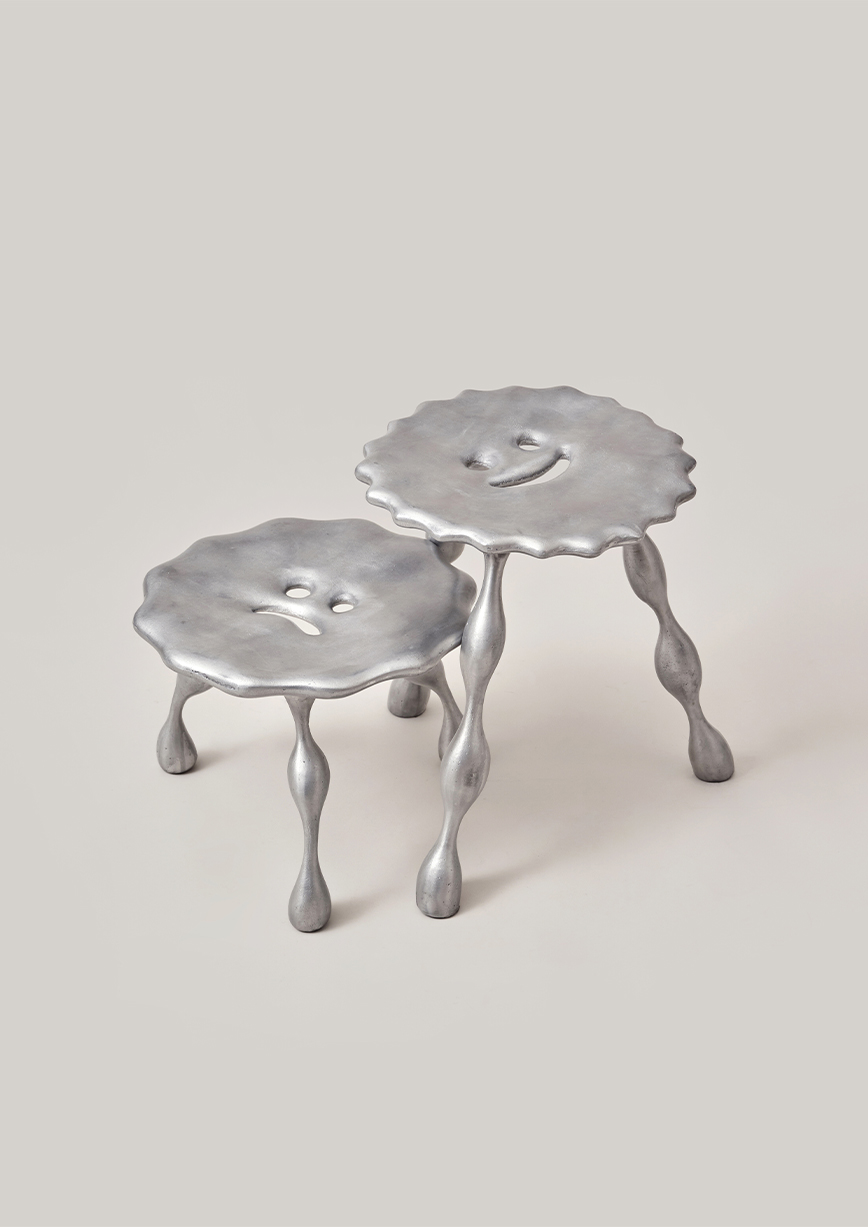
How do you think about function and material in your work?
I approach form and technique through a understanding of material. If you don’t know the material, you don’t know its limits and you need to know the limits to understand what’s possible (and what isn’t) in the design and making process. In my case, I’m based in metal, so my work has grown out of a craft-based understanding of it, and I’m interested in expanding into other materials over time.
Function can be a traditional way to separate art, design, and craft, but I don’t want my work to be trapped by usefulness. Even when an object has a functional starting point, I’m happy to push it toward aesthetics and more expressive ways.
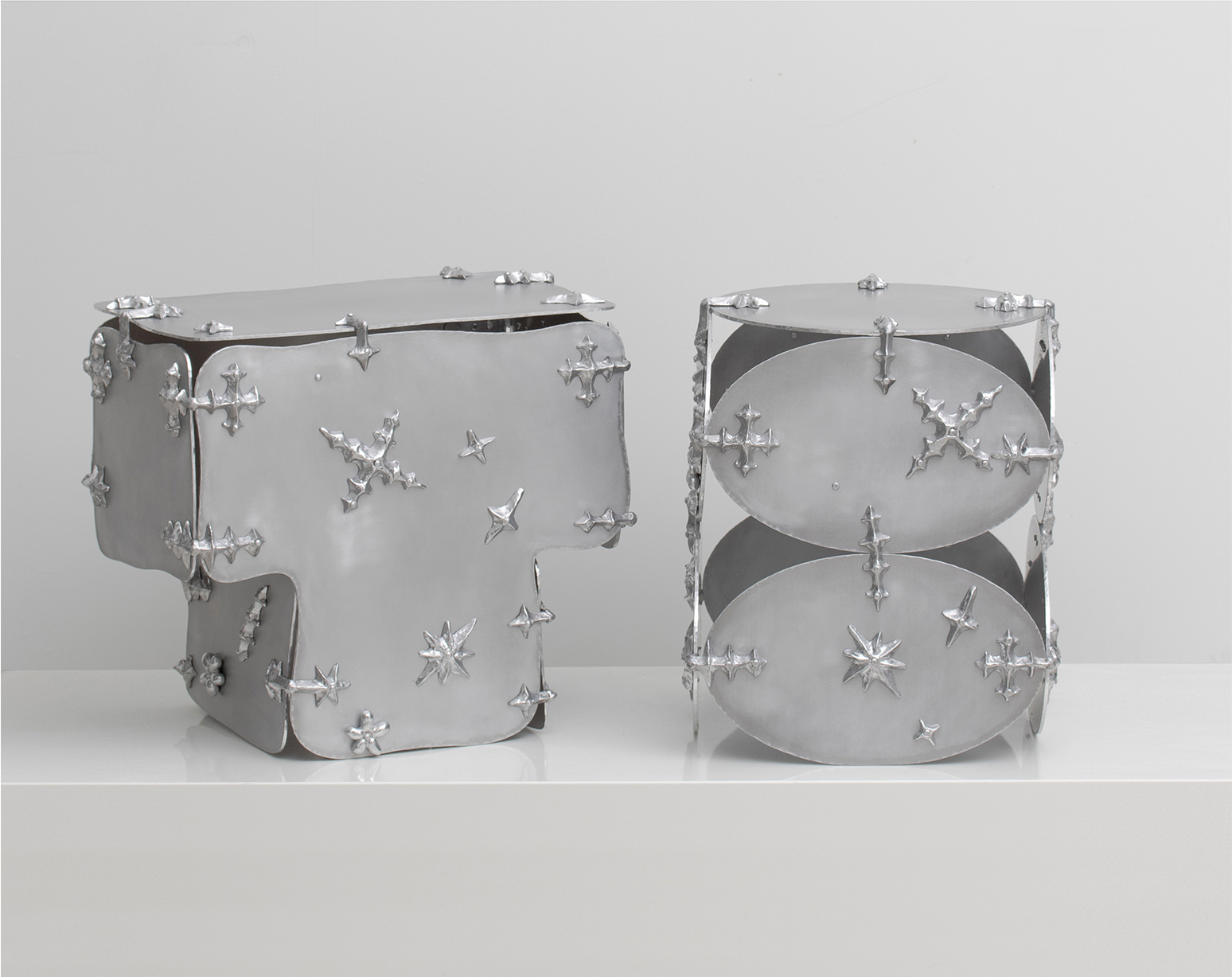
Is there a specific piece that felt like a turning point in your practice?
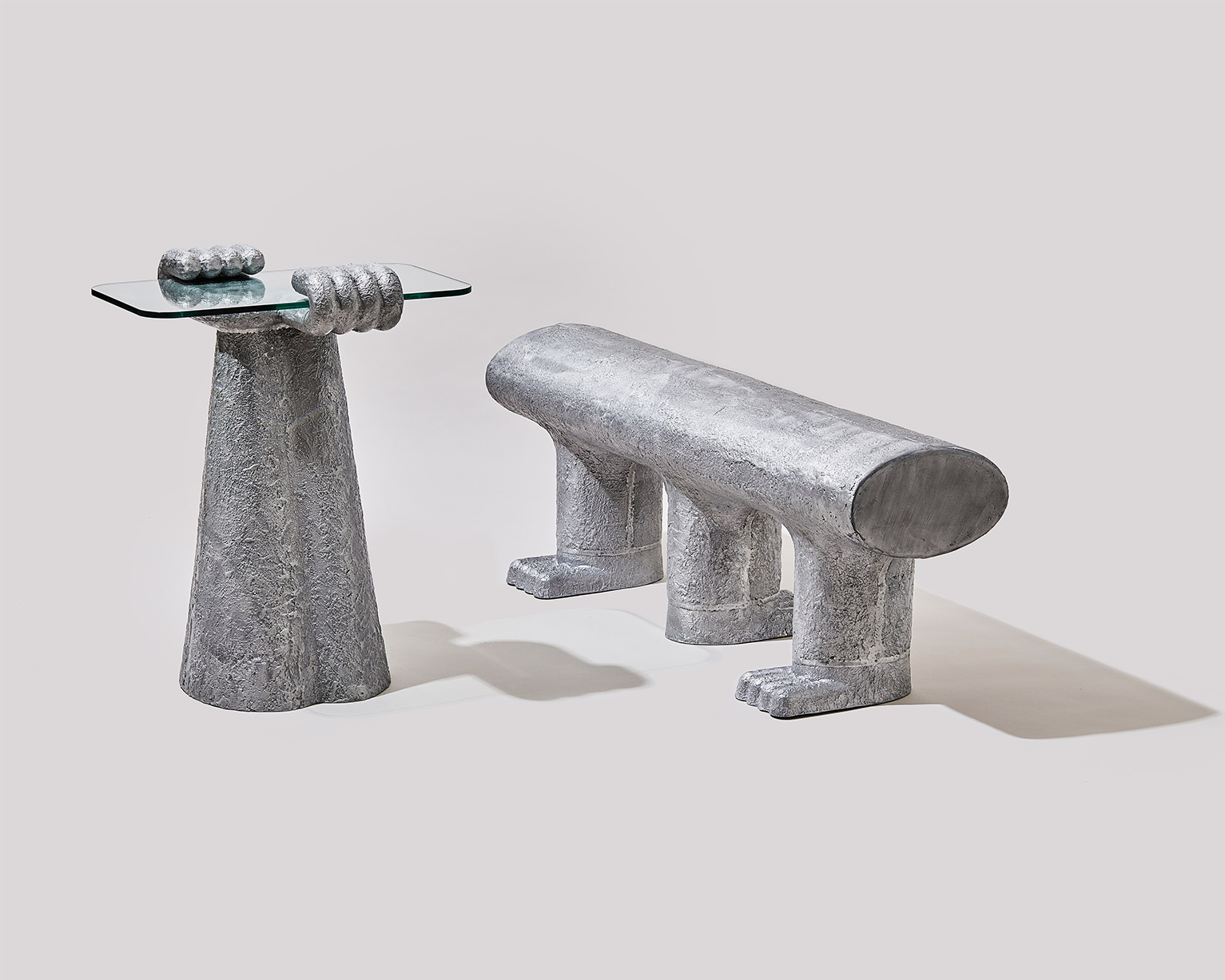
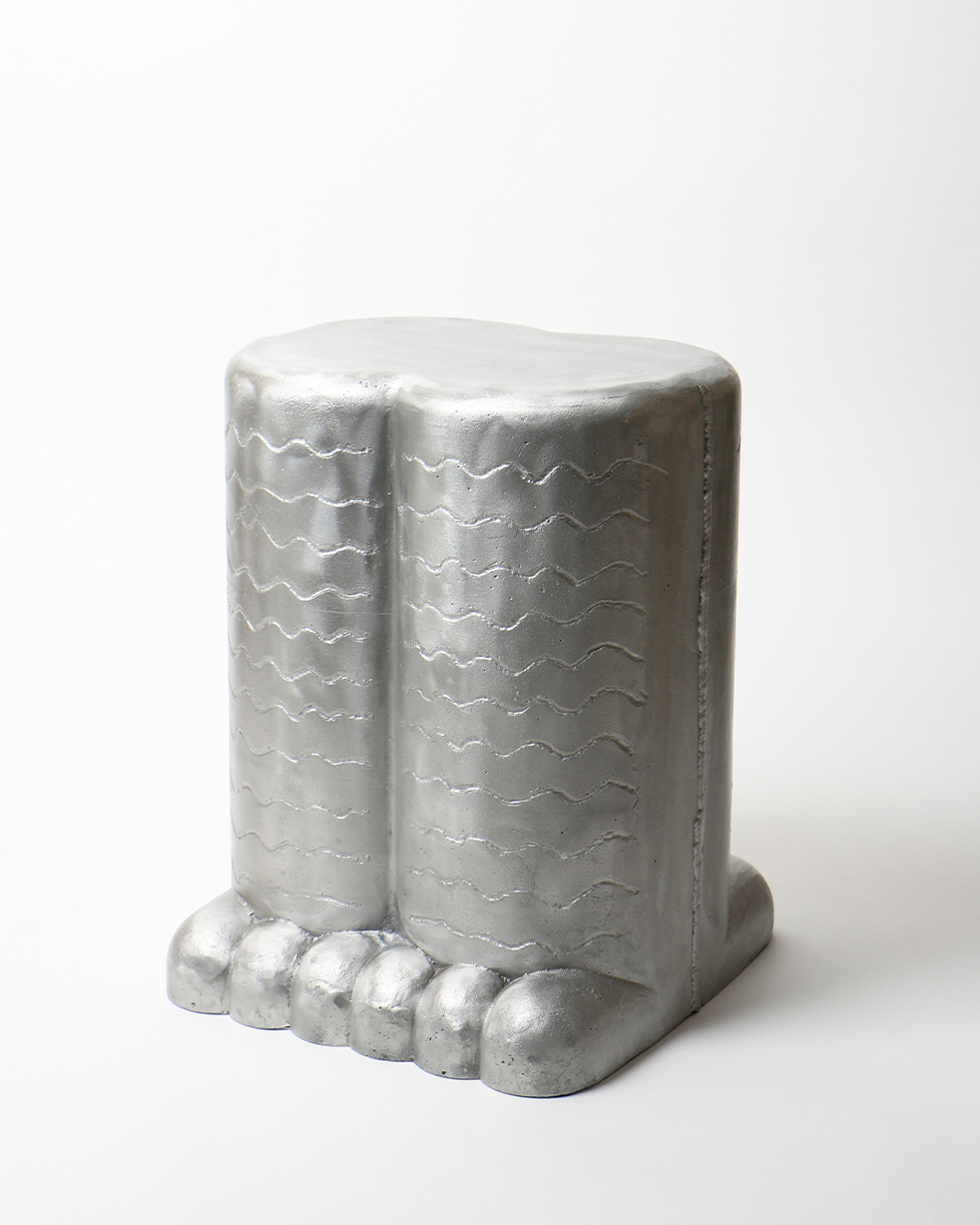
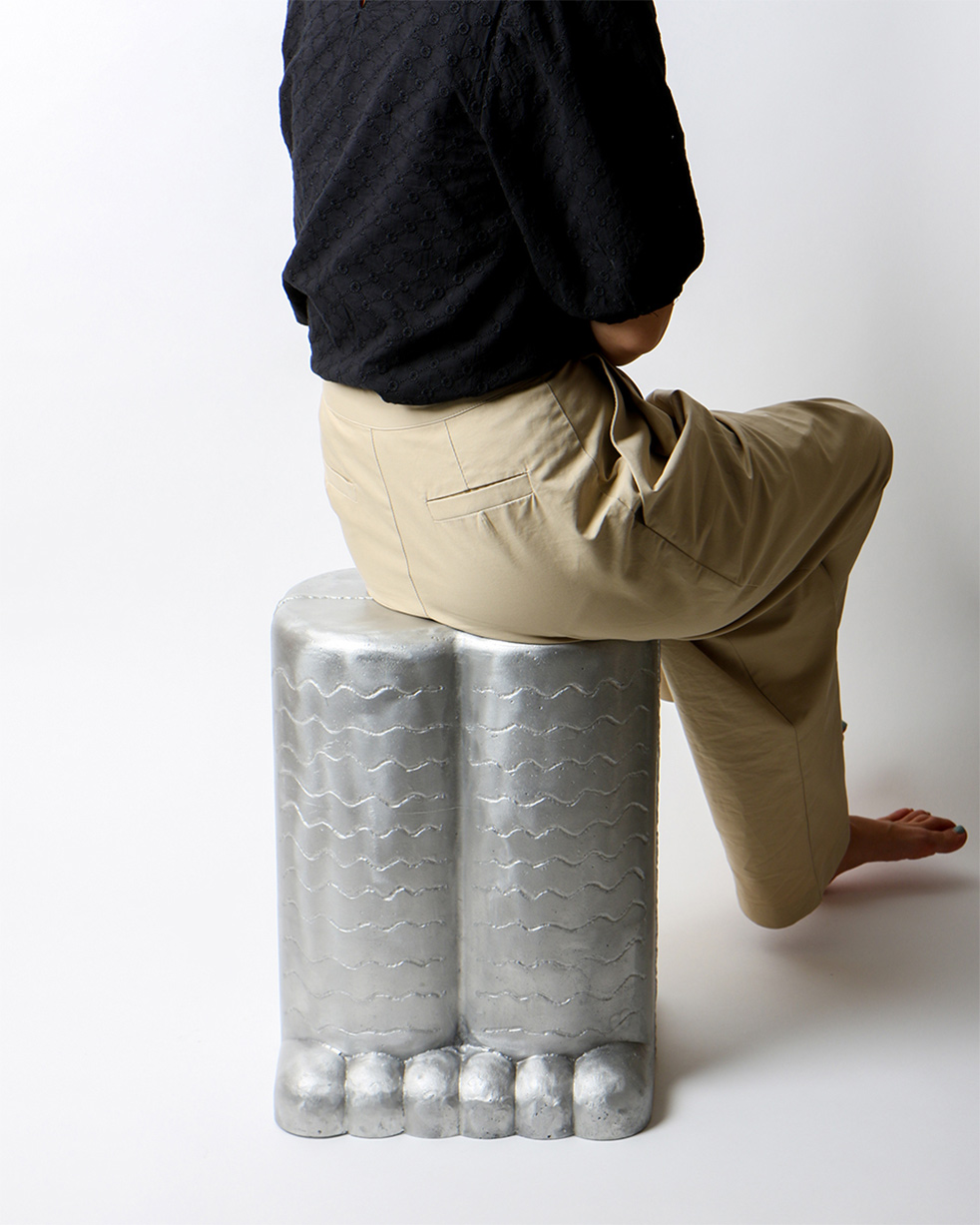
Yes. Paw Stool was a turning point for me. It clarified the direction I wanted to take: combining craft-based making with a more playful, pop culture-driven visual language, and letting the work sit comfortably between furniture and sculpture.
Are there objects in your own home that feel like an extension of your identity?
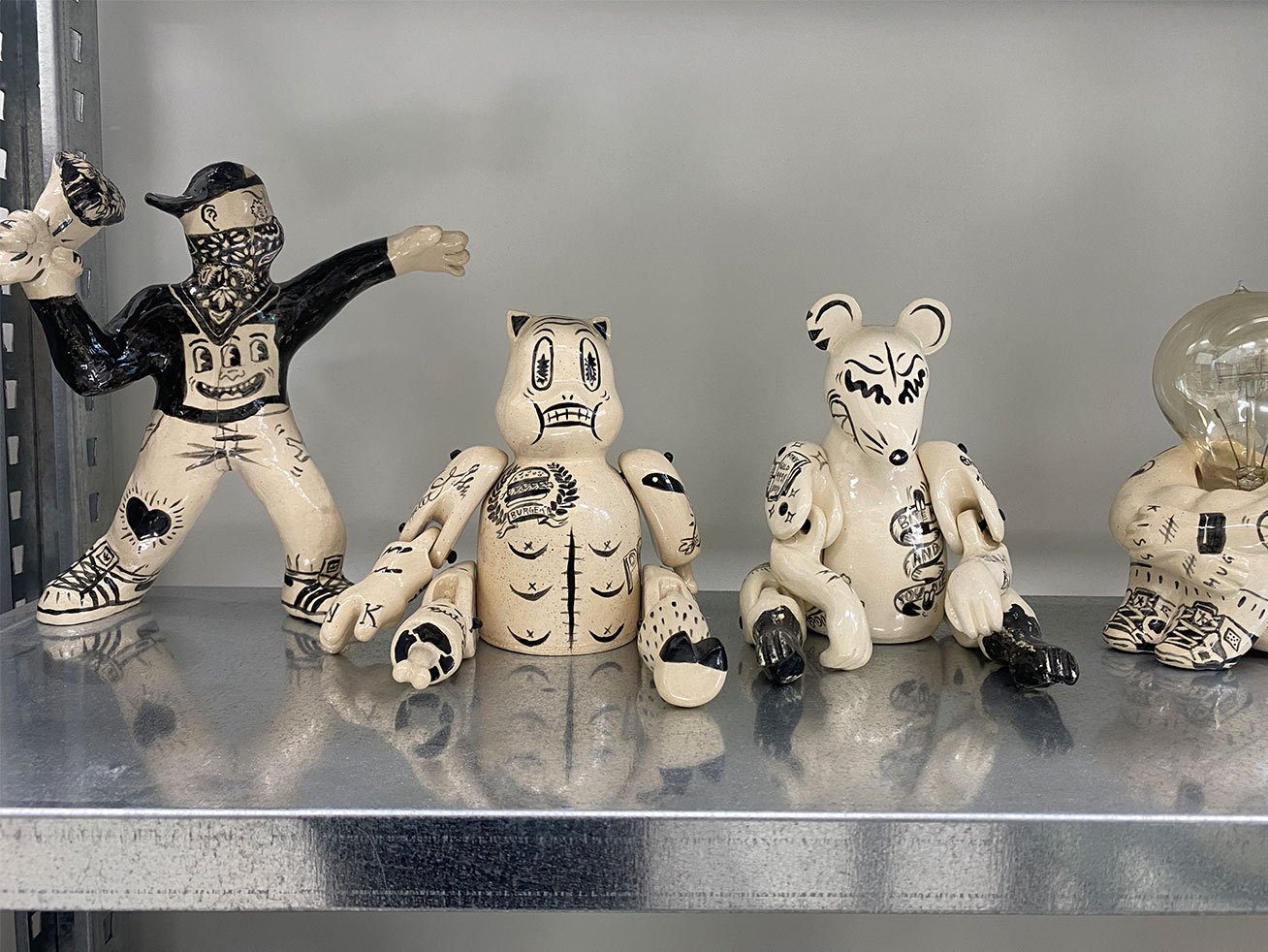
Ceramic figures that I made when I was in Philly.
Outside of your studio practice, what keeps you visually or creatively alert?
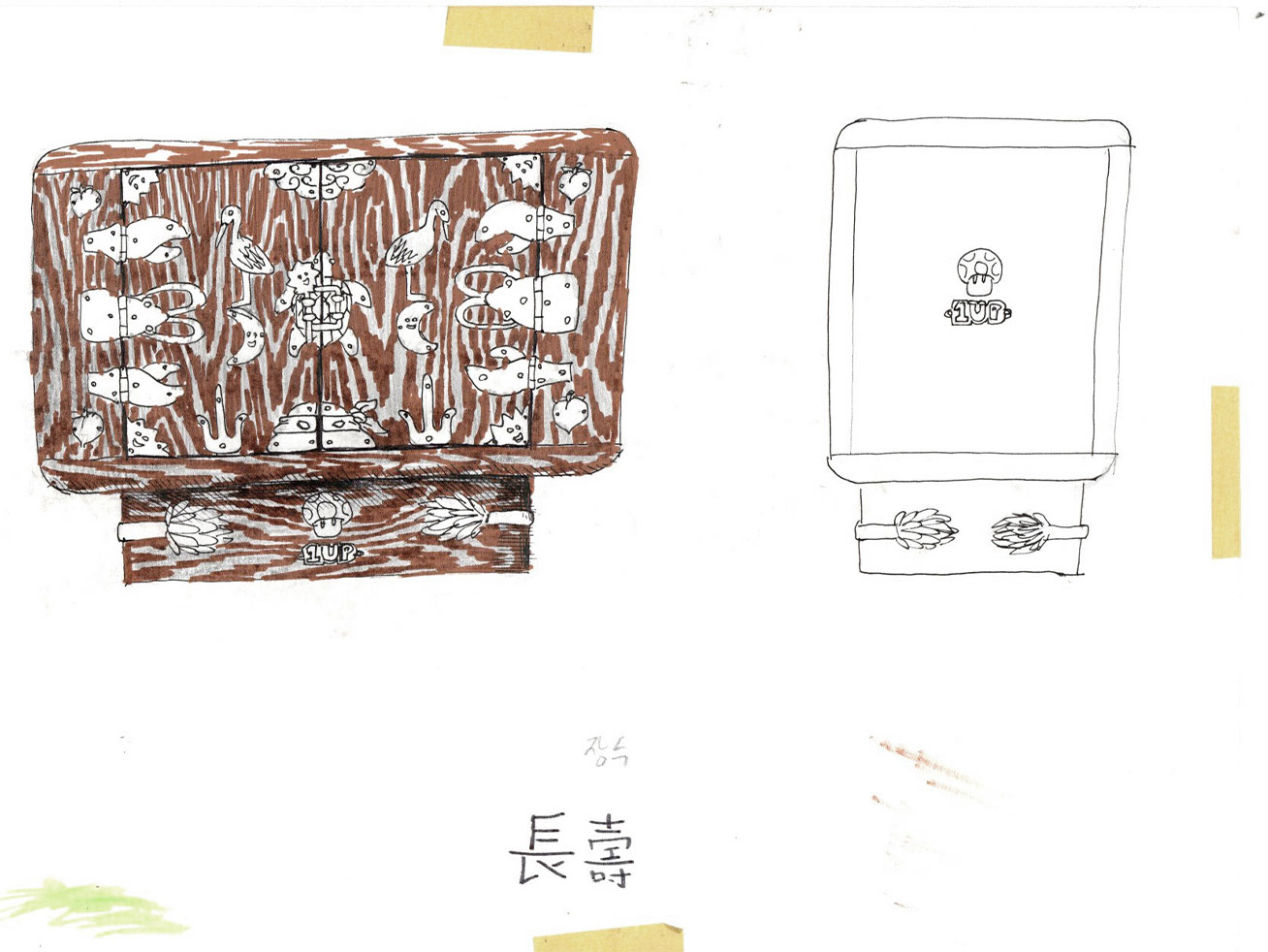
Popular culture keeps me visually alert—especially contemporary consumer icons and the imagery that circulates through everyday life. I’m always watching how trends, products, characters, and symbols get absorbed and remixed, and that constant shift feeds directly back into my work.
Where can people find you?
www.studiohak.com
Instagram @hakmazing