Joud Fahmy
What’s your name and where are you from/based?
My name is Joud Fahmy from Jeddah, Saudi Arabia
How would you describe your practice in a few words?
I explore women’s voices and expression by translating concepts such as family dynamics and gender roles into tangible mixed-media sculptural works. My practice initiates dialogue between the traditional and the contemporary, using material and form to question societal barriers and limitations and to act as a catalyst for shifting meaning and reshaping cultural narratives.
What’s an early experience with making that stayed with you, and how did it evolve into your practice today?
Since I was young, I could see the full picture of what I wanted to create, even if I didn’t yet know how to reach it. That vision stayed with me, and working toward it has always been driven by a mix of curiosity, persistence, and what I can only call obsession. I don’t know the exact word for it—insistence, curiosity, or maybe a constant need to see things through—but it has shaped how I approach my work.
Judo has been an important influence on my practice as well. Like sculpture, it involves the body, movement, and repetition, and requires discipline, focus, and awareness of force and counterforce. The mental and physical repetition of Judo mirrors the way I work with materials, testing limits and exploring possibilities over time. Obsession and discipline together have guided me, and I feel blessed to have this combination—it pushes me forward, allows me to explore deeply, and shapes the way my practice develops.
Why did rope and wool become central to your practice?
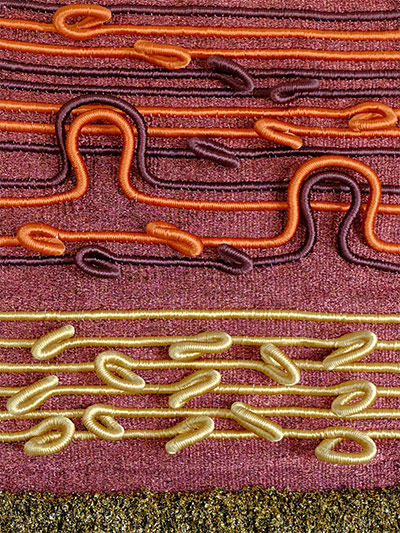
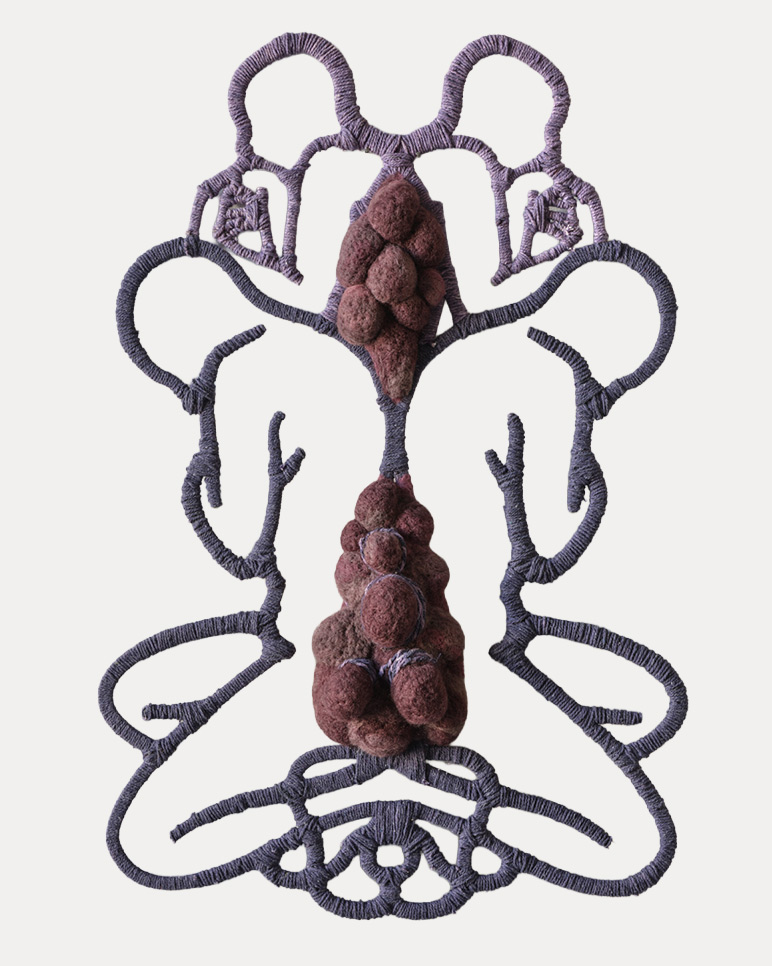
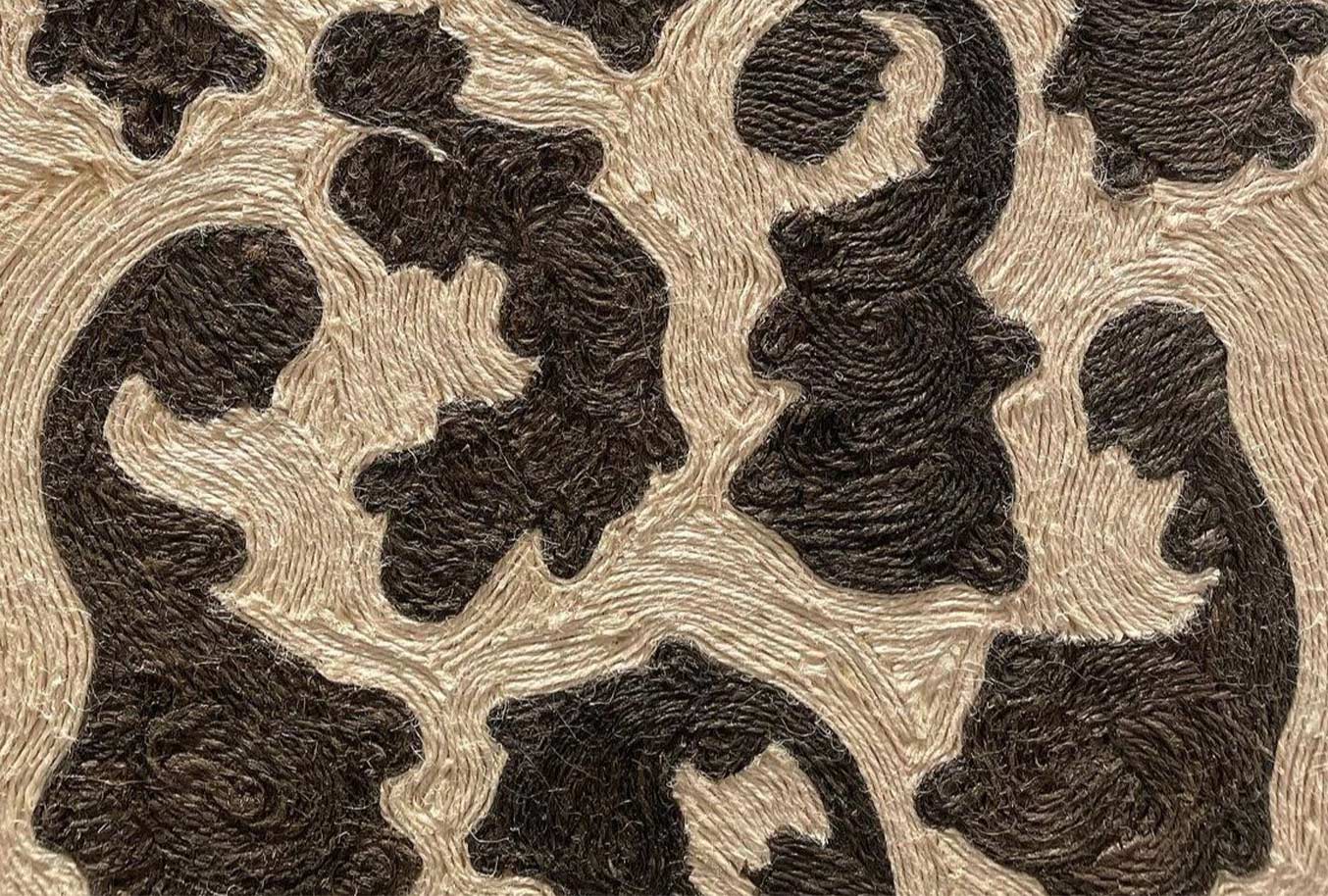
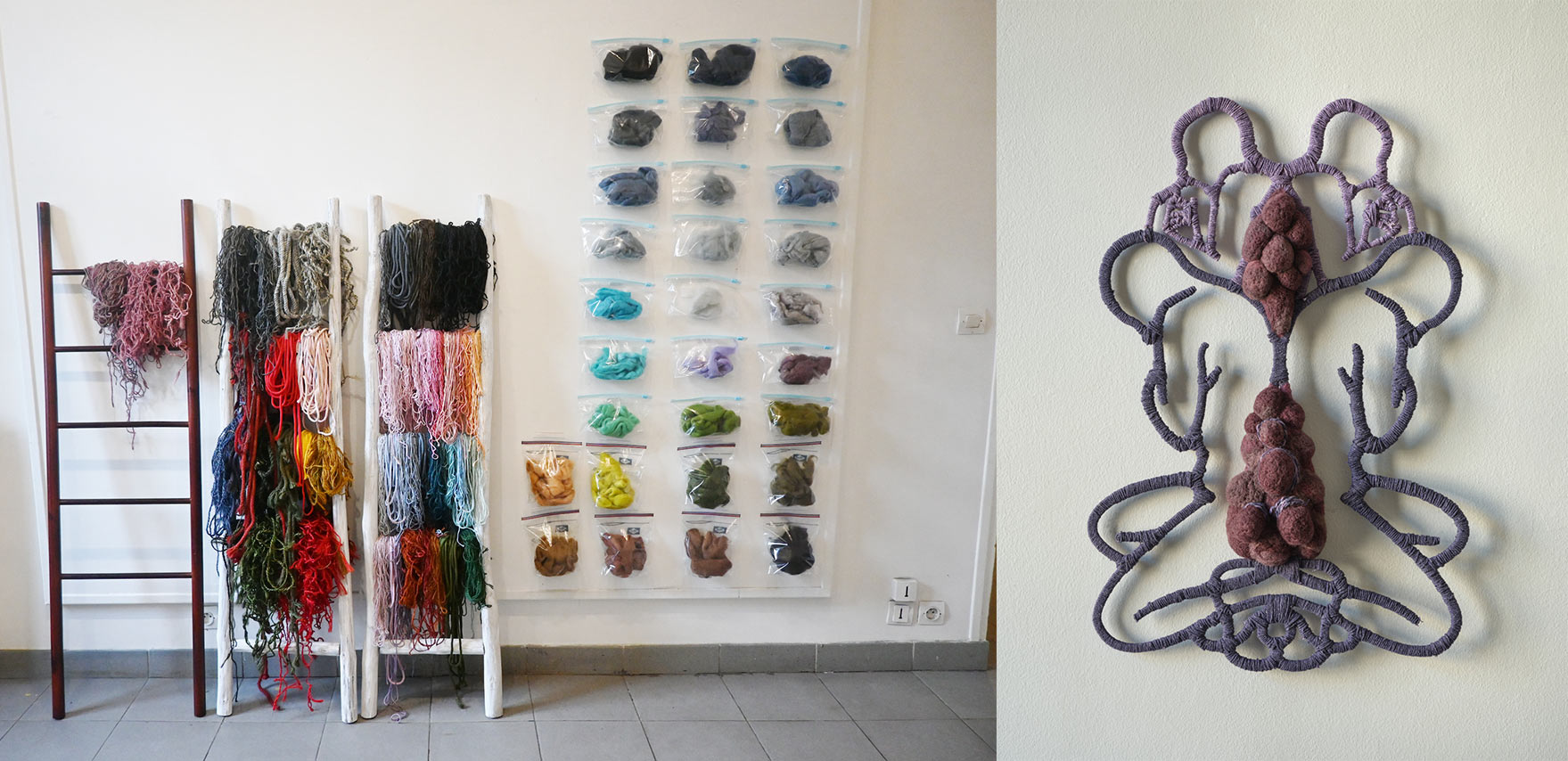
I’ve always carried my emotions quietly, letting them sit inside me, unseen. Ropes became a way to give form to that tension—a material that holds, binds, and traps, yet can also reveal what’s been hidden. Wool, soft and organic, offers a sense of life and growth, something to build from. I’ve always related more to objects than to people, finding in them a language to express what words often cannot. I imagine many feel this too—the need to make the invisible visible, to let emotions breathe through something tangible. My work turns objects into vessels of feeling, inviting viewers to witness the inner world we all carry.
Dyeing the wool and rope is a slow, repetitive act. How does repetition shape your relationship to the material?
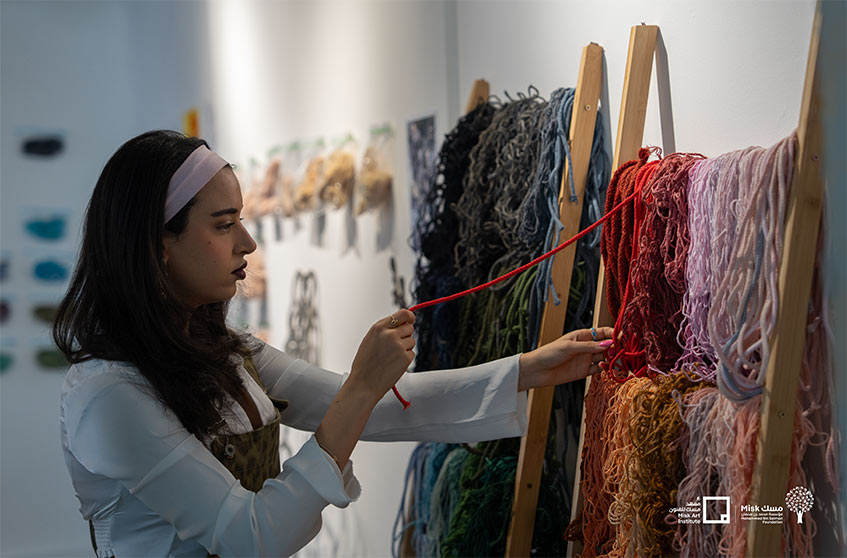
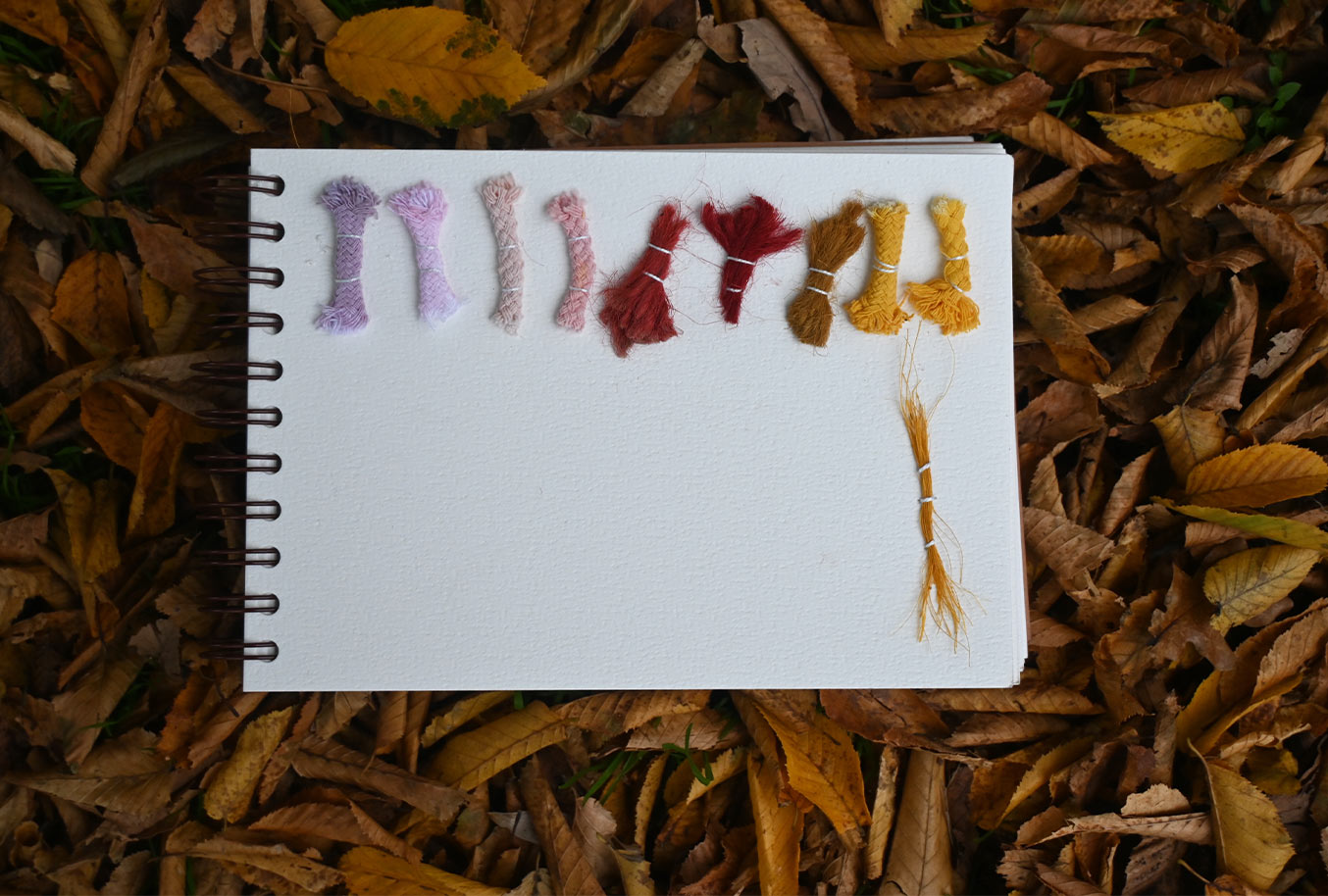
Dyeing wool and rope is a slow, repetitive act that shapes my relationship to motion and patience rather than to the material itself. The rhythm of repetition allows attention to move away from overthinking and toward embodied awareness. Having experienced depersonalization–derealization disorder (DPDR), this sustained engagement with repetition became a vital method of healing, helping me reconnect with sensation, movement, and the world around me. The work reflects lived experience, where repetition functions as both a practice of attentive motion and a path toward recovery.
As a self-taught artist, what does it mean to create a craft from experimentation rather than formal training?
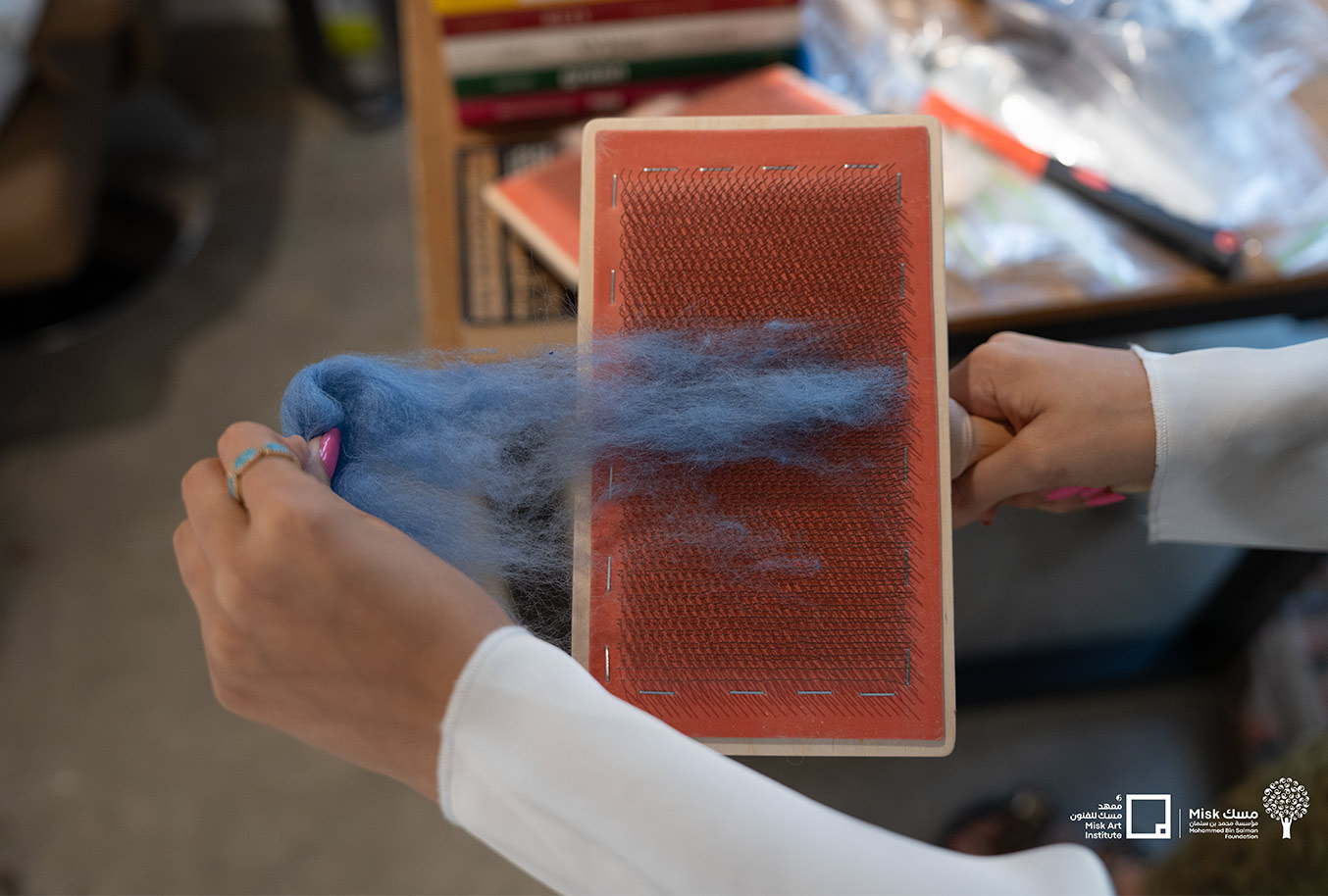
As a self-taught artist, creating craft through experimentation rather than formal training means approaching materials and processes with curiosity and freedom, without pre-defined rules or expectations. Materials that might have been considered survival tools or functional objects become vessels for emotional expression. This approach allows me to see beyond conventional uses and formal design principles, and to develop my own “academic” practice—researching materials deeply, learning their history, and experimenting with diverse techniques. In this way, self-directed experimentation becomes both a method of discovery and a way to shape my artistic voice.
Your work gives form to emotions that are usually invisible. How do you decide when an emotion is ready to become physical?
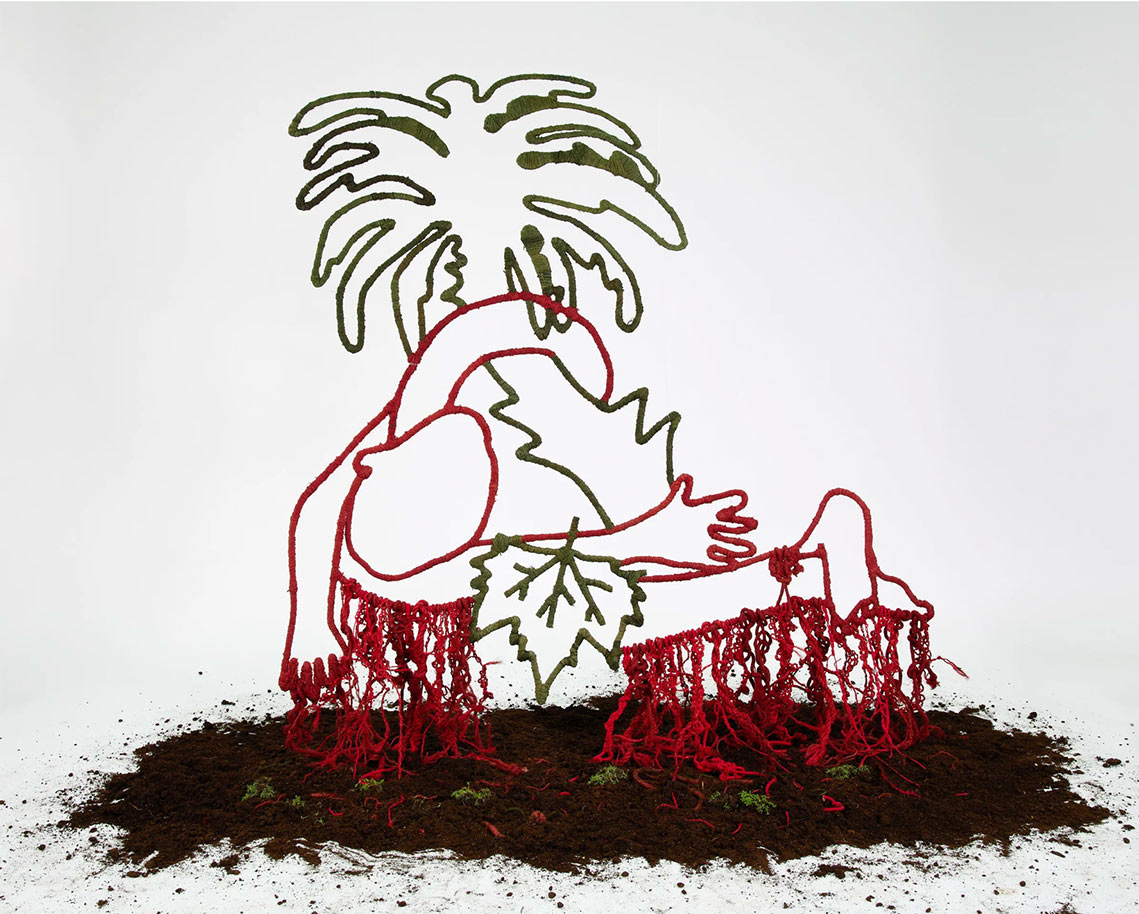
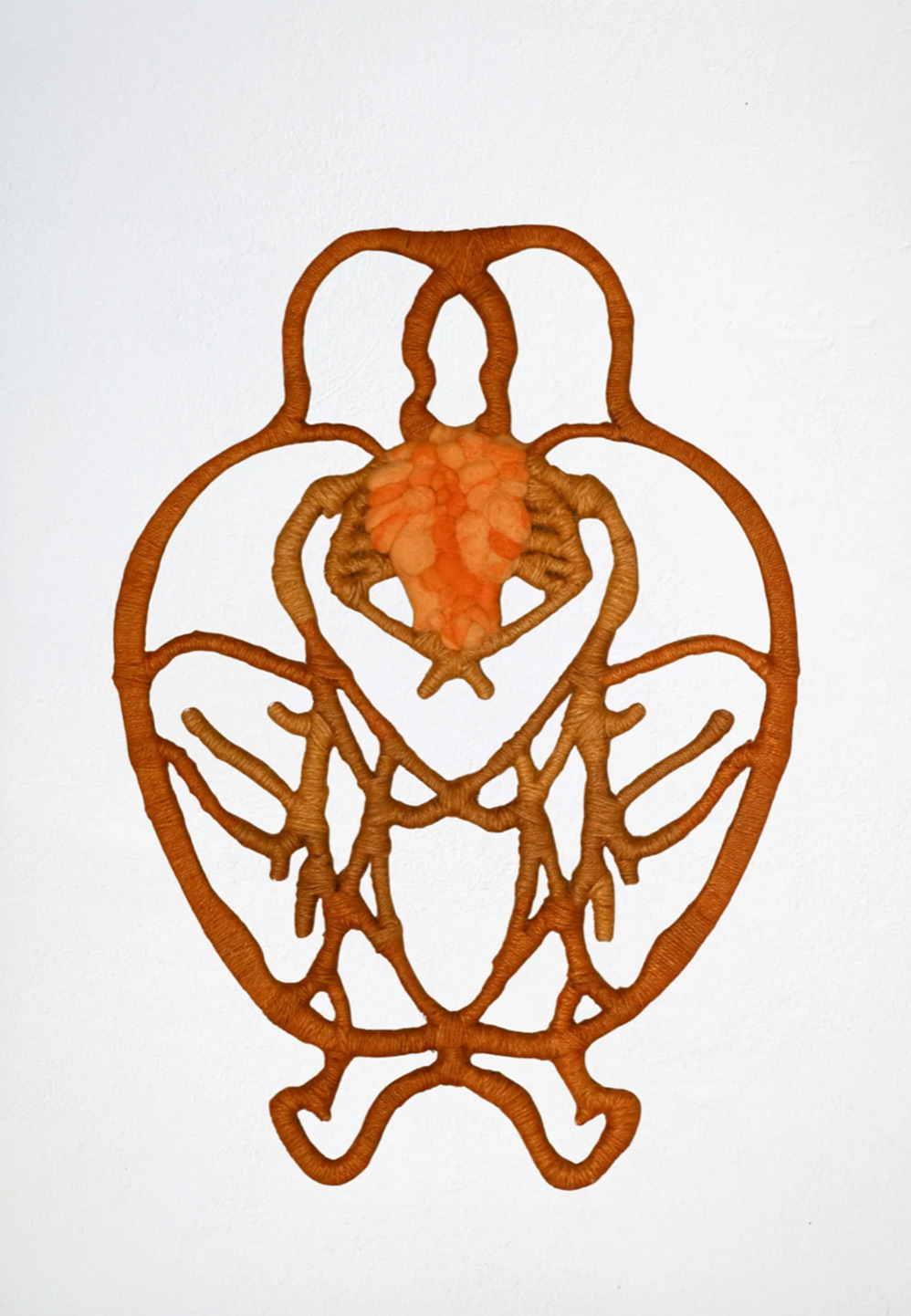
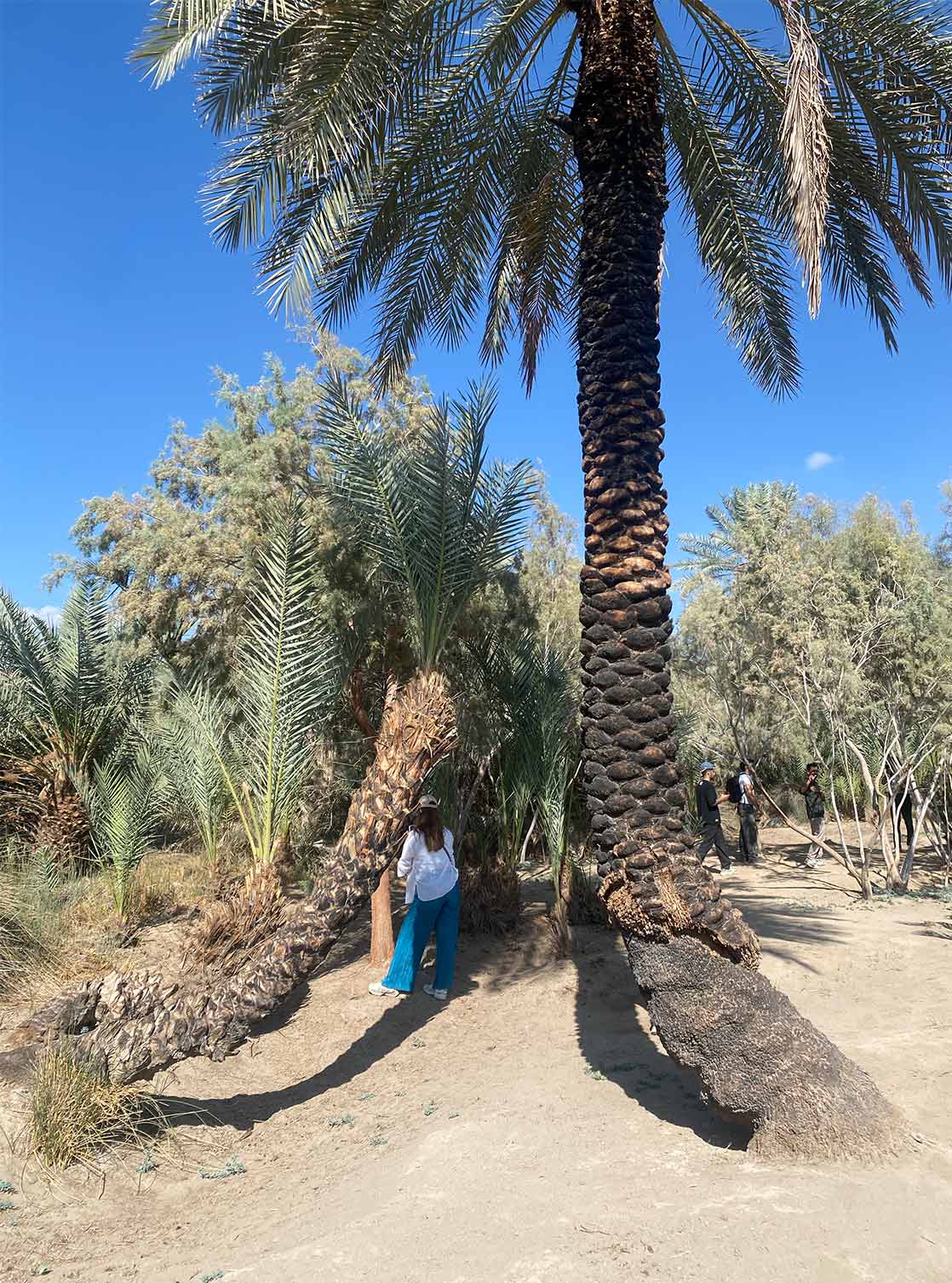
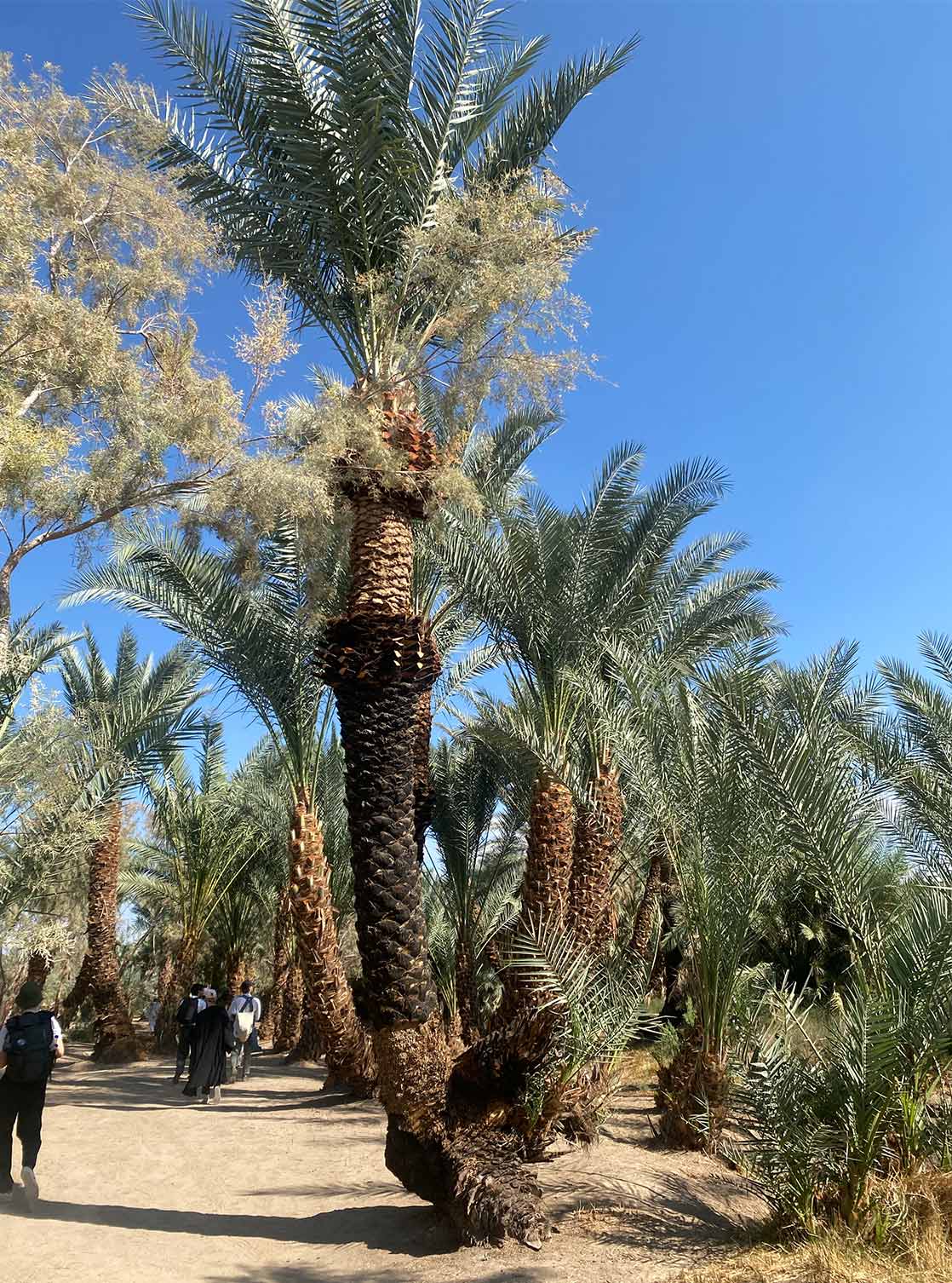
Deciding when an emotion is ready to become physical is often guided by instinct and my present experience. I may have projects in mind, but I wait until I am in the emotional state that allows me to fully explore them or until I have figured out the best way to bring them into form. For example, in my work Between the Body and Emotion, I drew inspiration from a burnt-out tree I photographed in Daimoumah, AlUla, two years ago. At the time, I knew I wanted to explore the color and form of the tree, and the idea that not everything has to be perfect—that there is beauty in imperfection—but I had to wait until the right moment and emotional readiness to translate that vision into my work.
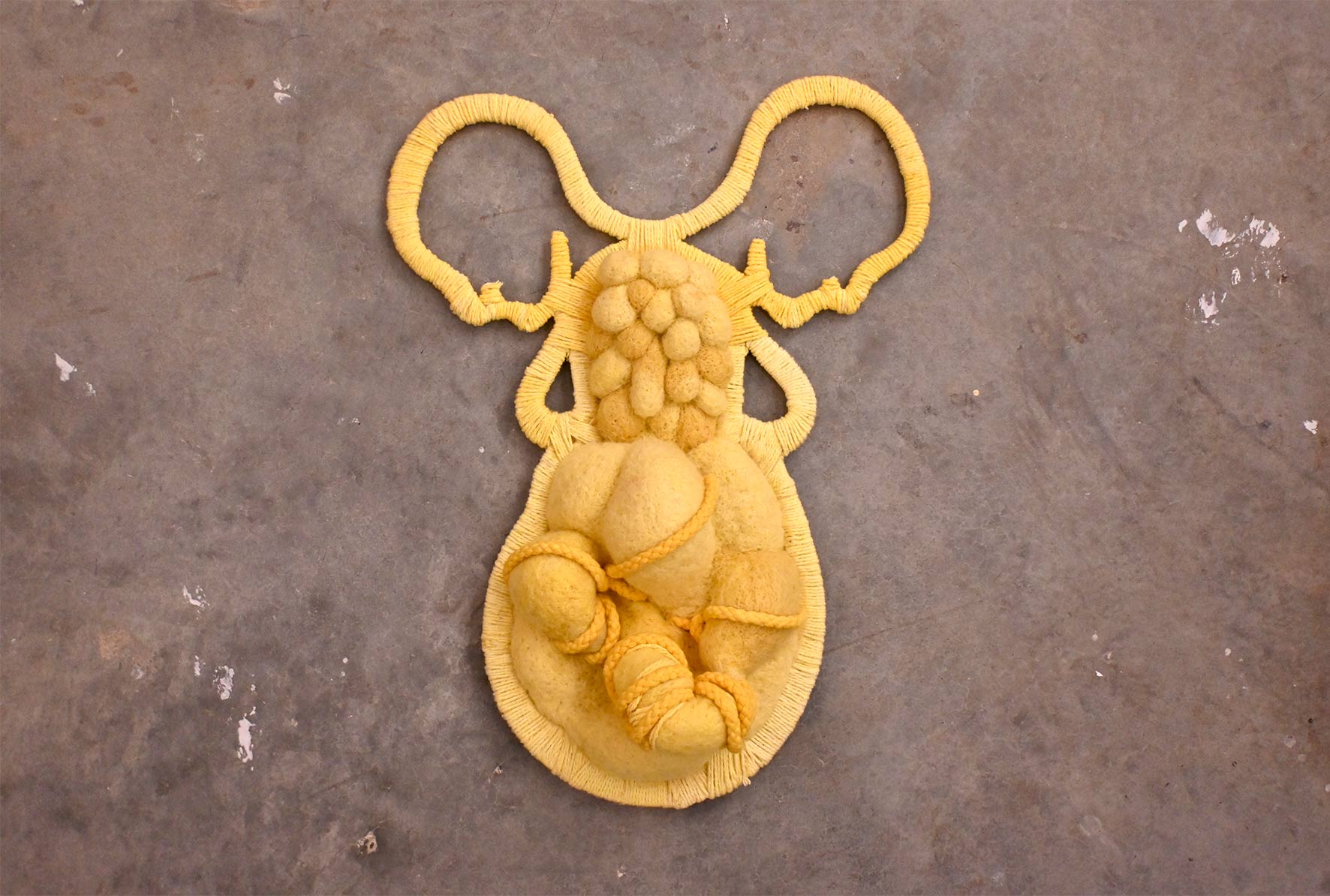
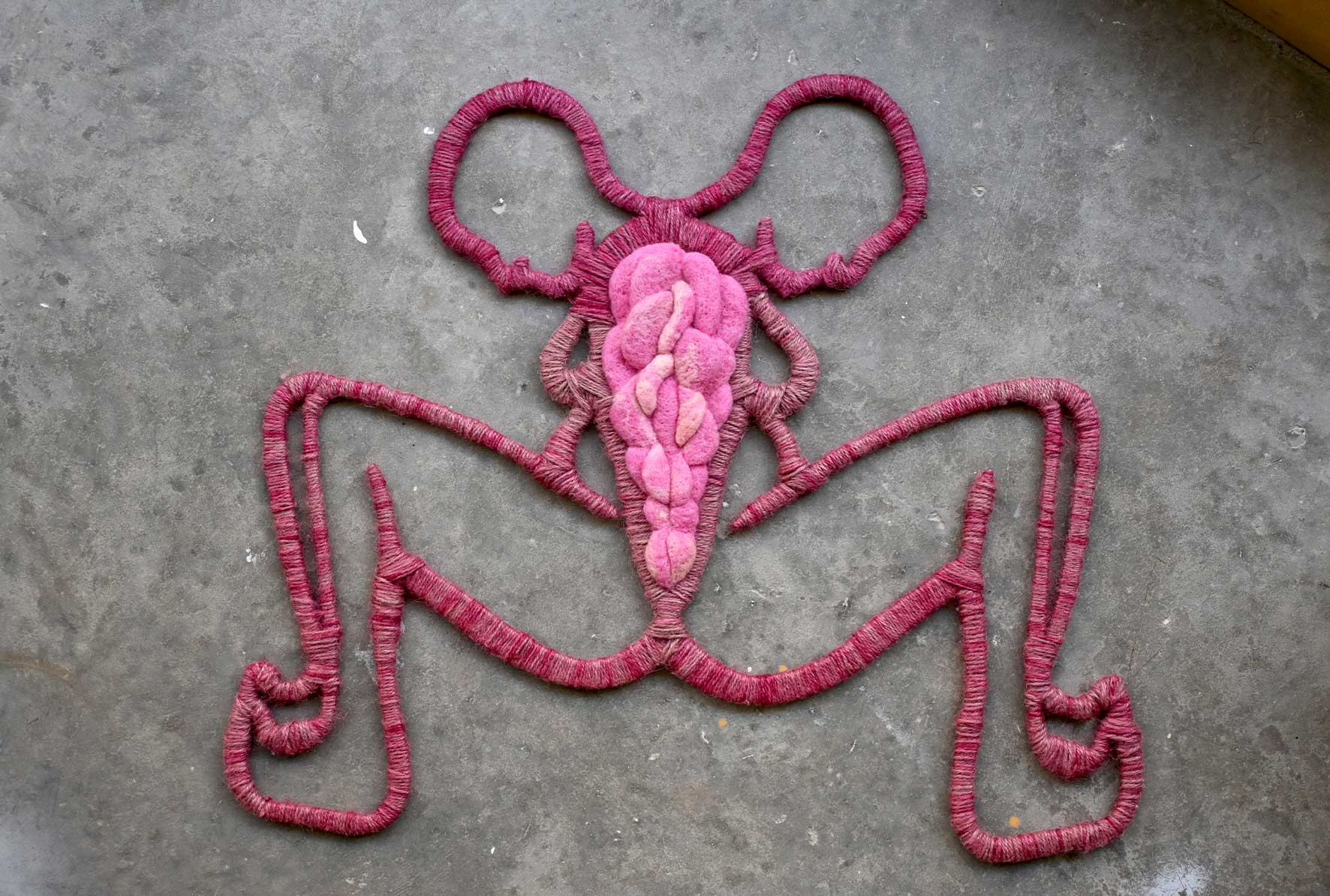
Many of your works confront the idea of women being reduced to vessels, how do you see the female body operating as a carrier of history and a moving archive instead?
I am often asked why I focus on the female body in my work. The answer is simple: I can only speak from the experience I know. I do not have a male body, and I cannot fully understand what it is like to live in one. What I can explore is the female body—how it inhabits both public and private spaces, and how it reacts to societal expectations, attention, and restriction. I often feel that women are treated as objects, and my work aims to challenge that reduction.
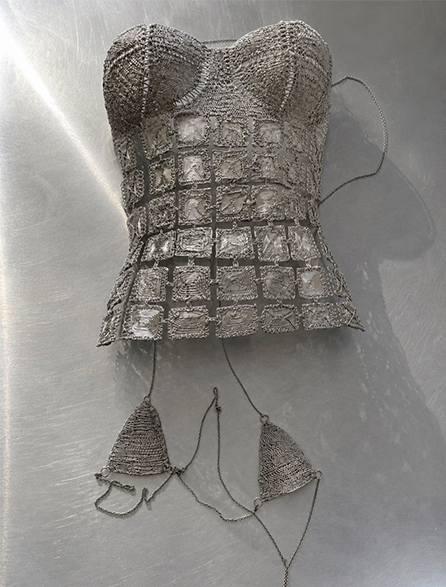
Through my practice, I see the female body as a carrier of history and a moving archive. It holds traces of generations, cultural norms, and personal emotions. Every gesture, posture, and interaction—translated into sculptural forms—reflects how women navigate visibility, vulnerability, and agency. At the same time, I am curious about experiences beyond my own, which is why I also work with materials that are not gendered. Materials allow me to explore ideas and forms beyond the limitations of the body, creating a space where I can attempt, even if only partially, to understand perspectives outside my own.
What do you return to, outside of making, that keeps you inspired?
Outside of making, I return to lived experience as my main source of inspiration. I try not to limit myself to being surrounded only by artists or the art world. Spending time in nature, traveling—especially with my mother—and encountering different cultures help me stay connected to life beyond the studio. I am also inspired by conversations with people from other fields, such as scientists, botanists, geologists, and lawyers, whose more analytical and logical ways of thinking challenge my perspective and influence how I approach material, structure, and meaning in my work.
When someone leaves your work, what do you hope stays with them?
When someone leaves my work, I hope they carry a sense of quiet recognition with them. I want the work to create a silent community—one where unspoken experiences are shared, and where emotions that are difficult to name are still understood. Many of us minimize our pain because we struggle to find the right language to express it. Through my work, I hope people feel less alone, sensing that someone else has lived through similar moments, and that survival and continuation are possible.
Where can people find you?
You can find me on Instagram, or at Hunna Art Gallery, where I am part of the group exhibition “Acts of Protection under her wing”.