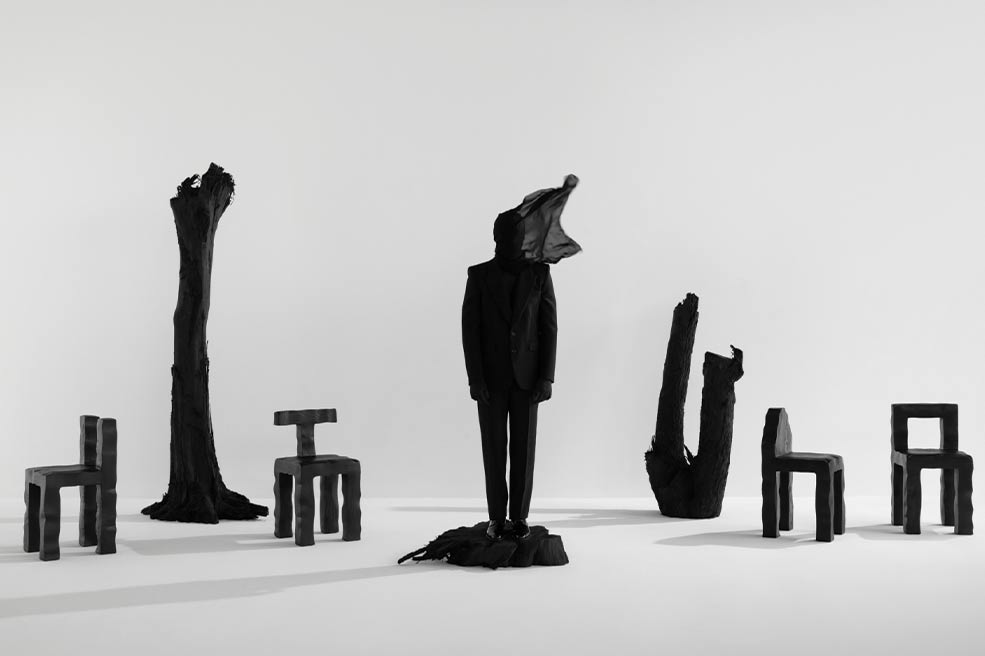
KAMEH
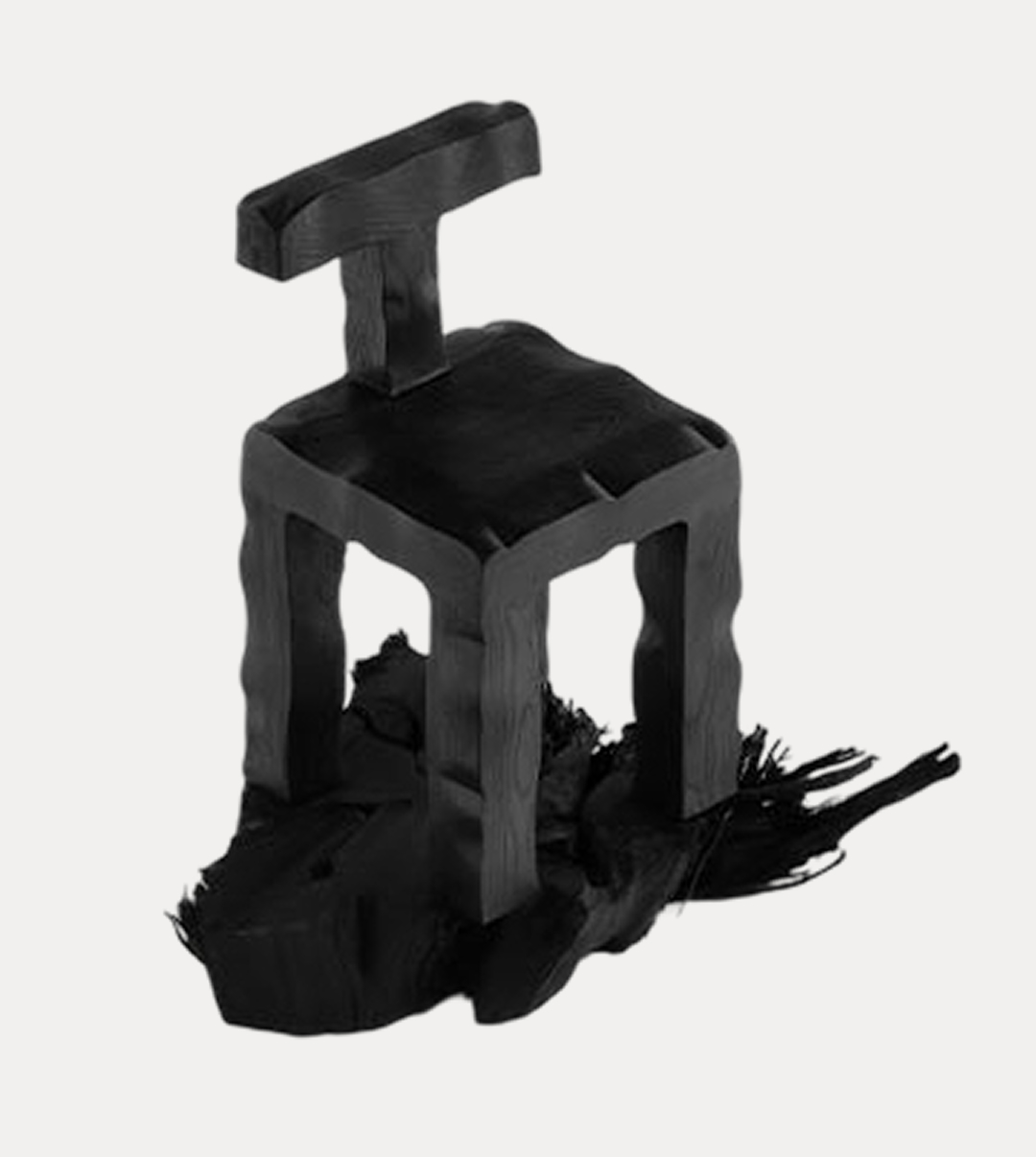
What’s your name and where are you from/based?
The name is KAMEH. We’re not interested in origins in the traditional sense — but geographically we exist in Dubai, UAE
Can you describe your practice in a few words?
Material-led. Emotionally charged. Functionally untamed.
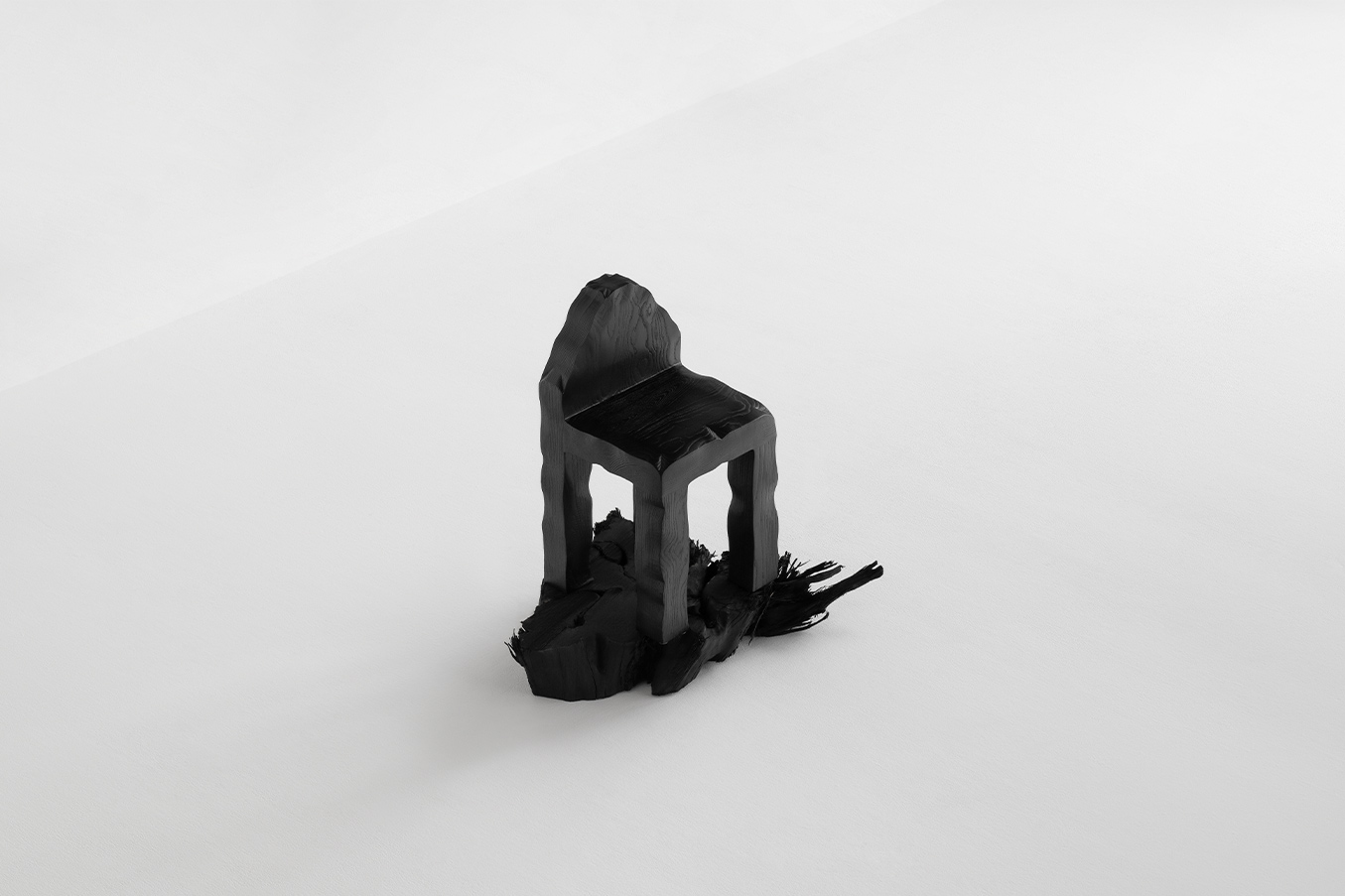
KAMEH was born in 2022. What led to its creation? Was there a specific need, frustration, or idea you were responding to?
KAMEH was a response to a world oversaturated with noise, signatures, and sameness. It emerged from the need to strip back, to listen to material rather than ego. It wasn’t about starting a brand — it was about building a language, piece by piece, without the pressure to explain or sell a persona.
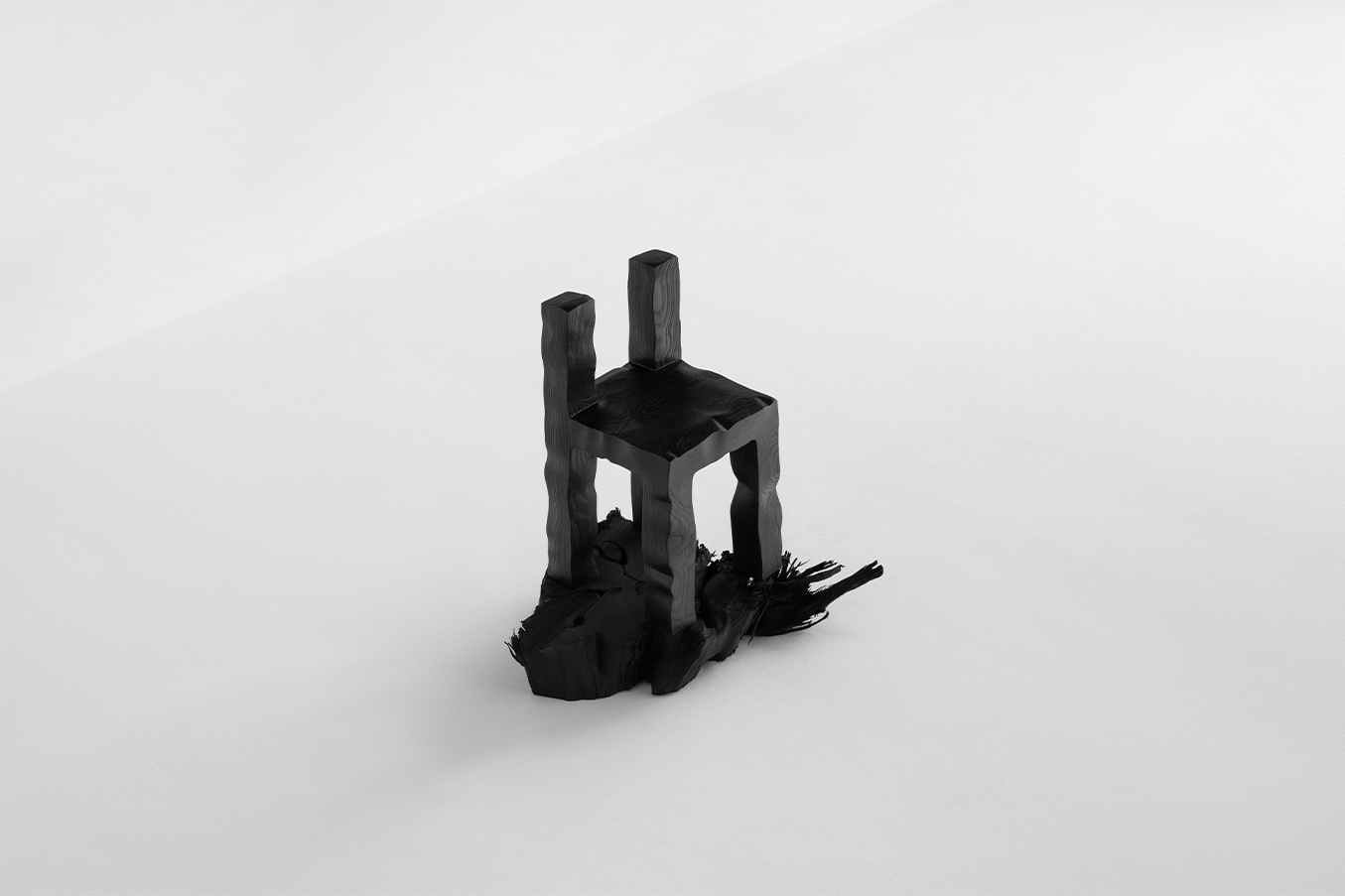
In a world obsessed with the “who” behind the work, you’ve chosen to focus on the “what” and the “why.” What possibilities open up when the designer remains anonymous?
Anonymity is clarity. When the author disappears, the object speaks louder. Viewers stop searching for biography and start sensing intention. It allows room for projection, for mystery, for emotional reading — things that don’t exist in algorithms.
Your pieces explore the intersection of function and art. How do you define usefulness in your work, and does a piece always need to “do” something?
Usefulness is not utility. A piece might not hold, pour, or support — but if it slows you down, makes you feel, shifts the weight of a room — that’s purpose. Presence can be function.
How do you choose materials for each piece? What is more important: origin, texture, reaction, or symbolism?
Material chooses us. Some pieces begin with a reaction — fire to grain, steel to silence. Others are led by a symbolic weight. What matters is that the material has something to say — texture, origin, and meaning are just different dialects of the same language.
KAMEH pieces are described as “wildly idiosyncratic.” Do you see them as having personalities of their own?
Yes — each one. They’re not products; they’re presences. Some feel grounded, others volatile. Some lean inward, others demand attention. They aren’t designed to match anything. They arrive fully themselves.
In a world of mass production, how do you protect the intimacy and individuality of each piece?
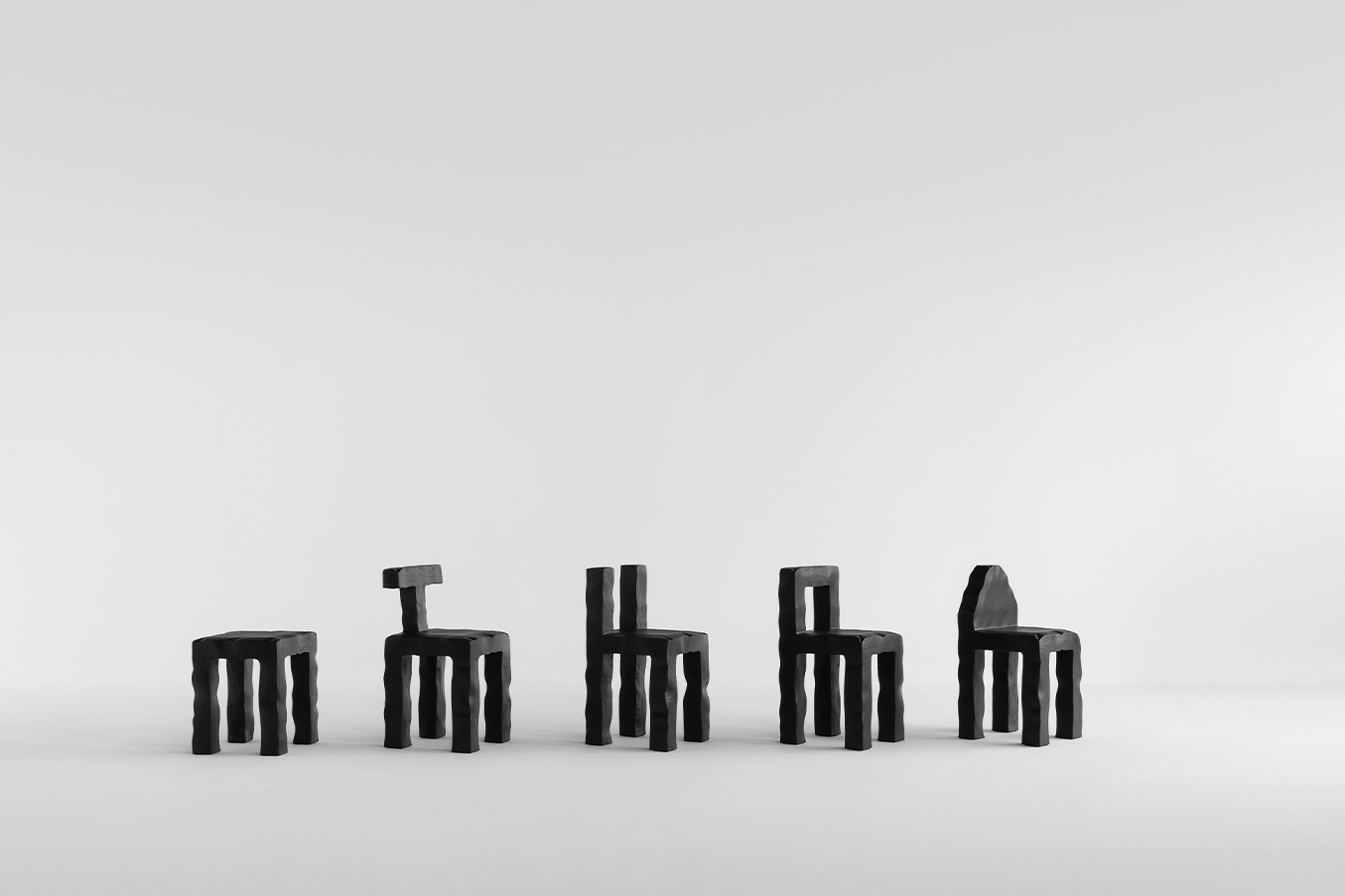
By refusing repetition. Each piece is handmade, untreated by industry. We work slowly. We embrace irregularity. We allow the process to scar, mark, or shift the final form. Imperfection is the only proof of presence.
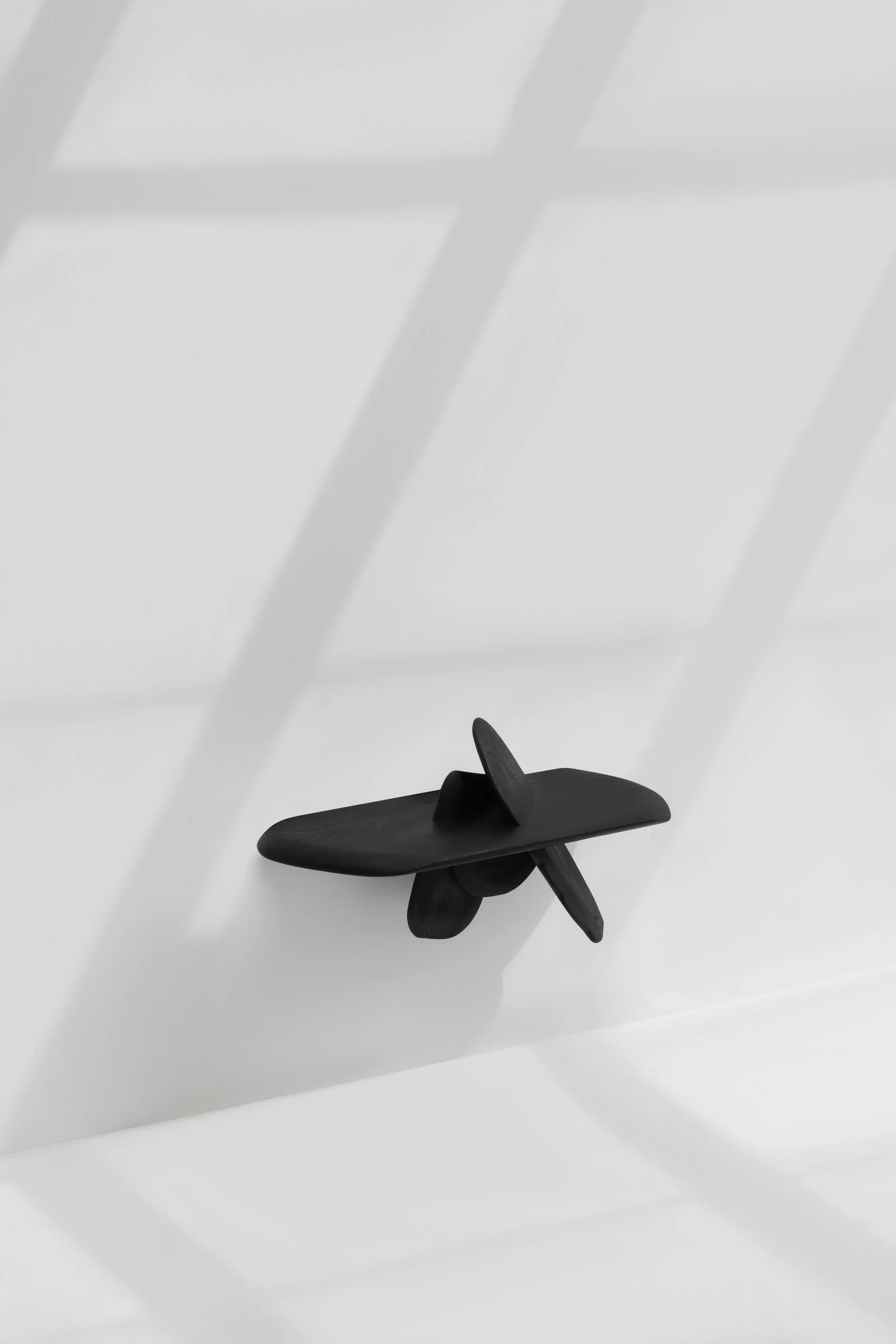
This new collection is rooted in the John Muir quote, “Into the forest I go to lose my mind and find my soul.” What did that quote unlock for you, personally and creatively, when you began working on the 0.5 Editions?
It gave permission to wander. To get lost on purpose. The 0.5 Editions aren’t resolved — they’re meditations in process. Like walking into a forest, not knowing what you’ll return with. The pieces breathe. They rest. They hold space for silence.
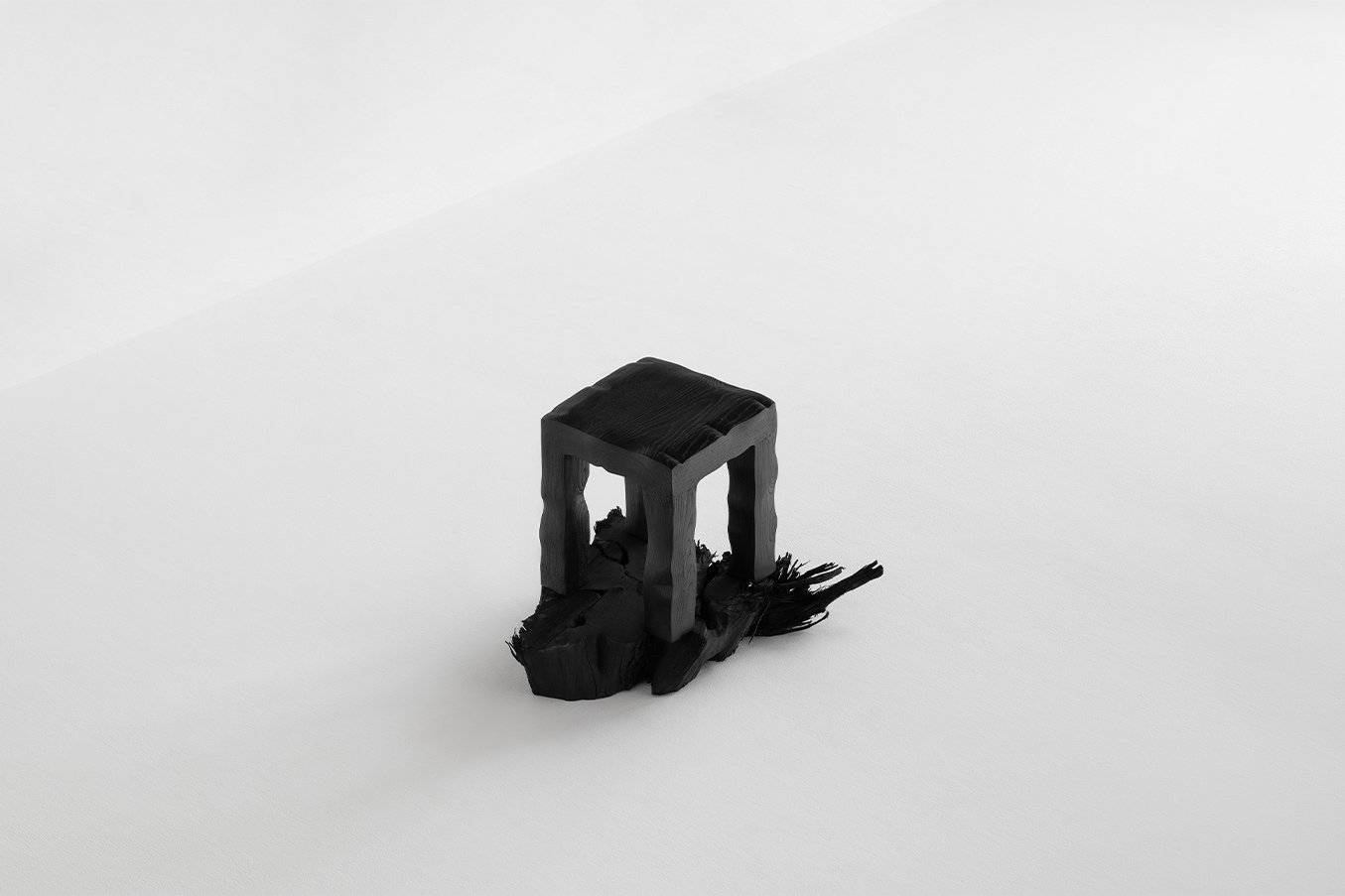
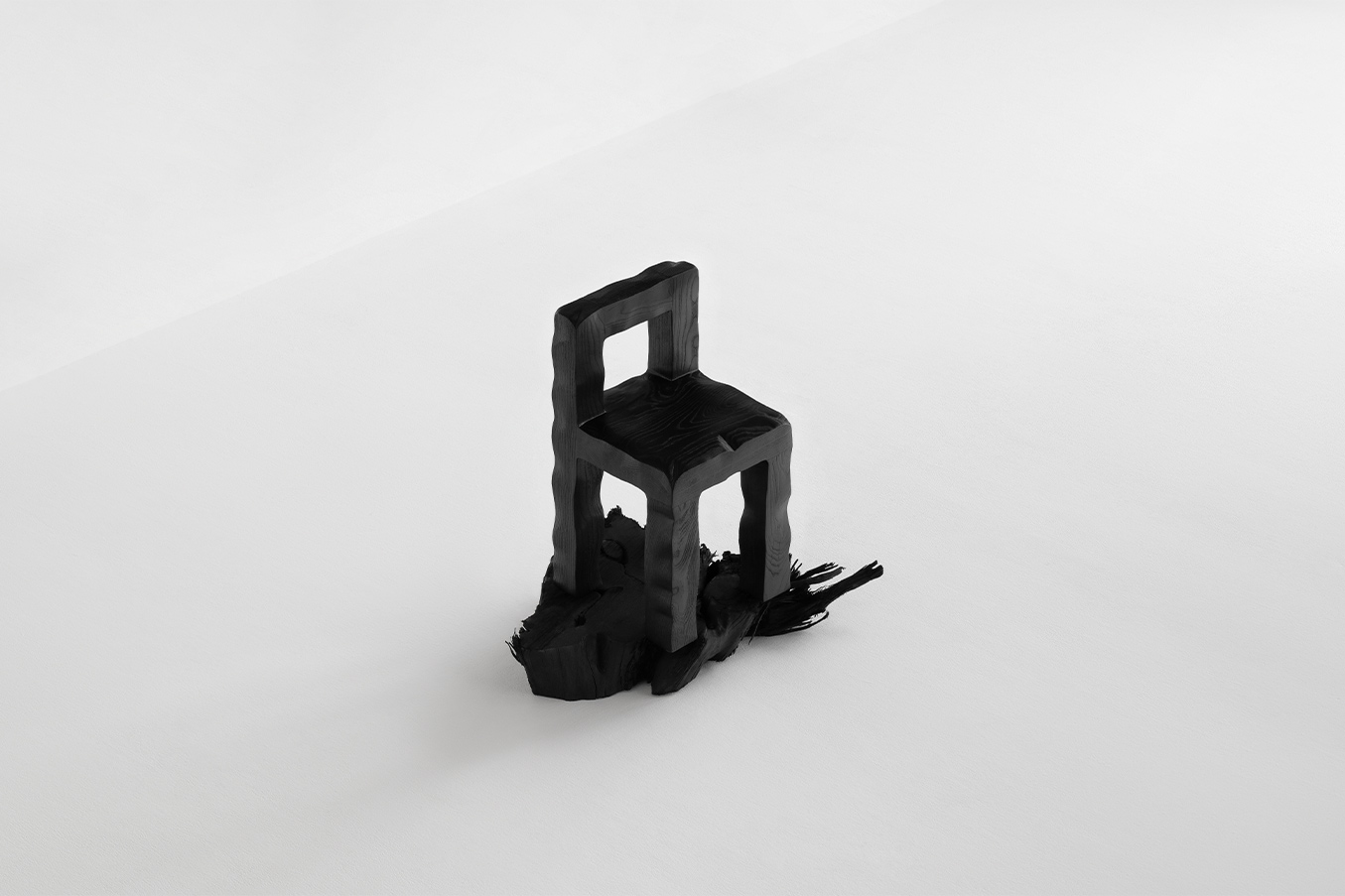
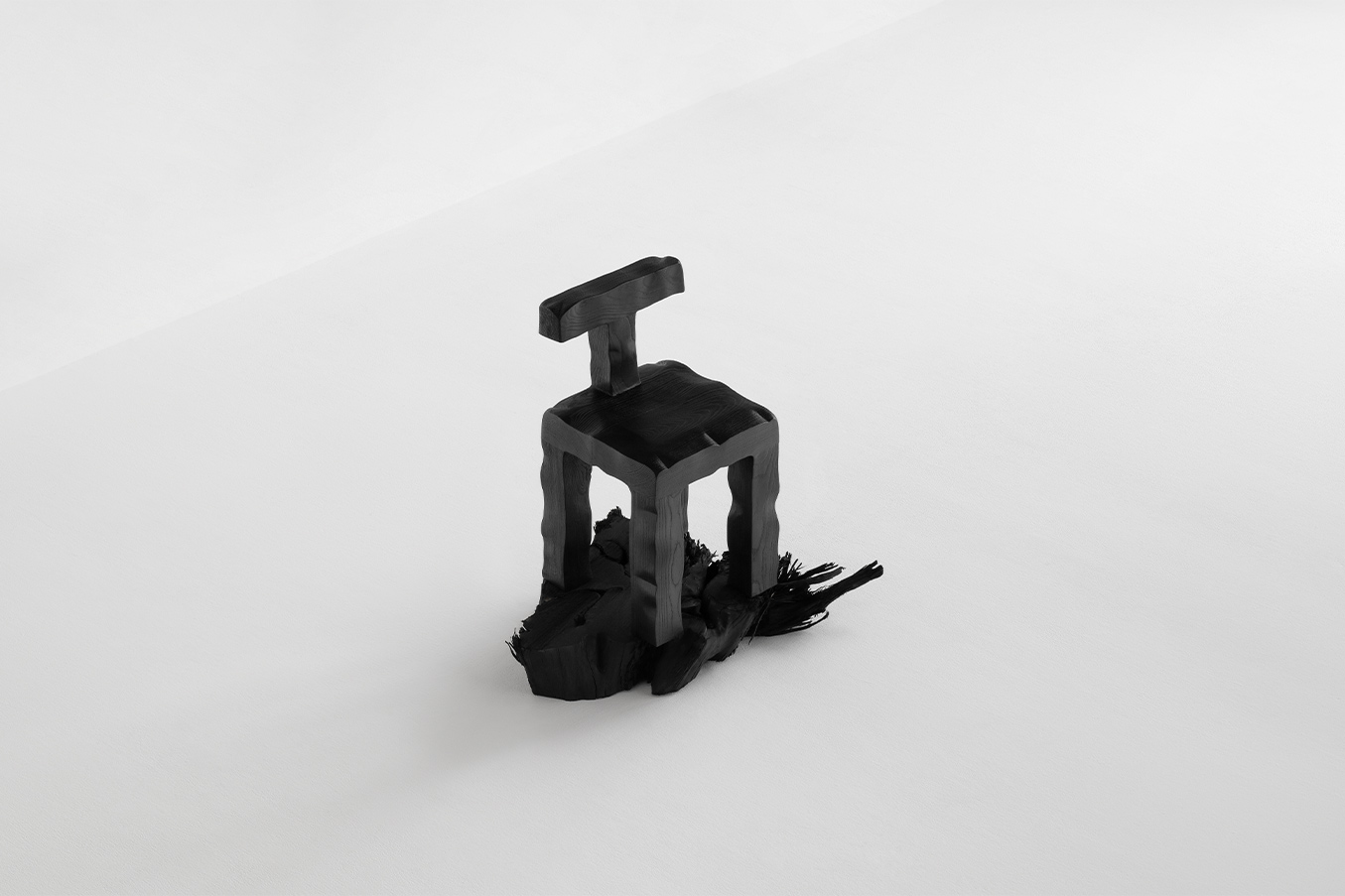
You chose Ashwood as the base and treated it using the traditional Japanese technique of Shou Sugi Ban. What drew you to this process, and how did it feel to work with fire as a creative tool?
Shou Sugi Ban is a ritual. Fire transforms the wood, seals it, hardens it, but it also blackens it, scars it. There’s reverence in that contradiction. Working with fire demands surrender. It’s not a brushstroke — it’s a burn. And the result is permanence through destruction.
If this collection is a pause, a breath in the forest, what comes next? What kind of landscape are you drawn to now?
After the forest, maybe the threshold. Spaces in-between — shorelines, ruins, waiting rooms. We’re drawn to ambiguity, to landscapes that hold transition. Stillness before movement. Softness before collapse.
What aren’t you trying to design?
We’re not trying to design perfection. Or trends. Or replicas. We’re not designing lifestyle. We’re building objects that resist easy categorization.
Where can people find you?
@kameh.objects and www.kameh.space