Kevin Rouillard
What’s your name and where are you from / based?
My name is Kevin Rouillard. I’m from the southwest of France, where I grew up in the Landes. I studied at the Beaux-Arts in Pau and then at the Beaux-Arts in Paris, where I currently live and work.
Can you describe your practice in a few words?
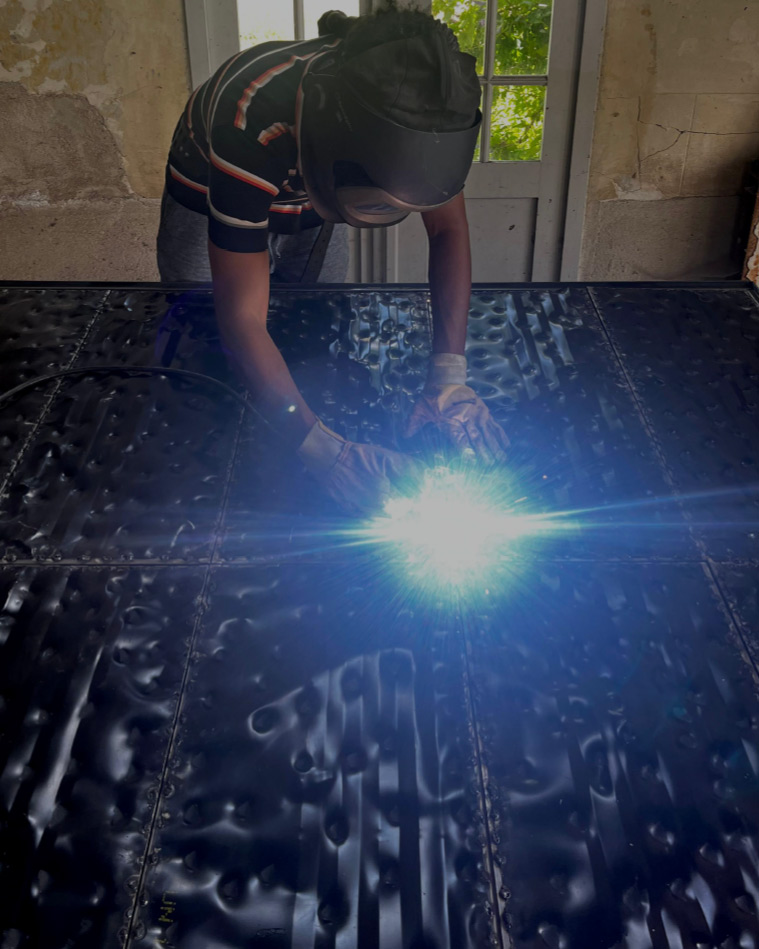
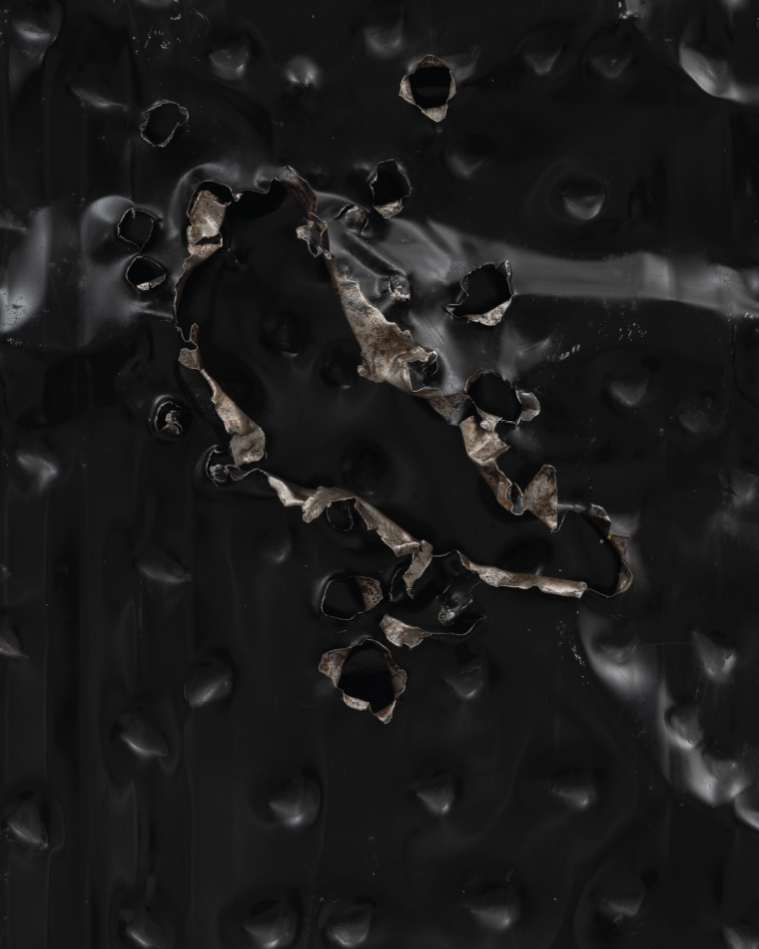
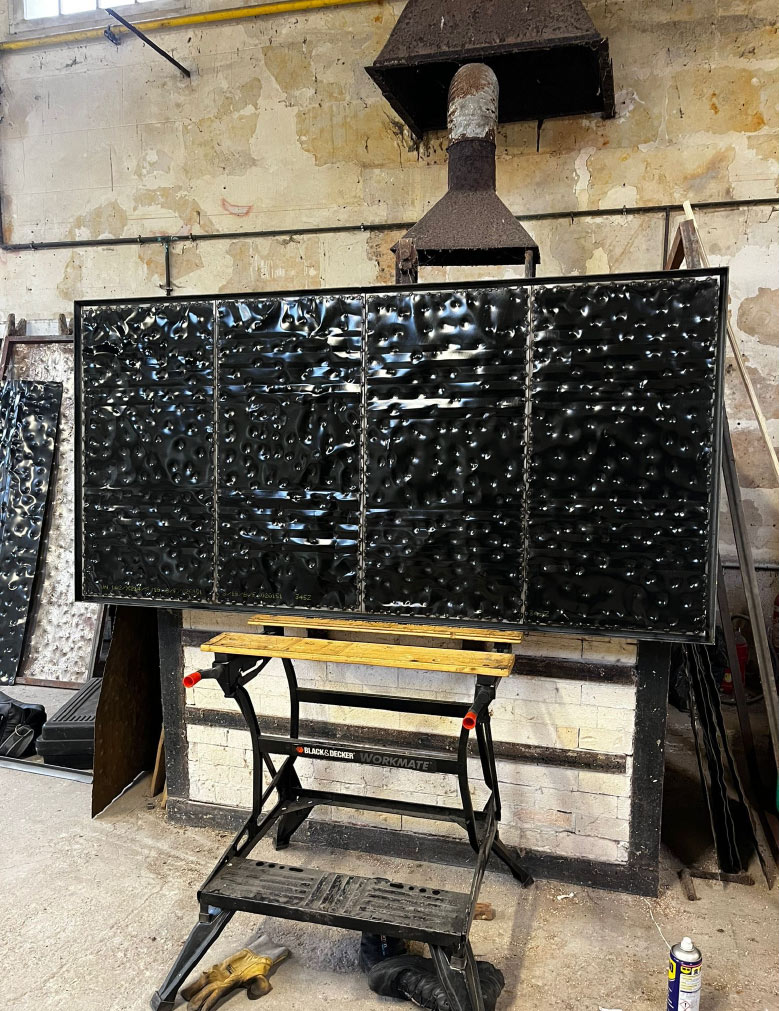
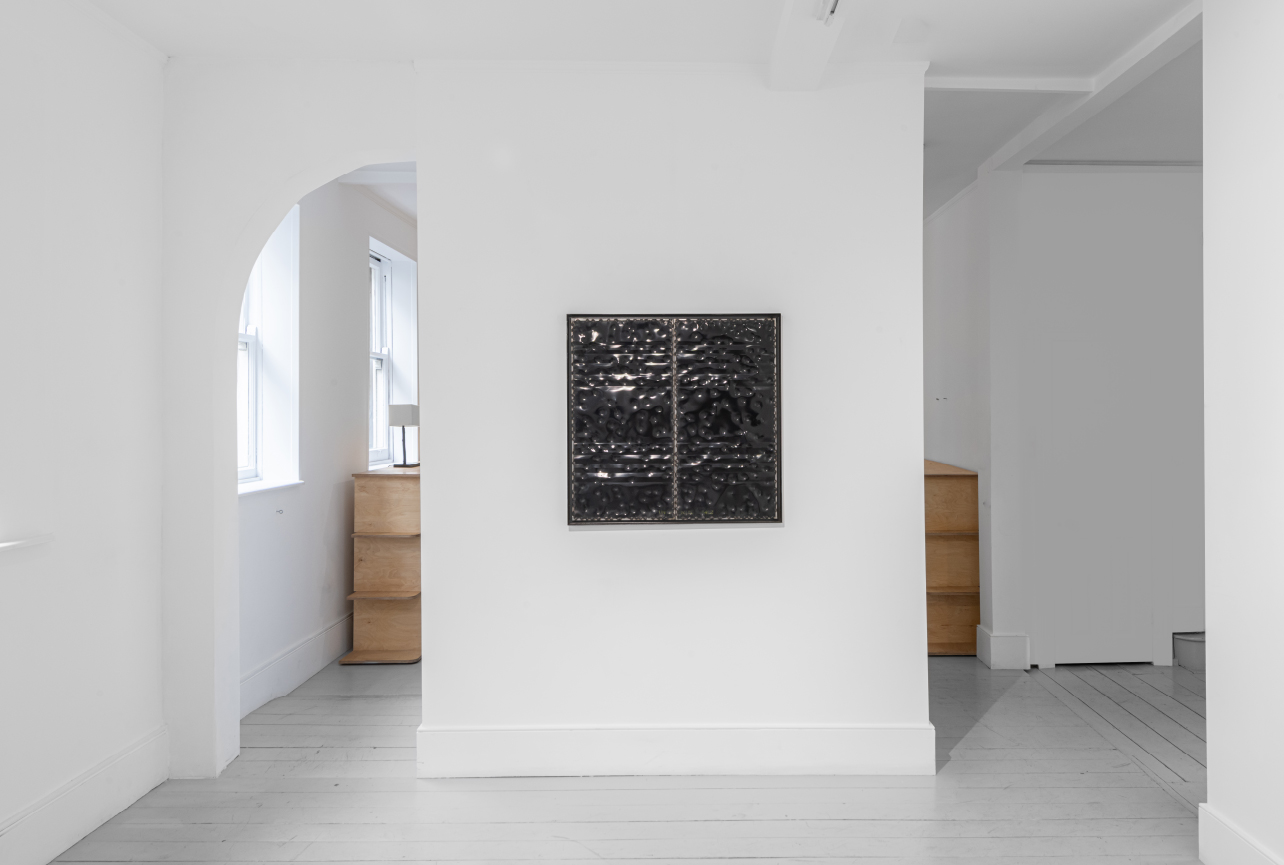
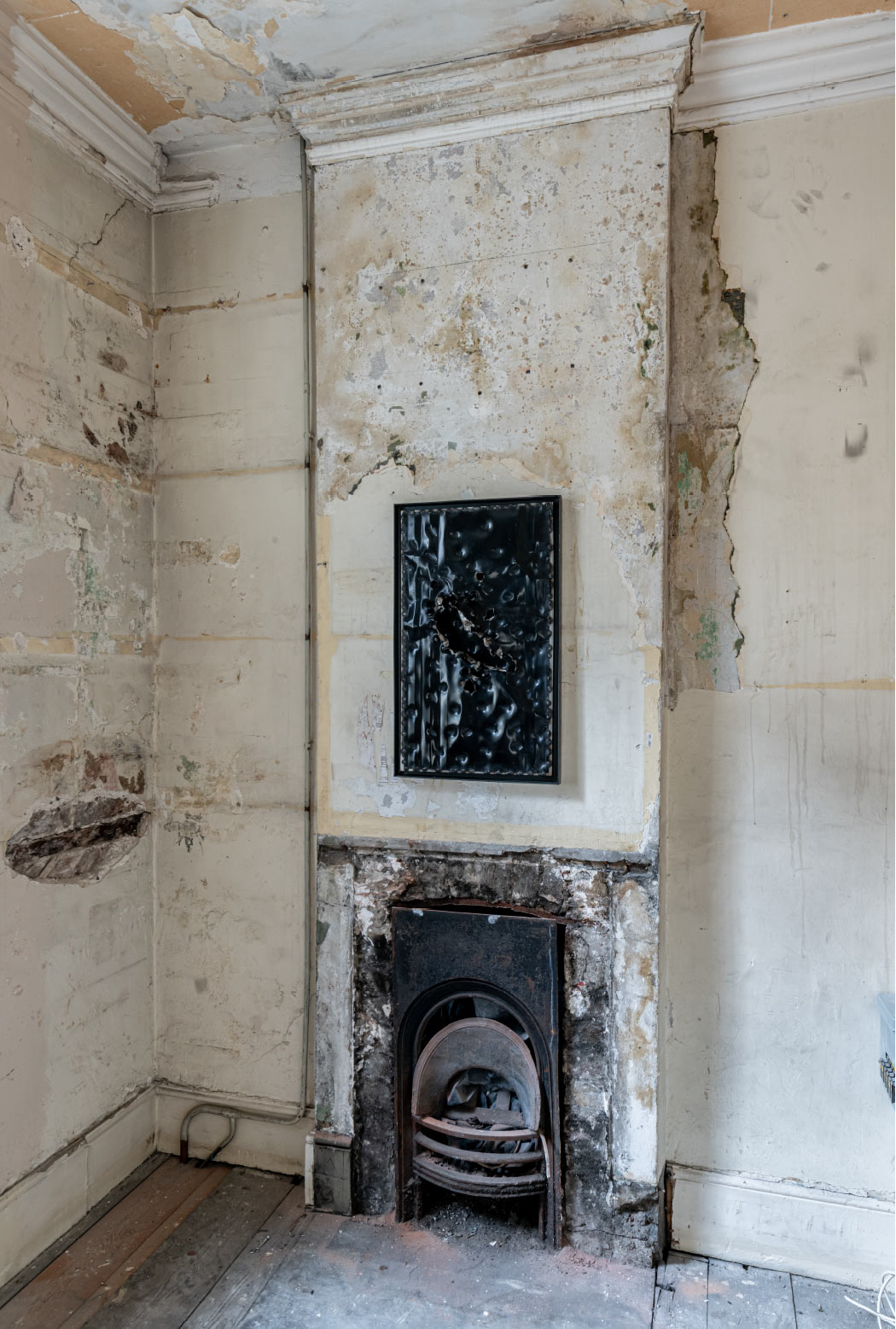
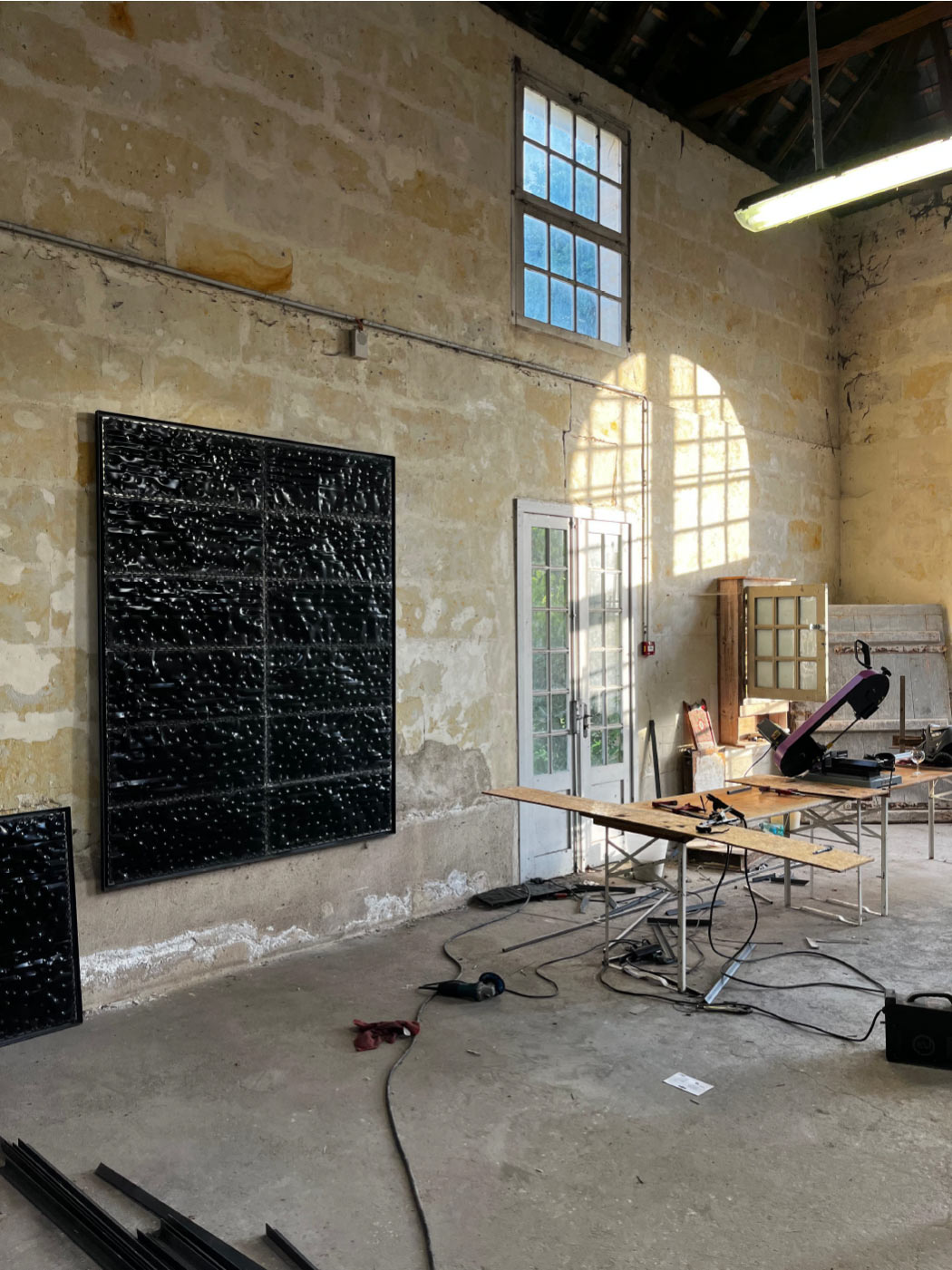
My practice revolves around the transformation of industrial materials, particularly metal drums that I cut, flatten and assemble into pictorial surfaces. These fragments, carrying both material and symbolic histories, become part of a visual language that questions the boundary between painting and sculpture. My work explores notions of wall, protection, circulation and commodity — both personal and collective — while reflecting on gesture, territory and materiality.
Can you tell us a little about your background and how you arrived at working with color and material?
My journey has been gradually built around a formal vocabulary connecting painting, sculpture, and installation. After studying art in France, I developed work focused on raw materials, particularly metal and industrial drums, which I use as supports and painting surfaces. My research has long been centered on light, perception, and color, and I aim to create pieces that offer an immersive experience. Today based in Paris, I have been fortunate to undertake residencies in Mexico, the United States, Portugal, and Senegal, all of which have nourished my practice.
You recently presented a series around the color yellow and the notion of boundaries. Can you elaborate on this cycle?
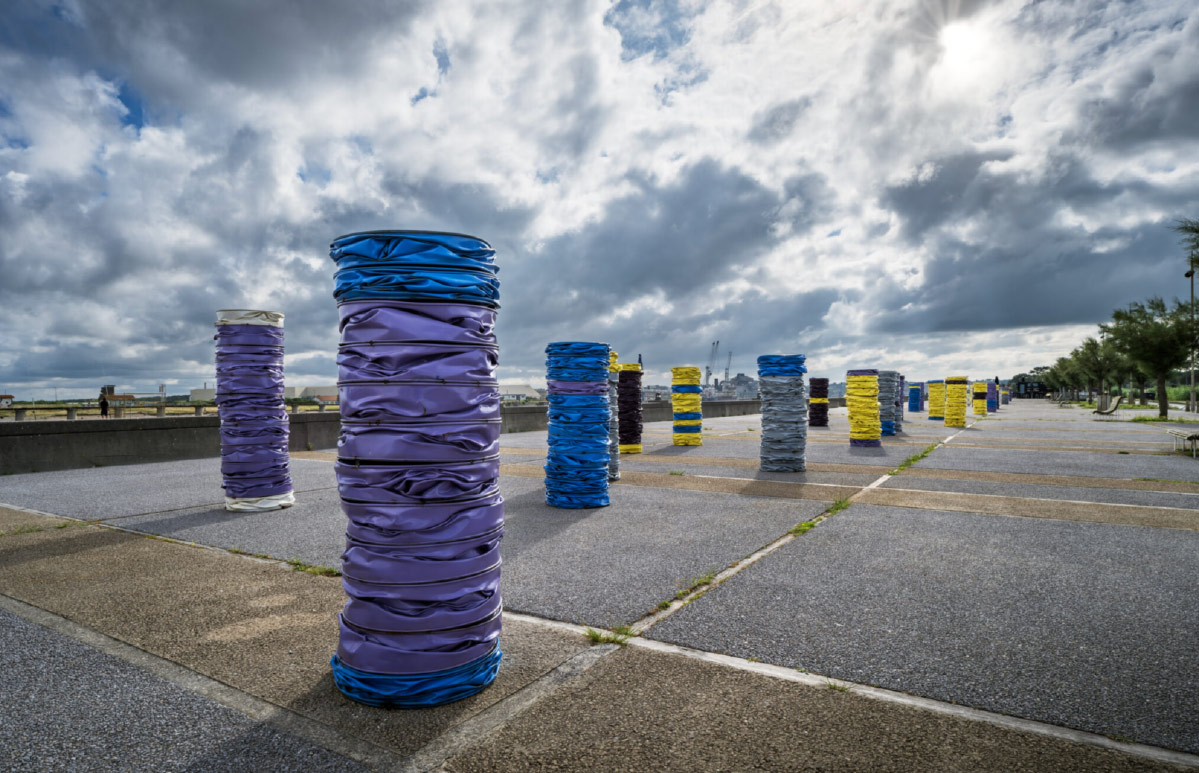
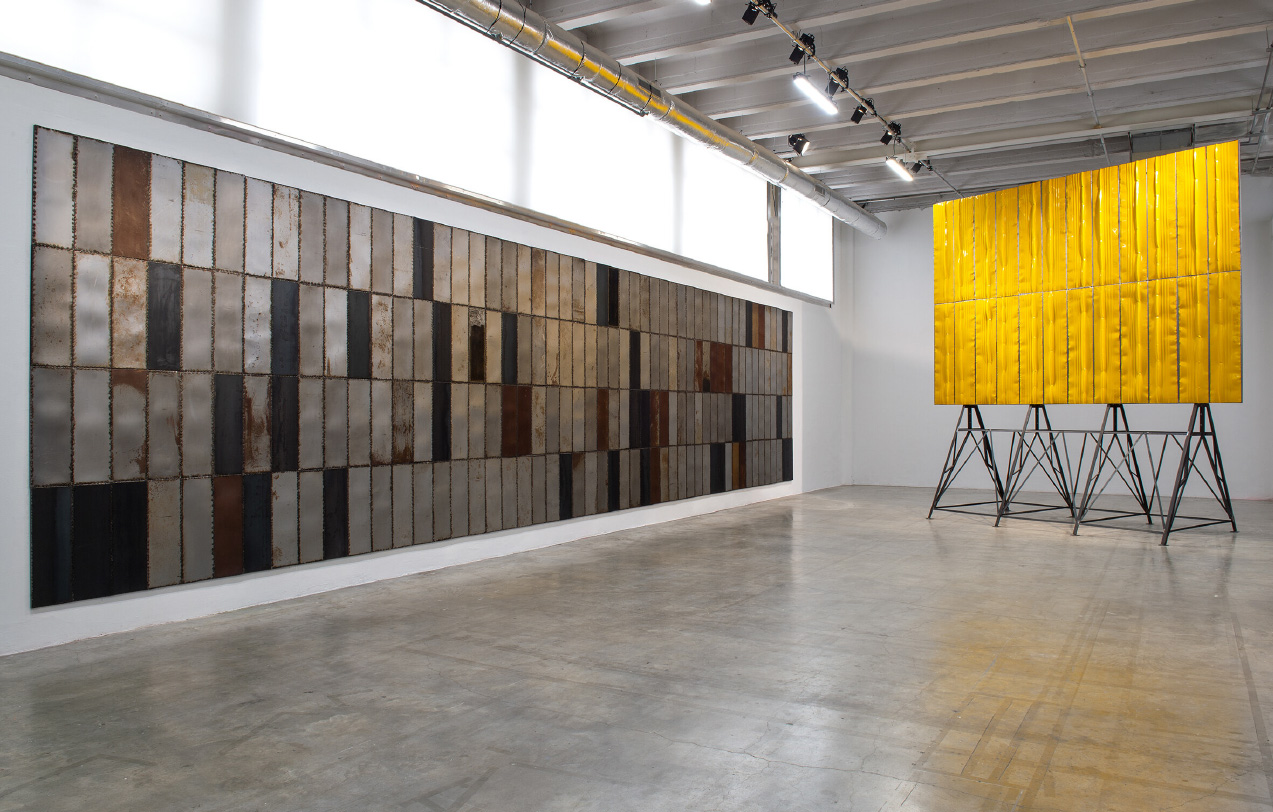
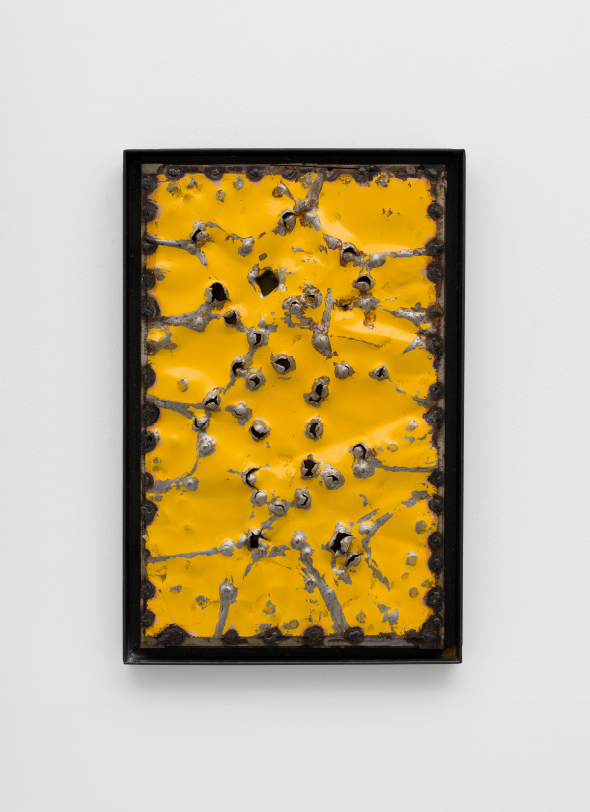
This cycle emerged from a reflection on walls, limits, and passage zones. Yellow functioned as a boundary color, both signaling and political, allowing an exploration of the circulation of bodies and ideas. I developed this work across three successive exhibitions, including *Le Grand Mur* at Palais de Tokyo, forming a kind of triptych.
How did you arrive at this new series centered on black and Arctic light?
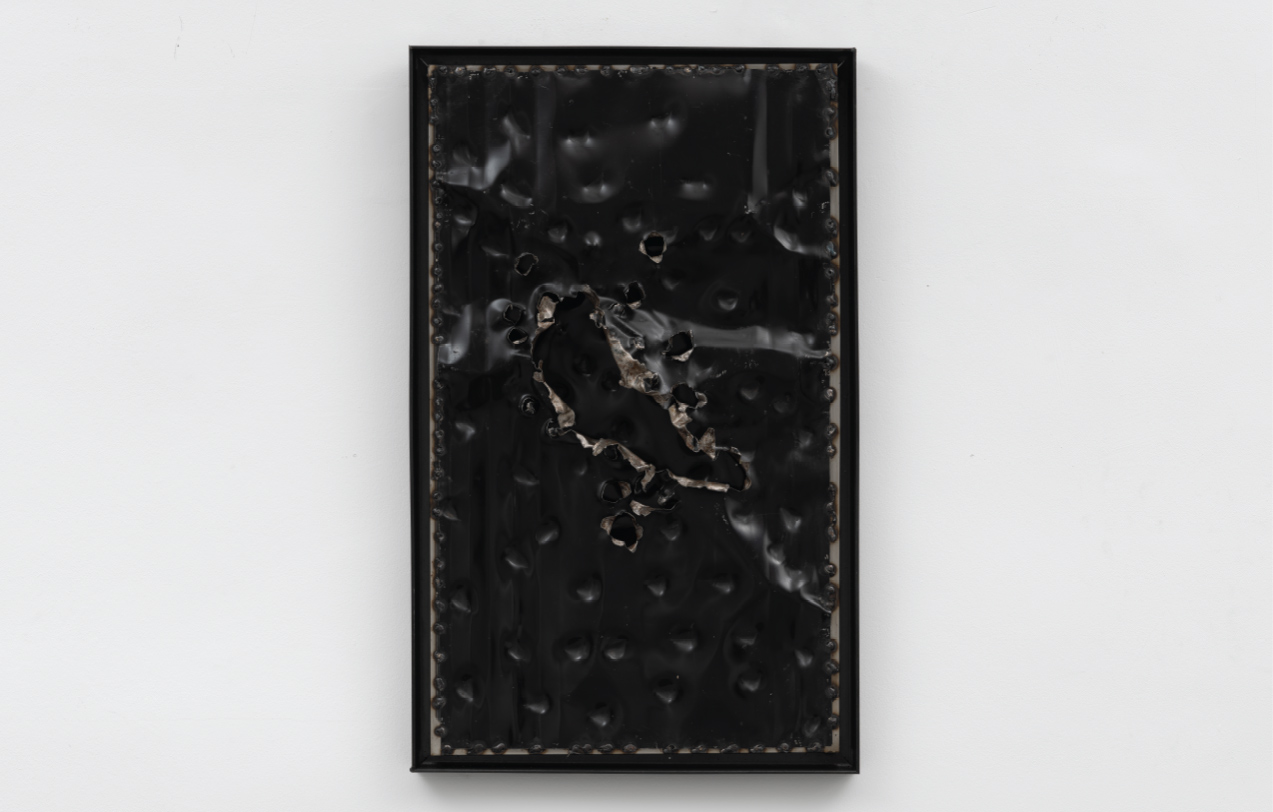
This project emerged during a trip to northern Norway, beyond the Arctic Circle. The experience of the *Midnight Sun* – continuous light that disrupts the perception of day and night – profoundly influenced my vision. The black I explore today is not an absence but a luminous material, a density that receives and reveals light differently.
What do you aim to convey with these black works?
I try to create a perceptual space where the gaze moves between appearance and disappearance. The black surfaces absorb, reflect, and transform light depending on the viewer’s position. What I aim to share is this feeling of being surrounded, protected, sometimes unsettled, by a light that never fully reveals itself.
The series unfolds between painting and sculpture. How do you articulate these two dimensions?
I don’t see them as separate disciplines. My paintings have a sculptural materiality, and my sculptures integrate a pictorial dimension. Drums or metal surfaces become both paintings and volumes. The aim is to create spaces where gaze, material, and light meet.
What role does the viewer’s experience play in your work?
It is central. I try to create works that can never be fully apprehended from a single image or point of view. Depending on the position of the body, distance, and lighting, perception constantly changes. This instability is what I seek: an active, shifting, almost performative relationship of the viewer with the work.
You often mention the question of light. How important is it in your practice?
Light is both a material and a subject. It is not just what makes things visible but a substance I work with. In my black works, for example, light becomes the element that activates the surface, creating passages between opacity and transparency.
Are these new pieces a continuation of your previous work with raw repurposed metals, or a new chapter?
I see them as a continuation, but one that opens onto a new cycle. Drums have been part of my vocabulary for a long time, and the shift to black marks an intensification of my reflection on perception and light. This project also constitutes a statement that goes beyond the exhibition framework: it affirms a way of considering production itself as a form of total art, almost like a leitmotif running through my entire practice.
Where can people find you?
My work can be seen at Xippas Gallery in Paris, as well as in various exhibitions in France and abroad.
I am currently working on a project in partnership with Grand Paris Express and Eiffage, focused on creating artworks to accompany the new metro stations. These sculptures will be visible from around 2030 and allow an exploration of how works interact with their environment on a large scale and over the long term, integrating production, site, and public perception.