Lameice Abu Aker
What’s your name and where are you from/based?
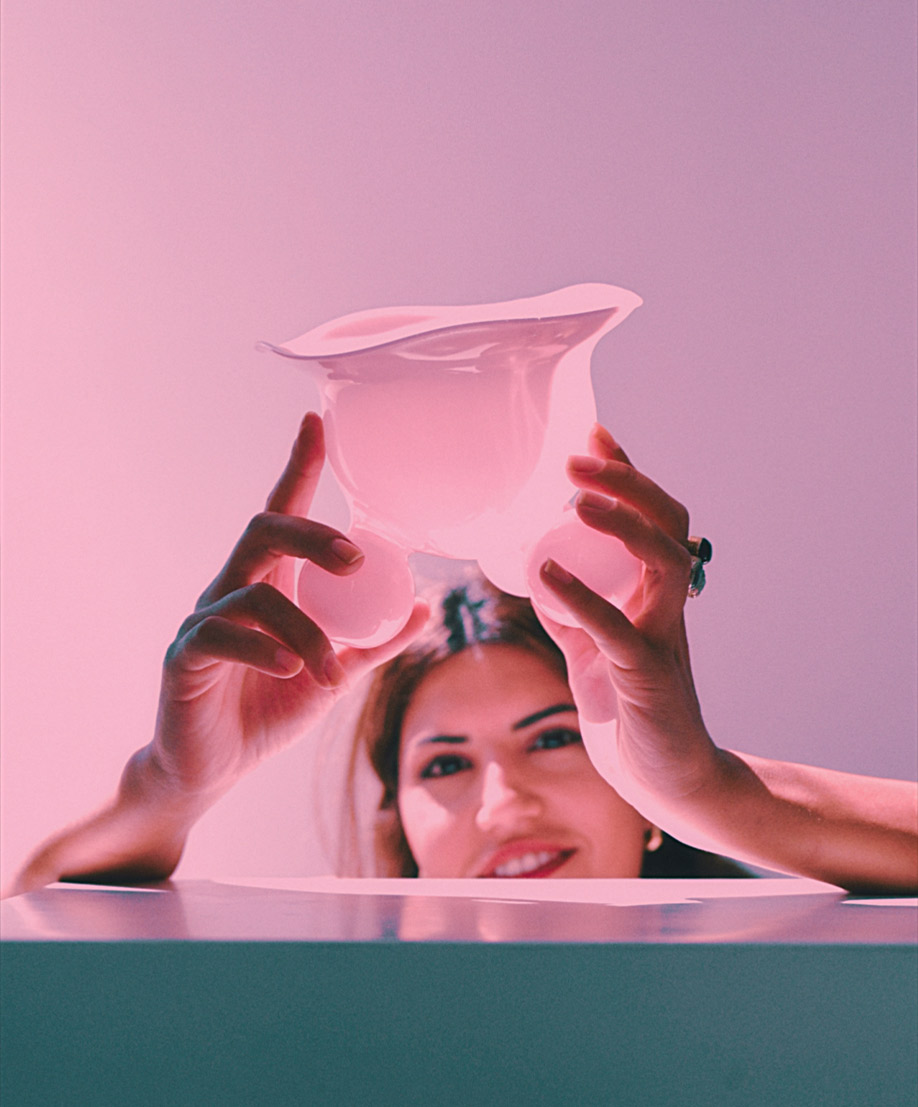
Lameice Abu Aker. I’m a Jerusalemite that word carries more weight than any geography lesson could explain. I work between Jerusalem and Milan now, but Jerusalem lives in my bones. It’s the city that taught me contradiction is as interesting as clarity.
Can you describe your practice in a few words?
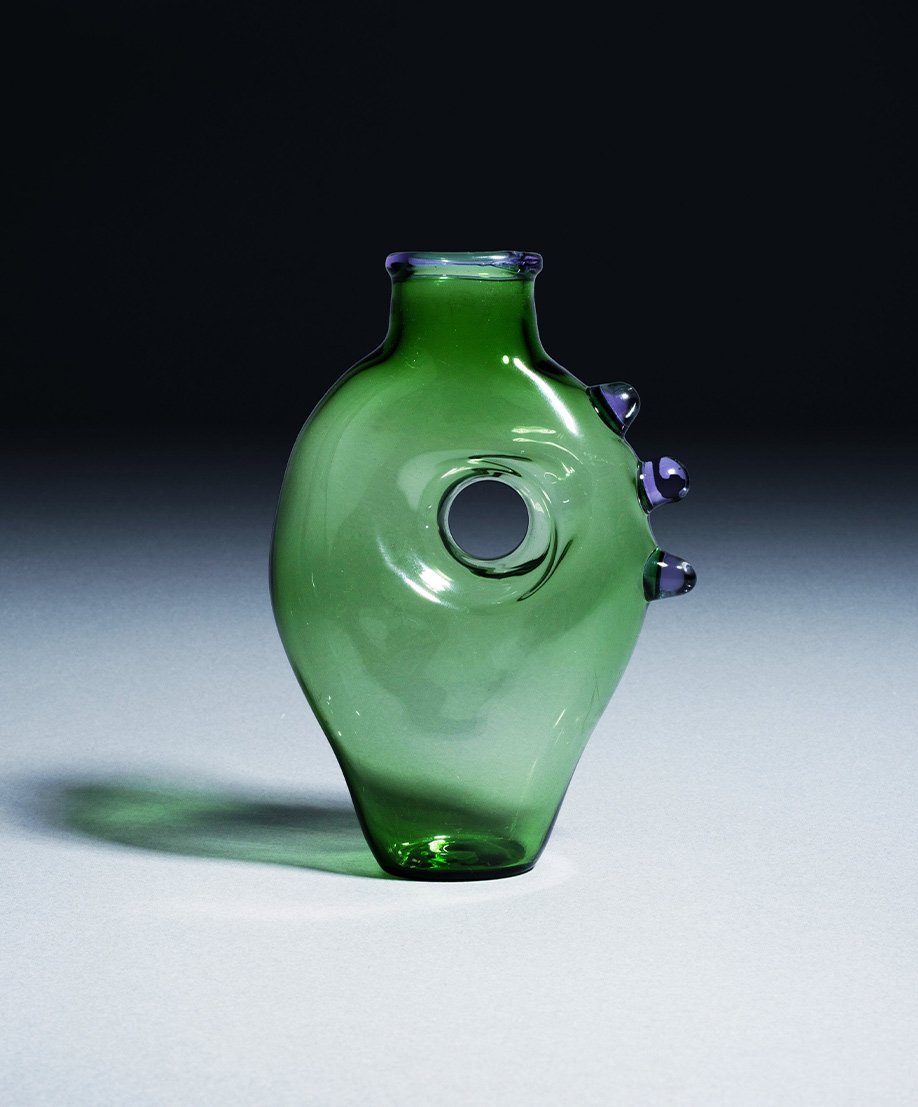
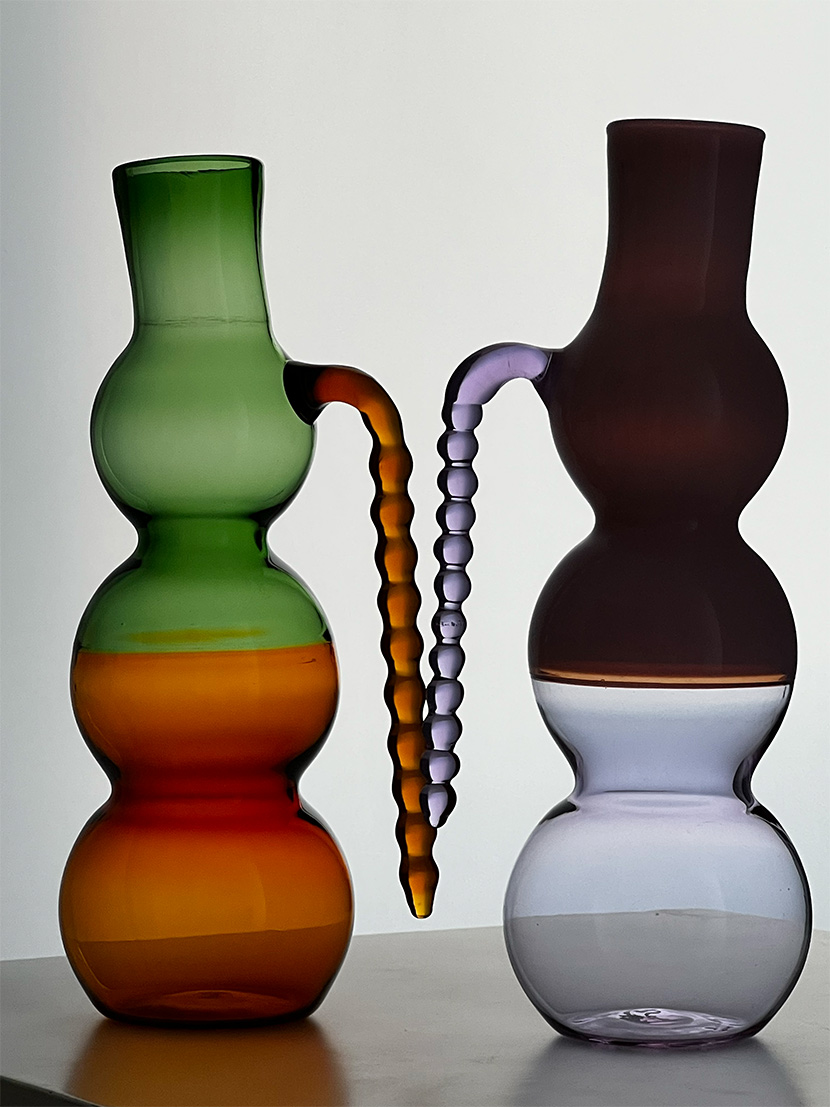
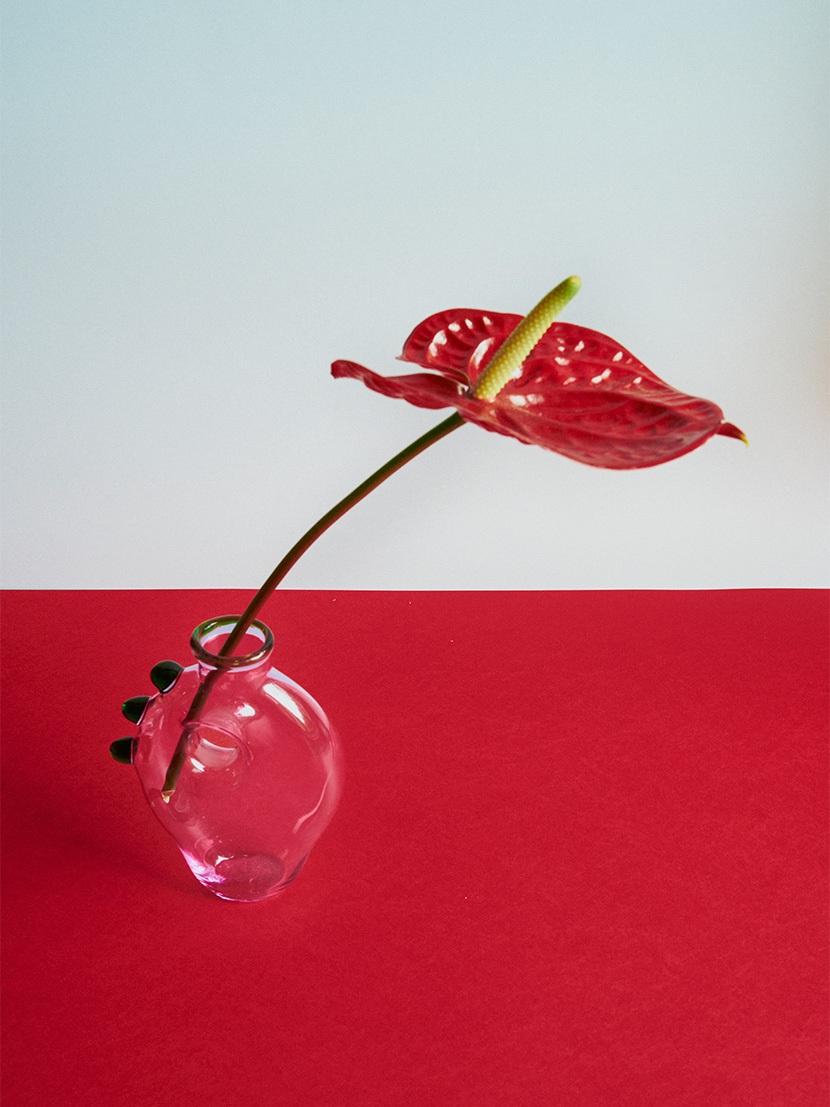
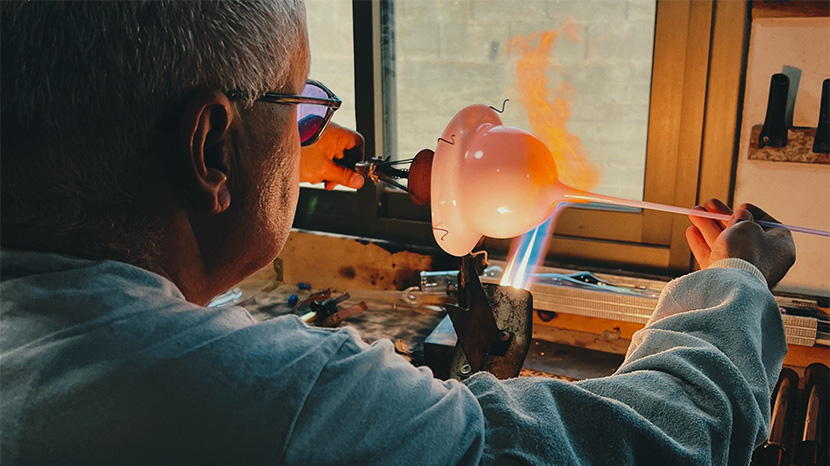
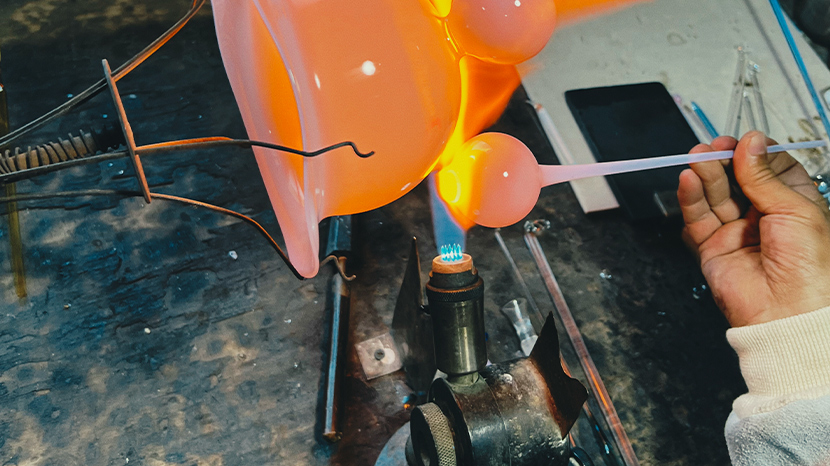
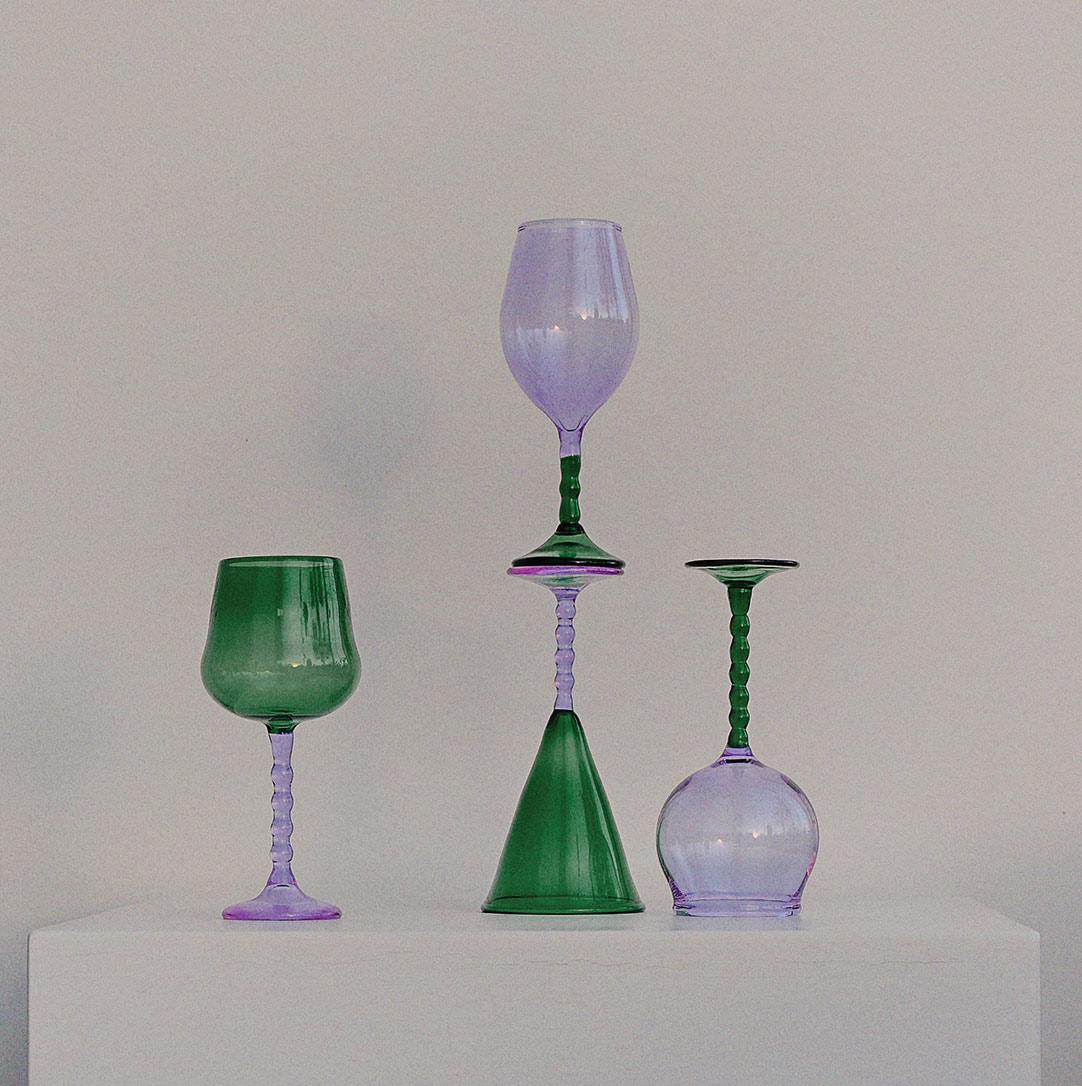
I design objects, currently focused on glass that misbehave a little. I collaborate with a team of glassblower artisans and together we create, we make every single piece individually without moulds just breath, fire, and the audacity to ask “what if?” Each piece is imperfect, playful, alive. I think of them less as objects and more as co-conspirators in daily life.
What do you think has become the biggest source of inspiration behind Ornamental?
I’m inspired by forms that don’t take themselves seriously yet have a sense of composure, the contradiction of combining design with the the accidental, and forms that make you smile before you understand why. I’m also interested in the material’s boundaries and I want to see how far I can push glass before it rebels. Sometimes it wins, sometimes I do. That negotiation, that dance between the intentions and the material’s stubborn will that’s where everything lives.
How did you come across the artisans who manufacture the pieces?
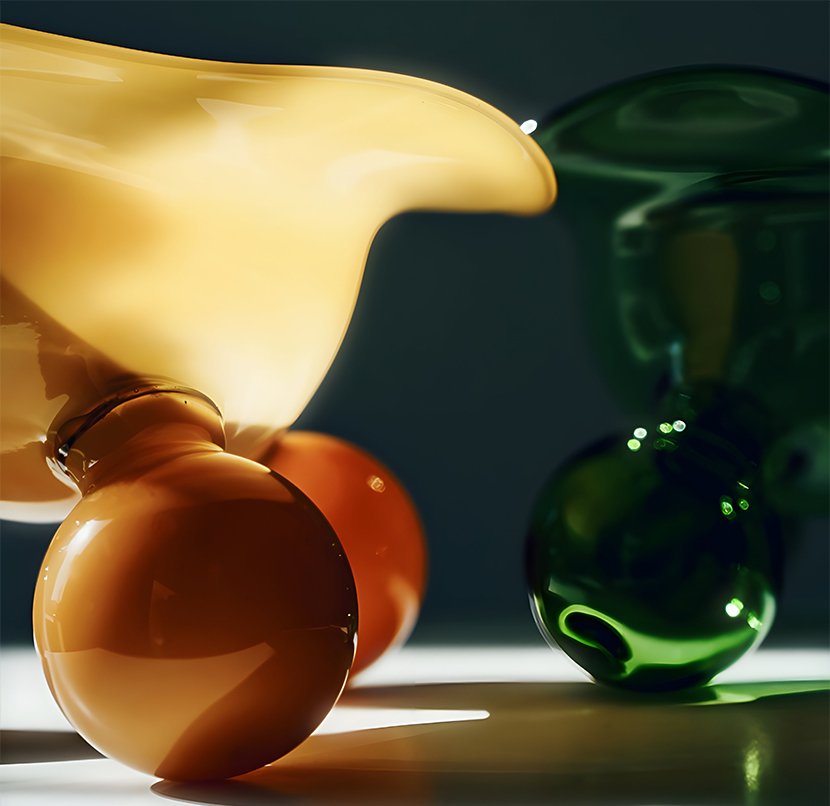
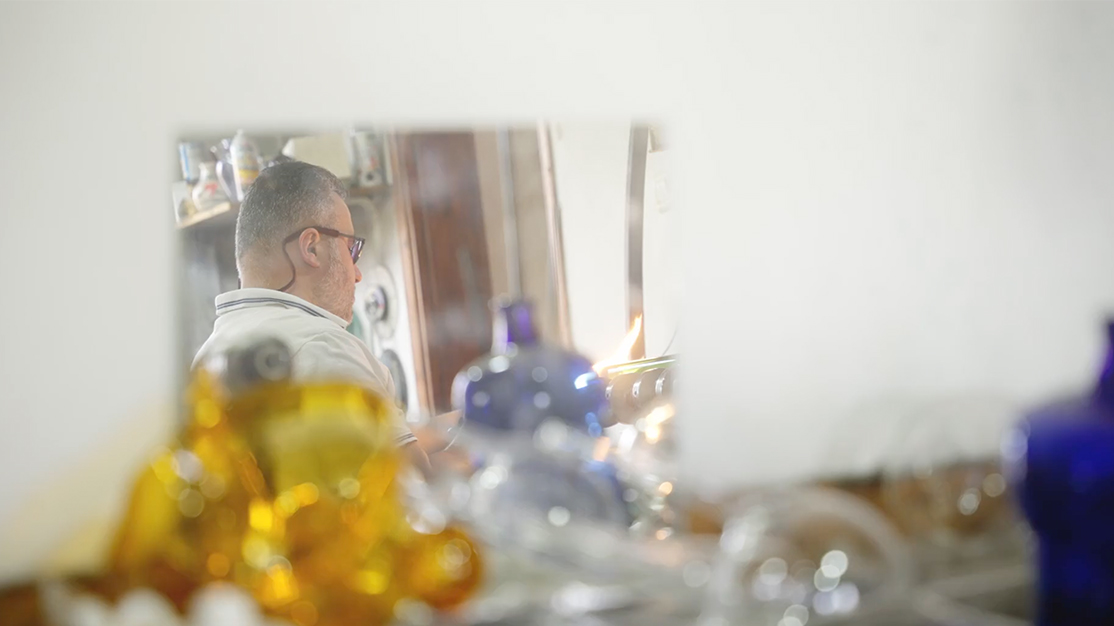
During research on craft traditions in Palestinian villages. But what hooked me wasn’t just the technique it was the system they’d built. Everyone participates: grandmother, children, everyone contributes what they can in this two-room space in their home they call “the factory.”
And then there was the glass itself molten, living, responding to breath. Watching it form felt like witnessing alchemy. The chance to play with it, to see what we could conjure together? That was irresistible.
What have the artisans you work with taught you that you didn’t expect to learn?
That mastery looks like surrender. Abu Marwan (Lead artisan) wakes up at 3am because glass speaks to him in his sleep, he finds a solution to a problem, writes it down before he forgets and we test it the next day. He’s built his own machines from necessity. I came in thinking I was the designer with the vision, but I learned I’m just another voice in the conversation between my ideas, their hands, and the material’s own opinions. The best work happens when I stop trying to control everything.
Your practice exists between Milan and Palestine. How do these environments shape your work?
Milan taught me the language of contemporary design how to articulate ideas, how to be taken seriously in those conversations. Palestine holds the soul the ancient knowledge, the hands that know glass intimately, the resilience that makes beauty under impossible conditions.
I weave them together. The work wouldn’t exist without both. One gives me vocabulary; the other gives me something worth saying.
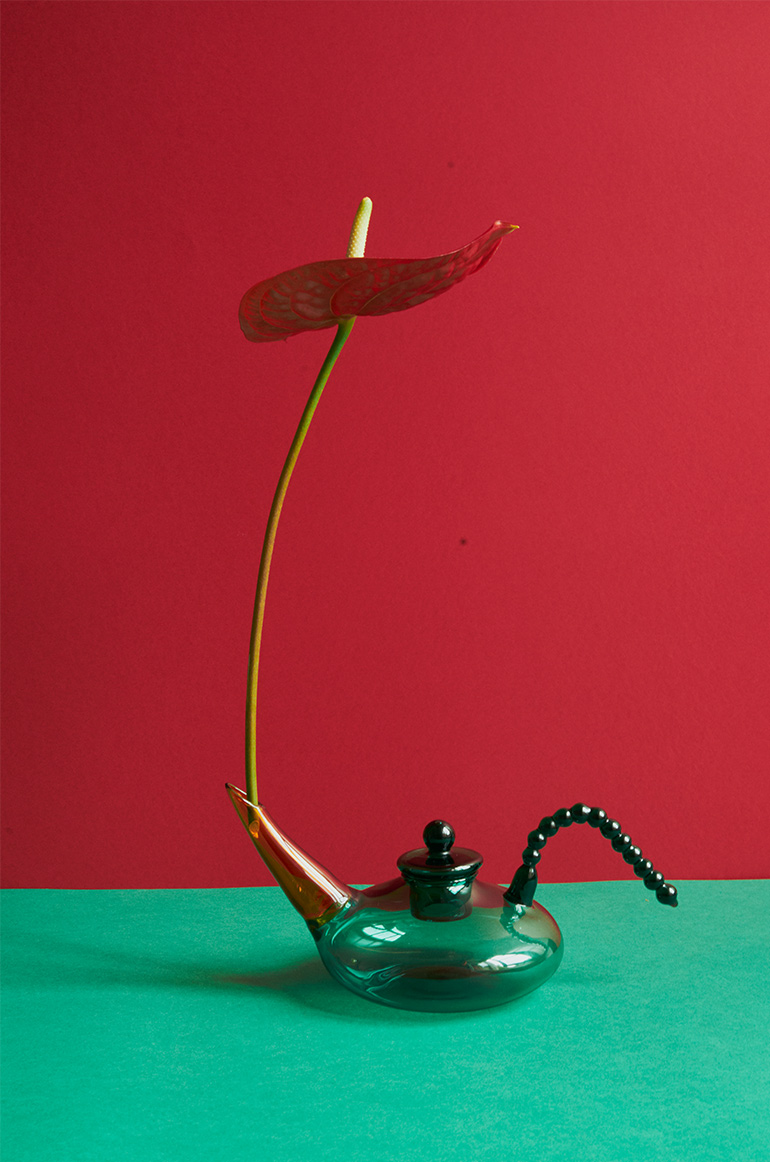
You’ve said your pieces are “whimsical, thoughtful, and occasionally surreal.” What draws you to these qualities?
I think I’m interested in how things can be both orderly and chaotic at the same time. Isn’t that everything around us? A perfectly structured city that feels completely wild. An ancient technique that produces something unexpected. Composure and mess, existing in the same breath.
The Play is honest and it’s actually how I see the world. Though It feels like there’s something almost provocative about joy I try to transmit through the works, especially joy that emerges from difficult circumstances.
Glass can be both fragile and eternal. Do you see that duality as a reflection of the emotions you’re trying to express?
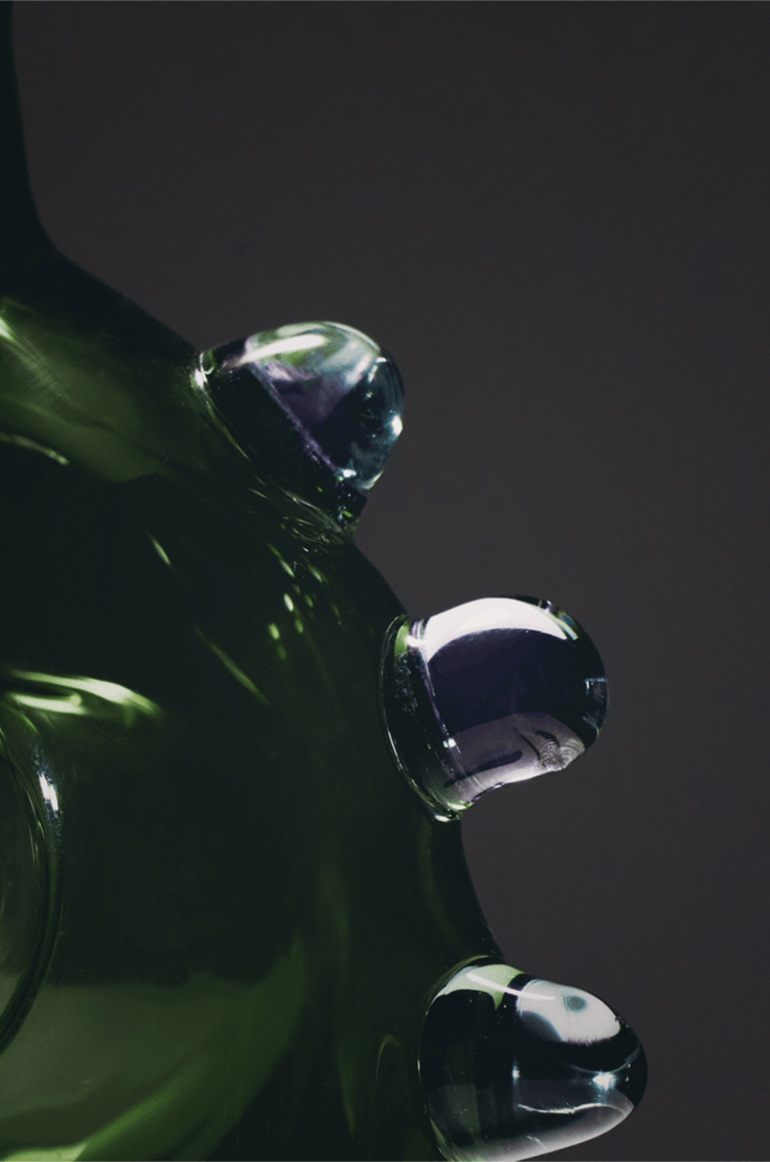
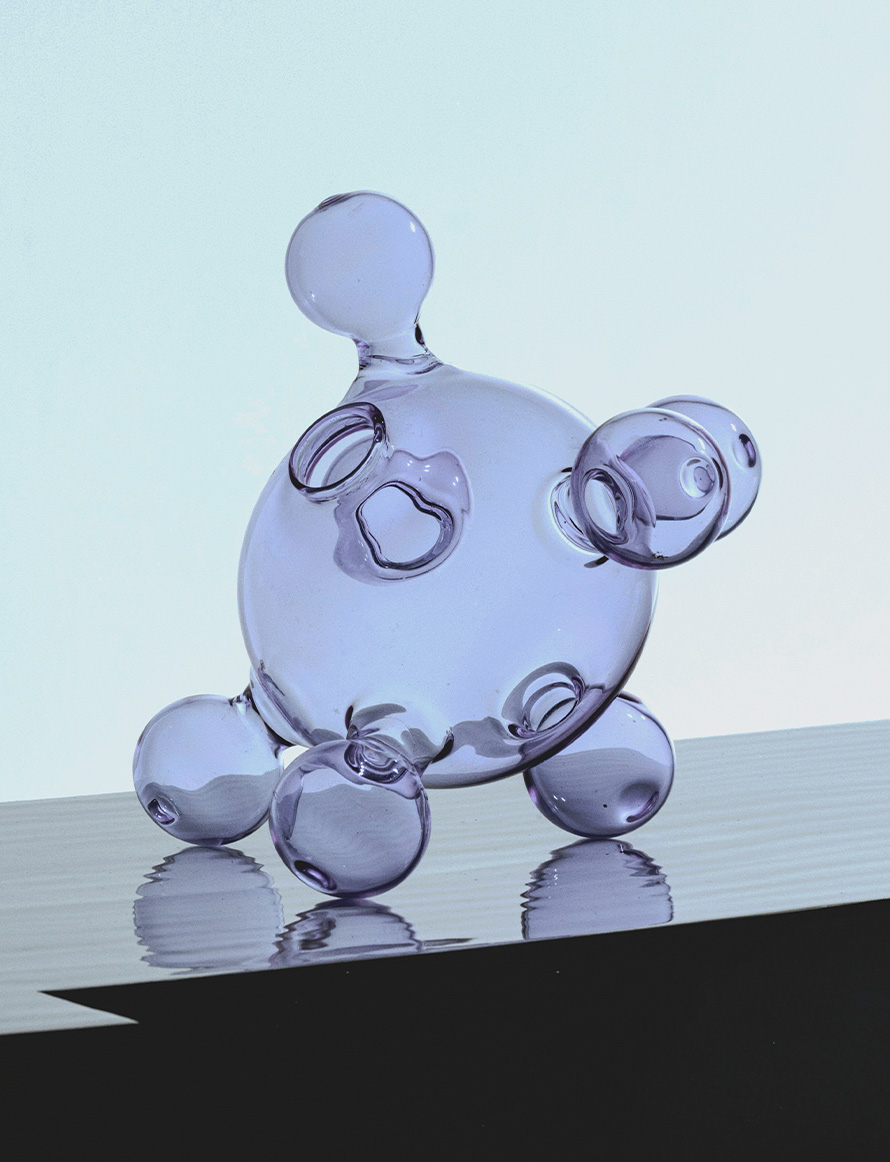
Glass is a truly honest material. It shows you everything every bubble, every hesitation, every moment of doubt. It’s transparent but distorts what you see through it. It can last millennia or shatter tomorrow.
We put glass in cabinets because we’re terrified of breaking it. But these pieces are meant to be used, touched, risked. That fragility isn’t weakness it’s what makes them precious. Like hearts. Like promises. Like any beautiful thing that asks for your care. The pieces say: I’m breakable, but touch me anyway. That’s trust.
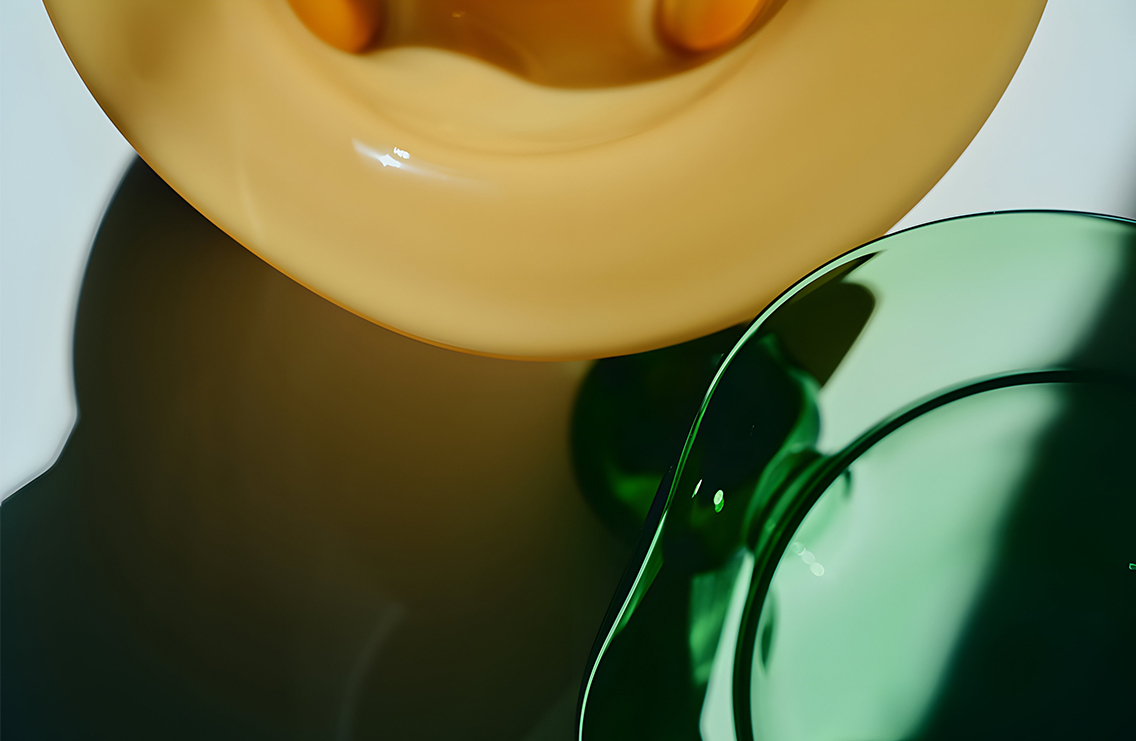
Your glass pieces are mouth blown without molds, giving each one its own irregularities. How important is individuality in your pieces?
Essential. Each piece is a keeper of a it’s own expedition from the moment it’s designed to its molten state to the shaping. Every one holds the breath of the artisan who made it in that exact moment in time. That hand movement, that particular dance, that Tuesday afternoon it’s all there.
These irregularities are proof someone was actually present when this was made. You can feel human presence in each piece. In a world of too much machine, too much sameness, that matters. Its individuality isn’t just important it’s everything.
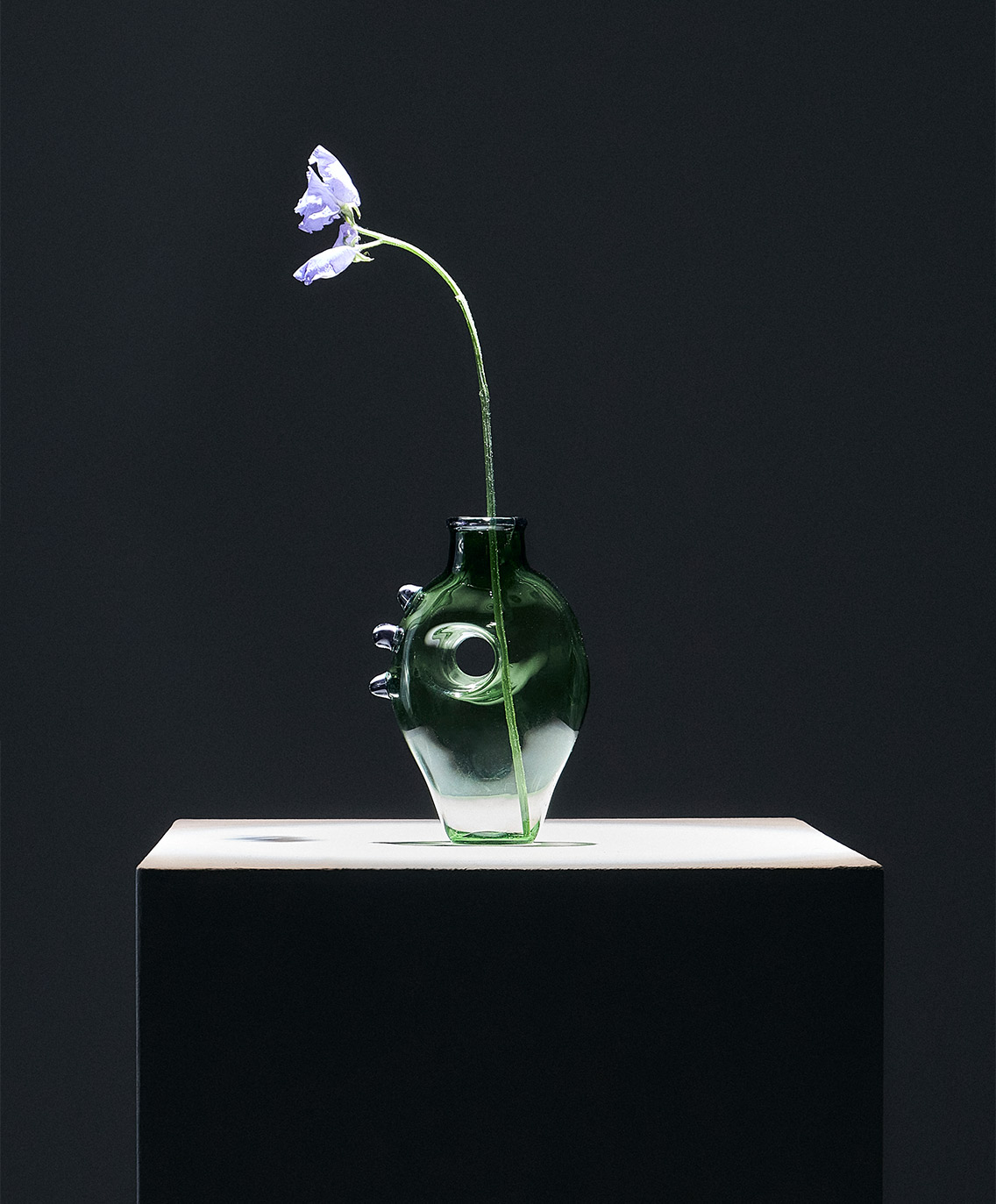
If you could expand Ornamental beyond glass, into another medium, what could it be?
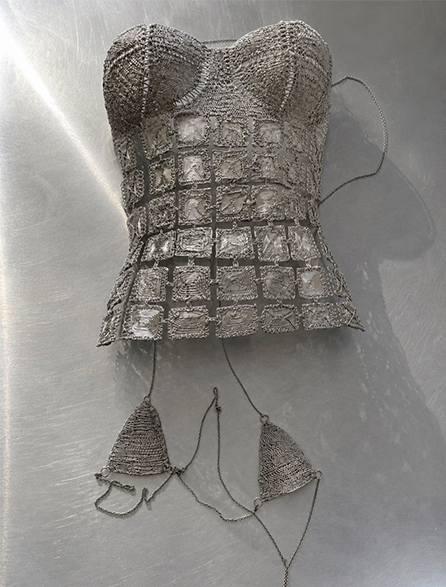
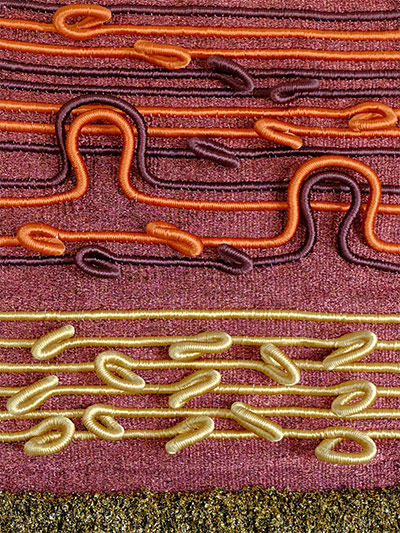
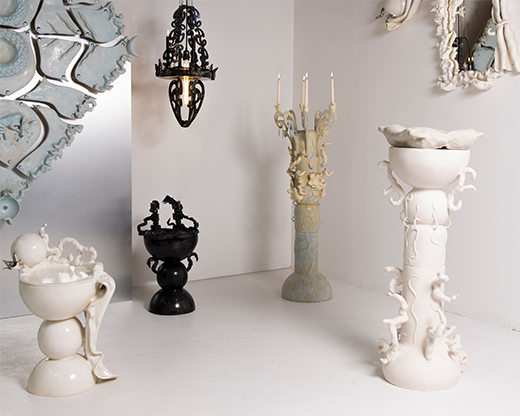
I’m promiscuous with materials. As a designer, I’m drawn to their psychology how each has its own personality, its own secrets to tell. Glass has me completely seduced at the moment, but I could see conversations with ceramics, textiles, metal anything that wants to play, anything that can hold memory and participate in life.
The medium might change, but the philosophy stays: imperfect, human, made with care and a bit of play.
Where can people find you?
www.ornamentalbylameice.com for the work. @ornamental_by on Instagram. And for behind-the-scenes chaos our newsletter and Substack.