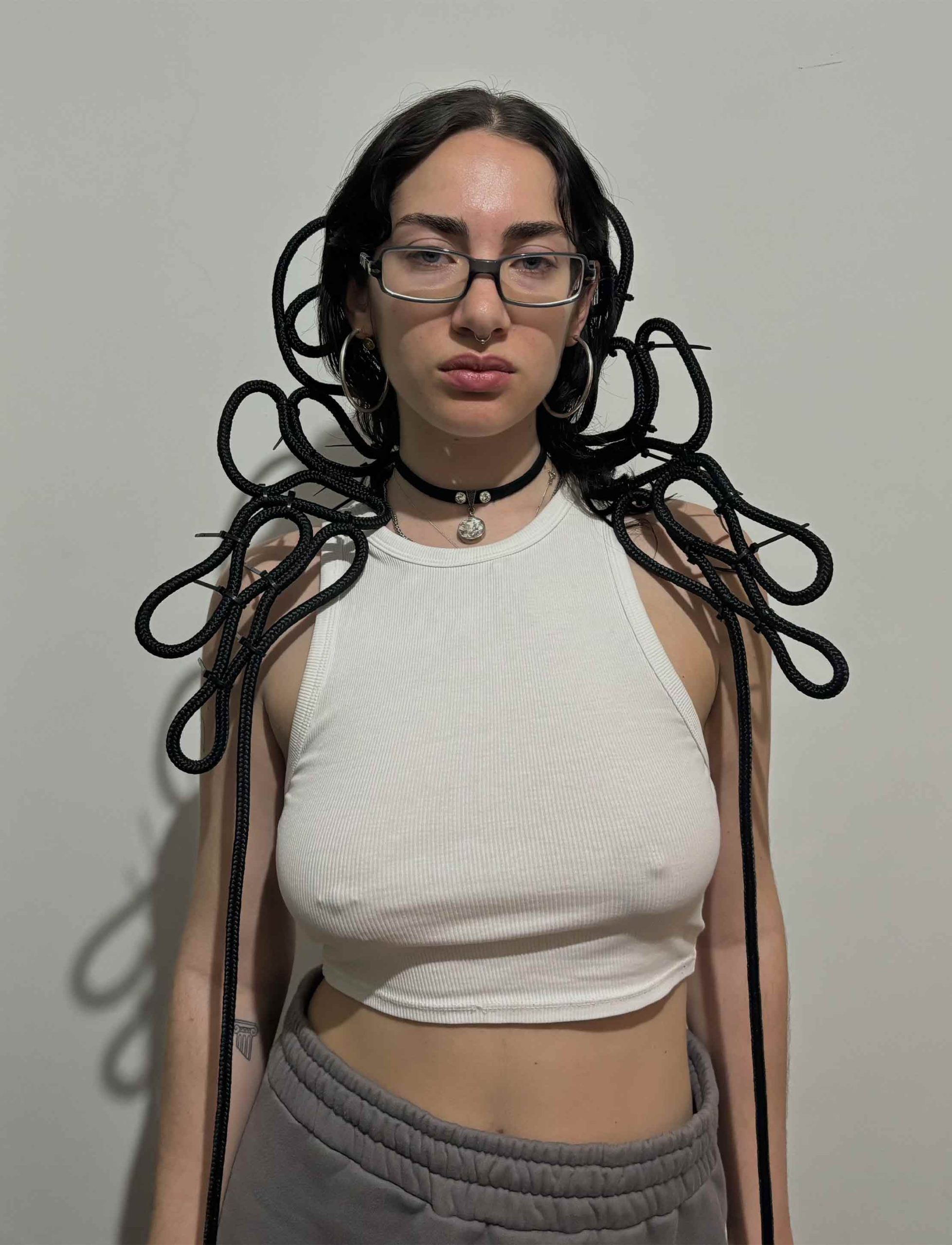
Lourdes Centarti
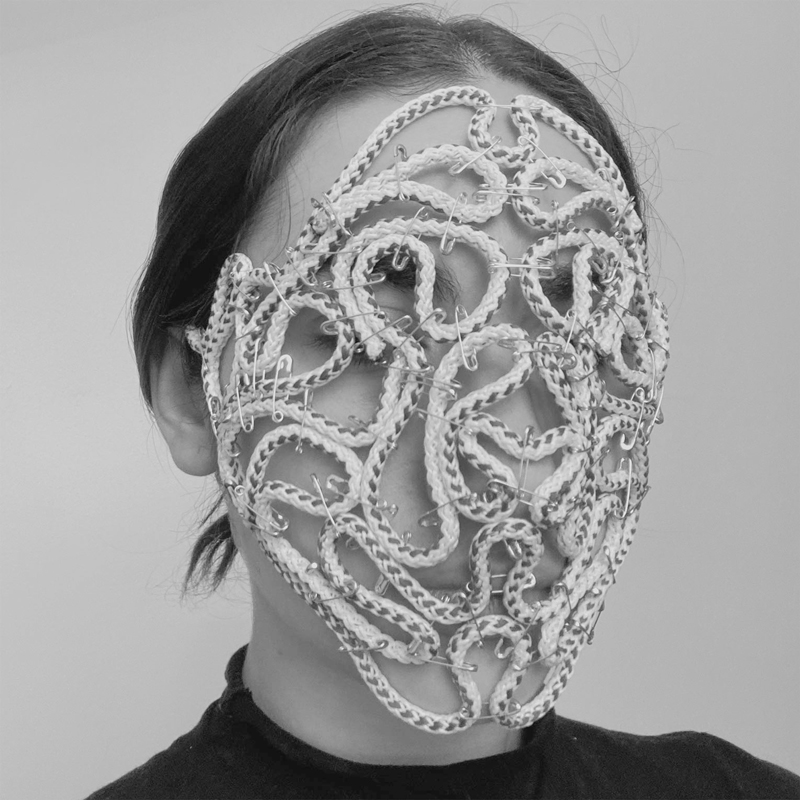
What’s your name and where are you from/based?
My name is Lourdes Centarti. I was born in Venado Tuerto, a small city placed in Santa Fe, Argentina. I’m currently based in Buenos Aires, although I live somewhat nomadically, and I like to move around.
Can you describe your practice in a few words?
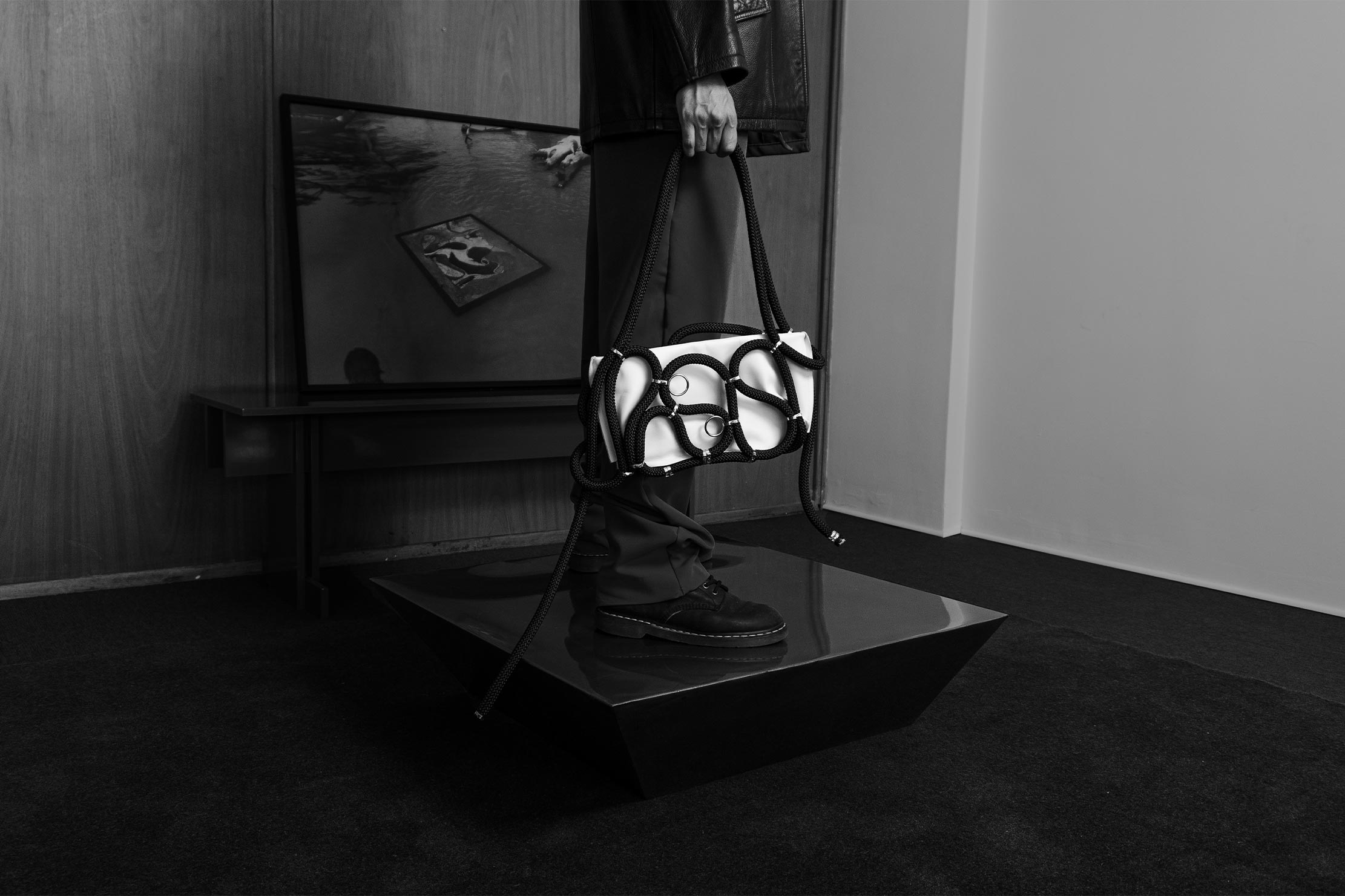
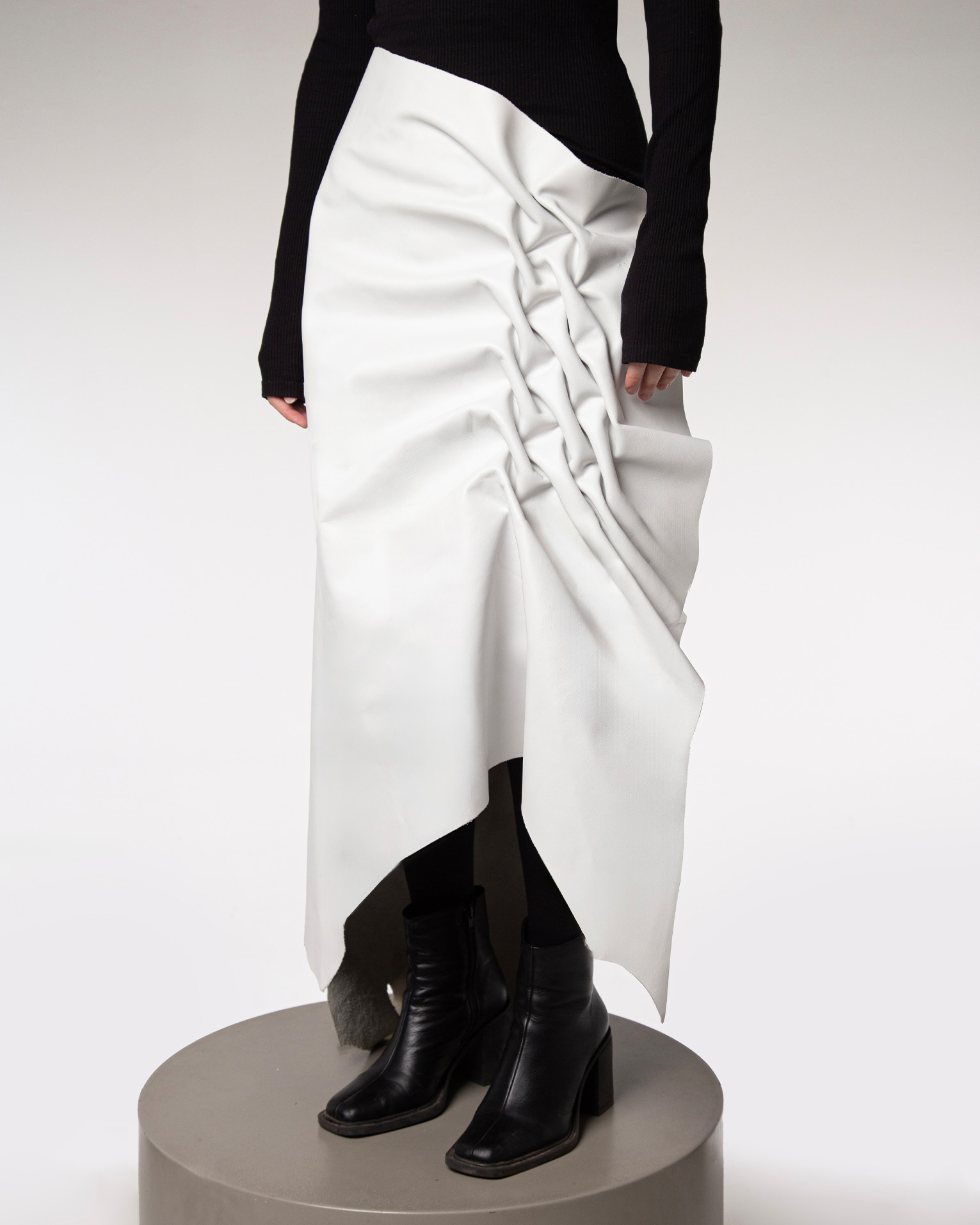
Through the repetition of stitches, I create patterns in which I seek and imagine new ways of thinking about volumes and textures, thus redefining my concepts of how corporeality can manifest or be.
Can you tell us about what first interested you in fashion design?
A pair of wooden clogs my mother bought me when I was 4/5 years old. I still remember how it felt to wear them—I loved using them to be outside and play on the grass. I believe that was the moment when I first began to develop an interest in clothing in general.
A trip to Italy became a turning point in your practice. What did this trip initially represent for you, and how did it reshape your creative path?
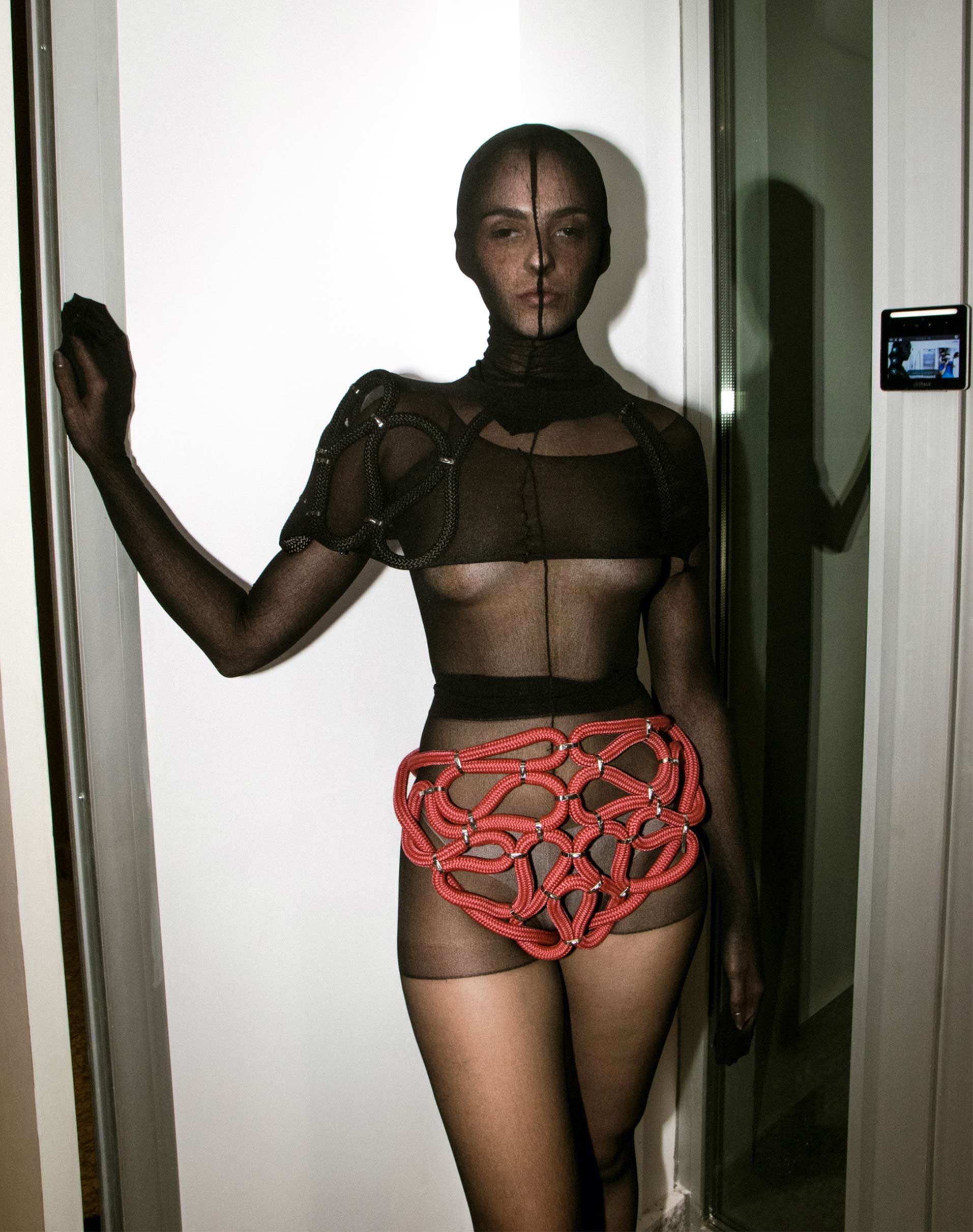
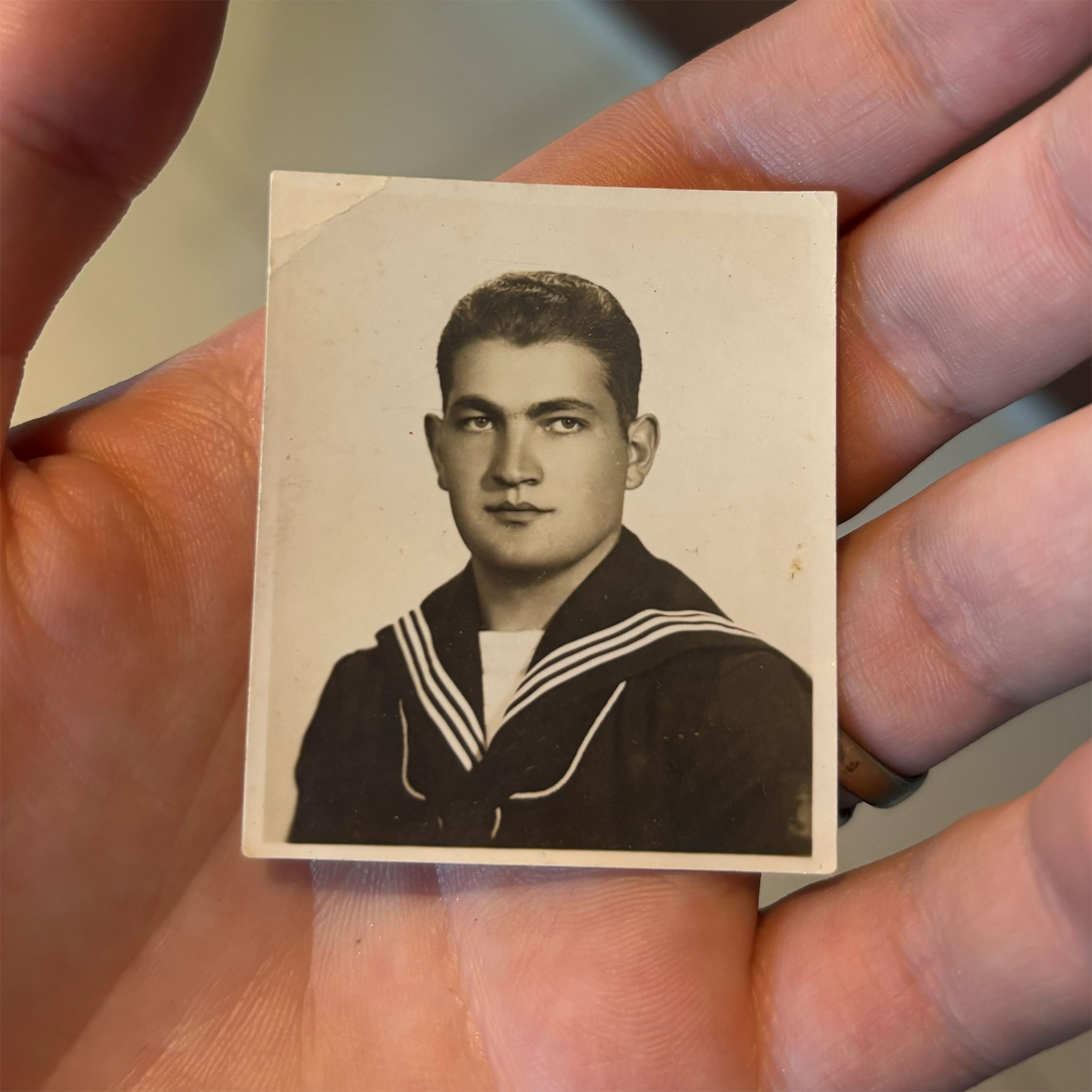
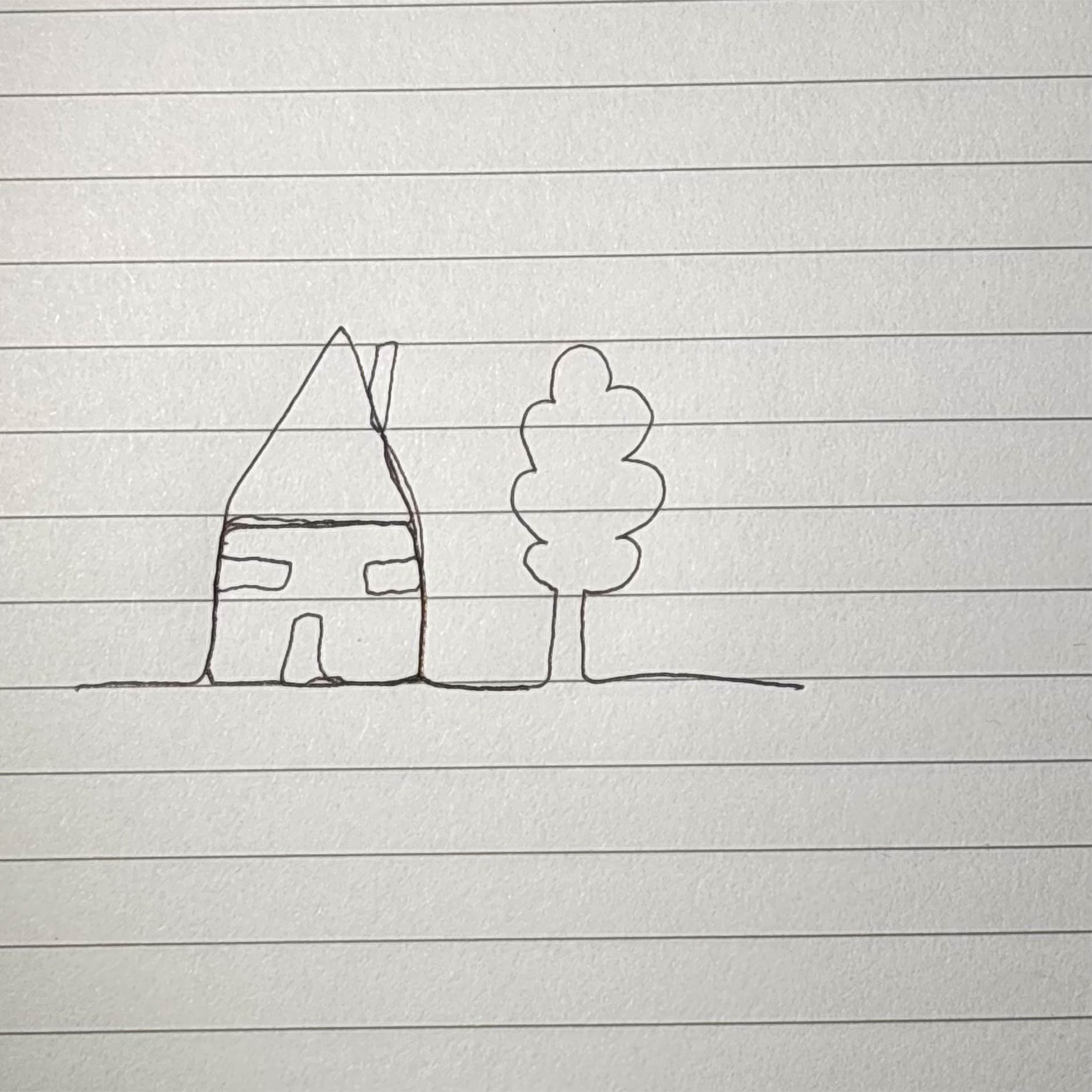
My trip to Italy was, at first, a personal search for my paternal roots. In that state of introspection, while waiting for legal matters to be resolved, everything revolved around my grandfather. It was because of him that I was there, and remembering him always brought back his typical joke: he would draw a house and a tree without lifting the pen from the paper, then ask, “Where is the person?” and, always laughing, answer, “peeing behind the tree.”
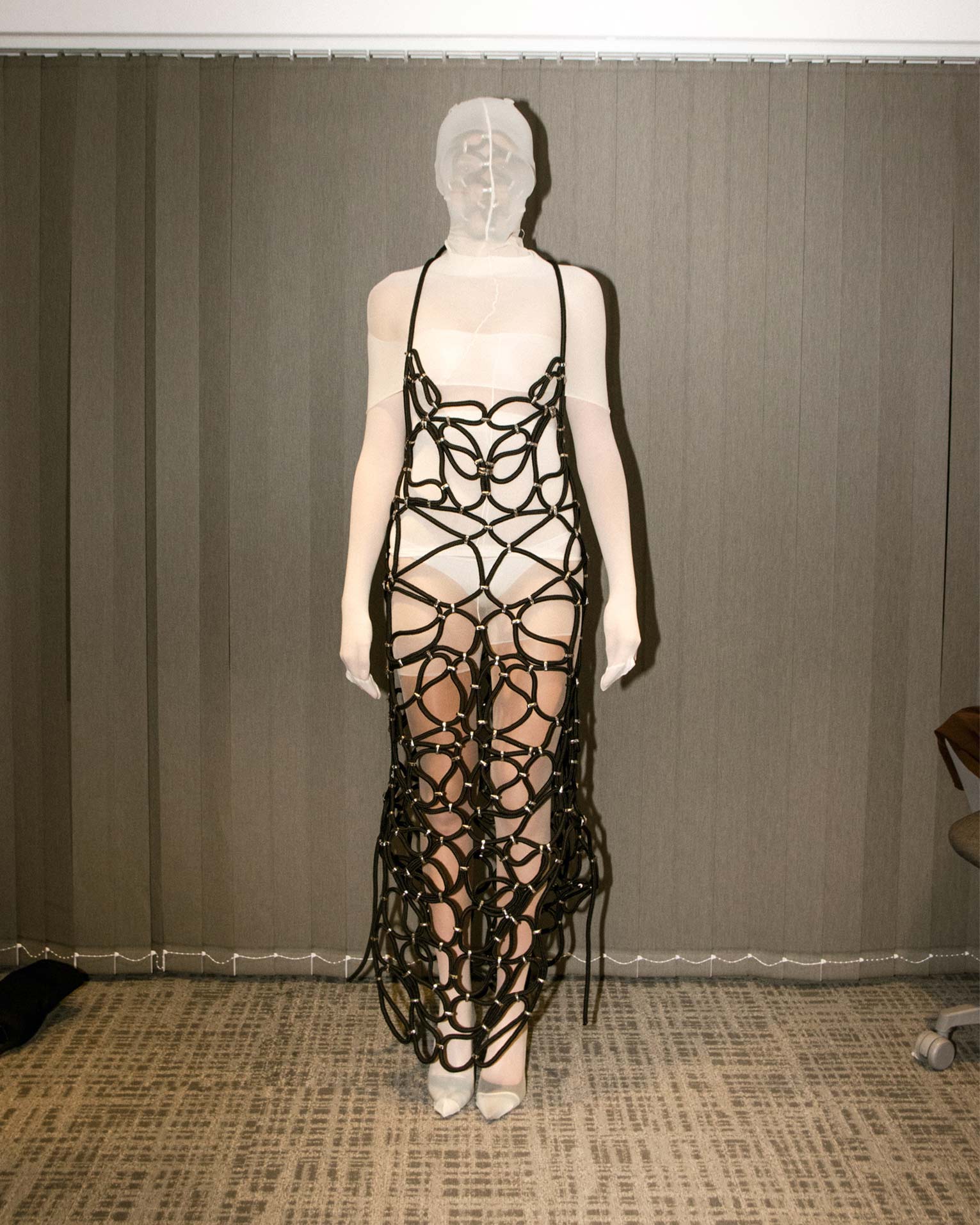
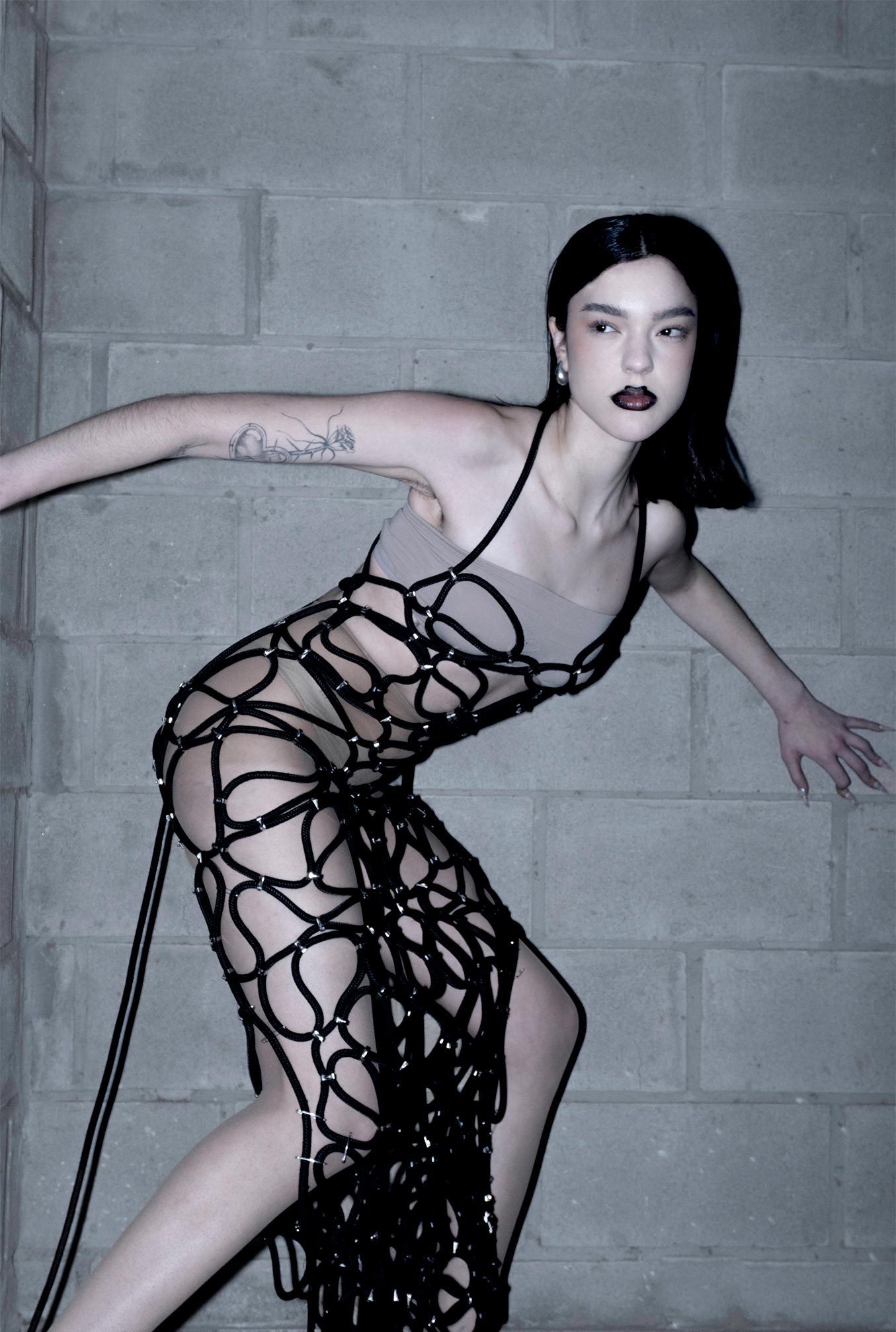
I then understood what he saw in that continuity, something that was not drawn. That became the turning point in my practice: with a rope on my table, I began to imitate his game, trying to get closer to him, curving the thread without ever cutting it. In this way, a pattern—always new and different—was born with each fold, allowing me to also imagine what is implicit.
Memory seems deeply integrated in your practice. Do you see your work as a way of archiving your personal histories?
Absolutely. It is biographical, although I don’t feel the work truly belongs to me—I think of it as an entity that generates itself, I see myself as a channel for it, and I am very sensitive; everything I create comes from a deeply emotional place. My story and the work are built side by side, in a reciprocal practice.
Why rope?
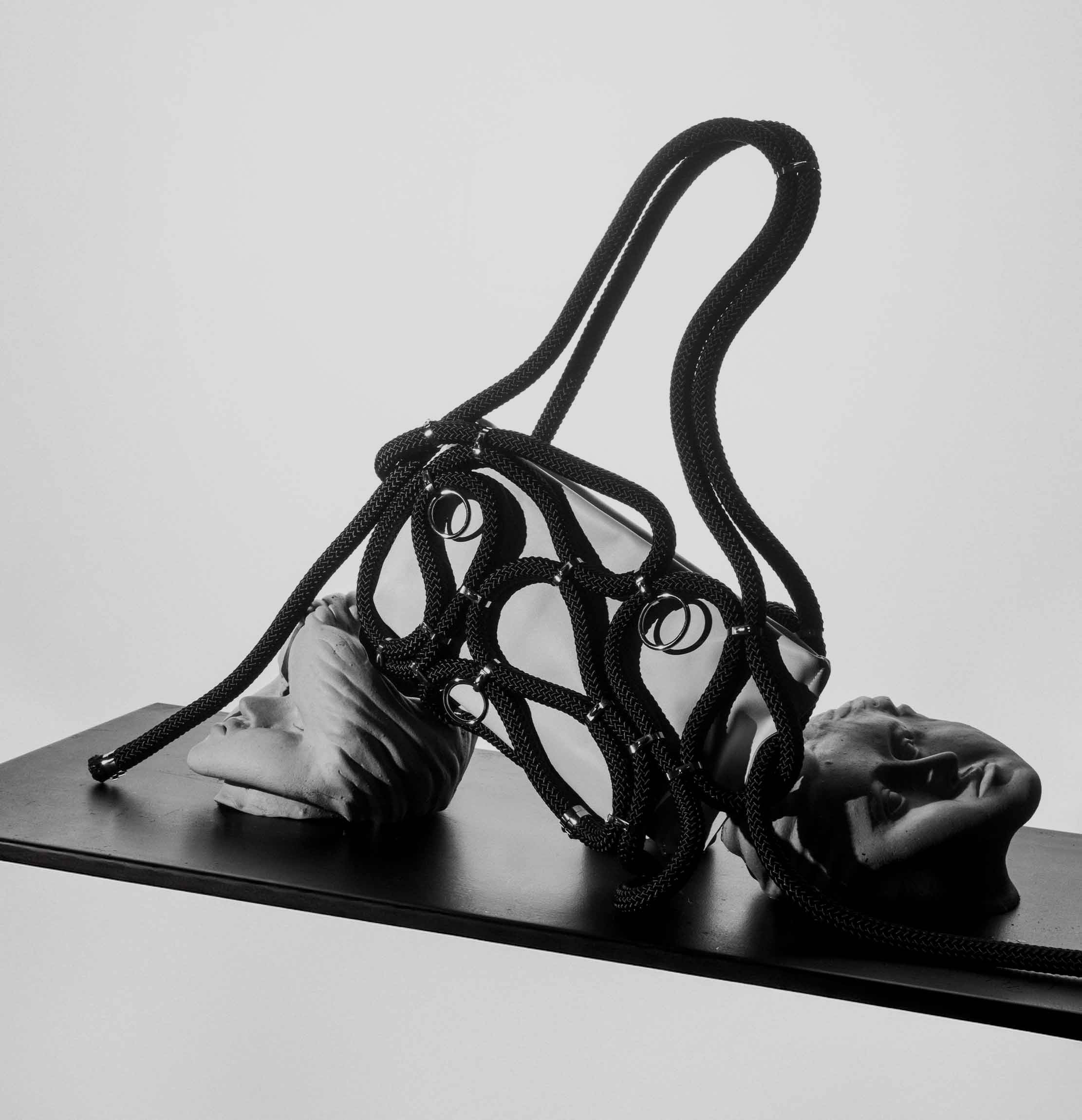
I was in another country without my fabrics and with a strong urge to materialize something with my hands. I went to a supermarket and, in the bazaar section, I found some ropes and took them with me—at first with the intention of crocheting them. I didn’t know that this material would end up being life-changing.
Repetition is central in your work. What does this mean for you?
For me, repetition is linked to obsession. I believe that focusing my attention on the same repeated movement is a way of going deeper, of finding within a single concept all its branches—making it bigger, nurturing it, and watching it grow.
In your practice, joining without cutting becomes a metaphor. What is something in your own life you would never want to “cut” even though at some point you would’ve wanted to?
The artisanal. My hands need to be part of my practice, and I need them to be present, even though the anxious pace of modernity has often tried to convince me it isn’t worth it. Yet, when I finish a piece, I value every second I invested in it.
Is the body, once the center of your work and studies, still your main canvas or has your focus shifted?
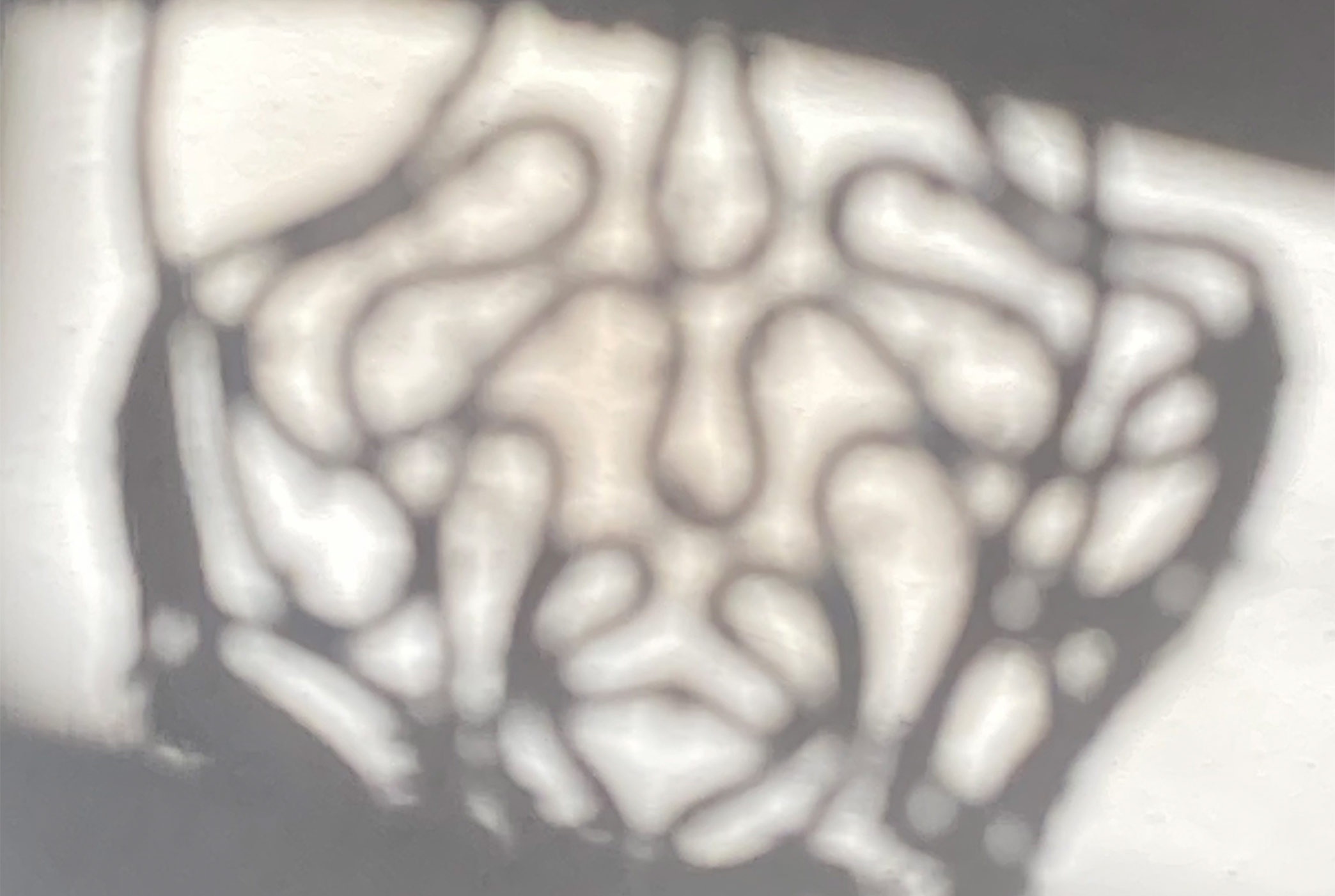
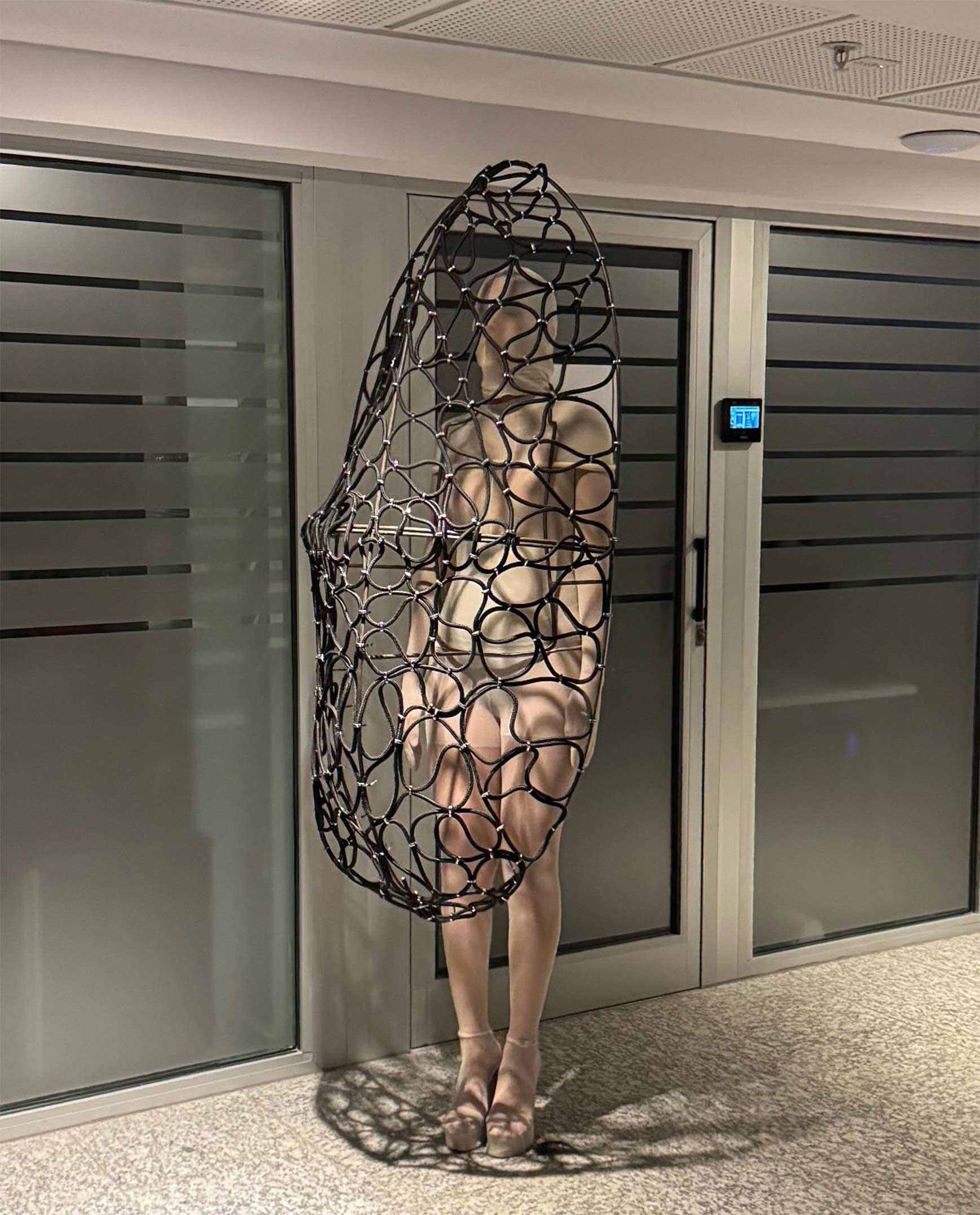
Today my focus is on the pattern, and how within it different corporealities emerge from stitches and tensions that create volumes and structures. The body remains the center, but now I don’t just want to modify it, I also want to explore the spaces from which it can emerge.
Where can people find you?
You can find me on Instagram as @lourd333s or @lourdescentarti, for projects, collaborations, or purchases. I am currently part of the @proyectoperezrodriguez catalog, where I held my latest exhibition in Paris. There you can also see and acquire my pieces.