Luis Galvan
What’s your name and where are you from/based?
My name is Luis Galván, and I’m a designer and artist from Mexico. I’m currently based in
Mexico City, although I’m exploring the possibility of continuing my career in Barcelona. Movement —between places, disciplines, and ideas— is very present in how I work.
Can you describe what you do?
I’m an industrial designer and artist, and my practice exists in that space between both
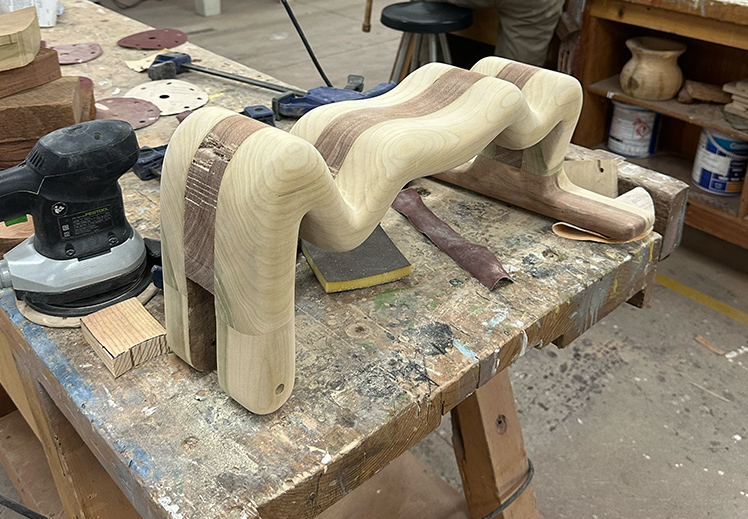
worlds. Through my studio, Muta, I create experimental pieces that challenge the boundaries between function and artistic expression. I’m interested in objects that not only serve a purpose but also evoke feelings, provoke curiosity, or tell a story through their materiality. A big part of my process is material exploration. I’m constantly drawn to how materials behave, how they respond to different techniques, and especially how they interact when combined. I’m fascinated by the tension between fragility and structure, between chaos and control.
But what I enjoy the most is the process — more than the final object. That’s where things come to life. When I’m testing, failing, and discovering. Sometimes the technique I find by accident becomes the key to the piece I’m working on or even opens a new path for future projects. For me, design is also a form of material research — a space where intuition and experimentation go hand in hand.
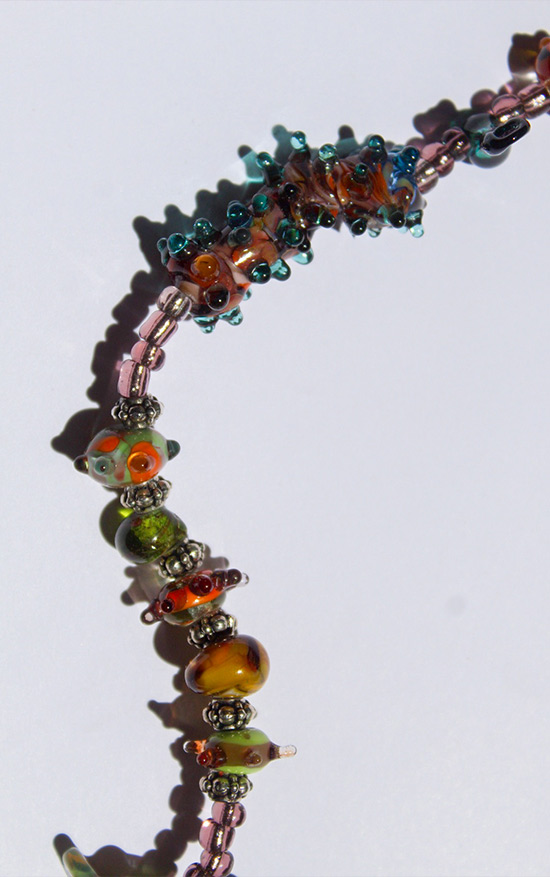
You’ve mentioned that you’ve been creating with your hands since childhood, what kinds of things were you drawn to make back then, and do you still see traces of that early curiosity in your current work?
Since I was a child, I’ve felt a strong pull toward anything artistic, playful, and sensory. I would spend hours creating with whatever I could find — modeling clay, paper scraps, glue, dirt, sticks, or fabric. I wasn’t really trying to make somethingspecific — I was experimenting just for the sake of it. That raw curiosity hasn’t gone away. I still work with that same instinct to explore and play with materials — only now it’s more intentional, more conscious, and often tied to deeper questions.
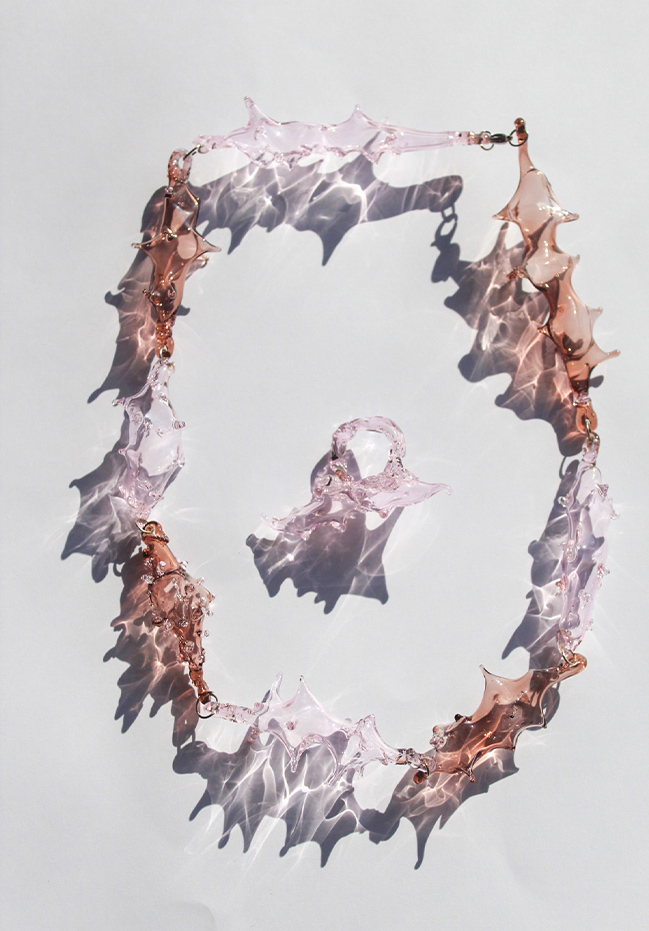
Your work explores a wide variety of materials, from textiles to wood to metal, glass and ceramics. How do you decide which material fits a project best? Do the materials guide the concept, or vice versa?
It’s very much a two-way relationship. Sometimes I have a clear concept that demands a certain material to express it. Other times, the material itself suggests the form. I like to let materials speak — through resistance, failure, or unpredictability. I believe in staying open to accidents and using them as part of the creative process. Often, what I didn’t plan becomes what makes the piece work.
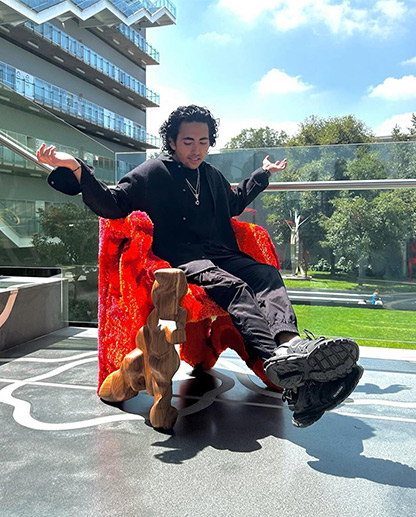
Many of your pieces, like the lava-inspired chair, blend concept with functionality. How do you approach the balance between narrative and utility?
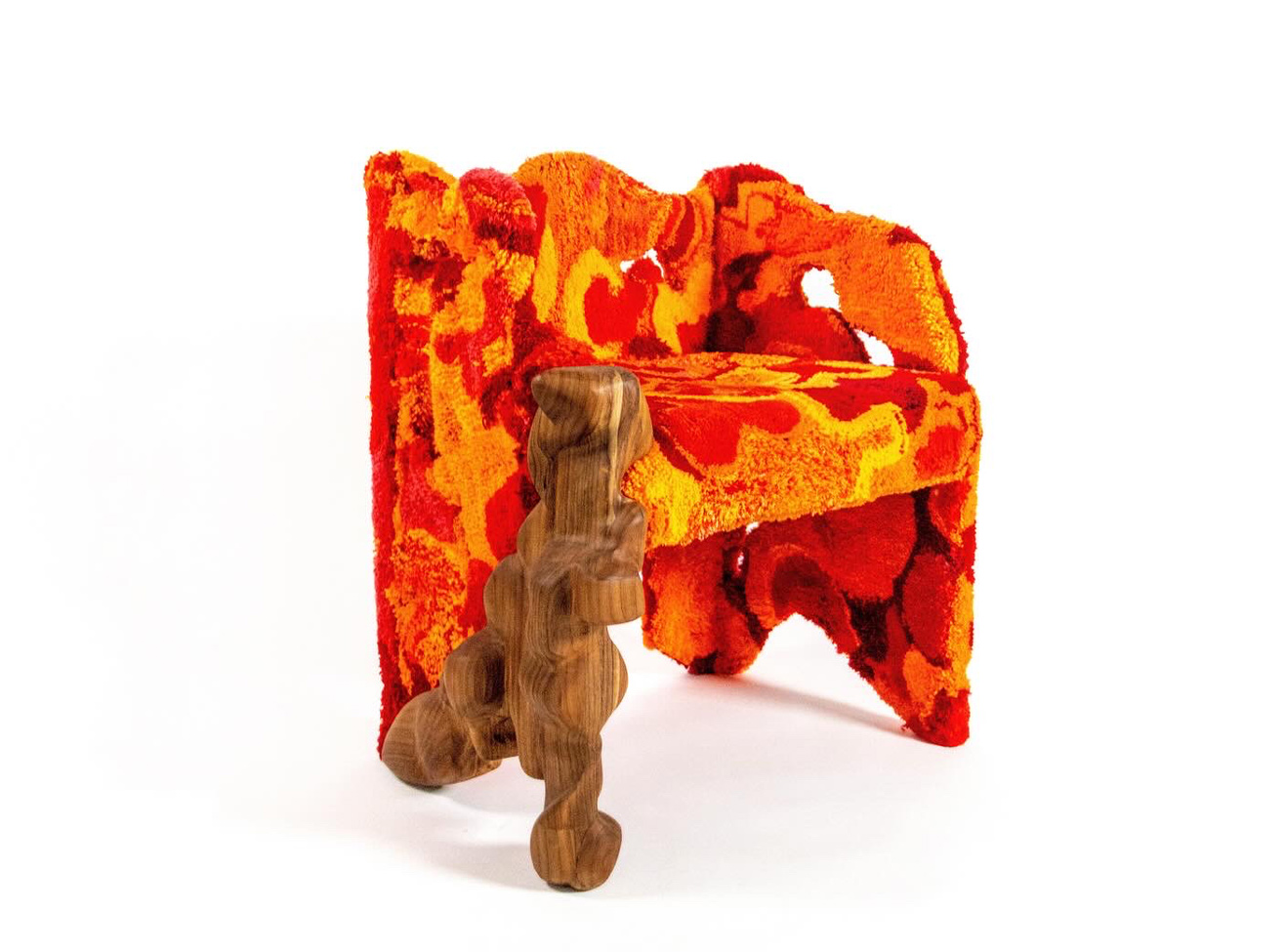
I see functionality as a foundation, not a limit. An object can serve a purpose, but also
convey emotion, memory, or movement. With Ígnea, my lava-inspired sculptural chair, I
wasn’t just making something to sit on — I wanted to communicate a transformation. The
textures, the color gradient, the materials — all those details were meant to be felt, not just
seen. I like creating pieces that you experience physically and emotionally.
You move fluidly between art and design, function and expression. Do you see boundaries between those worlds, or do they merge naturally in your process?
They merge naturally for me. Design gives structure and function; art allows for emotion,
symbolism, and risk. I think we’re at a moment where the most interesting work happens in between — in that grey area where things don’t need to be one or the other. I don’t mind if my work can’t be easily categorized. What matters to me is that it feels honest and meaningful.
Is there a piece you’ve made that felt especially personal or emotional? What made that process different from the rest?
Definitely Ígnea. It came from a very personal place. The concept of lava — something
destructive but also generative — mirrored things I was going through at the time. It was
entirely handmade, and every step of the process felt like a slow transformation. Someone once told me it looked like it was “freezing a moment in time,” like lava caught mid-motion. That stayed with me. It reminded me that objects can hold emotion, memory, and energy — not just form.
Was there a moment someone saw something in your work that completely shifted your perspective on it? What did they take away, and from which piece?
Yes. In an exhibition, someone told me that Ígnea looked like it was “breathing” — as if it were alive, but frozen. I had always seen it as something dynamic and fiery, but their interpretation added a layer of stillness and contemplation I hadn’t considered. It was a reminder that once a piece leaves your hands, it becomes something different for each person — and that’s beautiful.
You’ve already explored so many techniques! What’s something you haven’t tried yet but really want to learn?
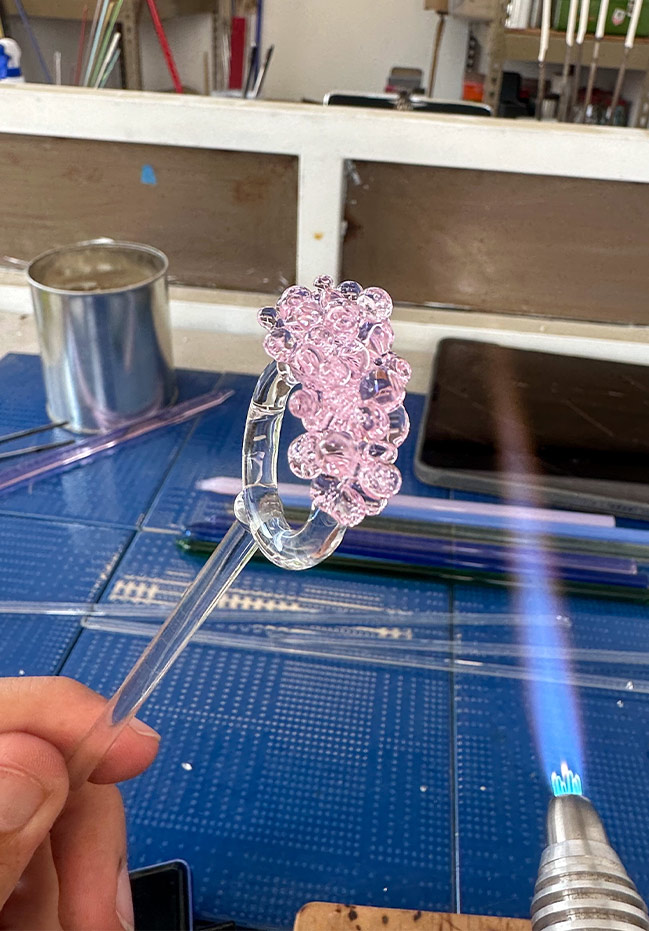
Even though I’ve explored a lot — ceramics, wood, metal, textiles — I still feel like I’m just
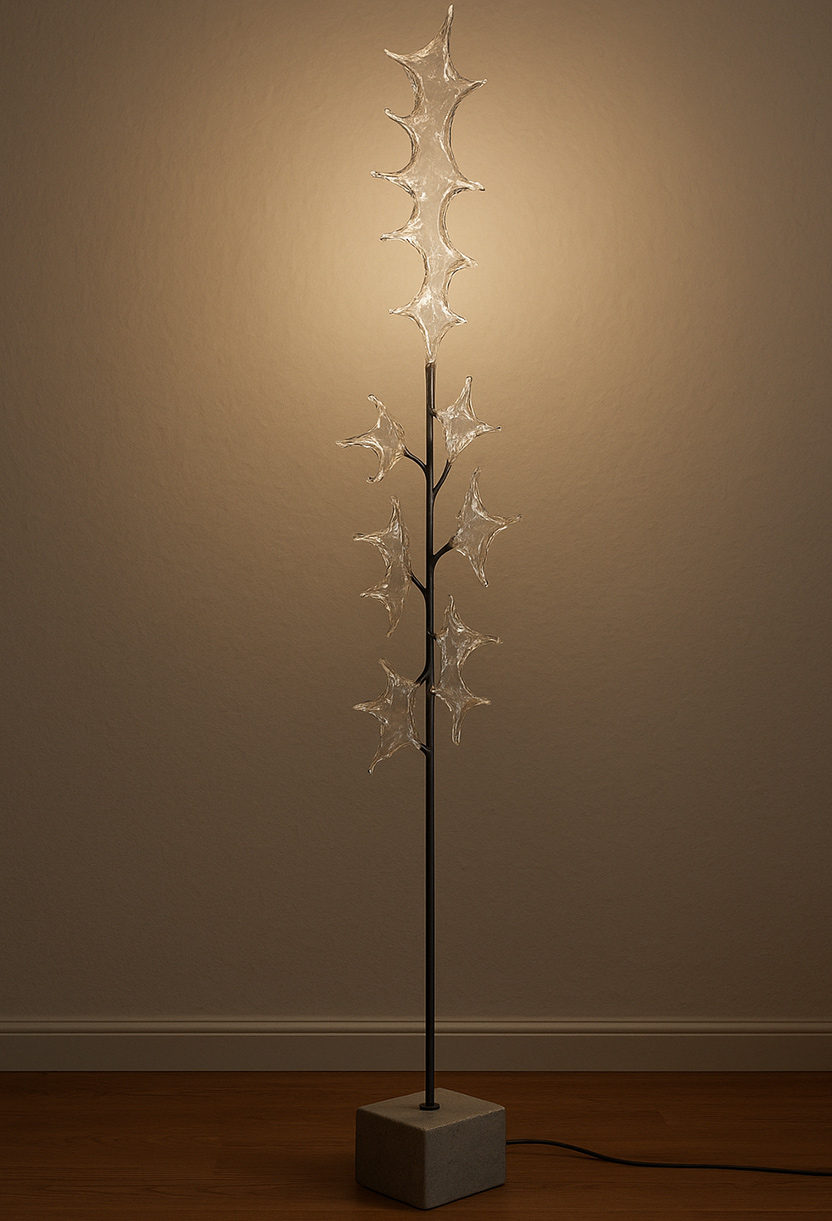
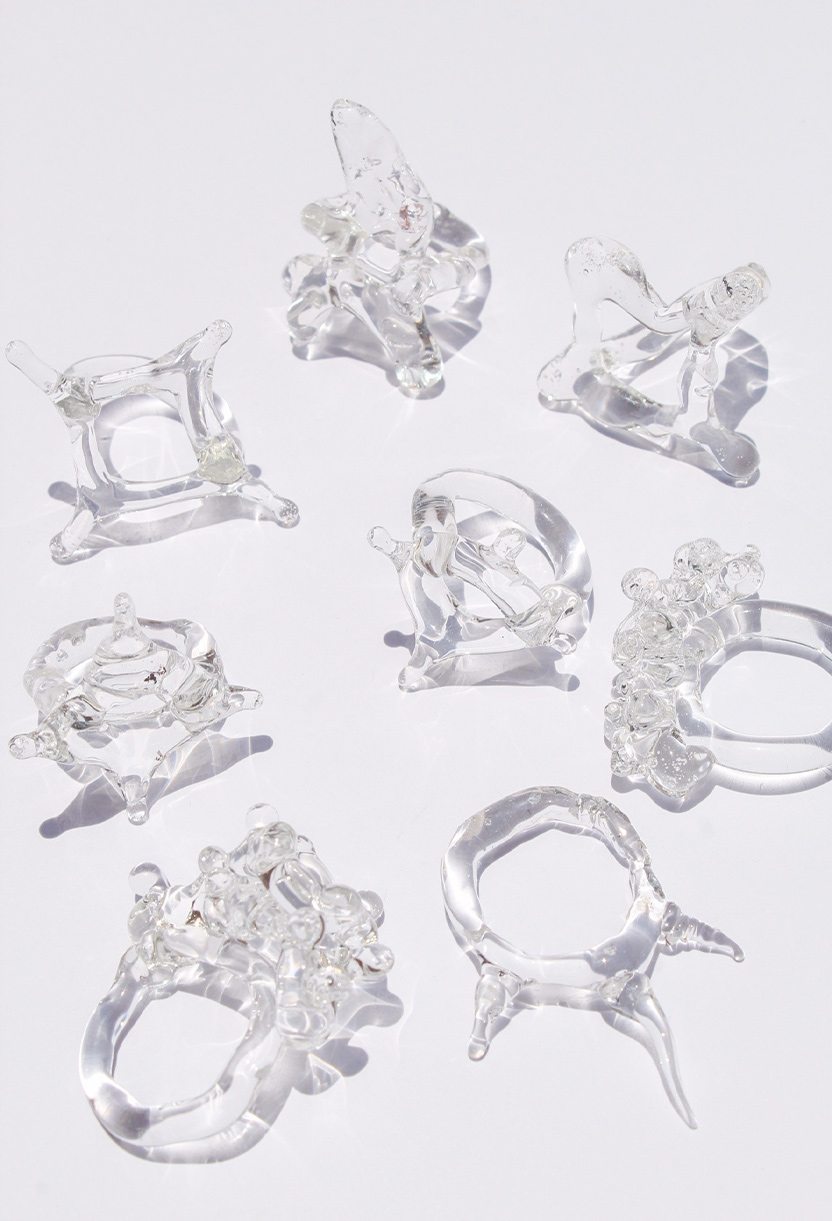
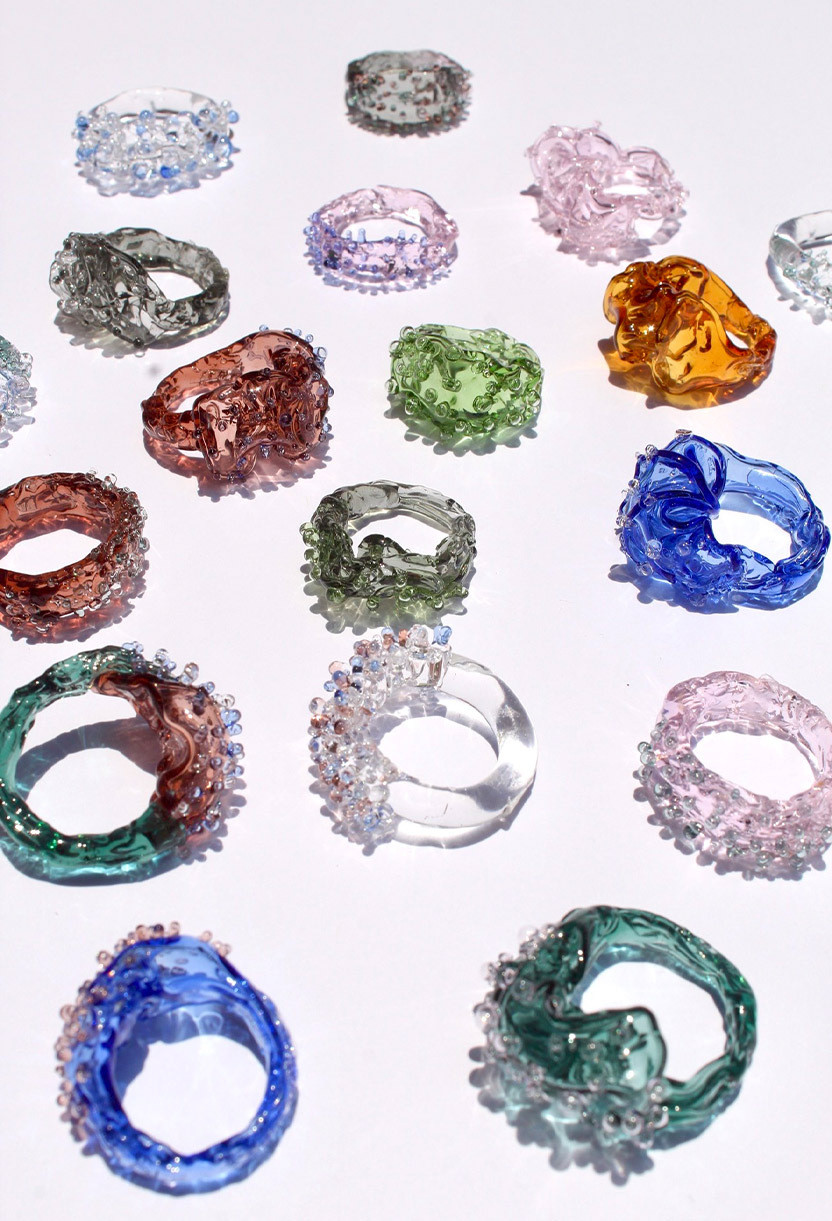
beginning. I’m especially drawn to glass. I’ve been learning and experimenting on my own,
just following my curiosity, but I’d love to go deeper. I want to explore new shaping
techniques, different processes, and more refined ways of working with heat, weight, and fragility. Glass is full of contradictions — fluid yet sharp, fragile yet powerful — and I feel there’s a lot more I can learn from it.
Where can people find you?
You can follow my work on Instagram @_mutaestudio, where I share current projects, process clips, and behind-the-scenes moments. For custom pieces or collaborations, feel free to write to me at galvanvillalobosluiss13@gmail.com. I’d love to hear from you and keep you posted about upcoming exhibitions and new work.