Mafalda Matos
What’s your name and where are you based?
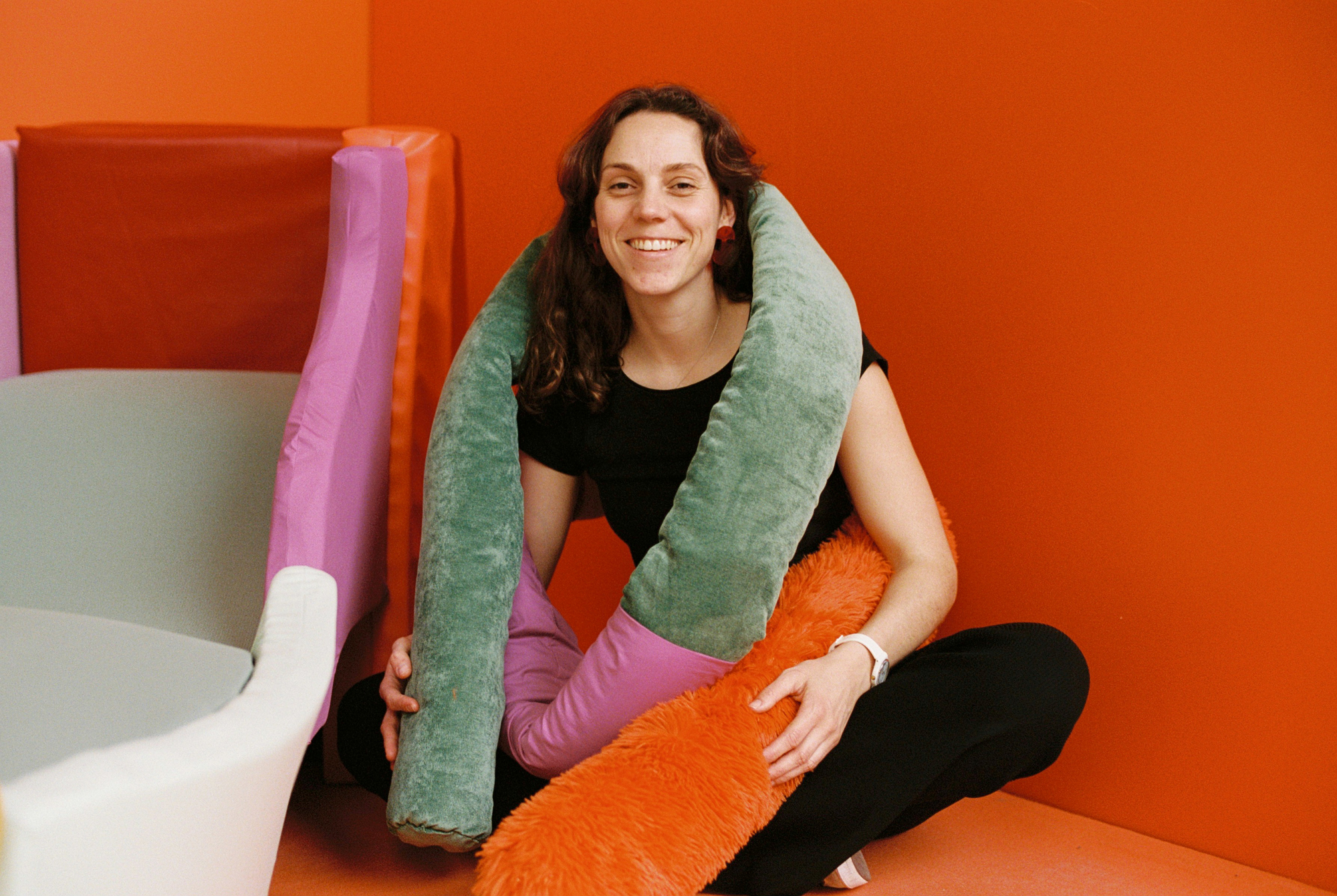
My name is Mafalda Matos and I’m based in Lisbon – Portugal, but up to work around the globe!
Can you describe what you do in a few words?
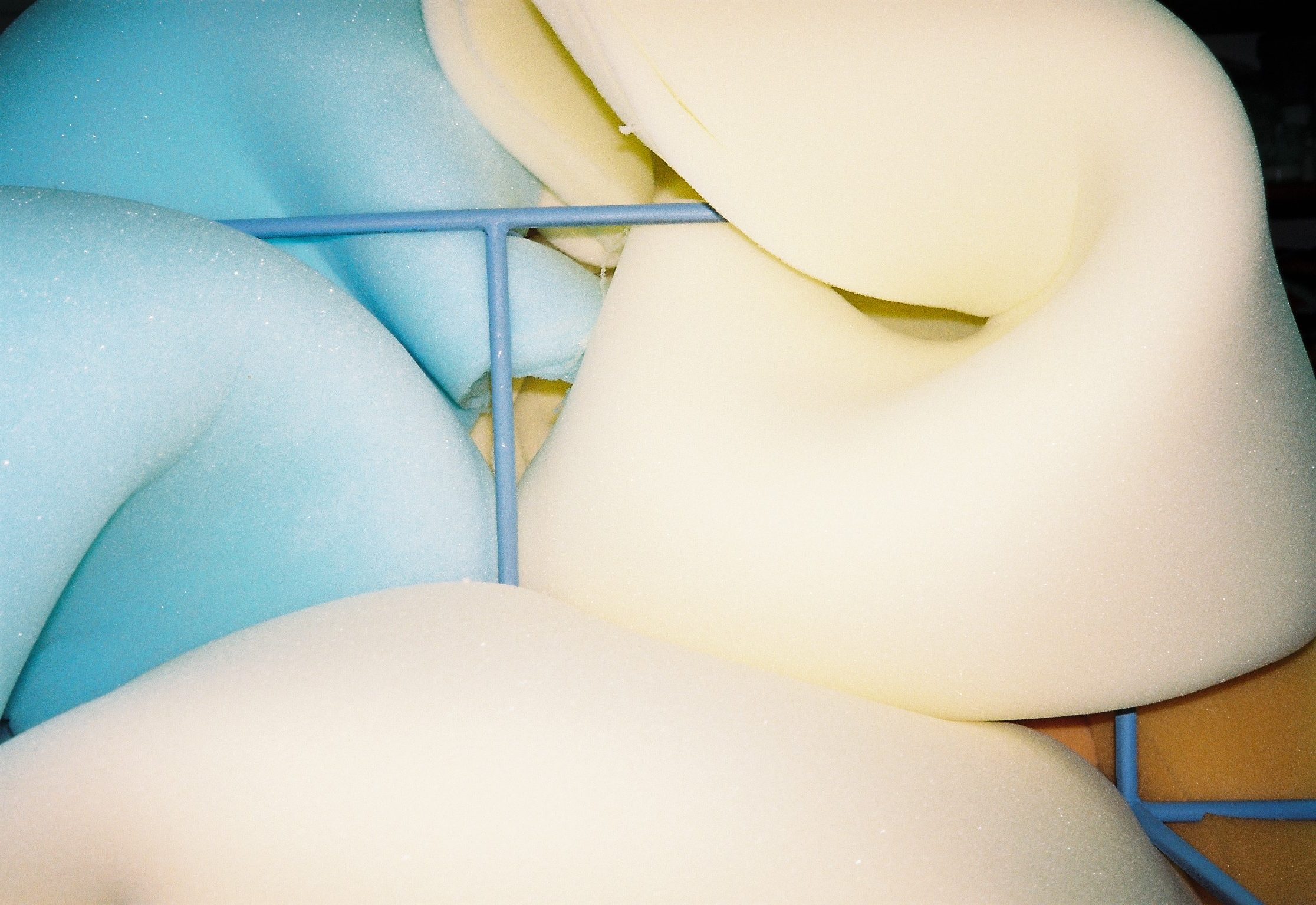
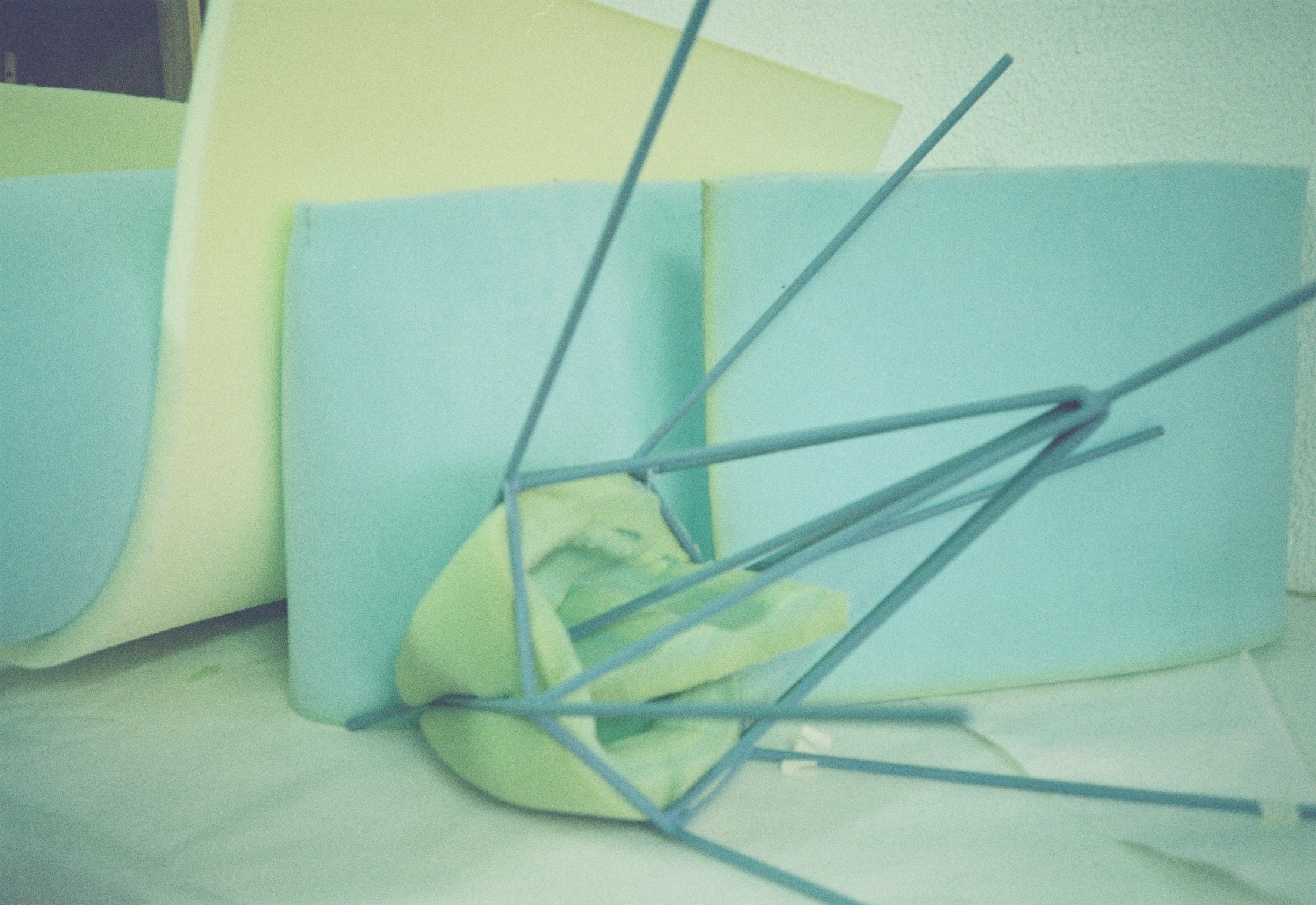
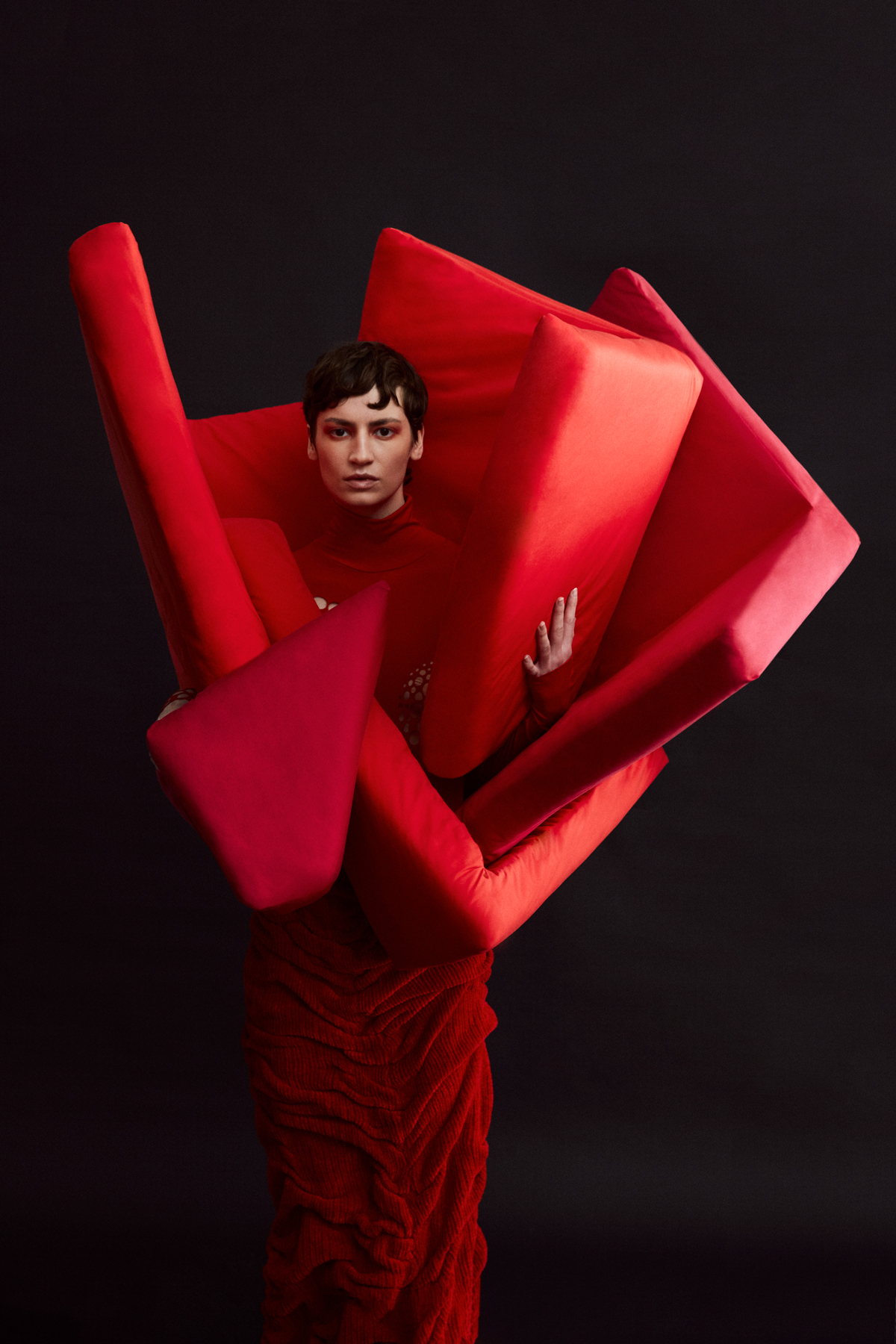
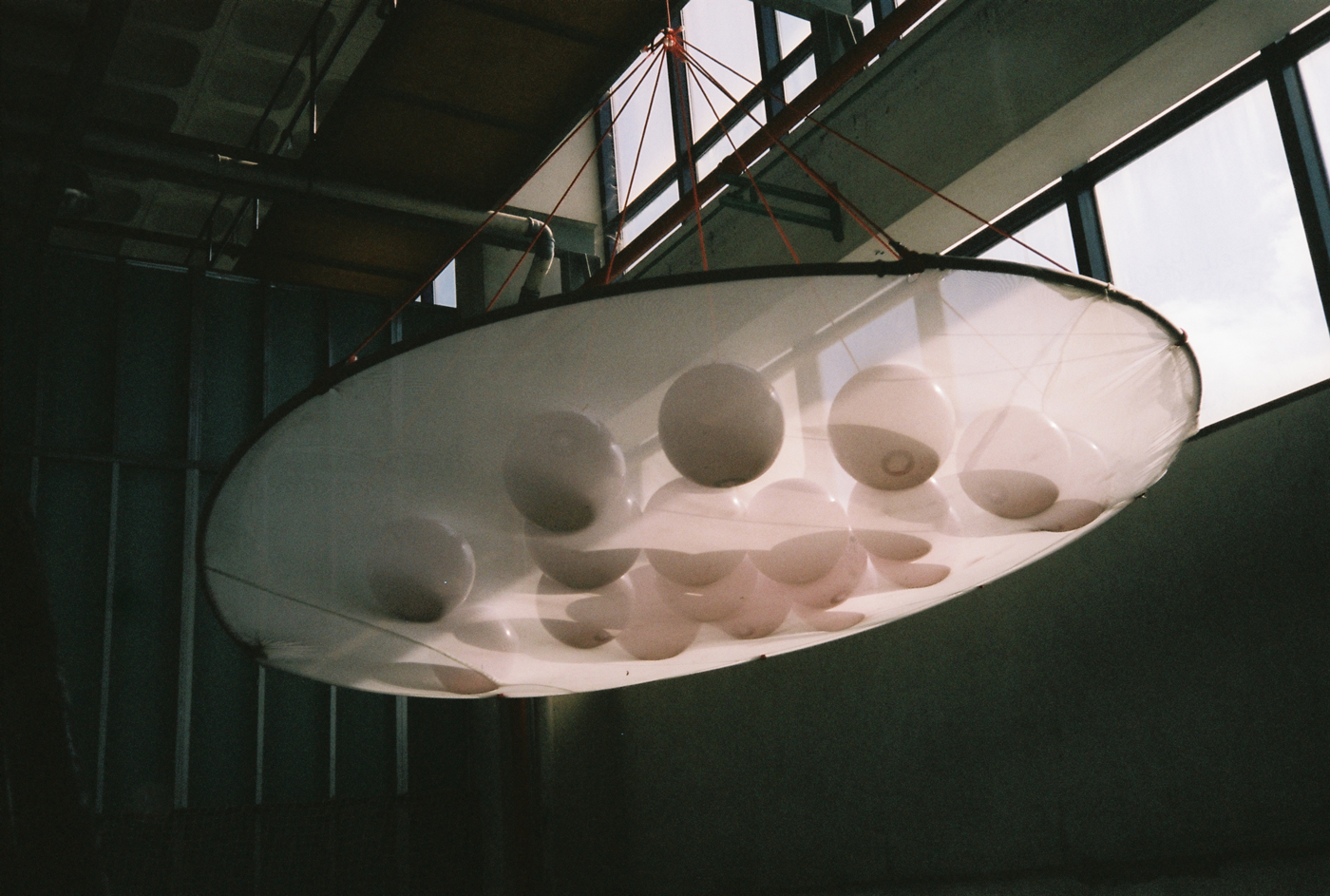
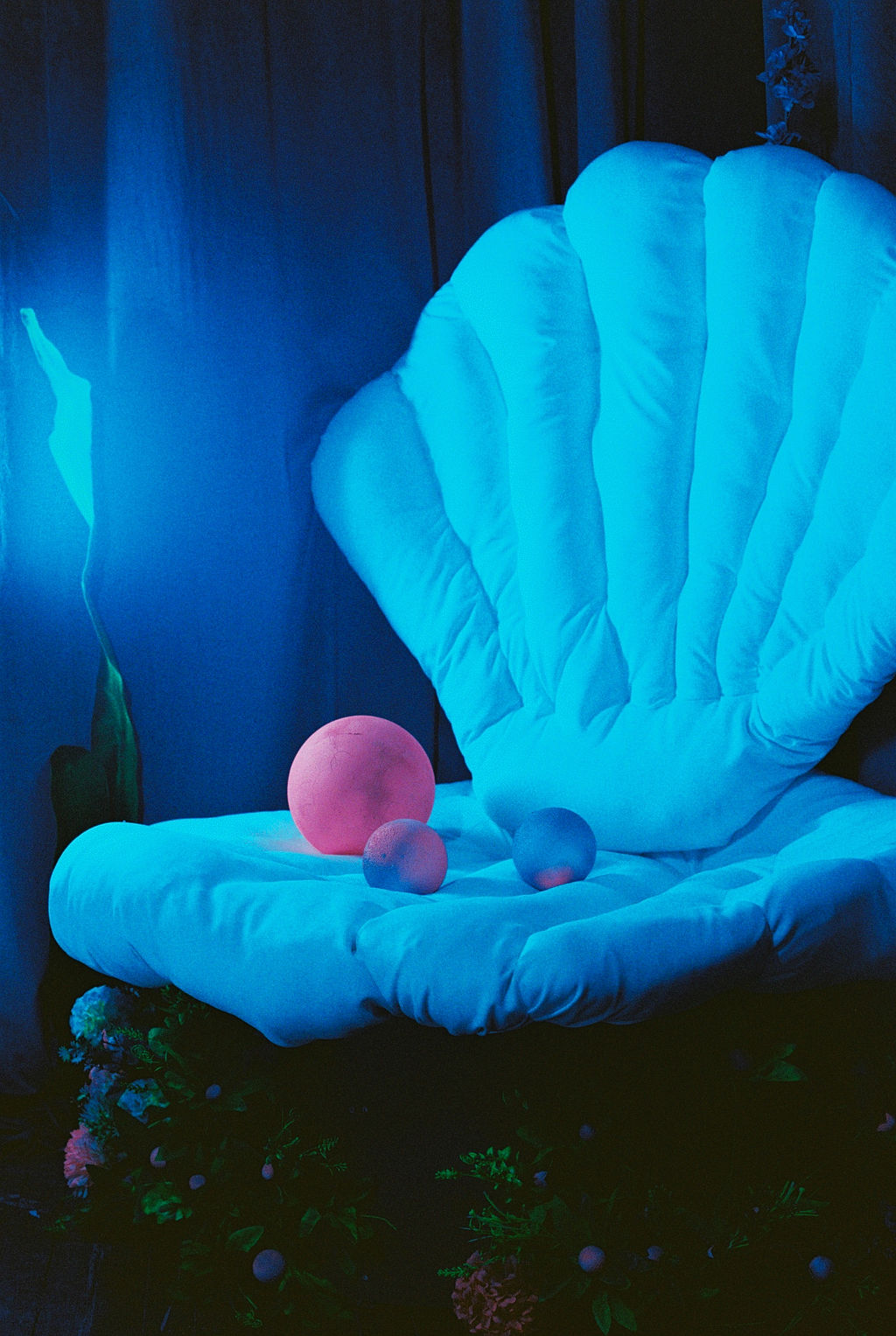
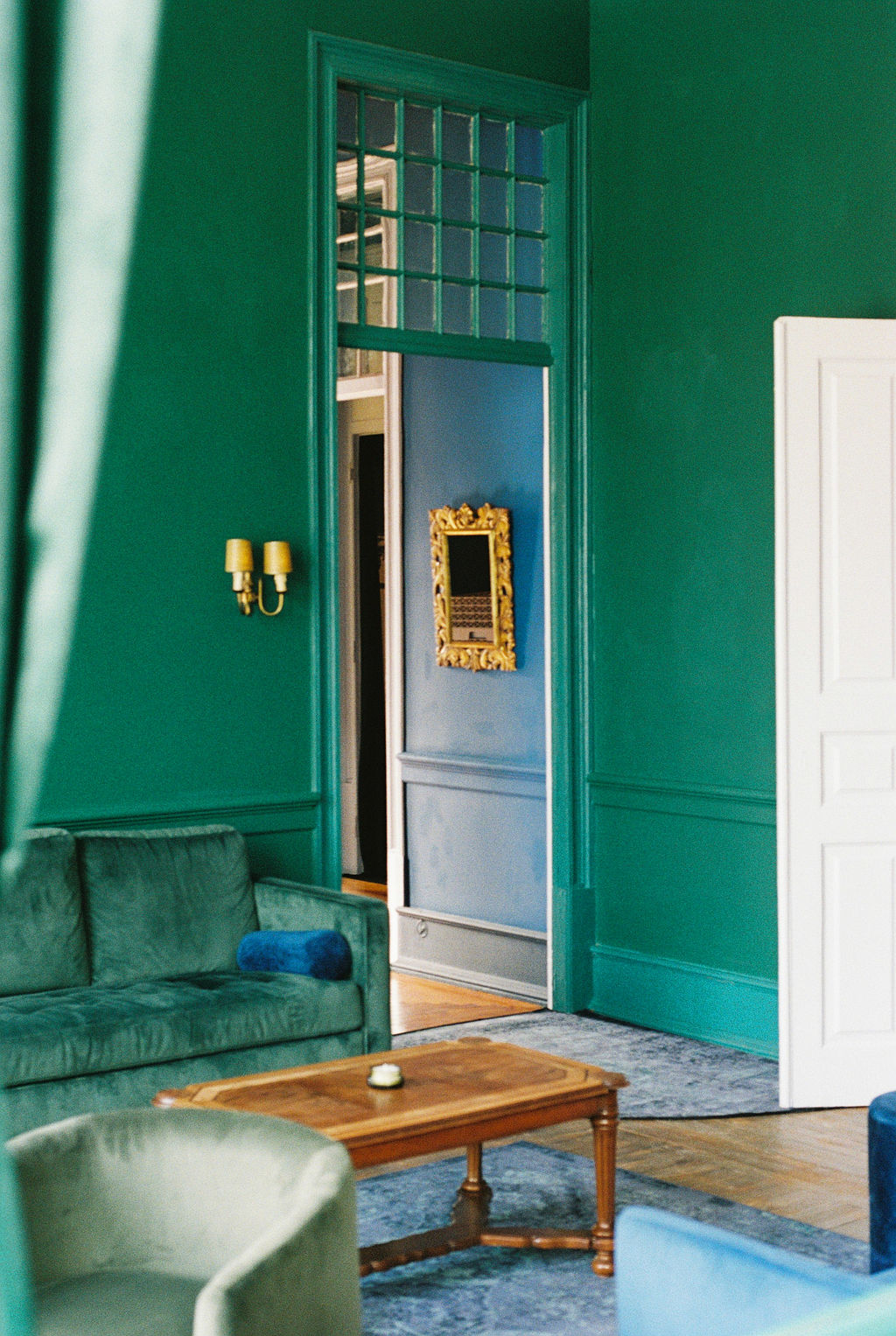
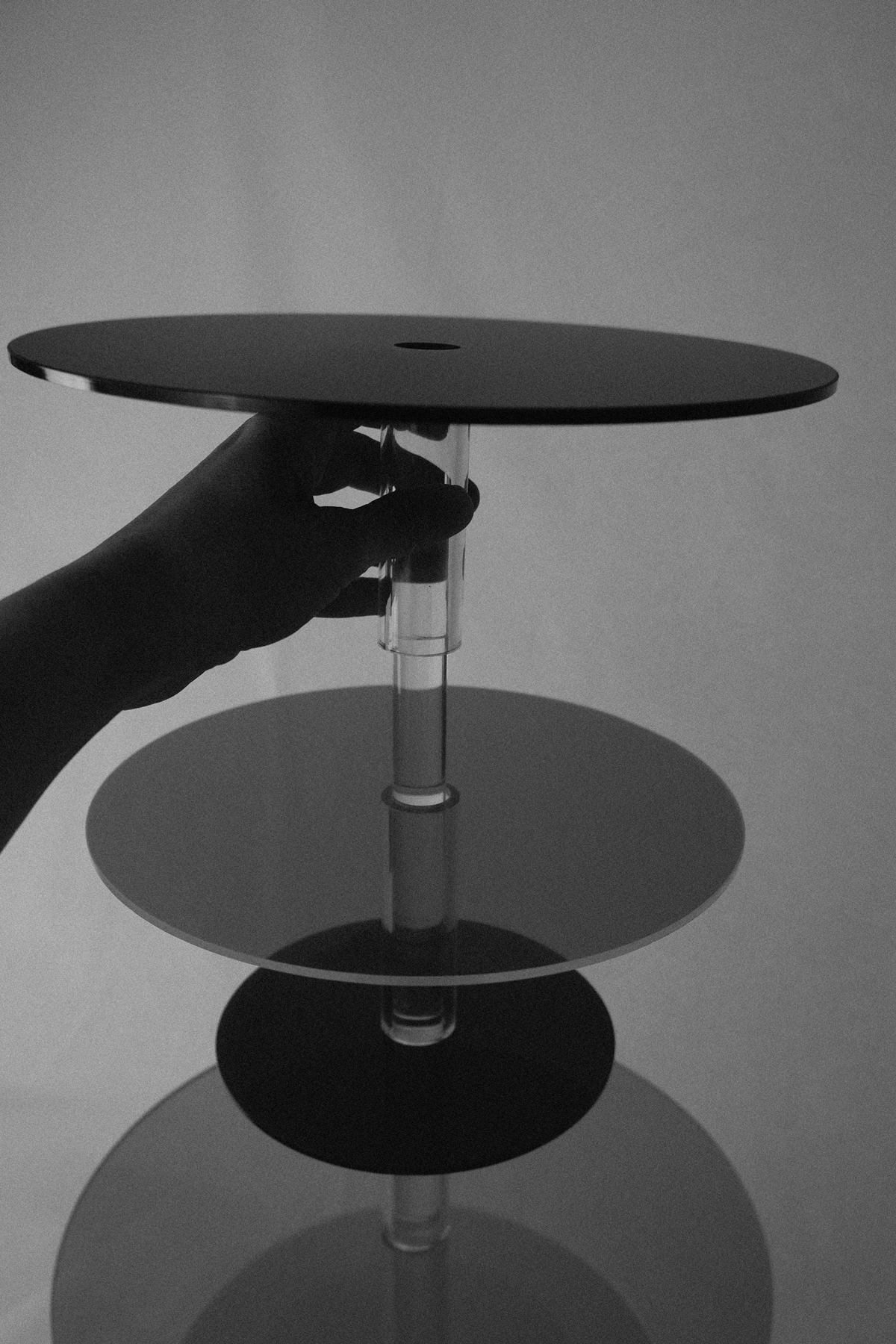
I create objects / art installations with a strong sense of visual composition and immersive set design – offering the viewers an experience. Around the colour, materials, objects, shape and space these are my work main focus and what moves me to projects and collaborations.
You move fluidly between scenography, installation, and object design, what’s the common thread that ties it all together for you?
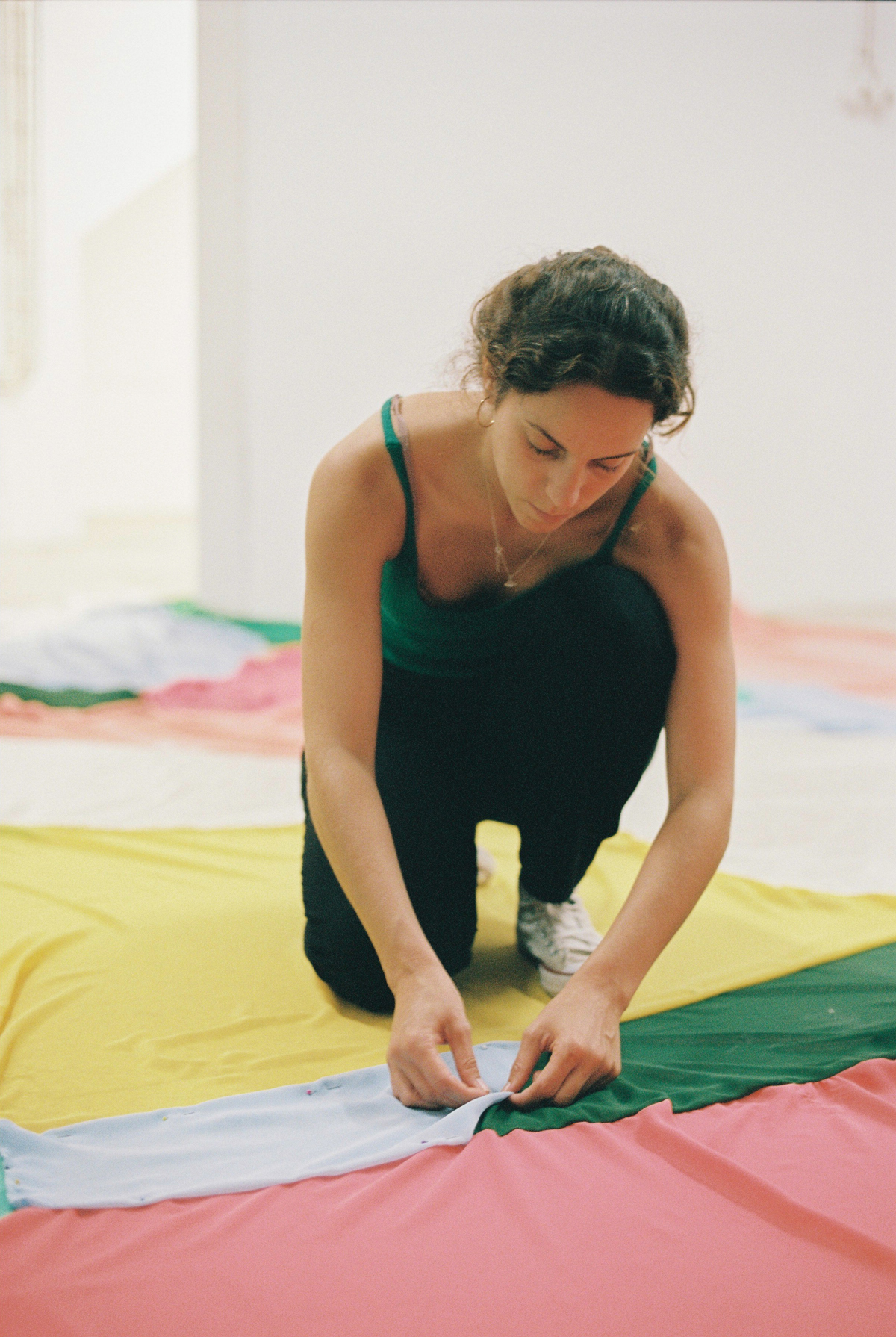
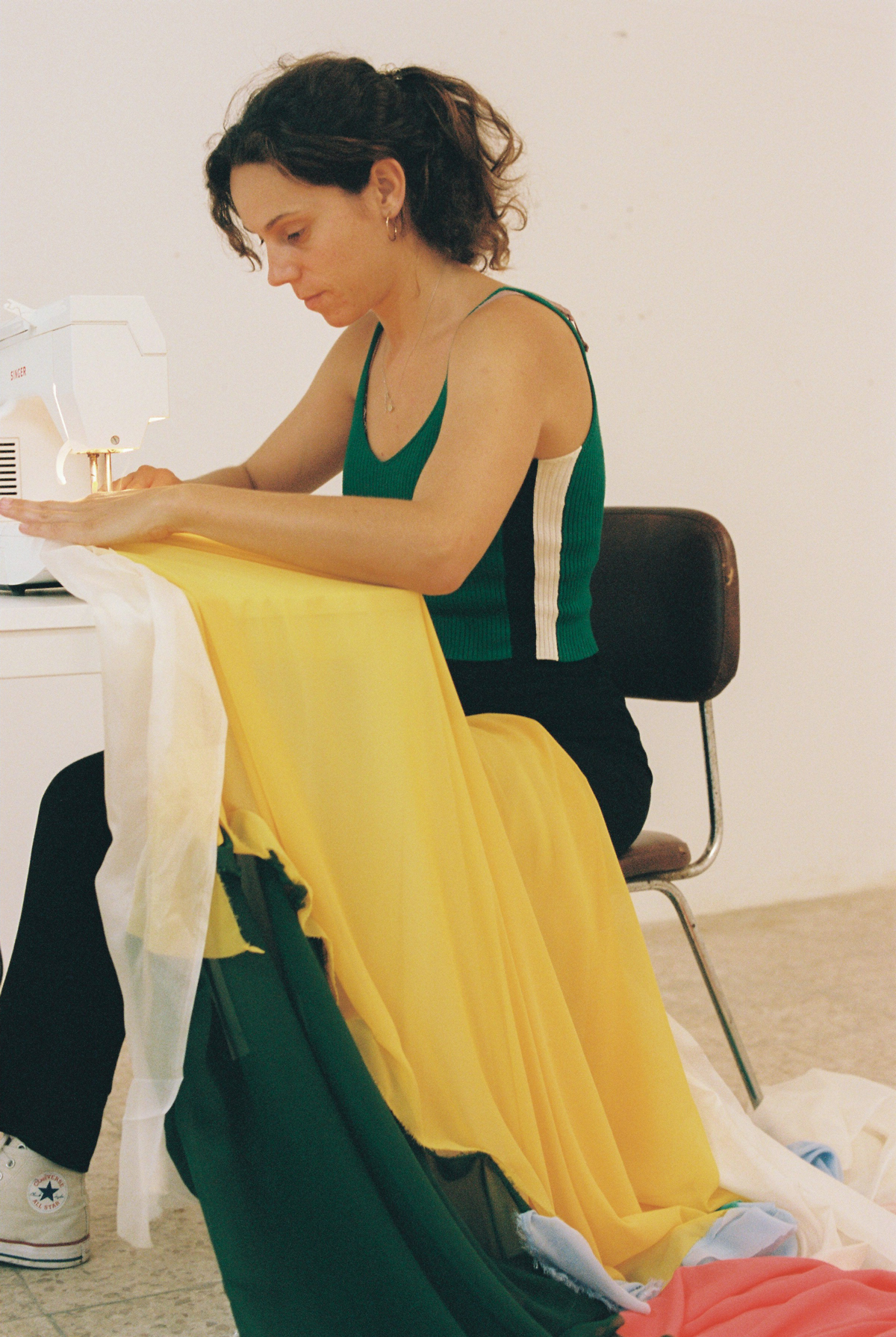
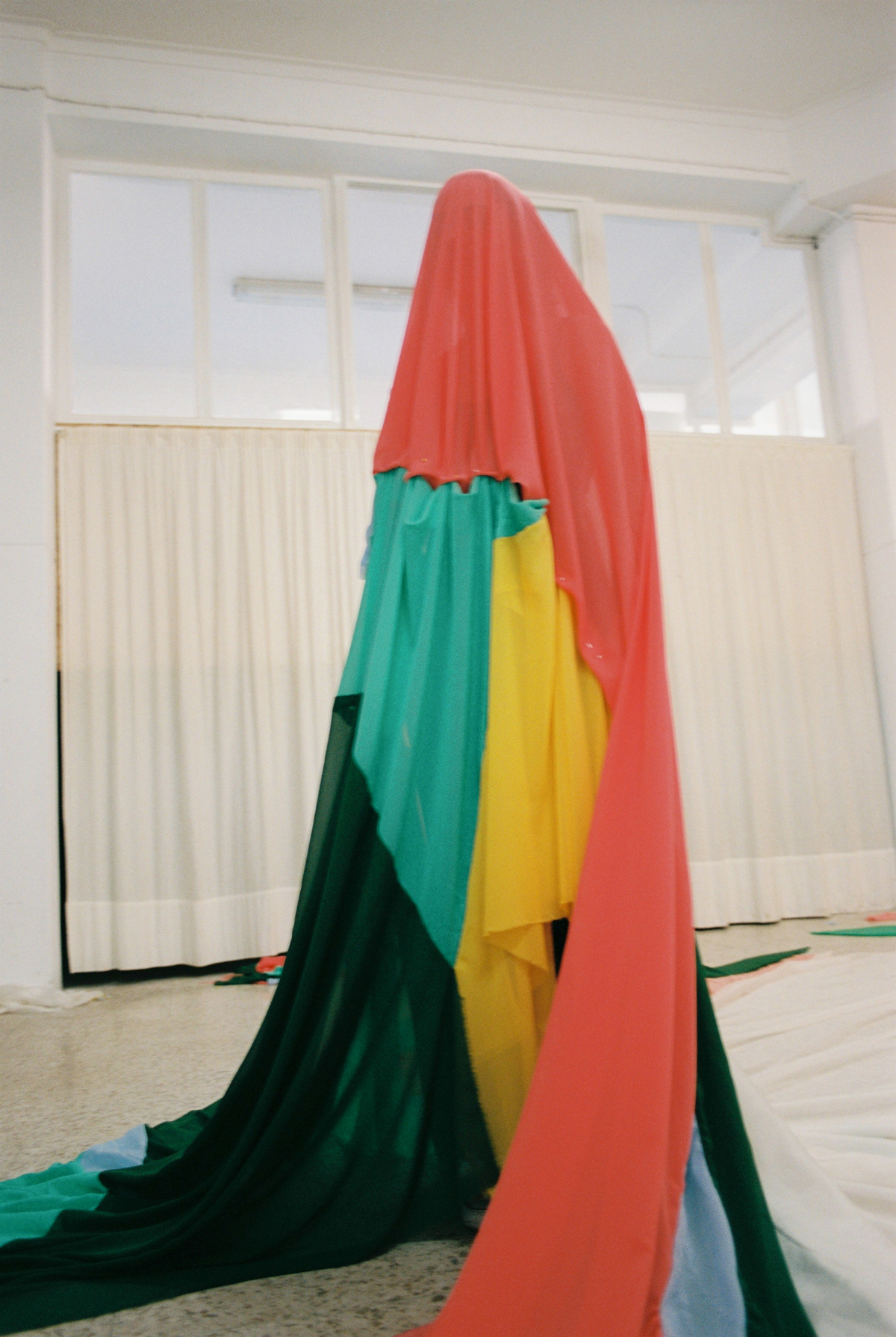
The experience I intend to create can be translate into a three-dimensional action through COLOUR, form, and narrative, bringing something playful, fun and unexpected to the projects. The main idea is this relationship between space, object and human/ body.
Materiality is central to your practice. Is it often the starting point, or does it emerge through the concept?
Everything happens at same time. A new project / idea and the concept starts between what the client gives me (the brief) and, also, when I come to my the studio and have a look at the materials storage and references (of course). The studio – my lovely and safe working place, full of objects gives me time and inspiration for new ideas. ALSO, the visual memories that I keep in mind are the “petrol” to start and give light. I feel it´s like going to the gym, you need to practice almost everyday. The practice to create visual memories – looking around, observing, developing the eye perception through what we have around everyday. Traveling and attending exhibitions are two on the top list of are the most important things to my practice.
You describe your work as spatial storytelling, what does that mean to you?
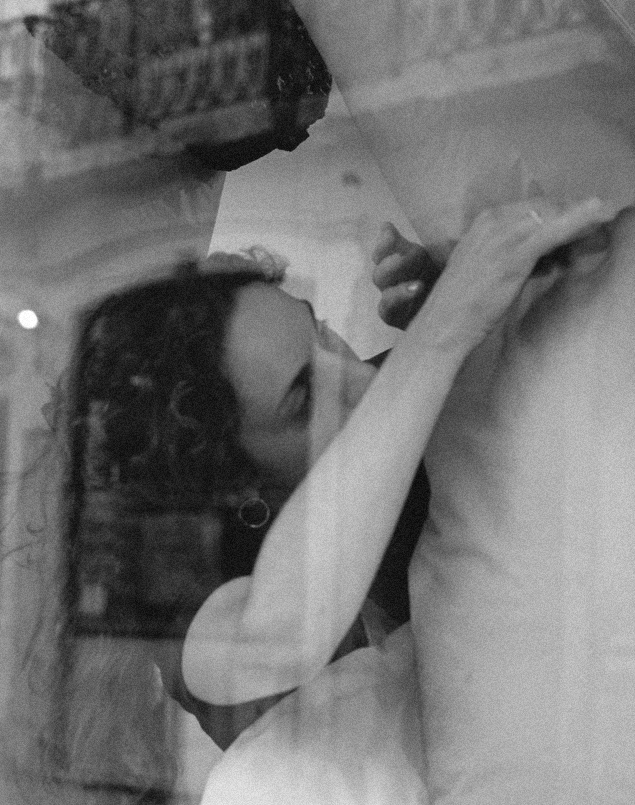
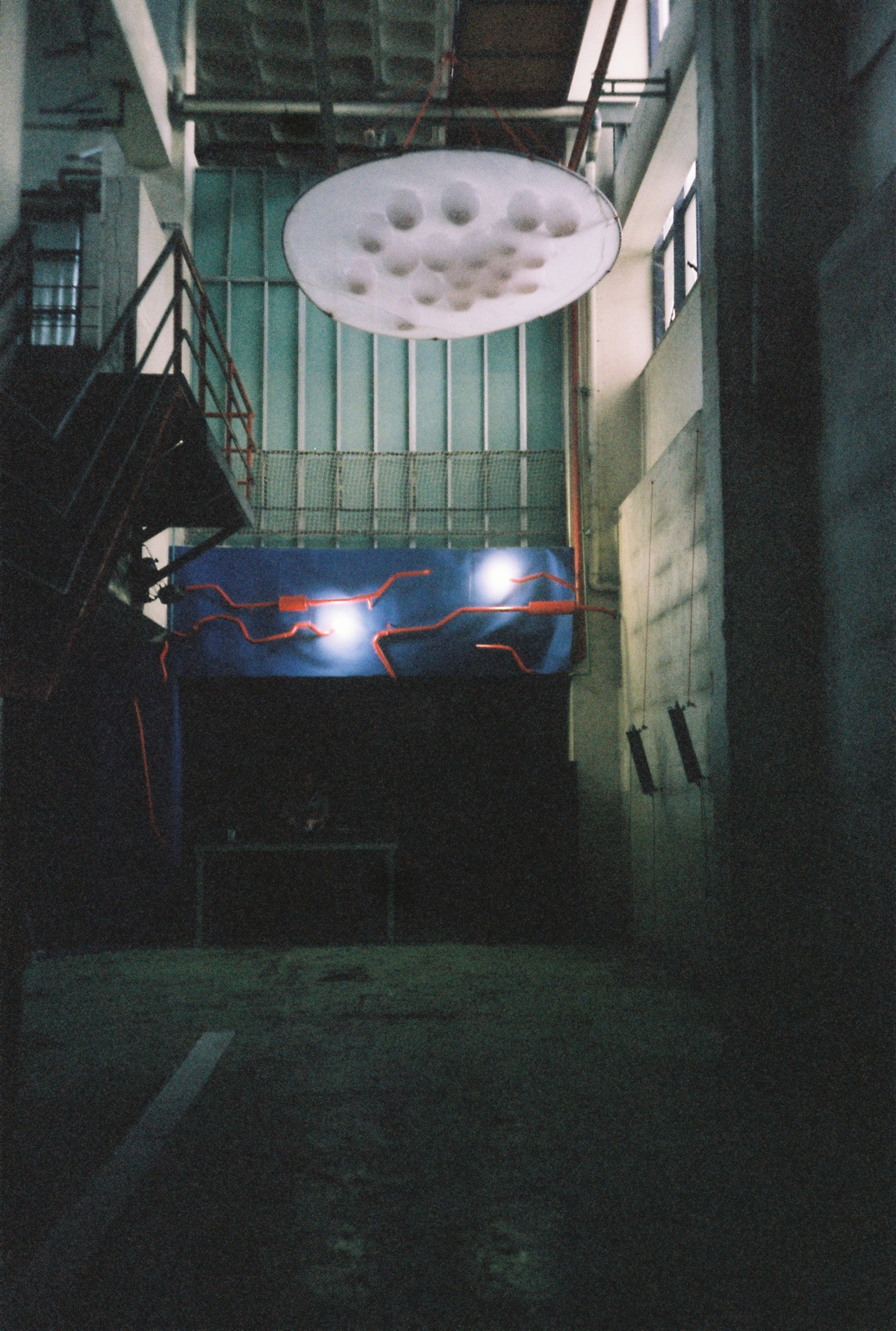
It’s like a picture, or a collage in a big scale and 3dimension. At the same time, is visual and at the same time you discover related points and a story behind that. You have the chance to connect with the shapes or the materials. You can also surround the topic/storytelling by living the experience, when you see and “feel” the artworks. I used to think that the visual composition is the one that keeps the things in our memory. When you go to the theatre and seat, the first impact about the scenography in your eye is what keeps you connected with the spatial storytelling and the memory of what we see and experiment. I imagine the world like this, and imagine a lot with images and memories and references, before create. I like to give the experience to the people so at the end they can also dream about what they are seeing.
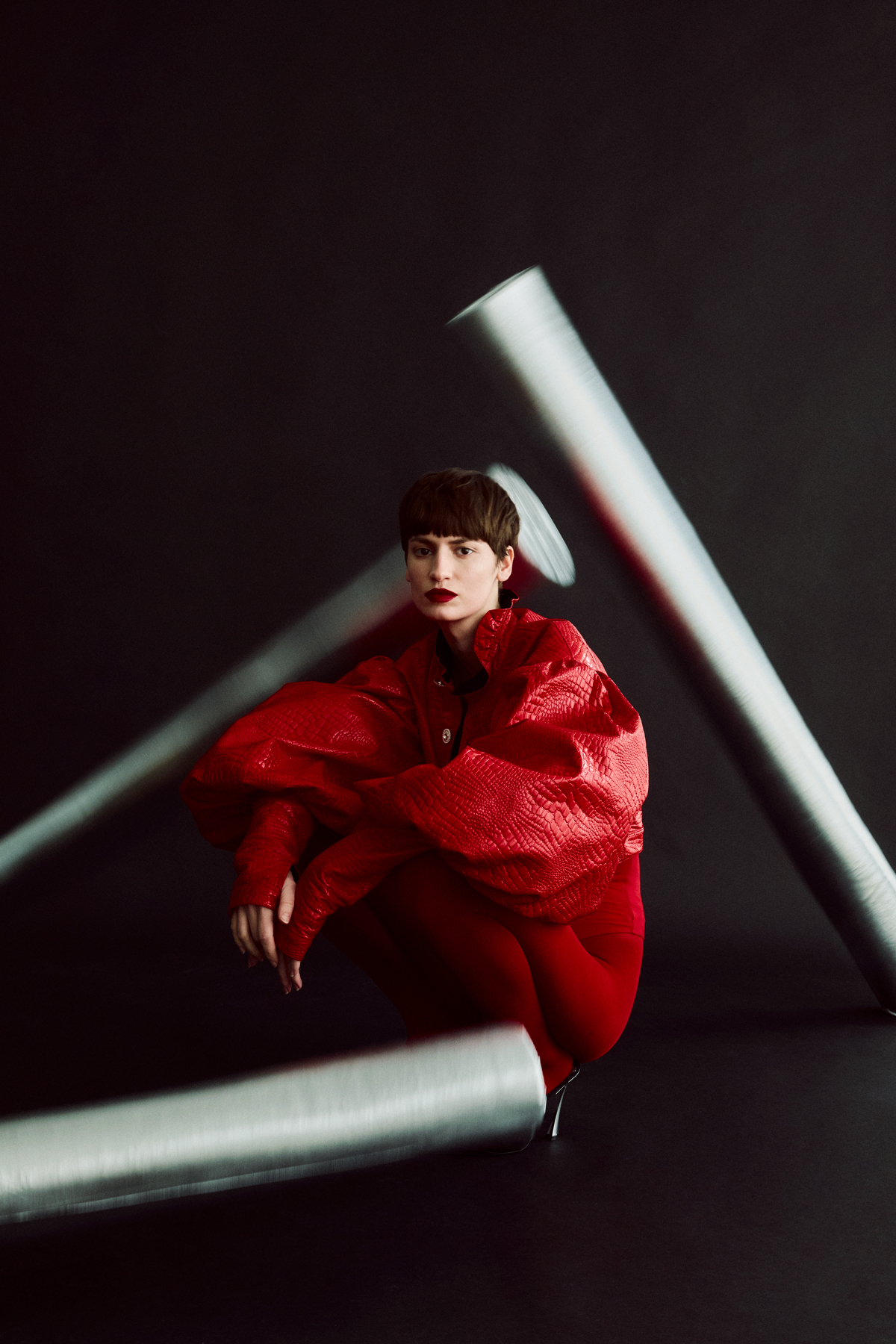
How do you think about guiding someone’s body, gaze, or mood through space?
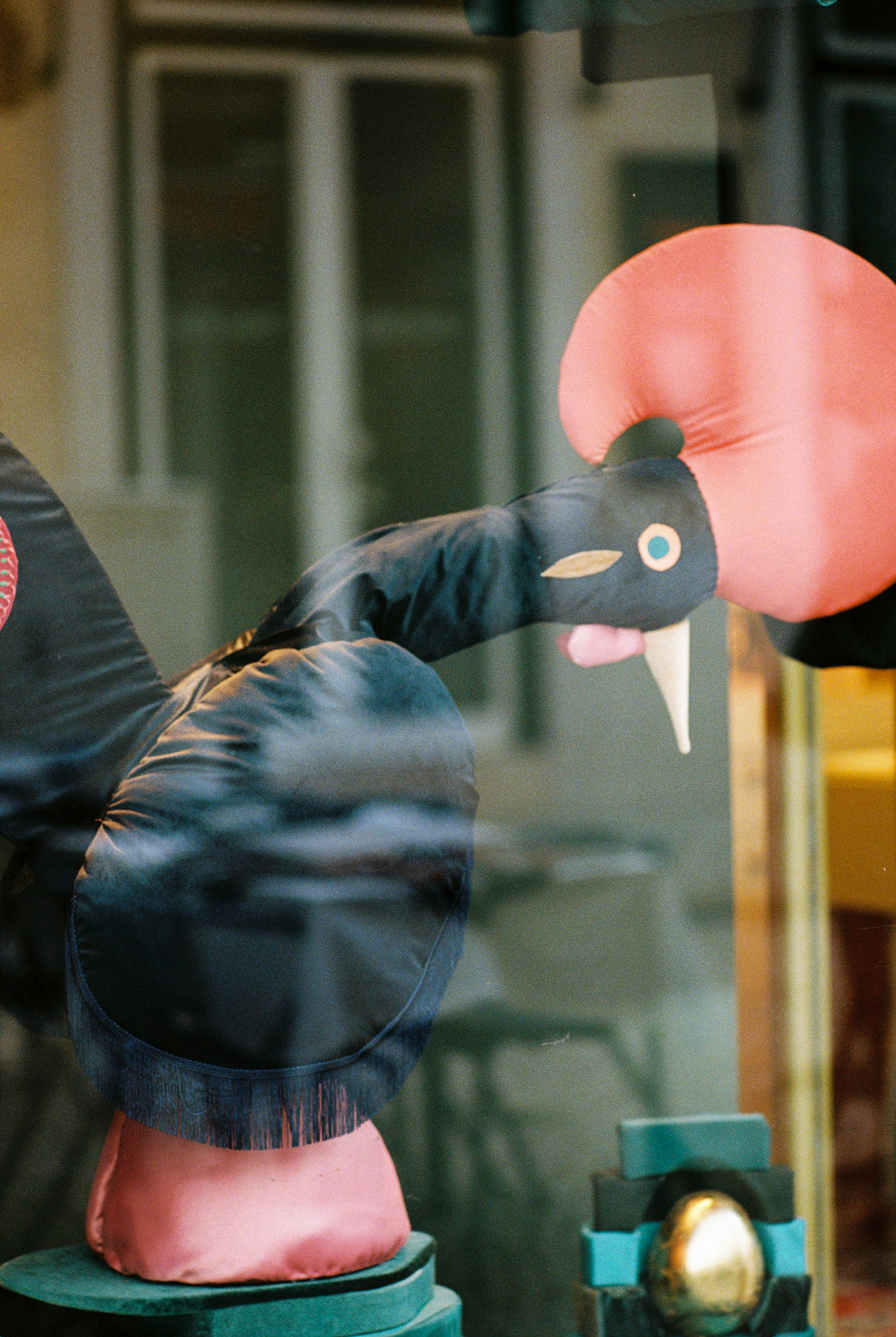
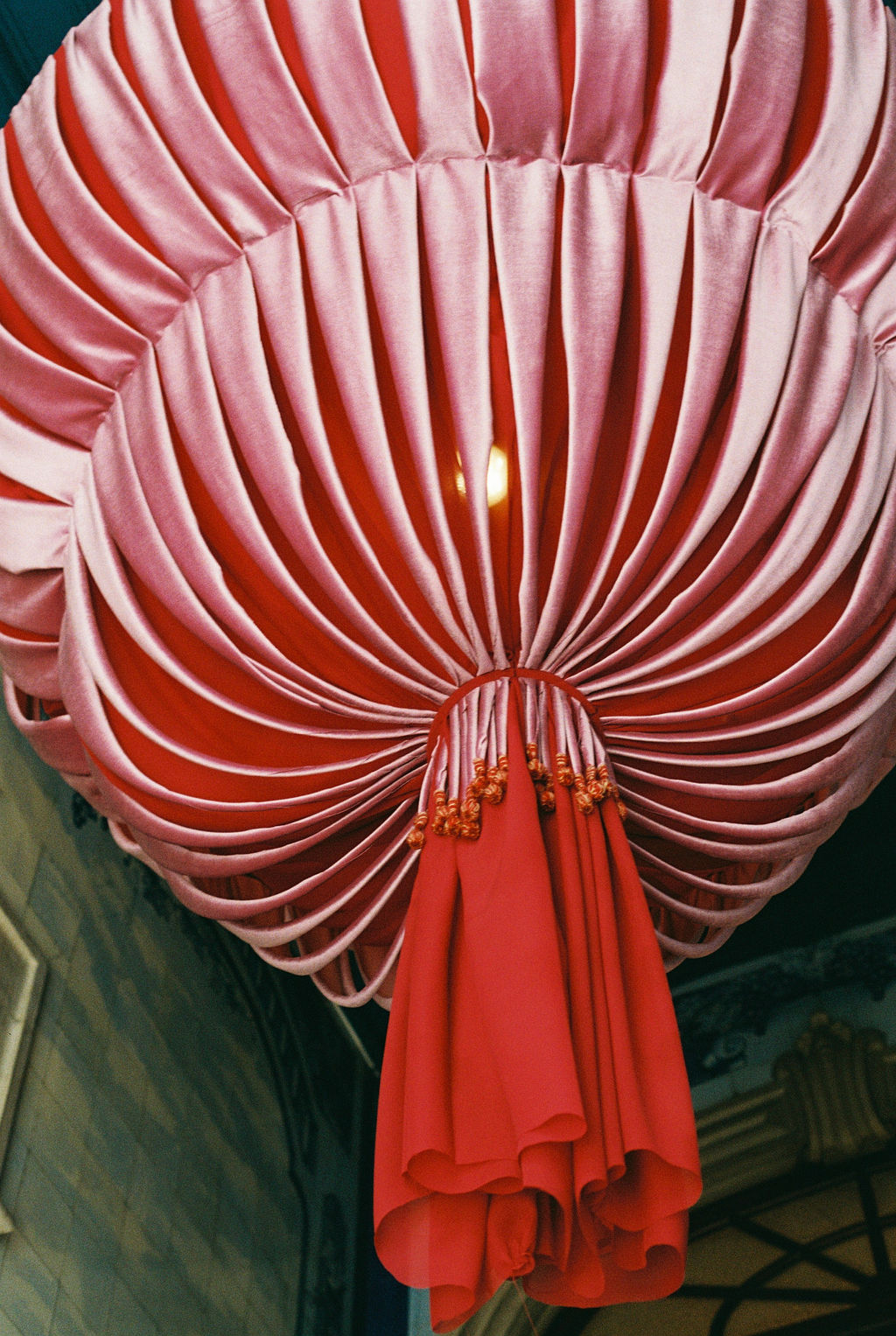
Guiding the body and the viewers in this full experience is everything that can directly related to the meaning of my work. The aim is that people can feel the materials and the site specific immersive object /structure /set design even if you don’t touch them and even if you just look at them in from/and outside of a window display.
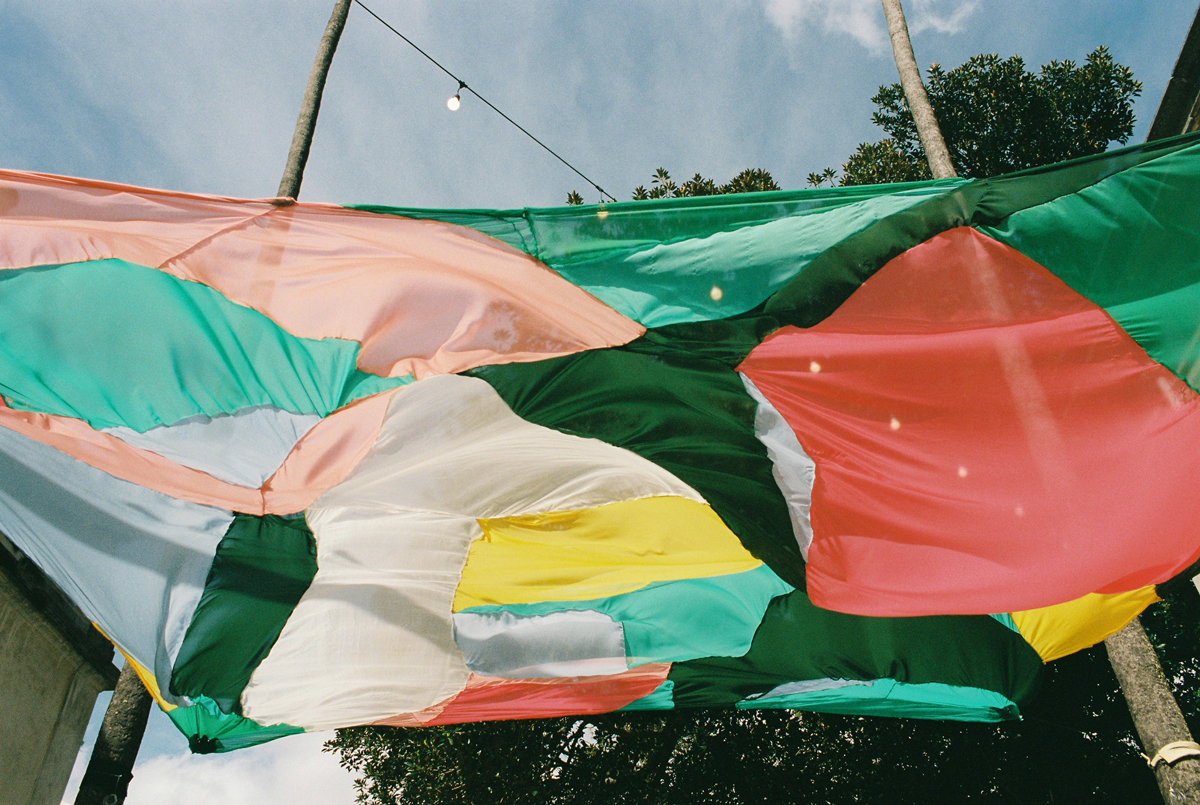
You blend artisanal and industrial methods. How do you navigate that balance between tradition and innovation?
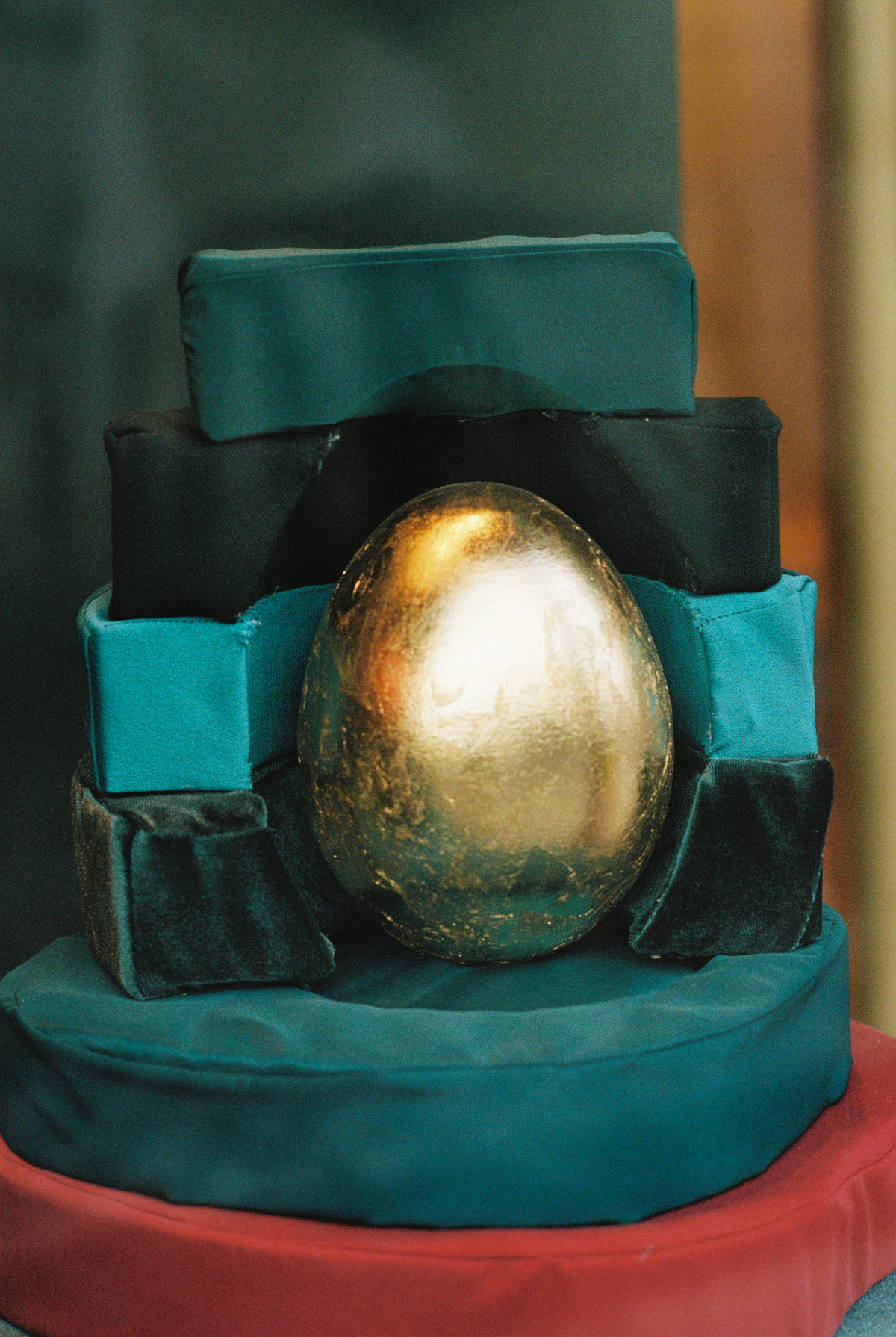
Nowadays I’m working a lot with fabric because it’s the material that I can have block colours and easily manage soft and round shapes. It’s also very important that my artwork and projects are created with some reused materials. I end up reusing so many times from past projects to present ones. Industrial methods are used when they are necessary and important for the final results. Last year I introduce some robotic movement at my objects in two windows displays, a collab with a tech company that we had together such amazing results.
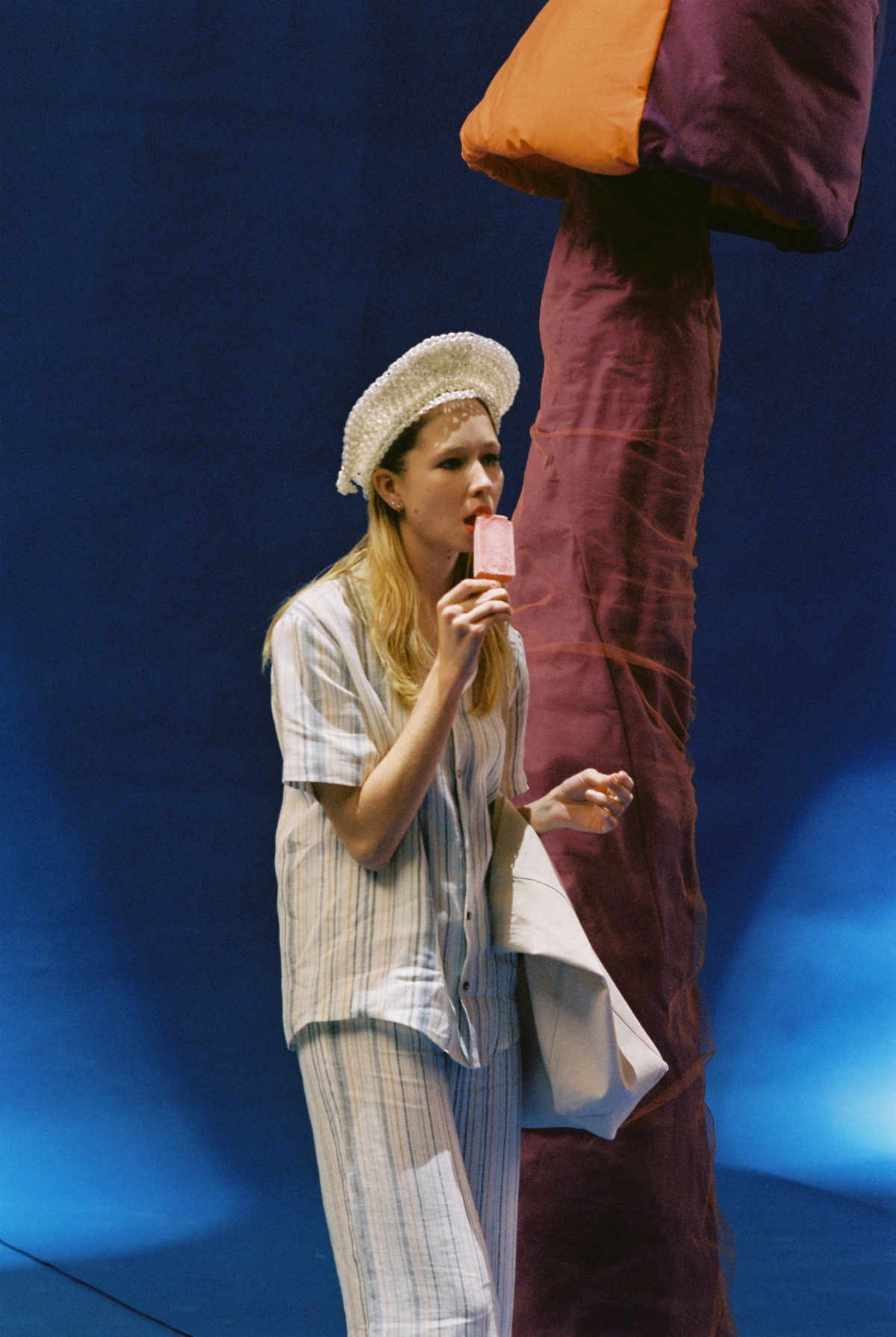
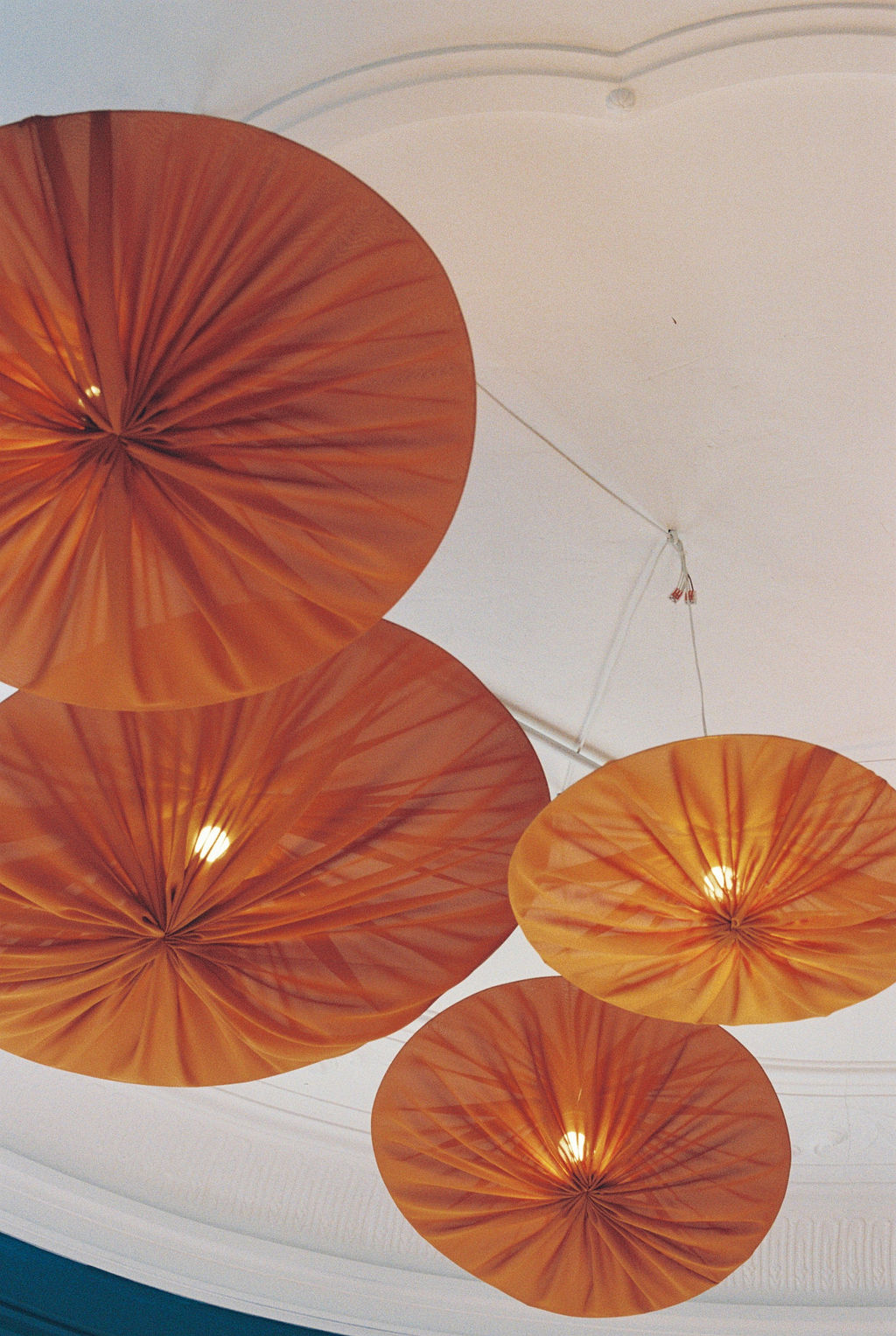
Do you approach art direction differently than your installation or design work, or do they feed into each other?
Yes, normally they feed each other because being a creative director includes the concept and the project, means a selection or production with a final set up of objects and space. The art installation work, art work and design, are part of, or combined with the art direction. They are one arm of the head (head of art direction) and normally its the direction for long processes of creating by hands and producing – props, objects, art installations and so on..
What’s something you’ve learned from being multidisciplinary that you wouldn’t have discovered otherwise?
I can’t imagine not being multidisciplinary. I never thought that I could only do one thing because I was already doing multiple things when I started working. I arrived at what I do understanding its super enthusiastic and fascinating being multidisciplinary. The different projects and ways to create are the most interesting part of developing what is an artistic work.
Where can people find you?
People can find me at Aberta Studio where I do almost all my work. Aberta Studio is a shared studio in Graça – Lisbon, that I co-found with a friend in 2020. Against the daily loneliness of the artists we try to maintain a community of artists/designers. There we all play and do creative stuff, from Graphic to Ceramic, most of people freelancers. It’s the place where we all share ideas and projects in the process. About the digital platforms you can find me at Instagram or my website. Thank you for this wonderfull Interview. Talk to you soon!