Mariana Romão
What’s your name and where are you from/ based?
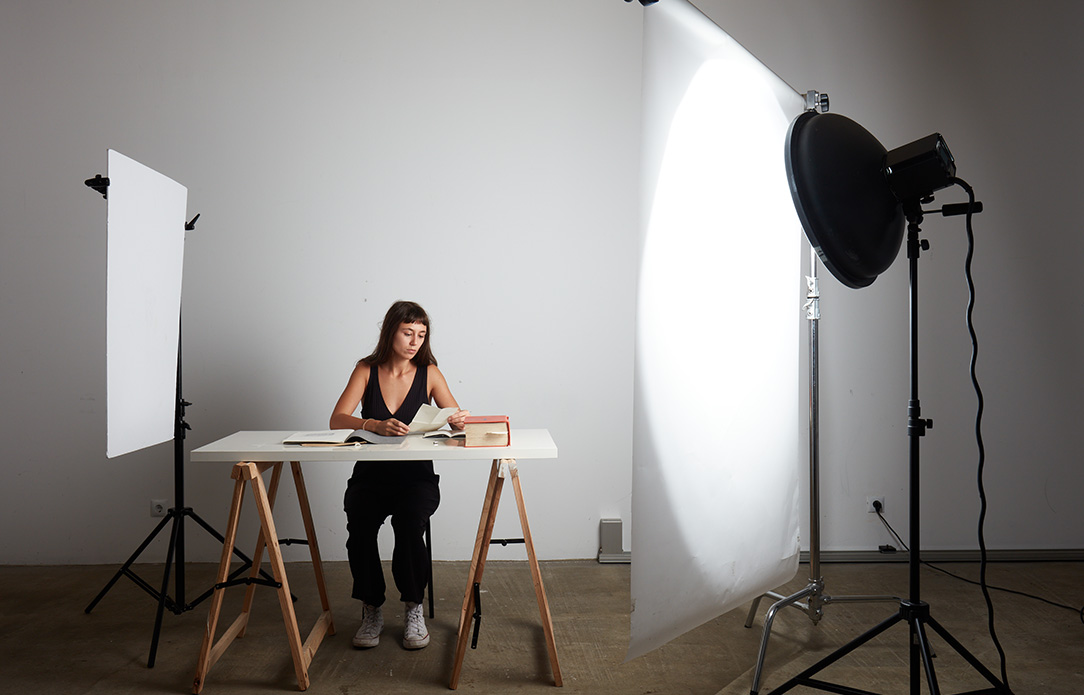
I’m Mariana Romão, born and raised in Lisbon. Since 2022 I’m based in Paris, yet my life and work continue to flow between the two cities. This movement shapes my perspective, allowing my practice to be nourished by both the light and rhythm of Lisbon and the vibrant cultural pulse of Paris.
Can you describe what you do in a few words?
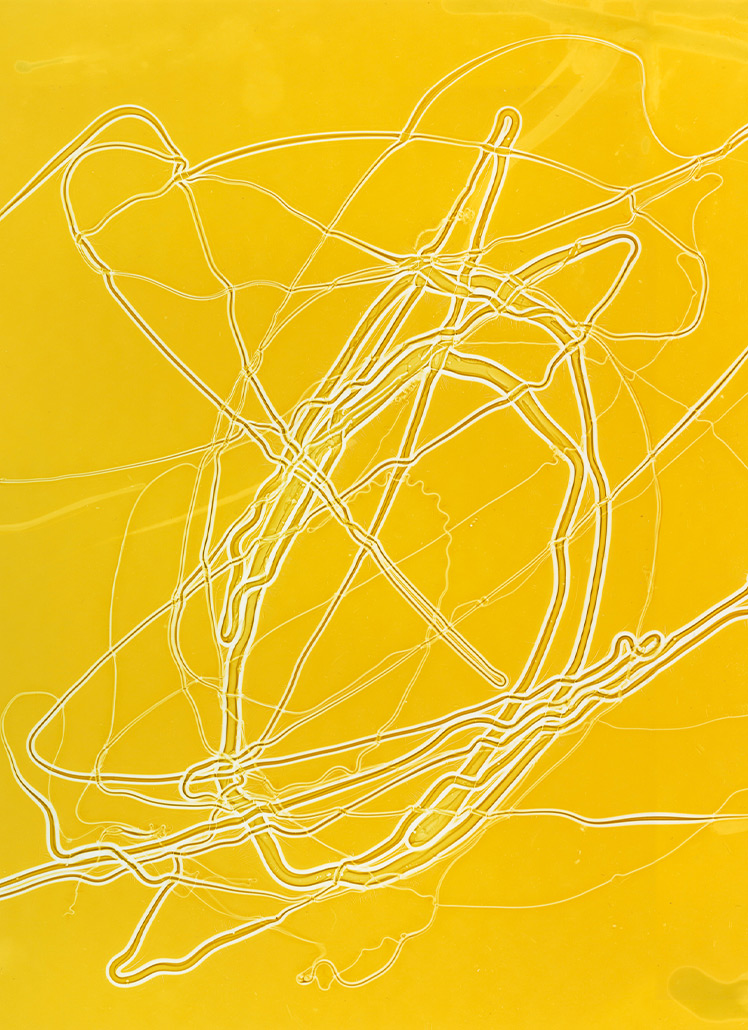
I’m a visual artist and my work explores the material and conceptual possibilities of photography. Through experimental approaches, both with and without a camera, I connect the medium to painting and sculpture. My process often begins from an intimate, personal space and expands toward broader, universal reflections.
How did your relationship with photography begin?
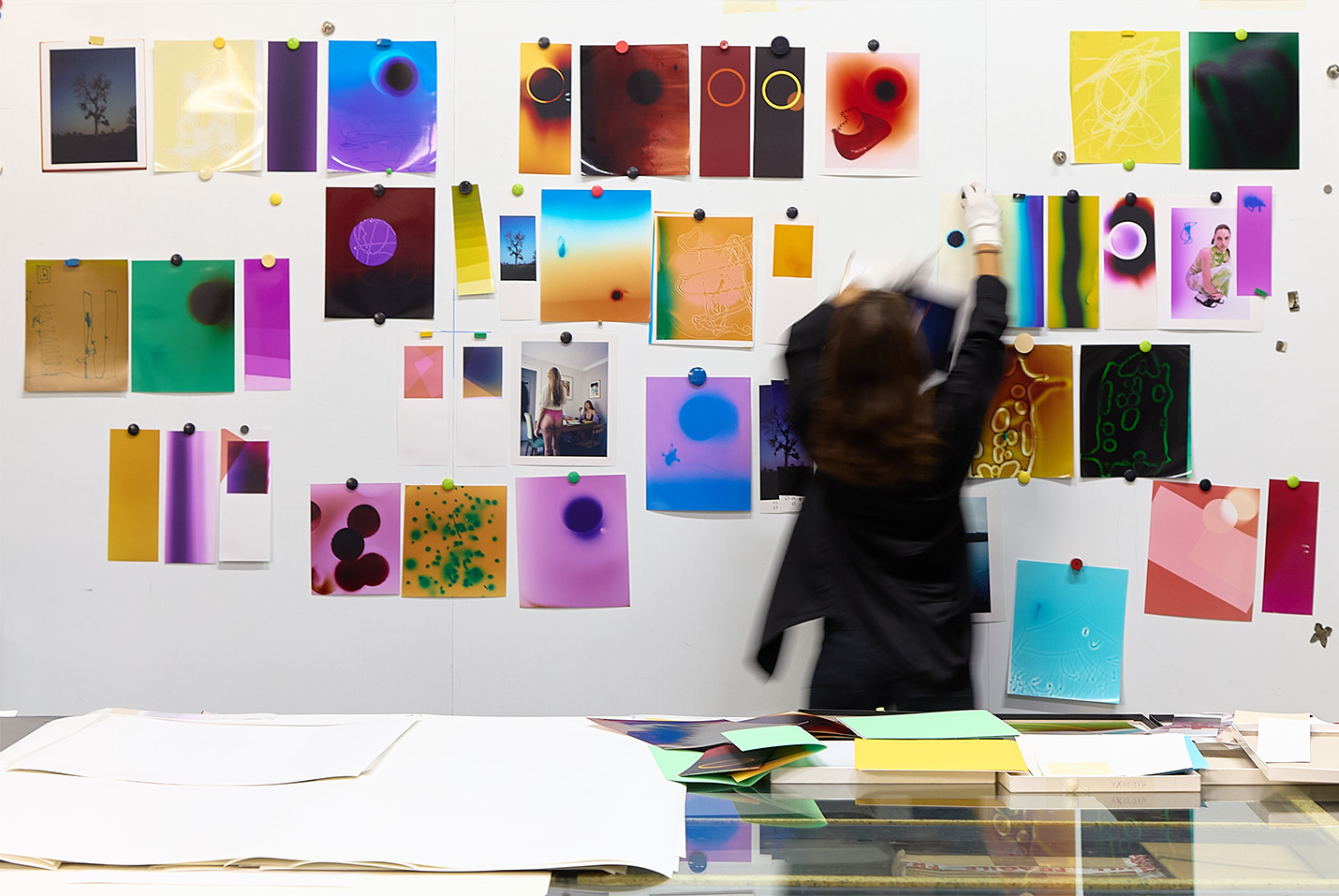
My first steps in photography began at Lisbon’s Fine Arts School. It was there that I first learned to work with a camera and studio lights, as well as how to develop film and print in the darkroom. The photography department of my university had an experimental approach where the medium was not only documentary but also a plastic and expressive form. Alongside more traditional techniques, we had workshops on alternative processes such as cyanotype, photograms, pinhole photography, chemigrams and lumen prints. I got familiar with these techniques at the same time I got to know a camera. For me, it’s been always the same thing. Although I explored other mediums like video installation and performance, photography was the one that best translated anything I wanted to express.
What led you to experiment beyond the camera?
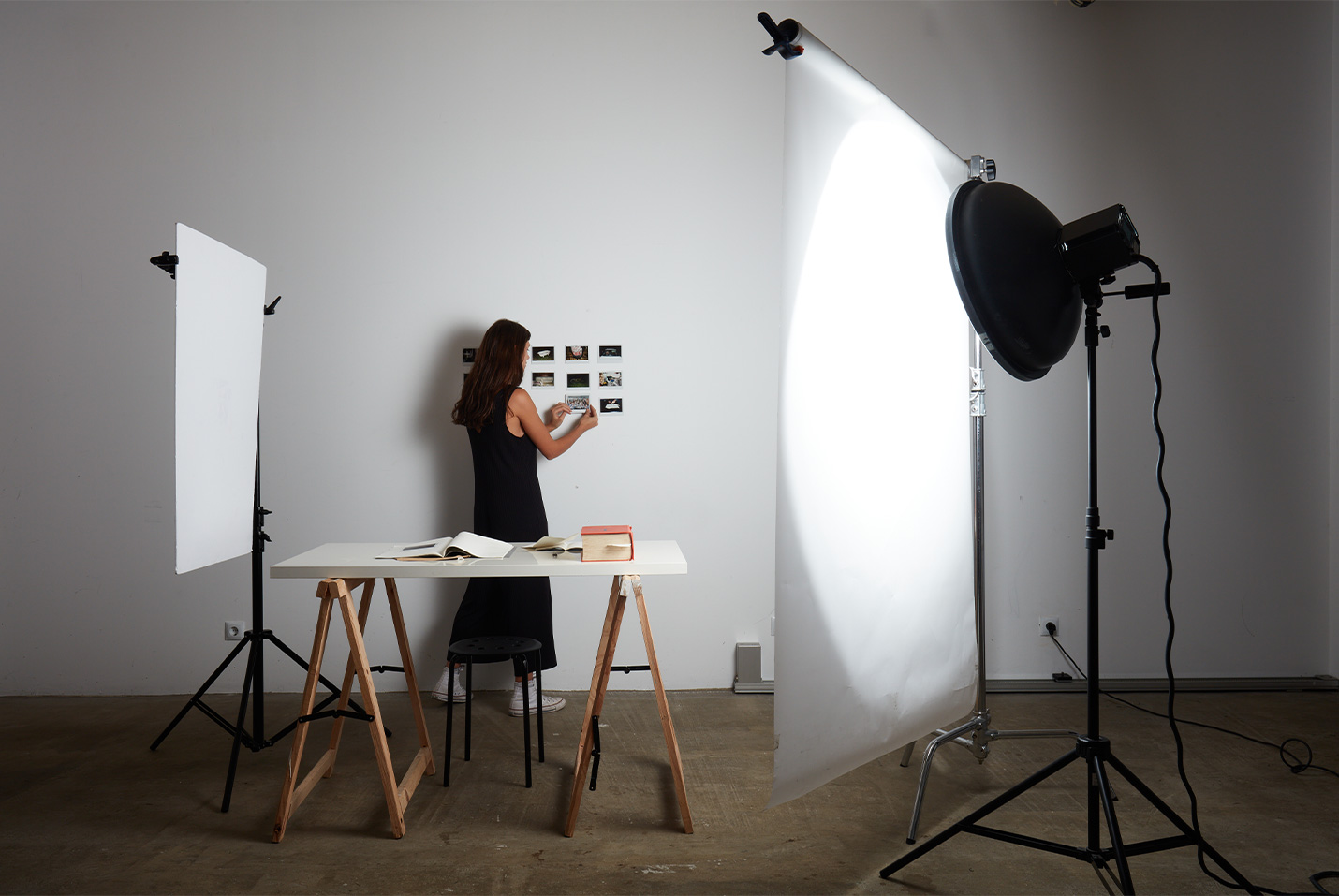
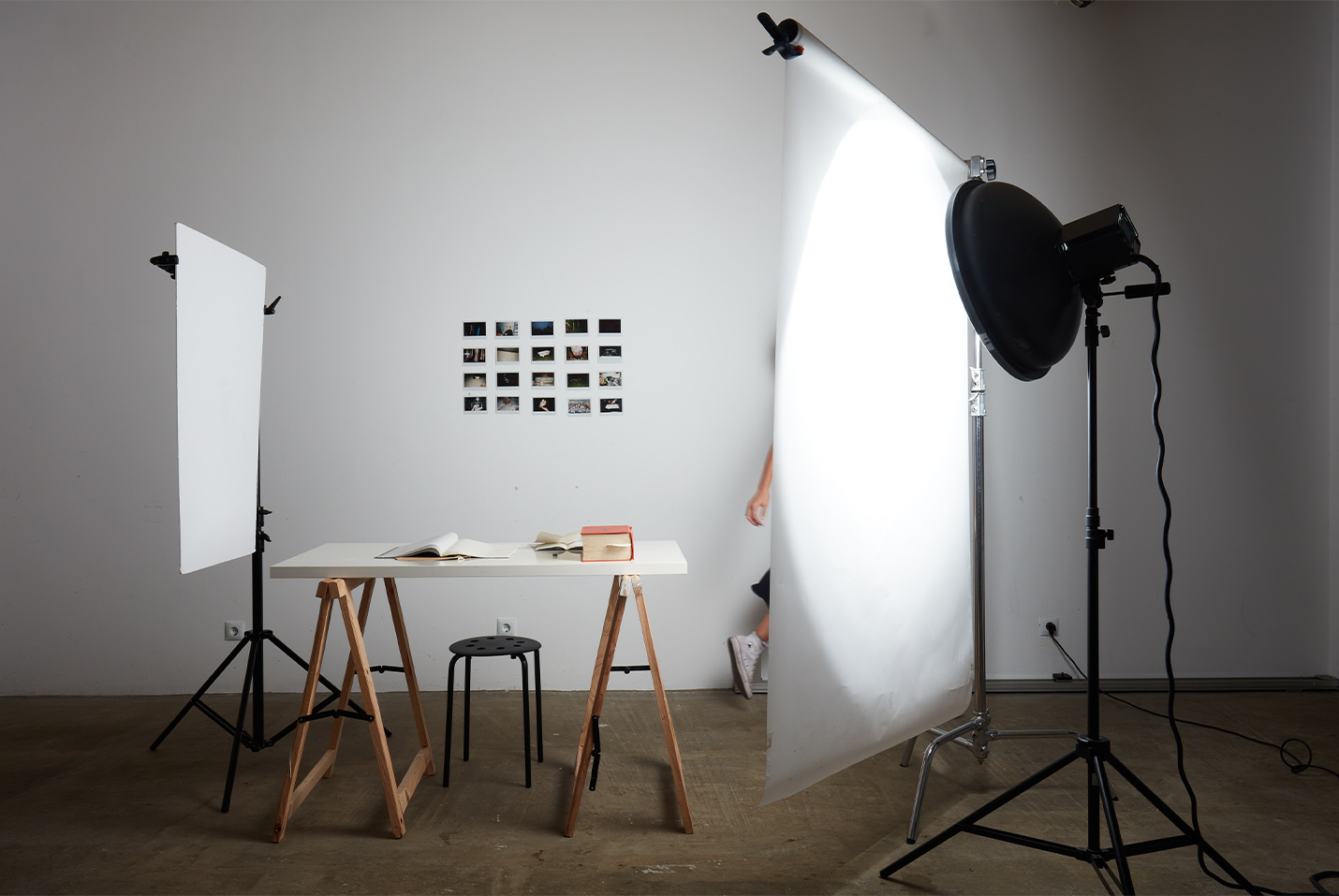
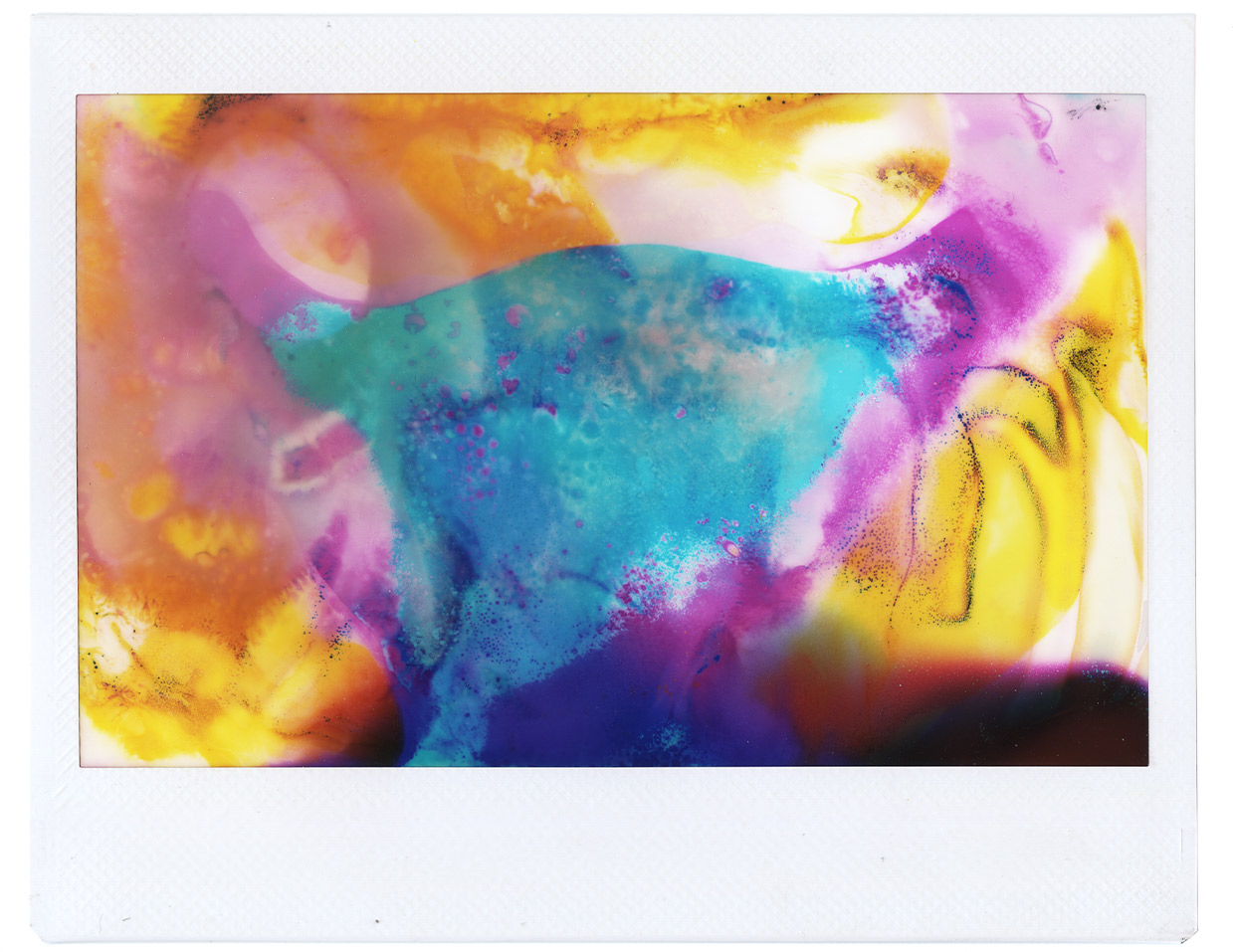
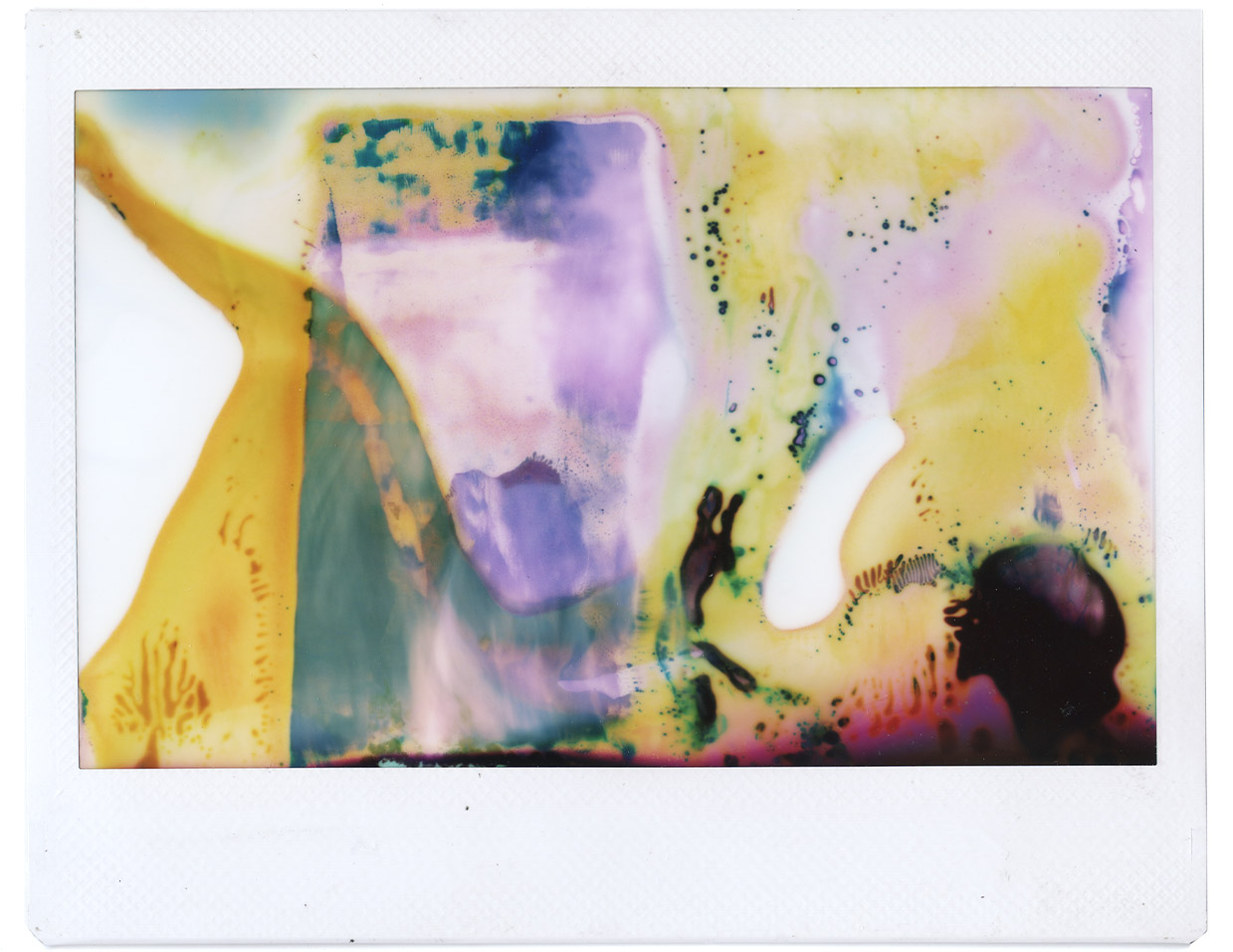
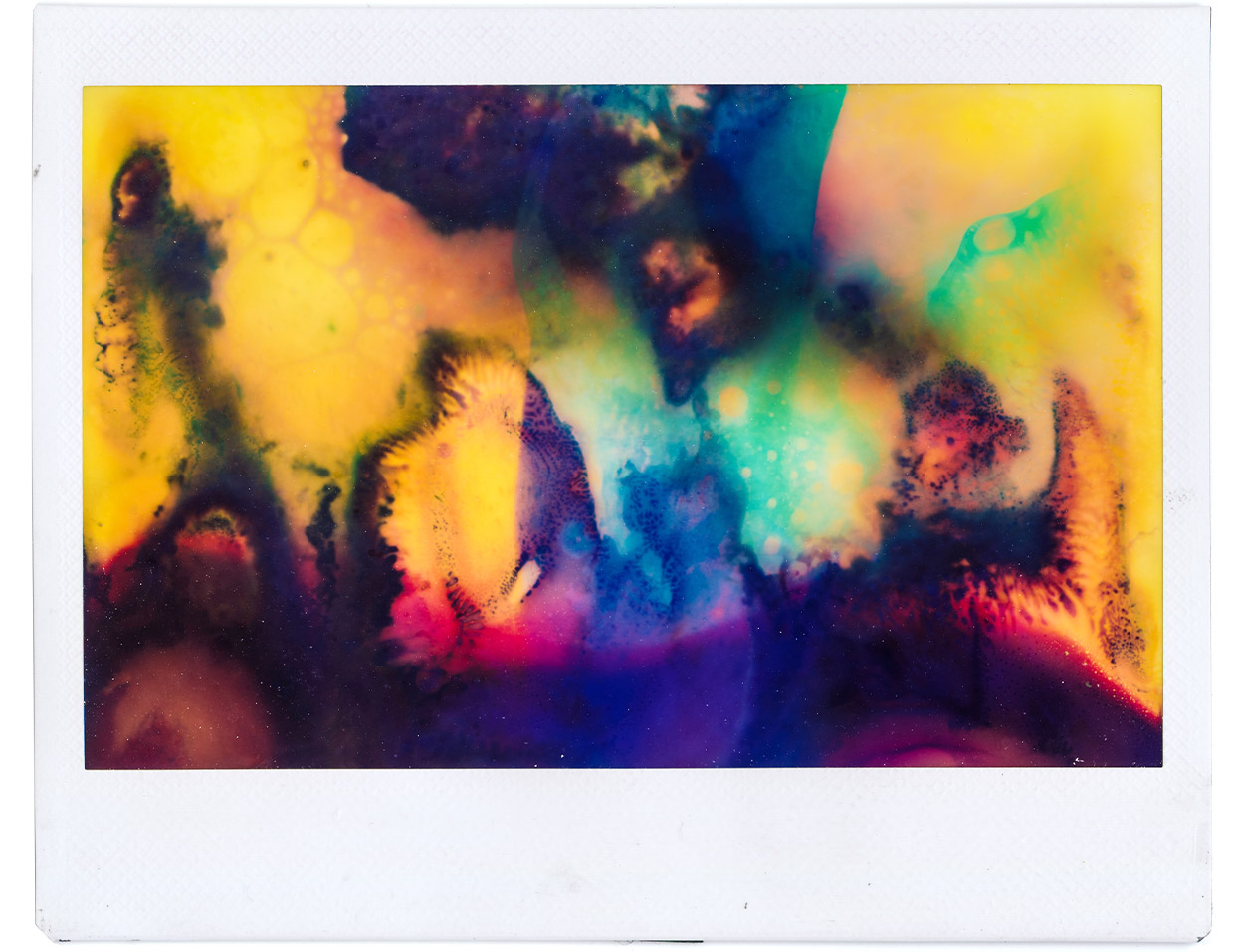
When I started learning photography, my cousin gave me an old Instax 100, a camera that she had “stolen” from my mom. It was so fun, I would take it almost everywhere with me and randomly shoot friends and weird stuff. It was made of plastic and I was a bit wild with it. When it broke and started doing crazy stuff, I began experimenting and quickly realised I didn’t need a camera. This curiosity grew into a real obsession and I started applying some techniques I learnt from fine arts school on these instantaneous films. It eventually led to my first camera-less project, Aurora. Working this way still makes me feel like a child again, testing and discovering new possibilities through play.
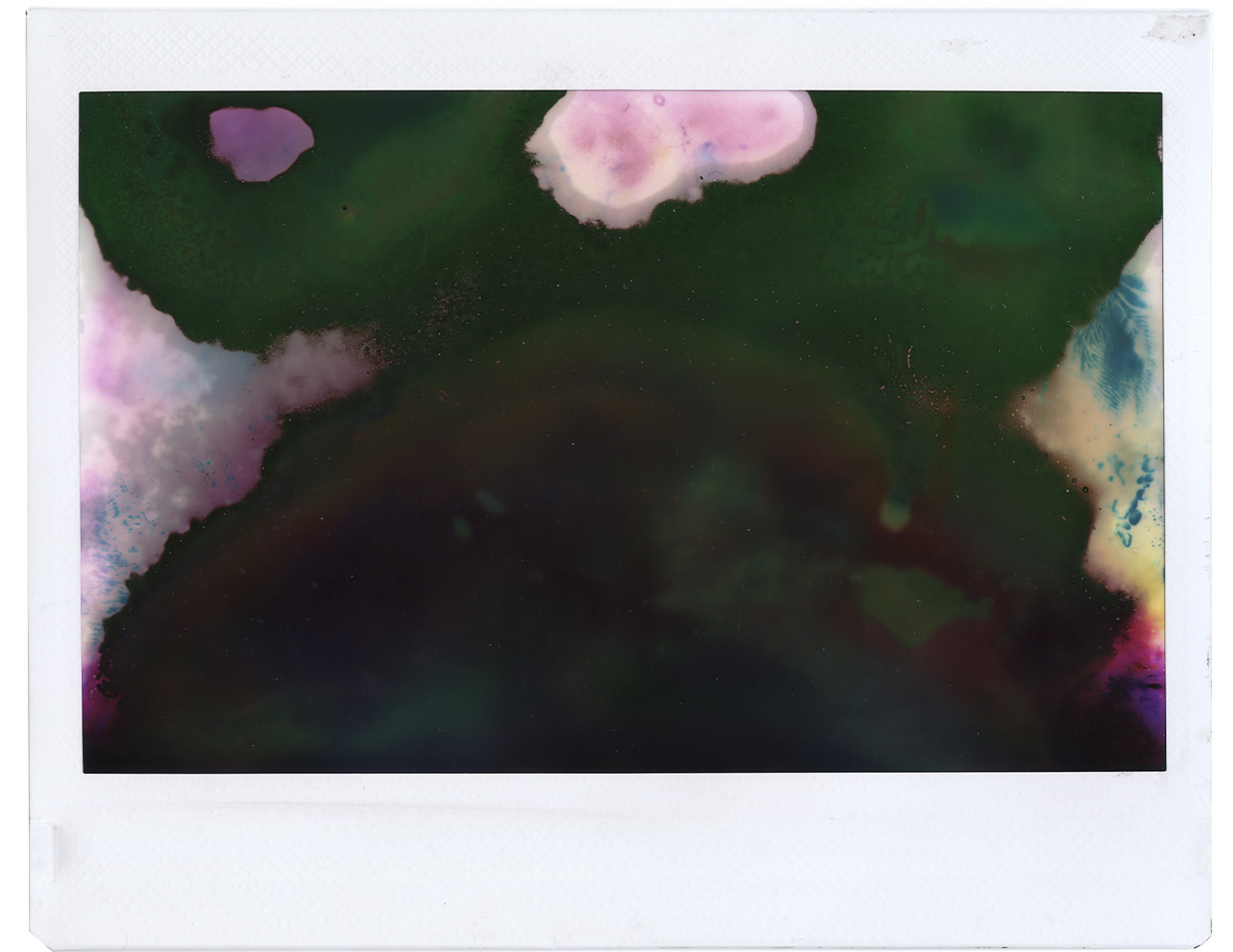
You move fluidly between darkroom experimentation, photograms, and chemigrams. How would you describe your practice to someone unfamiliar with alternative photographic methods?
My practice goes beyond the camera. I experiment directly on photographic materials in the
darkroom using techniques like photograms, chemigrams, and luminograms, creating images through the manipulation of various tools, light, and chemicals.
I treat photography as a plastic medium, similar to painting or sculpture, shaping color, texture, and form to create unique, one-of-a-kind works. These pieces invite viewers to experience photography in a new, immersive way, independent from external realities.
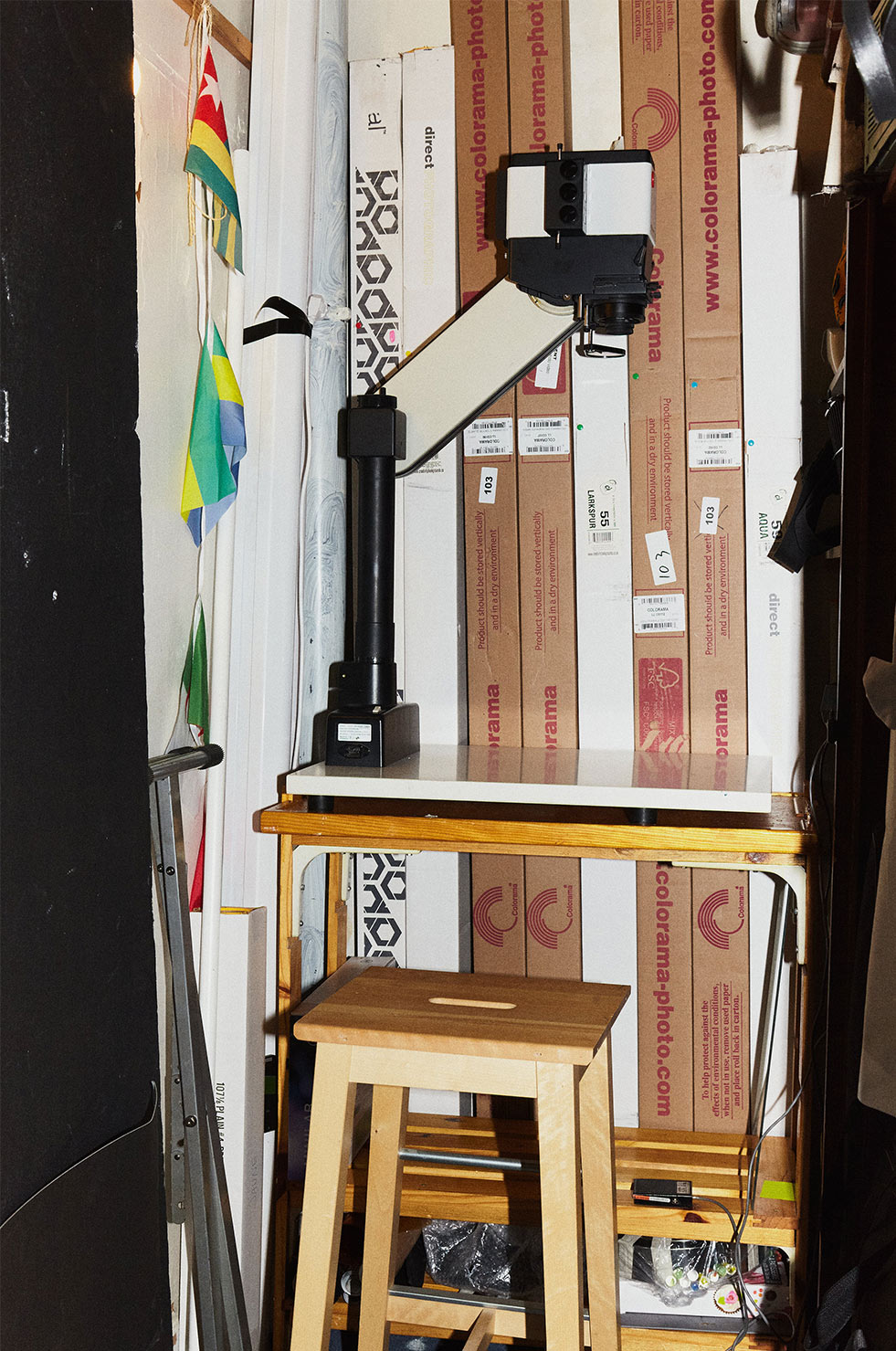
Do you see your use of analog techniques as a kind of resistance to digital image culture, or more as a medium of intimacy and experimentation?
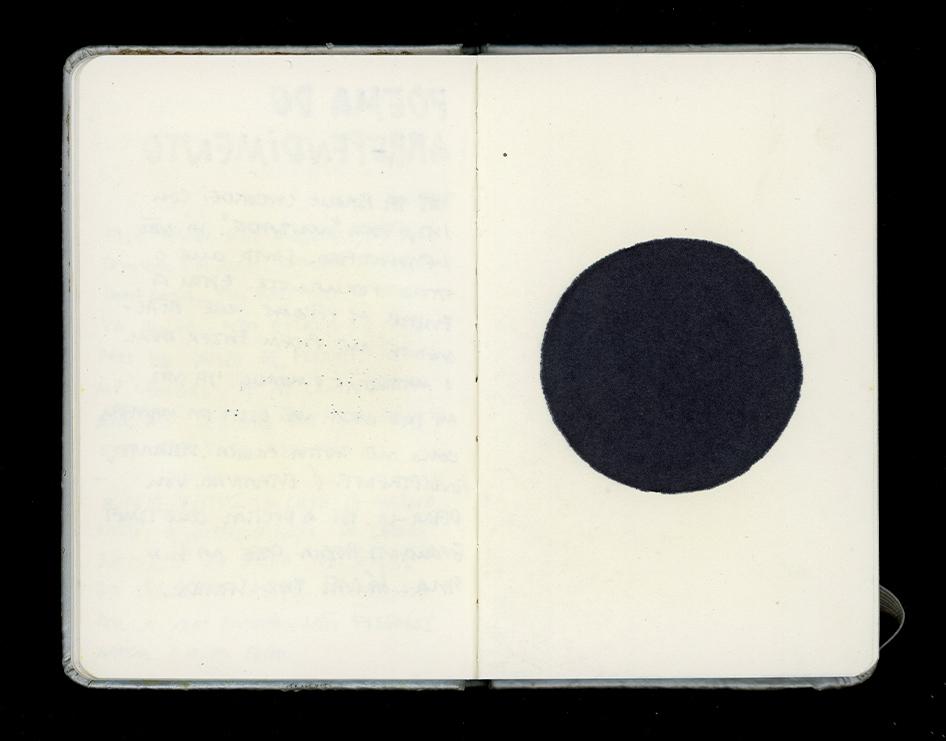
I agree with French philosopher Paul Virilio, who argued that technological acceleration makes it harder to live in the present. However, I’m not against technological development, and I use analog techniques not in their most traditional form but in a contemporary way, which naturally includes digital tools. For me, photography is a deeply personal practice and I see the darkroom as a sanctuary, a quiet, contemplative space where I escape the noise of the world and find clarity, focus, and peace. Since you’re deprived of your visual sense, you need organization, spatial memory, and then enter the perfect mindset to move from preparation to improvisation. There, I am forced to disconnect and to be present. I am currently developing “Meditations”, a series that has a direct connection to my artistic process.
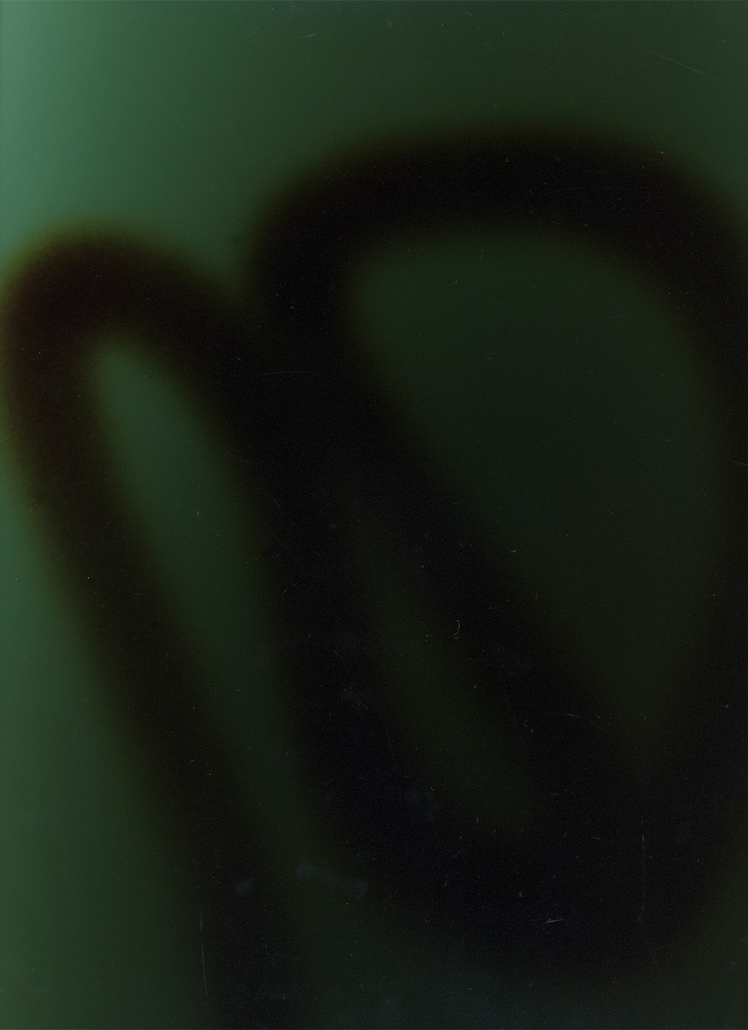
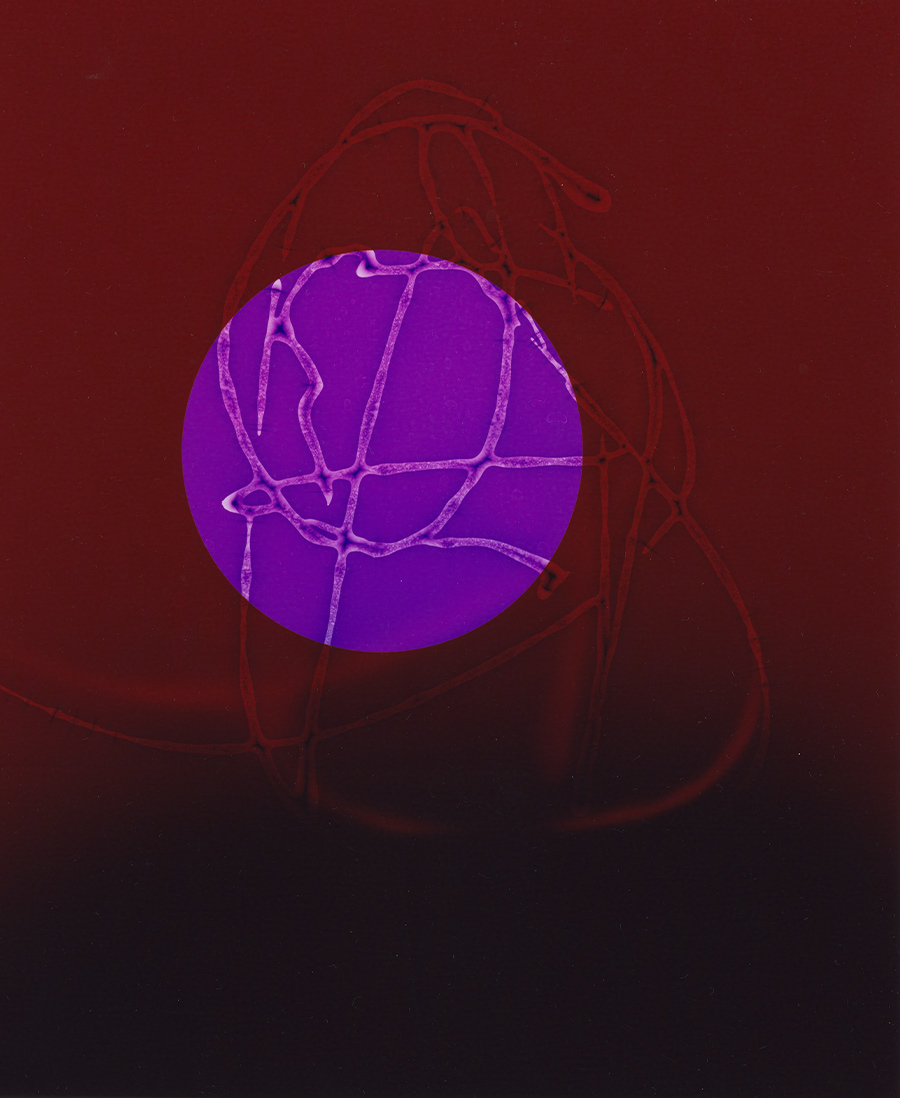
Light is more than just a tool in your work, it almost behaves like a subject. When does light feel most alive or surprising to you in your process?
Light is the foundation of photography and I got passionate about it while discovering its infinite possibilities. It is a form of energy, made of massless particles, mysterious and intangible. Light is not always the subject but it is for sure the essential collaborator. Its unpredictability makes it challenging to control, which is exactly what keeps it playful and surprising. Another example comes from recent experiments, when I chose to work outside the darkroom, using the full moon as my main light source for a project on bigger formats than I usually work with.
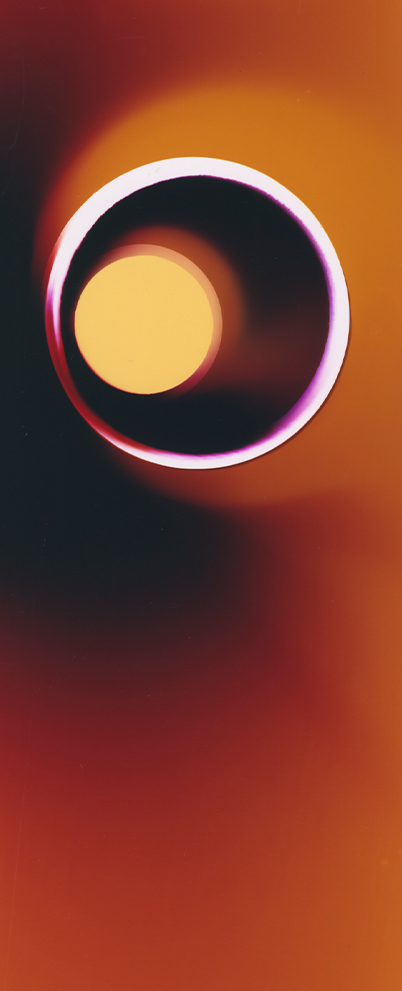
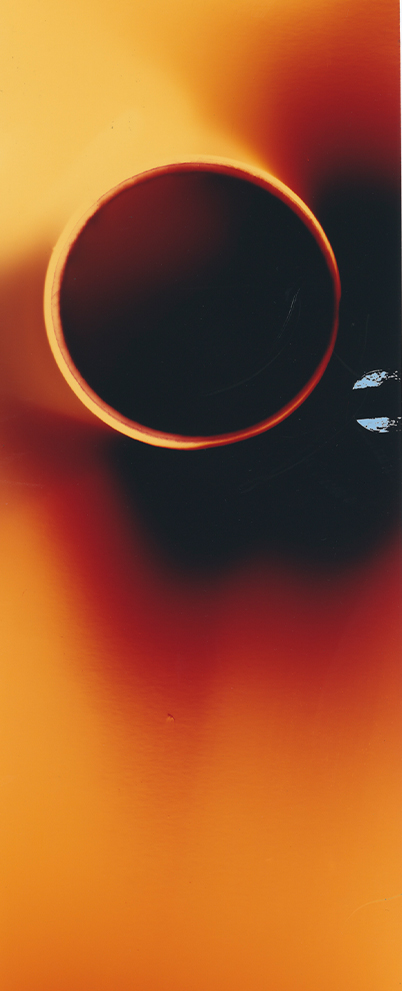
Your Elipse series references celestial events and obscuration. How do you think about the role of mystery or concealment in your work?
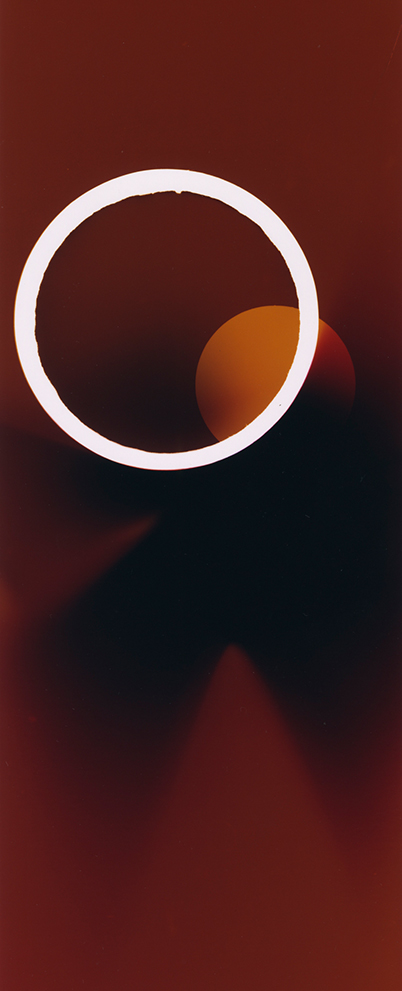
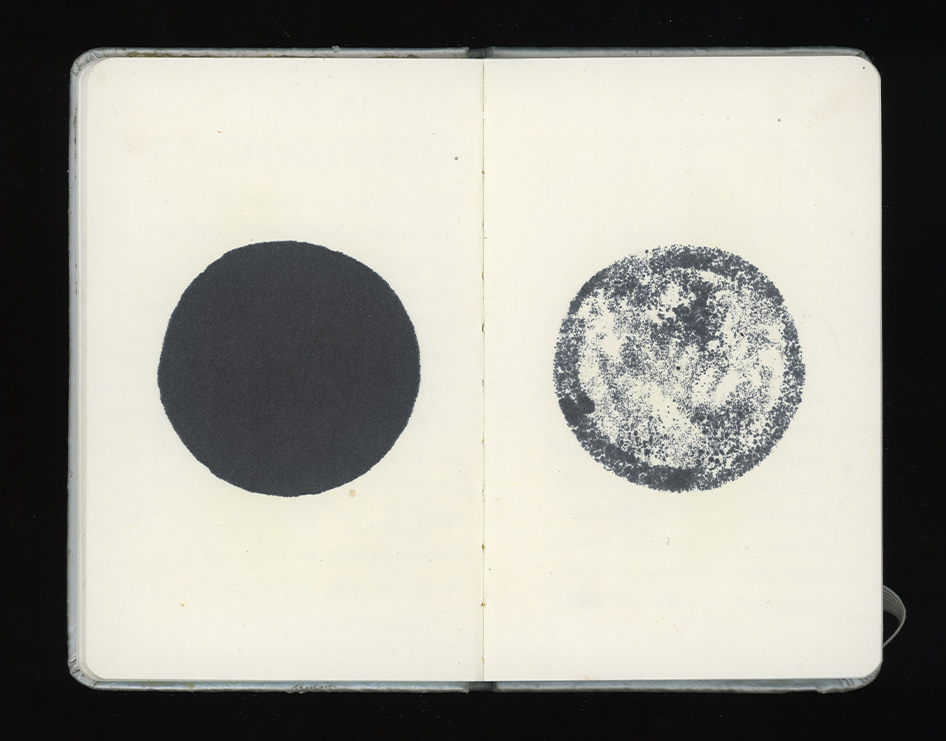
Eclipse was born from an experience I had during my time at the Biesenthal art residency in Germany. It was an intense month, and an eclipse felt like the perfect metaphor for that moment. I think mystery is present in everyone’s life, and I feel the need to move through it in my work as a way of processing my own feelings. Concealment allows space for imagination and emotional depth. It’s not about showing everything clearly, but about creating a tension between what is visible and what remains secret. This balance between revealing and hiding gives the work a poetic and almost meditative quality.
You’ve scanned ephemeral chemigrams to preserve their temporary beauty, how do you feel about preservation in your practice?
My choice to work with photography is also rooted in my appreciation for its tactile, deliberate process. They are objects, and I choose to produce them with great care. I pay attention to every material decision, from the choice of paper to the way the final print is handled and stored.
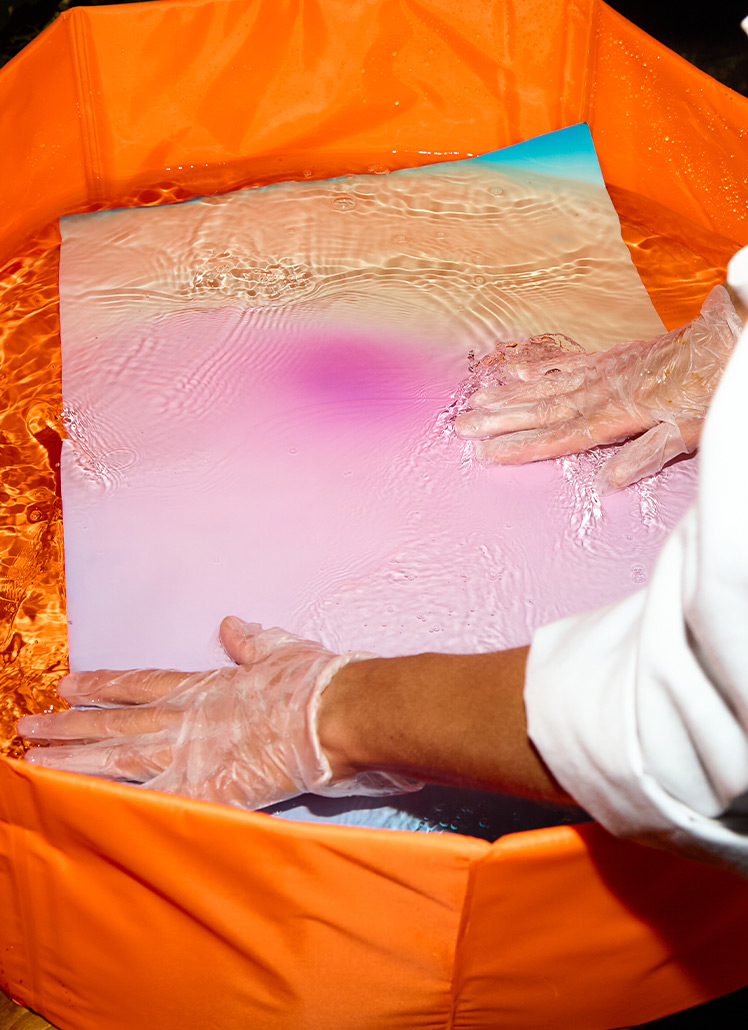
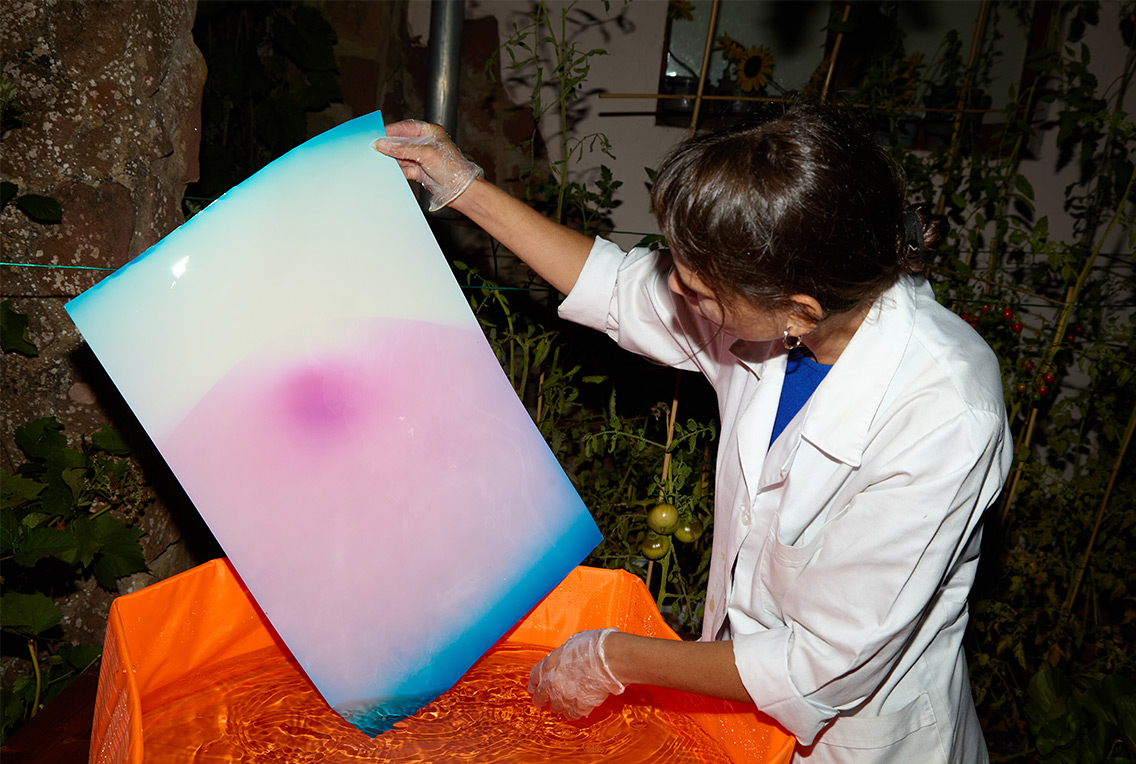
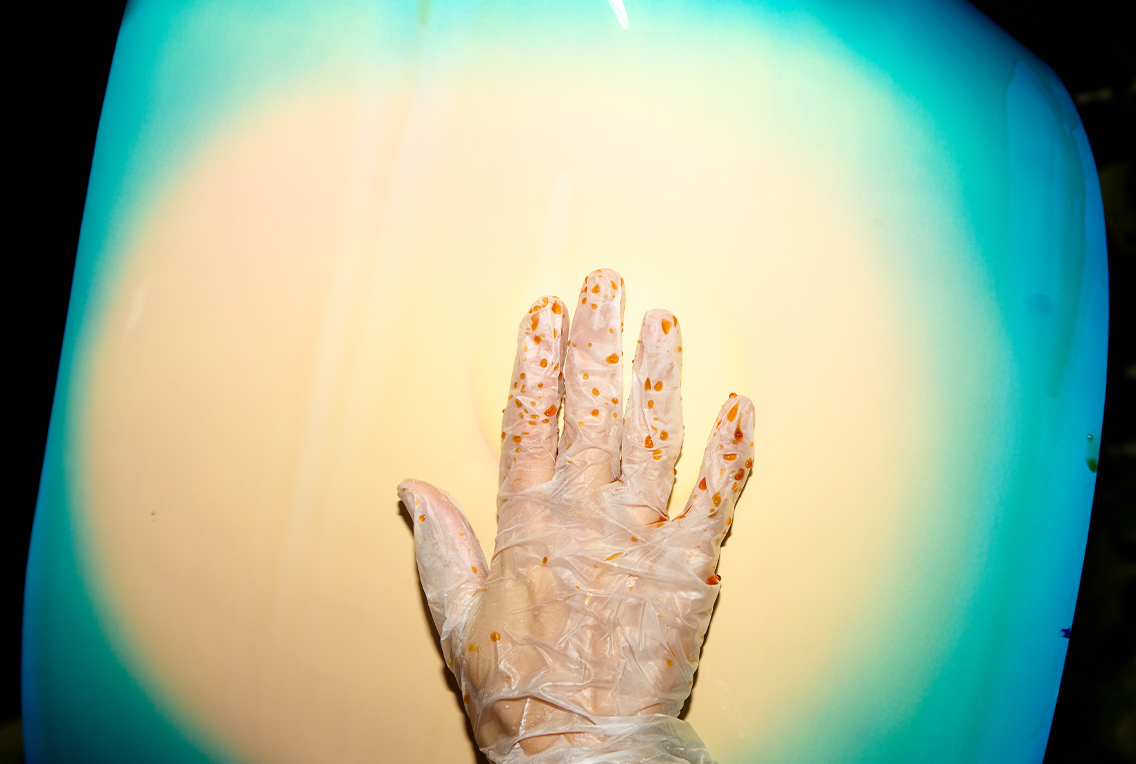
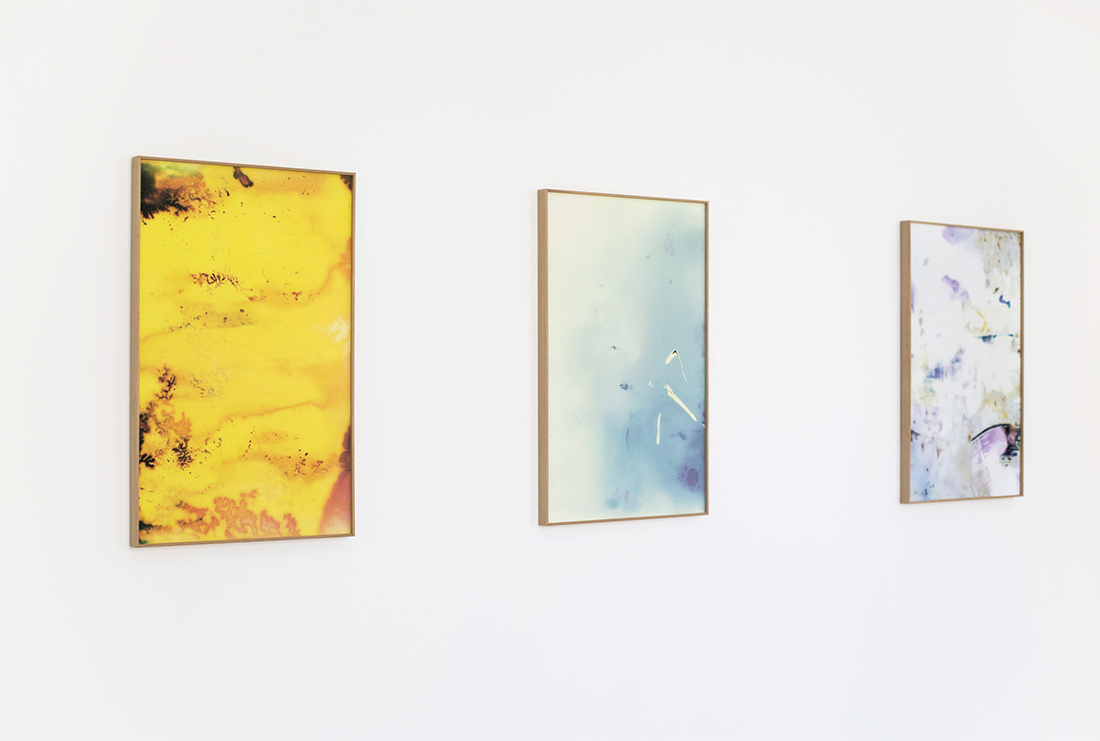
When I started working on the Aurora project, I noticed each piece transforming like a moving image during development. These images were ephemeral and impossible to fix within the analog process, so I chose to preserve them by digitally capturing them, using a scanner as my camera. I like the idea that photography is a kind of “memory”. People use it to hold onto what time would otherwise erase, giving shape to the intangible and turning experience into an artifact. Doing this with an image that does not try to transcribe reality can feel disruptive, but to me it feels right.
Are there any texts, philosophies, artists, or specific thoughts that have shaped your way of seeing?
Inspiration finds me in many ways: in a passing conversation, a sentence that lingers from a book, or something completely random. Sometimes it comes softly, other times it hits like a spark. When I’m caught in a feeling, a decision, or even a fear, making work becomes my way of letting it flow out into the world.
I connect with Helena Almeida’s way of merging painting, performance, and photography, and I’m inspired by artists like James Turrell, Olafur Eliasson, Anish Kapoor, and Wolfgang Tillmans for how they play with light, color, space, and perception. I’m also drawn to aspects of Eastern philosophies, like Taoism, that value balance, flow, and being present, ideas that naturally feed into my process.
Where can people find you?
Feel free to reach out on Instagram @marianaromaoo or check out my website marianaromao.com,
where you can explore my work and find info on upcoming exhibitions.
If you happen to be in Paris or Lisbon, I often split my time between these two cities, so there’s a good chance to catch me or my work locally.