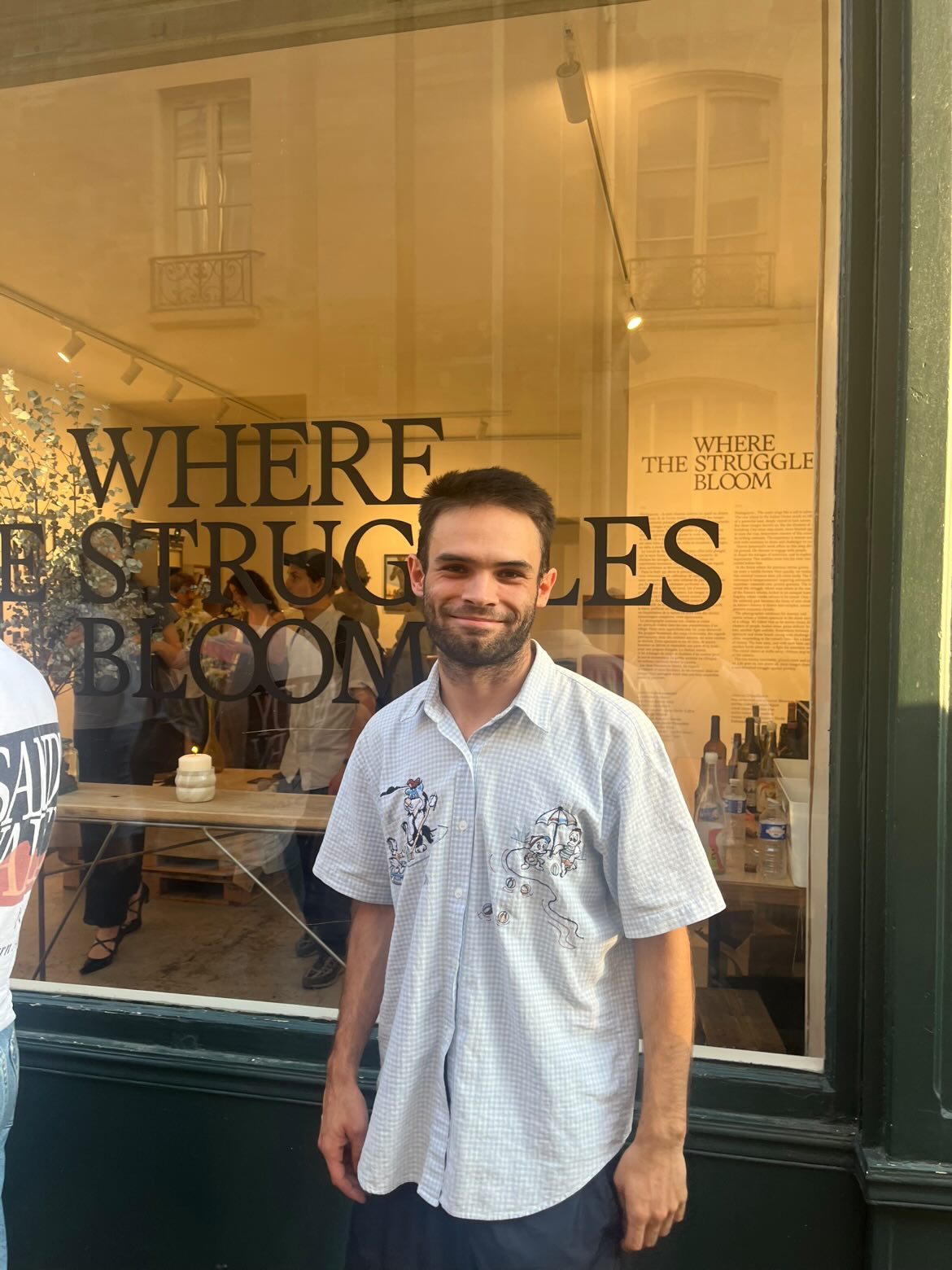
Martin Josserand
What’s your name and where are you from/ based?
My name is Martin Josserand. I’m a photographer based in Paris, France.
Can you describe what you do in a few words?
I work between documentary and commercial photography, exploring how people move through the world, with a focus on labor, gestures, and the quiet strength found in everyday lives.
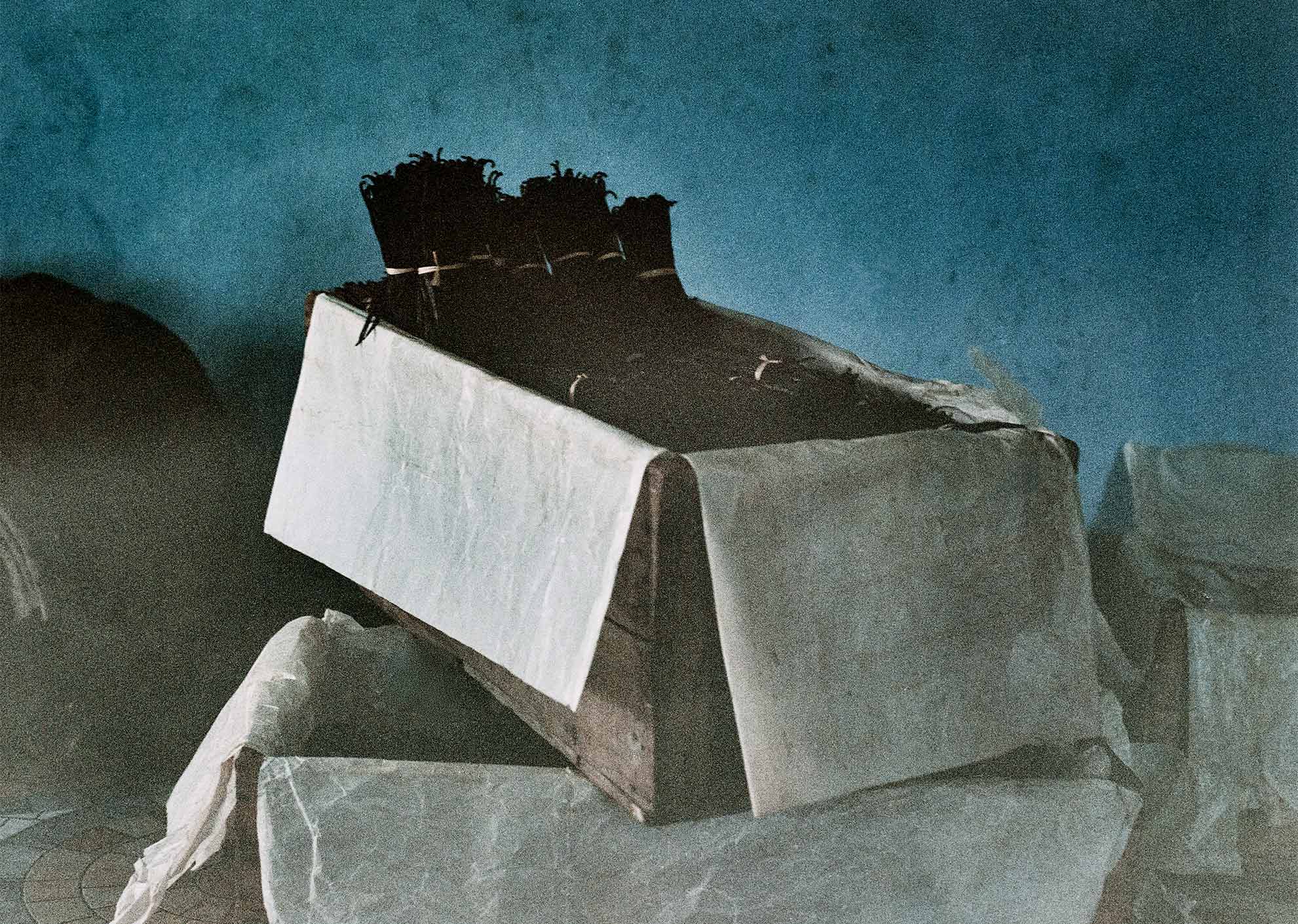
What first drew you to Madagascar’s vanilla fields, and when did you realize this project was about more than vanilla itself?
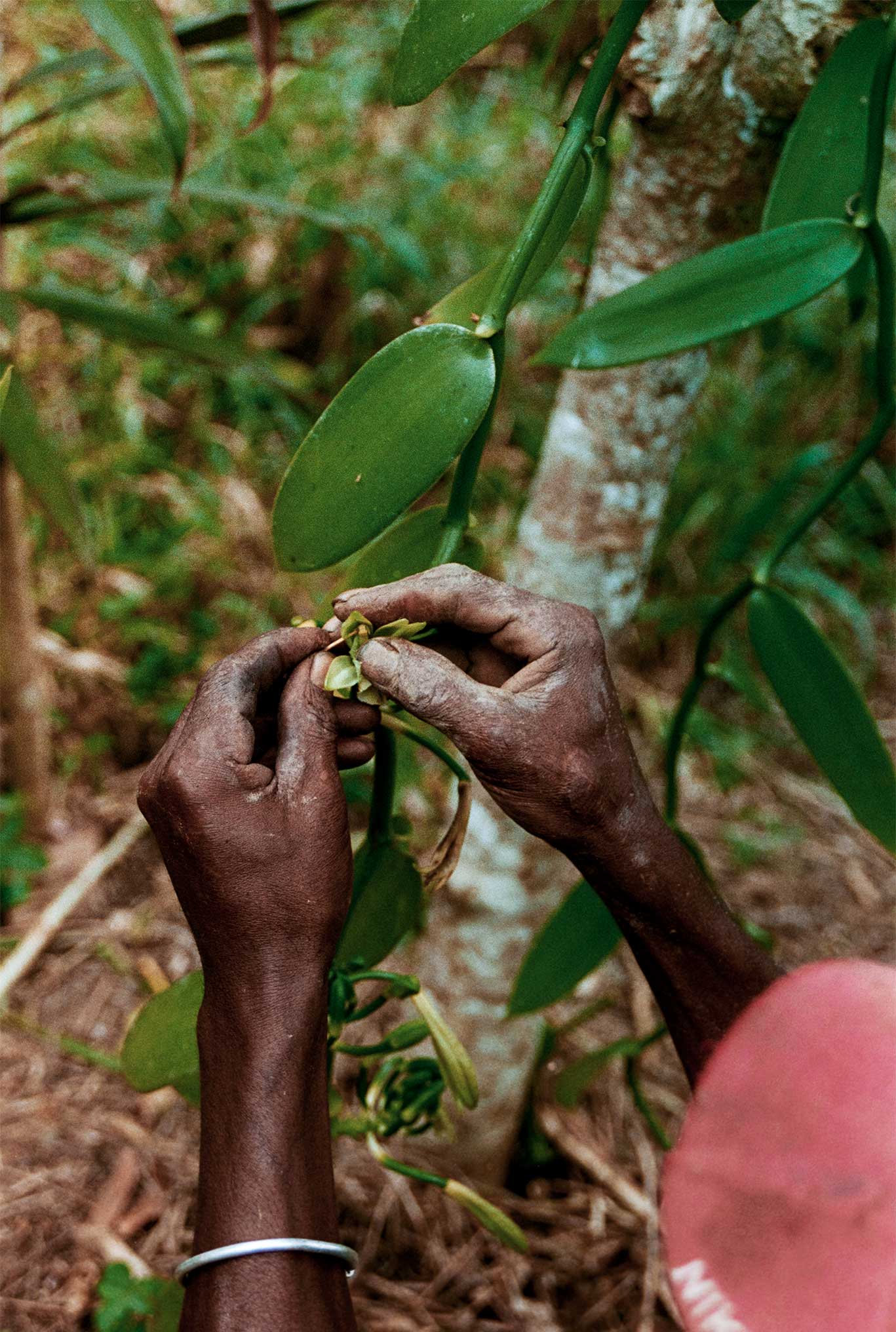
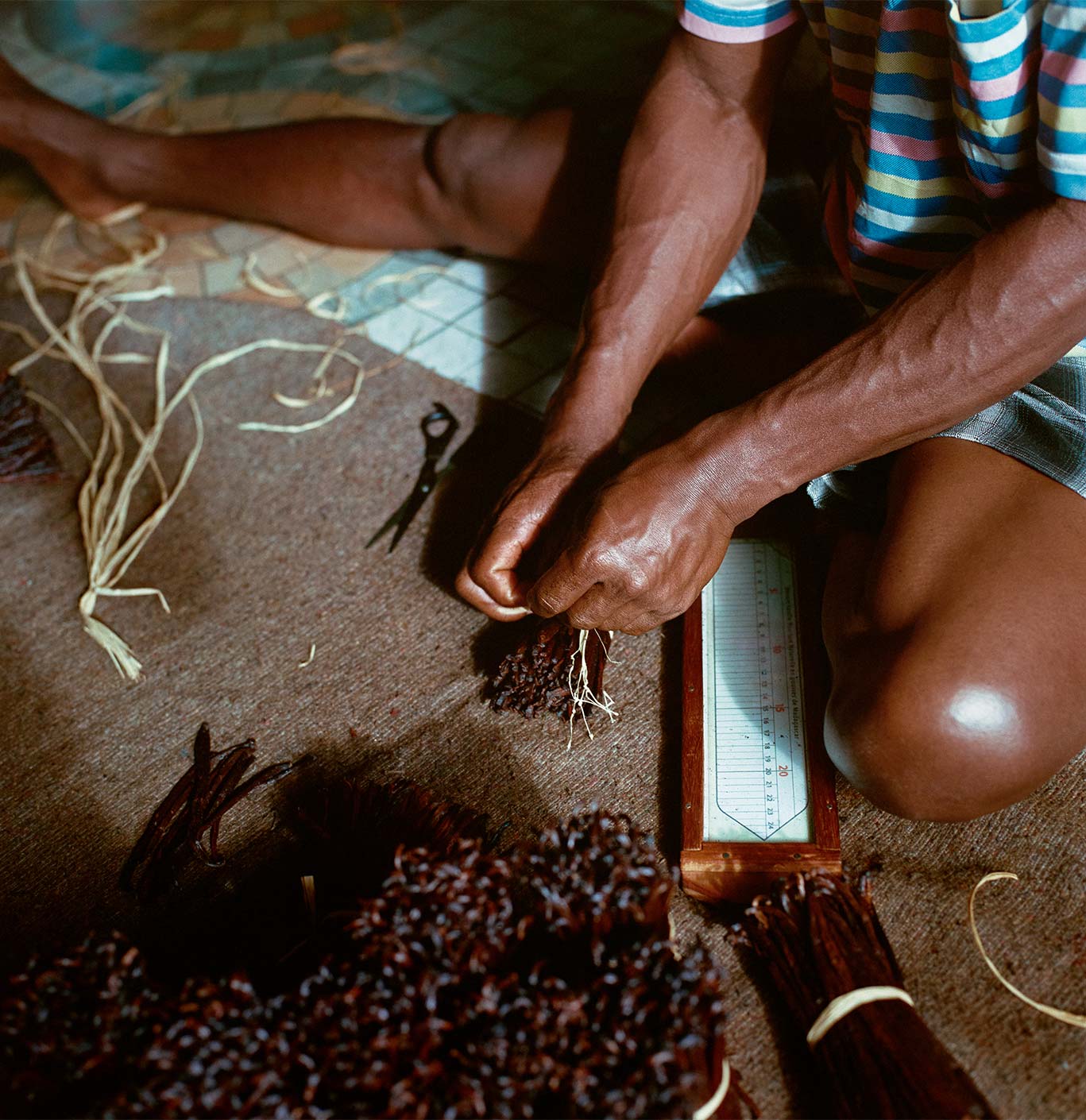
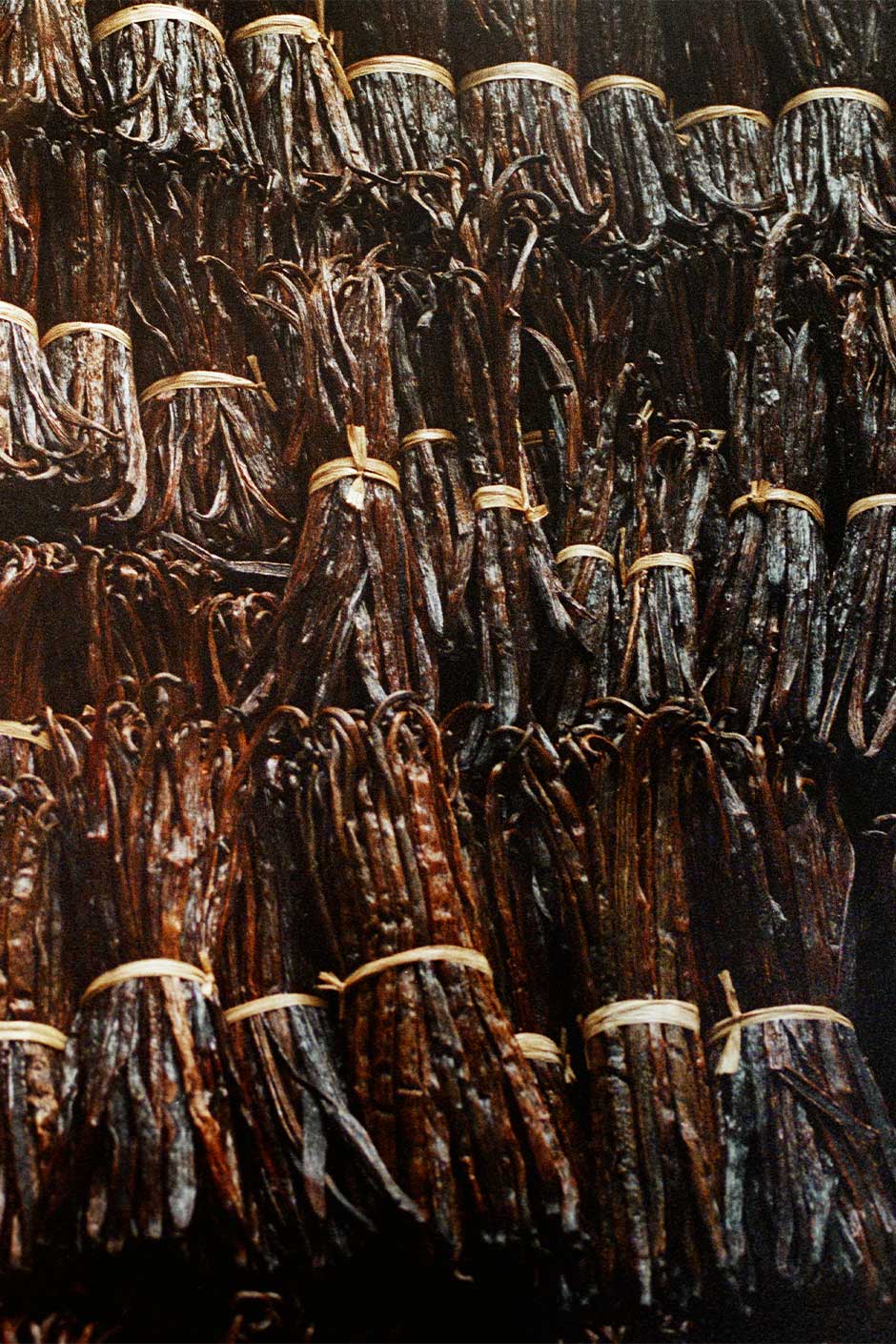
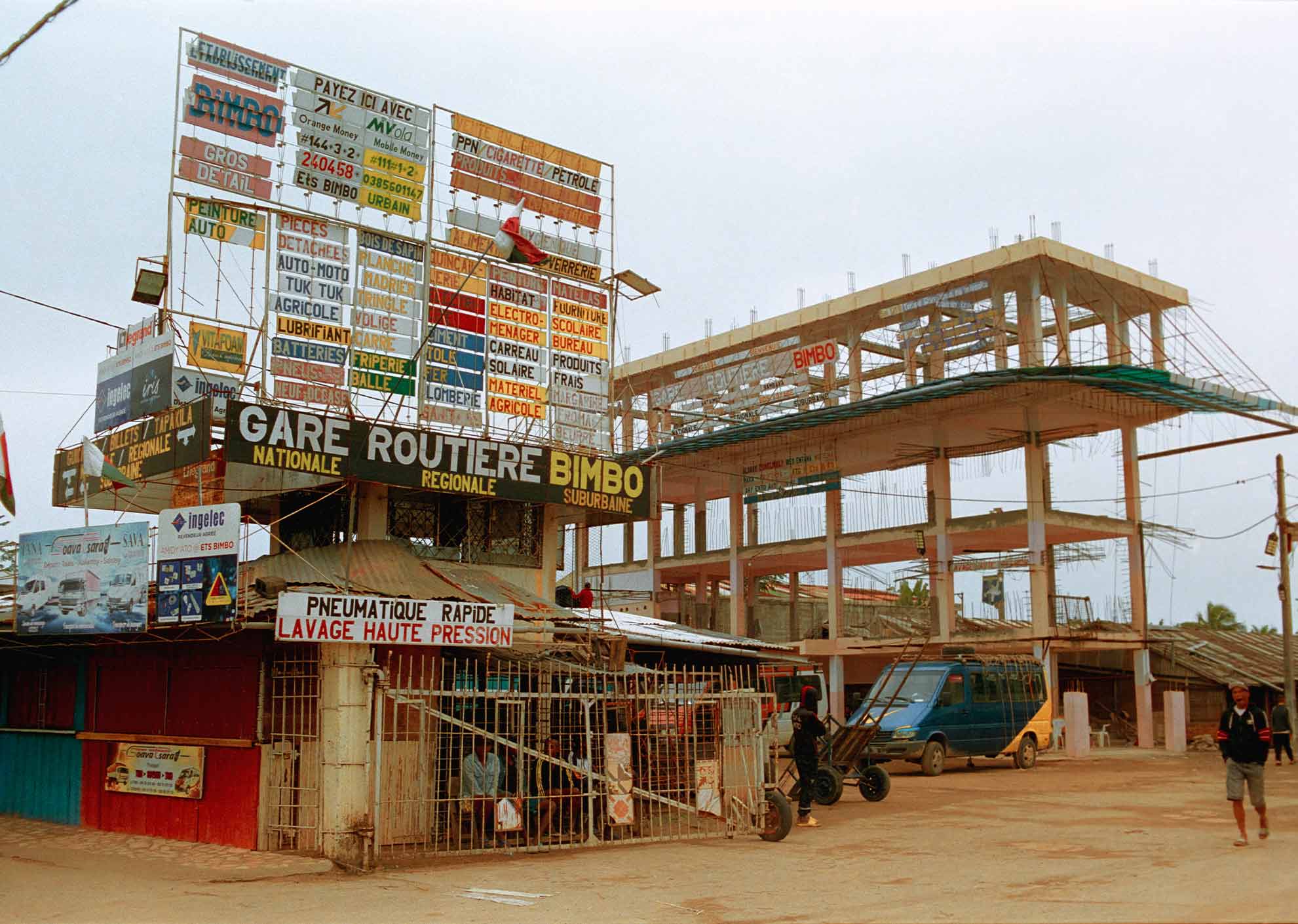
It started as a curiosity. I had heard about vanilla being one of the most expensive spices in the world, yet grown in some of the poorest regions. When I arrived in Sambava, I met farmers who welcomed me into their routines. Pretty quickly, I understood the story wasn’t about vanilla, it was about the people behind it: their resilience, pride, and the tension between value and invisibility.
The title ‘Where the Struggles Bloom’ is loud. How did you land on it, and what does “blooming” mean in this context?
I wanted a title that acknowledged the weight of the work, but also the dignity and grace within it. “Struggles” are everywhere, in the soil, the heat, the waiting, the uncertainty. But “blooming” speaks to something else: the persistence of beauty, of strength, of life, even in difficult conditions. It’s about endurance that becomes expression.
What kind of relationships did you build with those you documented, and how did those relationships shape what you chose to show?
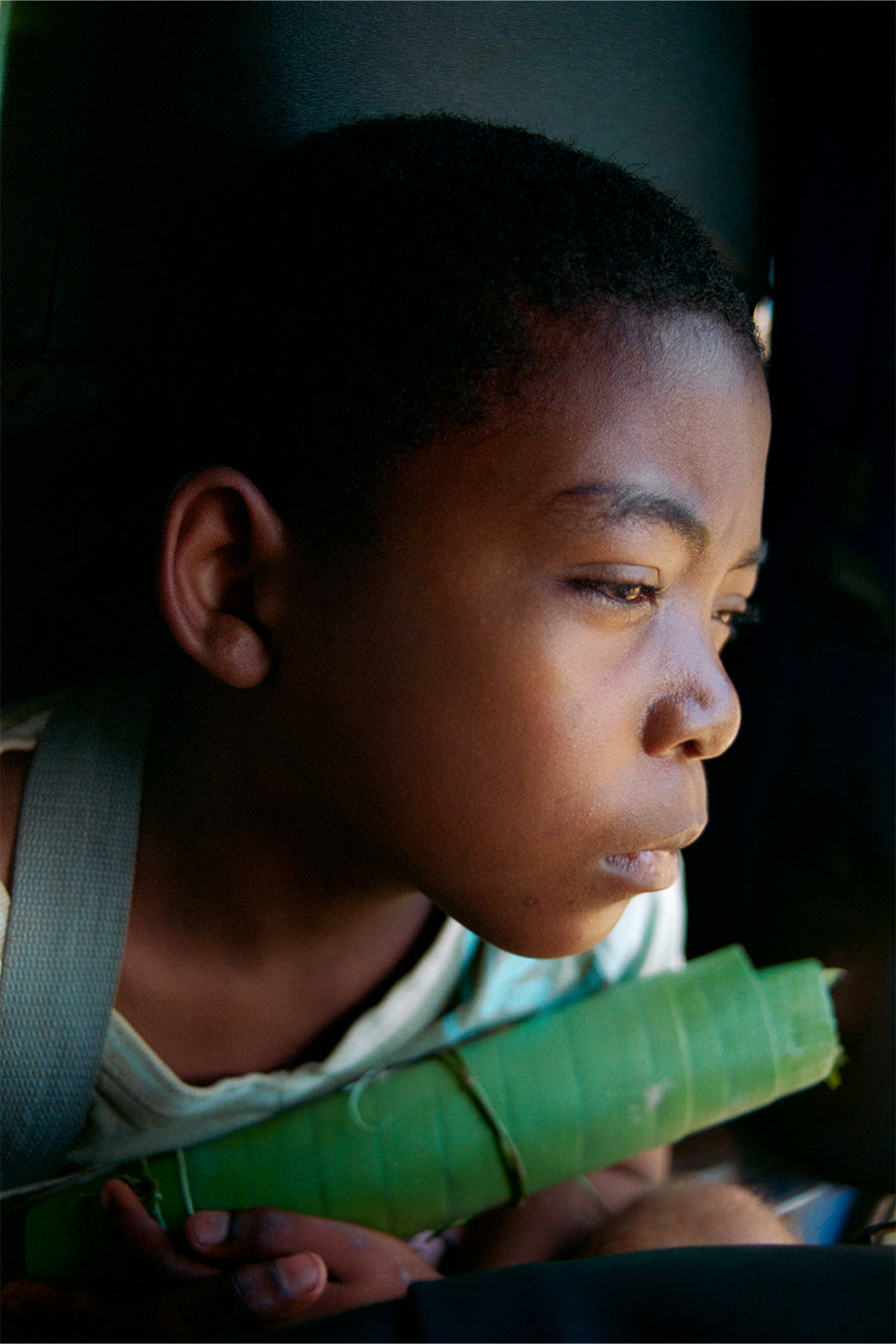
I built slow, respectful relationships. I spent time without my camera, just listening. Over time, trust formed. That trust shaped everything, what I photographed, how I framed things, and when I chose to step back. I wanted the people to feel visible, not exposed. What I didn’t show is just as important as what I did.
Did your own perspective shift as the project evolved?
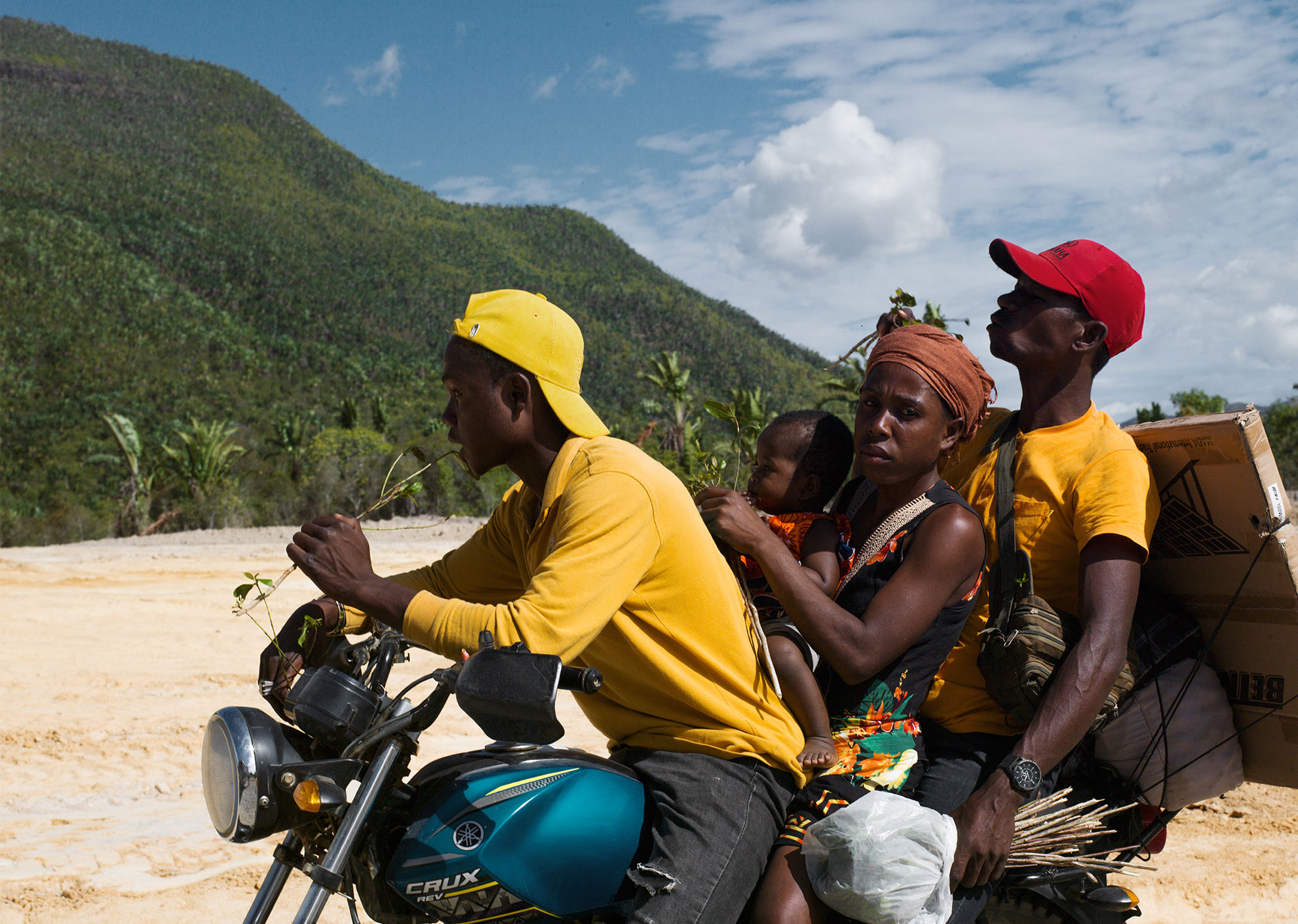
Absolutely. Politically, I became more aware of how deep global inequalities run and how casually we benefit from them. Emotionally, it was humbling. These were not stories of victimhood, but of pride and tenacity. Ethically, it made me question the line between documenting and extracting, something I still sit with.
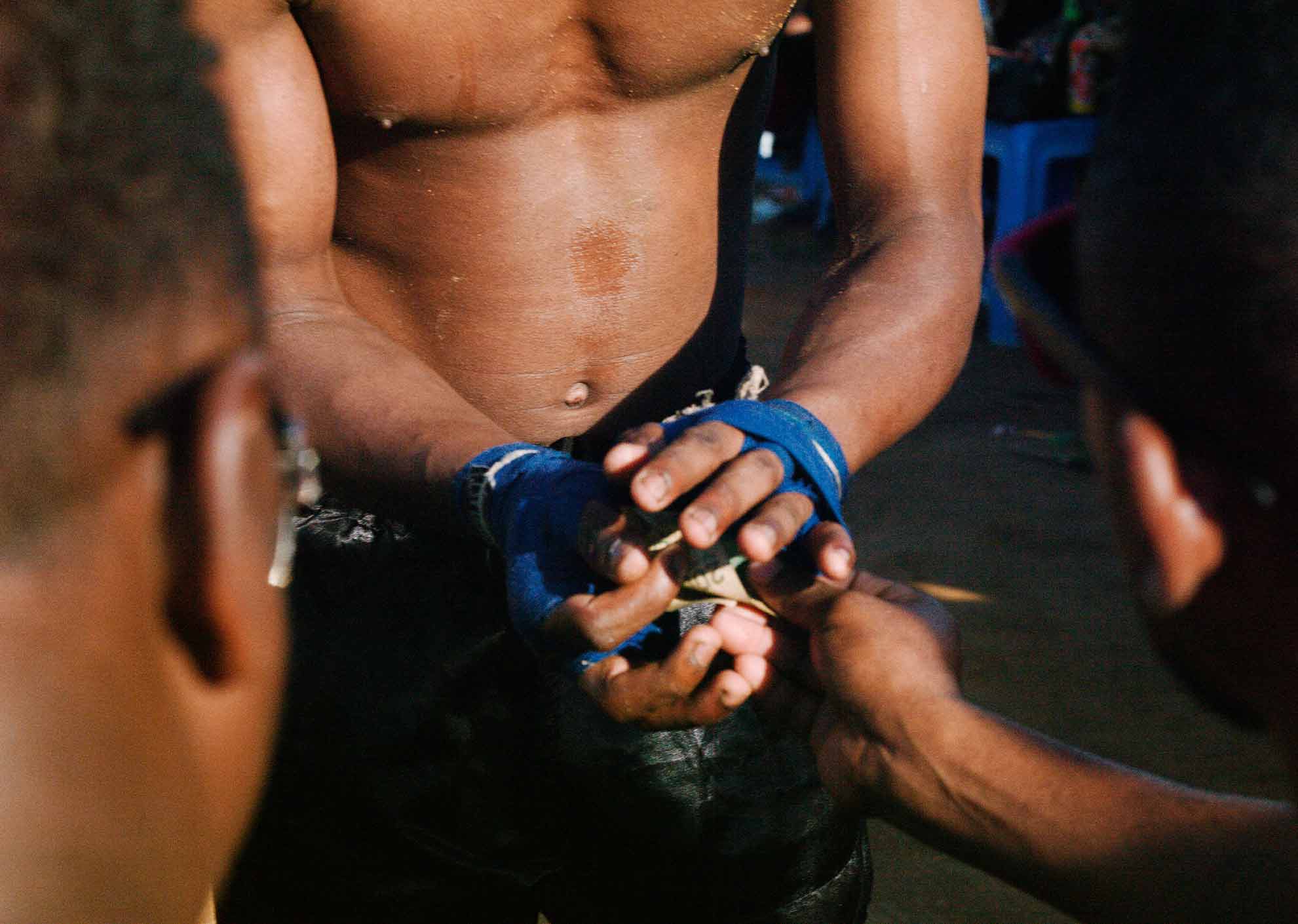
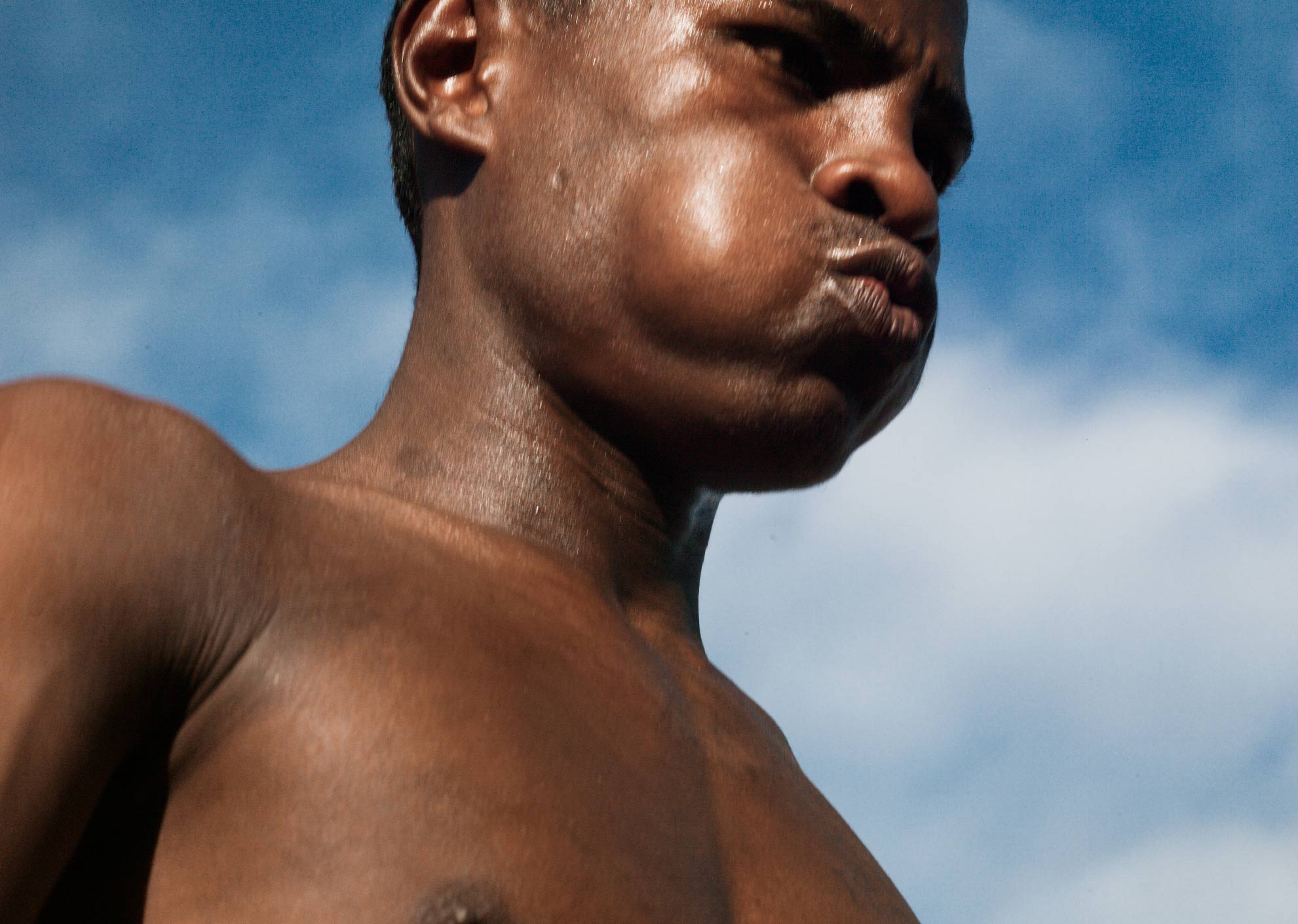
Can you speak about the choice to draw parallels between vanilla workers and street fighters? What kind of symbolism were you reaching for?
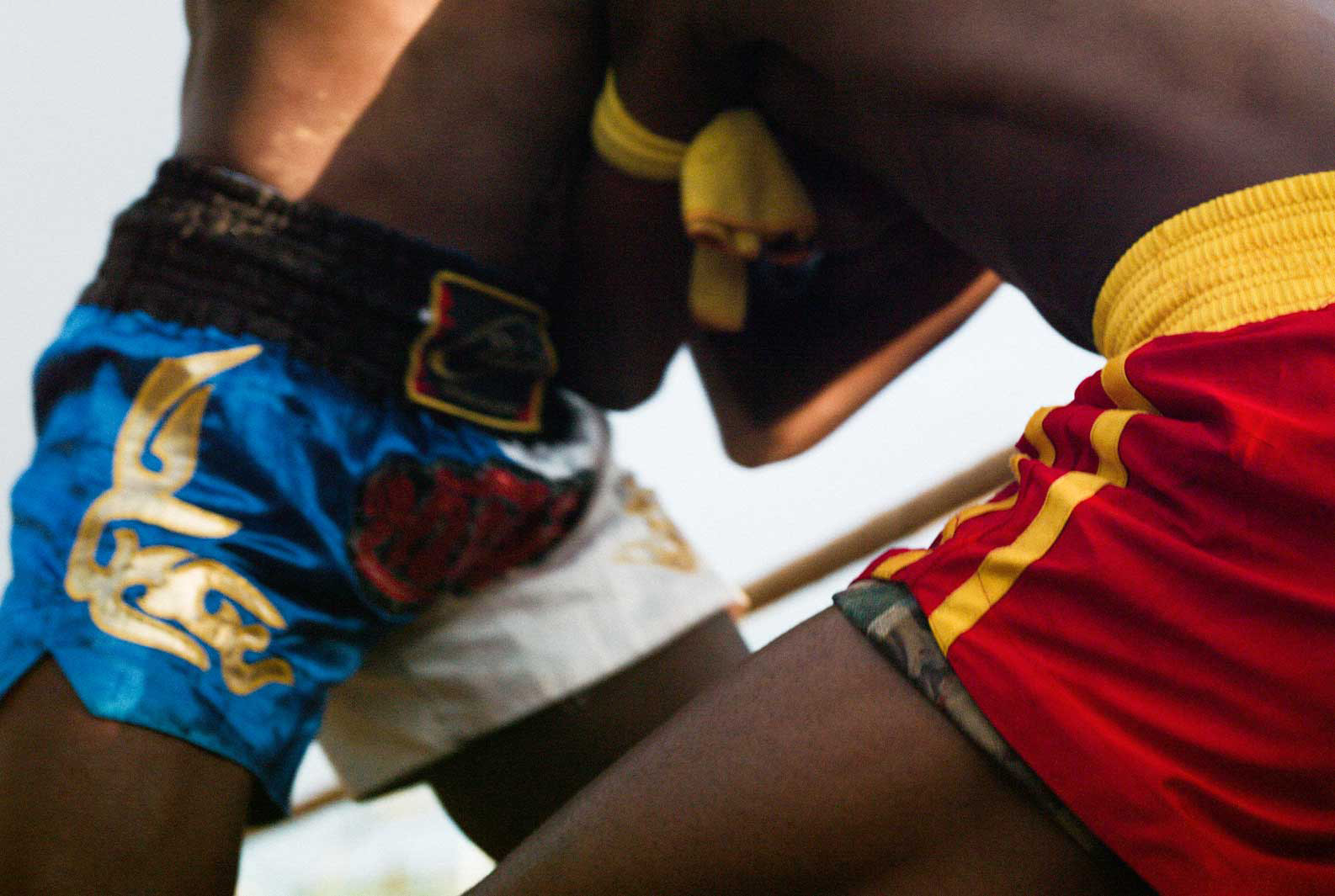
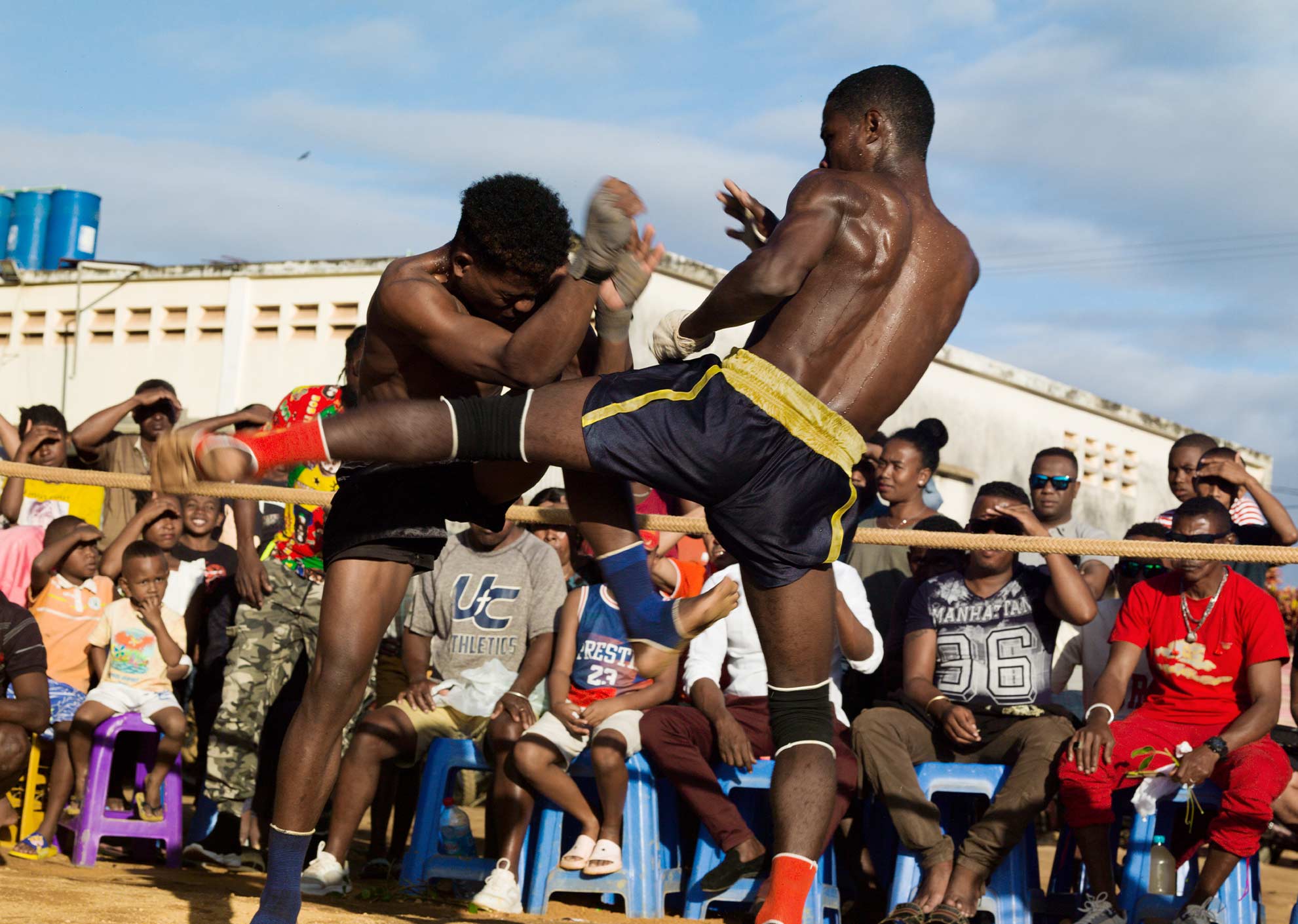
Both are fighting, physically, symbolically, for survival and recognition. One in the fields, the other in improvised arenas. Both are under intense pressure, overlooked by formal systems, and yet deeply rooted in ritual, discipline, and community. It was my way of creating a visual metaphor for resistance, of connecting beauty and brutality.
The self-published book makes the work more intimate. What were you hoping readers would feel while holding it?
I wanted it to feel like holding a piece of someone’s story, something tactile, not mediated by algorithms or platforms. The paper, the size, the pace of the images: it’s meant to slow you down. To make you sit with the people inside it. If the reader feels closeness, then I’ve done my job.
Do you see this work as part of a larger commitment to documenting labor or global inequalities? What’s next?
Yes, it’s definitely part of a larger path. I’m drawn to stories where dignity is constantly negotiated, whether in fields, factories, or informal economies. Right now, I’m already working on new projects in Egypt in particular. It’s a very different context, but again, it’s about labor, pride, and invisible worlds.
Where can people find you?
You can find me on Instagram @martinjosserand, on my website martinjosserand.com, or in Paris. And of course, through the pages of Where the Struggles Bloom.