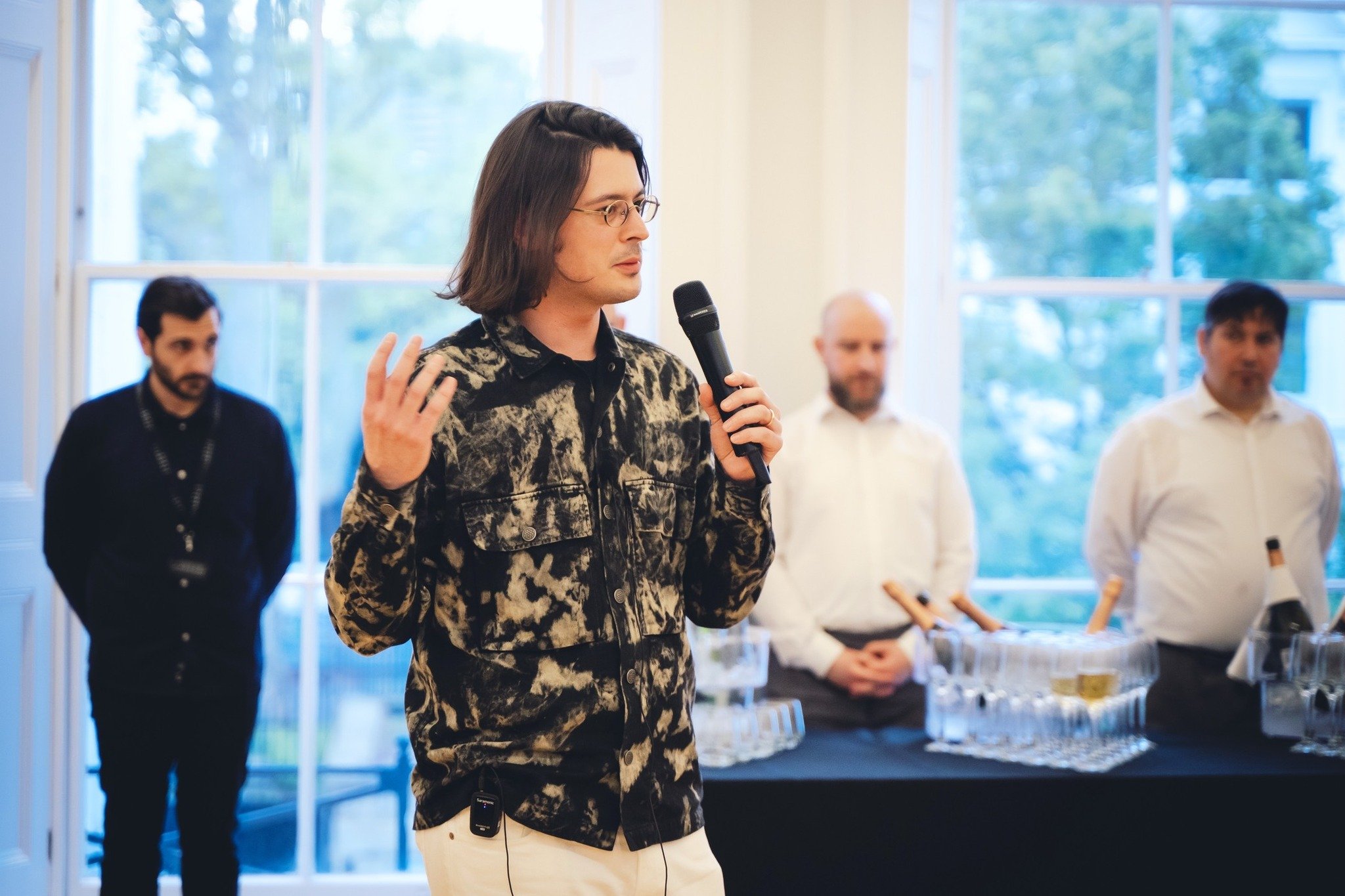
Massimo Magee
What’s your name and where are you from/Based?
My name is Massimo Magee and I’m based in London.
Can you describe what you do in a few words?
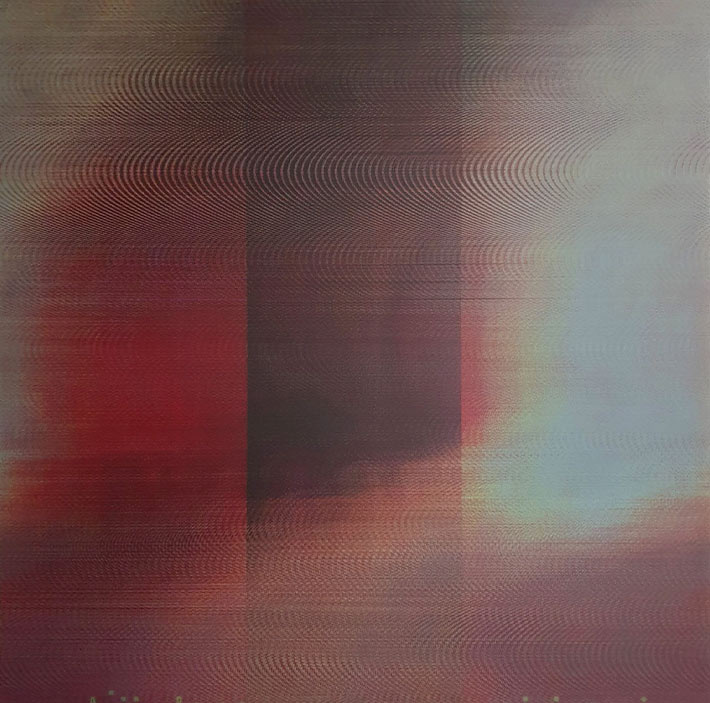
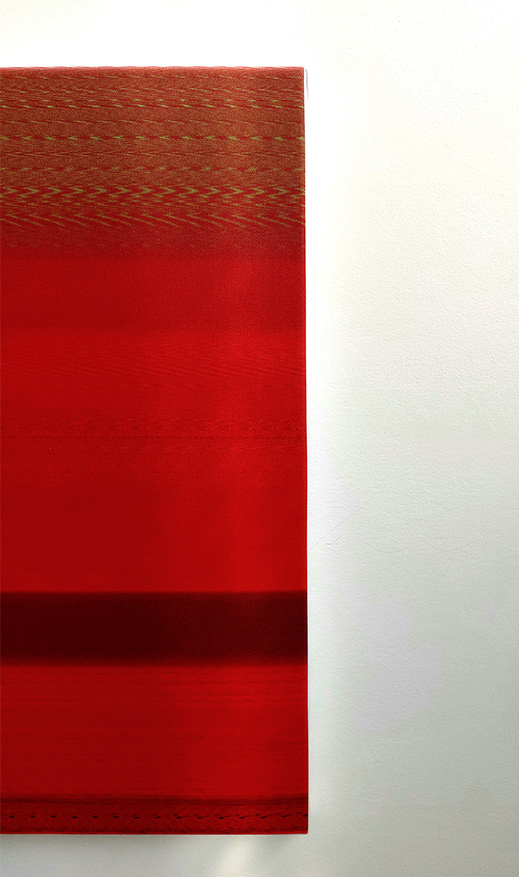
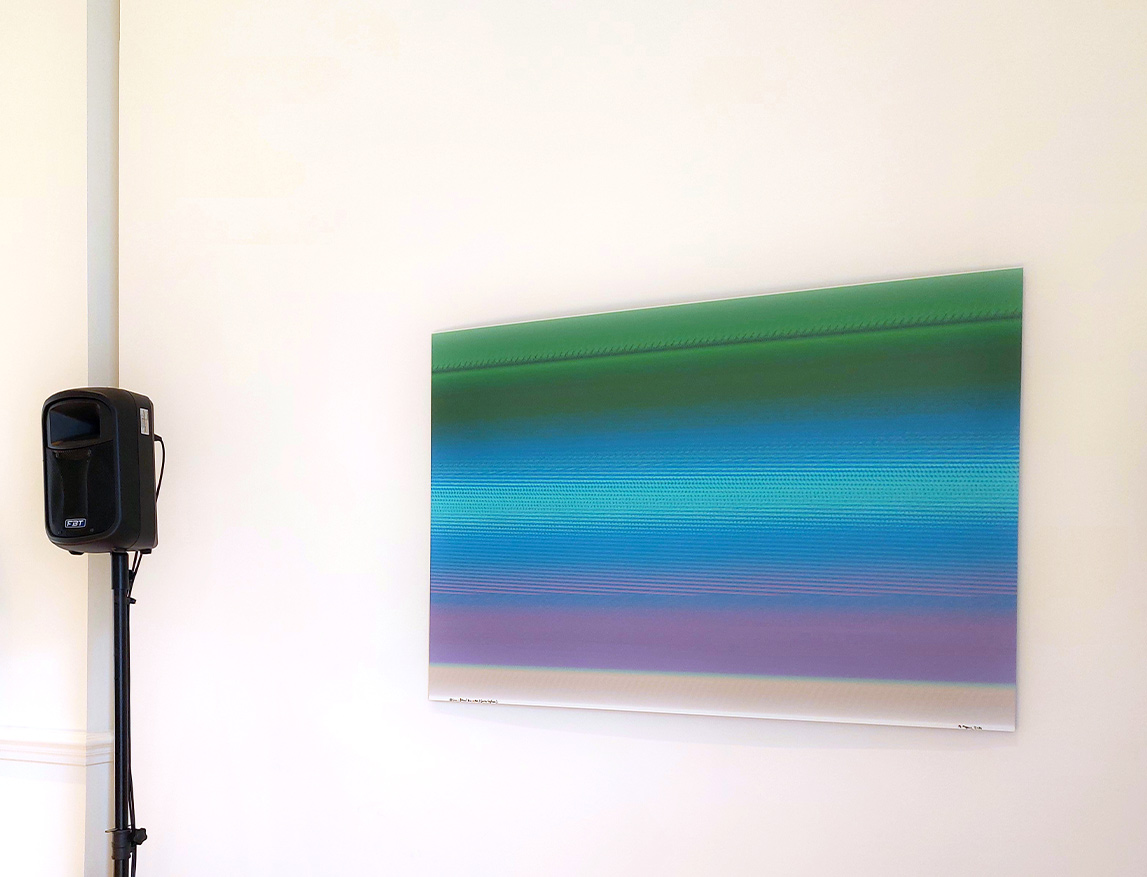
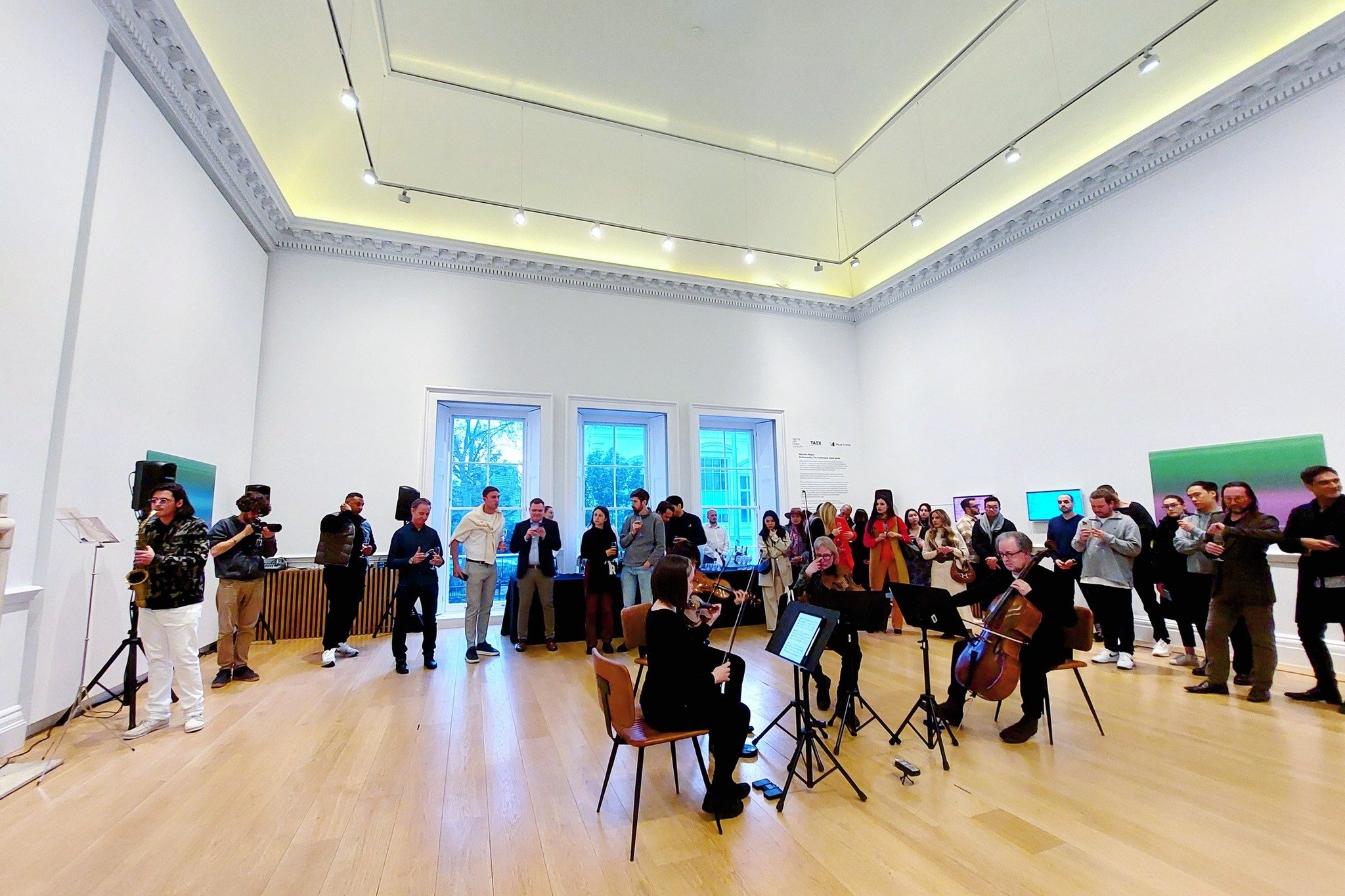
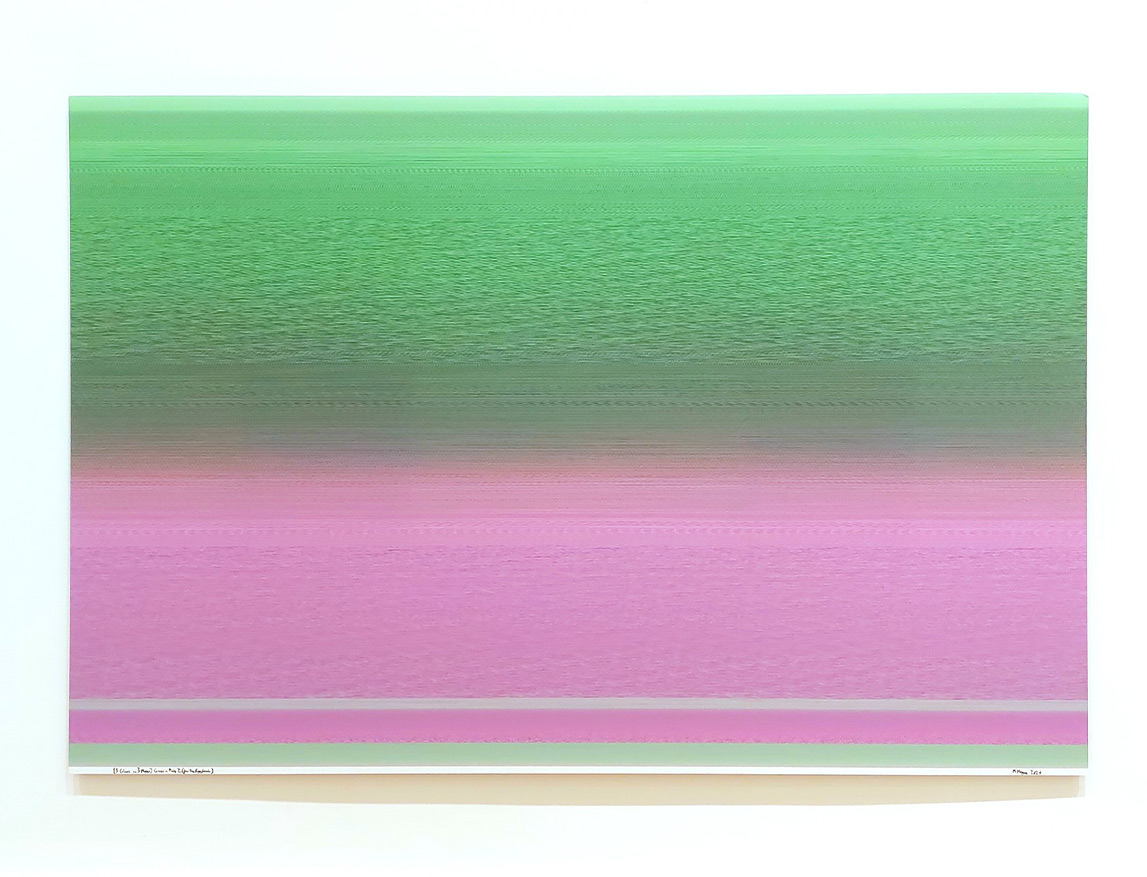
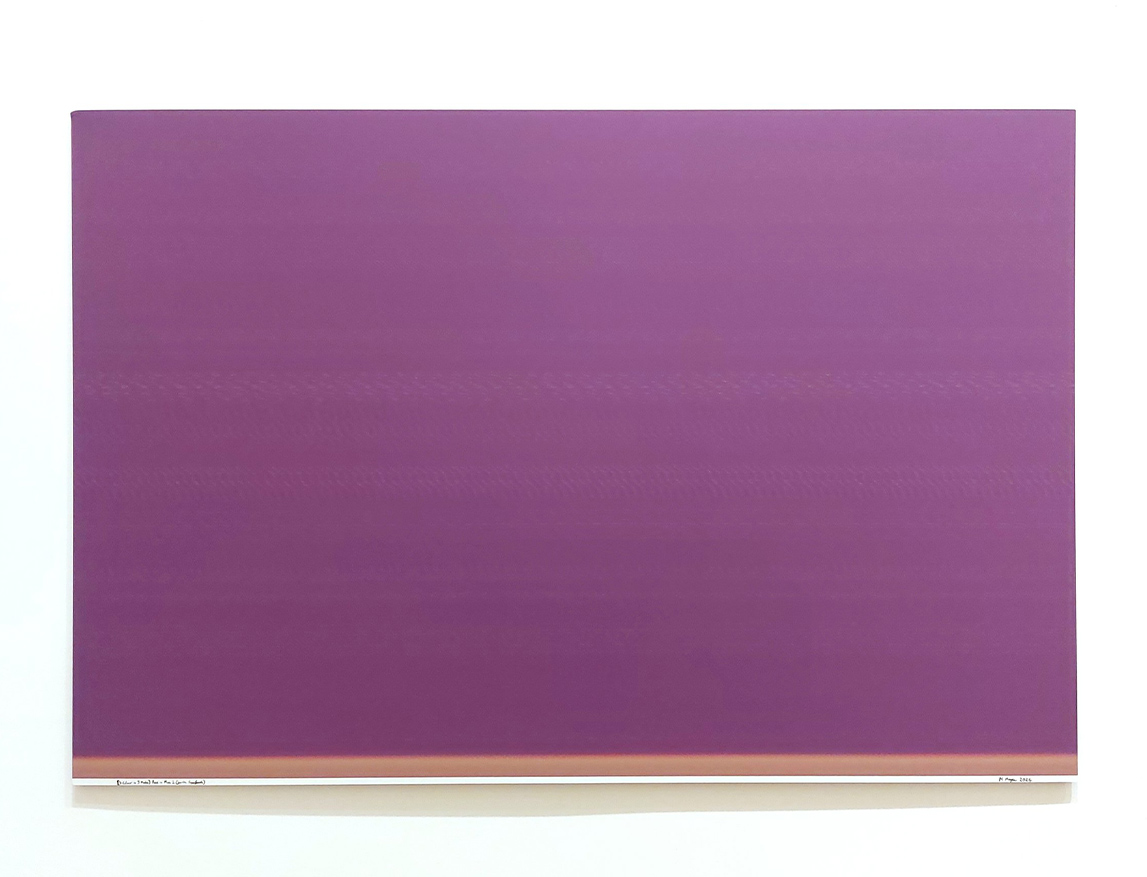
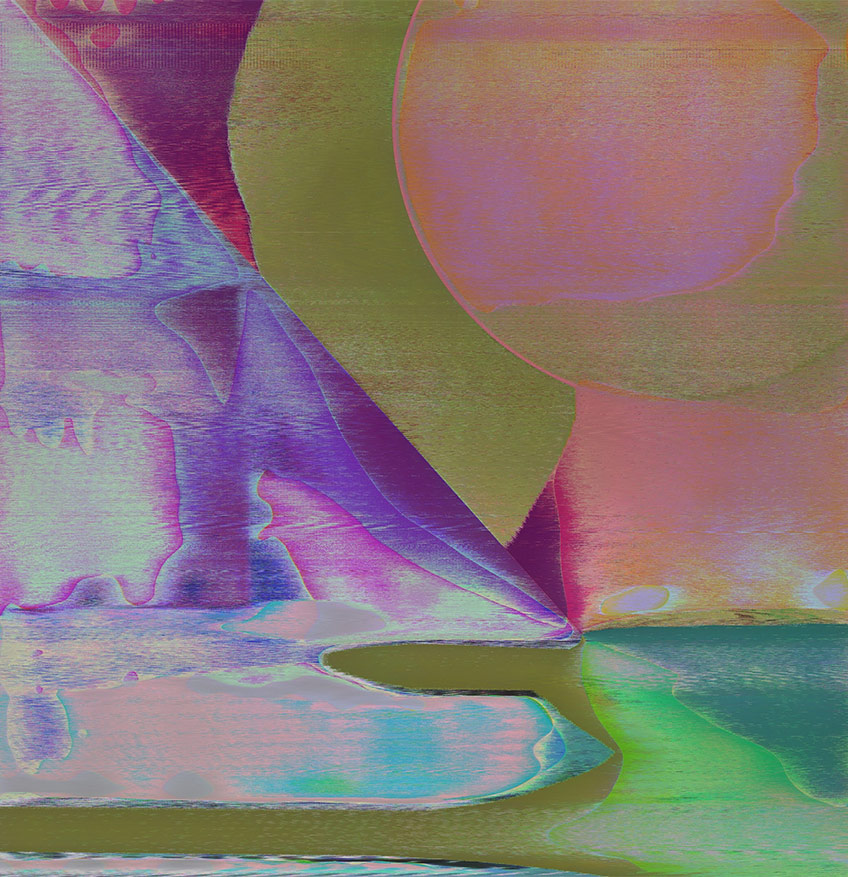
I’m a multimedia artist, writer and experimental musician. Among other things, I create audiovisual fine art pieces of what I call Audiovisual Digital Abstraction, which involves the creation of art objects, using digital techniques, that are designed to be read by the computer as both a visual still image and as a piece of audio, these being two readings of the same file in each case. These are often presented physically, usually on aluminium but sometimes using other materials, with the audio reading either playing in the exhibition space or accessible to listeners via QR code or on headphones.
For someone unfamiliar with audiovisual digital art, how would you explain how your process works?
Usually, I begin by gathering a base of audiovisual colour data to start the piece off. This can involve choosing colours, shapes, gradients or other similar starting points, all made out of audiovisual data. I then transform this base further both visually and as sound. Any changes I make to the way the data looks also affects how it sounds and any changes I make to the way it sounds also affects how it looks, so there’s a functional simultaneity between working on a piece in the visual and audio domains, even if those processes don’t necessarily overlap in chronological time. Working on the data as sound can involve manipulating it electronically, such as pitch adjustments according to different tunings or other electronic audio transformations, or it can involve playing it out loud through speakers in my studio and interacting with it using some of the instruments that I play, such as the saxophone, clarinet or flute, re-recording it in the process. Playing the audiovisual data out loud through speakers and re-recording it can allow other acoustic effects to make themselves visible in the finished piece as well, like the reverberation of the room or other ambient sounds.
What made you start experimenting with both image and sound? Which came first for you?
Sound was my first domain of experimentation (well, actually, writing was, but that’s something to get into later) and a lot of the ways that I relate to my material, even in a visual sense, come from what I might call a sonic way of thinking. I’m very process-oriented rather than aesthetically motivated, a lot of the time, in the sense that I like to set certain things in motion and see how they play out rather than aiming at any particular aesthetic goal from the outset. Exploring the outer limits of experimental sound-making through instrumental music and electronic techniques eventually led me to an appreciation of the inherently alien nature of digital perception in general, as compared with biological perception, and made me realise what I tend to refer to as the truly radical transmedia possibilities of working with digital information for creating a new form of art that takes the peculiarities of digital, data-based perception as a starting point to create something that wouldn’t be possible to make in any other way. And it’s important, I suppose, to say that this comes from a re-assessment of the starting point of the work at a fundamental, conceptual level – it doesn’t necessarily need to be high-tech. I think that attitude is something I get from my involvement in underground, experimental, improvised electronic music and noise, which often places less emphasis on high-tech answers for their own sake than academic electronic music does.
What role does chance or unpredictability play in your practice, especially given the technology you’re working with?
Unpredictability plays a huge role in what I do, particularly as the roots of all my work are ultimately in improvised music and avant-garde jazz. This is also tied to the idea of a process-based orientation rather than an aesthetic one. What I find most rewarding is to gather a set of materials or tools or processes and then really set about interrogating all the possibilities that they might hold within them, knowing full well that, ideally, those possibilities will never be fully exhausted. The goal is exploration, and to find something that I wasn’t expecting. In an algorithmic, marketised world that tries to tell us that all options have already been calculated and worked out ahead of time, I think that’s a useful little rebellion. It says that there are ways of doing things that haven’t been thought of yet and that we don’t necessarily need to have already rationally comprehended, going in, what they are going to be in order to find them.
Your “Manifesto” offers a glimpse into how you think about your work, do you write to figure things out, or to explain what you’ve discovered?
The Manifesto definitely was a case of writing in order to think through, in greater detail, the implications of what I had discovered up to that point, and to try to stretch my consideration of those implications into new domains. In that sense, it has something in common with a lot of the writing that I do but also, considered from another perspective, it’s quite different from most of my other writing because it’s non-fiction. Usually, I write multimedia fiction, most ideally in the form of an audiovisual novel. I find writing fiction useful because of the freedom it gives me to create a world to situate my ideas in. More specifically, it gives me the ability to consciously and deliberately define a context within which to embed my praxis to test it and see how it behaves, rather than passively accepting the context assigned by circumstance. Non-fiction doesn’t allow me quite the same level of freedom, of course, because I must accept the context of the world as it is.
What interests you most about the intersection of technology, art, and human perception right now?
I’m interested in work that really takes on the conceptual implications of this technological moment at the very foundational, root level, rather than getting consumed by superficialities. This is perhaps another consequence of my preference for the conceptual over the aesthetic, but it’s also out of a desire to create something that has longevity, that will have something to say to times beyond our own. There seems to be a fair bit of work around at the moment that shows something of a preoccupation with the aesthetics of contemporaneity without any real engagement with the contemporary moment at a conceptual or philosophical level – without really drawing out what it is that is fundamentally different about these new times, these new tools, these new media that we have the opportunity to be among the first to explore. Some might say I’m too serious about what I do but I’d flip that around: maybe people used to be so po-faced and serious about things because they believed that they were speaking to Posterity. Now, with the rarely-acknowledged but ever-present sense that our civilisation may end within our lifetimes or that of the next generation, we’ve lost that sense of History with a capital H because we have no clear sense of a future. In that light, maintaining a seriousness about one’s work in these times is a radical act because it says that we shouldn’t just take this loss of a future lying down. We have to try and make something last through the coming dark so that we can at least look our far descendants in the eye.
Which piece felt like a real turning point in your creative direction?
That’s a tough question, because it’s all a continuous process! Over the last couple of years, though, I’ve been expanding the scale at which I’ve been working and have produced some very large works, some around 2 metres tall or wide, lasting around 2 hours in their audio readings, and others up to 8 hours long in their audio readings, presented in virtual spaces at their full, colossal size. I’ve also been pushing the possibilities of the audio side of my process into new territories by working on pieces of Audiovisual Digital Abstraction with some amazing musicians, bringing the collaborative, exploratory, conversational spirit of improvised music even more into the work. I hope to exhibit some of these pieces in the future, possibly in conjunction with some live performances in the exhibition space.
Are there any specific techniques or concepts you’re hoping to dive deeper into next?
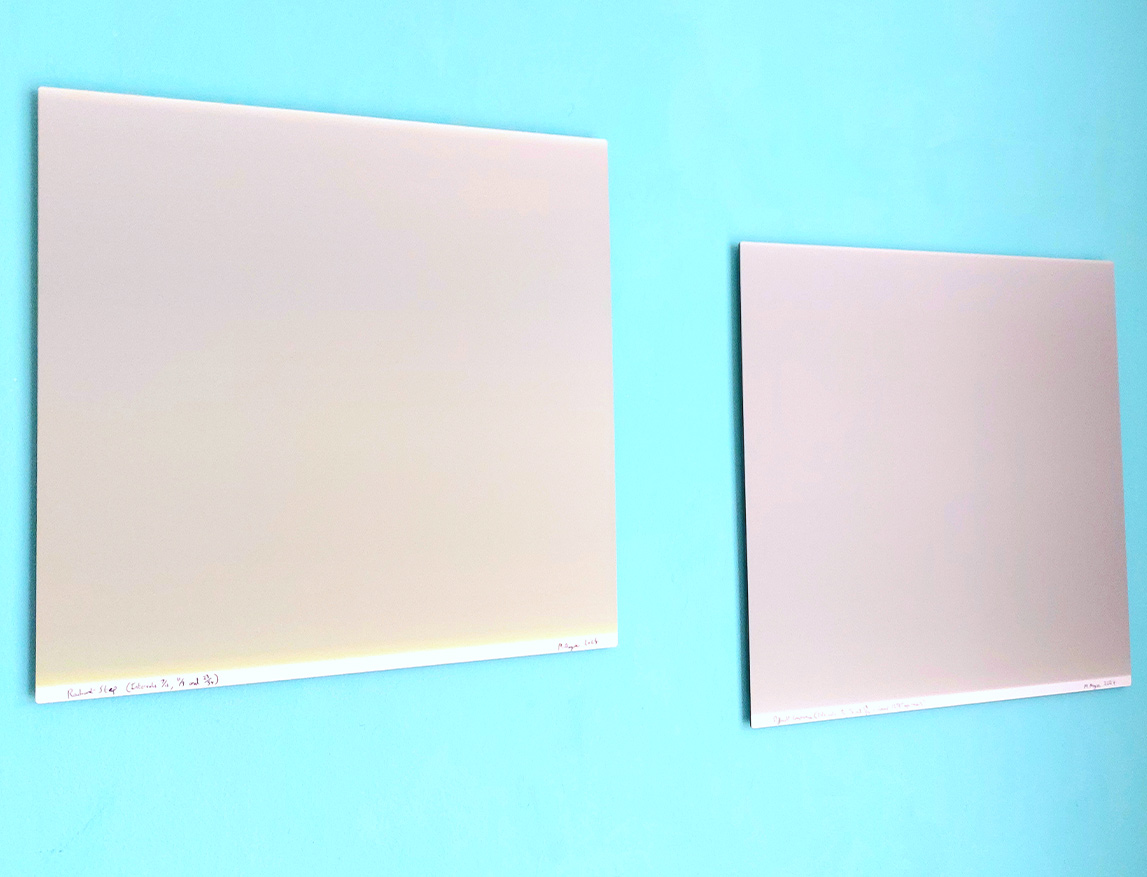
Most recently of all, I’ve been experimenting with tuning the audiovisual data to specific just intonation tuning ratios and combinations, looking into how the interactions of these pure tuning ratios emerge in the visual readings as beautifully subtle, mathematical patterns. I released a series of these for Sedition just recently and there’s more to come in that direction. I want to dig down even further into tuning, including through installations that present different series of pieces designed to sound out loud together in a room, as evolving soundscapes.
Where can people find you?
Most things, sooner or later, end up on my website www.massimomagee.com/
But they usually appear first on my Instagram: https://www.instagram.com/massimomagee
I’m often to be found in the studio in London that I share with my wife, the abstract painter MiHee Kim Magee, and we’re always happy to welcome the interested and the interesting, to show them what we do.