Melissa Knoesen
What’s your name and where are you based?
Melissa Knoesen and I am based in Cape Town, South Africa.
How would you describe what you do?
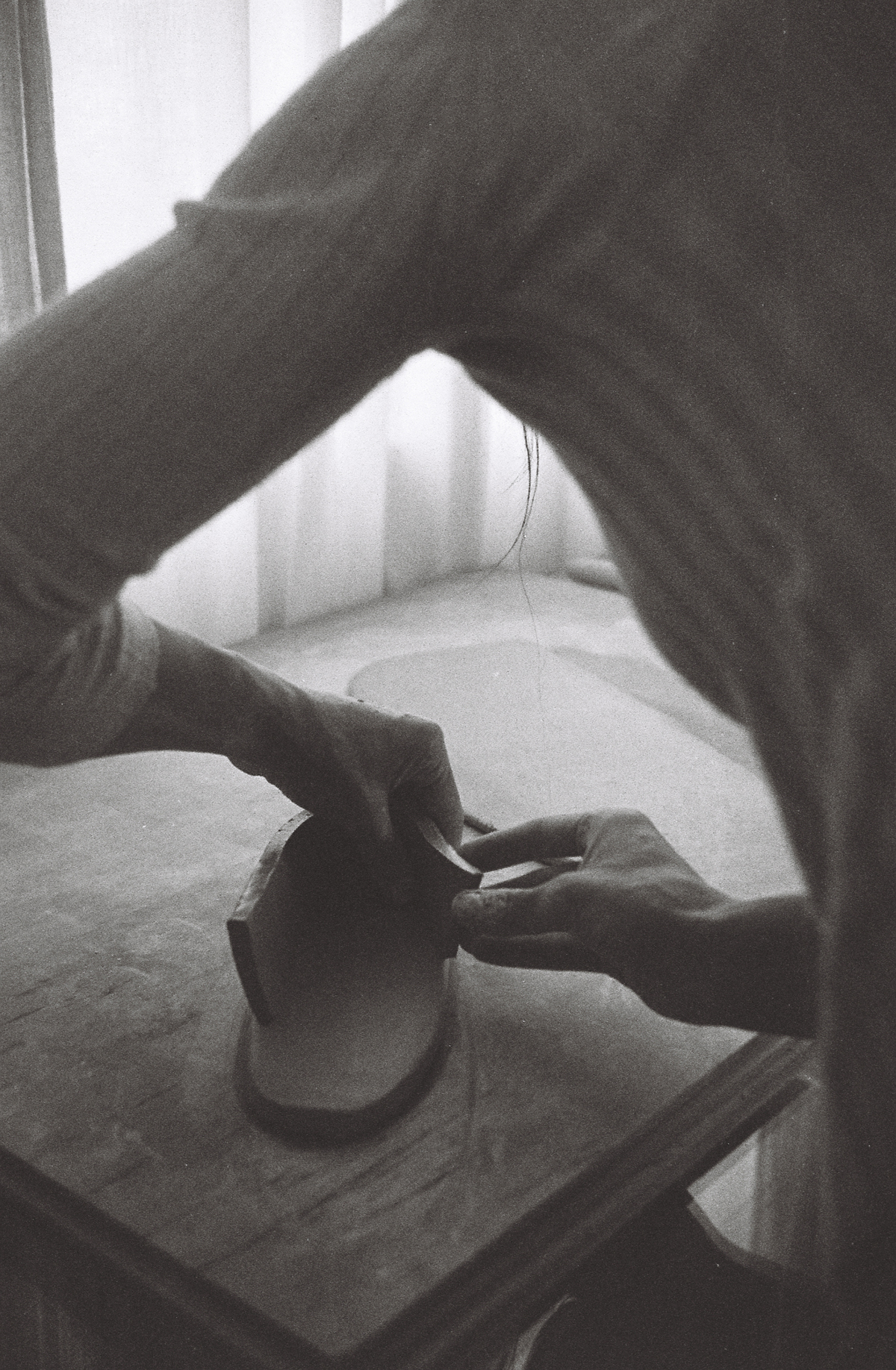
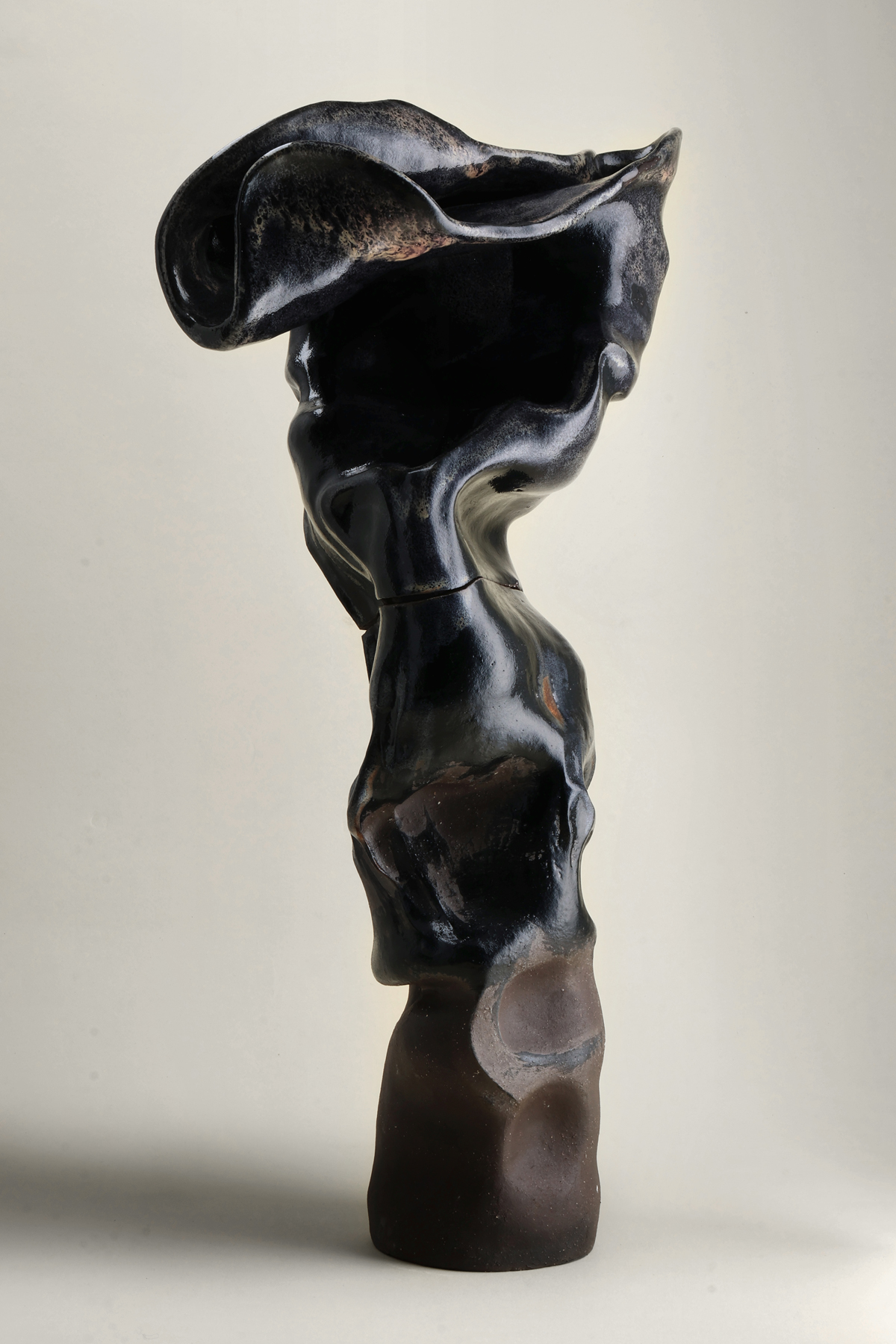
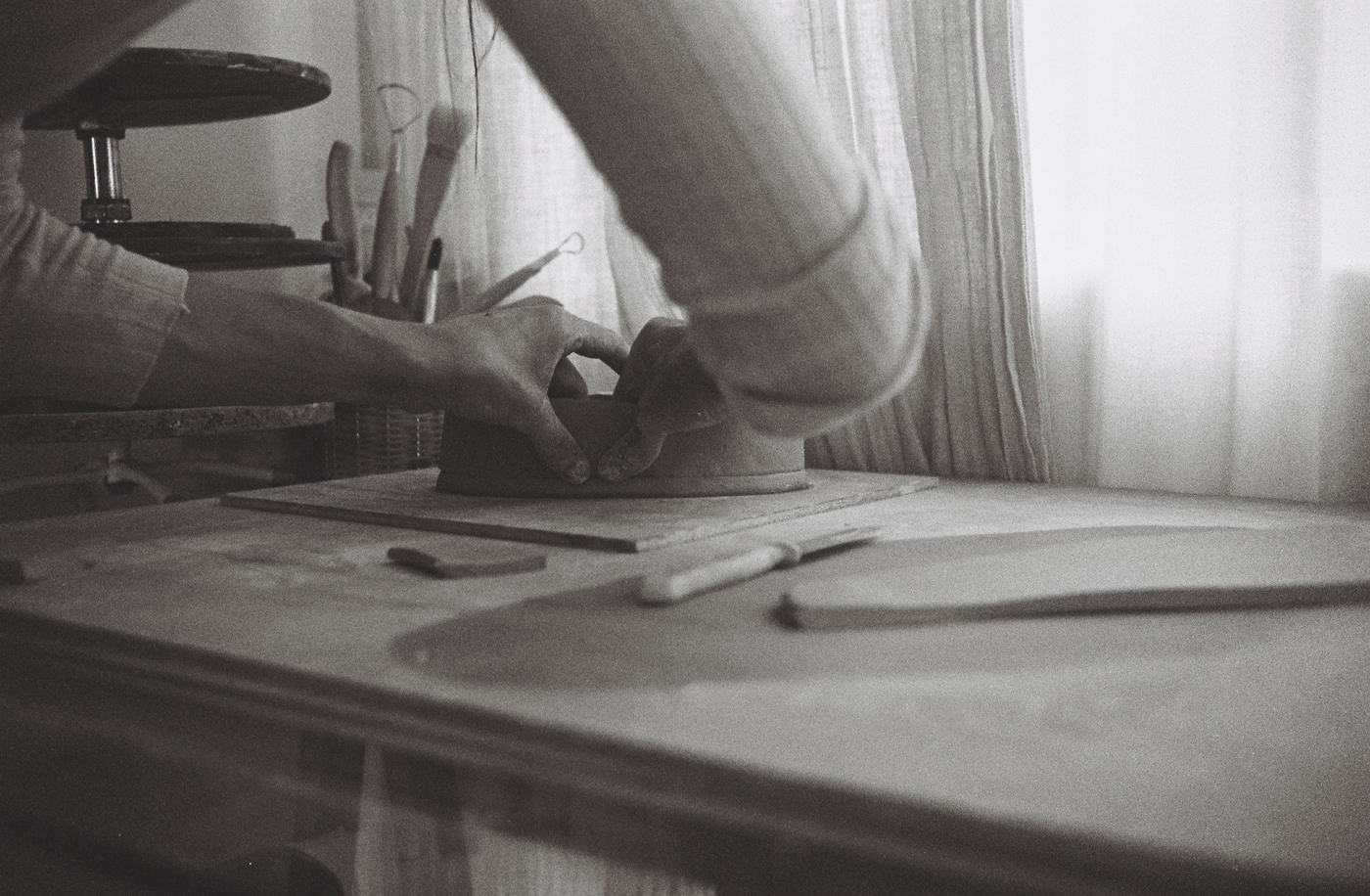
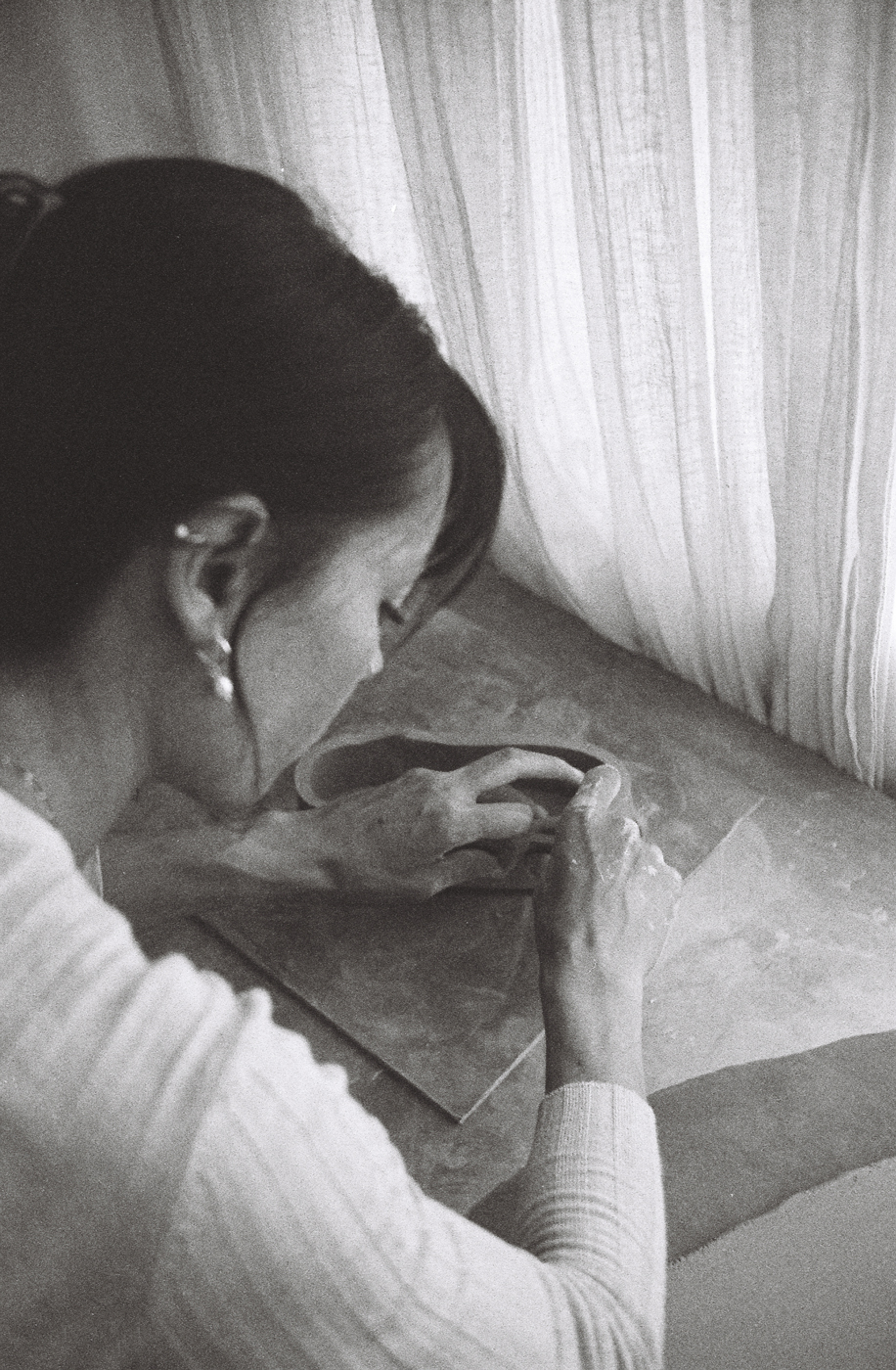
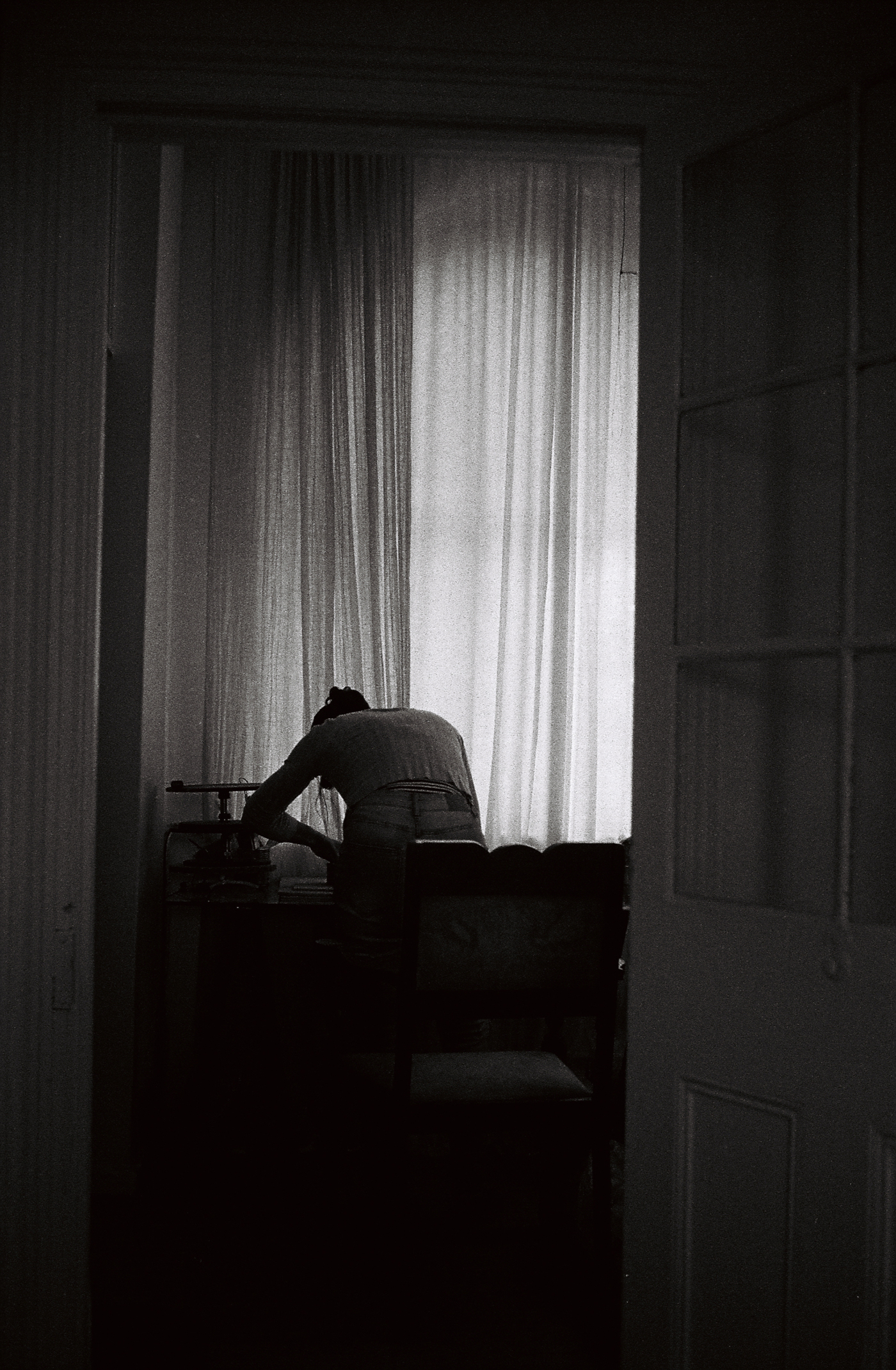
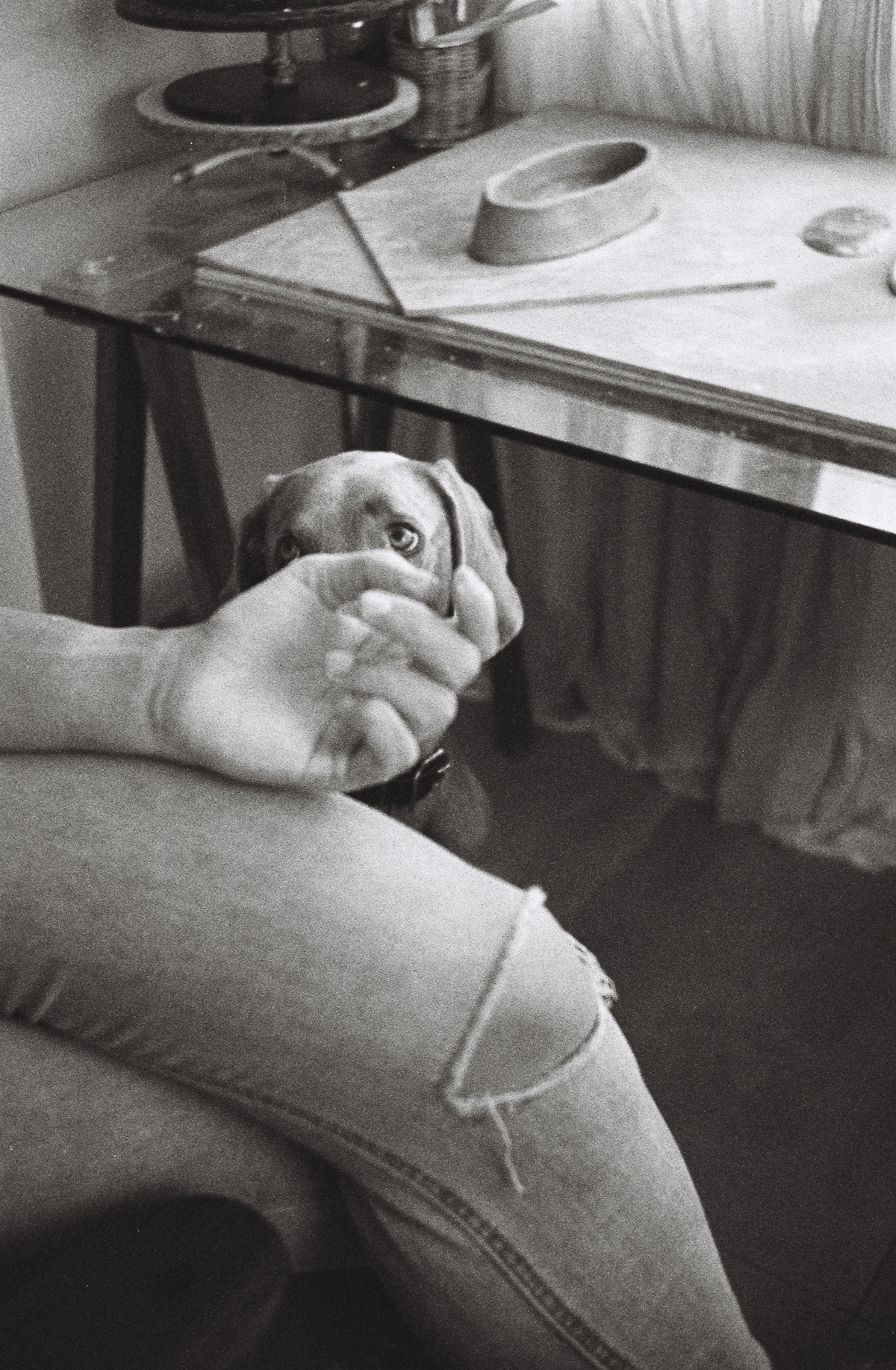
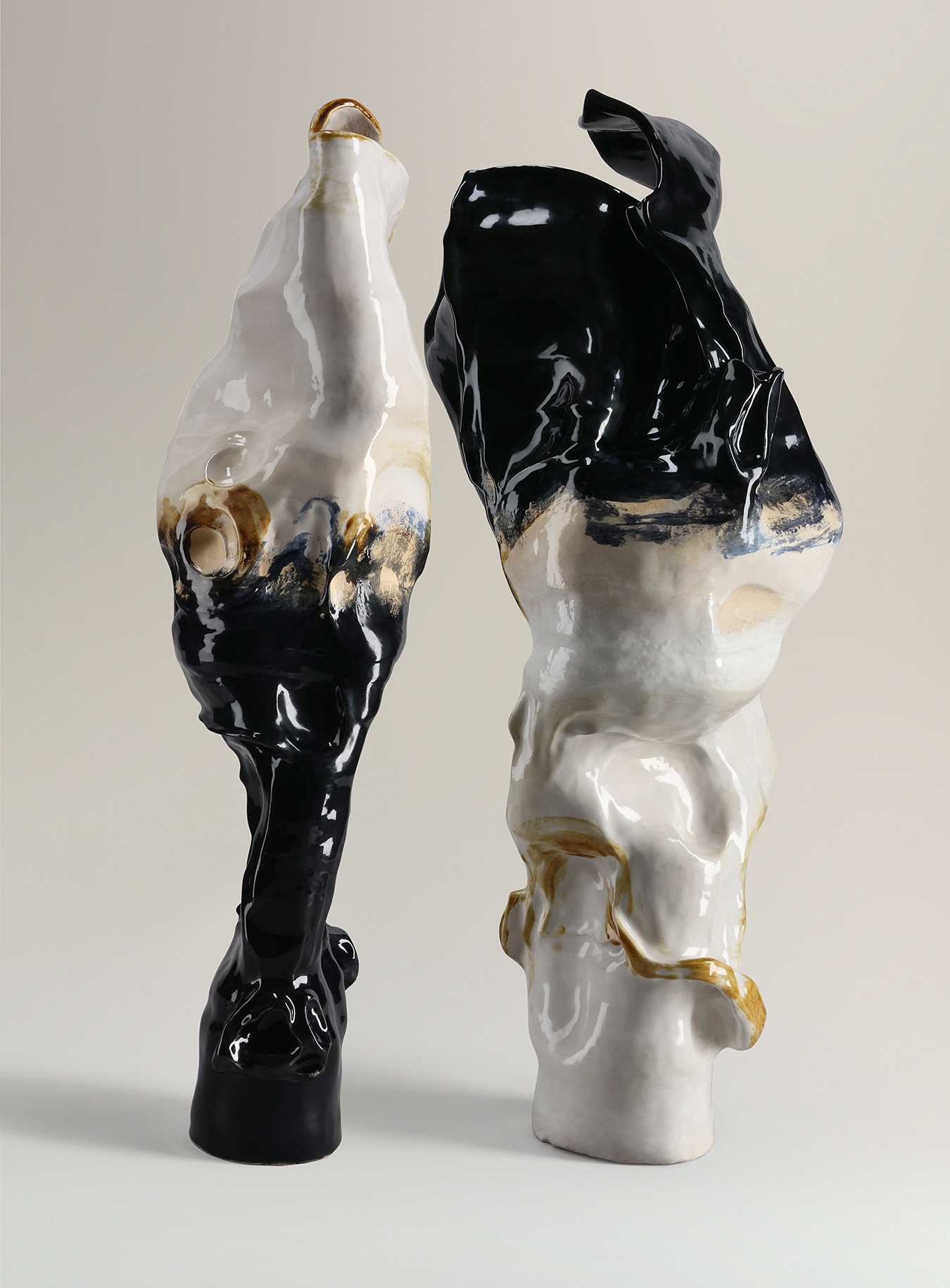
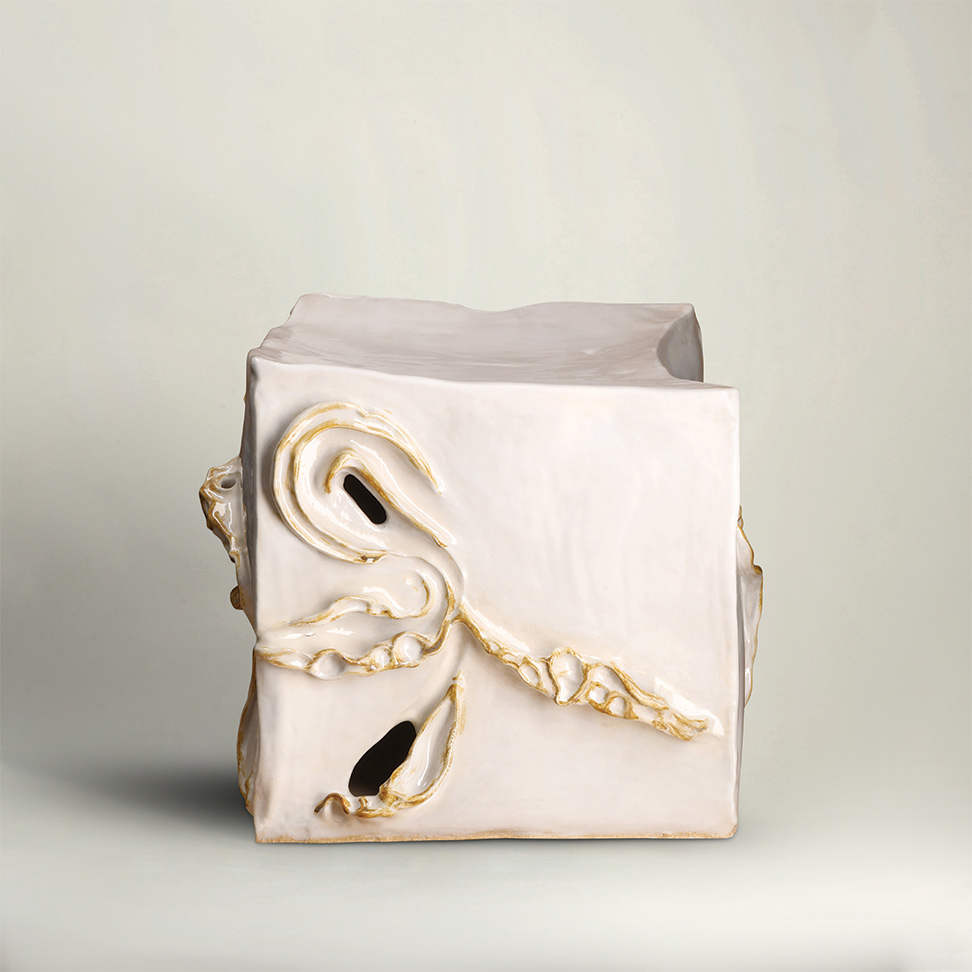
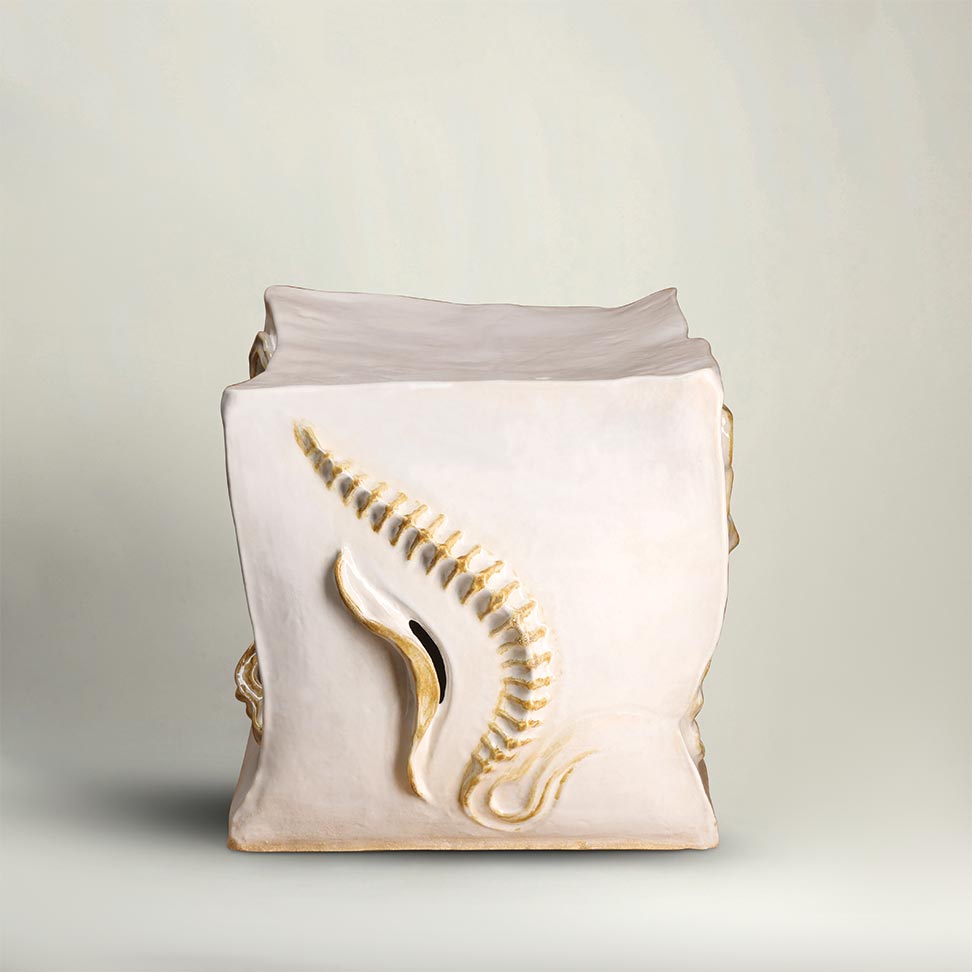
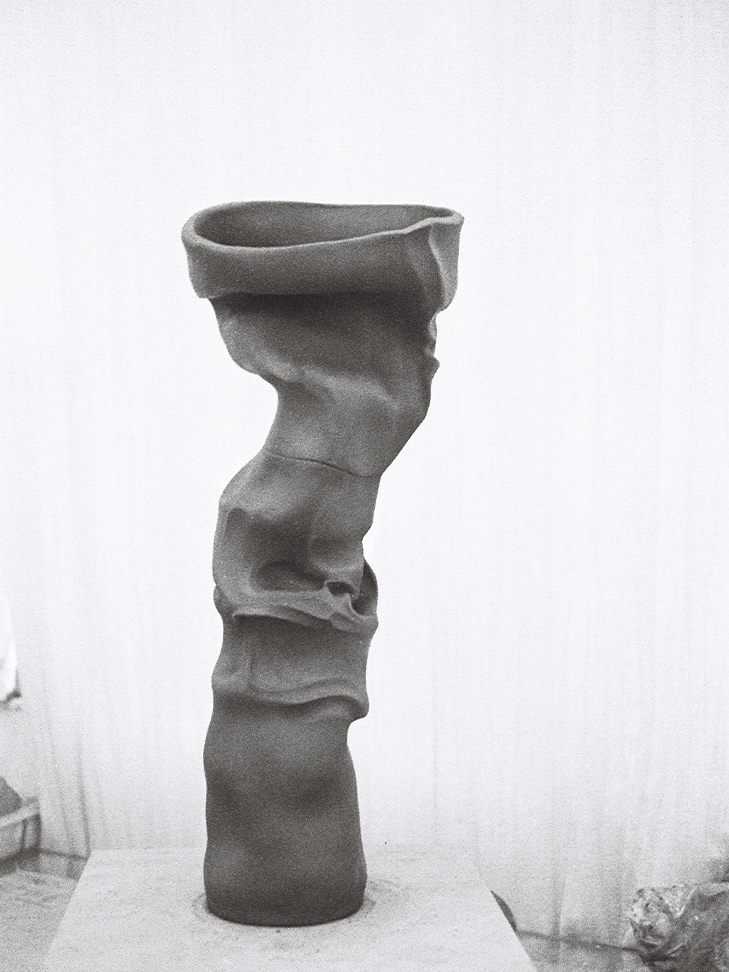
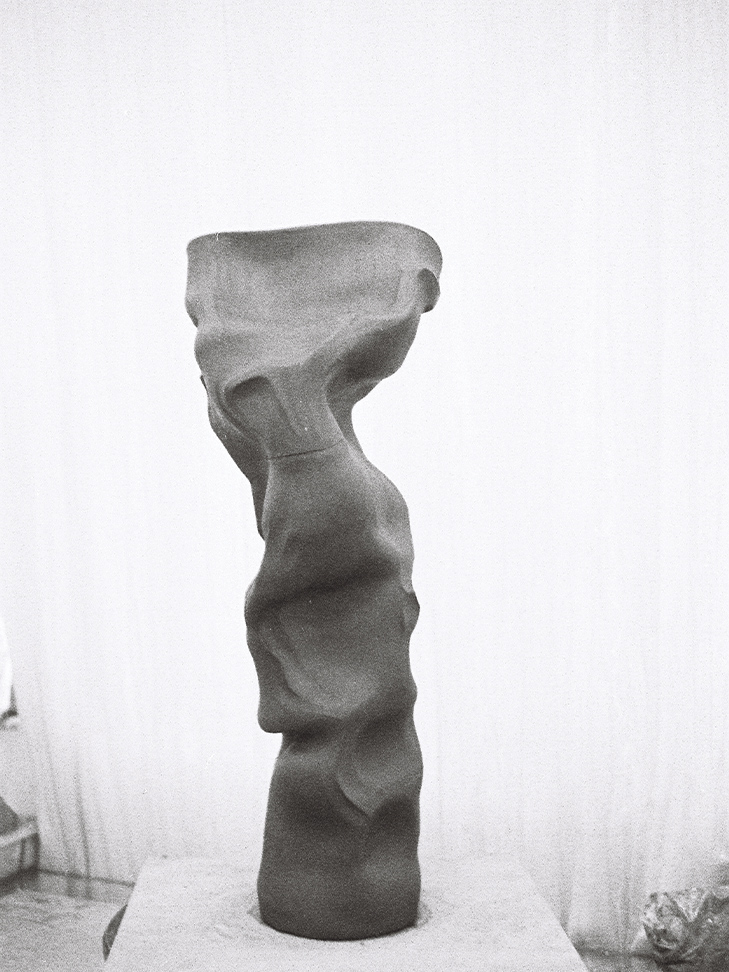
I work with clay to create abstract forms that feel both familiar and ambiguous. My pieces explore contrast, sensual yet austere, fluid yet structured, grounded yet defiant. There’s a tension I like to hold between what is immediately inviting and what unsettles, a push and pull that keeps the work alive. Each sculpture is an exploration of that balance, a negotiation between intention and instinct.
You mention that each sculpture reflects a specific moment in your life. Do you begin with the emotion in mind, or does it come out through making?
I never set out to capture an emotion in a literal way. The process unfolds intuitively, with each movement shaping the next. Only once a piece is finished do I recognise what has been embedded in it. Often, the most expressive works emerge from times of internal conflict, though that’s not by design. The clay reveals rather than obeys, responding to what lingers beneath the surface.
Have you ever made something that felt too raw or personal to share?
No. The work exists beyond me once it’s made. My role is to shape and release it, not dictate how it should be received. I don’t expect people to see what I see. There’s no imposed narrative, just the form, the material, and whatever it evokes in the viewer. The sculptures should stand on their own, as physical expressions of a moment in time, open to interpretation. If anything, the more personal a piece feels to me, the more I trust it has something worth sharing.
There’s something bodily about your work, sculptures that feel like gestures. Do you think about the body when you sculpt?
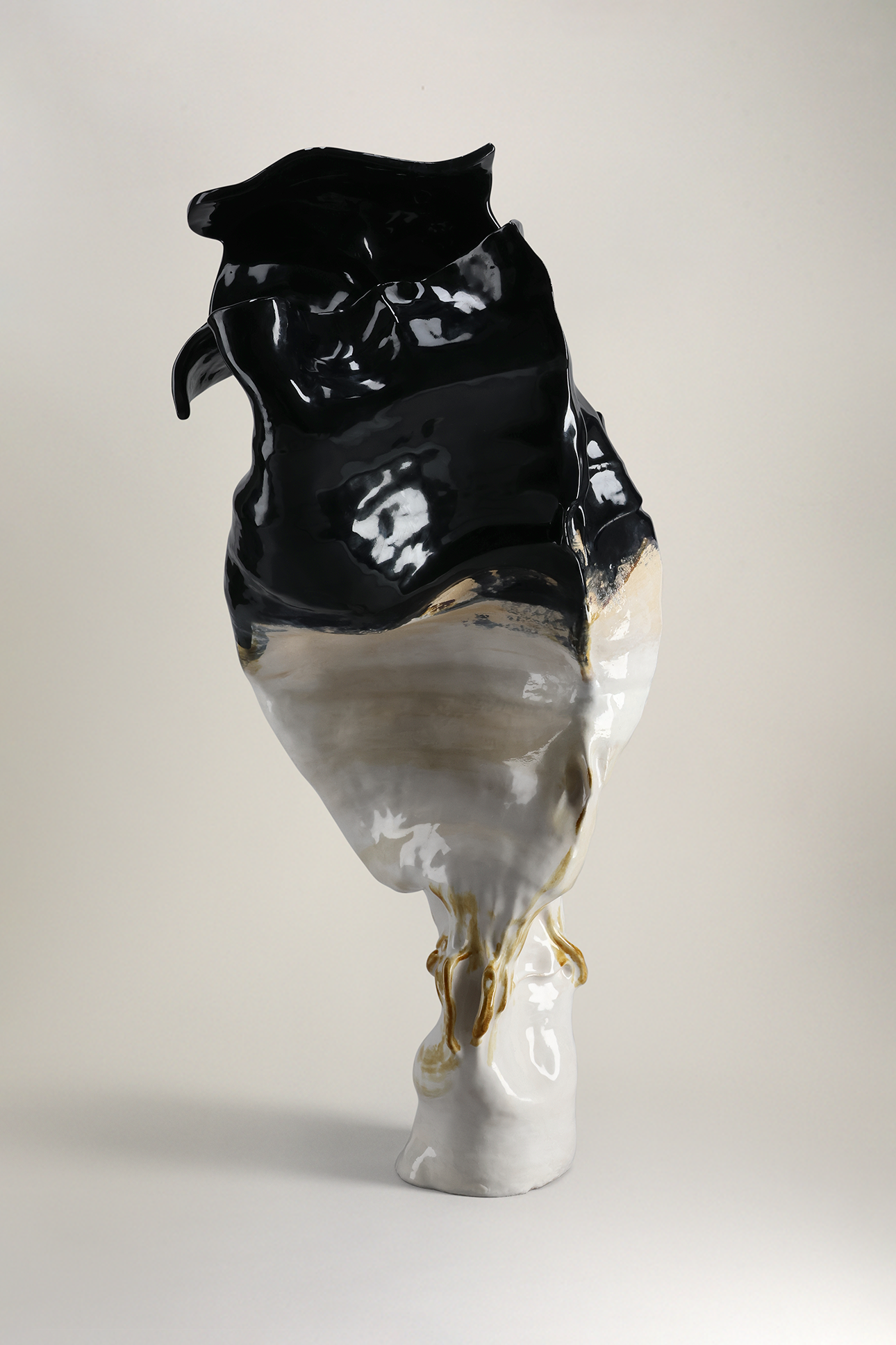
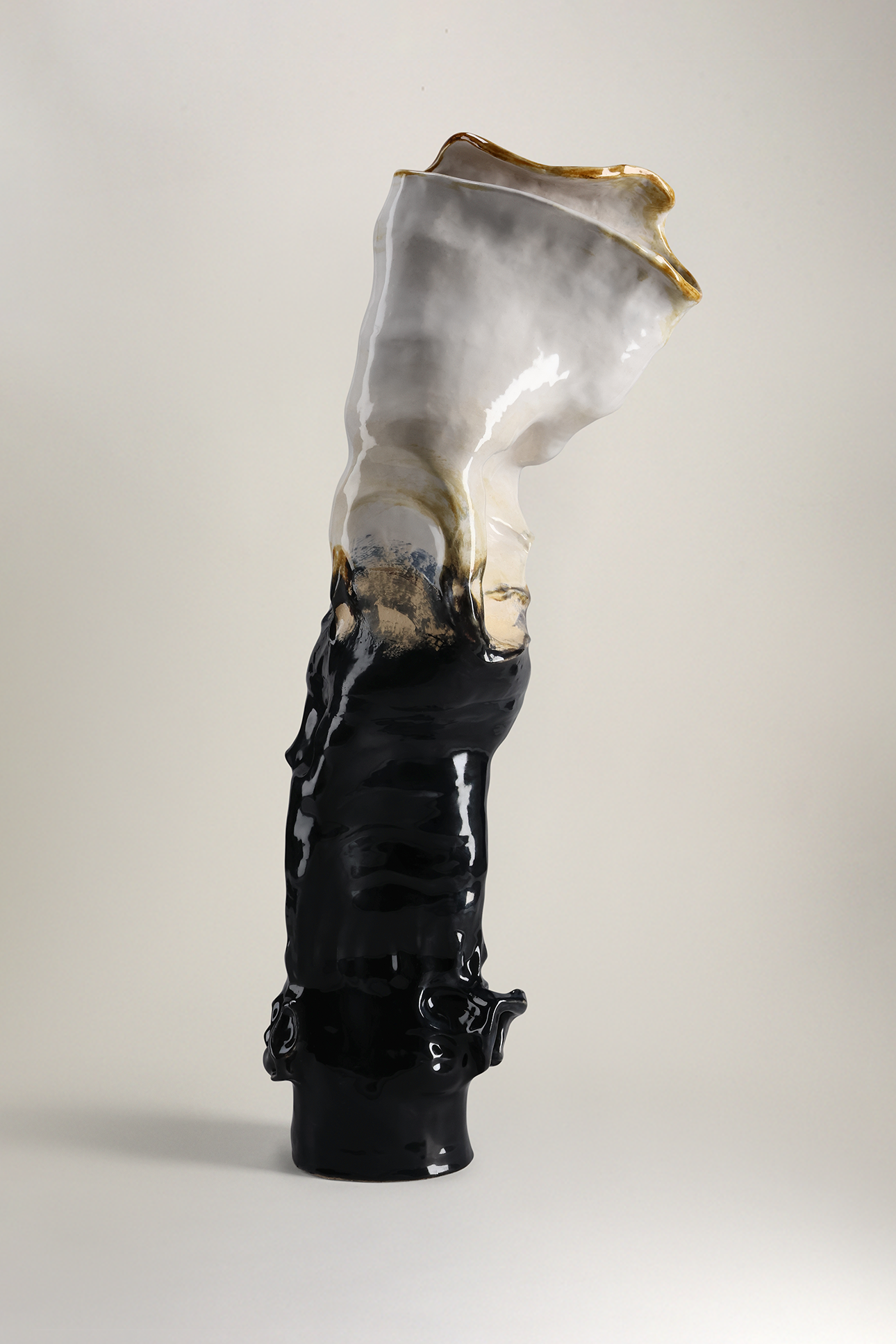
Not intentionally, but the connection is there. I’m drawn to curves and weight, to the way surfaces hold and reflect light, to forms that suggest movement or restraint. These qualities naturally evoke the human form, though I like to push that familiarity toward something more uncertain. A piece might begin with softness, then be disrupted by an exaggerated line, an abrupt cut, an almost grotesque distortion. That balance between attraction and discomfort, between what feels known and what unsettles, is what interests me most.
What has working with clay taught you about yourself?
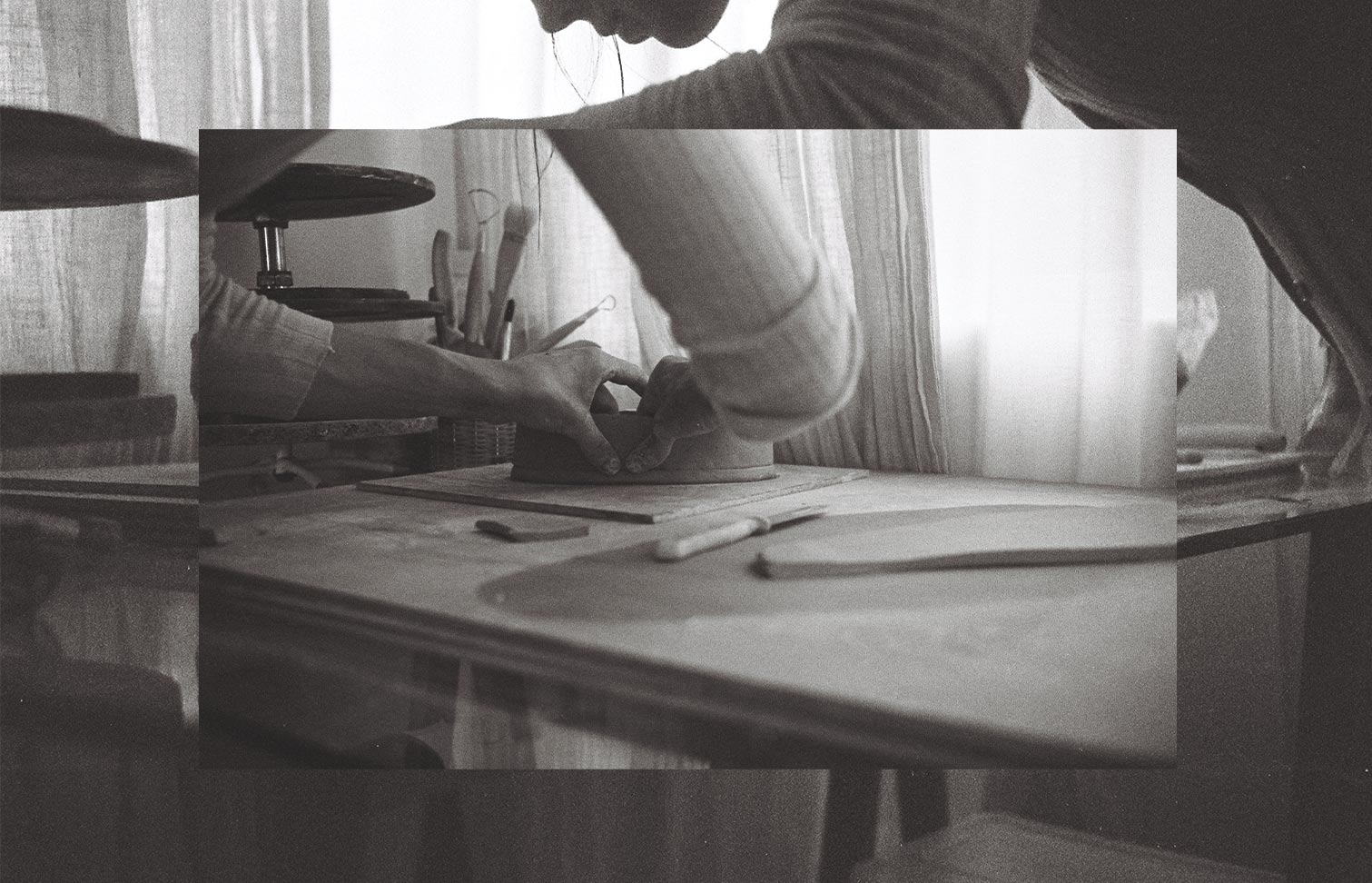
That control is an illusion. You can guide the material, but you can’t force it into submission without losing something essential. The best work happens when you engage with what’s in front of you rather than trying to impose a rigid idea onto it. It’s a lesson that applies far beyond the studio. Clay demands presence, patience, and a willingness to let go, qualities I’m still learning to carry into the rest of my life.
Is there a sculpture in your series Synthesis that felt particularly difficult to make?
Ange ou Démon and Verity, both physically and emotionally demanding. Their scale pushed the limits of what I had attempted before, and with that came an ongoing struggle with gravity, weight, and the point at which something becomes unstable. I was constantly working against collapse, which in some ways became part of the work itself, the tension of something holding together just enough. That push and pull between presence and fragility is what made them so difficult but also the most rewarding.
Outside of your practice, is there an object you keep close?
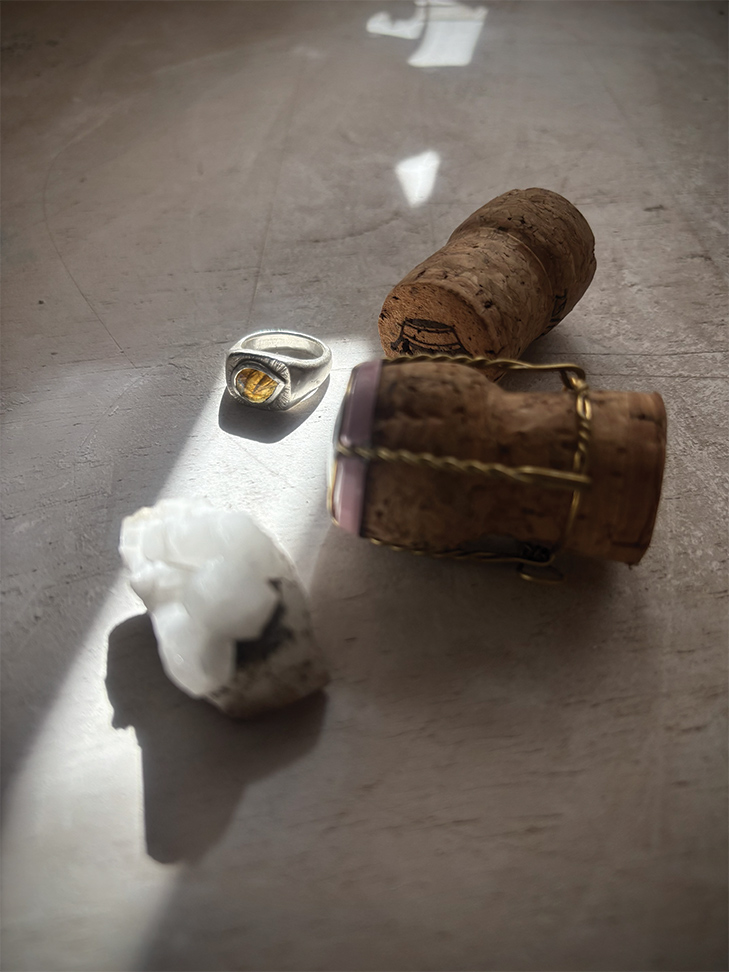
I collect things instinctively. Stones, notes, champagne corks, flowers. They aren’t curated, just remnants of moments I’m reluctant to let go of. Objects have a way of anchoring time, holding something of the past in a way that words can’t.
Has someone ever seen something in your work that surprised you?
Often. Someone will point out a shape I hadn’t noticed, a body part, a landscape, an animal, something entirely outside my own frame of reference. Once it’s seen, it’s impossible to unsee. I love that about sculpture, how it shifts depending on who’s looking, how meaning isn’t fixed. The work continues to evolve long after I’ve finished making it.
Do you listen to anything while you sculpt?
Mostly classical music. It keeps me immersed in the process without dictating the rhythm. There’s something about its fluidity, the way it moves in waves, that feels aligned with working in clay. Sometimes, though, silence is also enough.
If you could explore another material, what would it be?
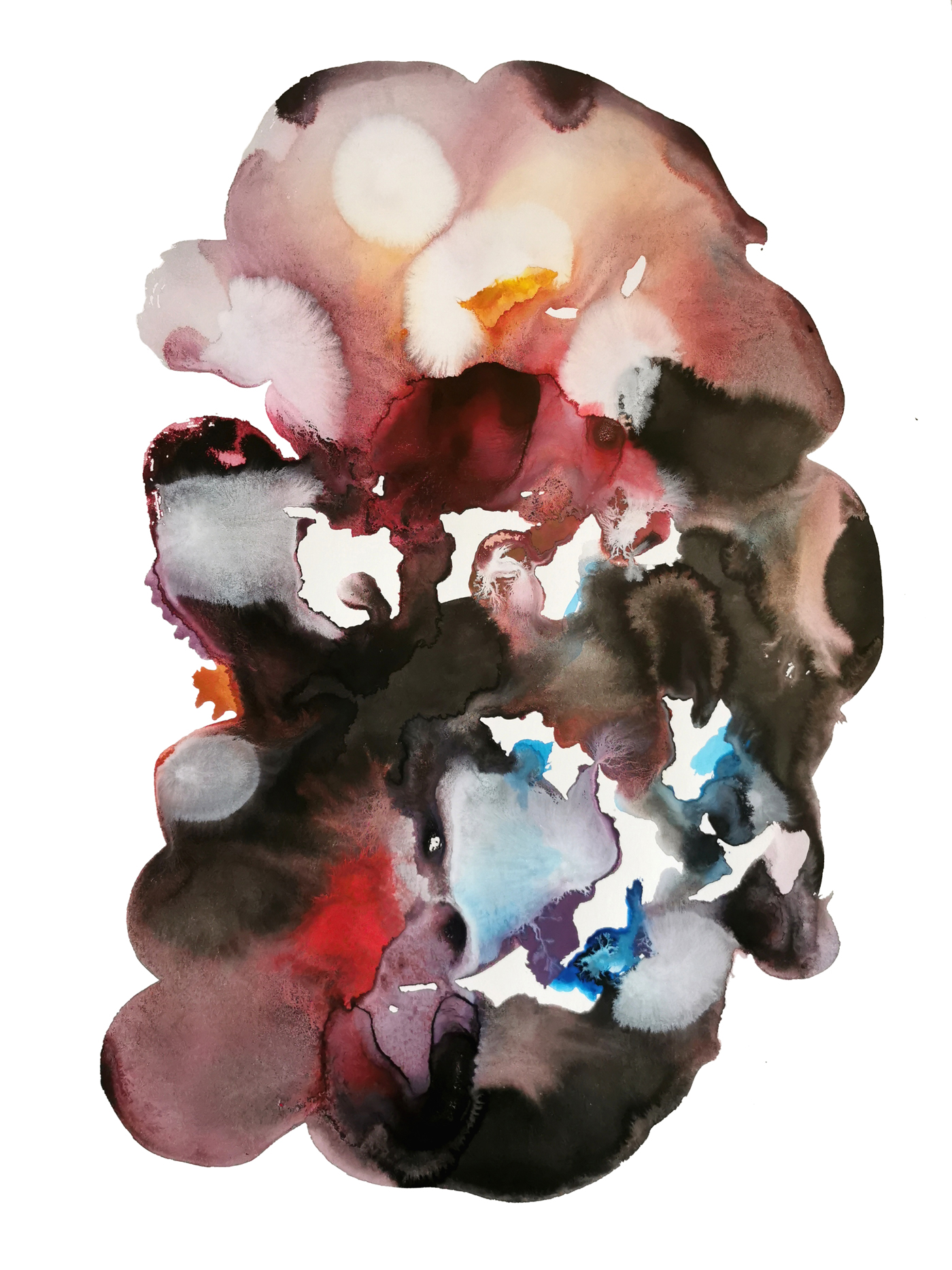
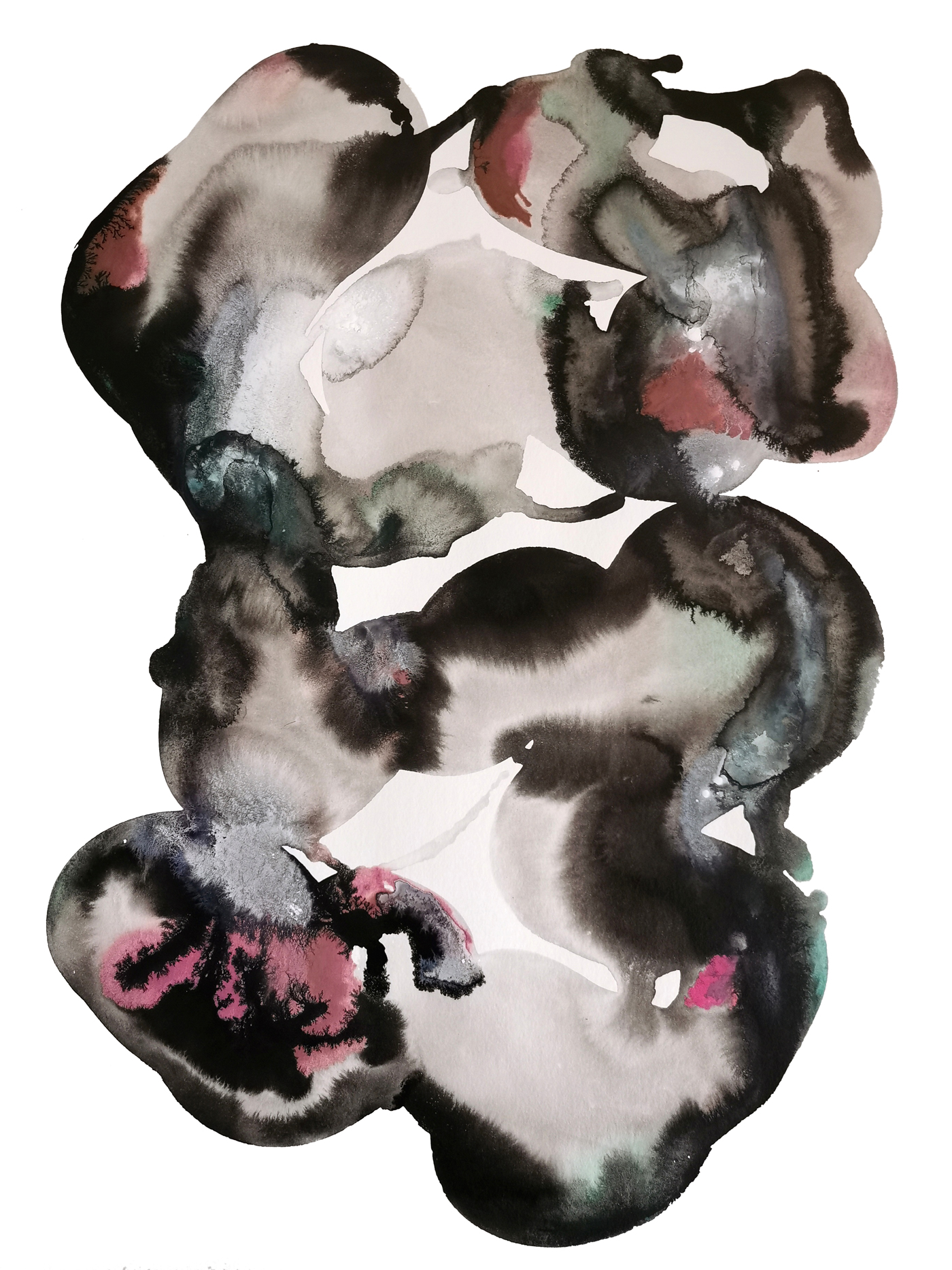
I’ve always been drawn to painting, the idea of expressing with colour and brushstrokes has a quiet appeal, something I’ve only recently started exploring. At the same time, glass fascinates me. Its transparency and fragility, the way it interacts with light, the way it holds both presence and absence. It shares something with clay in its transformation, soft before it sets, shaped by heat and time. Whether it’s the tactile immediacy of painting or the interplay of light and structure in glass, both offer a new way of engaging with form that I’d love to explore further.
Do you believe in routines, or do you move through days instinctively?
I need routine. There’s a misconception that creativity thrives on spontaneity, but I’ve found the opposite to be true. Structure creates the space for flow, without it, things feel unanchored. I need that discipline, that rhythm, to keep me moving forward. It’s not about rigidity, but about carving out time where the work can happen without distraction.
Are you someone who keeps things, or lets them go?
I hold onto things, probably longer than I should. Physical objects, emotions, thoughts, I carry them all. I admire people who can let go easily, but I don’t think I’m wired that way. In my work, though, I’ve learned that gripping too tightly doesn’t always serve me. Clay cracks when it’s overworked, becomes brittle when forced into something it doesn’t want to be. Maybe there’s something in that.
Where can people find you?
I’m in the process of moving my studio to Simon’s Town, but my work is always accessible online.
You can find me here:
Website: www.melissaknoesen.com
Instagram: @melissaknoesenart