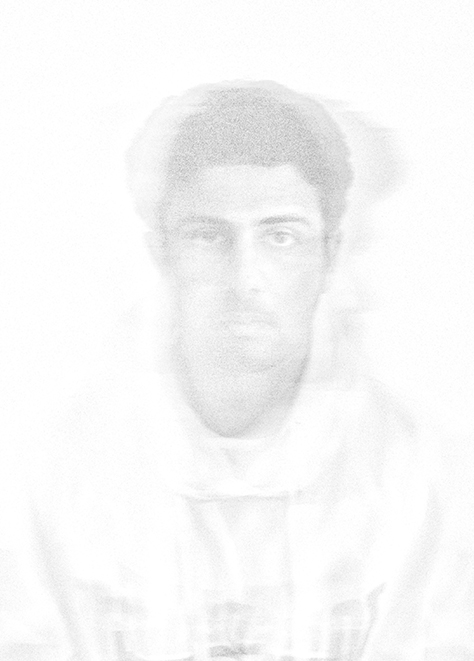
Mohammed Badr Al Maskari
What’s your name and where are you based?
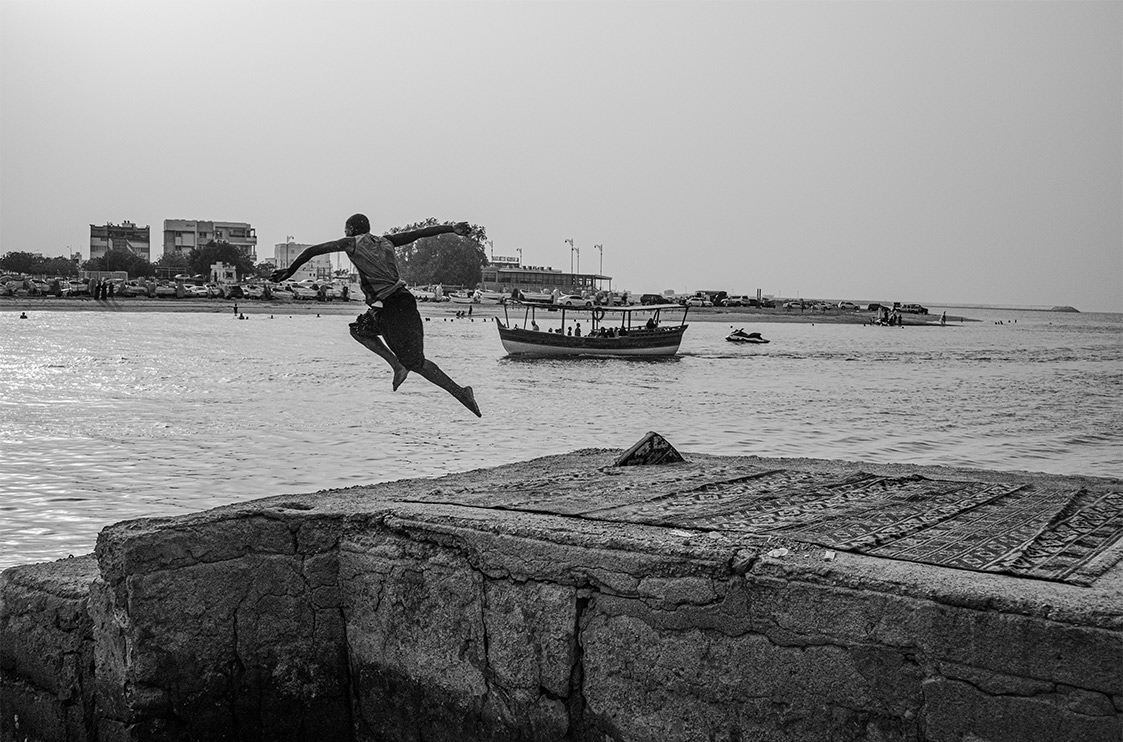
My name is Mohammed Badr Al Maskari. I’m based in Sur, Oman, a quiet coastal town where the sea isn’t just a landscape, but a language. So much of what I do begins with listening to that.
Can you describe what you do in a few words?
I’m a photographer and visual storyteller. But more than anything, I’m someone who listens to people, to spaces, to the things that go unsaid and uses images and words to carry them forward. I often say I’m writing my way through these stories, and the camera is simply a tool I use to translate thought into feeling.
You write, “Photography isn’t just about memory. It’s about presence.” Can you expand on how you create that sense of presence in your work?
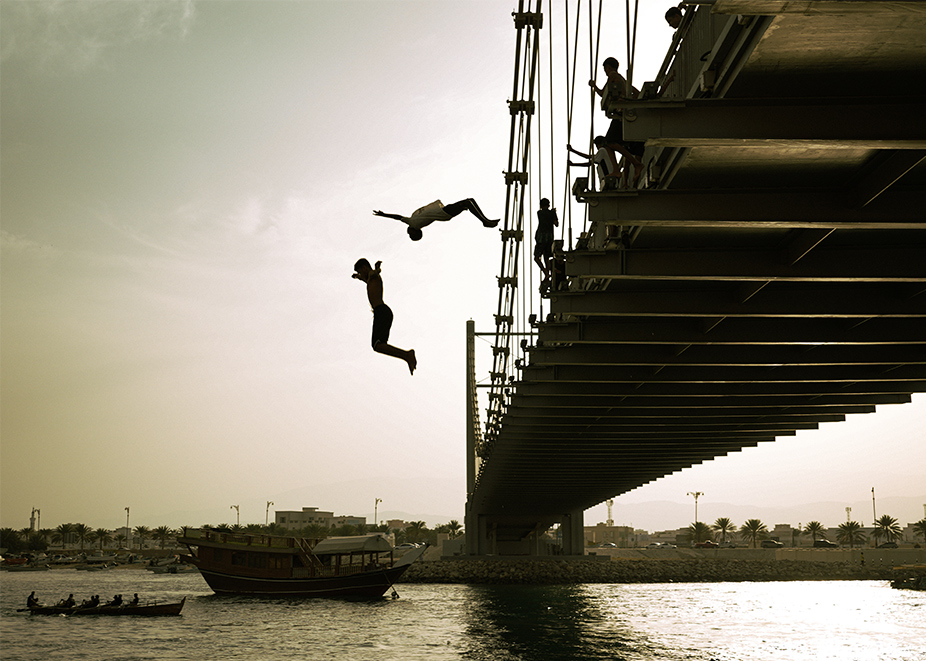
When I take photos, I’m not trying to freeze time. I’m trying to let something keep breathing. I spend time with people not just photographing them, but being with them until the camera disappears. I want the viewer to feel the air in the photo, the texture of the moment, the silence between gestures. I also write a lot before and after I shoot. Writing helps me process the story, so by the time I raise the camera, I already feel connected to what I’m trying to say.
Can you tell us a little about what you’re currently exploring in your platform, Riwaq?
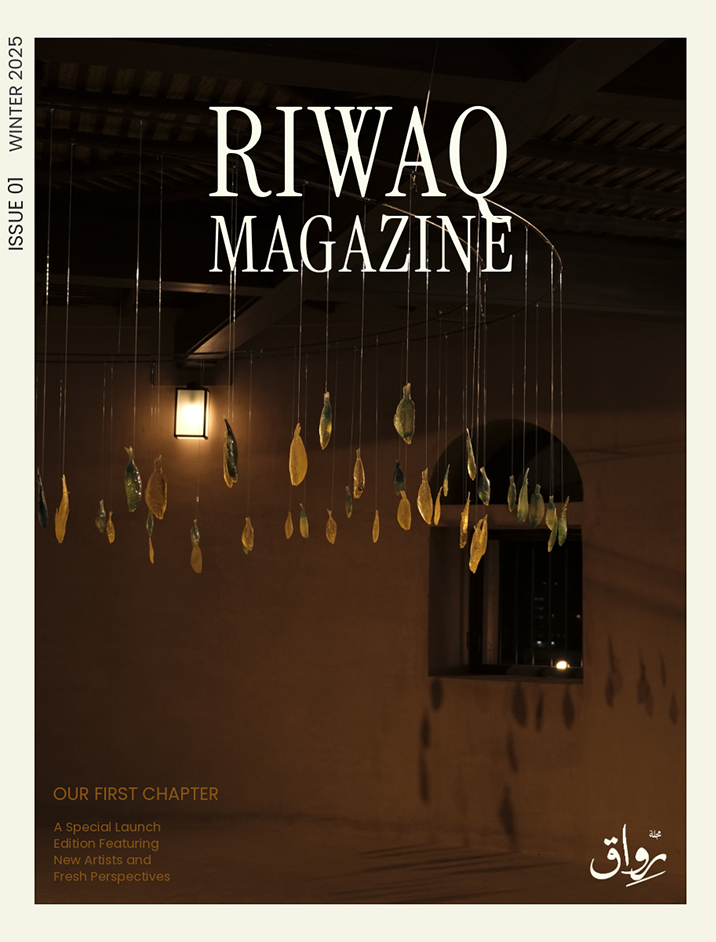
Riwaq is still in its early stages, but it comes from something very personal. I realized how many incredibly talented visual artists exist in Oman photographers, painters, designers who often don’t get the space or recognition they deserve. Riwaq is my way of giving back. It’s not just a magazine. It’s a platform for featuring, supporting, and documenting local artists and communities. Recently, I did a small open-air exhibition in Sur. I hung my photos in a public spot, with no invitation or posters and people came. Elders stopped and shared stories, children asked questions. It reminded me that art doesn’t need to wait for permission. Riwaq is built on that creating spaces where our art can live among our people.
You describe photography as a way of saying “this shouldn’t be forgotten.” What are you most afraid might be forgotten?
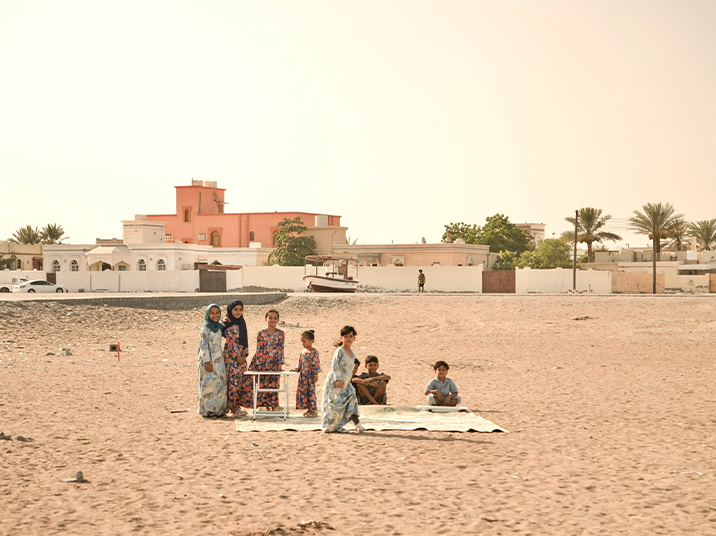
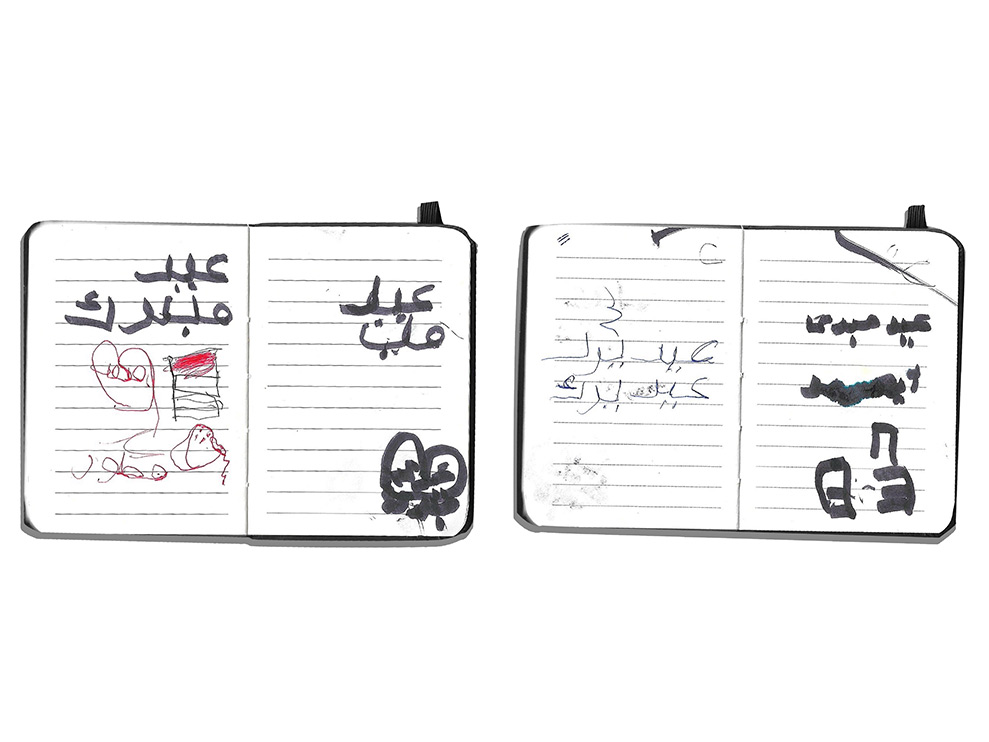
I’m afraid we’ll forget the details. The stories that don’t make it into headlines or archives. Like how my little cousins used water bottles to spray words on gravel during Eid. Or how one of them, seeing me photograph, brought out his tiny digital camera and said he wanted to become a photographer too. Or how elders still describe the sea as if it’s a person. These moments are fleeting, but they hold the culture. They hold us.
A lot of your images are centered around the idea of community. What does community mean to you, and how do you try to reflect it through Riwaq or your own work?
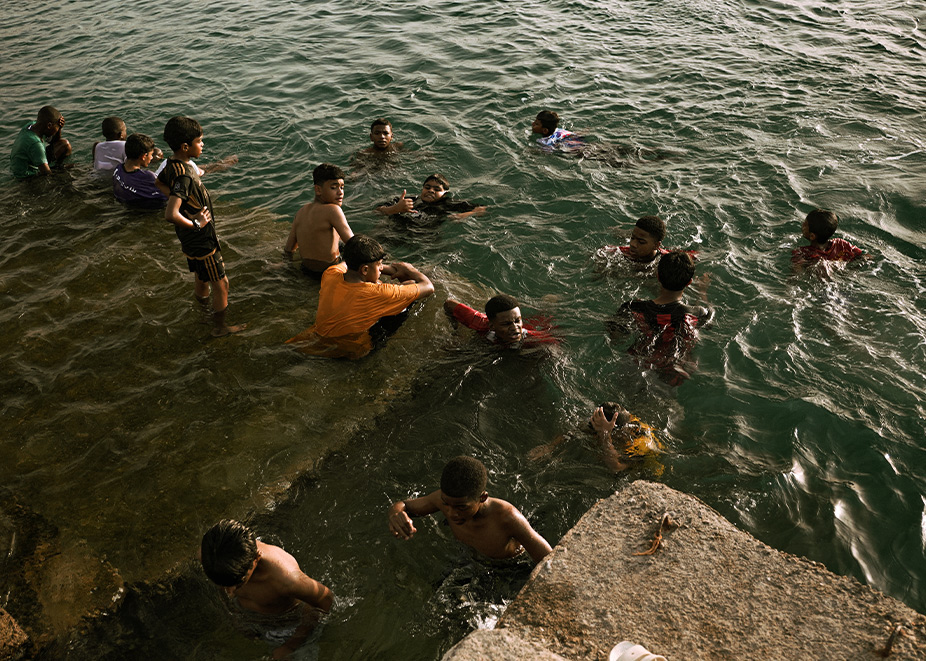
Community is where my work begins and ends. I don’t believe in just taking stories I believe in offering something back. Whether that’s a photograph, a printed magazine, or a space to gather. That’s the heart of Riwaq. I want people to see themselves reflected not in polished gallery walls, but in everyday places. That’s why I exhibit outdoors, or directly in the neighborhoods I photograph. And as Riwaq grows, I want it to be a place where others especially Omani artists can be seen and supported.
In a place “where tradition meets silence,” how do you document both the visible and the intangible elements of culture?
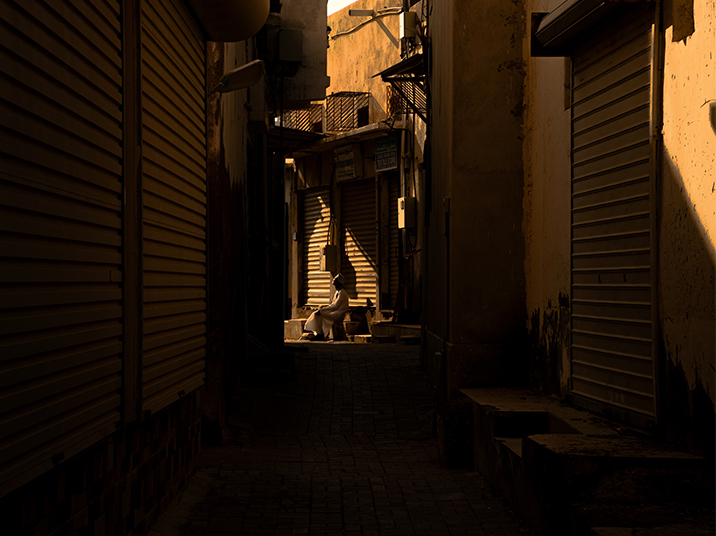
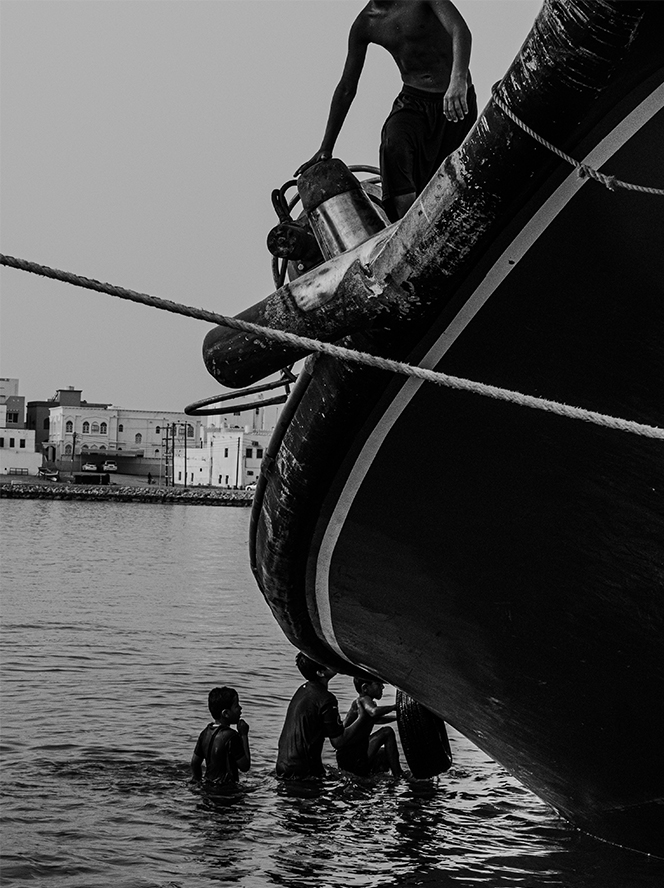
Omani culture carries so much in the quiet the way someone pours coffee, or how seaweed is gathered, or how a song drifts through a fishing port at dusk. I try to photograph not just the action, but the atmosphere. The unseen. I don’t rush. I sit. I observe. I let the moment form its own rhythm. Writing also helps me with this it helps me hold onto what can’t be seen.
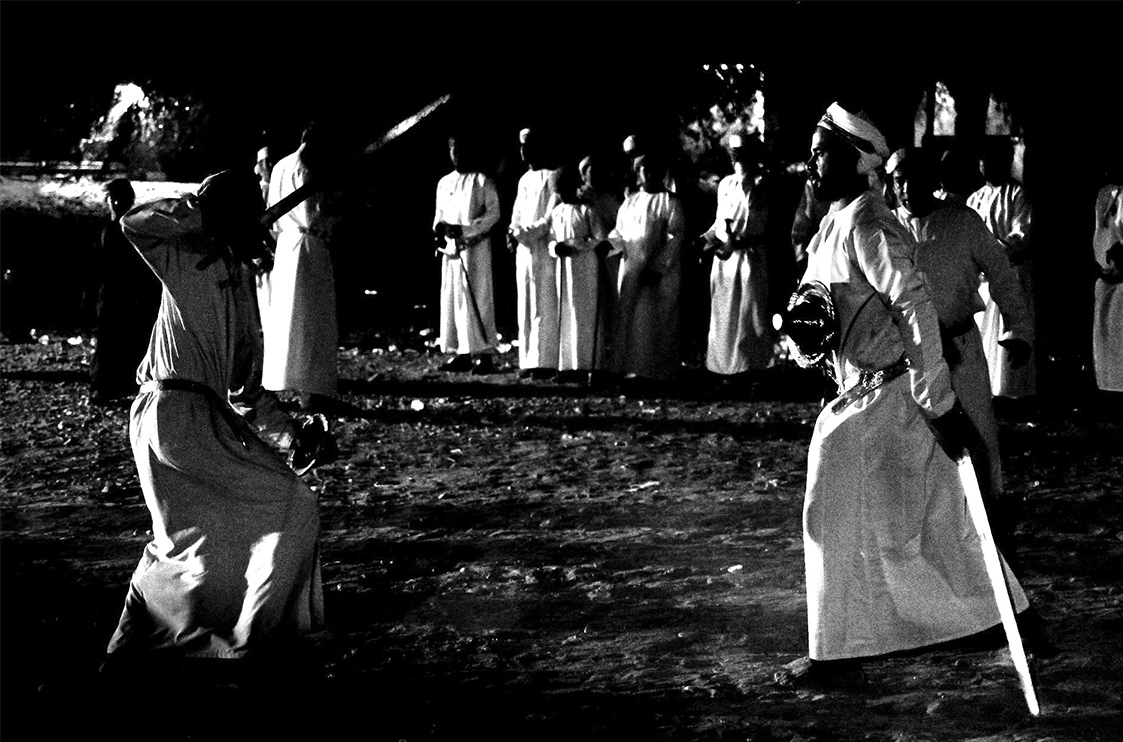
If someone looked through your body of work years from now, what do you hope they’ll understand about you?
I hope they see someone who didn’t just document but cared. Someone who believed that every image holds a life, a history, a heartbeat. I hope they understand that I was trying to create space for others, not just for myself. And that I was always learning always listening.
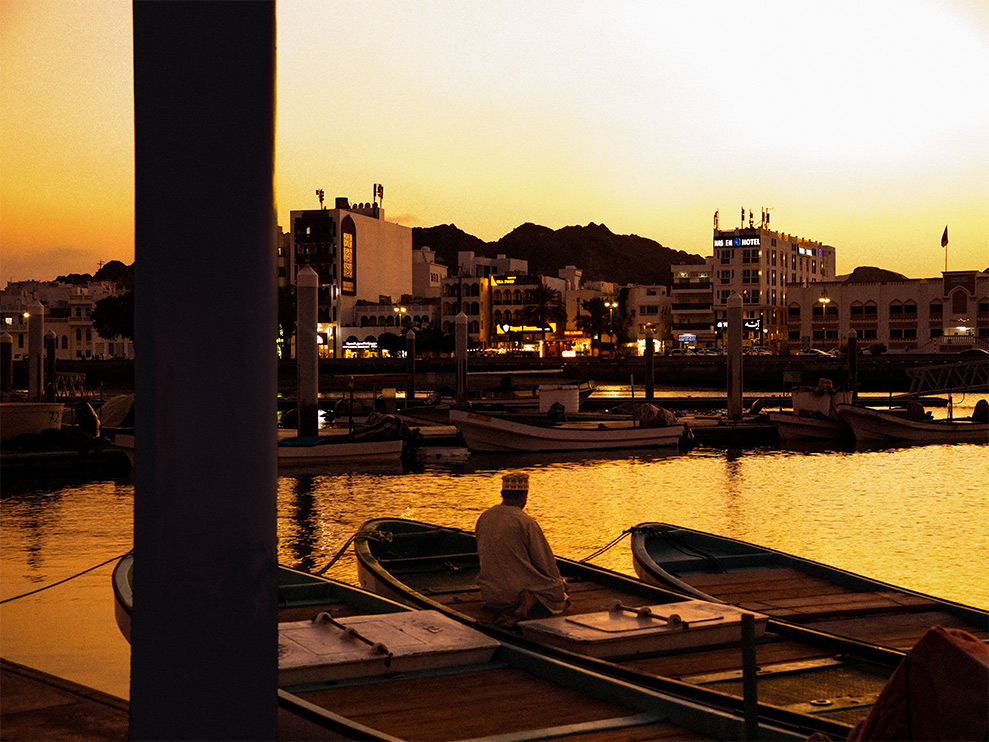
You describe your work in a deeply poetic tone. Do poetry, literature, music, or other art forms influence your creative process or the way you see the world through your lens?
Absolutely. I’m constantly reading and writing. Sometimes I write before I shoot, sometimes after but it’s always part of the process. Poetry especially helps me slow down and feel. Music too. I think everything I create has its own rhythm, like a verse or a breath. And sometimes, what I can’t say in words, I find in the frame of a photograph.
Where can people find you?
You can find me on Instagram at @mbdr.jpg and follow Riwaq at @riwaqmagazine. I worked on a documentary series called Waves of Us, which explores how deeply the people of Sur are connected to the ocean emotionally, culturally, spiritually. I’m also traveling across Oman to document the cultural differences between regions from north to south capturing the beauty of what’s often overlooked. And with Riwaq, I hope to keep building a space that amplifies these voices and moments both mine and others.