Mugak
What’s your name and where are you from/based?
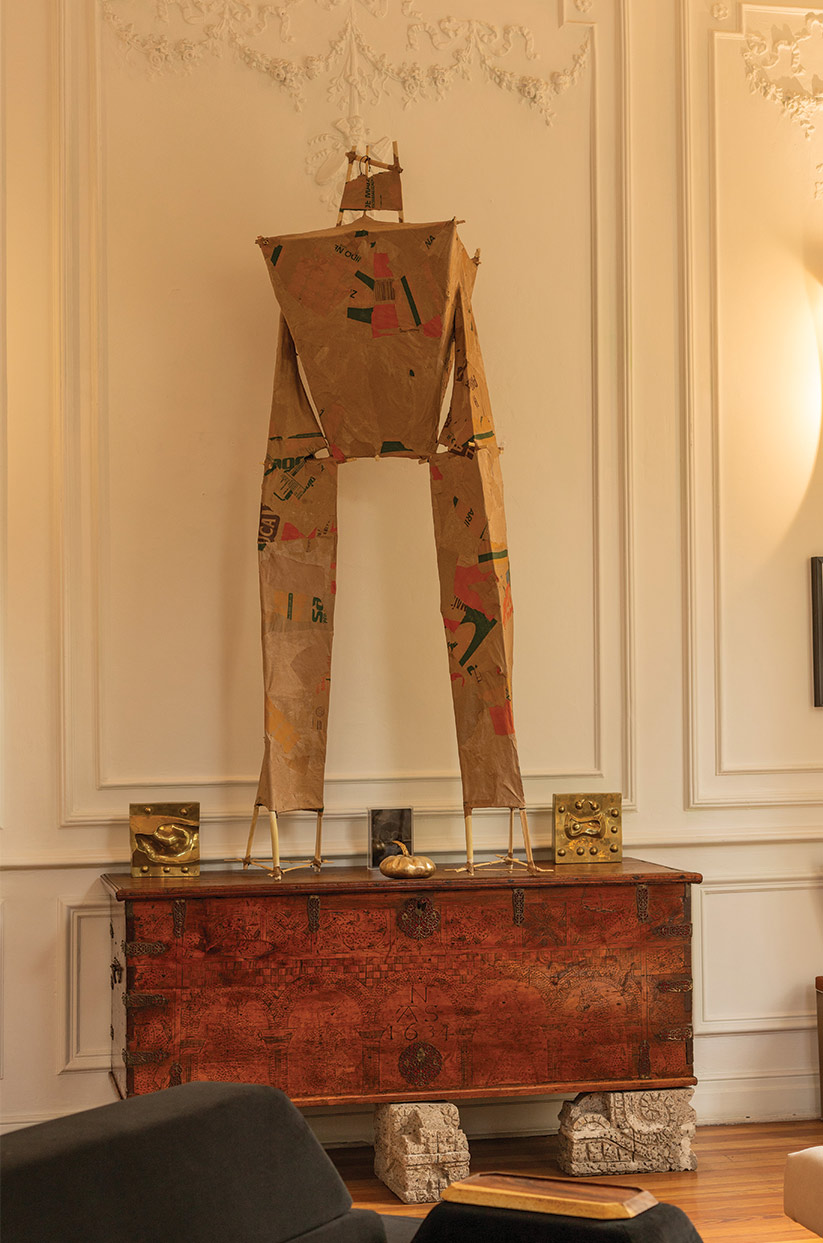
Hi, my name is Juan Pablo Lascurain. I’m a Mexican artist based in Mexico City. I studied architecture, so I love playing with proportion, aesthetics, and materials. I work with paper and cardboard. I like to find beauty in the everyday and give special meaning to things that might not seem special at first.
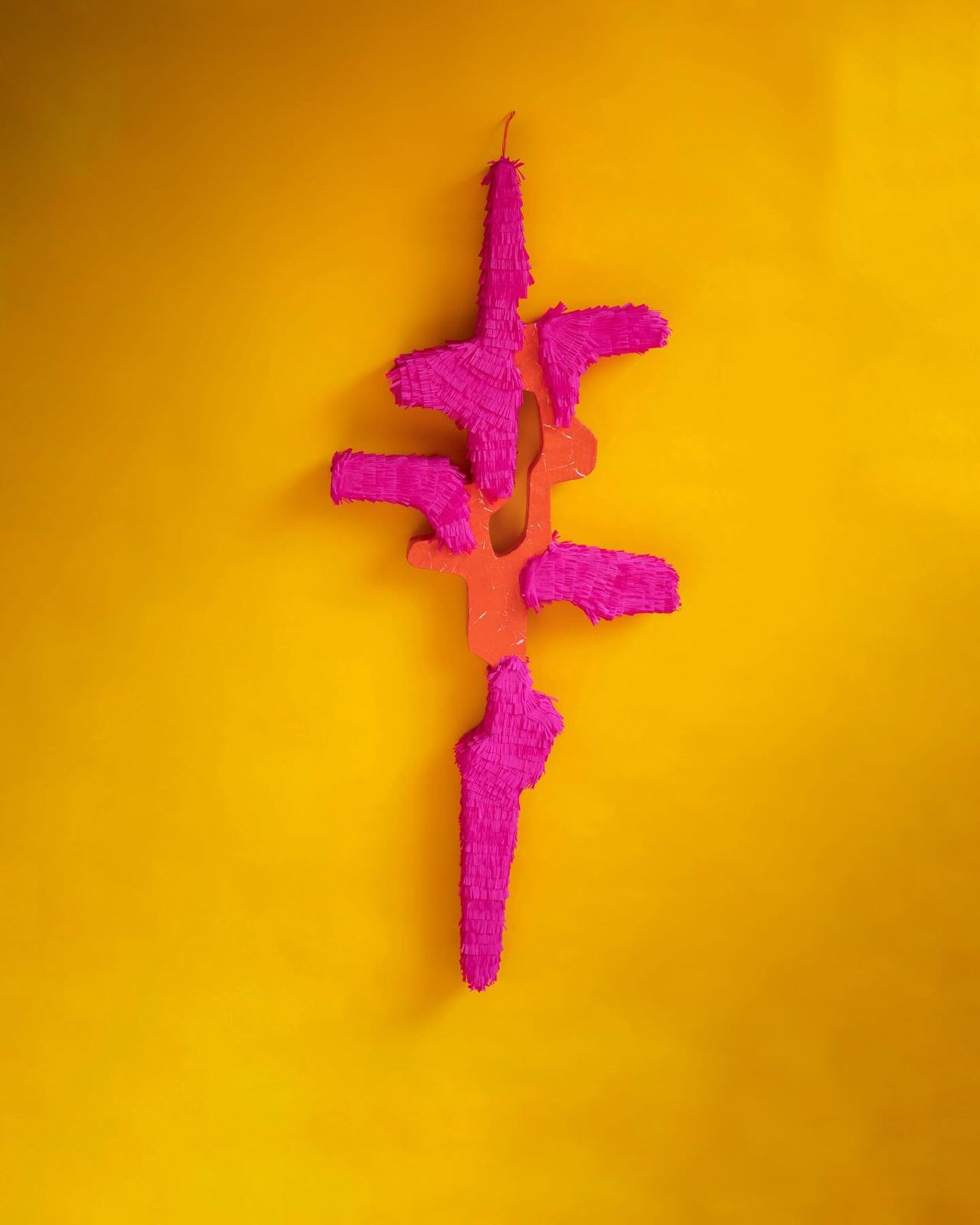
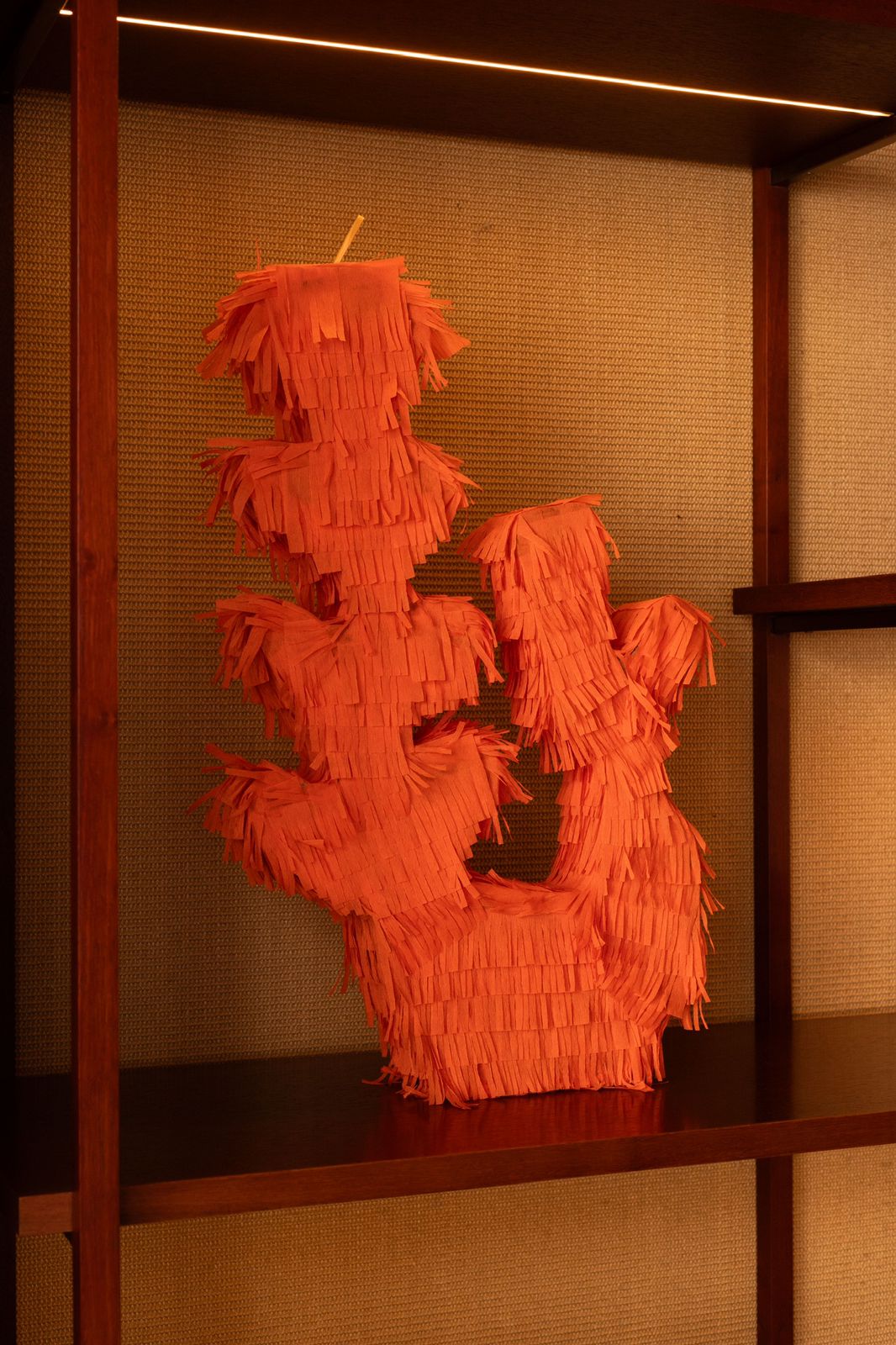
How did piñatas first become a source of inspiration for your work, and what draws you to their form or symbolism?
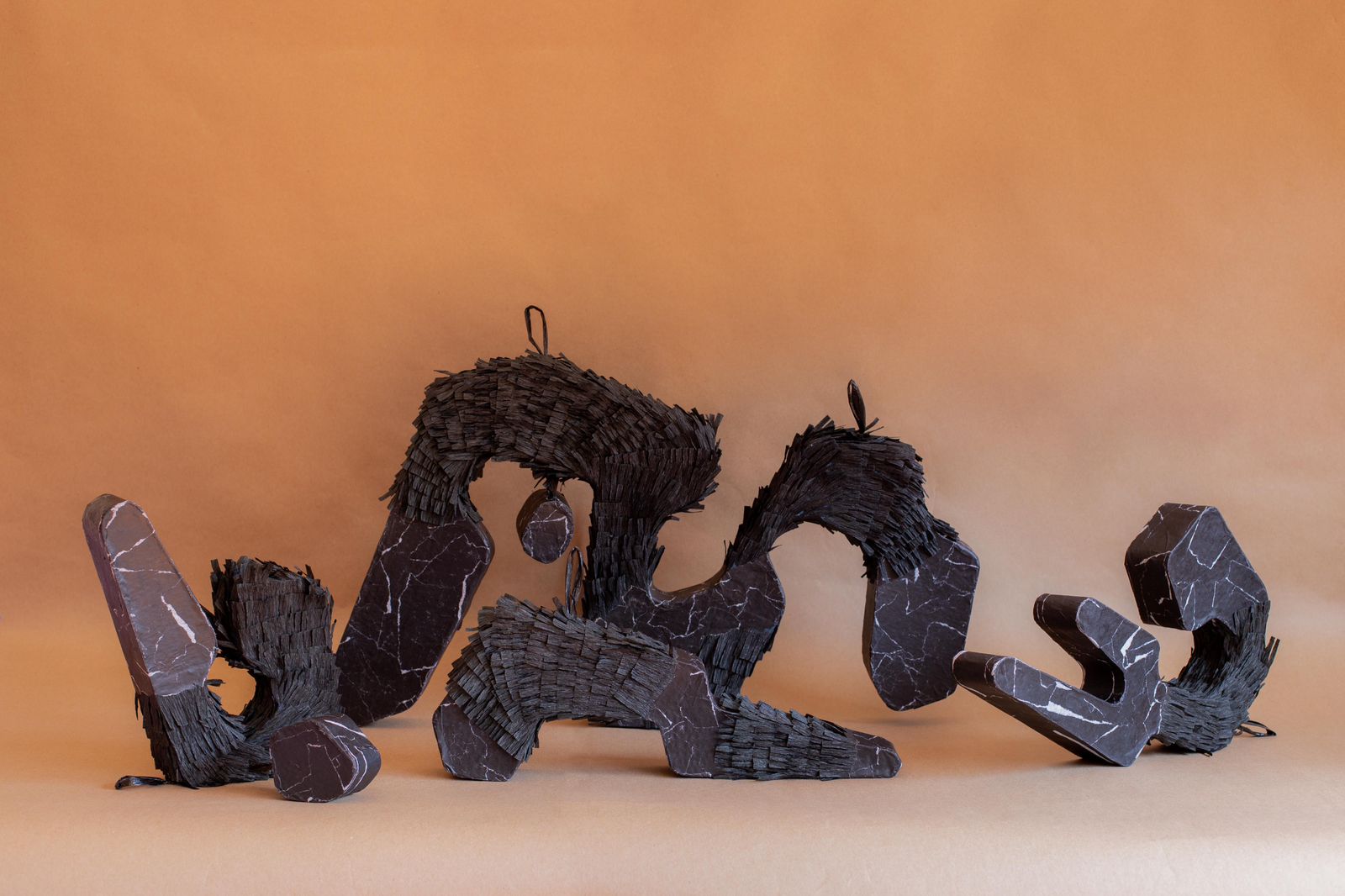
Piñatas are a living element of Mexican culture. This culture of celebration and sharing can actually be a ritual. And in terms of plasticity, they are highly shapeable and accessible ways to express ideas through form and color. Historically, piñatas represented sin and were used as an evangelizing tool, but over the centuries, they have remained with us—at every celebration, at every birthday. Their technique is so accessible, ephemeral, yet powerful and ever-present.
Are there childhood memories, cultural traditions, or personal stories that influence how you work with these forms?
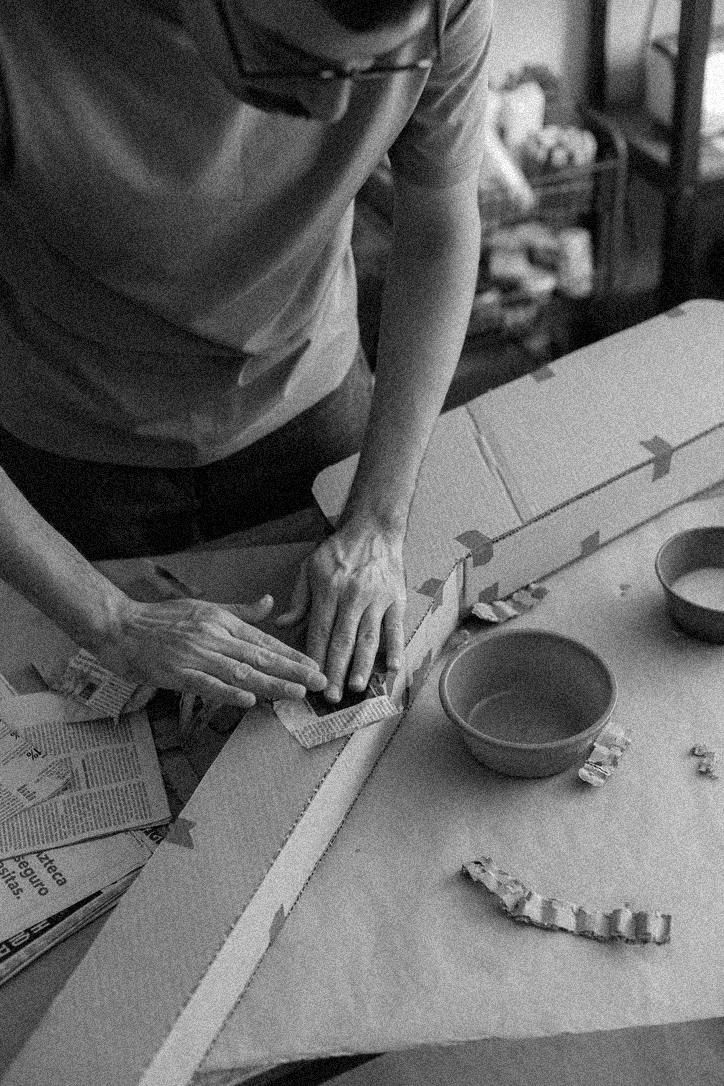
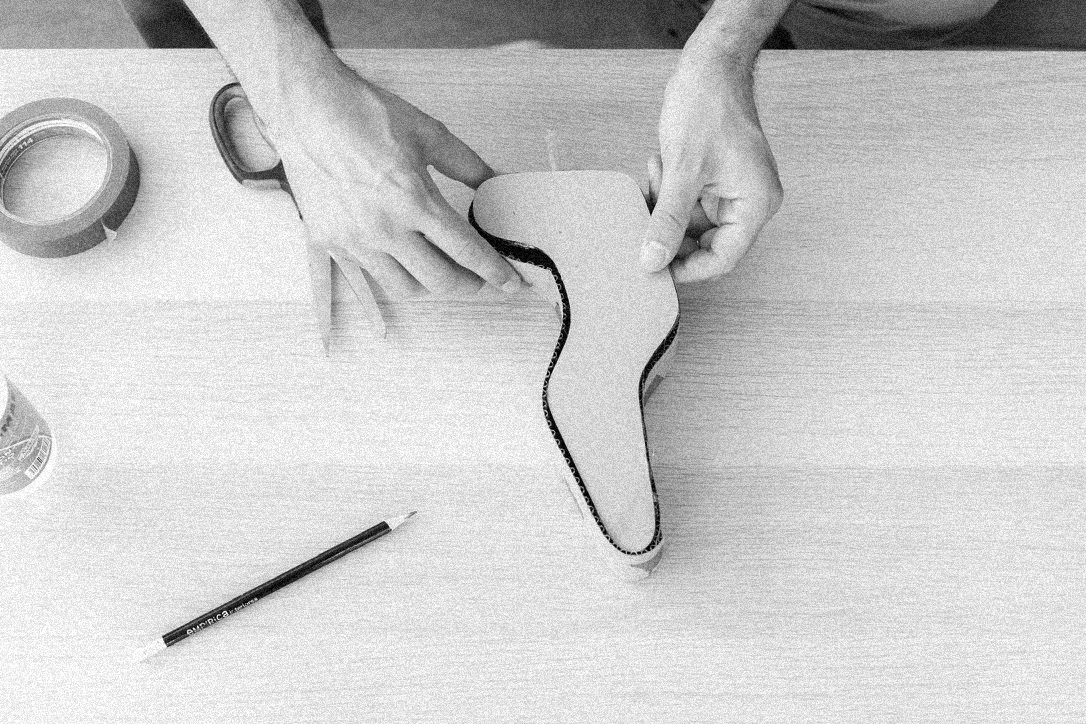
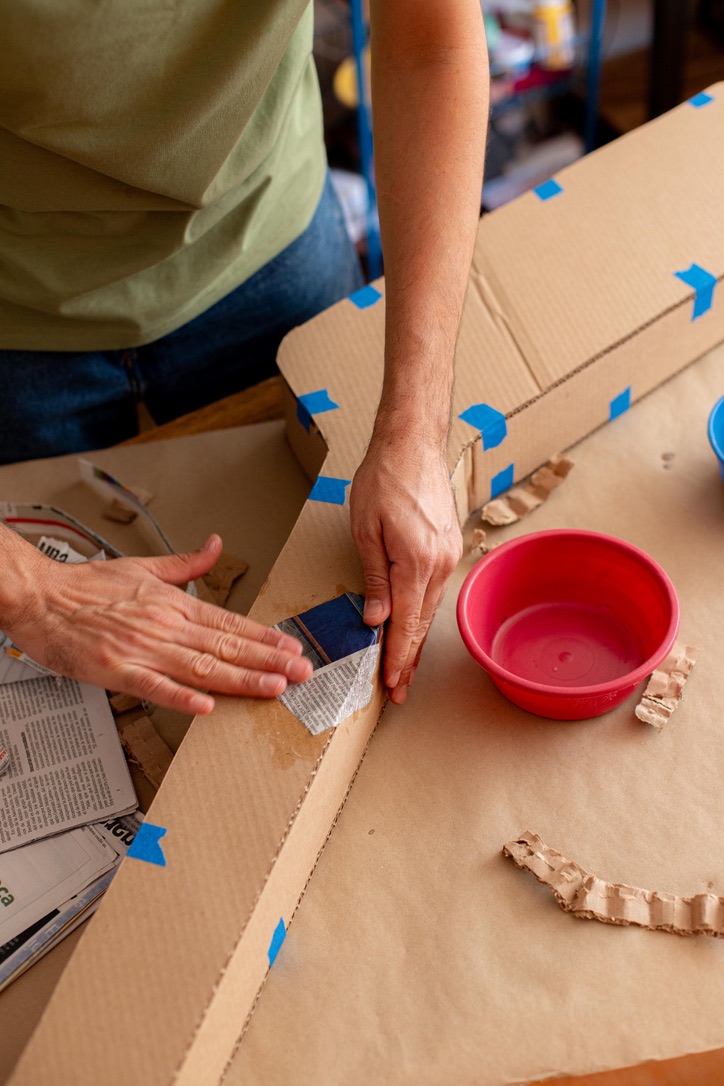
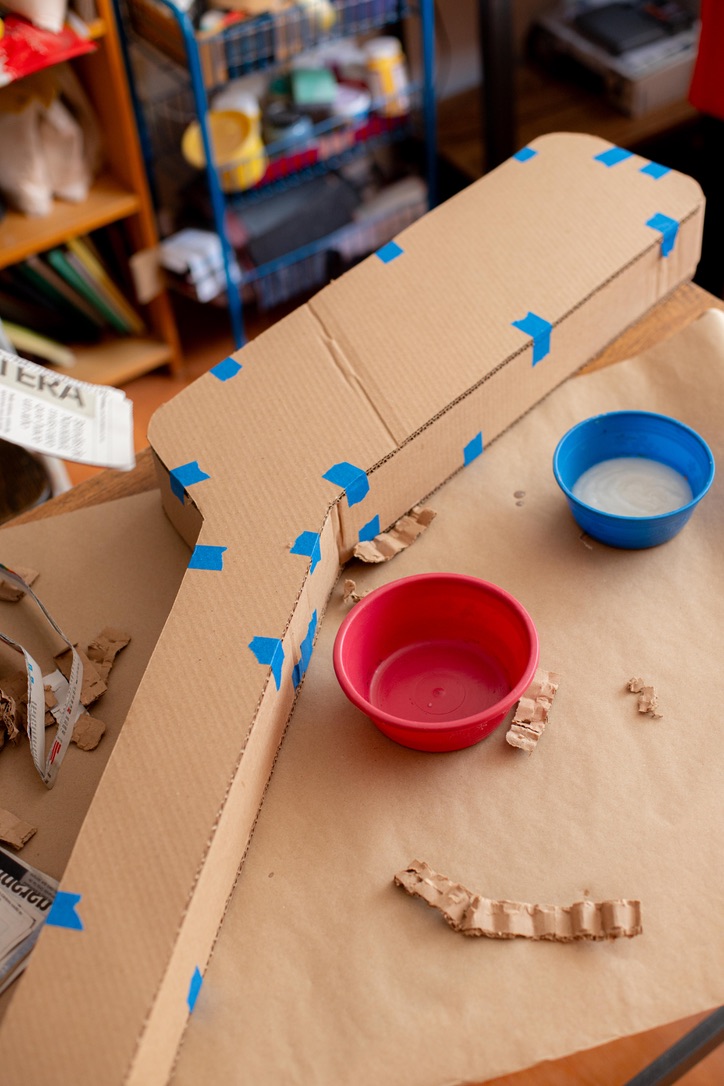
Of course! They are all present in my work. When I was born, my parents owned a stationery store, so I grew up surrounded by paper. Naturally, every birthday party I attended, every piñata I broke, became part of my memories. Later, when I went to architecture school, I learned how to work with cardboard—how to cut it, glue it—because 3D models were made with this material. That’s when I realized I had a deep connection with the material.
Your pieces feel monumental and celebratory. What do you hope people feel when they encounter them?
I always aim for people to interpret my work freely—whatever they feel when they see it is valid. I see my work as an aesthetic exploration, and that’s what I invite people to do when they contemplate my pieces: to explore those places within their minds and hearts.
What does your creative process look like, from idea to final form? Do you sketch, build, test, or gather as you go?
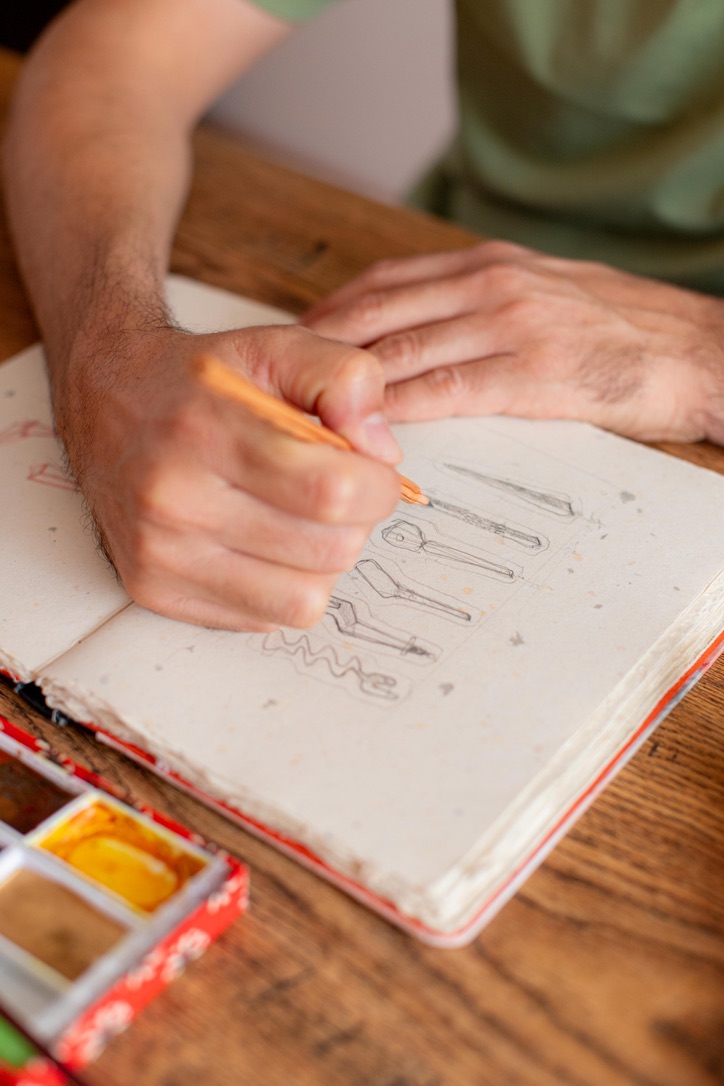
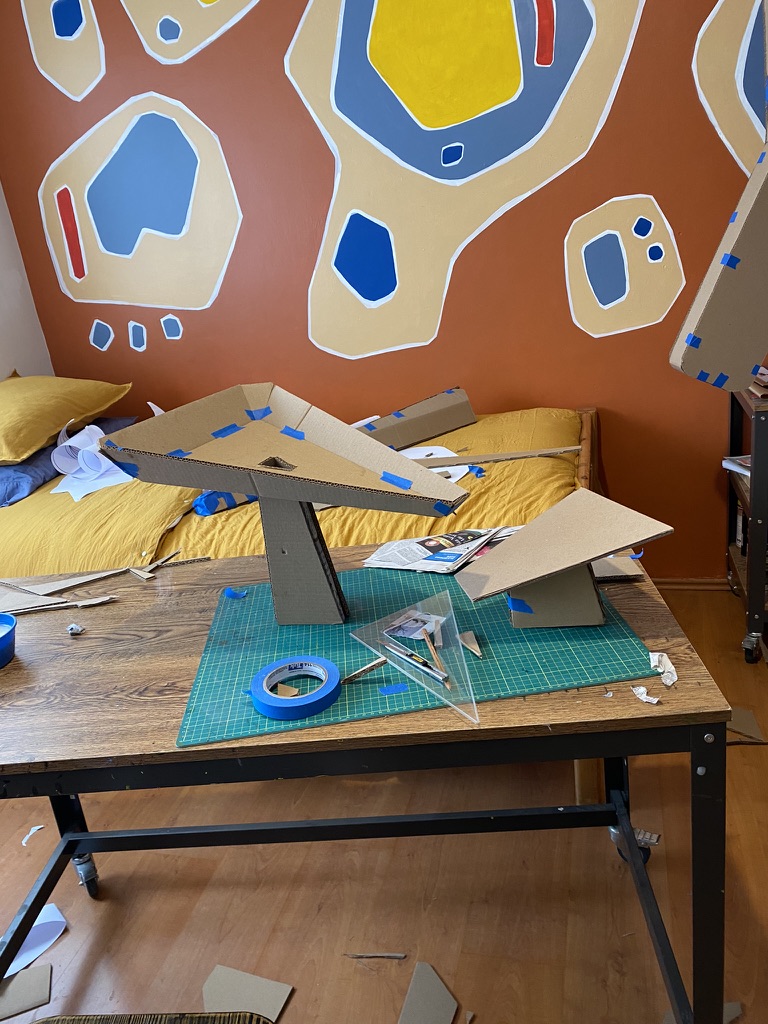
I always carry a sketchbook with me, where I draw what I feel and sometimes what I see. I fill it up gradually—I have moments when I don’t draw at all and moments when I can’t stop drawing. Later, when I have a commission or need to create a physical piece, I return to my sketchbooks, searching for inspiration or a drawing that works for the project. I then digitize and scale it to the required proportion before starting the construction of the piece. After that, the construction process depends a lot on each individual piece.
Do you collect materials or textures that later find their way into your pieces? How does materiality influence your decisions?
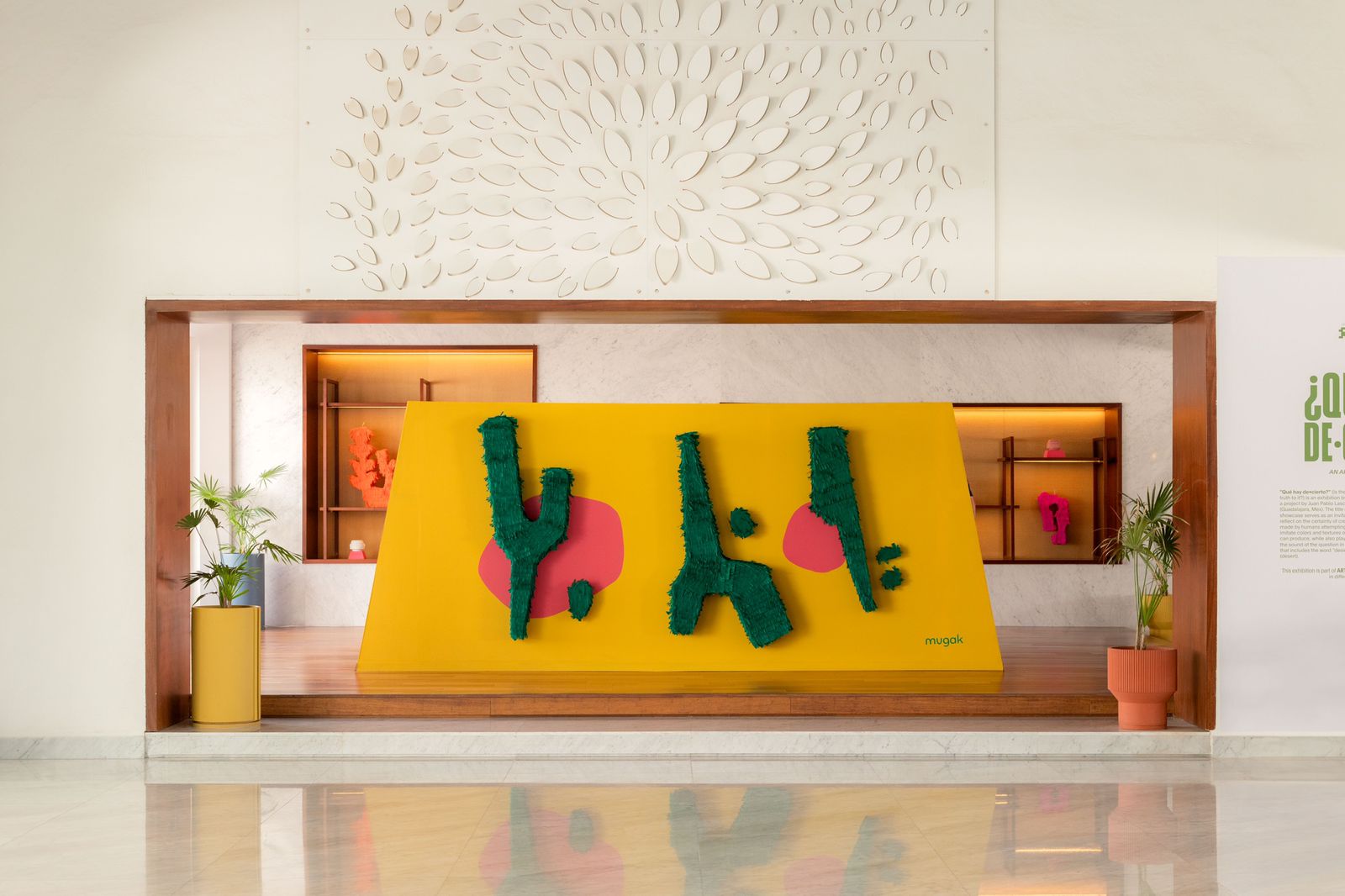
Paper and cardboard are the main materials in my work. They are my starting point, though sometimes I mix them with pastes, sand, or paint. But paper always remains the primary material.
How do you approach color in your work? Is it driven by feeling, symbolism, or both?
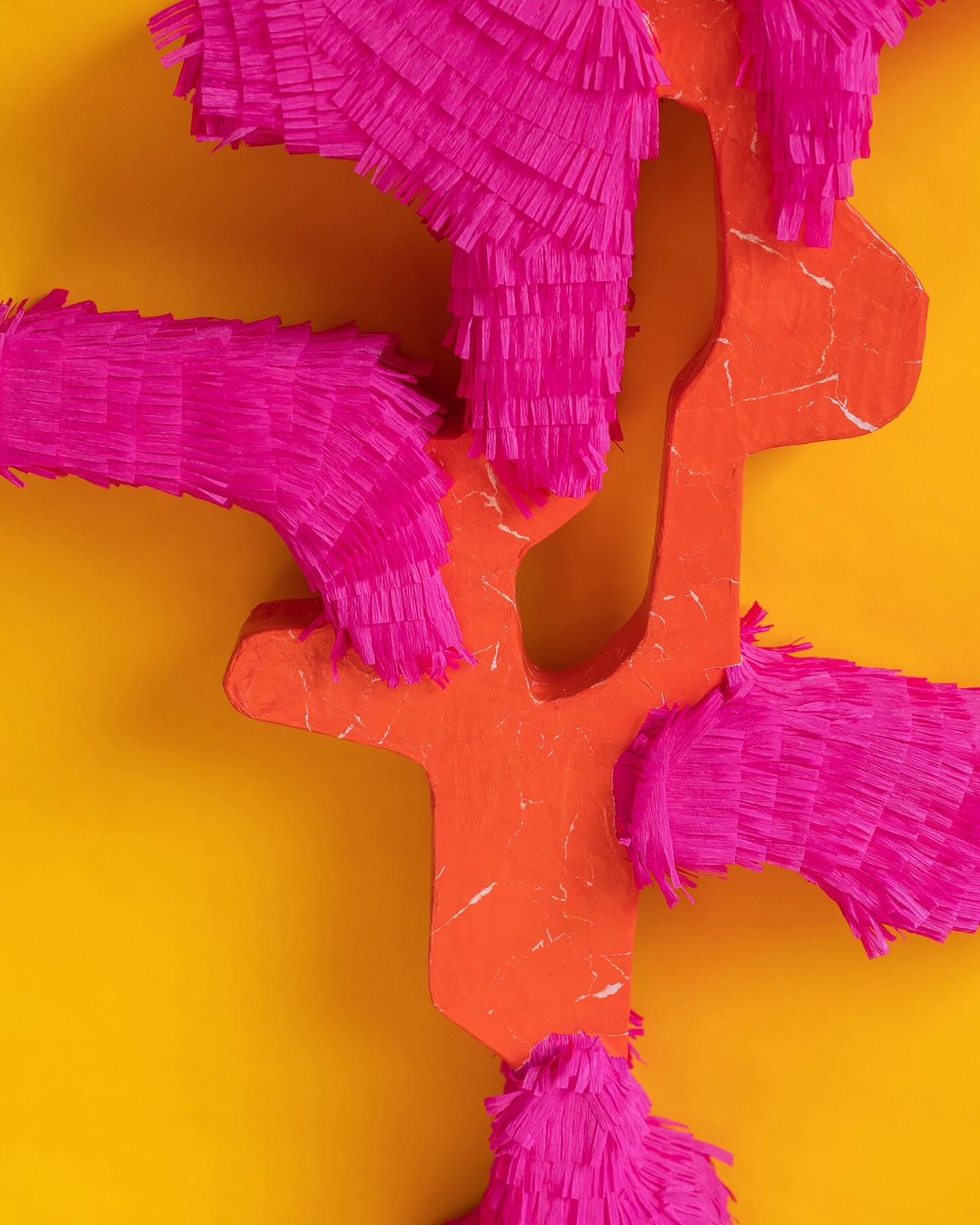
Mostly by intuition. I like to think that I have to “listen” to the pieces to know what color they want to be. I also draw inspiration from the colors I see in architecture, markets, books, pictures, other artists’ works, or anywhere I find a combination that attracts me.
How do your environments shape your creations?
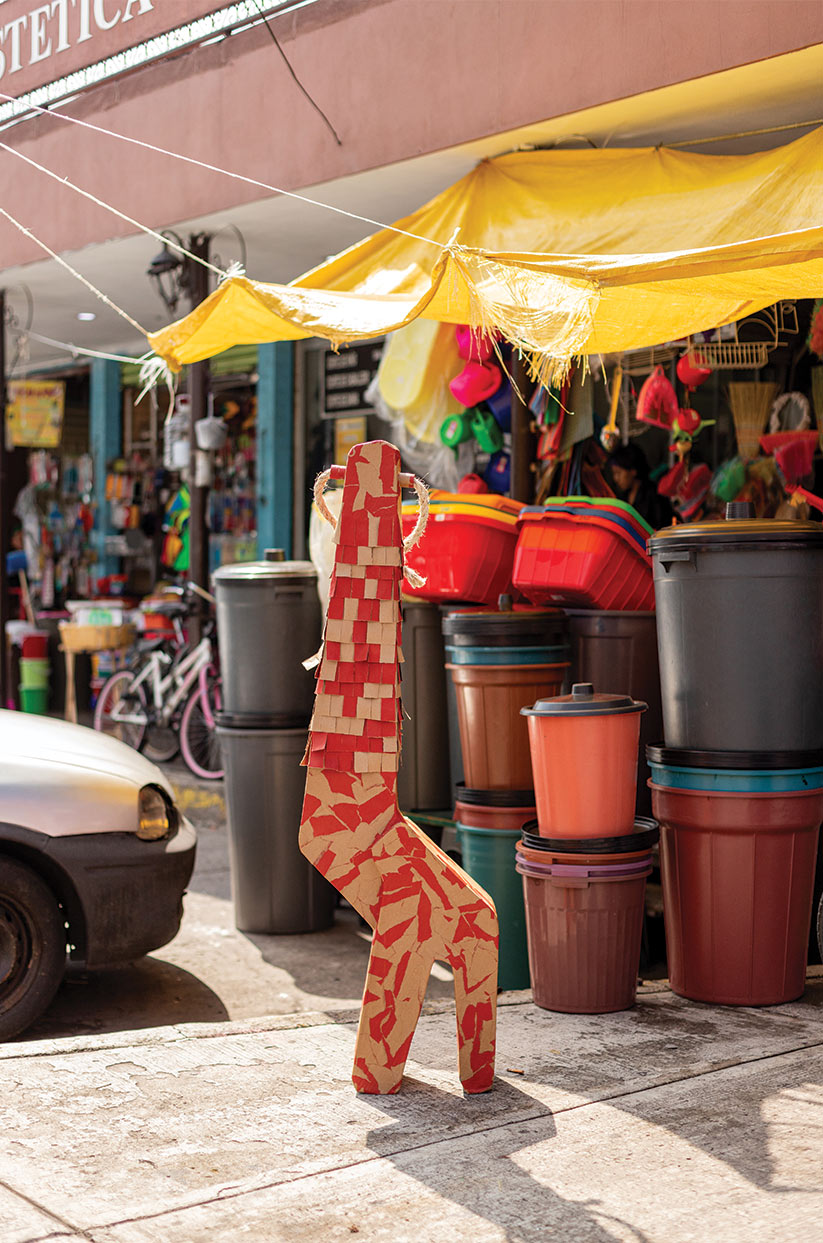
I believe I’m directly influenced by what I see in the streets, towns, and cities—my culture, its people, their ways of communicating, expressing themselves, sharing, and celebrating. I draw inspiration from my country’s culture, and I strive to reflect that in my work. I feed off my surroundings, absorb them, and naturally, they reflect in my pieces.
What is your relationship with craft? How do you balance the act of making with the deeper meanings behind your work?
A significant part of my work is that I make most of it myself, with my own hands. I think about the layers and layers of paper accumulating to form a piece, and I reflect on how the world itself is made of layers—rocks, our bodies, mountains. I believe the heart connects with the hands, and I think creating is one of the most profound acts we can perform.
Do you ever imagine your pieces as characters or performers within a space?
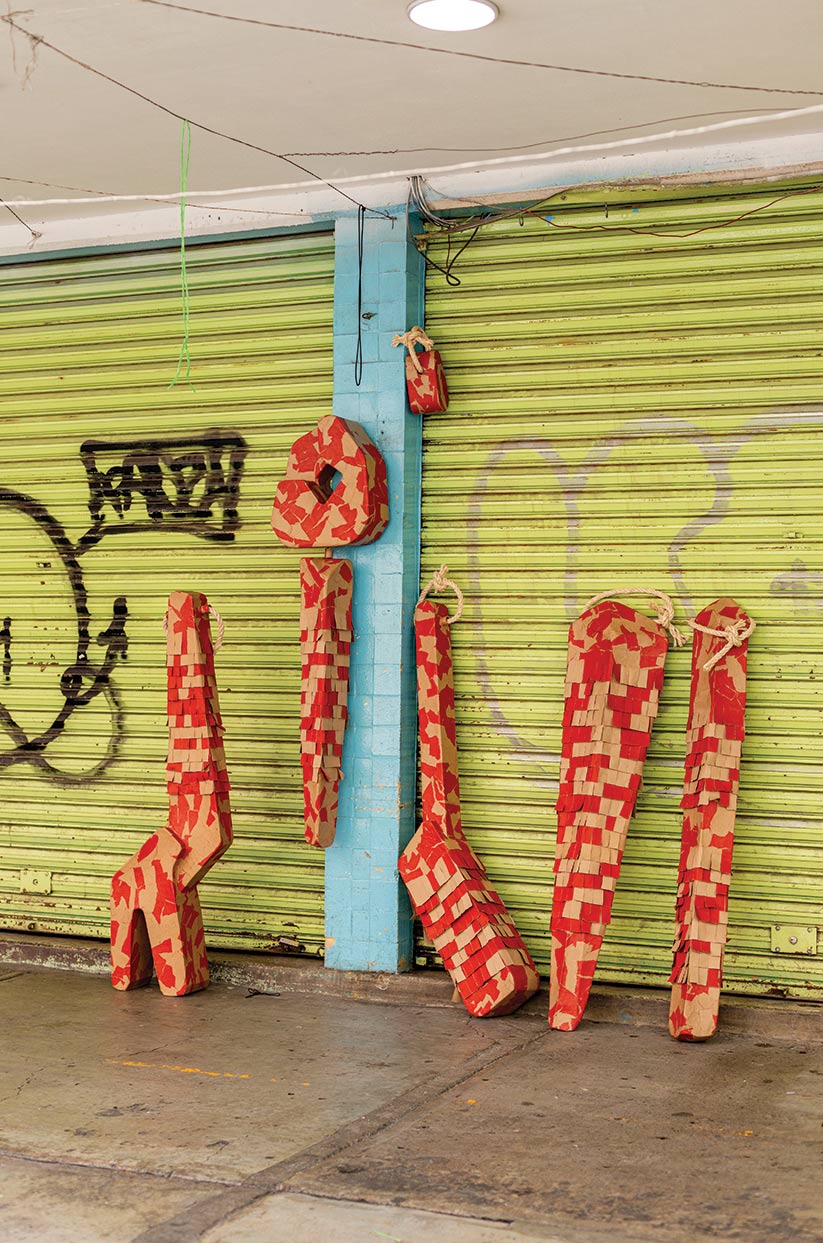
I always think about how my work interacts with the space it inhabits, how it dialogues with other artworks or elements within its surroundings. I believe the pieces become part of the scene.
Does music influence your process, either while building or in how you imagine your pieces existing in the world?
Yes, though not necessarily just music. I think everything I perceive—what I see, hear, touch, and feel—somehow influences my work.
Have any of your works taught you something unexpected about your own history, process, or audience?
Absolutely! I’m constantly learning—from letting go and accepting that not everything has to be as I first envisioned it, to realizing how far a piñata has taken me and where it might lead me next. Another great learning experience has been understanding and feeling within the frame of what I don’t like. What we like is easy to understand and digest, but what happens with what we don’t like, what we don’t understand? That is where I usually start searching, and I think it takes me to deeper and unexpected places.
Do you ever imagine your pieces being touched, broken, or “used” like real piñatas?
I would love to break my piñatas! I think a piñata that isn’t broken is like a candle that’s never lit. But the truth is, no one has ever broken them—yet. I would love to experiment with that. Breaking a piñata is highly performative and, most of all, fun! What does make me happy, though, is seeing my pieces in real celebrations—anniversaries, weddings, birthdays. Even if they aren’t broken, they fulfill their role of accompanying, celebrating, decorating, and sweetening the eye.
Where can people find you?
My work is available at several galleries in Mexico City, such as Mooni, Bombotti, and Chic by Accident. People can also reach out to me through my Instagram profile.