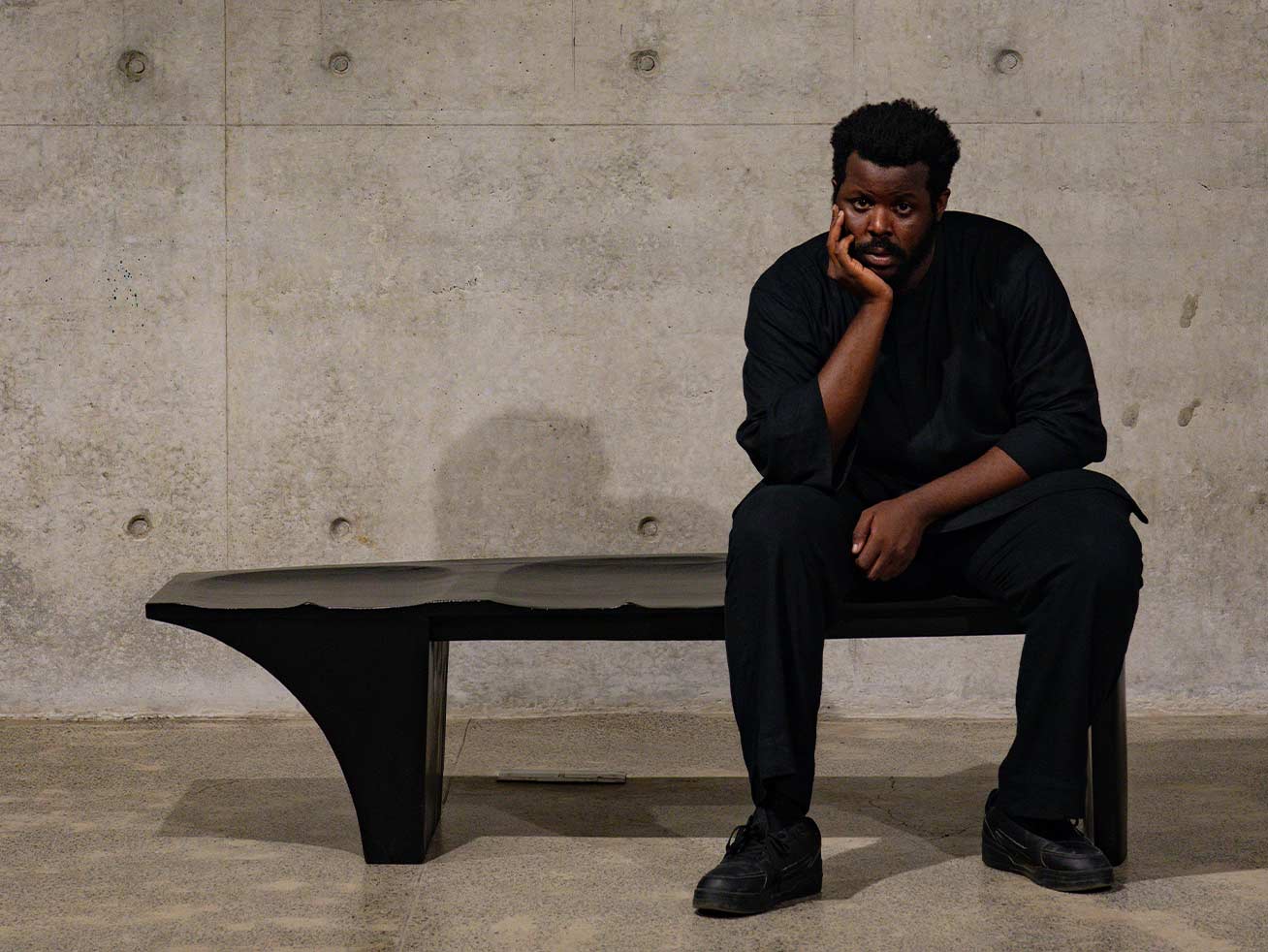
Myles Igwebuike
What’s your name and where are you from/based?
My name is Myles Igwebuike. I am first and fundamentally Nigerian. That identity is not a location but an anchor, the ground from which I interpret material, ritual, and spatial histories. I work between Enugu,Anambra, Lagos, London, and Angola, moving through these geographies as overlapping laboratories of research, intuition, and lived experience.
Can you describe your practice in a few words?
My practice is a polyphonic inquiry into material intelligence, indigenous technological epistemologies, and the architecture of collective memory. My work exists at the intersection where design becomes method, research, and cultural archaeology, producing spatial articulations that are as much about interpretation as fabrication.
You’ve described your work as “radical design thinking” that
resists containment. When did you first realize design could be a tool for collective repair rather than just an object-making practice?
I began to understand design as a reparative instrument when I consciously rooted my practice in my southeastern Nigerian context. That positionality revealed heritage not as fixed memory but as a complexdataset—a field of codes, rituals, and spatial logics that can be analyzed, reinterpreted, and activated. Engaging with this material showed me that design possesses the capacity to mediate relationships,reorganize structures, and reconfigure systems, rather than simply generate form.
This insight aligned naturally with Édouard Glissant’s articulation of the right to opacity, which argues for the preservation of complexity rather than its reduction. Approaching heritage through this lens allows me to work with its densities, contradictions, and ambiguities without
forcing translation or simplification. Instead of extracting clarity, I treat opacity as a productive condition—a source of methodological richness that informs how interventions are conceived and deployed.
Within this framework, design becomes a tool for structural repair, not by resolving complexity but by holding space for it. It enables me to build processes that support continuity, relational intelligence, and adaptive futures, while honoring the depth of the knowledge systems I engage. Rooting the work in my context ensures that these interventions are grounded, analytically rigorous, and attuned to the generative potential of inherited epistemologies.
In your TED Talk, you speak of divergent thinking as survival.
How has that philosophy guided you through your projects?
Divergent thinking operates in my practice as a strategic modality for navigating, enabling engagement with material logics, and relational networks. Survival, in this sense, is not merely continuity but the capacity to accommodate contradiction, and cultivate unforeseen trajectories.
I often reflect on ant colonies, where the majority adhere to established patterns, yet a subset breaks away—perceived as erratic or disoriented—only to uncover novel habitats that sustain and expand the collective system. This dynamic resonates with my own approach: I pursue less-traveled paths, guided by a curiosity that is exploratory, attentive, and unencumbered by convention.
This perspective intersects with with Nnamdi Azikiwe’s articulation of Nigerian modernity, which valorizes adaptability, synthesis, and engagement with both historical and emergent frameworks. By treating heritage, material forms, and social patterns as living data rather than static archives, I generate interventions that are simultaneously experimental, reparative, and critically grounded.
Each project functions as a responsive system, capable of adjusting to context while producing temporal structures that sustain pedogological generative possibilities.
Divergent thinking, therefore, is both method and ethos
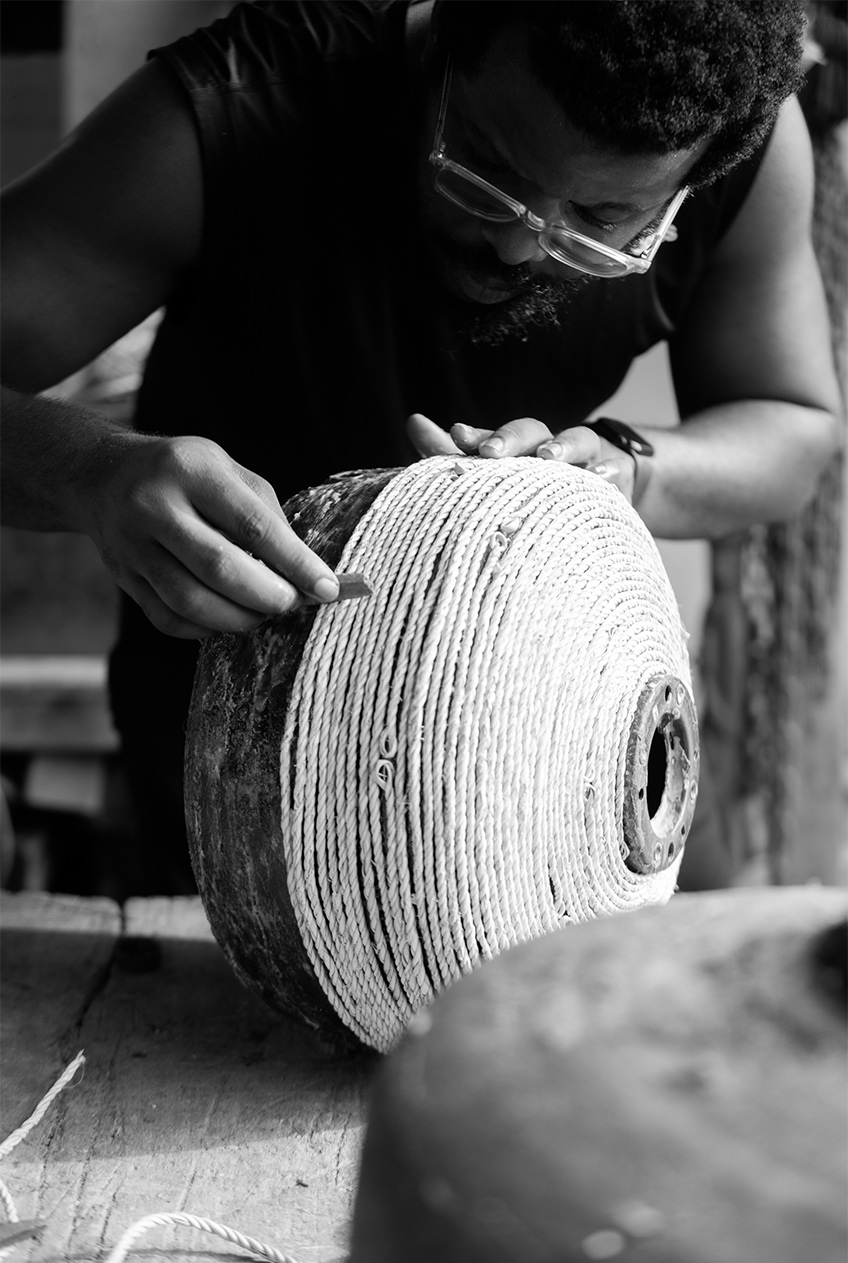
The Nigeria Pavilion at the 2025 London Design Biennale received a Special Mention. What story did you most want that pavilion to tell on a global stage?
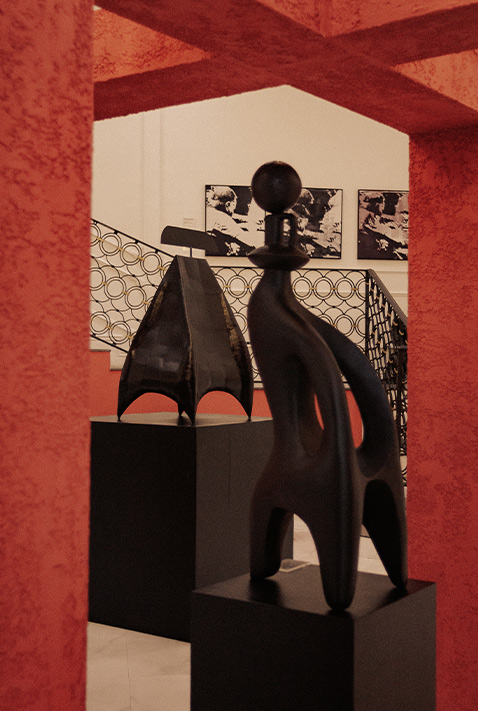
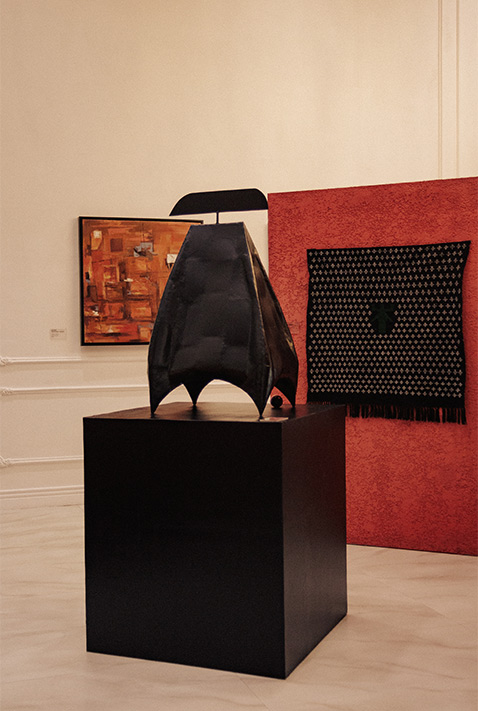
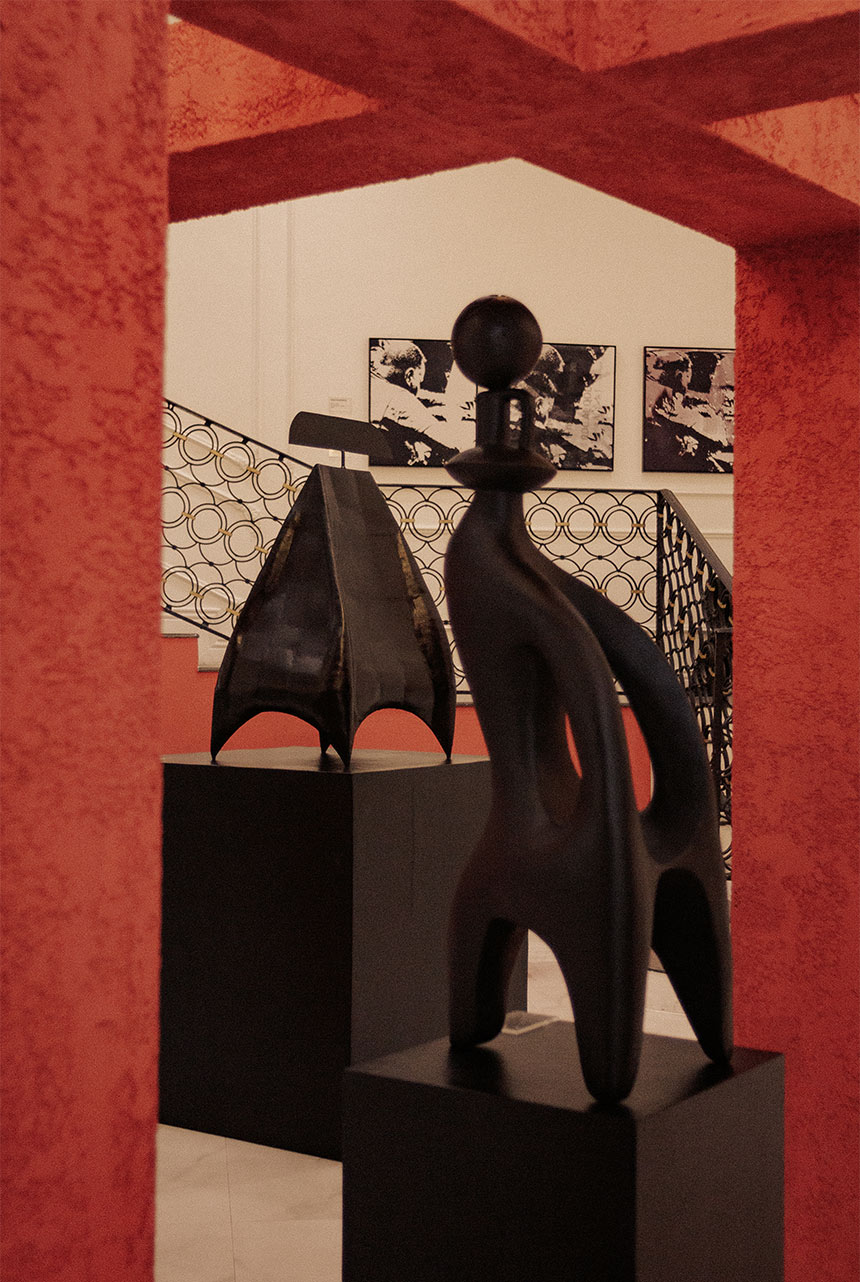
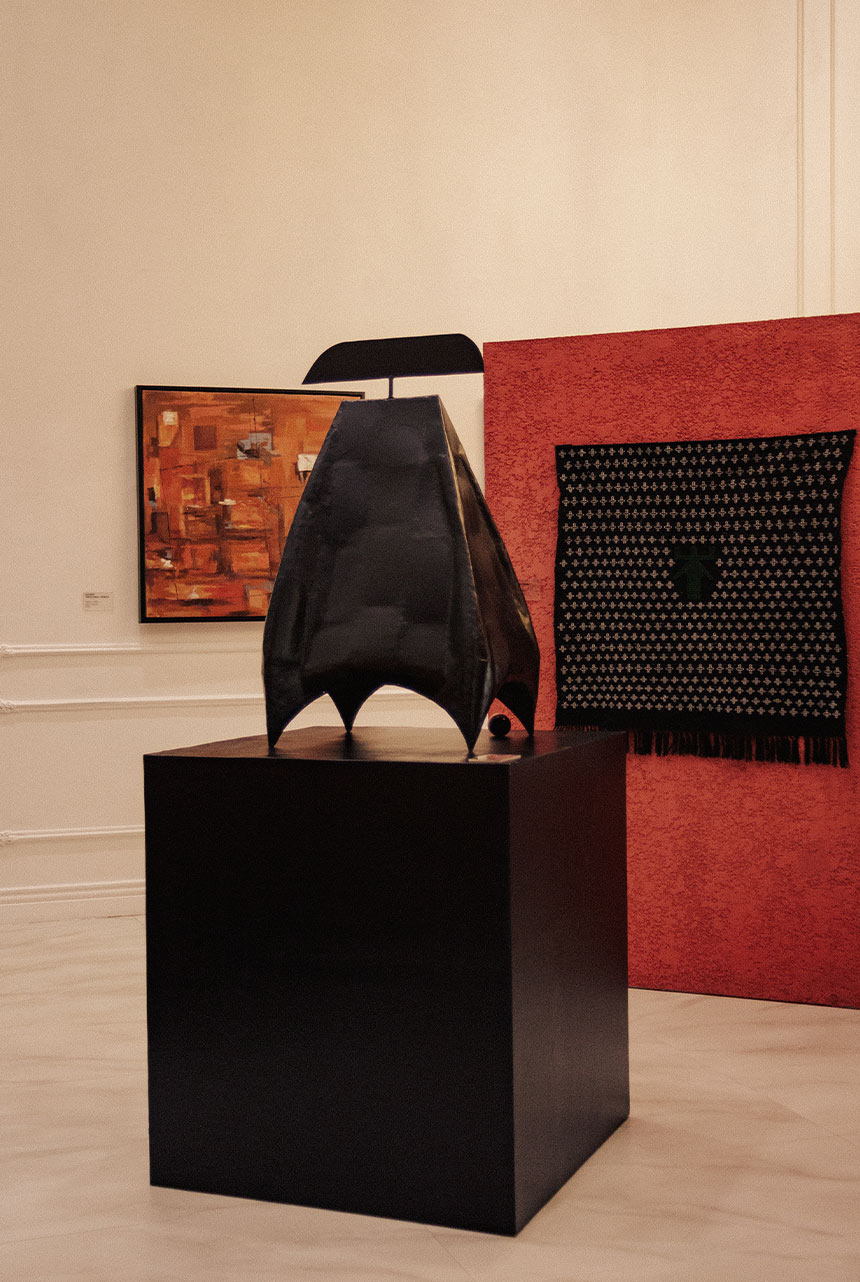
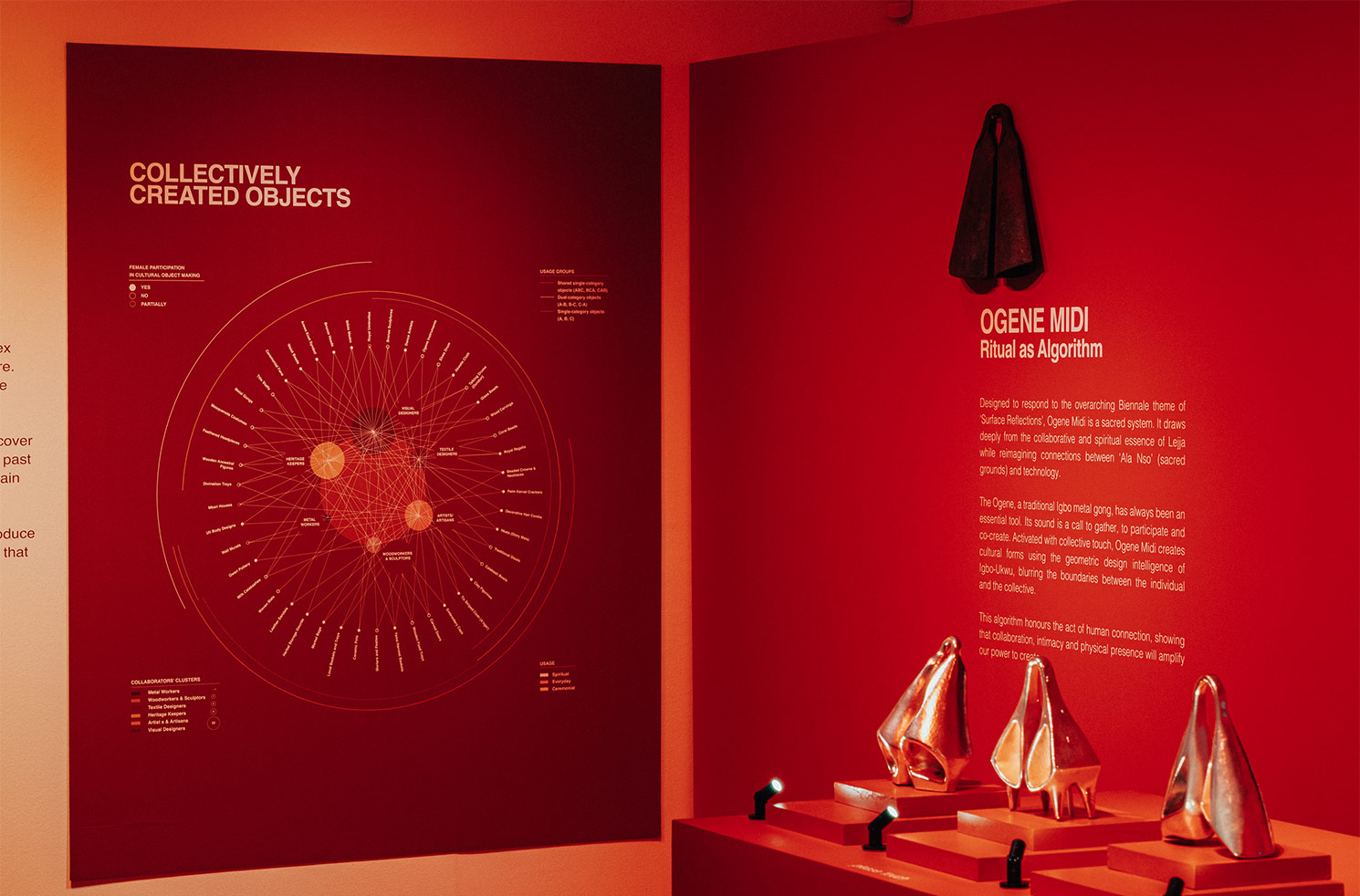
The NIgeria pavilion was conceived to reveal Nigerian design as intrinsically complex and dialogic, resisting reductive or linear characterizations. The project employed a co-creative methodology, framing collaboration as a ritualized practice embedded in collective memory, where knowledge emerges through communal negotiation, shared labor, and iterative exchange. In this context, inherited systems were treated as operational intelligence, not static artifacts.The conceptual anchor of the pavilion is Lejja, a southeastern community historically distinguished by its iron-smelting practice. While the technical craft has waned, the interwoven social and regulatory structures it produced persist, demonstrating how localized systems can organize labor, sustain resilience, and encode relational strategies. By magnifying these untold stories, the pavilion proposed Nigeria through a southeastern lens, extrapolating insights from Lejja to reveal how localized practices inform broader epistemic formations. At the same time, it acknowledged Nigeria as a polycentric terrain, where multiple regions generate distinctive frameworks of innovation and cultural logic.
Visitors navigated a responsive, relational environment, where architecture functions as a conduit for memory, narratives intersect dynamically, and design operates as a living repository of evolving collective identity. By emphasizing collaboration as both ancestral and contemporary, the pavilion proposed that the advancement of African design emerges through shared cognition, iterative experimentation, and sustained communal practice, situating creativity within the continuum of inherited and adaptive systems.
I am profoundly grateful to my collaborators, whose dedication and vision made this project possible.
With projects spanning World Economic Forum (WEF) Davos,
nomadic african studio(NAS), Efie Gallery, RCA archives, Angola’s museum of anthropology and soundscapes for Sotheby’s, how do you adapt your design language across such different contexts?
I respond to each context by listening closely—to place, history, and people—and by designing experiences that are inherently shared and generative. Whether in archives, public spaces, or cultural institutions, I aim to make design a lived, sensory practice that amplifies local knowledge, honors vernacular methods, and engages responsibly with material and environmental realities. Form, medium, and genre remain flexible, always shaped through collaboration and guided by the stories, systems, and communities that give a project meaning. In this way, the process itself becomes a site of co-creation
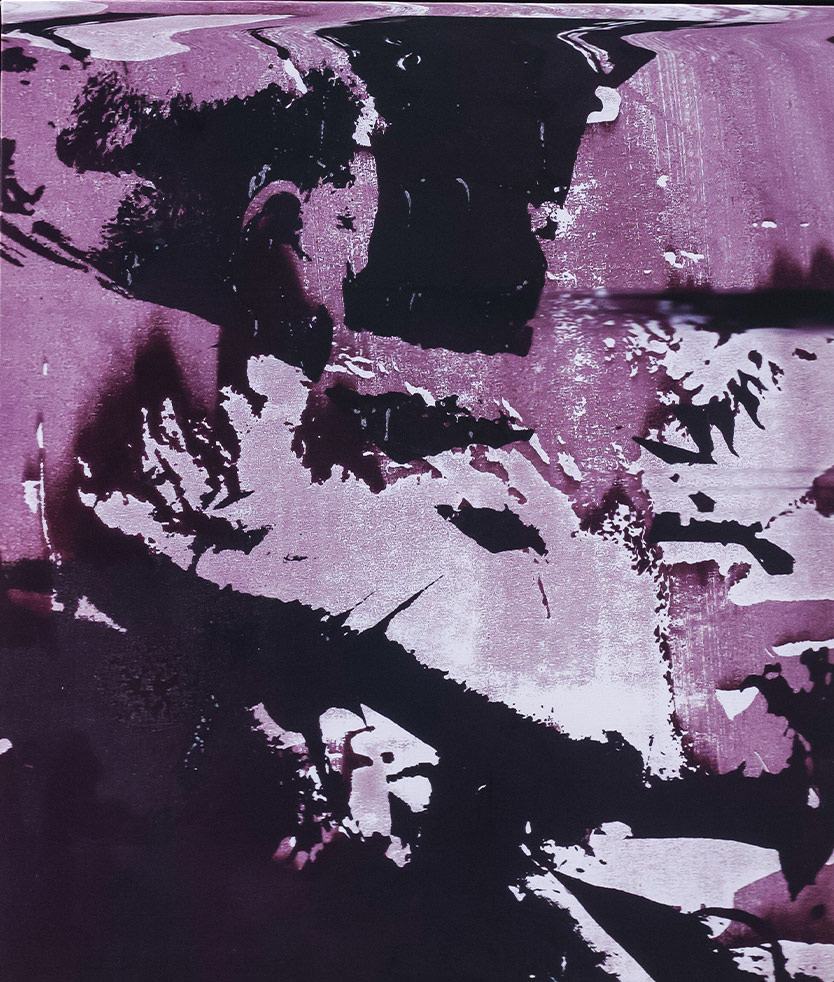
You work across disciplines. How do you see material as a driver of ideas?
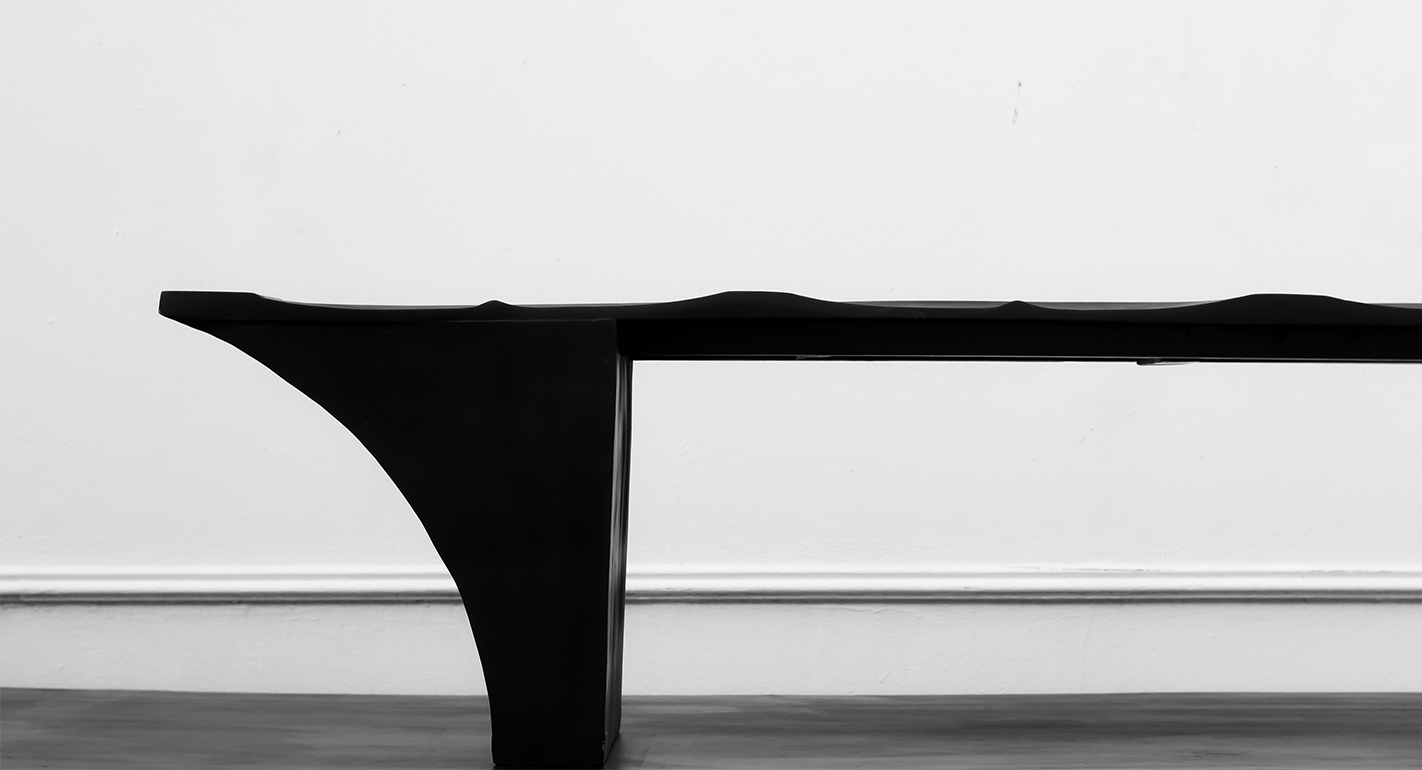
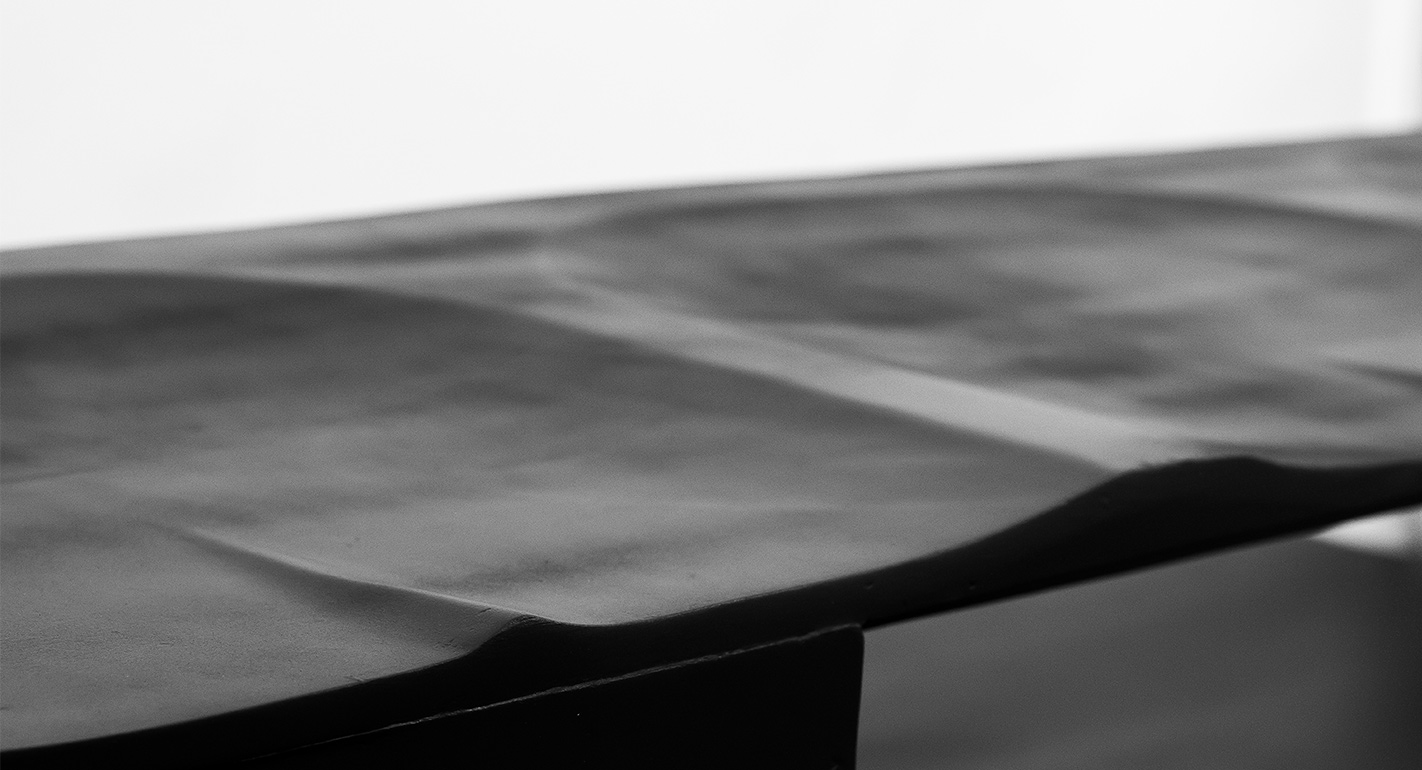
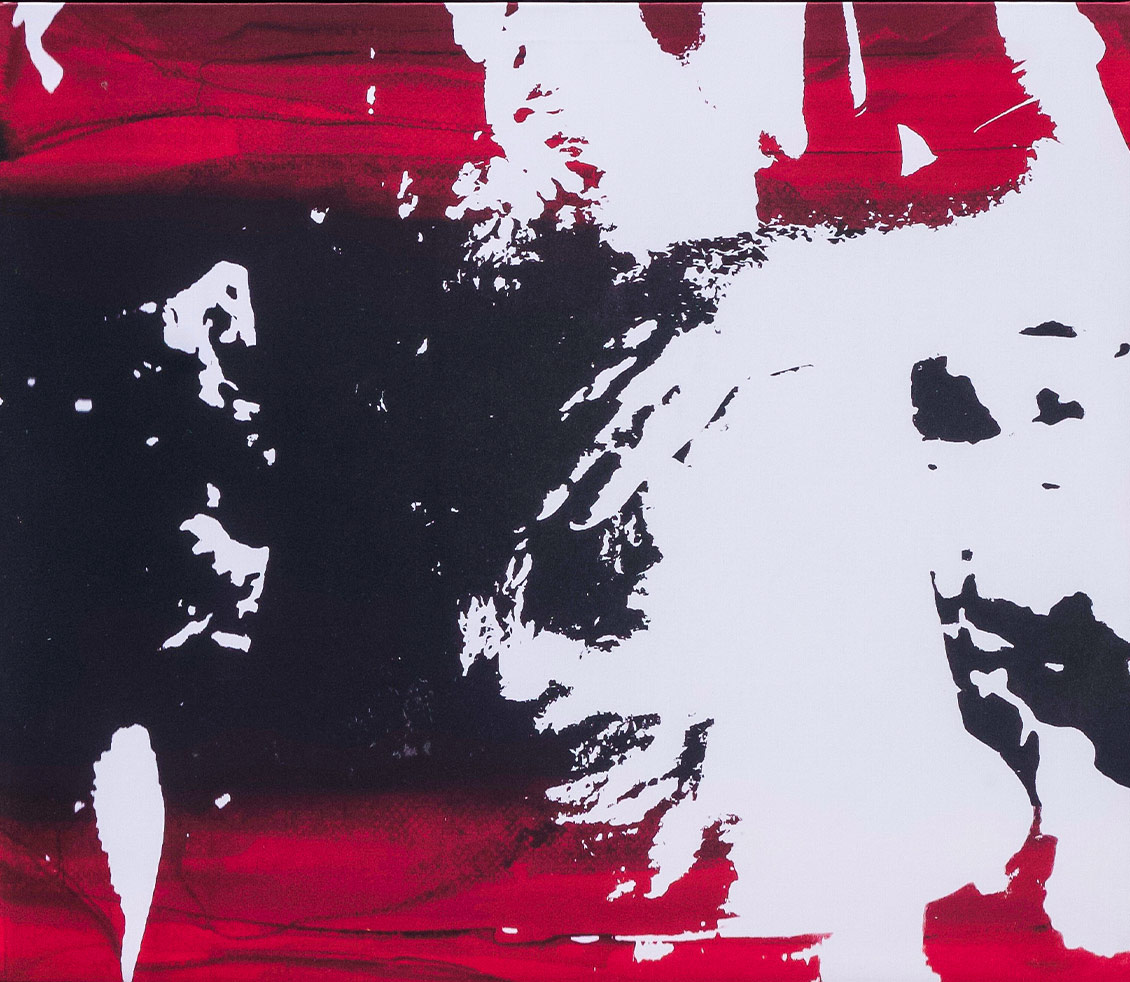
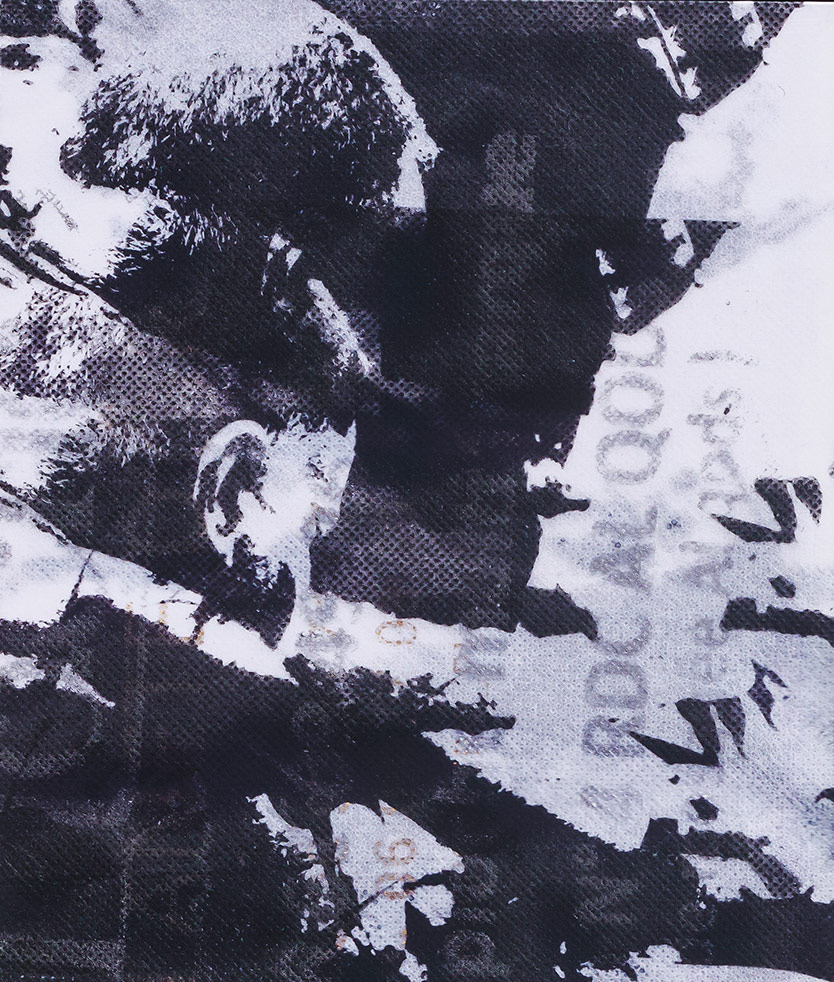
I see materials as active agents in shaping thought. Working with them is a way of thinking through making: choices of weight, texture, resonance, or flexibility influence not just aesthetics, but how ideas are tested and past histories can be experienced
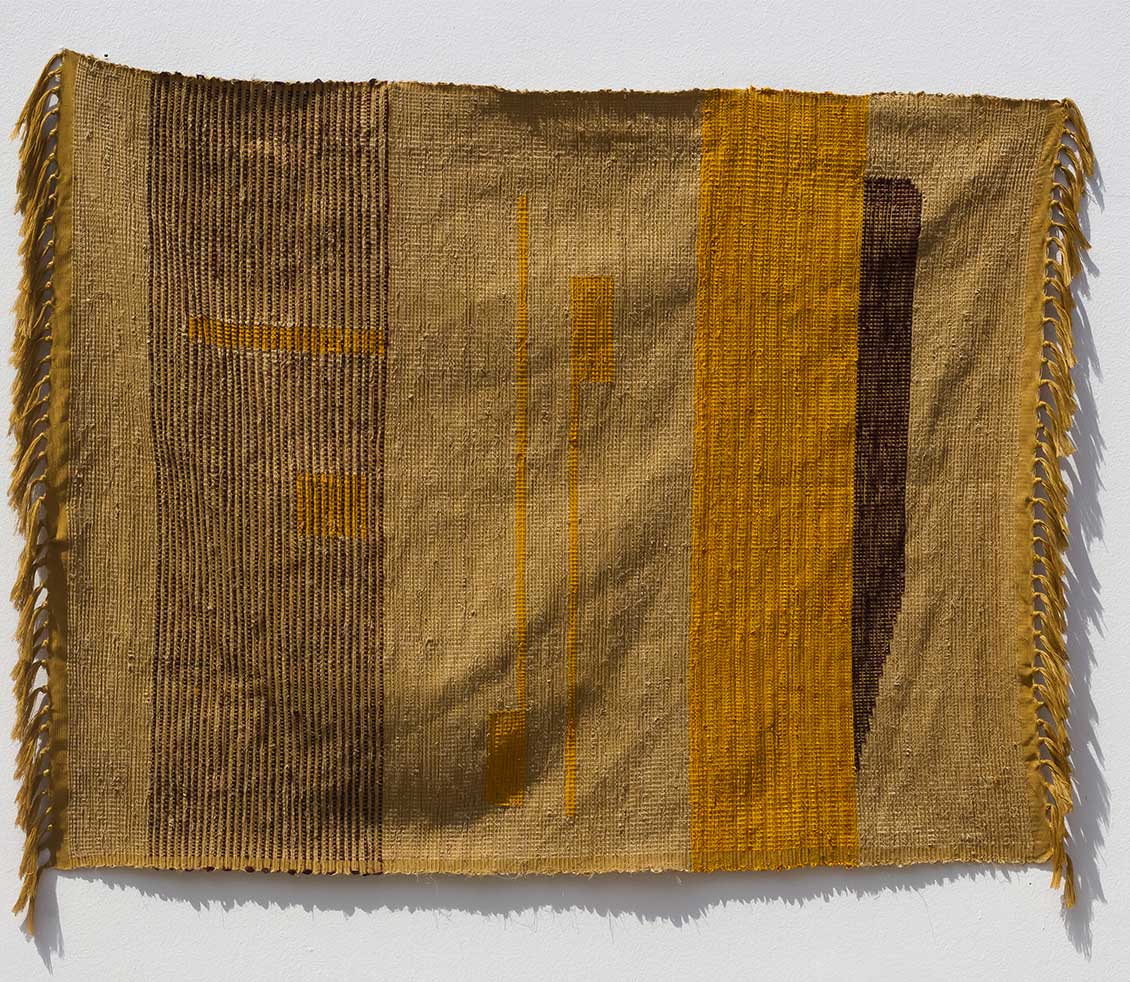
You’ve worked between Enugu, fes, luanda Lagos, London, and Sharjah. How does changing geography influence your design?
Change has been a defining presence in my life—from moving between the U.S. and Nigeria during my formative years to living later in the U.K.—shaping how I understand both place and self. Over time, I’ve come to inhabit a form of intentional nomadism, where each relocation is an opportunity to interrogate the intersections between geography, memory, and practice. In my work, I trace how southeastern contexts resonate across space and time, exploring overlaps, distinctions, and tensions, and considering how these dynamics inform not only the environments I engage with, but also the ways I inhabit and understand them.
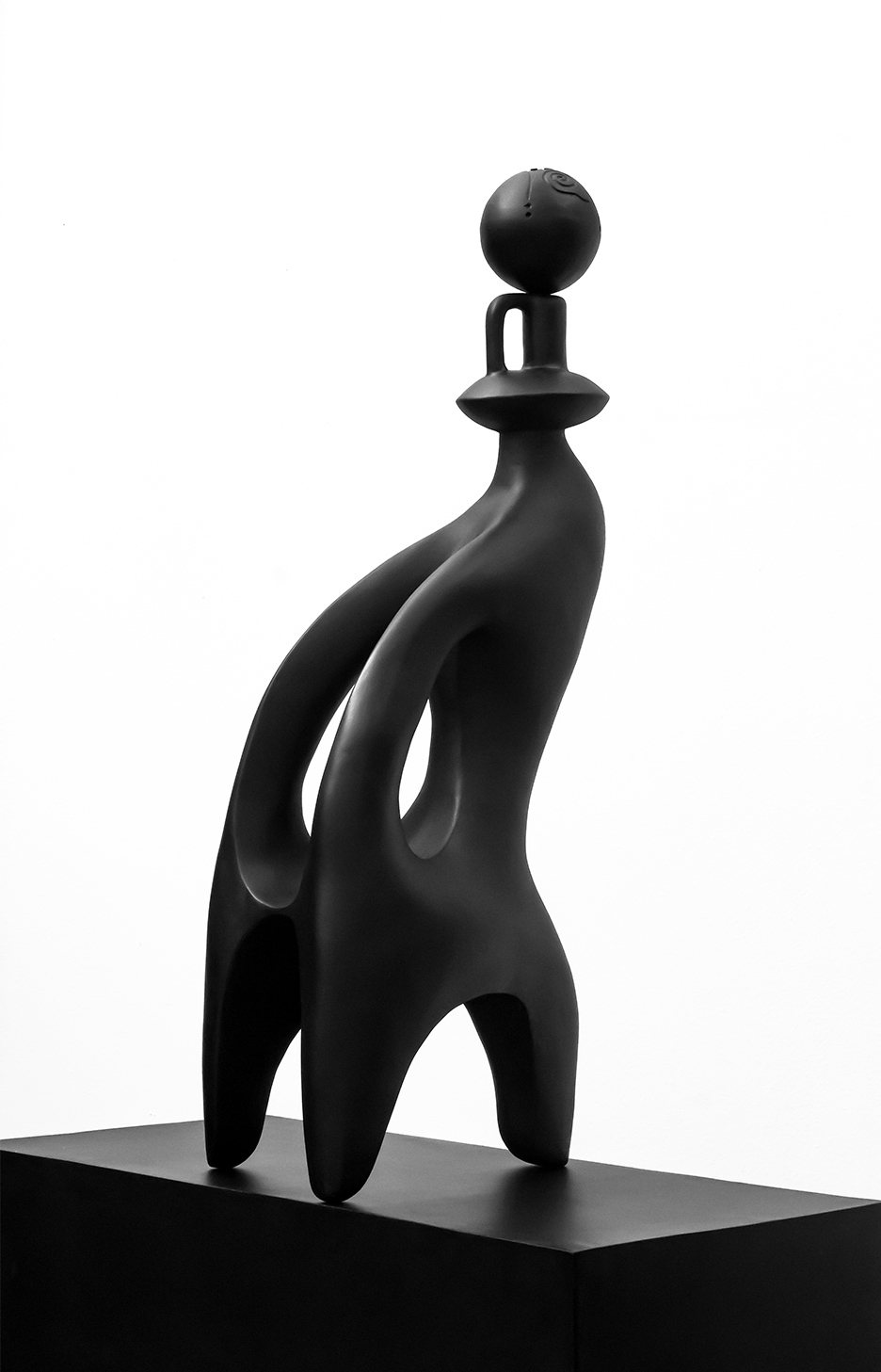
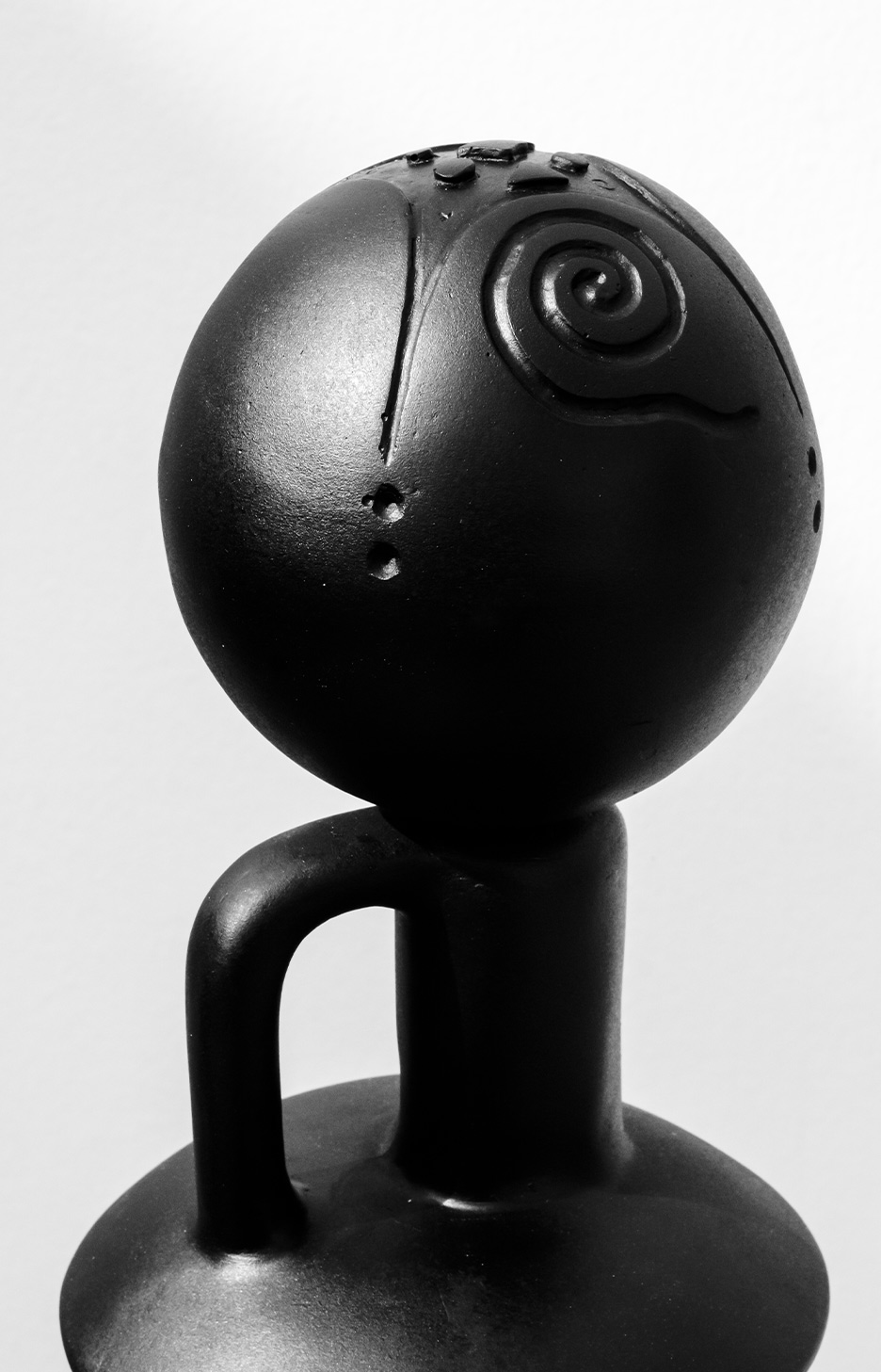
If your practice is “unfinished by design,” what do you hope it continues to unfold into over the next decade?
Over the next decade, I hope my practice continues to unfold into collaborative world-building—engaging with heritage not only as inherited knowledge but as active design materials. I envision projects that create plural futures, where communities co-generate meaning, A utopia where design becomes a platform for shared imagination.
Where can people find you?
@ myles igwe
@ njiko_co
@ ntejestudios
www.njiko.co / ntejestudios.com is under construction if you’re good with web design dm me!