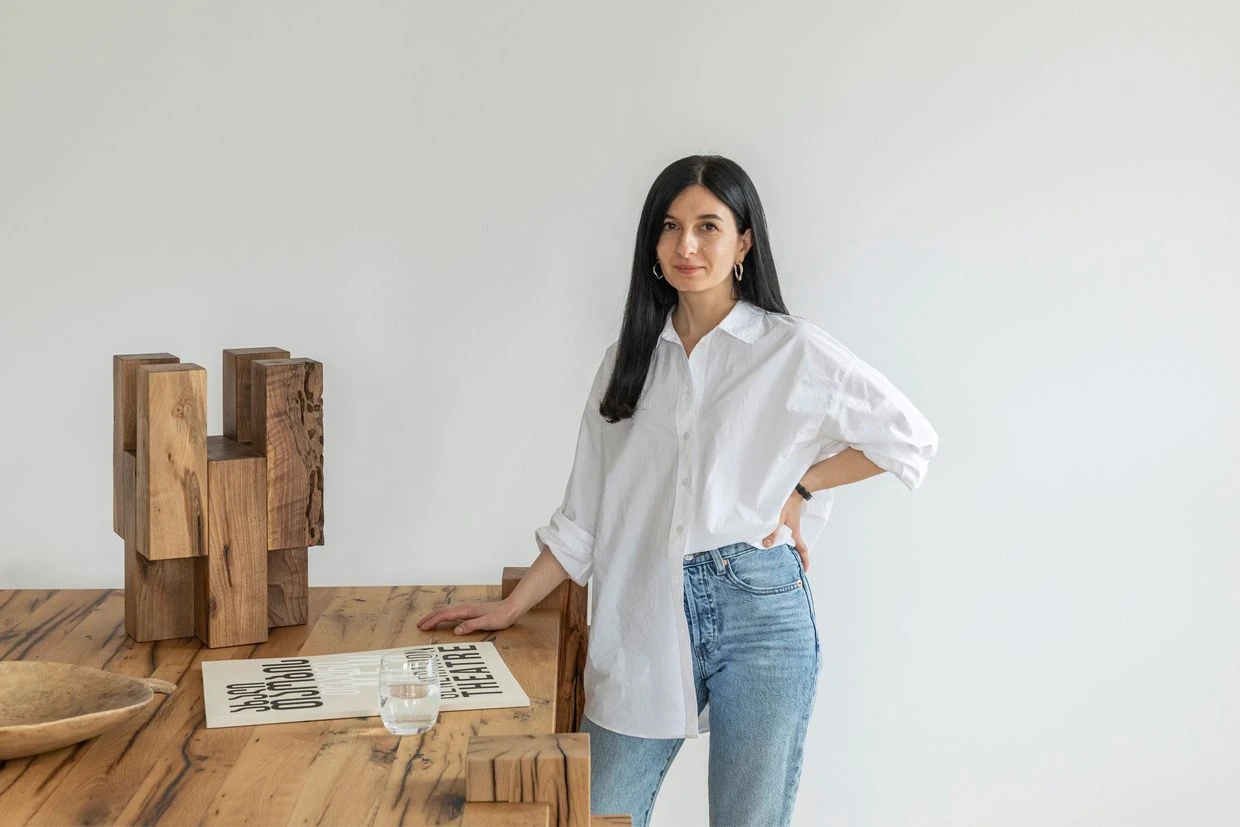
Nana Zaalishvili
What’s your name and where are you from/based?
My name is Nana Zaalishvili, and I’m born and based in Tbilisi, Georgia.
Can you describe your practice in a few words?
Architecture, Interiors and Sculptural furniture rooted in Georgian heritage, crafted through contemporary forms.

Can you tell us a bit about Idaaf Architects and what led you to start your own practice?
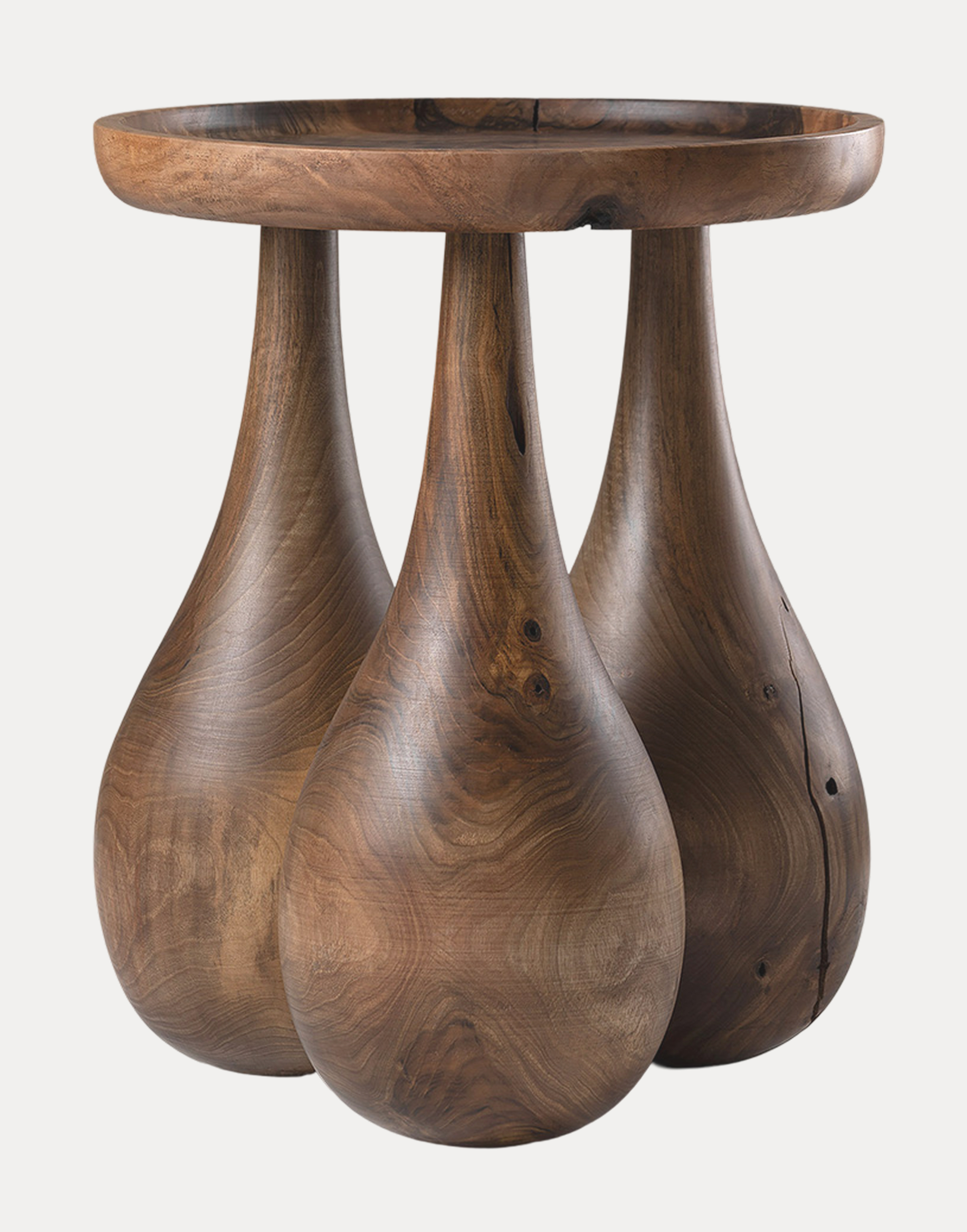
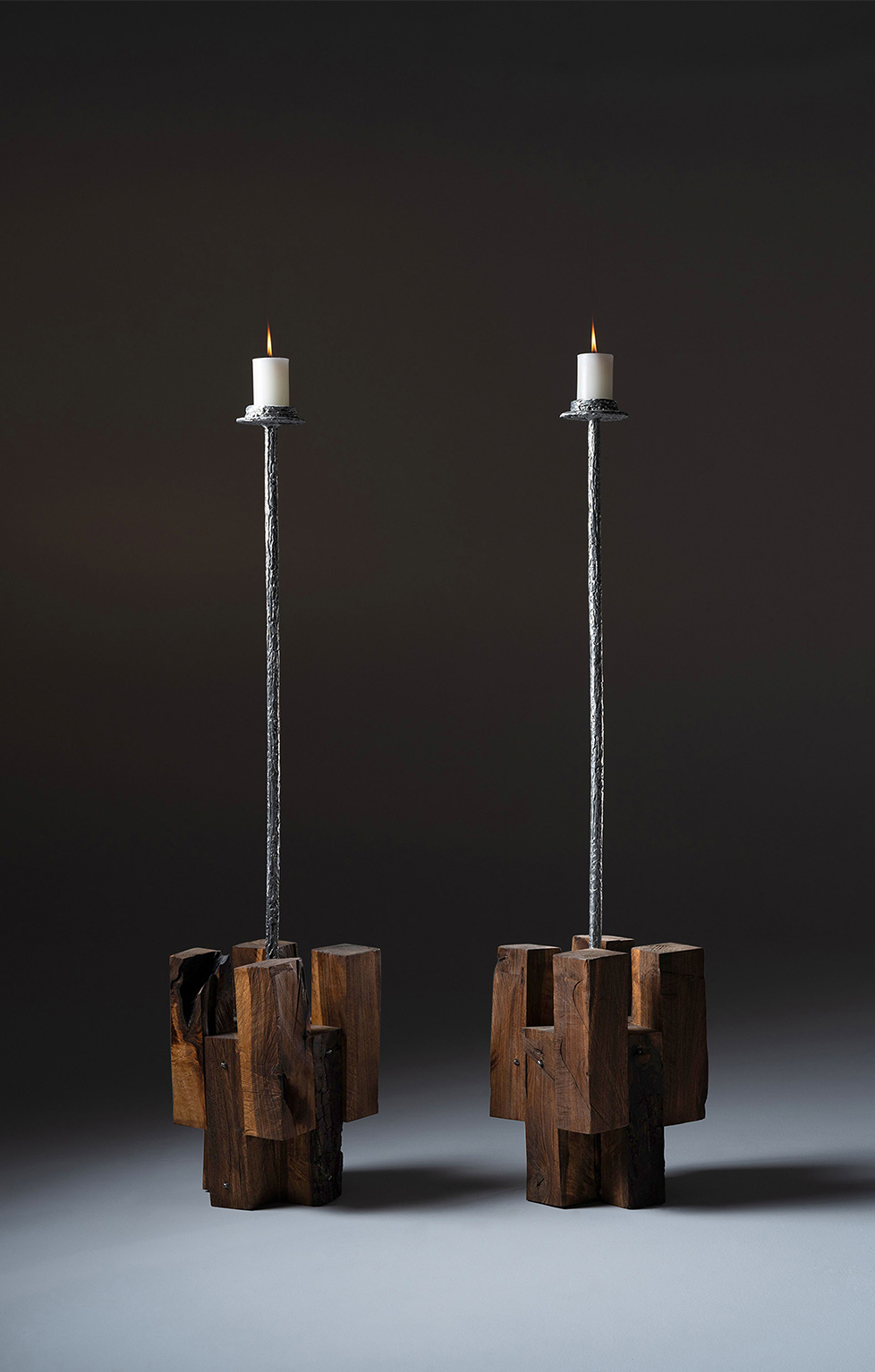
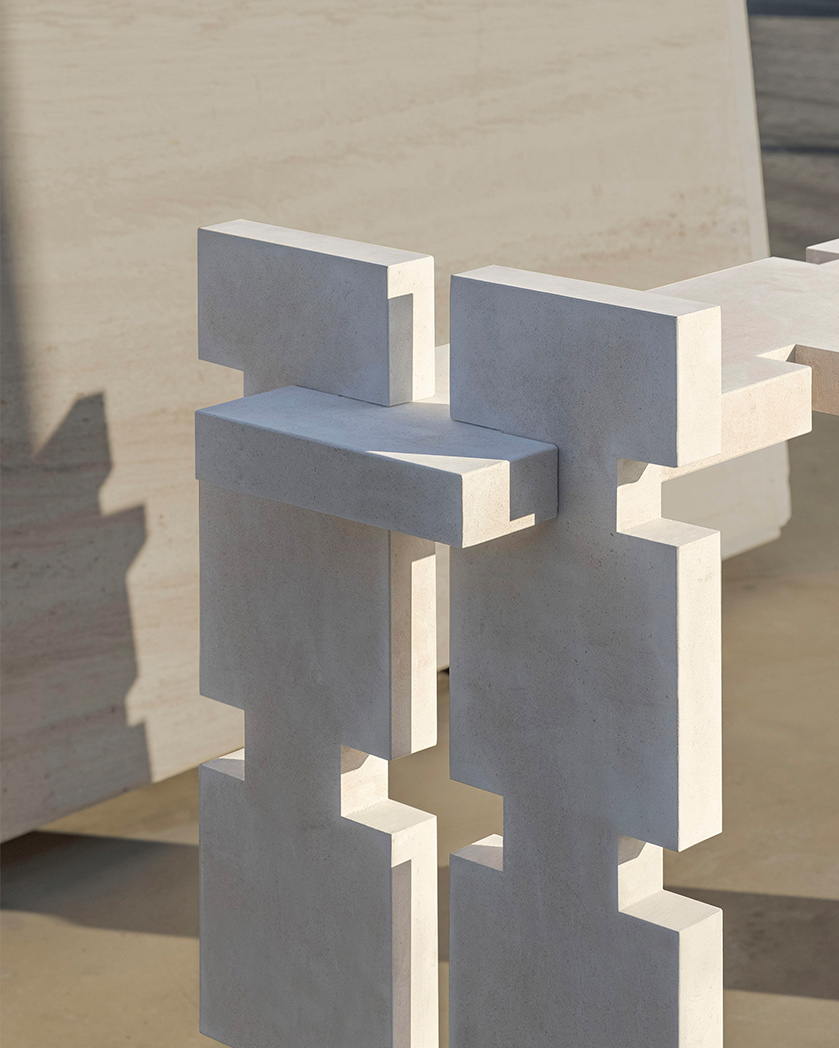
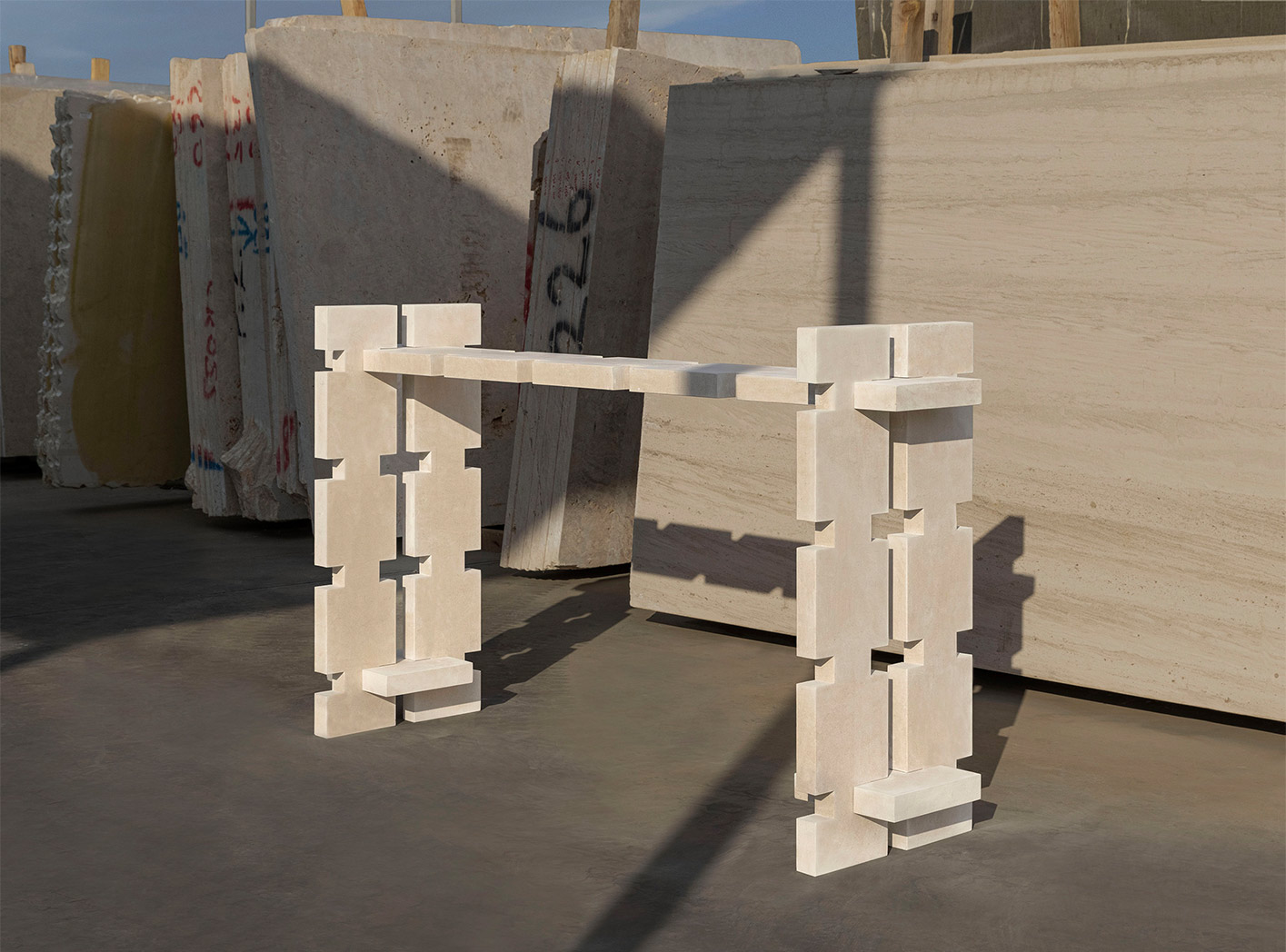
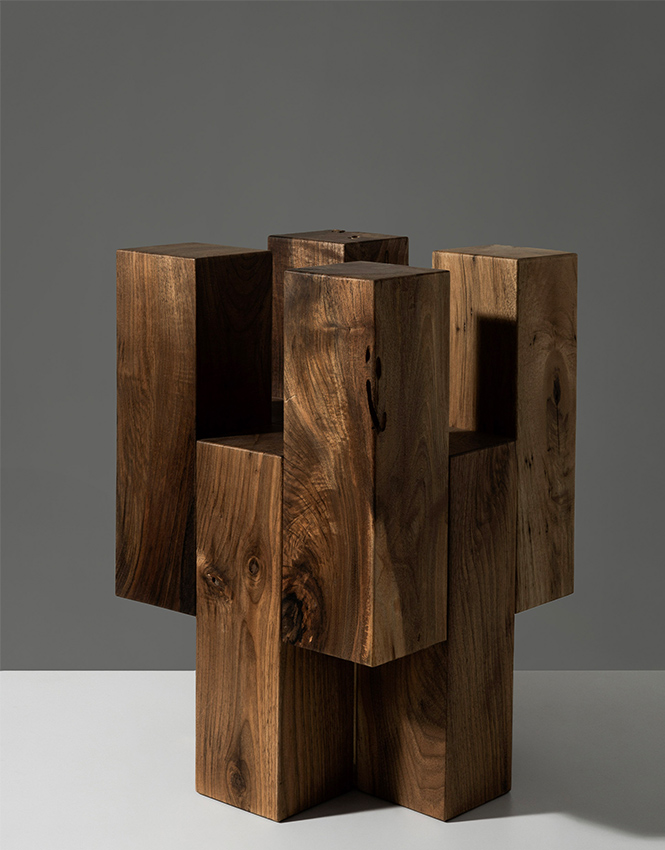
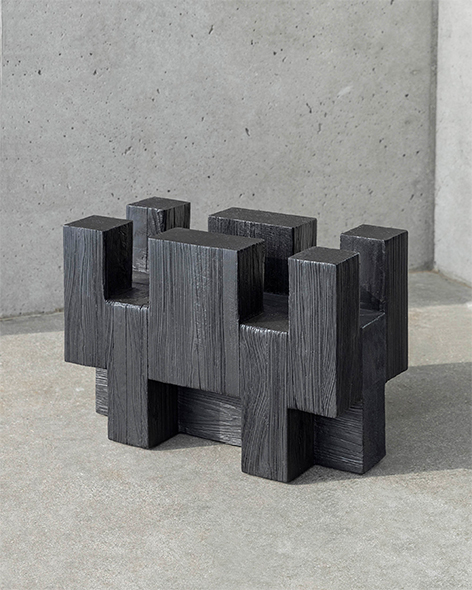
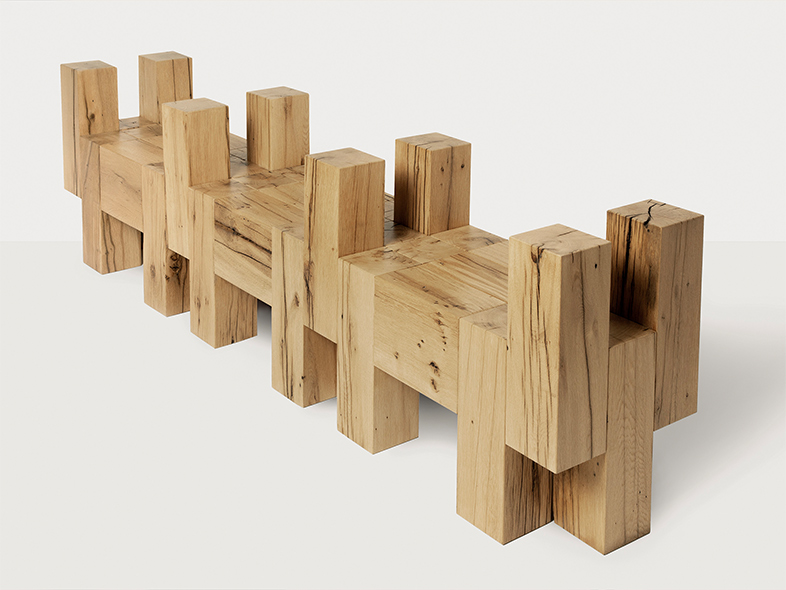
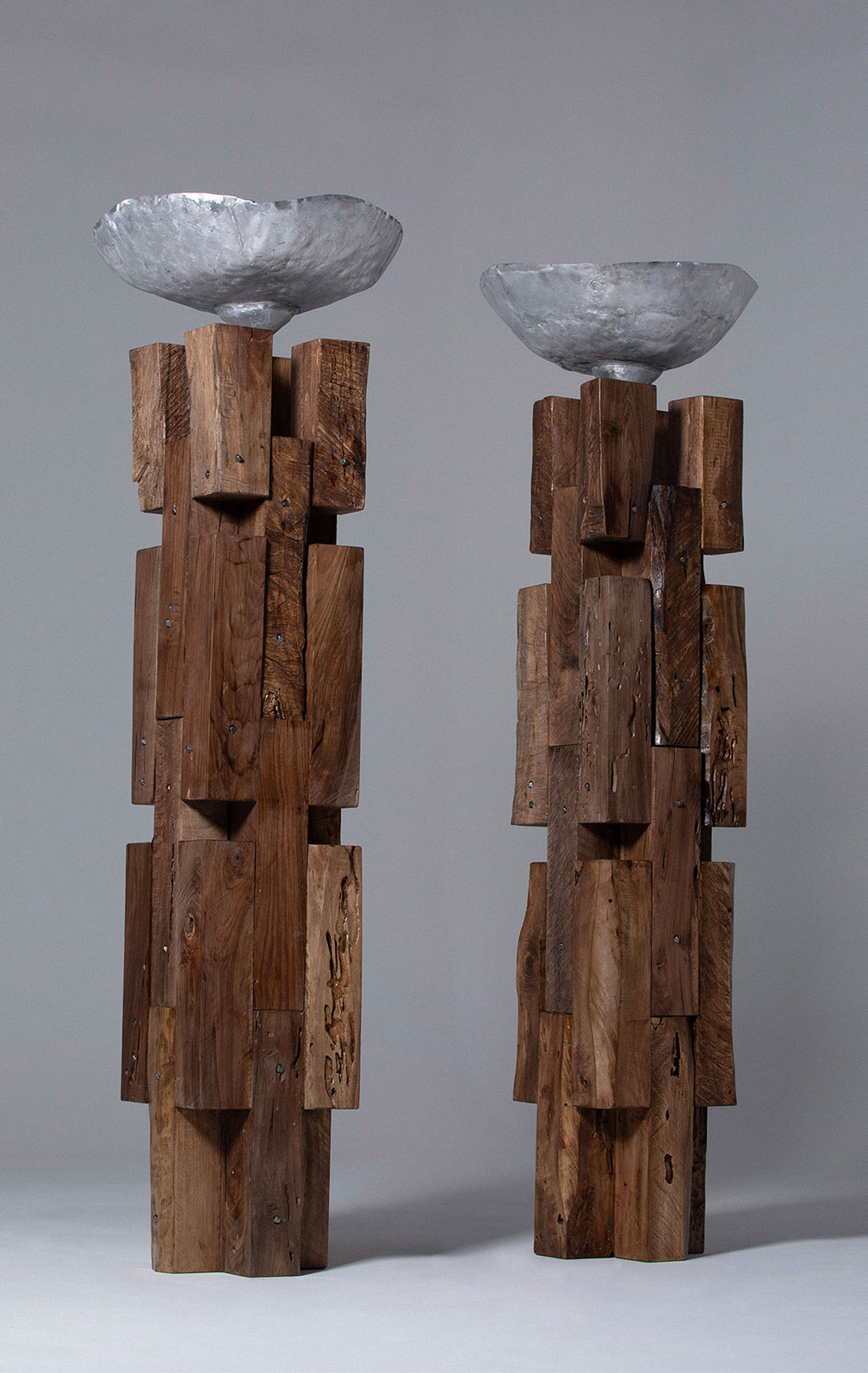
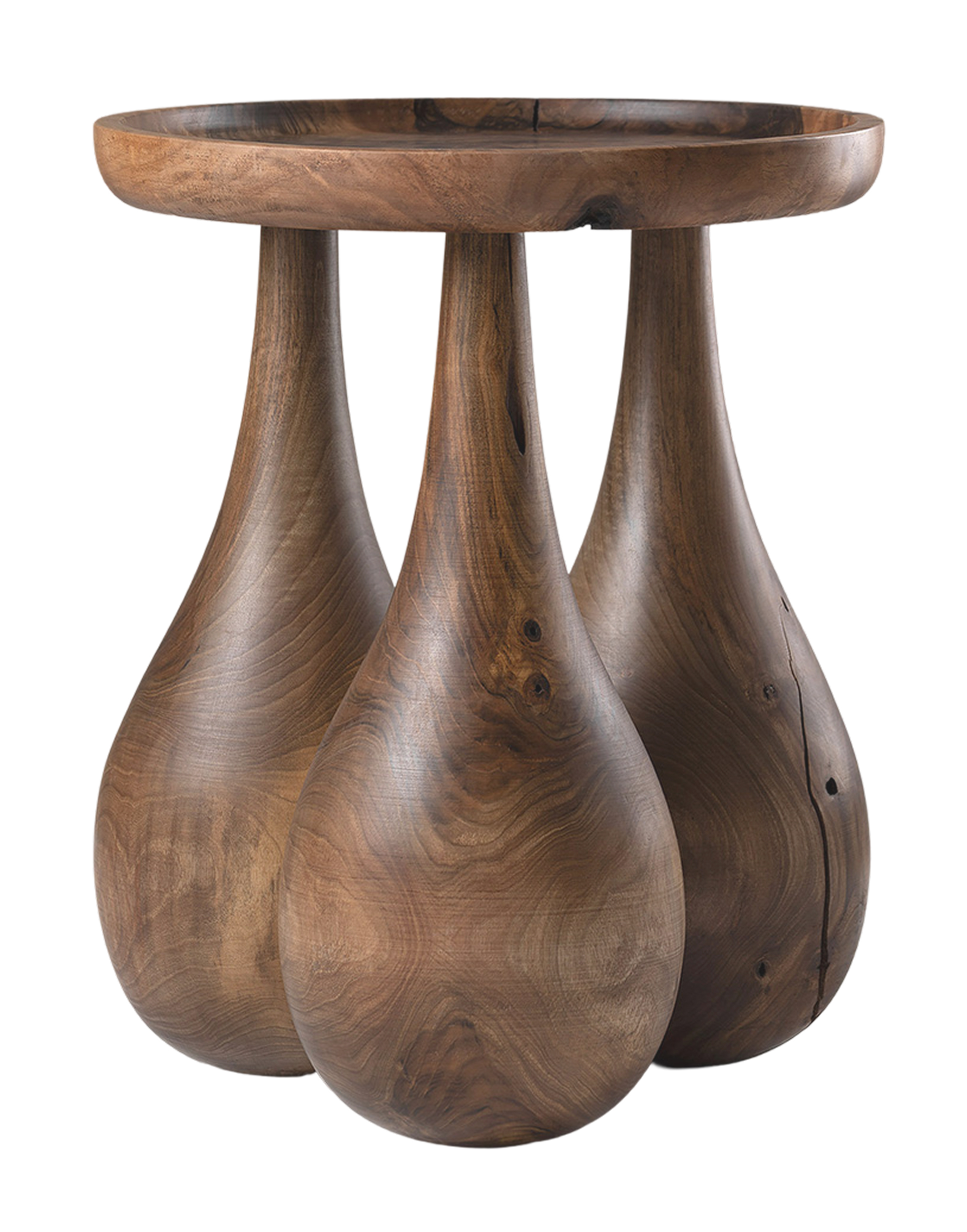
Idaaf Architects is a Tbilisi-based studio working across Architecture, Interior Design and Collectible Furniture. Founded by Nana Zaalishvili in 2016, the studio’s furniture blends modern design with Georgian vernacular architecture, local materials and traditional craftsmanship.
Each piece is handcrafted from locally sourced materials and shaped through a thoughtful, hands-on process. Rooted in research and material exploration, Idaaf’s work explires the hidden beauty and cultural history of Georgia – connecting past and present, material and memory, tradition and innovation.
What draws you to working with Georgian materials like reclaimed wood, stone, and clay?
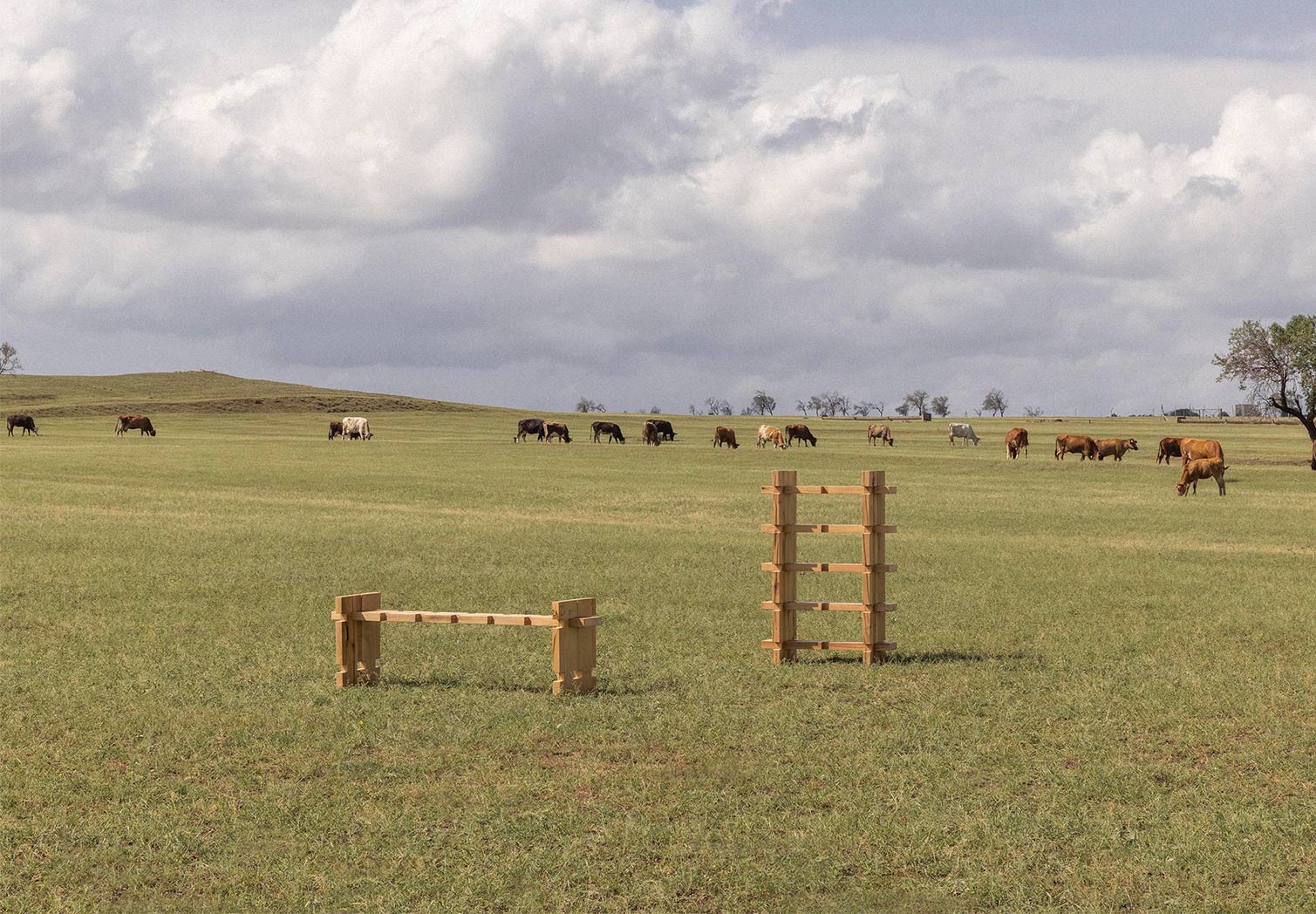
These materials carry stories. Reclaimed wood speaks of time; clay holds the earth’s scent; and stone has permanence. Working with them is a way of preserving Georgian identity through form.
You speak about connecting past and present—how do memories of rural life in Kakheti show up in your pieces?
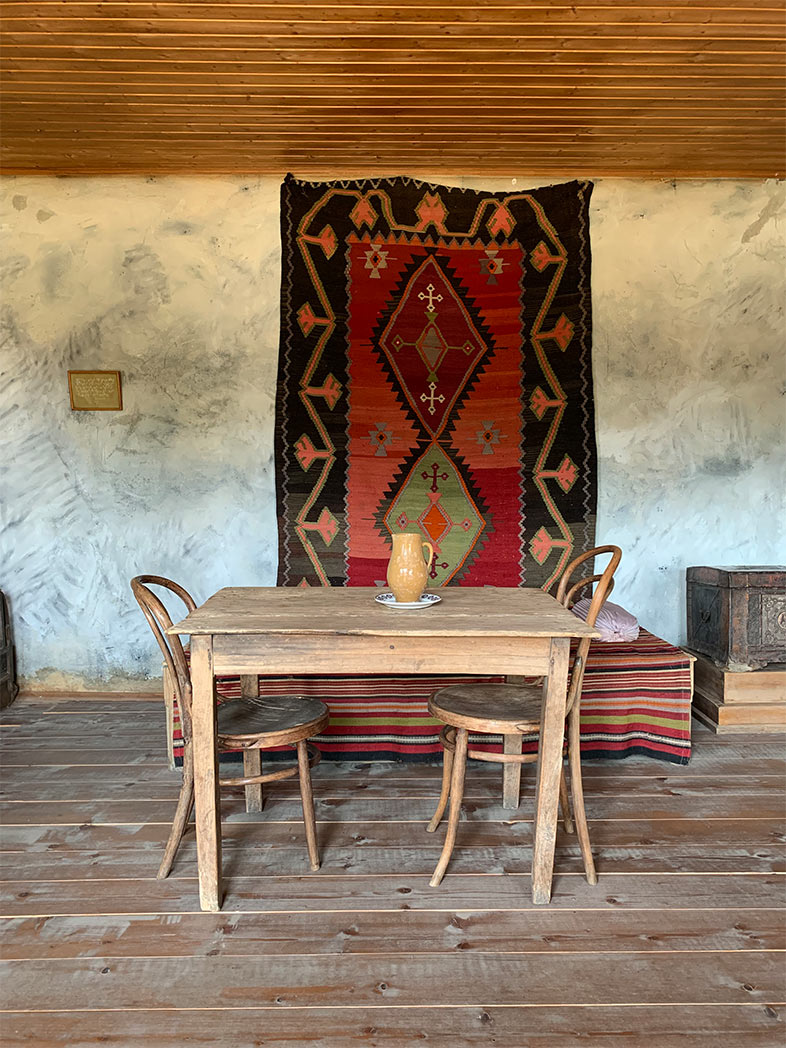
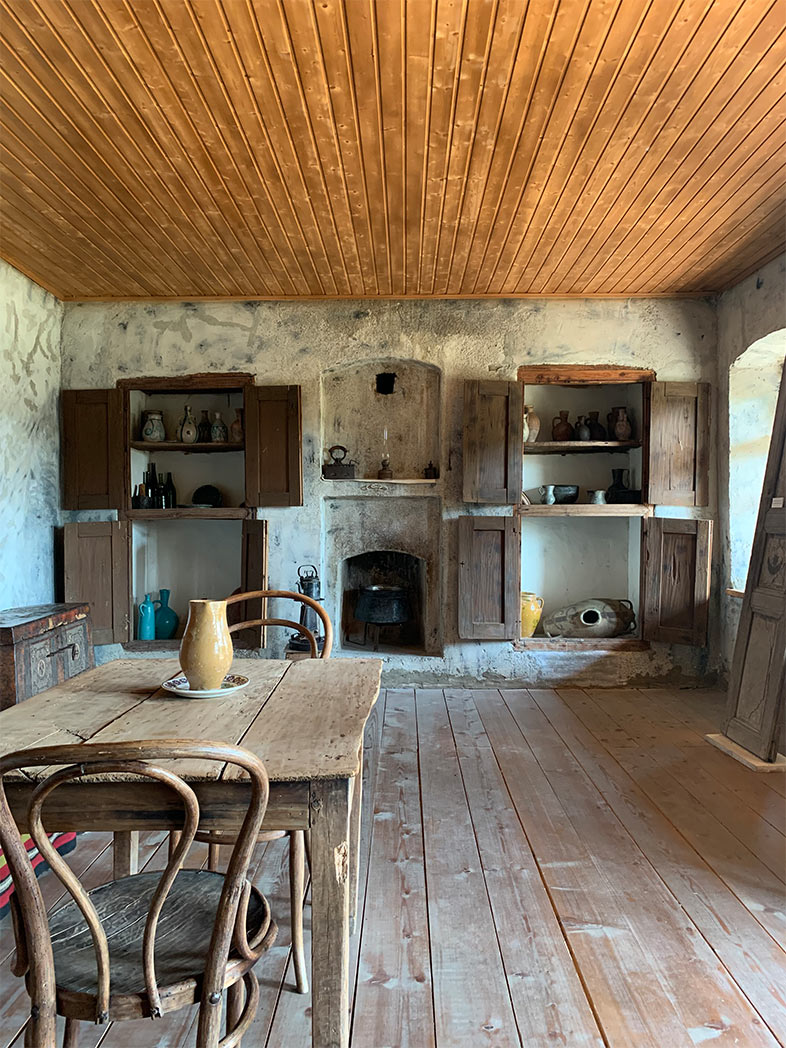
The rhythms of slow rural life—square stone houses, wooden balconies, brick churches with bell towers—are embedded in my designs. These memories become abstractions: in curves, joints, surfaces. They are echoes I try to translated in my projects.
What role do artisans play in your process, and what does collaboration look like?
Artisans are essential. They bring knowledge passed through generations. Collaboration often begins with listening—understanding how hands have shaped materials before—and builds toward a shared creation, not just execution.
Is there a particular object or piece that felt especially meaningful to create?
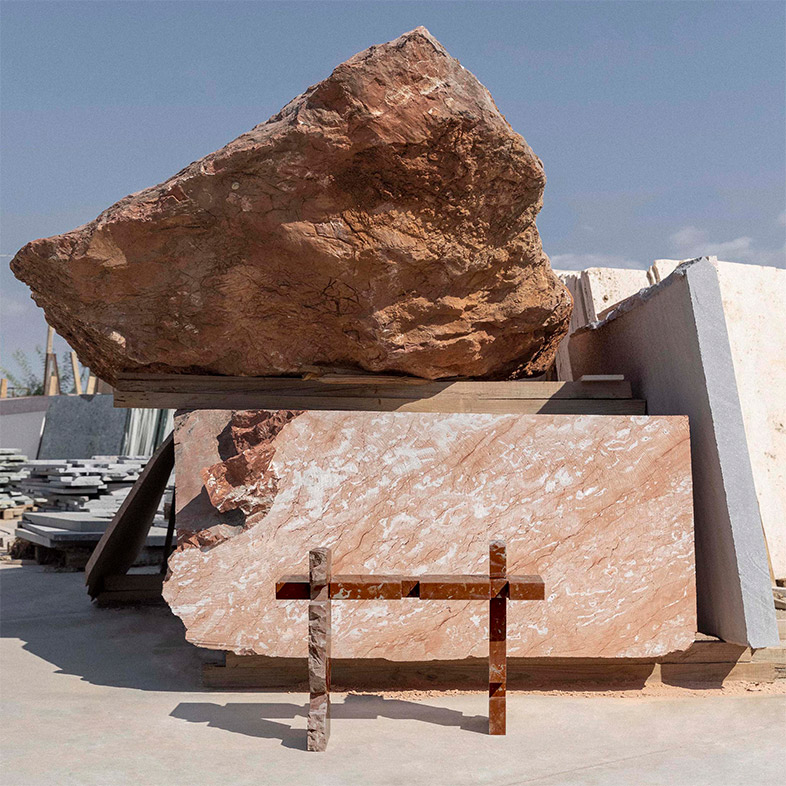
The modular adobe bricks IAS & IAM we developed are deeply meaningful. They combine innovation with ancient building techniques, and turn Georgian earth into tomorrow’s architecture.
Is there a material or technique you’re curious to experiment with next?
I’m currently drawn to Wild clay and glazes and we’re experiment with that a lot. I’m also exploring the idea of incorporating light as a sculptural material—how it interacts with surfaces and volume.
What’s one detail from Kakhetian architecture that has never left your imagination?
The Kakhetian stone house and its wooden balconies. I’m fascinated by how the architecture organizes space through the idea of outside, inside, and something in between—these in-between spaces are the balcony corridors. They’re transitional, social, and atmospheric; a threshold where life happens quietly but meaningfully.
What do you hope someone feels when they touch one of your pieces?
A sense of grounding. A quiet recognition that they are touching something honest, something that belongs to both now and before.
What’s something outside of design that influences you?
Georgian wine and natural wine in general. It’s a ritual, a reflection of land and time. The way it’s made, especially in qvevri (clay amphora) buried in the earth, speaks to slowness, patience and deep respect for nature. That rhythm and philosophy often influence how I approach making.
How do you imagine the future of Georgian design?
Rooted in tradition but not nostalgic. I see a future where we reimagine our vernacular—adapting ancient wisdom to build sustainably, poetically and with cultural depth.
What’s one project (real or imaginary) that you dream of one day creating?
It might sound unexpected, but a stadium. A civic space—where collective energy and identity come together.
Where can people find you?
You can find me on Instagram @idaafarchitects, @nanoouuk on our website idaafarchitects.com, and at exhibitions—most recently, at the Venice Architecture Biennale.