Olesya Parfenyuk
What’s your name and where are you from/based?
My name is Olesya Parfenyuk, born in Kyiv, raised in Vienna, based between Vienna and Paris/Lisbon.
Can you describe your practice in a few words?
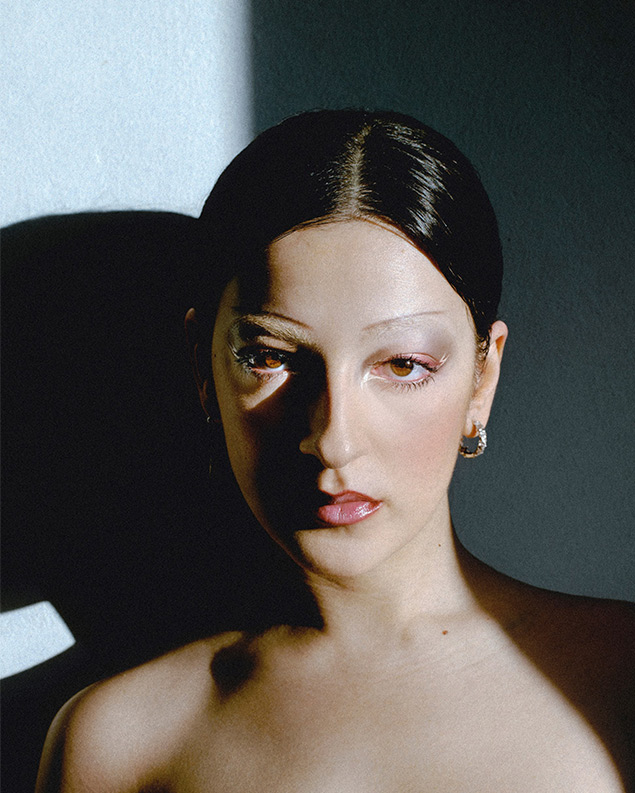
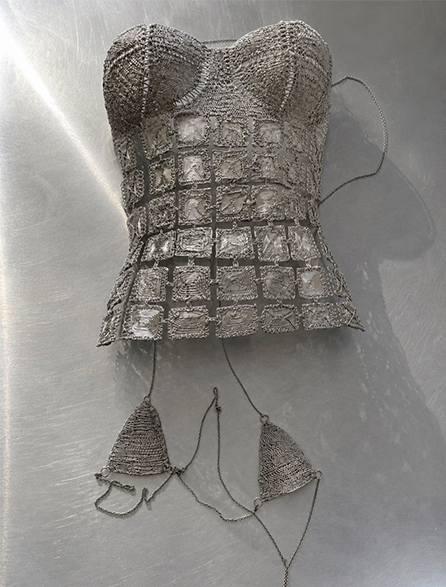
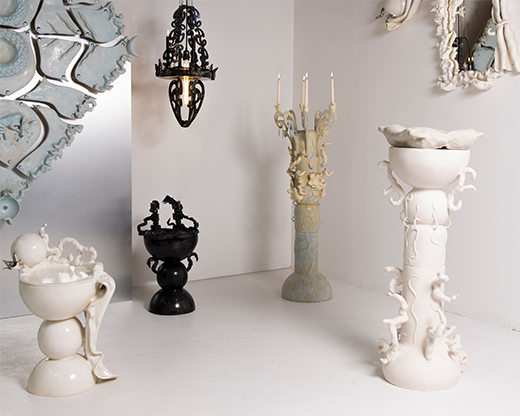
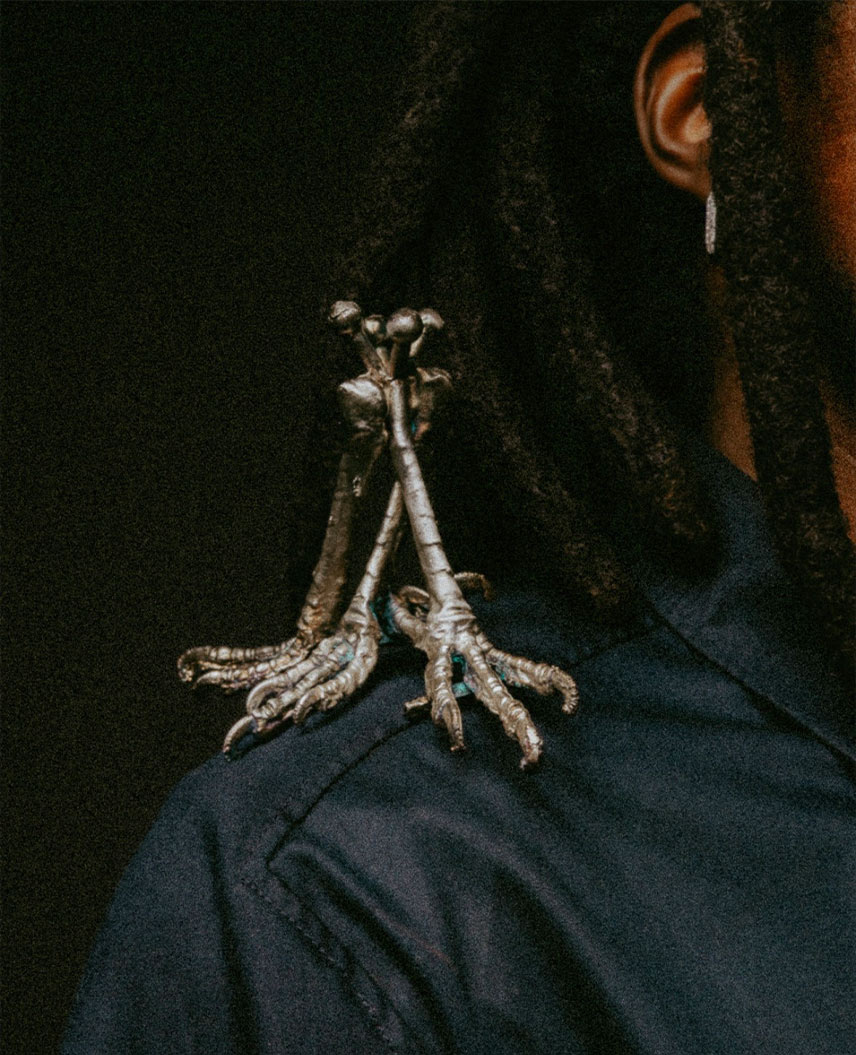
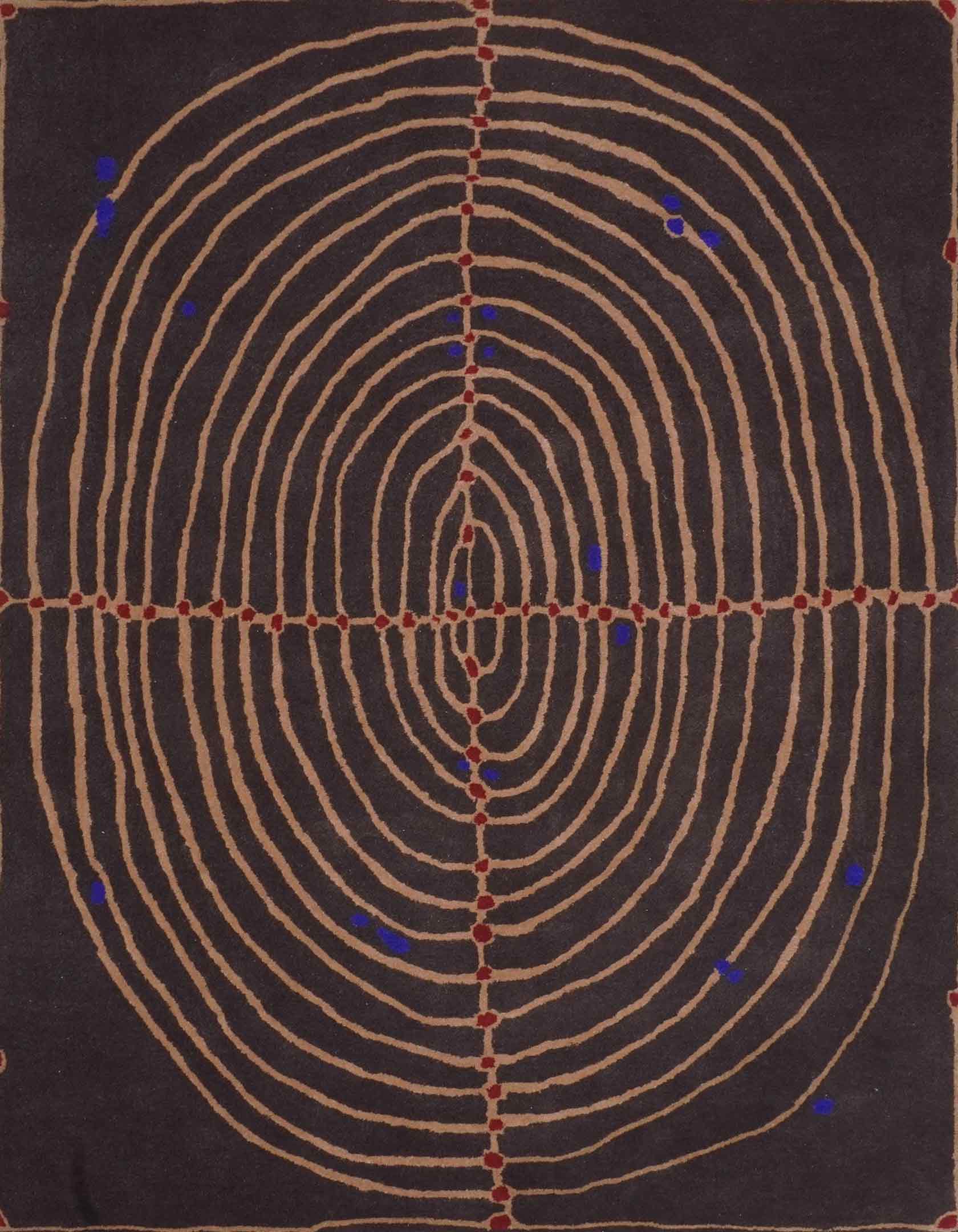
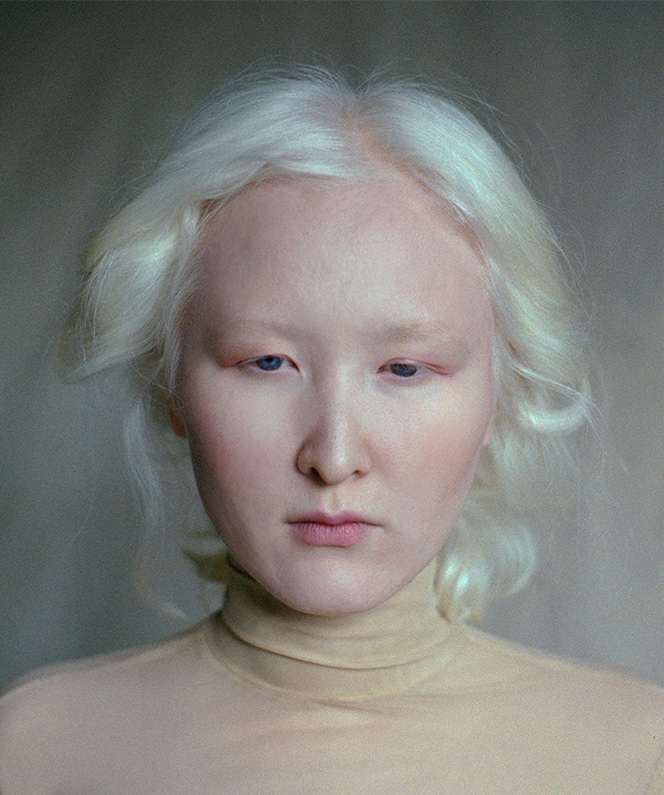
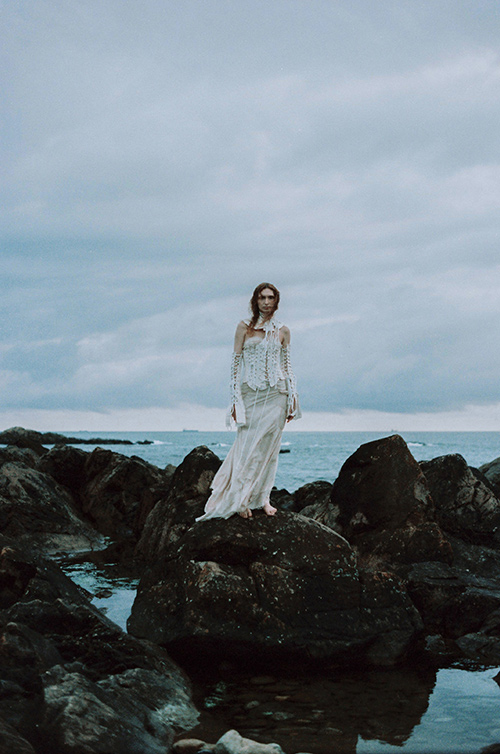
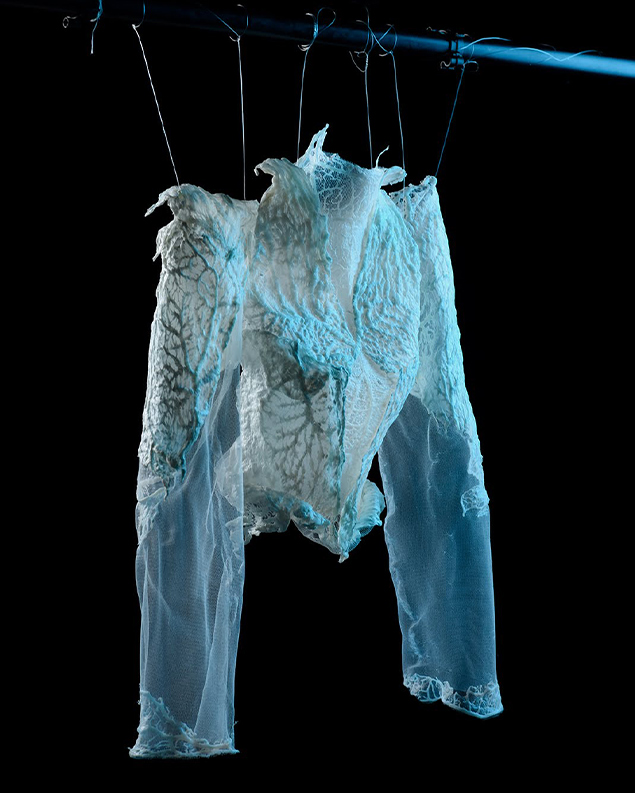
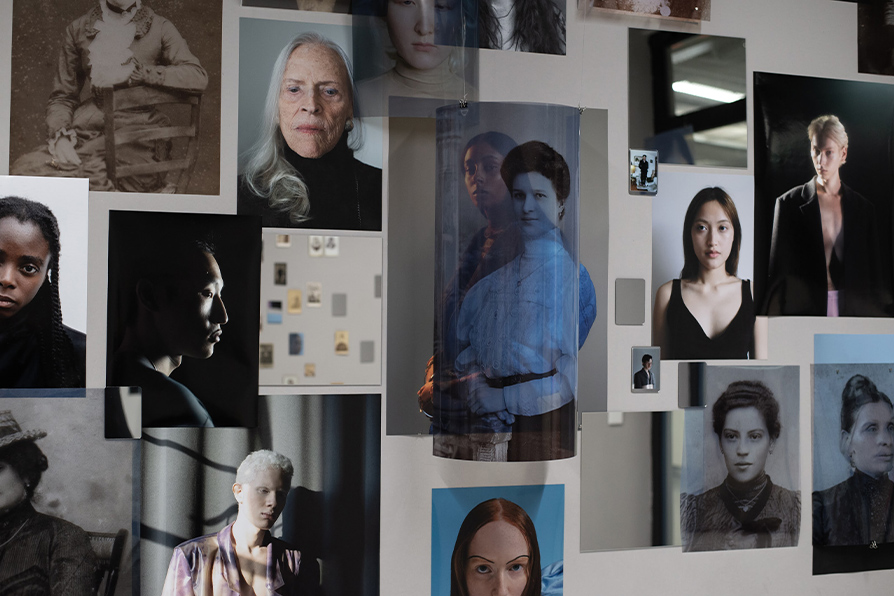
My work is mostly portrait and fashion photography, sometimes a bit of video, but also interdisciplinary work, like this sculpture in space — Überrest (2022).
When did photography first become a language for you?
At the age of 13, when I understood it is quicker to express my ideas and characters than by paint that needs to dry haha. I like to say I still paint but with light, real people and objects. And to be fair, my grandfather is a photographer, so the medium was always present in my life. I also loved watching films growing up and seeing ways to visualize stories.
You’ve lived between Kyiv, Vienna,
Paris, London, and Lisbon, do you feel that changing your environment has shaped your way of seeing?
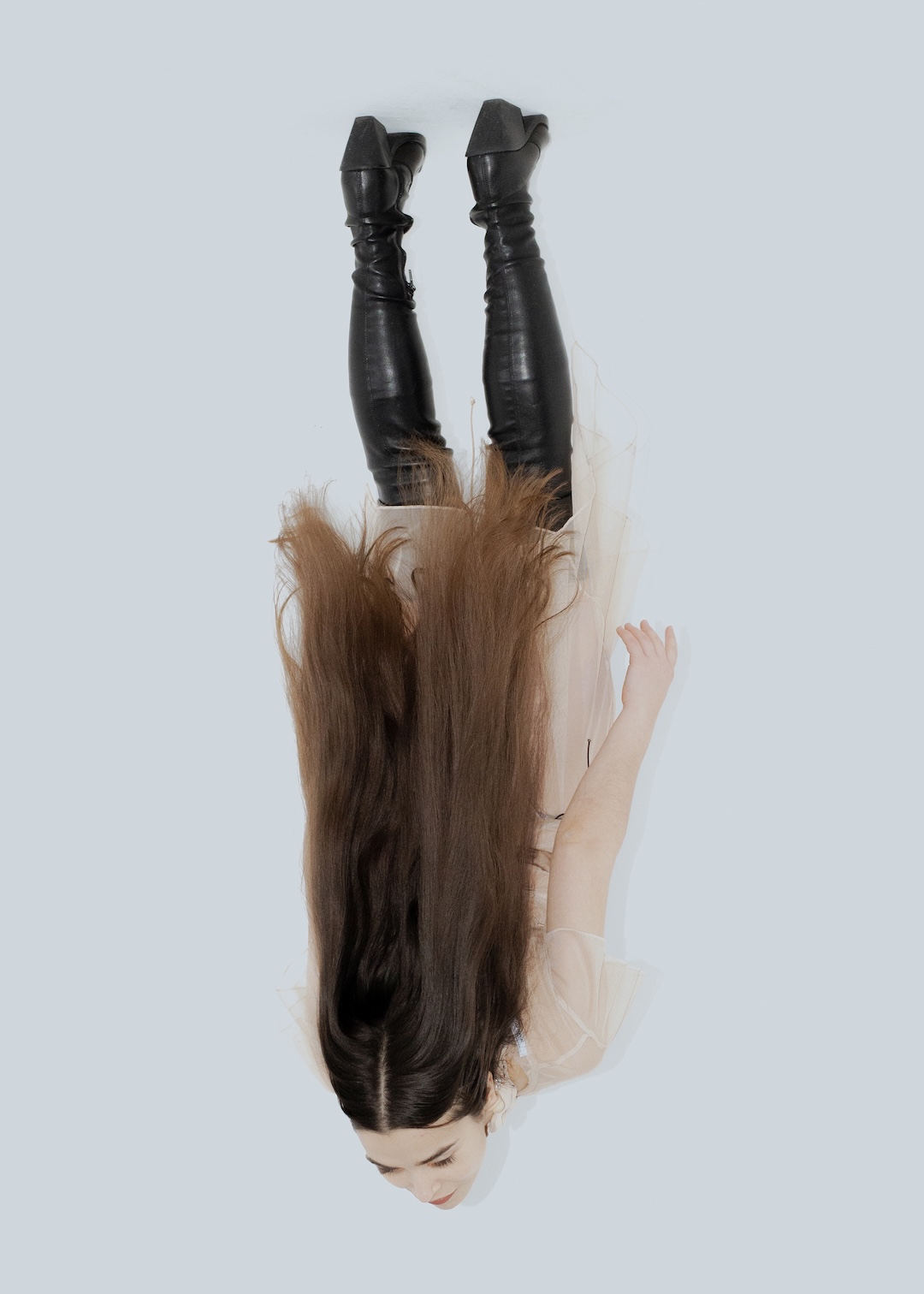
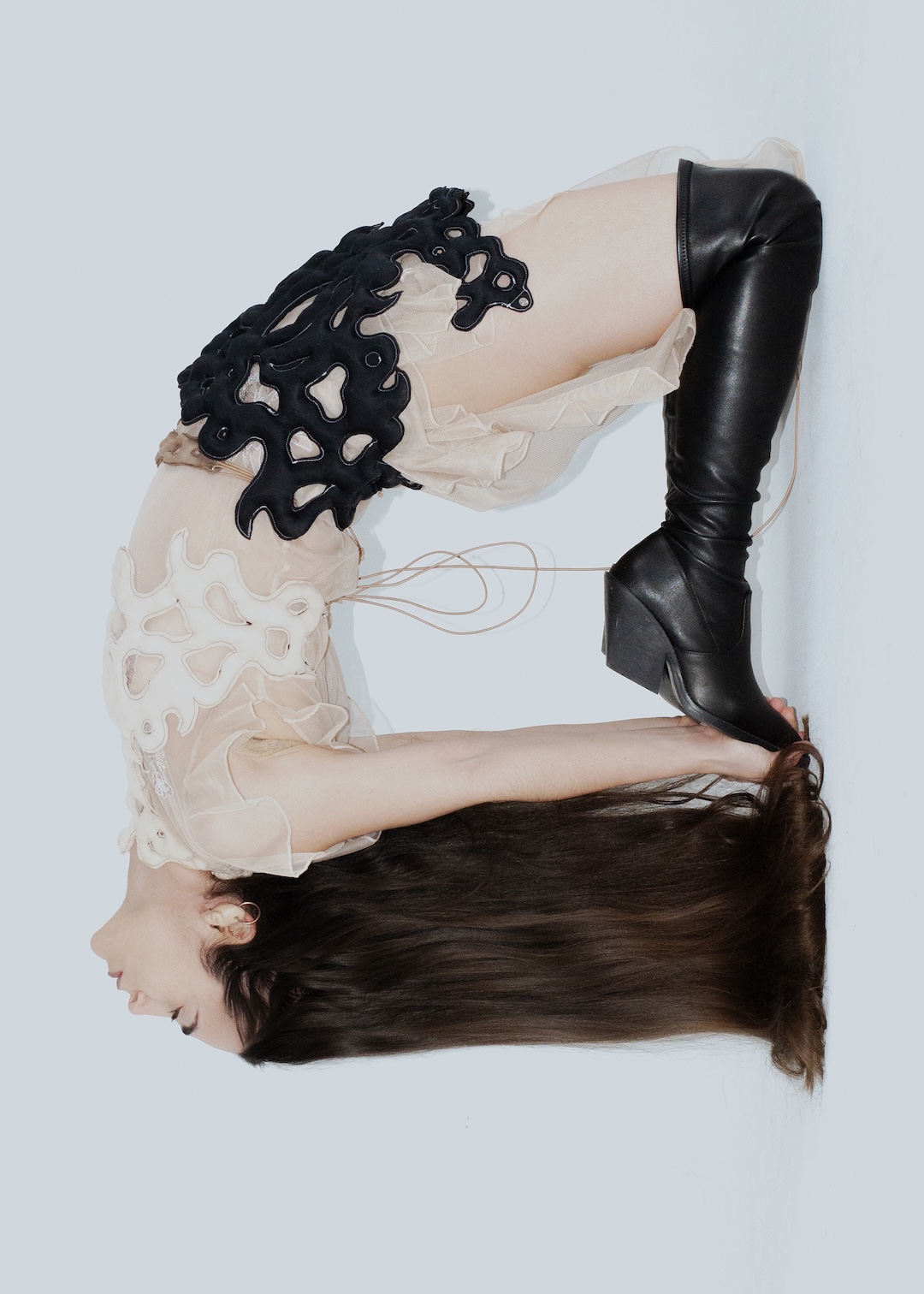
Absolutely. I think a lot about how environment shapes my practice. How it could possibly change based on location. I immigrated as a child, not by choice, and creating became a form to cope. Growing up between cultures made me very attentive to differences, biases, and unspoken rules, and I believe, it subconsciously shaped my visual language. Culture and upbringing deeply form our values, taste, our perception of life, success, and even where we look for happiness— especially in darker moments—and moving around recently made me even more aware of that. In every place I lived, even for just a month, I tried to find what moves me: often historical spaces, architecture and nature, but also the rhythm of the city, the relationships I build, and the experiences I gather.
You describe storytelling as being at the heart of your practice. What stories do you like to tell?
For me, a story usually begins with a feeling. Sometimes it’s very subtle—just in a gaze—and it doesn’t need much set design. I’m drawn to a regard intérieur: an inward, melancholic, nostalgic, and slightly surreal atmosphere. This is still evolving and changing.
Because I’m very sensitive to energy, the stories often emerge from what’s present in the moment. I try to feel how the person in front of me feels, and we create something together. I’m interested in behavioral science and in exploring the depth of human complexity and connection. We meet as strangers and often leave as friends.
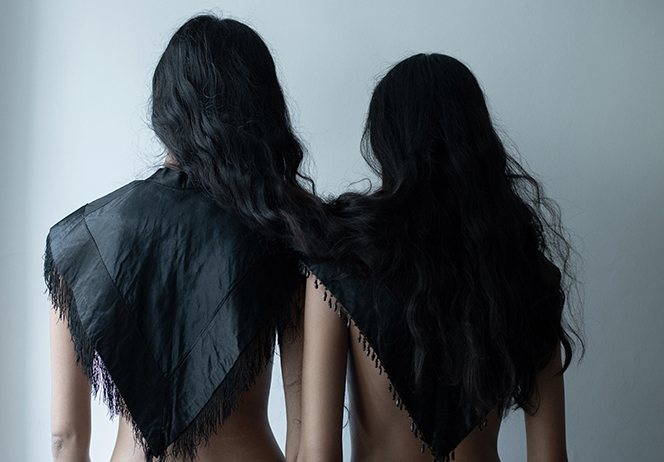
You explore the psychology of perception, what do you think photography reveals about how we see one another?
Photography reveals that we never simply see one another — we project. In a Lacanian sense, the self is never complete and desire is never fully satisfied, so every act of looking involves misrecognition. We don’t photograph others as they are, but as we need or imagine them to be. In that way, every photograph is also a mirror of the photographer — and a reminder that images can reveal, but also fix and distort, how we see each other.
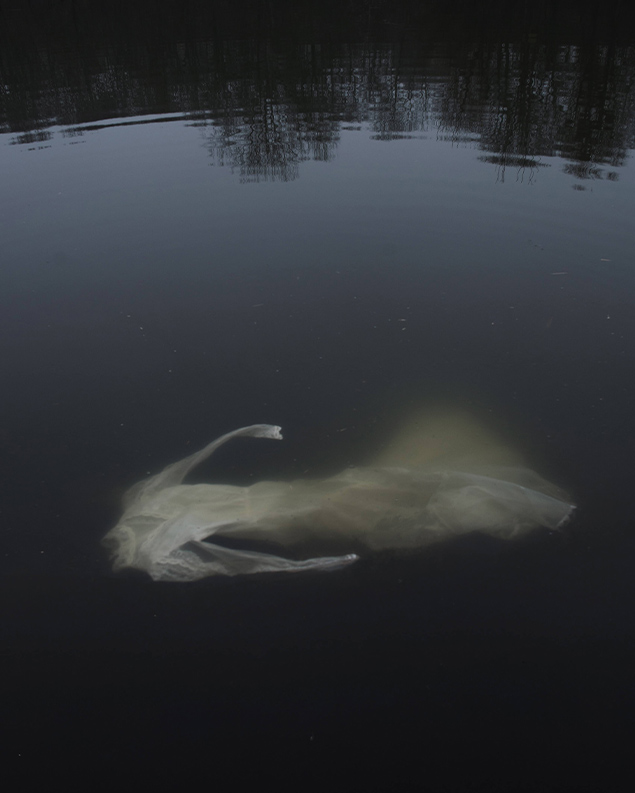
You mention challenging stereotypes of perception. Is there a particular cliché you’re working against?
Photography exposes how easily perception hardens into stereotype. Because images feel like evidence, they can quietly reinforce biases and power structures. That’s why I think photography demands ethical attention: it asks us to constantly question what we are really seeing, what we are imposing, and whose story we are actually telling. I’m tired of those who in first case still portray women as objects of desire. I’m also bored by narrow, Western beauty standards that don’t expand how we see the world. And I struggle with glamour and the display of wealth; it feels insincere and uninteresting to me.
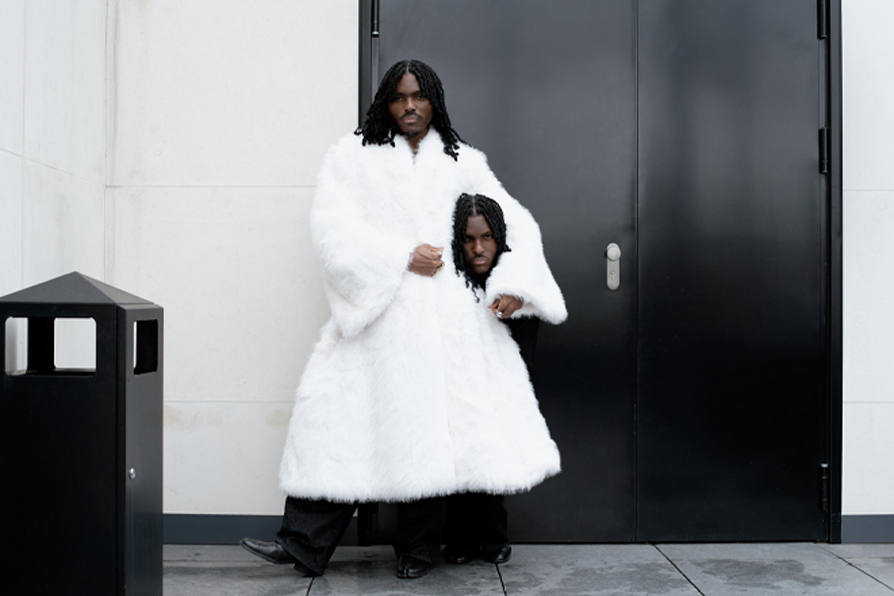
Melancholy and romanticism seem to veil your work. Are they emotions you chase, or simply ones that follow you?
I feel that melancholy and romanticism are always with me;
they follow me, sometimes only quietly echoing. Reflecting on it, I think I carry a certain grief from migrating and assimilating into a culture I didn’t choose. I found peace and security in creating a world of my own—through collecting, imagining, and being creative. That’s when I fell in love with the 19th century, from its aesthetics to its gothic novels, and with the idea of how the past continues to live in the present. The antiques I’ve been collecting have always fascinated me and made me feel closer to bygone centuries.
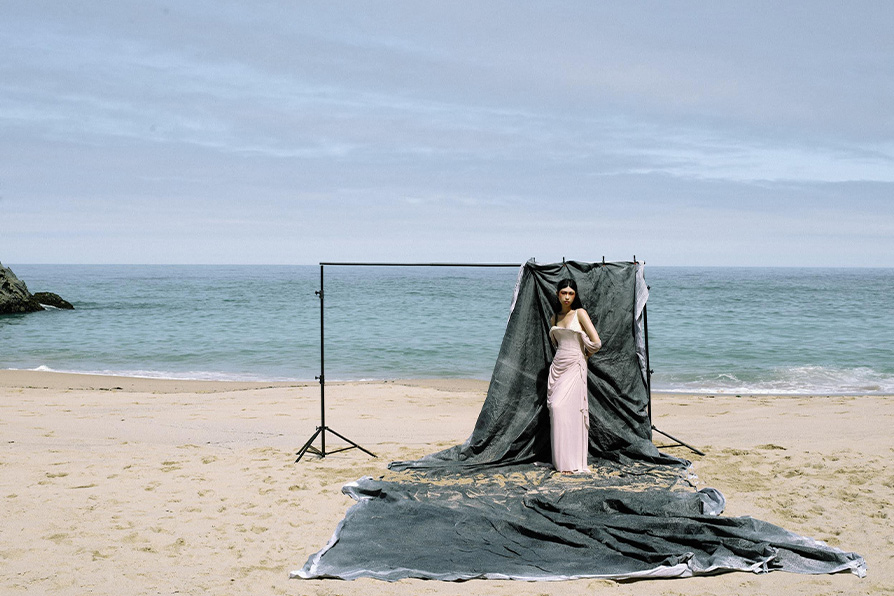
How do you imagine expanding your practice, through film, installations, or something else?
I have experience in both, but I just need to dare to take it to a more serious level. Same with singing and dance. I hold very high expectations for myself, which can block me from experimenting and errors, even though I know they’re part of the journey. I hope to return to enjoying the process more than focusing on the outcome, and to unlearn the idea that every talent must be brought to a level and be monetized.
Where can people find you?
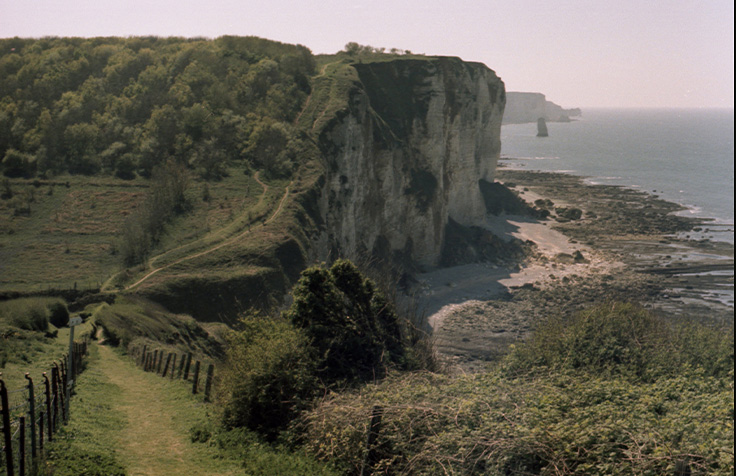
Mainly in my Wunderkammer in Vienna or solo-traveling somewhere at the cliffs or the sea. Online, on Insta @olesyaparfenyuk and my website olesyaparfenyuk.com. Stay tuned for upcoming projects!