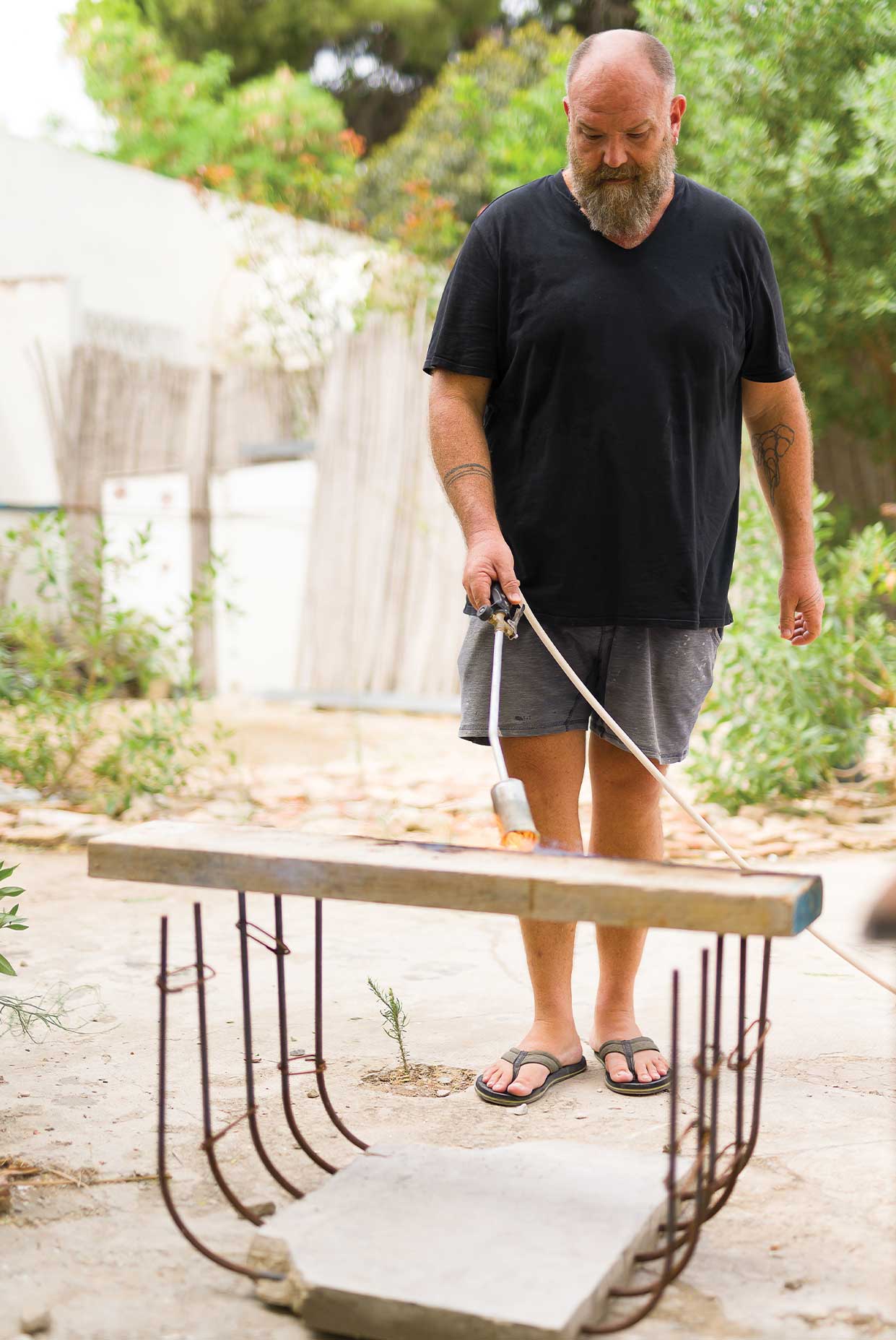
Omar Bey
Comment vous appelez-vous et où êtes-vous basé?
Omar bey , je vis et travail à Tunis, Tunisie.
What’s your name and where are you based?
Omar bey, I live and work in Tunis, Tunisia.
Pouvez-vous décrire ce que vous faites ?
Je m’exprime et retranscris mes “états d’âme” en utilisant différents matériaux pour réaliser des œuvres “palpables”.
Can you describe what you do ?
I express myself and translate my ‘states of mind’ using different materials to
create ‘tangible’ works.
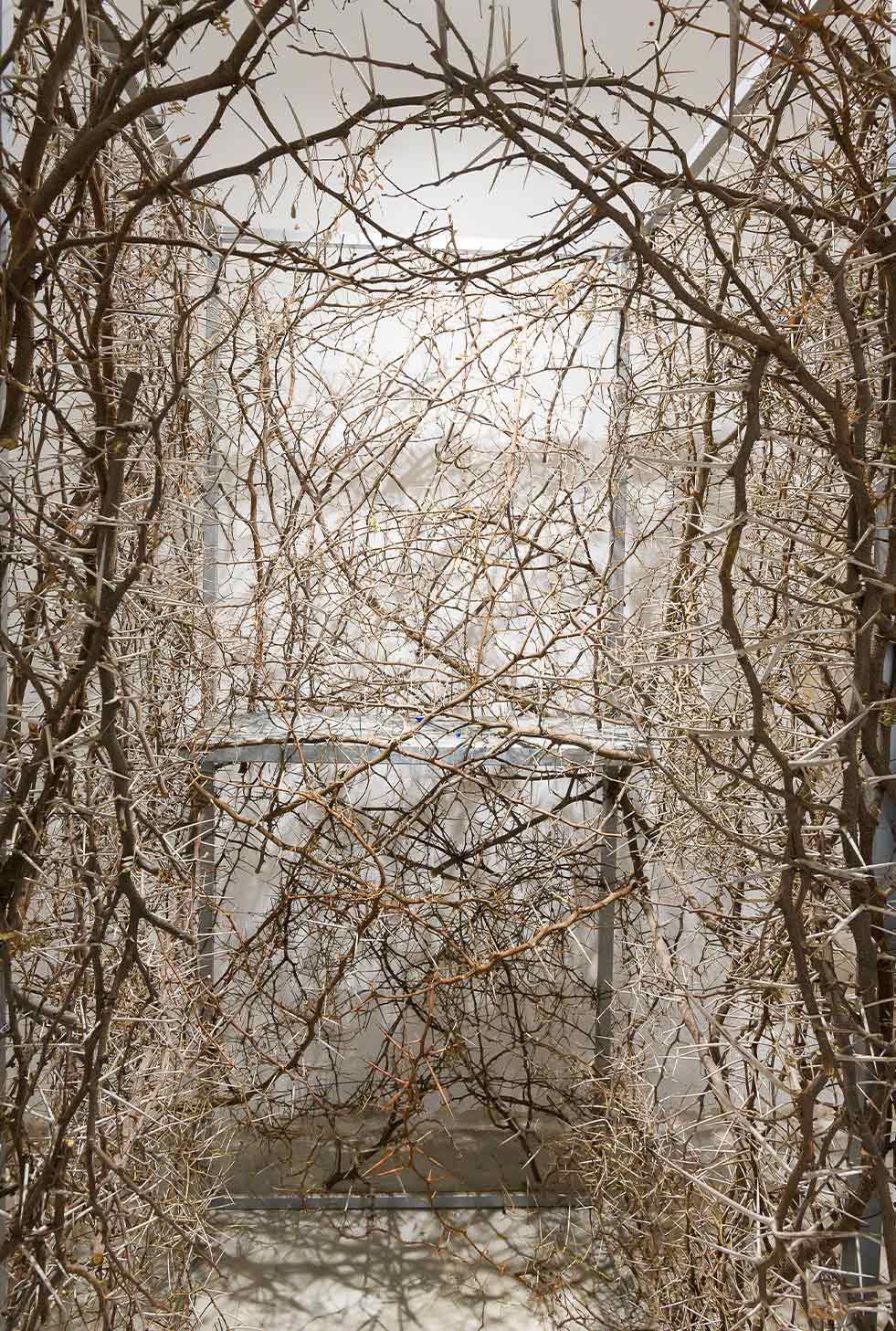
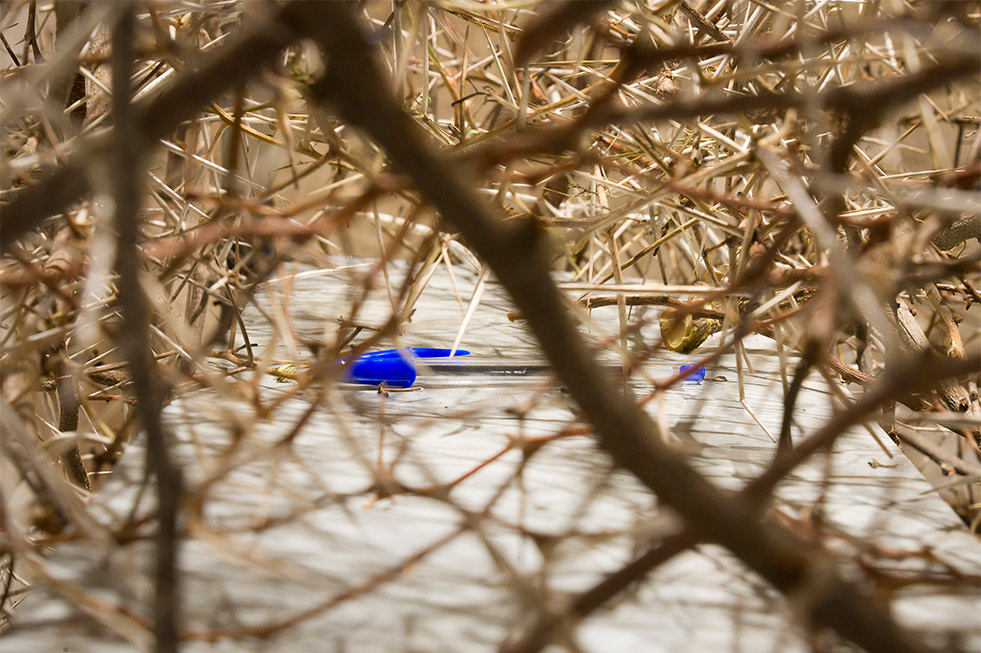
Vous vous êtes décrit comme un “contrastiviste.” Que signifie ce mot pour vous, en pratique et en philosophie?
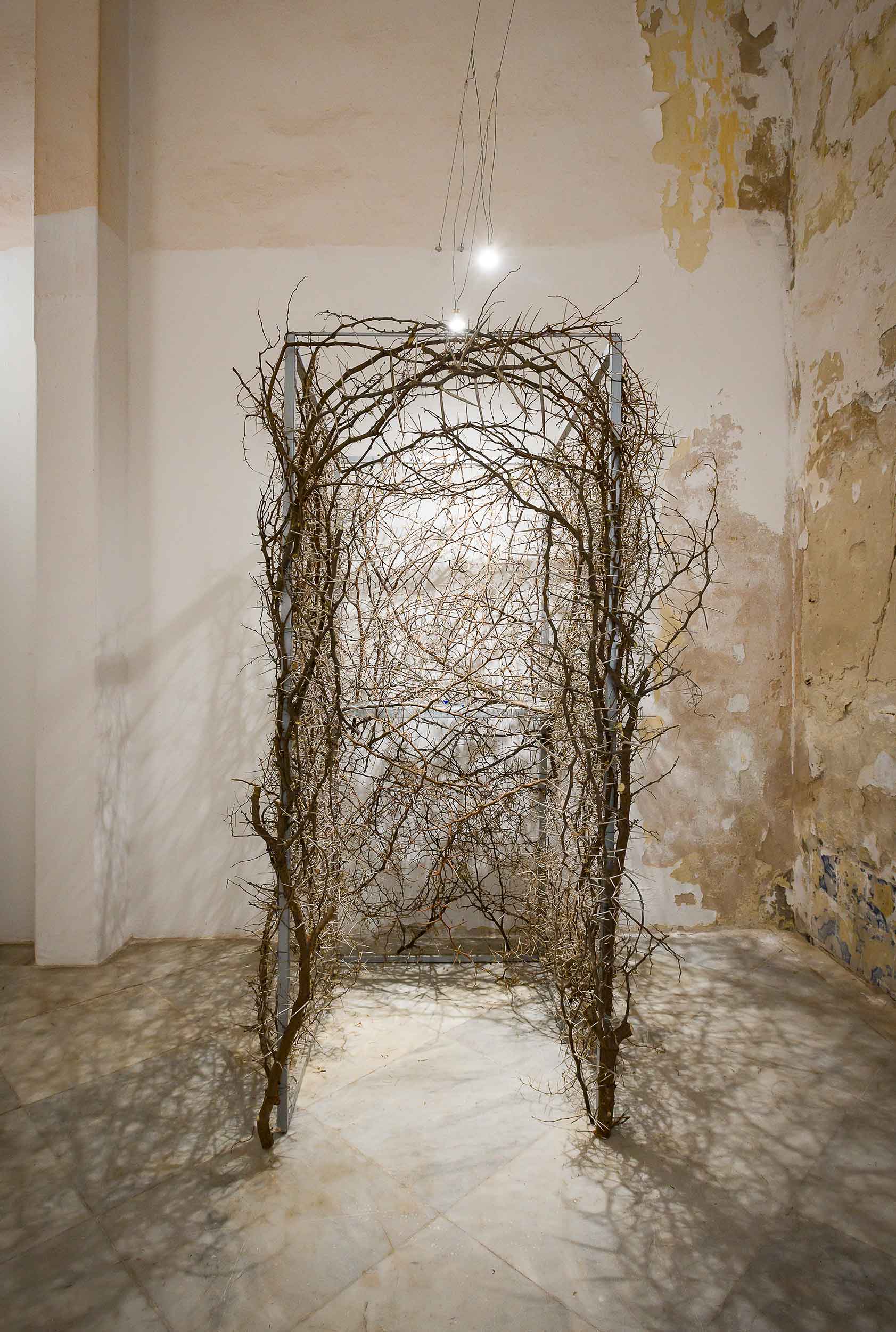
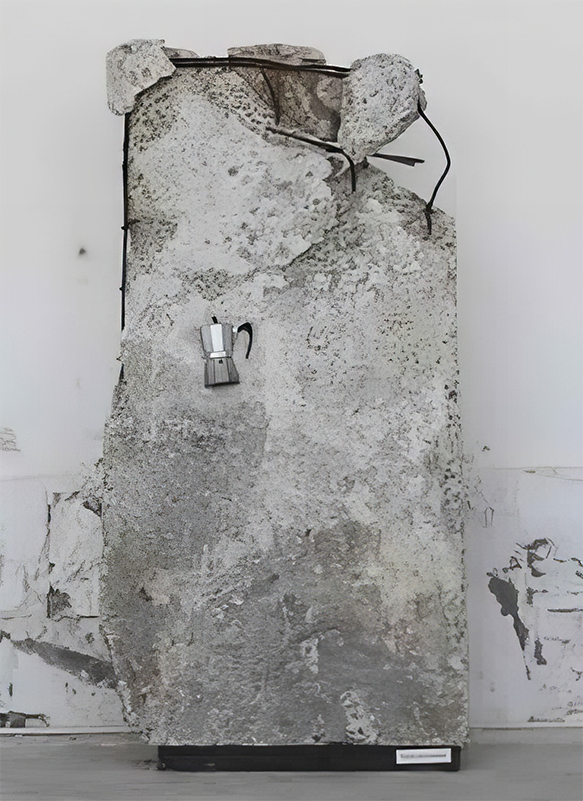
Le concept de « contrastiviste » implique 2 notions fondamentales : Excès et Equilibre. Transcrire l’équilibre des choses à travers une radicalité balancée par une autre. Autant dans les matériaux utilisés (par exemple le papier versus le béton) que dans l’idée suggérée (par exemple une famille soudée et aimante représentée en “bombes artisanales” (voir « Barbaboom »)), laissant le champ de la “vérité” ouvert à 360°.
You’ve referred to yourself as a “contastivist.” What does that word mean to you in practice and philosophy?
The concept of ‘contrastivist’ involves two fundamental notions: excess and balance. Its about expressing the balance of things through one radicality offset by another, whether in the materials used (for example, paper versus concrete) or in the ideas suggested (for example, a united and loving family represented as ‘homemade bombs’) see barbaboom, leaving the notion of truth open in 360 .
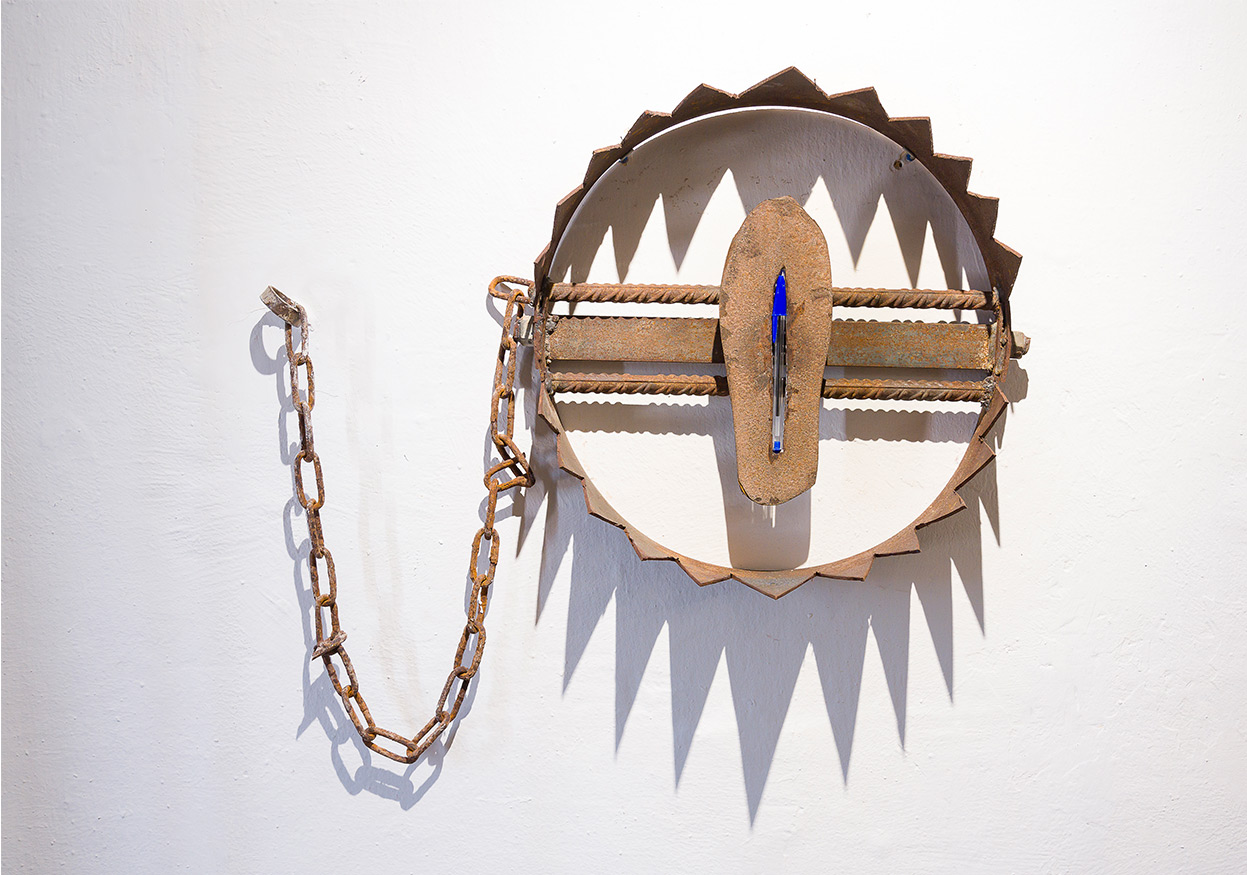
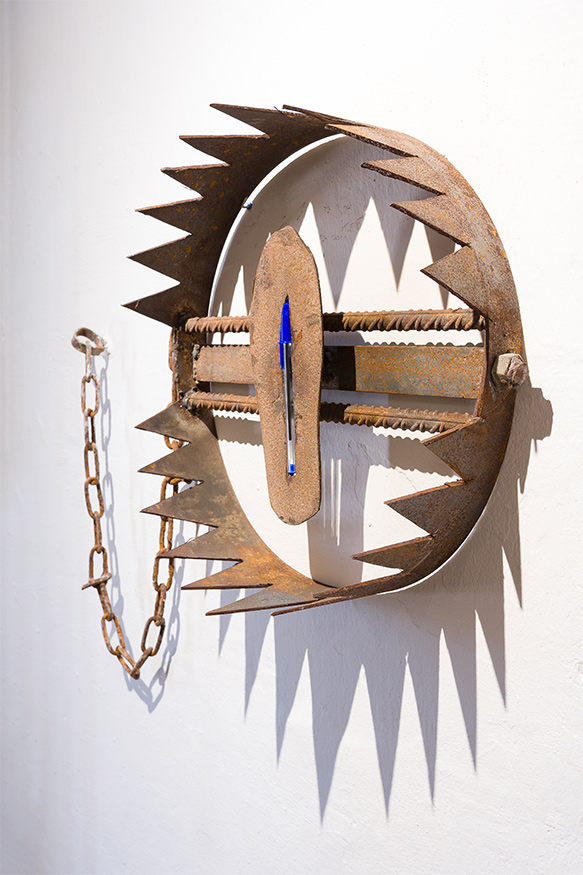
Avez-vous toujours été attiré par le travail a travers des differents médiums, ou y a-t-il eu un moment qui vous a poussé vers cette ouverture?
Pour moi le medium utilisé n’est qu’un moyen ! C’est l’idée qui engendre l’utilisation du medium adéquat et non l’inverse, impliquant le rejet de l’idée de virtuosité, d’une maitrise d’un matériau en particulier. Ceci me vient sans doute de mon expérience de décorateur de cinéma ou j’ai appris à utiliser différents matériaux (plâtre, bois, métal, …).
Have you always been drawn to working across different media, or was there a moment that pushed you toward that openness?
For me, the medium used is just a means! It’s the idea that leads to the use of
the appropriate medium, not the other way around, implying a rejection of the
notion of virtuosity or mastery of a particular material. This no doubt comes
from my experience as a film set designer, where I learned t o work with various
materials (plaster, wood, metal, etc.).
Comment votre identité personnelle e t votre expérience en grandissant en
Tunisie ont – elles influencé votre travail ? Que ce soit de manière directe ou
plus subtile ?
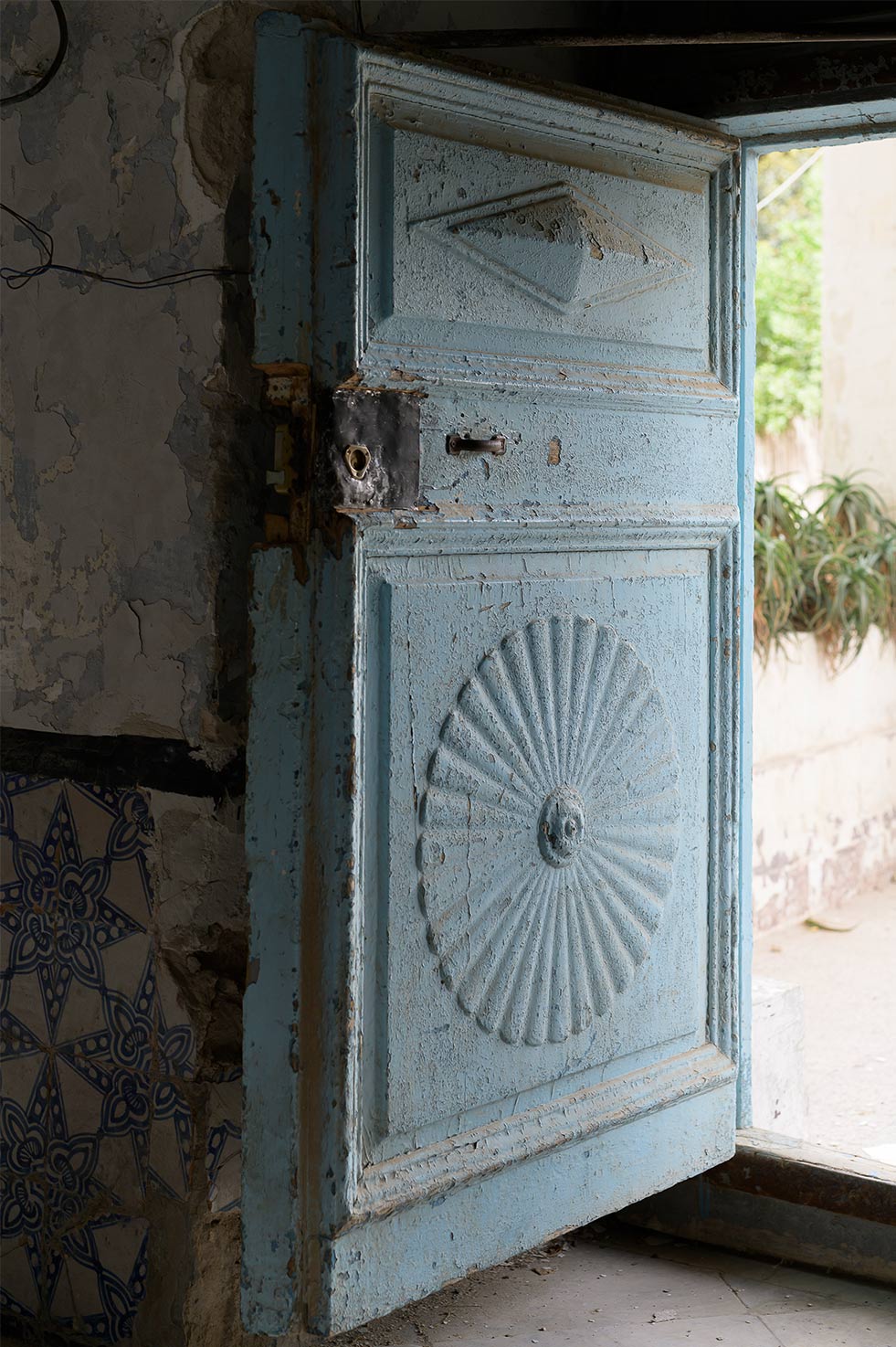
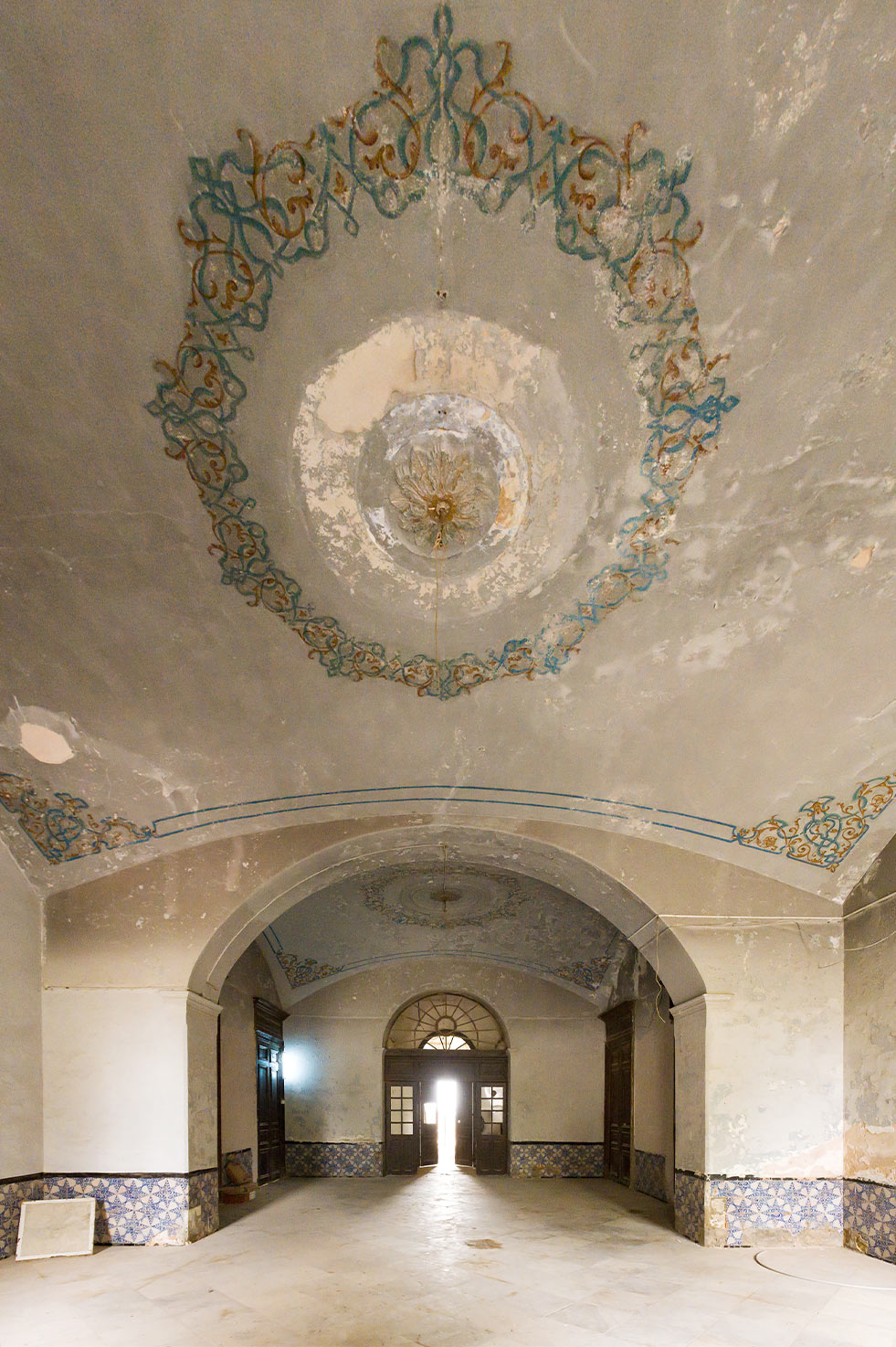
La Tunisie, mon pays natal, à toujours était, par sa situation géographique et son histoire, une terre d’ouverture, d’accueil et d e transmission ! Où les différentes influences Méditerranéenne, Africaine, Berbère, européenne ouarabo musulman ont ancré dans la société tunisienne, entre autres, une culture du consensus teinté d’une forme de fatalisme ironique ! Mon travail est sans nul doute inscrit dans cette manière de percevoir les choses !
How does your personal identity and experience growing up in Tunisia
influenced your work? Whether directly or in more subtle ways?
Tunisia, my native country, has always been, due to its geographical location and history, a land of openness, hospitality, and transmission! Where the various Mediterranean, African, Berber, European, or Arab-Muslim influences have, among other things, embedded in Tunisian society a culture of consensus tinged with a form of ironic fatalism! My work is undoubtedly rooted in this way of perceiving things!
Contre quoi résistez-vous o u remettez-vous e n question dans votre
pratique ?
La question fondamentale dans mon travail est la notion de Liberté, sous toutes ces formes… politique, sociale, culturelle ou religieuse.
What are you resisting or questioning in your practice?
The fundamental question in my work is the notion of freedom, in all its forms… political, social, cultural, sexual or religious.”
Votre travail est riche en symbolisme, souhaitez-vous qu’il soit d’abord compris ou simplement aperçu par le spectateur?
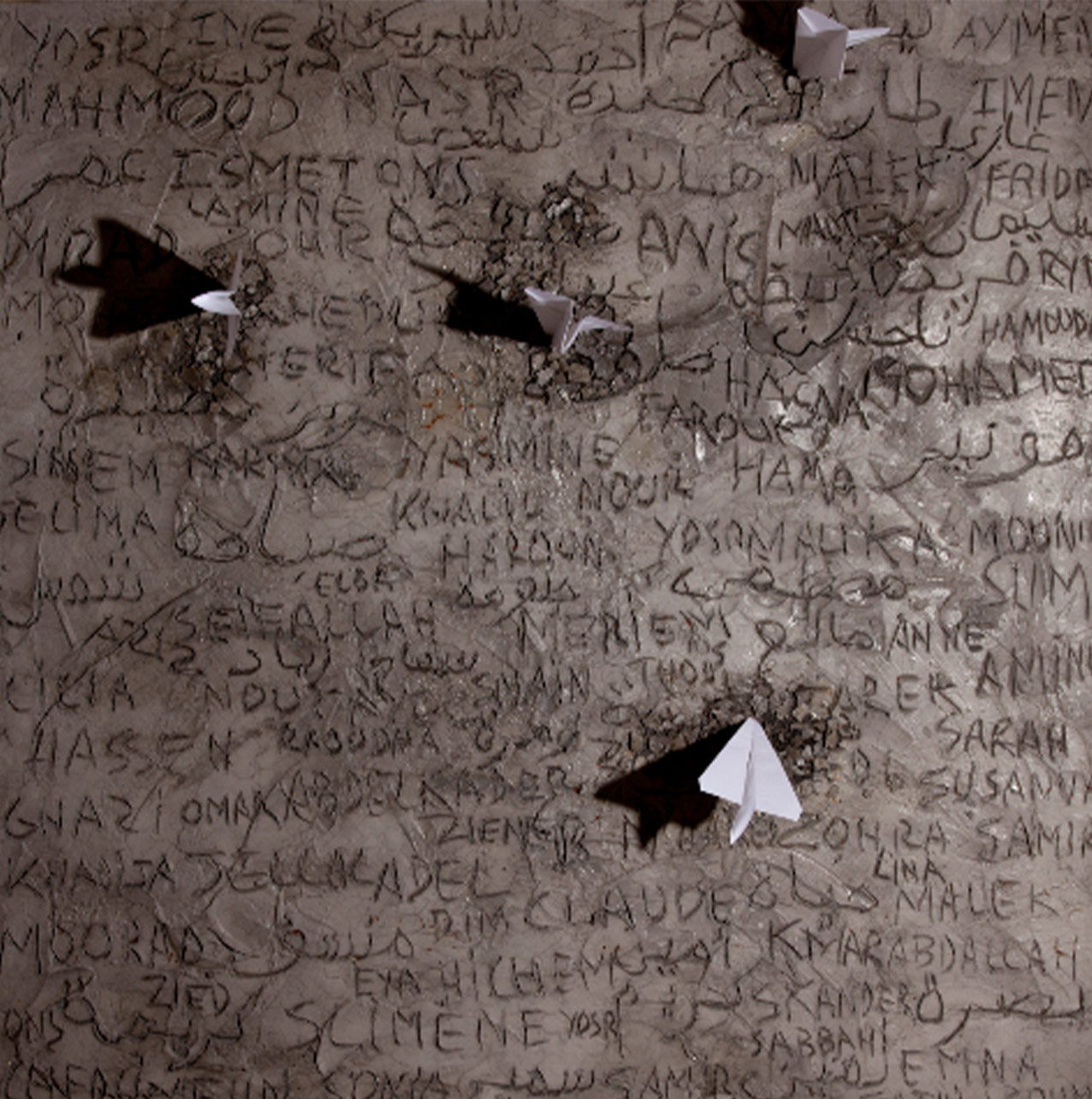
Il est très important pour moi de me faire comprendre par le spectateur. Mon travail est d’abord un moyen de communication
Your work is rich in symbolism, do you want your work to be understood or seen first by the viewer?
Its very important to me to be understood by the viewer. Above all, my work is a method of communication.
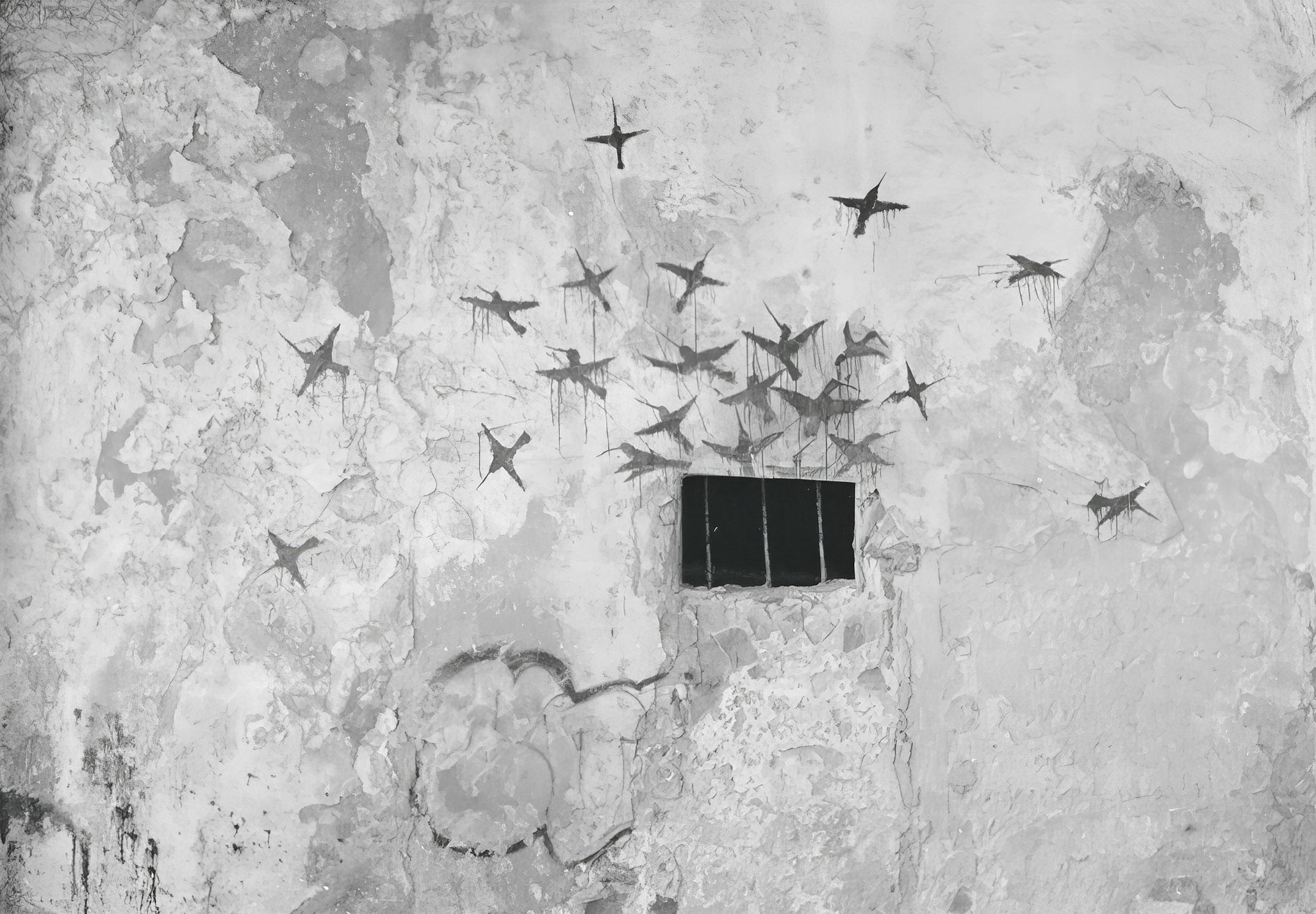
À propos de compréhension, y-a-t’il un spectateur qui a partagé son interpretation de votre travail d’une manière qui vous a touché ou marqué?
Bien sûr, la compréhension par « l’autre » de mes œuvres est essentielle. Ma démarche est toujours inscrite dans un dialogue, dans un questionnement…jamais dans une affirmation.
Speaking of understanding, has a viewer ever offered their personal understanding of your work that moved you or stayed with you?
Of course, the understanding of my work by the other is essential. My approach is always rooted in dialogue, in questioning… never in assertion.
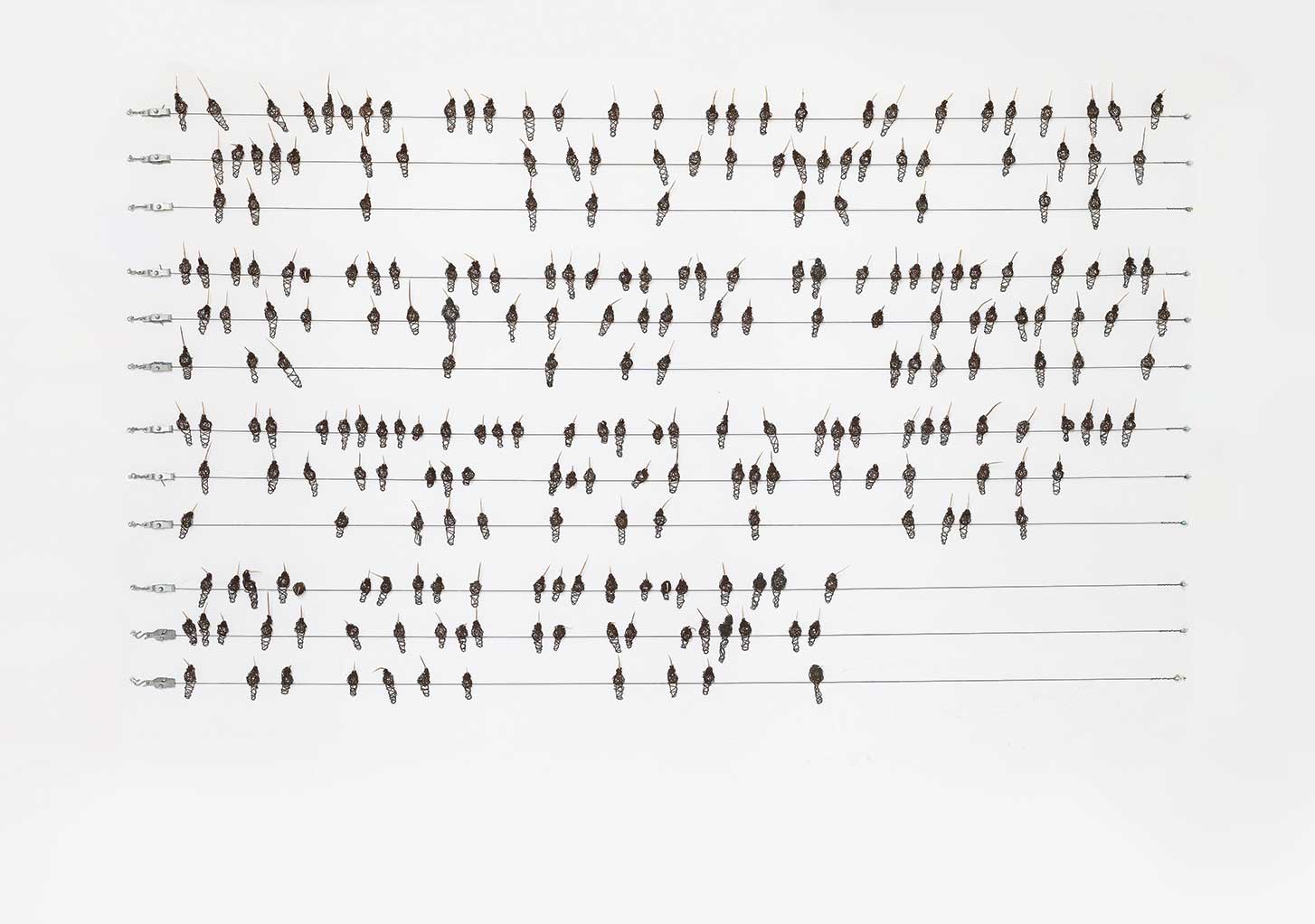
Y a-t-il une oéuvre avec laquelle vous avez eu du mal, que ce soit techniquement ou émotionellement?
La création implique presque toujours une lutte ! Parfois avec le matériau lui-même mais surtout dans l’équilibre même de la représentation de l’idée.
Has there been a piece you struggled with, either emotionally or technically?
Creation almost always involves a struggle! Sometimes with the material itself, but above all in achieving balance in the representation of the idea.
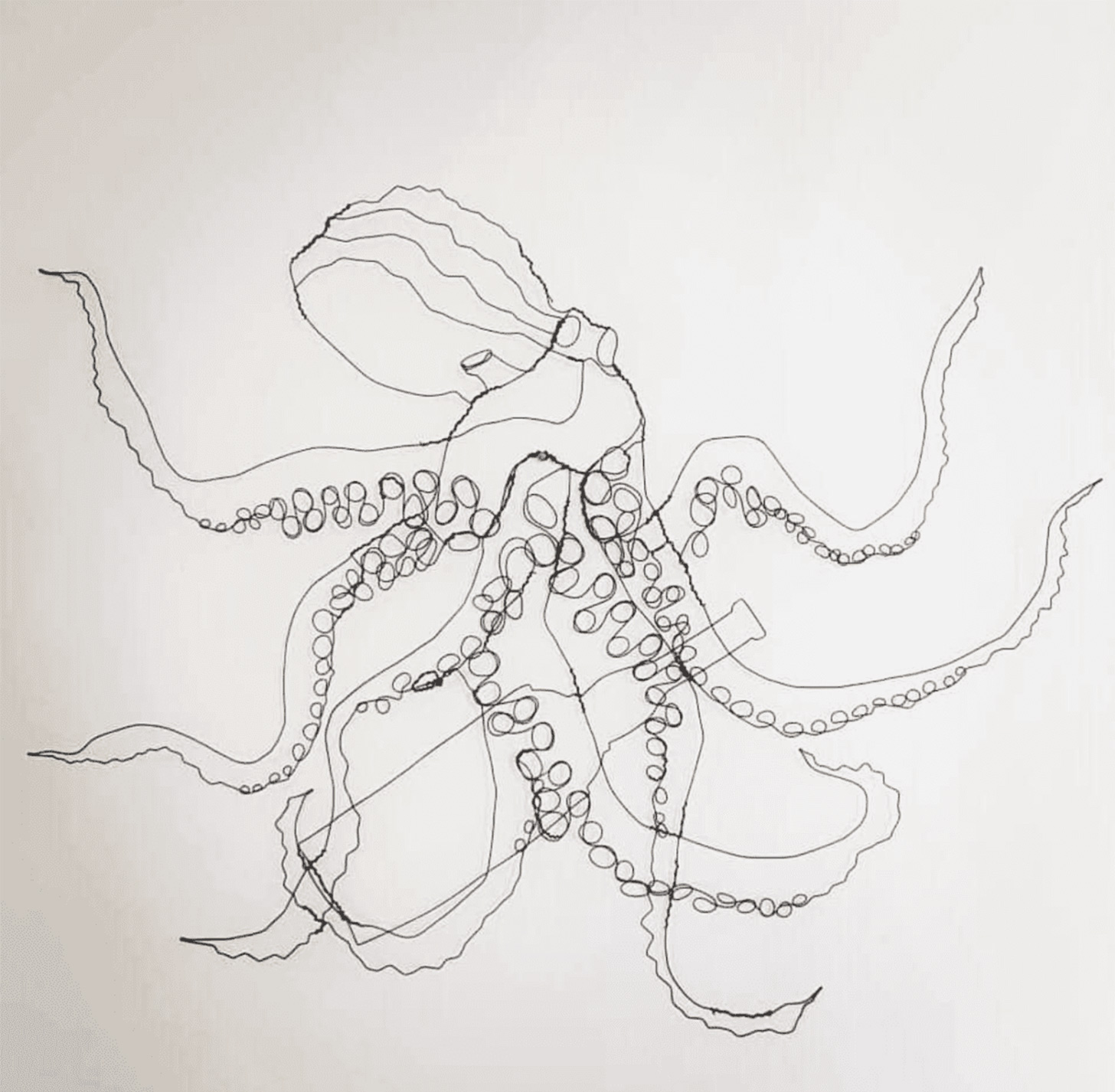
Comment choisissez-vous les matériaux avec lesquels vous travaillez ?
Viennent-ils par hasard ou est-ce que vous les choisissez toujours de manière intentionnelle ?
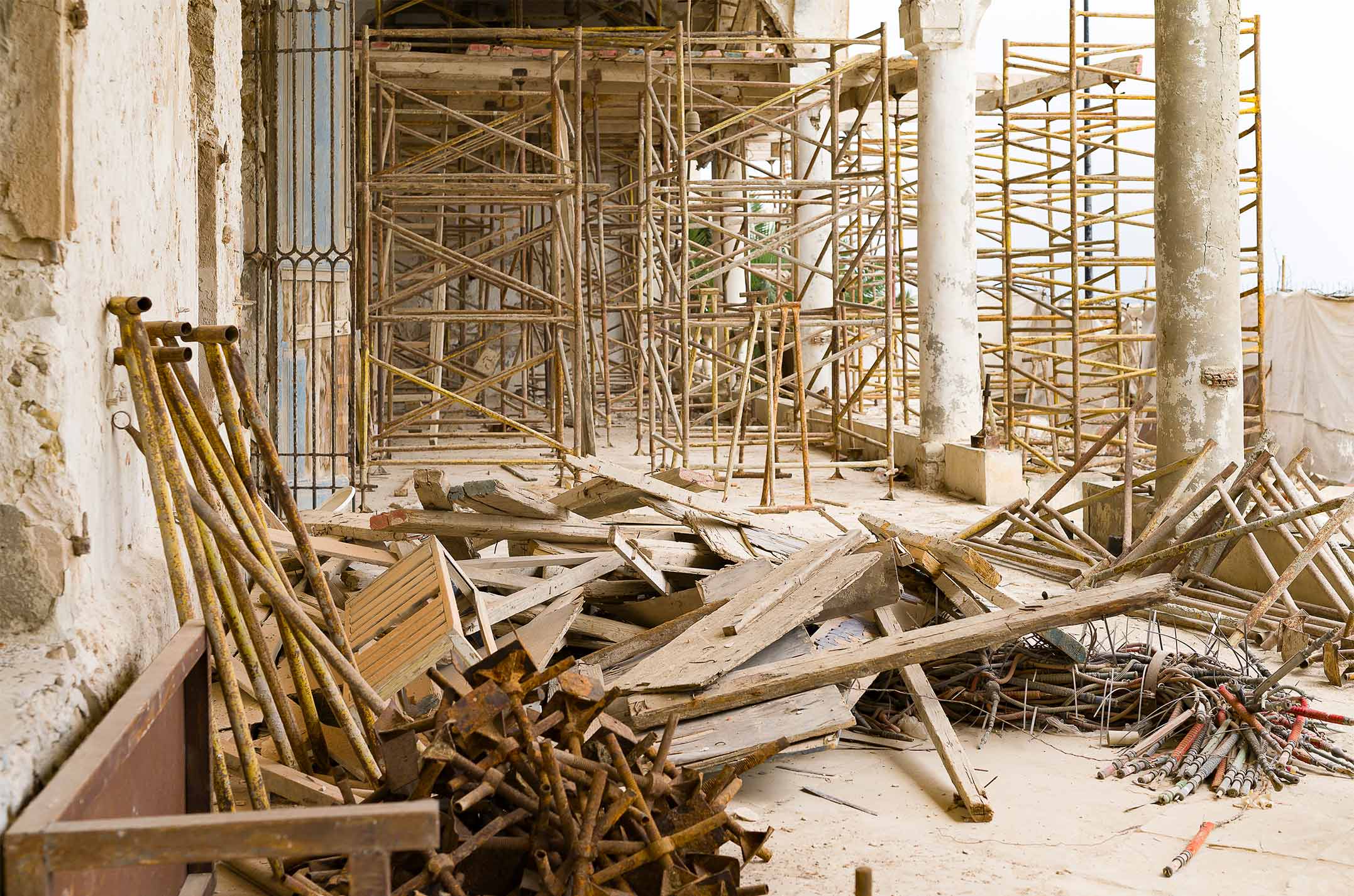
C’est en concrétisant mon idée que les matériaux s’imposent d’eux même mais il m’arrive aussi de récupérer des « éléments déchets » trouvés dans la rue ou sur la plage qui peuvent inspirer une œuvre à venir.
How do you choose the materials you work with? Do they come to you by chance, or are you always choosing with intention?
It’s by realizing my idea that allows the materials impose themselves, but I also sometimes collect ‘discarded materials’ found in the street or on the beach that can inspire a future work.
Quelle est la dernière chose que vous avez trouvée et qui vous a fait penser
“je dois créer quelque chose avec ça” ?
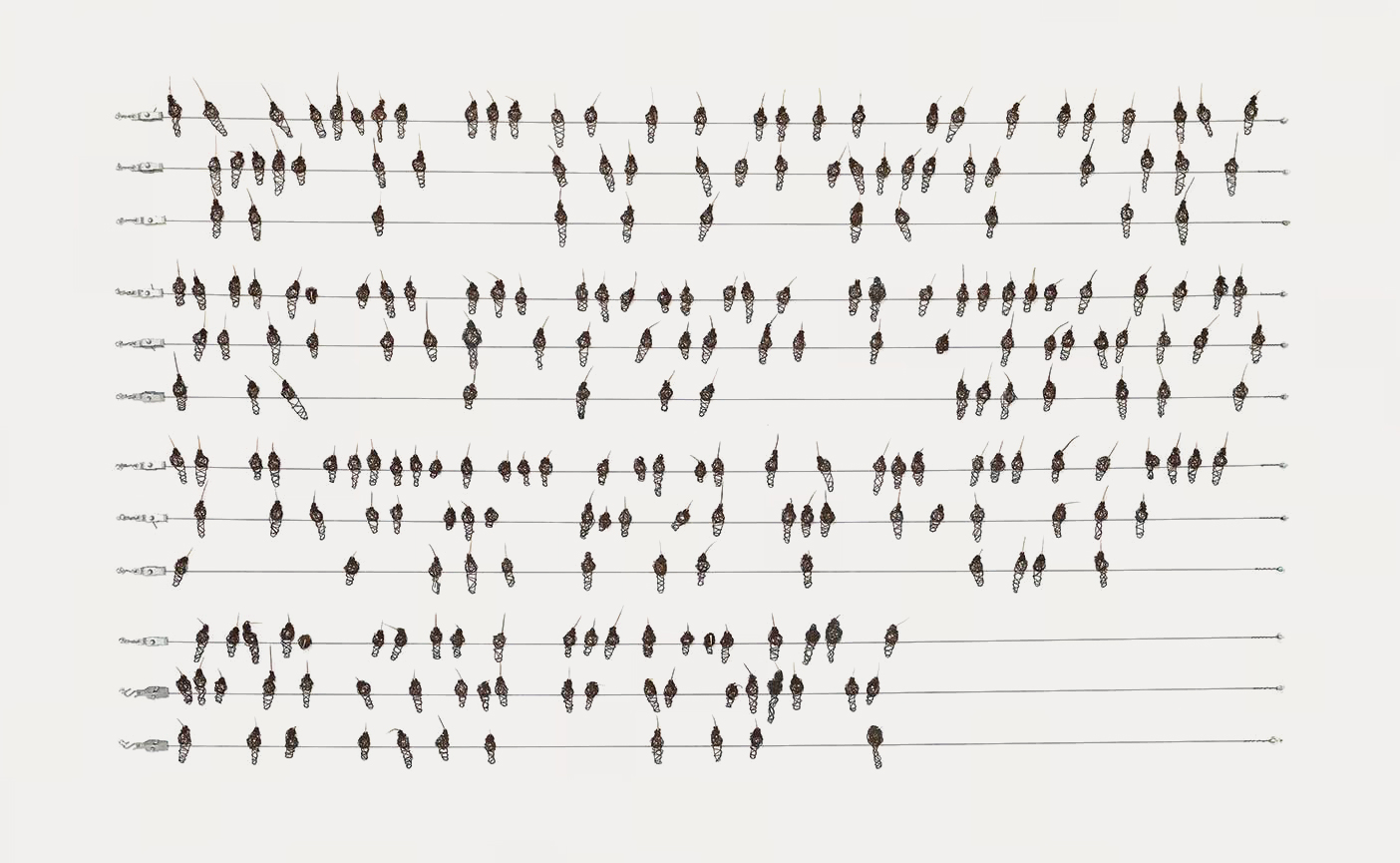
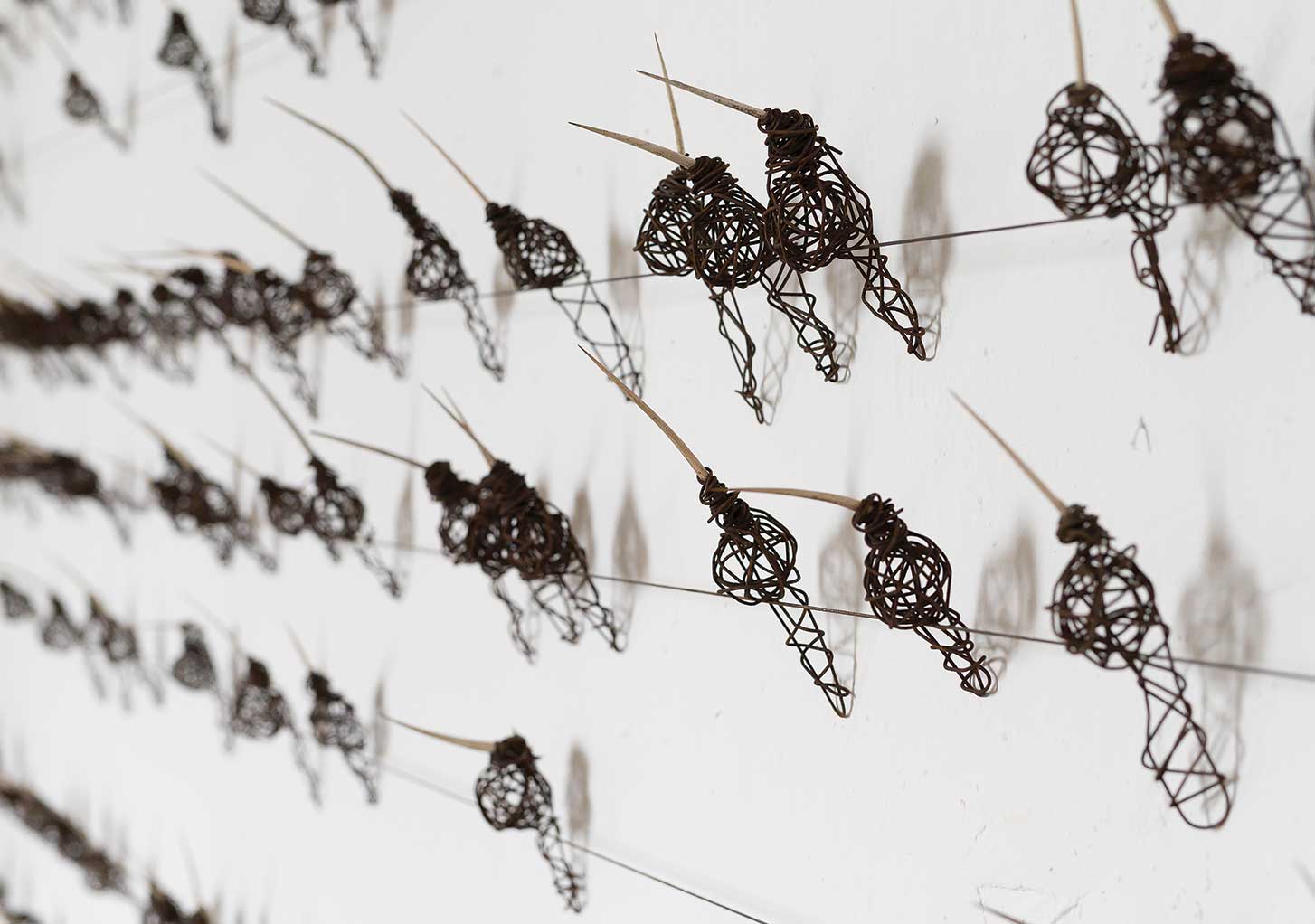
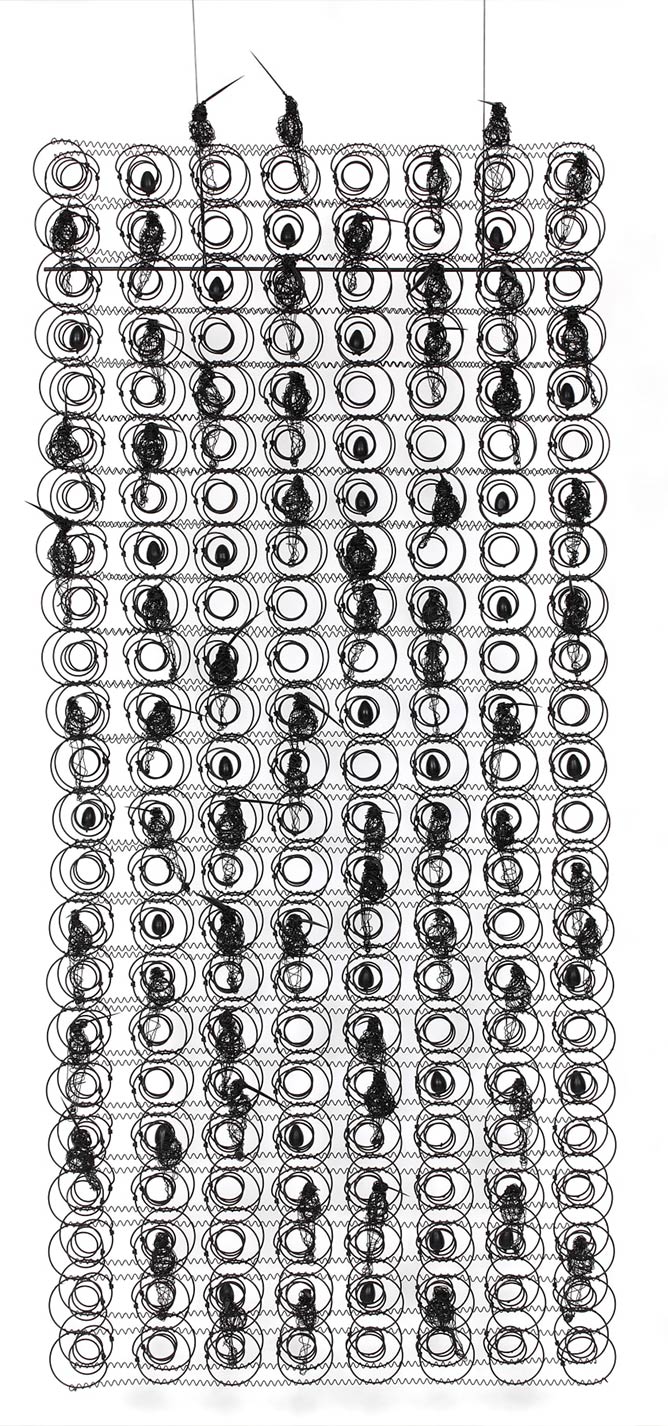
La dernière fois qu’un matériau c’est imposé de lui-même, c’était un sommier métallique transformé en perchoir H.L.M. pour une population d’oiseaux métalliques figée dans leur immobilisme.
What’s the last thing you found that made you think, “I need to make something with this”?
The last time a material imposed itself on me, it was a metal bedspring transformed into a housing-project-style perch for a population of metallic birds frozen in their immobility.
Est-ce que vous collectionnez des objets pour vous-même ?
Je suis un petit collectionneur d’œuvres de mes amis artistes tunisiens et internationaux et, assez récemment, je m’intéresse beaucoup aux céramiques et poteries de la région de Séjnéne (village au nord de la Tunisie). Céramiques classées aux patrimoine mondial de l’UNESCO, réalisés exclusivement par les femmes du village…Magnifique !
Do you collect anything for yourself?
I collect works by my Tunisian and international artist friends, and more recently, I’ve become very interested in the ceramics and pottery from the region of Sejnane (a village in northern Tunisia). These ceramics are listed as UNESCO World Heritage and are made exclusively by the women of the village… Magnificent!
Ou peut on vous trouver?
Mon atelier se trouve sur la plage de La Goulette (banlieue nord de Tunis) et mon travail peut être vu sur mon compte Instagram « omar bey »
Where can we find you?
My studio is located on the beach of La Goulette (a northern suberb of tunis) and my work can be seen on my instagram account Omarbey