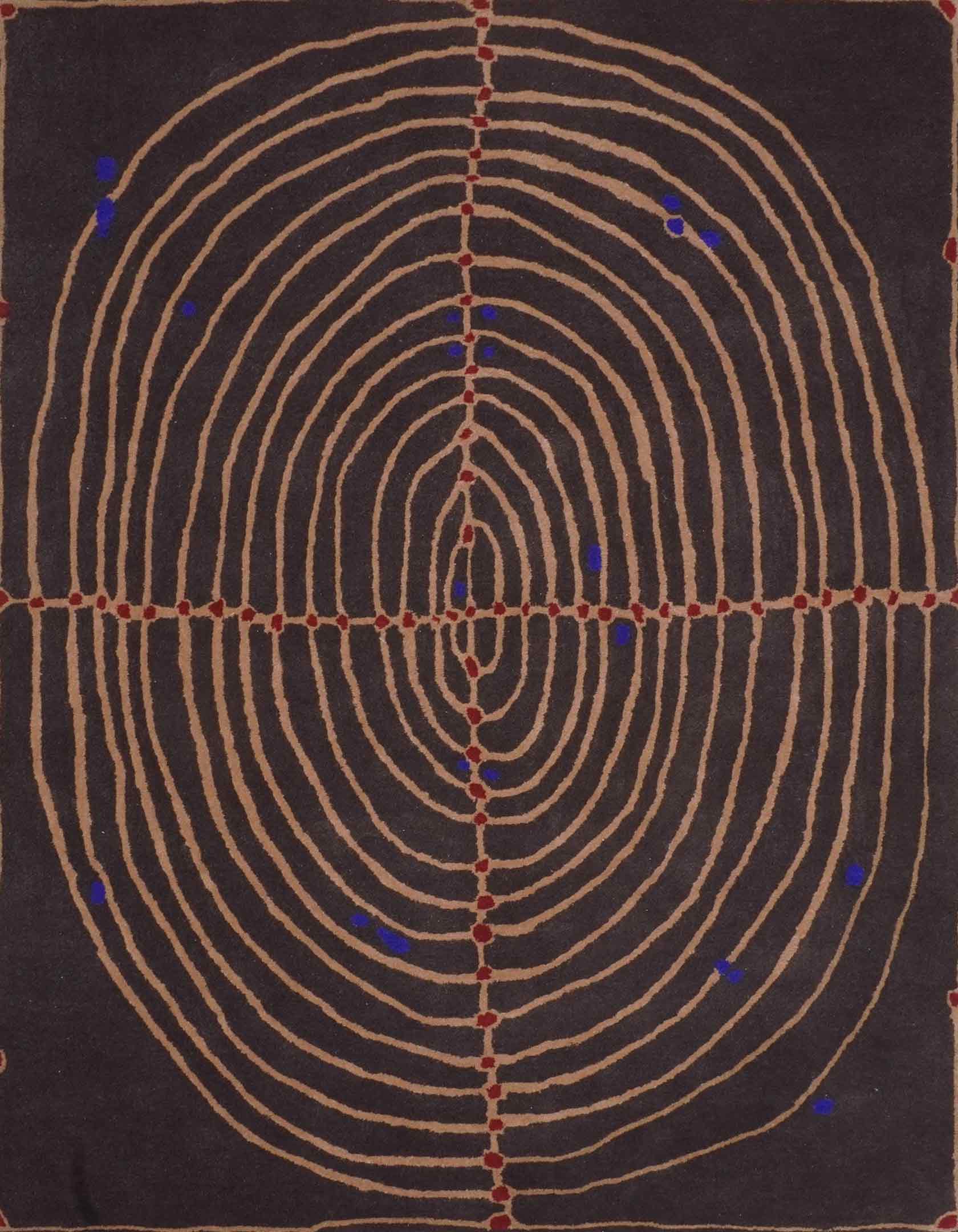
Omar Darwish
What’s your name and where are you based?
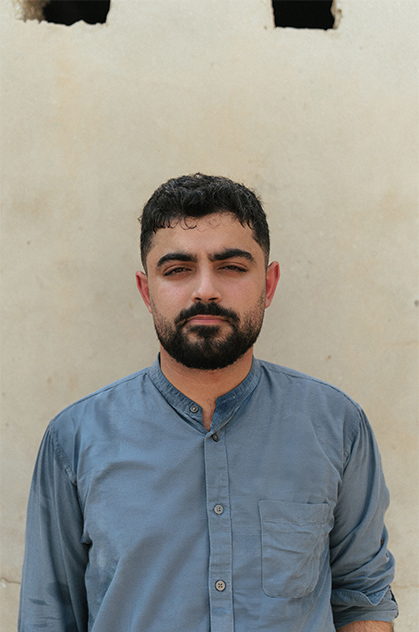
Hala, I’m Omar Darwish. I was born and raised in Abu Dhabi and I’m currently based between Abu Dhabi and Sharjah in the United Arab Emirates.
Can you describe your practice in a few words?
My practice is a way of reading the Arab world through its built environment.
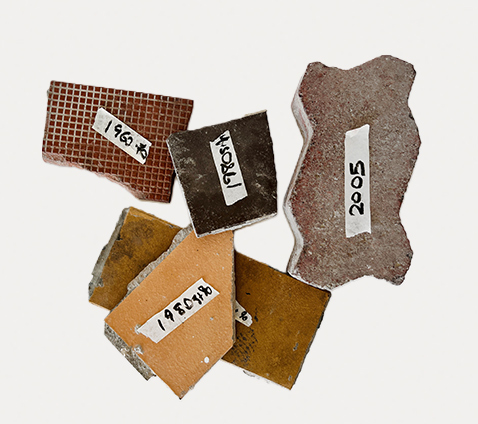
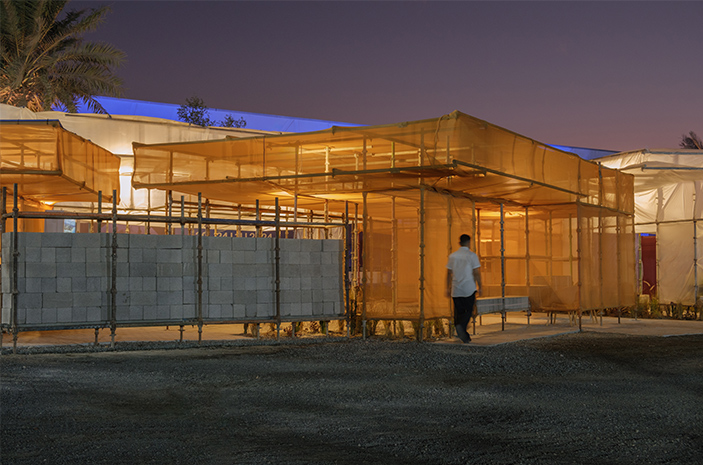
I use design research to examine how spatial ideas, construction logics, and material habits move across the region and settle into buildings, landscapes, and everyday life. Often, this means looking at things that are not usually granted importance within architectural discourse—temporary structures, infrastructural edges, construction residues, vernacular devices, and overlooked urban situations.
Depending on what the research demands, I work through architecture, curation, writing, or installation. I do not see these as separate disciplines, but as different tools for making an observation public.
What initially led you toward design?
What first led me toward design was not a building, but a comparison.
Growing up between Abu Dhabi and Amman, I became aware very early on that cities are not neutral. One city was coastal, horizontal, and expansive; the other was mountainous, dense, and topographically uneven. As a child, I would ask very simple questions: why is the street like this here and not there? Why does one sidewalk follow one logic and another a completely different one? Why do certain materials, road patterns, and spatial habits appear in one place and not another?
At the same time, both cities were undergoing construction and expansion. I grew up seeing neighborhoods being made in real time. My grandfather was involved in construction and development in Abu Dhabi, so I came to understand that the city was not something natural or fixed, but something decided, assembled, and negotiated. That realization stayed with me and led me to choose architecture as a field of study.
You often refer to yourself as “the pan Arab.” What does this term mean to you?
When I call myself “the pan-Arab,” I am not using the term politically. I use it to describe a condition of upbringing.
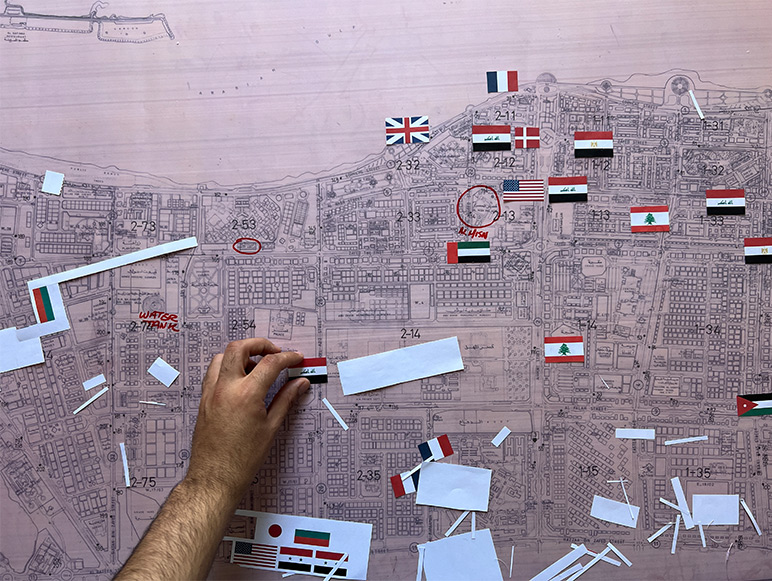
My family extends across different parts of the Arab world, so I grew up in a household where dialects, references, habits, and stories were constantly crossing one another. The Arabic I heard at home did not belong neatly to one national context. It was mixed, mobile, and relational.
That condition shaped the way I think. It made it difficult for me to look at architecture through fixed national frames. I am more interested in how ideas travel across the region—how building knowledge, environmental responses, and spatial practices circulate, settle, and take different forms in different places while still belonging to a shared cultural field.
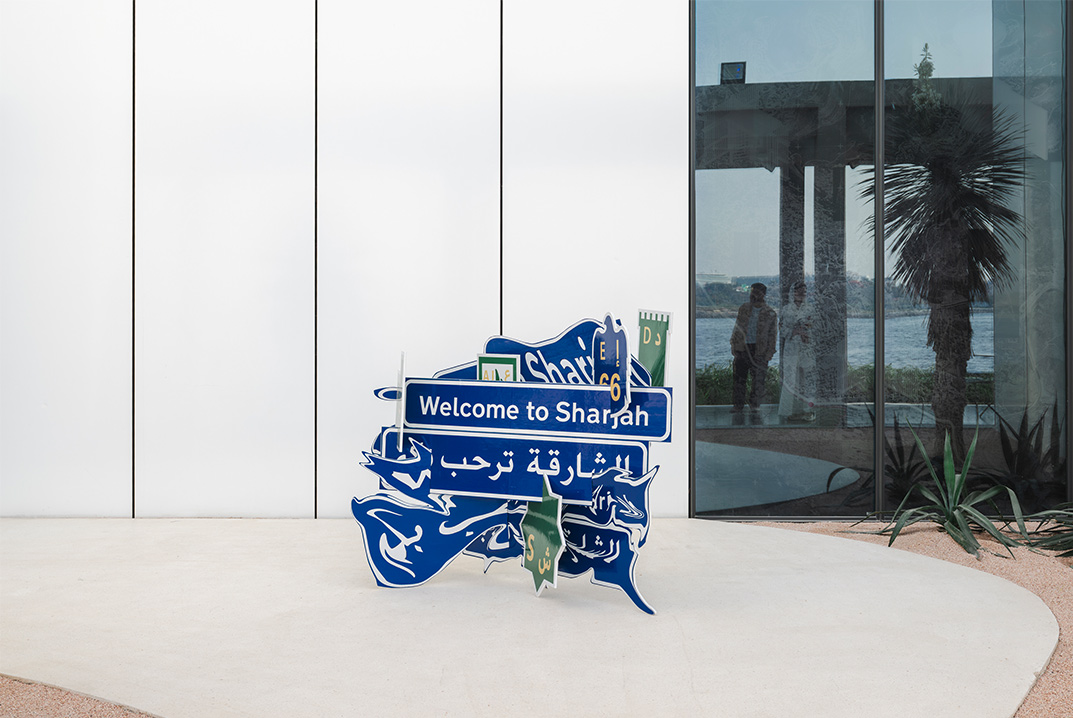
Your platform Some Kind of Practice works through design research. What first led you to approach built systems as a research area?
My architectural education initially trained me to look at buildings as resolved objects. But the more I paid attention to the region around me, the more I felt that the most important architectural intelligence was often elsewhere.
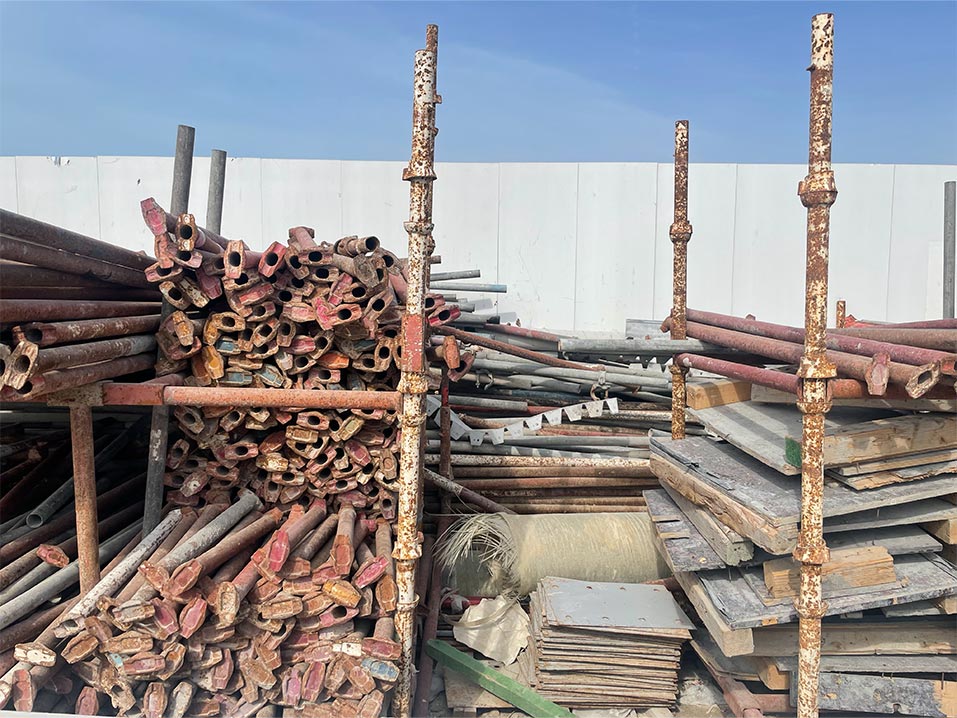
It was in the scaffold, the shade device, the leftover block, the water tank, the informal extension, the temporary enclosure, the roadside structure, the construction residue. These were not marginal to architecture; they were often the clearest evidence of how people actually build, adapt, and negotiate environmental and material conditions.
Are there specific questions or ideas you find yourself repeatedly returning to through your work?
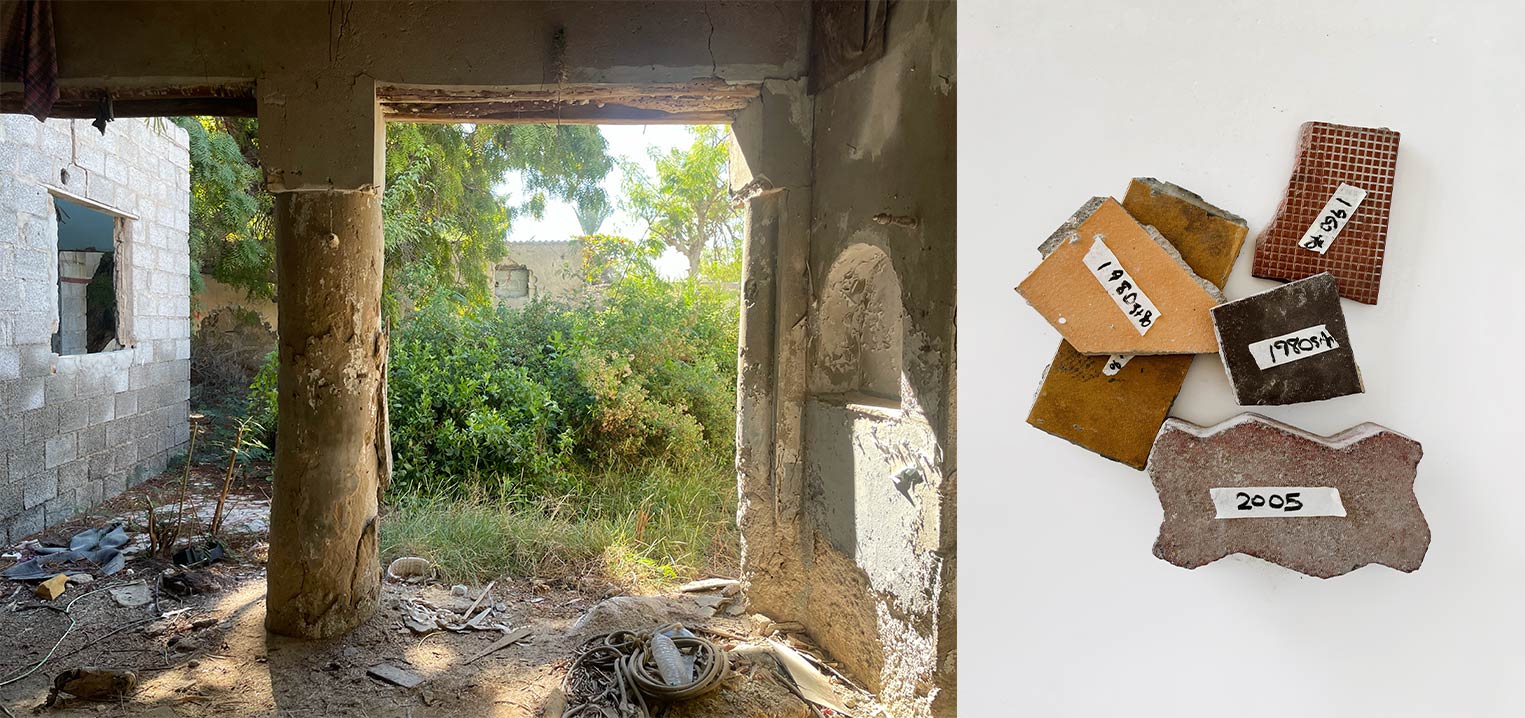
Yes. I keep returning to the question of how building knowledge moves across the Arab world.
I am interested in the fact that many of the region’s spatial habits are shared, even if they appear under different names or in different forms. A threshold condition in one geography may reappear as a courtyard logic elsewhere. A shading device, a material practice, or a way of organizing domestic or public space may travel quietly across borders through labor, trade, climate, memory, and imitation.
In your view, what have your studies of overlooked structures revealed about the future of built systems in the Arab world?
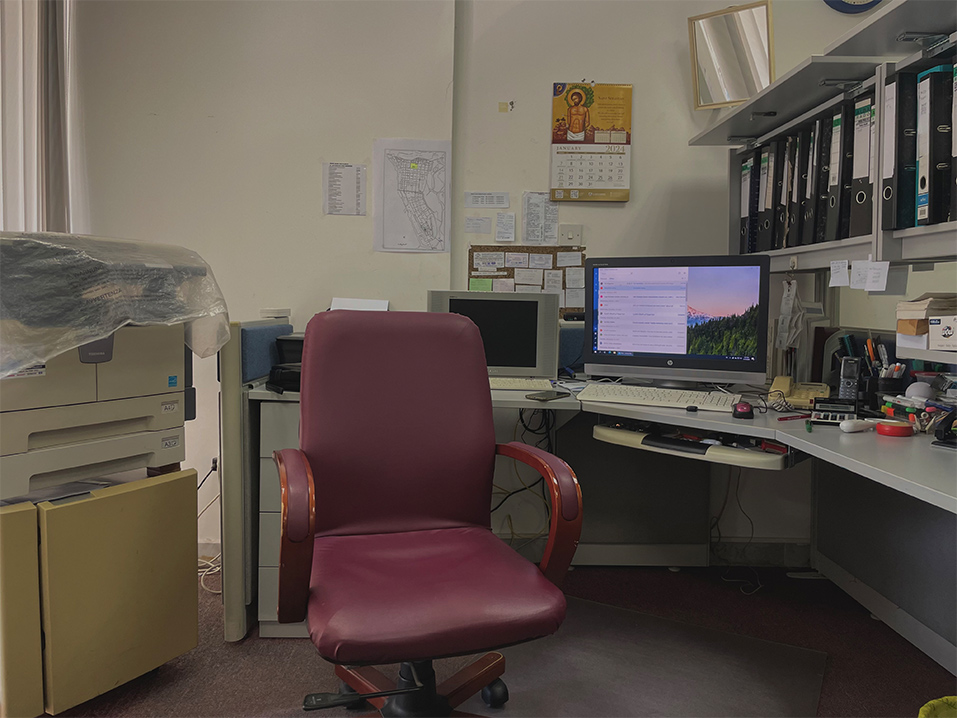
They have shown me that the future will not come only from what is newly invented, but also from what has already been practiced without being properly valued.
Many overlooked structures contain forms of intelligence that formal architecture still struggles to achieve consistently—economy of means, climatic responsiveness, adaptability, and a close relationship between use and assembly. They are often direct in the way they solve problems. They do not rely on excess.
What interests me is that these structures are rarely treated as knowledge. They are seen as background, memory, or as temporary, or as incomplete. But in many cases they reveal more about the future of building in the region than monumental architecture does, because they are already negotiating heat, scarcity, speed, and everyday life with precision.
Outside of your practice, what fuels your creativity?
Observation, more than anything.
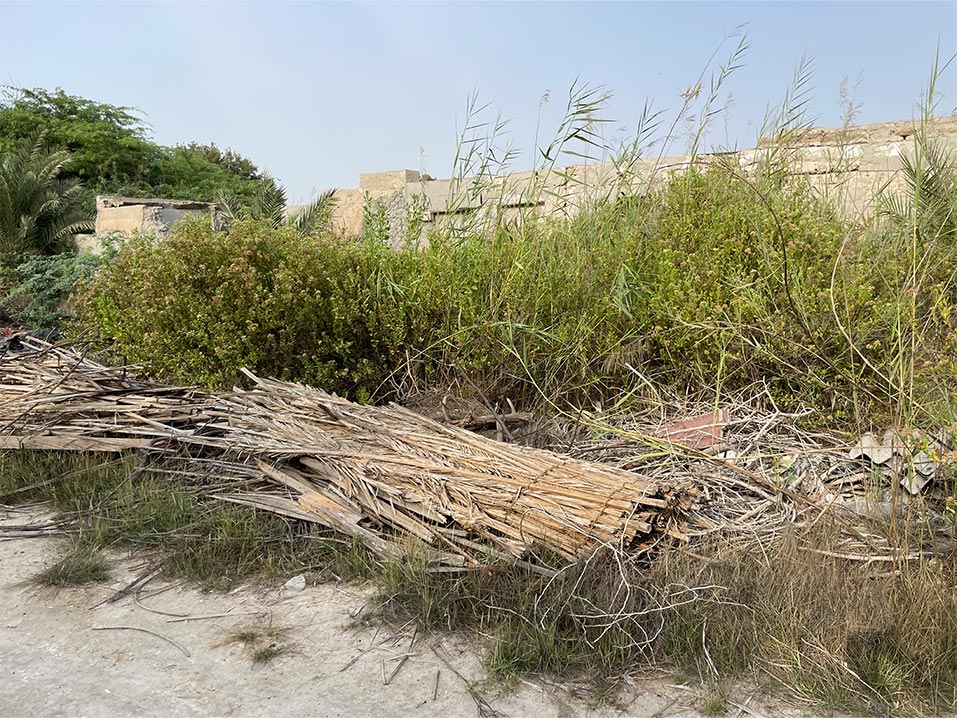
Traveling across the region, driving through industrial zones, desert roads, peripheral towns, agricultural landscapes, coastlines, and expanding urban edges often gives me more than sitting at a desk does. I am interested in the things people stop noticing once they become familiar—the arrangement of roadside objects, water infrastructures, informal shade, signage, boundary walls, leftover materials, the ways landscapes are occupied.
Archives also matter deeply to me, not as sealed repositories of the past, but as places where forgotten relations can be recovered. A photograph, a municipal document, an anecdote, or a conversation with someone remembering a place can completely shift how one understands the present.
Where can people find you?
People can follow my work on Instagram at @the_pan_arab, where I share ongoing research, field observations, projects, and exhibitions.