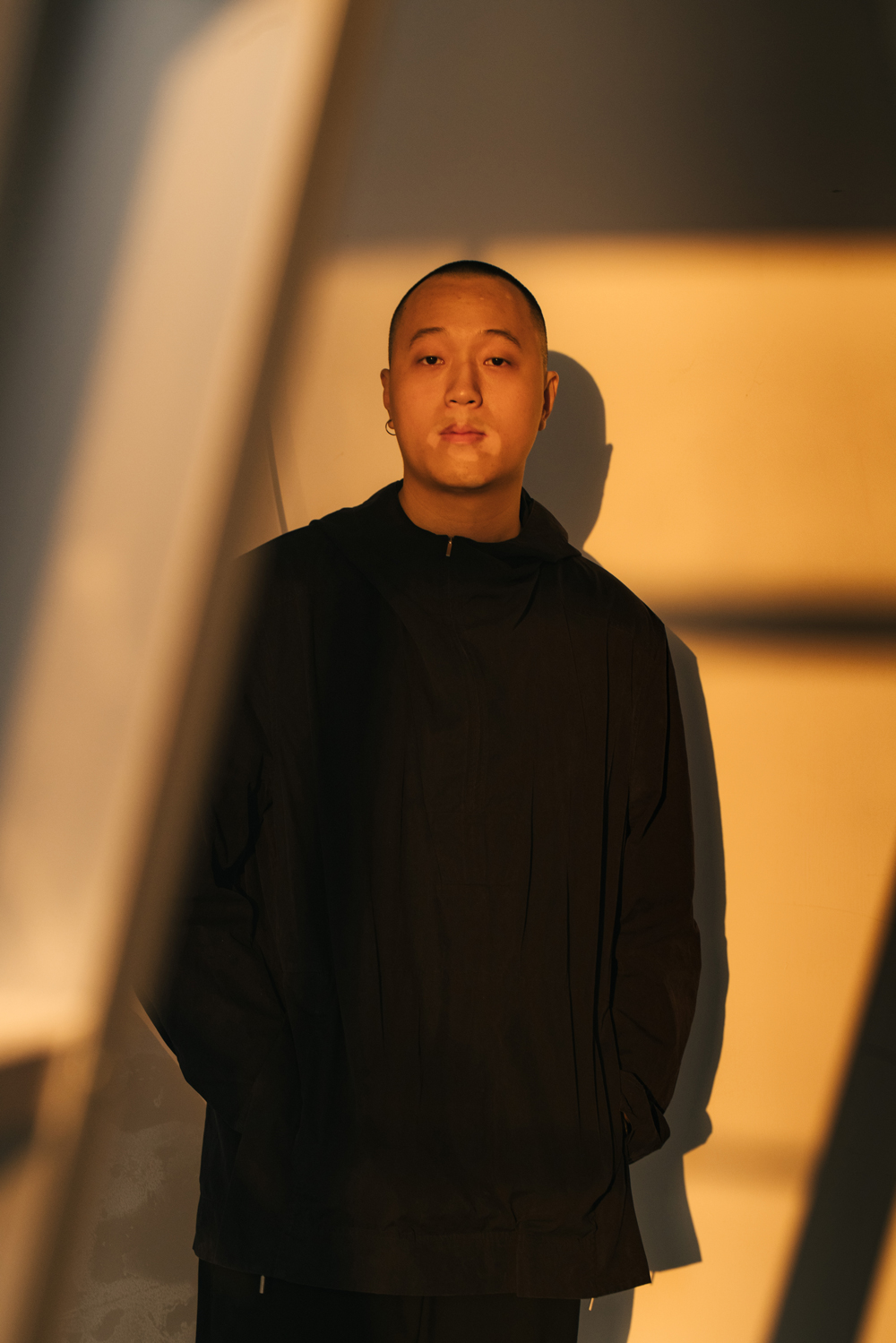
Orange Terry
What’s your name and where are you from/based?
Hi, my name is OrangeTerry. I’m based in Hong Kong.
What does Orange Terry mean?
“OrangeTerry” was just a random name that came up during my university days. It doesn’t really have a specific meaning.
Can you describe in a few words what you do?
Rooted in a fascination with overlooked and discarded materials, my work challenges traditional design paradigms by blending sustainability, functionality, and conceptual creativity.
What drew you to post-industrial design in the first place? And what does it mean to you?
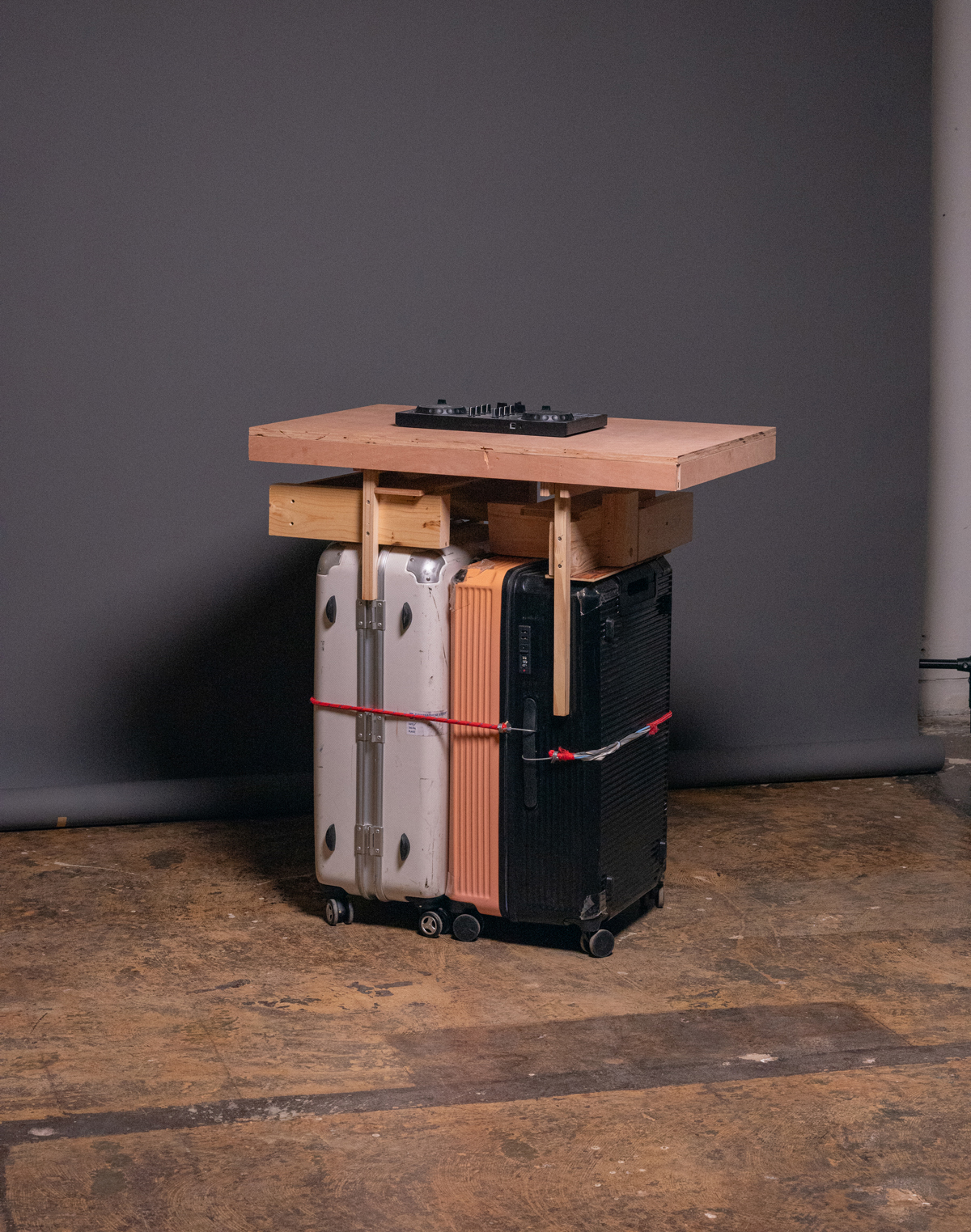
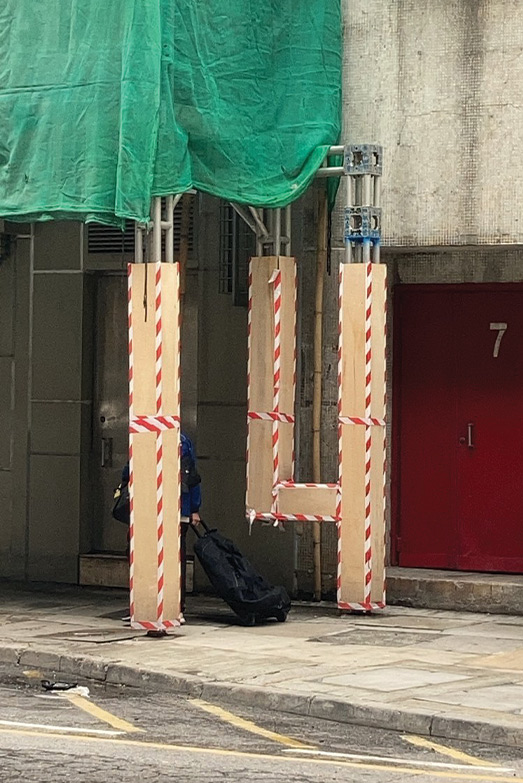
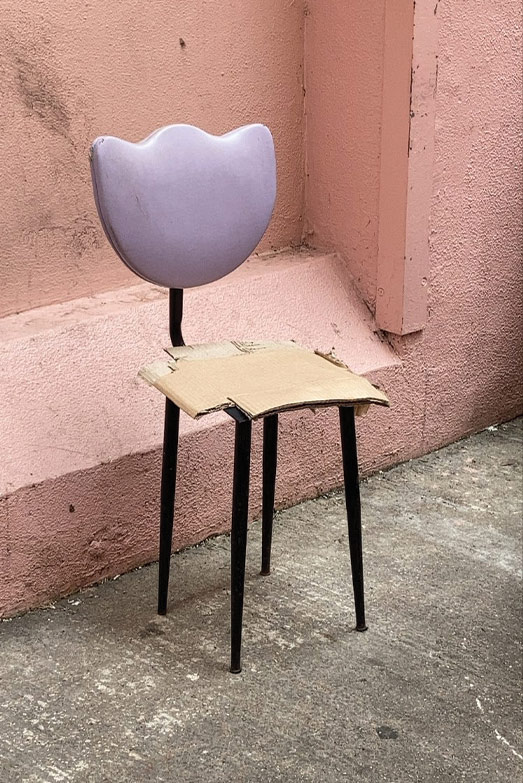
“Post-industrial design” is a term I came up with to describe my approach. I work with objects that already exist—I don’t create from scratch. Instead, I source existing materials, compose, reinterpret, and recontextualize them.
Growing up, I was drawn to second-hand items. Whether it was hand-me-down toys from relatives or thrifted clothes later on, the process always felt like a treasure hunt—full of unexpected joy.
When I started studying design, I kept asking: why are we still creating new products? Are we truly solving problems, or are we just responding to issues we’ve created ourselves?
To me, no product is ever perfect, because the standards of industrial design are constantly shifting. That’s why I prefer to begin with found objects—shaping design from what already exists, instead of inventing from scratch.
It starts with the everyday: reflecting on it, transforming it, and recording it. That’s how I see post-industrial design for now, a definition that may shift as I continue to grow and explore.
Are there any other design schools that influence you specifically?
I’ve always admired Design Academy Eindhoven and was even accepted into their Master’s program—unfortunately, COVID disrupted those plans.
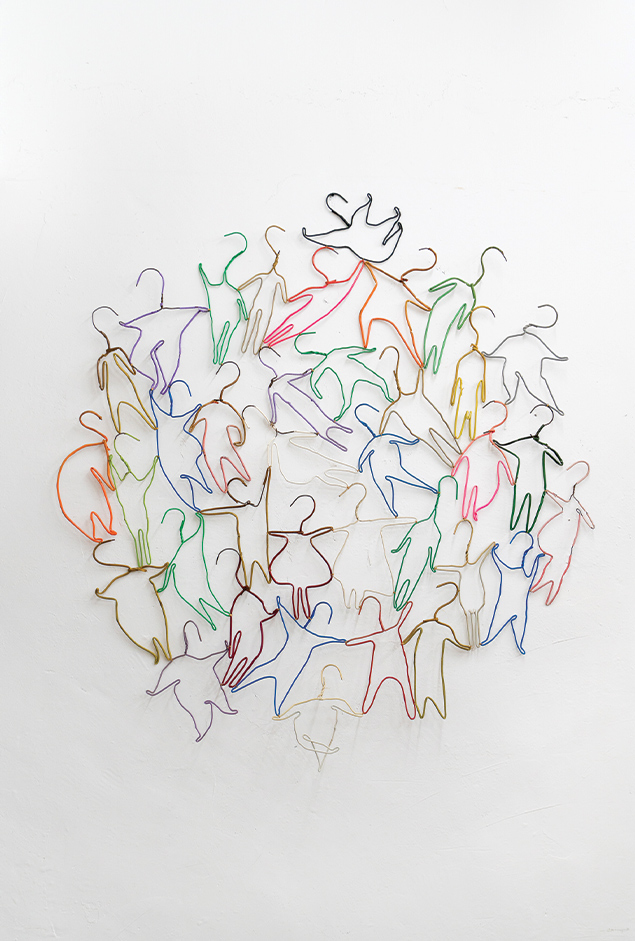
Since then, I’ve been creating more spontaneously, using my work to capture inspiration from everyday life. This ongoing process has been key to developing a design methodology that feels true to me.
How do you choose your surplus and scrap materials, do they find you, or do you look for them with something in mind?
I love wandering the streets without a fixed route, simply observing the objects around me—those in use, about to be used, abandoned, brand new, or randomly assembled.
Most of these objects appear through human activity, and by observing them, I can often imagine how they came to be or how they were put together. The entire process feels organic, guided more by curiosity than by any set plan.
Is there a material you once overlooked or resisted that’s now core to your practice?
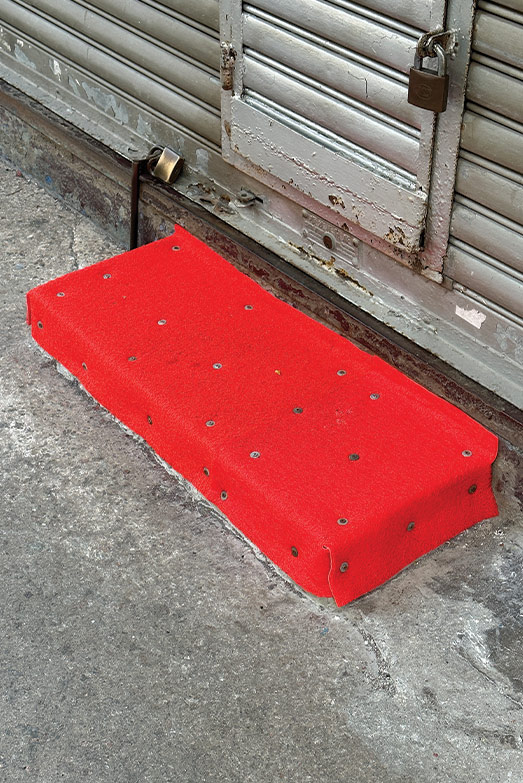
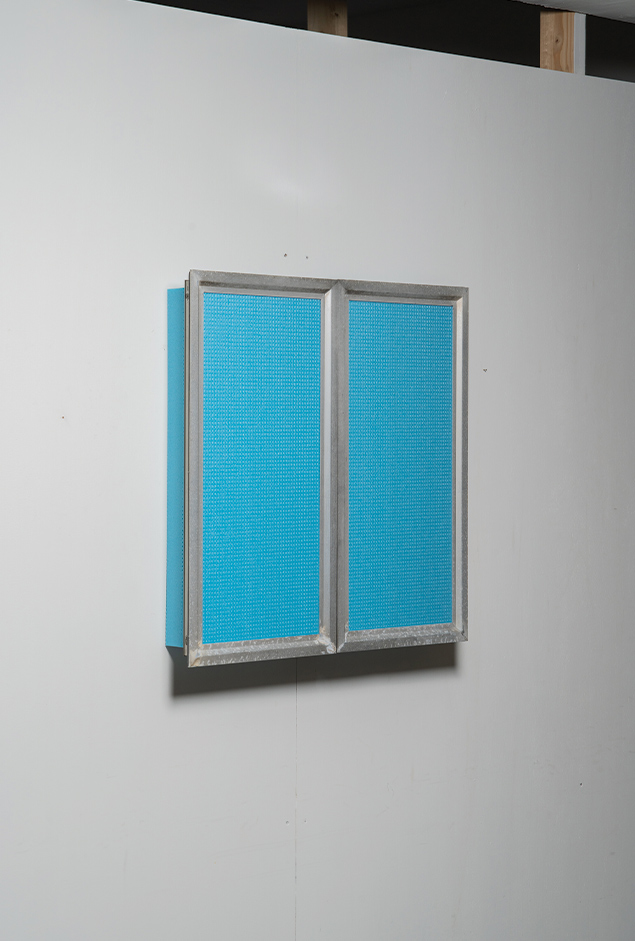
High density foam was a material I avoided for a long time. I had unpleasant memories connected to it. It reminded me of the early stages of studying product design. One of the most vivid and difficult moments from design school was having to carve a spoon out of high-density foam, just to practice rapid prototyping. The material felt fragile, and to me, it also represented something short-lived and easily thrown away.
But recently, I started working with it again. I made a few pieces using high-density foam, and something surprising happened. When waste materials met high-density foam, a symbol of the beginning of industrial design, it created a sense of time folding in on itself. I became fascinated by that moment.
Do you think someone who knows you well would see your work as a reflection of who you are?
To me, who I am and what I create are inseparable. My work is an archive of my personal development.
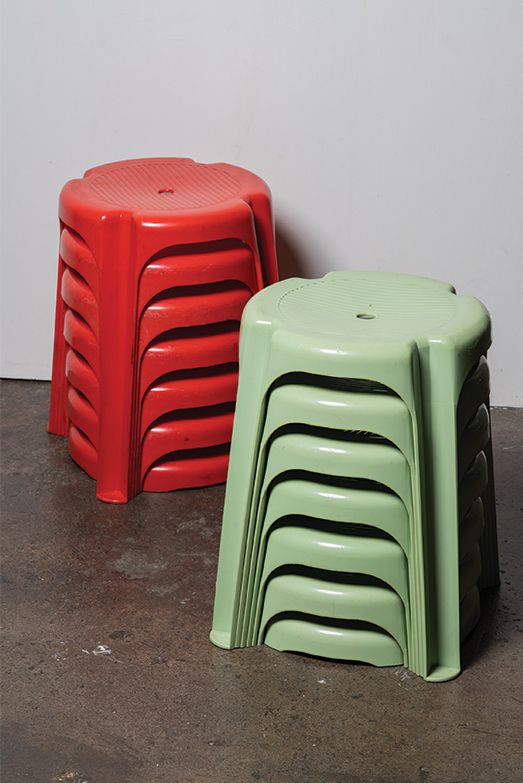
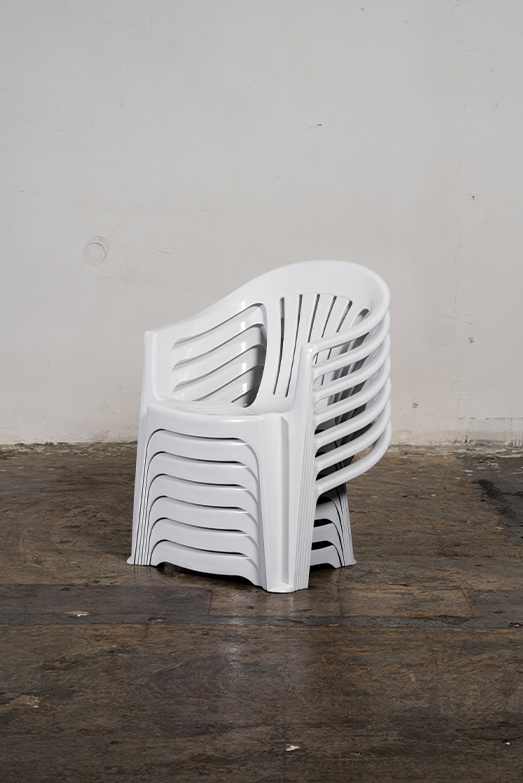
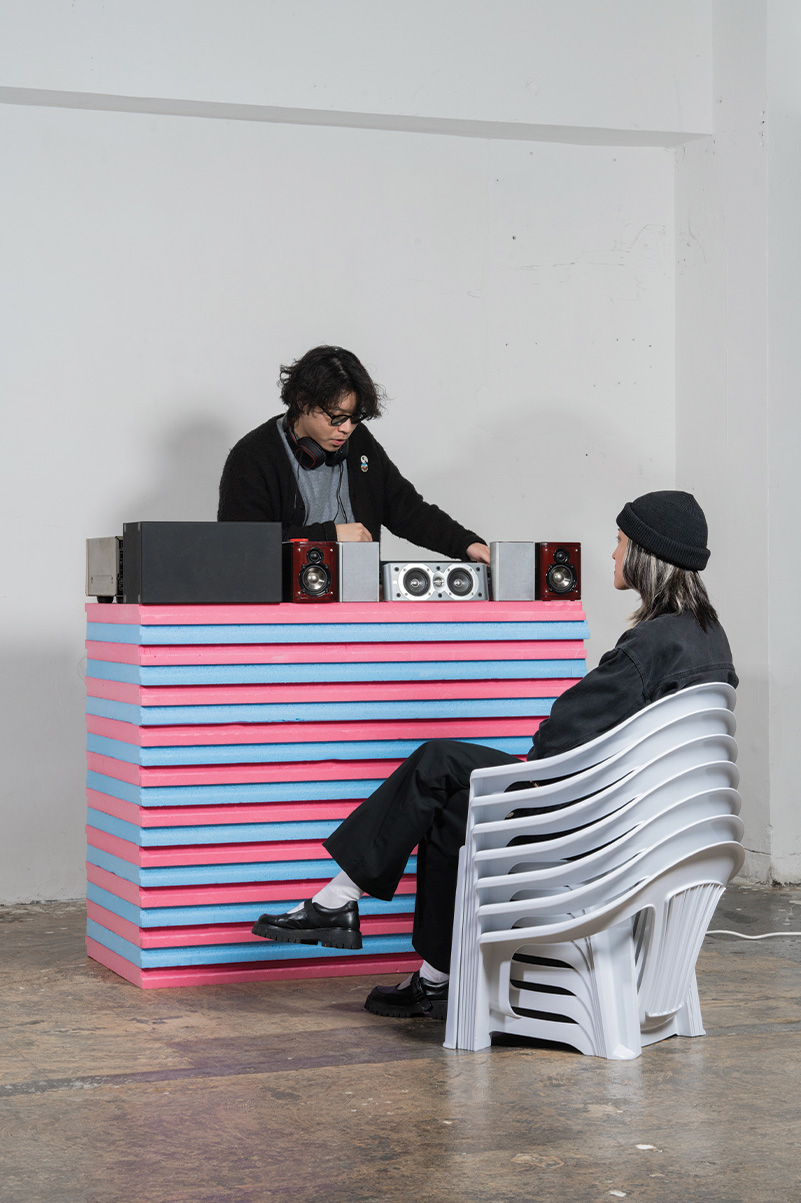
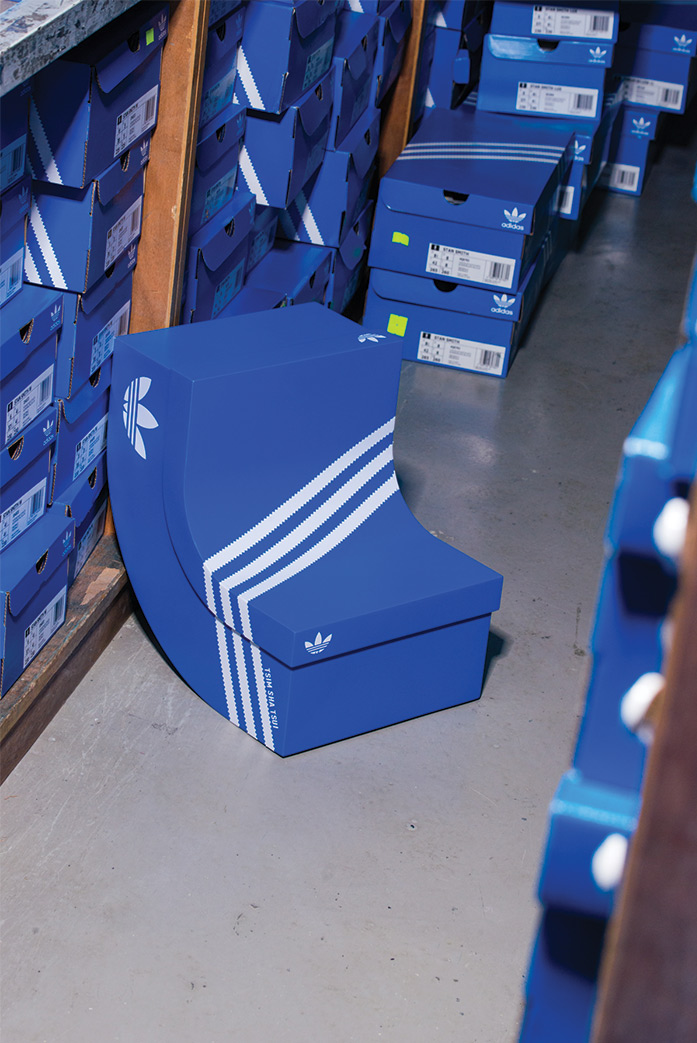
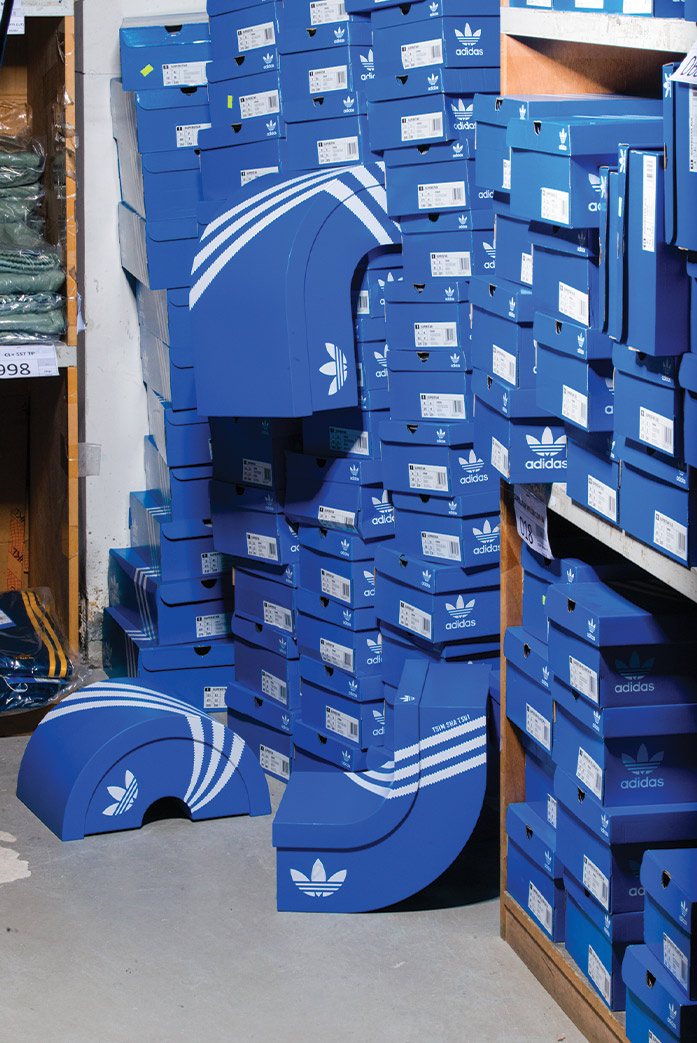
For example, the Singular Stack series came from my recent reflections on sustainable design. In a way, I see so-called “sustainable design” as a way of finding joy in hardship. In a world full of excess, what a designer can truly change feels very limited. Yet there’s a kind of public expectation placed on designers, almost a myth around eco-conscious design.
The Singular Stack system deliberately uses unsustainable methods to make a chair. Multiple chairs that could have served many people are stacked into a chair for just one person. I wanted to show the inner tension and contradiction I feel as a designer.
At the same time, I hope people don’t over-analyze it. Some things are simply meant to be felt.
Do you ever think of your work as a form of protest?
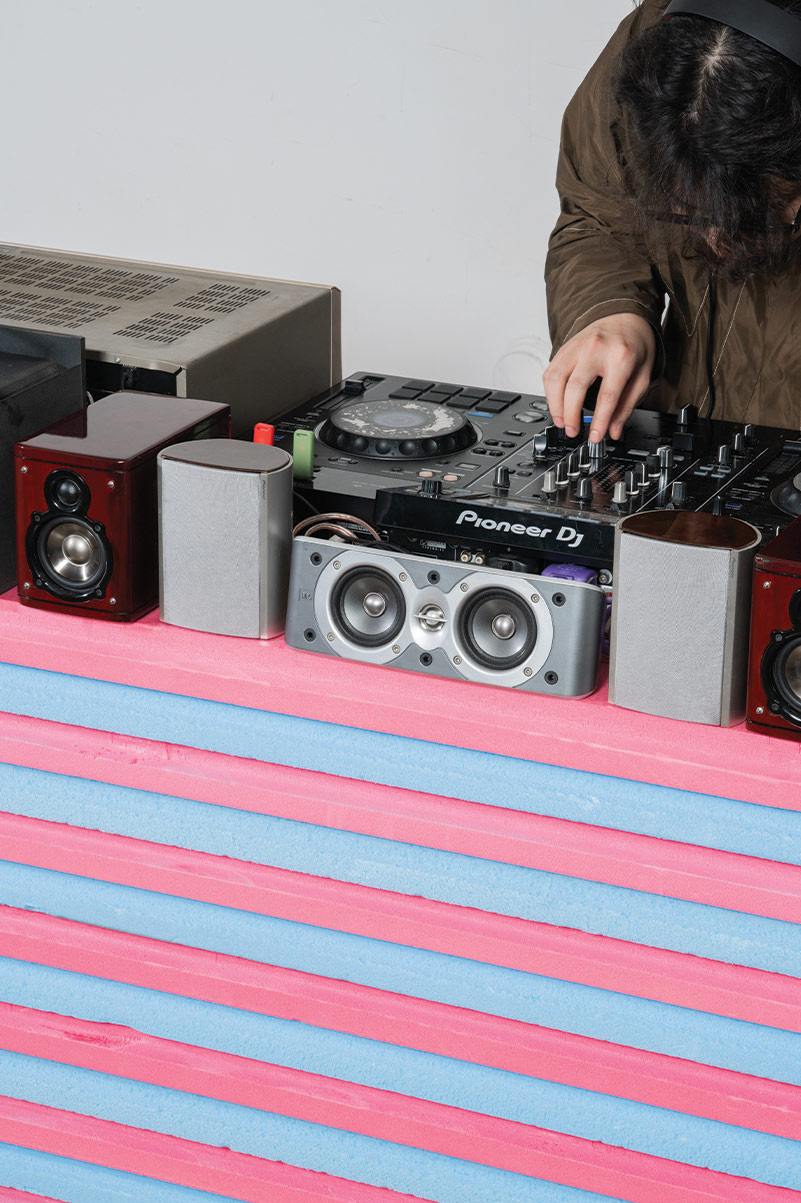
I don’t see my work as a form of protest, because there’s no real intention to oppose. Instead, I focus on proposing alternative possibilities. The aim isn’t to reject existing approaches, but to embrace what else could be.
Has someone ever offered a meaning or function for one of your pieces that completely shifted how you saw it?
I always look forward to how people interpret my work. Every new reading or use feels like the beginning of a new chapter in post-industrial design.
If there was a soundtrack to your pieces, what would it be?
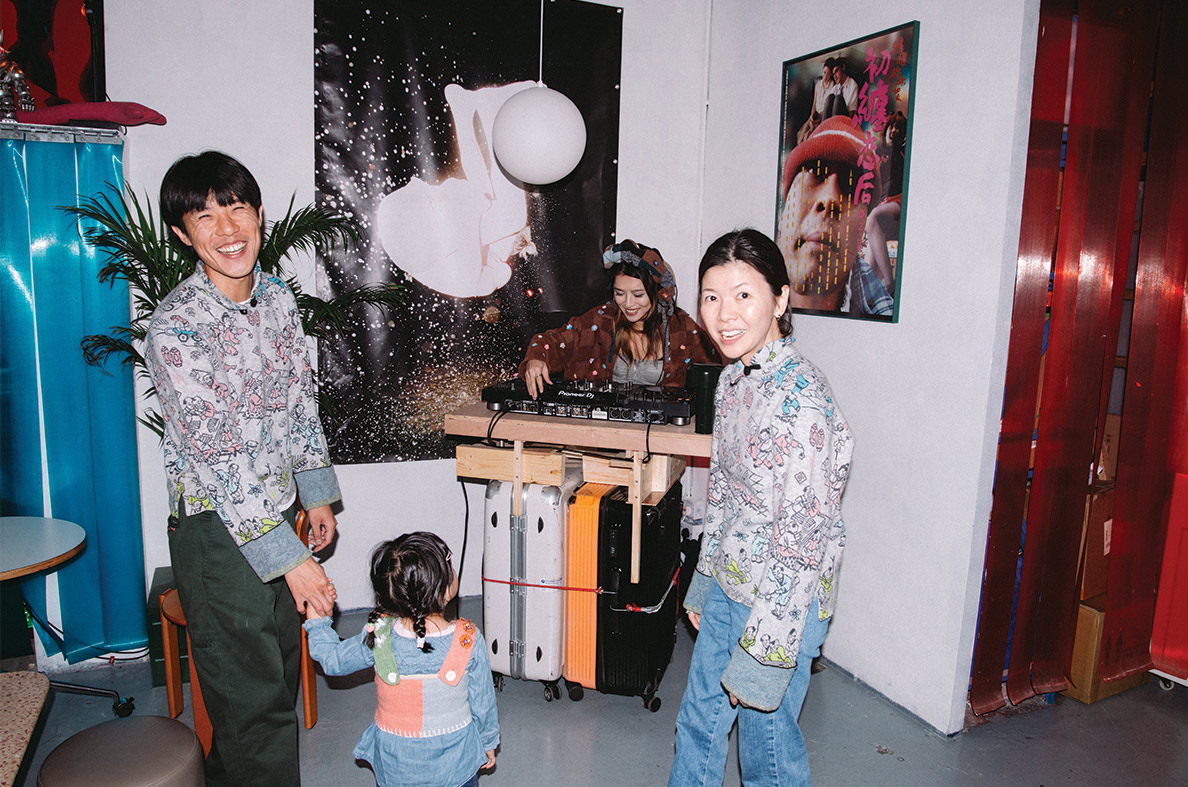
There’s no definite answer—it really depends on how I feel at the moment. Right now, I’m listening to Saigo no Rakuen by Haruomi Hosono.

What do you think your work offers the audience?
What I’m offering is more like a monologue—an inner dialogue I’m sharing with others. It’s also a personal challenge, a growing collection of thoughts and reflections. I don’t have a one-size-fits-all approach, but rather different points of view and observations that change over time.
Where can people find you?
I’m currently reachable through Instagram and email. My website is under construction and will be launching soon.