PARAFERNALIA
What’s your name and where are you from?
Sebastian Zorrilla from Monterrey and Genki Matsumura, born and raised in Venezuela and then Mexico
How would you describe what you do?
A bit of a tough one this question, since our focus changes with every project. We’re intent on investigation, on creating our own frame of reference within which to articulate different material narratives. Our projects impact each other, going both forward and backward, they’re smear frames, double exposures, both self referential and retroactive in nature, every project leaves behind small remainders that impact the next. So I guess we just make whatever we’re interested in, and build upon that for each new material iteration of our investigation. Brian Eno has eloquently put it as play as a way of working, doing something and having our input as we go feedback into what we’re doing in real time.
What does Parafernalia mean and why did you choose it?
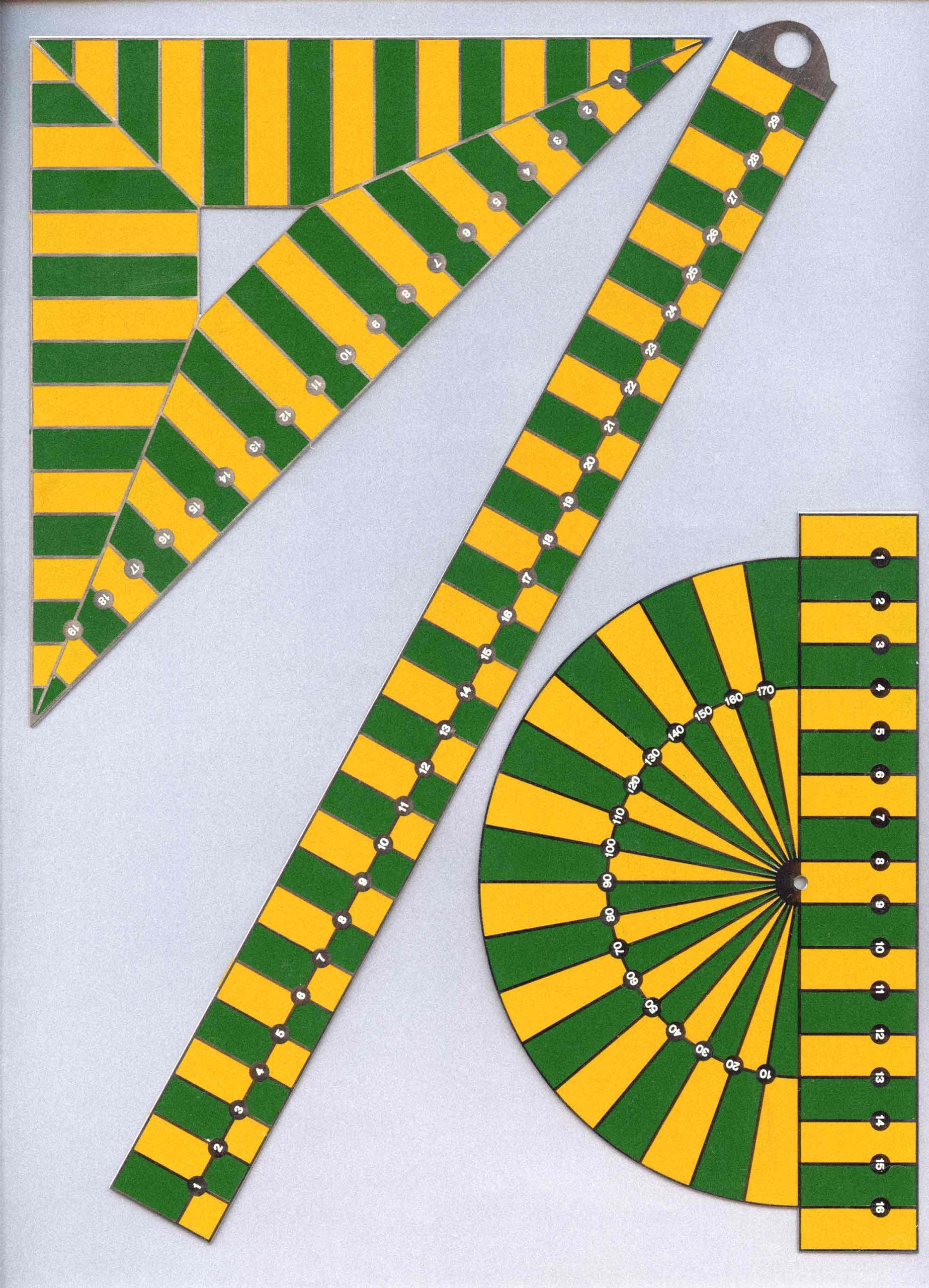
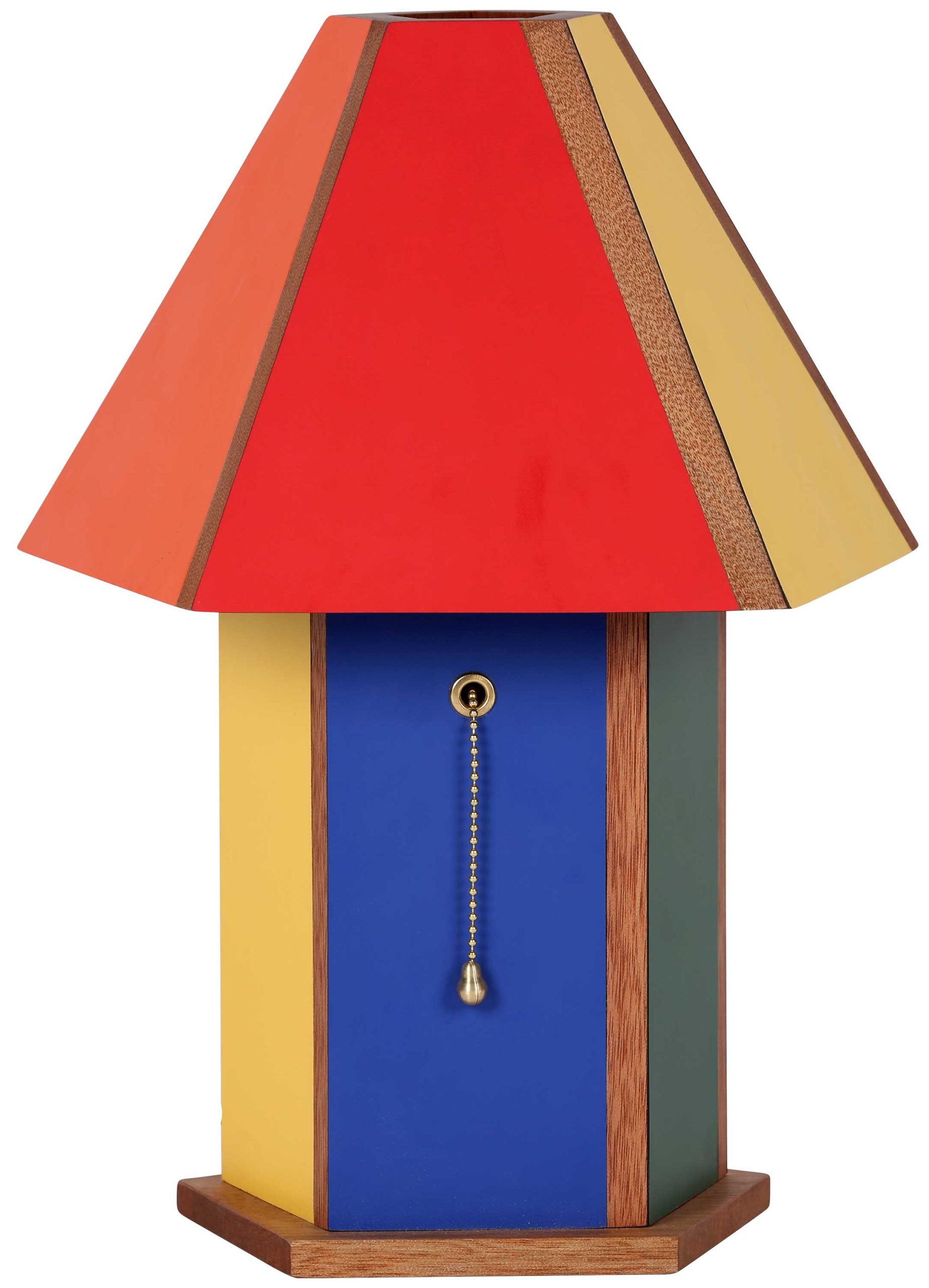
Parafernalia is Spanish for Paraphernalia, which I guess is really obvious. We like the term because it represents a certain ambiguity, it’s an umbrella term that describes no one particular object but the collection of objects that semantically surround certain rituals or activities. We like that, designing and creating with certain activities or images in mind, real or imaginary.
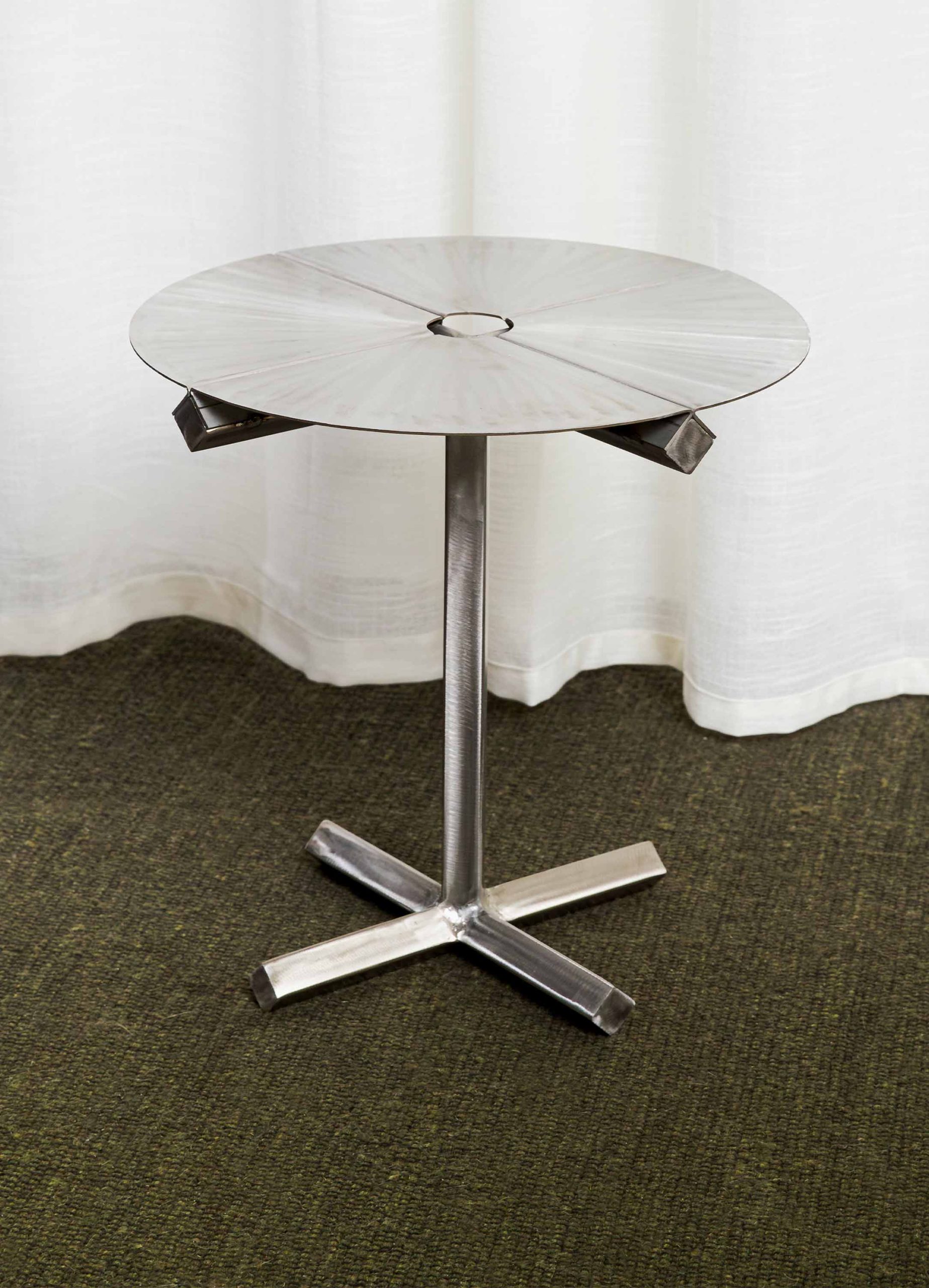
Your material palette moves from raw metal to stones, velvet, and tile. What guides your material choices?
Nothing is really set in stone. We don’t really have a defined methodology or set of guidelines for picking materials, we mostly just work with things we find interesting, then build methodology from there. Everything we do is retroactive. One of the principles of our research processes is to avoid discrimination of sources , we have consulted TikTok, Instagram and Reddit when we’re in the process of investigation for a project, obviously fact checking and verifying information as we go. We could say that its mostly following our own intuition and interest, and rationalizing stuff as we go to try and reason how we got there and why it makes sense in our opinion.
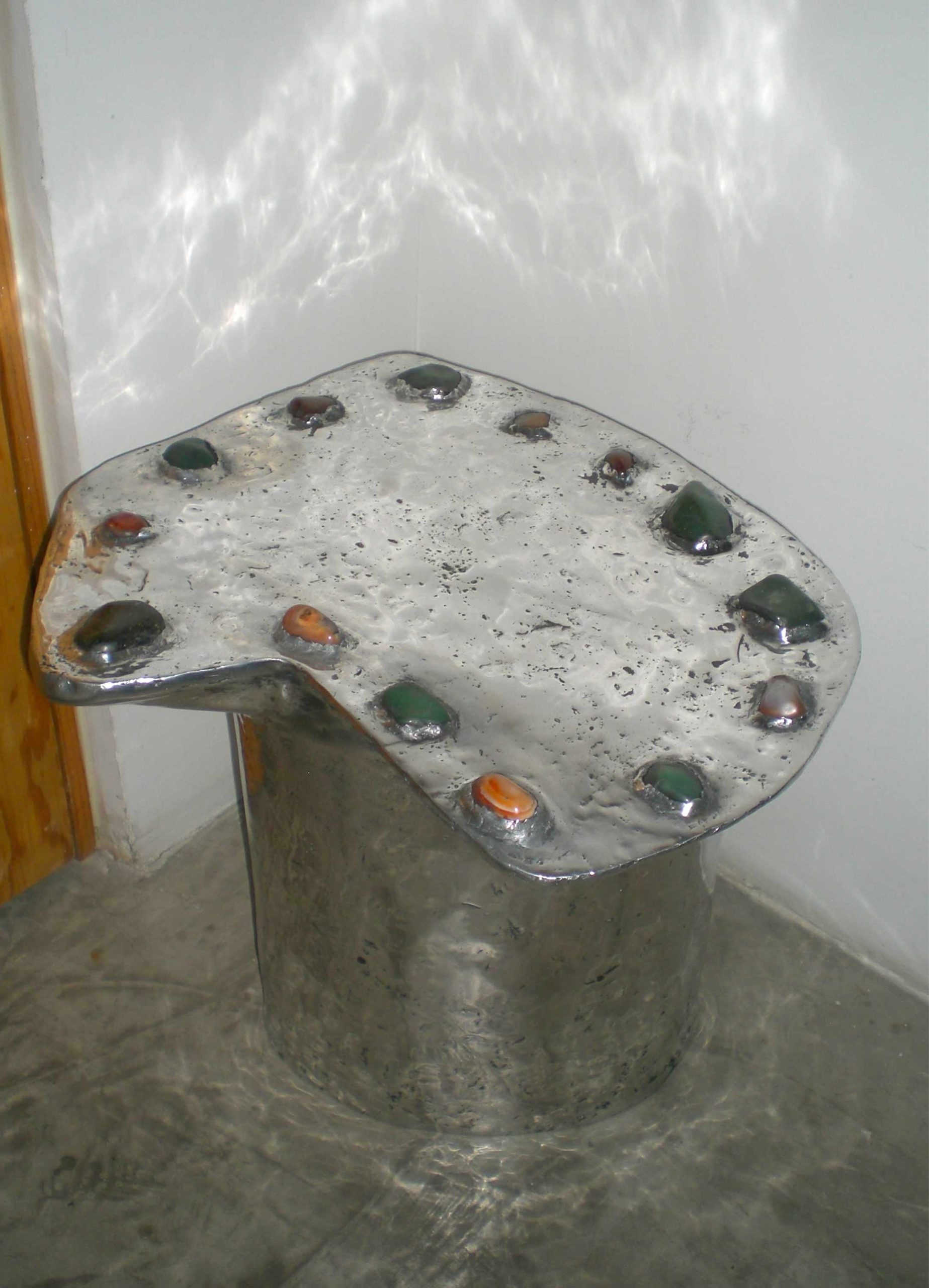
Is there a material you haven’t worked with yet but are curious to explore?
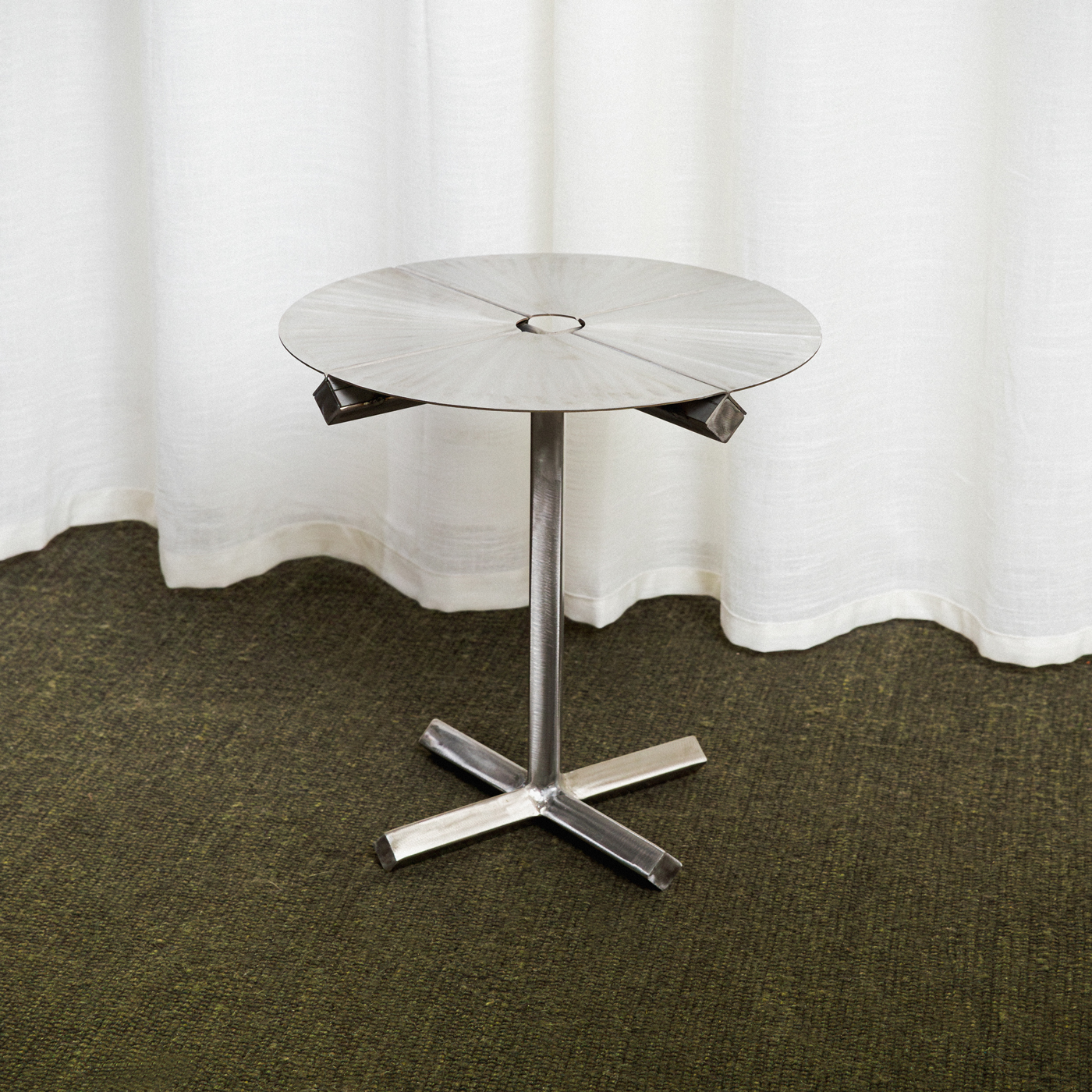
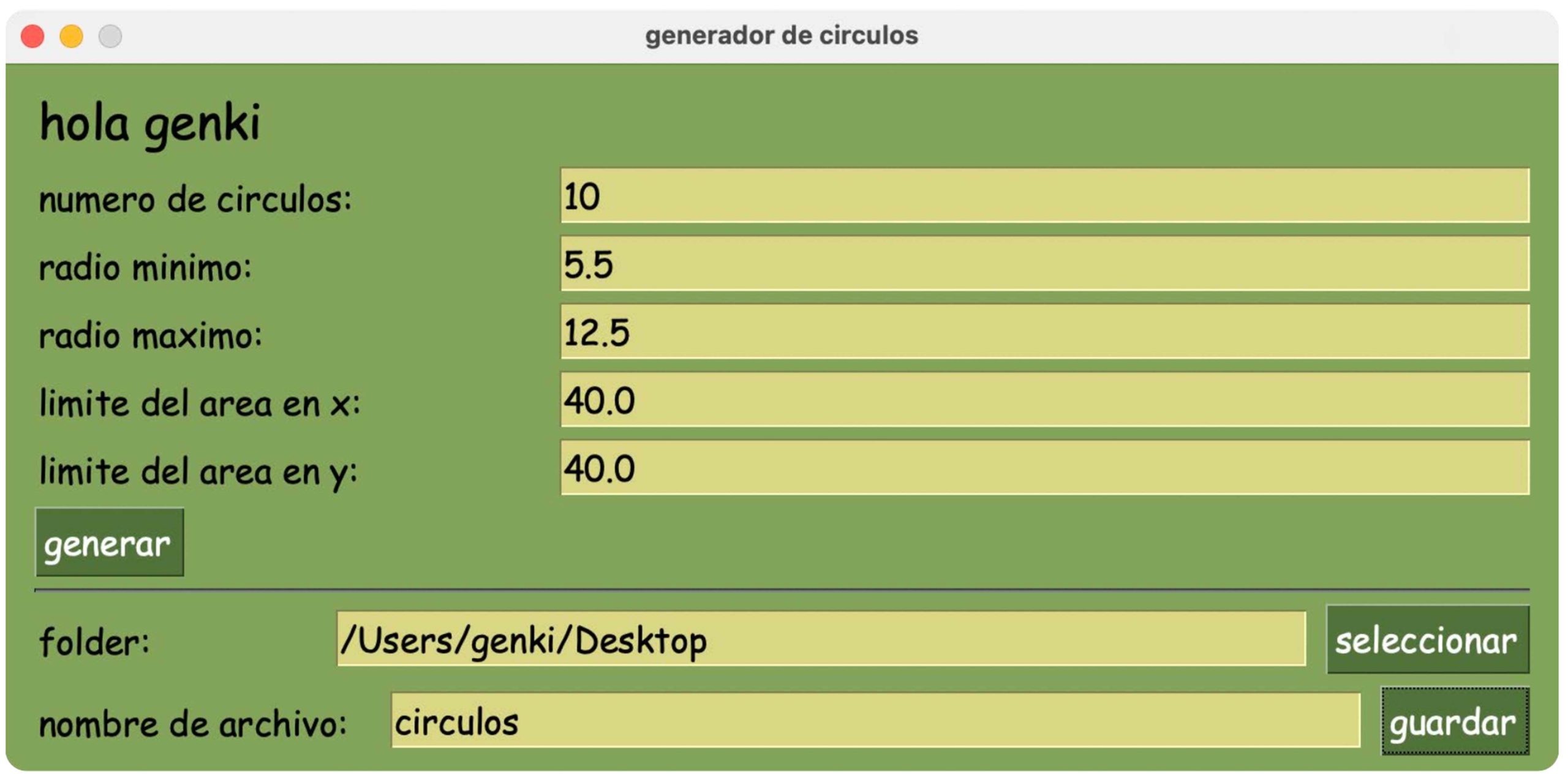
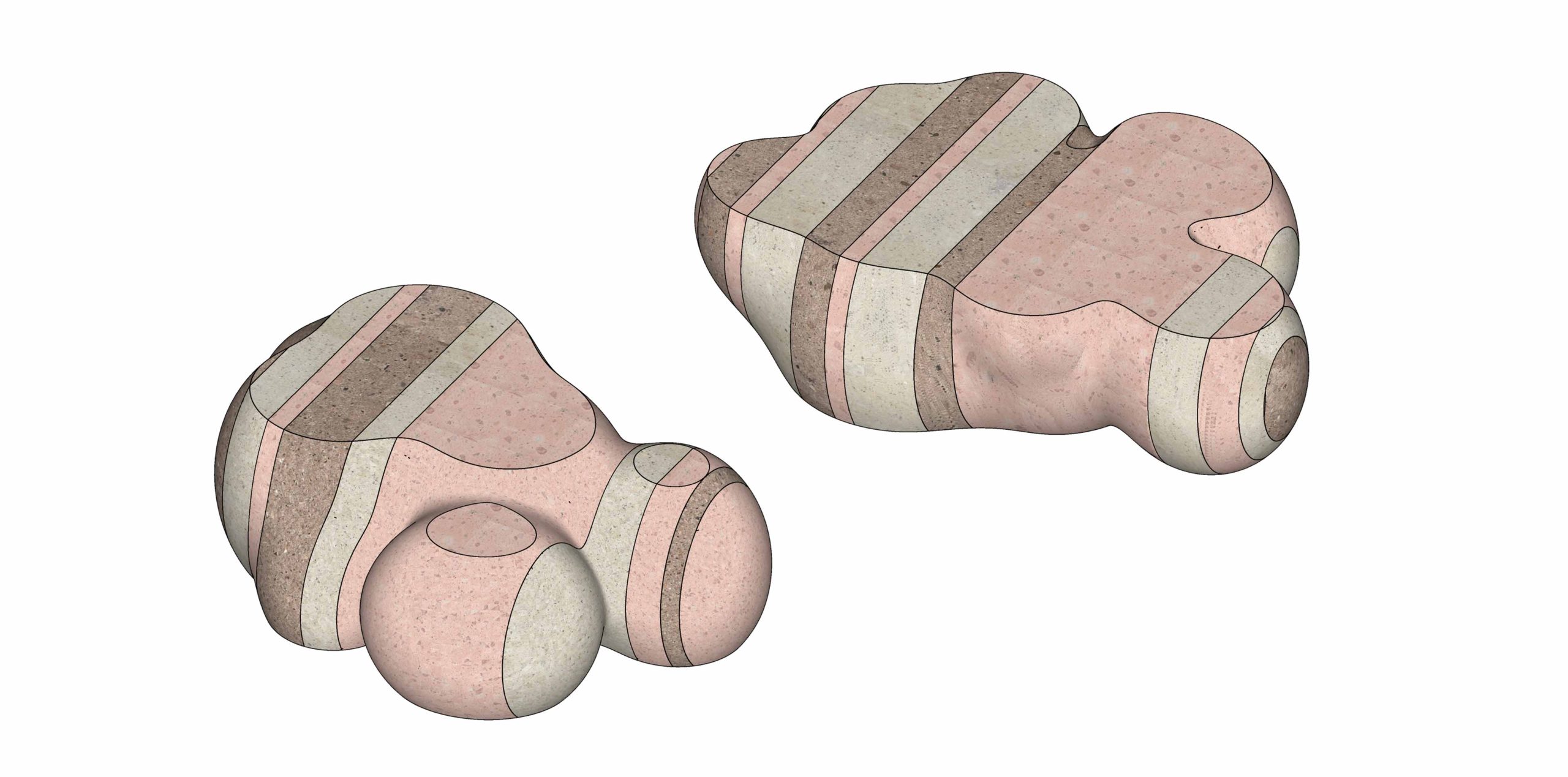
Well we’re interested in almost all the materials out there to some degree, but there’s one thing that we’ve been meaning to explore more, its not necessarily a material per se: Programming, digital building blocks. We normally try to detach ourselves from our whims and ego when defining and creating form, resorting instead to other parameters within the production and material processes themselves to derive form. We found that imbuing your own personal taste and desire into objects normally results in complicated and capricious design. We’re now interested in generative processes in which we don’t really know what the results might be. We have previously delved in these waters for another project that hasn’t yet seen the light of day. We developed a set of tables made of stone, in which we wanted to explore creating our own veins by combining different types of stones in the same piece and machining the form from there. When we asked ourselves how to arrive at the forms we decided to work with Mariano Shaar, an artist and programmer friend of ours, who we tasked with creating a small computer program that outputs randomized sets of circles, which we then utilized to arrive at wholly unexpected forms by playing around with accommodation of the bidimensional circles in a three-dimensional disposition.
Do any of your pieces carry meanings or stories that aren’t obvious unless someone knows you well?
We try to write about the stories and meaning behind our projects along with it when published, in an effort to contextualize the work.
Can you tell us about a piece that came together unexpectedly, or changed direction mid-process?
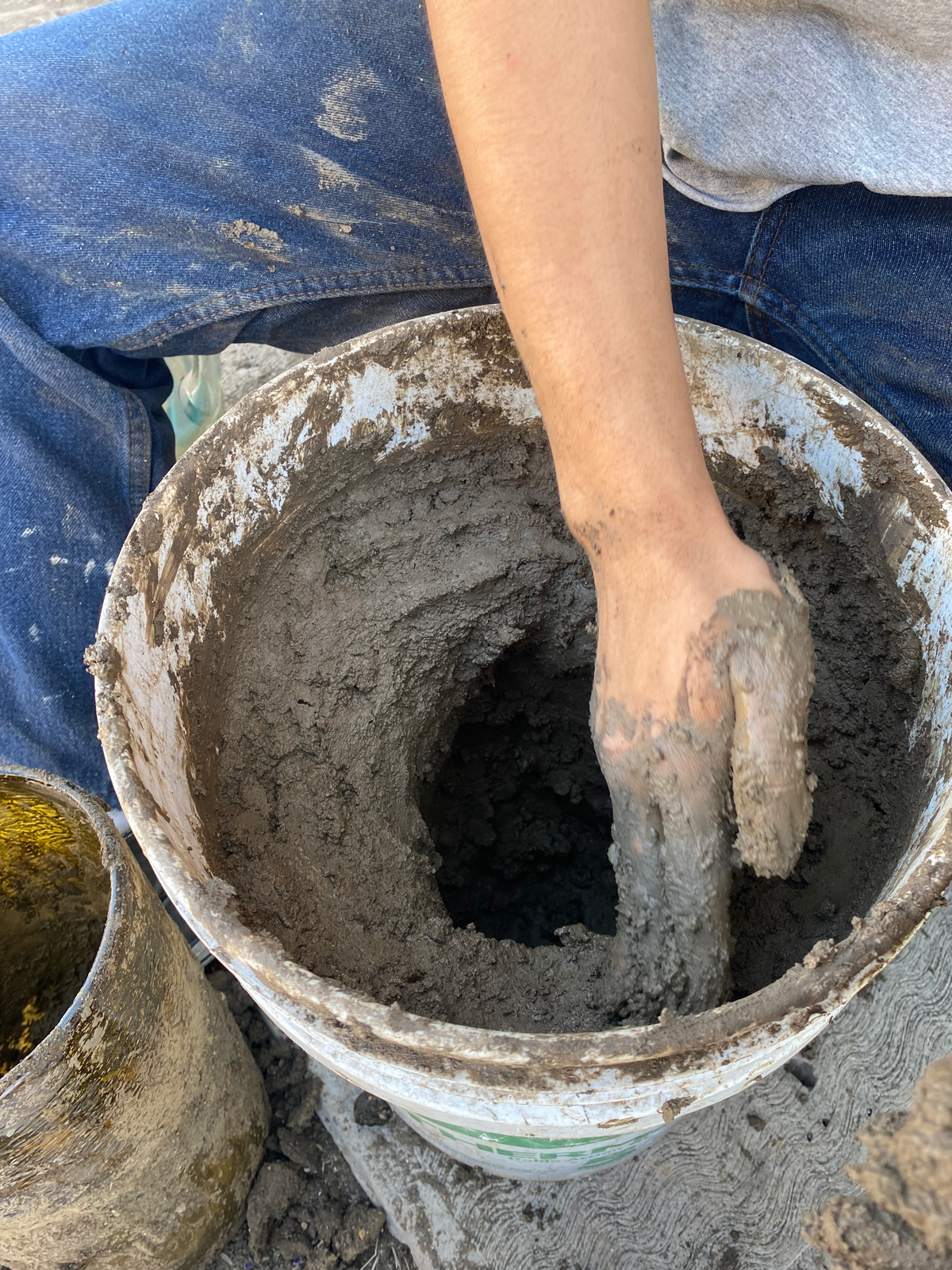
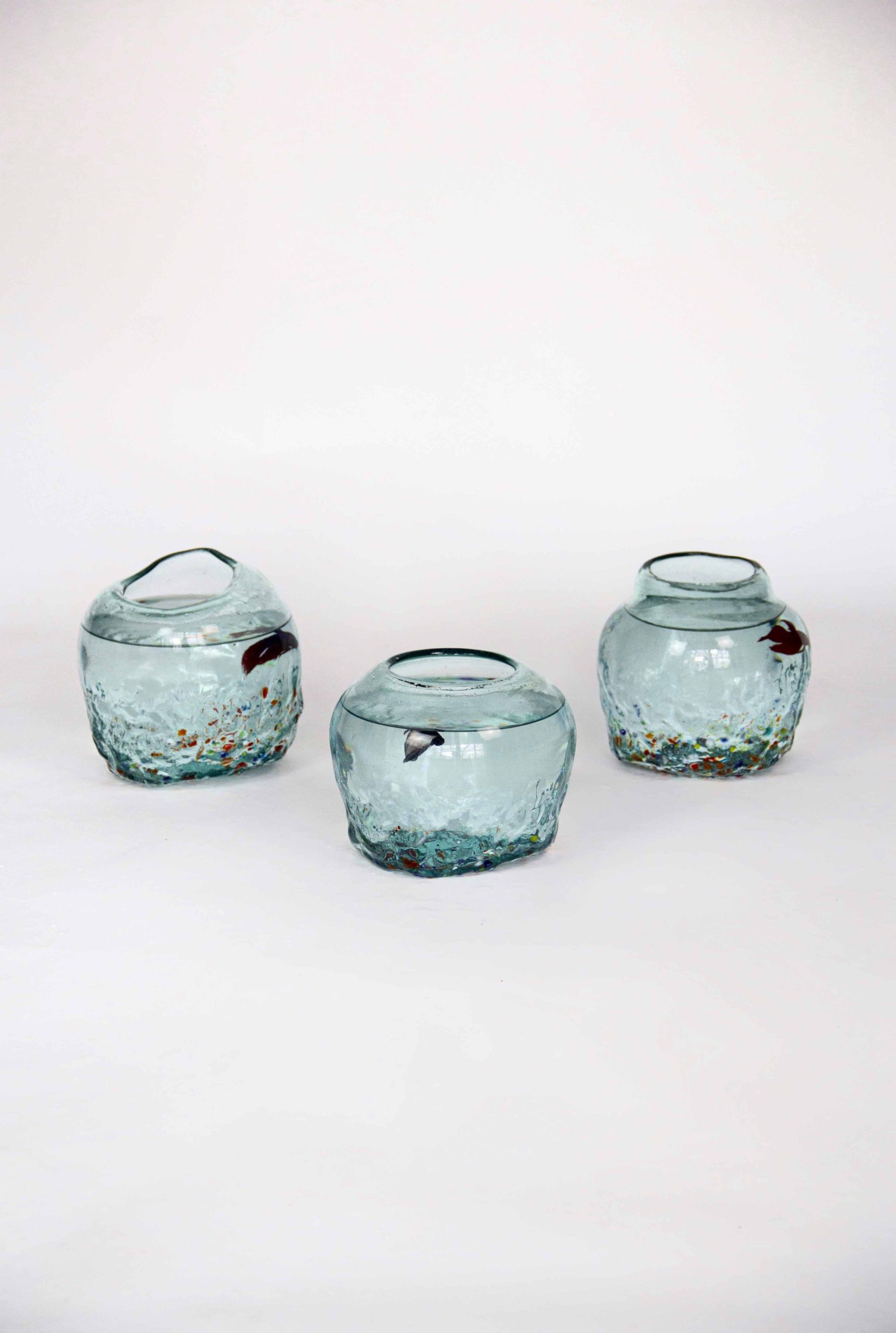
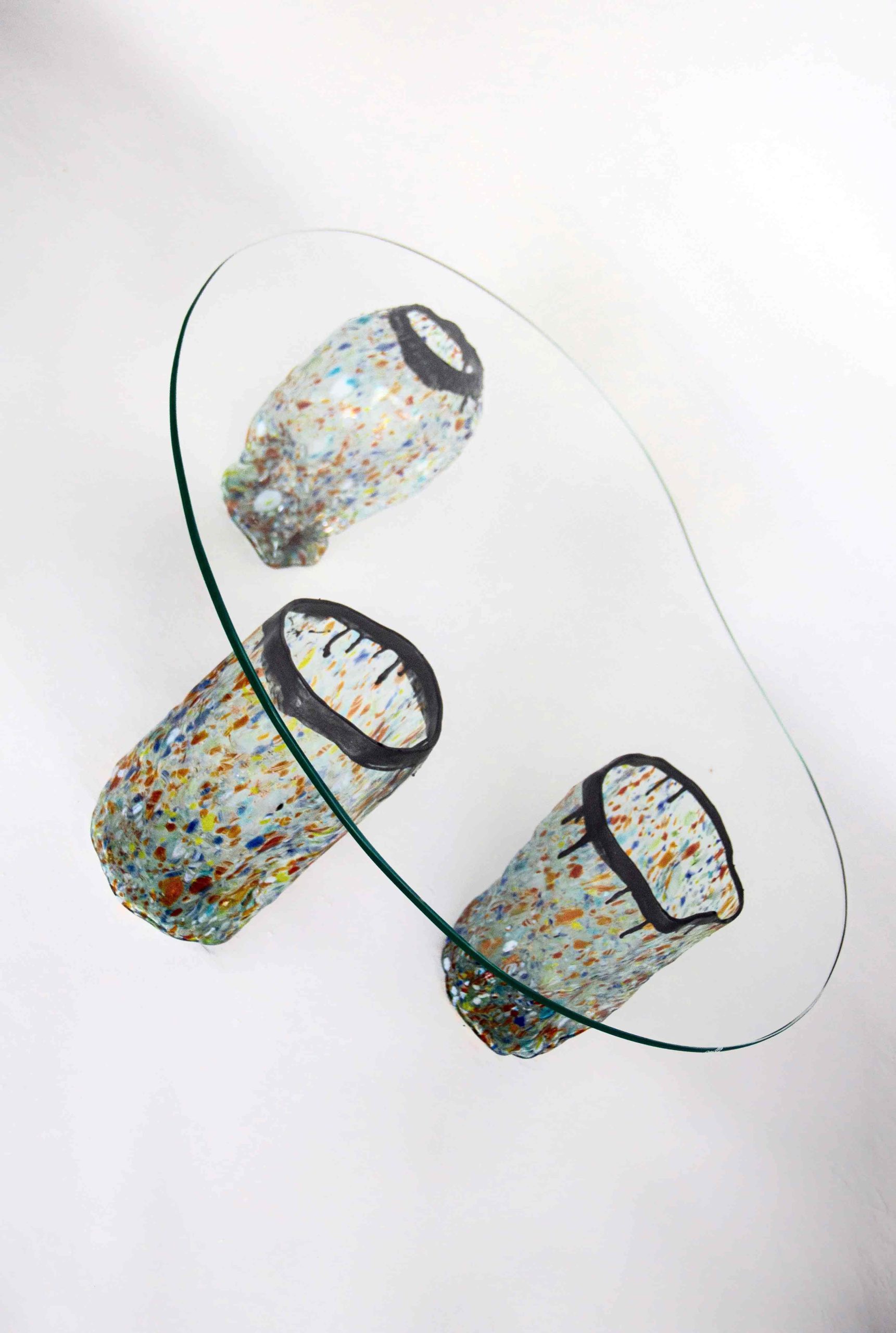
This has happened multiple times in projects, thats just how our creative process works sometimes. For the hand blown glass pieces we did for Salon Cosa 2022, the whole point was to experiment with ways of imbuing shapes onto malleable hot glass. We wanted to use a variety of materials for this, many of which didn’t work out because we were missing information about the process itself, which we acquired upon visiting the factory. We settled on earth-casting, ideally glass was to be blown into a hole in the ground, which we then found impossible because of the cooling times of the glass and the distance between the factory and the empty plot of land next to it. In the end we decided to blow the glass into a hand made hole in wet soil inside of a plastic container for quickness, and decided on the typology of pieces to be created based on this process. A table and 3 fish bowls. For this project we were later commissioned a piece of audio to accompany it for Taiwan design week, which we worked with Rene Andrade to develop. The result was a generative soundscape that aims to establish the foundation for an innovative exploratory landscape in the effort to replicate the process of self conscious, organic form-giving through the intervention of processes.
We also did a salt and pepper shaker project we wanted to use cork for, and then realized blocks of cork are nearly impossible to find in the country so we decided to utilize yoga cork blocks in order to machine the containers from it.
How does your environment, your studio, city, or surroundings shape the way you design?
It shapes our practice in an absolute way. Our immediate context has a massive impact on our practice and way of seeing things, after all, materiality is something entirely dependent on sensorial input, to actually know something is to know how it feels, smells and sounds, none of these things can happen through a screen. Material culture is something to be experienced. This is also in turn a great way to view design and creation in a much more conscious way, the key is to look around and emulate, to see what has been done a certain way for years, there must be a reason behind it.
If you had an unlimited budget for a project, what would you make?
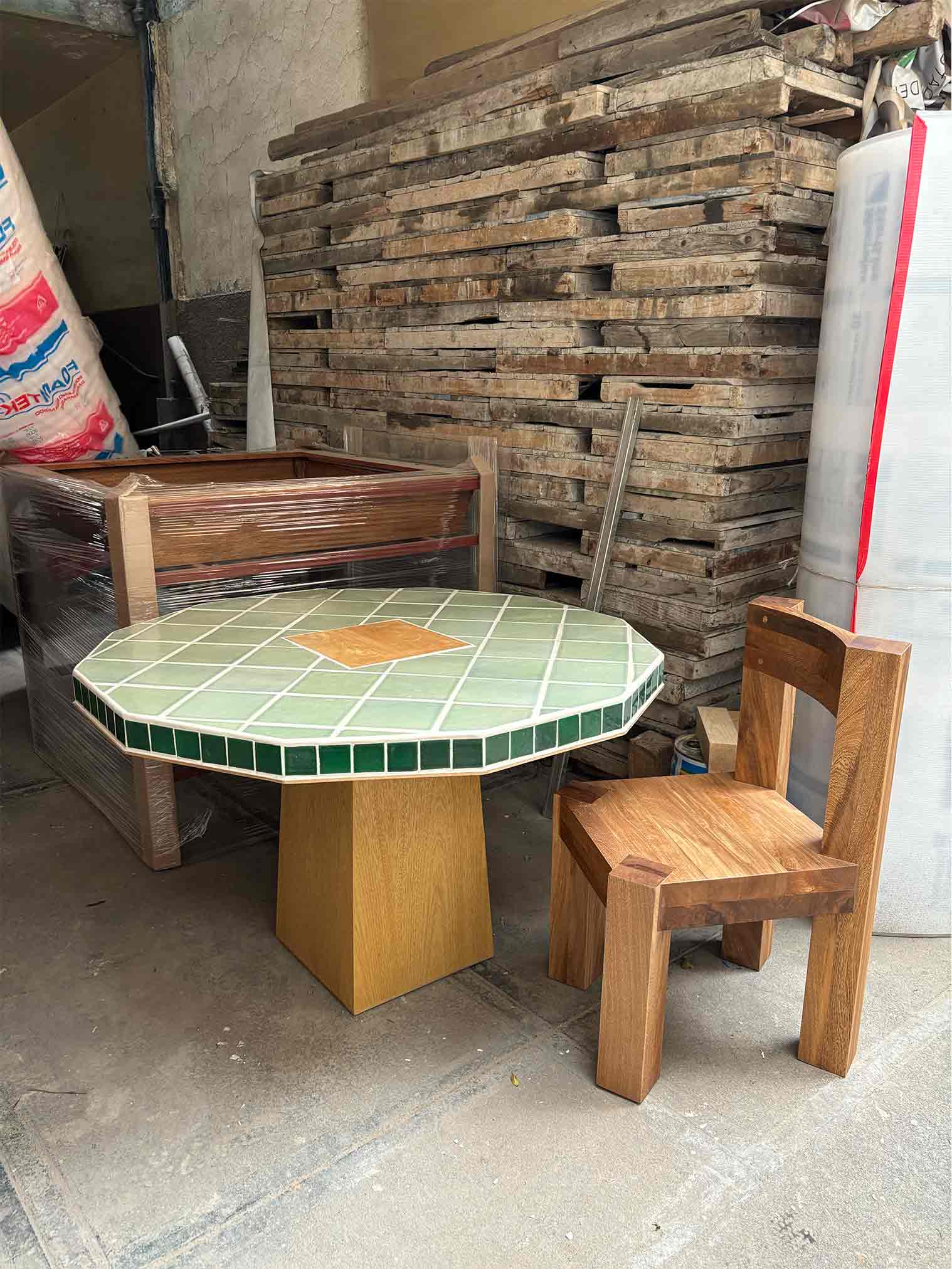
Even though we’re not architects, we would probably make a house. We’ve lately been feeling a certain inclination towards a larger scale, interior or architectural design, but not for its own sake. We think objects are key to realize a vision for a space. Designing objects for selling is a little strange, like designing in a vacuum, you can try as much as you can to predict what kind of person will be using these objects, what kind of space they will inhabit but its never like that, you can never just guess perfectly. We’ve been so drawn to larger scales because of the site-specific nature of the design that takes place within. Theres something so special about very very specific design, one that molds itself to the way someone lives their life andinhabits their home. A corner trashcan, little stepping stool near a window for reading, a shelving unit for a small forgotten corner of a house.
What does a near perfect first few hours of your day look, sound, smell and taste like?
Coffee, and some nice sunshine, while on a call with each other. Ever since Genki moved to CDMX from Monterrey, the work dynamic shifted a lot, which resulted in an almost constant communication between the two, to keep each other updated and keep the ball rolling. So our morning routines have now included a religious minimum of one call a day, most of the time in the morning, to catch up on each others lives and comment on active projects and work to be done. That is a near perfect morning for a weekday, otherwise a nice chilly morning on a mountain while camping, or a relaxing reading session on a hammock, preferably on the beach would be it.
What was the last thing you googled and why?
Craig Green, a big inspiration when it some to textile use and shape building through flat planes. We’ve also been keen on utilizing textiles in varied ways within our practice.
Where can people find you?
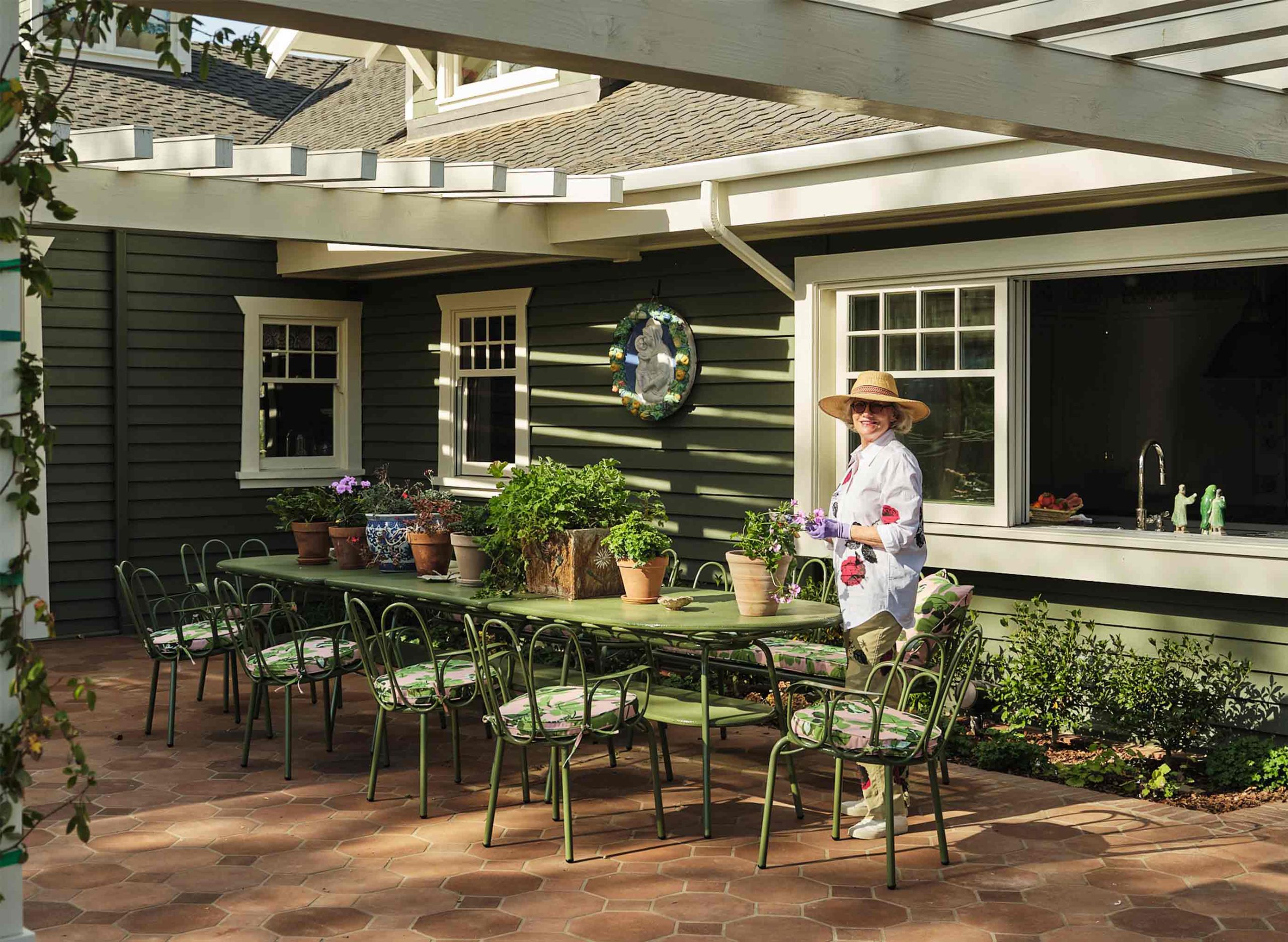
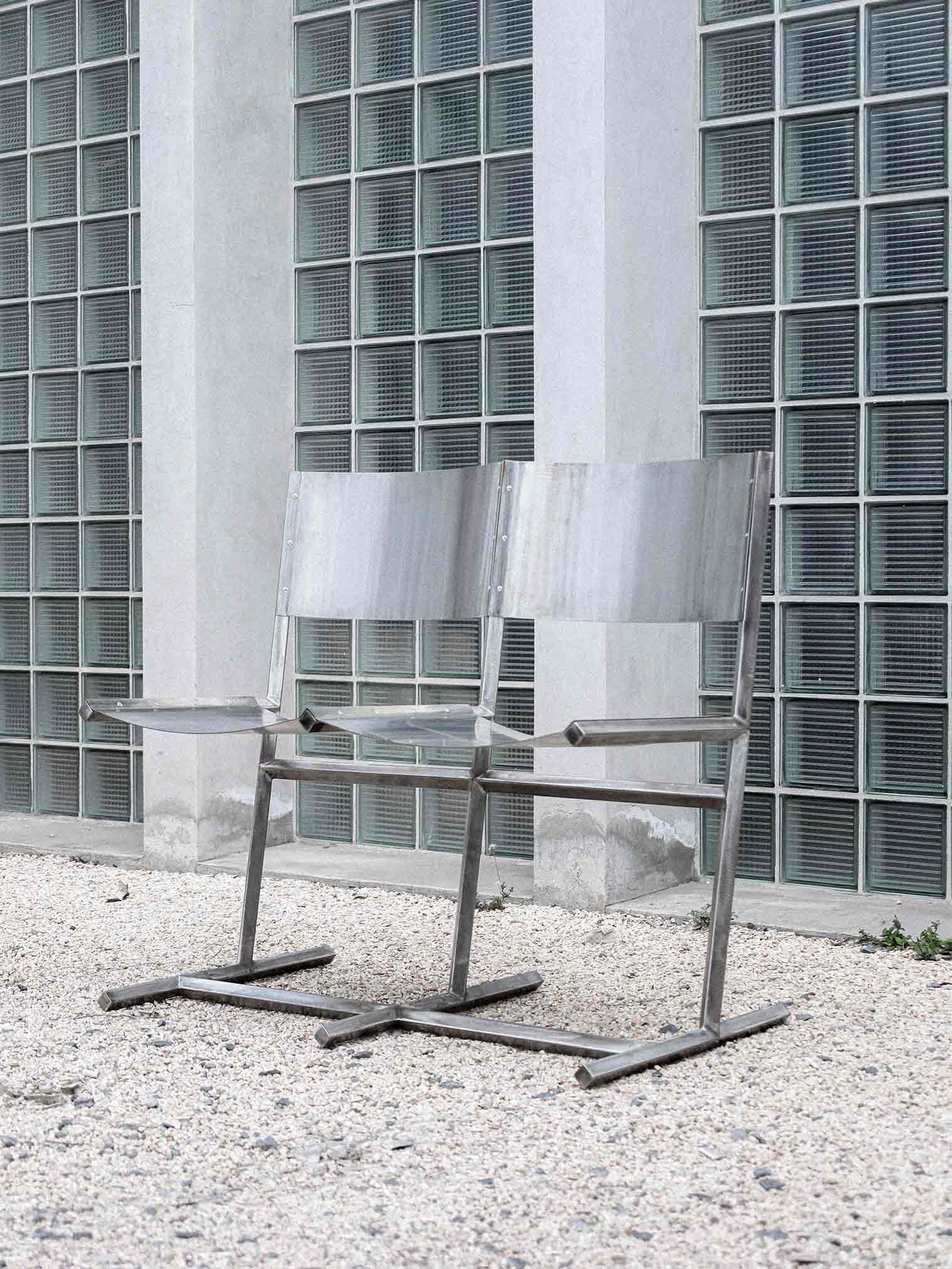
We unfortunately don’t have a physical space of our own as of yet, also due to our physical circumstances being far apart from each other. We do however have some physical spaces exhibiting some of our pieces in showrooms. First of all AGO Projects, our main gallery and partner since the inception of our practice, they have an incredible showroom in their Mexico City offices which displays multiple pieces, including the Horchata outdoor furniture collection. We also have a piece on display within the showroom of another Mexico City based gallery: Originario.
As for digital platforms, we normally operate actively through instagram (@parafernali.a) and through our own website (parafernaliaa.com)