Pulp Sculptuur
What’s your name and where are you from/based?
My name is Annie Strachan and I’ve been based in London for the past 17 years. Prior to that I lived in the USA for a short time after moving there from South Africa, where I was born to Dutch and Scottish parents.
Can you describe what you do?
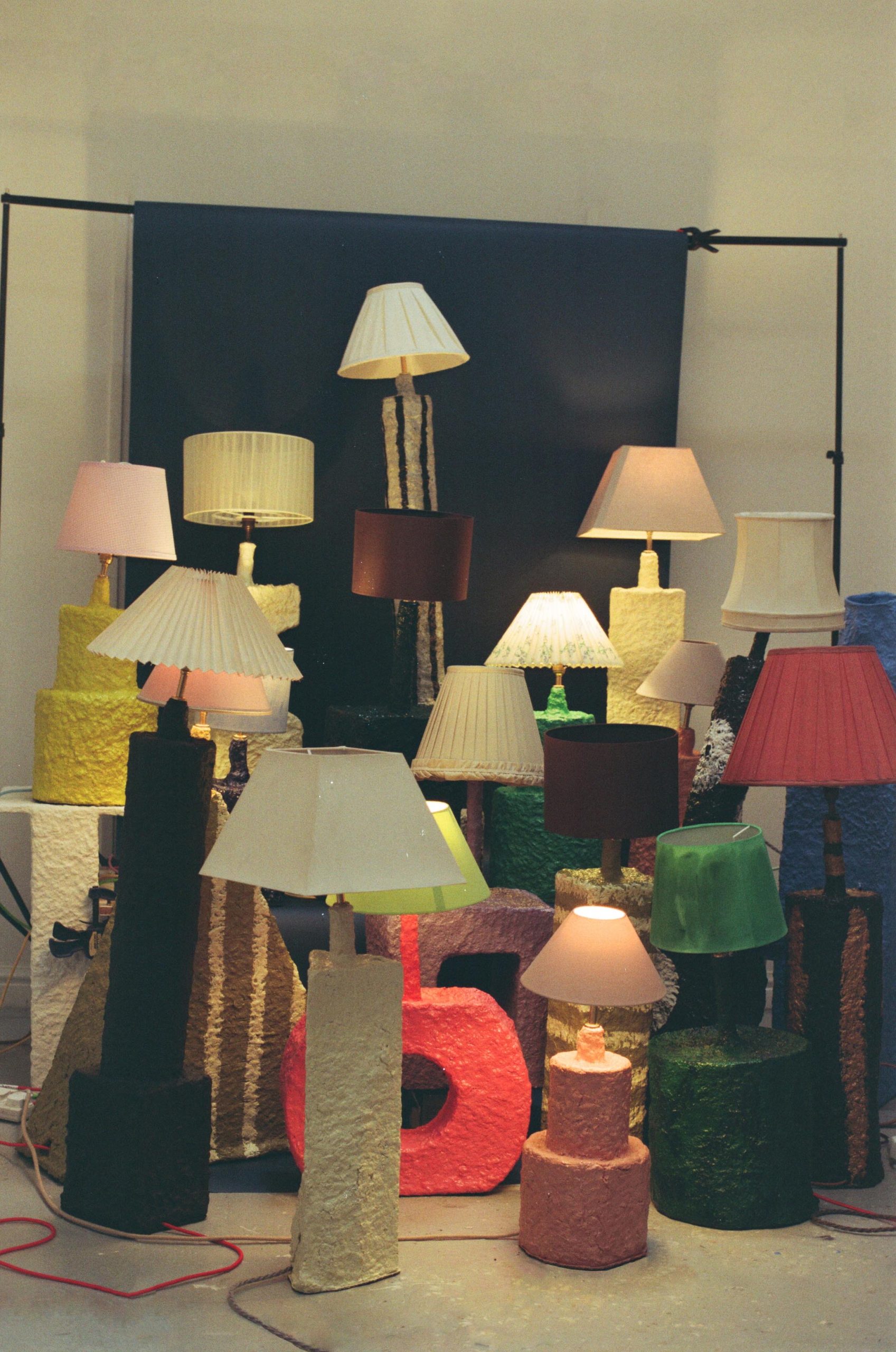
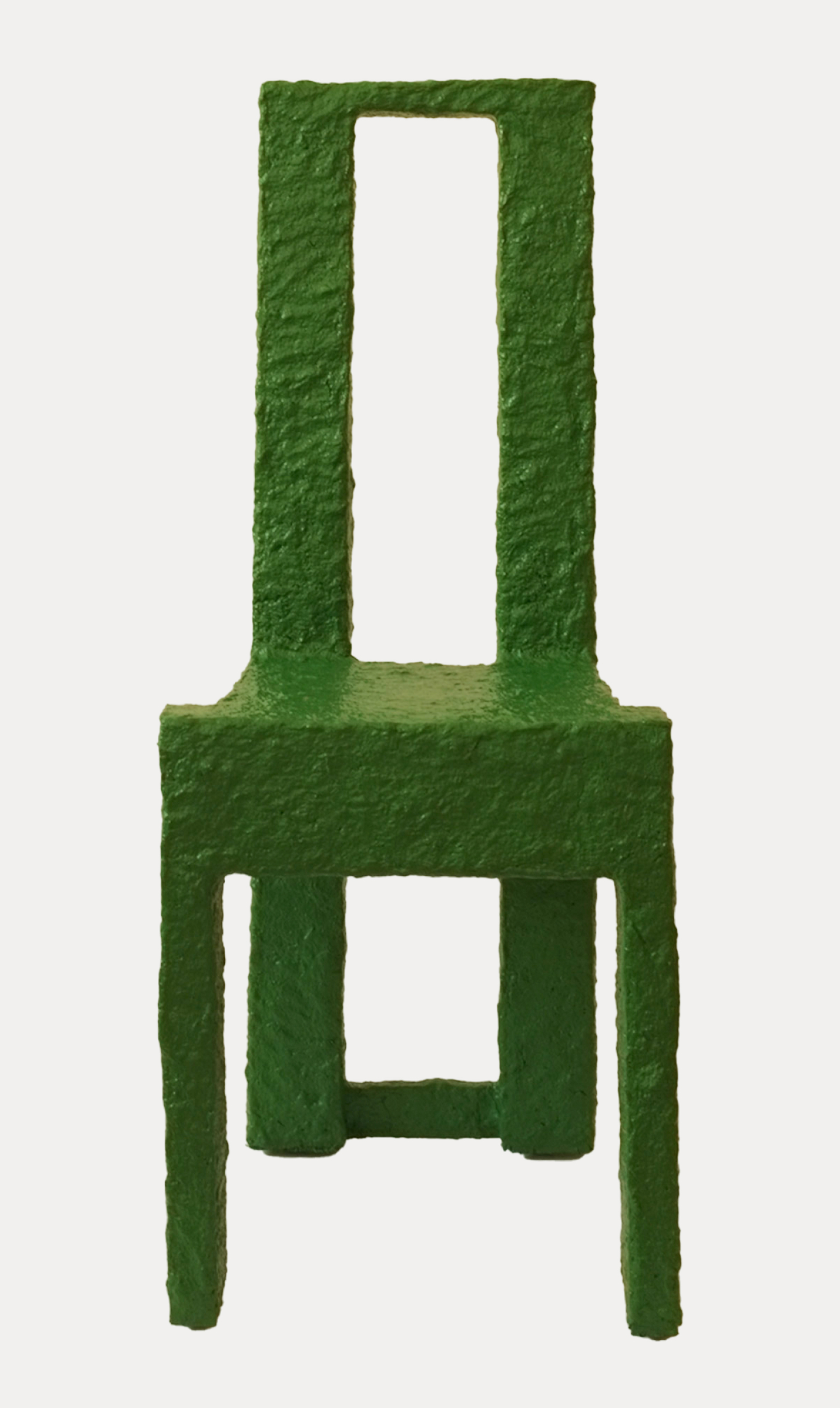
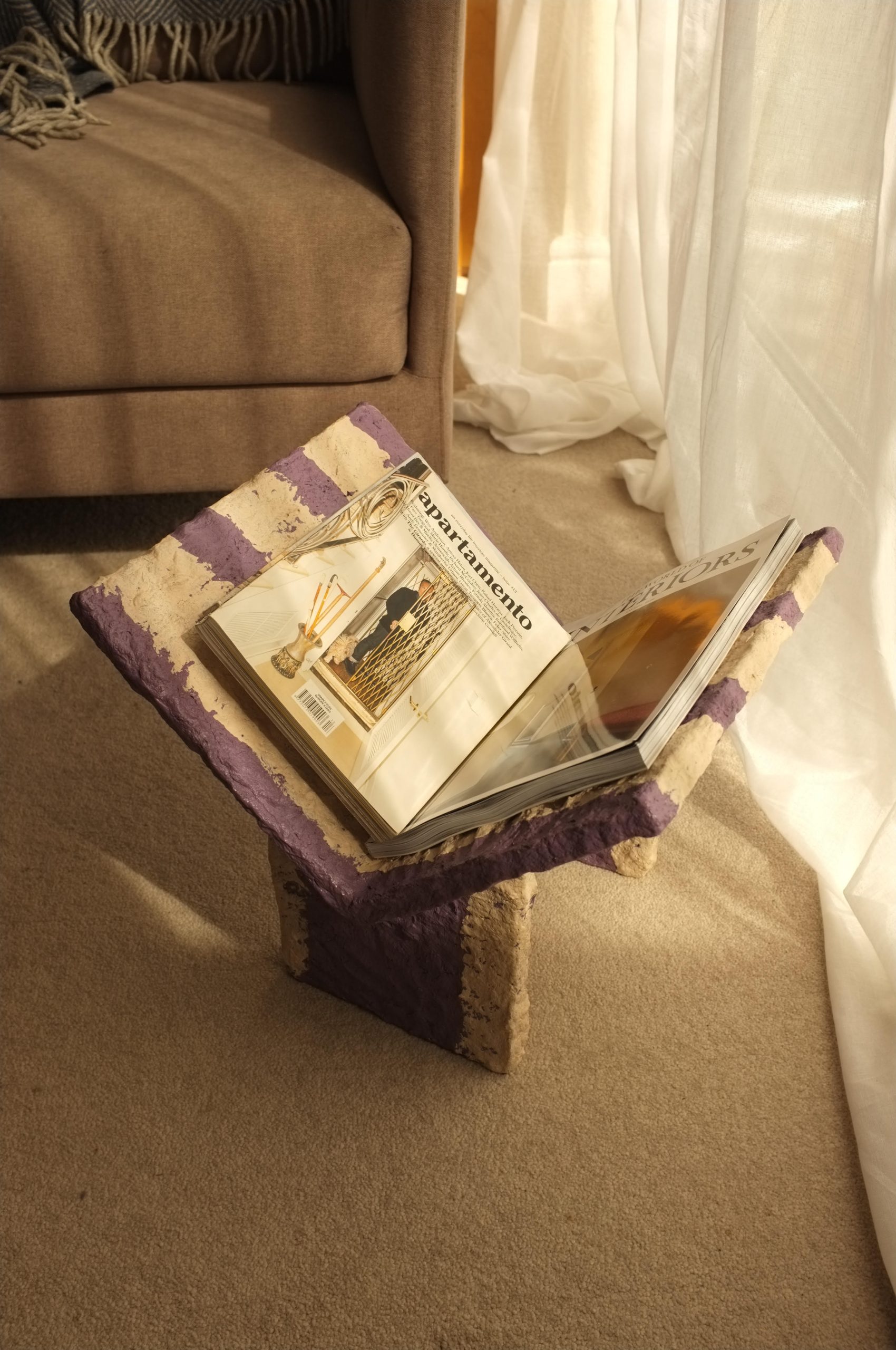
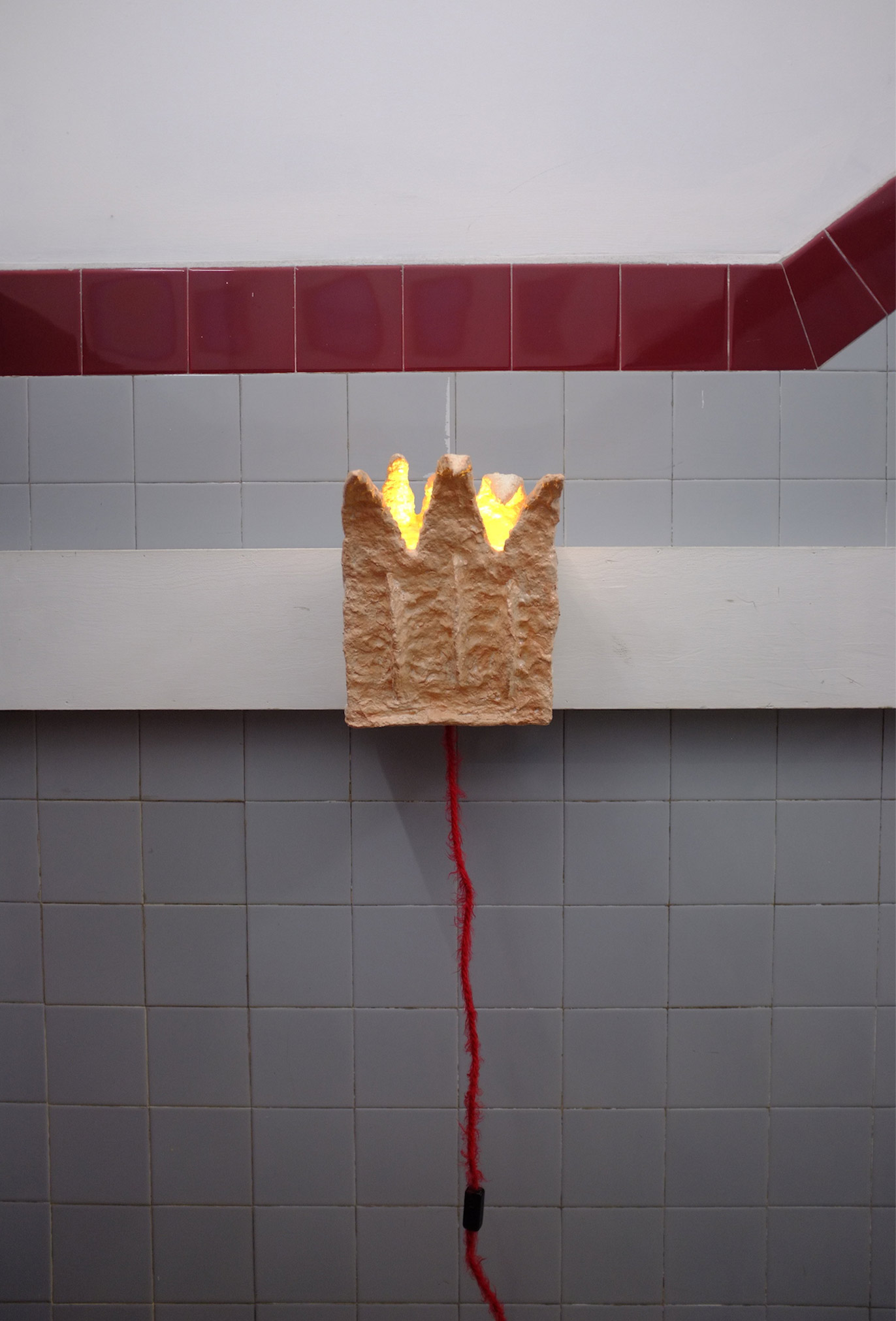
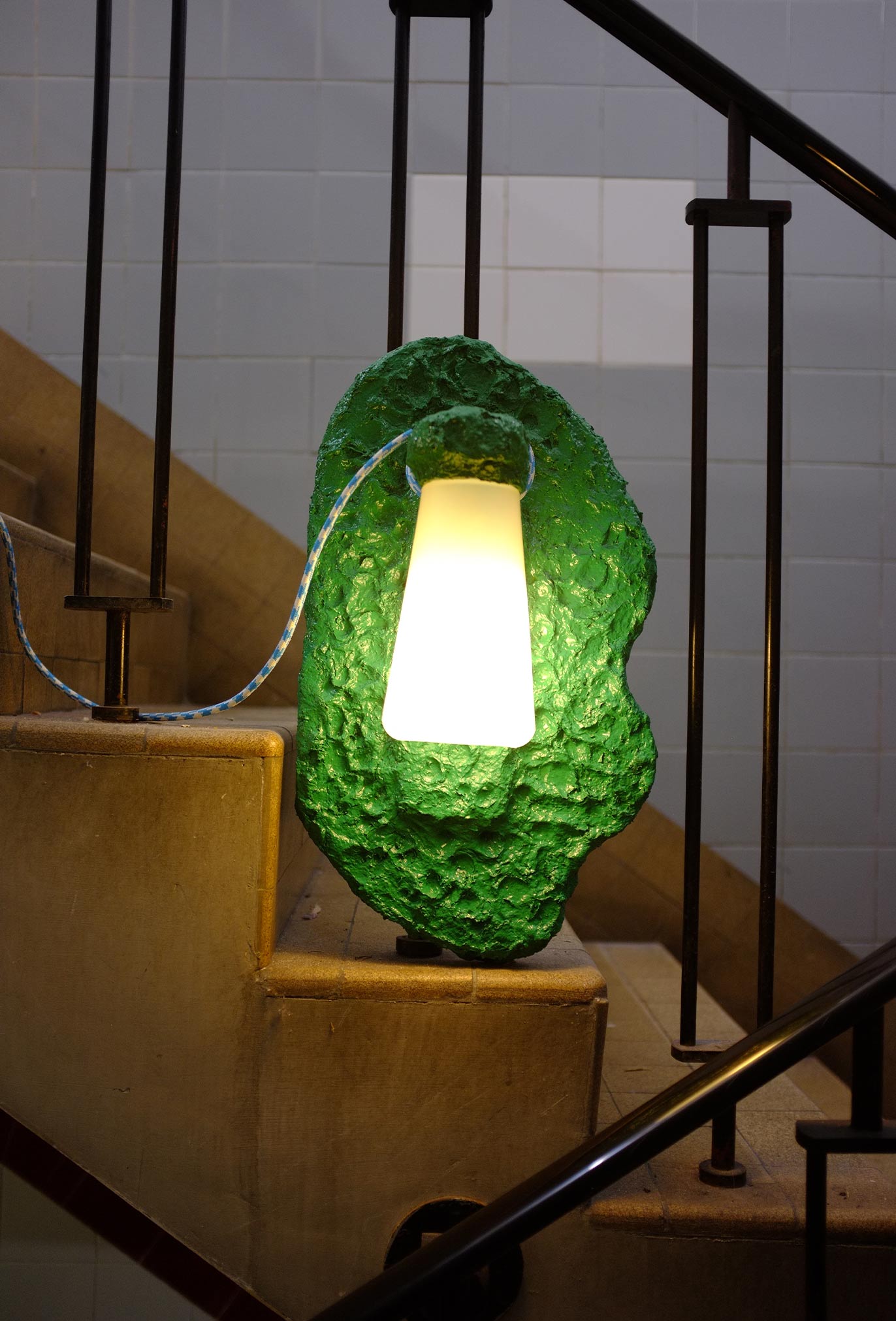
I would describe my work as sitting at the confluence of art and design. My practice is very hands-on and experimental but mostly centred around the use of recycled materials and in particular papier-mâché to create functional pieces for the home.
What drew you to craft-based approaches, and how has your training in ceramics and sculpture influenced your use of recycled materials?
I’ve always felt that there’s a sense of perceived failure which holds people back from giving things a go, particularly when it comes to experimenting with traditional or heritage skills. Moving around a lot as a child and being exposed to different cultures equipped me with a proclivity for just giving things a go, even if other people tell me it won’t work! This is something I’ve made use of when applying the training I received in ceramics and sculpture to non-traditional materials. My focus on using recycled paper, wood and textiles has also been strongly influenced by growing up in South Africa as a child and seeing incredible craftspeople and artisans repurpose materials in their work.
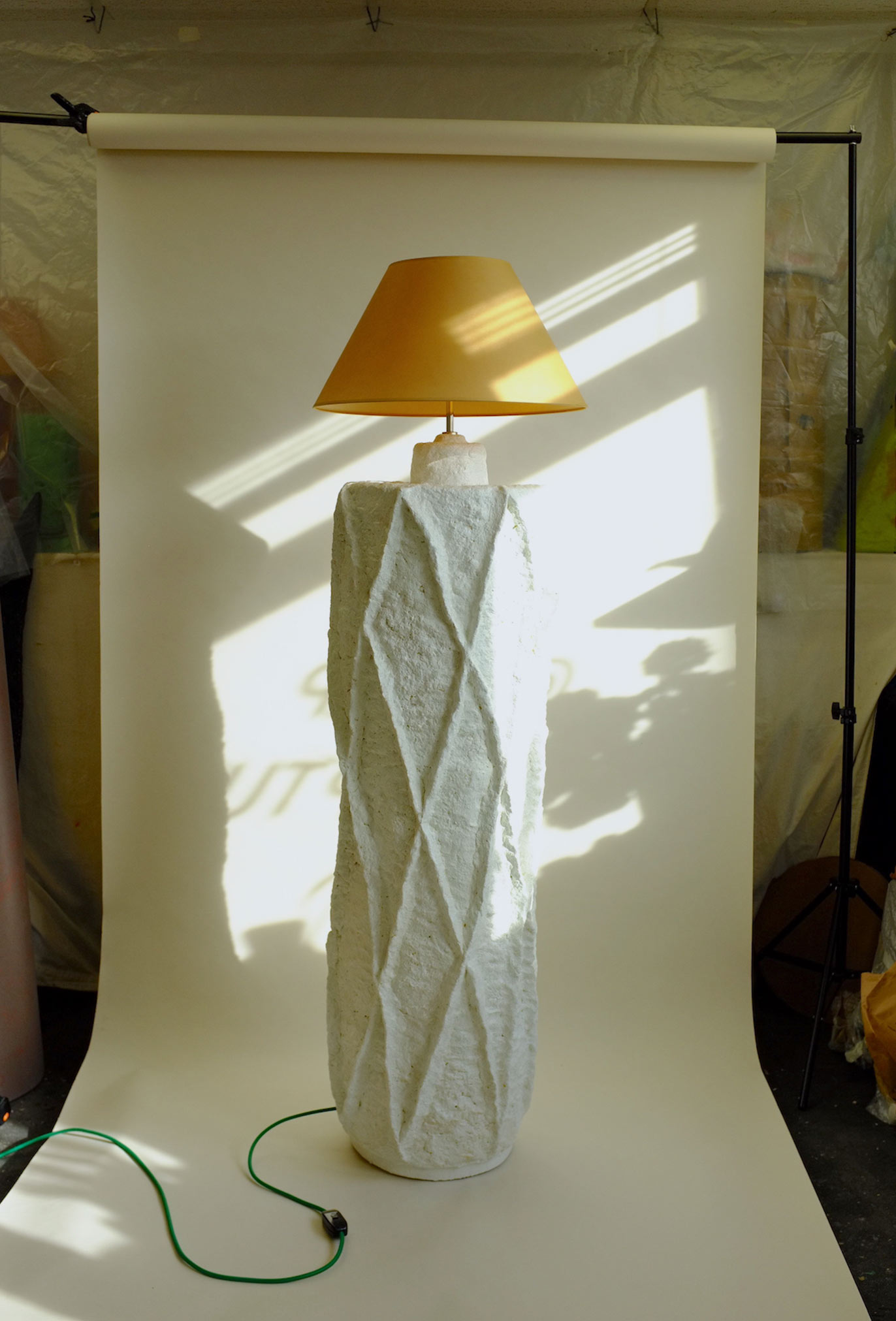
You mention the influence of post-war Hollywood set design, how does that world of illusion, texture, and drama show up in your own creations? Are there any other dominant inspirations in your work?
I used to be heavily into vintage fashion and very particular about how I dressed and accessorised. I suppose this detailed approach to creating a fantasy world is something that has followed through in my work. When I discovered post-war Hollywood rom-coms, I became obsessed with how saturated in pretence they were. Hollywood studios were presenting a vision of impossible luxury, using paint and cheap materials to emulate marble and gold. Another big influence has been the Memphis Group who were inspired along similar lines. Ettore Sottsass who headed up the group, made use of Formica which at that time was viewed as tacky and cheap and combined this with custom patterns and elegant design to create something fashionable. Both themes are prevalent in my practice and are shown through elevating readily available materials through creating desirable design objects using them.
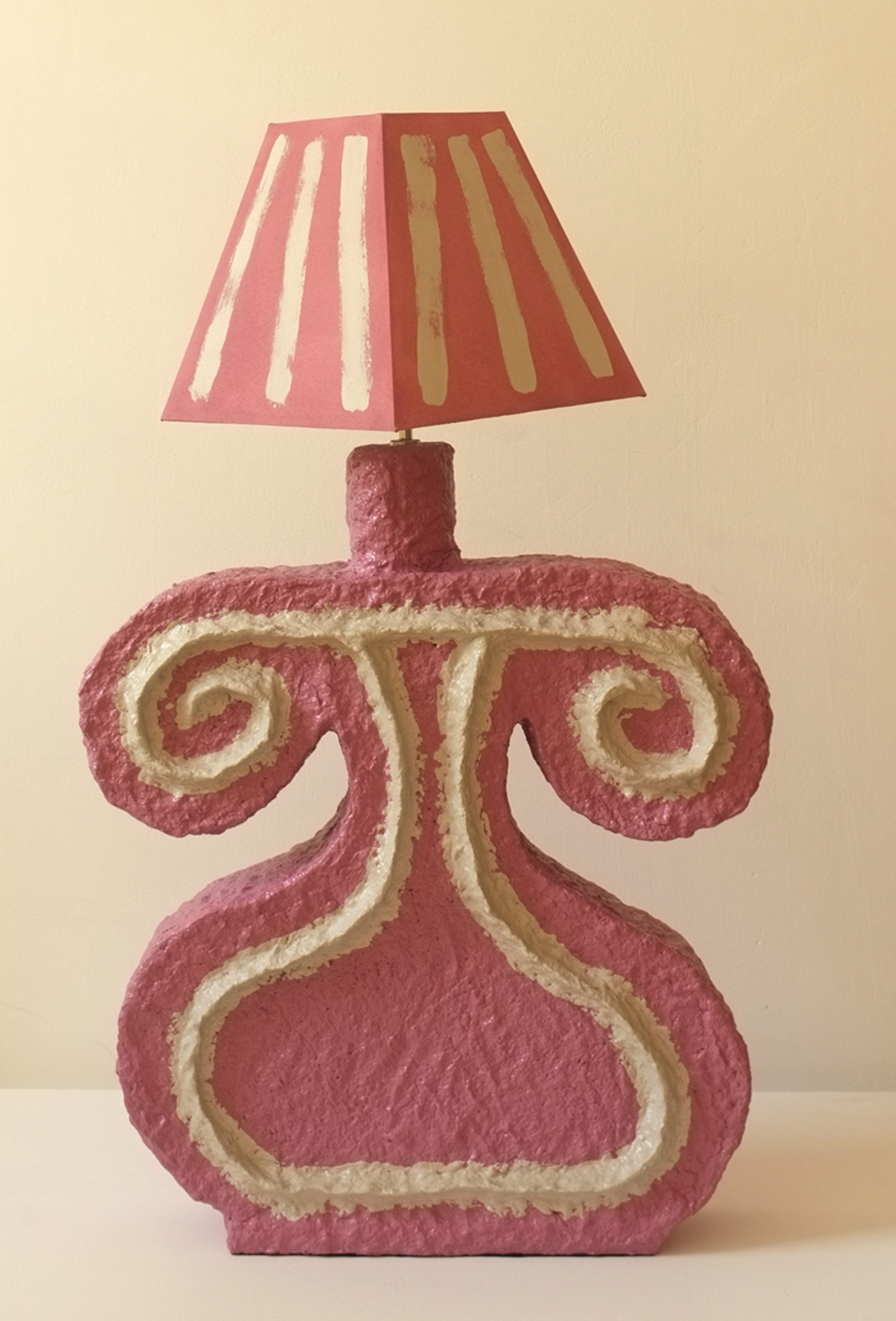
Are there any artists, designers, or even films you keep returning to for inspiration?
One of my earliest influences was the home of my Dutch grandmother (or Oma) which was typical of mid-century housing of the time but full of incredible treasures. She was really into interior design and collected pieces by iconic names like Verner Panton and Pierre Paulin which she mixed with antiques saved from her family home. I’ve always found that interiors are one of the greatest sources of inspiration for me and that is something that is particularly strong in the movies of Douglas Sirk and Doris Day.
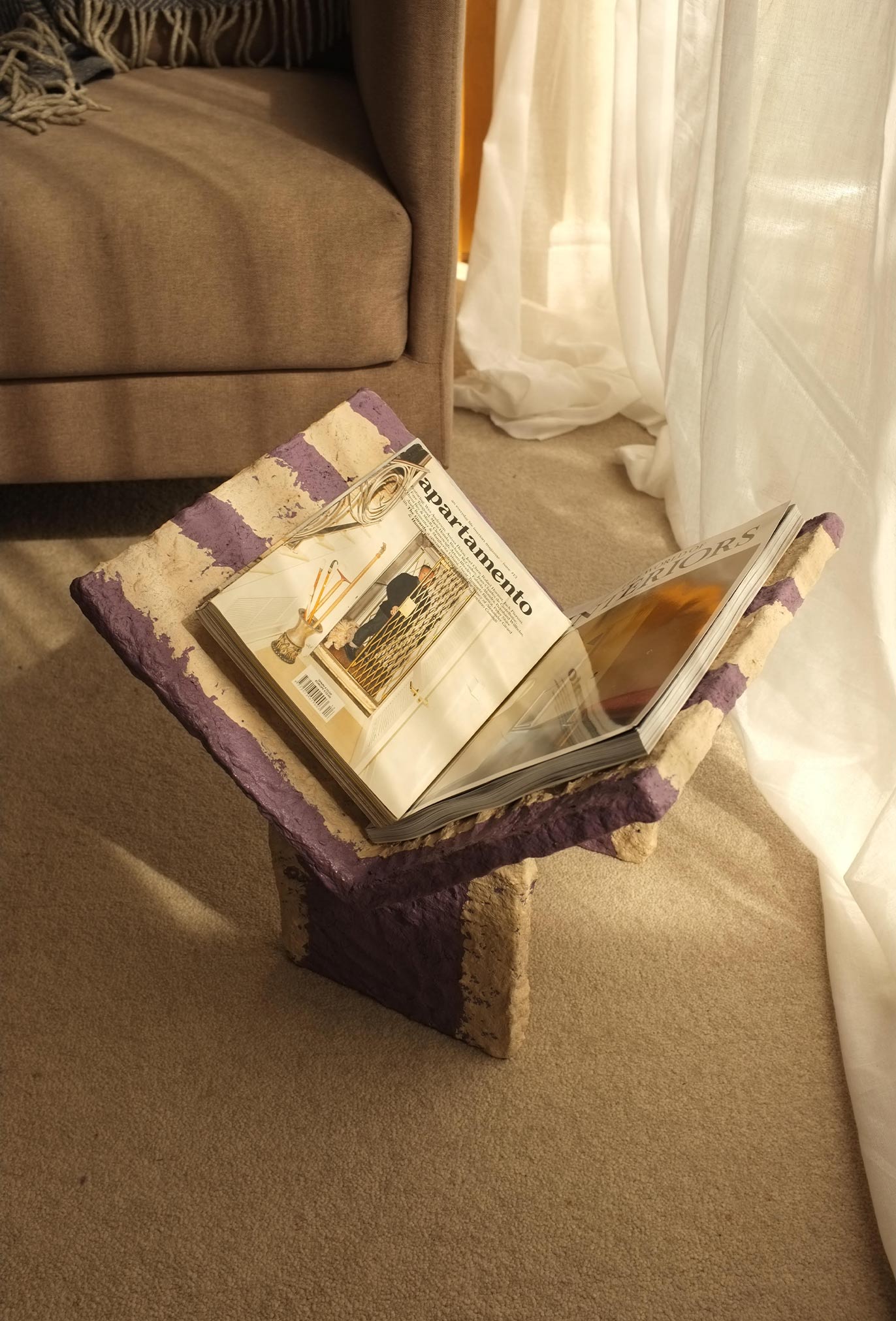
What’s it like working out of your garden studio? How does the space around you influence your pieces?
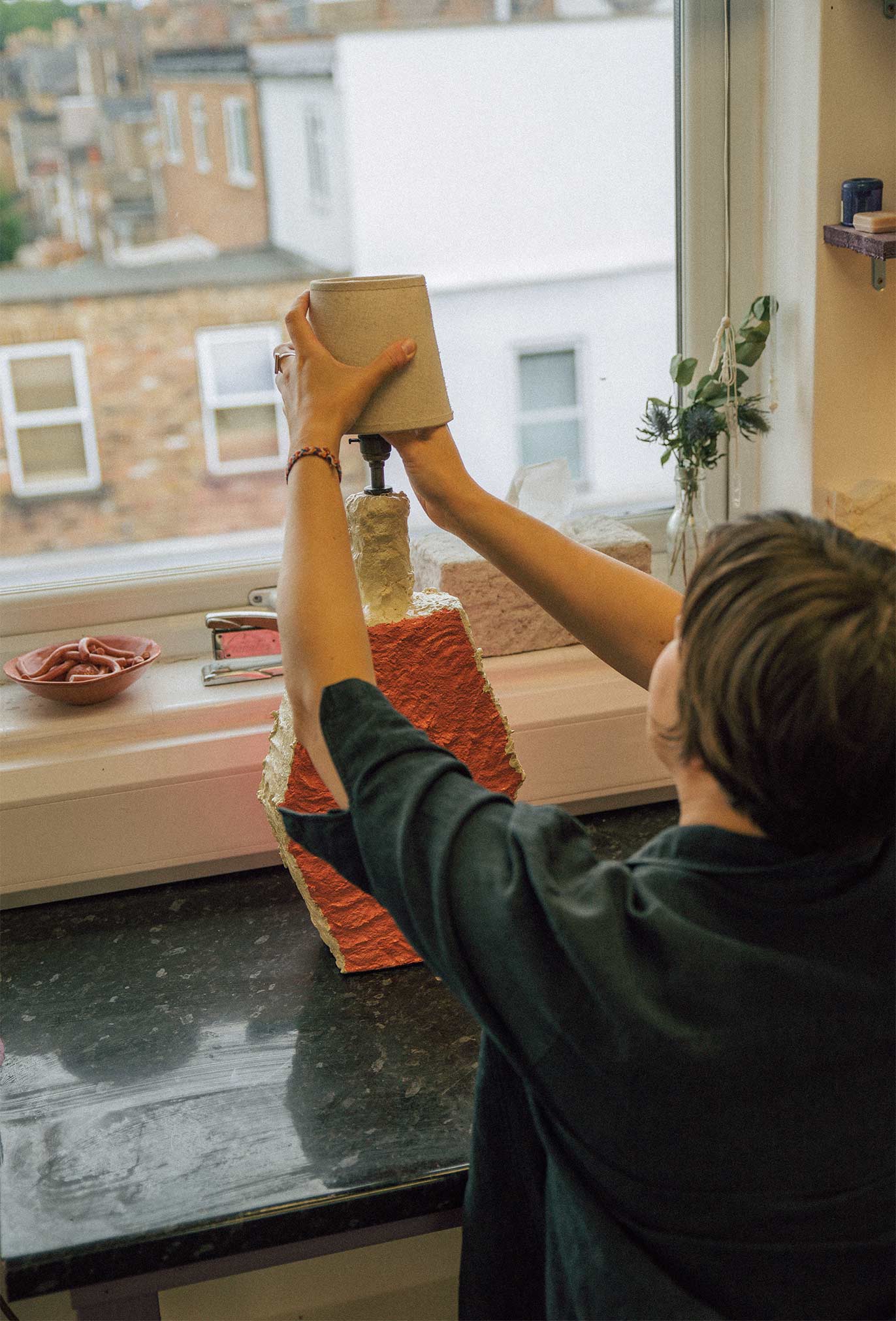
It is a huge privilege to be able to work from home as an artist, particularly living in a city. I’ve had some wonderful experiences sharing studios with fellow artists across London but being able to have my own space means I can now access it around the clock. Without the pressure of time restraint, I’ve found there’s greater opportunity for experimentation and I’ve really embraced this through incorporating more sewing and lampshade making in my work. I’ve got some new pieces about to launch shortly which are a great example of this.
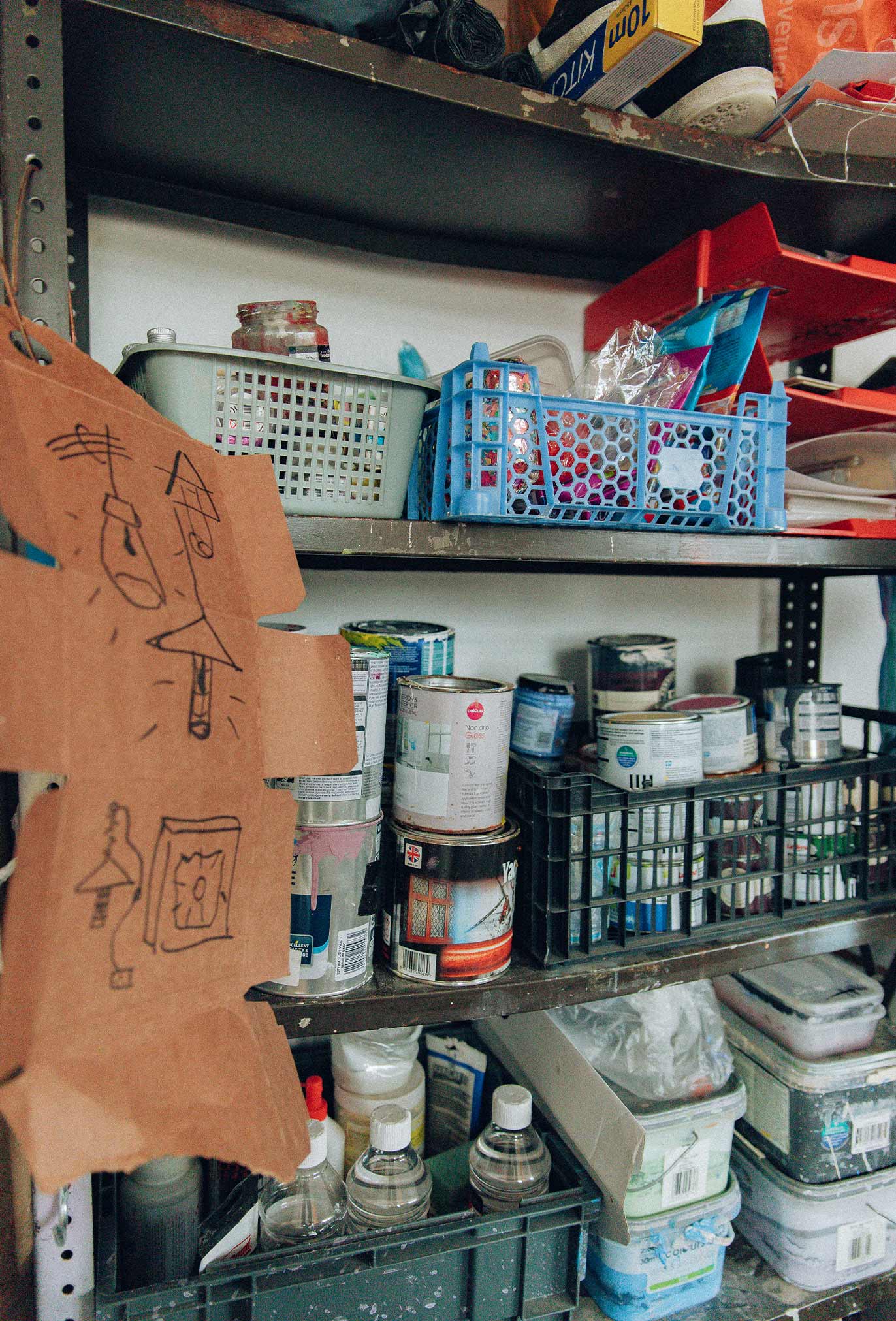
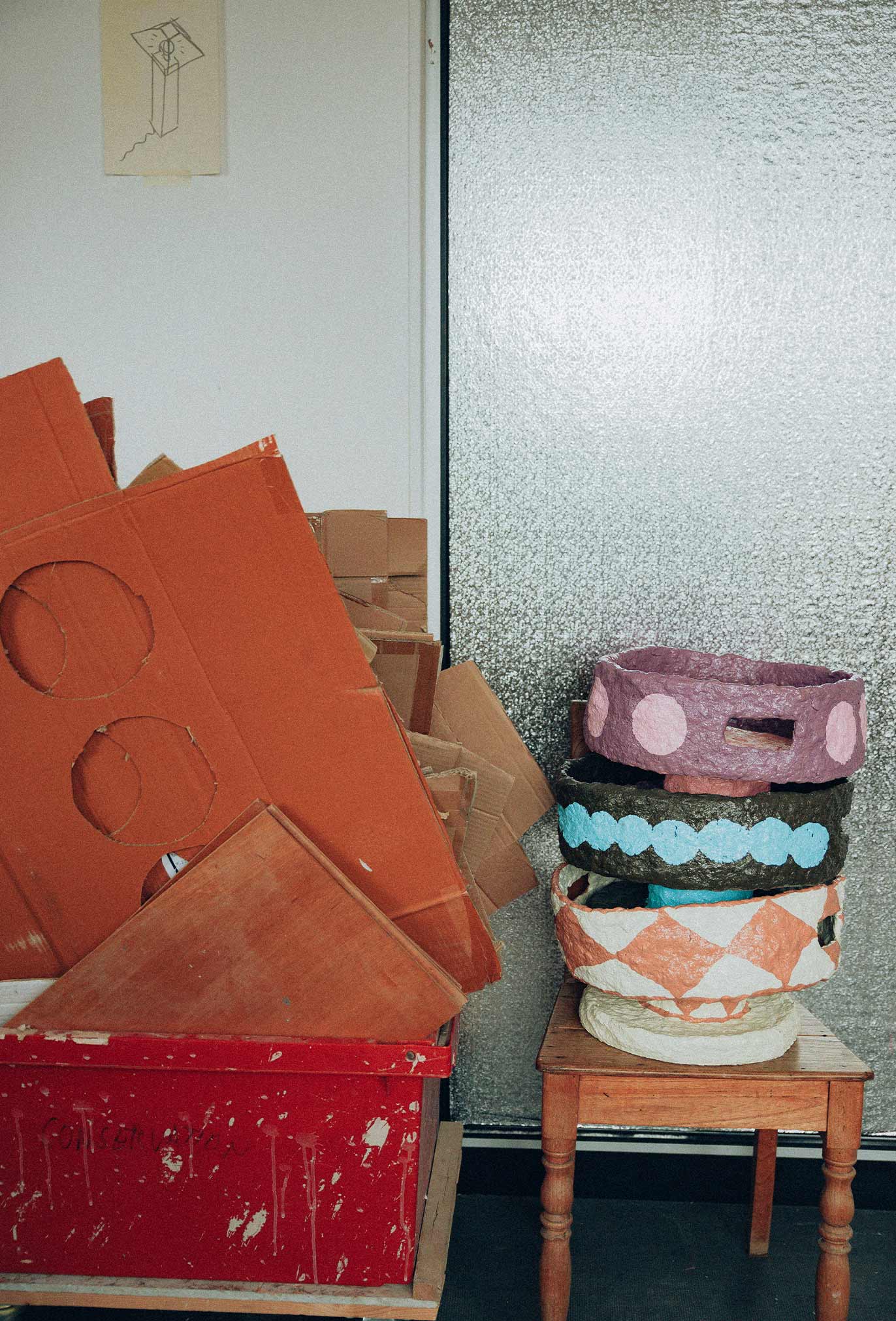
What do you enjoy most about working with paper mâché? Are there qualities in the material that keep surprising you?
What first drew me to working with paper mâché was the potential I saw in it to produce ceramic-like work. Although there are some limitations as far as increased drying times and structural integrity, it does allow you to create pieces at scale without having to worry about whether you can fit them into a kiln for firing! Having now worked with this material for so long, I’m more familiar with mitigating failures and this has allowed me to really explore experimenting with new shapes and designs with very little risk.
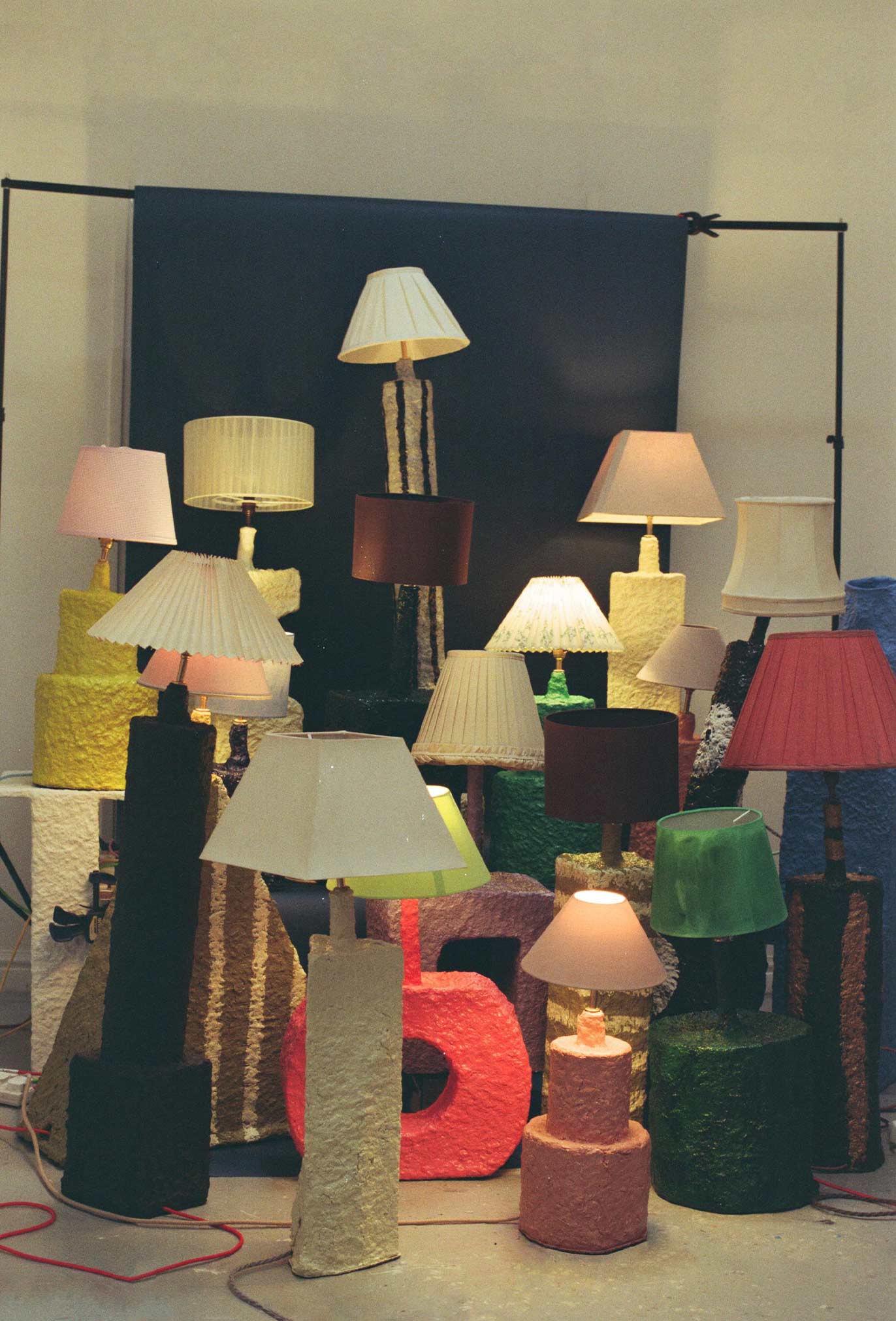
Your pieces feel functional yet sculptural. Do you start with an object’s purpose or its form?
Creating pieces that have a function beyond their aesthetic qualities is an essential part of my work. This is absolutely the first thing I think of when coming up with a new design. It is also something which can be quite challenging as it often involves having to think technically about how best to create robust pieces that will be durable and safe to use.
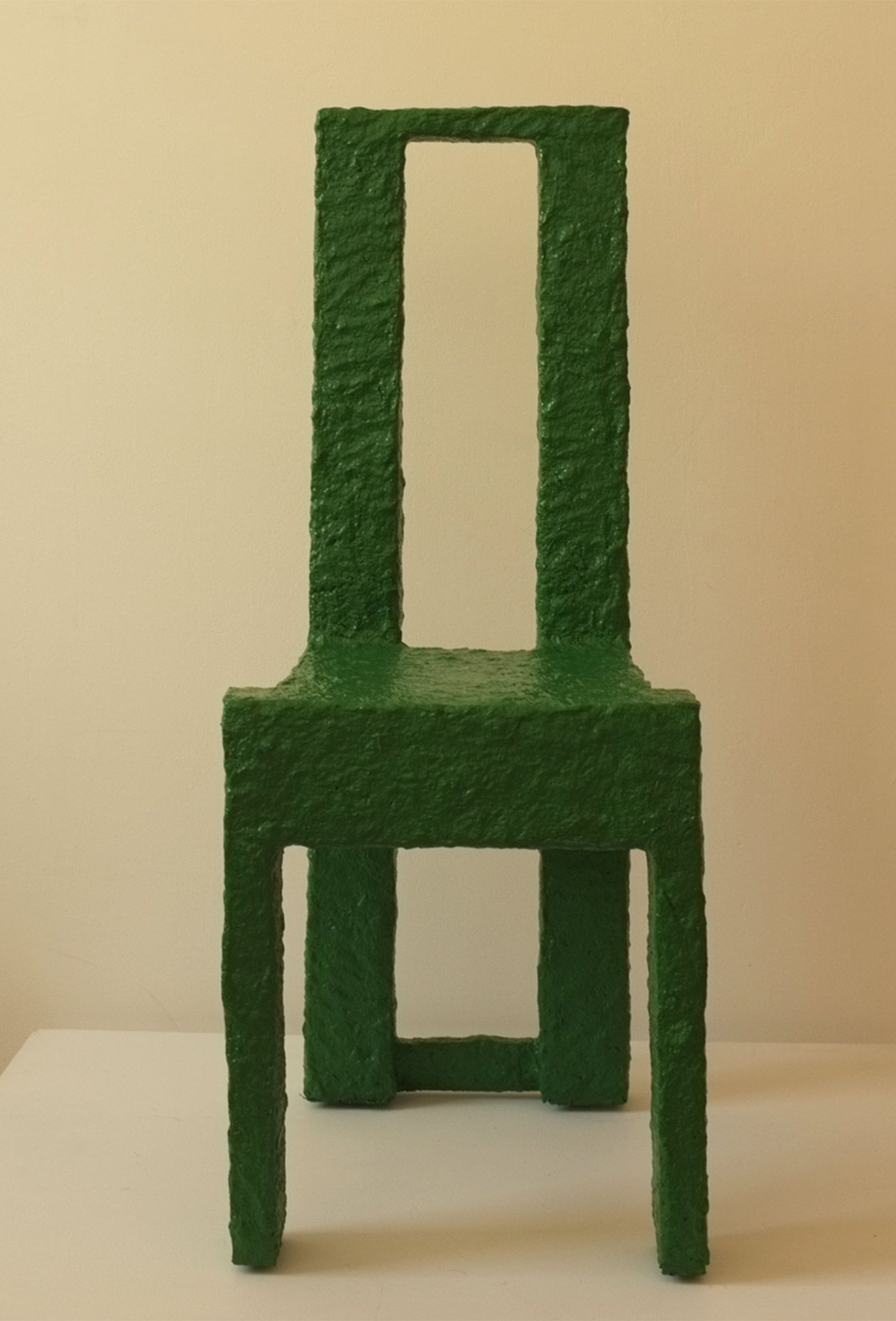
Do you treat pattern, colour, or shape as a form of storytelling in your work?
Colour pattern and shape is such an integral part of my work and I believe my use of colour really defines a particular style that is personal to me. I like my pieces to be bold and original to encourage my audience to take risks and see their homes as somewhere to have fun and feel inspired.
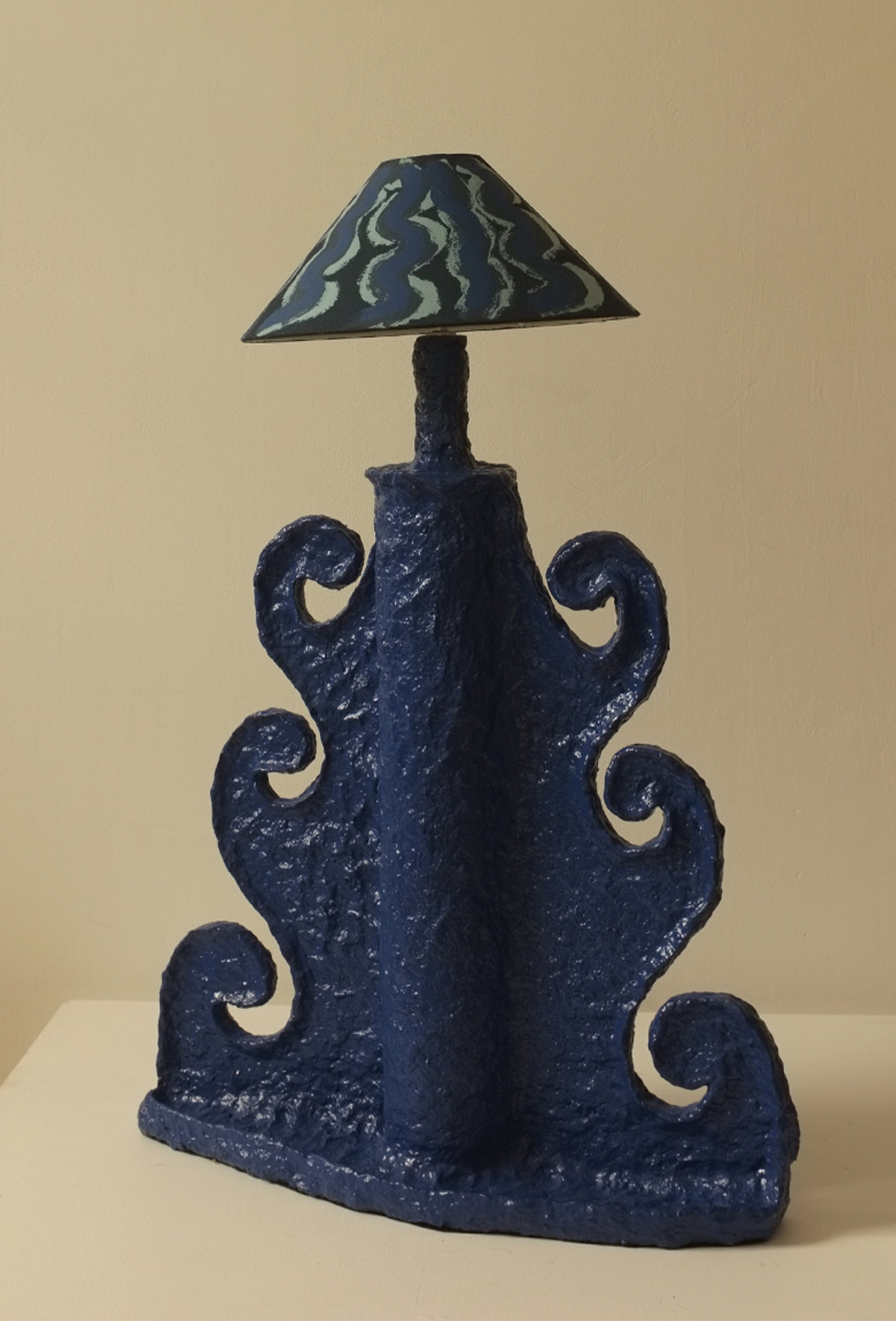
Has there been a piece that completely surprised you in the making?
A little while ago I self-organised a show for Deptford X Arts Festival. It involved creating seven unique pieces that were hung in a brewery taproom and made available via online auction to raise funds for a local charity. This was quite early on in my paper mâché journey and what surprised me was the incredible support and encouragement I received from those who bought my work. I met some really great people through doing that project and still really value the validity that finding an audience gave me.
Your work feels playful—how important is humor or lightness in your practice or life?
Absolutely! I think this comes from a place of wanting to promote accessibility and engagement from my audience. I want my work to bring enjoyment to people, so I deliberately try to not take myself too seriously and be transparent about my process, failures and achievements. I want to bring people along for the ride and encourage others to pursue creative projects as passionately as I do.
What’s something new you’re curious to explore next?
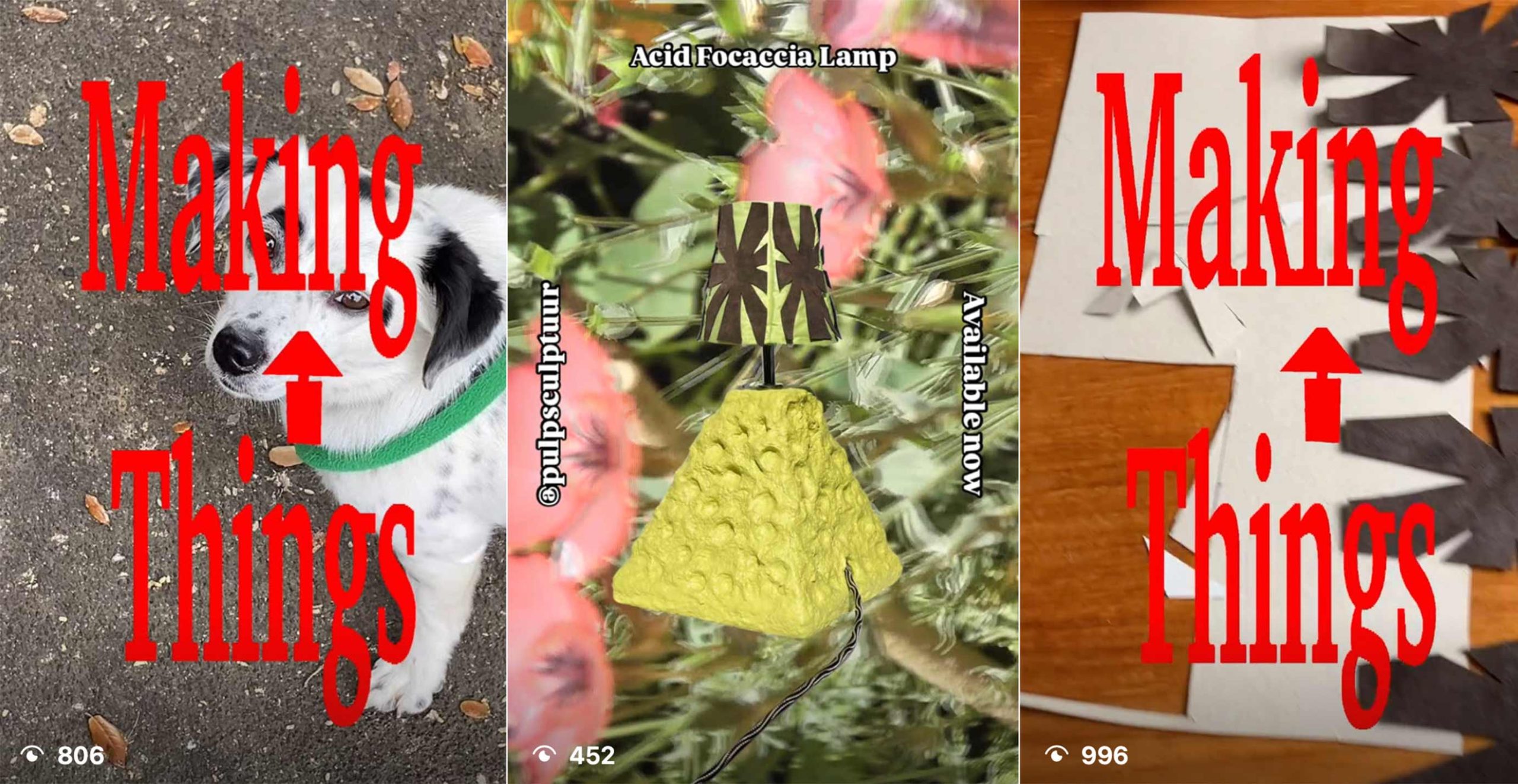
I recently started a video series on Instagram called ‘Making Things With Annie’ that aims to explore different ways of making and sculpture techniques in an accessible and informative way. The common thread is working with as many found or recycled materials as possible. This process has been a great source of inspiration for incorporating new elements into my lamp designs and at the moment I’m working on creating some lamp key rings off the back of trying out casting with pewter for the first time.
Is there a specific object, material, or concept you’ve always wanted to work with but haven’t yet?
I’ve always wanted to work with re-formed plastics and this is actually something I’m planning to cover in an upcoming video for the ‘Making Things With Annie’ video series.
Where can people find you?
I like to prioritise building relationships with independent businesses, small galleries and arts spaces, a full list of stockists is available on my website (www.anniestrachan.co.uk) where you can also find links to exclusive pieces created for Felt Collections and San Mei Gallery. My Instagram (@pulpsculptuur) is the best place to stay updated on news of upcoming shows. This year, I’m taking part in two exhibitions that will involve producing site specific works, one of these is part of the Estuary Festival, taking place in June.