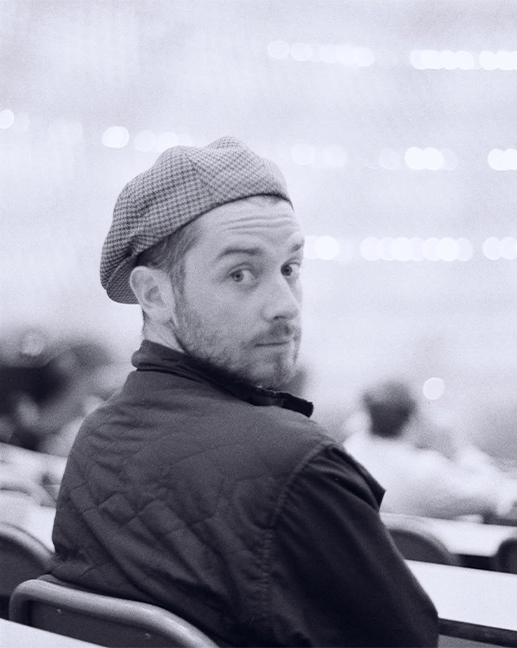
Romain Basile Petrot
What’s your name and where are you based/from?
My name is Romain Basile Petrot. I work mostly in Paris and a bit in Athens lately.
How would you describe what you do?
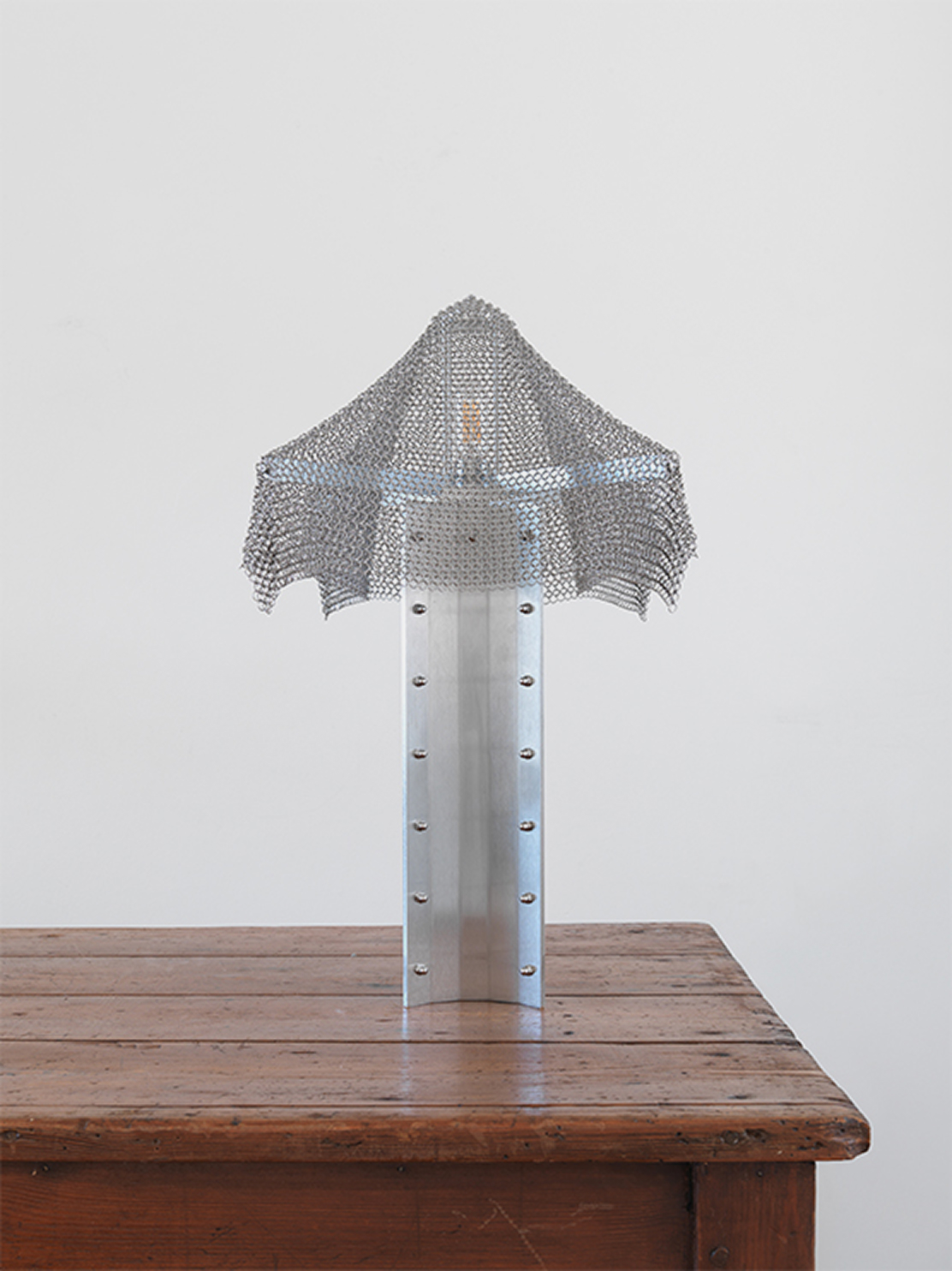
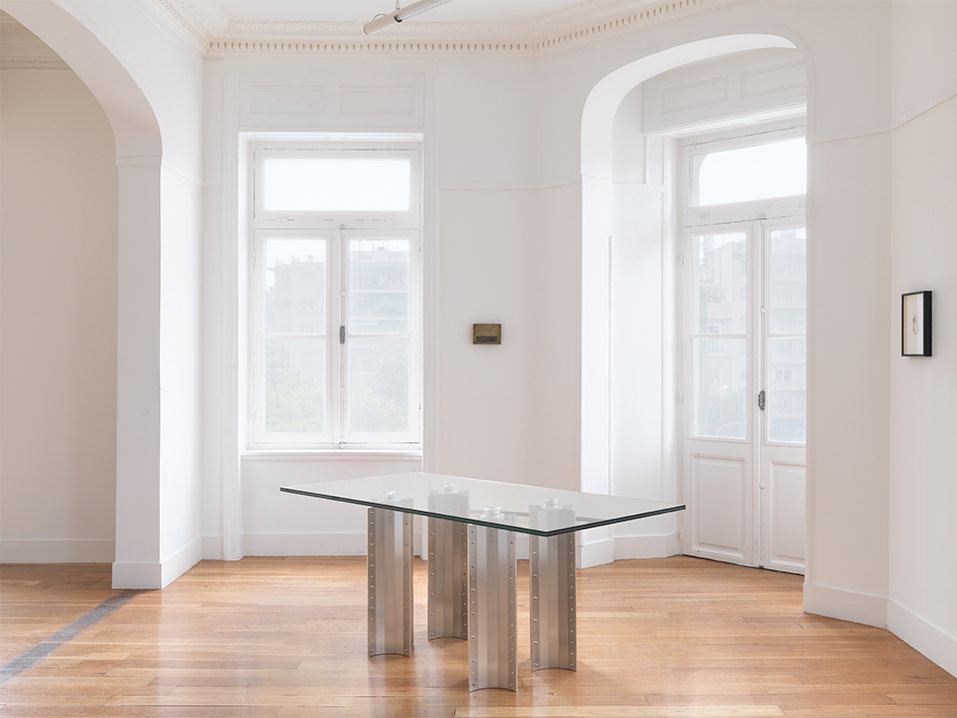
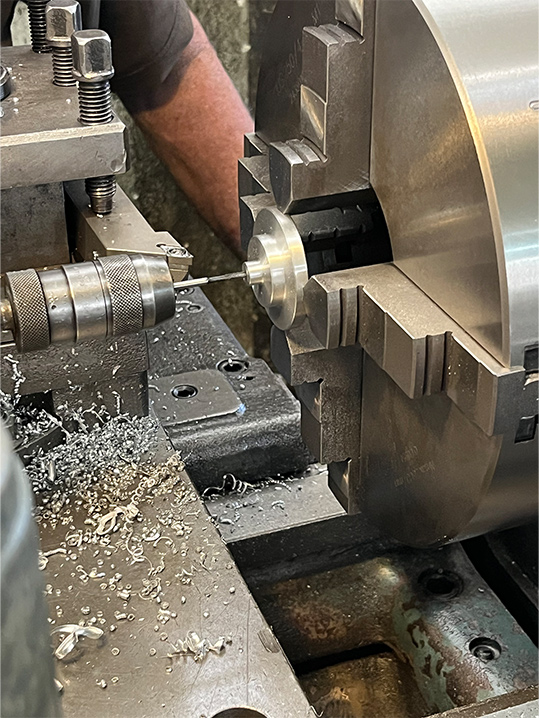
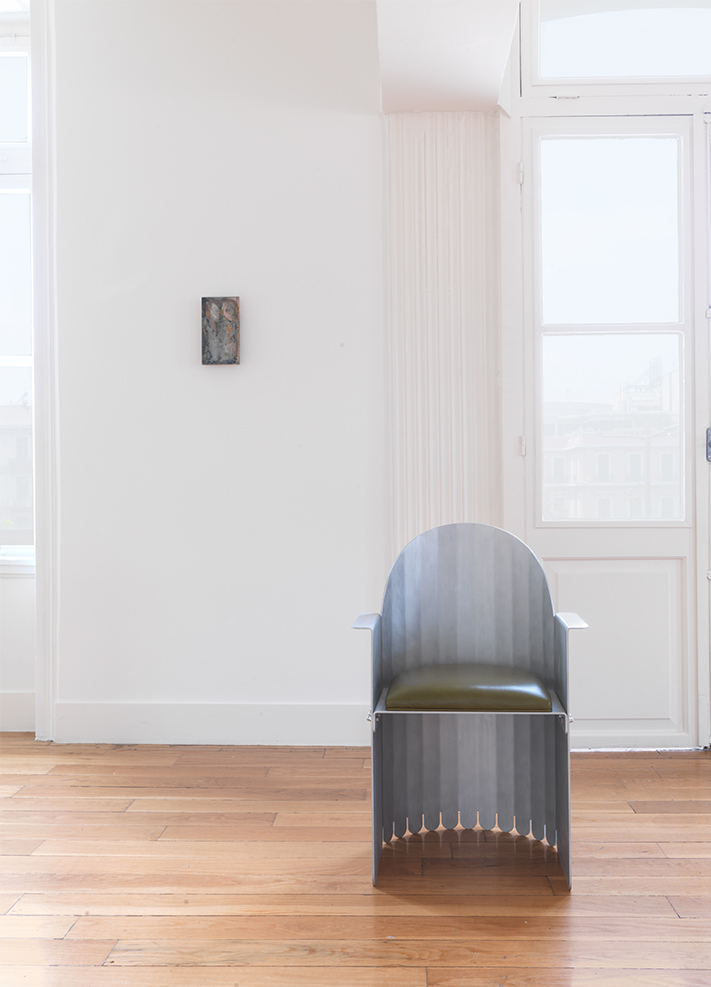
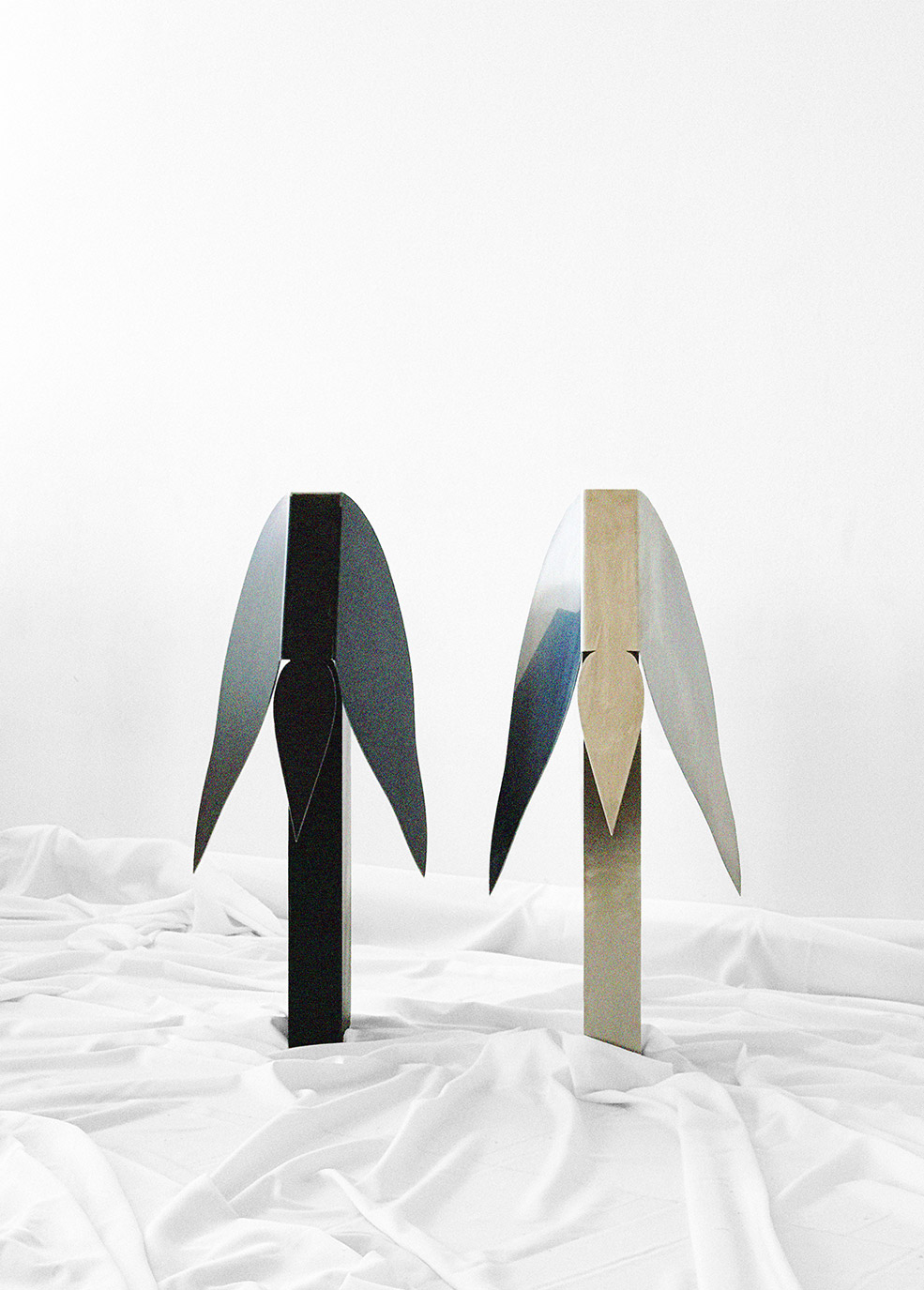
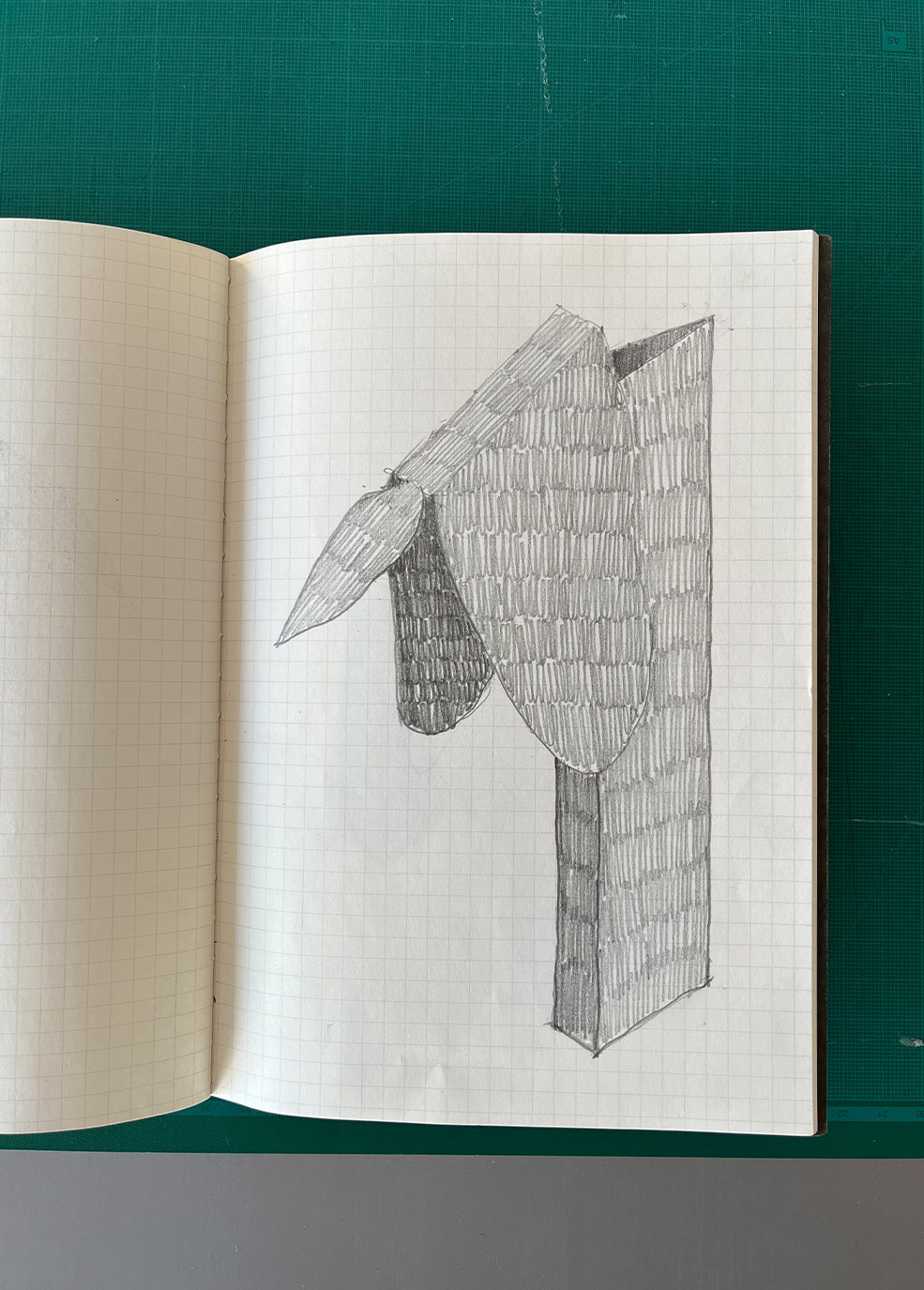
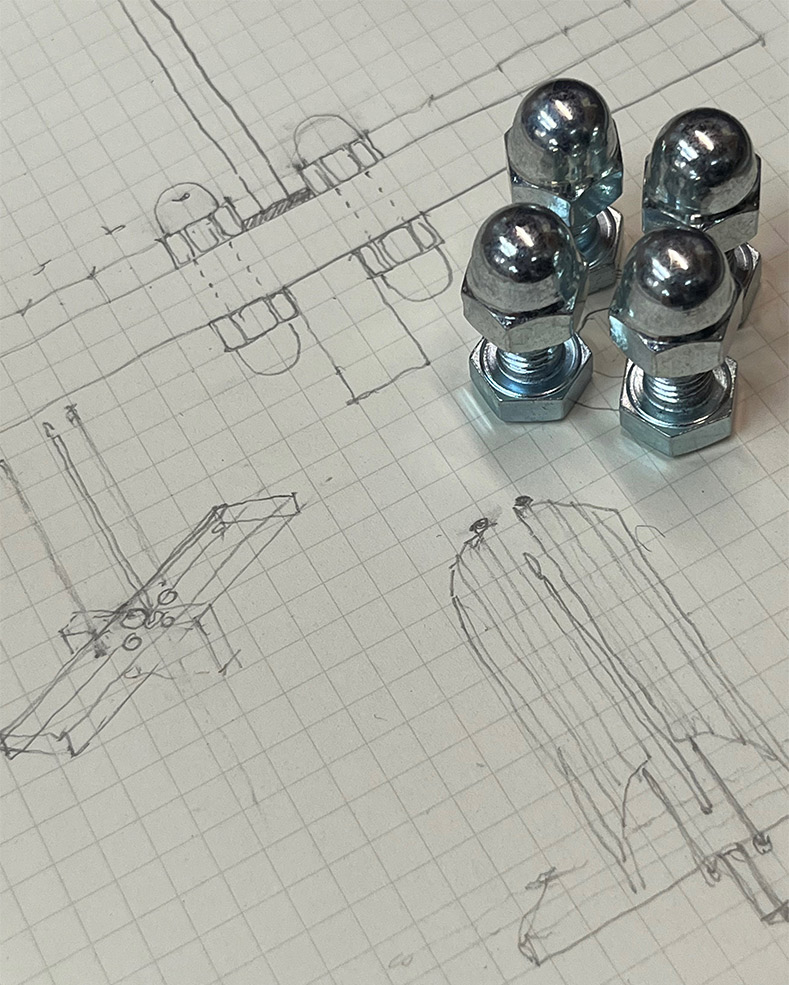
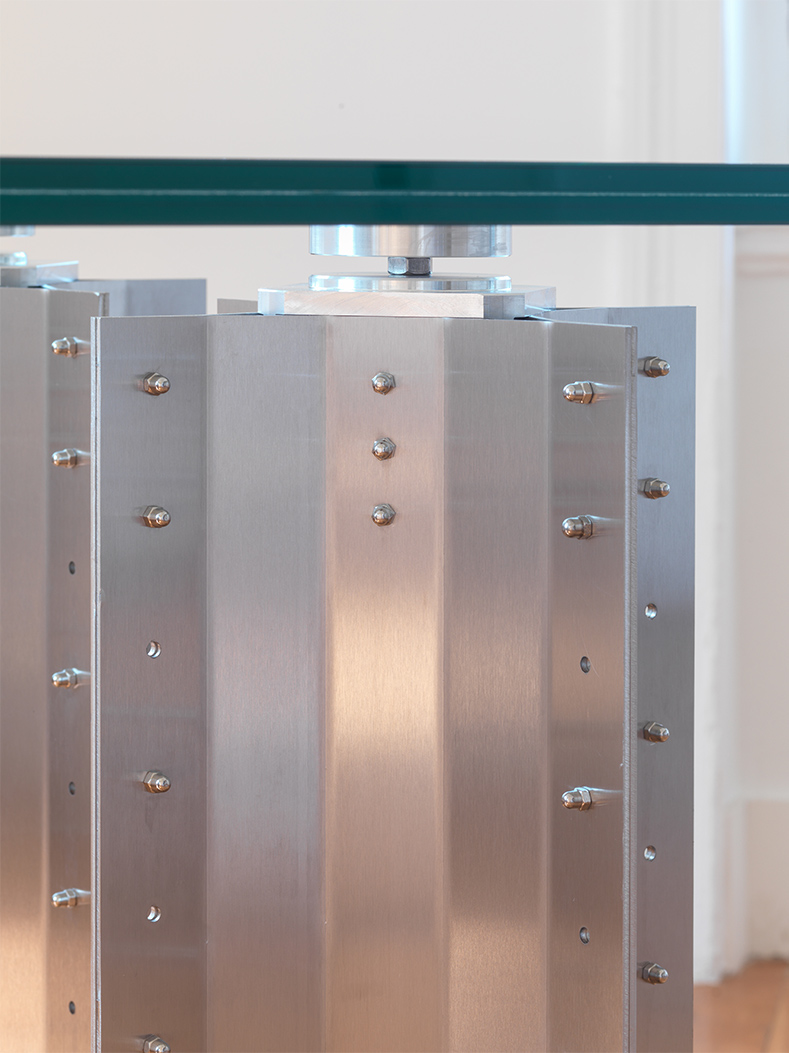
I design objects with architectural awareness, and I develop architectures with a sharp sensitivity to detail, form, and atmosphere. All of it revolves around questions of scale and time. The notion of monumentality, in particular, is something that both drives and fascinates me.In design, I’ve been working mainly with sheet metal. I fold it to give it strength. Pushing the material to its edge and watching it stand. But that’s just for now, my first two collections. I’m not tied to any one material. The context of my next project might lead me to work with stone, wood, or more experimental materials, mushrooms or seaweeds. My whole approach is adaptive and responsive to context, which is always plural: geographic, economic, temporal, and beyond.
What led you here to this? Do you remember the first time you made contact with this craft?
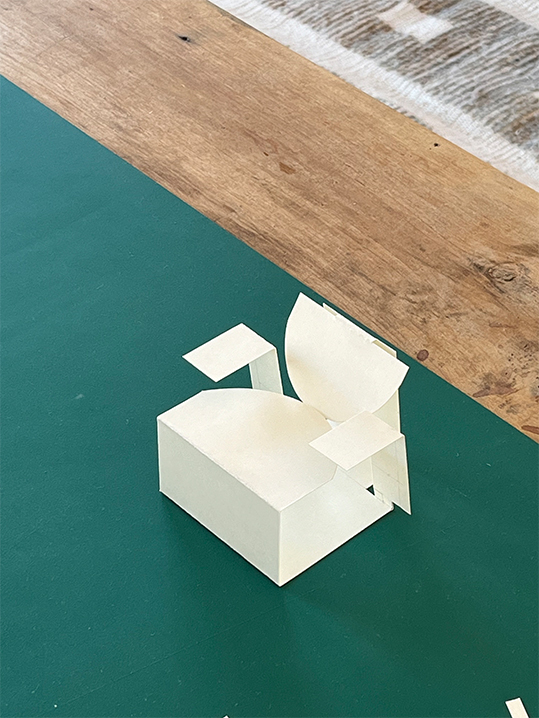
I actually came to metal through a dream: I wanted to make a chair out of paper.
I was drawn to the gesture of folding something fragile, making it hold. Metal offered that same potential, but with the strength needed to create furniture.
Beyond its physical properties, metal also brought me back to memories of Brittany: the grey-blue sea, rusted ships, tired sheets of metal perforated by time. Beautiful in their decay. And now, maybe I’ll return to that original idea, making a chair from a single sheet of paper. But I haven’t cracked the code yet.
How do you usually begin a piece?
I always begin with the material, the desire to feel it, to push it, to test its limits.
Form grows from that dialogue. And once it appears, I challenge it. I try to take it somewhere slightly off-balance, into something unexpected or surprising. I’m interested in architectural oppositions: full/empty, thick/thin, heavy/light. I look for contrasts, and for a way to express gravity, always.
What draws you to metal as a primary material—and how do you treat or manipulate it to achieve softness or emotion?
I think it all goes back to my desire to make a chair out of paper, and maybe also to the rough, raw landscapes I used to experience in Brittany, or the forbidden corners of the cities I’ve lived in.
As I said before, I’m looking for contrasts, to make emotion emerge where you’d least expect it. Something brutal that turns tender. It’s always a negotiation between violence and delicacy.
What’s your favorite thing to do to get away?
To get away, I run.
During the year, I run through cities. In summer, I run in the mountains, by the sea. It’s a way to empty out, and refill. When I run, my body feels right, and my ideas move more freely.
Are there references you return to? Architecture, history, or something more personal or cultural?
What I create is the sum of my internal references. In fact, I like to say we don’t really “create”, we reinterpret, we reassemble concepts in new ways. It all comes from what I’ve seen, read, felt, lived. People I’ve met, places I’ve been. These things filter through me and reappear as form, as texture, as material. The starting point might change, but the ground stays the same: memory, sensation, architecture.
Is there a piece you’ve made that surprised you either in how it turned out or how people responded to it?
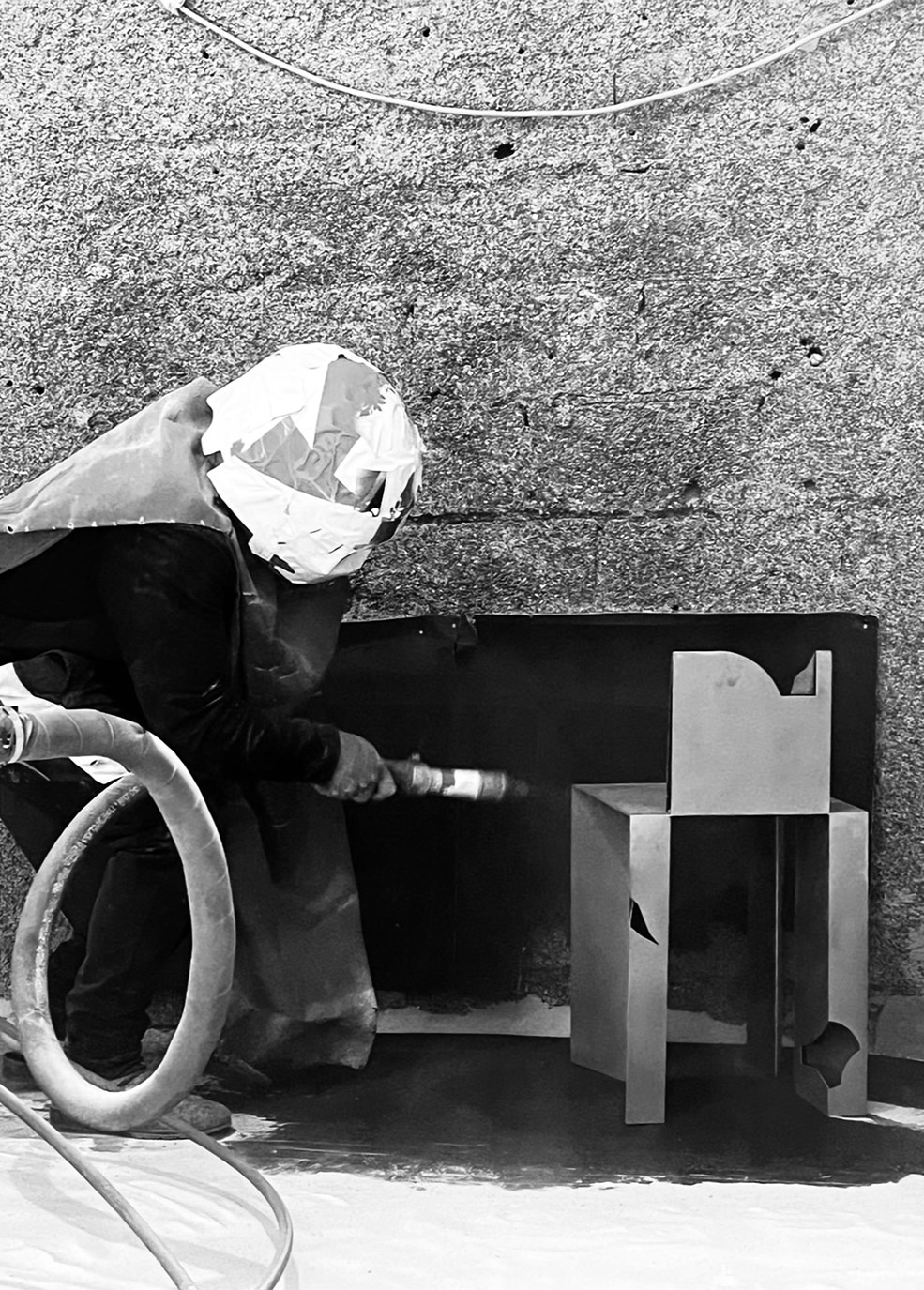
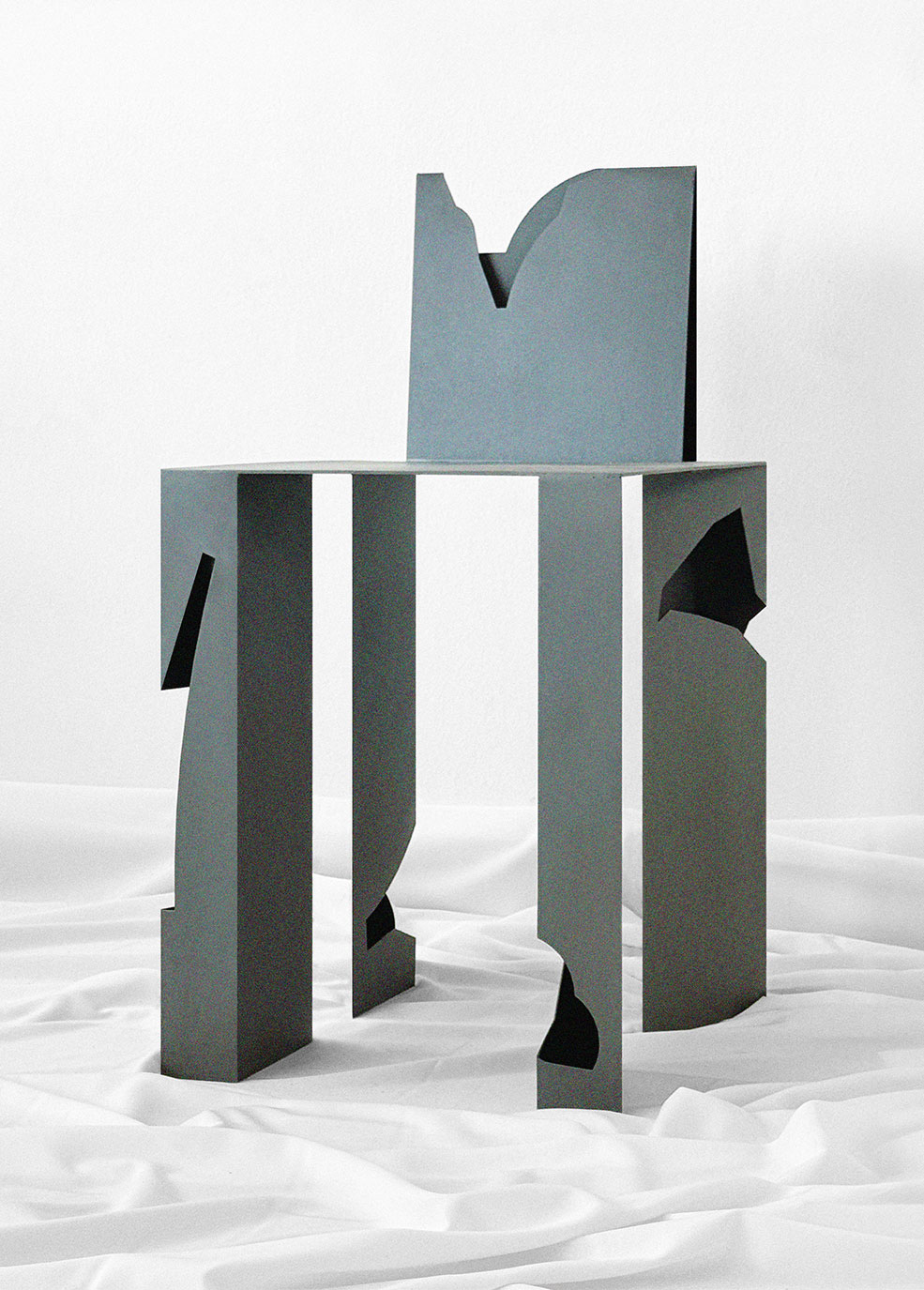
My first chair, Continuum Discontinuum, holds a special place.
It’s bold and punk. It hits hard, sometimes too hard. Some people feel like it’s not possible to live with it. It provokes something almost forbidden. I like that line, where seduction meets discomfort. Where expectations are challenged.
What’s been influencing your thinking lately that has nothing to do with work?
For me, everything is connected to the work, because anything can become a source of inspiration.
Lately, I’ve been immersed in cinema. I’m fascinated by how film can evoke deep emotions, sometimes with almost nothing.
I was recently struck by The Blue Caftan, and I just discovered Claude Miller’s La Classe de Neige, which I found quietly powerful. I also love Tarkovsky’s Stalker, and films by Wong Kar-wai for their atmosphere.
Do music, film, books, or other forms of art play a part in your life and thinking?
Absolutely. Music, cinema, literature, they feed my internal library.
They form a kind of personal mythology, a mental archive of images and atmospheres that I carry with me. Real or imagined, they’re always there, ready to be tapped into. That archive is a reserve of power.
Do you feel that exhibiting with other artists changes the way your work is perceived, or does it add another layer?
Yes, and I love it. It anchors the work in a contemporary dialogue.
We’re part of a whole, a current state of creation. It’s exciting to observe, to take part in.
Where can people find you?
You can find me on Instagram @romainbasilepetrot
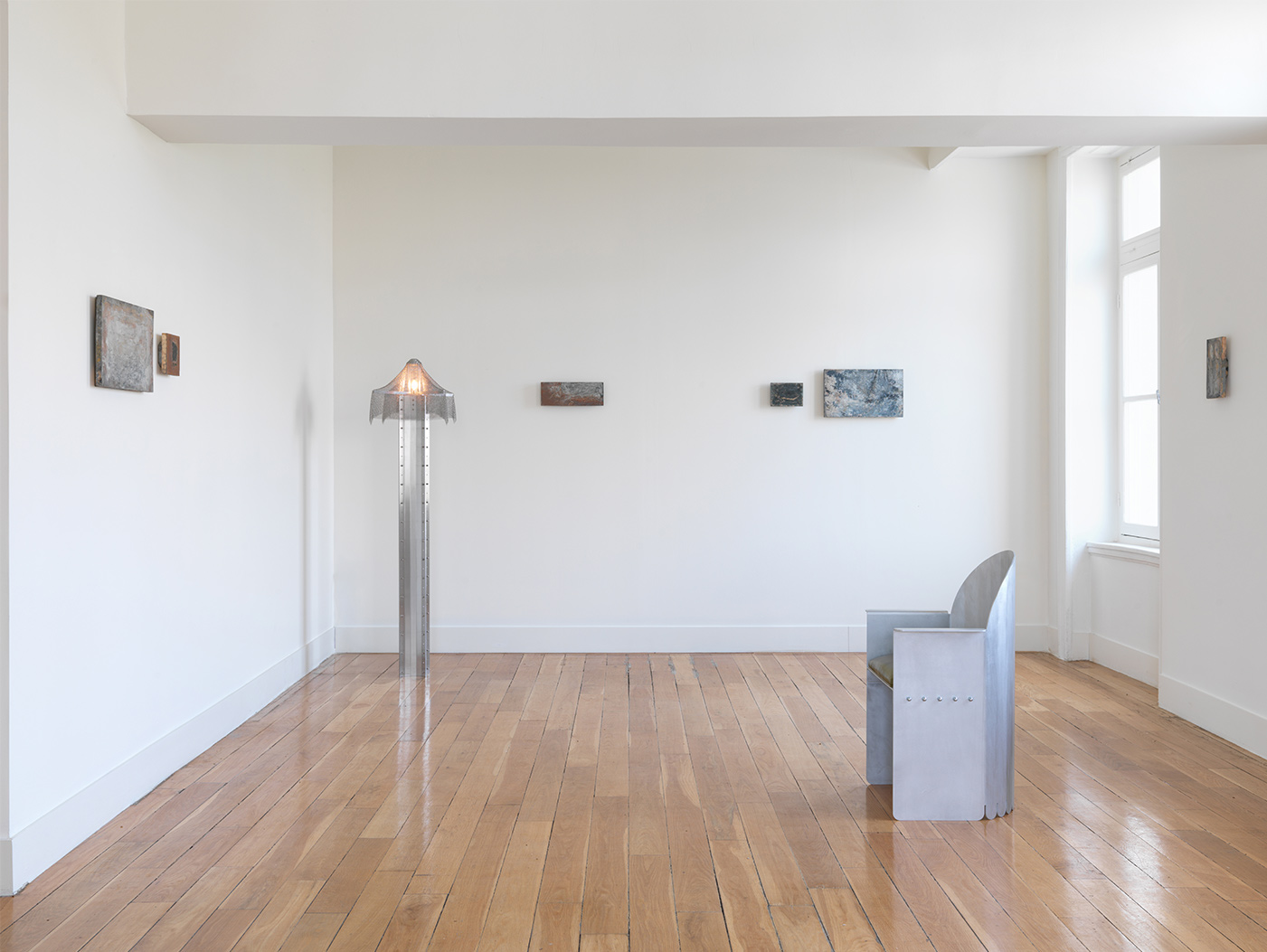
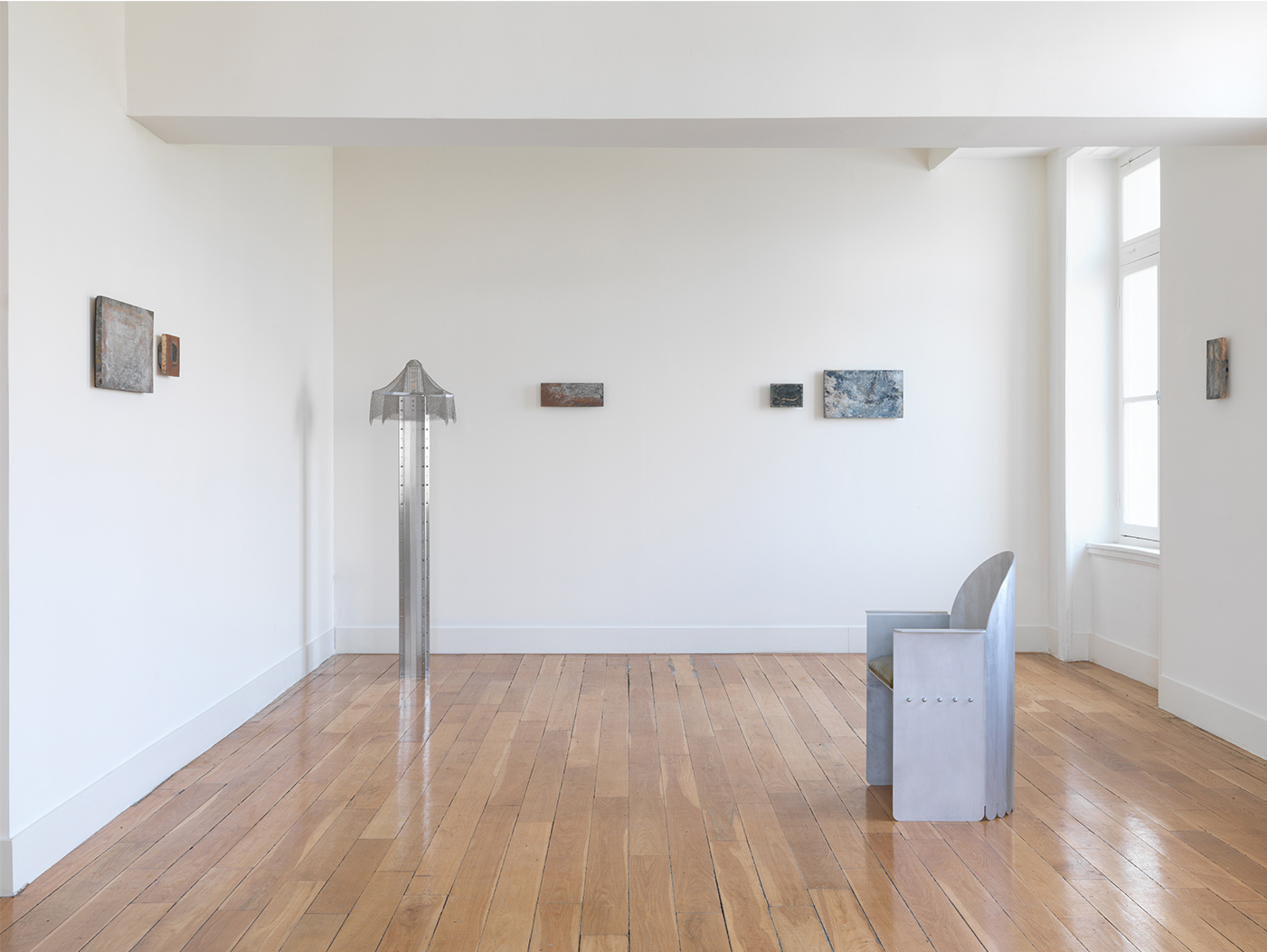
Right now, my work is on view in Athens at Ninetto Gallery, come see it!
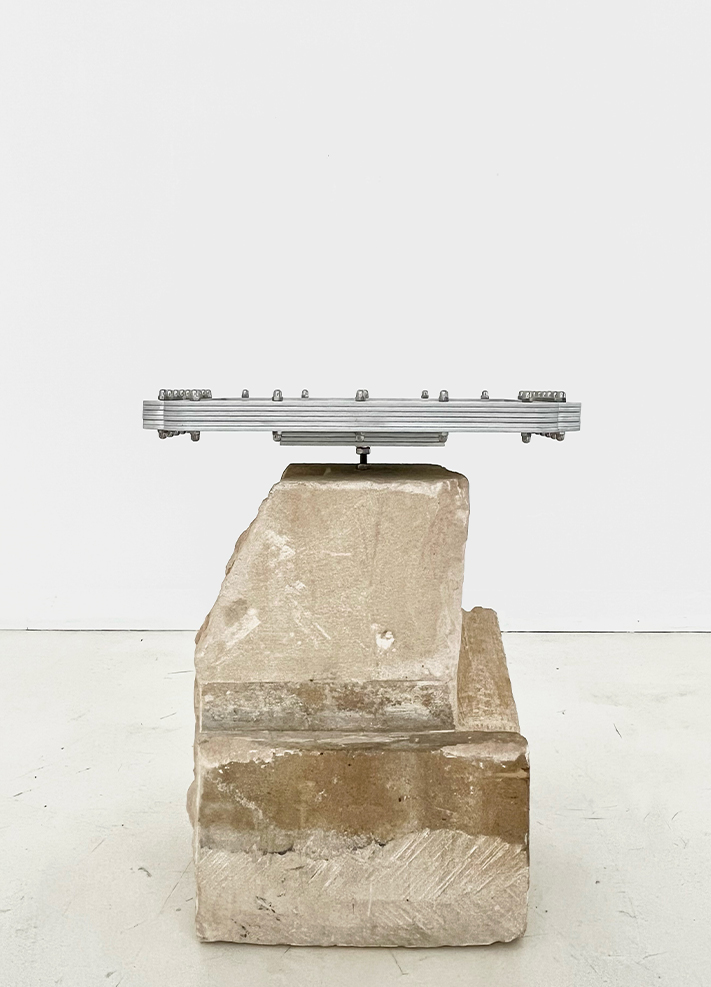
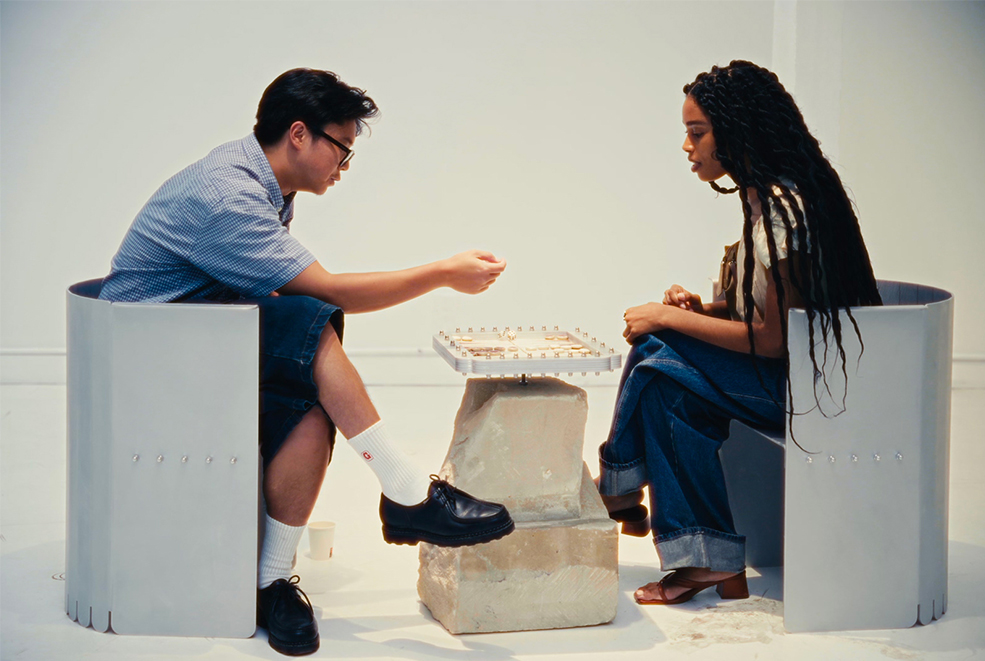
It was also recently shown in Paris during the Gammon Gammon event, which brought together a bunch of other young creators. That was fun !