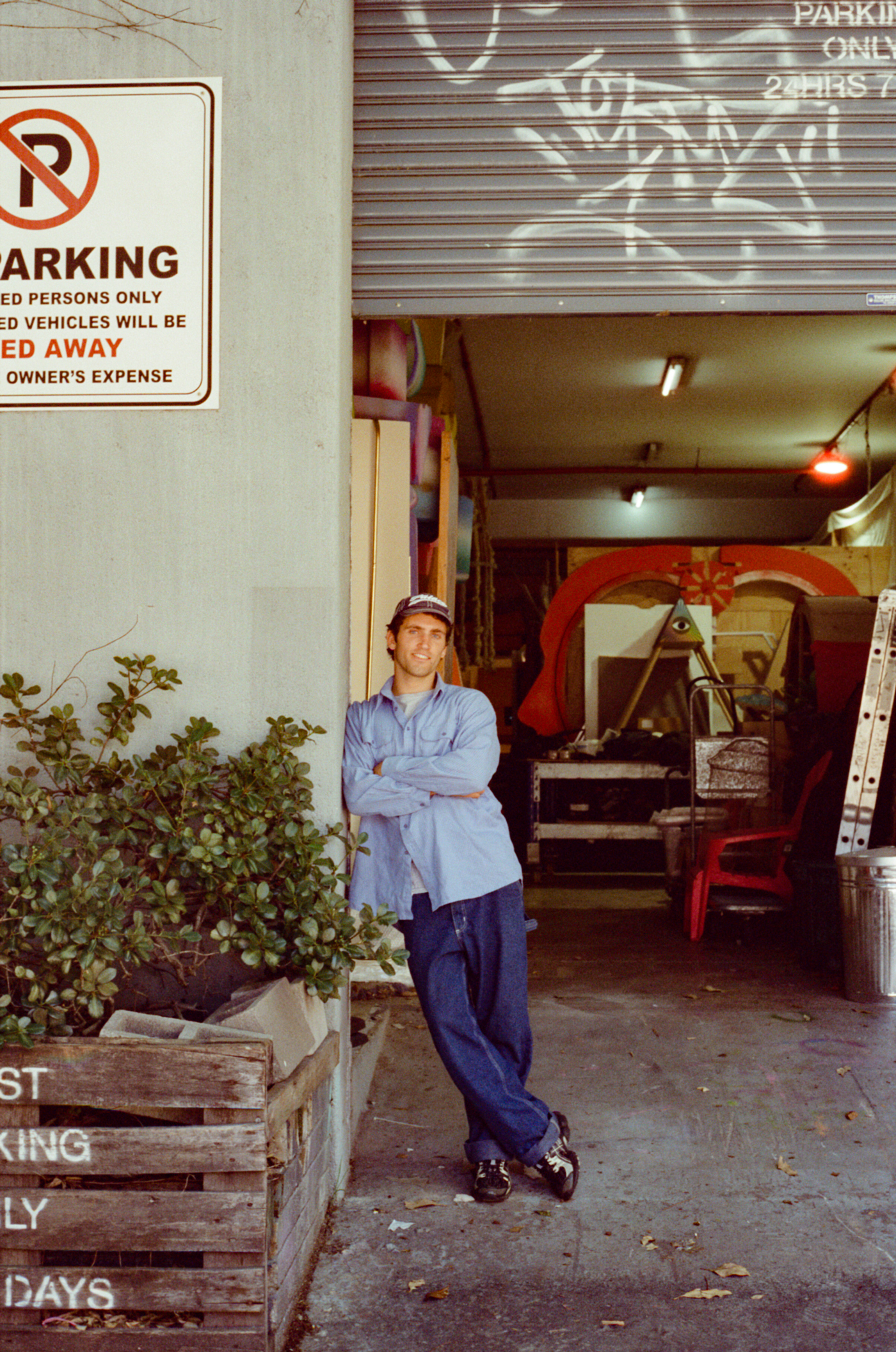
Rush Drayton
What’s your name and where are you from/based?
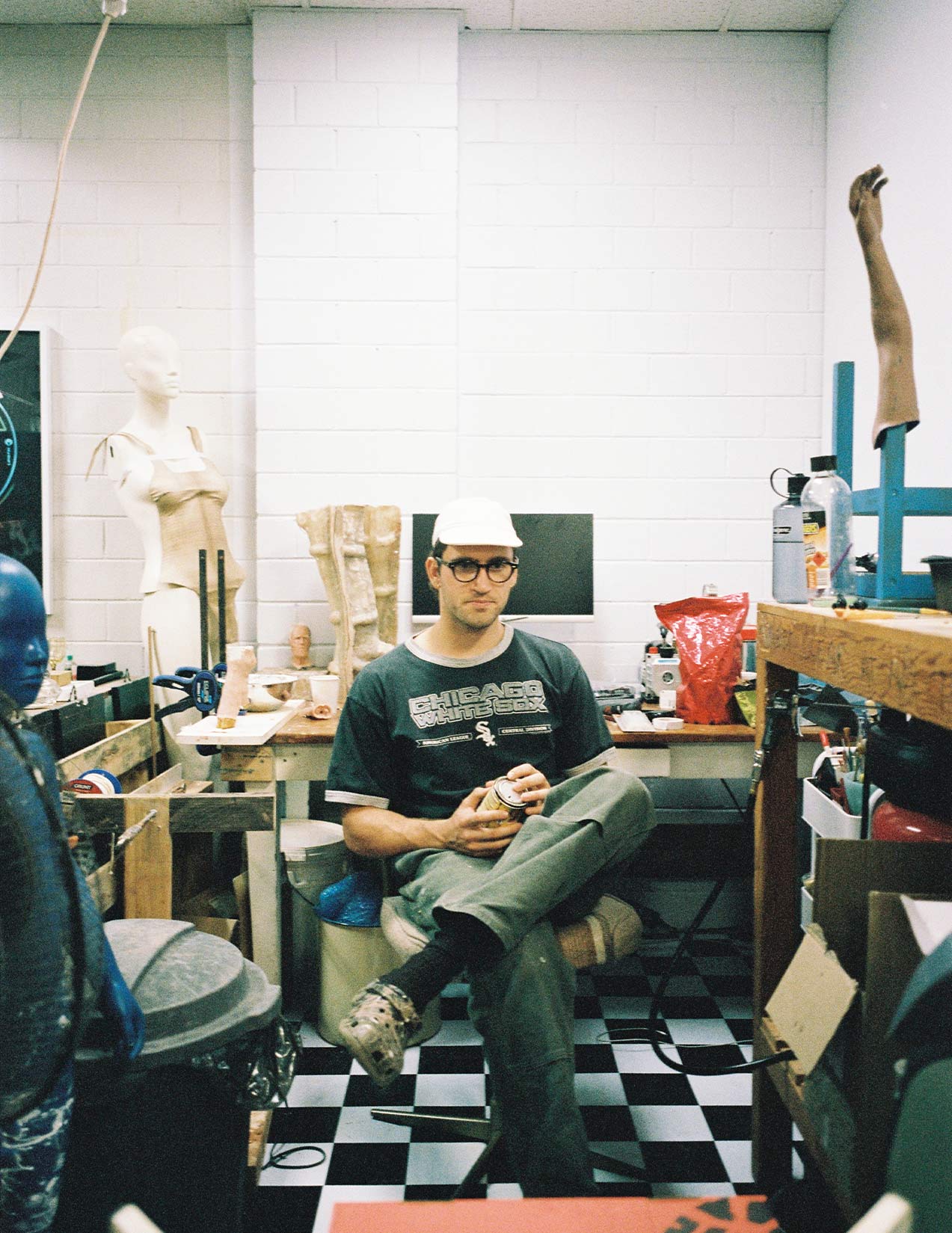
My name is Rush Drayton. I was born in America, raised in Sydney, Australia, and I’m now based in London.
Can you describe your practice in a few words?
My practice sits at the intersection of design engineering and sculpture, with a focus on ecological inquiry — moving beyond biomimicry to investigate new ways of working with nonhuman life in shaping interconnected environments and technologies that respect and regenerate ecosystems.
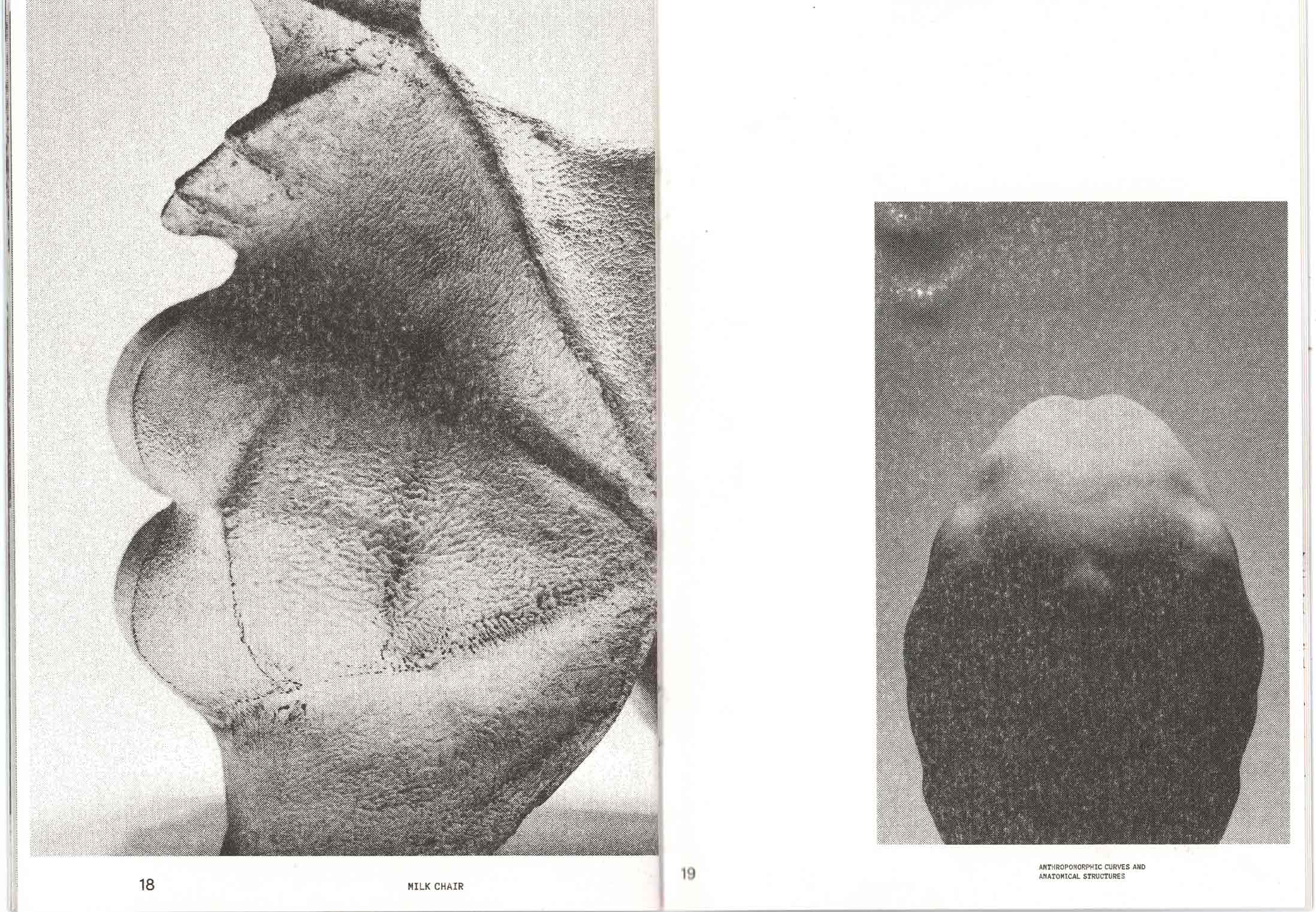
How did milk, even as a waste material, first appear to you as a viable building block?
It started with an interest in exploring biomaterials as a medium for sculpture and fabrication. I tried everything — seaweed, agar, paper composites — but I kept running into issues with smell and mould after just a few days. Milk was actually a last-ditch attempt. I knew about milk glue and bone glue, and while I didn’t have any bones lying around, I did have milk in the fridge.
Conventional plaster can be recycled and is usually made from naturally sourced minerals like gypsum, but it still relies on industrial-scale mining. I came across a Bloomberg article about the massive overproduction of dairy in the US, with farmers pouring milk down the drain. And when have you ever not seen milk in a grocery store? A lot of it just never gets bought.
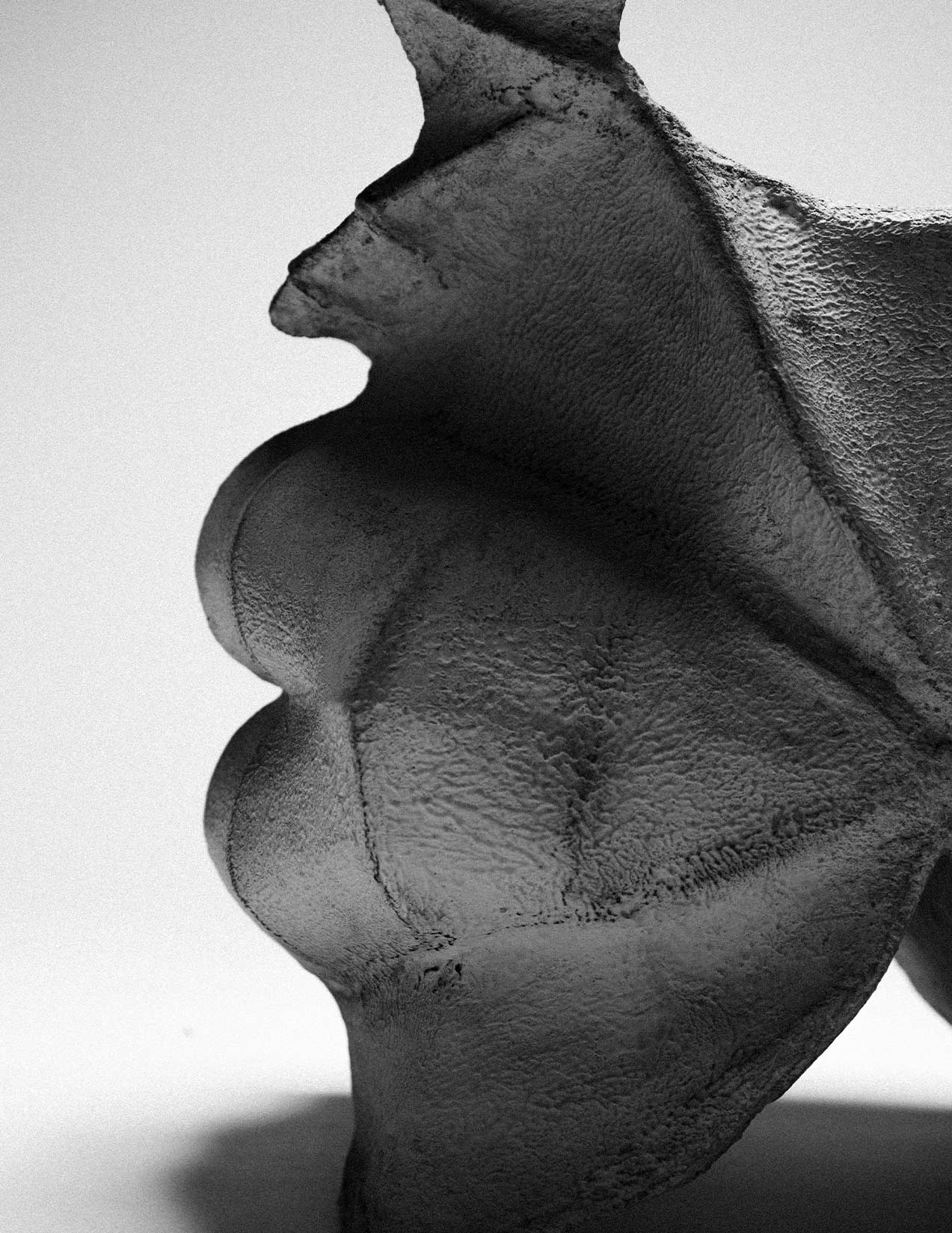
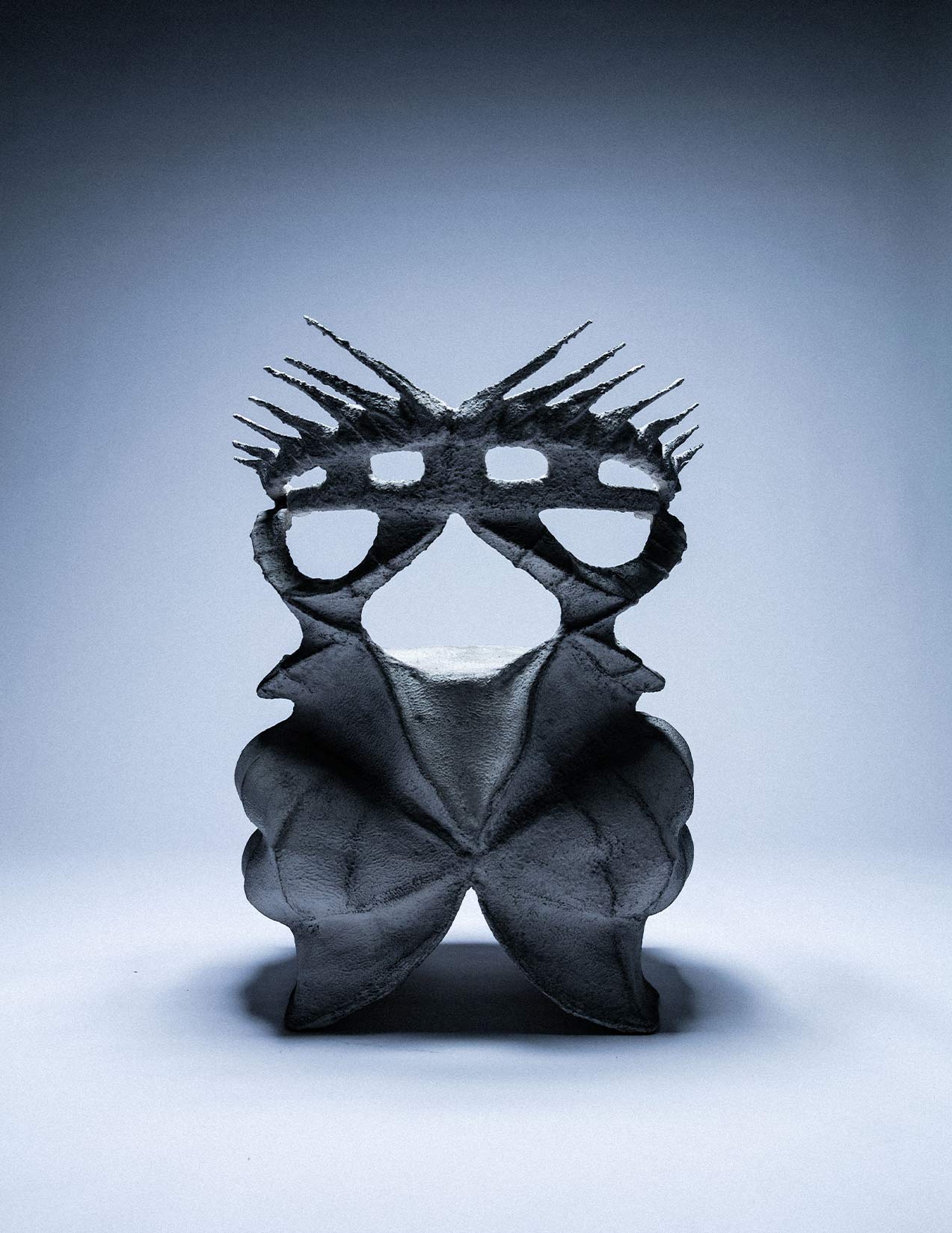
Some surplus gets turned into cheese, but for a local maker, using waste milk as a plaster is a really viable, low-cost option. Having worked with conventional plaster a lot in my practice, I found the casein composite holds its own — you can sand it, sculpt it, cast it, pigment it, apply it with a brush or by hand. Adding natural fibres like hemp and wool massively improves its tensile strength too. Plus, it’s relatively easy to make.
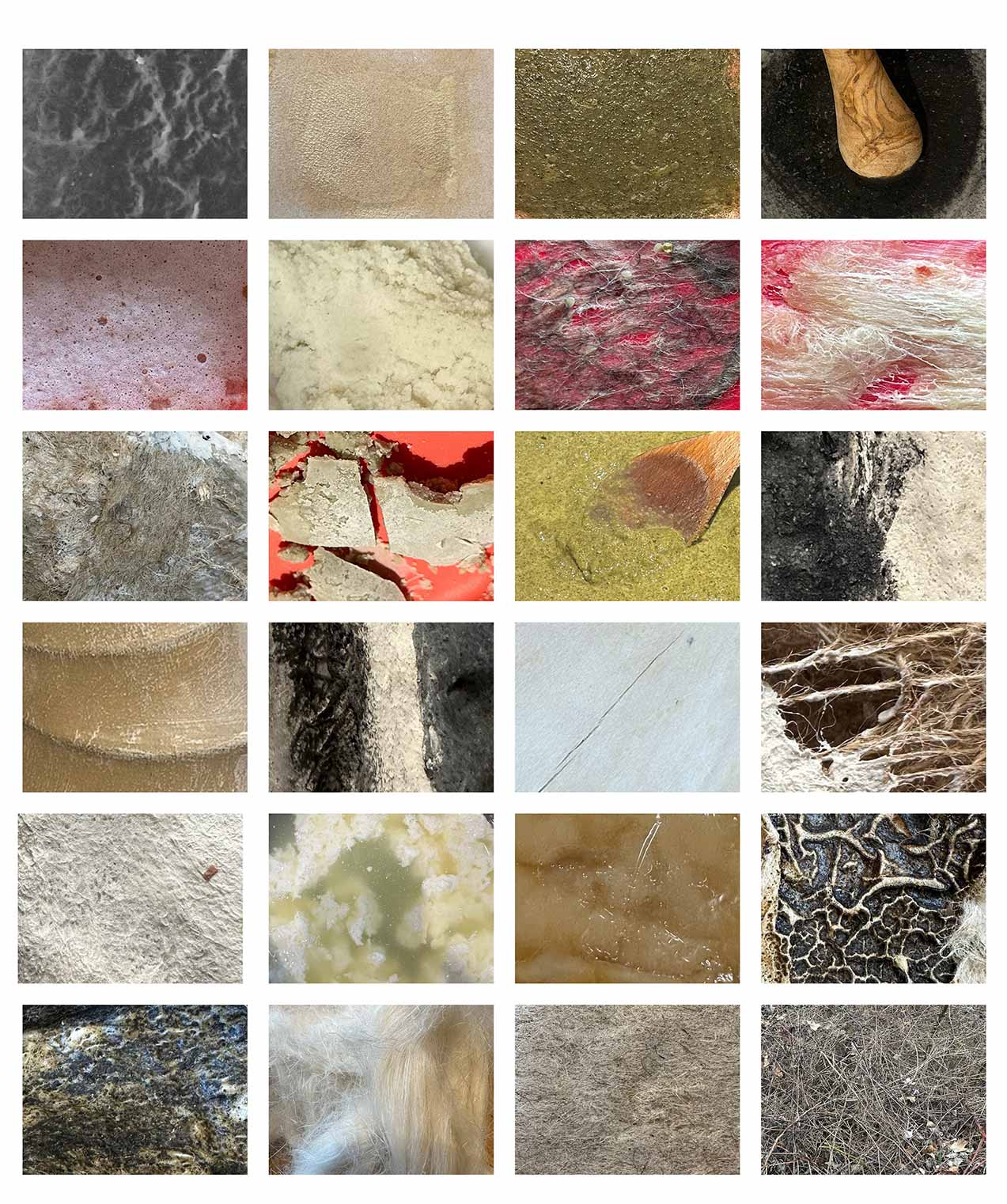
What were the biggest material failures along the way?
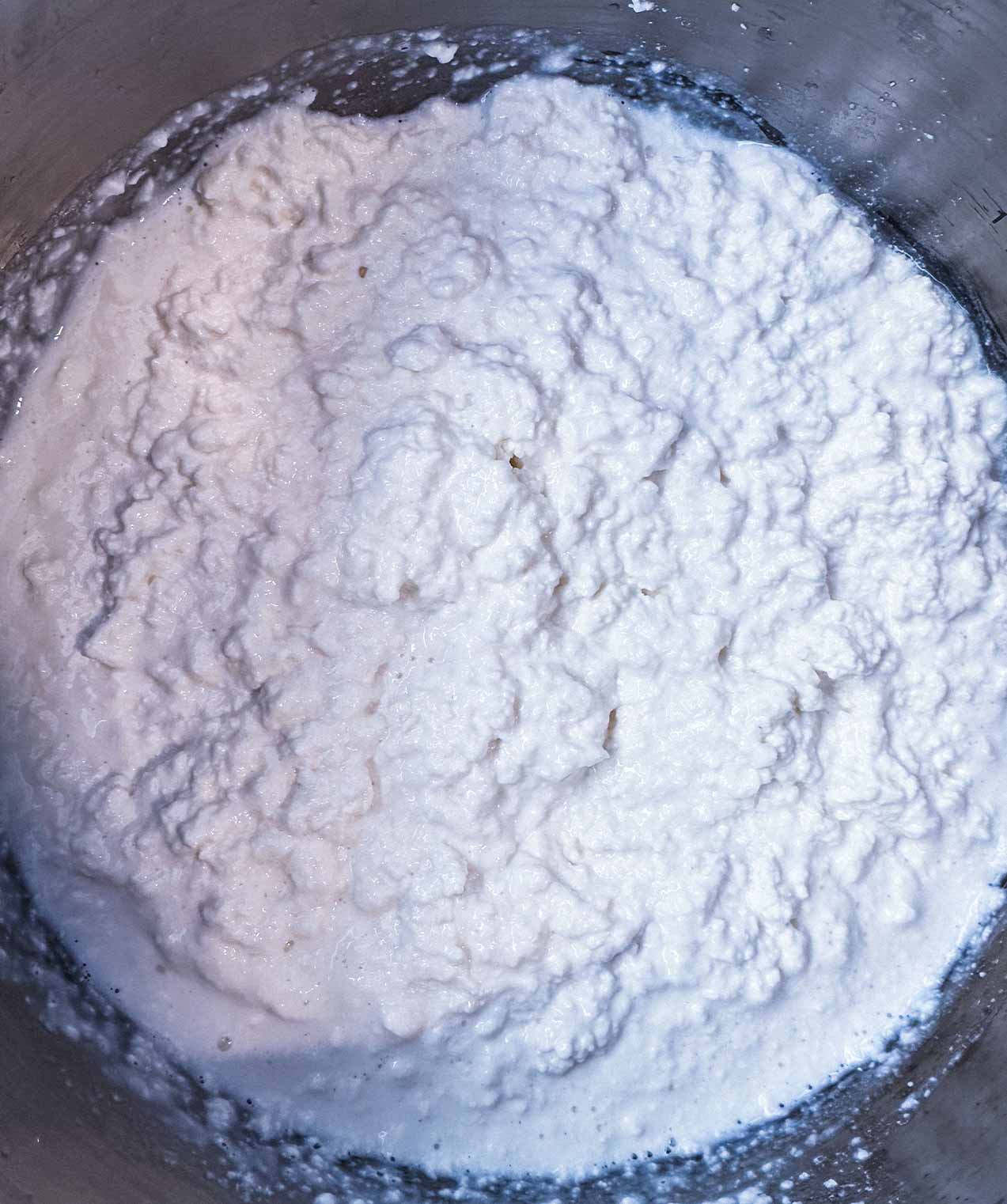
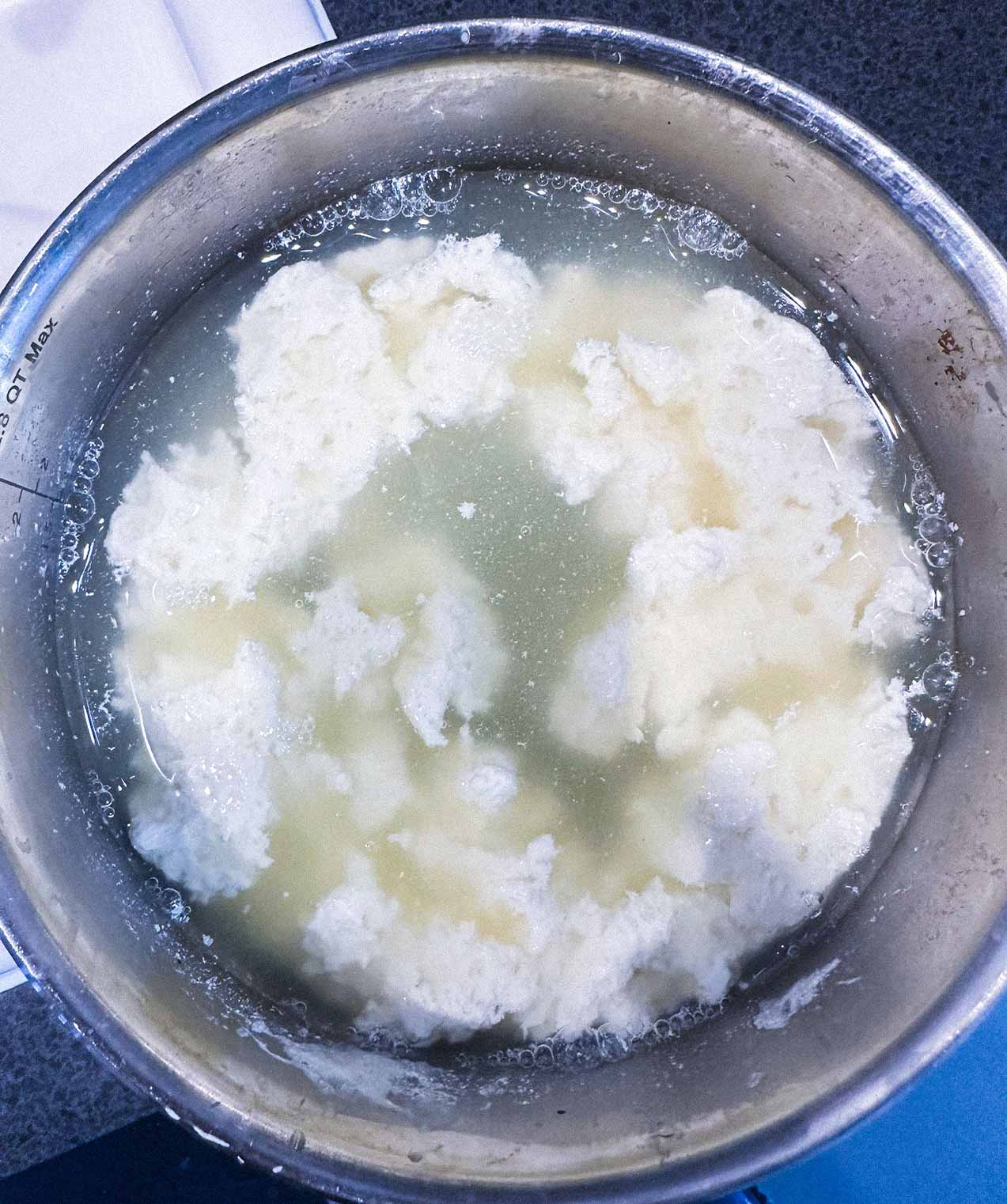
It definitely took a while to figure out the ratios. The recipe is made over a stove, and when you mix bi-carb soda into curdled milk, it basically turns it back into a liquid. Too much bi-carb and you end up with a frothy mess; too little and it stays clumpy. Once I nailed that balance, I could move much faster and get consistent results.
How long did the entire chair take to make, from first prototype to final form?
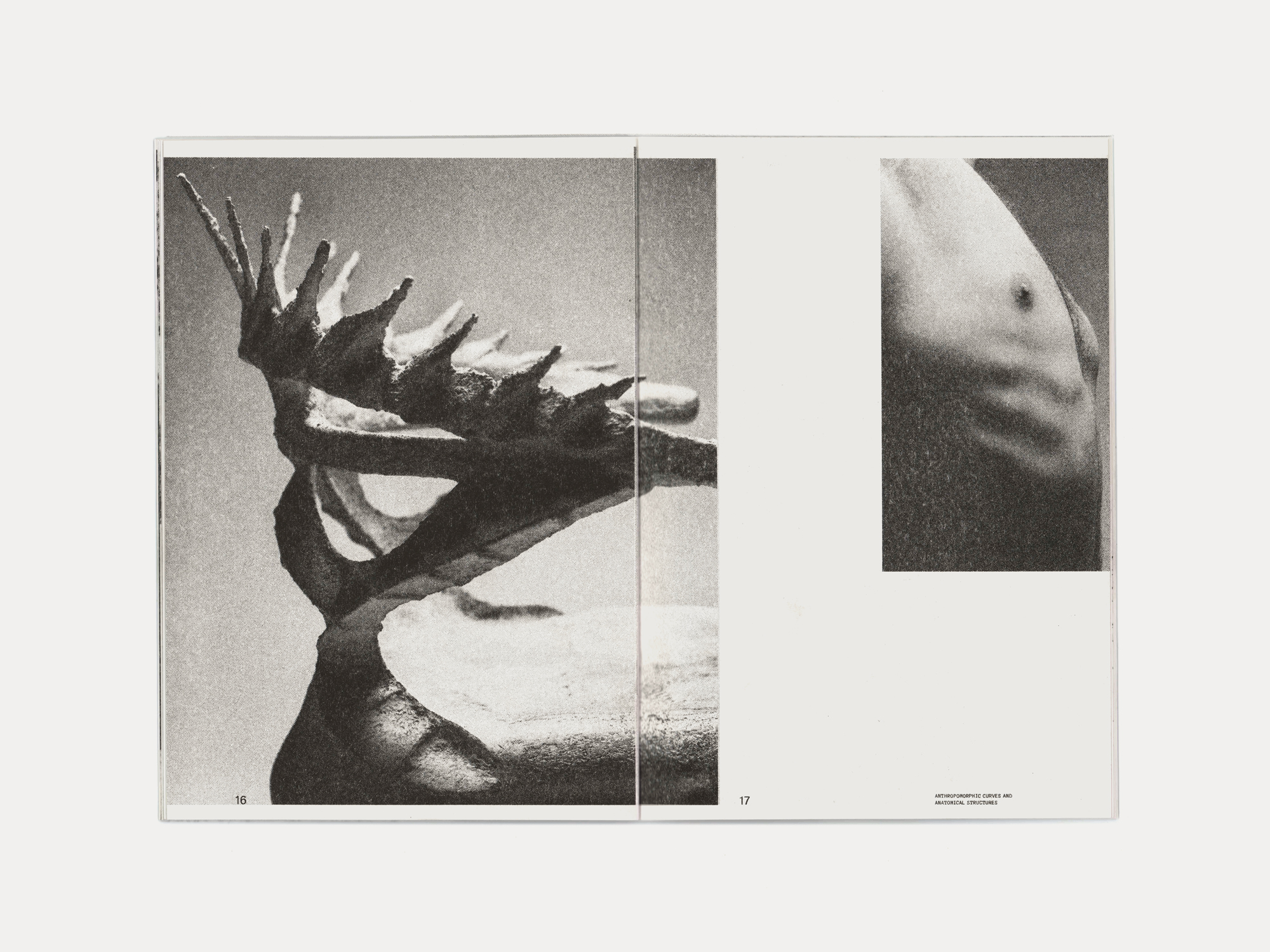
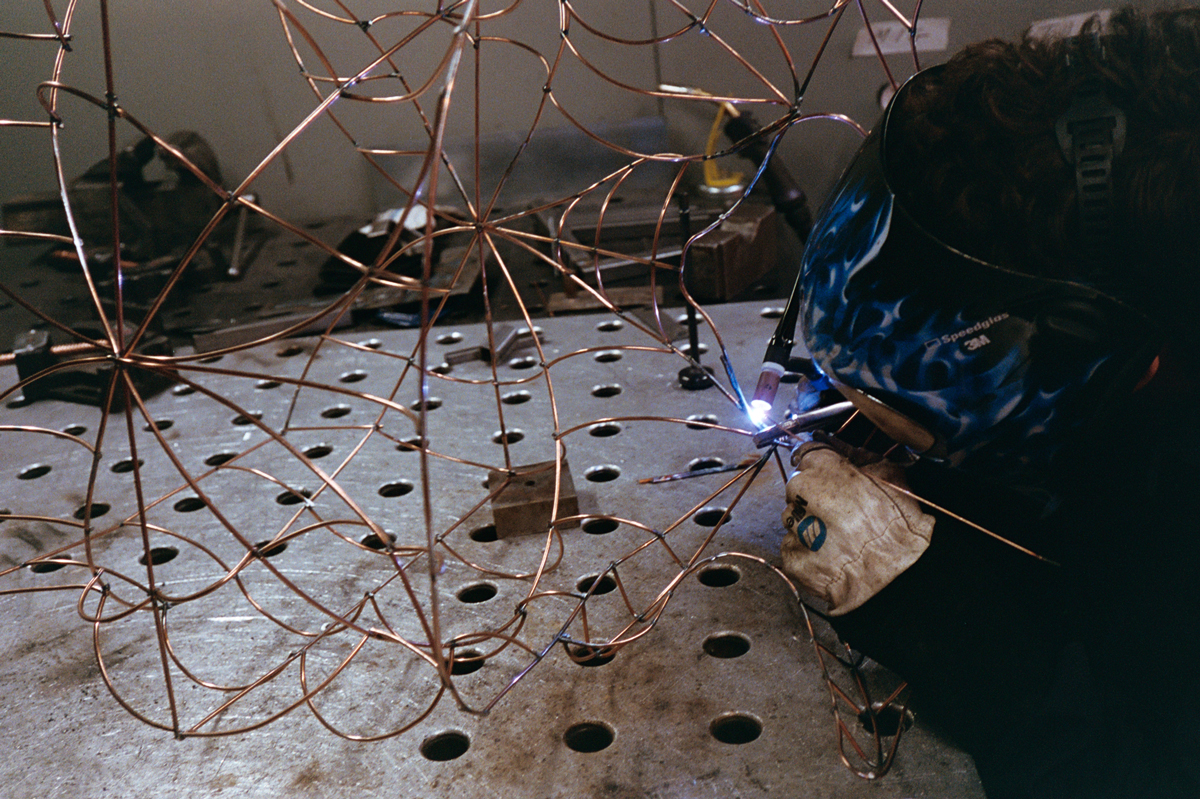
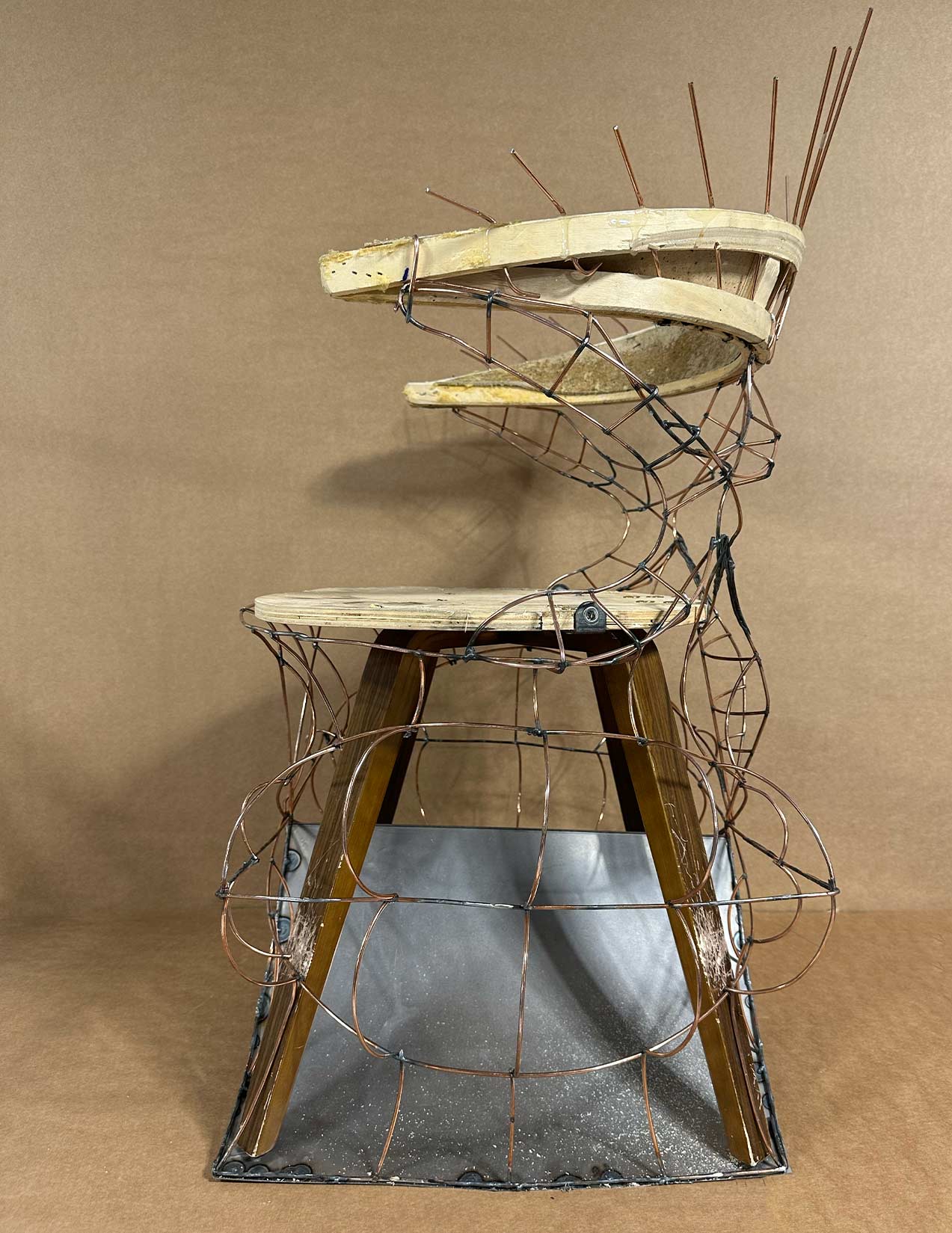
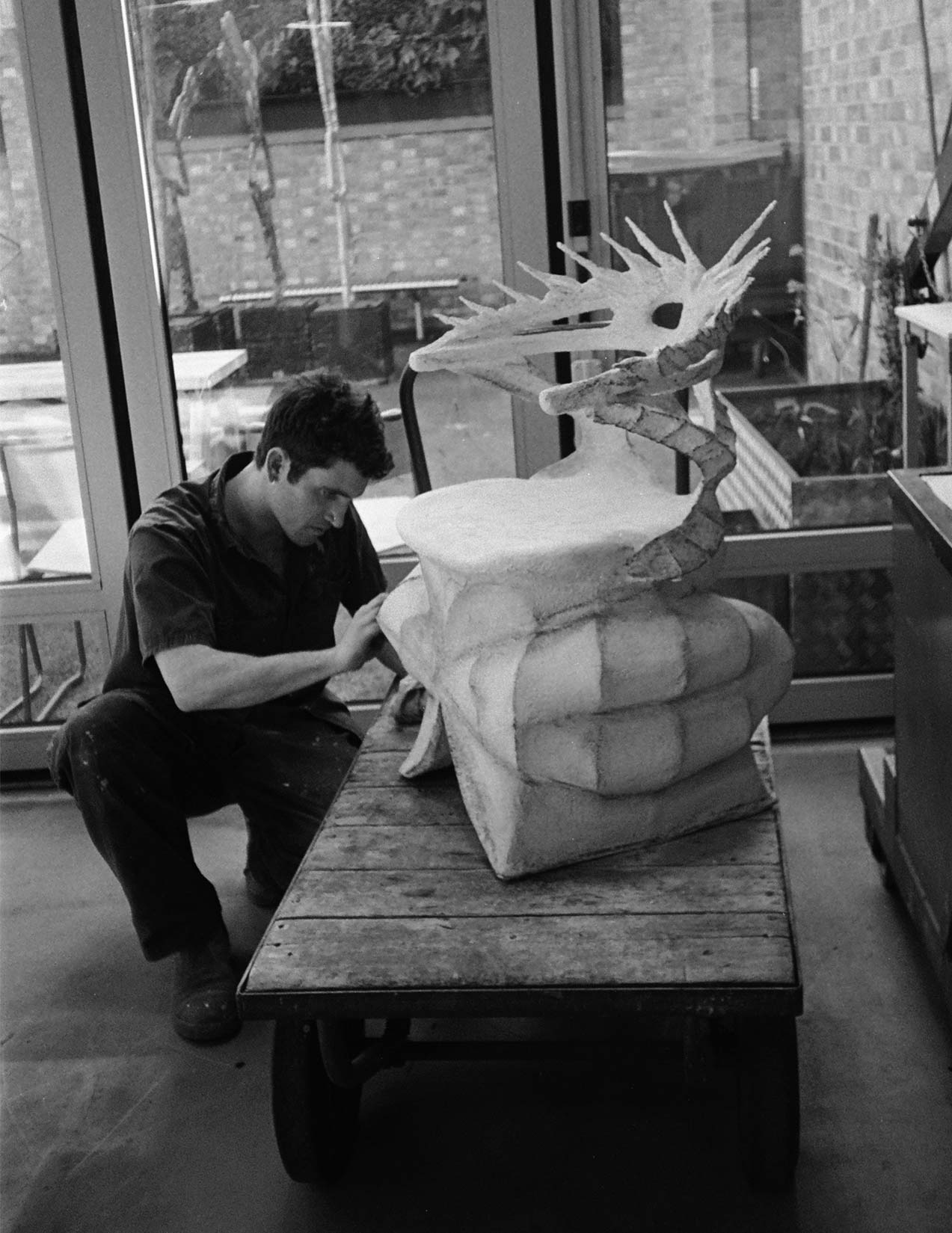
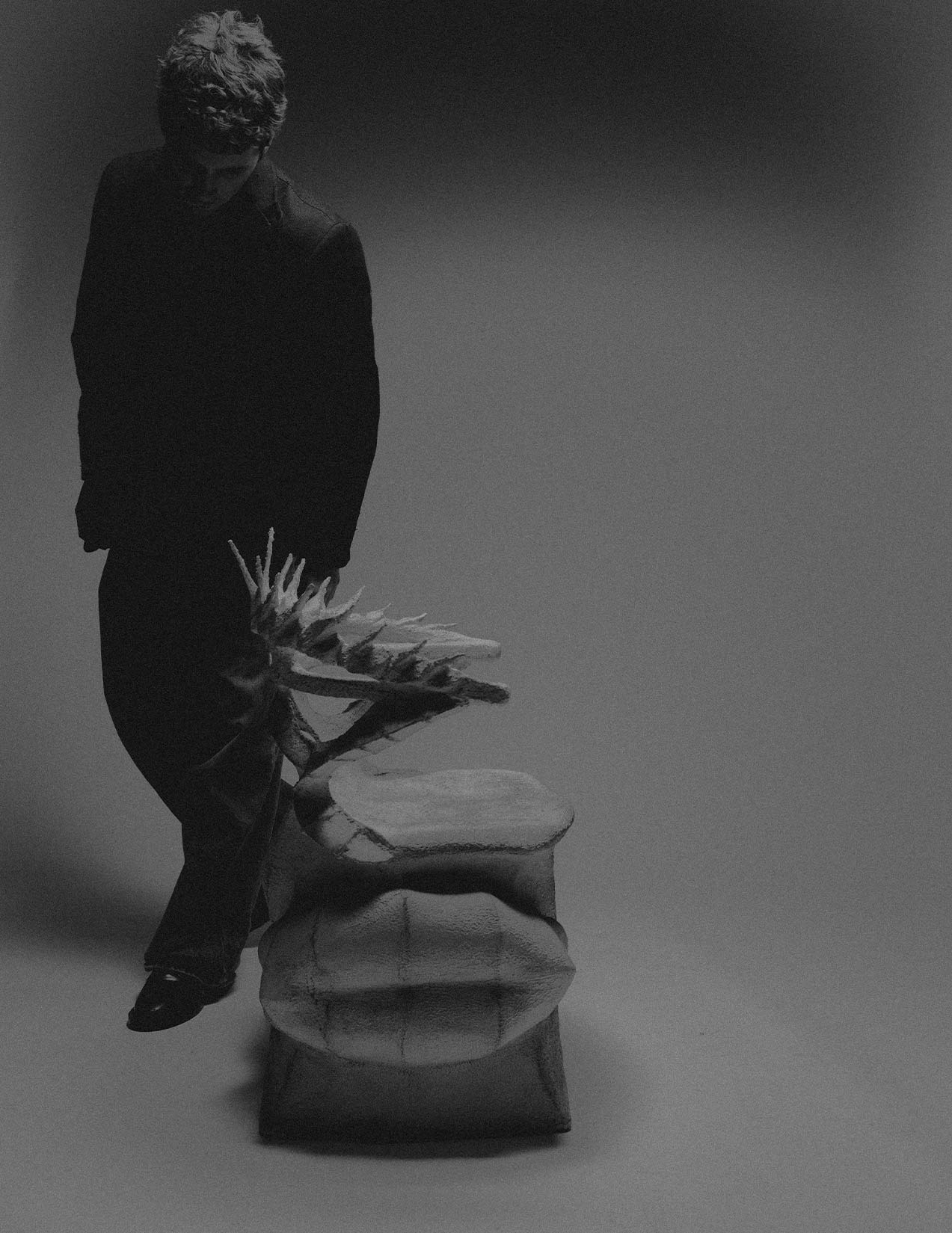
Testing and refining the material took about a month. Then the physical construction of the chair took another two months. Welding the internal steel structure was actually the most time-consuming part — each spine was hand-bent, which was a real process to get the form looking symmetrical. The skeletal frame drew inspiration from biological morphologies, particularly the ribcage and spinal column. I leaned on these forms to demonstrate how the material interacts with more complex geometries.
Do you consider yourself more of a maker, a researcher, or something in between?
I’d say I lean more towards an experimentation-led maker. Milk Chair really followed a material-driven approach — I let the process and form emerge from the properties of the biomaterial, rather than imposing any fixed manufacturing method. Having worked under shipwrights for a few years, a lot of the techniques I used came directly from wooden boatbuilding and fibreglassing — so that hands-on, iterative process has definitely shaped the way I make.
You’ve spoken about challenging the binary of permanence and decay, how do you
see that tension reflected in the objects we live with every day?
Consumer culture has taught us to value longevity and clean finishes, often placing synthetic materials above biomaterials, which are seen as fragile or impractical. But biomaterials are now competing with synthetic alternatives in durability, beauty, and strength. Designers have an opportunity to rethink materials — not as static objects, but as dynamic parts of ecosystems that change, age, and return harmlessly to the earth. It’s about breaking down the hierarchy between synthetic and organic, and recognising impermanence not as a weakness, but as a vital part of designing for a resilient future.
Is there a material you’re currently dreaming about, but haven’t cracked yet?
I’ve actually been thinking about keratin — the same protein that makes up our hair, nails, animal horns and hooves. We produce a lot of it, but the process of extracting it, casting it, or turning it into a viable biomaterial is not so straightforward. One to think about!
What would you like the Milk Chair to spark?
If anything, I hope the chair — and the process behind it — motivates other designers to rethink our relationship with materials and the natural world. I’m not suggesting casein plaster is a perfect industrial solution, and the dairy industry has its own serious issues. But we create waste at a massive scale across so many industries. Finding creative ways to work with waste materials, while also scaling down overproduction and shifting toward sustainable sources, feels like an important step in the right direction.
Do you feel a responsibility to educate through your work? Or do you see it more as an invitation for curiosity?
I think curiosity leads to education. Through all my work I’m trying to encourage viewers to learn more about the natural world, but I don’t want to force it. I think if you can create works that make someone stop, even for a minute, and encourage them to read about the piece, you’re already on your way to education.
Where can people find you?
Instagram: @rushdrayton
Wesbite: rushdrayton.com
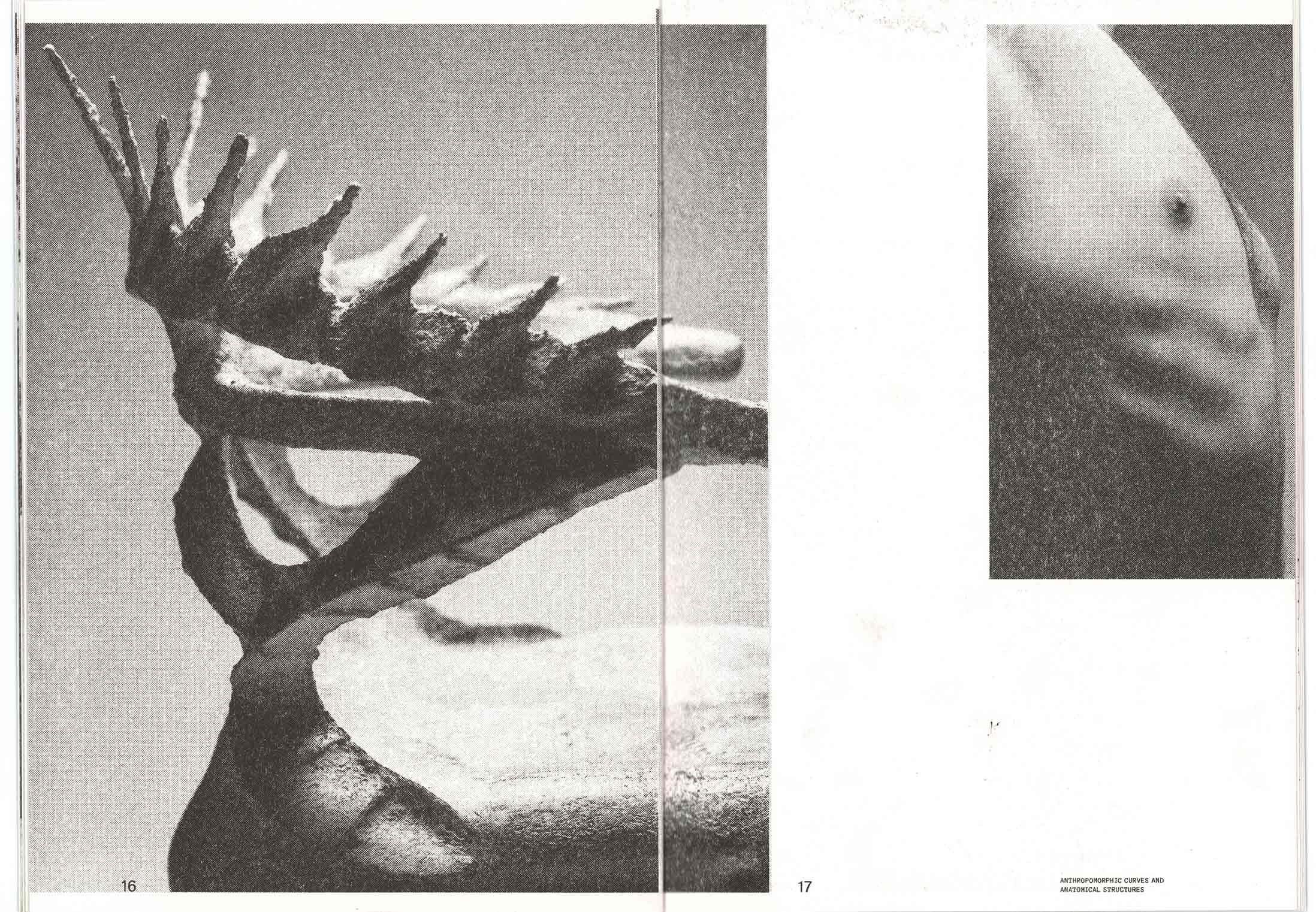
I have a Milk Chair zine available on my site, documenting the whole process if people are interested in learning more.