Salmah Almansoori
What’s your name, and where are you from/based?
My name is Salmah Almansoori. I was born in Ghayathi, a small town in the Al Dhafra region of Abu Dhabi, and I am currently based in Abu Dhabi city.
How would you describe what you do in just a few words?
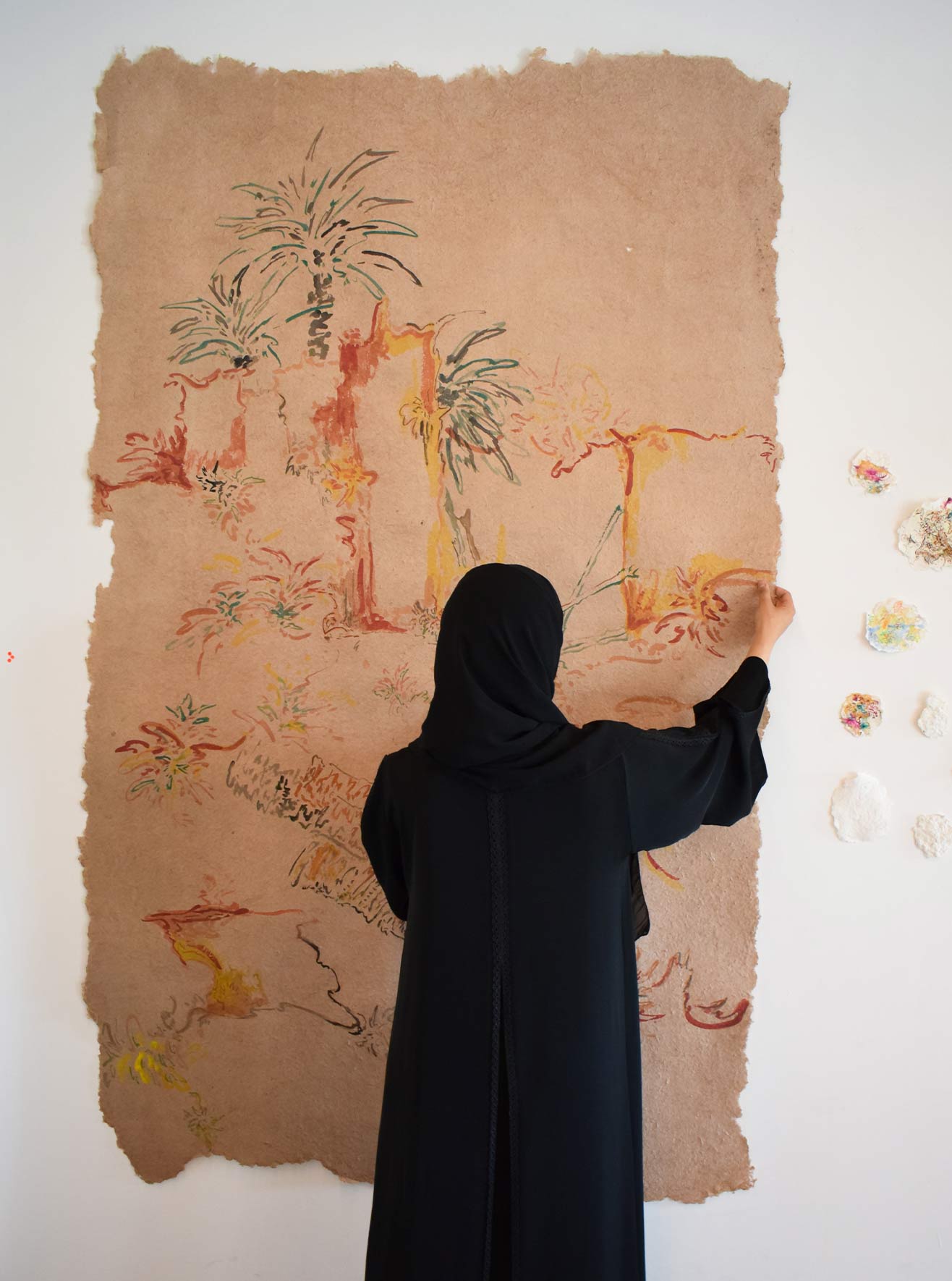
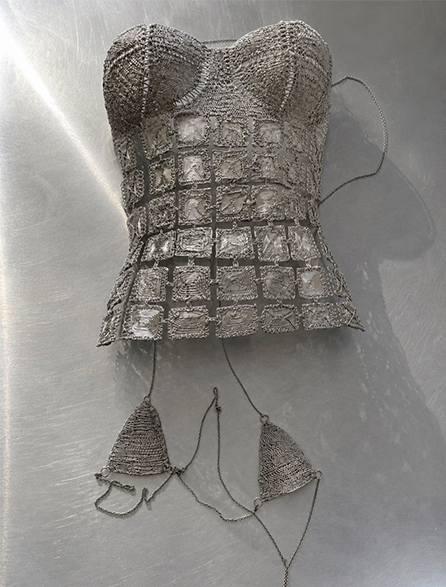
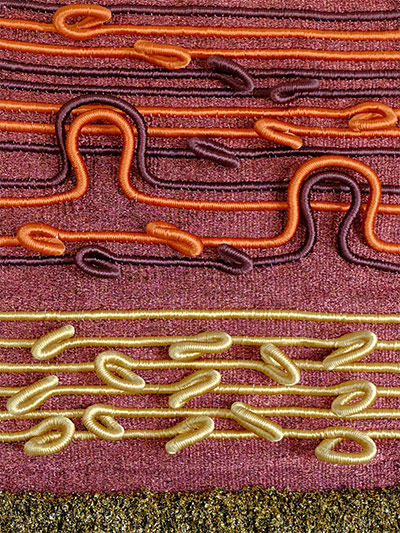
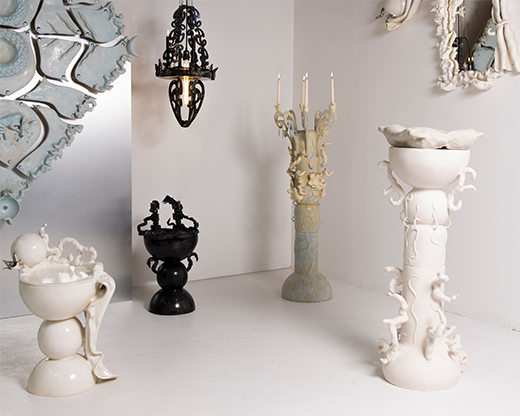
I am a visual artist exploring memory, place, and identity through archiving and material-based research. My process-based practice spans painting, papermaking, sculpture, found objects, ceramics, photography, and video.
Your work is deeply inspired by your hometown of Ghayathi. Is there a moment or object from there that you often return to in your work—whether as inspiration or depiction?
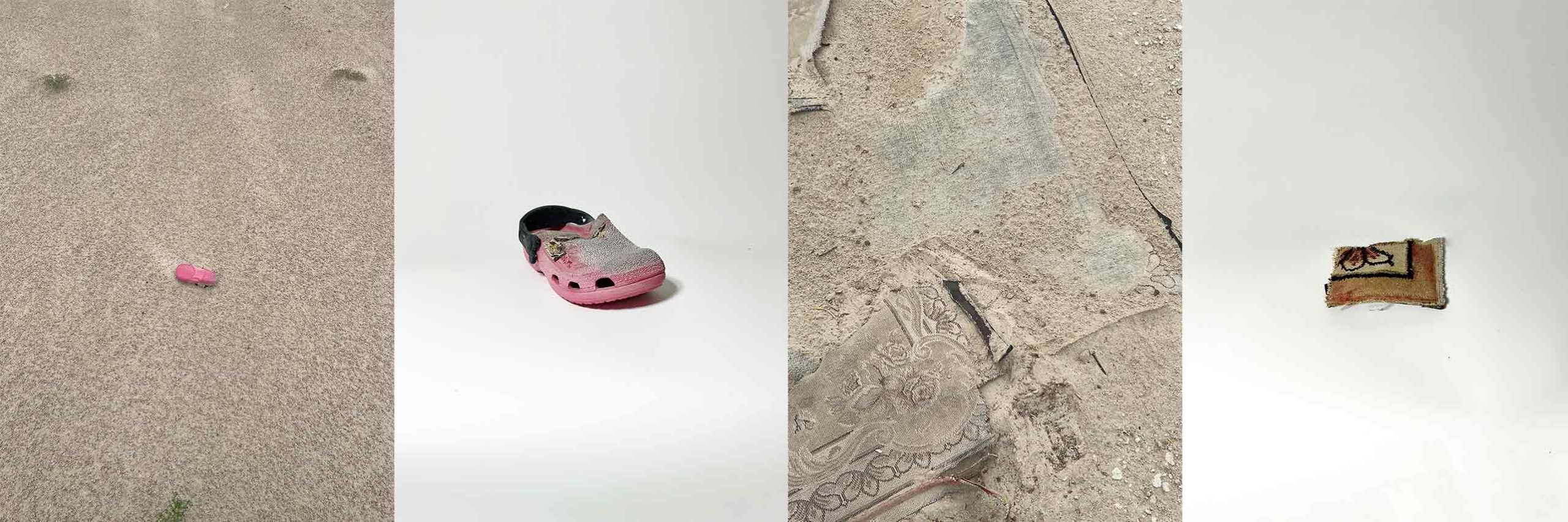
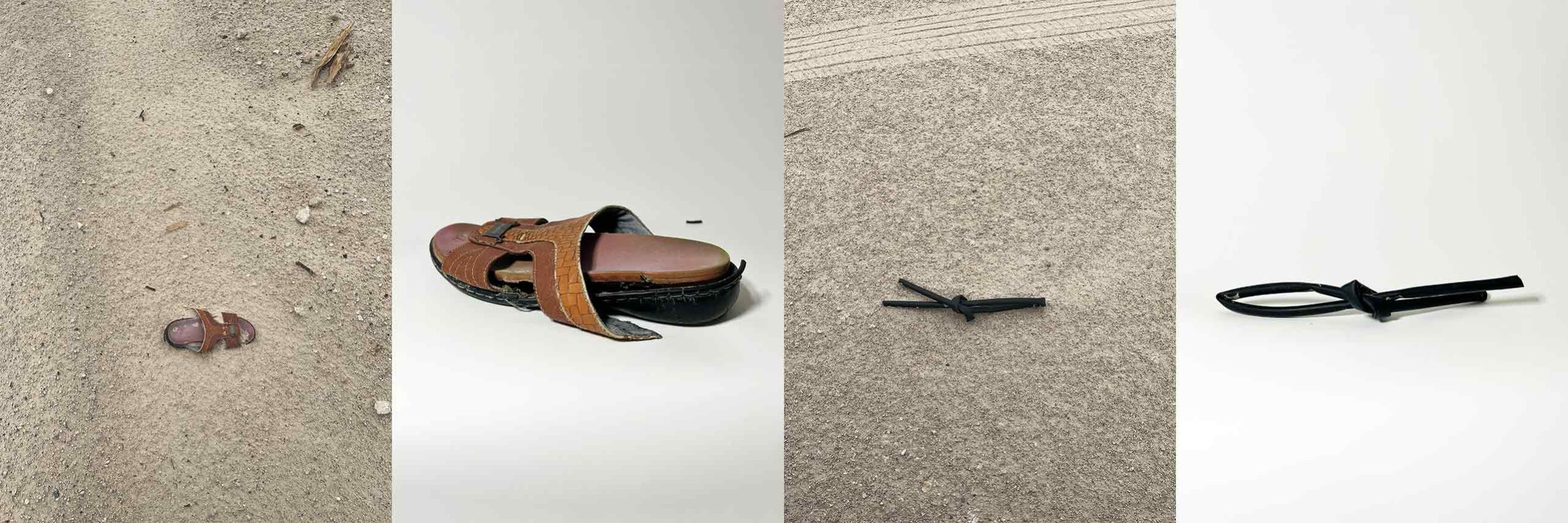
One of the things I keep returning to is the visual research I have done on objects left behind in the desert, traces of how people once inhabited and interacted with this landscape. Each object carries a story, whether linked to survival practices, seasonal rituals, or moments after the rain. Many of these rituals, and the objects tied to them, connect back to the origins of Ghayathi’s name. When a source of groundwater was found in the area, it was reported to the president at the time, and the town was named after “Ghaith,” meaning grace and sustenance for the Bedouins. For me, one item can open a whole narrative about why people chose to inhabit this land, the ways they adapted to it, and how water systems shaped their lives. While today some of these practices are remembered in a more romanticized way, they were once deeply rooted in daily life and survival.
How do you approach collecting and documenting objects from places? Can you walk us through your typical process?
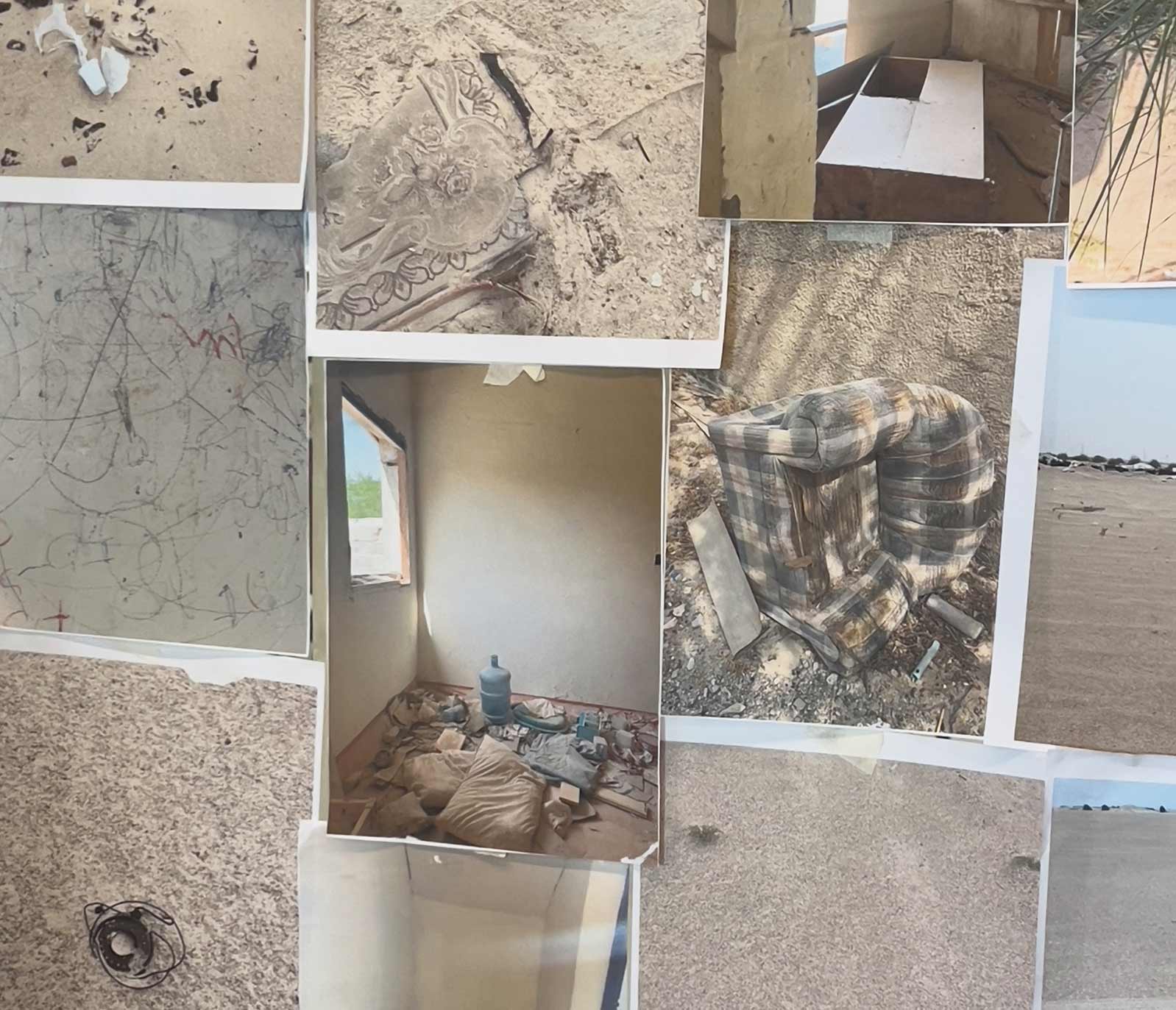
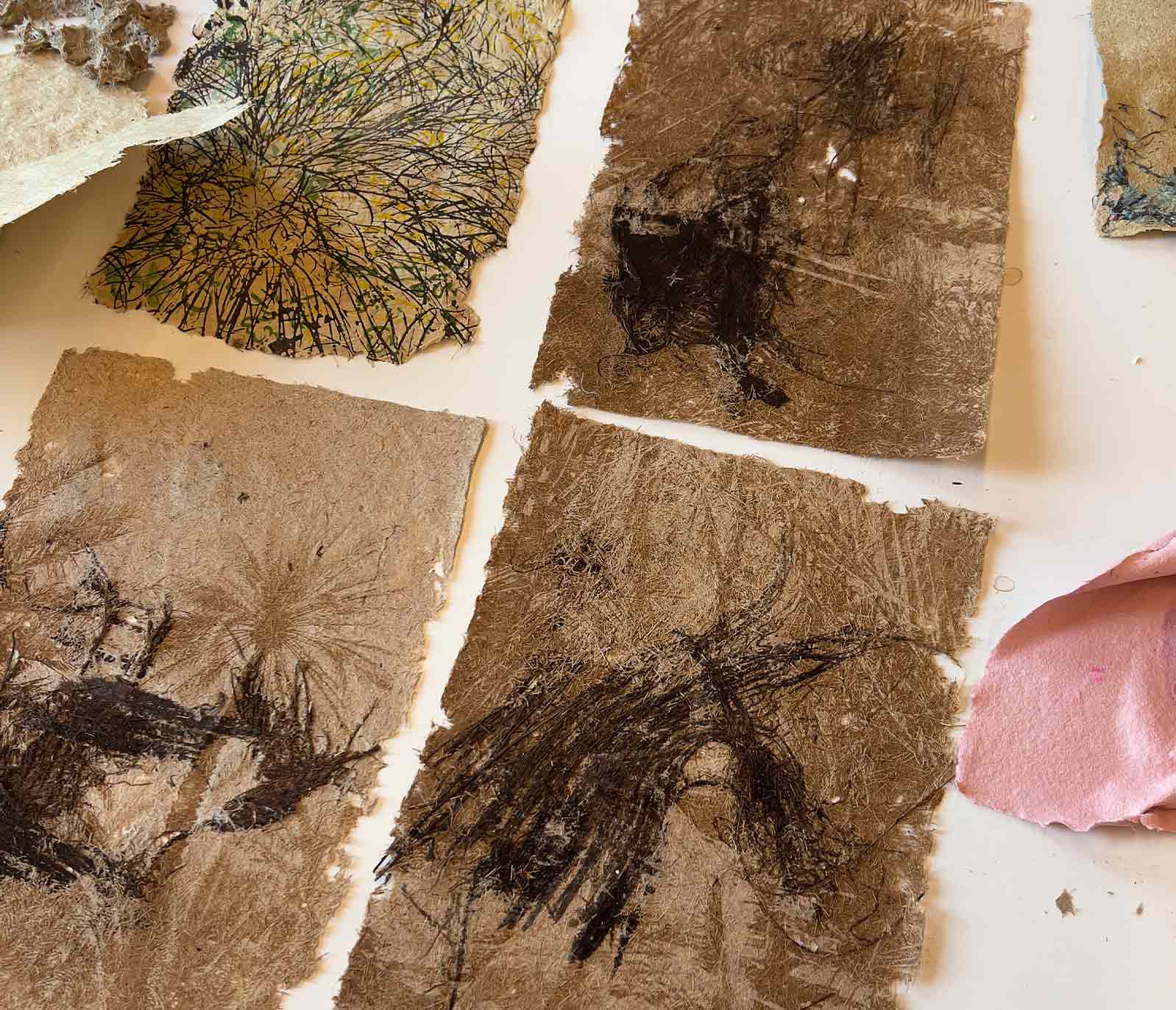
I usually begin with walking, whether through the landscape, abandoned sites, or the streets of the city, using my body and simple tools to collect fragments that speak to me. These could be found objects, photographs, voice recordings, video footage, materials, or discarded items. I try to document as much as I can, especially when it comes to the visual documentation of places, areas, and spaces. When it comes to objects, I often photograph them in their original settings, note their location which is usually saved on my phone, and try to record any stories connected to them. Sometimes I do not have a direct story, but I form my own speculations or questions around them. Back in the studio, I experiment with how these materials or objects, whether photographs, recordings, or physical items, can be transformed, whether as inspiration for a painting or sculpture, or as raw material for papermaking and three-dimensional works.
What’s something about Ghayathi or Bedouin heritage you wish more people understood or appreciated?
I wish more people understood that places like Ghayathi, small cities surrounded by the desert, are not accidents of geography but intentional communities shaped by resourcefulness and resilience. It is not just about romanticizing desert life, it is about a deep connection to Bedouin heritage where survival meant reading the land, understanding water systems, and finding ways to live sustainably in an extreme climate. These practices are part of our cultural memory, yet they are often overlooked or fading in the face of modernization.
When working with a place that’s so personal to you, do you feel a responsibility in how you represent it? Or do you believe everyone’s connection to a place is shaped solely by their own experience?
When it comes to Ghayathi, I do feel a responsibility, mainly because so much of its history is undocumented. My work does not aim to create a definitive or fact-checked narrative, it is my own narrative shaped by my personal frustrations, questions, and memories. Growing up, I often wondered why my family chose to settle in this particular town, and over time I have come to see the importance of preserving its fragments, stories, materials, and traces from the 18 years I lived there. While these fragments come from my experience, I open them for interpretation, knowing others may connect them to their own cities, whether in the UAE or elsewhere. In that way, I am building my own archive of material and memory, but it is also a space where other people’s histories and perspectives can exist alongside mine.
In your view, how are we an extension of the places we come from?
I believe every place we grow up in leaves an imprint on who we are, whether in positive or challenging ways. Childhood experiences, both the everyday interactions and the significant moments, shape how we inhabit and interact with places, and how we form memories within them. This ties into attachment theory, where the people, spaces, and landscapes we are connected to become part of our identity. I often think about how life would feel entirely different without certain experiences tied to a specific place. For me, growing up in Ghayathi left a deep mark, it is an extension of me. The desert’s rhythms, the town’s scale, and the relationships built there have all shaped my patience, sensitivity, and the way I approach making, even when I am far away.
How do you respond to the loss of identity through modernization in your work? Can you refer to any specific pieces?
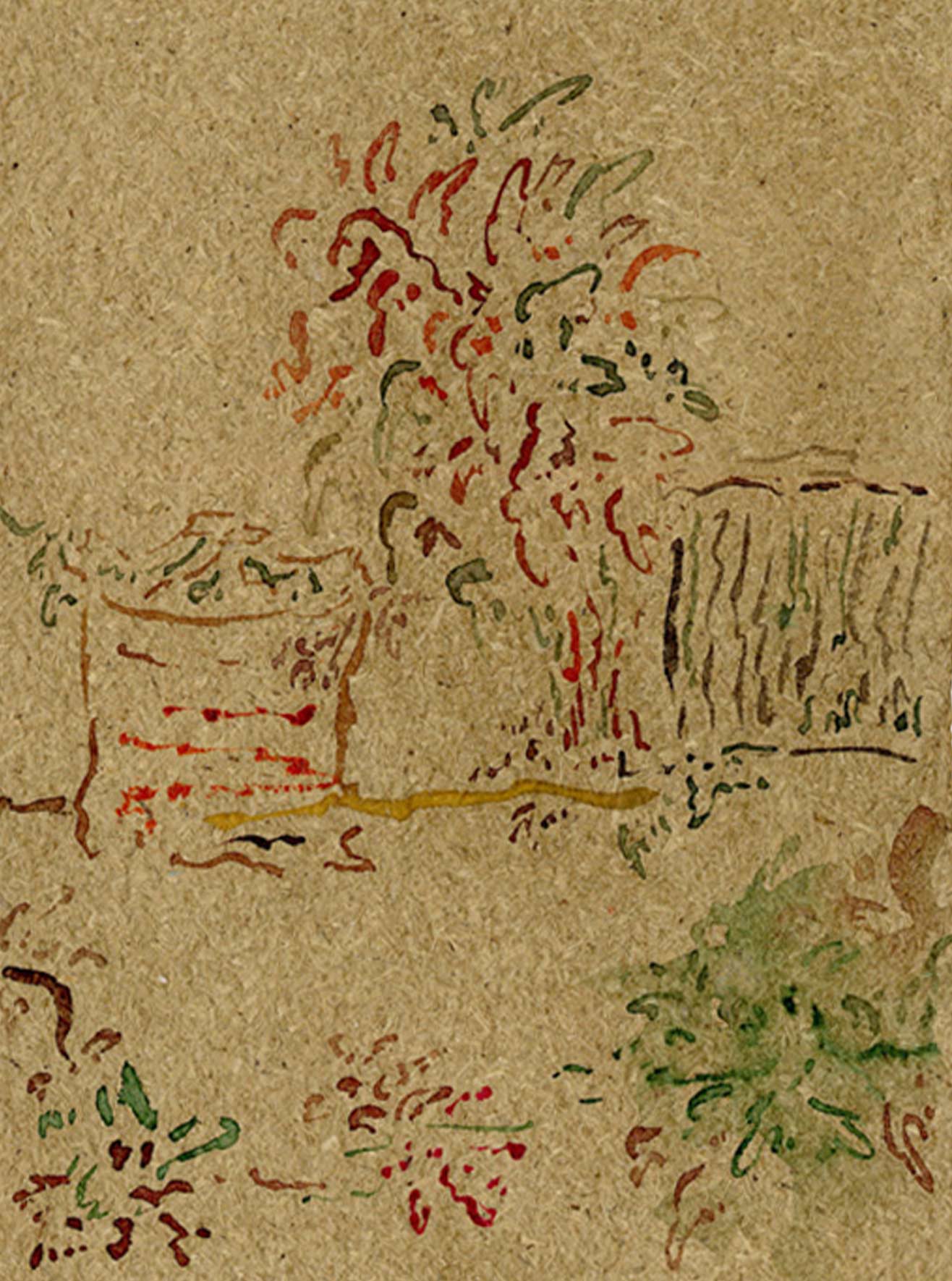
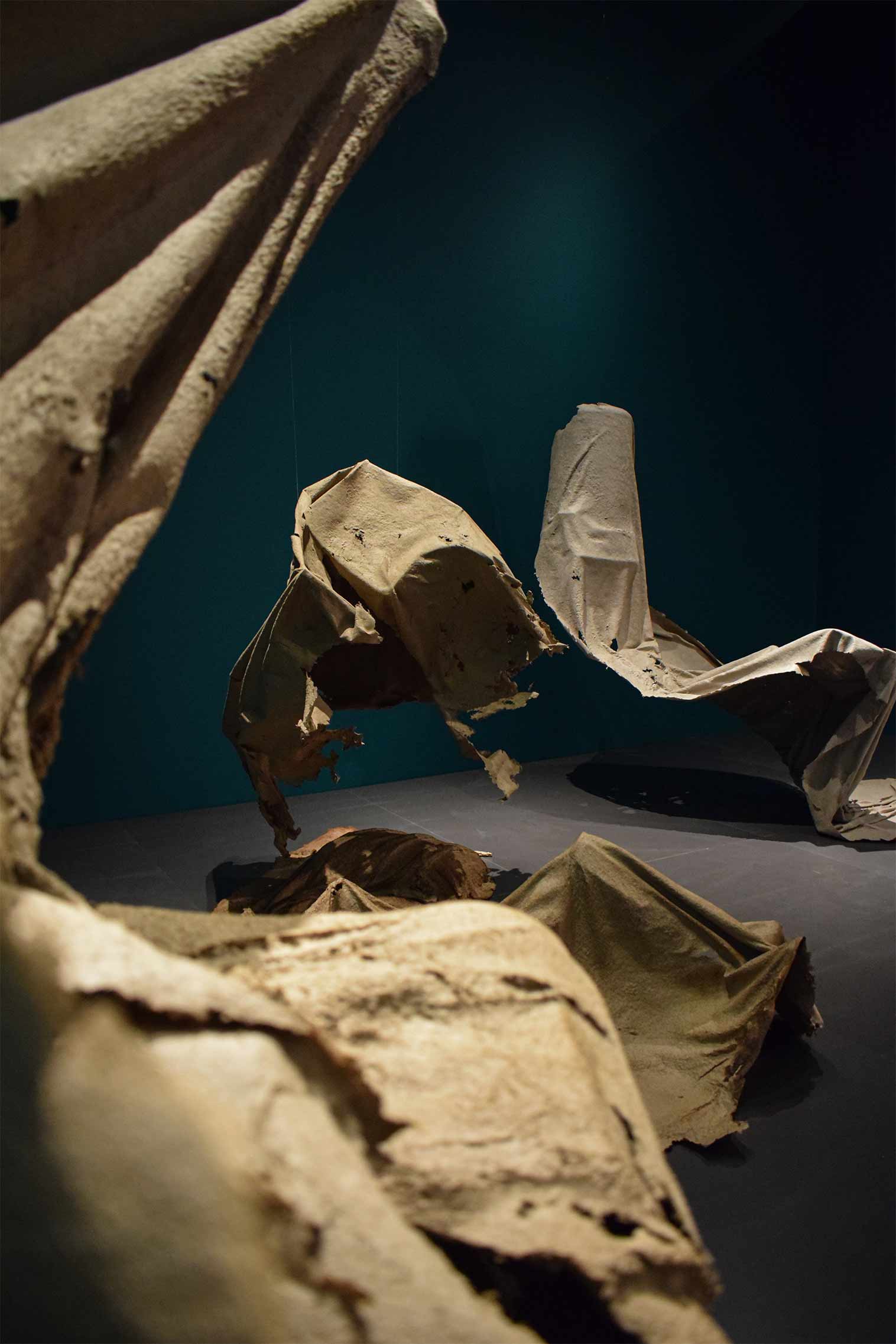
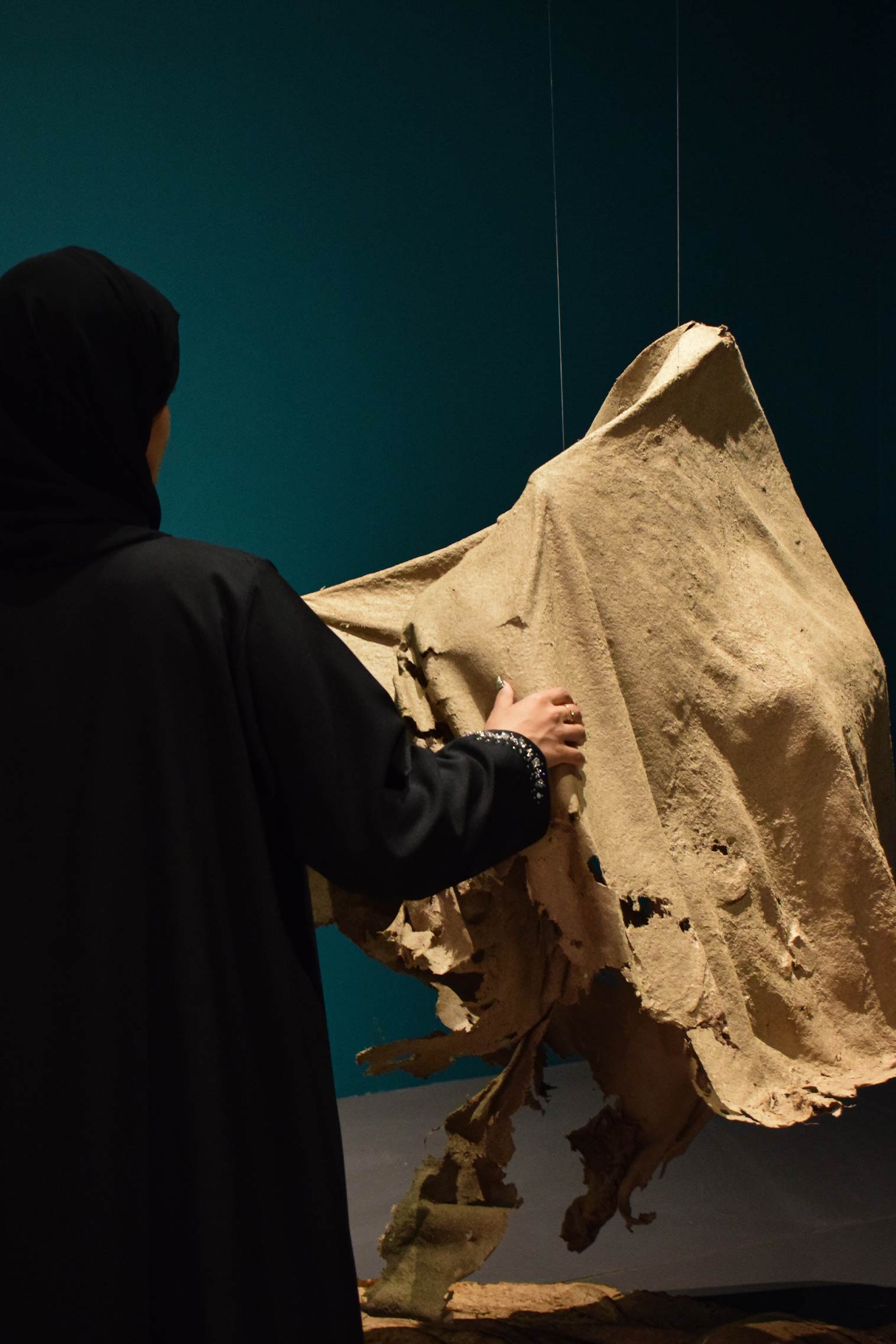
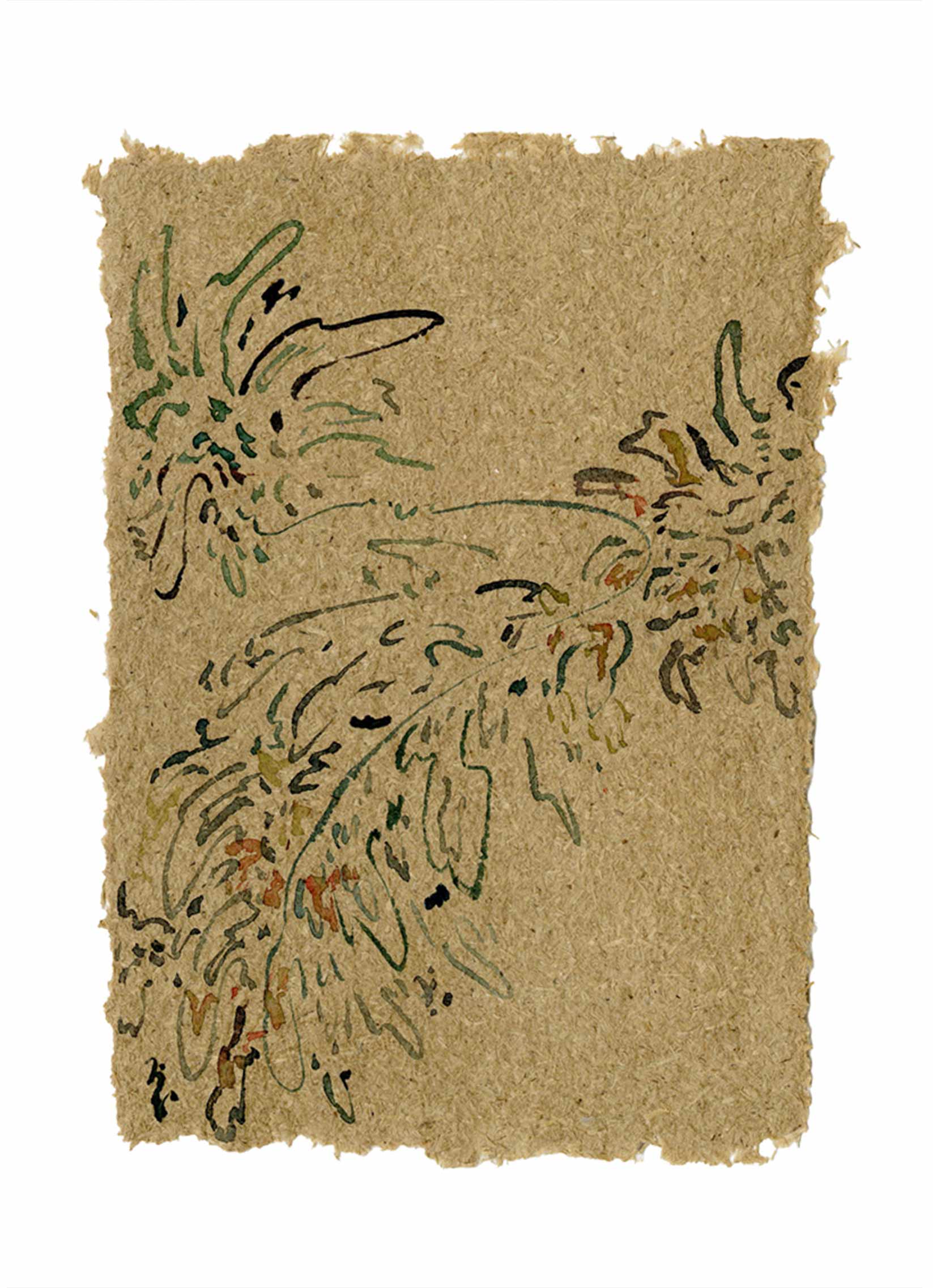
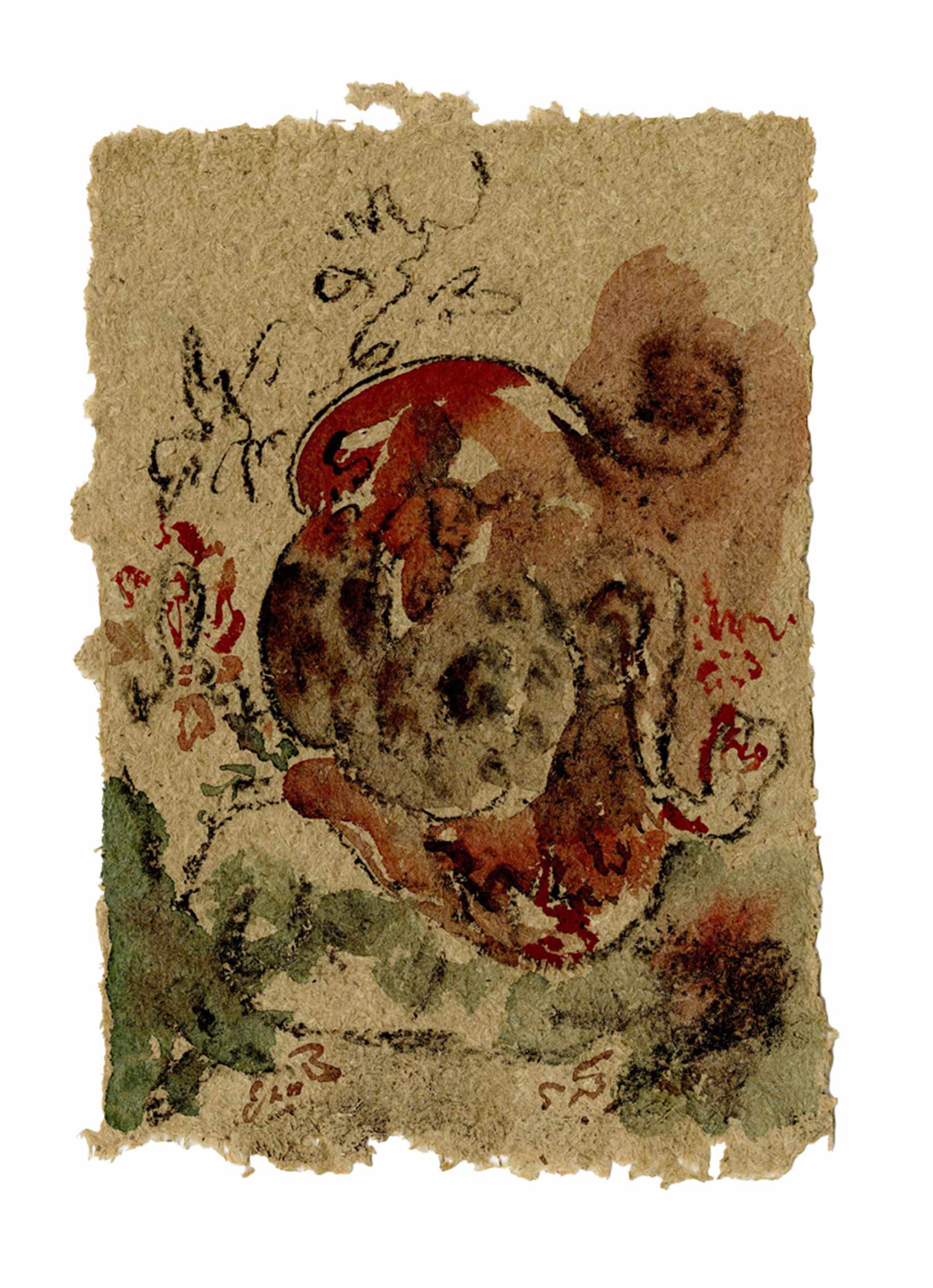
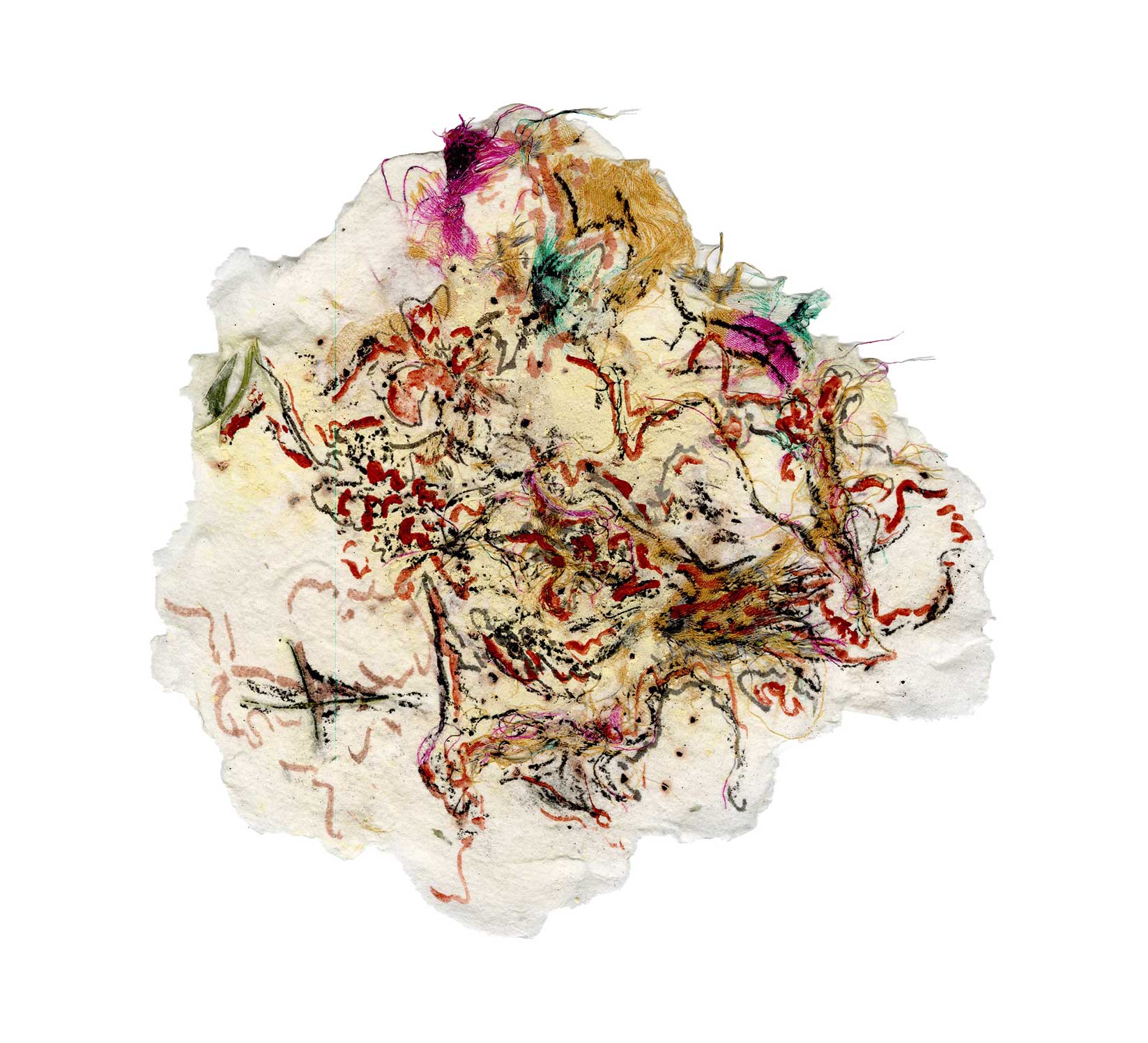
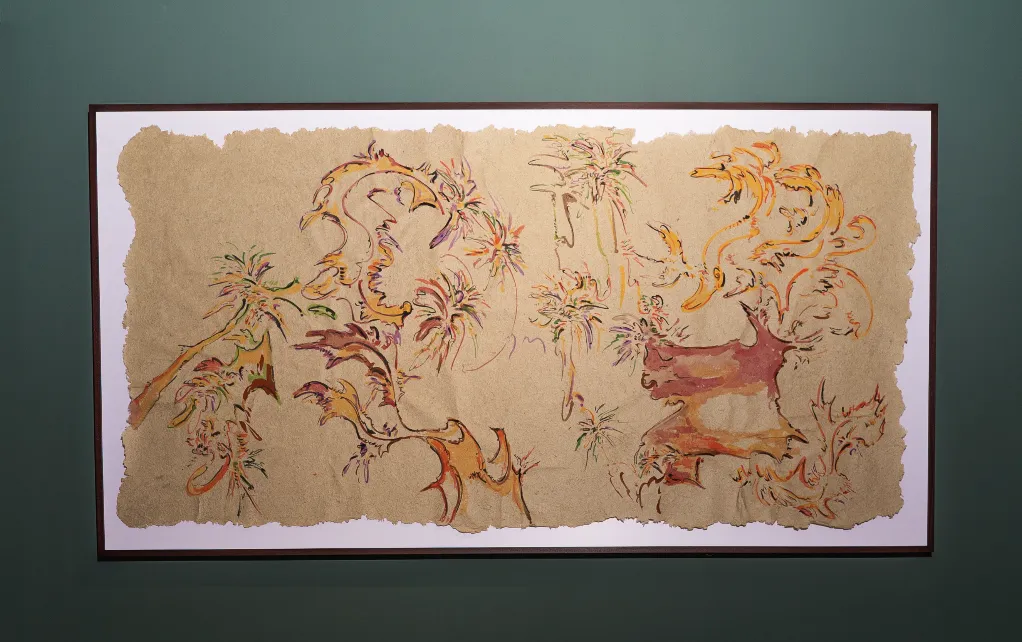
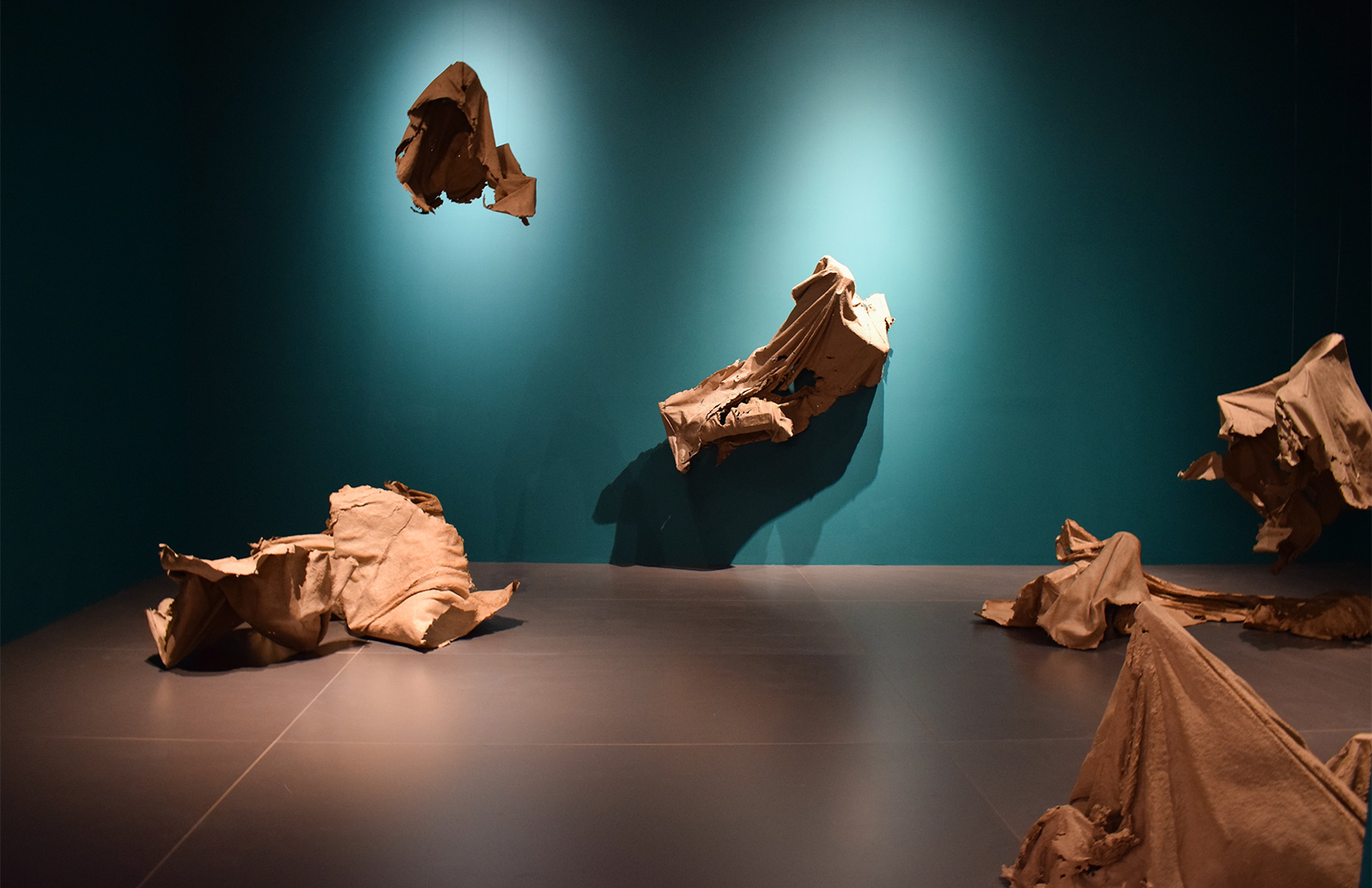
A large part of my practice is dedicated to documenting the spaces in Ghayathi that have been reshaped or erased by modernization. I have recorded the first housing systems, soon-to-be demolished buildings, and architectural elements that once defined the town. In Tracing What Remains and my watercolor series I Reminisce in Colours, I have documented abandoned spaces and found objects as a way of preserving them before they disappear. My most recent sculptural project, Testimony of a City, focuses on tracing the ornamental details and architectural forms unique to Ghayathi’s history, details that are increasingly absent in new, minimalist housing developments. These sculptures bridge past and present, honoring the resilience of the town’s heritage while acknowledging its transformation. Whether through painting, papermaking, or sculpture, my process becomes an act of preservation, resisting the erasure of memory by holding onto what remains.
In your experience, can a place evolve without losing its essence, or is something always left behind—whether in its people, land, or memory?
I do not believe a city can evolve without losing some of its essence, especially when important elements that once played a central role in people’s lives are neglected or discarded. In Ghayathi, I have seen how modernization often leaves behind stories, spaces, and details that were once integral to daily life. Without deliberate efforts to document and preserve them, these traces risk being forgotten entirely. Part of my role is to archive what is happening now, the housing systems, the overlooked objects, the oral histories I hear around me. I think about how, in 50 or 100 years, without this kind of record, people may have no sense of how the city evolved. Modern life brings change, but if no one carries these memories, of its people, land, and lived experiences, the essence of the place will fade.
Is there another feeling or experience you’re curious to explore in your future projects?
Yes, I want to explore speculative futures for places like Ghayathi. Not just recording what is there now or what has been lost, but imagining how it could evolve if heritage, ecology, and community memory guided its future.
Where can people find you?
My studio is currently located at the National Theatre in Abu Dhabi. Feel free to DM me if you’d like to visit. You can also find me on Instagram at @visualsalmah, and view my work in person at @firetti.contemporary