Salvatore Pione
What’s your name and where are you from/based?
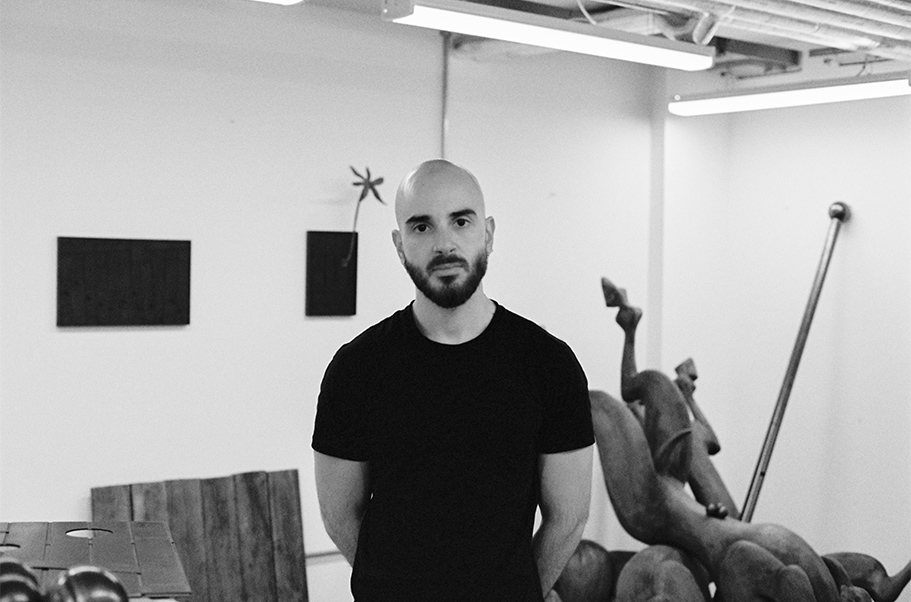
Ciao, I’m Salvatore. I’m originally from Sicily, where I grew up, and for the past eight years I’ve been living and working between Sicily and London.
Can you describe your practice in a few words?
I’m an interdisciplinary artist working primarily with sculpture and installation. My work explores the tension between modernity and tradition, and how memory and heritage shape identity.
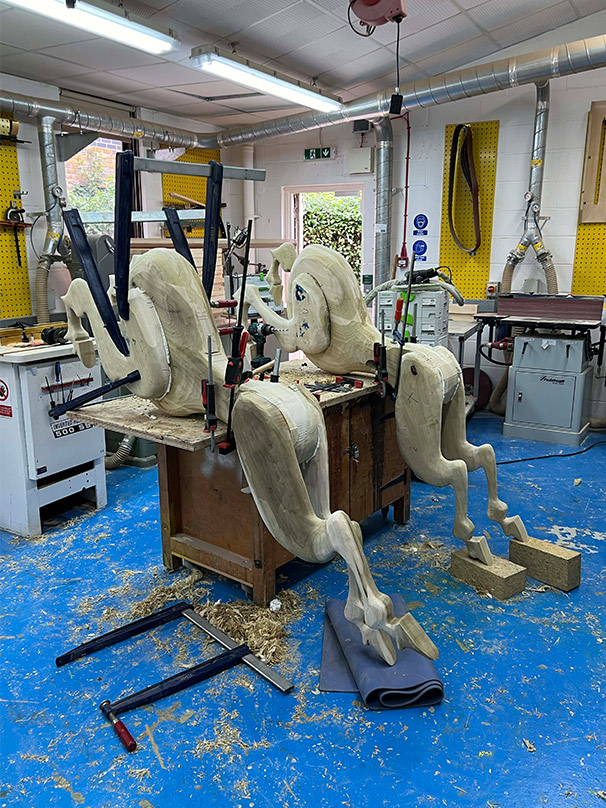
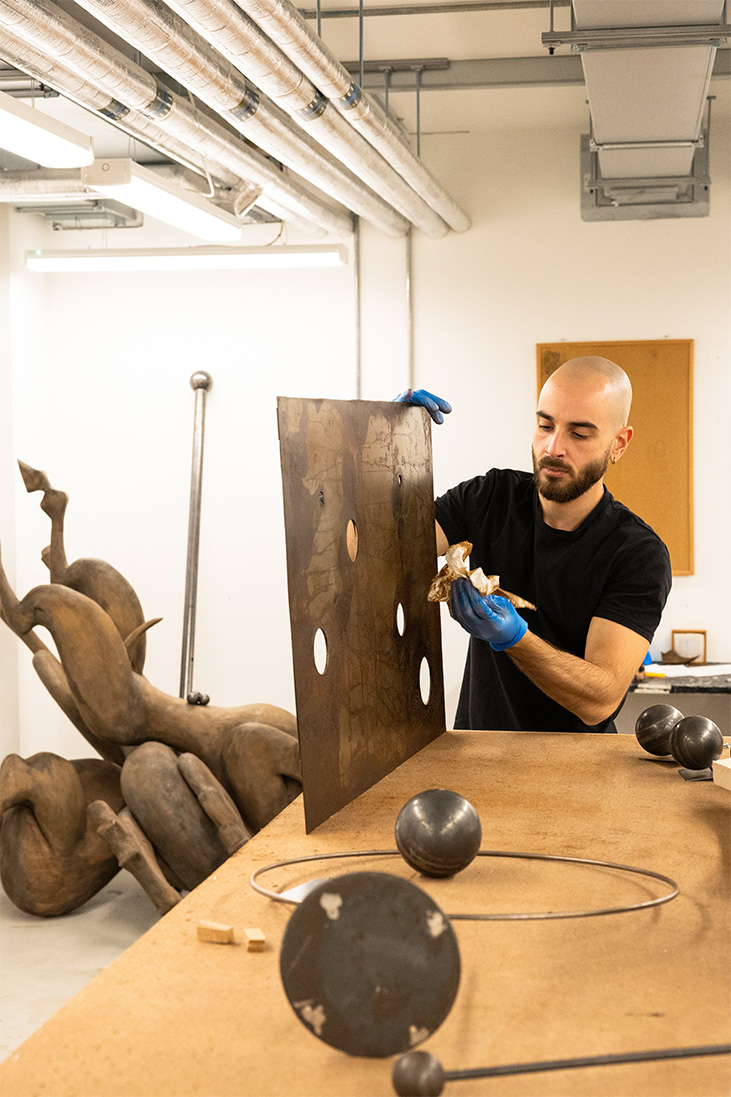
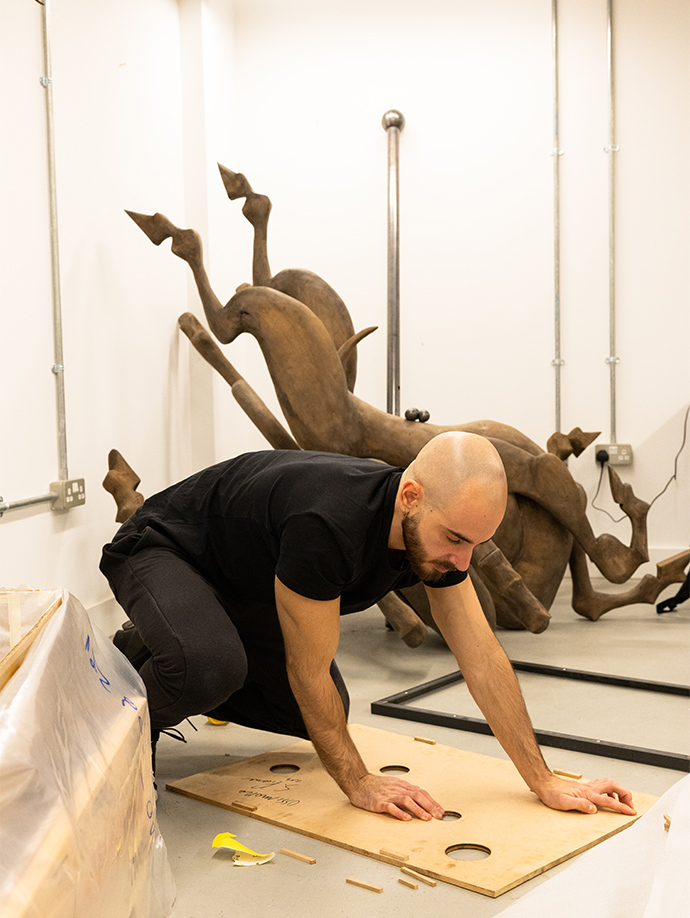
My practice is deeply material-driven. Labour is central to what I do, not only as a physical act but as a process of self-discovery. I work with artisanal techniques such as wood carving and ironwork, using making as a cultural bridge that keeps me connected to my Sicilian roots.
What do you think led you into the world of art?
It always felt natural somehow. Since I was very little, I remember drawing on every surface, and I’ve always had an instinct to think in 3D, wanting to make assemblages with paper and toys.
My grandfather was a sculptor, and I remember being very fascinated watching him work. I loved observing the process and the transformation of raw material into form. I guess that curiosity grew with me, and here I am 30 years later.
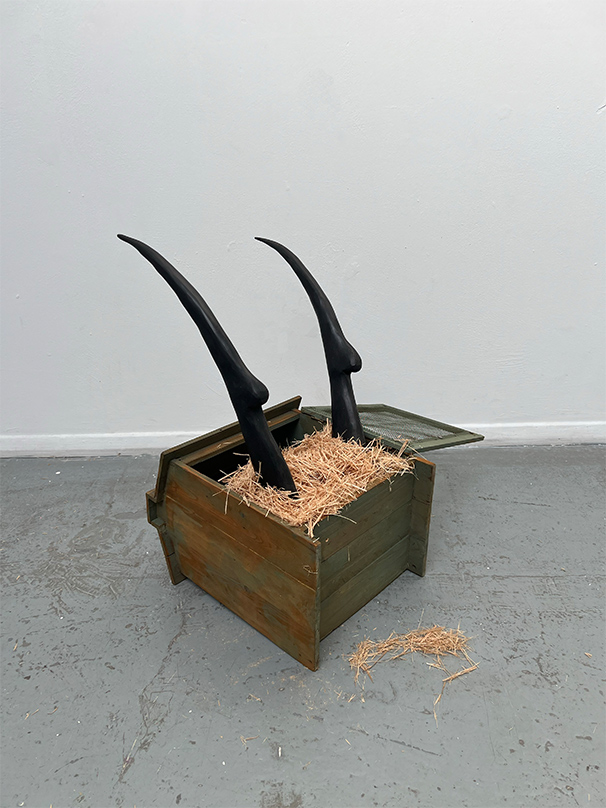
How did growing up in Sicily influence the way you approach your work?
Growing up in rural Sicily shaped me profoundly. I was raised in my grandparents’ home, immersed in a traditional family structure grounded in strong values and rituals. That upbringing is something I carry with pride. At the same time, moving to a multicultural city like London made me question and re-examine many of those inherited structures.
Sicily taught me about devotion, family, masculinity, and belonging. As a gay man raised within a Catholic and patriarchal environment, I became deeply aware of how tradition can be both comforting and restrictive. My work often exists in that tension between attachment and resistance.
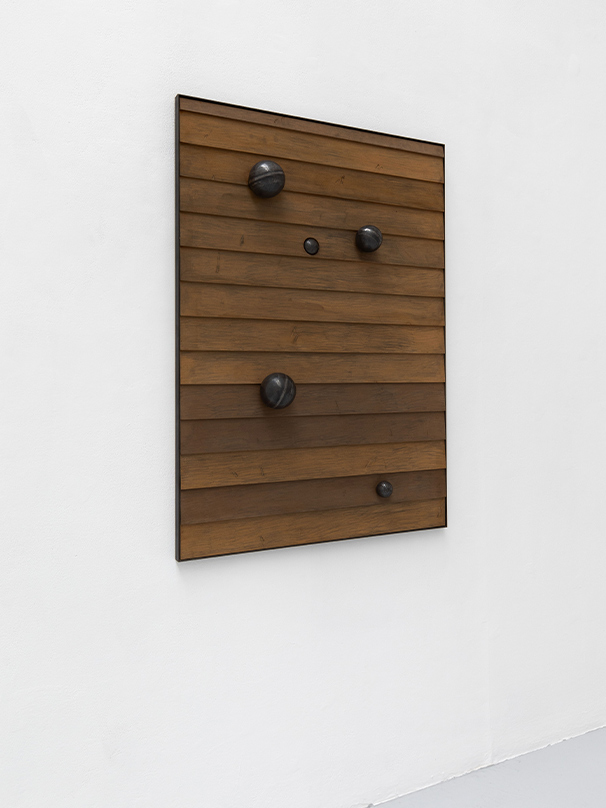
You engage with themes of grotesque theatre and camp. What do these subjects allow you to express?
I play with symbols and stereotypes, questioning how they shape identity and everyday life.
Sicily itself is deeply theatrical, especially when it comes to religious devotion. The relationship with saints goes beyond faith; it becomes a performative and emotional act embedded in daily life. That intensity fascinates me.
Grotesque and camp allow me to mirror that exaggeration. They create space to explore ambiguity, particularly around masculinity, sexuality, and cultural norms. Just as devotion can be excessive and ecstatic, so can repression. I’m interested in that paradox.
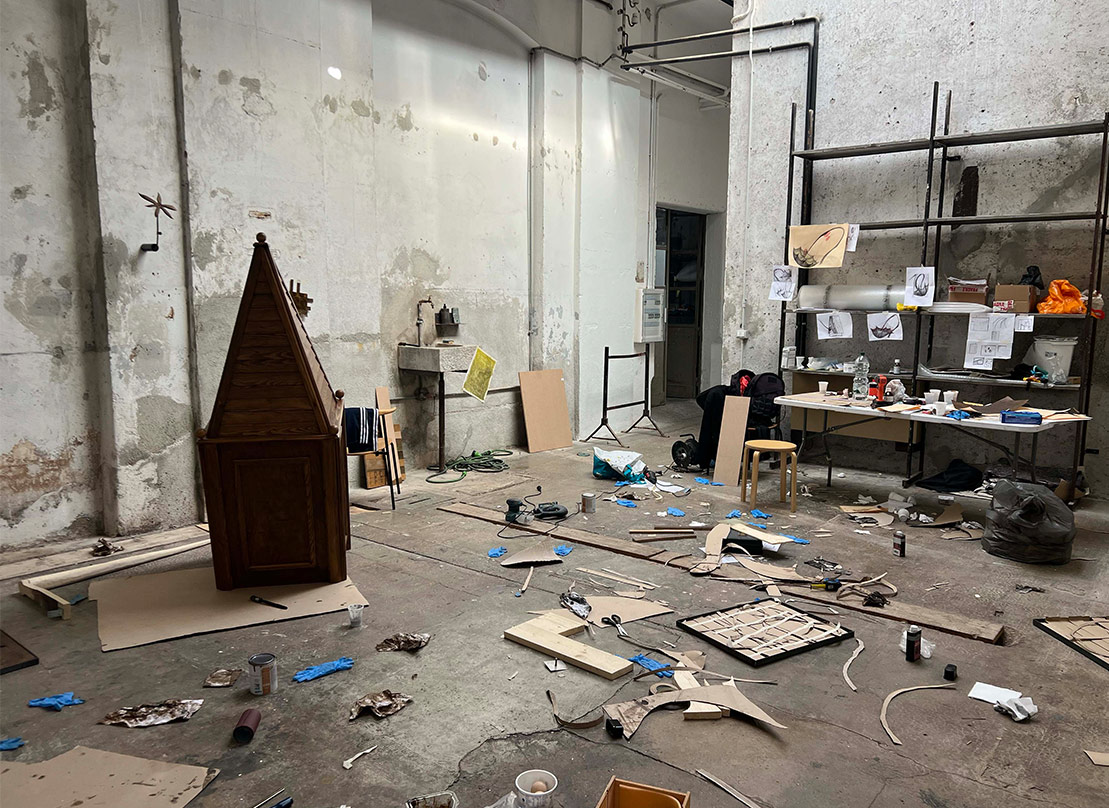
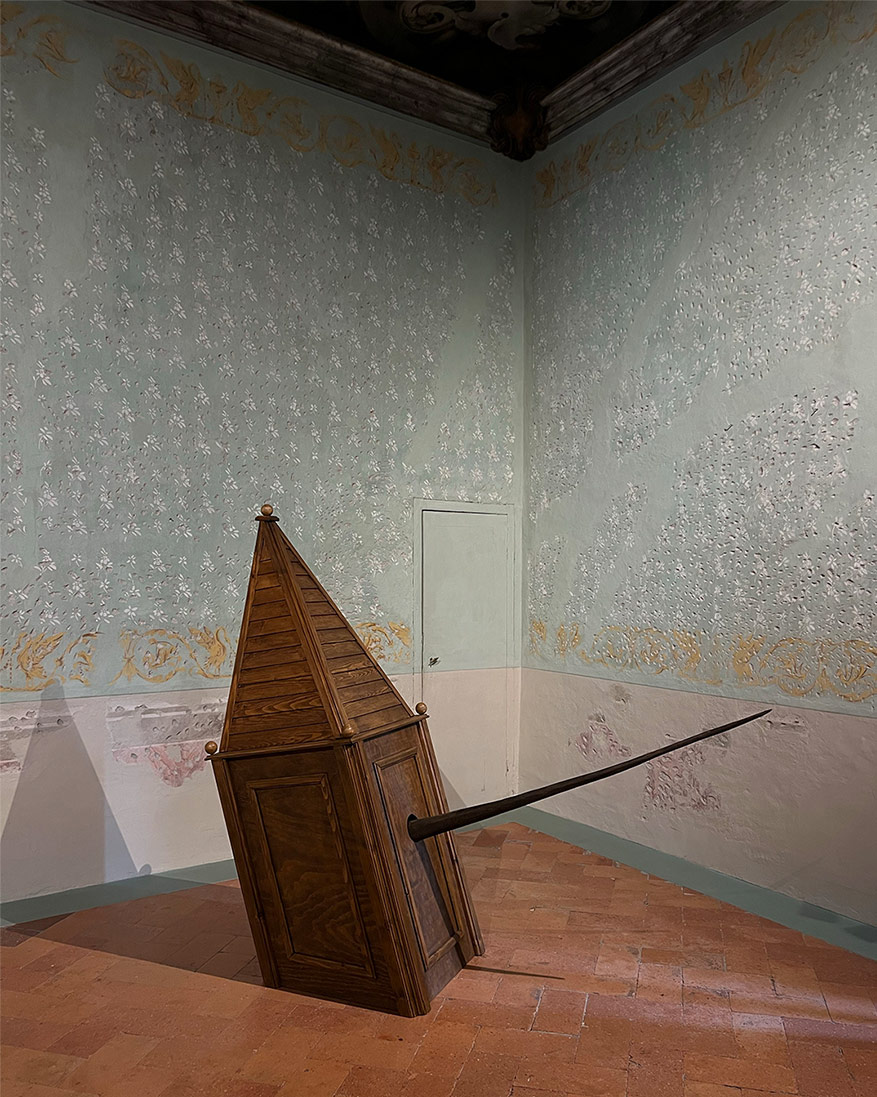
Material seems central to your practice, particularly your use of wood and steel. What do materials help you represent?
Material is everything to me. Wood and steel are traditional Sicilian craft materials and also the same ones my grandfather used. Working with them is both a physical and emotional connection to my past.
What I value most is labour, which I consider not just technique but truly a form of understanding. Through repetition, carving, and welding, I enter a dialogue with the material that becomes almost meditative.
I often spend time in old-style workshops in Sicily, sometimes for weeks, just observing and learning. These processes carry generations of knowledge. If they disappear, we lose more than technique; we lose memory and identity. Preserving and reinterpreting them is, for me, a way of keeping culture alive. (please credit @gray_carmen)
Is there a specific piece or exhibition that felt like a turning point in your practice?
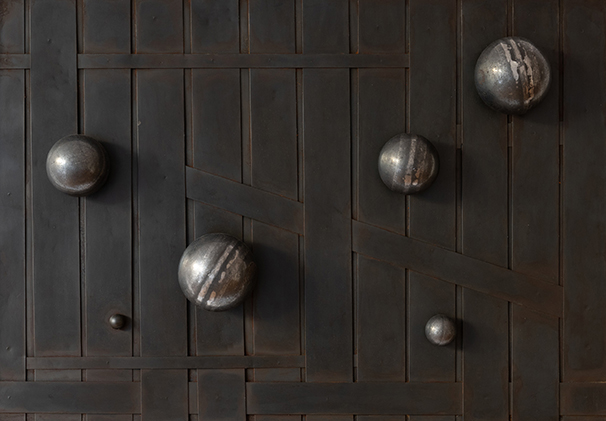
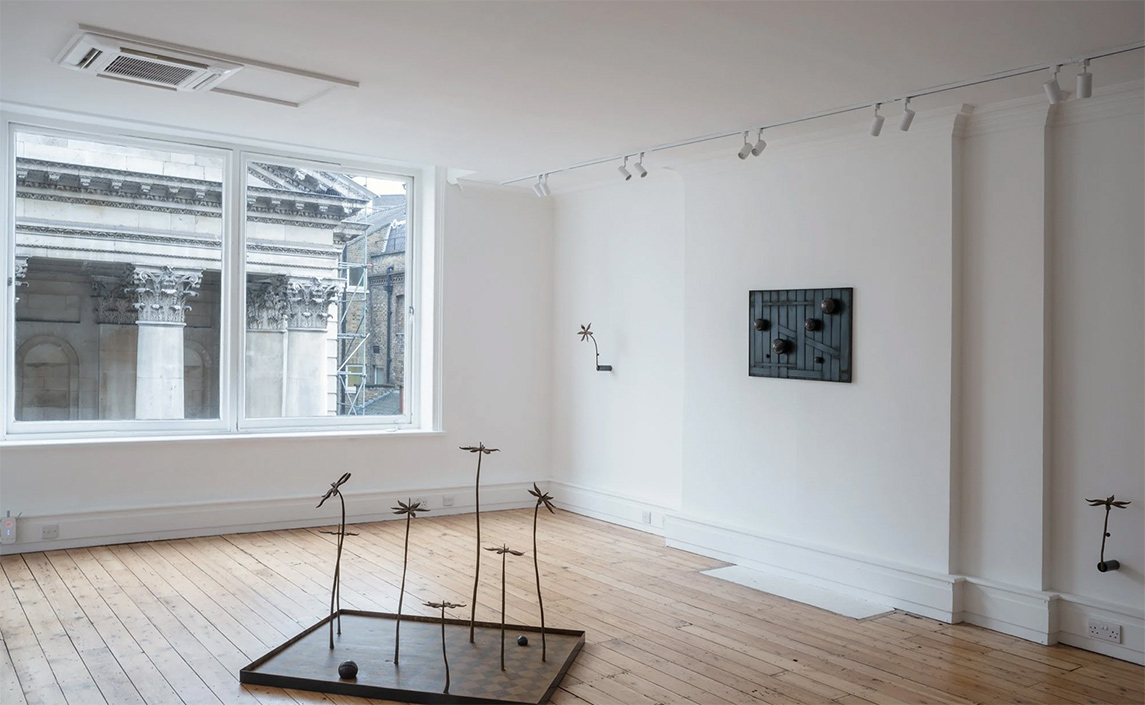
Fontanarossa, presented during my degree show at Goldsmiths, University of London, has definitely been a turning point.
That body of work came together very organically. I felt completely aligned with it, emotionally and conceptually. It was the first time I presented a solo body of work to a large audience, and I felt fully seen through it.
The exhibition opened many professional doors, but more importantly, it marked a moment when I felt entirely honest in my practice.
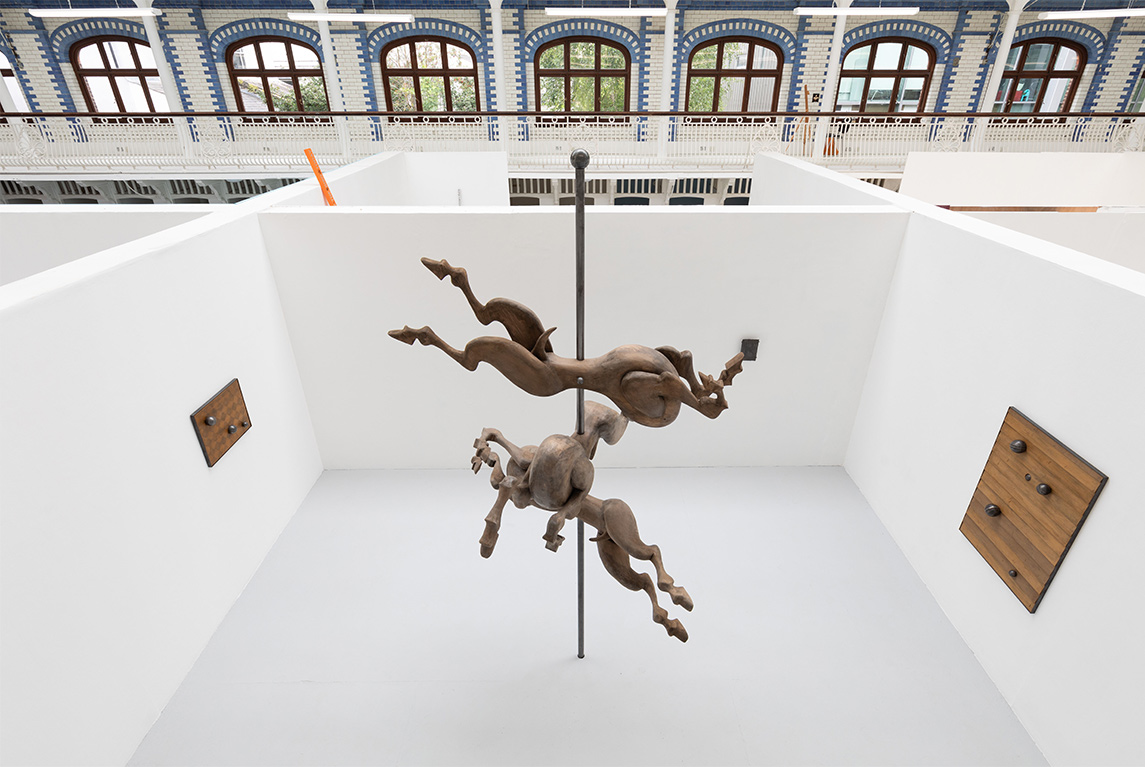
You’ve described Ercolina as an invitation for viewers to examine the cages they build around themselves and the possibility of flowers blooming beyond them. What kinds of cages do you refer to?
I’m referring to emotional and ideological cages or all the internal structures that limit us.
We all experience forms of confinement, whether imposed by society, culture, family, or ourselves. Ercolina invites viewers to observe those limitations and question them.
The idea is not simply escape, but awareness. It is the possibility of shifting perspective and allowing something softer and freer to grow beyond those metaphorical cages.
Outside of your studio practice, what keeps you creative?
For me, creativity is about perception.
I spend a lot of time alone observing. I’m naturally curious. For example, I love visiting markets like Deptford Market in London, near where I live. I go several times a week. I do the same when I’m in Sicily or traveling. I believe that markets reveal the true culture of a place.
I also value physical discipline. I train at the gym most days of the week. It grounds me and reconnects me with my body. For me, creativity flows when mind and body are aligned.
What themes would you like to explore next?
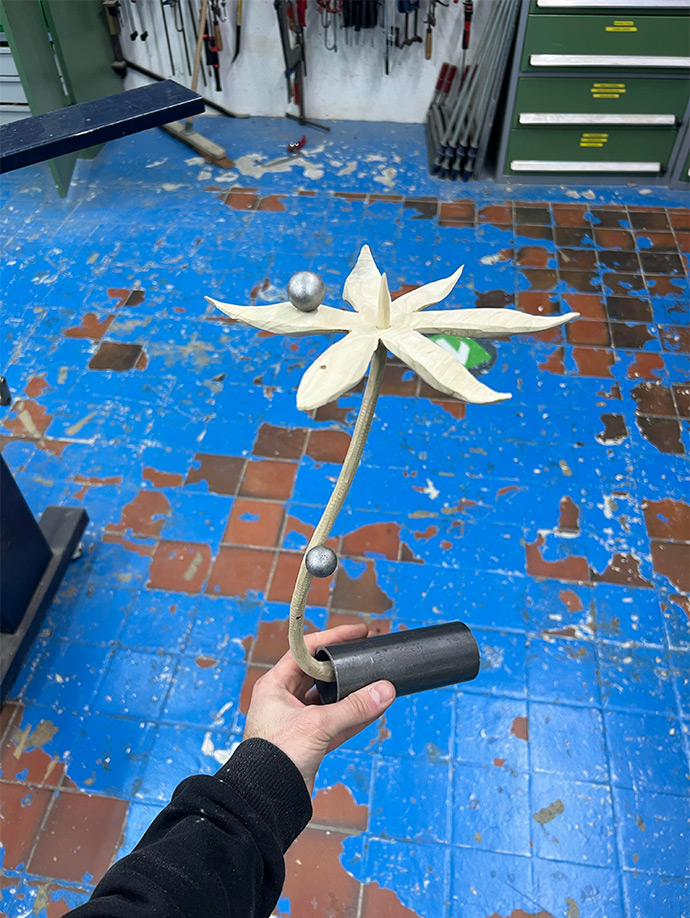
My process is very instinctive. I don’t usually begin with a fixed theme; instead, I let daily life guide me.
Returning to my hometown is always part of my research. It reconnects me to the land and reactivates something internal.
Where can people find you?
You can easily reach out on Instagram @salvopione or drop me an email for a studio visit if you’re in London. To see more of my work, my website is www.salvatorepione.com.