Samuel Aguirre
What’s your name and where are you from/based?
My name is Samuel Aguirre. I’m based in Providence, RI, USA
Can you describe your practice in a few words?
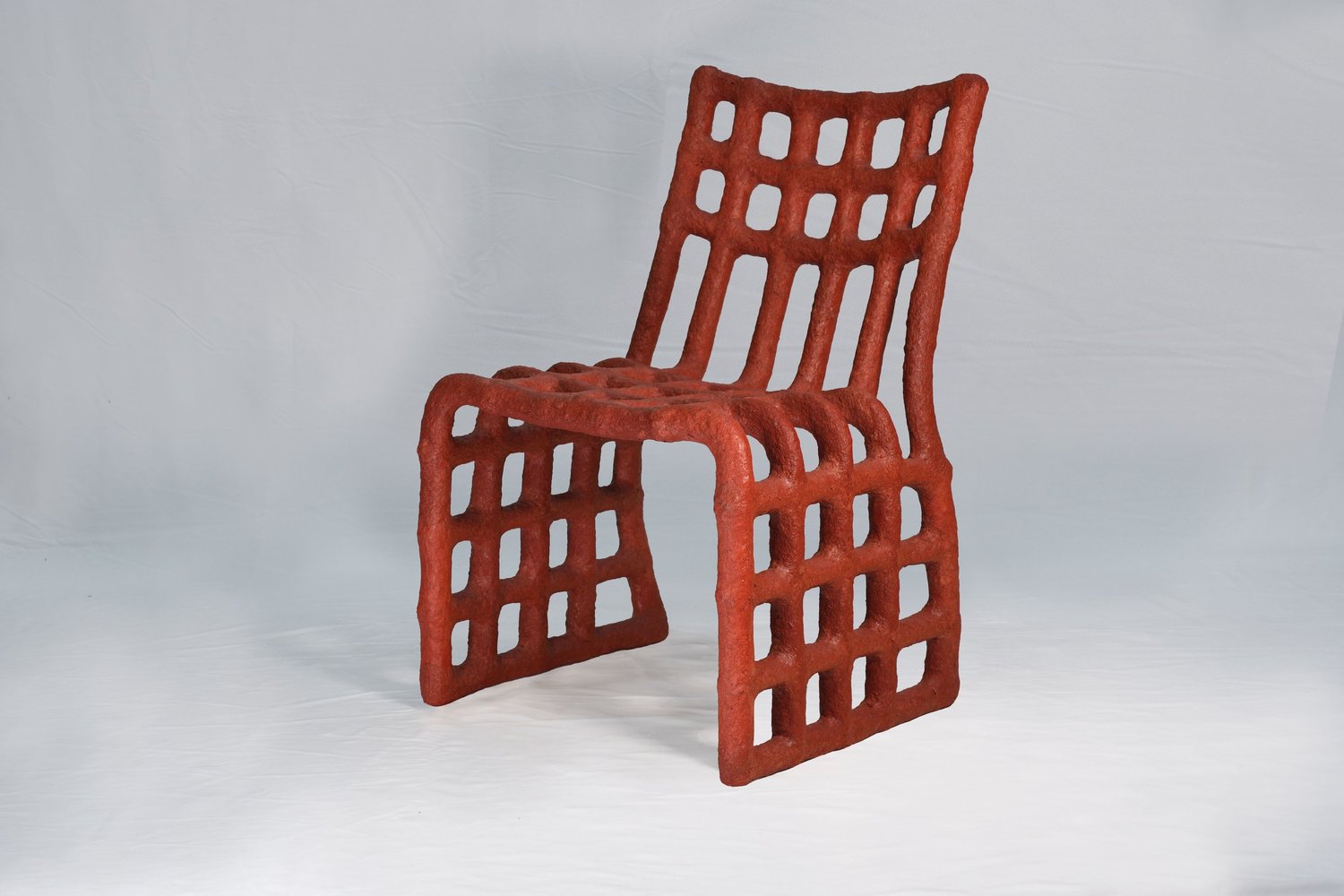
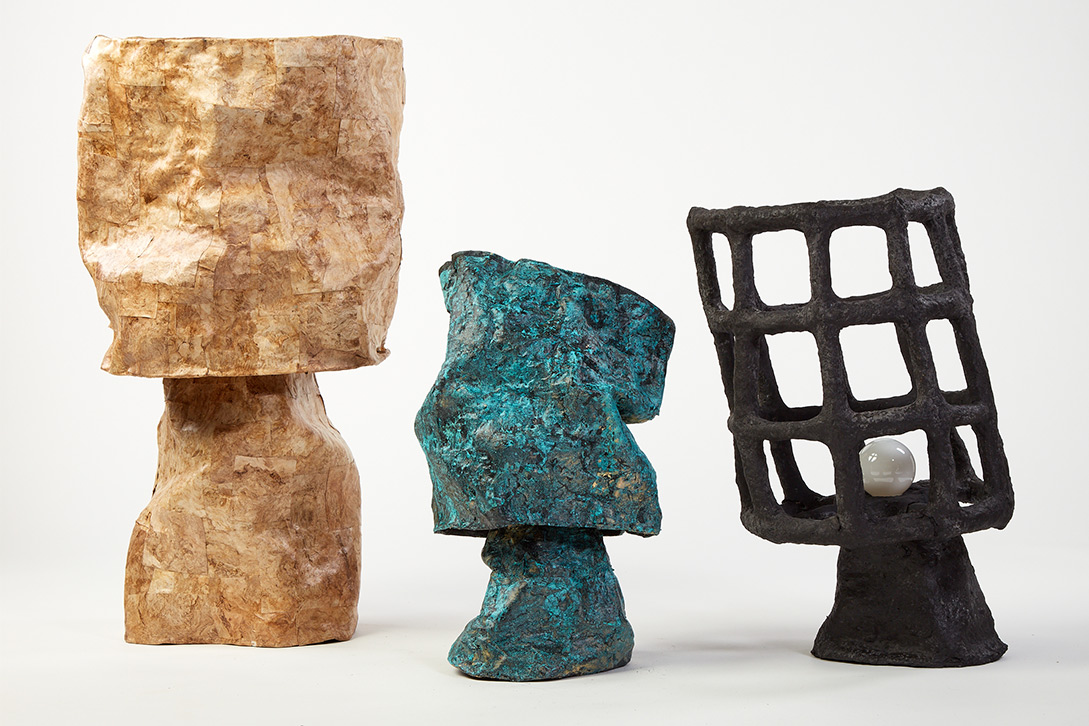
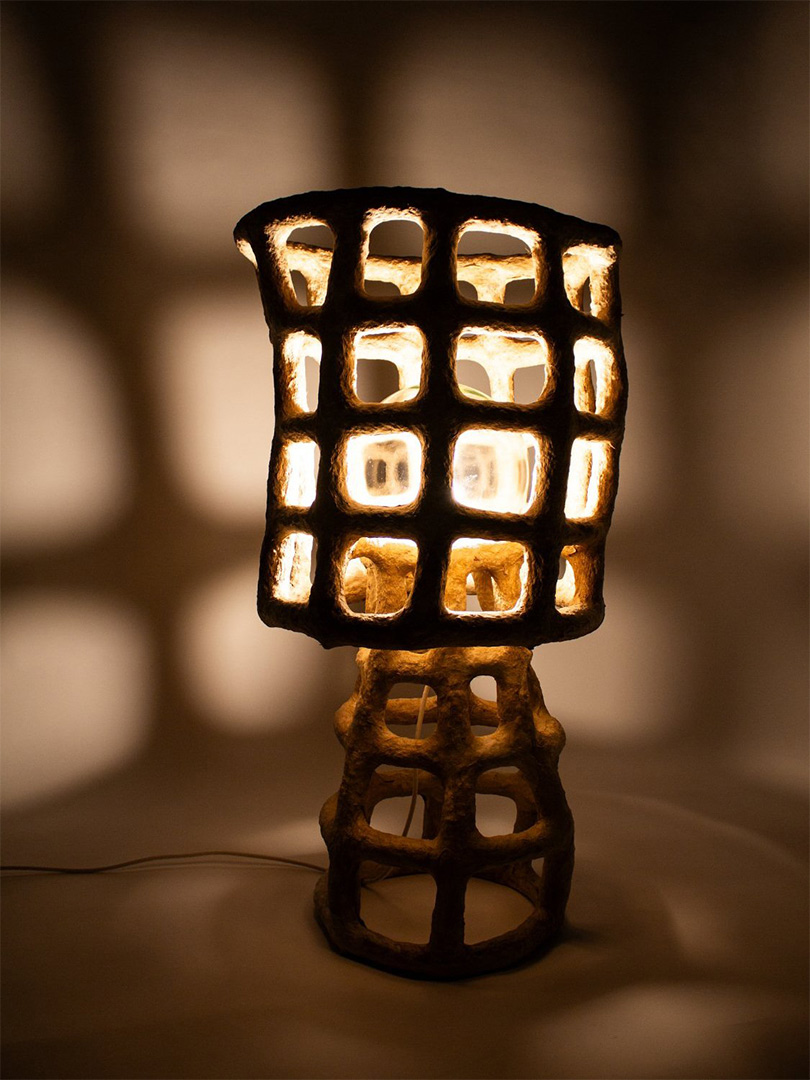
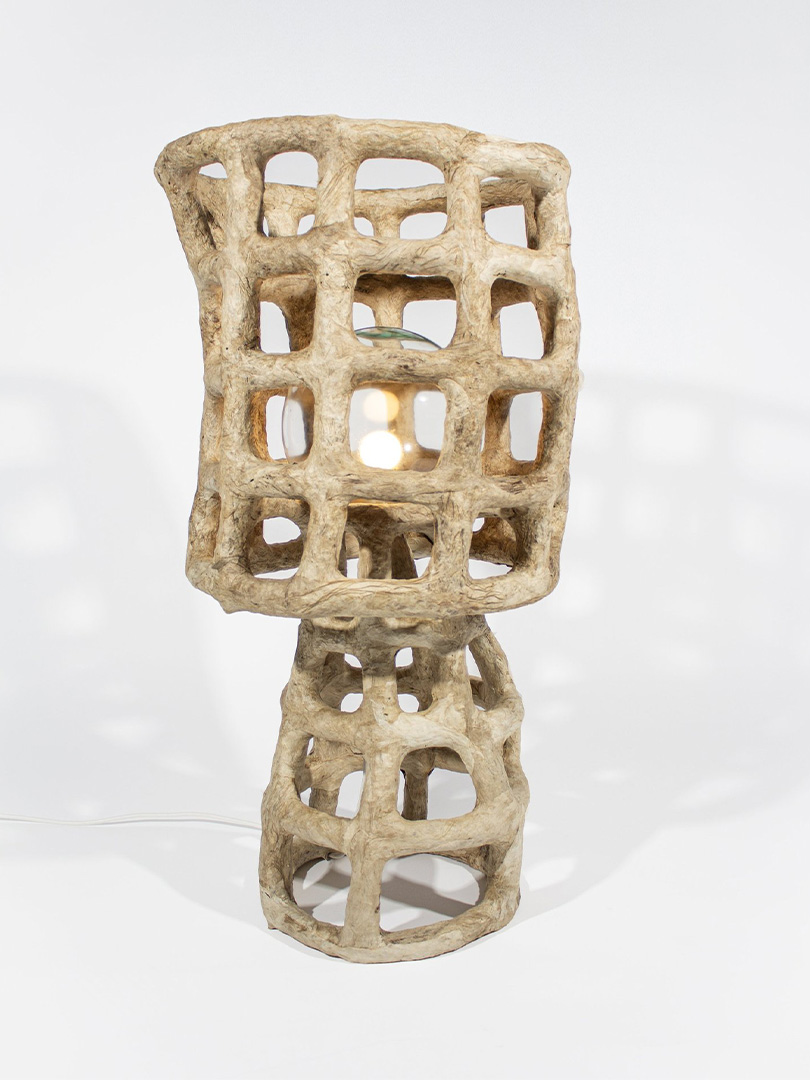
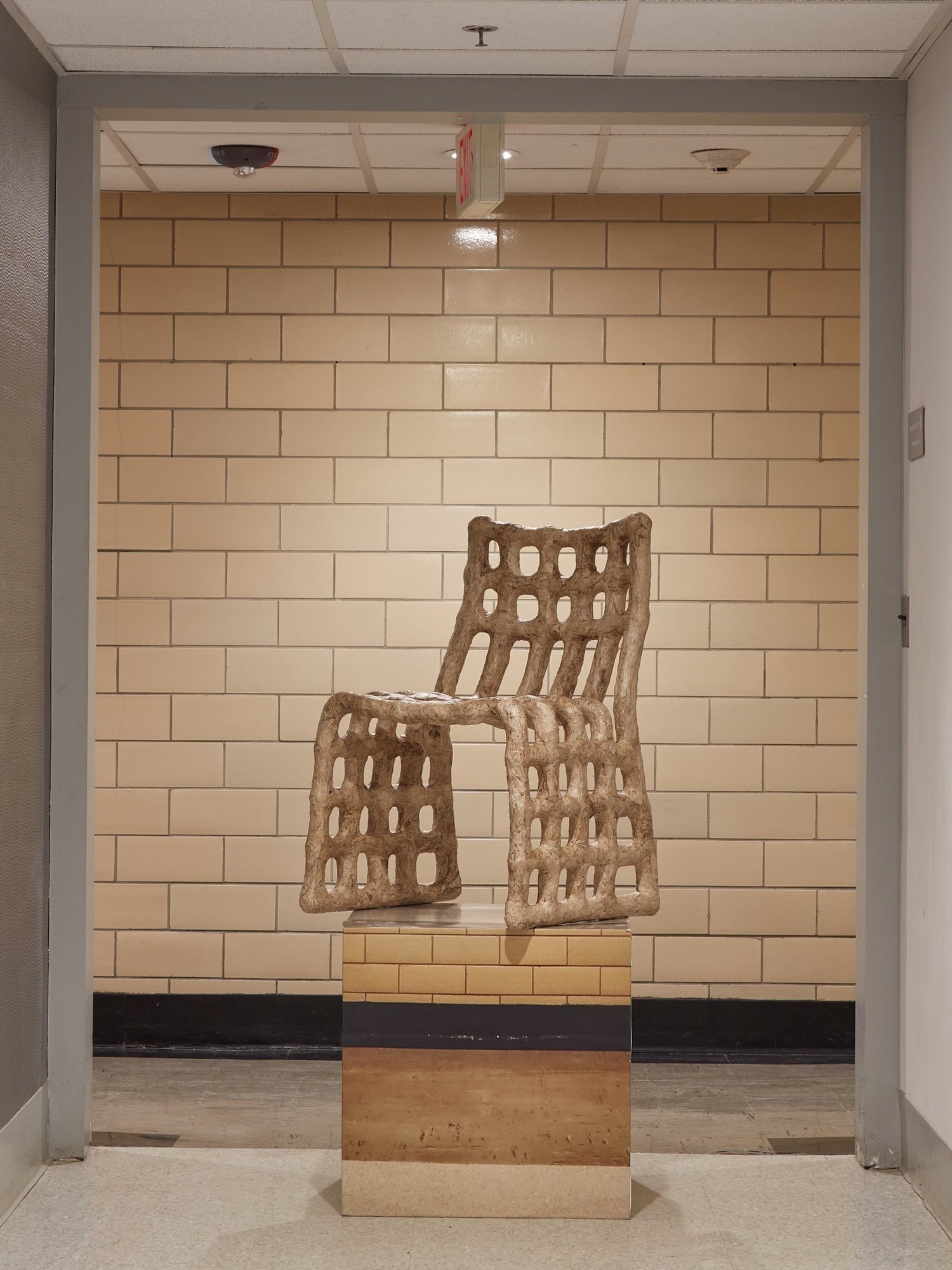
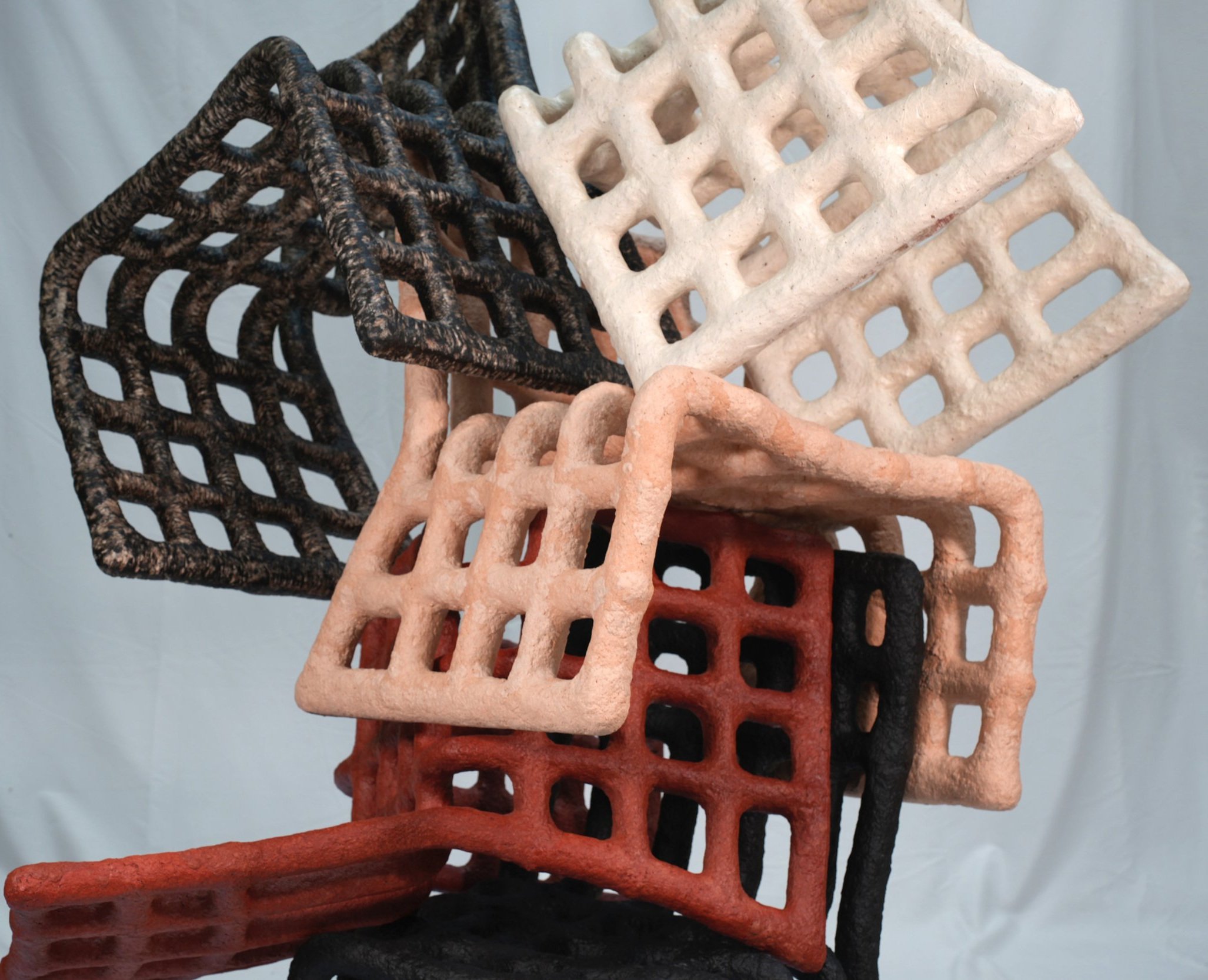
My practice centers on crafting evocative, sculptural furniture and objects. Each piece considers the stories we tell through the objects we live with and the role those narratives play in our collective future.
How did your journey into sculptural furniture and object-making begin? Was there a moment that shaped your design ethos?
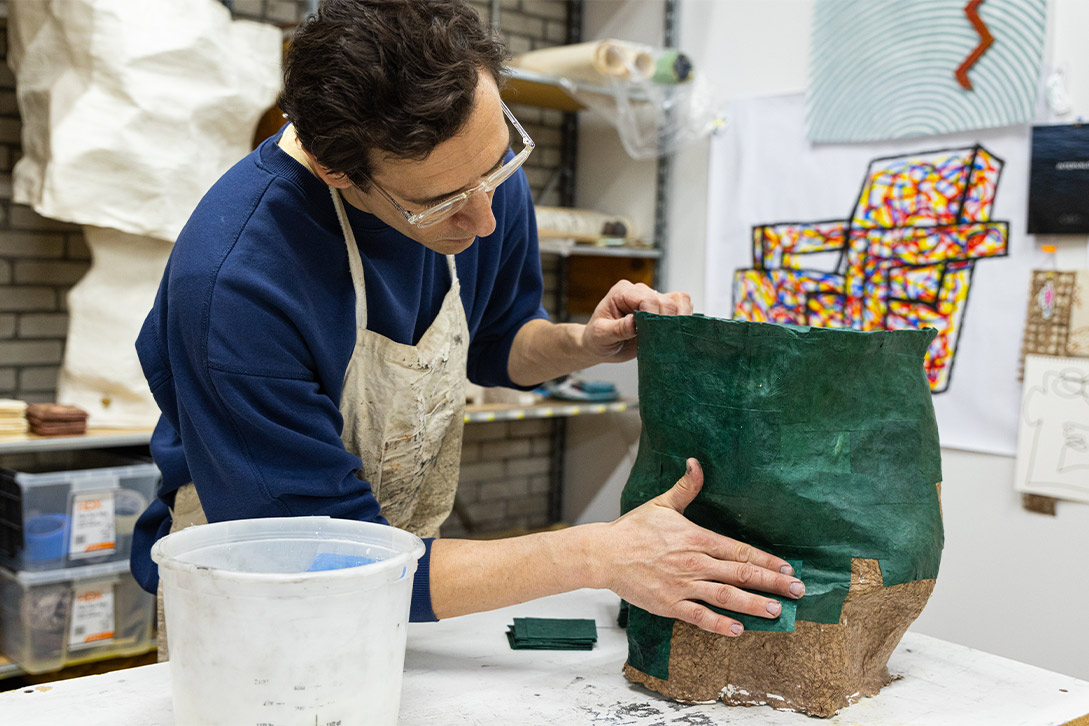
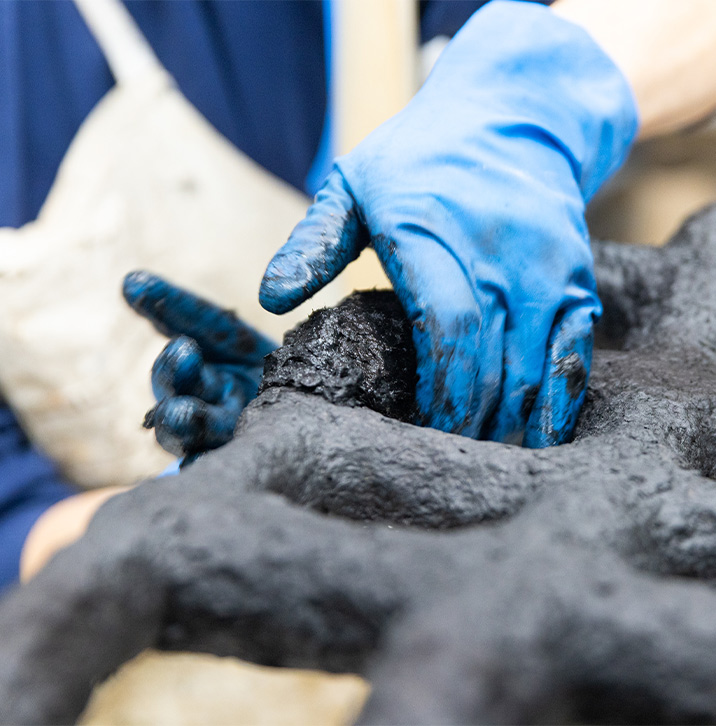
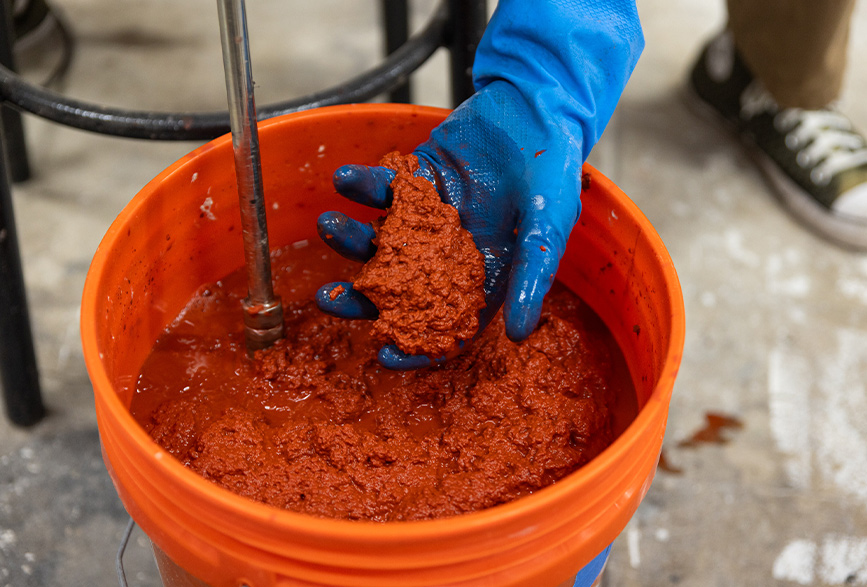
I was a business development professional for over a decade. And although I enjoyed this work, sales and marketing had its creative limits. Only after business hours would I find time to contemplate and produce my own work, and even that was negotiated with my children’s extracurricular activities, play, and bedtime routines. At some point my son and I began to paper mache. After so many objects we were motivated to make our process and materials compostable for easy disposal and a clear conscience. With every new object our process evolved and the toys became extremely resilient. So much so that some of the toys we made years ago are still in the toy bin today, in the same condition as when we made them. Making objects in this medium was all consuming. I had offered my evenings and weekends for many years, but those were no longer enough. I no longer felt the title of “hobbyist” was appropriate. I needed more time and that meant a new professional path, one that prioritized art, design, and craft. So I left the stability of my career and my supportive family and I moved to Providence, RI so I could pursue an MFA in Furniture Design.
My path towards craft does not feel like a “passion” in the traditional sense. It feels more like a “matter of fact”. In hindsight, perhaps I never had much say in the matter.
What role do narratives, both personal and collective, play in your creative process? Can you share an example where a story shaped the design of a piece?
I think the objects we live with, or make, contribute to our story, personally and collectively. In my case, the work captures this moment in history. It acknowledges this suspended state we find ourselves in: hyper aware of a troubled history, the path we’ve been set on and our work towards a more empathic future for ourselves, our community and for our environment. The work questions the disconnect and echo’s and amplifies what’s possible moving forward.
How do you navigate the balance between craft tradition and innovation?
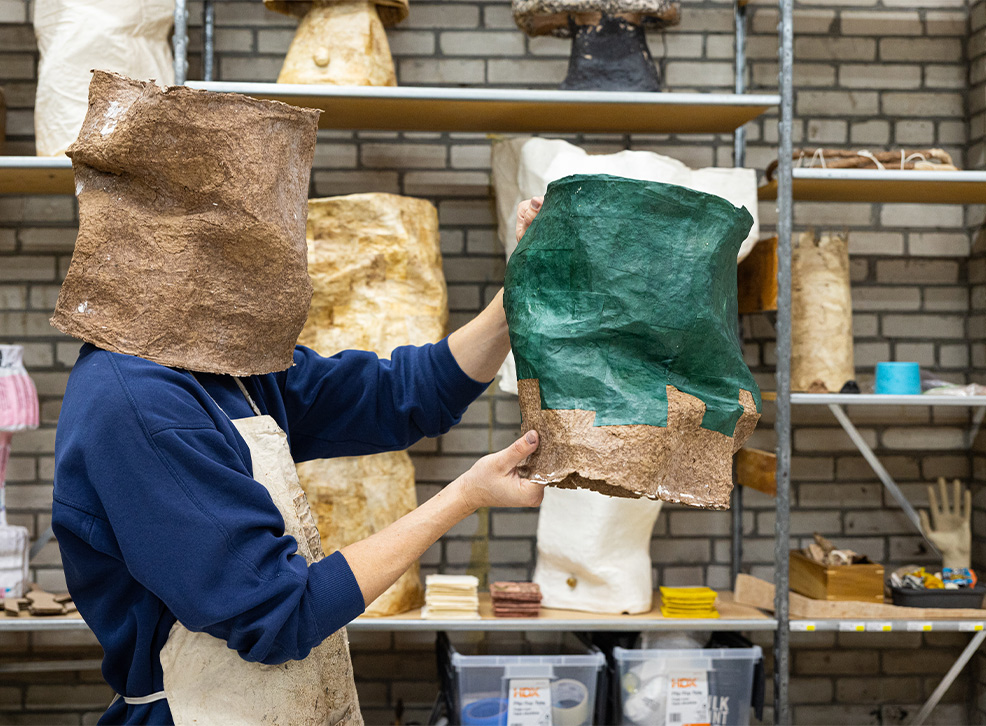
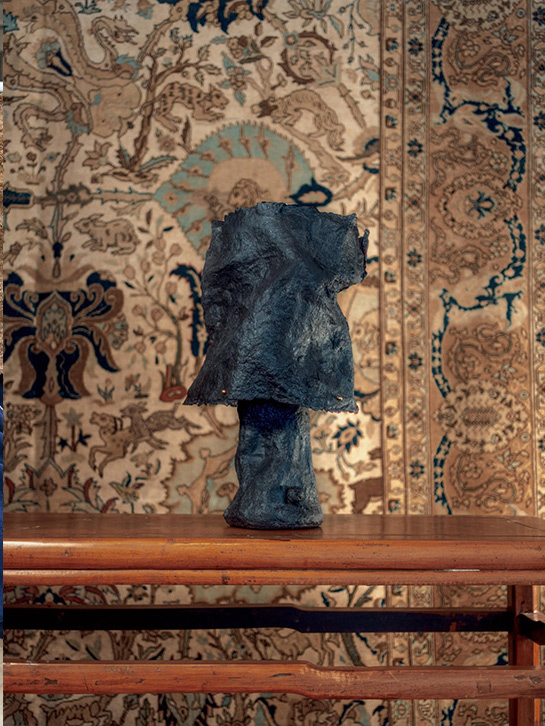
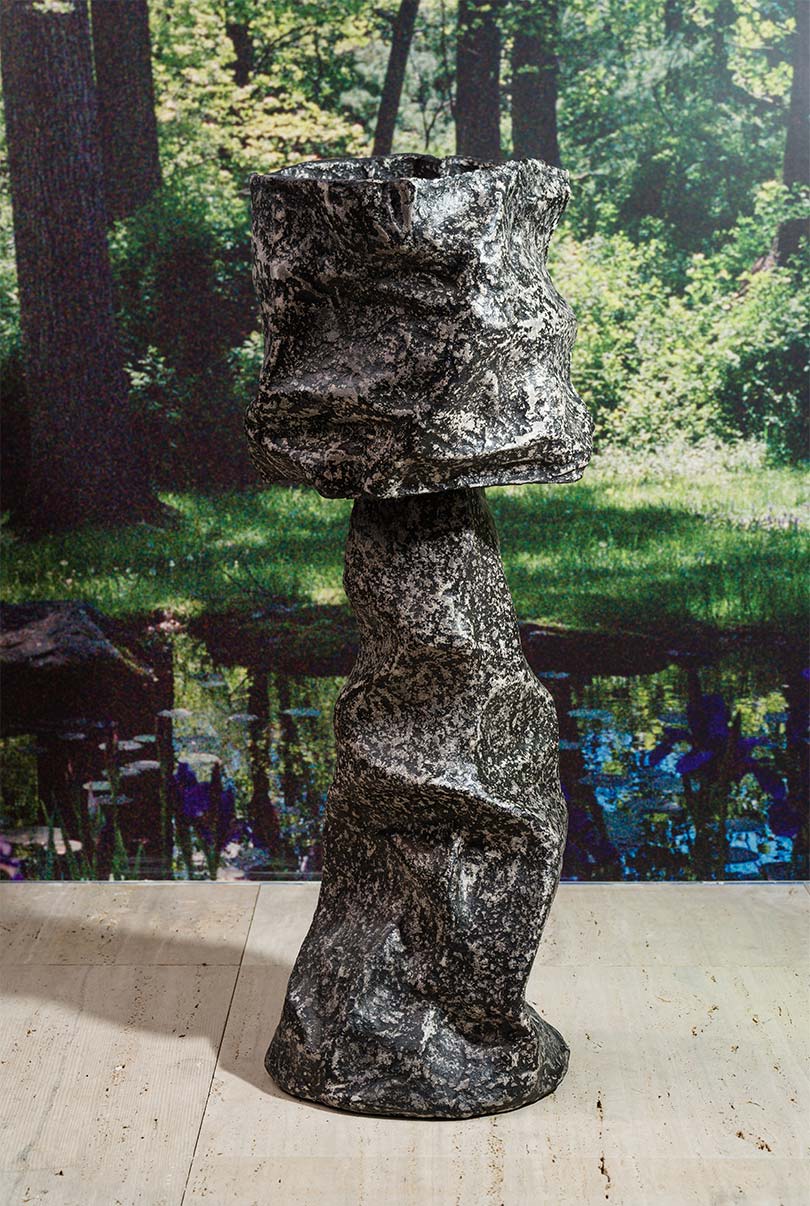
My work looks to history to understand pre-industrial materials and processes and re-thinks application and technique. I see this as an opportunity to promote the use of natural materials by bridging the gap between traditional techniques and contemporary object making. I find myself inspired by artisanal processes that stand the test of time and reflect a harmonious relationship between humanity and environment. There is a transformative power in learning and preserving techniques that enrich our understanding of culture and contribute to sustainable living and industry.
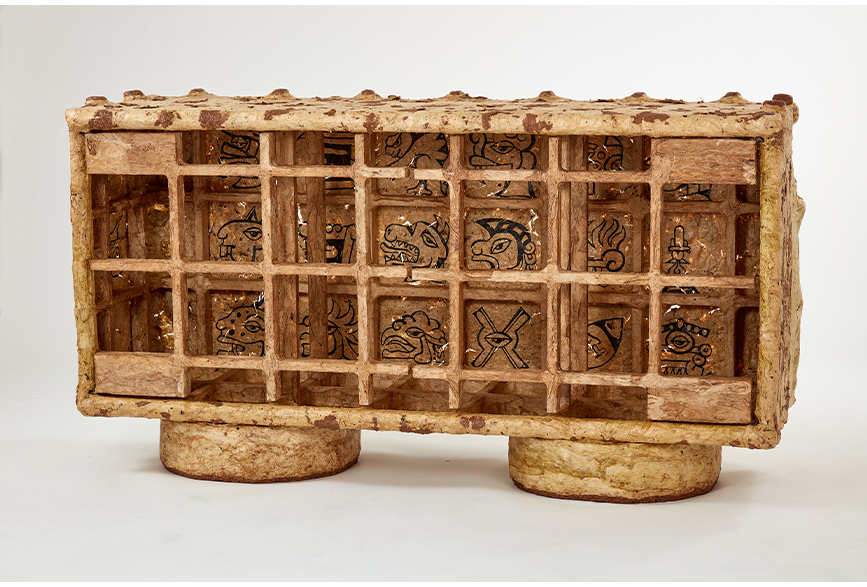
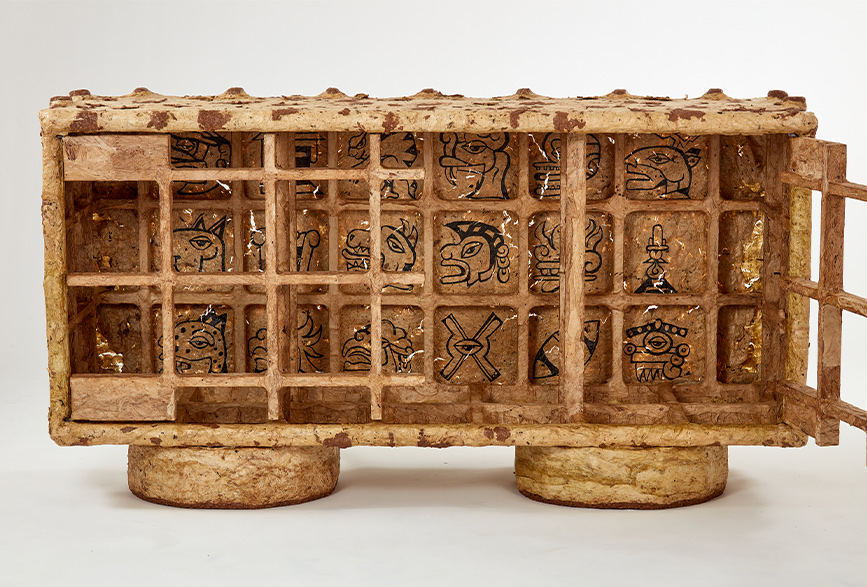
On your project with Tony, why did you choose the Amate paper making technique as the foundation of this project?
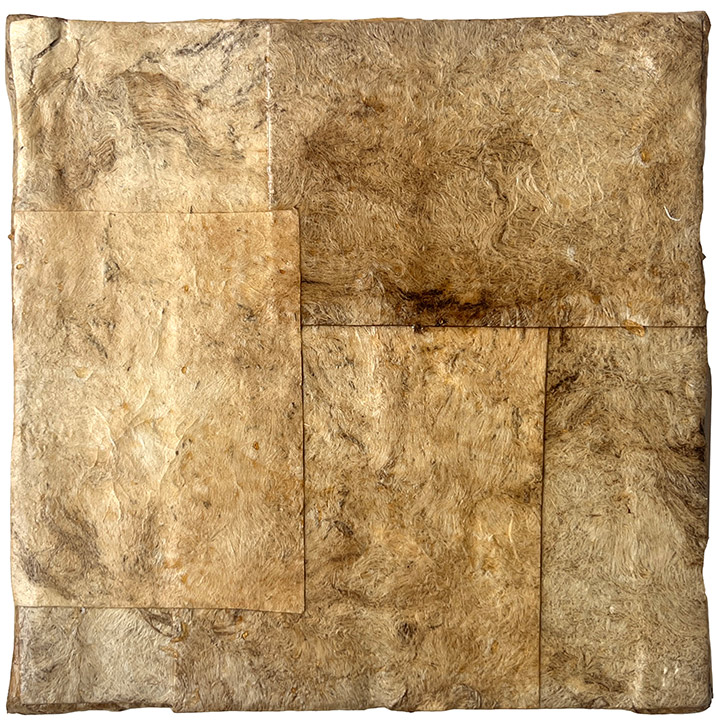
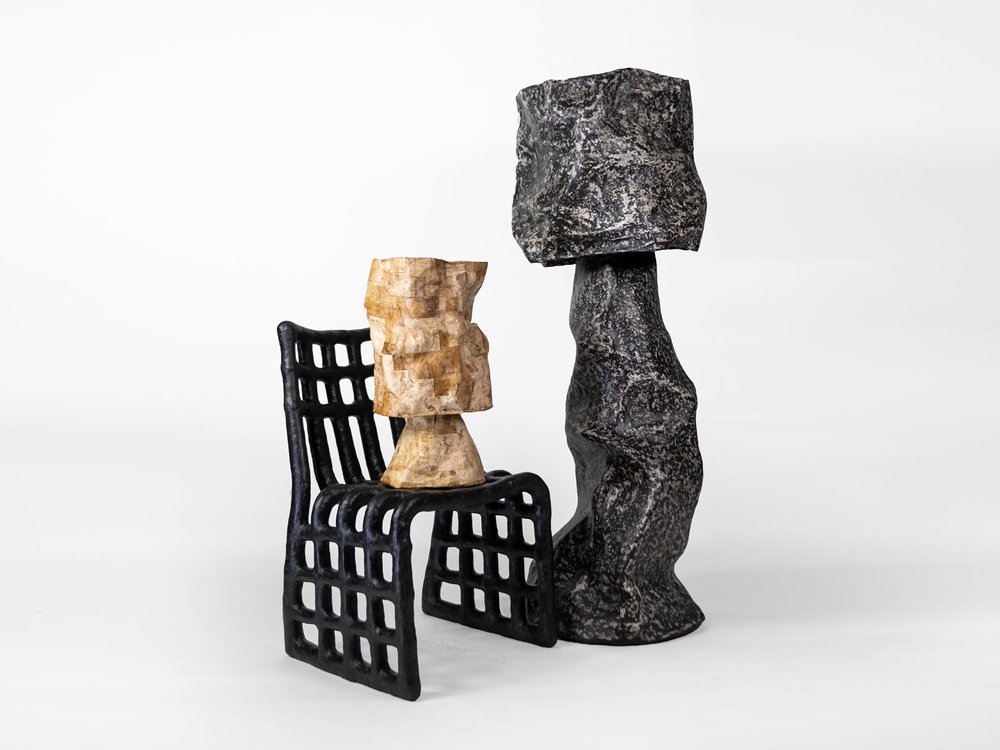
I first met Tony Torres in 2023 in Daniel Hayman’s Paper making course at RISD. I was exploring 3D application of paper making techniques. Tony, a Printmaker and Chicano Artist, was integrating Amate techniques into his work. We bonded over our interest in Mesoamerican history, paper making and shared Mexican heritage.
What does it mean to use a “slow” and ancient technique to build for the future?
I never thought of the techniques I use as “slow”. It’s always been a pursuit of genuine interest. If I am excited about the materials, the history or the process, I will dive in and play with it to see if it makes sense for my practice and the work I want to create. For me, “slow” is less about the pace of the technique and more about being patient with when and how I could incorporate the research into my work.
Do you see your work as future design or future archaeology?
If I am doing this right, I am not thinking about the future and what the work should be. I am focused on the here and now and what makes sense in this moment.
You’ve said our environmental hurdles are not about lack of resources, but a lack of design ingenuity, what are some examples of this ingenuity that inspire you right now?
I find myself inspired by artisanal processes that stand the test of time and reflect a harmonious relationship between humanity and environment. My work looks to history to understand pre-industrial materials and processes and re-thinks application and technique. This as an opportunity to promote the use of natural materials by bridging the gap between traditional techniques and contemporary object making.
Collaboration seems embedded in your practice. What do you look for in a collaborator, and how does co-creation change the outcomes?
YES! I see collaboration as community building. And in community, attitude is everything. My collaborators are down to clown, prioritize a good experience and are as inspired by my work as I am theirs. If we do it right, both parties end up in a space slightly out of our comfort zone.
How does material experimentation usually begin for you?
I don’t think there is one way material play starts. The origins of interest are endless. More consistent than the initial spark of interest is the research. It’s trial and error, but not in a traditional sense. The insight gained is not always tangible or directly related to the task at hand, but often adjacent or relevant to another stage of the work. The physical act of making is a means to revealing future paths. Identify an idea, pursue an idea, and be ready for paths to present themselves in the most unlikely of places. Only through doing, are these “ah-ha” moments possible. They do not manifest if work is not being done.
Is there a piece that surprised you, either in how it turned out, how it was received, or what it taught you?
I’ve experienced so much growth as an artist through my work with Tony Torres, specifically the Counting the Days Credenza. My design mind can be so focused on utilitarian design and fabrication, sometimes at the expense of creating the right object. Tony has been instrumental to broadening my perspective of what an object or furniture can be/should be. This credenza is a great example of both of us working outside our comfort zone.
Is there a piece that felt especially risky, conceptually, aesthetically, or technically?
When it comes to fabrication, I tend to play in a world of novelty, so I would say the prototype of any concept is at the same time exciting and nerve wrecking. Then, add a deadline and I’ll likely have a mental breakdown or two. Haha.
Where can people find you?
You can find my work at:
– www.samindaman.com
– IG: @sam_indaman
– BCMT Gallery (IG: @BCMTCO )