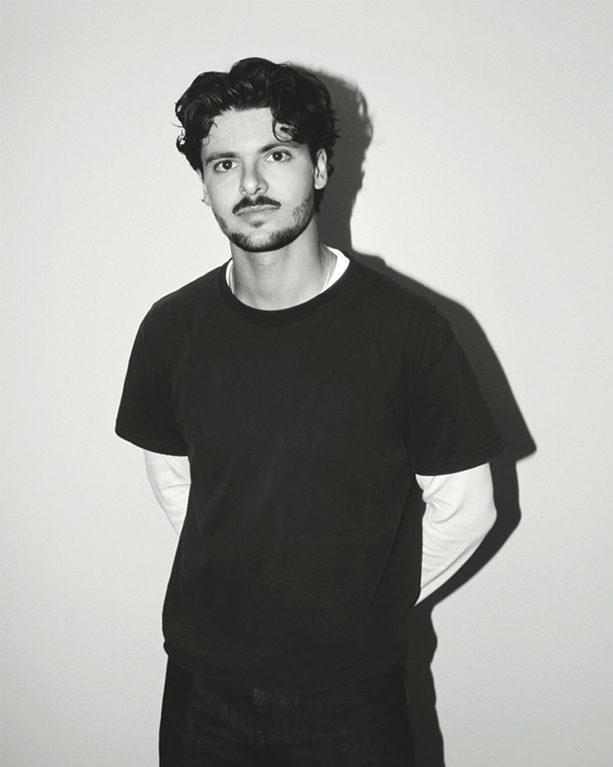
Sander Coers
What’s your name and where are you from/based?
My name is Sander Coers. I was born in 1997 in Terneuzen, a coastal town in the southwest of the Netherlands, and I’m currently based in Rotterdam.
Can you describe your practice in a few words?
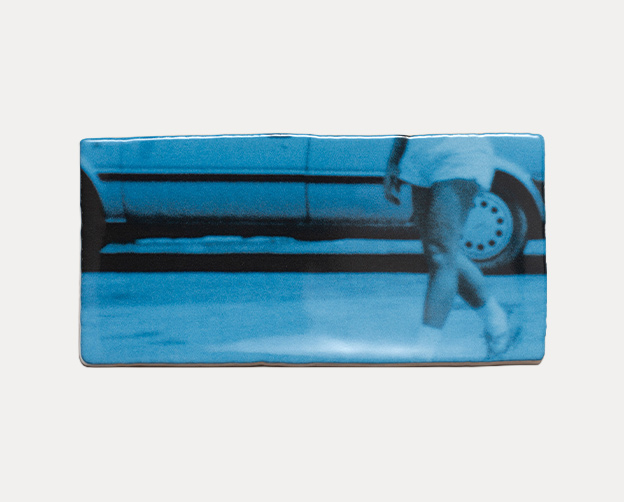
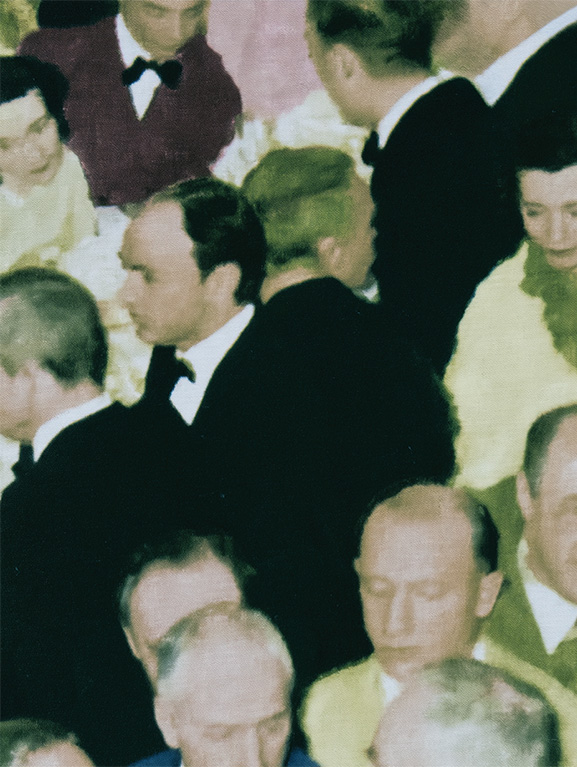
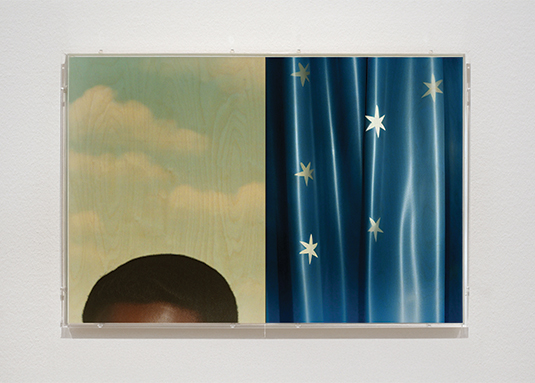
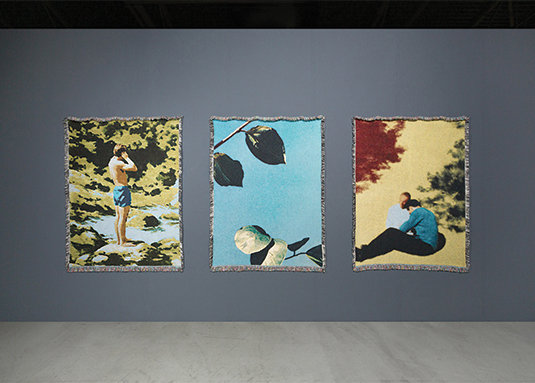
My practice explores how personal and collective histories are shaped through memory, imagination, and inheritance. Working from family archives, found photographs, and artificial intelligence, I try to approach the image as a space where reality and fiction overlap.
How did you first begin working with photography?
I started photographing around 2016 after borrowing an old analogue camera from a friend. At first it was simply a way of documenting friends and everyday life, but I quickly became obsessed by photography’s ability to transform ordinary moments into something surreal. That obsession still plays a central role in my work today although I mostly use my iPhone to capture moments or details that strike me!
What led you to using personal archives and memories as a primary source of material?
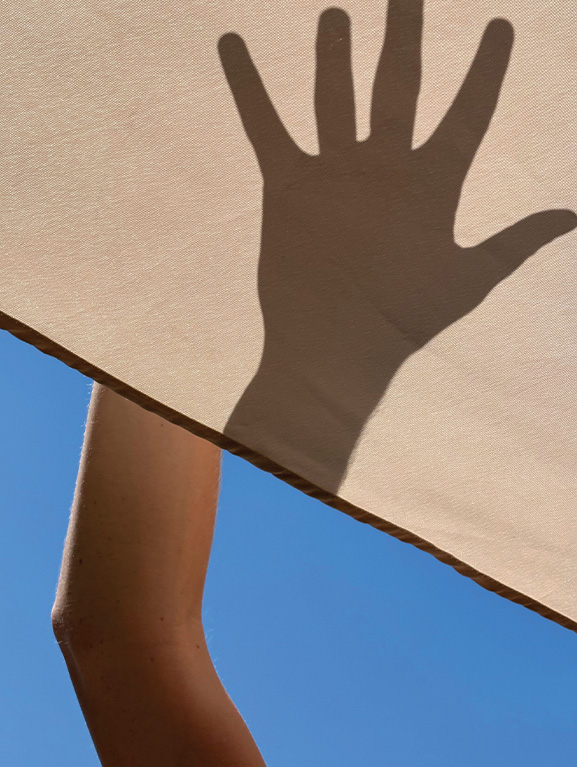
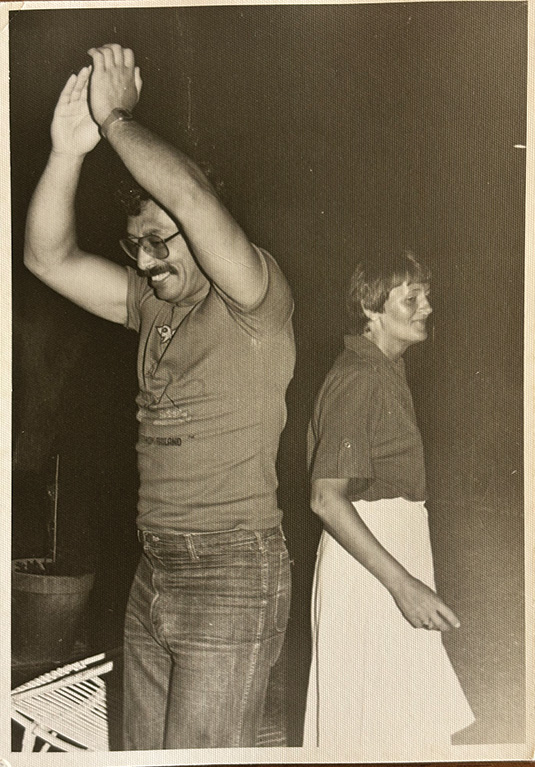
I’ve always been drawn to family photo albums. Growing up, I spent a lot of time looking through old photographs and wondering about the stories that existed beyond the frame. Personal archives contain both information and gaps. They reveal certain things while leaving many others unanswered. Those missing pieces often become the starting point for my work.
There’s a recurring sense of absence in your work, with figures and objects partially hidden or zoomed into. Do you think absence can be as evocative as presence?
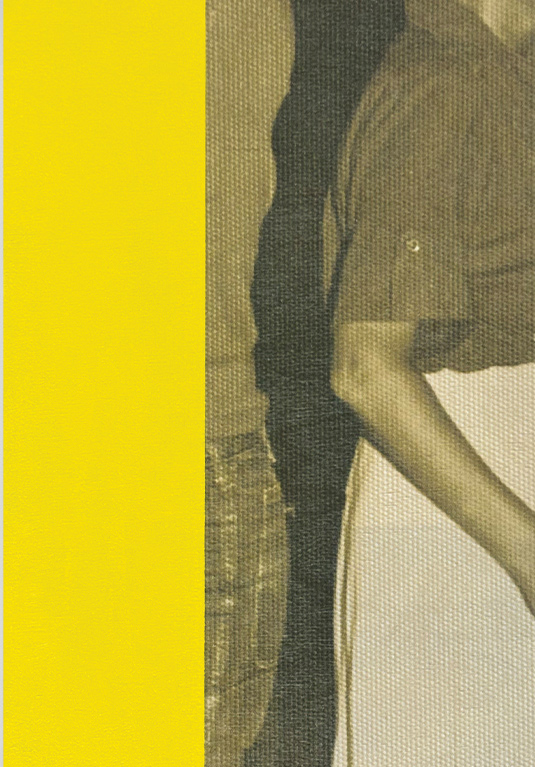
Absolutely. In many ways, absence invites imagination. When something is partially obscured or missing, viewers are encouraged to fill in the gaps themselves. Memory often works in a similar way. We rarely remember things completely; instead we reconstruct fragments. I’m interested in creating images that leave room for that uncertainty and projection.
You combine analogue material with AI-generated imagery. What led you to introduce AI into your process, and what did it allow?
I started using AI while working with my family archives, at first as an experiment to try and find the flaws in the program. I noticed that it did have those flaws, but also introduced an element of uncertainty, an element of play. Rather than treating photographs as fixed records of reality, I became interested in what happens when images can be expanded, altered, or reimagined. AI allowed me to visualize moments that were never photographed and histories that only exist through speculation, memory, or storytelling. It became another tool for exploring the unstable nature of remembrance.
Can you tell us about a specific body of work that felt like a turning point in your practice?
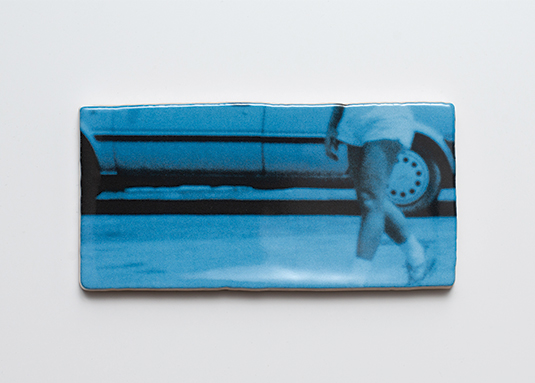
A project called POST which I started back in 2023 was definitely a turning point. The project began with my grandfather’s family albums and introduced AI into my practice for the first time. It shifted my focus from documenting the world around me toward actively reconstructing and questioning personal histories. Many of the themes that continue to shape my work today emerged through that project.
Each of your bodies of work is deeply personal, tracing different aspects of your roots and identity. Is there a particular body of work you see yourself continuing to develop over time?
The broader investigation into my family history and dynamics is something I expect to continue for a long time. Projects like POST and Eulogy opened up questions about migration, inheritance, memory, and intergenerational trauma that feel far from resolved. Each project uncovers new stories, connections, and unanswered questions, which often lead to the next body of work.
Beyond your practice, what keeps you inspired?
While working, I often listen to classical music or film scores, which somehow help me slow down and focus. When I’m off work, I try to spend as much time in nature as possible, surround myself with friends, travel, and discover new places. Oh and recently, I’ve also picked up gardening, which turns out to be surprisingly difficult.
Where can people find you?
My studio is based in Rotterdam, and people are always welcome to drop by. You can find my work on Instagram at @sandercoers or visit www.sandercoers.com. I have several exhibitions and projects coming up this year, so keep an eye on my website and social channels for updates.