SERCETVIR
What’s your name and where are you based?
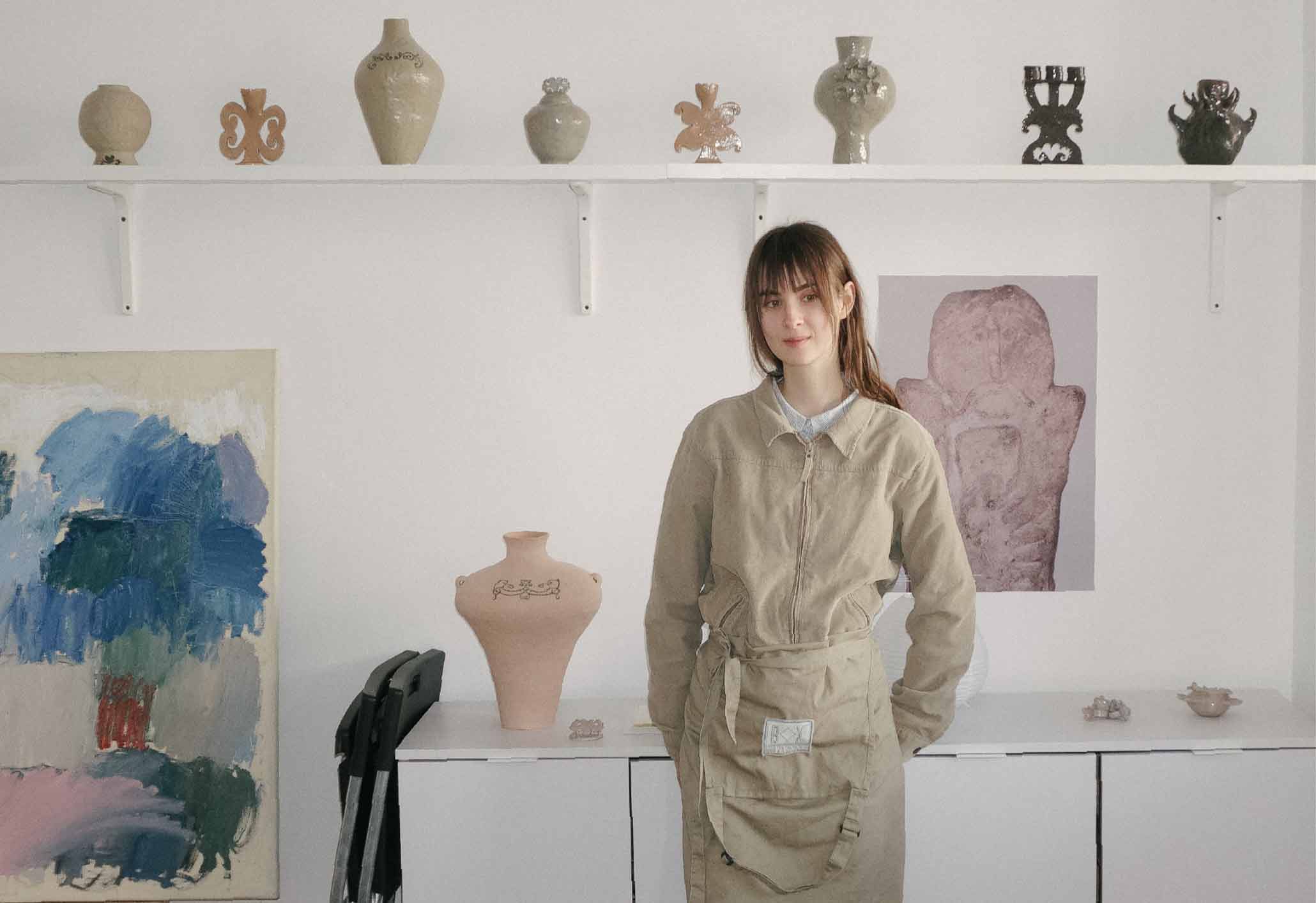
Hi! My name is Ivana Poliakova. I’m an artist and a founder of a project Sercetvir.
I’m based in Odesa, Ukraine.
Can you describe what you do in a few words?
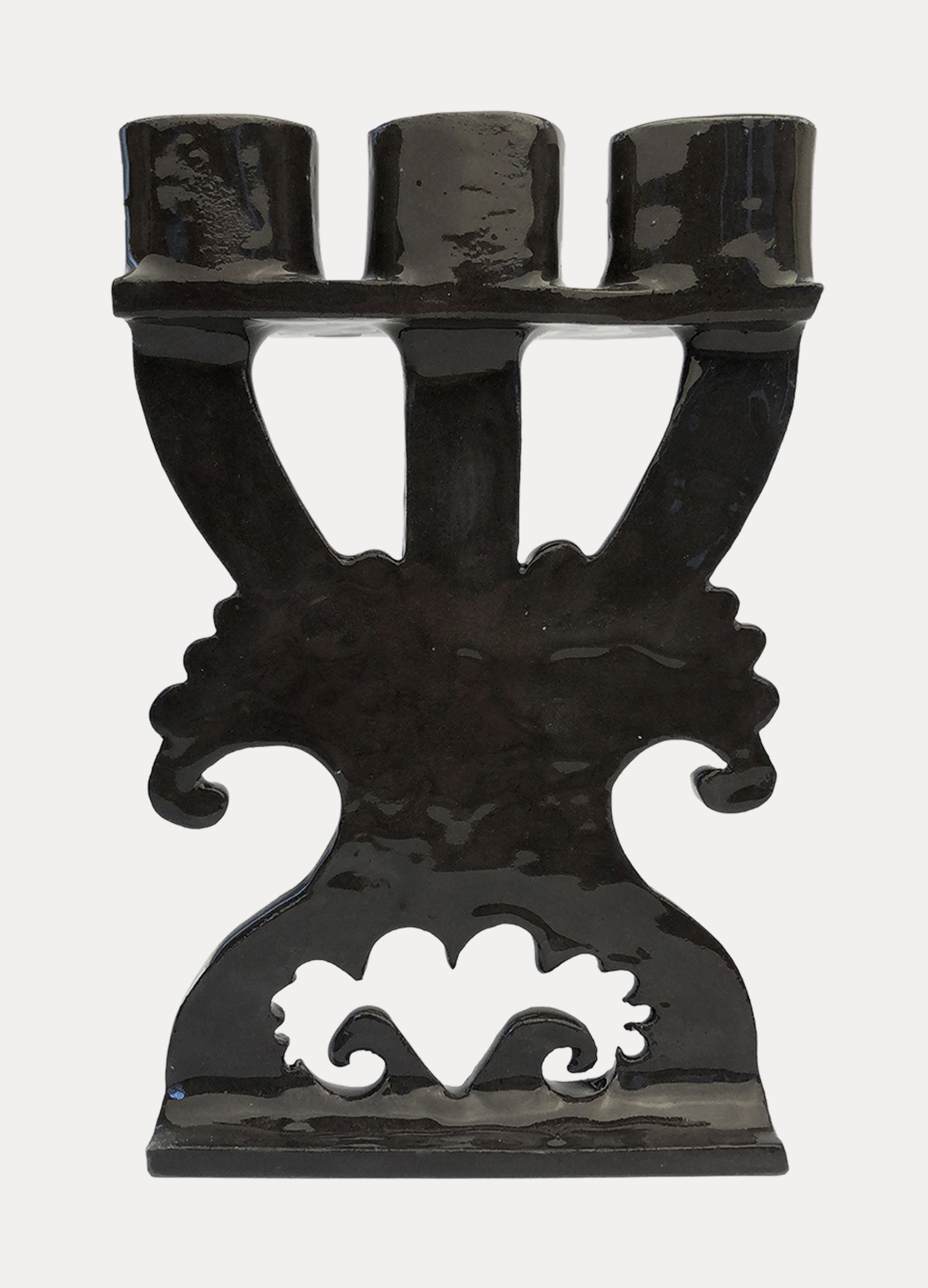
My practice focuses on handcrafted, one-of-a-kind stoneware pieces. I ground my work in cultural and historical research, often leaning into the recreation and reinterpretation of traditional forms.
What was the moment that led to the birth of Sercetvir?
There wasn’t a single defining moment that led to the birth of Sercetvir. It came together gradually — shaped by time, practice, and a growing sense of clarity about the project and its intentions. I first came to ceramics in 2019. With no formal art education — my academic background is in philosophy — I felt a deep certainty that this is the work I’m meant to do. I had explored various creative mediums before, but working with clay felt grounding and meaningful in a way I couldn’t ignore. I didn’t have a full vision of what I was building at first — that clarity took shape over the years
through steady work and research.
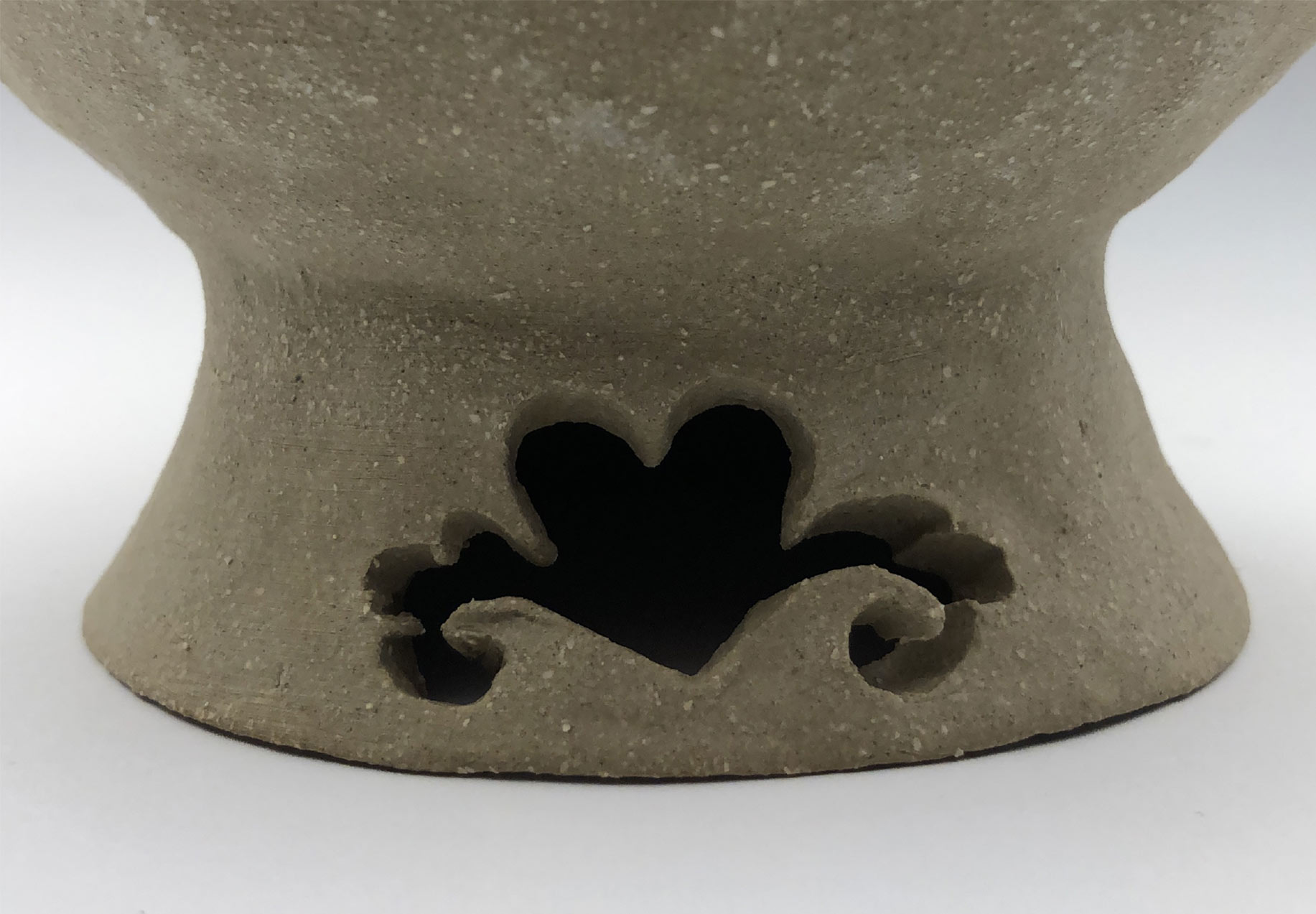
‘Serce’ meaning heart and ‘tvir’ meaning creation combines beautifully. What does making from the heart mean to you?
When I was looking for a name for the project I came up with this word Sercetvir which I believe reflects perfectly my intention to create meaningful, heartfelt objects. It suggests the act of crafting with deep emotional connection and sincerity. I believe people are truly happy when they can dedicate themselves to something they love. And for me, Sercetvir is the result of choosing that path intentionally and wholeheartedly.
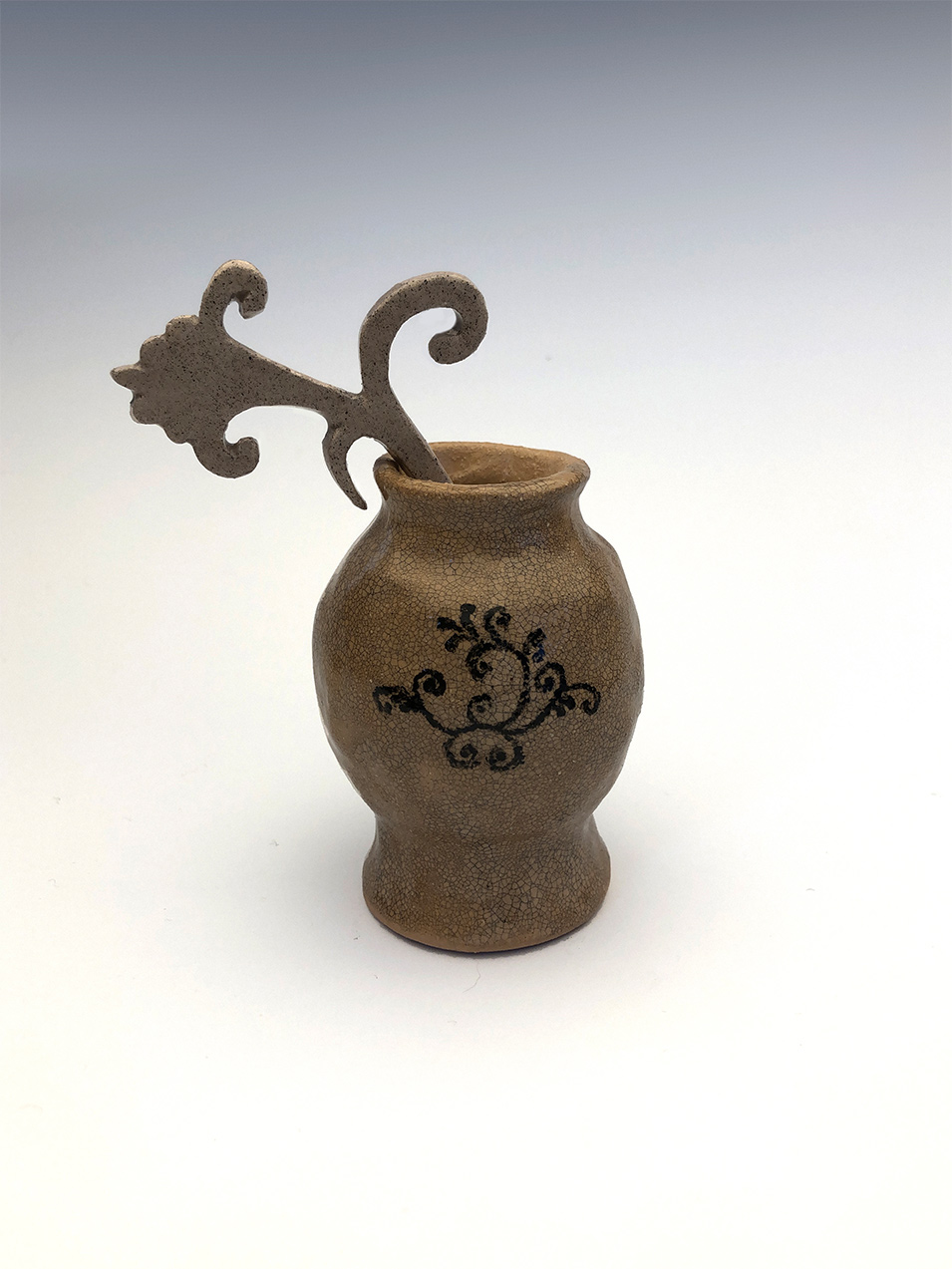
Why ceramics? What is it about clay that continues to draw you in?
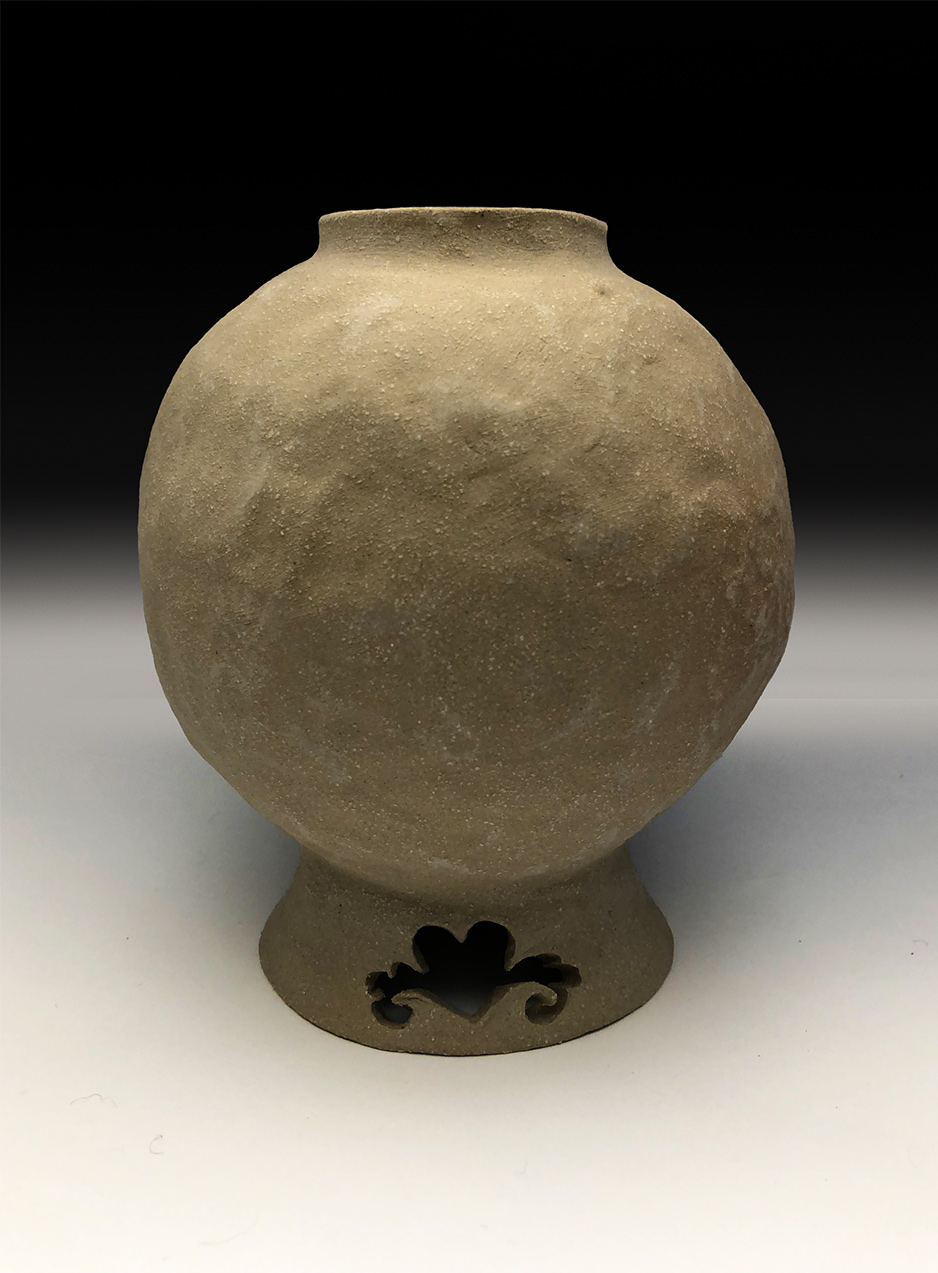
Clay is a basic, widely available local material. It carries a long history of use and holds its own narratives and traces. It contains artifacts that are relevant to many different time periods. I believe that working with such materials can help mediate a connection between our past and present — and potentially open a path toward the future.
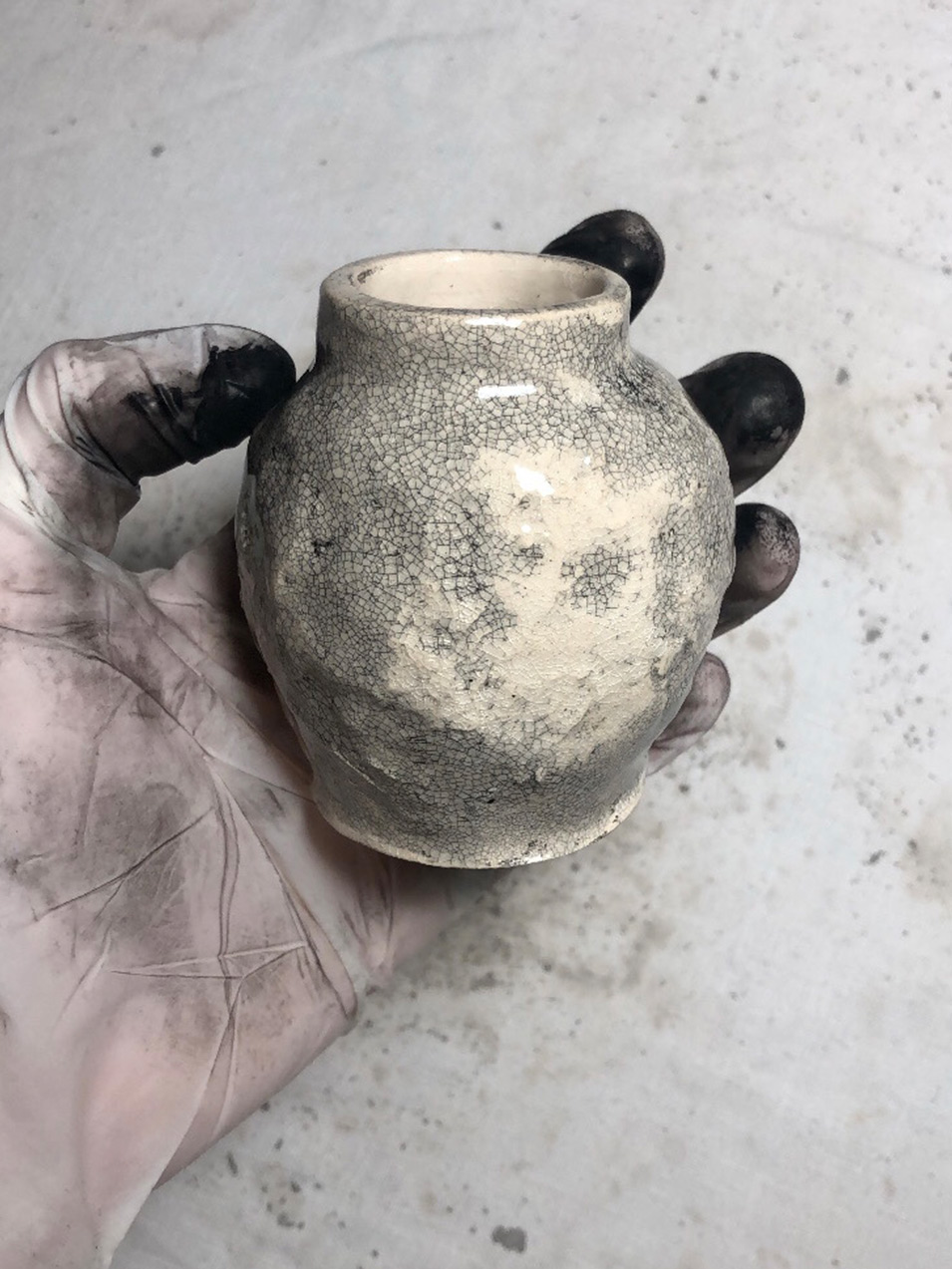
In what ways does Ukrainian craft history show up in your pieces, is it subtle or explicit?
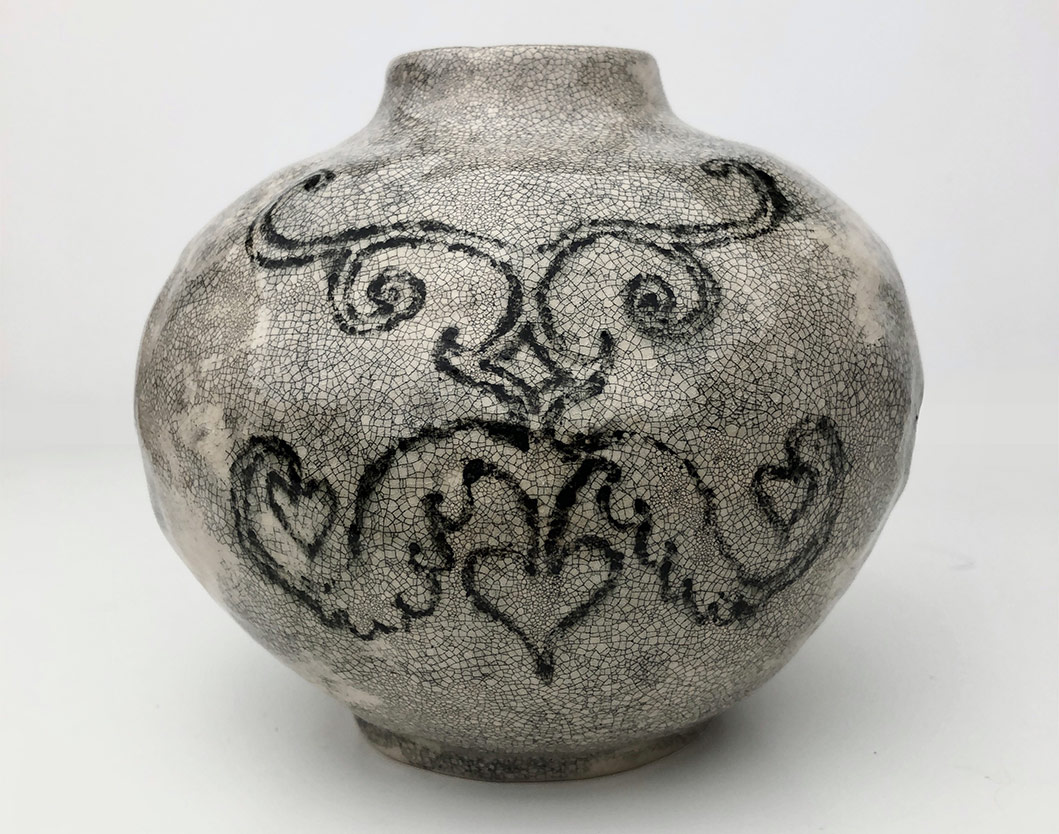
I’m drawn to traditional forms — they’ve stood the test of time, often shaped by function and purpose. When I speak of the ceramic tradition in Ukraine, I don’t just mean the folk pottery of the early modern period, which is usually referred to as “traditional Ukrainian ceramics.” I also think of the ceramics of Kyivan Rus, the Trypillian culture, and even ancient Greek pottery found on the territory of present-day Ukraine. I like tracing the continuity of forms — how they migrate from one culture to another, carrying meaning and evolving while remaining
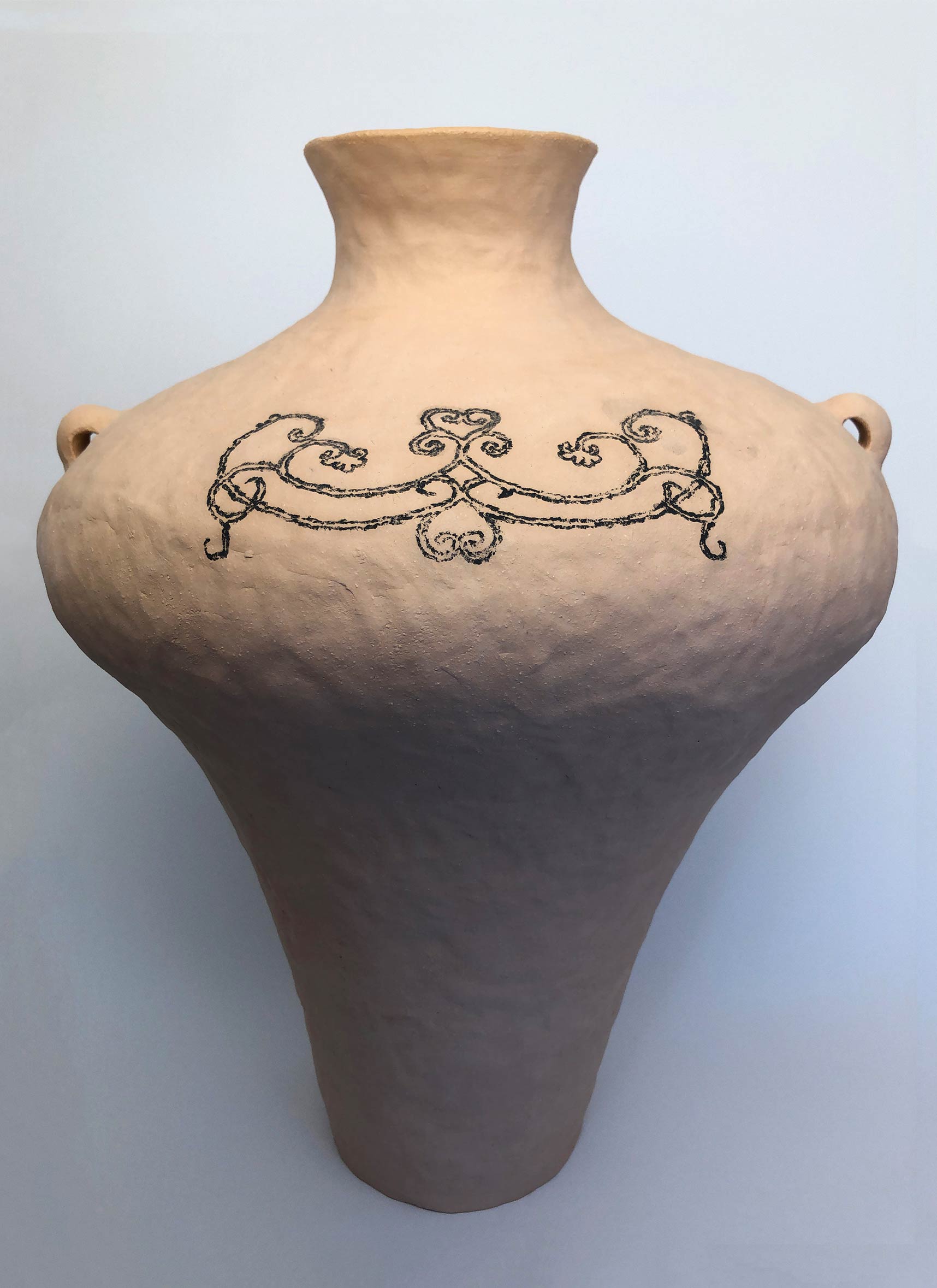
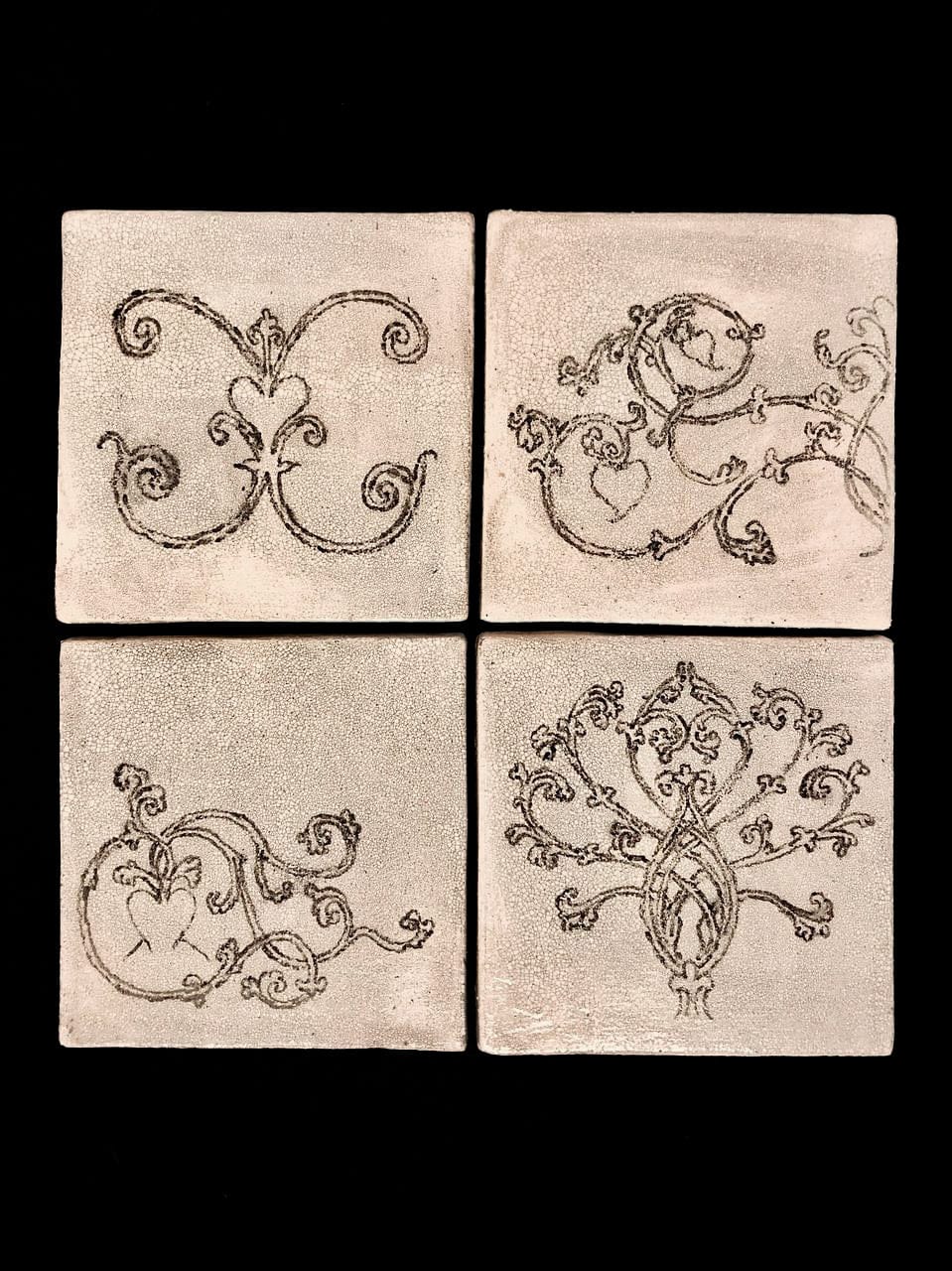
recognizable. One of the more distinctive traits that connects my work to Ukrainian tradition is my love for surface ornamentation. I often decorate pieces with motifs inspired by traditional Ukrainian decorative patterns — the kind found not only on household objects, but also painted on houses or embroidered onto clothing. These are often floral motifs, like the tree of life, or symbolic elements such as hearts, crosses, and so on. I think there’s a trace of magical thinking in that — the belief that like attracts like: if you surround yourself with symbols of gardens, fertility, and beauty, you might invite abundance into your life.
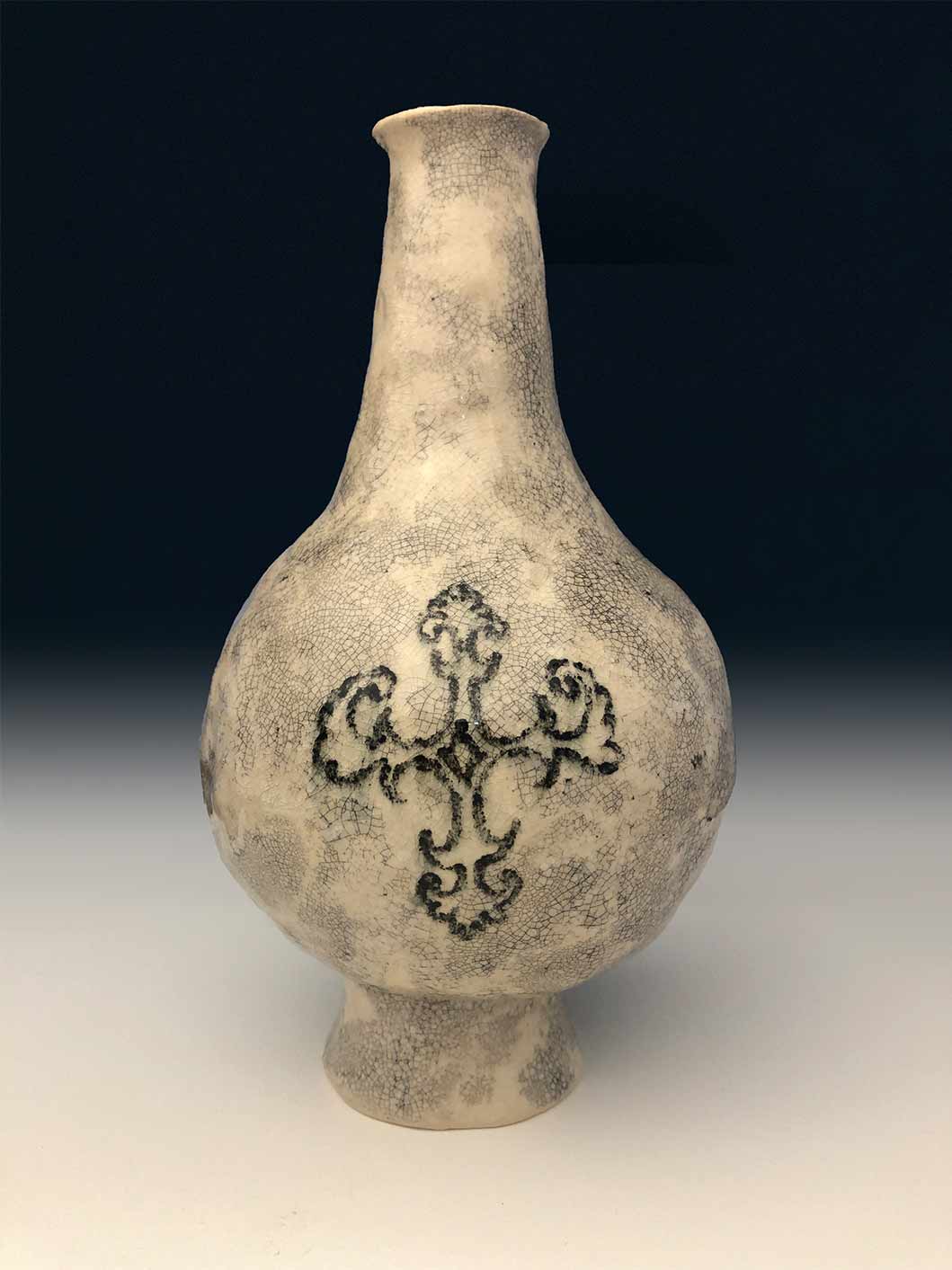
Can you tell us about a piece that felt especially personal to create?
I approach my pieces with a certain sentimental attachment and tenderness, as each one is handcrafted by me. Especially when working on larger pieces you have to invest your time and resources into them, since the hand building stage alone can take several weeks. It feels personal to witness how the piece gradually embodies itself, growing layer by layer.
How do you imagine Sercetvir evolving, as a practice or as a platform for heritage revival?
I believe that culture lives while it’s practiced, so I’m not sure if revival is the right word. I like to think of my practice as a continuation of the long craft tradition. For me, Sercetvir is a personal world I’ve built with care. In recent years, I’ve focused on creating a fully self-sufficient studio with all the necessary equipment, which allows me to work independently and sustainably. I deeply value the freedom this space gives me. I don’t have plans to expand Sercetvir beyond a one-artist practice. In our uneasy reality, what matters most to me is the chance to continue working — to stay close to the material and to evolve in my own rhythm.
Is there a piece you’ll never be able to part with?
I don’t tend to hold on to pieces — I’m always grateful when my pieces find their homes and become part of someone’s space and daily routine. I feel it’s a natural fulfillment of their purpose — to be used, to serve, and ideally to be cherished long enough to become a kind of family heirloom.
Have you ever created an object with someone specific in mind, even if they never received it?
My process rarely starts with a particular person in mind. I tend to focus on the specifics of the material, the form, its narrative and functionality. But of course, many of my close ones have received my pieces as gifts over the years. There’s something tender and almost childlike about that — like giving someone a handmade card. It’s a quiet way of sharing a part of myself through what I make.
What parts of your process do people never see but are essential to the piece?
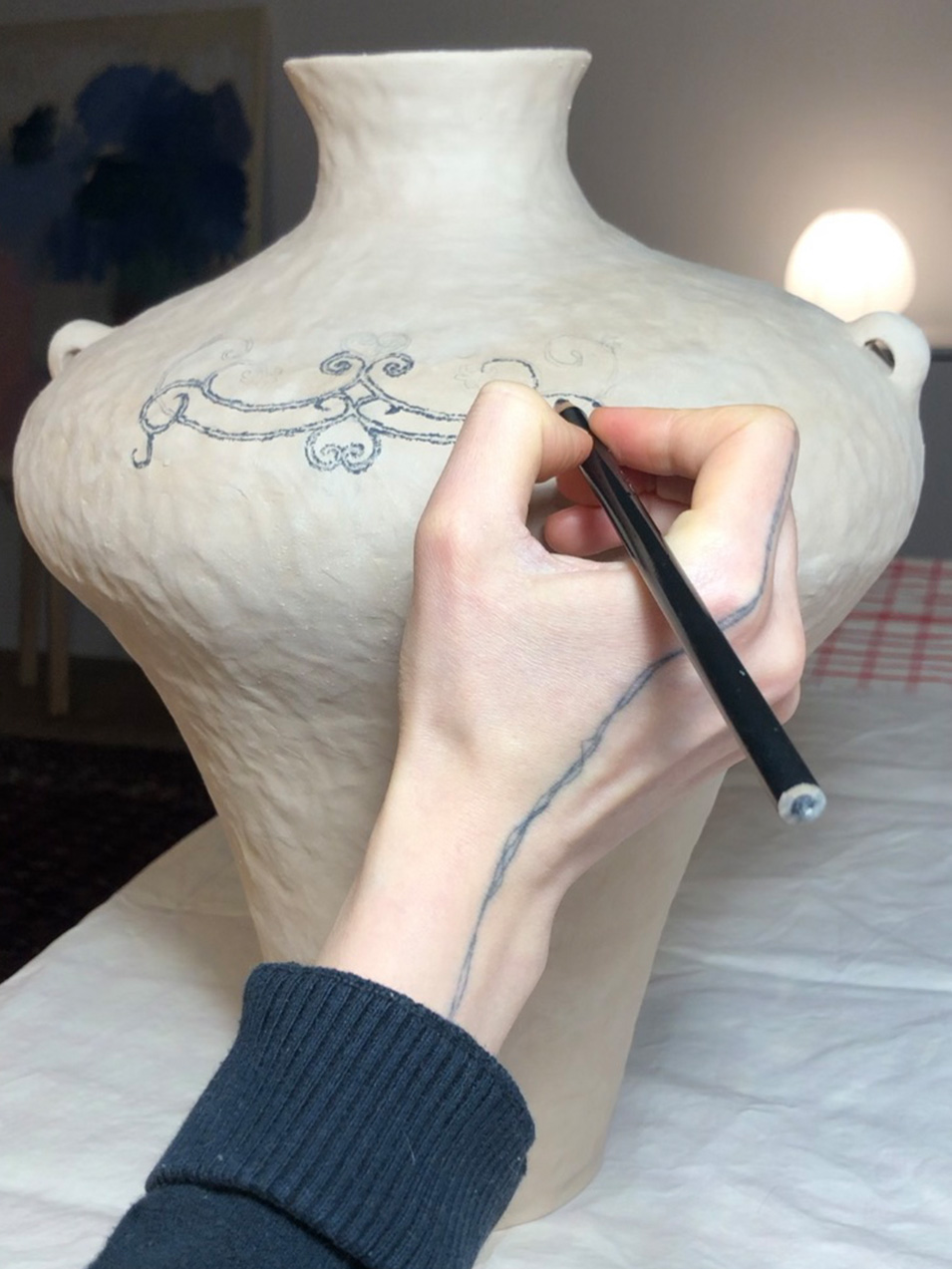
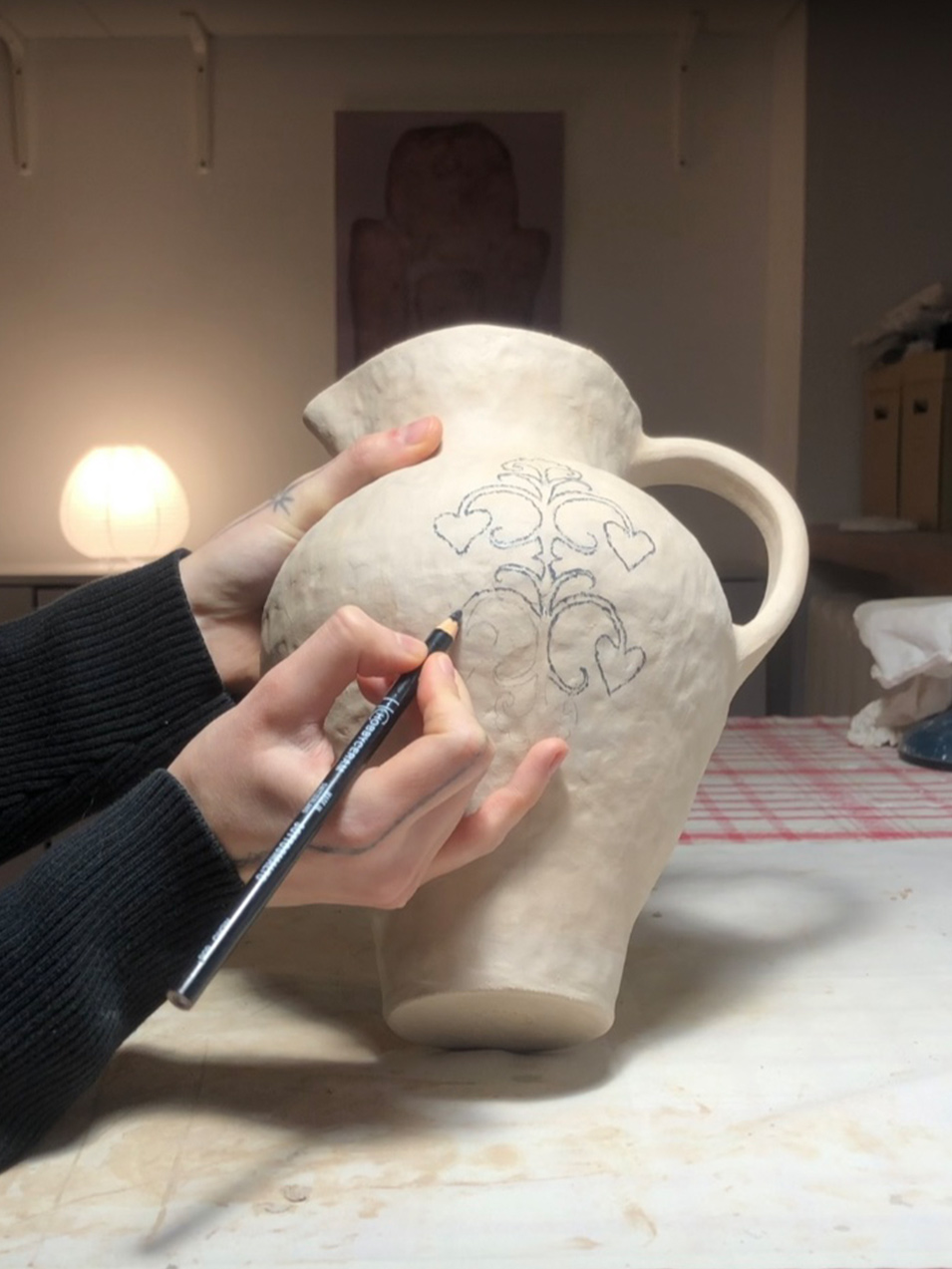
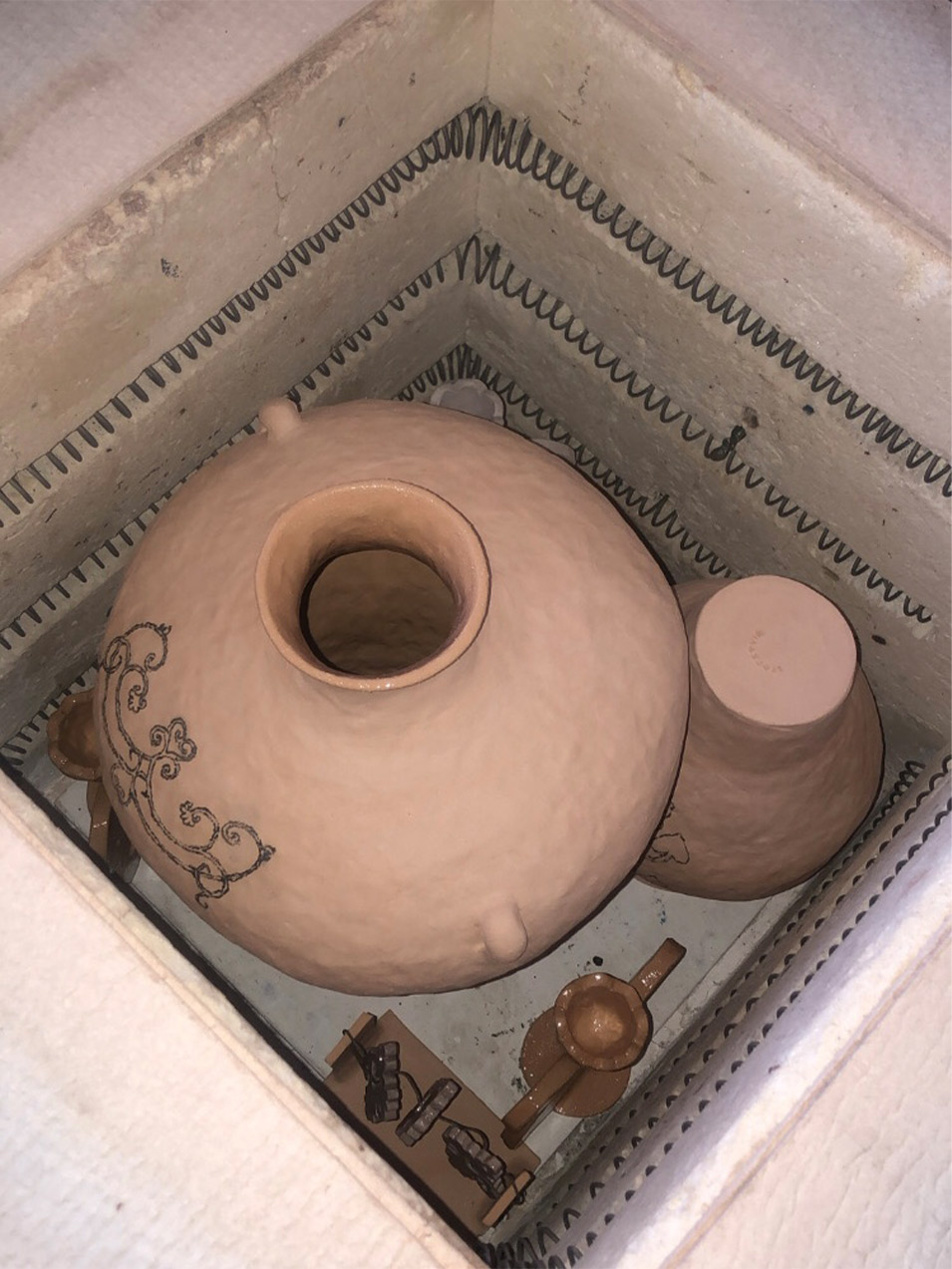
Many parts of my process happen behind the scenes and often go unnoticed, as people usually encounter my work through catalogues of finished pieces. But working with clay is a slow, multi-stage journey. It can take weeks or even months to see the final result, and each stage carries its own risks and demands. That’s why I like to share more about the working process itself. I consider every aspect of it equally important — from concept design to packing orders. Every layer of the process carries the same care and intention.
Where can people find you?
My work is presented on Apoc Store and Ap0cene platforms. It’s also available
for the purchase directly through my instagram or by visiting my studio in Odesa.
We’re currently working on launching my personal site. And hopefully I’ll have an
upcoming announcement of my first personal exhibition.