Shaheer Zazai
What’s your name and where are you based/from?
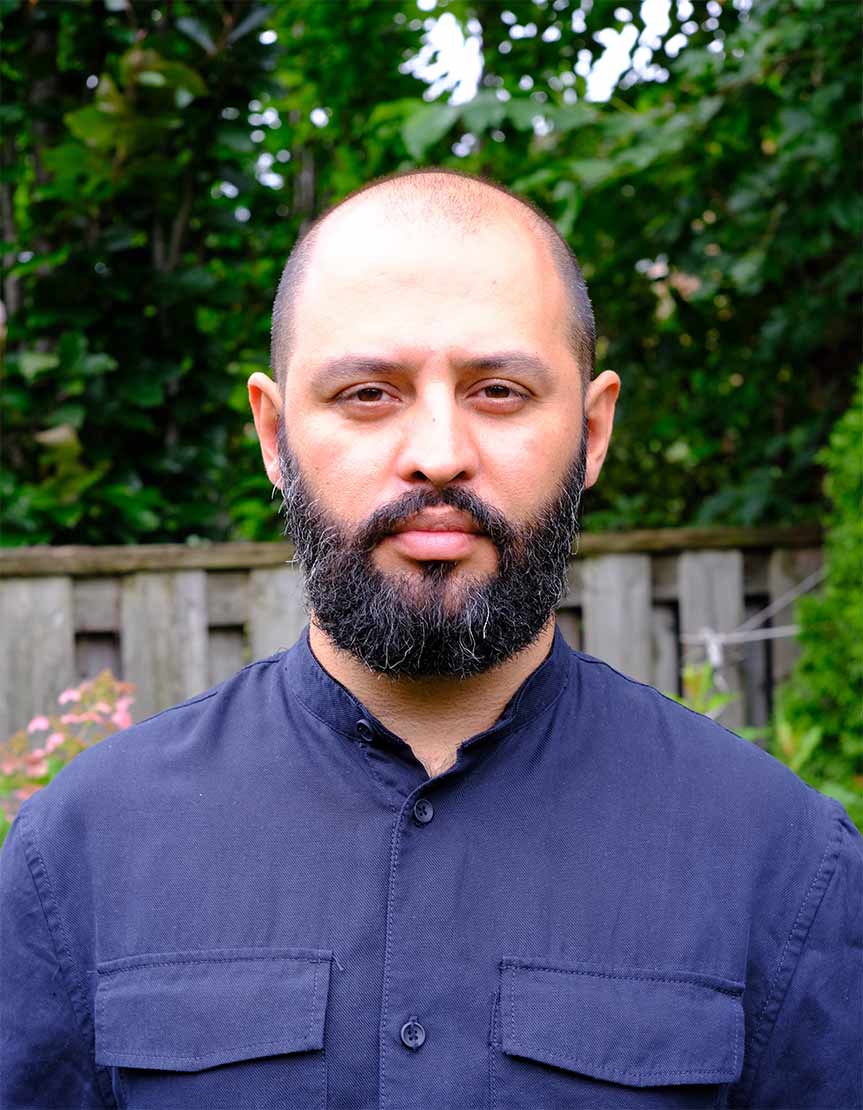
My name is Shaheer Zazai, I was born in and am from Afghanistan. I am based between Toronto, Canada and Nicosia, Cyprus.
How would you describe your practice in a few words?
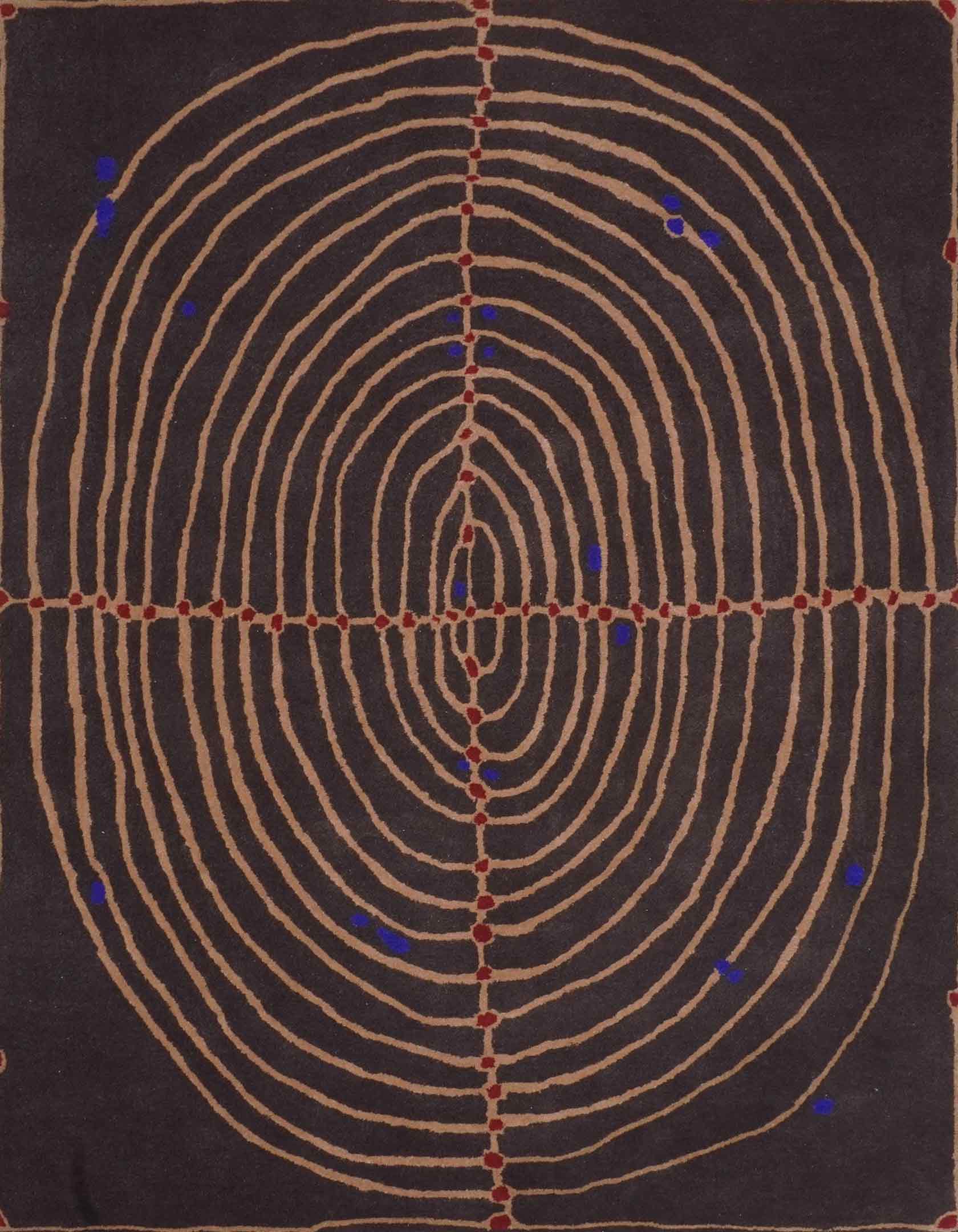
I’m a multidisciplinary artist working across painting, digital media, textiles, sculpture, and public art. My practice explores systems, translation, identity, and the ways images are shaped by the conditions in which they are made.
What first led you toward visual art?
Art has been part of my life for as long as I can remember. As a child, I was constantly drawing and making things. It was the one thing that remained consistent throughout my life, and attending art school was the moment I decided to fully commit to it as a lifelong practice.
How does your cultural identity play into your creative language?
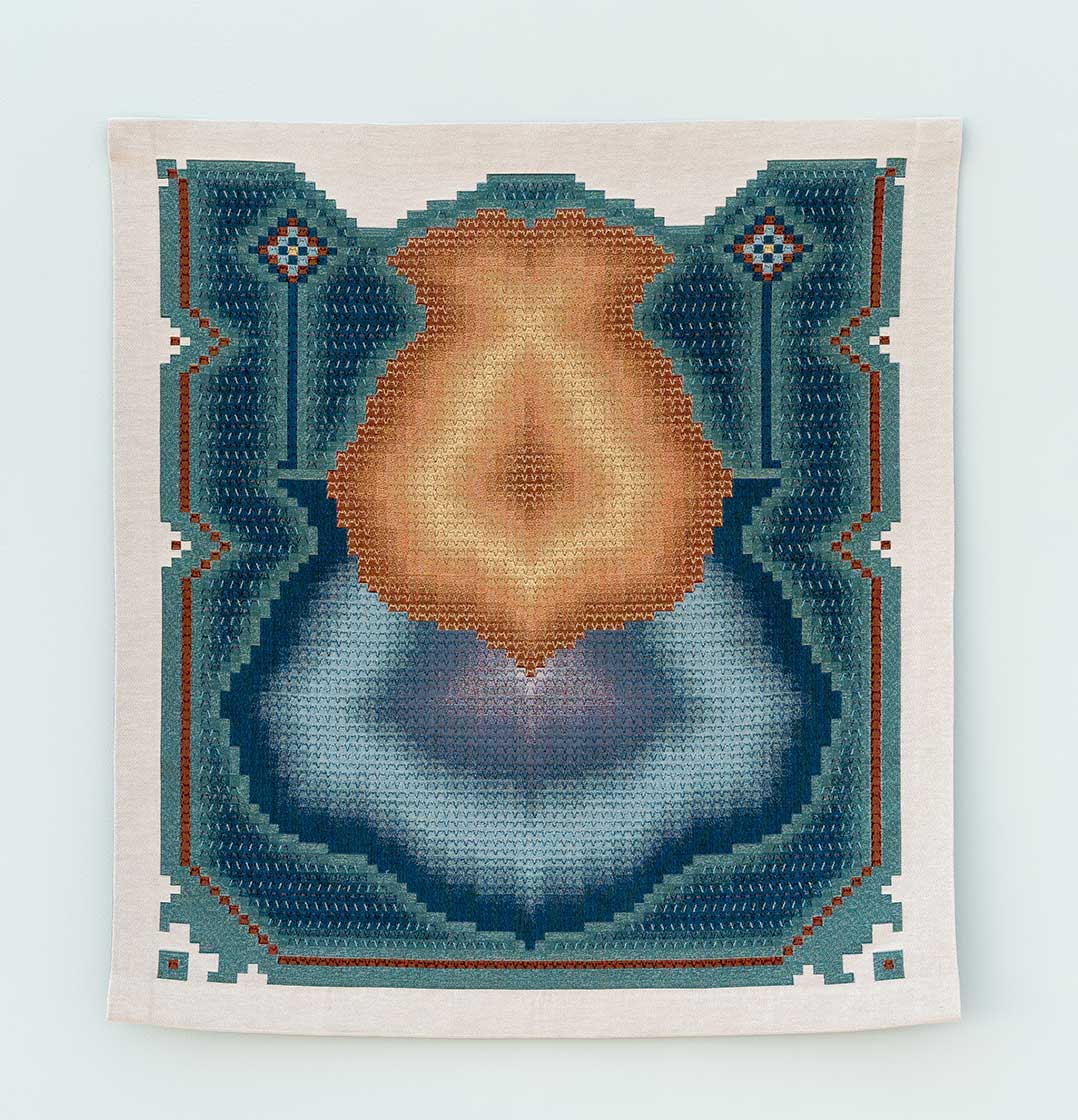
I don’t begin with cultural identity as the subject of my work, but it often becomes part of the conversation. I see identity as something fluid rather than fixed. I’m interested in how people are shaped by their environments, rules, limitations, and circumstances. My artworks operate in a similar way: each begins with a set of conditions, and the final image emerges through improvisation within those boundaries. In that sense, the works become reflections of how identities are formed.
Your digital works are created using Microsoft Word, a tool not typically associated with art. What made you decide to use Word as a medium?
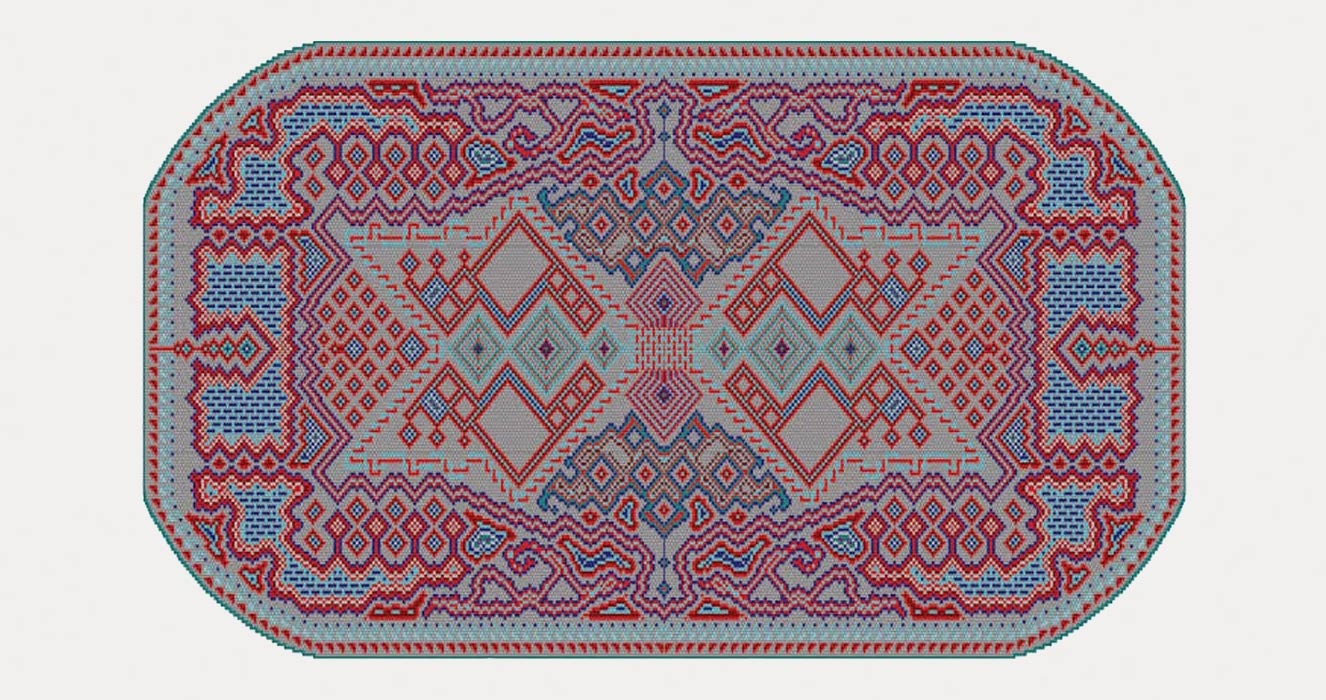
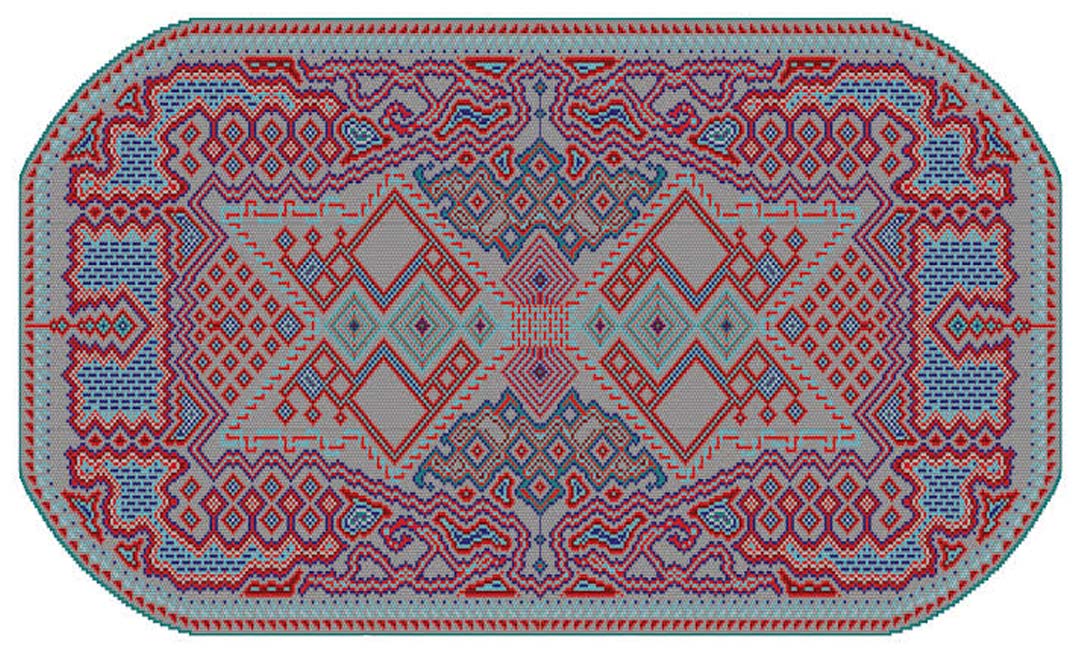
It began as an experiment rather than an artistic intention. I gave myself the task of typing 2,013 dots and spaces, almost as a test of endurance. I wanted to see if I would get bored or give up. Once I completed it, I started playing with colour, repetition, and placement. Patterns began to emerge, and I realized I was working within a visual language that closely resembled textile construction. From there, Microsoft Word became an unlikely but important studio tool
These Microsoft Word pieces can then be translated these into woven textile works on a Jacquard loom. Can you describe your typical process?
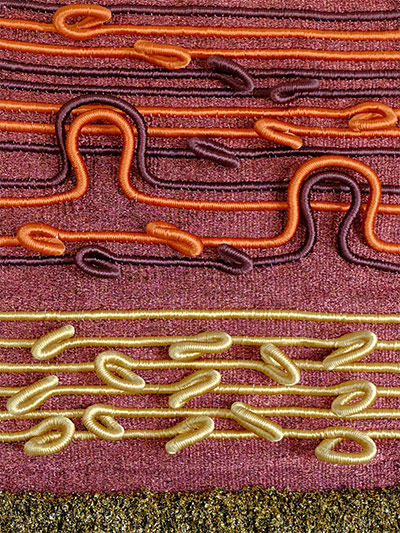
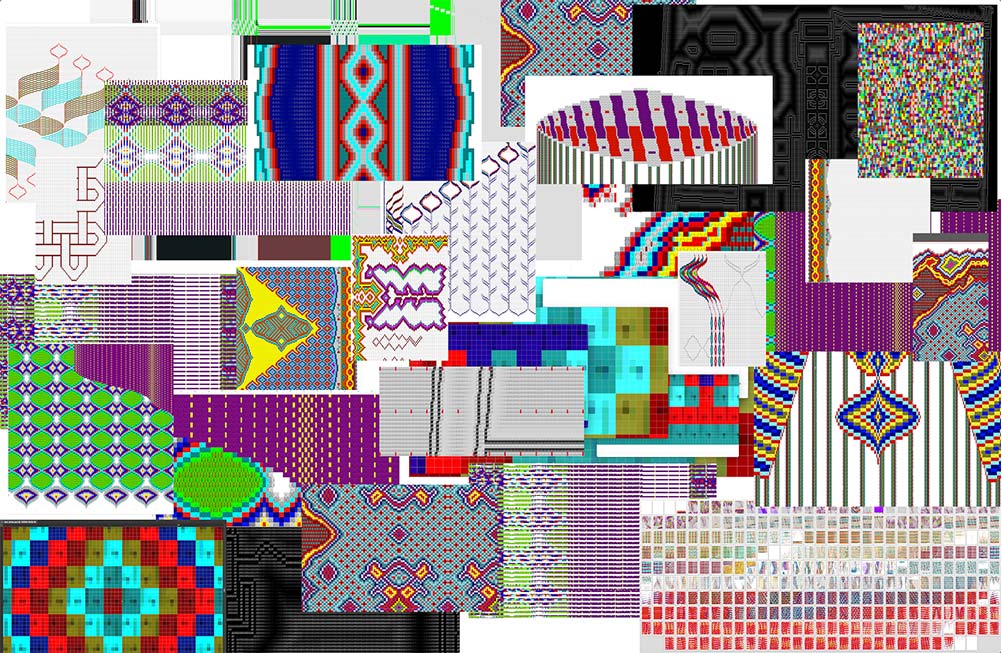
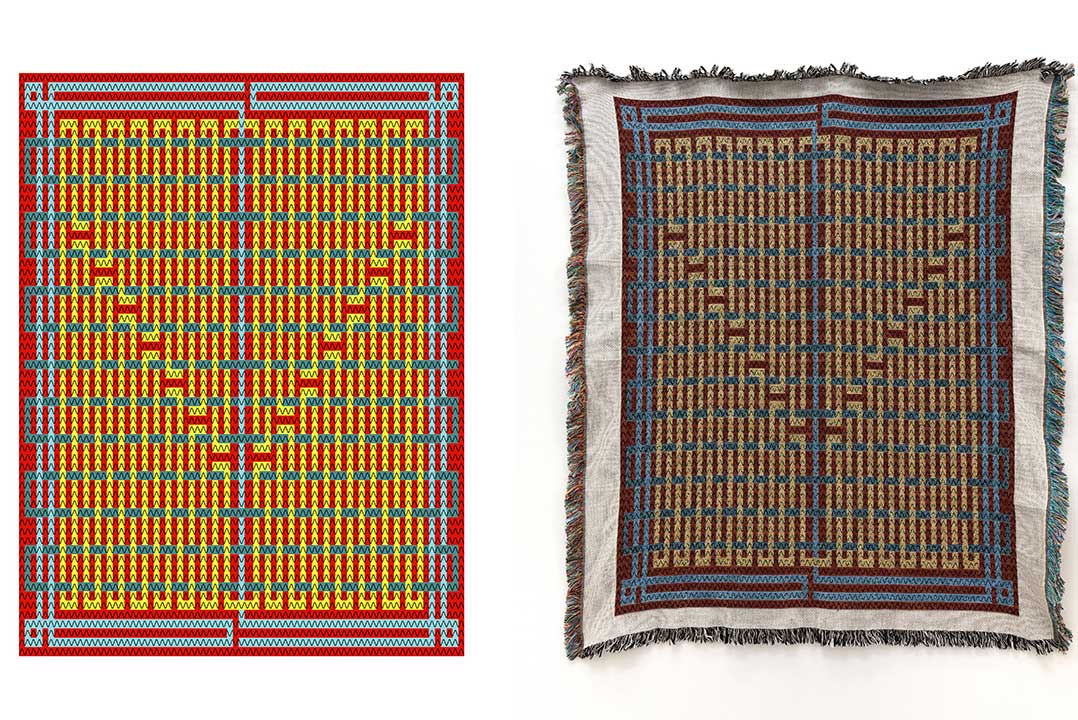
My interest in Jacquard weaving comes from its historical relationship to computing. The punch-card systems used in Jacquard looms helped lay the foundation for binary logic and modern computer languages. Working in Microsoft Word led me to think about how digital systems and textile systems overlap. I build images through thousands of small decisions using characters, spacing, and colour. Those digital compositions are then translated through multiple stages—from Word document to image file to woven textile. Translation itself has become a central theme in the work.
What part of your practice do you find most difficult or resistant?
Time. There are always more ideas than there is time to realize them. The challenge is deciding which ideas to pursue and giving them the attention they deserve.
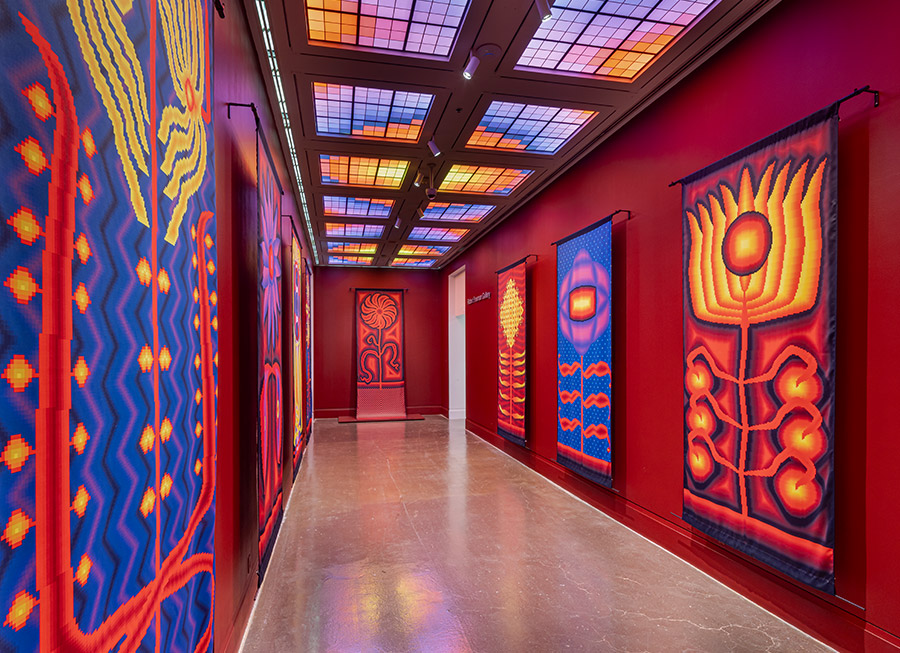
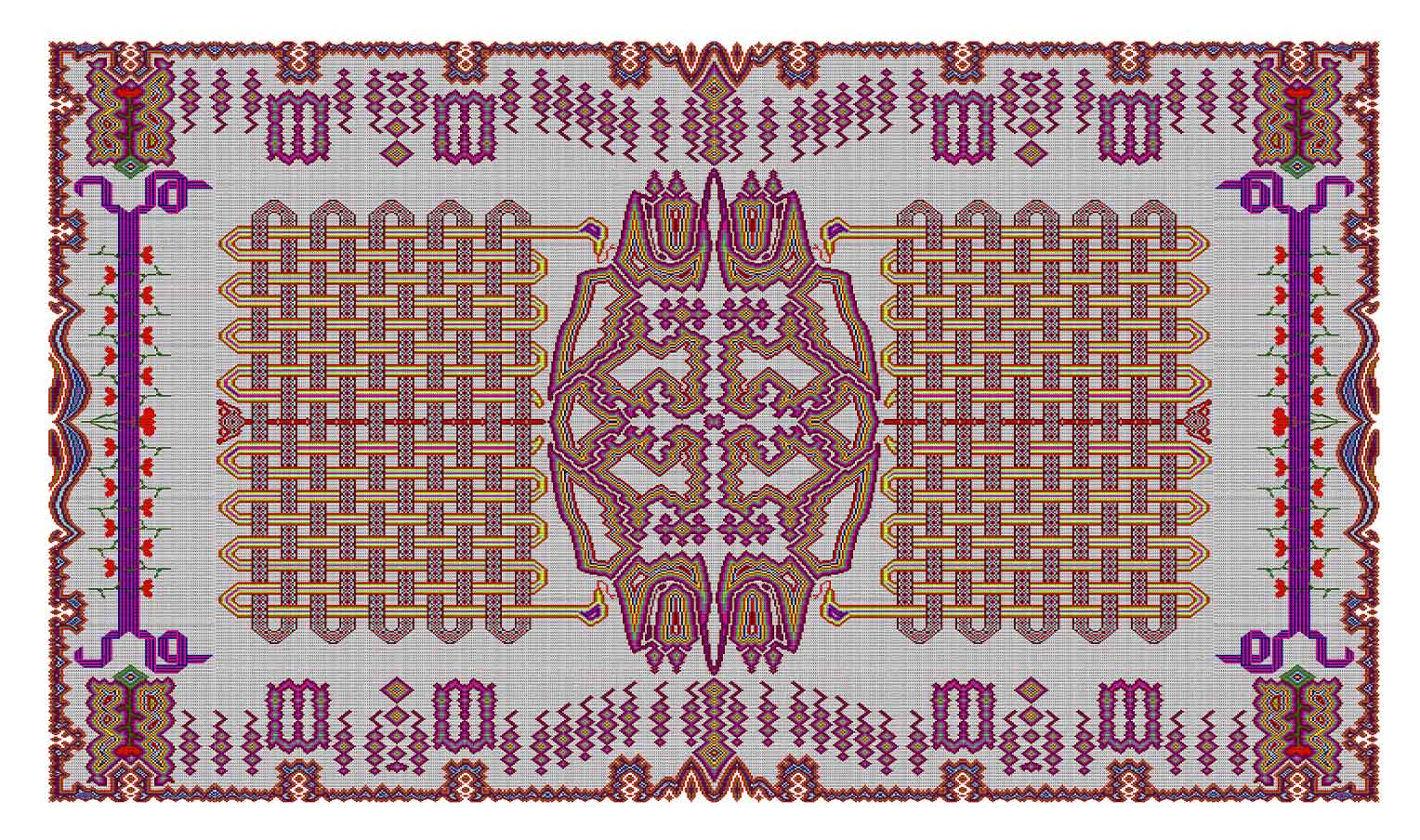
Your series ‘Allow Me to Sow and See the Garden I Become’ (2023) responds, in part, to how Afghanistan is often narrowly perceived through conflict. How did you arrive at gardens and flowers to open another narrative?
The series grew directly out of my earlier digital carpet works. Historically, many carpet designs are based on garden layouts—essentially aerial views of cultivated landscapes. With Allow Me to Sow and See the Garden I Become, I imagined stepping inside those gardens. The flowers became a way to think about growth, potential, and transformation. The work asks what we become based on the seeds we inherit and the conditions in which we are allowed to grow.
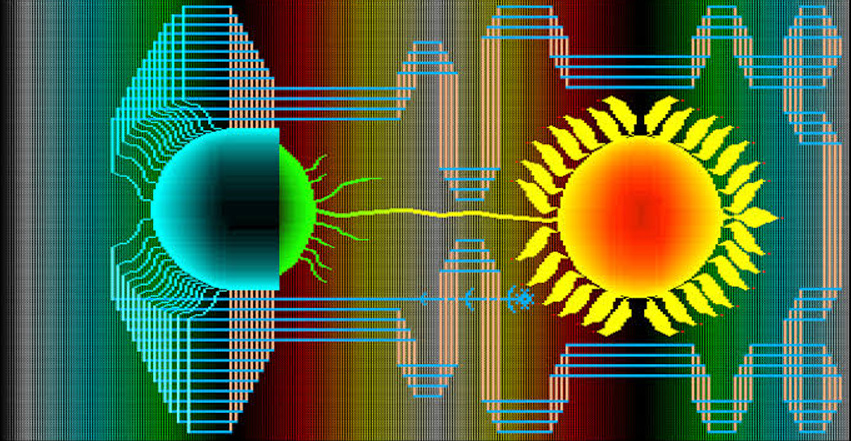
By translating the knots of traditional Afghan carpets into typed characters, you mimic carpet-making methods in a digital space. Does working digitally create a new way of staying connected?
Without initially intending it, the digital process became a way of maintaining a connection. Having works move through multiple layers of translation before eventually being woven into carpets felt like reaching toward a home that often seemed distant or inaccessible. Receiving the finished carpets felt almost like sending a message home and receiving one in return.
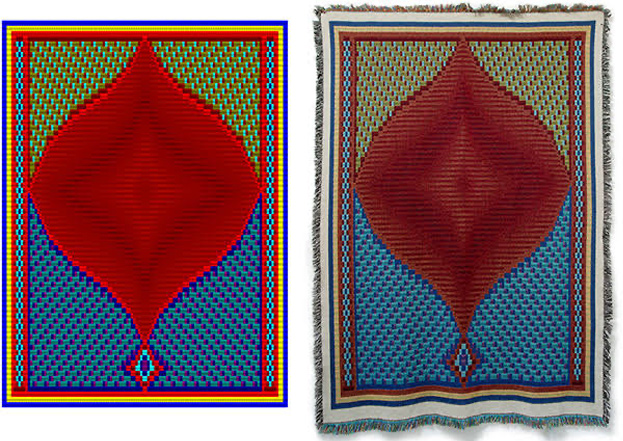
What do you think your practice as a whole clarified for you about how you relate to your homeland?
My digital practice fundamentally changed my relationship with Afghanistan. Earlier in my life, I often viewed my homeland through a lens of absence, conflict, and disconnection. Through making the work, that perspective gradually shifted into one of curiosity and discovery. The practice became a way of reconnecting with histories, traditions, and cultural knowledge that I had not fully appreciated before, allowing me to build a deeper and more meaningful relationship with where I come from.
Where can people find you?
My works can be found on my website: www.shaheerzazai.com
People can find me via my instagram: www.instagram.com/szazai._
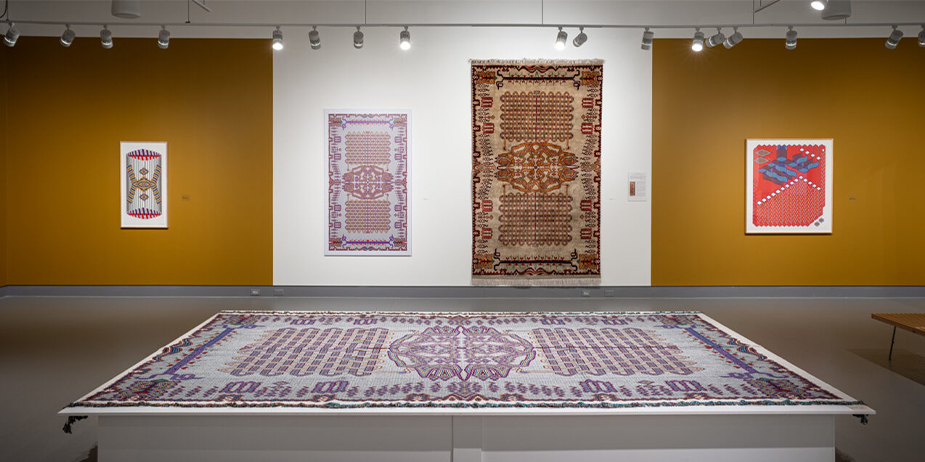
I currently have a video work as part of a group exhibition at Group Exhibition at Museum of Craft and Design in San Francisco.
My most recent large scale project is a public art I just finished in Edmonton for the transit system. Some info on this can be found via my instagram.