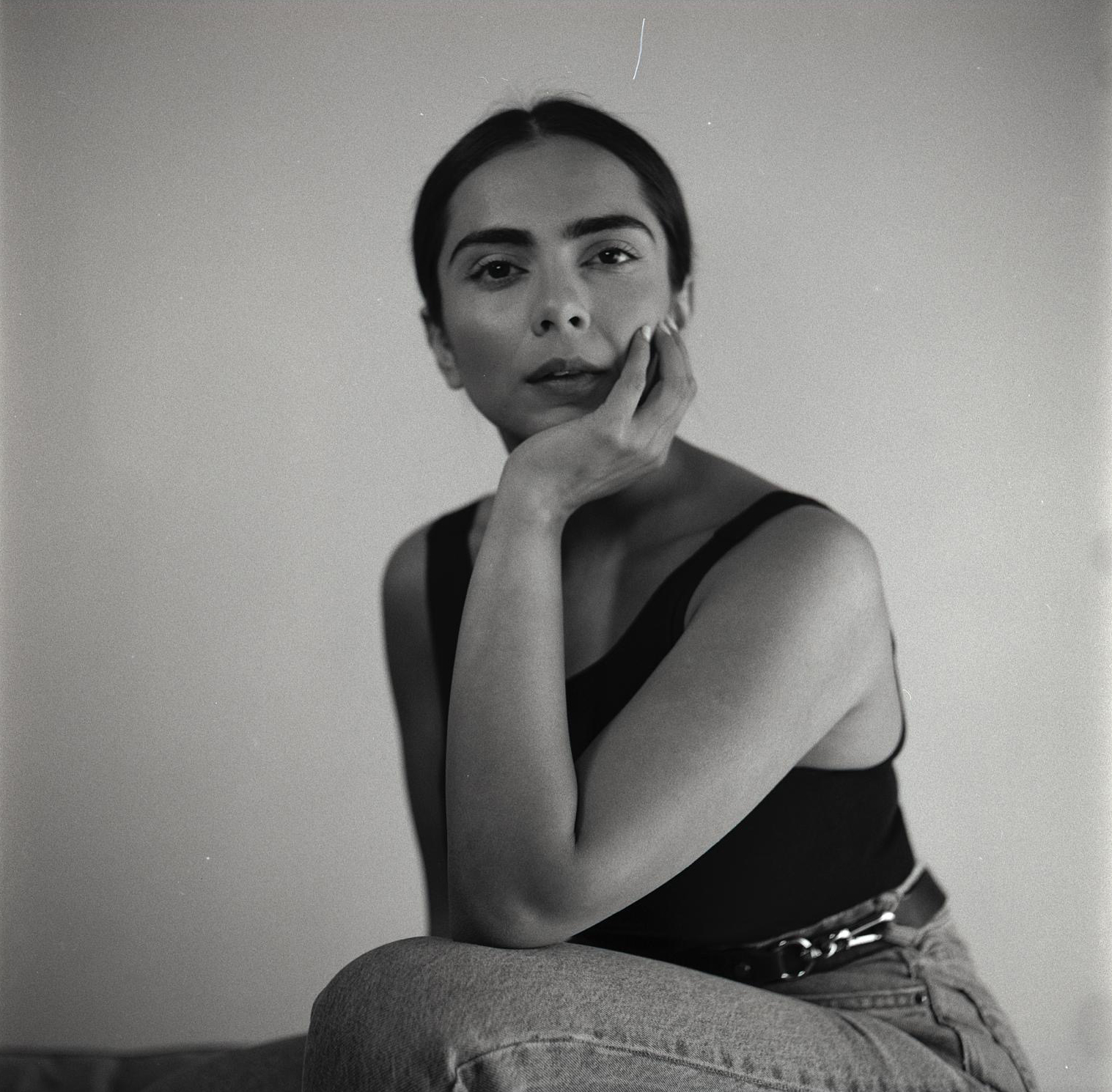
Shaima Shamsi
What’s your name and where are you from/based?
Hi, my name is Shaima Shamsi. I was born in Jeddah, Saudi Arabia, and I am currently based in Abu Dhabi.
How would you describe what you do?
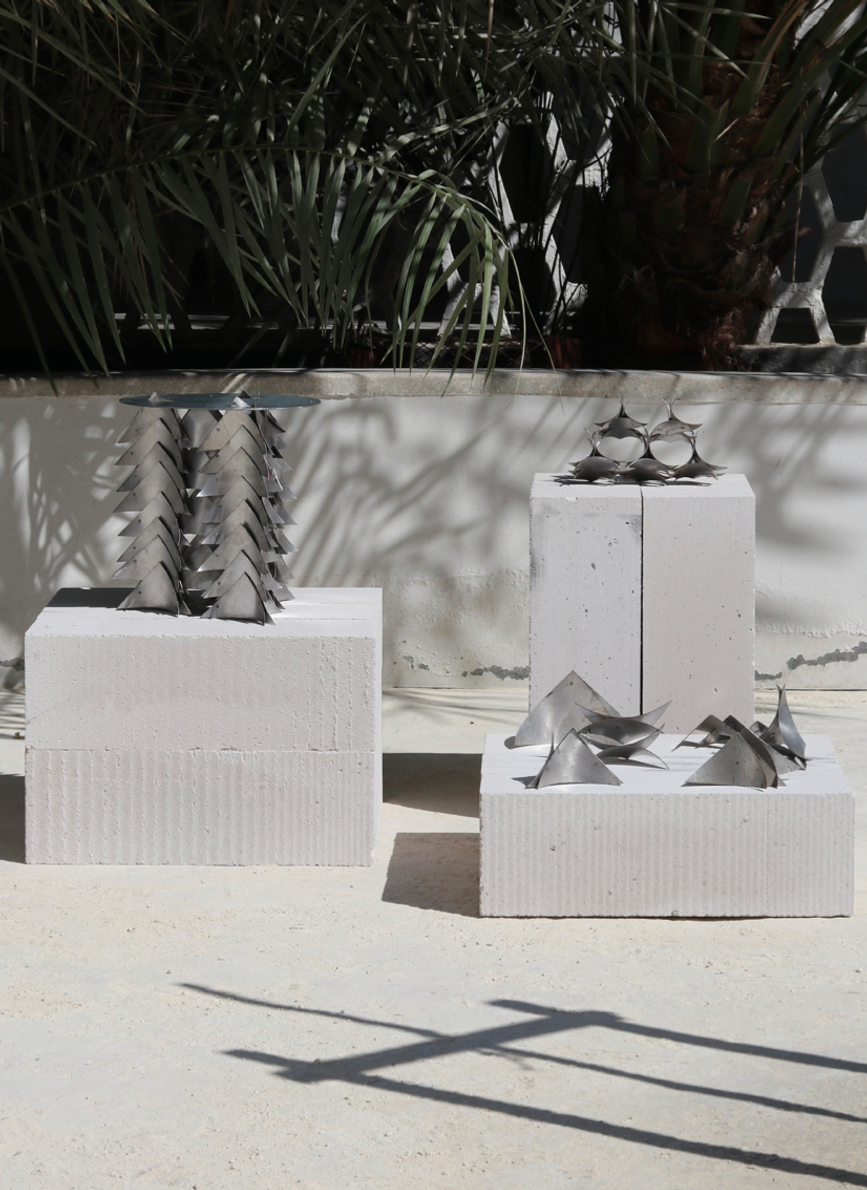
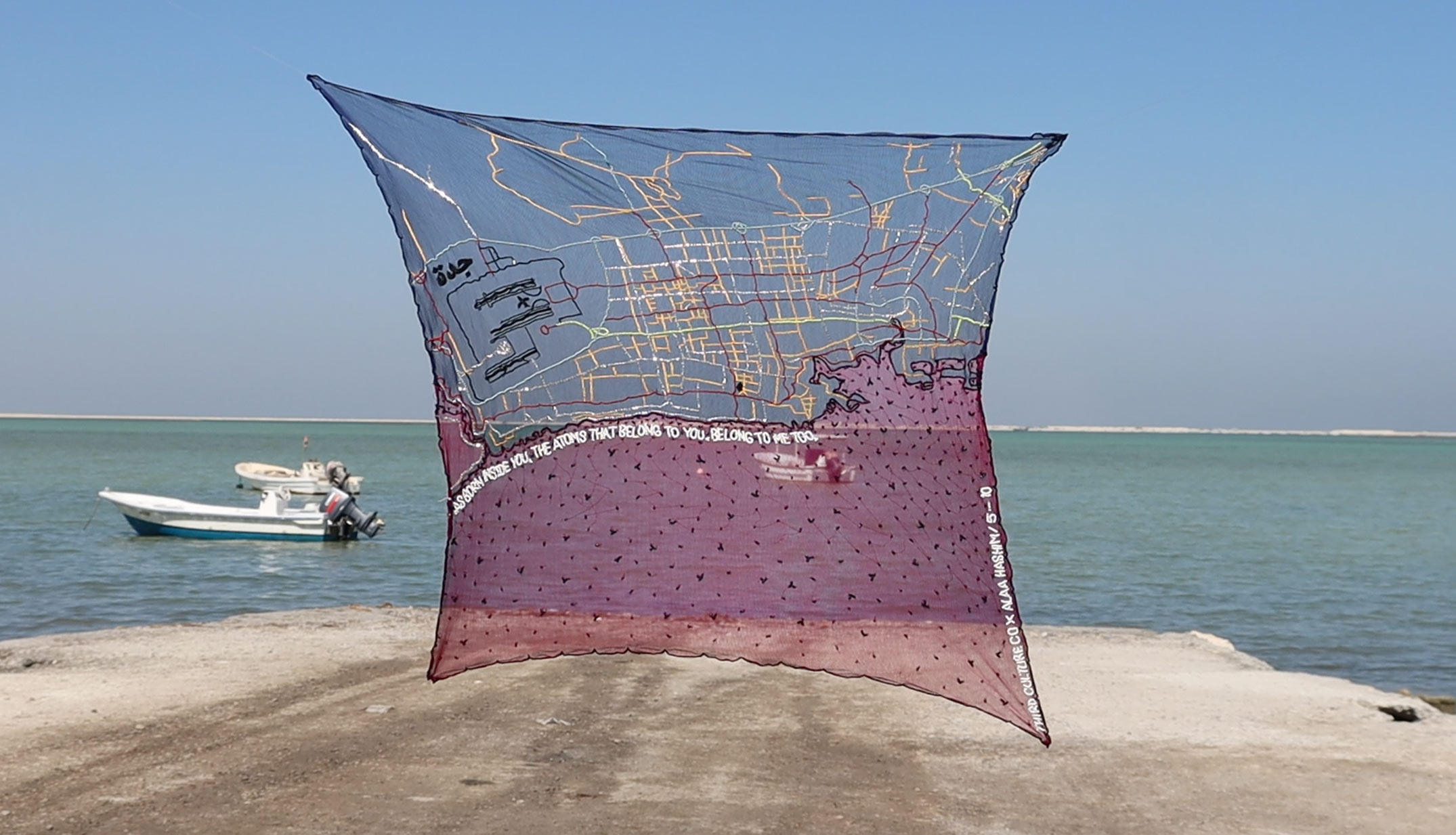
My practice is observed through various materials exploring themes of belonging between emotional geographies and displacement by systemic territories. I often lean into the ordinary forming raw tensions between strict literalism and emotional fragility in my works. Which come together in the form of installations, sculptures, paintings, video works, fabric works, as well as objects.
Are your sculpted works about building objects or furniture, or is it more about constructing meaning and symbolism through material?
My works are more about constructing meaning and symbolism through explorations of material and language. While they may take the form of objects or structures, they are deeply rooted in exploring how materials at times found and other times searched for can carry emotional weight and translate it into collective or individual narratives. This process allows me to reflect on the pluralities of identity formed through movement across geographies and held together by memory.
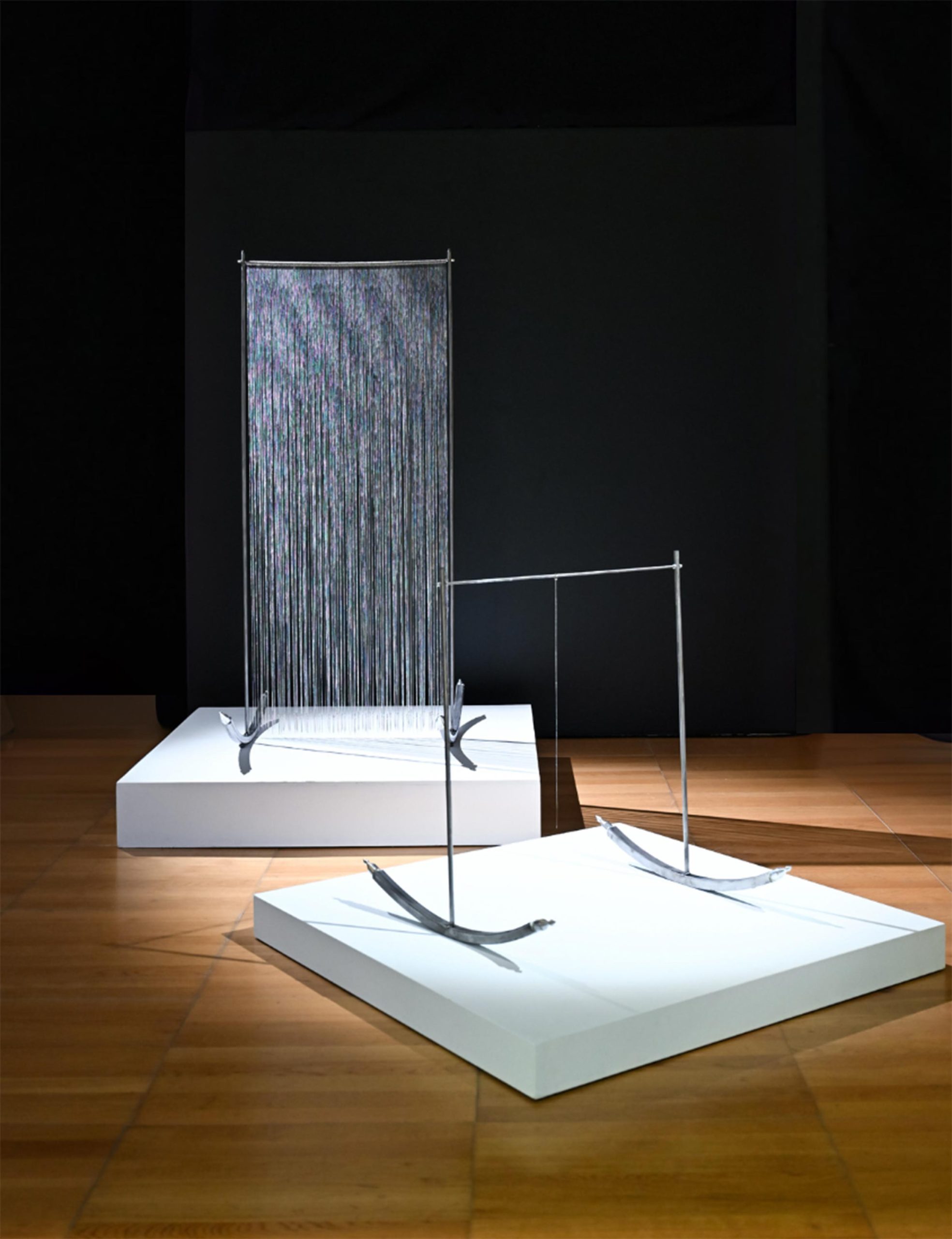
Some of your work often has feelings linked to childhood. Is nostalgia part of your process?
Yes, nostalgia does play a role in my process. My childhood in Jeddah, a beautiful city on the Red Sea coastal plain, has deeply influenced my work. I often draw inspiration from personal memories tied to my upbringing and family, channeling these experiences through the language, time and form. Today, my family is spread across different places, and when we gather, we often reminisce about Jeddah with a soft longing. These collective memories and the emotional weight they carry are integral to how I approach my practice.
Your work explores how identities mutate through movement between geographies. How do you personally experience this, and how does that shape your work?
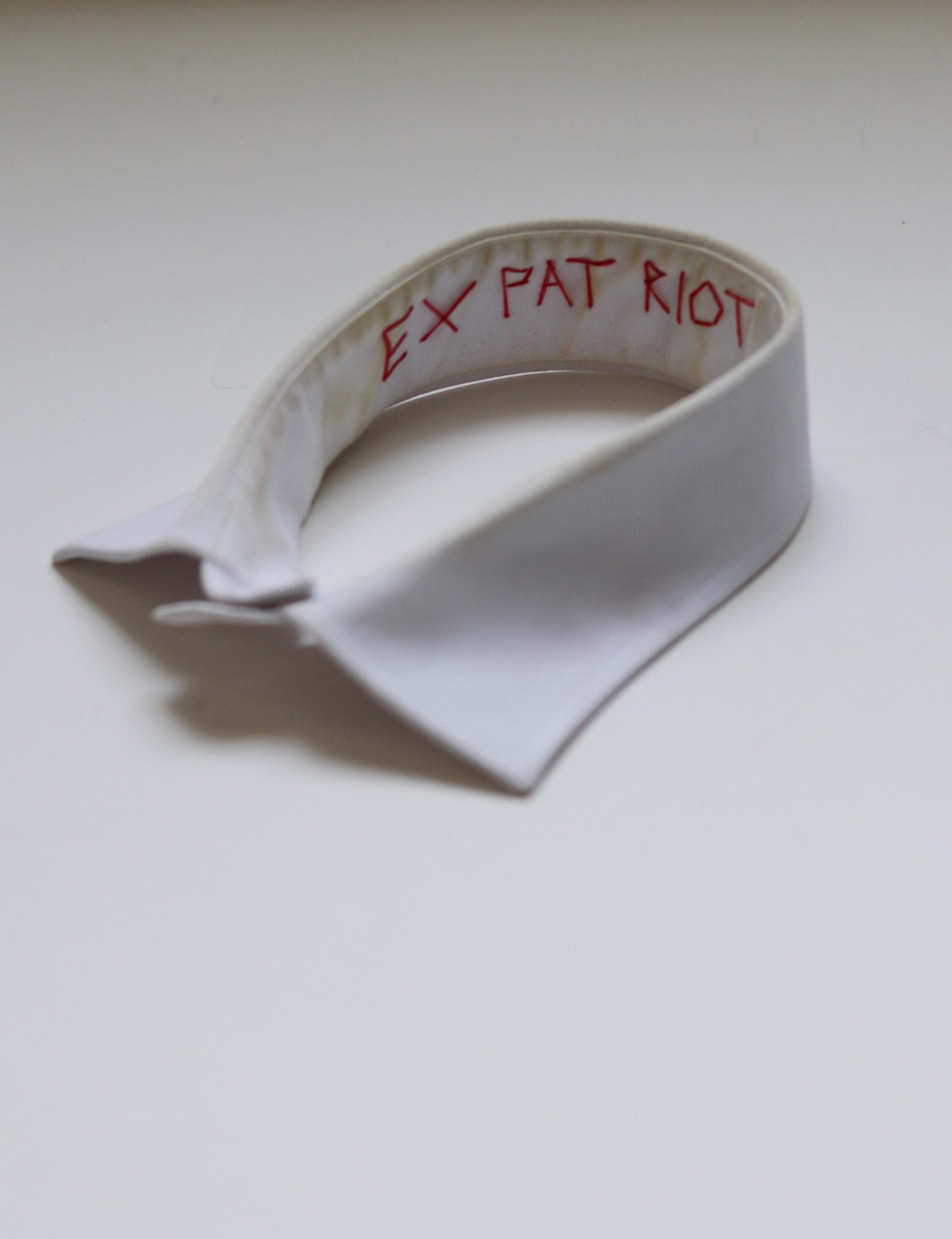
Having lived in Jeddah, London, Dubai, Bahrain, and more recently Abu Dhabi, I find myself forming an “in-between” space neither fully rooted in one culture nor entirely detached from another. While I am ethnically Indian, my connection to India exists more through inherited histories, language, and traditions rather than direct habitation. Each country I’ve lived in has carried its own imprints and displacements, shaping an evolving sense of self formed through familiarity with estrangement. The negotiation between belonging and alienation allows me to reflect on how systemic structures, cultural mutations, and personal memories form these transitions, and how identities are formed in these liminal spaces.
In spaces where your work coexists with architecture or nature, how do you think the
environment changes its reading/meaning?
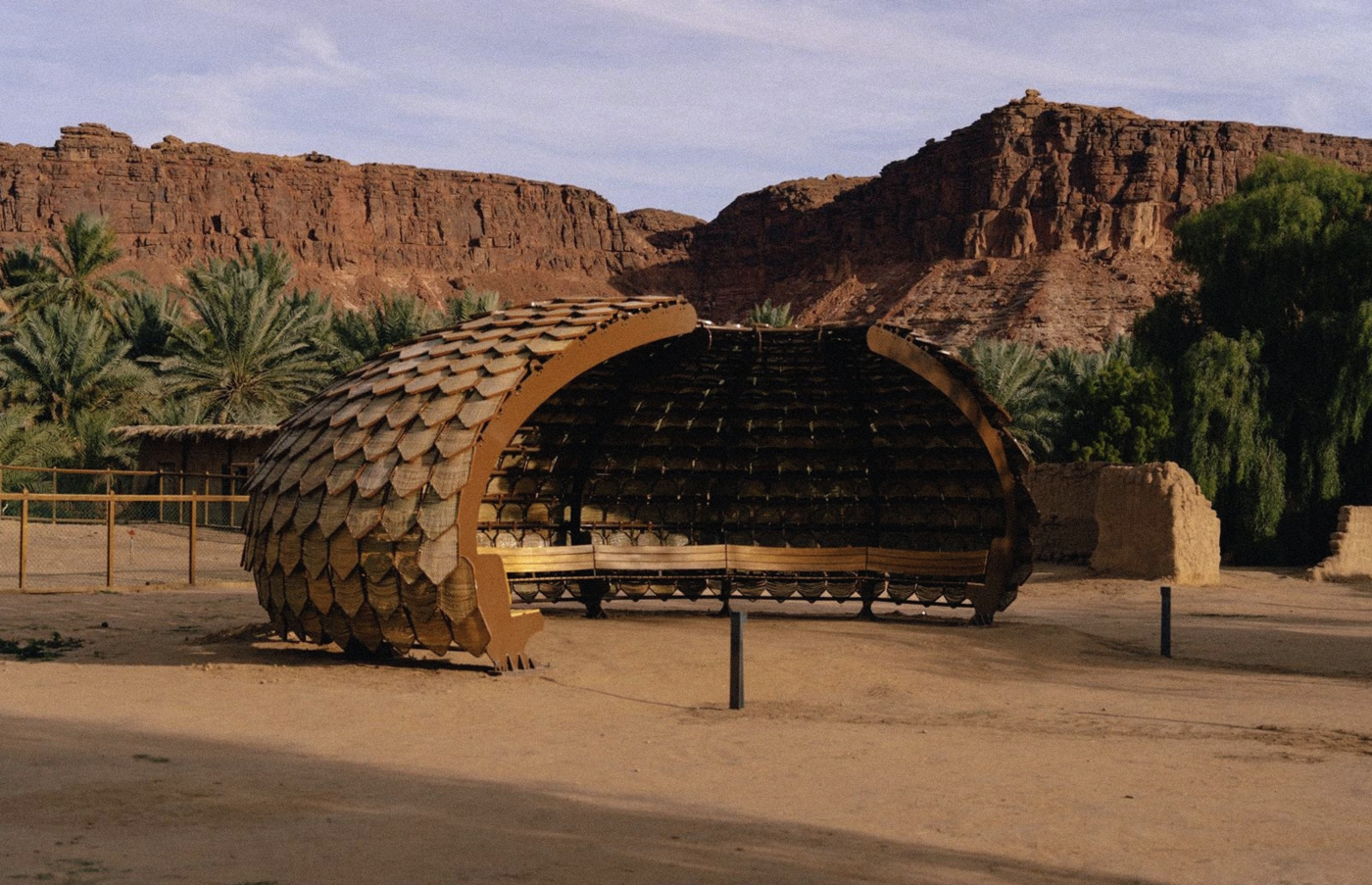
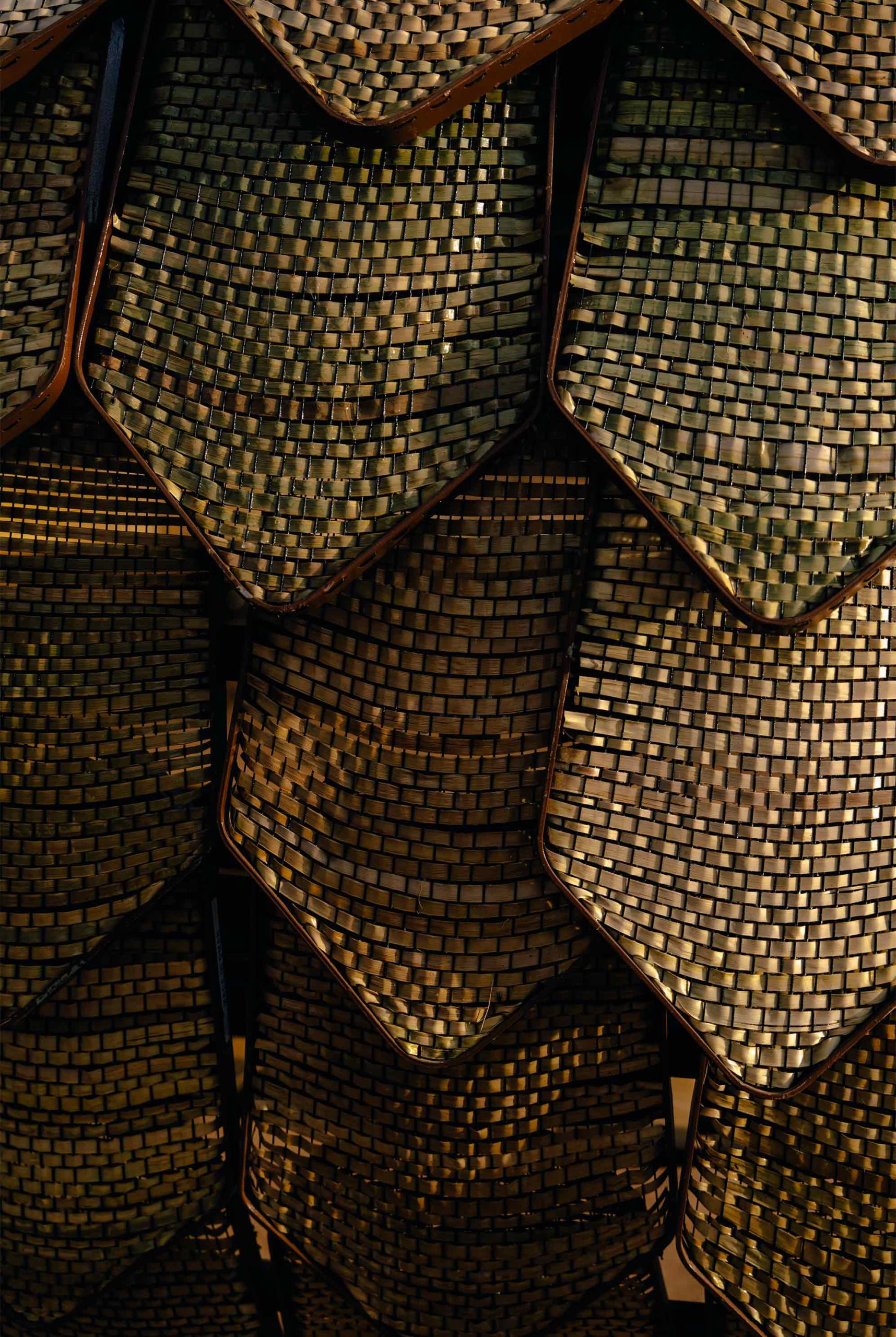
When my work is placed within nature, the surroundings become an integral part of its meaning and experience. It’s no longer just about the piece itself but about how it interacts with the landscape and the people connected to that space. One of my works, Tanafaas, is situated in a farm in AlUla. Its design draws inspiration from biomimicry and uses palm fronds sourced from the farms in AlUla. The natural environment not only shapes how the work is perceived but also reinforces its themes of interconnectedness, heritage, and community.
In your practice, movement is a recurring theme; do you think of your works as still objects or as things in motion, conceptually or emotionally? Do you think over time, the meaning changes?
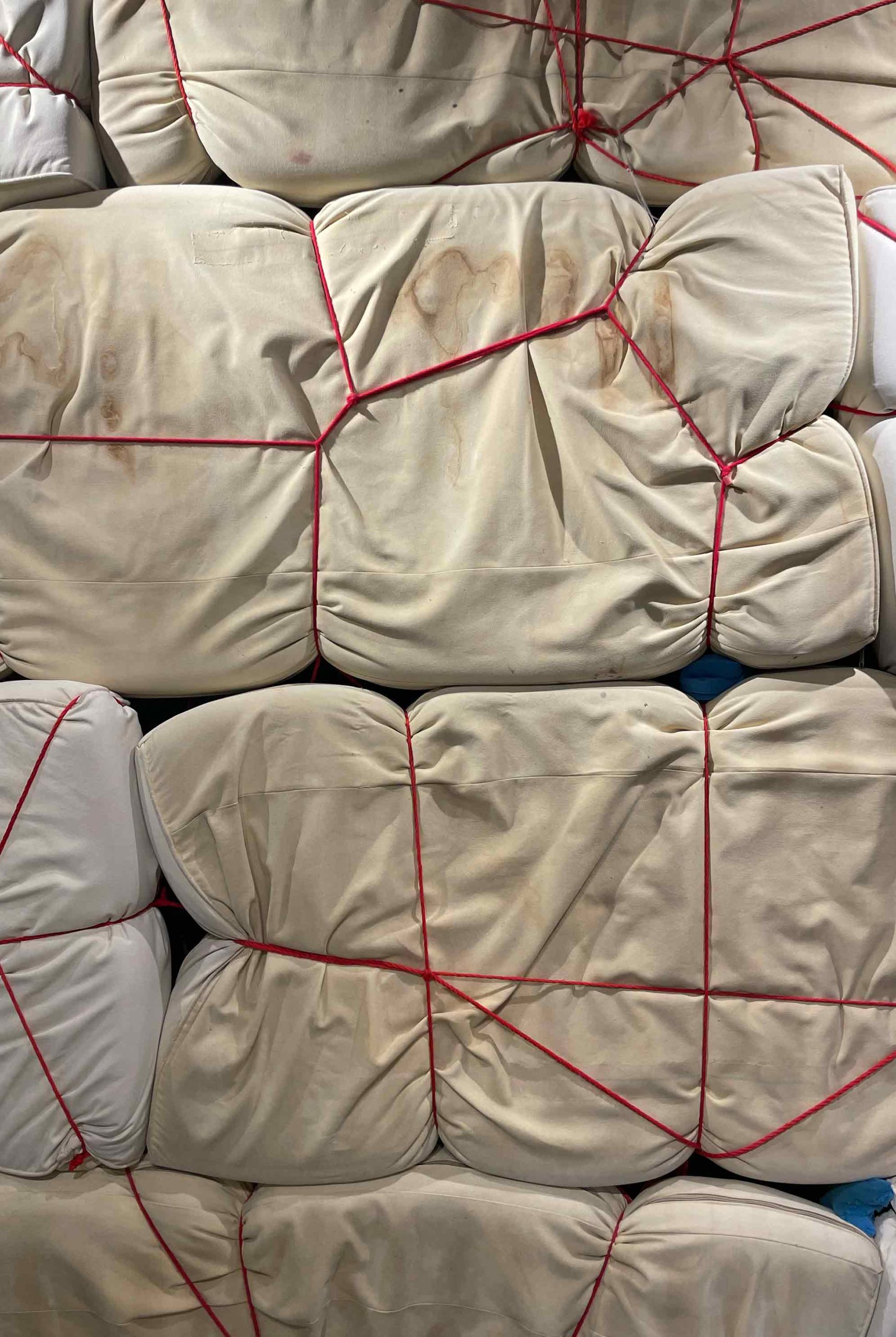
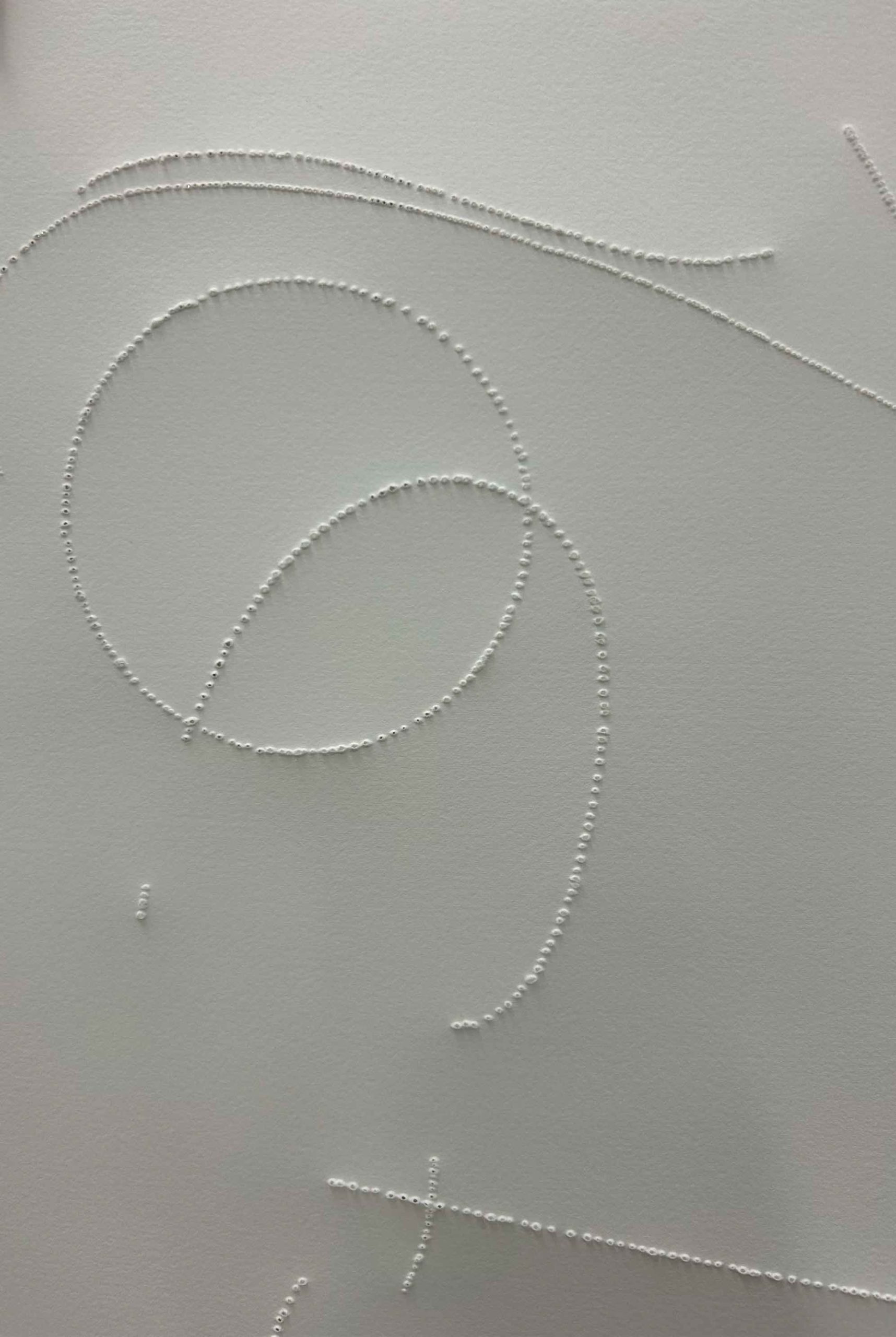
You are right, movement is a recurring theme that is both consciously and unconsciously embodied in my work. There is a sensitivity with which I approach my practice, I am engaged in a philosophical investigation of the relationship between repetition and movement. For me, repetition is not merely a process but a way to explore rhythm, continuity, and transformation. In terms of meaning, I find that my works themselves don’t particularly change over time; instead, It’s my perspective that evolves. When I look back at my earlier pieces, they serve as markers of how much or how little I have changed. This reflective process allows me to trace my own experiences of my past and present.
Outside of work, is there an object that you carry with you everywhere you go?
Objects have always intrigued me, I realize now my father had a big role to play in this. He has always looked at objects with a patient curiosity and collects them as a sort of hoarder. He probably lended me my patience to appreciate objects. However I don’t carry any objects with me.
What do you like doing when you need to recharge?
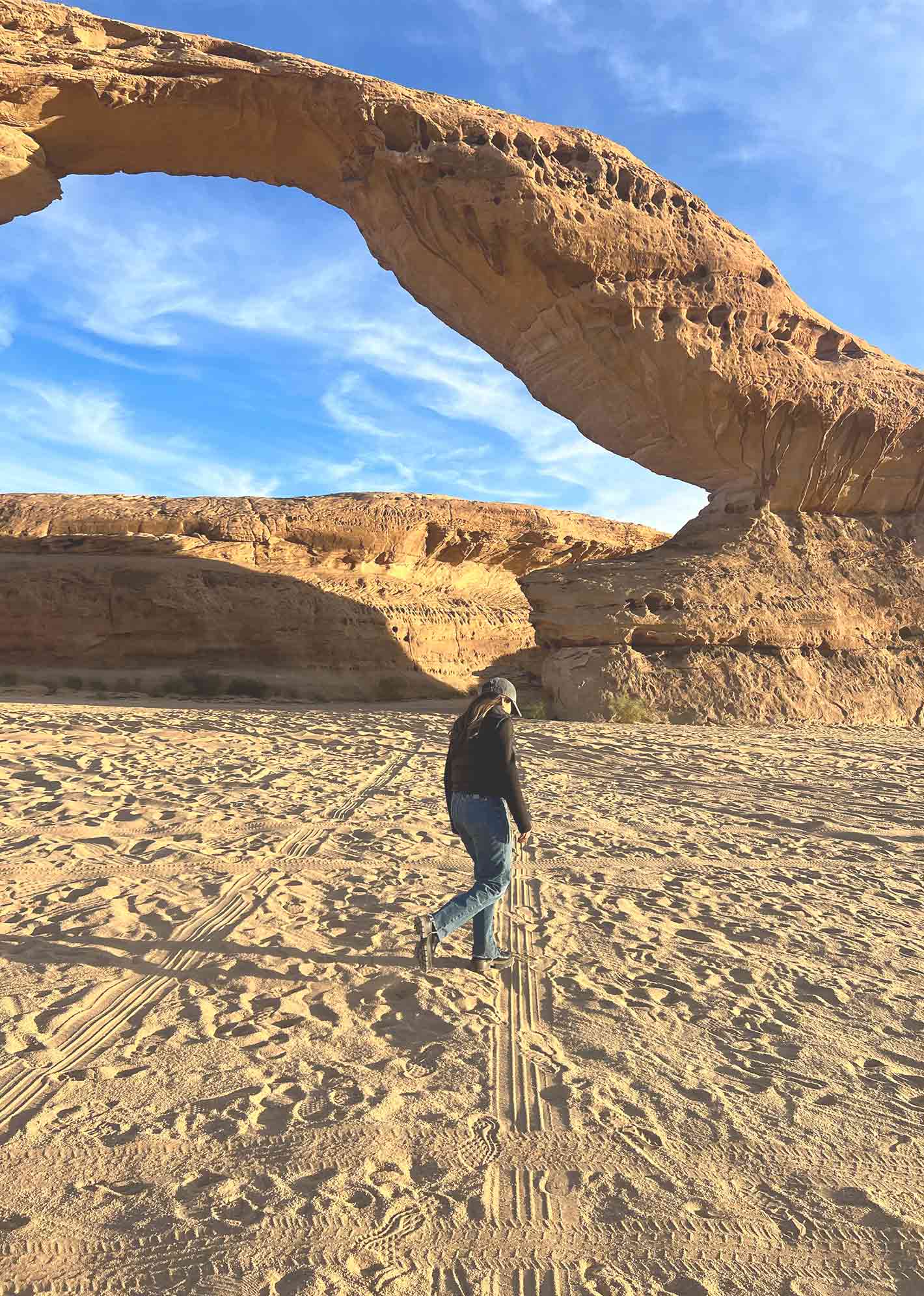
When I need to recharge, I often find myself seeking time outdoors either among trees, by the mountains or in water, ideally in nature where its vastness exceeds my thoughts. Even though I make a lot of my work in solitude I am constantly absorbing my surroundings and being in nature really helps me connect with myself.
Is there something you haven’t explored in your work yet that you’re curious to try?
I’m curious about glass at the moment and interested in learning more about glass-blowing. I really appreciate its fragility, strength, transparency and adaptability.
Where can people find you?
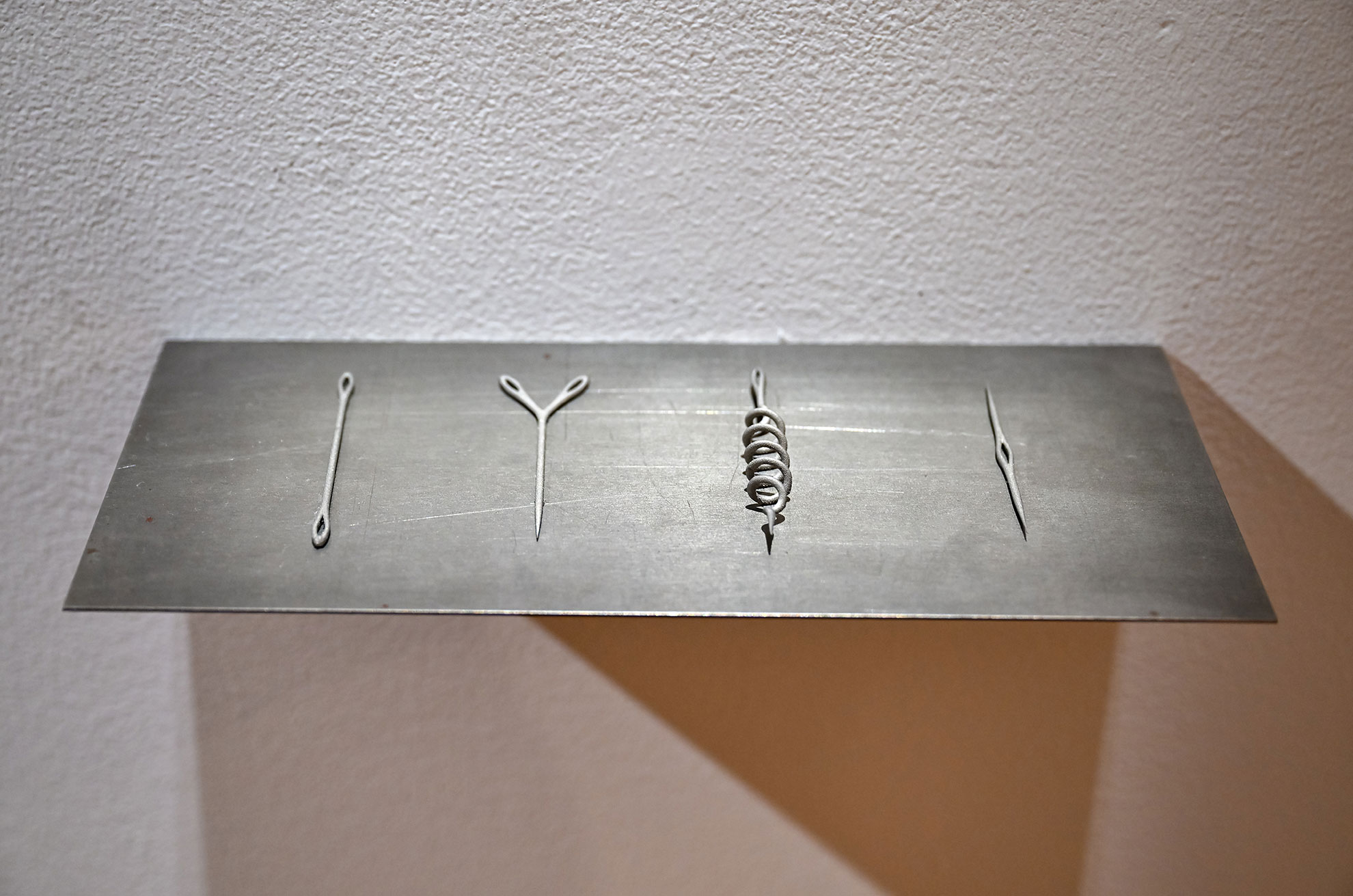
You can find me mostly holding a cup of coffee in my studio in Abu Dhabi or working with needles for an upcoming show in May. You can also find more of my works on my website www.shaimashamsi.com