Sijin Jung
What’s your name and where are you from/based?
Hello, my name is Sijin Jung. I was born in South Korea and am currently based in Seoul.
Can you describe your practice in a few words?
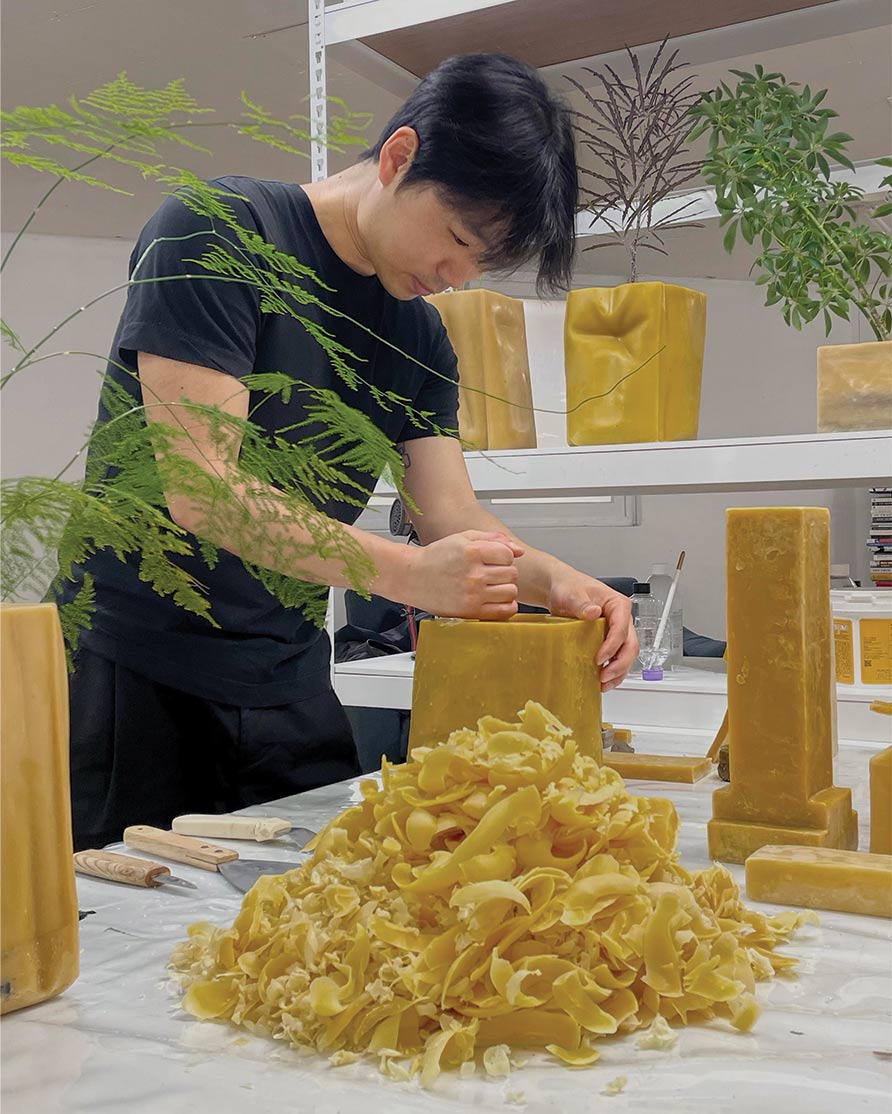
I explore the metaphorical nature of survival and fate through the melting quality of beeswax. My work stems from the idea proposed by Watsuji Tetsurō, known as fūdo—the interconnected climate, geography, and cultural atmosphere that shape human existence. In the context of the climate crisis, we may respond in different ways, but we share a common perception and sensibility toward it. From this starting point, I summon objects to trace a shared subjectivity.
What drew you to beeswax as a primary material, and what does it allow you to express that other materials don’t?
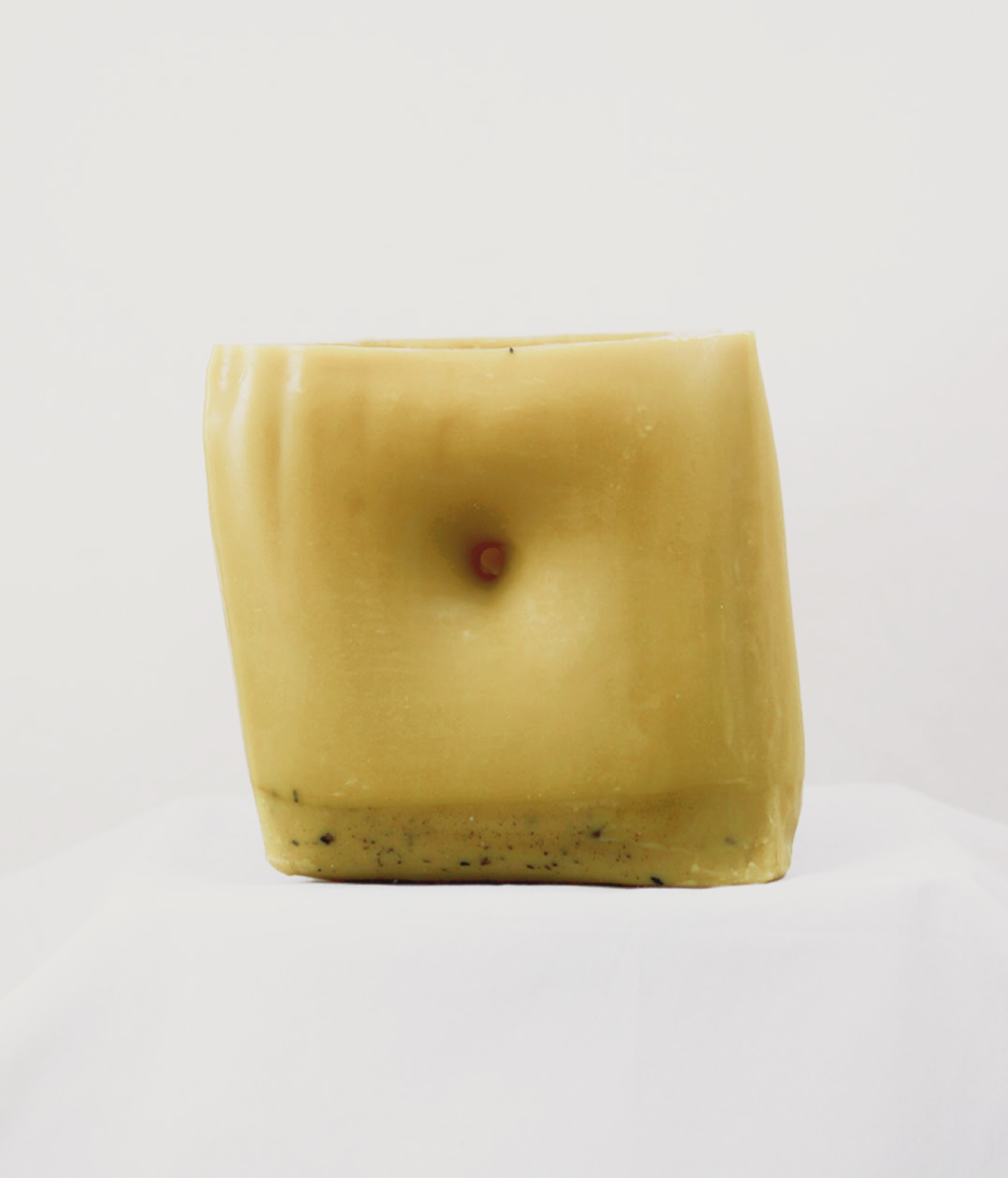
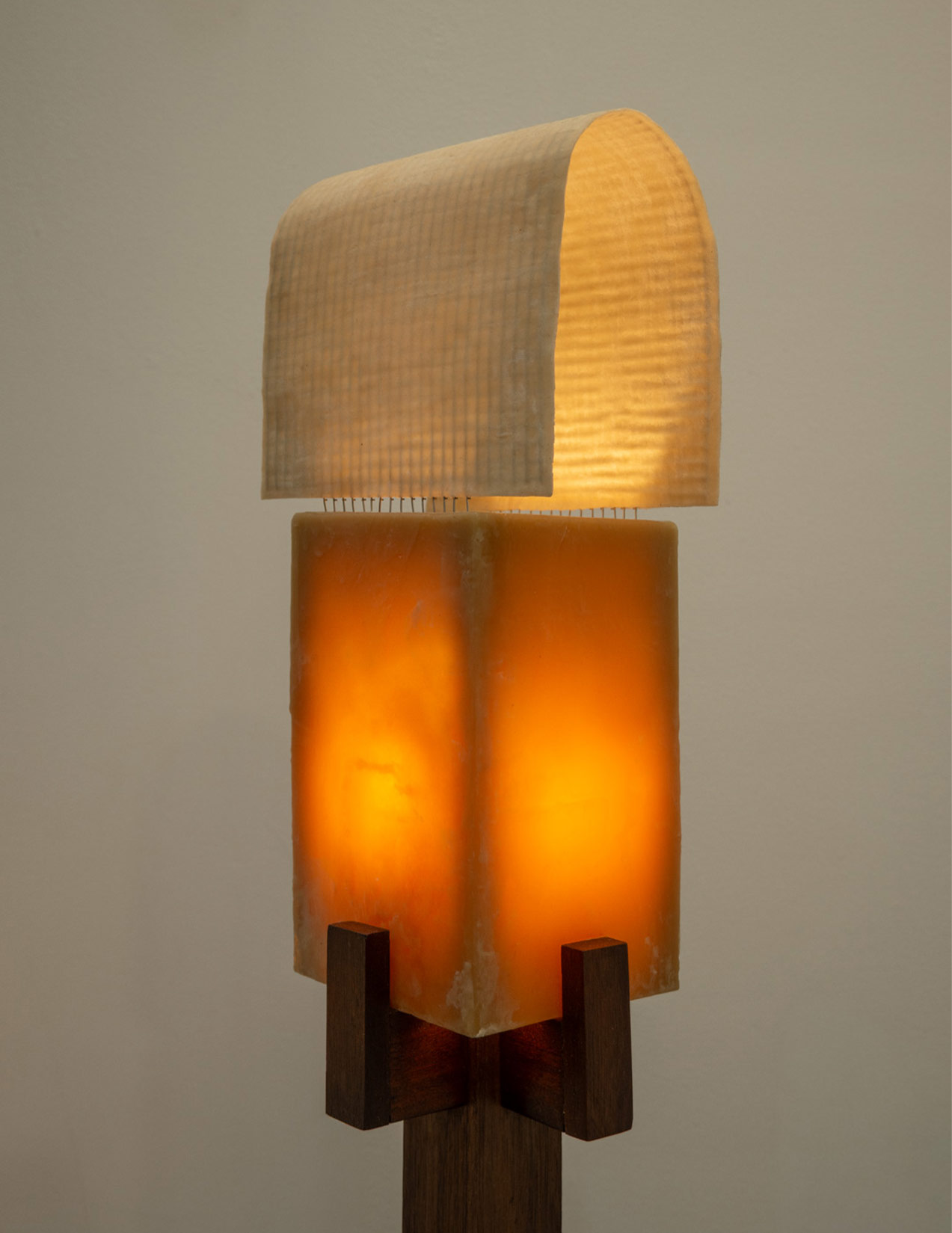
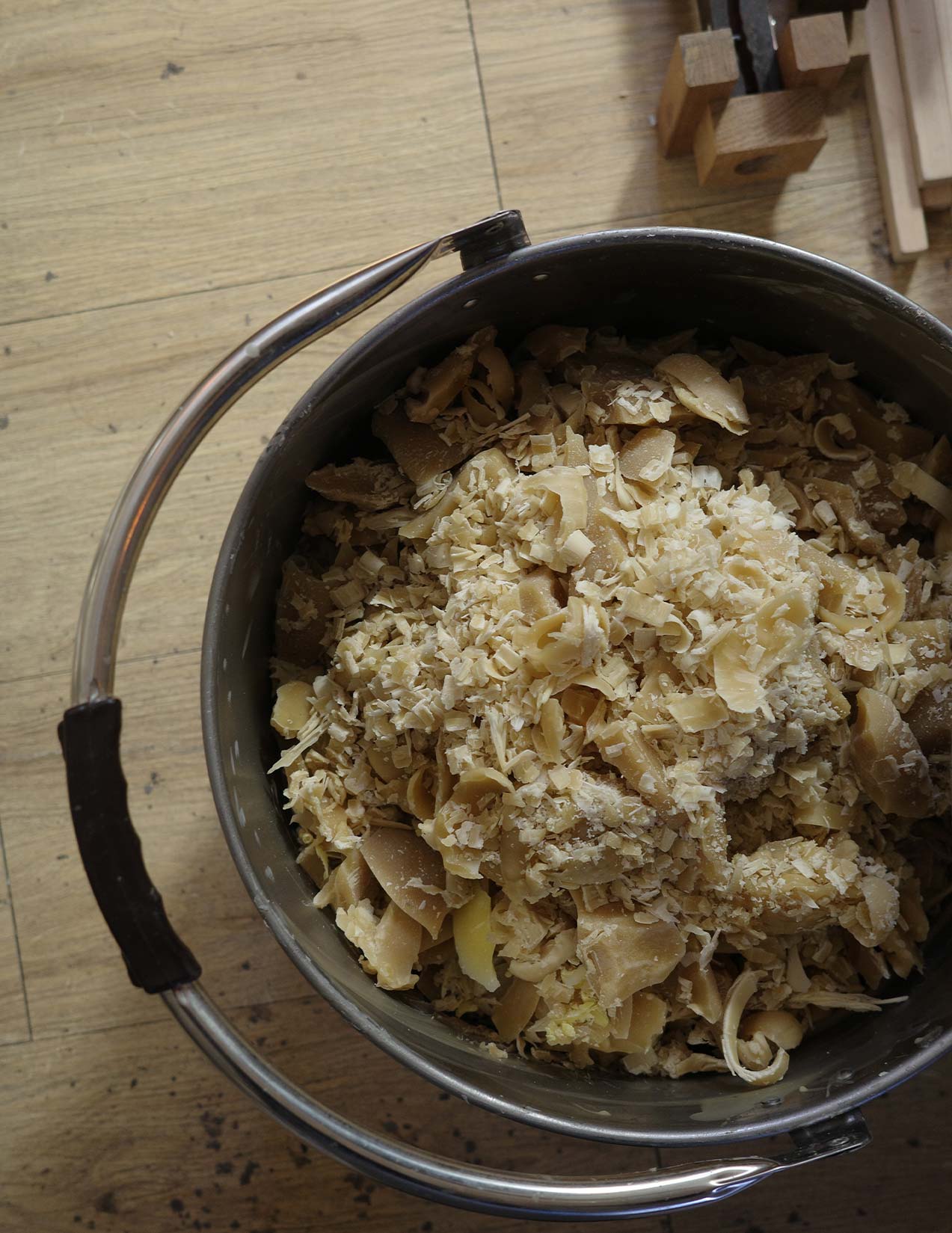
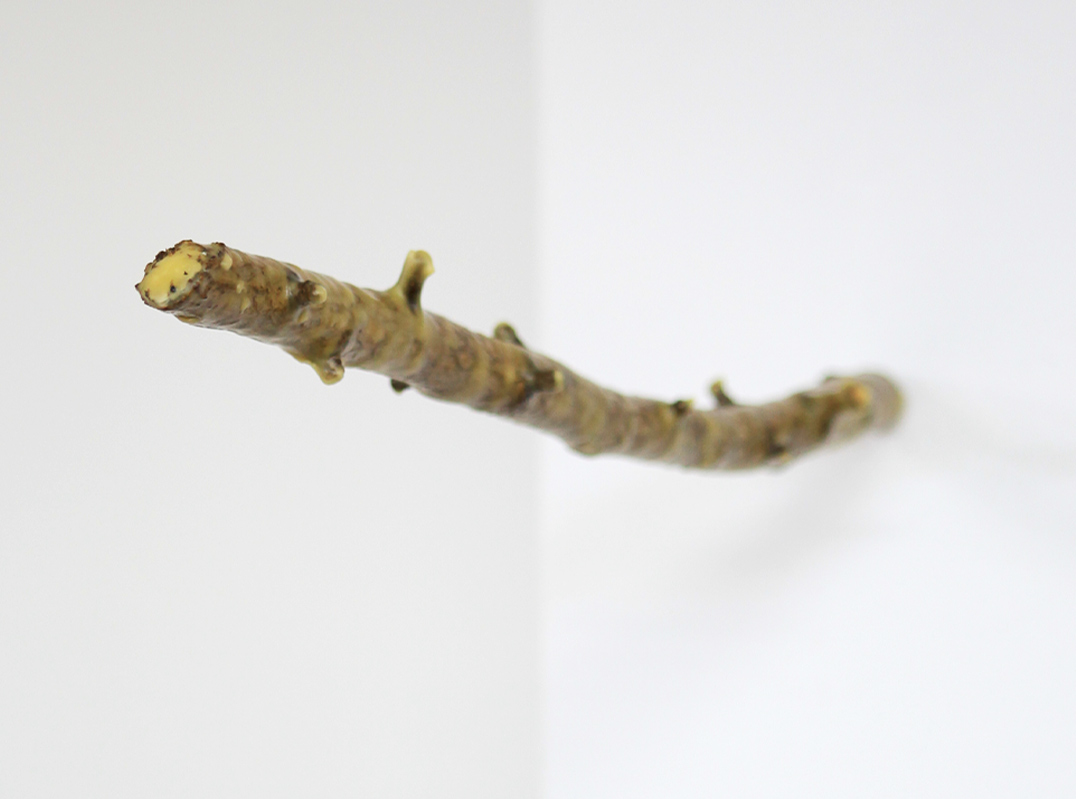
I chose beeswax because it embodies transformation influenced by climate conditions—conditions shaped by human choices. Beeswax is unique in that its qualities are directly determined by nature. Its color changes based on the types of nectar collected by bees in a given year, and over time, it undergoes a process called blooming, in which it whitens and hardens. This temporal and spatial sensitivity not only showcases the material’s beauty but also reflects Watsuji’s idea that human existence is always in dialogue with the natural fūdo—making beeswax a living testament to the influence of our environment.
Beeswax is naturally impermanent. How does its fragility inform your ideas around memory, loss, and time?
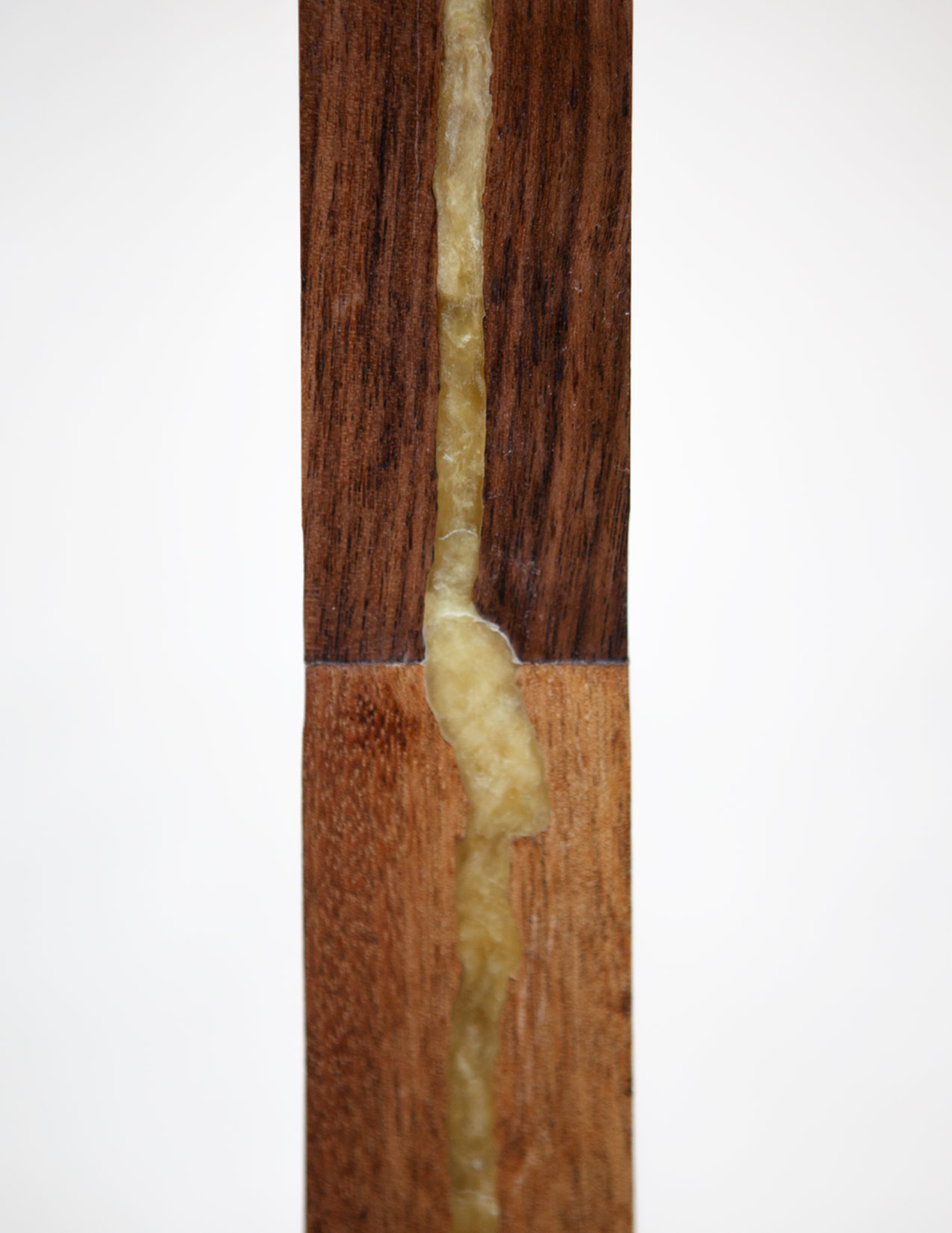
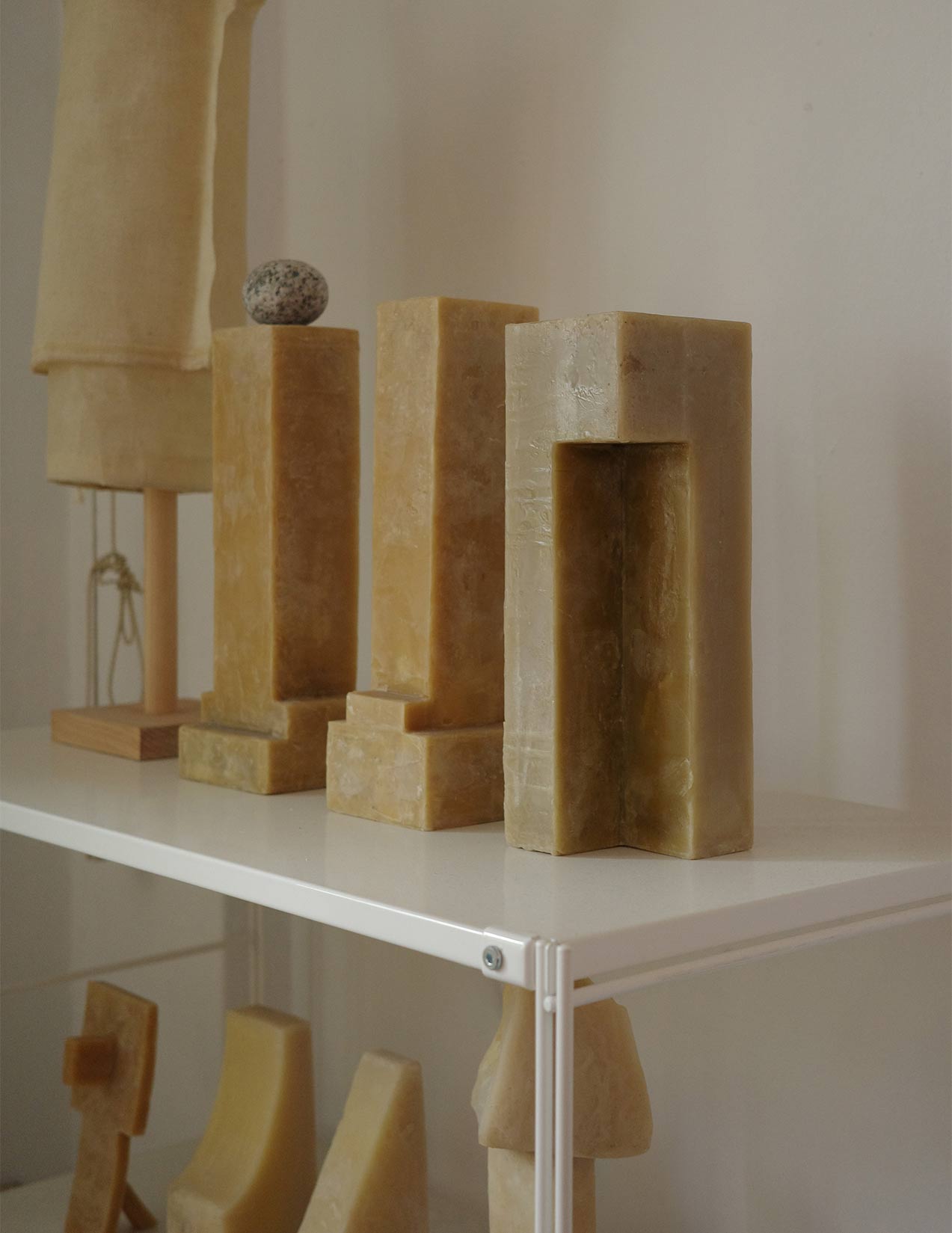
I aim to create symbols of disappearance. According to Watsuji’s theory, humans are not isolated individuals; rather, we exist in relation to time, place, and others. The fragility of beeswax mirrors our inescapable fate within this environmental and temporal in-betweenness. Confronting this impermanence helps us process loss, find comfort, and build resilience in the face of inevitable transience.
Have you ever witnessed one of your sculptures melt or shift unexpectedly? If so, what did that moment feel like?
Yes, I once observed my work melting under sunlight. It was unsettling. However, the moment I realized that my work, too, could “die,” I began to reflect on its preciousness in a new light.
What significance do spirit tablets and memorial tablets hold for you, personally or culturally?
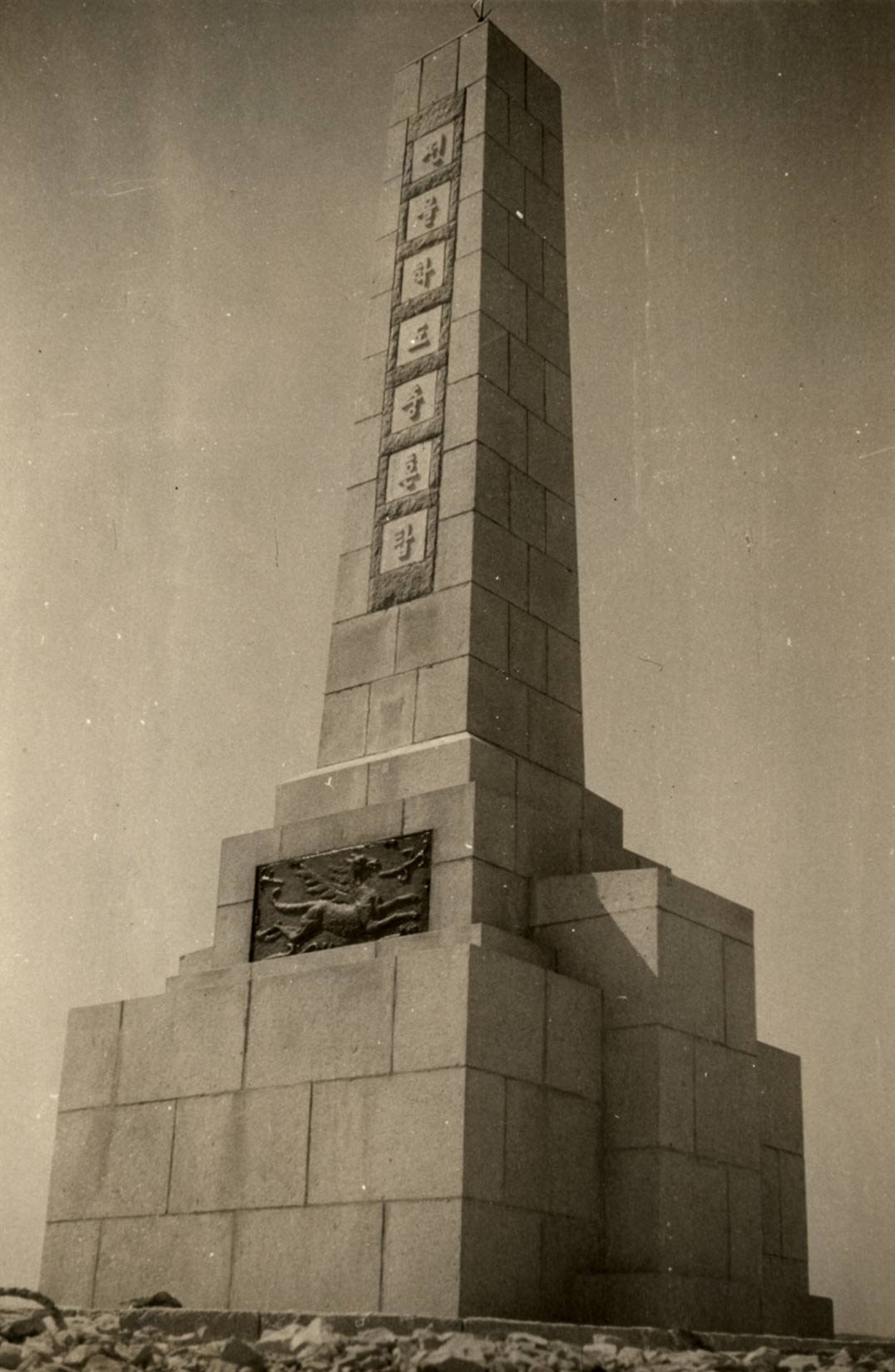
In East Asian traditions, memorial tablets serve as spiritual vessels to honor the deceased. They help preserve history and maintain connections across generations—from ancestors to the present and into the future. Drawing from Watsuji’s view of humans as beings in relation, I see these rituals as akin to art: both rely on symbolic, almost magical devices to bridge time and space, evoking presence through absence.
What do potted plants represent in your practice?
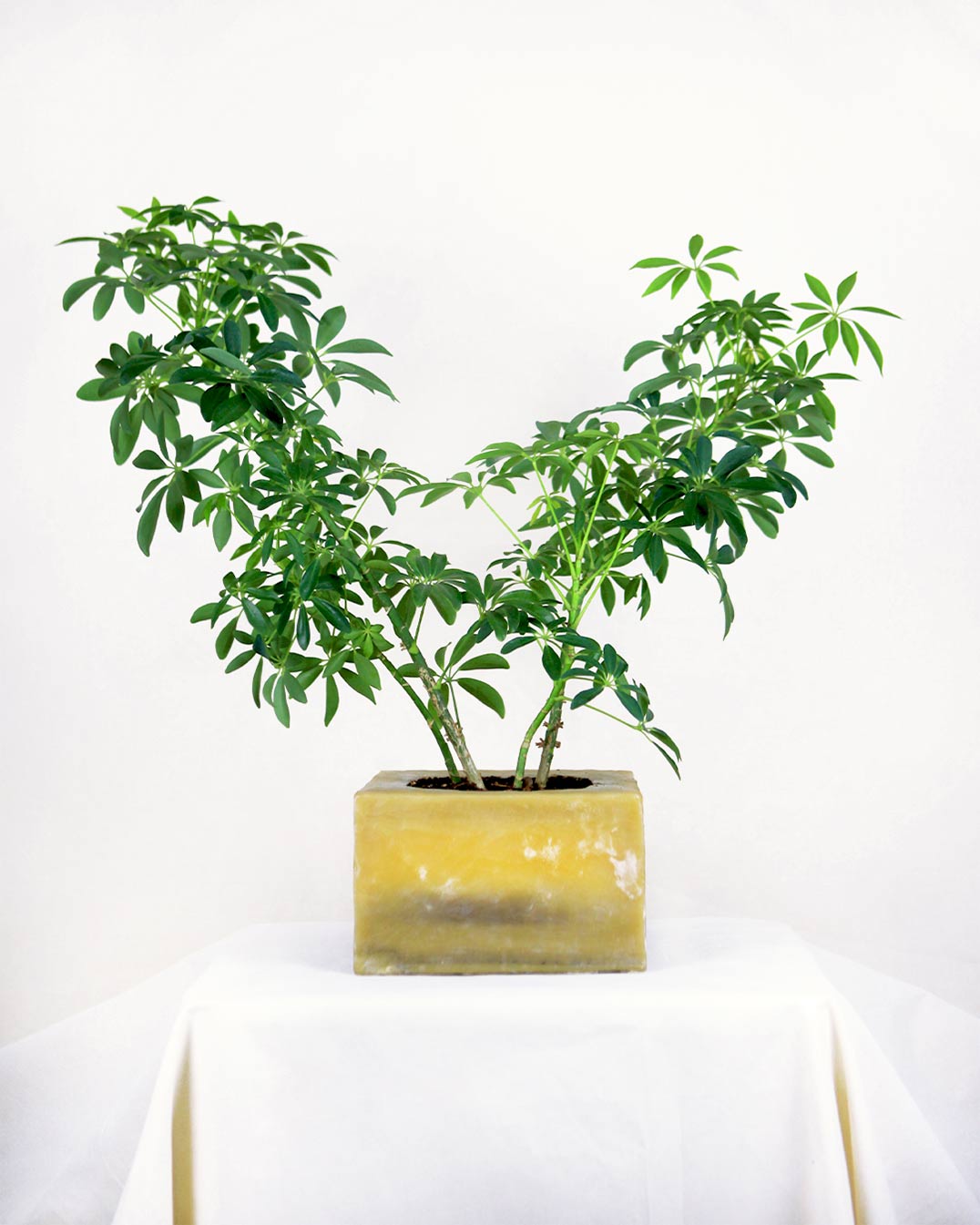
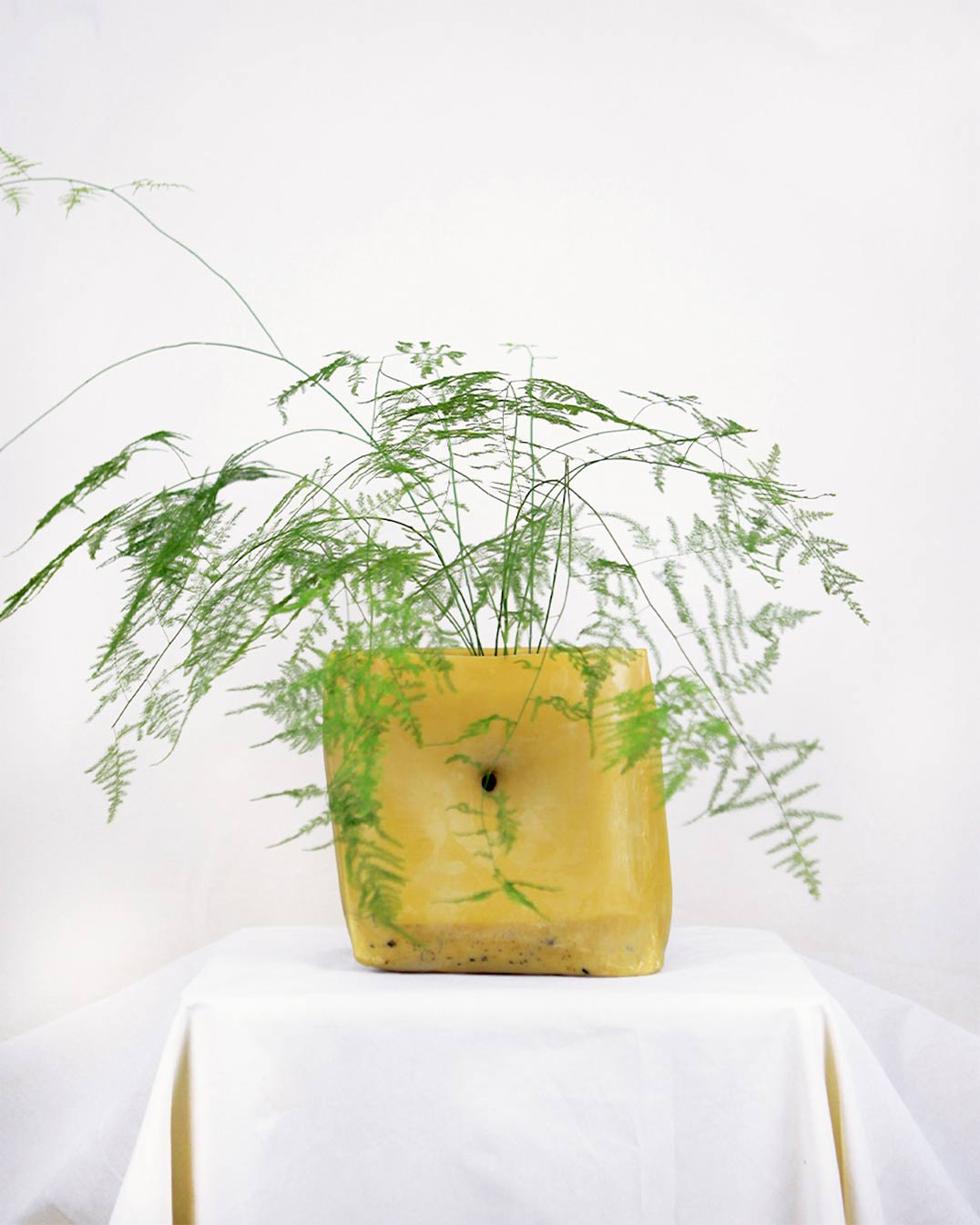
In my practice, potted plants serve as reminders not to succumb to nihilism, even when faced with eventual dissolution. They may one day melt or wither, but for now, they maintain their form and purpose. That endurance is meaningful in itself. For me, it’s a way of mourning the future while still choosing to care for the present.
You mention the climate crisis as a shared reality. How do you hope your work helps us process or respond to it?
The climate crisis is a universal threat that transcends belief, race, and values. Watsuji emphasized that our sense of self is shaped by the fūdo we inhabit, and I view climate change as a disruption of that environment. My work aims not to shock, but to gently guide people through cultural and emotional loss—offering a space for reflection and adaptation in the face of collective vulnerability.
How do you find hope within the themes of loss and fragility that run through your work?
Rather than seeking hope directly, I aim to accept loss and fragility. When we acknowledge the possibility of losing someone or something, we become more capable of forgiveness. Perhaps it is in that acceptance that hope quietly emerges.
What challenges have you faced trying to bring your digital sketches to life physically?
I always begin by shaping the sculpture physically before bringing it into digital space, as I don’t create digital forms without first making them by hand. For me, all existence starts within the natural environment, which I call “climate.” Reproducing this material reality digitally, especially with wax, is extremely difficult. Wax’s sensitivity to temperature and time gives it a texture and temporality that are hard. to translate virtually.
My next goal is to explore how a form might dissolve within the “digital climate,” influenced by data decay, algorithms, and systemic shifts, demonstrating that even in virtual space, existence remains fragile.
Which part of your practice feels most like a meditation, and which part feels most like a rebellion?
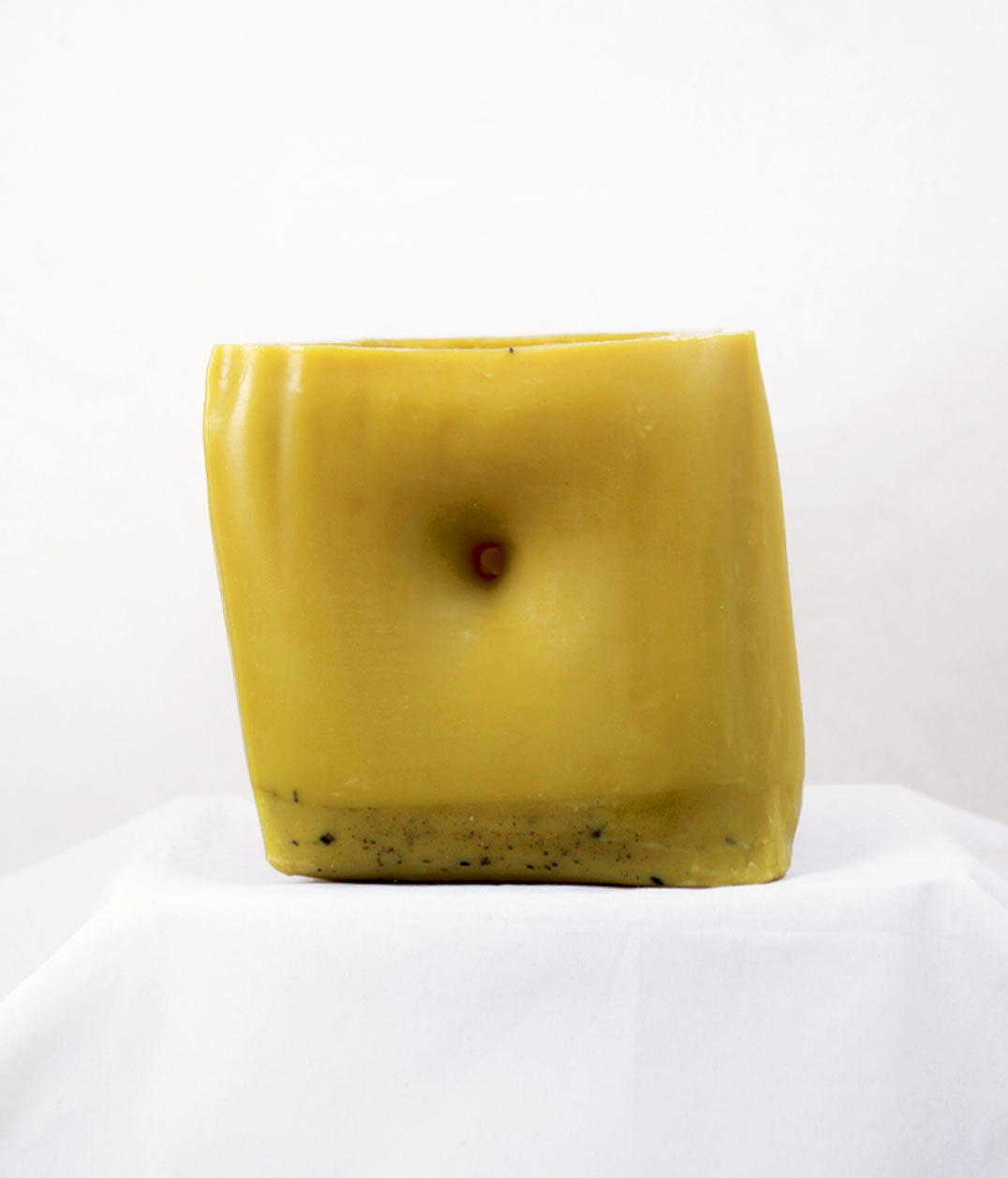
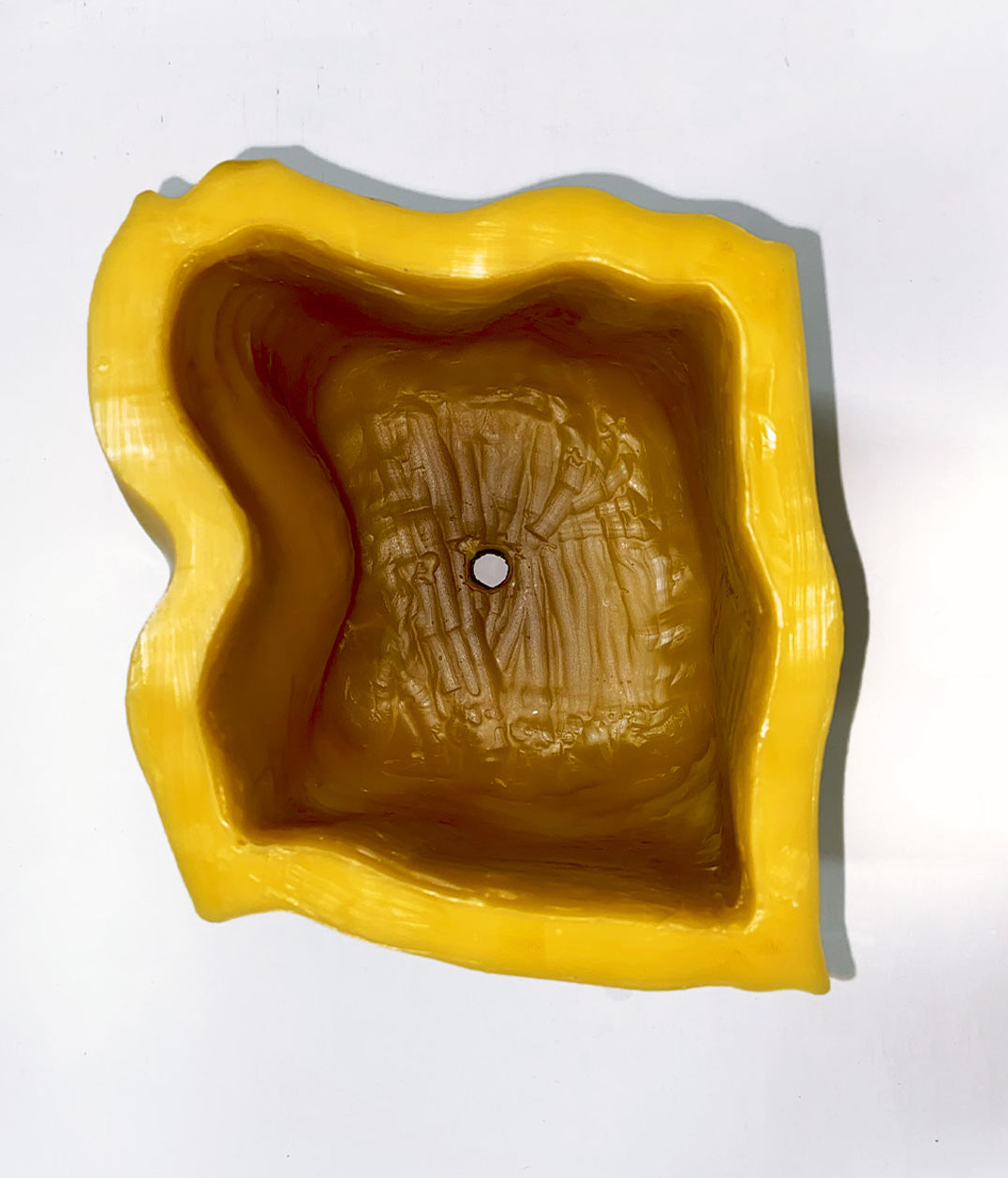
Digging out the soil space in my wax planters feels meditative. Although it’s a hidden part of the sculpture, creating a space for life—one scoop at a time—feels like a ritual of care. In contrast, I often experience a sense of resistance when building the mold frames that initiate the process. Constructing a new rule or boundary makes me rebel inwardly. Paradoxically, though, it also provides me with a sense of safety.
Where can people find you?
I participated in a group exhibition at Studiya Gallery(@studiya.gallery) in Seoul this past March. If you want to check out my latest works, they’re on Instagram at @ni_jis.